• Celebrating International Translation Day

    Celebrating International Translation Day

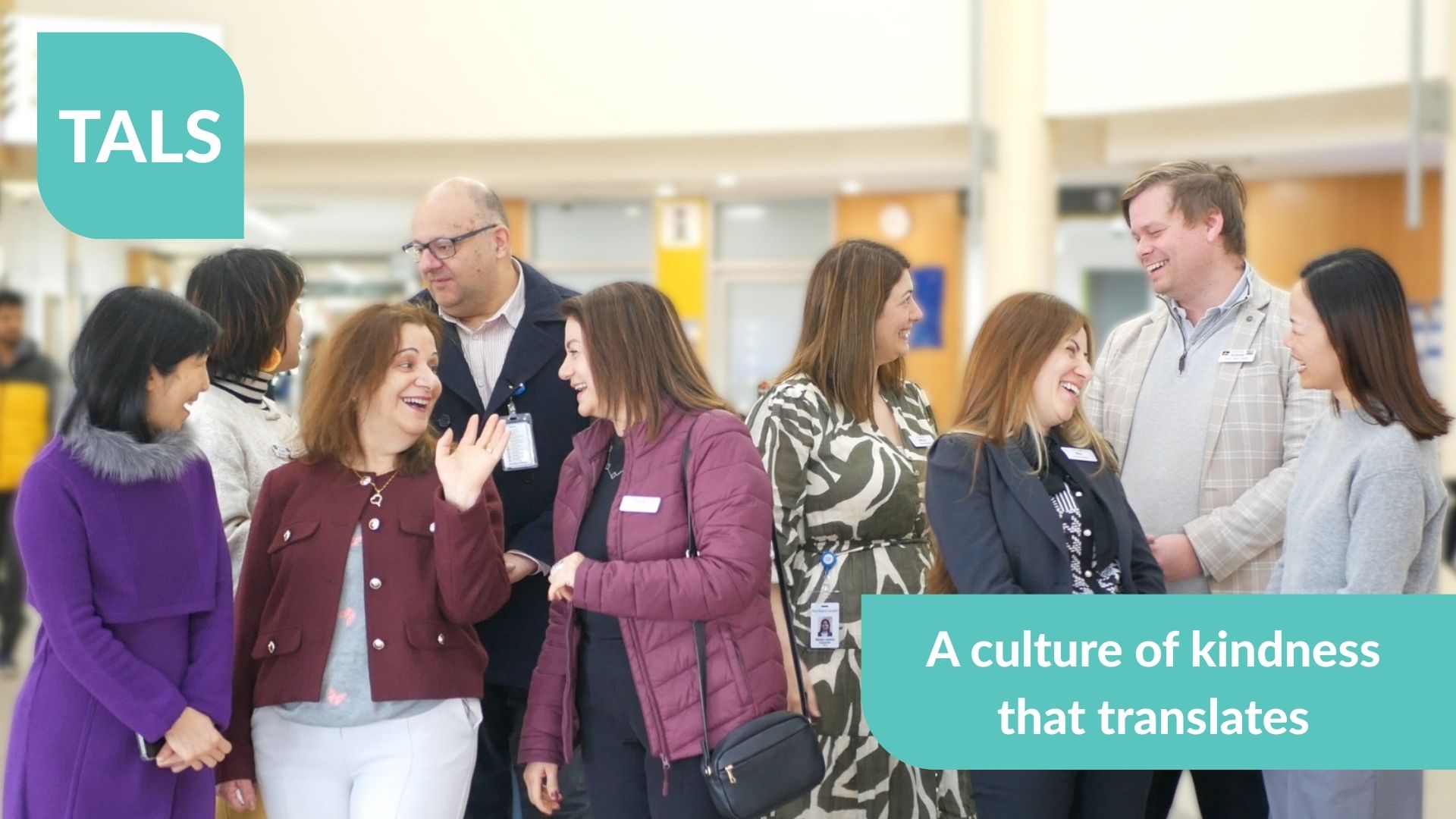
    September 30 marks International Translation Day, a global celebration recognising the vital role translators and interpreters play in connecting people and communities across languages and cultures. 

    At Northern Health, our Transcultural and Language Services (TALS) team ensures that patients and families from diverse backgrounds can access safe, high-quality care in their preferred language. From interpreting at the bedside, to translating health information, to providing education and training for staff, TALS is central to making care equitable and inclusive. 

    But it goes deeper than that. There is a genuine feeling of camaraderie and kindness among the members of this team that overflows into their interactions with patients and colleagues alike.  The expertise of our interpreters and translators, the importance of culturally responsive communication, and the role of TALS in supporting staff to work effectively with our multicultural communities is showcased in the video below. 


    Perhaps the best way to understand the impact of TALS is through the voices of our staff: 

    Imad Hirmiz, Arabic/Assyrian/Chaldean Interpreter and Translator emphasised: “Interpreters are not simply language aides, they serve as cultural bridges in the room. They interpret the meaning between the lines, conveying cultural beliefs and emotions that might otherwise be missed. It’s incredibly rewarding to see a patient’s smile when I greet them in their own language. That simple connection says so much”. 

    Luyuan Chen, Mandarin Interpreter and Translator, reflected: “After an interpreting session for a female patient in her 70s, I heard her saying to her daughter: ‘You don’t have to take time off work to take me to the hospital in future. I’m comfortable to attend my appointments with the assistance of the interpreters. They are very helpful!’ I feel that we are making the world a better place by the work we do here.”  

    Ines Rizkalla, Arabic Interpreter and Translator shared: “When you learn a language, you do not just learn how to communicate with someone. You gain a very deep understanding of how their culture operates. Language and culture are inseparable therefore if you do not understand the language, much of the culture can get lost in translation. We pride ourselves to be linguistic and cultural professionals.” 

    Kostas Karamarkos, Greek Interpreter stressed “Interpreters are an essential component of the treatment team. Clinicians cannot control or ensure accurate transference of their message, and patients won’t be able to comprehend it, unless a professional interpreter is involved in the consultation.” 

    Marjan Jowkar, Persian Interpreter and Translator, shared: “Imagine waking up one day without a voice and heading to an important appointment only to find your voice again right when it matters most. That’s what professional interpreters do, and that’s what I’m proud to be the voice that restores dignity, trust and clarity in patient care.”  

    Raghad Habash, Arabic Interpreter, added: “Interpreting is so fulfilling. For me, it’s a chance to keep learning every day. And with that comes the drive to give my very best and make a real difference.” 

    Stefania Zen, Education and Engagement Manager, concluded: “At Northern Health, health equity is at the heart of what we do. Through TALS, we ensure that every patient, no matter their cultural or linguistic background, has the same opportunity to understand their care, make informed decisions, and feel respected and included.” 

    On this International Translation Day, we thank our TALS staff for their dedication, professionalism, and commitment to ensuring that language is never a barrier to care. 
  • ISS expands inclusive employment through Hume SEED Program partnership

    ISS expands inclusive employment through Hume SEED Program partnership

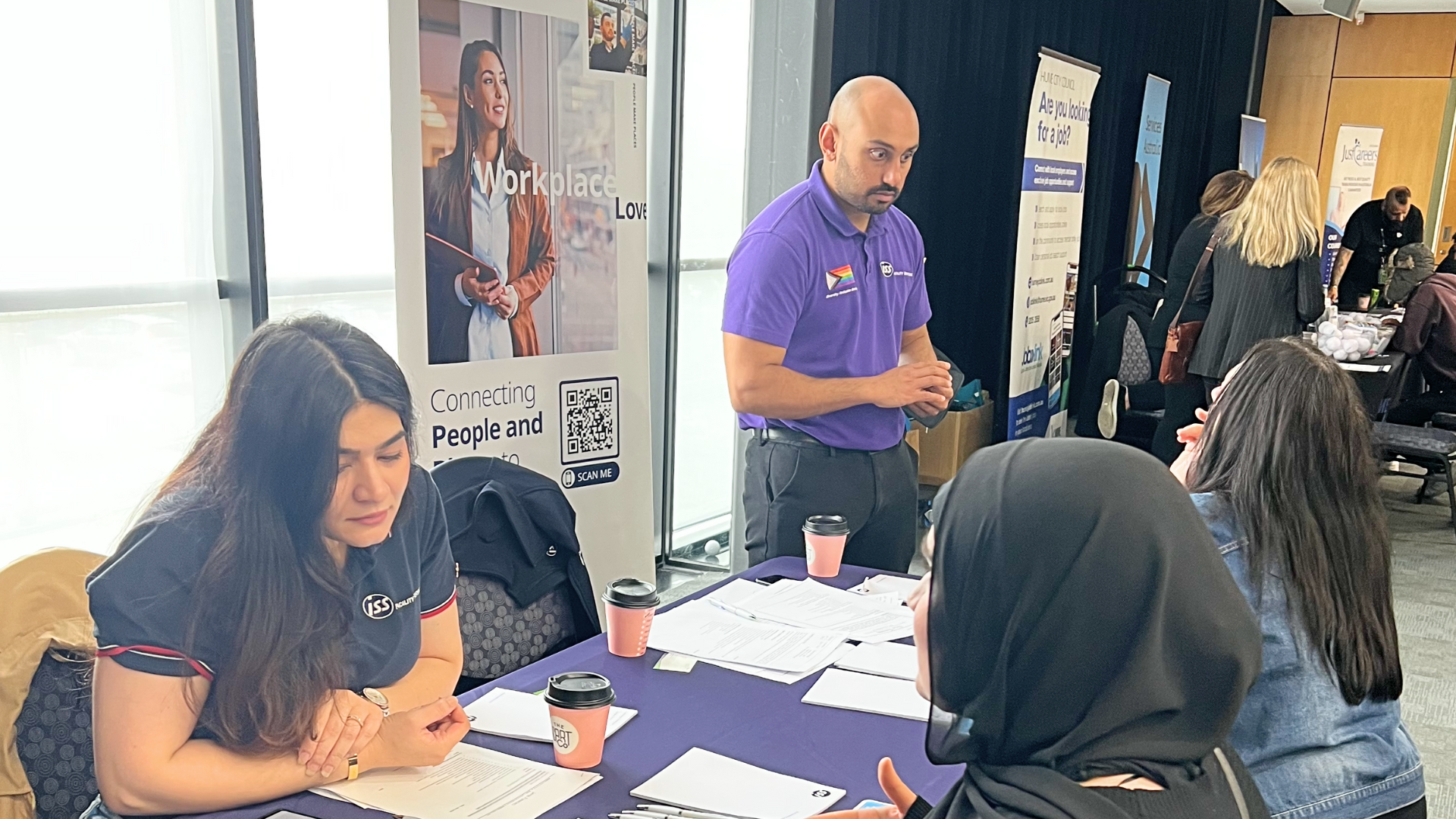
    At Northern Health, we’re proud to see our partner ISS continuing to grow their inclusive employment initiatives through the Hume SEED Program in collaboration with Hume City Council.

    Building on the success of ISS’s inclusive jobs program at Northern Health, this new partnership is creating even more opportunities for local people. By providing hands-on experience, training, and employment pathways, ISS is opening doors for job seekers and strengthening both its services and the wider community.

    Through the Hume SEED network, ISS and its partners are working to:

    • Use local and social procurement
    • Promote inclusive employment practices
    • Support sustainable employment pathways for priority job seekers

    Rick Garotti, Deputy CFO, Northern Health, said, “It is terrific to see ISS building on their successful inclusive jobs program with Northern Health by expanding the partnership with Hume City Council’s SEED program.”

    Saj Amerasinghe, Key Account Manager, Northern Health, added, “Partnerships that matter most are those that strengthen both business and community. Through the Hume SEED Program with Hume City Council, and in collaboration with Northern Health, ISS is proud to create employment pathways, drive social procurement, and support inclusive opportunities for local job seekers. Together, we’re building sustainable outcomes and making a difference right here in our community.”

    The collaboration has already seen positive results, with a recent job fair serving as a strong first step in connecting with the local community.

    ISS and its partners are continuing to explore more opportunities for candidates across ISS contracts in the Hume City Council area.

  • World Pharmacists Day

    World Pharmacists Day

    On World Pharmacists Day (25 September), we acknowledge and celebrate the essential contributions of all pharmacists to our health system. Within our hospital, pharmacists play a critical role in ensuring the safe and effective use of medicines, supporting clinical teams, advancing research, and improving patient outcomes.

    Their expertise and commitment are integral to delivering high-quality care to our community. We extend our sincere thanks to all pharmacists for their dedication to excellence in healthcare.

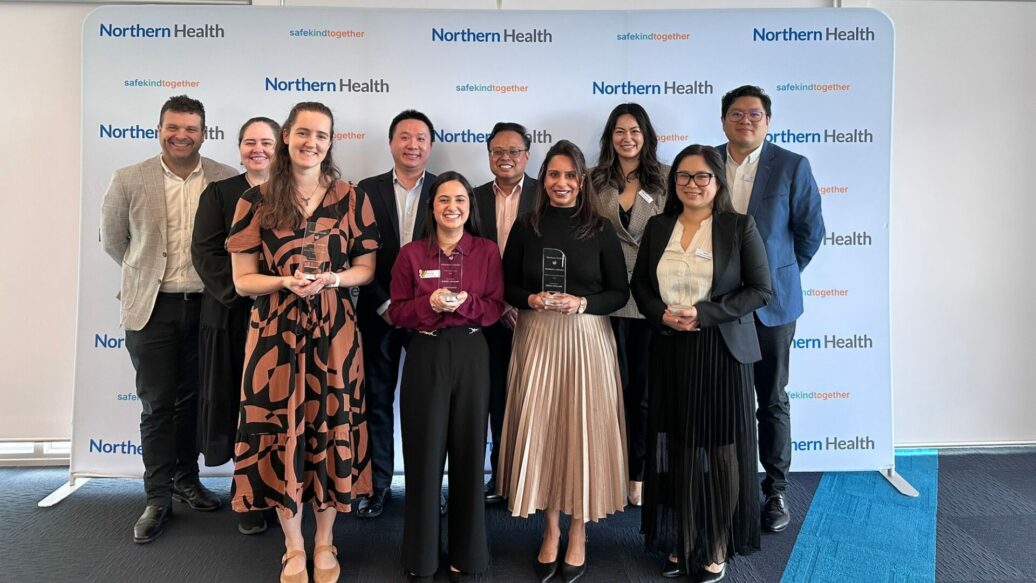
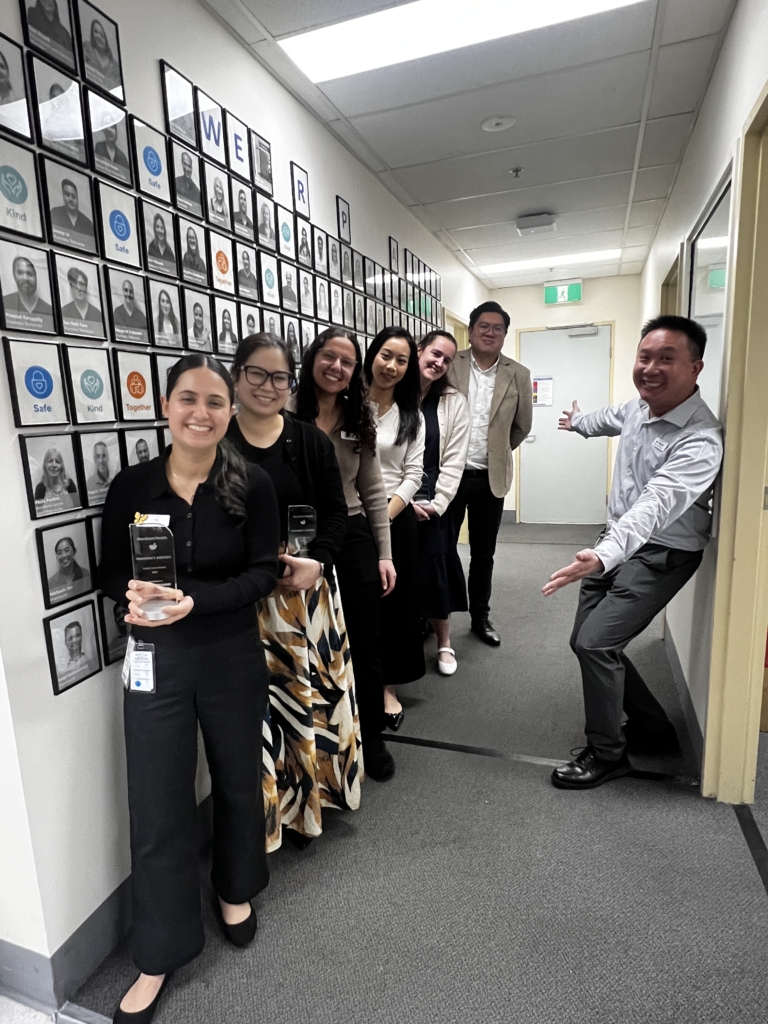
    Some of these dedicated professionals have been recognised as this year’s recipients of the pharmacy awards, held earlier this month.

    Simon Huynh was awarded the Clinical Excellence Award, recognising his clinical leadership through his unwavering commitment to safe, evidence-based anticoagulation management.

    Ginny Dhillion received the award for Impact and Innovation with her contributions as the education pharmacy technician who consistently brings fresh ideas and practical solutions to enhance staff learning and development.

    The Early Career Award went to Sherry Ibrahim for demonstrating exceptional capabilities with independently managing a fast-paced and complex ward confidently and consistently ensuring high standards of patient care.

    Tam Huynh was recognised for her leadership as the recipient of the Leadership Award, with her work in leading crucial operational and inventory management activities and not afraid to step up above and beyond what is expected of a leader.

    The Christine Herd Northern Health Values Award was awarded to Emma Hatherley in recognition for her work as an Education Pharmacist with her approach to training and development of staff across the department.

    The Northern Health Pharmacy team were also recipients of the 2025 Advanced Pharmacy Australia AdPha (Victorian Branch) award for Team Innovation and the Young Achiever Award.

    The Team Innovation Award was awarded to Northern Health’s Stewardship Programs, a system-wide pharmacist-led initiative integrating antimicrobial, anticoagulation, analgesic, and transitions of care stewardship. Through strong governance, data-driven strategies, and collaboration, the Stewardship Programs have delivered measurable improvements in the safe and effective use of medicines, setting a benchmark for sustainable, high-quality patient care.

    Uyen Hua – Lead Pharmacist – Digital Health and Innovation, was the recipient of this year’s William Mercer Young Achiever Award for her significant digital health initiatives to improve medication safety and efficiency, including optimising electronic medical record systems, implementing an electronic controlled drug register, and developing tools to reduce discharge errors.

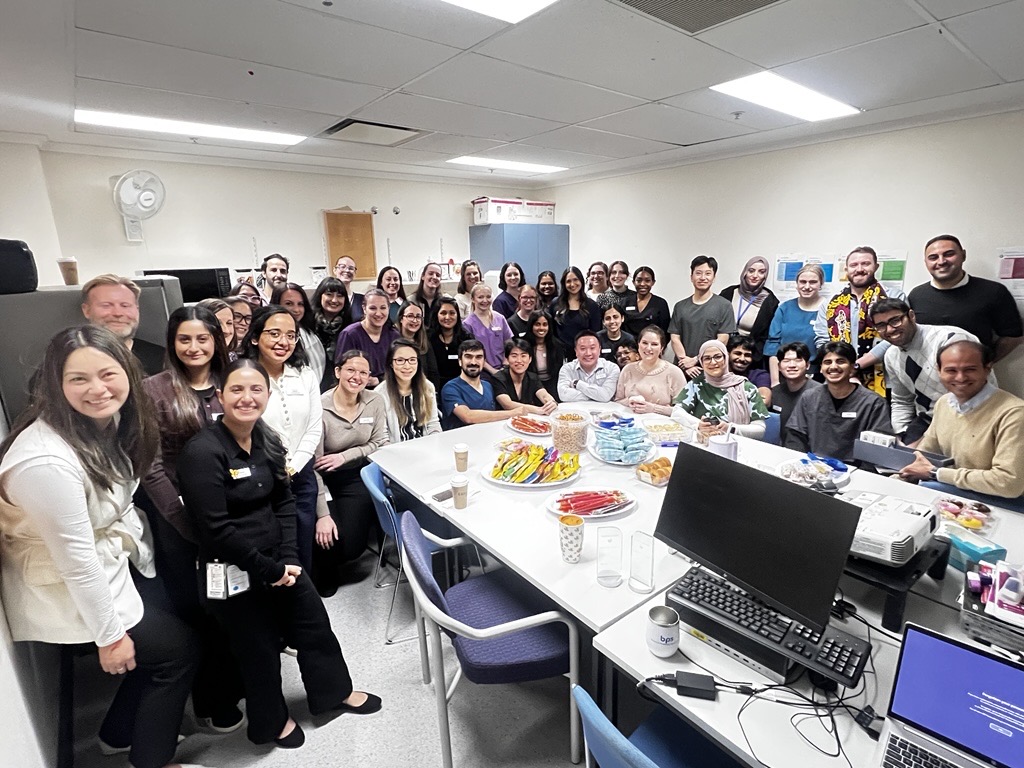
    Congratulations to all the award winners! The Pharmacy Department also celebrated today with a morning tea.

    Featured image: Award winners at the Pharmacy Awards earlier this month.

    Award winners
    World Pharmacists Day morning tea
  • Nursing in the Community Week

    Nursing in the Community Week

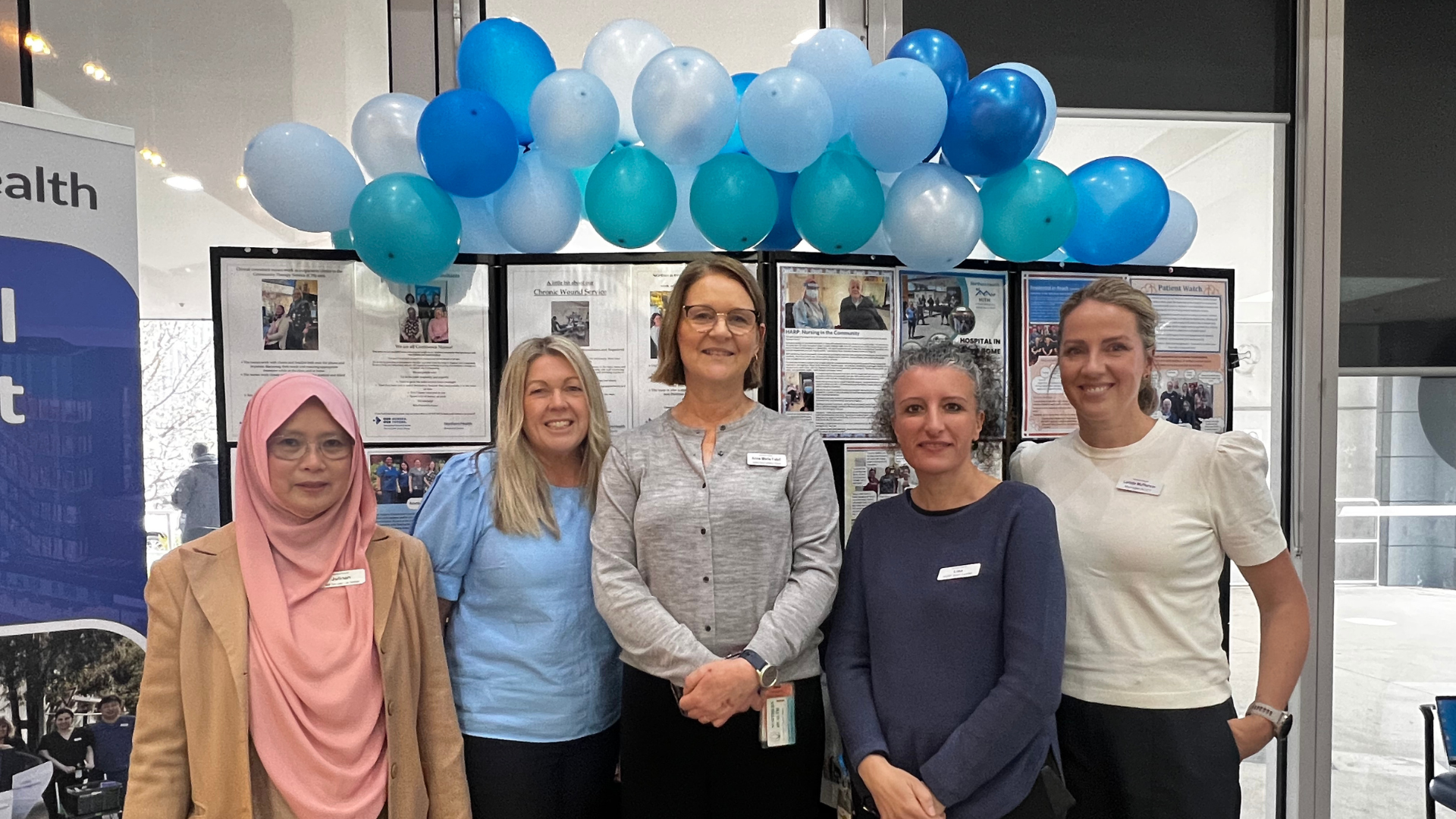
    This week, Northern Health celebrates Nursing in the Community Week (22 -28 September) to highlight the valuable and sometimes hidden contribution of nurses working in a wide range of areas outside the hospital setting.

    “The work community nurses do is not unlike the work of nurses in a ward,” said Johanna Hayes, Hospital Without Walls and Sub Acute Division Director.

    “It includes highly technical procedures such as those done by nurses in the Hospital in the Home Program or the Wound Clinic, expert assessments and interventions such as those done by nurses in Residential In-Reach, and care coordination like the Hospital Admission Risk Program and Transition Care Program.”

    Like hospital nurses, community nurses work as part of the multidisciplinary team to provide holistic, person-centred care.

    “Working with HITH brings me joy, as it allows me to support patients in their recovery while providing high quality compassionate care in their own home,” says Emily Papathanciou, HITH Registered Nurse.

    “Often, it’s the simple things we do – linking clients to services, coordinating their care, or simply offering a friendly face that leave lasting impressions,” said Julinah Mohd Shariff, HARP Team Leader.

    “Over the course of nearly 40 years as a nurse, I’ve had the privilege of working in a variety of settings. Each experience has shaped my practice, but working in the community has brought me the deepest sense of fulfillment. It’s in this space that I truly see the fruits of my labour – the real lasting impact of compassionate care.”

    Julinah recalls a moment that really stands out.

    “I received a phone call from a client I supported two years ago. She reached out just to say thank you for being there at the beginning, and for the support I provided when she needed it most.”

    “What we do may not feel exceptional day-to-day, but we must never underestimate the profound impact it has. It’s those quiet victories, the ones that don’t make headlines, that define the heart of community nursing.”

    Thank you to our wonderful community nurses for the amazing work you do outside the hospital!

  • Thunderstorm Asthma Season: What you need to know

    Thunderstorm Asthma Season: What you need to know

    Thunderstorm Asthma (ETSA) season runs each year from 1 October to 31 December, coinciding with the annual grass pollen season. During this period, you may notice an increase in asthma and hay fever symptoms.

    Jason Amos, Director Emergency Management, explains, “In Victoria, from October to December, thunderstorm asthma can occur when high grass pollen grains are carried by strong winds. Storms or moisture then break open the grains, releasing ultrafine particles into the air. These particles are small enough to be breathed deep into the lungs, where they can rapidly trigger asthma symptoms.”

    Symptoms of Thunderstorm Asthma

    • Itchy or runny nose

    • Sneezing

    • Coughing

    • Wheezing

    • Chest tightness

    Some symptoms can become severe very quickly and may require urgent medical assistance. However, not all cases require a trip to the Emergency Department, many can be managed at home using the four steps of asthma first aid.

    Asthma First Aid: Four Steps

                    Step 1: Sit the person upright.

                    Step 2: Reliever medication: Shake the blue/grey reliever puffer.

                                    -With a spacer: Give one puff into the spacer, and the person takes four breaths. Repeat this four times.

                                    -Without a spacer: Give one puff as the person takes a slow, deep breath. Ask them to hold their breath for as long as comfortable. Repeat this four times.

                     Step 3: Wait four minutes. If no improvement, repeat Step 2.

                     Step 4: Call an ambulance if the person still cannot breathe normally. Continue giving reliever puffs until help arrives.

    Reducing Your Risk

    To help reduce exposure to pollen and minimise the risk of thunderstorm asthma:

    • Use your prescribed preventer inhaler as directed, even if you have no symptoms.

    • If you have asthma that may not be well-controlled, or if you experience hay fever, see your GP promptly.

    • Always carry a blue/grey reliever inhaler (such as Ventolin or Asmol) and know how to use it correctly.

    • Stay indoors on high-risk days – especially during thunderstorms or when pollen counts and winds are high. Keep windows closed and set your air conditioner to recirculate/recycled air.

    • Check daily pollen levels and weather forecasts.

    Jason also reminds staff that Northern Health has an emergency plan for thunderstorm asthma events.

    “Northern Health has a Code Brown Subplan – Thunderstorm Asthma procedure and the Code Brown – External Emergency procedure. Both are available on Prompt,” he says. 

    You can access daily ETSA forecasts from 1 October – 31 December here.

    For more information on asthma first aid, click here.

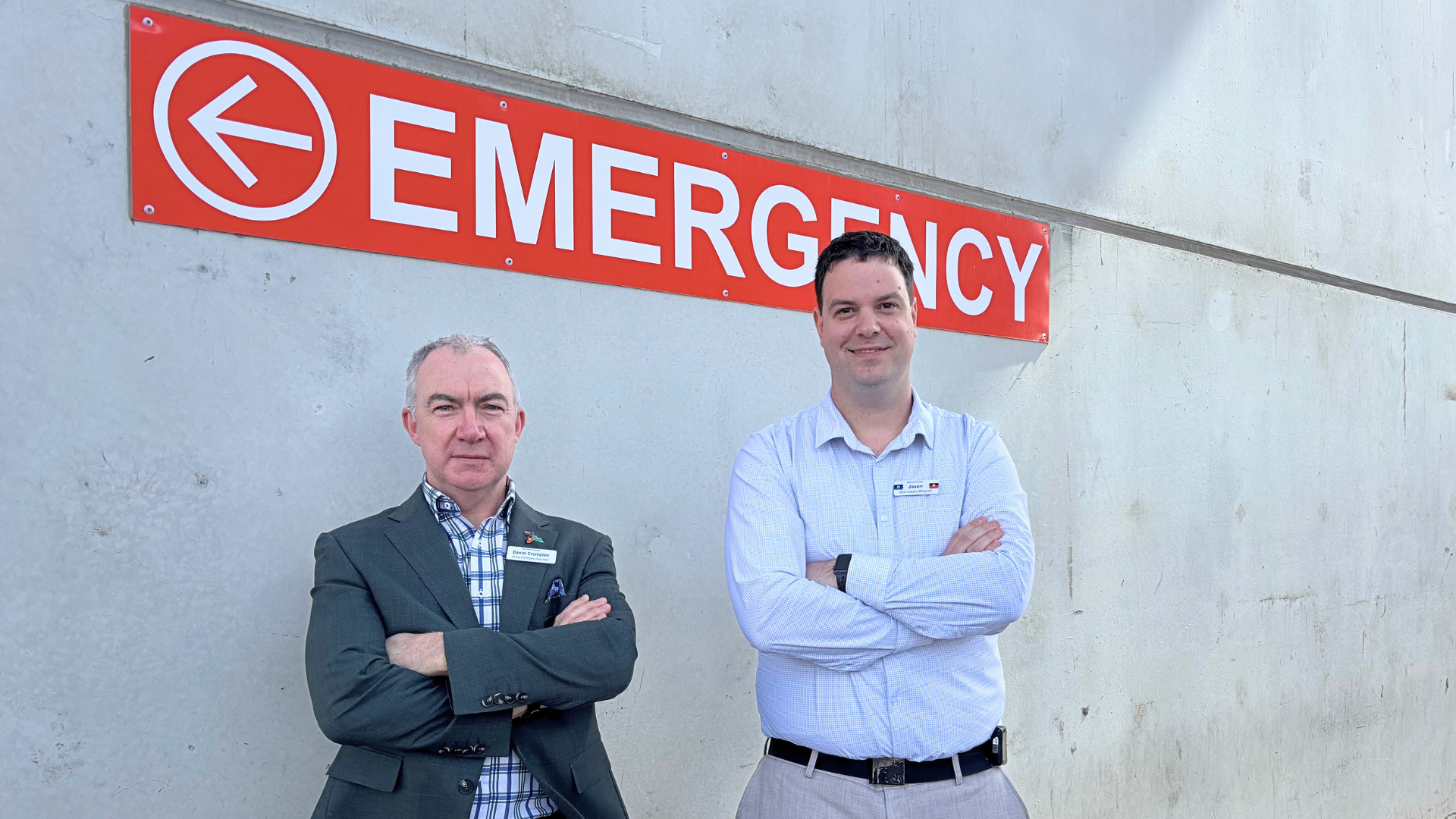
    Pictured in featured image (L-R): Dr Dan Crompton, Director, ED and Jason Amos, Director, Emergency Management, Northern Health. 

  • Northern Doctors Education launches Peer-to-Peer Mentoring Program

    Northern Doctors Education launches Peer-to-Peer Mentoring Program

    Northern Doctors Education (NDE) has recently launched a pilot Peer-to-Peer Mentoring Program for junior doctors in the AMC framework and selected international medical graduates (IMGs). Participants have been matched with registrar mentors who share similar interests and career aspirations.

    “Registrars have valuable experience to share, having recently been in the resident role themselves. We had an overwhelming response from registrars wanting to take part as mentors,” said Dr Anastasia Vlachadis Castles, Director of Clinical Training.

    The program aims to facilitate discussions around career planning, professional development, and navigating workplace challenges. Registrars will provide guidance to junior doctors in developing leadership and communication skills, while also offering encouragement and career advice at key decision-making points. To ensure a positive and meaningful experience, NDE will continue to support mentors and mentees by sending reminders for meetups and sharing helpful resources.

    To mark the launch, NDE hosted a meet-and-greet session, giving mentors and mentees the opportunity to connect face-to-face. Zoe, one of the trainee mentees, said, I hope to gain a better understanding of education experiences in critical care, and to have someone I can turn to for support.”

    Dr Castles added, The program creates a safe environment for junior doctors to ask questions freely and learn from role models who can also share career and life advice along the way.”

    Looking ahead, it is hoped that the program will be expanded next year to include more residents and registrars, and that it will form part of the wellbeing initiatives currently being rolled out across Northern Doctors Services.

    For expressions of interest or further information, please contact:

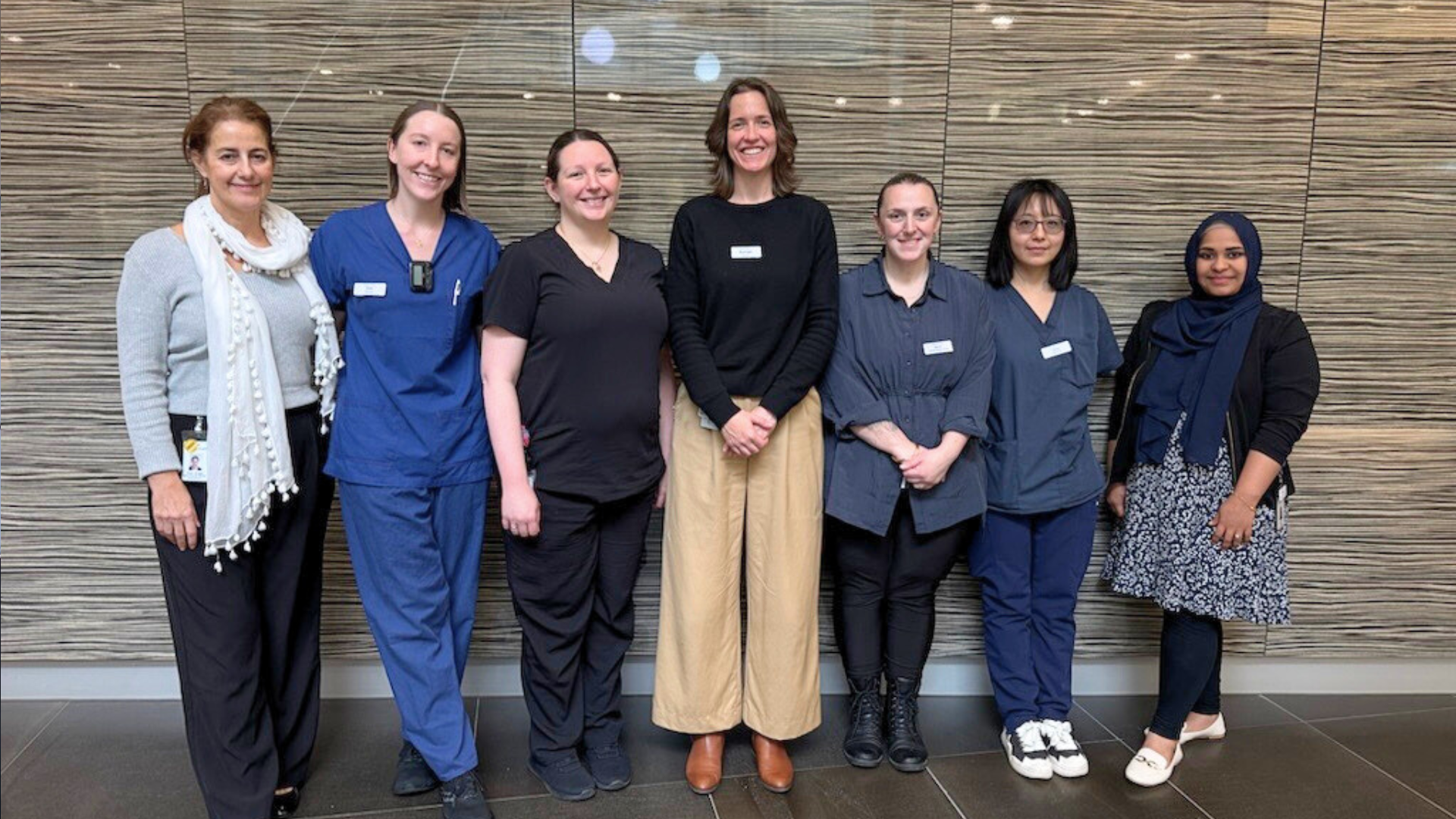
    Pictured in featured image (L-R): Susie Sangas, Zoe Triplett, Anastasia Vlachadis Castles, Georgie van der Vliet, Kirra McGaw, Qiao Ding and Ijaza Lafeer.

  • Get to know: Christopher Harding

    Get to know: Christopher Harding

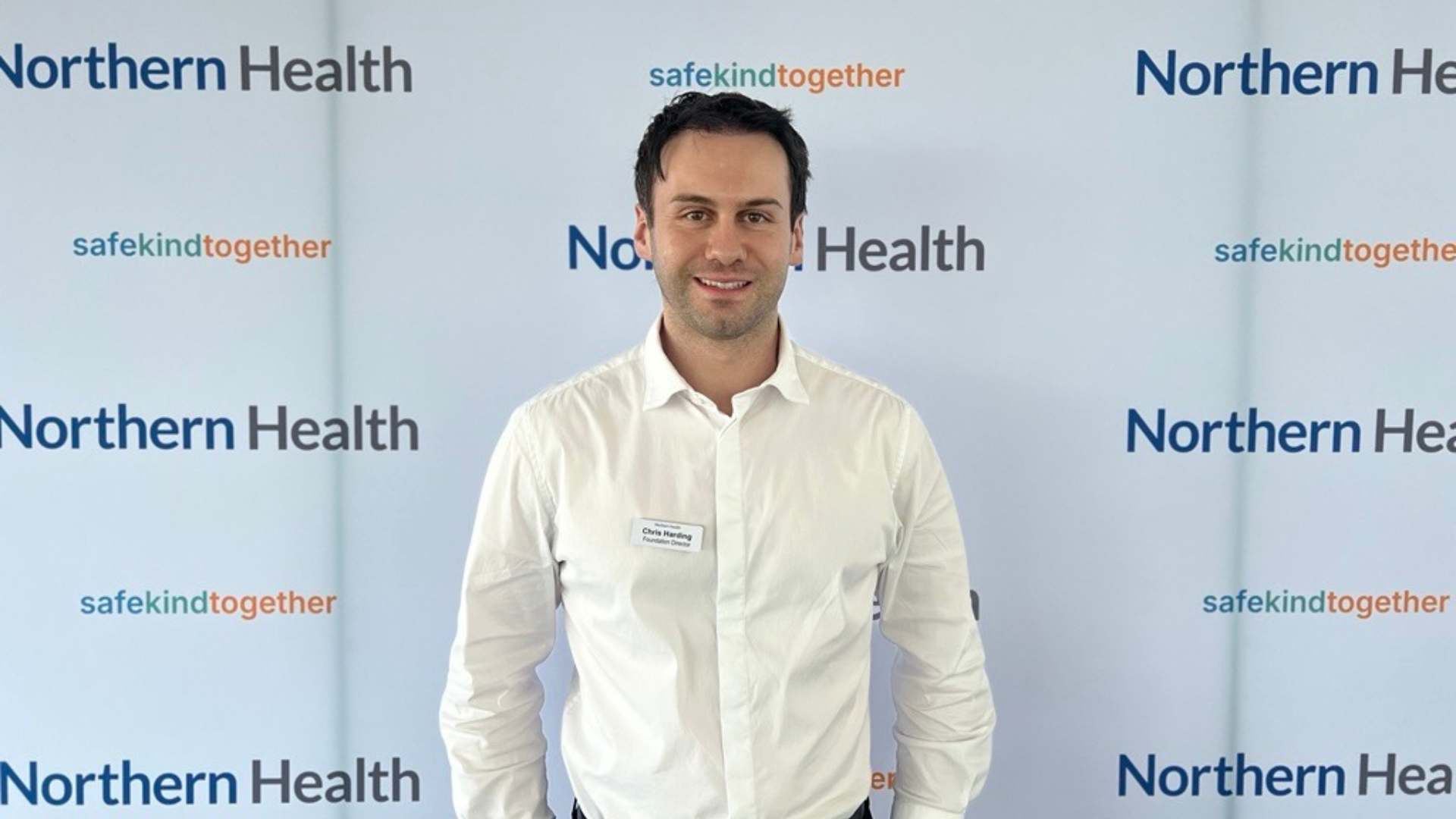
    Meet Christopher Harding, Director, Northern Health Foundation.

    Q: What is your coffee order?
    Cold brew.
    Q: You are the newly appointed Northern Health Foundation Director – what do you hope to achieve in your new role, what is your vision for the Foundation?
    I’m incredibly excited to join the Foundation. We have a dedicated, hardworking team, with generous donors and partners who are committed to supporting the vital work of Northern Health’s hospitals. My vision for the Foundation is to strengthen this impact by funding world class equipment, research, and programs, ensuring patients in Melbourne’s north receive the very best care that they deserve. I’m pumped to work with our amazing community to make this happen!
    Q: Tell us about your career leading up to Northern Health
    Prior to my current role at the Foundation, I have been fortunate enough to spend my entire career working in the sports industry and non-for-profit sector. I have had a variety of roles, some of which include running sports programs in a prison, leading the volunteer program at North Melbourne Football Club, and most recently I was the Engagement, Partnerships, and Philanthropy Manager at the Aboriginal Family Violence Legal and Prevention Service (Djirra).
    Q: If you weren’t in your current role, what would you have been instead?
    That’s hard to say. I have always cared about helping people and animals so probably something relating to that! I did think about becoming a vet back in the day.
    Q: What is something people may not know about you?
    I’m a big fan of music (I definitely do not play any instruments though!) and I really enjoy the atmosphere of concerts and live music.
    Q: If you could have dinner with anyone, living or dead, real or imaginary, who would it be and why?
    My wife, Chelsea! But if I had to pick another, I would say Tom Brady or Kirby Bentley. They have both overcome major obstacles to get where they are in life and I think that’s inspiring.
  • Northern Health brings robotic surgery to Melbourne’s north

    Northern Health brings robotic surgery to Melbourne’s north

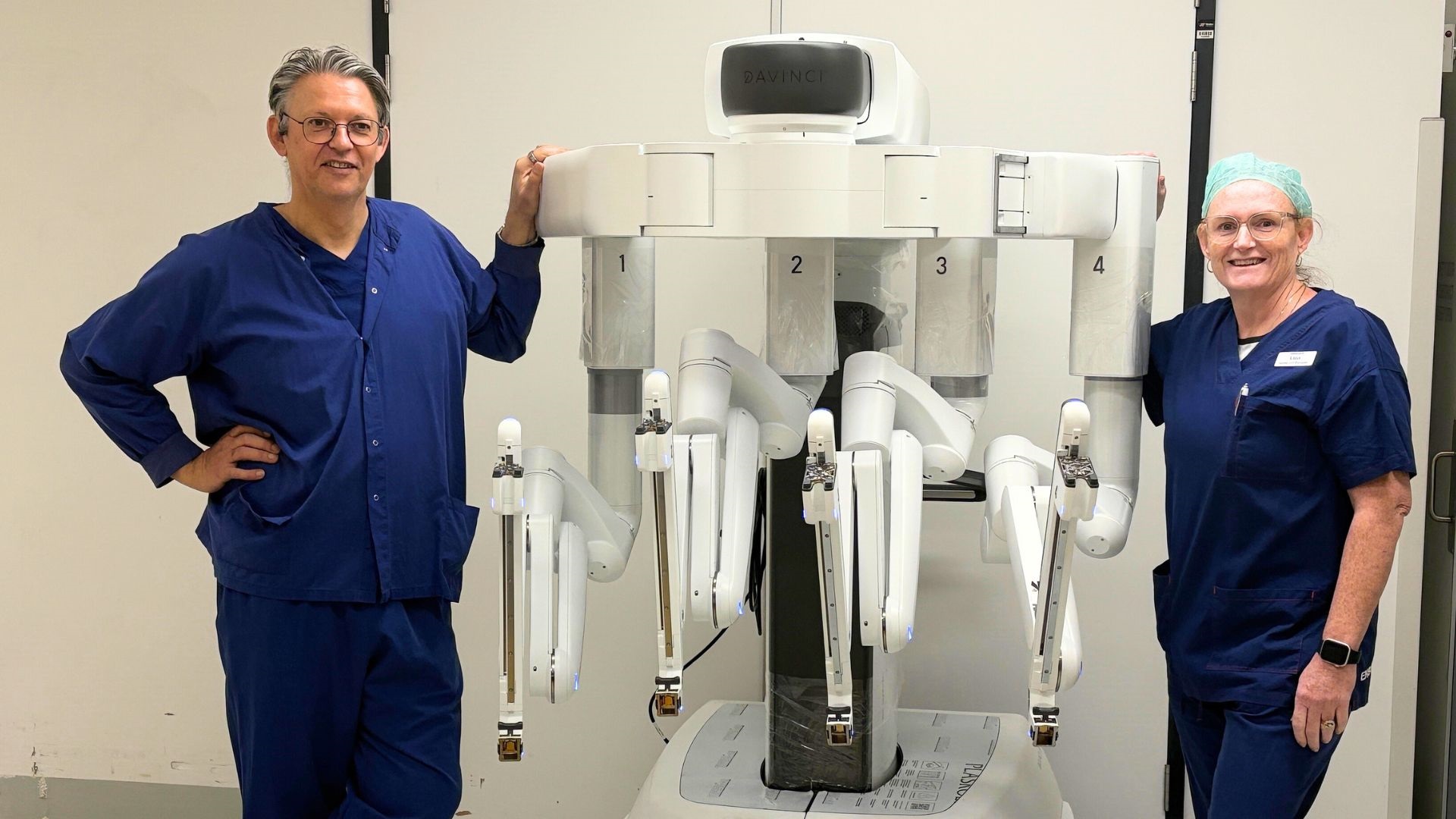
    Northern Health has marked a major milestone with the introduction of the Da Vinci Xi robotic surgical system—one of the most advanced surgical technologies available today.

    More than 200 patients annually are expected to benefit from this cutting-edge platform, including those undergoing treatment for prostate, kidney, bladder, lung, and bowel cancers, as well as individuals facing urgent conditions such as hernias, organ prolapse, and obesity-related complications.

    This robot helps doctors perform surgery with incredible accuracy. It has four flexible robotic arms that move with precision and have the dexterity of human wrists. A special camera gives the doctor a clear, 3D view inside the body. The doctor sits at a console and uses hand and foot controls to guide the robot’s movements.

    For patients, this means fewer complications, shorter hospital stays, and a quicker return to daily life. In some cases, such as prostate cancer surgery, patients may even be discharged the very next day.

    A standout feature of the system is its dual consoles, allowing experienced surgeons to train others in real time. Dennis Gyomber, Divisional Director of Surgery, said: “It’s amazing to finally offer this technology to our skilled surgeons to provide the highest quality surgical care to our community. The dual consoles mean we can train future surgeons while giving patients the best care possible.”

    Lana Dent, Unit Manager of the General Operating Theatre, added: “We’re the only hospital on this side of the city with this kind of robotic technology. It’s exciting to lead a team that’s bringing top-level care to our patients and helping our staff learn new skills.”

    Both Dennis and Lana expressed their gratitude to the Northern Health Foundation for making the robotic surgical system a reality. “Without their support,” Dennis said, “this opportunity simply wouldn’t be possible.”

    Debra Bourne, Chief Executive of Northern Health, stated: “Patients in Melbourne’s north deserve the same access to cutting-edge technology as anyone else. We are committed to building a more equitable health service, and the introduction of robotic surgery is a significant step forward.”

    She added: “I’d like to thank the Northern Health Foundation and our generous donors for supporting this exciting advancement.”

    This new technology represents more than a leap in surgical capability – it’s a bold step toward a healthier, more equitable future for Melbourne’s northern communities.