• Associate Professor Lisa Hui awarded grant for Outstanding Women

    Associate Professor Lisa Hui awarded grant for Outstanding Women

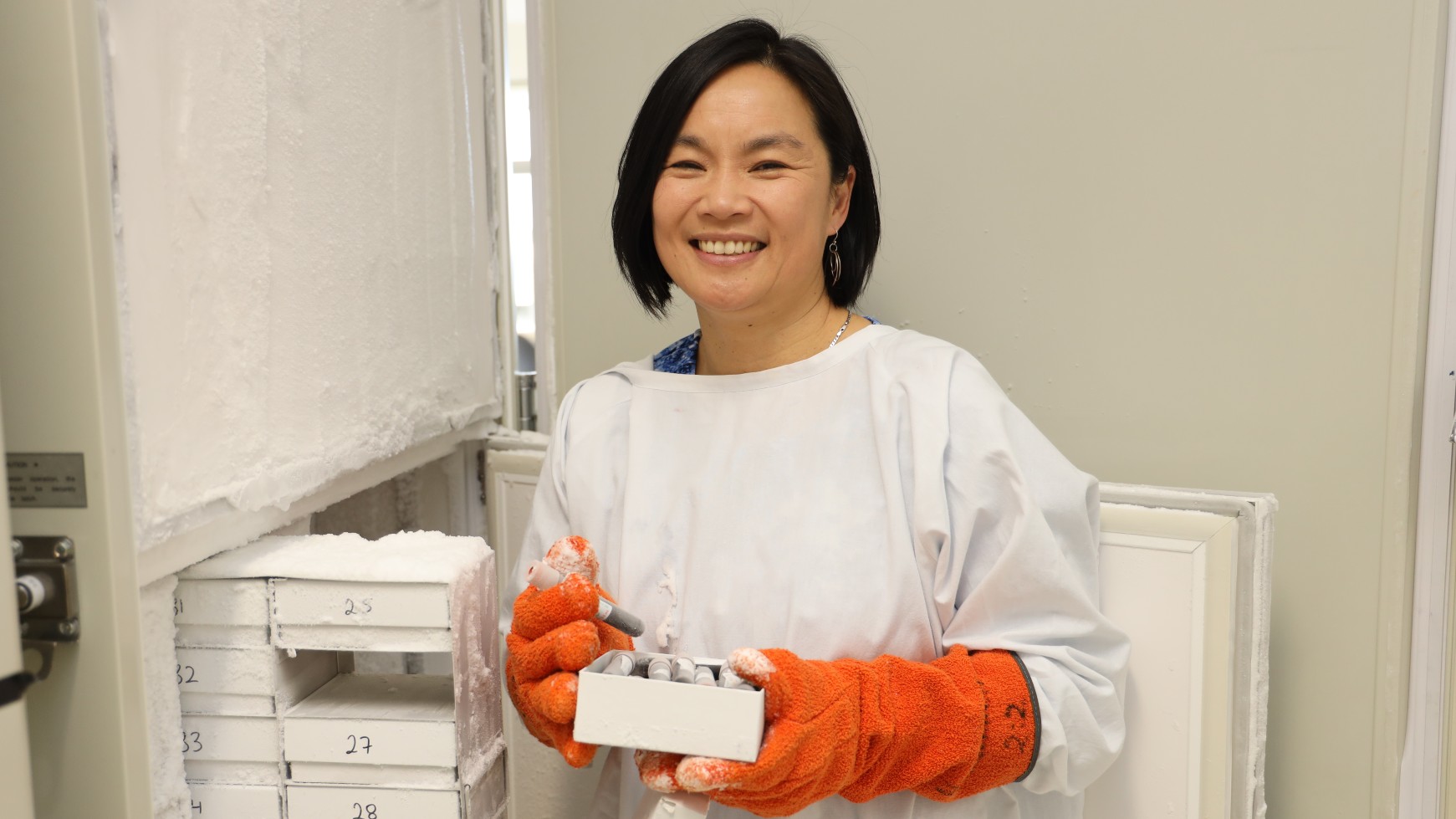
    Associate Professor Lisa Hui has been awarded the Melbourne Medical School’s Strategic Grants for Outstanding Women.

    She is the second recipient along with Dr Leonie Griffiths from the Department of Medical Education, Melbourne Medical School and Northern Health – a double honour for Northern Health.

    The Melbourne Medical School’s Strategic Grants for Outstanding Women, offered biennially, is designed to assist high-performing, early to mid-career women in academia, negotiate some of the challenges faced as they pursue career progression towards senior academic and leadership roles.

    The Melbourne Medical School’s Strategic Grants for Outstanding Women, offered biennially, is designed to assist high-performing, early to mid-career women in academia, negotiate some of the challenges faced as they pursue career progression towards senior academic and leadership roles.

    Associate Professor Lisa Hui is a maternal fetal medicine specialist with research interests in prenatal screening and diagnosis. She holds clinical positions at the Mercy Hospital for Women and Northern Hospital. She is also a team leader in the Reproductive Epidemiology group at the Murdoch Children’s Research Institute.

    Her research focuses on the use of cell-free nucleic acids in the diagnosis of fetal abnormalities and prediction of obstetric complications to help improve healthy birth outcomes for mothers and babies. She holds a Medical Research Future Fund Grant to identify how to utilise genomic technologies to improve outcomes for mothers and babies.

    Says Lisa, “It is fantastic to have our efforts at the Northern recognised by the central Melbourne Medical School. It shows that they recognise the great potential in Melbourne’s north, and that they view Northern Health as a valuable partner in medical research and education.”

    The grant will allow Associate Professor Hui to grow her research group in the Northern Precinct and continue to improve pregnancy care.

    The Northern Centre for Health Education & Research (NCHER) Reproductive Health Biobank, which Lisa heads, is a flagship research project of the Department of Obstetrics and Gynaecology.

    Says Lisa, “Our research group has been building capacity for translational research in the Melbourne Medical School research lab at the NCHER. To date, more than 150 women have donated placenta and blood samples to our Reproductive Health Biobank and we have been busy obtaining funding for laboratory equipment, project costs and research staff. This strategic grant will help provide us with a research assistant to support the management of our group.”

    Lisa says, “It’s so important that a diverse range of people are included in medical research and I want our women at the Northern to be part of the research that will guide future care.”

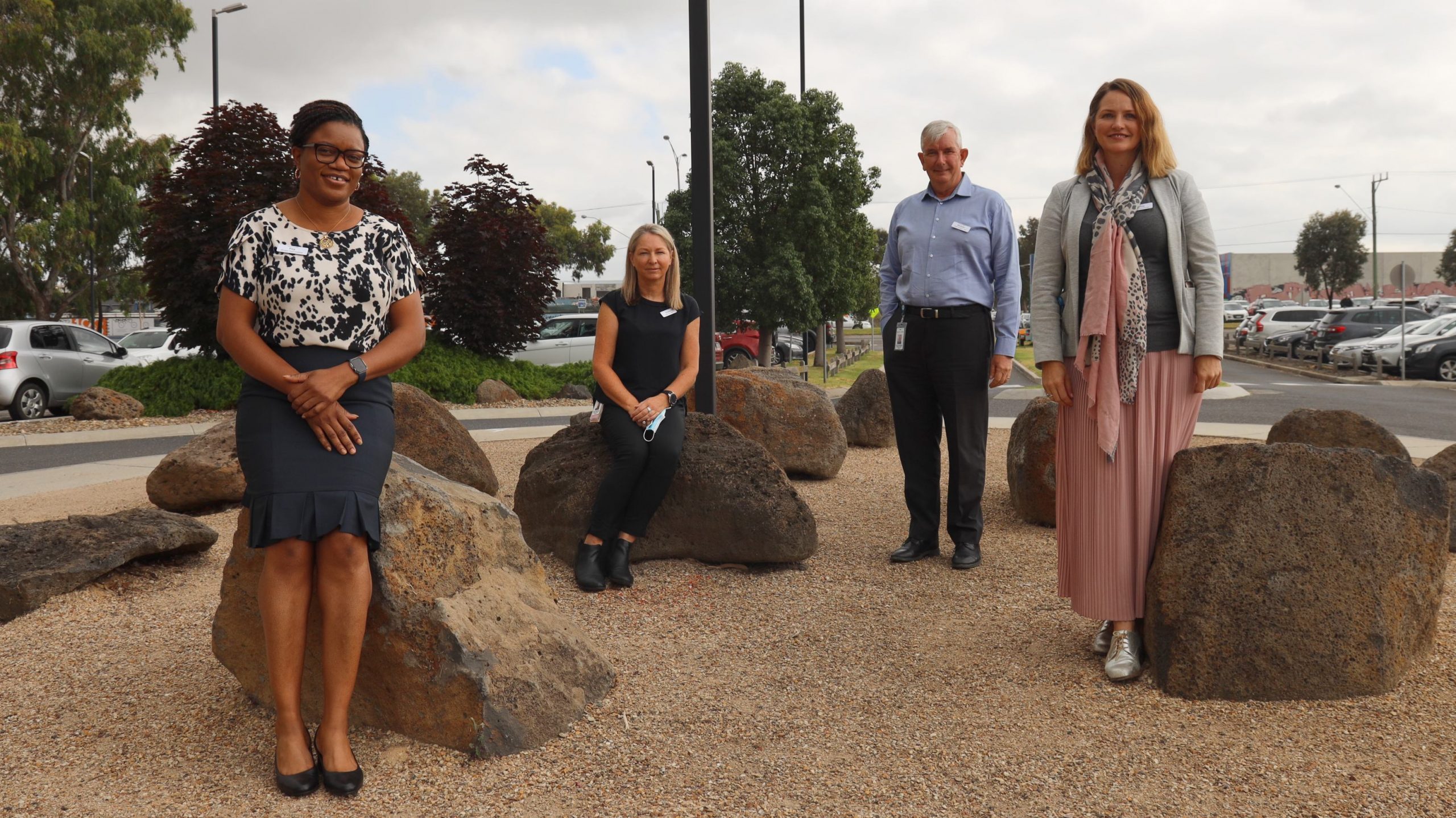
    Associate Professor, Wanda Stelmach, Chief Medical Officer, in congratulating both, said it is recognition well deserved and adds, “Lisa Hui and Leonie Griffiths exemplify the Northern Health strategic principles of striving toward exemplary research and education while at the same time considering our northern population and its needs.”

    She added, “We look forward to the fruits of your endeavours in future publications.”
  • World Hepatitis Day: Hep can’t wait

    World Hepatitis Day: Hep can’t wait

    On July 28 each year, World Hepatitis Day brings the world together to raise awareness of viral hepatitis and to influence real change. This year’s theme, ‘Hep can’t wait!’ highlights that, even in times of a global pandemic, people living with or at risk of viral hepatitis, should not delay their screening and management.

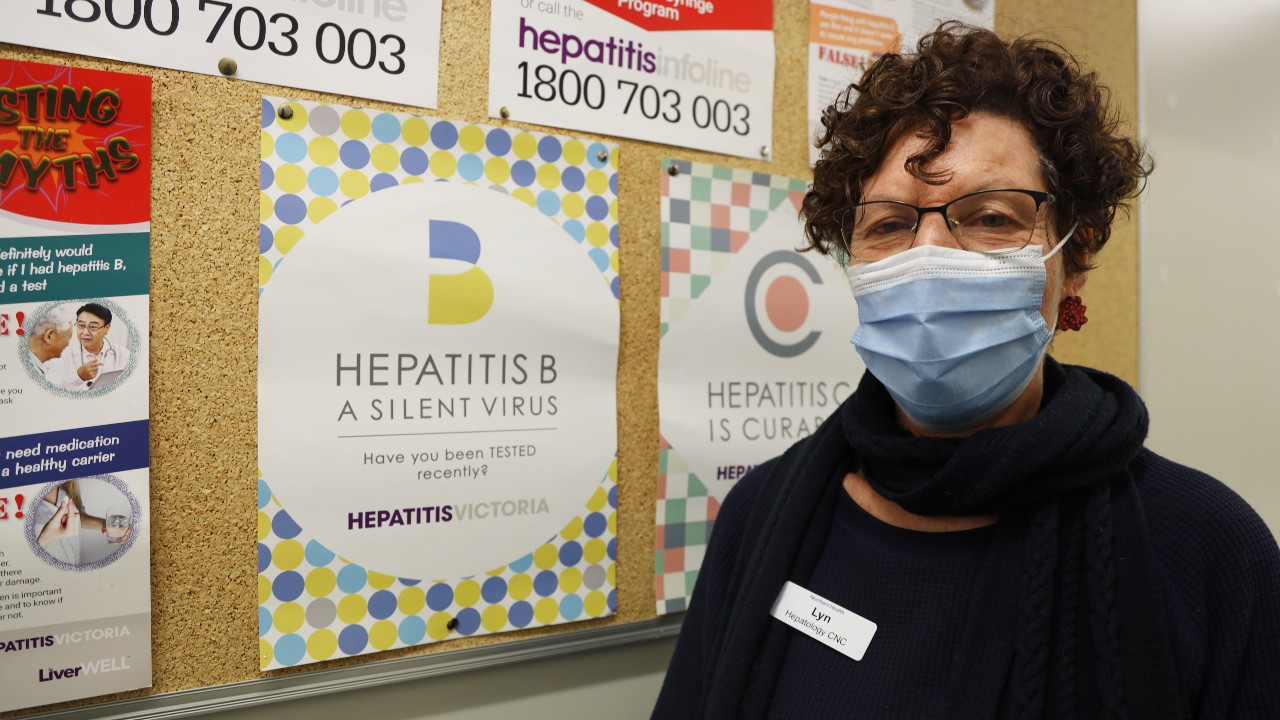
    Lyn McLean-Knight has been a hepatitis nurse at Northern Hospital since 2012.

    “You can be infected with hepatitis B or C for a long time without any symptoms or signs of cirrhosis. Cirrhosis is scarring of the liver which can lead to complications including an increased risk of liver cancer and liver failure and some people may end up needing liver transplants. Patients who have developed cirrhosis need to have regular and ongoing monitoring to decrease the chance of complications,” she explained.

    A large part of Lyn’s role is following up with people living with viral hepatitis to support them to engage in care and treatment. Not seeking treatment on time can lead to further health complications including liver damage or cirrhosis. Treatment of viral hepatitis is widely available in Australia.

    “Today, the treatment for hepatitis C is very simple, with eight to 12 weeks of tablets and very few side effects for most patients. Only five years ago, the treatment for hepatitis C was long and harsh, requiring weekly injections lasting for six to 12 months, with many side effects. With the current treatment, the minimal and manageable side effects mean that people on treatment for hepatitis C can continue working and living their regular lifestyle while on treatment. The current treatment for hepatitis C is very effective with cure rates of 98 – 100 per cent,” Lyn explained.

    Although hepatitis B treatment is not a cure, it is also very well tolerated and very effective in reducing progression of liver disease and complications. Unfortunately, rates of treatment for hepatitis B are far lower than they should be in Australia.

    “Because viral hepatitis can be present without symptoms, it is important that people of high-risk populations are screened. These include people with a history of sharing injecting equipment, people found to have abnormal liver function tests, people who have not had vaccination against hepatitis B, people who had procedures or blood transfusions overseas in developing countries, those who served a prison sentence, male same-sex couples, persons with tattoos and household members of those already diagnosed. The screening initially involves a simple blood test,” she explained.

    Hepatitis B and C are blood borne viruses spread via blood and bodily fluids. In Australia, a high percentage of transmission is via sharing injecting equipment or tattooing with poorly sterilised equipment, with a small percentage of mother-to-baby or vertical transmission.

    Preventative and harm reduction play an important part in reducing transmission. Some of these measures include safe injecting drug rooms, screening household members and sexual partners for hepatitis B, and infant vaccination program, which is a world-wide program. In some countries, the mother-to-baby risk of transmission is high, but with appropriate monitoring and treatment, the risk of transmission at birth is very low.

    Vaccines are also available for hepatitis A and B and are very highly effective at preventing infection. Hepatitis D only occurs in people living with hepatitis B, therefore, hepatitis B vaccination can prevent both hepatitis B and D infection.

    “Stigma, sometimes even from health professionals, combined with limited access to information and difficulty in finding time for hospital appointments, can make it hard for people to seek treatment and advice,” she explained.

    In line with this year’s theme, Lyn would like to encourage people not to wait for screening, but to be tested and treated as appropriate.

    “We need to increase our rates of testing for viral hepatitis in Australia to ensure people have appropriate treatment, to lower their risks of developing complications. As health professionals, we all have a responsibility to screen high-risk populations,” she added.

    For more information on hepatitis, please visit Hepatitis Australia.

  • Evoking the senses for our patients

    Evoking the senses for our patients

    Northern Health is fortunate to receive donations from many volunteers in our community who knit and crotchet items that are given to various departments across the health service.

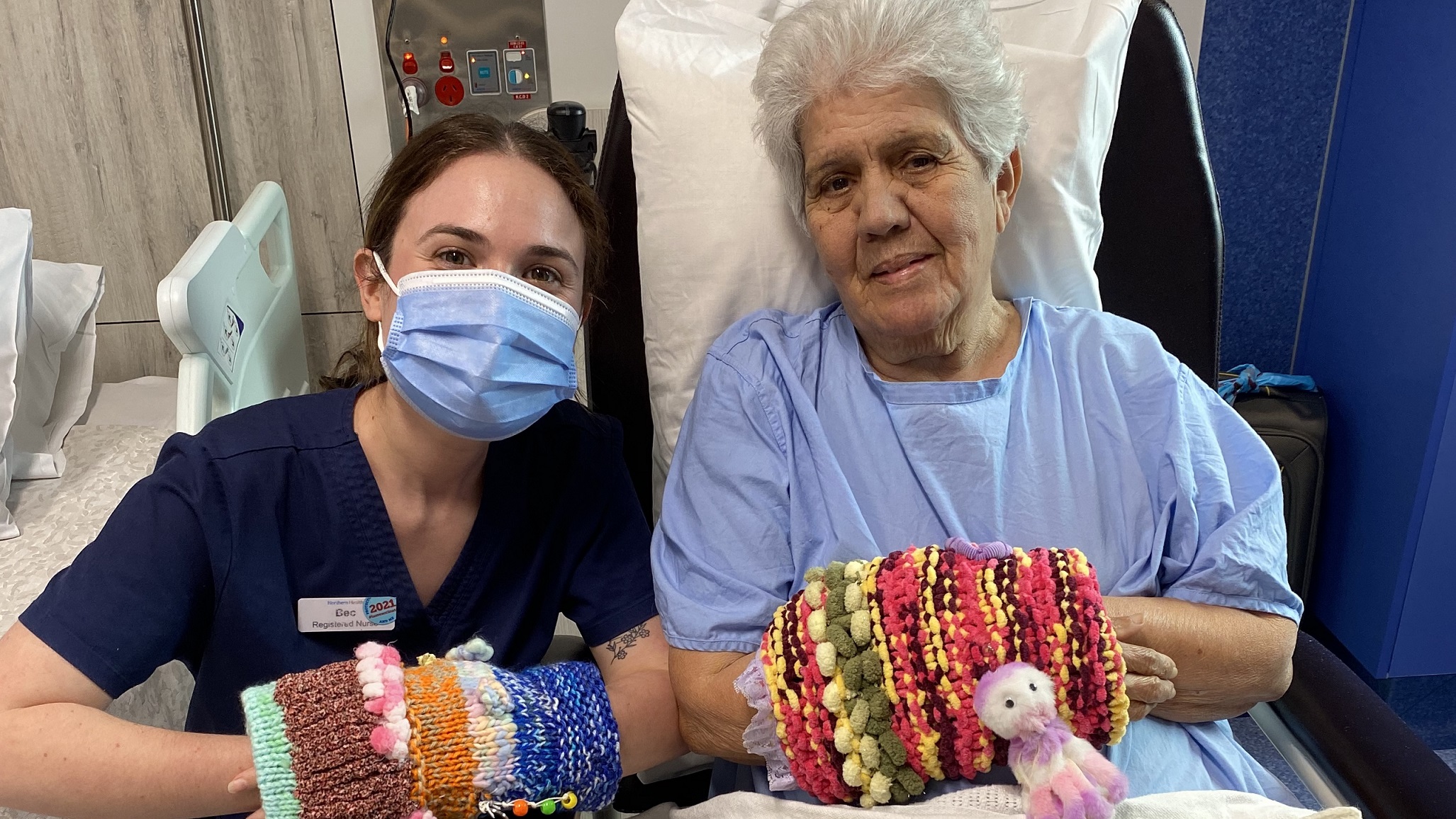
    Fiddle-mitts are knitted cuffs or hand warmers which have different textures and materials attached, such as beads, ribbons and buttons, that people can hold and ‘twiddle’ with to help any restlessness or agitation that they might experience.

    One of our latest donations was from the Sunbury Library Monday Knitting Group.

    Their donation included a big bag of fiddle-mitts for patients at Northern Health.

    Rebecca Lyall, one of our nurses in Ward 19 (pictured above with patient Zena), recently contacted our Volunteer Services team to see if some volunteers could help contribute to a quality project, that involves creating a sensory stimulation box.

    The box will be filled with different items for patients who may need a distraction. These items can also be helpful for patients with delirium or dementia. Rebecca was thrilled with the donations of the fiddle-mitts.

    The Sunbury knitters also hand-crafted some beautiful knee rugs, neck warmers and some bigger rugs. Glynis Marshall, who leads the Knitting Group, said her knitters have been very busy during COVID-19 lockdowns and were glad their contributions are of use.

    Our Northern Health Knitting Guild volunteers continue to knit goods from home and have some new items to add to their stock. Head in to the Northern Health Foundation Office to view what is available, including lovely scarves and pom-pom beanies, as well as some AFL-themed baby booties and beanies.

    All money raised from the sale of Knitting Guild items goes towards purchasing equipment for Northern Health. The Guild are aiming to purchase a sleeper chair for patient families.

  • It’s DonateLife Week

    It’s DonateLife Week

    DonateLife Week encourages Australians to register as organ and tissue donors, and to have the conversation with their family and friends.

    Northern Health had the privilege of looking after seven patients and their families who very generously agreed to organ, eye and tissue donation in the last 12 months. The generosity of our Northern Health patients and families resulted in eight people on dialysis receiving kidney transplants, two people receiving life-saving double lung transplants, one person receiving a life-saving heart transplant, one person receiving a life-saving liver transplant and one person with diabetes receiving a pancreatic islet cell transplant.

    “Countless other people benefitted from life-changing corneal and tissue transplants. We continue to be in awe of the generosity of people at one of the most distressing times of their lives when a loved one is dying,” says the Donation Specialist team of Dave Crosbie and Monica Dowling.

    They say, “None of this is possible without the efforts of many people at Northern Health under the direction of our Designated Officer. The Officer ensures that every aspect of organ and tissue donation at Northern Health complies with all relevant legislation. The Emergency Department, the Intensive Care Unit and the Theatre Complex’s commitment to facilitating the wishes of donor patients and their families is remarkable.”

    “Northern Hospital Theatre has earned a well-deserved reputation in the donation field for being ‘extraordinarily accommodating’. Northern Pathology, Radiology, the Echocardiography team, Cath Lab and Interventional Cardiologists are very responsive to the needs of our organ donation patients.”

    “We would like to take this opportunity to thank each and every one of you. It is very much appreciated,” says the team.

    With a decrease in donation and transplantation activity during 2020 due to COVID-19, it’s never been more important to encourage Australians to register as organ and tissue donors.

    There are around 13 million Australians aged over 16 who are eligible to register as an organ and tissue donor – but haven’t.

    The Great Registration Race for DonateLife Week has set itself the goal of encouraging up to 100,000 more Australians to join the Australian Organ Donor Register.

    The Great Registration Race runs all July and August. For more information on DonateLife Week, click here.

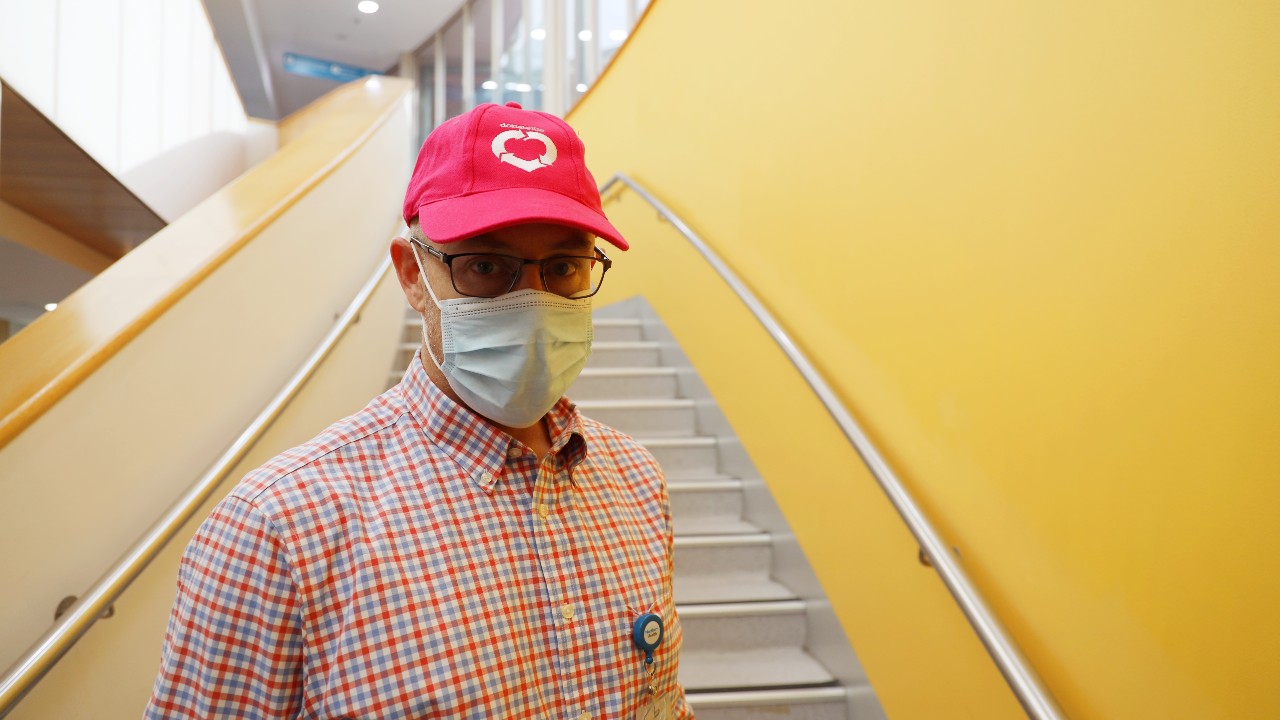
    Featured Image: Dave Crosbie

  • Peter Brack on team sports, passports and interprofessional education

    Peter Brack on team sports, passports and interprofessional education

    Peter Brack, Associate Director – Education, Allied Health and Interprofessional Programs, is a self-confessed introvert. As he admits it is, “a bit weird given a central theme of my career has been ‘collaboration’.”

    With a background in occupational therapy, Pete’s interest in Interprofessional Education (IPE) started over ten years ago when he was involved in two projects related to Interprofessional Education.

    One of those projects called the Interprofessional Practice Placement, was the first interprofessional training ward set-up in Australia, and was focused on interprofessional teams of students, working to provide care to patients on sub-acute wards at Northern Health.

    Pete says, “These projects delivered some great outcomes and really highlighted for me how much I enjoyed working in education.”

    As someone who played team sport all his life, Pete says he was a bit surprised by the way the word ‘team’ was thrown around in healthcare without all of the core elements that he valued so much throughout his sporting life.

    “Things like having a clearly defined common goal, mutual respect, a knowledge of each other’s strengths, and the camaraderie you get from knowing the people around you,” says Pete.

    He believes “Interprofessional Education – which is when we learn with from and about one another – is the methodology we should use to create great teams.”

    He says, “Working collaboratively has so many benefits in terms of patient safety, quality of care and efficiency, but it has also been shown to improve morale, reduce turnover and increase job satisfaction which makes it a no-brainer for me.”

    During his time as Allied Health Clinical School Coordinator, Pete was able to follow his interest in IPE to publish his first journal article and complete some research on a new resource he created with his education colleagues, called the Interprofessional Passport.

    Pete and his team are working towards relaunching a more digitally enabled version of the Interprofessional Passport, based on over ten years of experience of running interprofessional programs.

    The Interprofessional Passport will facilitate interprofessional learning opportunities for students and new graduate clinicians to improve client and patient outcomes via collaborative practice.

    The Interprofessional Passport is described as a ‘framework that will help you start to look beyond what is familiar, it will make you reflect on what is happening around you. It will help you understand your own role better in the context of a team and we hope it will help us move further towards our goal of high functioning interprofessional teams.’

    The passport has been designed to facilitate interprofessional learning within a clinical context based on learner identified needs. The learner, in consultation with their supervisors, will tailor a program suitable to the learner’s needs. It is hoped that this resource may be incorporated into orientation programs for staff in the future.

    The over- arching learning outcomes for the user will be the ability to articulate a deeper understanding and appreciation for one’s own professional role and to share profession-specific knowledge with all members of the interprofessional team to enhance team collaboration.

    Continuing with his sport analogy, Pete says, “Great teams train together – a lot of what happens in healthcare would be like a basketball team training, by all separately shooting at different baskets.”

    “I believe if we can find opportunities to train together, it will have a positive impact on the way our teams function and in turn the care we provide to our patients.”

  • COVID-19 testing milestone!

    COVID-19 testing milestone!

    Our COVID-19 testing clinics at Northern Hospital Epping and Craigieburn Centre have hit a significant milestone of 200,000 presentations through the clinics.

    Elisha O’Dowd, Acting Project Manager COVID-19 Clinics and Entry Screening, said the testing clinics opened in early March 2020 in response to the increasing demand for COVID-19 testing in our community, and since then, the program has evolved with the fluctuating needs of the pandemic.

    “This year, Craigieburn and Epping have been hit hard with multiple exposure sites in our local area, so they have each completed over 40,000 tests since January,” Elisha said.

    “We are very proud of the resilience and teamwork shown by all the nurses, clerical staff, security and traffic controllers, who work tirelessly in wind, rain, hail, cold and heat to bring this vital service to our community.”

    Colin Pham, Molecular Senior Scientist, said the Northern Health Pathology team processes between 400 to 500 tests per day during “regular times”, but has peaked to 1,200 tests during the current surge in testing.

    “We operate between 7 am – 11.30 pm seven days a week. The Molecular Lab has two staff members on each shift with a total team of eight. They have gone above and beyond, including taking on extra shifts at short notice and staying back late to ensure that COVID-19 results are released in a timely manner.”

    “Our testing surge comes in waves. In the previous surge in late May, early June, we released over 1,500 results per day well within 24 hours. During these times, the laboratory often processes close to 100 specimens per hour. To facilitate rapid contact tracing, the laboratory often receives requests to prioritise specimens from high risk patients. We often need to pick out these priority samples from a sea of specimens.”

    “Our Molecular Department came into existence in April 2020 as a response to the COVID-19 pandemic and has exceeded all expectations. This is due to the teamwork and commitment of all involved, in particular the Molecular and COVID-19 registration team. I am especially proud and honoured to be working with such a dynamic and dedicated crew. ”

    Thank you to our hard working staff, nurses, traffic controllers, Pathology team and everyone who has come forward for testing. Together, you have all played an important role in keeping our community safe.

    Northern Health urges anyone, even with the mildest of symptoms, to get tested. For more information, visit nh.org.au/coronavirus.

    Staff at the Craigieburn Centre Testing Clinic

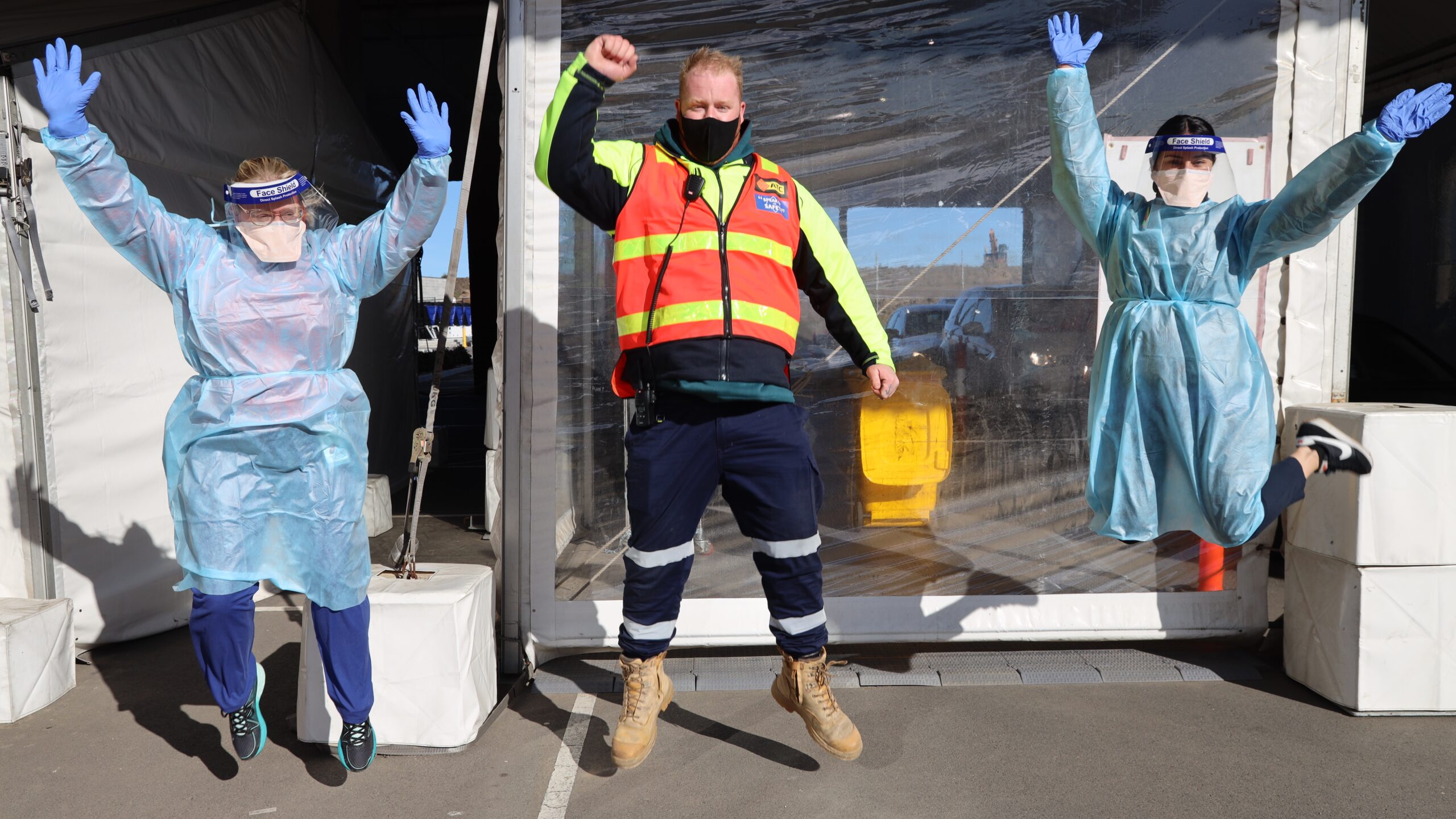
    Featured image: Nurses and traffic controllers celebrating 200,000 COVID-19 tests

  • New theatre recovery area opens

    New theatre recovery area opens

    “I feel like I am at the 42 kilometre mark of a marathon, with only a few hundred metres to go!” Says Tracey Wyllie, Peri Operative Services Manager – Surgical Services.

    She is talking about the new theatre recovery area, which opened on Monday.

    Called the Post Anaesthetic Care Unit (PACU), the new theatre recovery area opened earlier this week as part of Stage 2 of the Northern Hospital Expansion Project.

    Tracey is excited as, “it enables us to deliver quality care in an environment that the team is really proud of and proud to work in.”

    The new unit has expanded its care to 20 patients and boasts a dedicated bay for high dependency patients requiring acute care.

    Tracey explains this will be a dedicated space to care for patients who need to be ventilated post-surgery.

    The team Tracey refers to, came together from the planning stages and comprises members of the Central Sterilising Storage (CSSD), Nurse Unit Managers, Registered Nurses (RN) along with instrument and theatre technicians.

    There were a lot of considerations involved, explains Tracey, including relocation planning, model of care and operational readiness guidelines.

    “It’s been a long journey, with a lot of work from a lot of people,” says Tracey.

    Linda Romano, Divisional Director Nursing, Surgical Services says, she is proud of Tracey and her team, and adds, “It is really rewarding to see the hard work the working group have put in, with all their planning to ensure that staff and patients have a workable and safe environment to look after our community.”

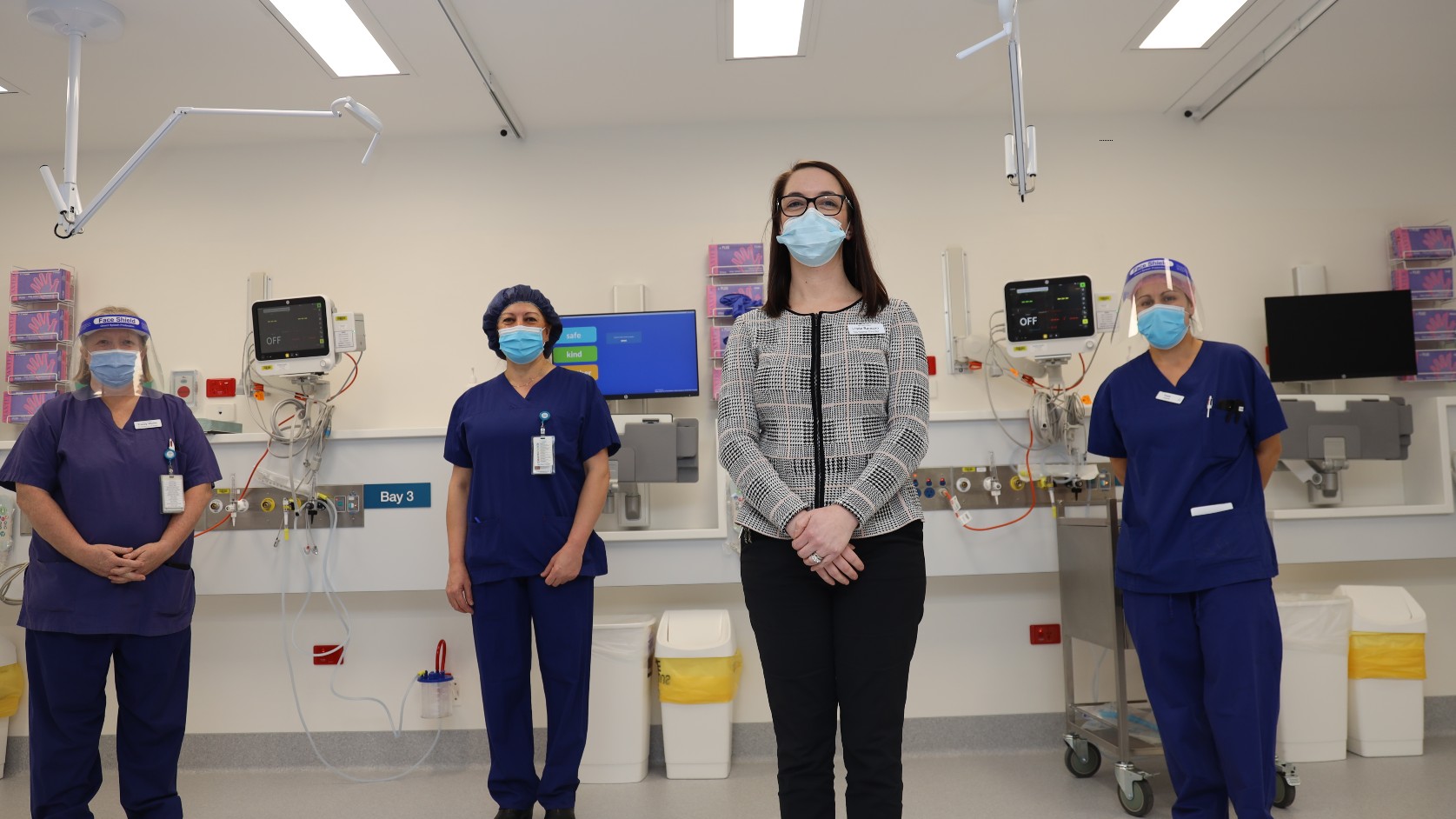
    Featured image shows left to right Tracey Wyllie, Jeanette Atme, Linda Romano and Natasha Josevski

  • EMR: Designed by our clinicians for our clinicians

    EMR: Designed by our clinicians for our clinicians

    A key aspect of the Electronic Medical Record (EMR) Project at Northern Health is to ensure the needs of clinical staff are met.

    Meeting these needs means our patients will receive the safest, most efficient care.

    Here we chat to some of the staff members working on this goal from areas such as the Emergency Department (ED) and Surgery.

    Stacey Williamson, whose role in the project is Clinical Lead – Emergency, has a wealth of experience from working as a Clinical Nurse Educator in the Emergency Department.

    Bringing with her extensive clinical and working knowledge of the ED and previous project experience, Stacey says, “As the clinical lead for the ED, my role is to work with the ED team to ensure the EMR meets the needs of the clinical staff and ensure a smooth transition.”

    Duncan Wellington, EMR Analyst – Emergency Department, is new to Northern Health and has worked in past roles that span from ICU Nurse to Cerner Trainer to Clinical Analyst.

    “I have a knowledge of the Cerner EMR both from a ‘backend’ build perspective and the ‘end user’ experience, that I can apply to assist with the creation of an EMR that is tailored to Northern Health requirements,” Duncan explained.

    “The digital transformation of the organisation will, at times, be challenging both for the EMR project team and the organisation and I hope to support this to the best of my ability,” Duncan added.

    Looking at the EMR from a Surgery and Anaesthesia lens are Jeramie Carson and Fey Bakar.

    Jeramie, EMR Surgery and Anaesthesia Lead, has worked at Northern Health for approximately 18 months as the Elective Surgery Access Manager.

    She brings with her extensive management and operating room experience to contribute to the successful development and implementation of the EMR at Northern Health.

    Fey, EMR Analyst – Surgery and Anaesthesia, has worked as a registered nurse in the Northern Hospital General Operating Theatre and also as an Associate Nurse Unit Manager at Ian Brand Residential Care at Bundoora Centre.

    “I believe my role as an EMR Analyst for Surgery and Anaesthesia will draw upon all my previous experiences, most especially being an ‘end user’ of Cerner. Also, my understanding of the workflow of the perioperative department will enhance a great delivery of the EMR project and make it clinically usable for the end users, ultimately improving the journey of patients coming through the perioperative department,” she explained.

    We look forward to staff working with the project team to ensure the EMR meets the needs of clinicians, so we can provide the highest quality care to our community.

    For more information on the Northern Health EMR Project, head to our EMR website.

    Featured image (left to right): Fey Bakar, Stacey Williamson, Duncan Wellington, Jeramie Carson