• The Big Idea: The chosen seven

    The Big Idea: The chosen seven

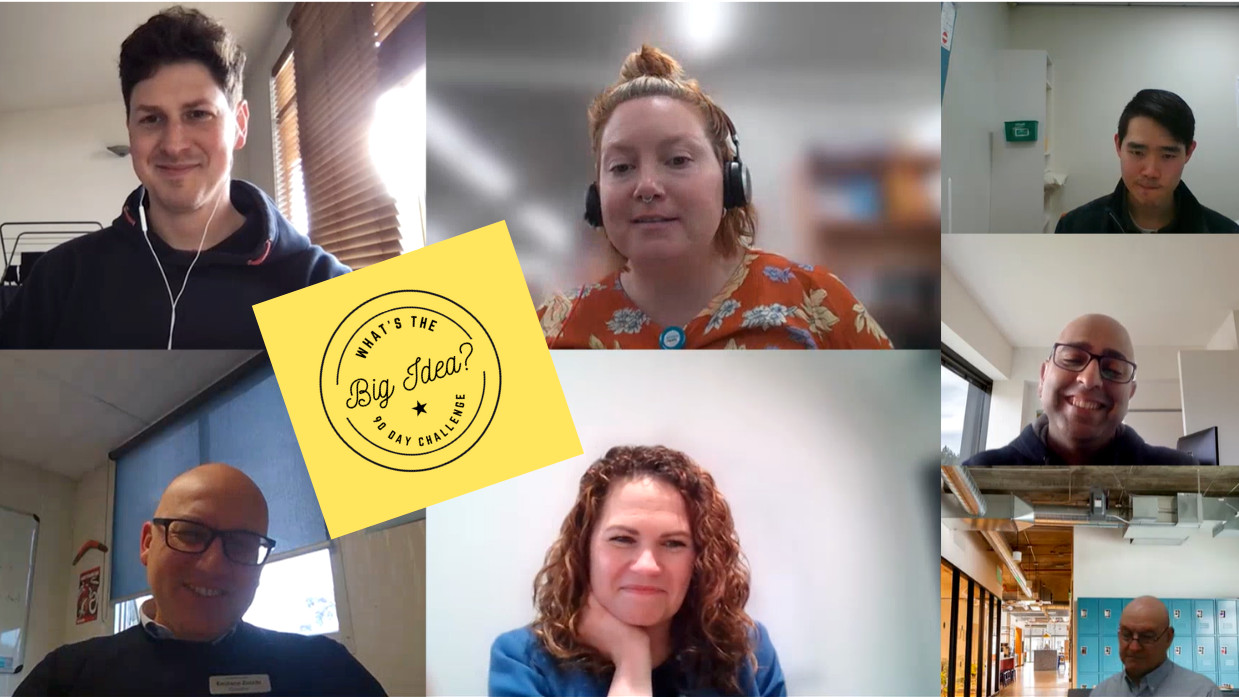
    The Big Idea Campaign drew to a close on 22 July, with 66 ideas submitted from across the organisation. Ideas were received from a mix of clinical and non-clinical staff, across all Northern Health sites, and ranged in size from small clinical changes to large, organisation-wide initiatives.

    “The Innovation Assembly reviewed all submissions and 12 ideas progressed to the refinement stage. Seven applicants progressed to the final stage to present their ideas to Siva Sivarajah, Chief Executive,” explained Ariana Carrodus, Project Manager.

    At the presentation to the Chief Executive and Dr Bill Shearer, Executive Sponsor of the project, each presenter was given ten minutes for their pitch, including questions.

    “All the ideas were scored against different criteria, and these were the stand-outs in terms that they were not only innovative, but also have potential to be scaled up. These ideas have big impact on patients, but also on staff. Project leads for these ideas also share a high level of enthusiasm for their projects,” Ariana added.

    Cassie Bramston, Project Officer, explained the innovation team was looking for ideas that are a good mix of clinical and non-clinical, front facing and back of house, as transformation within a health service isn’t always patient facing.

    “It is important to highlight that transformation happens in every aspect of the organisation and you don’t need to be a clinician to do transformational work. The next step for the chosen seven ideas is going through an eight-week intensive program, which will help the applicants develop their ideas and fully scope what is required to turn the idea into the reality. They will understand what they need to go ahead and implement their idea. Congratulations to the seven chosen ones and thank you to all staff who submitted their ideas,” she said.

    The successful seven ideas are:

    1. Emiliano Zucchi, TALS Director – Video interpreting on demand – Improving access to interpreters through video interpreting and interpreter access on demand
    2. Elise Sutton, Resuscitation & Clinical Deterioration Coordinator – Simulating together for safety – developing an inter-professional resuscitation study day at Northern Health
    3. Dominic LaCaze, Senior Supply Manager – Northern Interactive Clinical Product Database – An interactive multifunctional database with clinical and product ordering information and location
    4. Paul Anis, Pharmacist – Post discharge pharmacy led telehealth – development of a pharmacist led telehealth program post discharge
    5. Ryan Hon, Physiotherapist – Improving Men’s Health Services at Northern Health – identification and referral process for men’s sexual health issues
    6. Jamie Mackay, Anaesthetist – Perioperative Patient Journey Postal/App – an electronic patient portal to improve communication between NH and our community leading up to admission/surgery
    7. Clara Walker, Clinical Nurse Consultant – Chronic Wound Service – Northern Health Leg Club – a compression bandaging clinic to reduce rate of venous leg ulceration and complications
  • Peripheral Parenteral Nutrition (PPN) rolled out at Northern Hospital

    Peripheral Parenteral Nutrition (PPN) rolled out at Northern Hospital

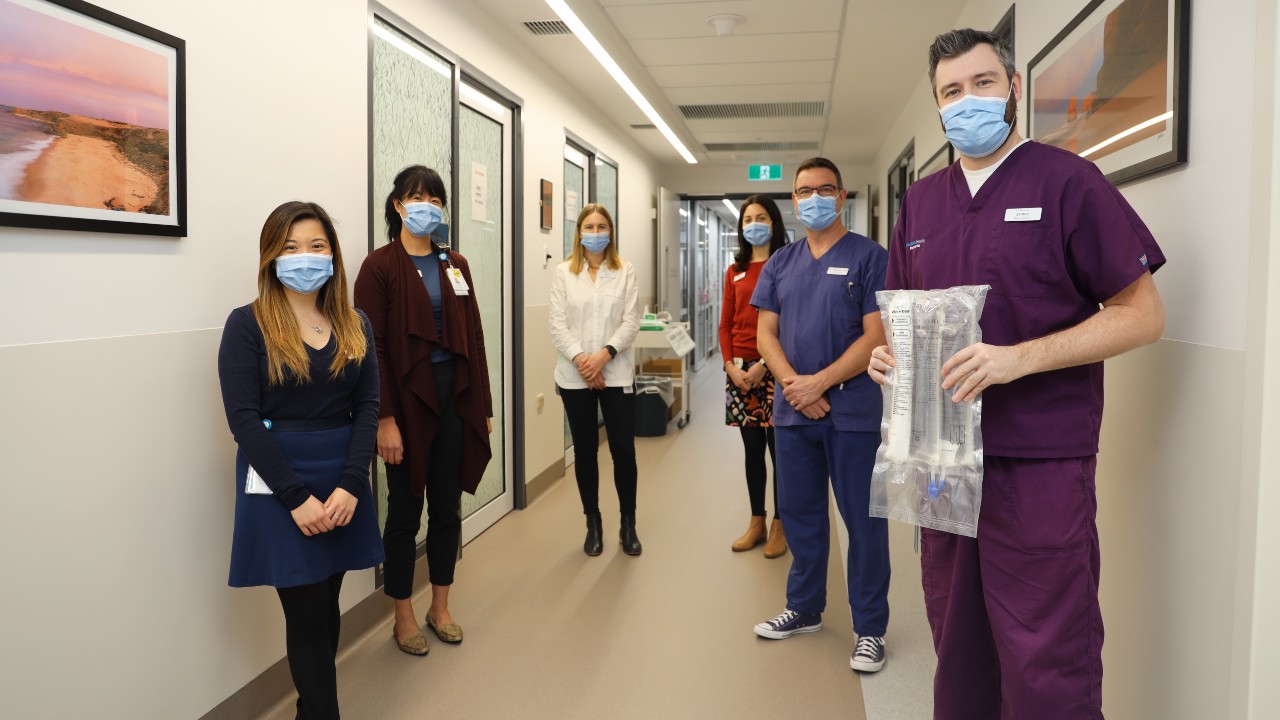
    Last week, Peripheral Parenteral Nutrition (PPN) was rolled out at Northern Hospital Epping, on Ward 16 and the Intensive Care Unit (ICU).

    Stella Mexias, Dietitian, explained the new service aims to reduce malnutrition in patients, and complications associated with it, such as increased length of stay.

    “We have rolled out Peripheral Parenteral Nutrition (PPN), which is different than Total Parenteral Nutrition (TPN). PPN is used for patients who may not be tolerating oral diet or enteral nutrition (e.g. NG feeds) or when there is a delay in TPN commencing. Patients can receive nutrition without delay or a top-up while their gut improves” she explained.

    “This is something to be used short-term only, five to seven days, because it is not nutritionally complete. After that period, patients would commence either TPN or their gut may improve so they can eat and drink,” she added.

    The new service also means patients will have a reduced risk of refeeding syndrome since they will receive some nutrition rather than remaining nil by mouth.

    “The new service has taken 18 months of planning and liaising with ICU, Dietetics and Pharmacy to get it up and running, and it’s not something every health service has. Tina Aboltins, ICU Dietitian, has been involved in coordinating different projects to bring it together and roll it out. The product comes from Pharmacy, as they will store and provide the PPN. ICU has updated our parenteral nutrition guidelines now include TPN and PPN,” she added.

    Stella and the team have provided education sessions for nursing staff around the administration and storage of the PPN. Surgeons were educated on this roll out at their Grand Round earlier this year and ICU doctors more recently. Posters about PPN including FAQs are on Ward 16 and ICU for staff to refer to.

    To use PPN, medical or surgical teams need to refer to ICU on 88228 to request PPN and refer to a dietitian for an assessment.

    Featured image (left to right): Vivian Tsang, Tina Aboltins, Hayley Collins, Stella Mexias, Dr Anthony Cross, James Ash

  • New FollowMe desktop is here

    New FollowMe desktop is here

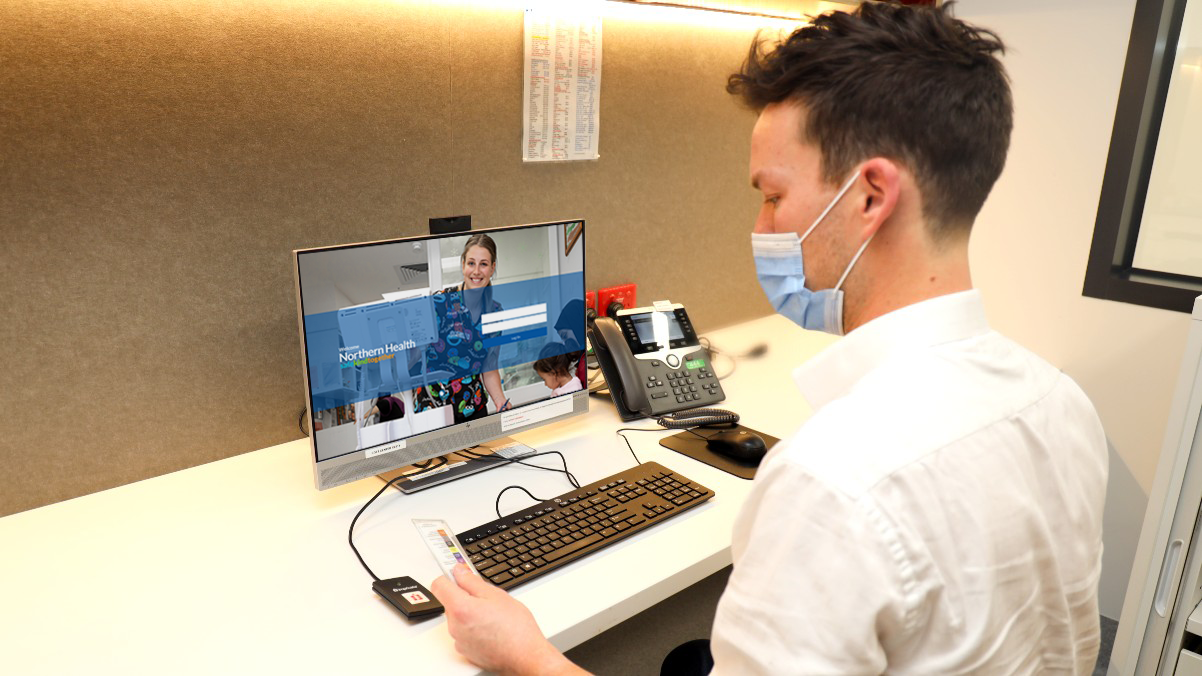
    A new, faster FollowMe desktop is coming to Northern Health staff, commencing from tonight at 6 pm (Friday).

    David Ryan, CIO, explained the new desktops will be based on Windows 10, compared to the current ones which are running Windows 7, and are expected to work faster, reduce any lagging and will also be able to run Microsoft Teams. The log-in page will also have a new look.

    “A better user experience is coming, along with up-to-date software and latest Office apps and integrated MS Teams. The new desktop will also be more compliant and more secure. The users that haven’t been migrated yet will see the familiar Windows 7 environment, while the ones migrated will go to Windows 10,” he said.

    The environment and some of the buttons will look different, but the applications that staff normally use will stay the same. The tap on – tap off feature in clinical areas will remain as it is currently operating.

    The change to the modernised FollowMe desktop will be gradual – with our testers and most frequent users being the first to transition.

    After that, rollout will continue by departments and wards like ICU, Allied Health, different wards etc. All users are expected to be transitioned to the Windows 10 FollowMe desktop in the next two to three weeks.

    Lawrence Buxton, ICT Project Manager, suggests that prior to transition, staff who have documents currently saved on their current FollowMe desktop, should save them into the ‘Documents’ folder within their H: drive to ensure they can be accessed once the transition is complete.

    “Let’s say you work from home one day, and at the office the next. If you save all the documents you are working on in the FollowMe Desktop ‘Documents’ folder, you will have access to them when you come to work and to your PC. With the new FollowMe Desktop, although you won’t be able to save big documents on the desktop, the experience will be fast and ensure access across devices. That way, if anything happens to your desktop, you haven’t lost your documents,” he added.

    Staff will be notified via email or SMS before they get switched to the new FollowMe desktop, including the transition date and the instructions.

    More information can be found on the FollowMe Intranet page.


  • New operating theatres now open at Northern Hospital

    New operating theatres now open at Northern Hospital

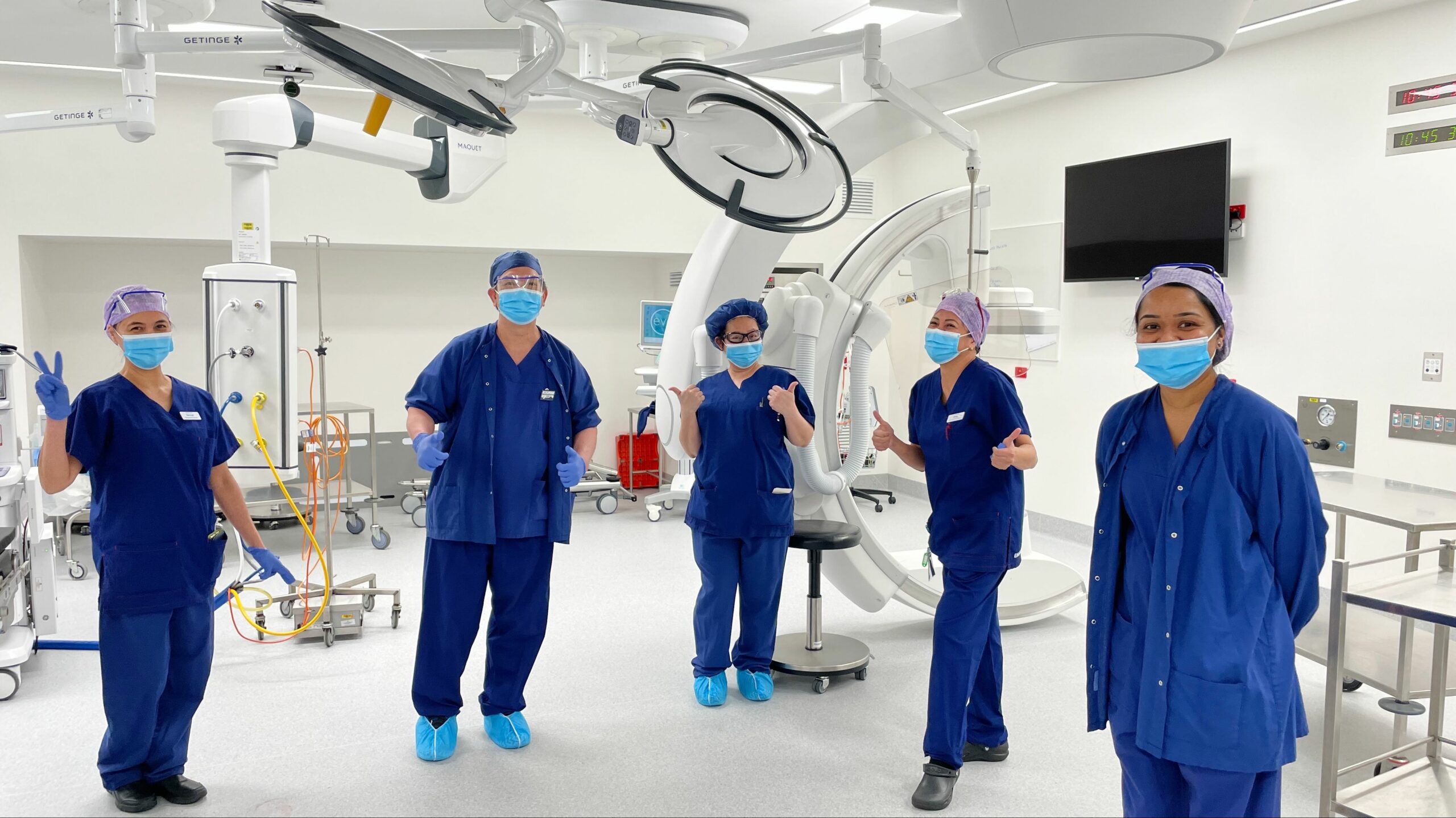
    Last week, three new operating theatres, including one hybrid theatre, became operational at Northern Hospital Epping.

    The new theatres and new recovery area, which was opened on 19 July, form part of the Stage 2 Northern Hospital Expansion Project.

    The new theatres are large, state of the art and are all set up for video conferencing for teaching purposes – equipped with the latest technology, including fluid warmers.

    Our brand new hybrid theatre is also state of the art, set up for continual radiology screening with C-arm and a control room.

    The new recovery area is now set up to receive 19 patients, including dedicated paediatric bays that are bright and colourful.

    “The opening of the new theatres will allow for reduced emergency and elective surgery wait times, as well as improve theatre flow,” explained Lana Dent, Operating Theatre Nurse Unit Manager.

    “Our staff have reacted positively to the new areas and are all very excited to use them and the features!” said Casey Muscat, Operating Theatre Nurse Unit Manager.

    “We would like to thank everyone involved for their tireless efforts and patience in preparing the new areas for our ‘go live’. Without all of the hard work and effort that went in behind the scenes, whilst construction was happening, the opening would not have gone go smooth. The efforts by all are greatly appreciated,” expressed Lana and Casey.

    “The new theatre spaces are beautiful and complement our work flows beautifully. I’m so happy for the team – they have been very resilient and their patience is commendable. Now, they will be able to get on and do what they do best in this shiny and new environment – care for our patients,” said Tracey Wyllie, Peri Operative Services Manager – Surgical Services.

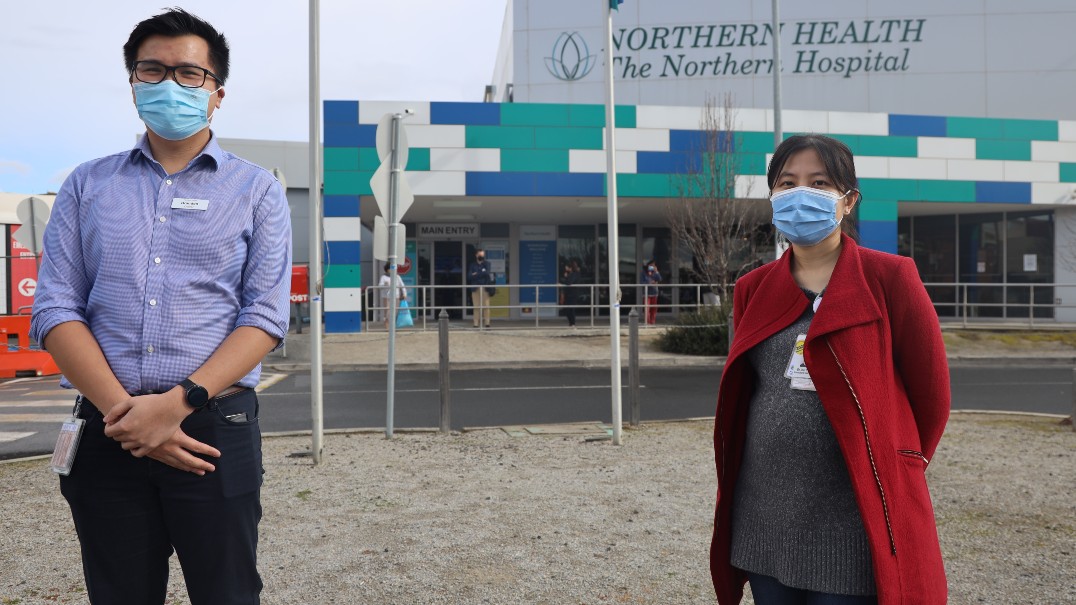
    Left to right: Casey Muscat and Lana Dent, Operating Theatre Nurse Unit Managers
    New hybrid theatre with C-arm
    Theatre and control room
  • Our haematology in Top 5 Australian research

    Our haematology in Top 5 Australian research

    The 2021 Annual Scientific Meeting of the International Society on Thrombosis and Haemostasis brought together thousands of the world’s leading experts on thrombosis, haemostasis and vascular biology. Held online in mid-July, the conference saw presentations from all over the world, with two of Northern Health’s presentations recognised as “Top 5 Australian Research” by ‘The Limbic’.

    Dr Brandon Lui, a resident at Northern Health, was one of the participants at the conference. He started here as a student in 2017 and, in his final year, commenced research with the Haematology Department.

    “The conference we presented at one of the main conferences for haematologists around the world. My submission at the conference looks at the last ten years of patients with clots that have presented to Northern Hospital. It looks at pulmonary embolisms and deep vein thrombosis, and how they have been managed. The treatment of these clots has changed significantly over the years, especially since 2013, going from warfarin to DOAC, which are novel agents. I was looking at how management has changed, including the outcomes,” he explained.

    “A separate Australian body, called ‘The Limbic’, which is an editorial focusing on local scientific research, highlighted the submissions from Australia and recognised the hard work that has gone into the study and potentials of the research and outcomes. There is a small group of doctors and students who have been working on this, and we have put a lot of effort into it. There were over 3,000 entries and each one had over 100 data points. It was quite exciting for all this hard work to be recognised,” he said.

    Dr Yin Lim, Head of Diagnostic Haematology and Thrombosis Research Lead, said her research team submitted six abstracts and all six got accepted. Three were accepted with a presentation webinar, and one of them was her presentation on global coagulation assays.

    “This is a big accomplishment for an outer suburbs hospital like ours. Brandon has done an amazing job looking at ten years of experience with VTE management at Northern, which involves around 3,000 patients. The other chosen presentation was looking at global coagulation assays, which is part of my PhD project. We are one of the few laboratories in Australia that are able to perform a combination of different types of global coagulation assays,” she explained.

    “These assays allow us to look at a more holistic picture of clot assessment including clot formation and dissolution, which we can’t assess from other standard coagulation tests. I am planning to finish my PhD in the next couple of months and we are expanding our research and hoping to validate more assays by the end of the year,” she added.

    Both Brandon and Yin didn’t expect for their presentations to be recognised as “Top 5” and were pleasantly surprised to hear about the recognition.

  • Nursing & Medical: What will the EMR mean for me?

    Nursing & Medical: What will the EMR mean for me?

    The second ‘sprint’ of our Electronic Medical Record (EMR) project was recently completed on 23 July.

    More than 100 workshops and meetings were held over this second sprint since 31 May 2021. With the implementation of the EMR, it is critical that the EMR system is designed and built to be ‘fit for purpose’ for us in providing exceptional care to our patients.

    By adopting the iterative approach in these workshops, this allowed our Subject Matter Experts (SMEs) to see the clinical workflows incrementally, as they are being built. This approach has the advantage that potential risks or concerns can be mitigated beforehand for a smoother go-live.

    The EMR team works closely with Cerner, our EMR vendor, to design, build and validate existing or new workflows across disciplines such as nursing, medical, allied health, pharmacy, and much more.

    Daniella Chapkoun, Nursing Informatics Officer and Benefits Analyst, was excited to shed some light on the biggest changes for the nursing cohort that has been confirmed so far.

    “The EMR will change how we document patient care. We will be documenting at the bedside in real-time. From a clinician perspective, this means greater efficiency and transparency of care, while from a patient perspective, it will enhance their journey with us at Northern Health, knowing their clinical information is located in one centralised repository,” Daniella said.

    Being with Northern Health for 20 years, Daniella looks forward to having a 360-degree view of the patient journey.

    “With an EMR, it doesn’t matter where the patient is and where you are, you will be able to provide continuation of care across the four Northern Health sites, and more importantly in real-time. If we need an urgent review, all information is collocated and accessible remotely within a secure environment.”

    Thomas Shiels, EMR Medical Analyst and Junior Medical Officer, says he believes doctors will be excited for some of the changes that would have positive impacts for the medical staff. “We are confident that having to leave pathology slips all over the hospital for AM bloods will be a thing of the past and future pathology requests can be requested from a single location. Having to trek across the hospital to sign off a form or to sign a clexane order on a drug chart will also be a distant memory,” he explained.

    Hoping to reduce duplicated paperwork and to provide better visibility to all clinicians involved in a patient’s care, Thomas adds, “Another huge benefit is that after go-live, medical staff will be able to view a patient’s results and observations from any PC in real-time through EMR.”

    Sarai Abel, EMR Applications Manager, says she is proud of her team and our EMR stakeholders for completing Sprint 2.“We would like to thank all Subject Matter Experts (SMEs) and Accountable Leaders for joining us for our first eight week iteration. We were able to introduce, demonstrate and make some decisions on some components of EMR functionality our clinicians will be using in the near future.”

    Looking forward, she adds, “In Sprint 3, we very much look forward to doing the same, engaging with our stakeholders to design a baseline EMR that is patient safe, compliant and useable for Northern Health.”

    Sprint 3 commenced on 26 July and will end on 17 September 2021. For more details on what the EMR will mean for you, please click here.

    Featured image (left to right): Sarai Abel, Thomas Shiels and Daniella Chapkoun

  • h-trak live at Broadmeadows Hospital

    h-trak live at Broadmeadows Hospital

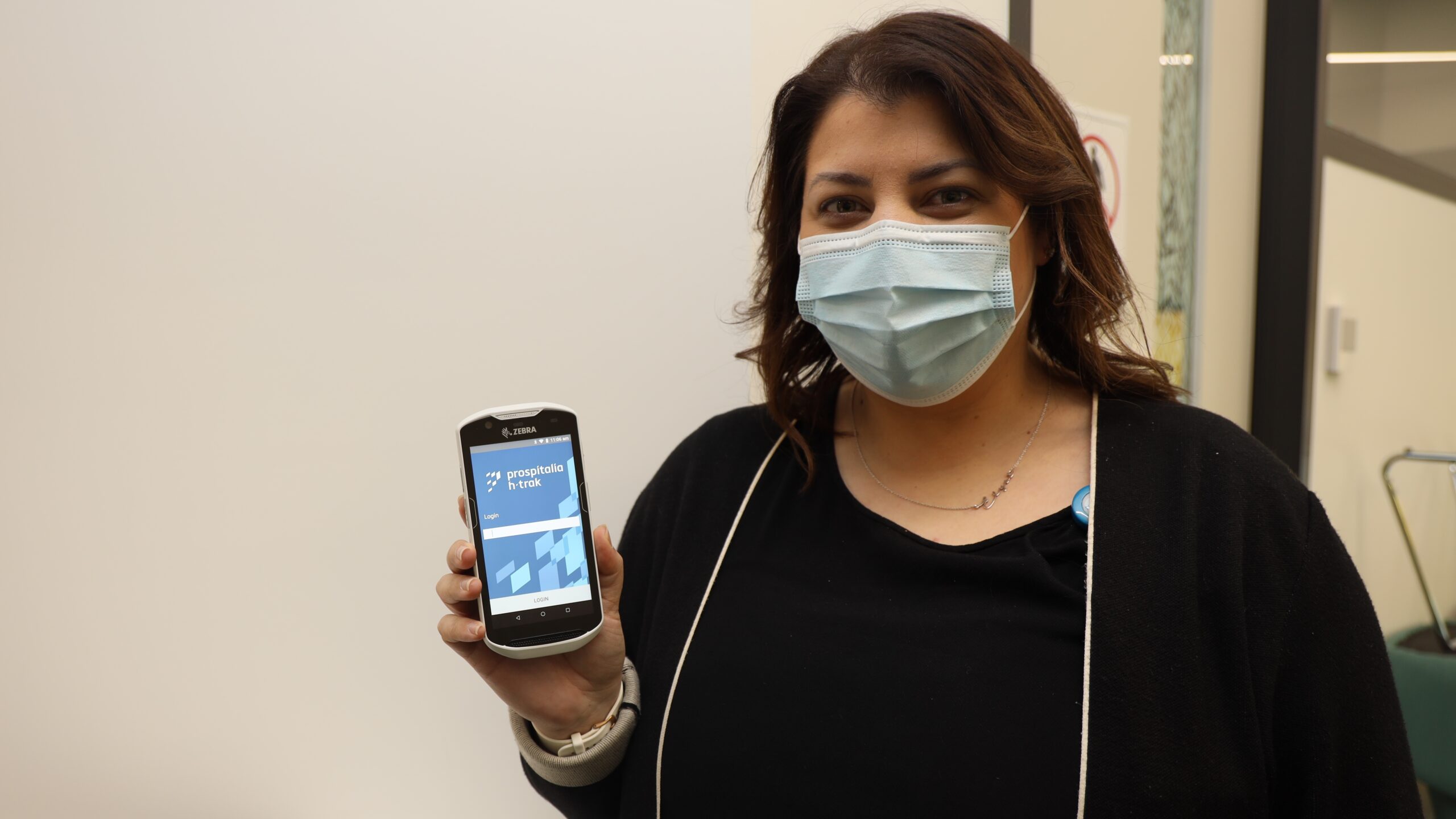
    h-trak is a fully integrated system in a handheld device that records prostheses and procedure codes in real time.

    It is an ordering system for prostheses in theatres, and it improves ordering, tracking and management of stock by removing manual processes.

    The system was implemented at Northern Hospital Epping Operating Theatres in June and is now going live at Broadmeadows Hospital Operating Theatres.

    Debbi Strappazzon, Acting Nurse Unit Manager, Operating Theatres, said the system will reduce the amount of paperwork used by staff.

    “Staff can actually scan the prostheses at the point of a patient’s operation, so they are not having to go complete re-ordering and CMBS code paperwork,” Debbi said.

    “It is a much more streamlined service and it also means for the specialty managers who are sitting there for hours, typing in implant and product codes into FMIS, that system is gone and they can just log into h-trak and see what is exactly being used and at a click of a button, send it off to re-order it.”

    The cardiology team have already been using h-trak for about 10 years, and have received an upgrade to the latest h-trak version.

    Elyse Kourlis, Acting Director, Revenue Services, said feedback from staff had been well received.

    “It’s been going really well,” Elyse said.

    “Staff really like it, it’s easy to use. It is definitely improving processes, we aren’t missing prostheses and CMBS codes which are really important to capture.”

    Debbi said, “It has the ability to do an urgent re-order of our consignment stock. So, normally what would happen if we had used a particular prostheses on a shelf that we only had one of, the nurse in charge would then have to ring the company and fax and email, so it was definitely a process to get the equipment urgently re-ordered.”

    “Whereas now, it automatically goes to the company at the time the nursing staff synchronises the patient, which is at the end of the procedure, so the company can start working on replenishment as soon as possible.”

    “From a nurse in charge point of view, they are busy enough, so that whole process of having to fax and ring has gone completely.”

    h-trak goes live at Broadmeadows Hospital today, and the staff are very excited to have a new system in place.

    “They are looking forward to it going live and it being implemented and all of our paper based and other processes going,” Debbi said.

    Elyse said, “It’s something that is really beneficial to have in theatre and cardiology and it’ll save a lot of time in the long run and it is always a work in process. There are still integration pieces we want to get up and running and to reduce manual processes even more.”

    “Theatre and cardiology staff have been really receptive to the upgrade and the new implementation. They have done an amazing job getting on board and being really engaged. I think it’s a credit to them.”

    Featured image: Elyse Kourlis, Acting Director, Revenue Services

  • Dealing with pain in a pandemic

    Dealing with pain in a pandemic

    Here’s a timely story for Pain Week. It is a story of persistence in the face of a pandemic.

    It concerns our Pain Entry Program (PEP), part of our Persistent Pain Service, a group based, face to face program that was the entry point to the pain service for clients.

    When COVID-19 put such group gatherings at risk, it had to quickly evolve into becoming TelePEP, offering a combination of online and telephone-based services.

    However, it wasn’t without its challenges as Sarah Slater, Pain Service Coordinator, explains.

    “In order to participate in TelePEP, clients were contacted to determine if they had internet and email access and would agree to participate. Those willing were first emailed a link allowing them to complete an initial pain entry questionnaire online.”

    “All clients who attend a Persistent Pain Service in Australia are asked to complete this same initial pain questionnaire, known to us as the ePPOC – Electronic Persistent Pain Outcome Collaboration.”

    Once a client had completed the ePPOC questionnaire, they were sent an email containing a link to an education video on YouTube. This education video was recorded by our pain team clinicians and involved an overview of the Northern Health Persistent Pain Service, together with a brief introduction to pain education.

    After the client had watched the education video, they were contacted by a pain team clinician for an interview over the phone and to ascertain ‘where to next’ in their journey with the pain service.

    The ePPOC report for Northern Health for 2020 showed that 32 per cent of the clients who accessed our pain service last year required an interpreter.

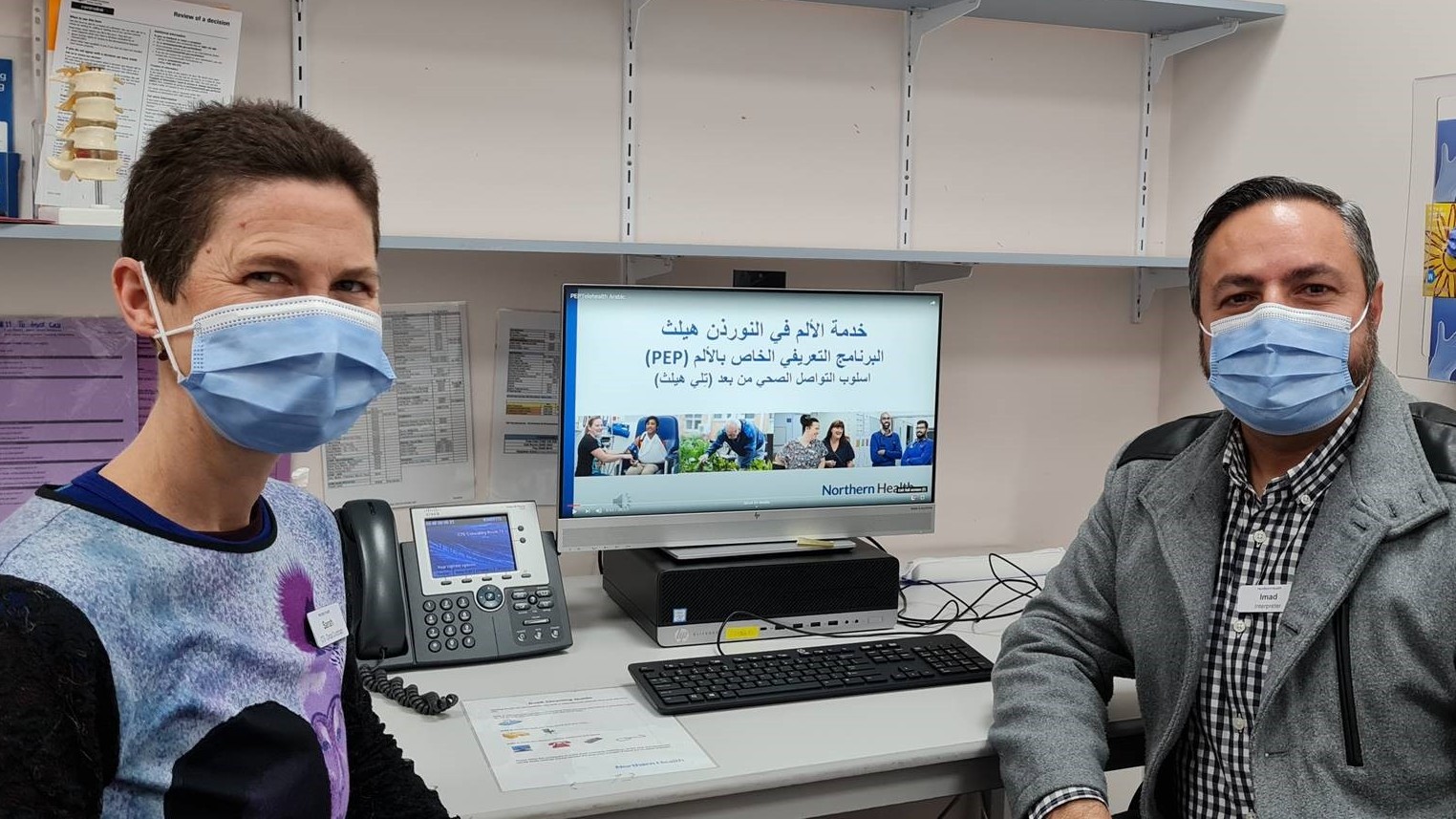
    This process got even more exciting says Sarah, when working closely with the Transcultural & Language Services (TALS) team, the online presentation was translated into Arabic, the biggest non-English speaking client group accessing the pain service.

    “At the end of May, the first group of clients to participate in this Arabic TelePEP had their 1:1 triage interviews with clinicians, using the TALS service.”

    Sarah believes, “The introduction of the TelePEP and its translation into Arabic is one of the key adaptations to our service in response to the COVID-19 restrictions that will have a lasting positive impact.”

    The TALS team are planning to translate the TelePEP into more languages, “so that we can better meet the needs of the Northern Health clients from non-English speaking backgrounds wanting to access the pain service,” she says.

    The feedback has been very positive and ranged from, “The person I spoke with during my triage interview was most interested, understanding and helpful,” to “I was given clarity that my personal pain management and what I have been doing to be able to deal with my pain on a daily basis is the right track.”

    The TALS team are now working on the translation and recording of the TelePEP into Turkish, the second biggest language group, and will look at providing other languages if needed and appropriate.

    Stefania Zen, TALS Manager, is very proud of the result with the Arabic version of the TelePEP and praised the translator and reviewer involved.

    “They did an incredible job translating the power point, the transcript and then recording the oral presentation in Arabic, as well as translating the patient survey and the feedback received,” Stefania says.

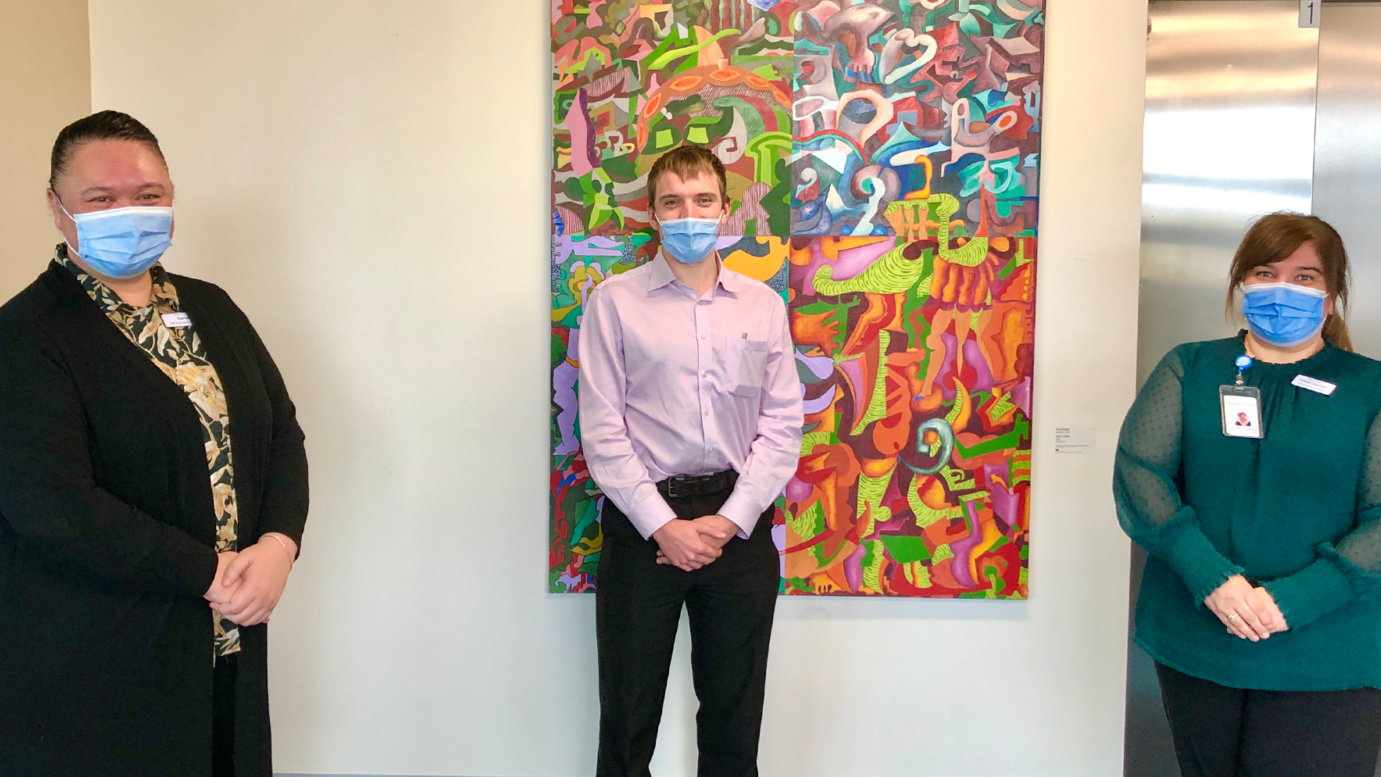
    Featured image shows Sarah Davies, Community Therapy Service Clinical Coordinator at Broadmeadows Hospital and Imad Hirmiz, Arabic/Assyrian/Chaldean Interpreter/Translator, TALS.