• Northern Health Foundation: Play for Purpose

    Northern Health Foundation: Play for Purpose

    This Year, Northern Health Foundation is partnering with Play For Purpose – an online raffle helping Australian charities fundraise. By purchasing a ticket, you will be helping to support the funding of life-changing equipment, research, and training right here in the heart of your community.

    Of course, you are also placed in the draw to win first prize valued at $250,000, including an Audi E-Tron Sportsback and $75,000 in gold! If you don’t grab the first prize, don’t worry, your ticket also gives you another opportunity to win, with hundreds of prizes available, including a $15,000 Myer voucher or a $500 JB Hi-Fi e-Gift voucher.

    Half of all proceeds go directly to supporting Northern Health Foundation in its vision of building a healthier community for our staff and our patients here at Northern Health.

    Play For Purpose is a platform used by many Australian charities as a fundraising activity.

    Acting Executive Director, Public Affairs and Foundation, Pina Di Donato, is pleased to partner with Play For Purpose, saying, “it is a great opportunity for Northern Health staff and community to take part in something exciting, with the additional benefit of proceeds from the raffle used to fund life-changing equipment and research. The more tickets we sell, the greater the benefit.”

    Ticket sales close on Thursday, 24 March 2022. Winners are announced on Friday, 25 March 2022.

    Be quick – tickets are limited!

    To purchase your raffle tickets, click on the below image.


  • Dr Chiu Kang: Delivering surgical education to junior medical staff

    Dr Chiu Kang: Delivering surgical education to junior medical staff

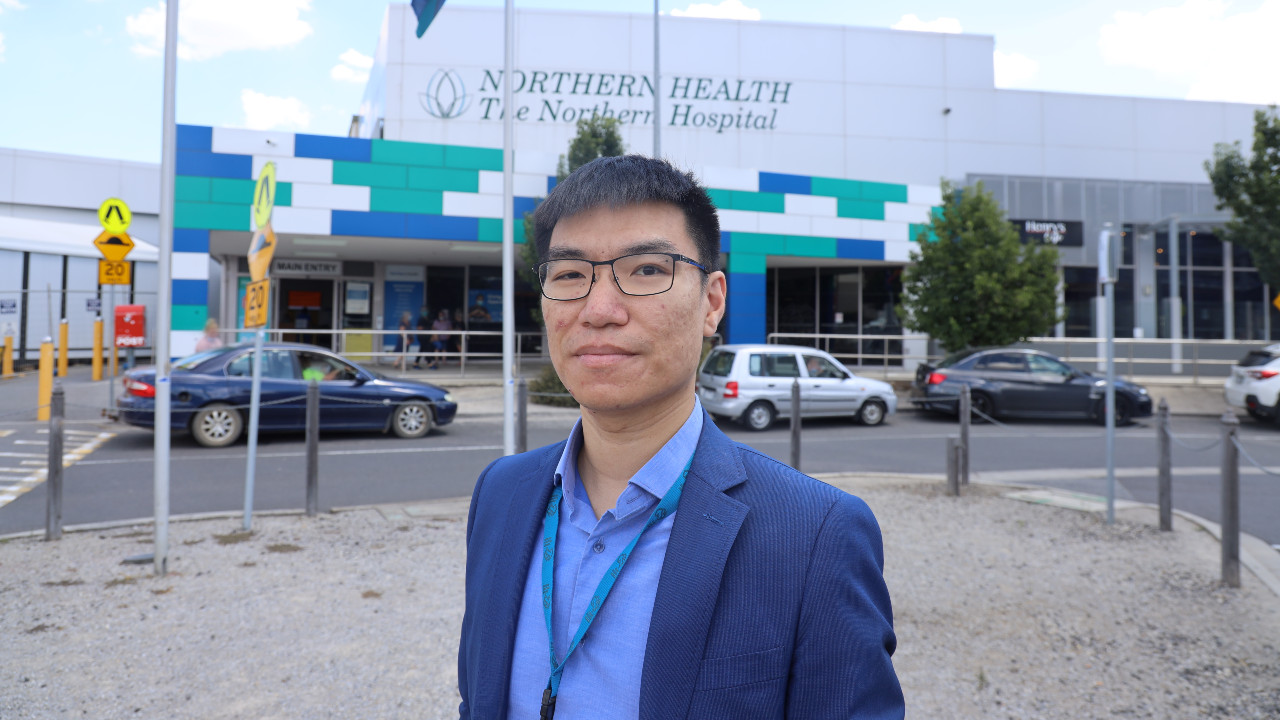
    Dr Kang started his career at Northern Health as a medical student back in 2006 and, after graduation, returned as an intern. Now, he is the new Surgical Education Consultant who will be helping junior doctors progress in their careers.

    “I’ve actually been here most of my career. It is my absolute pleasure to join the vibrant team at Northern Health, taking on the new and exciting role of Surgical Education Consultant. I am a Bariatric, UGI and general surgeon who completed all my pre-fellowship training with Northern Health and, before that, a medical student graduating from Austin/Northern Clinical School, University of Melbourne. My passion for medical education was first ignited after taking my first group of clinical students for bedside tutorials while being heavily influenced by my own experience as a trainee,” he explained.

    His role includes looking after surgical education needs for anyone from intern to registrar level.

    “As Surgical Education Consultant, I will be joining a team of enthusiastic and skilled educators from the Medical Education Unit and Department of Surgery entrusted with the responsibility of planning, implementation and delivery of surgical education to all junior medical staff. Practically, this will include organising rostered educational sessions, practical workshops and tutorials, while providing supervision, mentorship and career advice to those who are interested in a career in surgery. I will be liaising with different surgical units to best aid for the career development of our junior medical staff. This is a position that can really change things around,” he explained.

    In his own transition from an intern to registrar, he noticed a gap in the formal transition process. Now, he is planning to change that and is working on establishing new education sessions, providing junior staff a more formalised process to move into registrar roles.

    The ‘Transition to Registrar Practice’ sessions will be aimed at senior surgical HMOs who are ready to step up to a registrar role or junior registrars who are still finding their feet in their new role.

    “This will consist of small group tutorials and lectures during monthly theatre educational days. Sessions will include topics like: How do you assess a patient? What are some of the important conditions you must know of? At what point do you know you have reached your limits and that you have to escalate to a senior? How to manage a night shift when you are the most senior surgical doctor on site? and similar,” he explained.

    Dr Kang has seen Northern Health develop and change over the years he has been working here.

    “I grew up here! To me, Northern is a hospital that has always experienced a lot of challenges in the forefront. It was an expanding population area ten years ago – the demand for the hospital services exploded exponentially, then COVID-19 came, where we had high case numbers in the north. Despite the challenges, it has always been a workplace that has innovated and had a strong foresight into what is required in the future,” he said.

    “With the ongoing COVID-19 pandemic, 2022 will once again be a challenging year for surgical education at Northern Health. It is our duty as educators to provide comprehensive training and support to our junior doctors under these circumstances,” Dr Kang concluded.

  • Beat the heat this week

    Beat the heat this week

    Temperatures are soaring this week across Victoria.

    While summer is a great time to be outside, during these extra hot days, it’s important to know how to stay safe and well.

    Extreme heat can affect anybody, but those most at risk are young children, older people, and people with a medical condition.

    Heat can cause illnesses such as heat cramps and heat exhaustion which can lead to the life-threatening condition, heatstroke.

    Parents and carers should watch babies and young children carefully during hot weather. They need to drink regularly, wear light clothing and be kept cool.

    Dr David Tran, Clinical Director of Paediatrics, explained the importance of keeping your children safe during periods of extreme heat.

    “With the extremely hot days, children are more likely to overheat and become dehydrated. It is important to keep your child cool and hydrated in these conditions,” Dr Tran explained.

    “Stay in air-conditioned or cool shaded areas if possible and offer plenty of fluids, including more frequent breast/bottle feeds for babies, and water for older children.”

    “And never leave your children unattended in cars,” Dr Tran added.

    The temperature inside a parked car can double within minutes.

    Parents should also be mindful of children having too much exposure to the sun by following the simple SunSmart tips.

    “When outside, remember to slip, slop, slap and wear a hat,” Dr Tran said.

    During these hotter periods, it’s important to be able recognise heat-related stress and seek medical attention if needed.

    Some heat-related illness and common symptoms include heat rash, cramps, dizziness and fainting, heat exhaustion and heatstroke.

    Heat can also worsen the condition of someone who already has a medical issue so sick children and older people need special attention during hot weather.

    If you or someone you know is unwell, seek medical attention urgently.

    For more information on how to beat the heat, click here.

  • Drive into the new multi-deck staff carpark

    Drive into the new multi-deck staff carpark

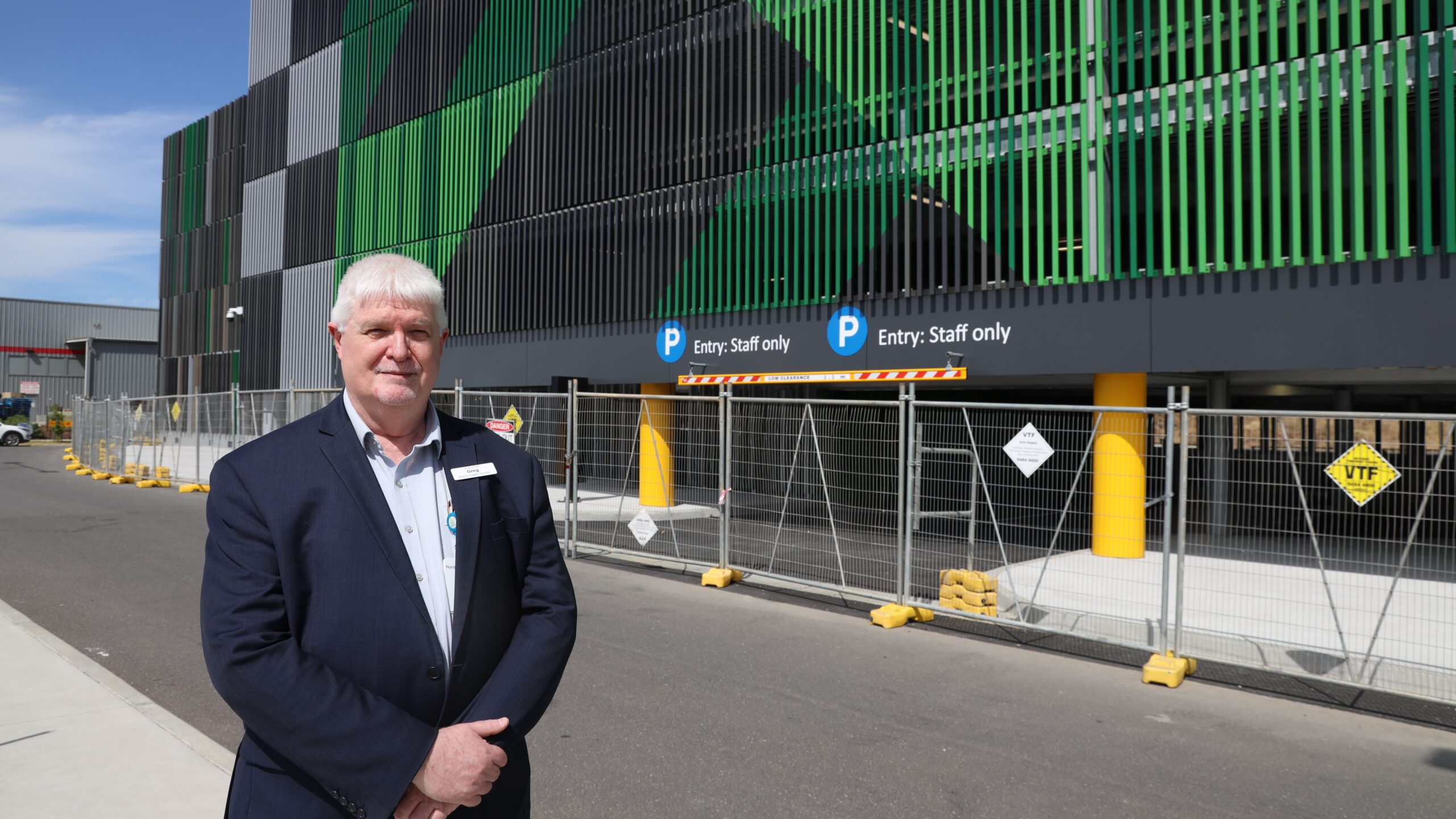
    Staff will soon be able to drive into the new multi-deck staff carpark at Northern Hospital Epping, which opens from 7 am Monday, 31 January.

    The new carpark features 1,137 car spaces, with access via the Costco road, behind the hospital.

    Early works commenced in December 2020, with construction beginning in January 2021, and the carpark was completed in December 2021.

    Greg Warman, Director Support Services, said the multi-deck carpark will be open 24 hours, seven days a week.

    “The carpark is monitored by Security via the CCTV cameras located on each floor. There are car space counters at the entrance and on each floor to assist with finding a space. There are 12 disabled spaces located on the ground floor and there are 12 free to use Electric Vehicle (EV) charge stations available on the top floor of the carpark. The stations are a 7kW single phase system which provide 35-40km of range per hour.”

    “At the moment, and excluding the temporary carparks at Epping Plaza and the Cooper Street carpark, we have 450 spaces for staff. When the multi-deck carpark opens, we will more than triple that to 1,587 spaces, all located on the hospital grounds.”

    Carpark attendants will be located at the carpark’s entrance on Monday, 31 January, to assist staff.

    Staff who currently pay for parking do not need to do anything further – your Northern Health ID badge has already been activated for the carpark. Staff who ‘Pay As You Go’ need to ensure there is sufficient funds available on the card.

    Staff who do not pay for parking and wish to access staff carparks, including the multi-deck carpark, will need to complete the Carpark Access form and return to multideckcarpark@nh.org.au. Please allow five days for the card to be activated – car parking rates remain unchanged.

    If staff have any issue with access, please email multideckcarpark@nh.org.au. For more information, click here.

    Staff multi-deck carpark


    Staff multi-deck carpark


  • Staff Physio Clinic: taking your pain away

    Staff Physio Clinic: taking your pain away

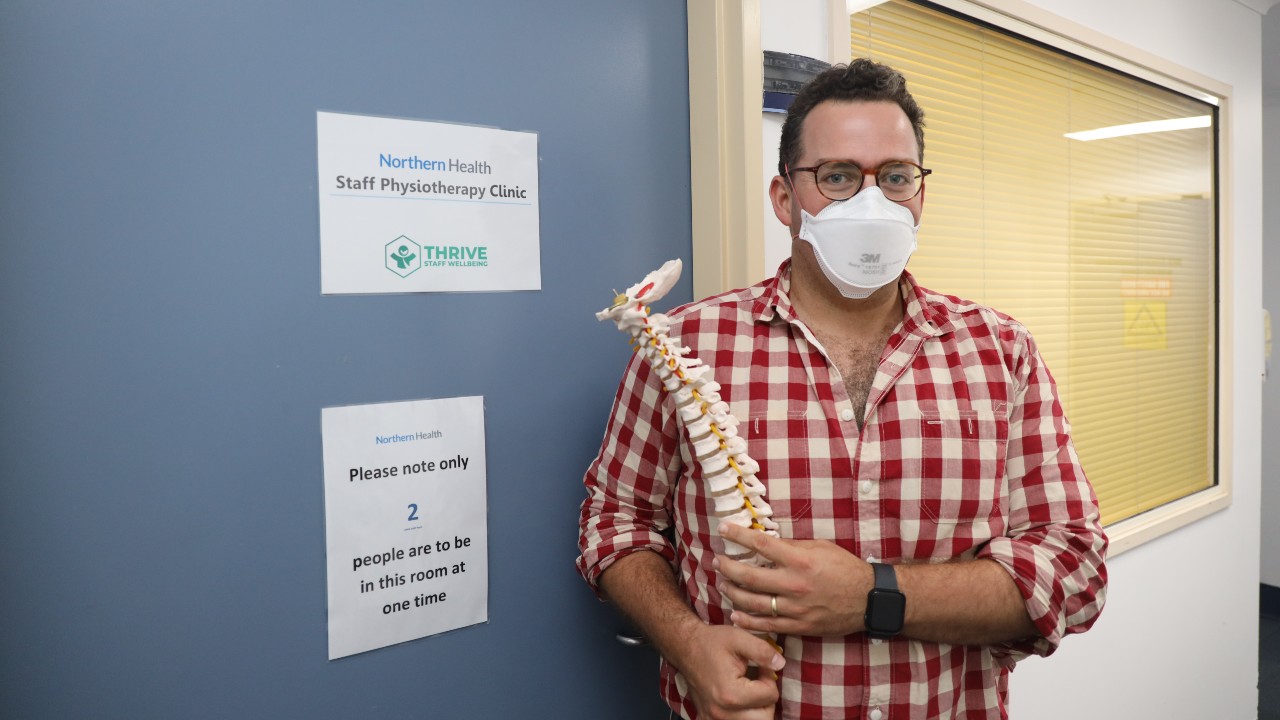
    If working behind the desk, standing long hours or lifting heavy items is causing that annoying back, shoulder or similar pain, our own Staff Physio Clinic is here to help.

    The clinic, which opened in May 2021 at Northern Hospital Epping, has successfully treated over 150 of our colleagues so far, and plans to treat even more, with the working hours soon to be extended.

    “From 7 February 2022, we are expanding to five days a week, with first appointments available from 8.30 am, and last appointments usually around 3.30 pm. If staff have a general musculoskeletal complaint, and they want to refer themselves, all they need to do is visit the Staff Physiotherapy Intranet page and follow the instructions there,” Tom Cooper, Physiotherapist explained.

    Tom, who leads the clinic, is proud of its achievements so far, and the help it provides to both clinical and non-clinical staff. He is treating some of the most common conditions like back pain and nerve pain in the shoulder, especially with staff who are doing a lot of computer work, relevant now with the rise of Telehealth. Tom also treats ‘tennis elbows’ – which can also occur due to a lot of repetitive moments behind the computer or carrying heavier objects.

    “We are seeing a variety of staff. Some self-refer to the clinic, others are a combination of work injuries that have been referred via the Injury Management team. I would say most of the referrals are staff self-referrals for problems that occur outside of work,” he explains.

    Tom and the team have presented their findings and outcomes of the clinic to the Executive and found that the clinic has been quite successful in terms of returning people back to work and stopping people from developing more serious injuries.

    “Over 90 per cent of staff reported a high level of satisfaction with the service and would recommend to others. The majority of staff felt their condition improved with treatment in the clinic. No one reported that their condition got worse from treatment,” he added.

    “If you are feeling sore, you shouldn’t delay coming to see me. Refer early because it’s easier to fix a small problem than it is to fix a bigger problem. The clinic usually provides up to six sessions, and, in most situations, we can deal with the problem within those sessions,” Tom said.

    Here is some of the feedback and cases Tom has seen so far:

    David was a patient who saw me for a few months in 2021. He had suffered with shoulder pain for nearly a year and limited his ability to exercise and keep fit. He had seen other physios who got his shoulder “about 80 per cent better” but David would keep reinjuring it. David was one of the Staff Physio Clinic’s first ever patients. David was provided with a targeted strengthening program specifically designed for his shoulder’s issue and given education around how to understand his pain symptoms better. Over a few months, we got David’s shoulder pain free and he got back to his usual weights routine for his general fitness. More importantly, David learnt how pain works in the body and how we can work with our body’s protective pain system to promote recovery.

    Khadra is a nurse who hurt her back and leg and saw me for treatment last year. This is her email to me after we finished her treatment:

    I would like to thank you for the care and dedication you utilised in caring for my injury (ankle and lower back) at the Staff Physio Clinic at Northern Hospital Epping. I was in intense pain, unable to weight bear on my ankle and taking opioids to cope with the pain from my lower back. Although I sustained my back injury at the gym class, my ankle injury was a sustained and untreated injury from working as a nurse for the past 10 years.

    Initially, I was unsure where to seek correct treatment for this pain, and continued to solider on thinking it’s normal. When I heard there was a Staff Physio Clinic, I was surprised I never heard of it. But I am definitely very glad I came to see you. Without the treatment I received, I was seriously  considering pivoting my career from nursing. I was anxious, depressed from pain and stressed about calling in sick to work.

    I really love my job, so I am grateful for the treatment, and hope you continue this vital clinic for future staff at Northern Health. 

    For more information about the clinic, please visit the Intranet page or email staffphysio@nh.org.au.


  • Northern Health now in Pandemic Code Brown status

    Northern Health now in Pandemic Code Brown status

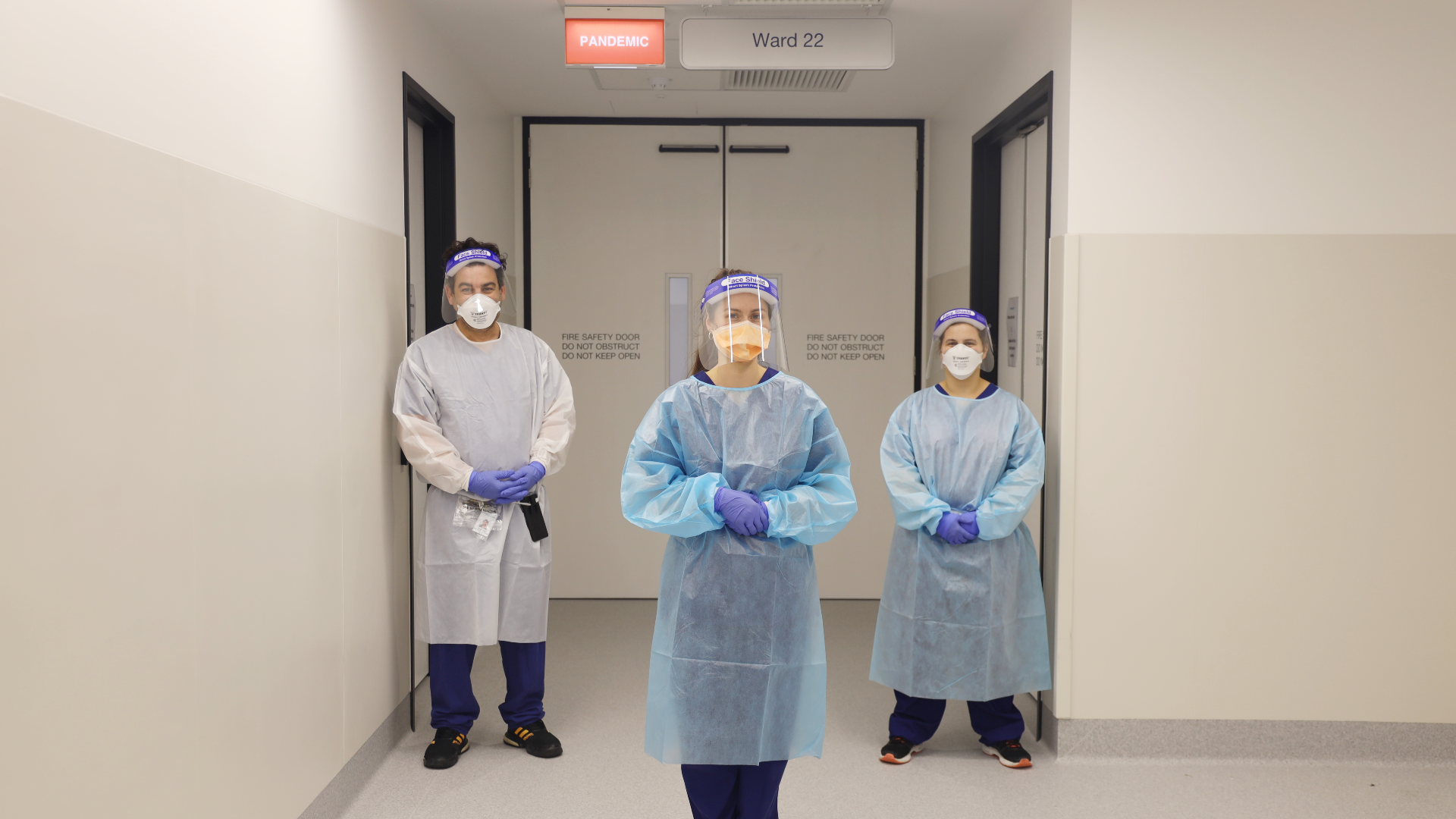
    At midday yesterday, a statewide COVID-19 Pandemic Code Brown was declared for Northern Health, along with other health services in metropolitan Melbourne and regional Victoria.

    While a normal Code Brown is generally reserved for short duration external emergencies such as natural disasters and mass casualty events, this Pandemic Code Brown requires an extended response, which is expected to last four to six weeks.

    The commencement of a Pandemic Code Brown enables our health service to achieve a well-coordinated, entire health service response that adequately manages resources for a surge in patients from an emergency, and to share the load and manage patient flow from a state level.

    Jason Amos, Manager Emergency Management, said a Pandemic Code Brown required a different organisational response to a regular Code Brown.

    “Normal Code Brown requires immediate actions from staff, including rapid discharge, staff to remain on shift, set up of ED triage areas and walking wounded clinics. These immediate actions are not required for a Pandemic Code Brown,” he explained.

    “Existing COVID-19 procedures remain the base structure of a Pandemic Code Brown response. However, recent changes including significant spread of COVID-19 in the community, severe workforce shortages, treating a vast number of patients with COVID-19 who require hospitalisation, as well as other patients with urgent and emergency needs, has meant that we will need to make additional changes.”

    Since 7 January, Northern Health has been operating two Incident Management Teams (IMT), seven days a week to better manage the health service’s COVID-19 response. Under the Pandemic Code Brown, IMT will continue.

    “The IMT is aware of the requirement for a balance between COVID-19 and business as usual requirements for critical care,” Jason said.

    “The IMT will still, as required, implement additional plans to scale down non-critical services to deal with a continued influx of pandemic and non-pandemic patients, supply chain and critical staffing deficiencies.”

    “For our staff, there are no immediate actions required to be implemented. Any changes required will be communicated to you by the IMT through your leadership teams.”

    This afternoon, we hosted a Pandemic Code Brown Live Event, to provide staff with the opportunity to ask any questions.

    To watch the live event, click here.

  • Northern Health Foundation: A Year in Review

    Northern Health Foundation: A Year in Review

    Northern Health Foundation provides philanthropic, corporate and community support for Northern Health. The Foundation helps to raise vital funds which are then allocated toward the purchase of life-saving equipment, capital works, research and training.

    While 2021 was a challenging year, Northern Health Foundation are pleased to share some of the ways they were able to support Northern Health over the past 12 months:

    With February fast approaching, we reflect on the year we’ve had, taking into account both the losses and the wins that 2021 brought to us. Here, at the Northern Health Foundation, we see any shortcomings from the effects of COVID-19 as an opportunity to grow and learn for the year ahead.

    As the charity arm of the north, we aim to build a healthier community together by funding life-changing equipment and research for Northern Health. Our achievements for 2021 were made possible by the support of our community, and together, we were able to tackle another challenging year.

    In July of 2021, Northern Health Foundation ran its Dry July campaign, raising over $30,000, allowing Northern Health to purchase a car for the NOAH@Home program. Nurse Unit Manager of Day Oncology, Melissa Gwynne, explained: “another vehicle will enable us to expand our geographical parameters to include rural areas”. This was a massive achievement for our staff and everyone who participated in the event. Our Dry July leader and now former colleague, Josie Verga, was incredibly passionate about this event, championing the campaign to support the staff every step of the way.

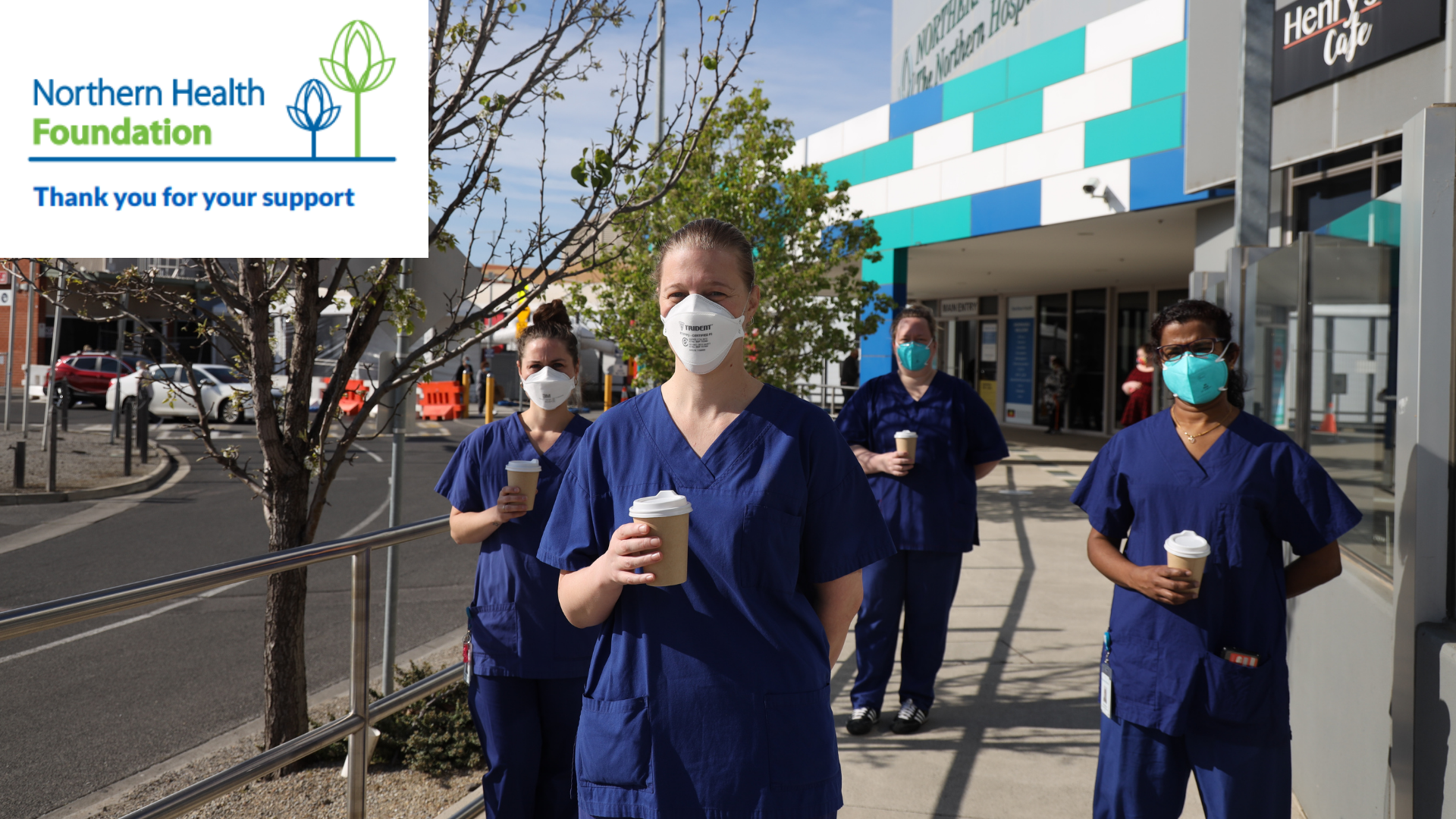
    As you may have also seen, the green coffee cups that adorn the tall windows at Henry’s Café couldn’t have been possible without the generosity of our community. As a way of saying thank you to our healthcare workers for caring for their loved ones every day, the community ‘shouted’ a coffee to the staff at Northern Health, to show their gratitude and appreciation.

    The solidarity of our community makes what we do here at the Foundation possible, allowing us to get through these unprecedented times.

    We look forward to 2022 with a renewed sense of enthusiasm to continue these displays of generosity that echo the care our community gives to us.

    If you would ever like to come and say hello, our office is located in the main foyer of the Northern Hospital Epping – knock, and we’ll be there for you.

  • Volunteers staying connected

    Volunteers staying connected

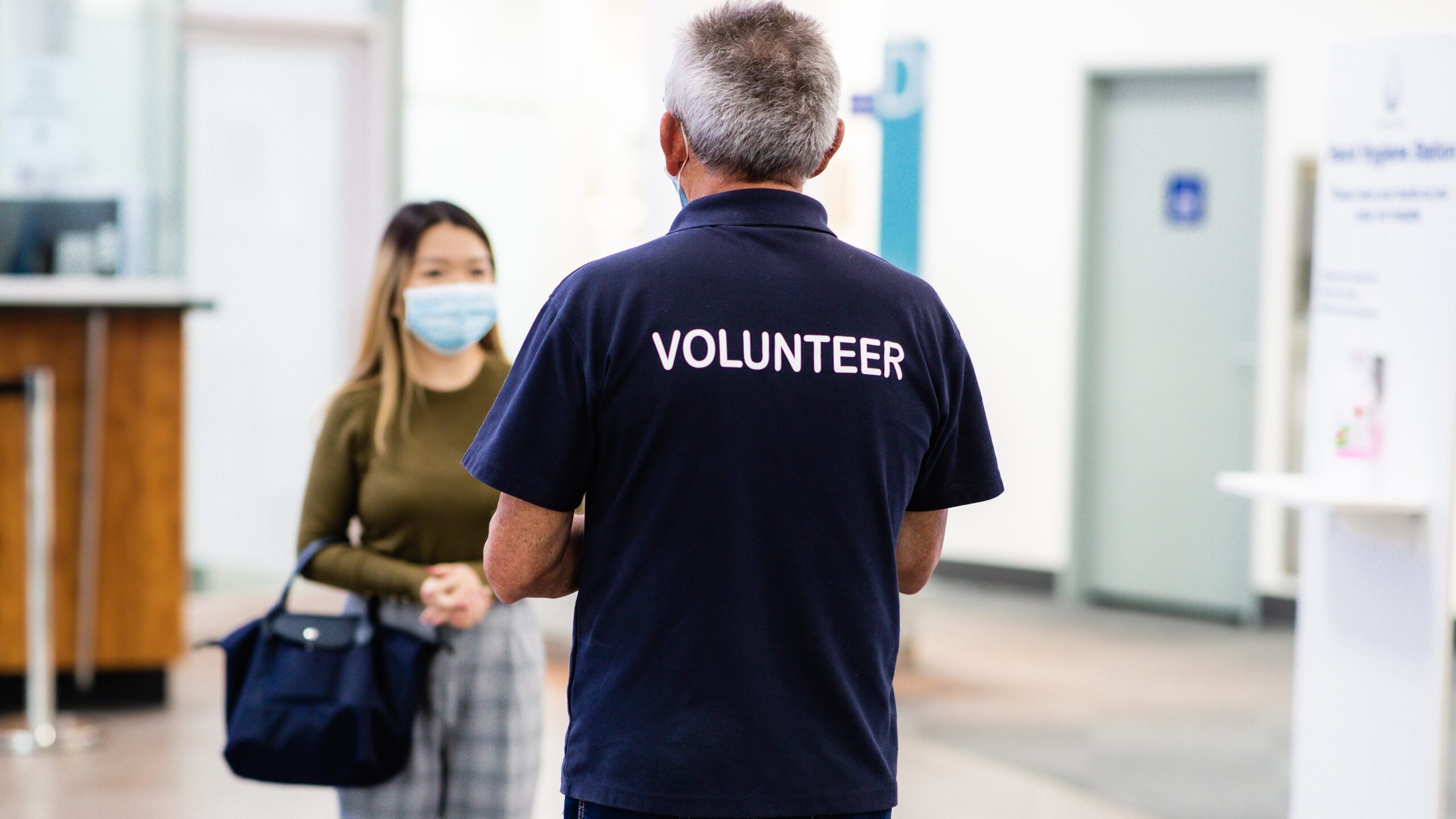
    Our amazing volunteers play an important role at Northern Health.

    Prior to the COVID-19 pandemic, our volunteers would roam the hospital halls with a friendly smile and cheer, ready to assist.

    But the hospital halls have been noticeably quiet, with onsite volunteer activity scaled back due to the COVID Peak status of our health service.

    Our volunteer program during the pandemic evolved from a focus on volunteers providing support to the health service, to one where the health service provided ongoing support to our volunteers, to help them stay connected to Northern Health while at home.

    The How-R-U telephone social support program – which offers participants weekly social support via a telephone call provided by a Northern Health volunteer – is one of the activities the team activated. This program has now been embedded into the Volunteer Services Team and has been a wonderful addition for our volunteers who can continue to support patients from their own home.

    To assist in the health service’s COVID response, the Volunteers Services Team facilitated the preparation of specimen collection bags for our COVID testing clinics, with more than 67,300 bags collected to date. As COVID-19 looks to be with us for some time, this will most likely remain a regular task our volunteers can assist with.

    The team continued to promote the many activities and achievements of volunteers through online stories published on the Intranet. These stories helped to remind staff that although volunteers weren’t visible onsite, they were still very much active behind the scenes.

    Weekly newsletters helped our volunteers retain a sense of connection to Northern Health. Volunteers were kept up to date about ongoing changes, new programs and services. For volunteers, newsletters provided a platform to share the great work and contributions other volunteers were still doing, something the volunteers truly appreciate.

    Our volunteers also regularly stayed in touch with one another – regular phone calls were made, Zoom chats were organised and birthday cards were sent to each other. Volunteers also facilitated the pick-up of hand-made items made by our community of volunteer knitters. Some of these items were for patients and some were made to support the fundraising for Northern Health Foundation, with volunteer fundraising enabling the purchase of equipment for Northern Health.

    Henni Wade, Manager Volunteer Services, said it was great the Volunteer team felt they could still make a difference and help out where they could.

    “It’s wonderful to have the continued support of our Northern Health Volunteers. Not only is their support helping the hospital, but it is also helping them to stay well while at home,” she said.

    “They are so keen to return to their onsite volunteering as they are missing interactions with staff, patients and other volunteers.”

    “If there is any task you think might be suitable for the volunteers to do from the safety of their homes, please contact the Volunteer Services Team on volunteer@nh.org.au.”