• Inspired Researcher: Sanjeevan Muruganandan

    Inspired Researcher: Sanjeevan Muruganandan

    This week is Research Week, when we celebrate our many inspired researchers at Northern Health. In our story yesterday, Professor Peter Brooks AM, Research Lead here at Northern Health, highlighted the many research studies our staff are involved in. Dr Sanjeevan Muruganandan features prominently in this list.

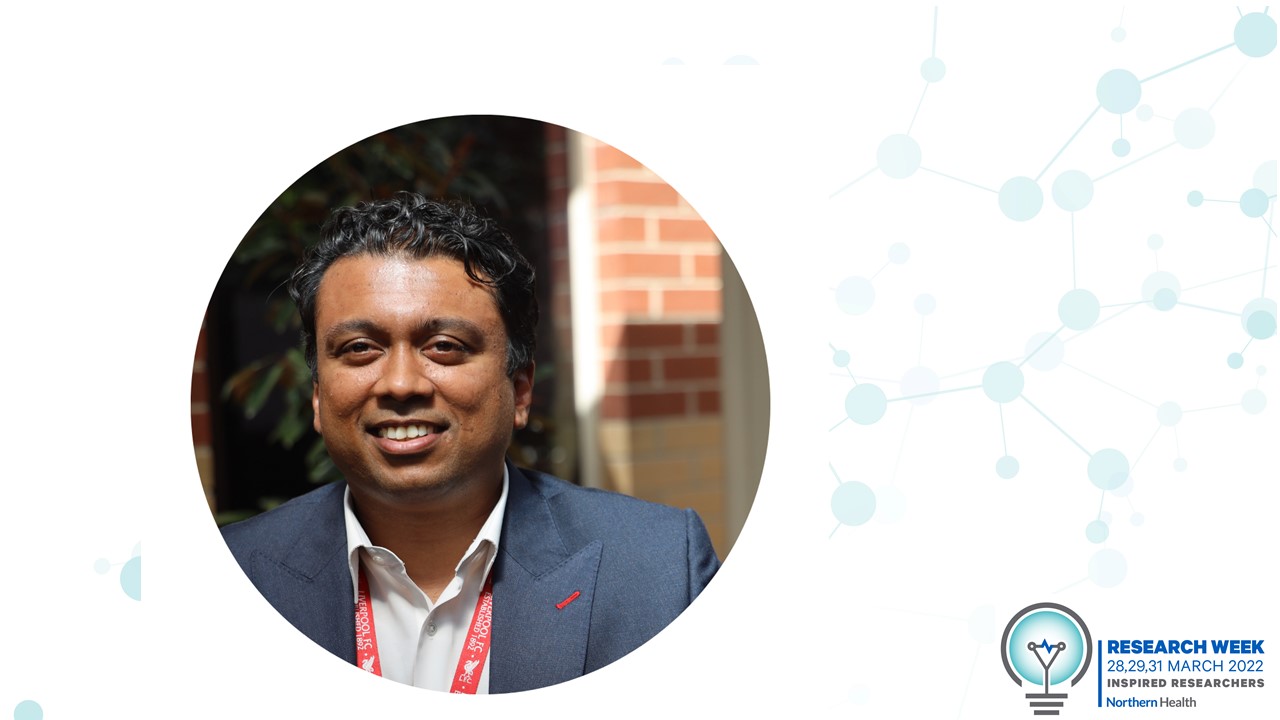
    Dr Sanjeevan Muruganandan, Northern Health lung specialist and pleural lead, would like to change the way we manage malignant pleural effusion (MPE).

    Pleural diseases, which occur when there is a problem in the chest cavity, are common and the burden is increasing.

    In Victoria, the current standard of care for MPE involves pleurodesis, which Sanjeevan maintains is costly, painful and associated with prolonged hospital admissions.

    Says Sanjeevan, “One in four people with MPE will need a repeat procedure post-pleurodesis during their short lifespan. Yet, health services generally do not always offer alternatives to pleurodesis despite current guideline.”

    He blames this on “clinical inertia” and says, “One of the possible major barriers is a lack of expertise across other health services.”

    He, along with Kirstin Tirant, Pleural Clinical Nurse Consultant, are showing there is a better way, through their Specialised Ambulatory Pleural Service (SAPS), a subsidiary of the Pleural Medicine Unit here at Northern Health. SAPS aims to improve access to evidence-based and minimally invasive management options for pleural diseases that will eventually result in reduced healthcare utilisation.

    Sanjeevan, supported by the Northern Health Respiratory Department, was successful in his application for a grant from the HCF Research Foundation, that will help evaluate the feasibility of expanding this, Victoria’s first Specialised Ambulatory Pleural Service.

    “Digitalising the SAPS model-of care will revolutionise a program that already applies evidence-based management strategies, that will not only reduce hospitalisation but further enhance the utilisation of an ambulatory model of care,” says Sanjeevan.

    Research Week celebrates our inspired researchers. Click here for more details and the complete program for Research Week 2022.

    Celebrating 20 years of contributions to healthcare research, the HCF Research Foundation was established to drive research, enquiry and innovation in the delivery of healthcare.

    The HCF Research Foundation received 125 high quality applications across Australia, making it a very competitive process.

    Titled, ‘Digital Health to Extend Victoria’s First Specialised Ambulatory Pleural Service: A Proof-of-Concept Feasibility Study,’ Sanjeevan’s application represents a paradigm shift within the Victorian health system, towards a specialised, but ultimately person-centred, approach to MPE management.

    As his application says, “The management of malignant pleural effusion (MPE) remains fragmented in Australia with very different care models, employed across health services that may result in suboptimal quality care leading to poor outcomes in this vulnerable population group. Despite high quality evidence that indwelling pleural catheters (IPC) reduces time spent in hospital and the need for further invasive pleural intervention, utilisation of IPC has been poor.”

    He explains that most health services are not equipped with the expertise or resources to support IPC in the community.

    “Difficulty accessing hospital services due to the COVID-19 pandemic will inevitably worsen outcomes for MPE in coming years and novel approaches are needed.”

    Sanjeevan firmly believes that to maximise independence and quality of life benefits, IPC management in the community requires, “an innovative, flexible and responsive model-of-care to deliver expertise to patients when they need it, while avoiding frequent hospital and clinic visits.”

    The funding support from the HCF Foundation will ensure this novel model-of-care is appropriately evaluated. The study will determine feasibility and safety, while comparing outcomes and patient satisfaction.

    Sanjeevan hopes that the results will drive further expansion of a digital health approach to managing MPE in the community.

    The Northern Health Research Week Abstract Book 2022 is now available, with details on Research Week presentations and showcasing the research being done by our Northern Health researchers and collaborators.

    For more information, please visit the Research Week pages here.
    View the virtual Research Week 2022 posters here and cast your vote  for the People’s Choice Award for Best Poster.

  • Research Week 2022: Inspired Researchers

    Research Week 2022: Inspired Researchers

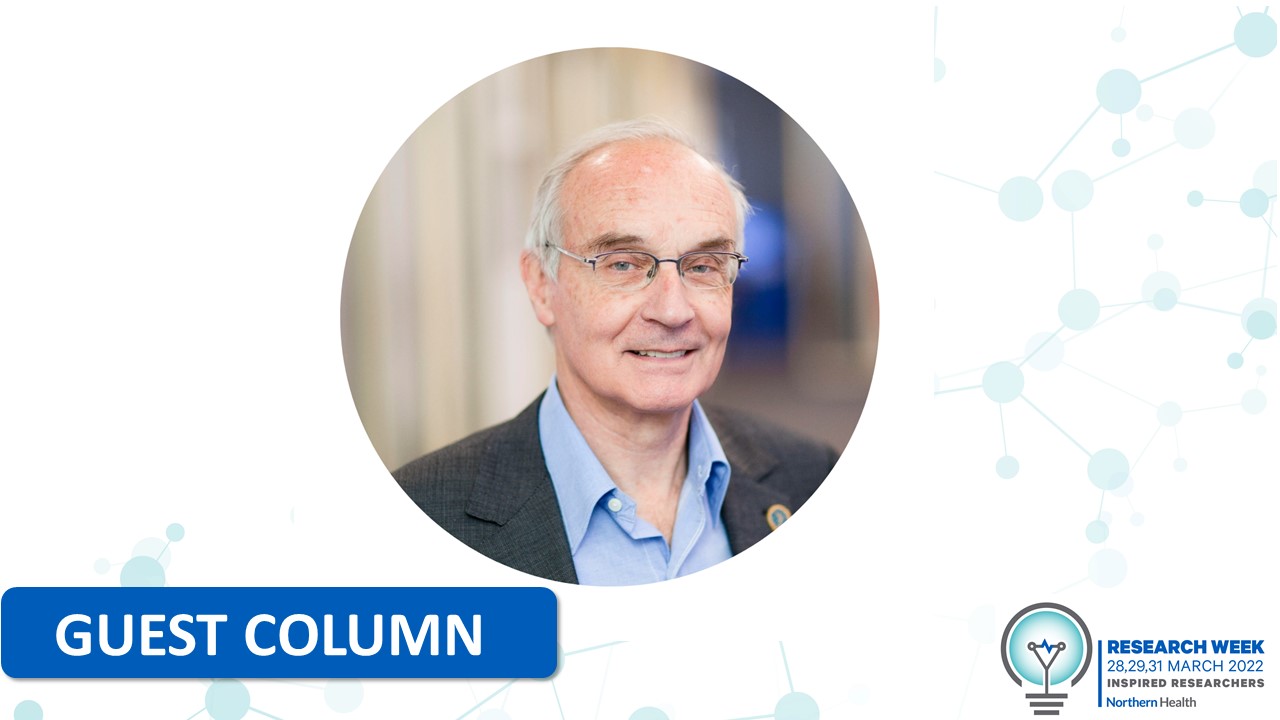
    This is Research Week, when we celebrate our many inspired researchers at Northern Health. As Professor Peter Brooks, Research Lead, says in our story today, “it highlights the quality of research projects occurring across the spectrum, that are being driven by an increasing number of our Northern Health staff.”

    Once again this year, Research Week is being held  as a virtual event, against the backdrop of COVID. Here is Professor Brooks’ report on how we have fared.

    Let us acknowledge that, over the past two years, we have all been pushed to the limits and beyond – yet we have come through it. The community that is Northern Health can be justly proud of its resolve, and while research has been affected in many ways, new opportunities have arisen.

    This week we celebrate Research Week 2022 which, like last year, will be a primarily ‘virtual’ event with virtual presentations, posters and guest speakers. We will highlight the quality of research occurring across the spectrum, that is being driven by an increasing number of our Northern Health staff.

    We know that a health service which commits to, and nurtures, a research culture has happier and more satisfied staff and produces better patient outcomes. We should all be proud of the clinical care we deliver, and strive to underpin this with education and research.

    During 2022, a major review of the Research Office was conducted, which has resulted, amongst other things, in the appointment of Dr Faye Zaibak as Director of Operations (Research).

    Faye has already made an enormous difference to research and ethics processes and is providing support for development of clinical trials procedures across Northern Health, including important investigator-initiated trials.

    Northern Health researchers have played major roles in trials of a variety of treatments for COVID and COVID-related symptoms.

    As well as, therapeutic interventions studies, on how we have been communicating with some of our linguistically and culturally diverse populations, and has shown new ways of delivering care which enable us to achieve better patient outcomes.

    Research carried out at Northern Health, both before and during the pandemic in the area of ‘virtual health’, (be it telehealth, in and out of hospital monitoring and home-based healthcare solutions), will lead to Northern Health being able to deliver many more services outside of hospitals. This has again emphasised the importance of listening and learning from our patients, and from the community, about what they think is important to them.

    Of note is the increasing volume of projects being conducted with our academic partners; Melbourne, La Trobe, RMIT and Swinburne Universities. Highlights include:

    • NHMRC funded national multi-site study, to improve palliative care in Residential Aged Care using Telehealth (Dr Barbara Hayes and Mark Tacey),
    • NHMRC funded national multi-site study, focusing on End of Life Planning (Dr Barbara Hayes is one of the primary investigators),
    • Grant from La Trobe University for ‘Digital health care delivery for people with CVD: e-Nav for Heart Health’  (Professor Brian Oldenberg from La Trobe University is the Primary Investigator, Dr Rebecca Jessup, Anthony Gust and Adam Semciw from Northern Health are Chief Investigators )
    • Grant awarded for the study of digital technology and virtual care delivery in Australia (Dr Rebecca Jessup and Anthony Gust),
    • A study partnering with consumers to co-design comprehensive abortion care from the Nurses Board of Victoria (Eleanor Johnson),
    • Grant awarded to establish clinical trial of heparin use in COVID at Northern Health with partners from the University of Melbourne and Monash University valued at $4.2 million (Prof Don Campbell),
    • A grant from Department of Education and Training to develop a new workforce of Health Navigators valued at $2.3 million with Swinburne University and Medibank Private with Northern Health as the lead agency (Prof Peter Brooks, Dr Rebecca Jessup and Anthony Gust),
    • $296,000 funding from the HCF Research Foundation for “Digital health to extend Victoria’s first specialised ambulatory pleural service: a proof of concept study.” (Dr Sanjeevan Muruganandan).

    Increasingly, Northern Health researchers are being recognised at National and International Meetings, such as A/Prof Lisa Hui winning top prize at RANZCOG Annual Scientific Meeting.

    Finally, we must continue to contribute to the literature and can take pride in that, in 2021, Northern Health researchers published 225 journal articles.

    Northern Health can be proud of its researchers and the standard of the research they produce, and we acknowledge the continuing support of the Northern Health Foundation. They currently support four PhD students directly and awarded four project grants in 2021.

    Congratulations and thank you to all who have contributed to research and, in turn, deliver trusted care for our community, now and into the future.

    Professor Peter Brooks, AM

    Research Lead – Northern Health


    The Northern Health Research Week Abstract Book 2022 is now available, with details on Research Week presentations and showcasing the research being done by our Northern Health researchers and collaborators.

    For more information, please visit the Research Week pages here.

    View the virtual Research Week 2022 posters here and cast your vote for the People’s Choice Award for Best Poster.

  • Bringing research into practice

    Bringing research into practice

    Research Week at Northern Health annually showcases a range of local and innovative research projects and presentations from research leaders around the world.

    One of the objectives of Research Week, says Faye Zaibak, Director of Research Operations, is to showcase our home grown talent and show how “Northern Health is meeting our community needs and bringing research into practice.” See our story here.

    A good example of this, is the webinar ‘Thrombosis & Cancer – What is new?’ on 29 March at 10 am, organised by Northern Health Diagnostic and Cancer Services. Click here for the flyer.

    The webinar, hosted by A/Prof Prahlad Ho, Divisional Director, Diagnostic & Outpatient Services and Cancer Services, will address common clinical dilemmas, including optimisation of Venous Thromboembolism (VTE) care and evaluate new models for managing out of hospital cardiac arrests.

    With the exception of Prof Harshal Nandurkar, Head of the Australian Centre for Blood Diseases, Director of Clinical Haematology at Alfred Health and Director of the Alfred Cancer Program, on the subject of ‘Designing a novel treatment for post cardiac arrest syndrome’, all the other speakers at the webinar are ‘home grown’.

    They include Mr Niki Lee, Senior Haematology, Coagulation and Blood Bank Scientist, Dr Brandon Lui (BPT 1 trainee and researcher), Dr Kay Weng Choy, Chemical Pathologist, Dr Chong Chyn Chua, Head of Malignant Haematology, Head of Acute Leukaemia/MDS and Haematology Clinical Trials Lead and Dr Belinda Lee, Head of Cancer Clinical Trials, Cancer Services Research Lead, and Consultant Medical Oncologist.

    Research Week 2022 celebrates our inspired researchers. Click here for more details and the complete program.

    Interestingly, COVID-19 features in only one presentation (‘Overall haemostatic potential identifies greater severity of COVID-19 infection’ by Mr Lee), with the majority looking beyond the pandemic at topics that took a back seat to COVID-19.

    “What it points to, is that research, despite all the challenges of COVID-19, has been progressing on many fronts, here at Northern Health,” says Prahlad.

    “It underlines the importance of collaboration and partnership – especially with our northern community.”

    Collaboration is also the theme of the last presenter at the webinar, Dr Belinda Lee. The PURPLE translational registry was established by Dr Lee in 2016 with the aim of increased collaboration between centres and accelerating translational research in pancreatic cancer. To date, over 43 cancer centres have joined the PURPLE pancreatic cancer network. Belinda will discuss how we can build a sustainable ecosystem in pancreatic cancer research with examples from the PURPLE registry.

    “There is a growing urgency to address pancreatic cancer which has seen a 60 per cent acceleration in incidence rates in Australia since 2002. Globally it is predicted to become the second lead cause of cancer related death. These statistics are also impacting our own community here at the Northern,” says Belinda.

    “With this in mind our trials unit will soon be opening two new pancreatic cancer trials in addition to the work we are already doing to improve outcomes,” she adds.

    Could it be Northern Health researchers that help provide the answers?

  • Targeting rehab patients

    Targeting rehab patients

    A program targeting more intensive rehabilitation for patients is being trialled at Northern Hospital Epping.

    The Targeted Acute Rehabilitation Program (TARP) aims to provide targeted and more intensive rehabilitation in the acute setting for patients flagged for GEM or rehab, with the hope of discharging patients directly home and avoiding a subacute admission. The program is also expected to help reduce subacute waitlists.

    TARP initially ran as a trial at Northern Hospital Epping in 2018 for 20 weeks. Now, the program will run again as a longer trial until February 2023, with hope for it to become a permanent fixture at Northern Health.

    James Walker, Physiotherapist and Project Lead, said the 2018 trial was favourably received by patients and staff.

    “About 44 per cent of patients were discharged directly home and there was a low readmission rate,” he said.

    “It also reduced our subacute waitlist significantly, there was significant functional improvements and there was a positive evaluation from participants and staff.”

    “We hope to demonstrate a similar effectives across a longer trial period over the coming year. After February 2023, if we can demonstrate an effective program, we will look to advocate for it to become permanent.”

    The key patients targeted in the program must be medically stable, able to tolerate a higher intensity of therapy and are flagged for subacute but have the potential to discharge home if seen more often.

    To become involved in the program, patients needs to be referred and also have multidisciplinary goals.

    “We have seen anything from strokes to hip fractures to UTI’s, as long as they are medical stable and will benefit from increased therapy,” James said.

    “We will accept referrals from neuro, medical, surgical, orthopaedic ward allied health team members who have initially assessed patients on the ward and determined their suitability for our program.”

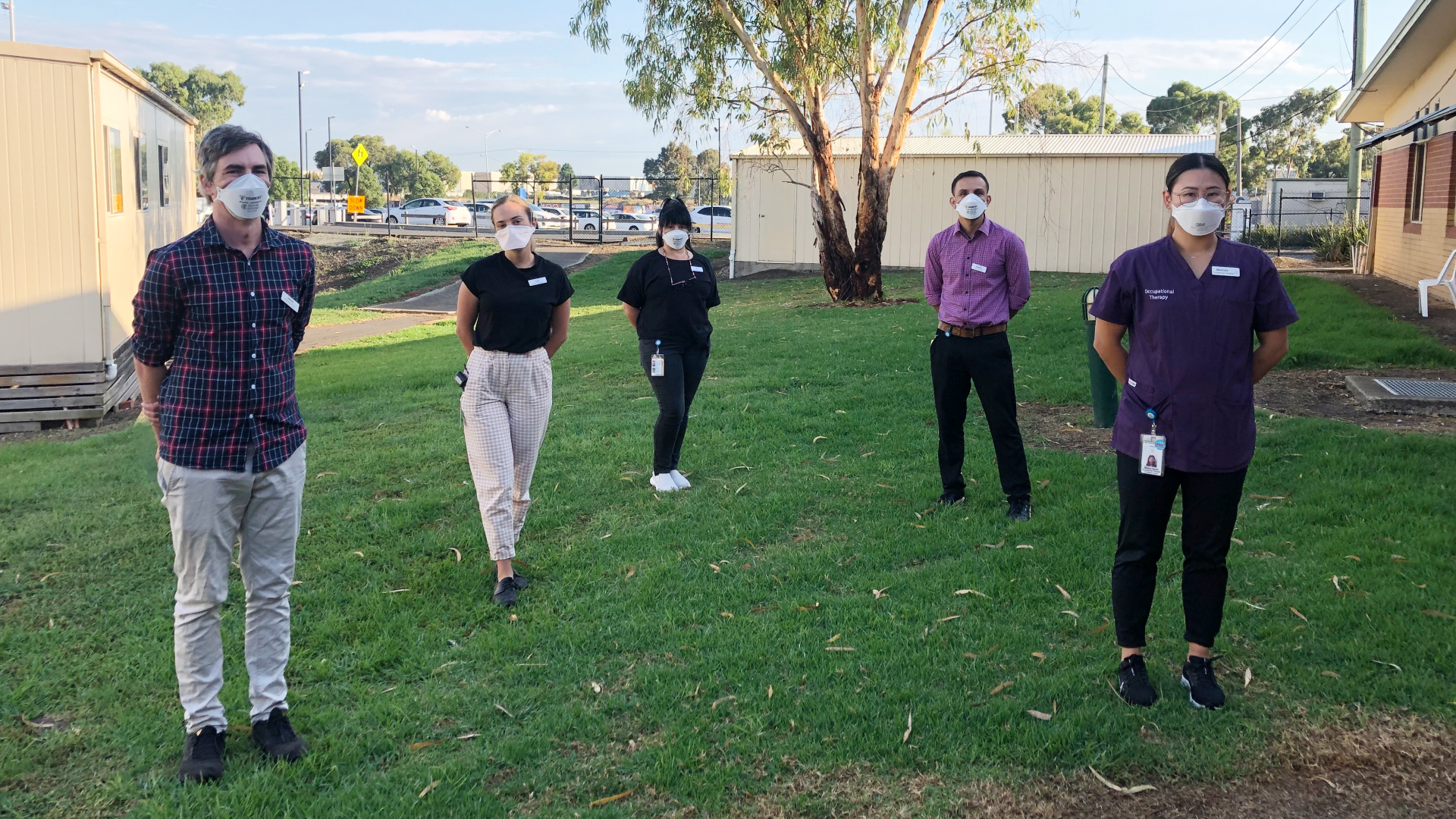
    The program is offered to patients Monday to Friday, with a roving team consisting of Julia Layer, Physiotherapist, Janet Stavely, Allied Health Assistant, Belinda Huynh, Occupational Therapist, Subash Adhikari, Social Worker and James Walker, Physiotherapist and Project Lead.

    Featured image: TARP team members

  • From theatre to ICU: Nursing secondment

    From theatre to ICU: Nursing secondment

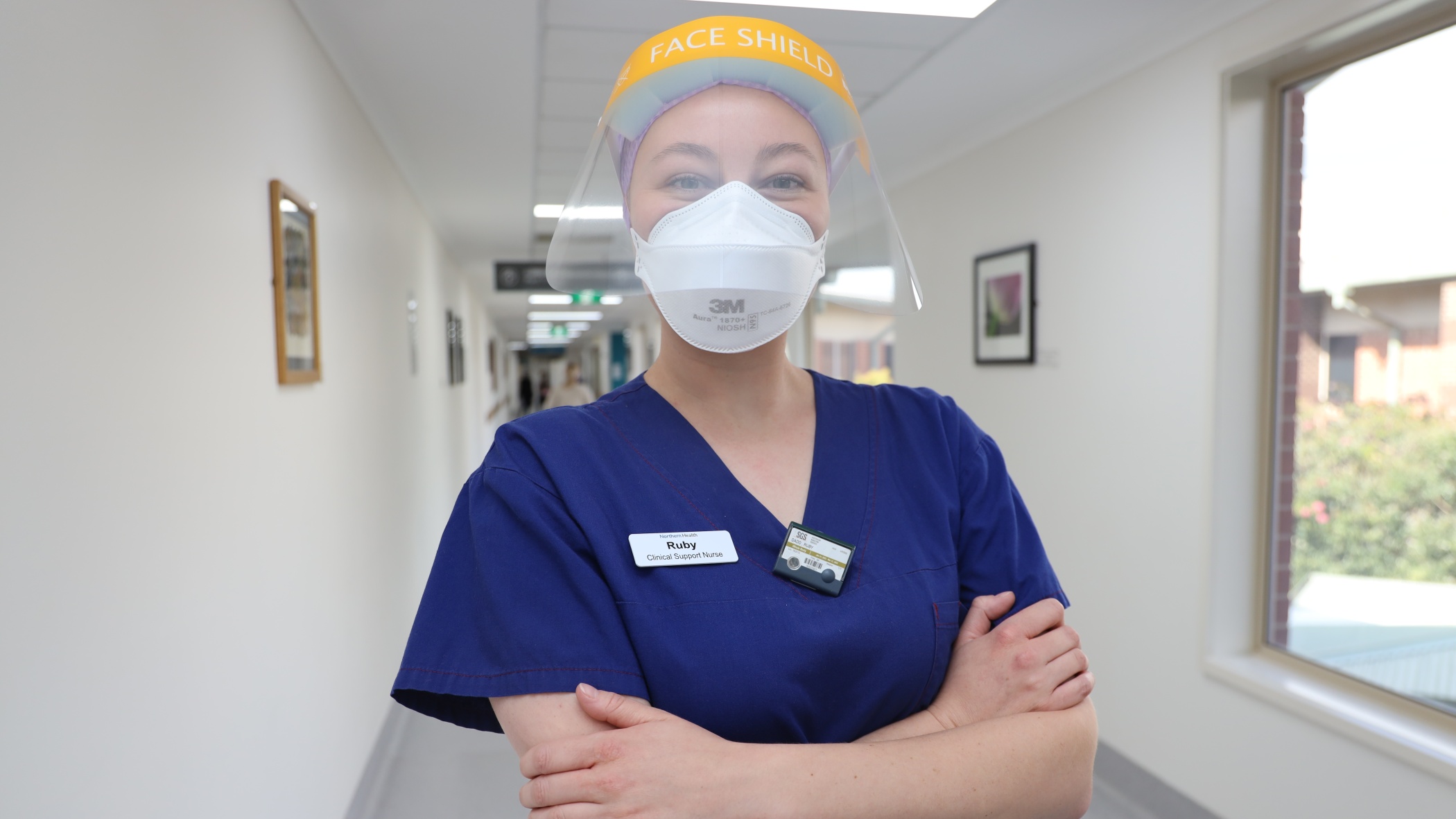
    When the second wave of COVID-19 took hold in Victoria in late 2020, theatre nurse, Ruby Dadd, pivoted to work in our ICU temporarily to assist her colleagues amid increasing cases. Ruby says she was initially anxious, however, thought it would be an amazing learning opportunity, and would allow her to obtain a new set of clinical skills.

    When another wave hit in late 2021, Ruby was happy to return once again to our ICU and play her part in caring for critically ill COVID-19 patients.

    We recently spoke with Ruby to find out how she made the most out of her secondment. Ruby was also recently featured in the Australian Nursing & Midwifery Journal – read her story here. 

    How long have you been a theatre nurse for?

    I have been a theatre nurse for five years, having completed a Postgraduate Certificate in clinical nursing, specialising in anaesthetics. Prior to my secondment to ICU, I  was working at Northern Hospital’s general operating theatres as a Clinical Nurse Specialist and Clinical Support Nurse, specialising in both anaesthetics and recovery nursing.

    Did you have to undertake any additional training to work in ICU?

    In 2020, I completed the SURGE High Dependency and Critical Care online rapid upskilling courses. When first starting my redeployment into ICU, I had supernumery shifts with Critical Care Registered Nurses (CCRNs) who demonstrated how to structure a shift in ICU and went over some of the clinical skills that would be used frequently.

    Once starting to take patients independently, a model was set up by ICU so that there were a few CCRNs floating each shift as resources for the redeployed staff, providing some extra support when completing tasks or faced with new situations.

    Take us through a typical day working in ICU on the frontline amid the COVID-19 pandemic.

    I am caring for ICU patients independently, often looking after COVID-19 positive patients. These patients require varying levels of advanced life support, many of which are on some form of invasive ventilation, often intubated or with a tracheostomy. Some patients are requiring full ventilator assistance, while others we are assisting to wean off a ventilator so they can go on to breathe independently again when recovering from COVID-19. This involves constant assessment and treatment of a patient’s sedation and haemodynamics, often titrating numerous infusions and oxygen levels to accomplish safe target ranges for each individual.

    Throughout each shift, I am working closely with the intensivists and ICU registrars to continuously re-evaluate and manage critically ill patients through a variety of tests, procedures and assessments.

    COVID-19 has changed the way in which we function as nurses, from the full PPE required during treatment of patients in high-risk zones, daily self-swabs, social distancing and the exhaustion that comes with all of these factors. Communication has become more arduous with masks and face visors preventing the exchange of a smile or the ability to read a person’s lips, while plastic gowns can make working shifts very uncomfortable and tiring. Reduction in the numbers allowed in tea rooms means that catching up with colleagues, getting to debrief or provide another co-worker some support has become difficult. I am grateful to be surrounded by some amazing nurses who reach out through other methods to check-in, give encouragement and offer support.

    What synergies and differences have you discovered between the operating theatre and ICU? 

    We do care for ICU patients in theatre, and provide care for them immediately post-operatively in the recovery room. We also frequently assist with intubations and are around ventilators, as well as assist with the insertion of invasive devices such as arterial and central venous lines. However, in theatre, the nurse does not have the sole responsibility for the management of these devices, as an anaesthetic nurse is working alongside and assisting an anaesthetist throughout a case, and patients are extubated prior to coming out to the Post Anaesthesia Care Unit (PACU) nurse. On the other hand, an ICU nurse is required to manage a patient who remains intubated, and regularly access invasive devices, throughout a shift. There is a lot more autonomy for the ICU nurse, and more responsibility placed on them in regards to ensuring a patient is being ventilated safely and appropriately.

    I am grateful that some of the ICU nurses were so kind and understanding about how overwhelming it is to start out in a completely new environment. They made me feel like I could reach out for support during my shifts if needed.

    What have you learned most about yourself from this experience so far, both professionally and personally?

    I think, throughout my redeployment, I have learned not to doubt myself. It is completely normal to feel anxious when faced with change and unknown circumstances, and I have proven to myself that I have the resilience to deal with difficult situations, adapt and take on a huge change. Professionally, I have learnt that I have the capacity to apply myself and my clinical knowledge and challenge myself to develop the skills required to work effectively in a highly critical clinical environment.

    I am proud of myself for having played a significant part in the fight against COVID-19, supporting my hard-working colleagues and helping numerous patients to recover from life-threatening situations.

    What advice would you give an early career nurse about the benefits of secondment?

    Secondment is a really great way to experience a clinical area that is new to you and is a fantastic learning opportunity. It allows you to gain valuable skills that will carry over into other areas of nursing and can be applied to your chosen area. In particular, with a secondment into ICU, there are so many amazing learning opportunities to be taken back to your area of nursing, such as managing clinical deterioration and being involved in the use, insertion and management of a variety of invasive lines and airway devices. It is also a fantastic way to establish hospital-wide connections which may assist with your career progression.

    How do you hope to use the skills and development you have gained from this secondment to shape your next chapter in nursing in the operating theatre?

    I have a much greater understanding of ventilator settings, which I will be able to relate to cases in the operating room and hope to pass on a more in-depth level of knowledge about mechanical ventilation to the future anaesthetic nurses of Northern Health through my Clinical Support Nurse role. I also hope to be able to identify and deal with clinical deterioration more efficiently, and utilise all of the clinical knowledge and skills I have gained, to provide optimum care for my patients while in the anaesthetic or recovery nurse role.

    Although overwhelming and exhausting at times, I have enjoyed the experience and am grateful to have gained a multitude of skills that I will carry with me for the entirety of my nursing career.

  • National Advance Care Planning Week

    National Advance Care Planning Week

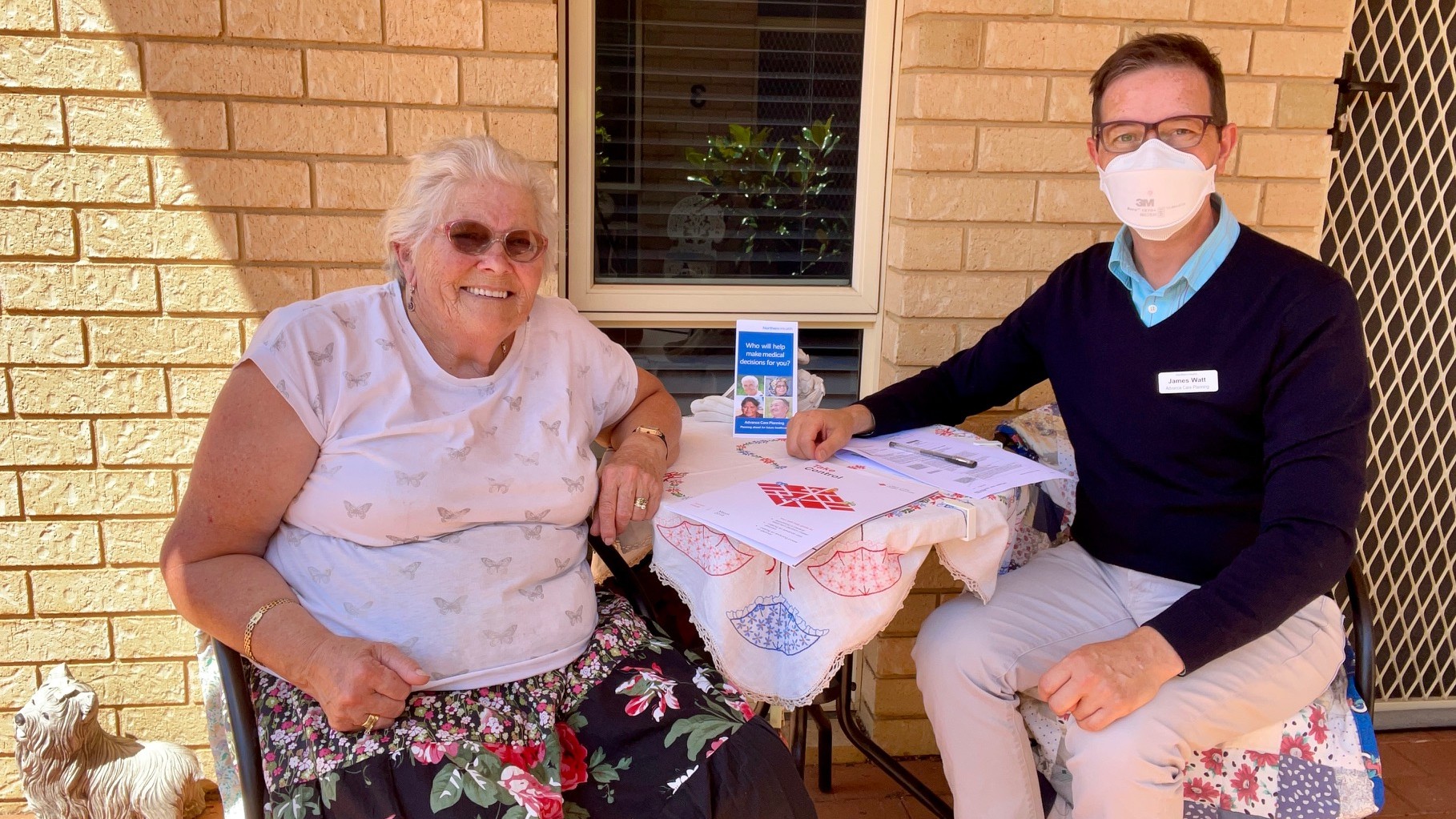
    This week is National Advance Care Planning Week (21-27 March). To mark the occasion, James Watt, the Program Manager for Advance Care Planning at Northern Health, spoke with one of his patients, Else Tombs, to find out her reasons for writing an Advance Care Directive.

    Else is a strong voice for the benefits of Advance Care Planning. Her experiences, including 42 years working as a nurse, provided strong motivation to ensure her values and healthcare preferences are honoured, if a time comes when she isn’t able to speak for herself.

    James first met Else at her home with her granddaughter in May 2021 and assisted her with the process of Advance Care Planning. This included thinking and talking about her future healthcare preferences, writing an Advance Care Directive and appointing a Medical Treatment Decision Maker.

    Else says she first made the decision when her sister was given only six weeks to live.

    “My sister and I were close. She didn’t want to prolong her life and refused some of the treatments. I also saw what happened to my husband when he died. He was suffering and he would have wanted to go sooner. Watching that was terrible. I wouldn’t let them do that to him now – I would have said to let him go with dignity.”

    “We had someone come and talk to us at my seniors group about Advance Care Planning. I asked my niece to help me fill in the forms.”

    Then, about five years later, she contacted James to help her update her documents.

    Else says despite being reminded of her sister and husband, she felt better once she had completed the plan, “It had to be done,” she says.

    Else has this advice to those considering Advance Care Planning, “You have to have a plan if you want your wishes known.”

    “National Advance Care Planning Week is the perfect time to start a conversation with loved ones about what’s important to you,” adds James.

    “Not everyone will want to write an Advance Care Directive but I believe it’s important we share our values and preferences with our loved ones, so they are well equipped to make healthcare decisions for us in the future if we are unable to do so ourselves.”

    If you’d like to learn how to have more effective Advance Care Planning conversations with your own family and with your patients, visit the Northern Health Advance Care Planning intranet pages for further information and staff education opportunities.

    Featured image: Else Tombs with James Watt

  • Harmony Week: Everyone belongs

    Harmony Week: Everyone belongs

    Harmony Week celebrates Australia’s diverse multiculturalism, and recognises inclusiveness, respect and belonging for all Australians, regardless of cultural or linguistic background.

    Harmony Week is celebrated during the week that incorporates 21 March – Harmony Day – which is the United Nations International Day for Elimination of Racial Discrimination.

    Nearly half of all Australians were born overseas, or have at least one parent who was. Since 1945, 7.5 million people have migrated to Australia, with each culture and tradition enriching our nation.

    Here at Northern Health, our patients are born in 223 countries and speak 109 different languages.

    Our Transcultural and Language Services (TALS) team currently have 40 in-house interpreters covering 18 languages – Arabic, Assyrian, Chaldean, Turkish, Italian, Greek, Macedonian, Vietnamese, Mandarin, Cantonese, Persian, Nepali, Croatian, Serbian, Bosnian, Hindi, Punjabi and Urdu.

    Arabic is the most requested language by patients and staff for our TALS interpreters, with 12 interpreters on hand.

    Our TALS team tell us what Harmony Day means to them.

    “We live in happiness, we don’t accept discrimination,” said Dilven Oghanna, Assyrian Interpreter.

    “Everyone lives in an equal and peaceful society,” said Myla Nguyen, Vietnamese Interpreter.

    “Harmony Day means that all people belong and no one should be left out for whatever reason,” said Jessica Forbes, Student Admin.

    “Let’s celebrate the multicultural day together,” said Kire Stankovski, Macedonian Interpreter.

    “On Harmony Day, we celebrate the diverse culture of Australia,” said Sally Yu, Mandarin and Cantonese Interpreter.

    “Let’s celebrate our cultural diversity,” said Stefania Zen, TALS Manager and Italian Interpreter.

    To get involved in Harmony Week celebrations, Australians are encouraged to wear something orange to show their support for cultural diversity and an inclusive Australia.

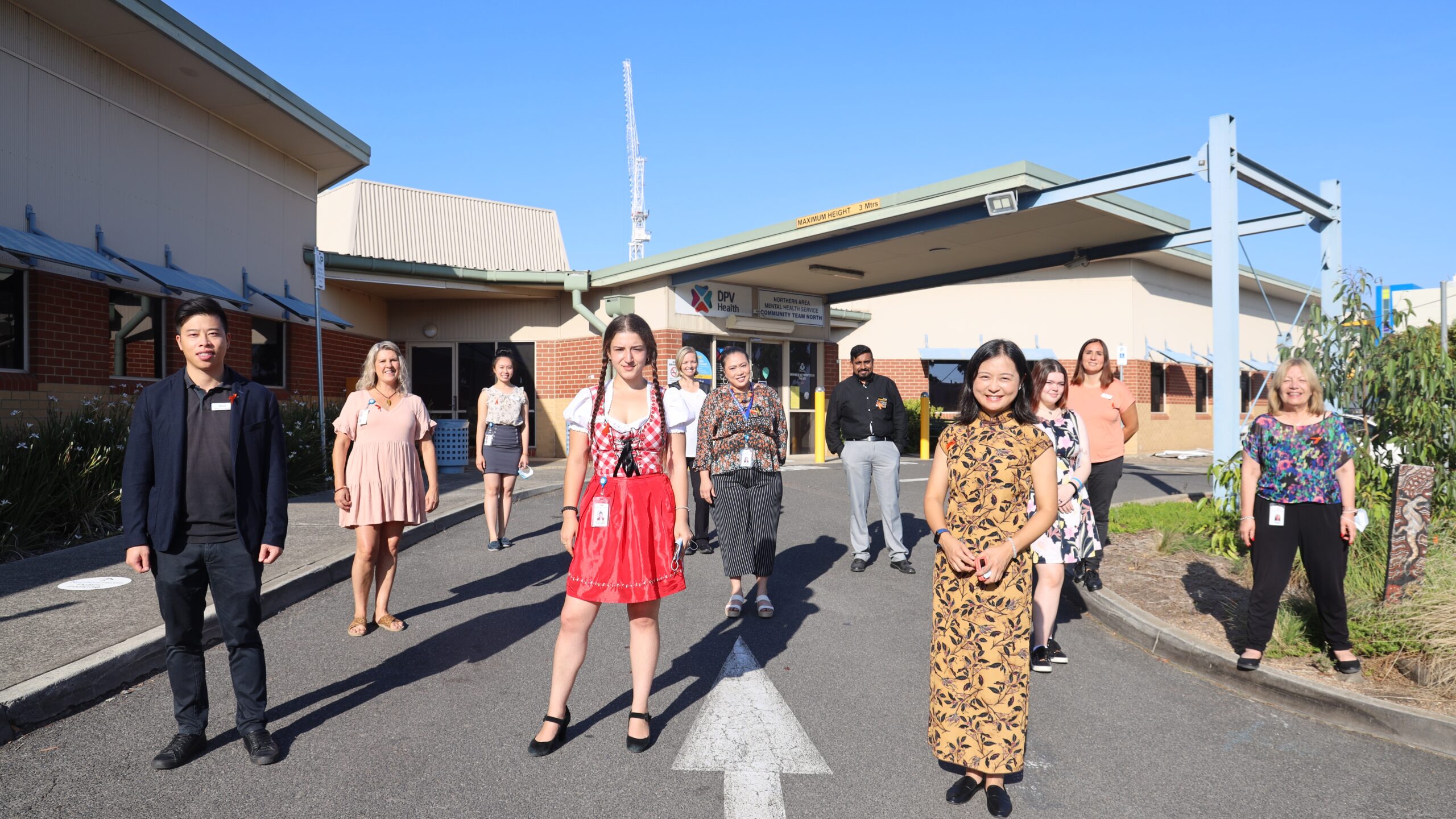
    Featured image: TALS team celebrating Harmony Day

  • Big Idea: Simulating together for safety

    Big Idea: Simulating together for safety

    Another innovative ‘Big Idea’ 2021 is becoming a reality, and will change the way we train together.

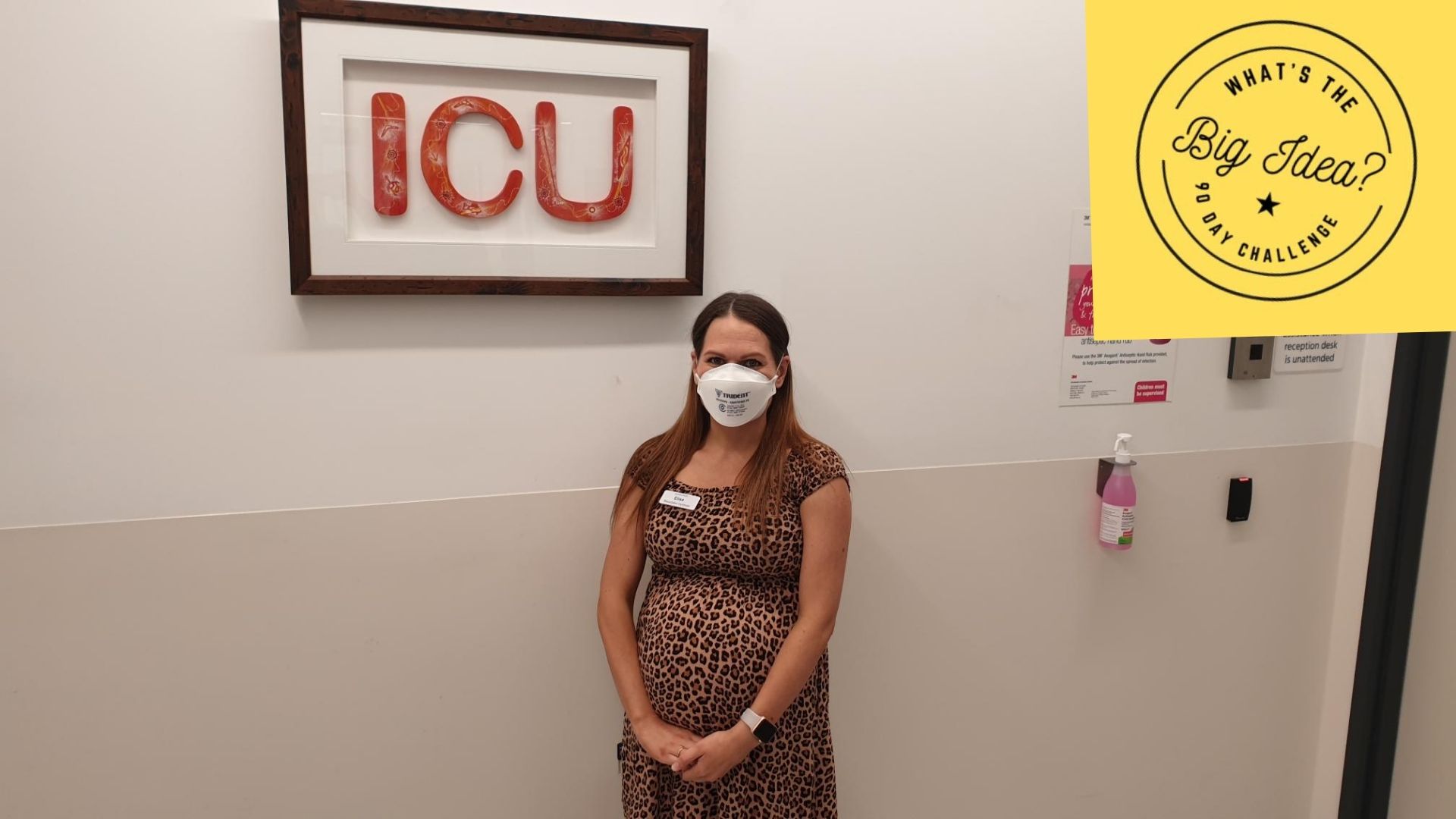
    Elise Sutton, Resuscitation and Clinical Deterioration Coordinator, said it’s all about training as a multi-disciplinary team on basic and advanced life support.

    “Often, when we train staff, we train them in silos – medical train together, nursing together and similar. Or we train according to skill level,” she explains.

    While the usual training sessions are for separate disciplines, practice and day to day work is actually different – as allied health, nursing, medical, basic and advanced life support all work together with a patient. Research has also shown that when staff train together, they work better as a team.

    The Simulating Together for Safety idea is based on Elise’s experience with in-situ simulations and other resuscitation training.

    “I’ve realised how good it is to work and practise as a team. Overcoming barriers through debrief has been beneficial to teams, as it also empowers everyone to have a voice. All of that has inspired me to pitch an idea and come up with multi-disciplinary study days focusing on team training,” she explains.

    “This study day is about bringing teams together through simulation – it will be run in the Simulation Center at NCHER. We will film the team at the start, before any training, then the team will go into skills stations, and a few simulation practises, with the final simulation also recorded.”

    At the end of the simulation, an external person will review the recordings of both sessions, not knowing which one is the first or last, with the aim to show the progression within the team and overall improvement.

    The Simulating Together for Safety idea was pitched during the 2021 Big Idea call out, and due to its face-to-face delivery, it had to be temporarily put on hold. However, with the eased restrictions, Elise is looking forward to the first training day in May.

    “While we waited to resume face-to-face sessions, we gained ethics approval to record and review the sessions so we can put it into a research paper to show the progression of the team between the first and the last session. We’ve also been successful in obtaining a Clinical Nurse Educator position at 0.2 EFT, and we are in the process of advertising and recruiting,” she explains.

    “People are very eager to come back to training together in person.”

    Elise encourages staff to come to the first simulation session.

    “There will be several simulations in one study day and we need 12 candidates to run the session. Keep an eye out for the Clinical Nurse Educator role and the study day – both will be advertised soon. If you are interested, get your registration in. The registration forms will be put on the Education Intranet page or on the Clinical Deterioration and Resuscitation learning hub, hoping to run the first session in May,” she adds.

    Elise is planning for these simulations to become part of ongoing staff training.

    Simulation day structure

    Do you have a ‘Big Idea’ you would like to turn into reality? Submissions for ‘Big Idea’ 2022 are open! We encourage all staff to submit their ideas via Ideascale. ‘Big Idea’ 2022 submission deadline has been extended and will now close on Sunday, 27 March.