• Expanding access and boosting capacity for Cancer Clinical Trials

    Expanding access and boosting capacity for Cancer Clinical Trials

    Many Culturally and Linguistically Diverse (CALD) patients face challenges such as language barriers and cultural differences that make it harder for them to participate in cancer clinical trials. Expanding access for CALD communities is a critical step in improving health equity.

    With a North Eastern Melbourne Integrated Cancer Services (NEMICS) Service Improvement Grant, and support from a TrialHub grant, Northern Health is undertaking a project to build capacity and expand local access particularly for CALD communities in our catchment. Based on feedback received from our consumers, clinical and Transcultural and Language Services (TALS) staff, the project will create new tools and support systems to help CALD patients better engage with cancer clinical trials.

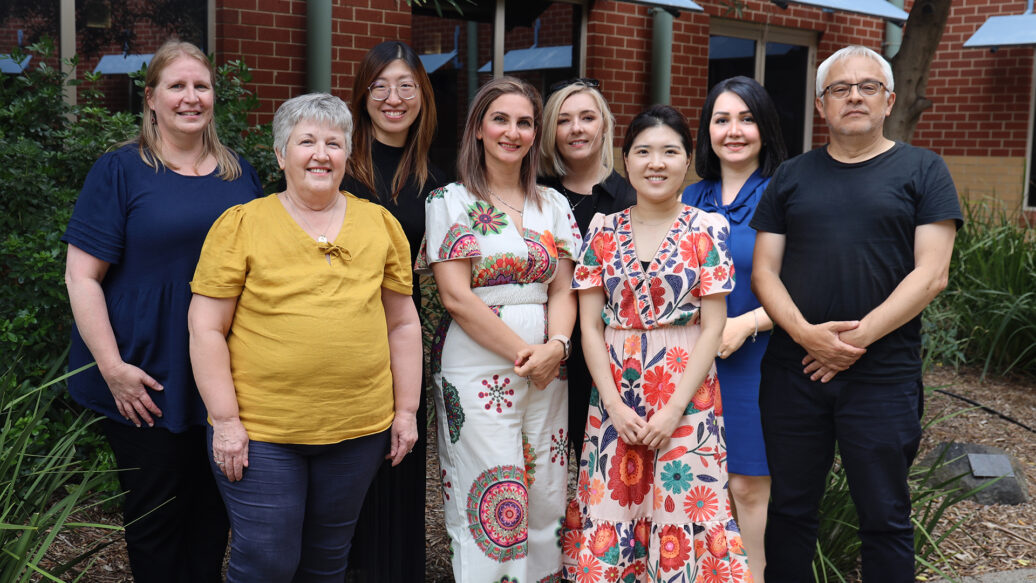
    The Cancer Clinical Trials team includes:

    Lisa Walker, Unit Leader

    Chong Chyn Chua, Haematologist

    Sharni Norouzi, Scientist

    Frances Barnett, Oncologist

    Seraphina Kwak, Pharmacist

    Belinda Lee, Oncologist

    Stefania Zen, Yan Qin, Imad Hirmiz, Atilla Babaali, Kostas Karamarkos, Nisreen Awad from TALS.

    Associate Professor Rebecca Jessup, Deputy Chair, Northern Health Research Executive Committee and consumers, Arif Hajher, Kelly Burnham and Ljubica Milevska representing the Afghan, Greek and Macedonian communities, respectively.

    Lisa Walker, the Unit Leader, says, “Navigating cancer and the treatment options can be quite daunting for all patients, even more so if not only the language but also the cultural customs of your care are different to what you might be used to.”

    Sharni Norouzi, says, “Our goal is to ensure that every patient, regardless of background, has equal access to the opportunities and benefits that clinical trials offer for cancer treatment.”

    This project will have a positive impact on both staff and patients. For patients, it will improve access to cancer clinical trials, ensuring that CALD communities receive the same opportunities for cutting-edge treatment and care as others. By overcoming language and cultural barriers, patients will feel more supported and understood throughout their treatment journey.

    For staff, the project will provide new tools, resources, and training to help them better engage with CALD patients on cancer clinical trials. This will improve cultural competency and enhance communication, leading to better patient care and stronger trust between healthcare providers and the communities they serve.

    “By being part of this project, we can ensure that language support is not just about translation and interpretation. It is about making sure patients feel heard, respected, and fully involved in their care decisions,” says Kostas Karamarkos, Greek Interpreter.

    Imad Hirmiz, Arabic/Assyrian/Chaldean Interpreter, says, “I am grateful to be involved in this project and to contribute to ensuring that my community’s cultural perspectives are acknowledged and respected.”
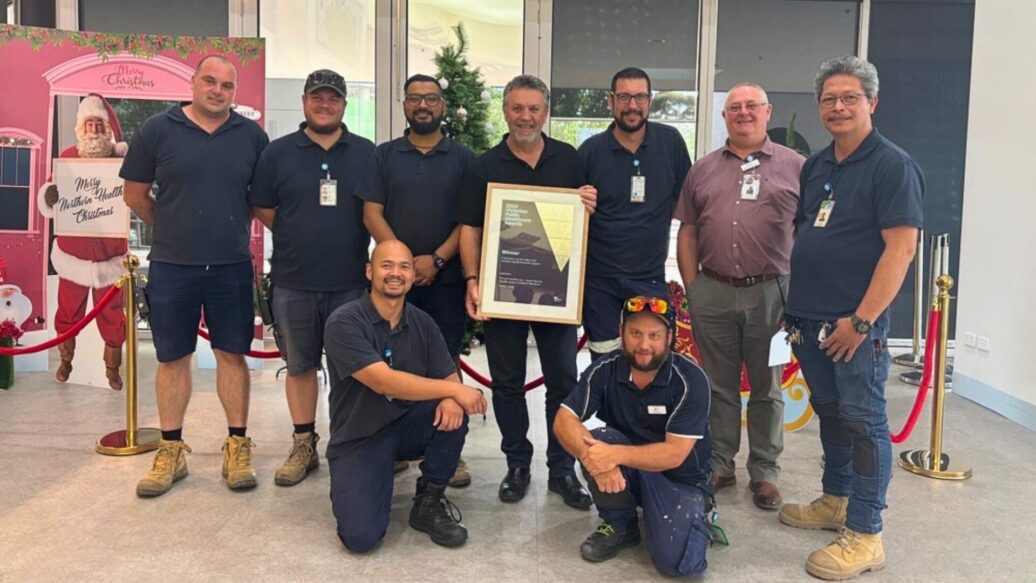

  • Engineering team powers patient care and sustainability

    Engineering team powers patient care and sustainability

    In the heart of our bustling health service, the Northern Health engineering team quietly works their magic. Like unsung heroes, they operate behind the scenes, ensuring that everything runs smoothly while doctors and nurses, and everyone else, focus on what they do best – caring for patients.

    The engineering team is responsible for maintaining the hospital’s infrastructure, from the heating and cooling systems to the medical gas lines that deliver life-saving oxygen to patients. Their work is essential, especially in a health service that prides itself on being at the forefront of patient care. But what truly set Northern Health’s engineering team apart is their commitment to sustainability.

    As the world becomes more aware of environmental issues, the team embraces the challenge of reducing our carbon footprint. They implemented energy-efficient systems, upgraded lighting to LED, installed solar panels and ensure they make eco-friendly decisions. Our reward for this commitment comes in the form a number one ranking as the most energy efficient health service in Victoria according to NABERS Sustainability Portfolio Index (SPI).

    More recently, the team celebrated a win, alongside their finance colleagues, in the 2024 Victorian Public Healthcare Awards. Among some very significant competition, Northern Health emerged as winners in the category ‘Creating a sustainable and climate resilient health system’ with their submission: Virtual healthcare – reducing the health sector’s carbon footprint. This puts Northern Health well on the path to achieving its target of net zero carbon emissions by 2040. The engineering team are key to achieving this.

    Alex Jovanovski, Director, Engineering and Building Services, is proud of the team, saying, “We have a lot of ground to cover in such a large health service with many campuses, but it is rewarding to know that we are contributing in such a meaningful way to our patients, our staff and the environment. I would like to take this opportunity to thank everyone in the engineering team for their hard work.”

    Basil Ireland, Chief Financial Officer, recognises the important role the engineering team play in Northern Health reaching its sustainability objectives.

    “The engineering team has been outstanding in their commitment to implementing energy saving initiatives. We are proud of the recognition received through our most recent awards, and will continue to work together to ensure we achieve our targets,” says Basil.

    Northern Health’s engineering team proves that behind every great health service, there lies a dedicated group of individuals who not only fix leaky pipes and maintain equipment but also care deeply for the environment and the community. Their down to earth nature, sense of teamwork, skill, and hard work make them the true heartbeat of our hospitals, keeping them running smoothly and ensuring that both patients and the planet receive the care they deserve.

    Pictured in featured image: The Engineering team at Northern Health. 

  • Travel back through time and space

    Travel back through time and space

    The notion of time travel is a fascinating one. Being able to relive events from days gone by, or thrill at new experiences of things yet to be, would be remarkable. But, whether you prefer to travel in the TARDIS with The Doctor, or a Delorian with Marty McFly, one sad fact remains. It’s all science fiction … until today.

    Come back through time with us and listen with fresh ears to Visiting Hours Season 2. Northern Health’s very own podcast, listened to regularly in over 60 countries, highlights the outstanding work being done here, while paying tribute to our staff.

    You’ll be guided to explore and appreciate the multi-faceted human beings that contribute to making this organisation more than just four walls and a stethoscope.

    The second half of Season 2 touches on themes of connection, authenticity and enjoying simple pleasures. You’ll learn that community matters, specialised care is key, and allowing oneself room to recharge is vital. It’s a fun trip full of laughter and surprise.

    So, let’s take a moment to reflect on the past as we hurtle into the new frontier of the future, well equipped and ready for whatever 2025 may bring.

    Episode 12 – Dr. Katharine See, Chief Health Outcomes Officer and Director of Respiratory Medicine at Northern Health, talks about the importance of building resilience, practicing mindfulness and the sacrifices needed to make tough choices as a leader.

    She shares her relaxation routine, favourite cinema hack and why working at Northern Health is like fixing healthcare with your friends.

    Episode 13 – Associate Professor Jaclyn Yoong, Oncologist and Palliative Care Physician at Northern Health, shares on how making connections with people has become a crucial part of bringing joy to her life.

    A self-confessed ‘Jaclyn of all trades’, she’s an accomplished pianist, a ballroom dancer and a passionate participant in motorsport.

    Episode 14 – A passionate advocate for making the workplace not just safe, but positive and engaging, Graham Wilson, Northern Health’s Director of OHS and Wellbeing, shares his thoughts on authenticity being the key to unlocking meaningful conversations.

    Graham offers insights into his love of cooking where simple ingredients are allowed to shine, his techno-centric search for rare vinyl, and how his mum’s views on body modification were forever changed by a single string of binary.

    Episode 15 – Northern Health’s Emergency Department and visit with Nurse Practitioner, Tyson McLeod reveals his goal of becoming a very specific kind of nurse after having seen the wonderful treatment his grandmother received in the ED.

    He shares on his passion for toxicology, the importance of getting away from screens, and where your mind can go on a 100km run.

    Episode 16 – A long-time crusader for social equity, Associate Professor Vinay Lakra, Northern Health’s Divisional Director of Mental Health Services, shares on the importance of having a specialised focus on psychiatric illnesses in the same way we do for other medical conditions, and advocates for legislative change beyond awareness.

    He presents a strong argument as to why Melbourne is one of the best cities in the world, challenges our thinking on ‘speaking up’, and reveals he could have been an international cricketer.

    Episode 17 – Northern Health’s Chief Medical Officer, Professor Prahlad Ho talks about the support he received throughout his journey at Northern Health, starting as an intern.

    He shares fondly about his family, the importance of making everyday moments an opportunity to connect, and how an encounter in the cardiac ward changed his life for the better.

    Episode 18 – Professor Lisa Hui talks about the work being done by the Reproductive Health Biobank and the benefits the research is allowing.

    She shares her passion for photographing our feathered fauna, bringing family together in the kitchen, and boosting biodiversity in the backyard.

    Episode 19 – Jen Gilham, Divisional Director of Community Hospitals at Northern Health, shares her love of travel, friendships and nursing.

    She highlights the true value that nurses bring to their patients and families, and looks forward to the expansion of Northern Health’s facilities bringing better connected care closer to home for rural residents.

    Episode 20 – Northern Health Foundation Board Chair, Peter McWilliam, recalls some of the highlights of the last year and points to a bright future for the organisation. He praises the work of the Foundation, noting some of the lifesaving work being done here as a direct result of the Foundation and its supporters.

    Peter shares on the lasting influence of his grandfather, the rewards of serving the community, and how a black cowboy hat helped kindle a lifelong partnership.

    Remember, the offer to travel back through time extends beyond this voyage. You can listen to every episode of Visiting Hours here, or wherever you get good podcasts.

    “Always try to be nice. Never fail to be kind” – The Doctor

  • Get to know: Gustavo Salamone

    Get to know: Gustavo Salamone

    #WeAreNorthern

    Meet Gustavo Salamone, Italian Interpreter, Transcultural and Language Services (TALS), Northern Health.

    Q: Firstly, what is your coffee order?

    A: My coffee order is typically a short black, however, I enjoy starting the day with a latte for a bit of variety.

    Q: Tell us about your journey with Northern Health?

    A: I’ve been working as an interpreter at TALS for over six years. Before joining Northern Health, I worked as a freelancer for various interpreting agencies. Prior to that, my background was in manufacturing, which, although quite different, helped me develop skills like adaptability in fast-paced environments and attention to detail. These skills have been invaluable in my current role, especially when interpreting sensitive medical information.

    Q: What does a day in the life of an interpreter look like?

    A: A day in the life of an interpreter at Northern Health is incredibly diverse and unpredictable. Each day requires a new set of skills and brings challenges. For example, I could be interpreting for a psychiatric assessment in the morning, followed by an aged care assessment in the afternoon, then assist with a cardiology consultation later in the day. The variety extends across all Northern Health campuses, and it even includes home visits. This means I have to be prepared for any healthcare situation that may arise, from routine check-ups to complex medical procedures.

    Q: Favorite childhood memory?

    A: My favourite childhood memory is spending time with my family. Those moments together were filled with laughter and love, creating lasting bonds that I cherish to this day.

    Q: Are you a night owl or an early bird?

    A: While I consider myself more of a night owl, I don’t mind waking up early when there’s a good reason to do so. It’s all about balancing my natural habits with the demands of my work as an interpreter.

  • Container Deposit Scheme launches at Northern Health

    Container Deposit Scheme launches at Northern Health

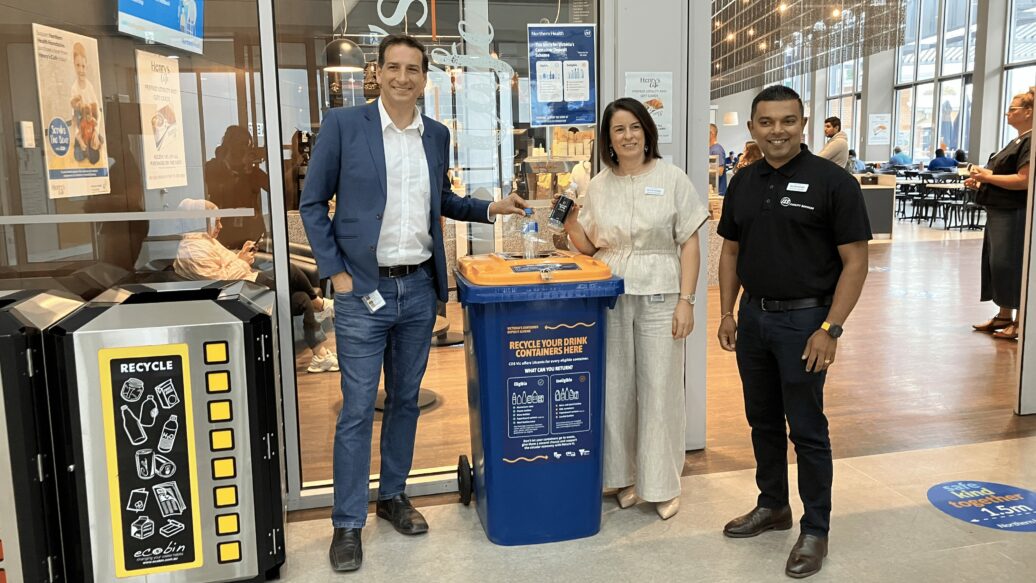
    A Container Deposit Scheme (CDS) has rolled out across Northern Hospital Epping. Collections bins have been placed in key locations across the hospital for staff and patients to deposit CDS recyclables into the bins, including items that staff may wish to bring from home.

    Recyclable items including drink cans, bottles and cartons can be placed in the bins, with all proceeds raised going directly to the Northern Health Foundation to support investment in research, innovation and medical equipment for the northern community.

    “The Container Deposit Scheme is an initiative ISS is introducing to Northern Health in partnership with Return-It. This program focuses on collecting eligible containers, with all proceeds donated to the Northern Health Foundation. This marks the second healthcare site in Victoria where ISS has rolled out this initiative, reflecting our commitment to sustainability and supporting the community,” said Saj Amerasinghe, ISS Key Account Manager.

    “The CDS initiative significantly contributes to environmental sustainability by reducing waste to landfill, lowering greenhouse gas emissions and decreasing the overall carbon footprint of our operations.”

    “This initiative highlights the strong partnership between ISS and Northern Health, blending environmental sustainability with community support. By donating proceeds to the Northern Health Foundation, we are not only enhancing our sustainability efforts but also giving back to the community we serve.”

    Rick Garotti, Deputy Chief Financial Officer, said the CDS initiative was an easy way for staff and patients to support the Northern Health Foundation and the environment.

    “We are delighted to partner with ISS to roll-out the CDS collection service across Northern Health commencing with Northern Hospital Epping. All proceeds raised will go directly to the Northern Health Foundation. This is an easy way for staff and our patients to support the Foundation and our environment – every bottle deposited into a CDS container rather than a general bin reduces our landfill.”

    There are plans to expand the CDS initiative to additional Northern Health sites by March 2025.

    Featured image: Rick Garotti, Deputy Chief Financial Officer, Pina Di Donato, Executive Director Public Affairs and Foundation and Saj Amerasinghe, ISS Key Account Manager.

  • Heat and Water Safety Awareness

    Heat and Water Safety Awareness

    With summer here, it’s important to stay safe in the heat and around water to make the most of the season.

    Understanding the Risks

    High temperatures can lead to heat related illnesses such as heat cramps, exhaustion, or heatstroke, which can be life-threatening. Vulnerable groups, including the elderly, young children, and those with pre-existing medical conditions, are particularly at risk.

    Similarly, while water activities provide relief and recreation, they also come with risks. Drowning remains a leading cause of accidental death, particularly among children. Practicing water safety is just as important as managing the summer heat.

    Staying Safe in the Heat

    • Hydrate regularly: Drink plenty of water even if you don’t feel thirsty.
    • Cool off: Use wet towels, take cool showers, and spend time in air-conditioned spaces like libraries or shopping centres.
    • Limit sun exposure: Avoid outdoor activities during the hottest parts of the day, wear light, loose clothing, and use sunscreen and hats for protection.
    • Check on others: Stay connected with elderly neighbours, friends, and family during extreme heat.

    Avoid leaving children, adults, or pets in hot cars under any circumstances, as temperatures can rise dangerously within minutes.

    Water Safety Awareness

    If you’re heading to the beach, pool, or other water spots to beat the heat, keep these safety tips in mind:

    • Always supervise children around water and never leave them unattended.
    • Avoid swimming alone and know your limits.
    • Wear a life jacket when boating or engaging in water sports.
    • Learn basic CPR skills to be prepared for emergencies.
    • Swim in designated areas where lifeguards are present, and always pay attention to safety signs.

    Preparing for Summer

    • Stock up on water, food, and essential supplies to avoid unnecessary trips during extreme heat.
    • Ensure fans and air conditioners are in good working order.
    • Safeguard medications by storing them at the recommended temperatures.
    • Consider cooling your home with window coverings or shade cloths.

    Water activities can be a great way to cool down, but they require caution and preparation. Whether it’s learning to swim, staying hydrated, or understanding your surroundings, every step matters in ensuring a safe and enjoyable summer.

    For more tips on staying safe during summer, visit: www.betterhealth.vic.gov.au.

  • Staying safe during bushfire season

    Staying safe during bushfire season

    As temperatures soar and the warm wind blows, the threat of bushfires in Victoria intensifies.

    According to the Australian and New Zealand National Council for fire and emergency services (AFCA), there is an increased risk of fire to the southwest, west, and northwestern parts of Victoria due to a drier-than-average first half of the year.

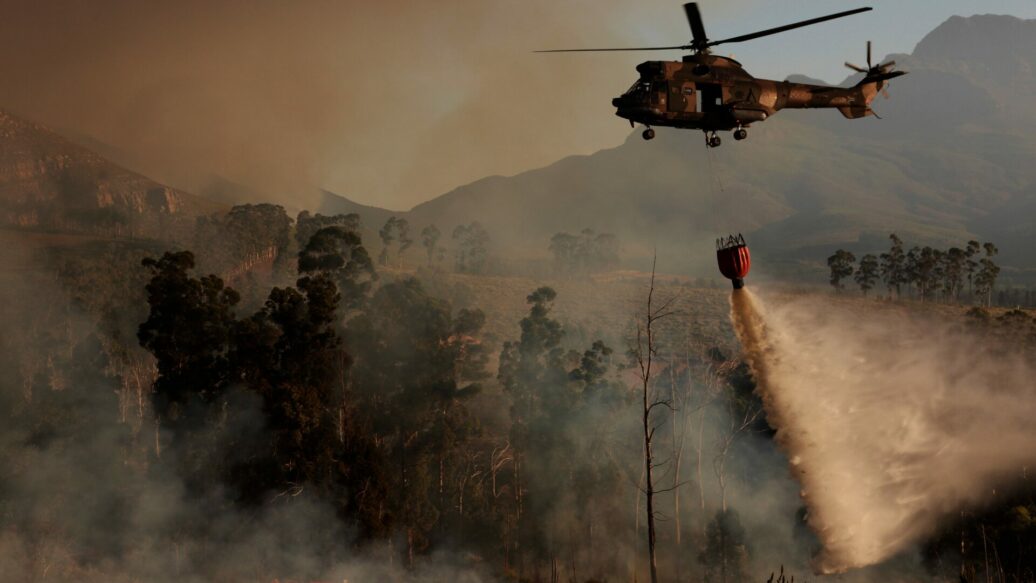
    This heightened risk is exemplified by the recent bushfire in the Grampians (Gariwerd) National Park, which was started by a lightning strike on 17 December.

    Over three weeks, the fire has burned more than 76,000 hectares and is now contained. The blaze began after dry lightning ignited multiple fires in the southern part of the park, highlighting the severe conditions across the state.

    Jason Amos, Director of Emergency Management and former CFA volunteer, encourages staff and members of our community to download the VicEmergency app and save the VicEmergency phone number – 1800 226 226 – to their devices.

    “Given Northern Health’s catchment area, many staff and consumers may live near bush or long grass areas, and it is important for everyone to have a plan this fire season,” said Mr Amos.

    “It’s crucial to understand and monitor the Fire Danger Rating, a scale that forecasts how dangerous a fire would be if one were to start. These ratings are forecast four days in advance, using Bureau of Meteorology data and other environmental factors, such as fuel loads.”

    Staff who conduct home visits as part of their duties must complete the CFA’s Bushfire Safety for Workers eLearning module.

    For more information on staying safe during bushfire season, please click here.

  • Stay safe around snakes this summer

    Stay safe around snakes this summer

    Summer is in full swing across Victoria, which also means the arrival of snake season.

    Victoria’s snake season is typically between September and April, with sightings more common in the warmer summer months and in rural areas. Knowing what to do if you or someone has been bitten, is critical.

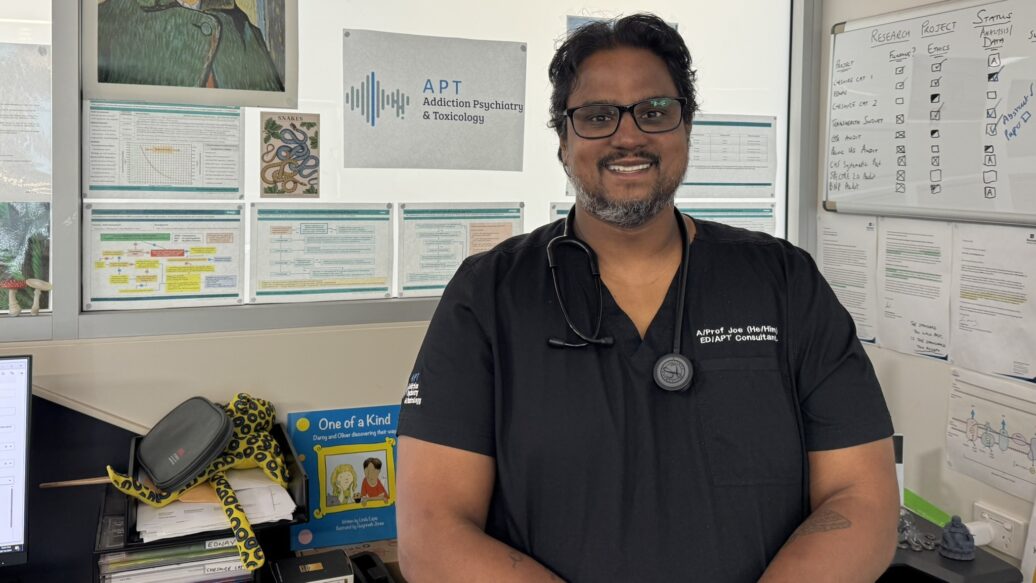
    Associate Professor Joe Rotella, Emergency Physician and Clinical Toxicologist at Northern Health, knows a thing or two about snakes, and what to do when bitten by one.

    “The first thing is not to panic and call for help. At the time the snakebite happens, remain still, lie down if you are standing up, don’t move and don’t run because that can circulate the venom if you been envenomed by the snake – stay calm and call Triple Zero (000),” he said.

    “We have tubes that run alongside our veins and arteries, called lymphatics. The venom typically goes into your lymphatics and if you pump your muscles by running or walking, it can circulate the venom through your body and that’s what you want to avoid doing, so staying still will help slow the rate of spread.”

    “Snakes will often bite to protect themselves as a warning sign, they don’t necessarily want to use their venom on you.”

    As well as staying calm in the event of a snake bite, A/Prof Rotella says applying immediate first aid around the bite is the next step.

    “If you have got a bandage available, and you know how to put one on, immobilising the limb and putting on a pressure bandage from above the closest joint down will help,” A/Prof Rotella explains.

    “Our paramedics are very well versed in how to apply them, so if you don’t happen to have a bandage on you, just stay still, tie some newspapers to the area, anything to immobilise the limb.”

    “It’s important to get yourself to a hospital. Once you get to the hospital, a doctor will examine you, and together with the nurses, will do some blood tests and make a determination if you have any clear signs of venom. Alot of people don’t, so we’ll then observe you for a period of time, take the bandage off, see if anything changes.”

    As people spend more time outdoors during summer, A/Prof Rotella explains what to do in the event of a snake sighting, and how to help avoid them slithering into your homes.

    “If you do find a snake, do not try and catch it, call a professional. Secondly, please don’t try and kill it – it’s illegal and people who I have seen be envenomed, have tried to harm the snake and have been bitten and envenomed, which makes sense because if the snake thinks it’s either that or death, they are going to pick using their venom.”

    “It’s also about being mindful, as the weather warms up, looking for common places where snakes might like to set up homes – woodpiles outside, rubbish, places where snakes can hide under.”

    “If you own a dog, it is worth looking into snake avoidance training. There are businesses who will train dogs to avoid snakes because another common situation is a dog goes after a snake, they get bitten and you get bitten trying to rescue your dog. The problem is, for dogs, snake bites can be a far bigger issue because they are relatively smaller, so the amount of venom they get may be fatal, whereas it may not be the case for a human.”