• Strengthening research at Northern Health

    Strengthening research at Northern Health

    Northern Health is committed to strengthening and supporting the research our staff undertake to improve healthcare.

    The Northern Health Research Grants Program provides funding to projects and work that will benefit Northern Health’s community, lead to applications for external grants or funding, develop and strengthen the research culture across the health service, support pilot projects and increase research productivity at Northern Health.

    Applications for the 2025 program are now open, with three exciting funding opportunities available:

    Northern Health Foundation Grant ($50,000): Our flagship grant, awarded to one exceptional researcher, is designed to build capacity and drive success in securing Category 1 research funding. This highly competitive grant recognises outstanding track record and potential for significant contributions to the field.

    Research @ Northern Support Grants ($20,000): This grant supports research initiation or establishment within Northern Health, with three grants available. Early career researchers are strongly encouraged to apply, with equal opportunities alongside established researchers.

    Grants in Aid ($10,000): This grant provides funding for equipment, consumables, or external technical support to enhance your research capabilities. Five grants are available to support growth and innovation.

    Tilini Gunatillake, Research Development Manager, said Northern Health was proud to invest in the growth and development of a robust research culture.

    “To support this goal and enhance Northern Health’s contributions to the broader research community, we are proud to offer a variety of research grants through the Northern Health Research Grants Program.

    “We encourage all staff to apply for this exciting opportunity. These grants not only support projects that address immediate healthcare needs for our community but also positions our staff for success in securing external funding, amplifying the reach and impact of their work.”

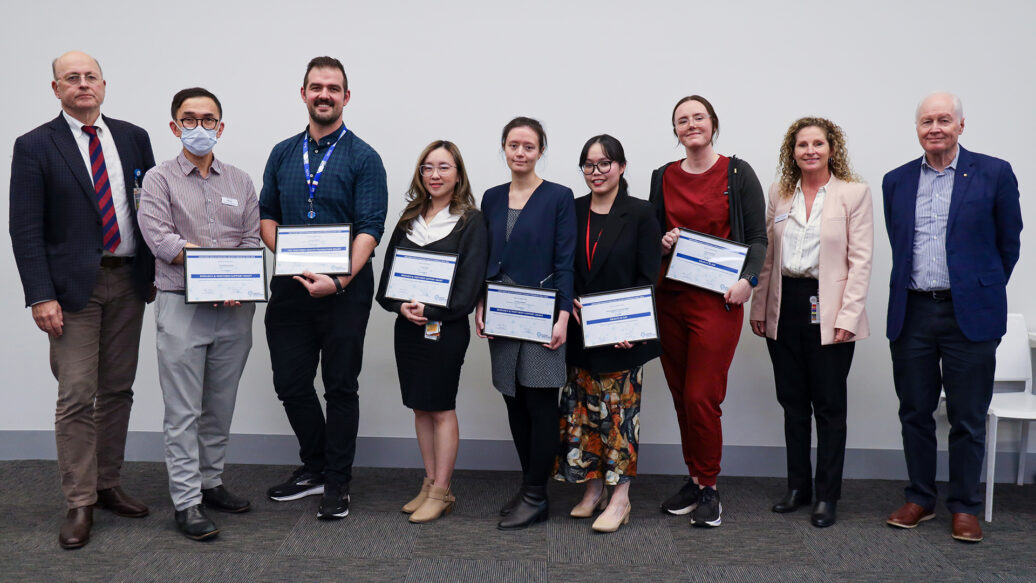
    Last year, a large number of exceptional applications were received, with nine staff members receiving grants to fund their research. You can read more about 2024 successful applicants here.

    Click here to apply and for more information. Applications close on Friday, 28 February. Successful applicants will be announced in June.

    Featured image (L-R): Prof Don Campbell, Dr Heng Khuen Cheok, Dr Jason Talevski, Dr Hazel Heng, Dr Rowena Brook, Dr Sun Loo (and Dr Chong Chyn Chua), Eleanor Johnson (on the behalf of Dr Siaw Hui Wong), Melissa Grenville, Prof Geoff Donnan at last year’s grants announcement.
  • Get to know: Natalie Tirant

    Get to know: Natalie Tirant

    #WeAreNorthern

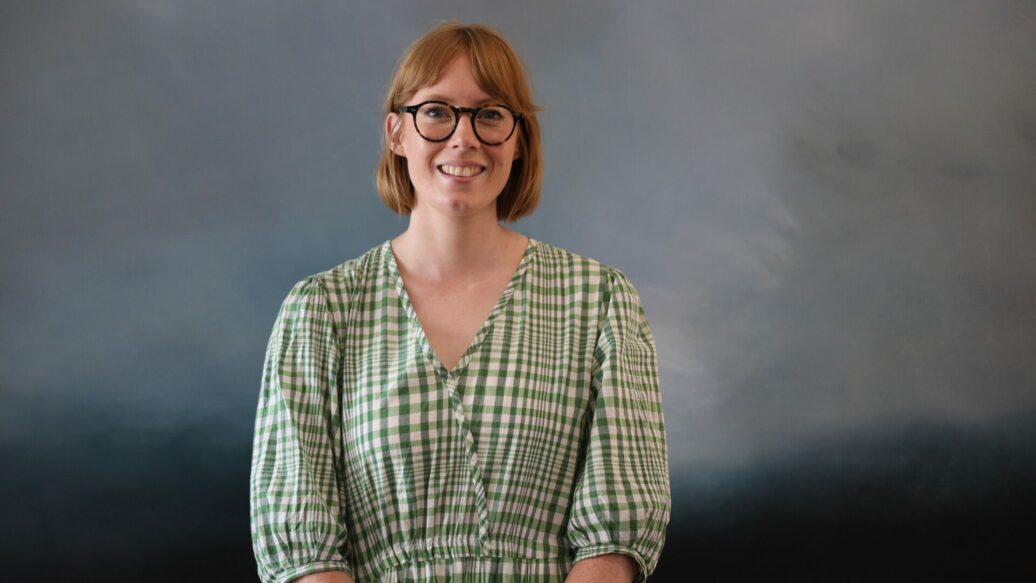
    Meet Natalie Tirant, Executive Assistant and Digital Content Creator for the Clinical Leadership, Effectiveness, and Outcomes (CLEO) team.

    Q. Nat, could I start with your coffee order please?

    I’m one of those rare individuals who doesn’t drink coffee! I’ve never liked the smell or taste—I’m the caffeine rebel in a world of coffee aficionados.

    Q. Can you tell us a bit about your career?

    I graduated with a Bachelor of Fine Art and started out working in a variety of gallery administration roles, but eventually found my way into medical reception work. I’ve been in medical administration for over 10 years now and joined Northern about two and half years ago. I started out with the admin team in the Respiratory Lab but moved over to the Clinical Leadership, Effectiveness and Outcomes (CLEO) team as an Executive Assistant / Digital content creator when the team was first getting started at the end of 2022.

    Q. What are the best things about working at Northern?

    Northern is a very exciting place to work. I’ve been fortunate to work alongside some amazing, hardworking and driven people in the CLEO team and Digital Health. It’s amazing to see the impact of the work we do and the projects we lead, knowing we’re making a real difference in our community.

    Q. What do you like to do in your spare time?

    In my spare time, I love sewing and making my own clothes. I find it a very rewarding creative outlet. I also enjoy camping and spending time with friends; there’s something special about being in nature and sharing those moments with good company.

    Q. What is something that most people would not know about you?

    I’m an artist and photographer by background, with an interest in graphic design. Alongside my full-time role, I maintain an art practice, steadily pursuing creative projects. I’ve been fortunate to showcase my work in both solo and group exhibitions over the years which has been a great experience.

    Q. Do you have a bucket list item? Something you love to do?

    I’ve always wanted to speak another language fluently. I was practicing Spanish for a while and really enjoyed it, but I kind of dropped the ball. I’d love to pick it back up and continue learning!

    Q. Favourite destination to travel and why?

    Torres del Paine National Park in Patagonia is absolutely incredible. The 5-day W Trek is one of the most amazing trips I’ve ever done, as it takes you through some of the most stunning landscapes. Every day brought something new, from turquoise lakes to waterfalls to glaciers and the quiet beauty of the valleys. It’s a place that truly left me in awe.

  • Northern Hospital Redevelopment Project

    Northern Hospital Redevelopment Project

    With the demand for healthcare continuing to rise in Melbourne’s fast-growing northern growth corridor, the Northern Hospital is undergoing a major redevelopment.

    The Victorian Government has committed $813 million to deliver the Northern Hospital Redevelopment Project as part of the Victorian Emergency Department Expansion Program.

    The project, which aims to deliver expanded and improved facilities and enhanced service delivery to meet the needs of the growing local community, will be delivered in two stages over the next six years to ensure minimal disruption to patient care.

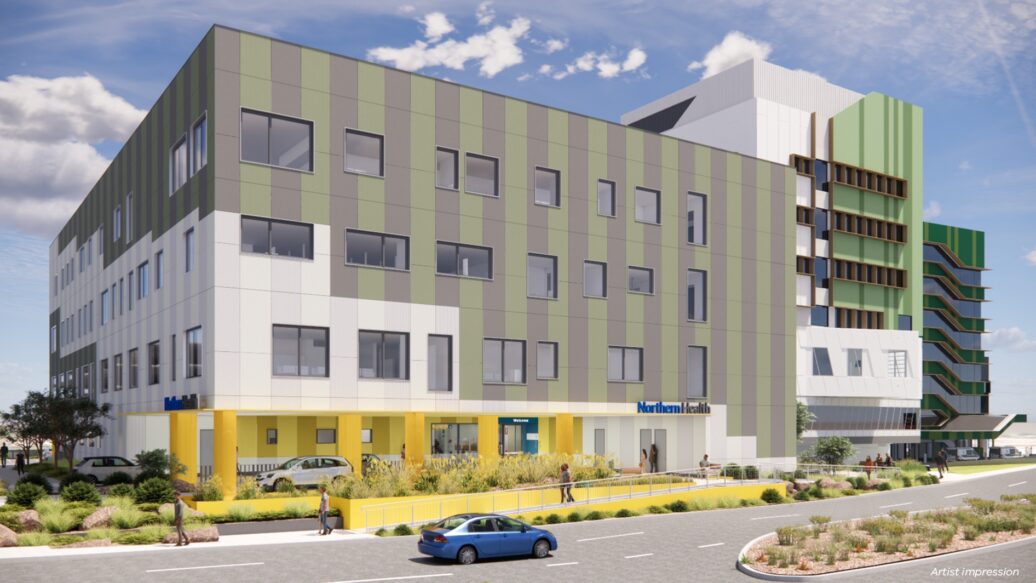
    The first stage, which commenced last week with the closure of the Southern Afternoon Carpark, comprises the construction of the Ambulatory Care Centre Building (ACC). When completed, the ACC building will house administration, clinical and outpatient health services decanted from the old hospital and portables from the northern part of the hospital campus.

    This stage will begin with the demolition of the old childcare centre. Stage one is expected to be completed by mid-2026. The completion of Stage 1 is a key enabling activity for the second stage of the Northern Hospital Redevelopment Project.

    Stage two involves the construction of a new emergency department and inpatient units tower fronting Cooper Street. This stage is due for completion in late 2029, and includes:

    • Emergency department with dedicated paediatric zone, mental health, alcohol and other drugs hub
    • Inpatient units and emergency observation unit in a new clinical tower
    • Site infrastructure upgrades supporting the expanded hospital including engineering services, improvements to hospital entrances and car parks

    Northern Hospital Epping has the busiest emergency department in Victoria, treating more than 110,000 patients each year. Northern Health cares for over 114,000 patients admitted to hospital each year, with over 34,000 patients arriving by ambulance.

    This two-stage project will enable local families to have access to healthcare close to home as Melbourne’s north continues to grow. The project will also help meet the growing healthcare needs of Melbourne’s north, and deliver expanded and improved facilities and enhanced services to the community.

    For more information about the project, please click here.

    Featured image: Artist impression of Ambulatory Care Centre Building.

  • Welcome back volunteers

    Welcome back volunteers

    What a joy it is to see the smiling faces of our incredible volunteers back at Northern Health after their Christmas and New Year break.

    Our volunteers have returned with renewed energy and enthusiasm, ready to do what they love most – sharing their time and talents to make a meaningful difference in the lives of others.

    The year has already kicked off with a whirlwind of activity for our volunteers, and as always, they’ve stepped up with unwavering kindness and generosity. In a world often filled with negative headlines, their dedication reminds us of the immense compassion and goodwill that still thrive in our community.

    Here’s just a snapshot of the roles our volunteers are currently embracing:

    Maternity Support: Collating green books for expectant parents
    Day Procedure Unit: Assembling patient packs
    Hearing Clinic: Placing stickers on brochures
    Diabetes Education: Assisting with administrative tasks
    Emergency Department: Sorting lost property and replenishing essential supplies
    Physiotherapy Team: Preparing exercise band packs
    Northern Health Foundation: Counting donations to support vital projects
    Finance Team: Folding letters and preparing them for mailing
    Neonatal Unit: Providing warmth and care with baby cuddling
    Palliative Care: Visiting patients and gifting beautiful handmade rugs from local craft groups
    Tea-Trolley Service: Delivering refreshments to patients and visitors with a friendly smile
    Broadmeadows Goods Trolley: Offering patients books, puzzles, and small comforts during their stay
    Meal Buddies: Assisting patients with opening containers and enjoying their meals
    Bundoora Patient Transport: Supporting patients in getting to their appointments
    Guides: Helping patients, visitors, and staff navigate the hospital while providing assistance with parking and wheelchairs
    Fundraising: Selling raffle tickets and knitted goods with all proceeds going directly back to the hospital

    Each of these roles showcases the incredible ways our volunteers bring care and comfort to those who need it most.

    If you’d like to explore how volunteer support can benefit your area, reach out to our team members Kim Berger or Natalie Carroll.

    Our Volunteer Services Team manages recruitment, ongoing training, daily supervision, and role allocation, while also celebrating the contributions of these extraordinary individuals.

    For more information, contact the Volunteer Services Team at volunteer@nh.org.au or call 8405 8971.

    Together, let’s celebrate the heart and soul of Northern Health – our volunteers!

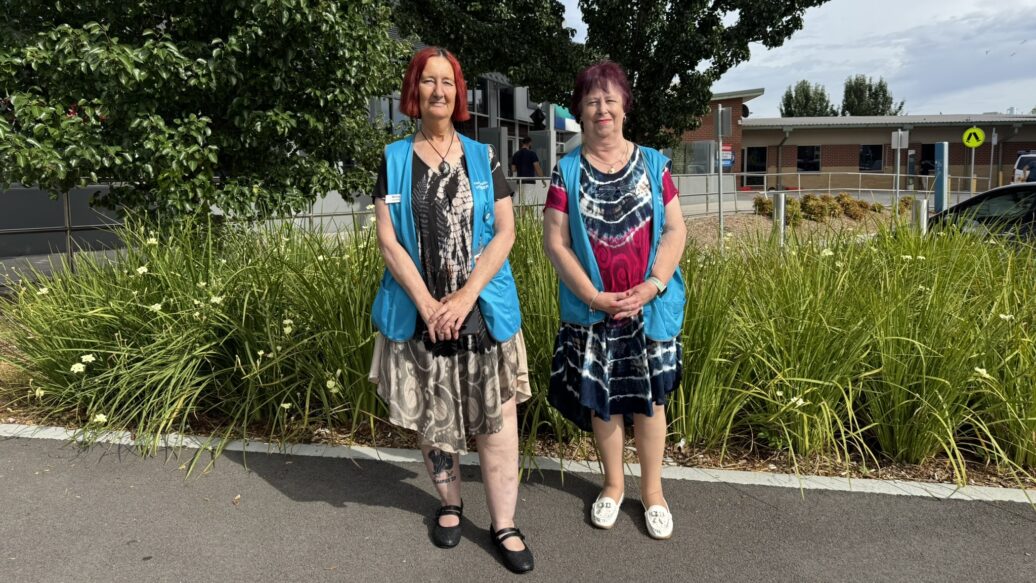
    Featured image: Volunteers Mandy and Gwen.

  • Summer, sun, and the buzz of mosquitoes

    Summer, sun, and the buzz of mosquitoes

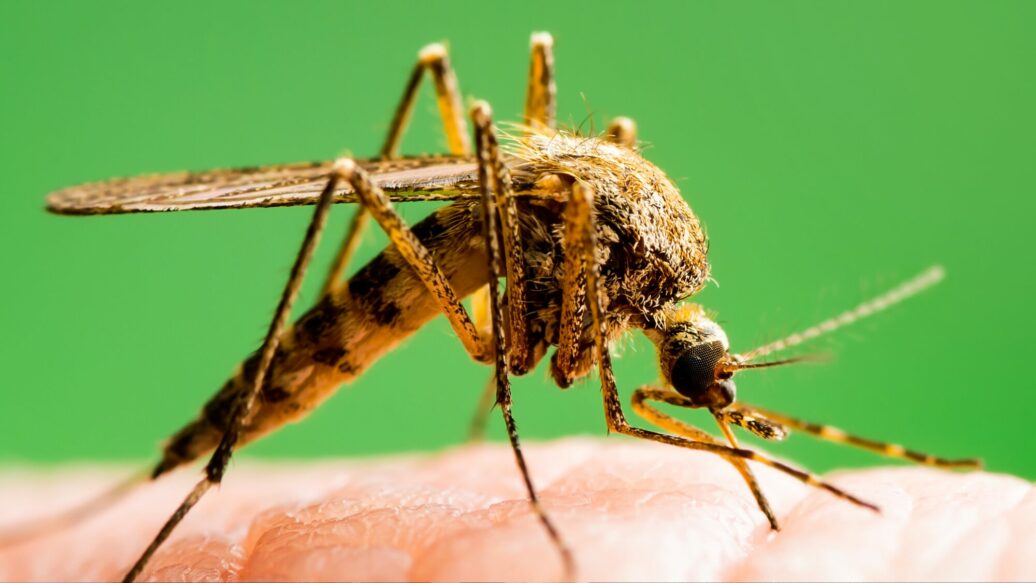
    Summer brings sunshine, outdoor fun, and unfortunately, the unwelcome buzz of mosquitoes. A recent outbreak of Japanese encephalitis in mosquitoes has raised alarms across northern Victoria, with health authorities urging vigilance among residents and visitors.

    The discovery of two infected mosquitoes in Moira Shire, near Cobram and Yarrawonga, highlights the presence of this rare but potentially serious virus in inland riverine regions, particularly near the Murray River.

    What is Japanese encephalitis?

    Japanese encephalitis is a viral infection that can cause inflammation of the brain. Symptoms range from fever and headaches to seizures, paralysis, and, in severe cases, coma. The virus is spread through the bites of infected mosquitoes, posing a heightened risk during warmer months when mosquito activity peaks.

    In a recent article in the Herald Sun, Victoria’s Chief Health Officer, Dr Tarun Weeramanthri, emphasised the importance of prevention, “The best defence is to limit outdoor exposure and use insect repellents in high-risk areas.” While no specific treatment exists for the virus, a free vaccine is available for eligible individuals in 24 high-risk zones.

    Tackling mosquito-borne diseases with innovation

    Mosquito-borne diseases like dengue fever cause hundreds of thousands of deaths annually. To combat this, Oxitec Australia, a collaboration between the Commonwealth Scientific and Industrial Research Organisation (CSIRO) and UK-based Oxitec Ltd, is introducing genetically modified mosquitoes (GMMs) in Australia.

    These GMMs are non-biting male mosquitoes designed to produce only healthy non-biting male offspring. By reducing the number of female mosquitoes, this innovative approach aims to control the spread of diseases like dengue, zika, and chikungunya.

    Professor Brett Sutton, Director of Health and Biosecurity at CSIRO, in an interview for ABC’s RN Radio said, “Mosquito-borne diseases have spread significantly in recent years due to climate change. By investing in new and innovative solutions that complement existing control programs, we can reduce the public health impacts of these exotic and invasive mosquito species.”

    Expert advice on mosquito bites

    We spoke with Dr Daniel Engelman, Paediatrician and Research Fellow in Tropical Diseases at Northern Health, for advice on mosquito bites.

    “Most mosquito bites, despite being very itchy, don’t need medical treatment. Occasionally, adults or children may develop a large local reaction with swelling or ongoing pain. In some cases, bites can become infected, showing signs like increasing redness, swelling, warmth, or crusting,” he explains.

    Signs of severe illness:

    • Fever
    • Vomiting
    • Progressive rash
    • Joint pains

    “If you notice any of these signs, seek medical attention from your local GP, Urgent Care Centre, or the Victorian Virtual Emergency Department,” advises Dr Engelman.

    Tips for a bite-free summer

    Prevent mosquito bites and enjoy summer with these simple strategies:

    • Apply repellent regularly and evenly to all exposed skin (on top of sunscreen)
    • Wear long, loose-fitting, light-coloured clothing and enclosed shoes
    • Empty or remove buckets and containers around your home to reduce mosquito breeding

    For itchy bites:

    • Apply a cool pack or have a cool bath
    • Use lotions or topical sprays to relieve the itch
    • Consider oral antihistamines if the itch is severe and impacting sleep
    • Use distraction techniques for children and keep fingernails short to prevent scratching

    The best way to avoid mosquito-borne illnesses is to prevent bites altogether. For more tips and resources on mosquito protection, visit Victoria Health’s Mosquito Protection Guide.

    Dr Daniel Engelman, Paediatrician and Research Fellow in Tropical Diseases, Victorian Virtual Emergency Department, Northern Health
  • Northern Health welcomes new interns

    Northern Health welcomes new interns

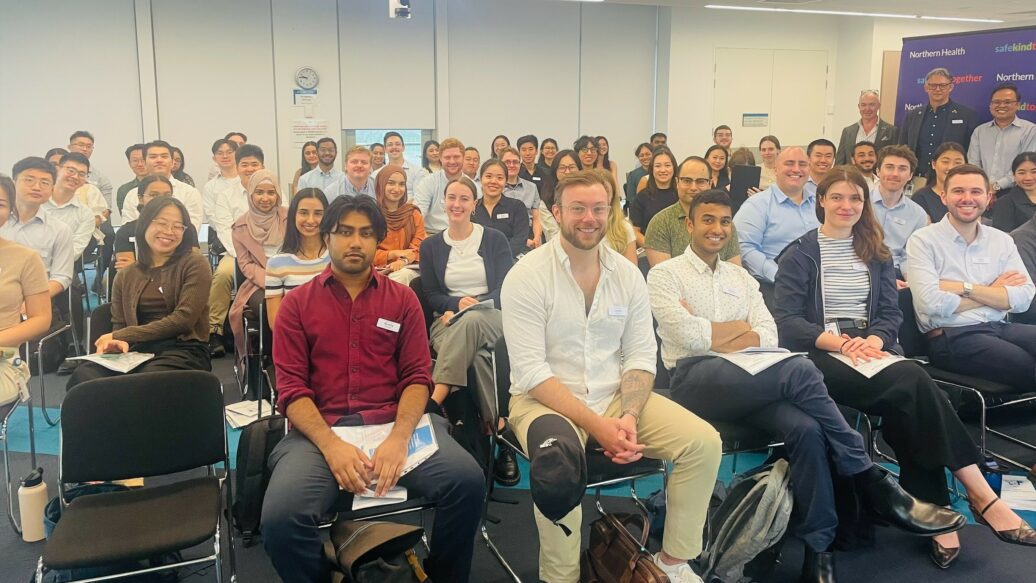
    Every year, Northern Health attracts a talented and dedicated group of new doctors who are eager to serve the local community.  On Monday, 6 January, Northern Health was pleased to welcome 61 new interns. The enthusiastic group of junior doctors embarked on an orientation week, where they were introduced to the hospital’s systems and services before beginning their clinical work.

    During their orientation, the interns participated in a series of workshops designed to familiarise them with the hospital’s processes. These included training on the Electronic Medical Records (EMR) system, pharmacy and medication protocols, and learning various hands-on skills. The interns also had the opportunity to work alongside the previous year’s interns, gaining valuable experience on the wards under their guidance.

    The internship program is an integral part of training new doctors, providing them with the skills and experience necessary to become future leaders in healthcare.

    “As a medical student who was part of the Northern Clinical School, I have spent the last four years at Northern Health and it was my first priority when applying for my job as an intern,” says Peter Polydoros.

    He adds, “I’m looking forward to starting my career as a doctor at Northern Health where I can continue to learn, foster relationships within the hospital, treat the wonderful patients and educate the next group of eager students.”

    Alexandra Jarman says, “I thoroughly enjoyed my three years as a medical student at the Northern and was eager to return as an intern. The hospital has earned its reputation for supporting junior medical staff, my first week in the anaesthetics department has been fantastic! The culture of mentorship and encouragement I experienced as a student made my decision to return as an intern an easy one.”

    Dr Chong, the Supervisor of Intern Training with over 15 years of experience, shared her excitement about the new cohort, “Our interns are ready to help the community. We warmly welcome them to Northern Health and look forward to a successful internship.”

    Featured image: New interns at Northern Health.

  • Get to know: Tina Zafari

    Get to know: Tina Zafari

    #WeAreNorthern

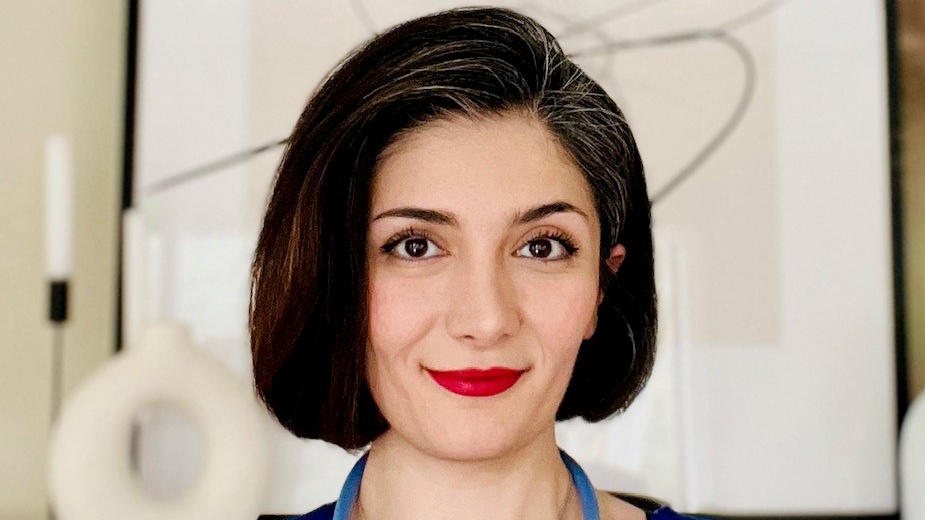
    Meet Tina Zafari, Hospital Medical Officer (HMO), who was recently selected as an Australian Medical Council (AMC) Board Member.

    Q: Firstly, what is your coffee order?

    A: Small soy latte.

    Q: How does it feel to have been selected as an AMC Board Member?

    It feels incredibly rewarding and humbling to be selected as an AMC Board Member. This role is an opportunity to contribute to shaping the future of medical standards in Australia while advocating for the perspectives and needs of international medical graduates. I’m excited to collaborate with esteemed colleagues to help ensure our healthcare system continues to uphold excellence, inclusivity, and equity.

    Q: What will this role entail?

    A: As an AMC Board Member, my role will involve contributing to the development and oversight of standards for medical education and practice in Australia. This includes evaluating pathways for registration, ensuring they are fair and rigorous, and supporting a diverse, high-quality medical workforce. I’ll also have the opportunity to advocate for international medical graduates, helping to address challenges they face and promote their valuable contributions to Australian healthcare.

    Q: What impact do you hope to make on International Medical Graduates (IMGs) as a Board Member?

    A: As a Board Member, I hope to make a meaningful impact by advocating for more supportive pathways for IMGs. My goal is to ensure their contributions are fully recognised and that they receive the resources and guidance needed to integrate successfully into the Australian healthcare system.

    With approximately 50 per cent of Australians either born overseas or having at least one parent born overseas, IMGs play a vital role in providing culturally sensitive care. Their multilingual skills enhance communication and build trust with patients from culturally and linguistically diverse (CALD) backgrounds, ensuring equitable healthcare access and strengthening trust in the healthcare system.

    Q: Tell us about your journey and role at Northern Health? 

    A: I started working in Australia as an ED HMO with provisional registration at the Northern Hospital in 2020 when the COVID-19 pandemic was severely affecting Victoria. The Northern ED team was incredibly supportive, and many of the consultants played a key role in helping me learn the nuances of the system and adapt quickly. Thanks to the mentorship and guidance of my supervisors, Northern Health supported me in obtaining my general registration in 2021.

    Since then, I’ve had the opportunity to work as a resident across various metropolitan hospitals in Melbourne, locum around Victoria, and start surgical assisting in private hospitals as a side hustle. These experiences have provided me with a broad perspective on the Australian healthcare system, working in both the public and private sectors across metro and regional areas, and across various specialties. This has been invaluable in developing my clinical skills and deepening my understanding of Australian healthcare system.

    Q: What is something most people would be surprised to know about you?

    A: I love Cabernet Wine and belly dancing!

  • Virtual Communities in Healthcare

    Virtual Communities in Healthcare

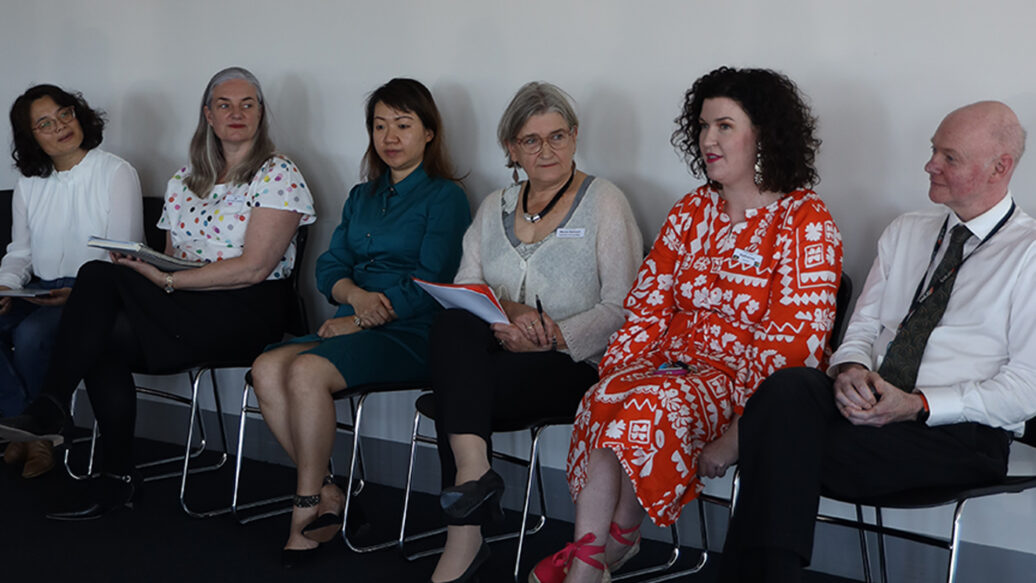
    The Virtual Communities in Healthcare event, held in December, highlighted the transformative power of digital platforms to connect people, ideas, and expertise across professions and borders.

    The event was a collaborative initiative led by RMIT University in partnership with Northern Health. Coordinated by the Northern Health Library, it aimed to build a network of virtual communities to tackle critical healthcare challenges.

    The event brought together over 35 participants, including researchers, health professionals, and digital technology experts, to explore how virtual communities can foster collaboration, improve access to knowledge, and drive innovation.

    Expert speakers Dr Leah Li (RMIT University), Professor Wanda Stelmach (Northern Health), and Associate Professor Anthony Gust (Northern Health) shared insights on leveraging digital technologies to support healthcare professionals and provide social support to individuals with chronic illnesses and disadvantaged groups, particularly CALD (Culturally and Linguistically Diverse) communities.

    This partnership exemplifies how combining academic expertise with patient-centered care can make a tangible impact. Together, Northern Health and RMIT University are co-creating frameworks that strengthen support systems for healthcare professionals and improve equity in healthcare delivery.

    Virtual communities are also proving to be powerful tools in reducing health inequities and addressing social determinants of health.

    Northern Health’s Health Literacy Coordinator, Jo van Dort, explained, “Health equity is a fundamental principle in healthcare. Virtual communities for healthcare delivery have significant potential to address health inequalities and social determinants of health.”

    The program featured a dynamic panel discussion that encouraged participants to share insights, ask questions, and collaborate.

    Tania Barry, Director of Library and Information Literacy Services at Northern Health, said, “Bringing together expertise from communication, digital health and applied health disciplines, this workshop showcased how virtual communities can enhance health service delivery and management.”

    As we look to the future, the outcomes of this event will pave the way for stronger networks, enhanced healthcare delivery, and innovative partnerships that bridge the gap between academic research and real-world healthcare challenges.

    For more information or to stay connected with ongoing initiatives, please contact the Northern Health Library team.