• Fortifying Northern Health: Cyber security measures in 2024

    Fortifying Northern Health: Cyber security measures in 2024

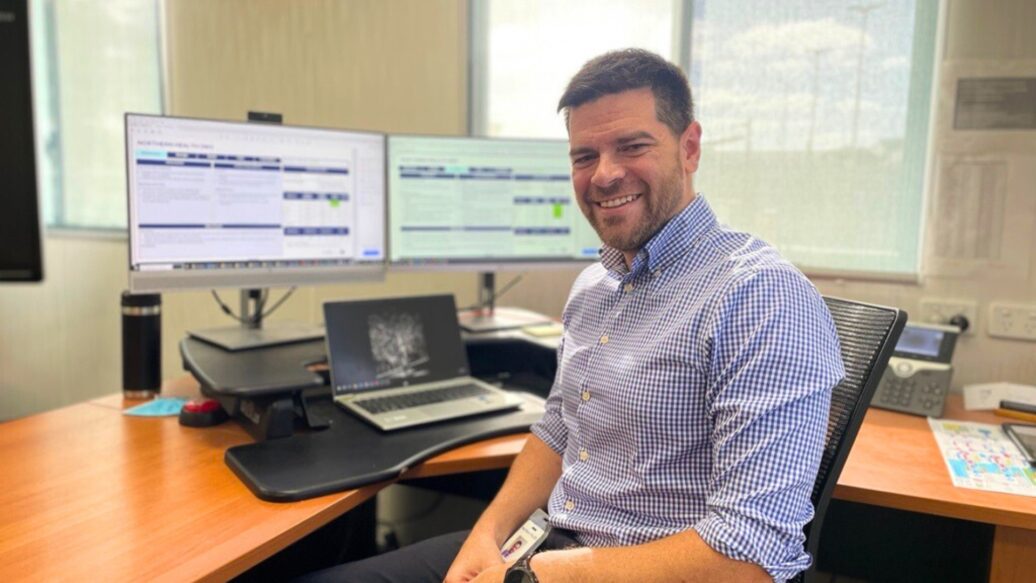
    As we continue to navigate the digital landscape, it’s important to remain vigilant against cyber threats. Recent cyber-attacks on various service providers have underscored the importance of maintaining a strong cyber security posture.

    According to the latest data, there has been a significant increase in cyber incidents globally, with the Australian Cyber Security Centre reporting a rise in cyber-attack reports. This highlights the ever-present risk of cyber threats and reinforces the need for heightened awareness and preparedness.

    As Northern Health’s Chief Information Officer, David Calvo, has emphasised, “Hospitals are increasingly reliant on technology, making us potential targets for cyber-attacks. A breach could compromise patient data, disrupt hospital operations, and erode patient trust.”

    To mitigate these risks, Northern Health is committed to providing comprehensive cyber security training. Our cyber security training module is regularly updated to address the latest threats, including scams and phishing attacks. Phishing remains a prevalent threat, with attackers using fraudulent emails to deceive recipients into divulging sensitive information or clicking on malicious links.

    The ICT team is collaborating with the Department of Health to launch a phishing awareness campaign in the coming months. This campaign will educate our staff on identifying and mitigating email-based security threats.

    “We all have a role to play in safeguarding the hospital against cyber threats. By staying informed and vigilant, we can help protect our patients’ information and ensure the integrity and availability of our services. Cyber Security is not only the responsibility of the ICT Cyber Security Team, but from every member of the Northern Health community,” said Mr Calvo.

    “Please take the time to complete the cyber security training module and familiarise yourself with our cyber security policies and procedures. Together, we can enhance our cyber security posture and protect our organization from potential threats.”

    Thank you to all our staff for your continued dedication to maintaining a secure and resilient cyber environment.

  • MRFF grant funding for falls

    MRFF grant funding for falls

    A project led by the University of Western Australia, with La Trobe University and Northern Health as key partners has received $1.4 million in funding, through the Medical Research Future Fund (MFF).

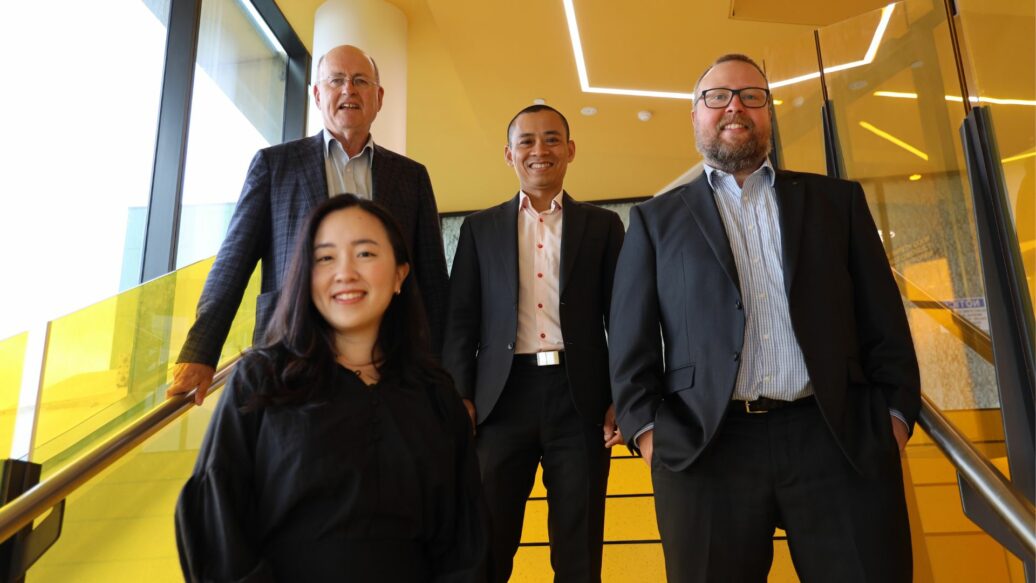
    Northern Health Chief Investigators include Associate Professor Adam Semciw and Dr Hazel Heng, Allied Health Research Leads, La Trobe University and Northern Health. Professor Don Campbell and Uyen Phan, Associate Director of Physiotherapy are Associate Investigators.

    Dr Heng says, “Patients who fall in hospital have nearly twice the length of stay compared to non-fallers. Hospital-related costs for fallers can be twice as much as non-fallers, with an estimated $38,991 in additional costs for each injurious hospital fall.”

    She adds, “Receiving this grant highlights the collaborative effort between Northern Health and other hospitals across Western Australia and Victoria and speaks to the strengths and skills of our research team. This is a big step forward in our efforts to keep our patients safe, and I look forward to working with the team, the patients and the staff here at Northern Health.”

    Mr Phan who is also the chair of the Preventing Falls and Harm from Falls, Clinical Improvement Committee, believes falls are everyone’s responsibilities, and this research is much needed.

    He says, “The Preventing Falls and Harm from Falls, Clinical Improvement Committee and I are very excited to be part of this important work to reduce falls at Northern Health.”

    Associate Professor Semciw is excited about the opportunity to implement and evaluate an innovative model of care directly on the wards, facilitating rapid translation of evidence into practice.

    “It also provides an opportunity to mentor the next generation of clinician researchers, future proofing implementation research at Northern Health with support from key University partners at La Trobe University and University of Western Australia.”

    “This grant is testimony to the power of collaboration between our academic partners at La Trobe University and University of Western Australia and frontline clinicians on the wards at Northern Health.  It’s a great opportunity to build a lasting collaboration to the benefit of our patients,” says Professor Campbell.

    Picture shows: Dr Hazel Heng, Professor Don Campbell, Uyen Phan and Associate Professor Adam Semciw.

  • Quarterly Staff Recognition Awards 2024

    Quarterly Staff Recognition Awards 2024

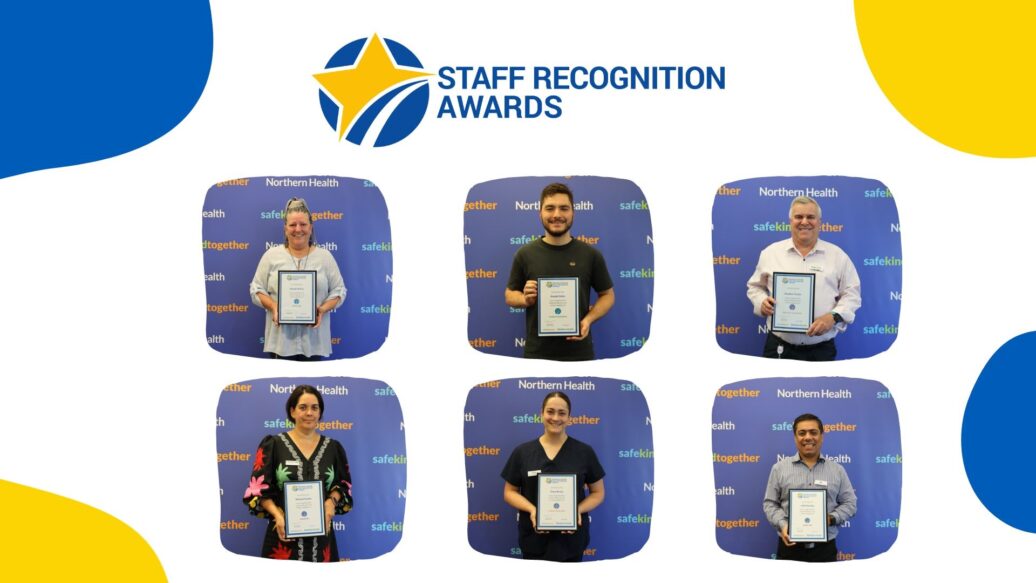
    This morning, Northern Health hosted its very first Quarterly Staff Recognition Awards for 2024, virtually coming together to honour and appreciate the exceptional contributions of our devoted staff.

    We were overwhelmed by the remarkable participation of our staff, receiving numerous nominations spanning across seven categories.

    Michelle Fenwick, Executive Director, People and Culture, opened the ceremony by acknowledging the incredible work of our staff across the health service.

    “Among our award winners today are staff who demonstrate a strong and positive workplace culture, live Northern Health’s values of “Safe Kind Together”, and show a genuine commitment to their patients,” she said.

    “As always, the number and standard of nominations for these awards were very high. I would like to acknowledge and congratulate all staff who received this recognition, along with those who took the time to nominate them.”

    Plastics Clinical Nurse Specialist, Tessa Bruno, won the Clinical Excellence Award and was nominated four times for this award.

    Andrew Li, one of the nominators said, “Tessa is one of the most clinically proficient, kind and supportive senior nurses I have ever worked with in my career. In her Clinical Nurse Consultant role, she has actively and enthusiastically contributed to the more efficient running of clinics and the minor procedure room, enabling record numbers of patients to be seen and treated in a safe and timely manner.”

    Joseph Dukic, Security Guard, won the Patient Experience Award for his willingness to go above and beyond for a non-verbal patient in Ward 4 with Autism and complex behavioural issues and therefore requiring security guards and additional support at all times.

    During the course of looking after this patient, Joseph learned sign language, used de-escalating strategies, engaged in activities such as playing soccer and conversation, and over time this resulted in a special patient-security guard bond.

    The Excellence in Safety Award went to Angela Axiak, Site Manager, Administration – Mental Health Services and OHS rep, for her great teaching skills and for always being on top of everything ‘safety’ in her role as an OHS representative.

    “Angela will always be the first person who shows up whenever a code grey is called and will always be there to support anyone and everyone. She definitely upholds the safety C.O.D.E. by bringing up any issues with the higher authorities, should someone’s safety be jeopardised”, said her nominator, Alefiyah Khilawala.

    Nicola McKay, Community Development Officer, won the Innovation Award for implementing the Victoria’s container deposit scheme by starting a container bin in the Hume Community Mental Health office space.

    “Nicola very observantly noticed that our team drinks a lot of canned and bottled drinks throughout the day and with this in mind, she started the initiative and shortly after, all staff embraced it! In just over a few weeks, we’ve reached about $30 in Coles vouchers (that’s 300 recycled bottles/cans!).  We plan to use this money for our mental health consumers to help promote the 5 ways to Wellbeing,” said her nominator, Dzeneta Ameti.

    Atif Khawaja, Talent/Recruitment Partner, won the Rising Star award for his positive attitude and for being empathetic, kind, incredibly patient and very knowledgeable of systems and processes.

    His nominator, Carolyn Baker said, “Atif has worked by my side, teaching me and helping me navigate recruitment and people matters as a newcomer to Northern. He really does an outstanding job and has a great, positive attitude that is infectious. Thank you Atif.”

    Dr Rachael Coutts, Director of Medical Education and Emergency Physician, won the Education Award for working tirelessly while leading the implementation of the Australian Medical Council, a new prevocational and mandatory training program for junior doctors.

    “This has been a huge piece of work which started two years ago, and Dr Coutts has had the foresight from the very beginning about the best way to approach the implementation. She has inspired the Medical Education Unit to perform at their best by working together and collaborating with multiple units within the hospital,” said her nominator, Carol Chong.

    Associate Director, Stephen Tucker, won the Excellence in Leadership Award for actively cultivating an inclusive workplace that supports working mothers through flexible hours and work arrangements. His outstanding leadership is evidenced by the creation of a family-friendly environment and the enthusiastic promotion of research and supervision, effectively moulding the department into a preferred workplace.

    “Stephen’s leadership has played a pivotal role in positioning Northern Health as an employer of choice within the industry,” said his nominator, Belinda Baines.

    Huge congratulations to all the recipients of the awards today!

    The Quarterly Staff Recognition Awards are proudly sponsored by BankVic and Northern Health Foundation.

    To watch the ceremony, please click here.

  • Standard 6 – What you need to know

    Standard 6 – What you need to know

    Each week in the lead up to Accreditation, Northern Health will focus on a different Standard. You will hear from the Chairs of each Standard Committee on what you need to know.

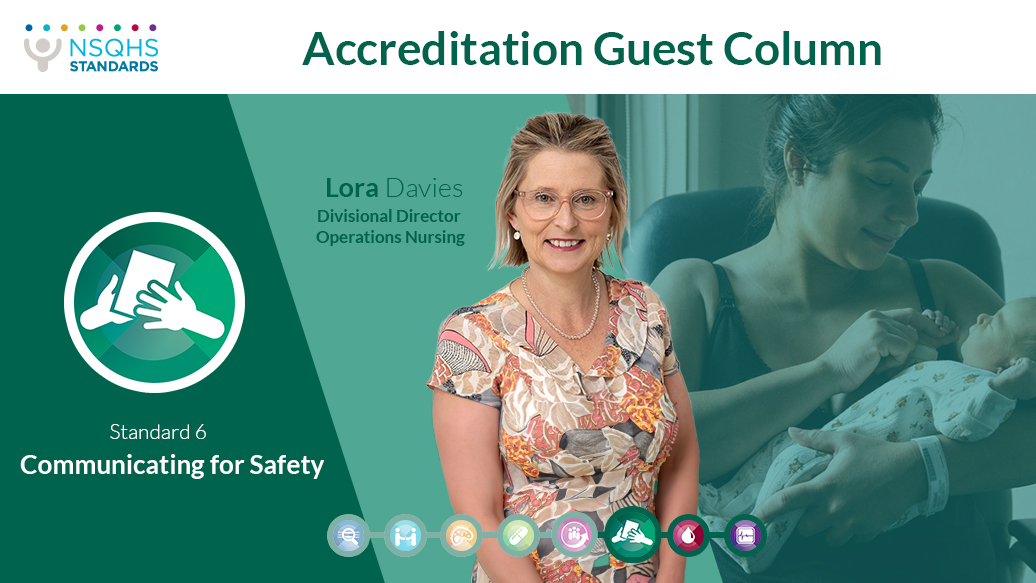
    This week we spoke to Lora Davies, Divisional Director, Sub-Acute Services & Access, about Standard 6: Communicating for Safety.

    What is this standard about?

    Standard 6 is all about Communicating for Safety. The three main areas this covers are:

    1. Patient Identification
    2. Procedure Matching
    3. Clinical handover

    But, as you can imagine, the need for clear and timely communication is required in almost every part of our organisation. We aim to ensure that the patient is provided with timely, purpose-driven and effective communication and documentation that support continuous, coordinated and safe care for patients.

    At Northern Health, this standard looks like….

    Some examples:

    • Checking patients 3 points of identification
    • Ensuring appropriate safety checklists are completed prior to procedure matching (surgery, endoscopy, ophthalmology, etc)
    • Bedside nurse handover at end of shift
    • ISBAR Handover between clinicians at points of transfer of care (ward to ward, etc)
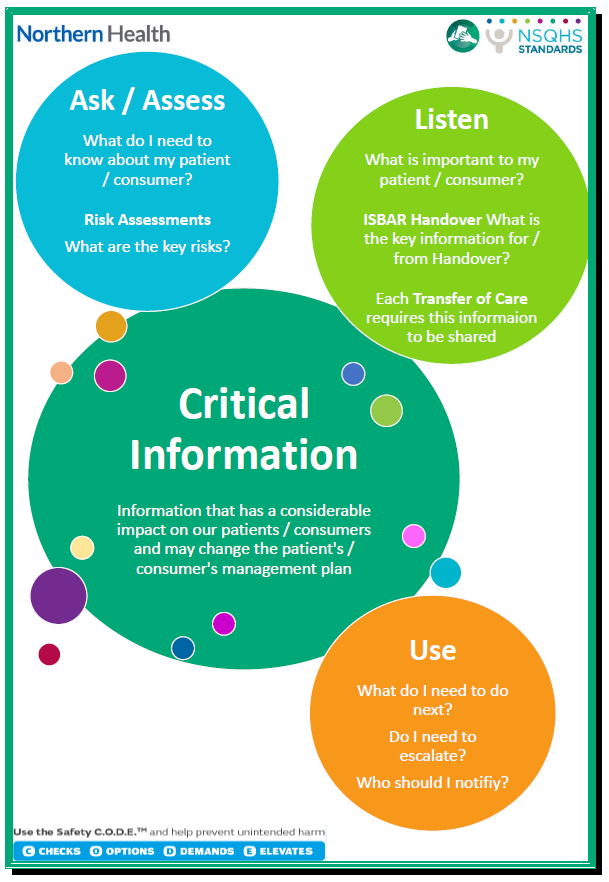
    • Identifying and acting upon new critical information about your patient

    What are the top 5 ways staff can be prepared for Accreditation against this Standard?

    • Have a think about what the term ‘critical information’ means for your area.
    • Ensure your patients have access to bedside patient communication boards.
    • Ensure you are involving patients and carers in decision making – via effective communication.
    • Ensure your team are handing over the right information for each patient.
    • Ensure handover sheets aren’t left in public areas.

    What are the top 5 questions staff needs to be able to answer about this Standard?

    • How do you define critical information in your area?
    • How do you ensure patients are able to engage in their care and decision making?
    • What processes do you use to ensure you are identifying the patient correctly?
    • What processes do you use to ensure you are performing the right procedure on the right patient?
    • Are you ensuring your handovers are done in ISBAR format?

    Is there anything else you would like staff to know about this Standard?

    Standard 6 has been focusing on supporting clinicians in defining ‘critical information’.

    Critical information can be something that is known (i.e. alerts/allergies), it could be something that is new information (i.e. patient mentions it at some point in their care), or it could be something that we actively seek out such as identifying risks within iView of EMR or the relevant paper based documents, or asking specific questions.

    When new critical information arises, it should be addressed as soon as possible via appropriate clinical action. We also acknowledge that critical information looks different in each setting. The below Fact Sheet has been developed to assist.

    To learn more about Standard 6, please see the Intranet.

  • Get to know: Vanessa Leonard-Roberts

    Get to know: Vanessa Leonard-Roberts

    #WeAreNorthern

    Meet Vanessa Leonard-Roberts, Emergency Nurse Practitioner.


    Q: What is your coffee order?

    A: Skinny latte, but actually I prefer rooibos tea. It’s an African tea, full of antioxidants and caffeine free.


    Q: What does a day at work look like for yourself as an Emergency Department Nurse Practitioner?

    A: The ED is a fast-paced, challenging environment. This is no different for the ED Nurse Practitioner (ED NP). Typically, ED NPs work in the Fast Track space attending to minor/moderate illness and injuries. At Northern Health, however, the ED NPs also work to an expanded scope of practice allowing for work in various other areas of the ED. This is very exciting and provides great learning opportunities. I am also fortunate to be working with an incredible team of advanced physiotherapists, medical and nursing staff and experienced NPs that support me in my working day.


    Q: What advice do you have for other nurses considering your specialty?

    A: There has never been a better time to be a Nurse Practitioner! There is more funding and support than ever before and there is so much opportunity out there. Take the challenge!


    Q: How do you like to relax after a long shift?

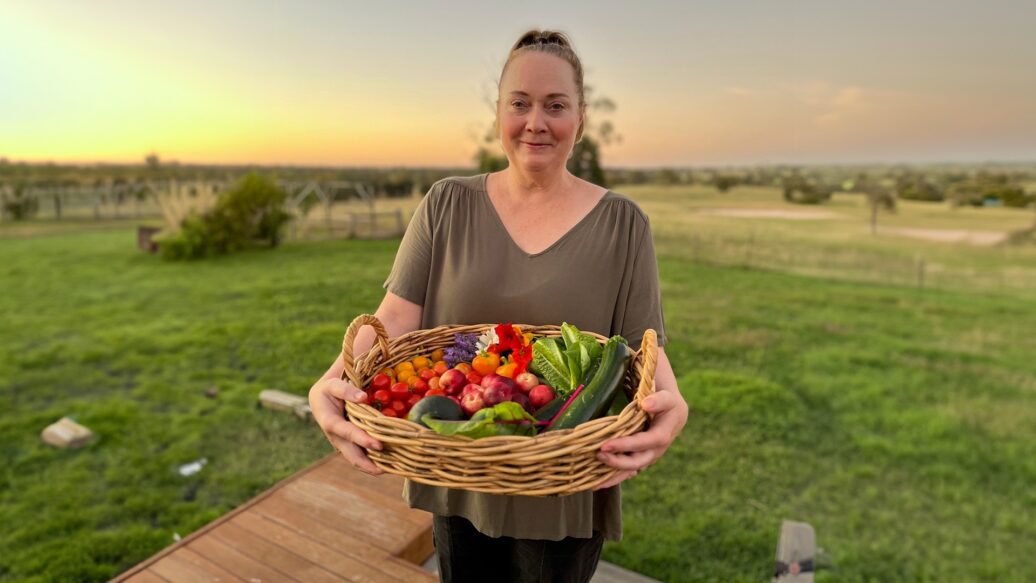
    A: I live on a small cattle farm, and I have a herb cottage where I make my own preserves/ointments/ dried herbs. I will usually potter about in there or in the vegie garden after a long shift. I am also an avid reader. Nothing like a good book and a cup of tea to clear the mind.


    Q: Where is a favourite place you’ve travelled and why?

    A: I was born in Africa and recently went back to visit family. It was a wonderful trip, but they have since moved to London, so I expect that will be my next favourite place. Other than Scotland of course, I am a bit of an Outlander fan.

  • Meet Ivy: Our little Leap Day baby at Northern Health

    Meet Ivy: Our little Leap Day baby at Northern Health

    Meet Ivy, a special baby girl born on a day that comes once every four years. Expected to make her debut on 11 March, Ivy surprised everyone by gracing the world with her presence on 29 February 2024. Ivy’s parents, Sri and Prasantha, were overjoyed by her unexpected, but wonderful, arrival.

    Ivy’s mother Sri is already planning grand celebrations for Ivy every leap year, embracing nature-themed parties and a tradition of giving back. She envisions each birthday as an opportunity to spread happiness to those in need, making Ivy’s milestones truly unforgettable.

    “Ivy’s birthday on 29 February is very special as it wraps up all our family birthdays which start on 17 February. That’s why I will choose to celebrate her birthday on 28 February during non-leap years,” Sri shared.

    As Sri tenderly cradled Ivy, she reflected on her blissful pregnancy, devoid of discomfort or distress. “She is an absolute angel and a miracle baby,” said Sri, her voice filled with gratitude. She even had a dream about a baby girl before knowing she was pregnant, which turned out to be Ivy!

    For proud parents, Prasantha and Sri, Ivy is a precious gift, bringing immense joy and love into their lives. Ivy Yashodhara Silva, born on a rare day, to remind us of life’s beautiful surprises.

    From all of us at Northern Health, Happy Birthday to all Leap Day babies ❤

  • Harmonising Hearts for RedFeb’s Cardiac Cause

    Harmonising Hearts for RedFeb’s Cardiac Cause

    RedFeb is an annual event acknowledged by Heart Research Australia, that invites individuals to don the colour red in solidarity with loved ones impacted by heart disease. It serves as a beacon of hope, rallying communities to raise awareness for the prevention, diagnosis, and treatment of various heart conditions, from coronary heart disease (CHD) to heart failure, valve issues and arrhythmias.

    Northern Health Heart Failure Nurse Practitioner, Vikki Hannah, says many people may not be aware of their risk factors for heart disease, as some risk-factors, such as high blood pressure and high cholesterol, have no symptoms.

    “It’s never too late to manage your risk of heart disease and improve your heart health. Some risk factors for heart disease are beyond your control, such as age, gender, ethnicity and family history, but there is no one cause for heart disease. Most heart attacks and strokes can be prevented with healthy choices,” Ms Hannah says.

    Heart disease stands as Australia’s primary cause of death, with 18,590 fatalities attributed to it in 2017, claiming an Australian life every 28 minutes. An alarming 90 per cent of Australians possess at least one heart disease risk factor, highlighting the urgency of proactive health management. The more risk factors for coronary heart disease you have, the greater your chance of developing it.

    The good news is that for most risk factors, you can do something about them.

    Risks you can control:

    • Smoking
    • Cholesterol
    • High blood pressure
    • Being inactive
    • Diabetes
    • Being overweight
    • Unhealthy diet

    Risks you can’t control:

    • Age: As you get older, your risk of heart disease increases
    • Gender: Men are at higher risk of heart disease. Women’s risk grows and may be equal to men after menopause
    • Ethnic background: People of some origins (e.g. from the Indian sub-continent) have higher risk
    • Family history: If someone in your family has cardiovascular disease, speak to your doctor about your risk.

    Unfortunately, there are an increasing number of people presenting to the emergency department of hospitals experiencing a heart attack, with none of the traditional modifiable risk factors such as genetics, smoking, and hypertension.

    Ms Hannah also highlighted that research shows women are much less likely to undergo treatment for a heart attack or angina in hospital compared to men. Even though chest pain is a common heart attack symptom for both genders, women may experience different symptoms like back pain, vomiting or indigestion.

    “Despite the rising number of people having heart attacks without traditional risk factors, there is hope in prevention. By making healthy choices and staying informed, we can protect our hearts and the hearts of those we care about,” she said.

    For more information on RedFeb, please visit www.heartresearch.com.au/redfeb

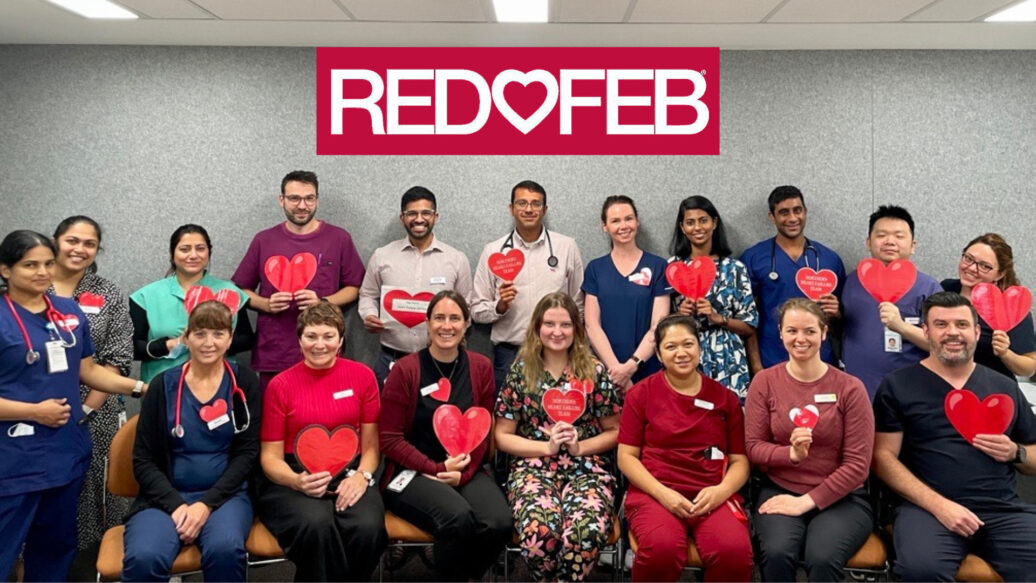
    Featured image: Cardiology team, Northern Health 

  • Setting the standard for the way we do things at Northern Health

    Setting the standard for the way we do things at Northern Health

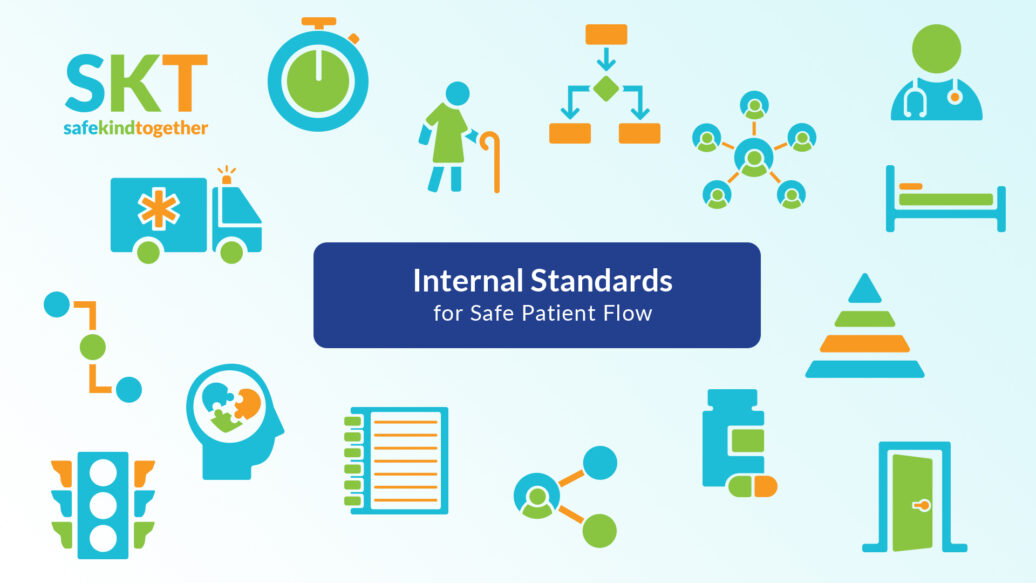
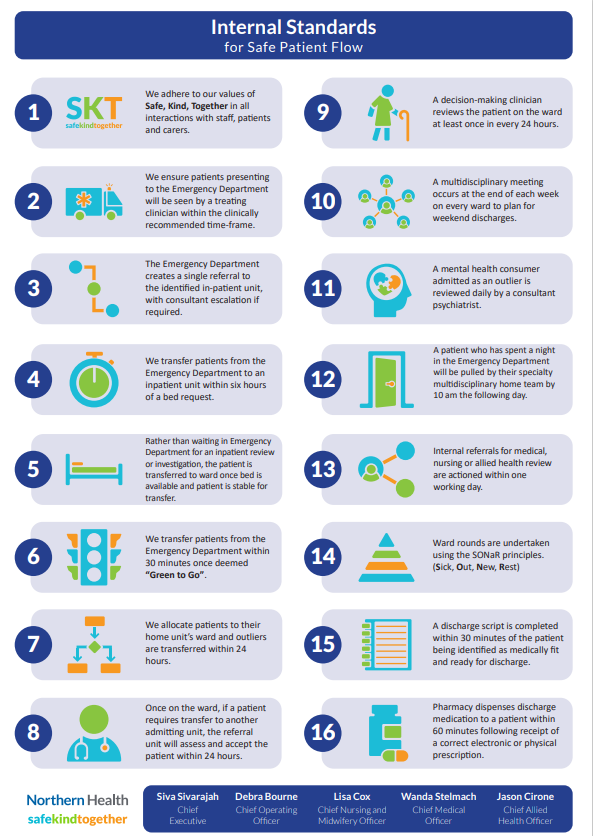
    This week, Northern Health launched the ‘Internal Standards for Safe Patient Flow.’

    These standards establish clear and unambiguous description of values and behaviours and support flow of patients, from arrival in the Emergency Department, to leaving hospital. They centre around the patient journey and process of care and help to confirm expectations and roles of staff across their journey.   

    Debra Bourne, Chief Operating Officer, officially launched these standards on Monday, 27 February 2024.

    “The Internal Standards for Safe Patient Flow set the tone for how we do things at Northern Health and will help guide our staff on how to support our patients, and each other, across the journey of inpatient care,” said Ms Bourne.

    “Through widespread consultation and extensive benchmarking, we have developed 16 standards, which align with our three values of safe, kind and together. They have been created, and agreed to, by our clinical leaders and endorsed by the Northern Health Access Committee.”

    Staff will begin to see and hear about these standards at regular staff meetings, huddles and events across the health service.

    “The power of these standards to influence safe patient flow will come from clinicians translating these into professional behaviours, and by individual staff members demonstrating these in their daily interactions with fellow staff and patients,” said Ms Bourne.

    “These standards help to confirm expectations and roles of staff across the patient journey, and I am looking forward to seeing their impact on our operations and our community.”

    Please see the below document or click here for further information.

    If you have questions about the standards, please discuss these with your direct line manager.