• Get to know: Praseetha Chathoth

    Get to know: Praseetha  Chathoth

    #WeAreNorthern

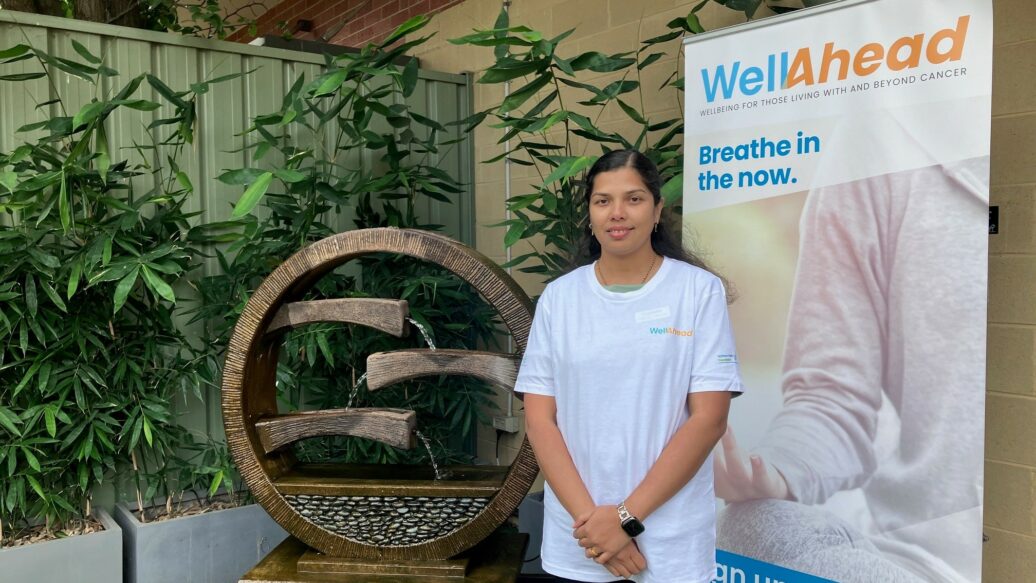
    Praseetha Chathoth, is a person of many talents. She is both a Clinical Pharmacy Technician and yoga teacher. She currently provides yoga classes at Northern Health for the WellAhead  program. WellAhead is a holistic wellness program, co-designed with consumers, to support and empower those living with and beyond cancer.

    What is your coffee order?

    Whilst it’s not very Melbournian, I actually don’t like coffee but I start my day with a cup of tea to wake myself up. 

    Tell us about your role at Northern Health?

    I am a Grade 3 Clinical Pharmacy Technician. I have undergone rigorous training to become a credentialed Pharmacy Technician to support pharmacists and ensure patients receive the right medication. I work alongside pharmacists and nurses to ensure ward imprest medications are up to date. I am also responsible for ordering, receipting, dispensing, preparing and distributing medications.

    What do you like about your role?

    The Pharmacy Department at Northern Health is like a family. I love that we are a diverse and supportive department that works together to overcome challenges and strive to provide the best care for our patients. I also really enjoy that in my role, I have the opportunity to interact closely with patients and work with a multidisciplinary team.

    Tell us what you did prior to your role as a Pharmacy Technician?

    After completing my Bachelor’s degree in Naturopathy and Yoga, I worked as a Yoga and Wellness Consultant at the National Institute of Naturopathy in India and other organisations to promote yoga. 

    This is very different to your role in Pharmacy. What attracted you to yoga?

    I was really astonished at how yoga affects both the body and mind and wanted to learn more in depth about yoga philosophy, psychology and therapy. 

    Tell us how you are sharing your knowledge of yoga?

    I am an active member of the Indian Yoga Graduates Association and whenever able, I participate in promoting yoga through their activities. Currently, I am providing yoga classes at Northern Health for the WellAhead program.
  • Paediatric Dietitians Credentialed to Insert Nasogastric Tubes

    Paediatric Dietitians Credentialed to Insert Nasogastric Tubes

    The Northern Health Dietetics Department were successful in obtaining a Department of Health Allied Health Advanced Practice Grant for the development of an Advanced Practice Dietitian role for Paediatric Nasogastric Tube Insertion and Management.

    The Advanced Practice Grant was submitted due to an increased number of paediatric patients at Northern Health requiring home enteral nutrition via a nasogastric tube (NGT). This rise has led to heightened pressure on both the Emergency Department and Ward 2, particularly when NGTs dislodge and require reinsertion.

    The grant supported the development of a training and credentialing procedure for paediatric dietitians to upskill in the reinsertion of NGTs to help meet the increased demand.

    The additional training and credentialing resources were developed and implemented with support from paediatric nursing and medical staff. Kelly Alysandratos, Paediatric Clinical Nurse Educator, has played a pivotal role in supervising dietitians, with support from Ward 2 paediatric nursing staff, whilst Dr Rami Subhi, Clinic Director, Paediatrics, provided medical support.

    Tarryn Thom, Project Lead & Senior Paediatric Dietitian, has already completed her credentialing and is now able to independently insert NGTs for paediatric patients receiving home enteral nutrition via a nasogastric tube. Hannah Lunny, Senior Paediatric Dietitian, has also commenced her training with the aim of becoming credentialed in the next few months.

    Credentialing of paediatric dietitians to insert NGTs is a Victorian first and demonstrates the importance of innovation and collaboration in responding to increased service demands and improving patient care.

    “Mastering a new skill requires great planning, patience and determination. I’m proud of how this has been demonstrated in the interdisciplinary collaboration in paediatric nasogastric management, achieving rewards and improving care to our youngest clients,” said Ms Alysandratos.

    Following the completion of credentialing, paediatric dietitians have commenced a Dietitian-led NGT clinic which operates between the hours of 8 am to 4 pm, Monday to Friday.

    “The clinic helped us create an alternative pathway for NGT reinsertions for Paediatric Home Enteral Nutrition patients at Northern Health, which is safe, patient-centred and improves coordination of care,” said Ms Thom.

    This project would have not been successful without the support of key stakeholders from the Dietetics Department, Nursing Education, Paediatric Medical Team, Ward 2 Paediatric Nursing Staff and the Allied Health Research Team, along with the Allied Health Credentialing and Scope of Practice Committee and the Women’s and Children’s Hospital Quality and Risk Management Committee.

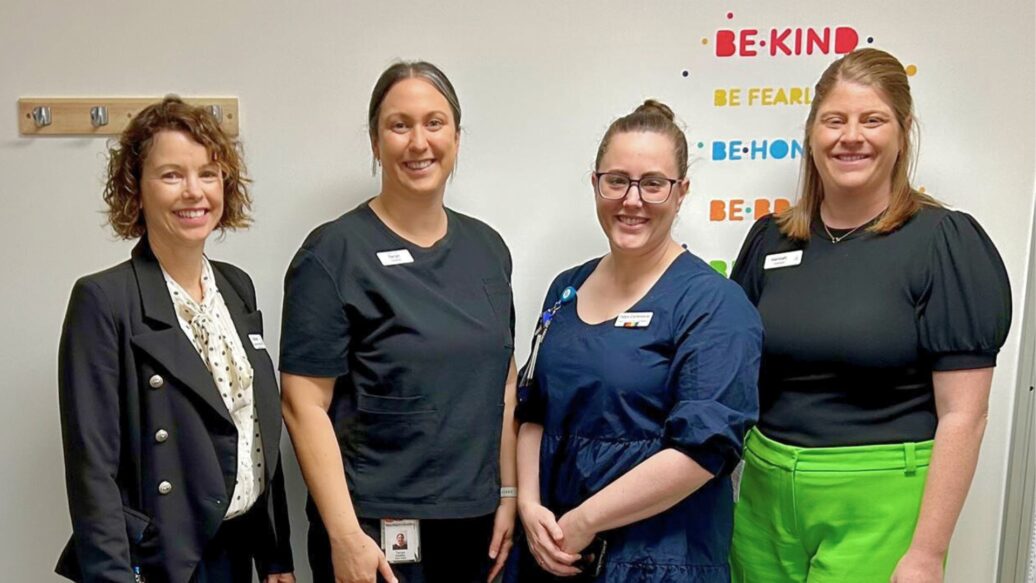
    Pictured in featured image (L-R): Rachael Evans, Associate Director Dietetics, Tarryn Thom, Senior Paediatric Dietitian, Talya Cortinovis, Grade 4 Senior Dietitian and Hannah Lunny, Senior Paediatric Dietitian.

  • Atypical forms of Polycystic Kidney Disease

    Atypical forms of Polycystic Kidney Disease

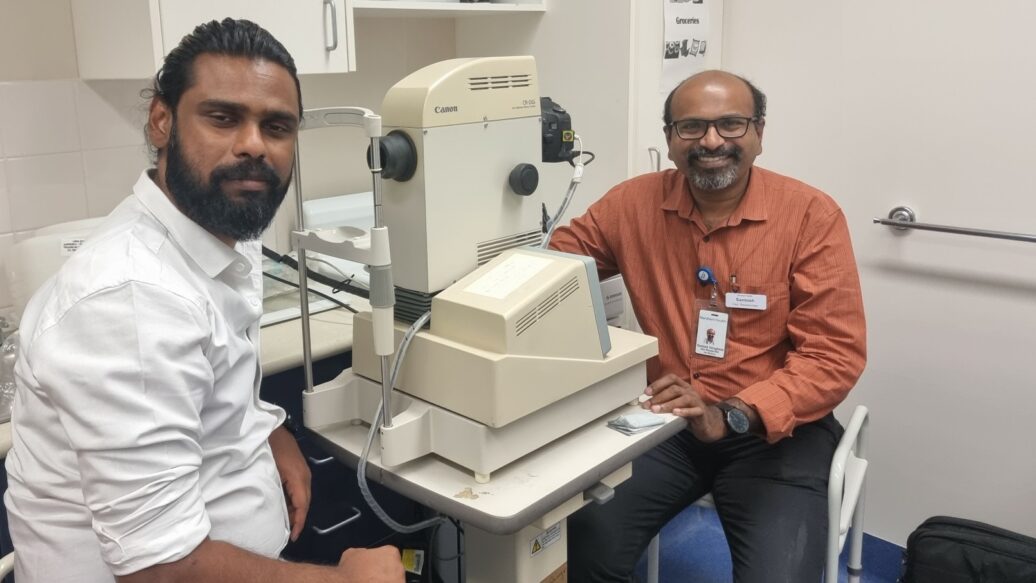
    Professor Santosh Varughese is one of five medical specialists from Christian Medical College (CMC) Vellore, India, awarded a scholarship by the University of Melbourne to pursue a PhD study. He has chosen to collaborate with Professor Judy Savige, the Head of Medical Unit 3 at Northern Health, to delve into the genetics of atypical forms of Polycystic Kidney Disease (PKD). Professor Varughese, is the Director of Nephrology at CMC Vellore. It is also where he did all his medical studies –including  specialising in Nephrology. He received training at the University of Toronto and the Renal Unit of Toronto General Hospital.

    CMC Vellore has made significant contributions to India, including establishing the country’s first College of Nursing and pioneering groundbreaking achievements such as the world’s first reconstructive surgery for leprosy, as well as performing the first successful open-heart surgery, dialysis, kidney transplant, and bone marrow transplantation in India.

    Professor Judy Savige, a renowned renal and general physician with expertise in kidney genetics, has been ranked number one in the world for her publications on Alport Syndrome, the most common genetic kidney disease.

    According to Professor Varughese, atypical polycystic kidney disease is a less well-known group of cystic kidney diseases, and understanding its genetics is an ongoing endeavor. “Atypical PKD exhibits unusual radiological forms, and researchers are increasingly recognising its genetic aspects,” he says.

    Autosomal Dominant Polycystic Kidney Disease (ADPKD) is a progressive genetic disorder characterized by the growth of fluid-filled cysts in the kidneys. Symptoms may not be noticeable until the cysts reach a certain size, and early diagnosis and management are crucial for better outcomes.

    Professor Varughese explains that typical ADPKD requires treatment with expensive medications like vasopressin antagonists, which can have adverse effects, especially on the liver. “However, most atypical PKD progresses slowly and does not currently require these medications. Confirming the diagnosis of atypical PKD in suspected cases can help avoid unnecessary medication.”

    Studying the genetics of atypical PKD not only provides accurate diagnoses and personalized treatment options for patients but also contributes to scientific advancements in PKD management.

    Professor Varughese says, “Working with Northern Health under the tutelage of Prof. Savige has been quite exciting.” They have been actively recruiting patients for the study, collecting blood samples, and taking retinal photographs. He hopes this work will expand our knowledge of atypical PKD and serve as a basis for future studies in PKD.

    Professor Savige agrees and adds, “We are privileged to have Professor Varughese working with us at Northern Health.” 


    Picture shows Professor Varughese with a former patient of his from CMC Vellore – he now attends Northern Health.

  • Stay protected: Staff flu vaccinations now available

    Stay protected: Staff flu vaccinations now available

    Northern Health staff and volunteers are now able to receive their annual influenza (flu) vaccination.

    As Melbourne’s cold winter months approach, now is the time for staff and volunteers to come forward, roll up their sleeves and boost their immunity with the flu vaccine.

    It is recommended by the Department of Health that individuals receive their annual flu vaccine from mid-April onwards to ensure protection against the flu when it is at its highest during the peak flu season, typically between June and September.

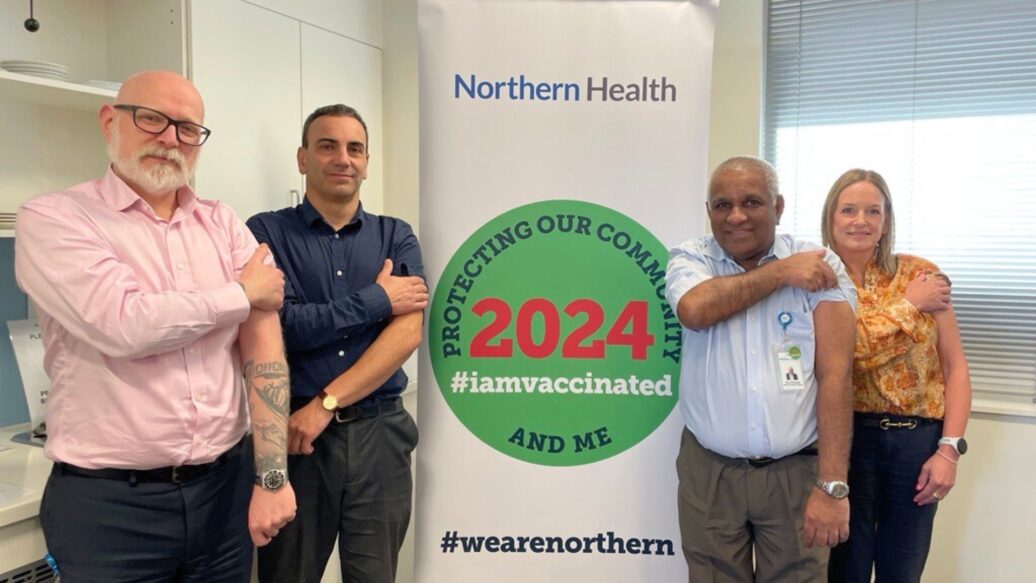
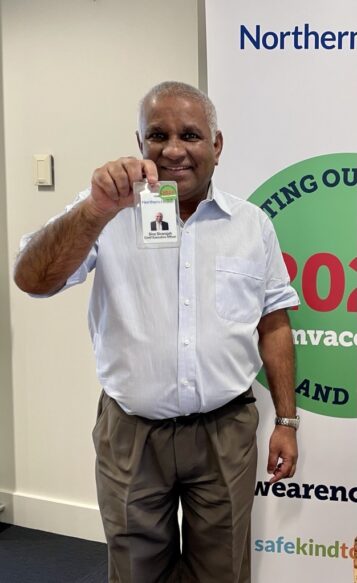
    Siva Sivarajah, Chief Executive, received his flu shot this morning. He said the vaccine was an important step in boosting your immunity this winter.

    It is that time of the year when we roll up our sleeves to protect ourselves, our community and our loved ones. The flu vaccine is our best defence in preparation for the winter season ahead,” he said.

    It is mandatory that all staff members and volunteers at Northern Health receive the flu vaccine. Staff with contraindications with flu vaccination are required to send an exemption form to staff.health@nh.org.au

    Influenza immunisers will be available to staff in the following formats:

    Nurse immunisers in the wards.

    Flu Pop up clinic at Northern Hospital Epping located outside Ward 21, between 9 am and 2 .30 pm. These sessions will occur every Monday/Wednesday/Friday for eight weeks, from 22 April to 14 June. Please ensure all clinical or non-clinical staff utilise this service as it will only run for a limited time.

    For staff members who have had the vaccine elsewhere, you will be required to email evidence to staff.health@nh.org.au so we can ensure your Northern Health record is updated.

    Community members are encouraged to speak to their local doctor or pharmacy to access flu vaccinations.

    For more information, please visit the Intranet.

    Featured image (L-R): Graham Wilson, Director, OHS, Jason Cirone, Chief Allied Health Officer, Siva Sivarajah, CE and LIsa Cox, Chief Nursing and Midwifery Officer. 

  • A timely discussion on alternative admission pathways for mental health consumers

    A timely discussion on alternative admission pathways for mental health consumers

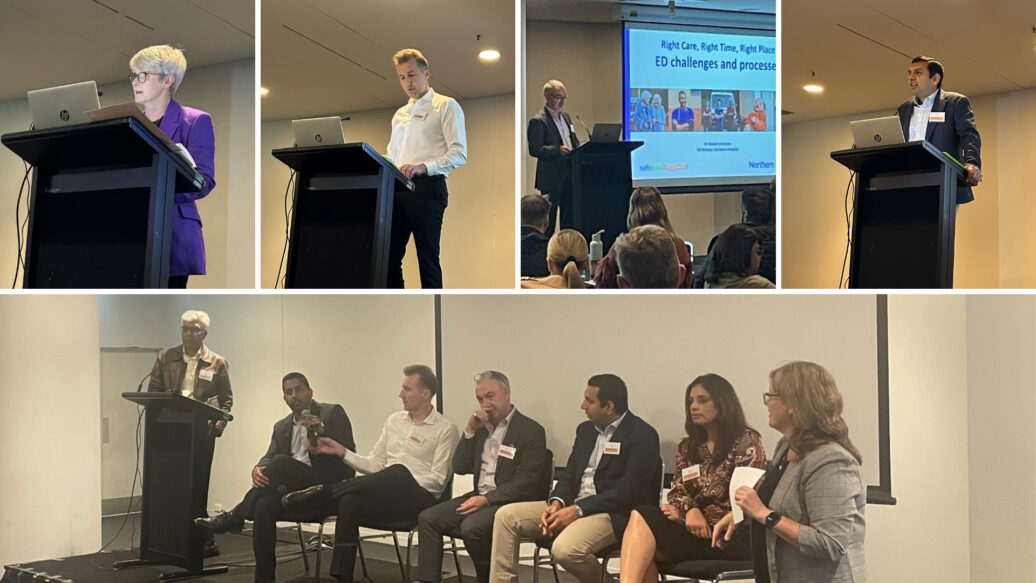
    The conference ‘Right Care, Right Time, Right Place’ organized by the Northern Health Mental Health Division held at The Ibis Melbourne brought together experts to discuss alternatives to the Emergency Department (ED) admission pathway for mental health consumers. Over 150 professionals from across metro, regional, and rural services, both from Victoria and interstate, attended the conference.

    The conference was opened by Anna Love, the Chief Mental Health Nurse of Victoria, who spoke about strengthening pathways for direct admission and supporting the Royal Commission findings.

    The event facilitated valuable discussions and conversations among staff from Victoria Police, Department of Health, Ambulance Victoria, mental health clinicians, medical staff, and individuals with lived experience. Together, they explored new viewpoints, strategies, and approaches to redefine admission pathways for mental health consumers.

    Director of Nursing, Gary Ennis, said “As healthcare services across Australia continue to struggle to meet the demands of mental health presentations to emergency departments, this conference aimed to increase the dialogue about how we shift back to direct admission when possible and not see emergency departments as a default admission pathway.”

    Several speakers from Northern Health shared their expertise and insights at the conference. Dr. Daniel Crompton, Director of Emergency Services, discussed the concept of medical clearance and its impact on timely and appropriate care. Christopher Ferguson, Manager, Consumer Lived Experience Workforce, emphasized the importance of engaging with consumers to understand their experiences and design solutions that meet their needs. Shaveta Sood, Program Manager, provided insights into the intricacies of direct admission from the perspective of an inpatient unit.

    Dr Danivas presentation on the concept of medical clearance and how it impacts on access to timely and appropriate care provoked lots of discussion. The conference audience were particularly interested in the SMART medical clearance protocol that Dr Danivas discussed.

    Sergeant Brad Turney from the Northern Hospital Police Liaison, Victoria Police, presented on the role of Police and Clinician Emergency Response (PACER) and emergency services. The conference also featured a panel discussion with senior clinical, operational, lived experience staff, and legal counsel, which further enriched the conversation.

    Mr Ennis said, “This conference has sparked conversations with key stakeholder including the Department of Health, Ambulance Victoria and Victoria Police. We will get feedback from conference attendees before planning our next conference in 2025.”

    “Thank you to all of the Northern Health staff who shared their thoughts and vision for how we move forward in ensuring the right care, at the right time, in the right place, is an option for our consumers. A special thank you to Belinda Scott and Vinay Lakra for supporting this important initiative,” he said.

    Mr Awash Prasad, Director of Legal Services and one of the speakers at the conference, said he was very proud of the mental health team for organising this event. “It was a sold-out event – not an empty seat to be seen. There was a lot of productive and helpful discussions,” he said.

    Belinda Scott, Executive Director, Mental Health said, “A big thank you to Gary for his vision, hard work and passion to make the conference the success it was.”

    Overall, the conference provided a platform for meaningful discussions and productive exchanges, contributing to the ongoing efforts to ensure the delivery of the right care, at the right time, and in the right place for mental health consumers.


  • Get to know: Nivein Yenis

    Get to know: Nivein Yenis

    #WeAreNorthern

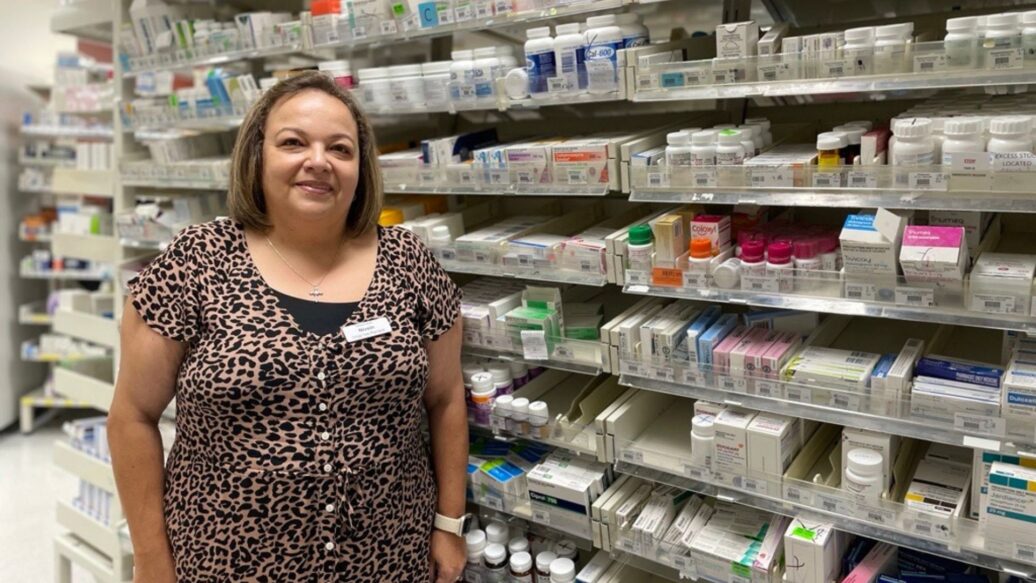
    Meet Nivein Yenis, Clinical Trials Pharmacist Lead, Northern Hospital Epping.


    Q: What is your coffee order? 

    A: Skinny Latte, extra hot 😊


    Q: You are known as ‘Mother of Pharmacy” amongst your colleagues. Tell us why? 

    A: Firstly, I would like to thank my colleagues for giving me the title of the “Mother of Pharmacy”. This title is not just a recognition of my role, but a reflection of the bond we have built as a team in the Pharmacy Department.

    In my role, I’ve strived to cultivate an environment where each member is supported and empowered. My goal has always been to care for and assist everyone in the department. Just as a mother looks after her family, I’ve aimed to create a sense of unity, understanding and cooperation among us all.

    Together, we’ve faced challenges, celebrated victories and grown as individuals, and as a collective force. The pharmacy department is not just a workplace, it’s a family, and I am proud to be a part of it!


    Q: You have been with Northern Health for 25 years now. Tell us what major changes have you seen since you first started working ? 

    A: I started working at Northern Health in 1999 as a pharmacist intern. I was so lucky and blessed to have been given that opportunity. After successfully completing my internship, I was offered a full-time position as a clinical pharmacist, and I have been working here ever since. During my career, I was fortunate enough to cover multiple areas in pharmacy including medical, surgical, emergency, inpatient and outpatient dispensary, manufacturing, clinical trials, HARP outreach. Since 2017, I have held the position of a Clinical Trials Pharmacist Lead, one I truly enjoy!

    When I reflect on the 25 years of being a part of this incredible healthcare institution, I feel like it hasn’t been just a job; it’s been a journey of growth, dedication and commitment to the wellbeing of our community.

    Over this time, I have witnessed the evolution of our hospital, and it fills me with joy to see how much we have grown, not just in size, but in the difference we’ve made in the lives of our patients. When I first walked through these doors, Northern Health was just a fraction of what it is today. During the COVID-19 pandemic, pharmacy played a key role in stock management, COVID vaccines and anti-viral medications. We also had to adapt to the government and local policies fast, by implementing a safe work environment, including team segregation – something we had never done before!

    Furthermore, there has been a significant expansion of home services over the years, something I hadn’t encountered early on in my career. The ability to bring hospital-level care to patients’ homes is remarkable and showcases the excellent work we do as clinicians, of which I’m immensely proud of!


    Q: What is your favourite place to travel to? 

    A: I particularly love travelling with my family and visiting different parts of the world. I have been fortunate to visit multiple continents, including Africa, Asia, the Americas and Europe. That being said, Egypt holds a special place in my heart as my favourite country and the place of my birth. It is filled with all my childhood memories, making it a destination I am eager to visit again very soon!


    Q: What is on your bucket list for 2025? 

    A: As a hospital pharmacist and a dedicated volunteer at my local church, the following are on my bucket list for 2025 (I have a long list!):

    • Professional Development: Attend a wide range of pharmacy-related conferences to keep me updated on the latest advancements in pharmaceuticals and healthcare.
    • Networking: Build strong connections within hospital clinical trials pharmacies.
    • Mentoring: Offer my knowledge and experience to mentor young and aspiring pharmacists.
    • Personal: Combine my passion for volunteering with my faith and explore opportunities for missionary work.
    • Wellbeing: Travel more!
  • Funding for health navigation training

    Funding for health navigation training

    In 2022, Northern Health, in partnership with Swinburne University and Medibank, were successful in obtaining a Workforce Training and Innovation Fund (WTIF) grant from the Department of Jobs, Skills, Industry and Regions for close to $2.4 million to create a new Certificate III in Community Services (Health Navigation).

    In a 2022 policy brief on patient navigators, the World Health Organisation (WHO) highlighted key programs globally where peer health navigators have not only overcome barriers to care for vulnerable and disadvantaged groups, but have increased prevention and health promotion within hard-to-reach communities. However, the policy brief also highlighted that existing programs varied in terms of context and setting, overall aims, practical implementation, the role itself, and the skills and training required.

    The WTIF grant has provided Northern Health an opportunity to position itself as a leader in a field that is fast becoming recommended practice. The 2023-2033 Australian Cancer Plan identified health navigation as a priority area for action. At the same time, Northern Health was developing a similar initiative with colleagues from Peter Mac. In December 2023, the final report of the Independent Review of the National Disability Insurance Scheme (NDIS) also identified the need for all people with disability to have access to a health navigator.

    Dr Rebecca Jessup, Director of Research and Evaluation of the Staying Well Program and Principal Investigator on these projects, says, “Integration and cooperation within the health system and employment within health care services have been identified as one of the most important enablers for these roles. Positioning this work within a health care organisation is critical to ensuring adoption of the roles into practice.”

    Peer health navigator roles may include providing patients and communities with information about their conditions to support self-management, providing more holistic patient-centred care, identification and resolution of barriers to health care, and linking individuals and communities into health and social services. Peer health navigators may work in disease-specific e.g. cancer, HIV, cardiovascular disease, mental health, setting-specific e.g. emergency departments, primary health care, or more general navigation roles.

    Internationally, health navigator roles have been found to reduce emergency department presentations by 23–51 per cent and hospitalisations by 21–50 per cent.  Studies in migrant communities have found that peer health navigators improve adherence to chronic disease care, increase cancer screening up to 24 per cent, and result in significant improvements in exercise and dietary habits.  Shared experience, culture and language are key contributors to the impact of peer health navigators on health care engagement and improved patient outcomes for migrant communities.

    “In line with the 2022 WHO policy brief, there is a need for an agreed level of capability and competency in the Australian context to develop appropriate training curriculums and vocational programs for these roles, in conjunction with delegation and supervision frameworks” says Dr. Jessup.

    “In association with Swinburne University and Medibank, I am excited that we are addressing this gap in Australia and doing work that will genuinely benefit our community.”

    The WTIF is a targeted, Skills First funding stream. WTIF creates opportunities for the joint exploration of new ideas and solutions to enhance workplace productivity and employment growth in priority industries identified by the Victorian Government, in collaboration with industry partners and Skills First training providers.

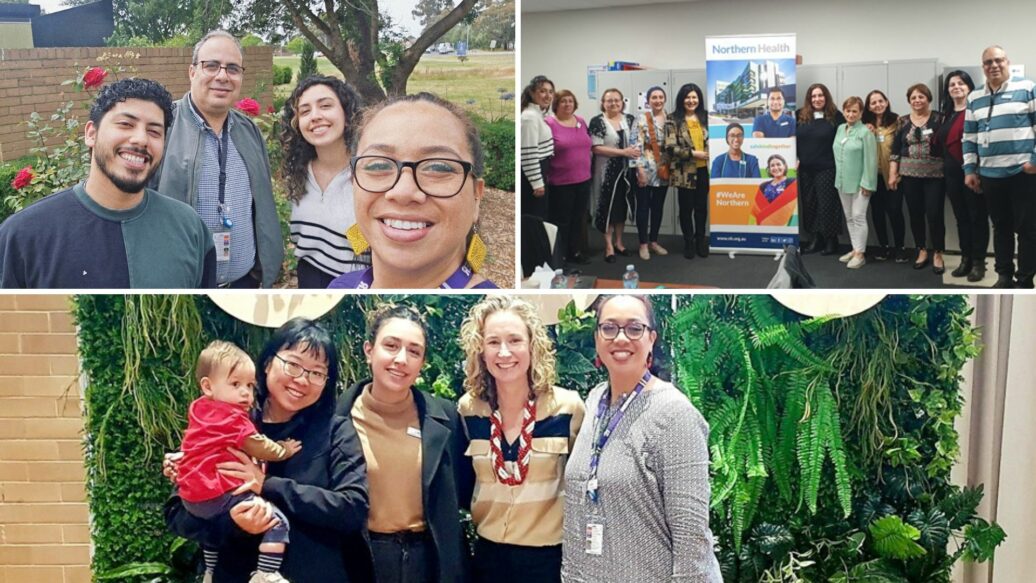
    Pictured clockwise from top left: Northern Health peer health navigators for Pasifika and Arabic speaking communities; at the Victorian Arabic Social Services, Broadmeadows; celebrating Pacific Island Women’s Health Equity Day.  

  • Mental Health Allied Health Early Careers Program

    Mental Health Allied Health Early Careers Program

    On 29 January 2024, The Mental Health Division officially launched its inaugural Allied Health Early Careers Program.

    Belinda Scott, Executive Director, Mental Health welcomed the graduates, saying, “This program is committed to the development of our workforce by ensuring that students and early careers clinicians are provided with the required learning opportunities in a supported and structured manner.”

    The program, which is inclusive of the disciplines of Dietetics, Exercise Physiology, Occupational Therapy, Social Work and Speech Pathology, will actively promote a pathway from student placement through to continued employment. The purpose of this program is to support the learning and development of early career clinicians including;

    • students on clinical placements
    • pre-qualification positions
    • new graduate clinicians
    • transition to practice clinicians

    “The Allied Health Education Team are excited to welcome a large and robust group of allied health graduates into the first year of the Mental Health Division Early Careers Program,” said Michelle Wines, Co-ordinator Early Careers Program.

    “The team has been working hard for the last few months to ensure we are recruiting quality graduates into our teams, as well as designing and developing an education program to ensure our early career clinicians are well supported throughout the program. Our overall aim is to contribute to the development of a resilient and highly skilled mental health workforce.”

    The Early Careers Program is a structured two-year program with most positions including two 12-month rotations, ideally from two different clinical areas to optimise the learning opportunities and development of the early career clinician. It features a structured professional development training calendar which includes a focus on both discipline specific and interdisciplinary learning.

    It has a strong focus on wellbeing and support for early career clinicians through:

    • intensive discipline specific supervision
    • support from a discipline specific clinical educator
    • monthly multi-disciplinary facilitated peer support sessions
    • individualised learning plan linked to Department of Health, discipline specific key competency framework
    • supernumerary days designed to facilitate orientation to other practice areas and programs
    • support for early career supervisors including peer support sessions and individual support from clinical educators
    • structured reviews at four, 12 and 18 months
    • an electronic learning passport to support early career clinicians.

    John Belanti, Director of Allied Health, Mental Health, said, “Fostering growth and providing our staff with diverse learning opportunities and pathways for career progression is an integral part our program. Thank you to all involved.”

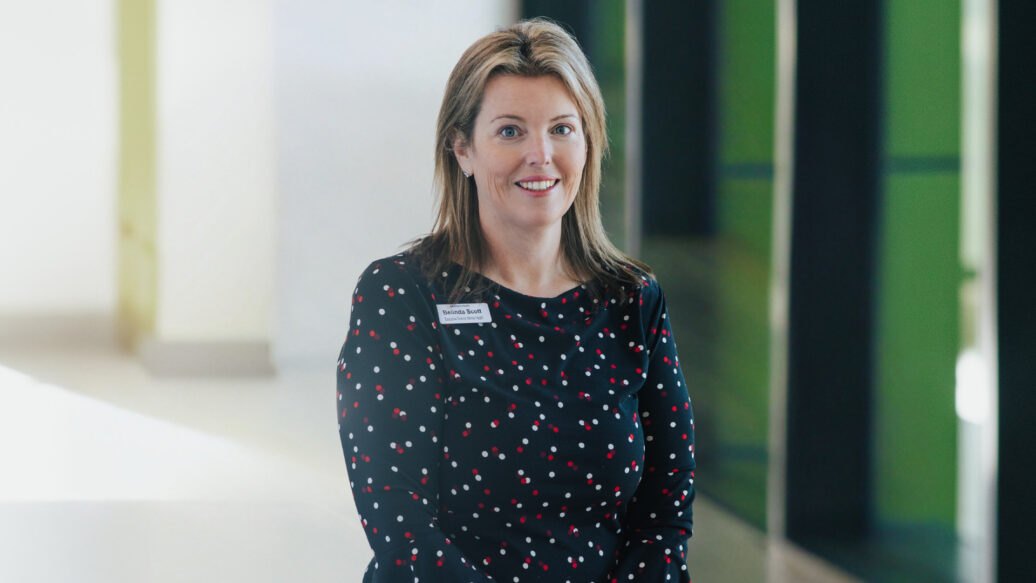
    Featured image shows Belinda Scott, Executive Director, Mental Health.