• Breast Cancer Awareness Month: Get to know your lemons

    Breast Cancer Awareness Month: Get to know your lemons

    The statistics are sobering – 1 in 7 women are diagnosed with breast cancer in their lifetime.

    So far this year, over 3,000 Australians passed away from breast cancer including 36 males and 3,102 females. That’s nine Australians a day dying from the disease.

    What they also make clear, as Cheryl Murray, Breast Care Nurse Consultant (BCN) points out is, “breast cancer doesn’t stop for a pandemic.”

    Says Cheryl, “I want to acknowledge it’s been a tough year and taking care of yourself has never been more important.”

    October, Australia’s Breast Cancer Awareness Month, provides an opportunity for us all to focus on breast cancer and its impact on those affected by the disease in our community.

    Breast cancer remains the most common cancer among Australian women (excluding non-melanoma skin cancer). Survival rates continue to improve in Australia with 89 out of every 100 women diagnosed with invasive breast cancer now surviving five or more years beyond diagnosis.

    Take the time this month to find out what you need to know about breast awareness and share this important information with your family, friends and colleagues.

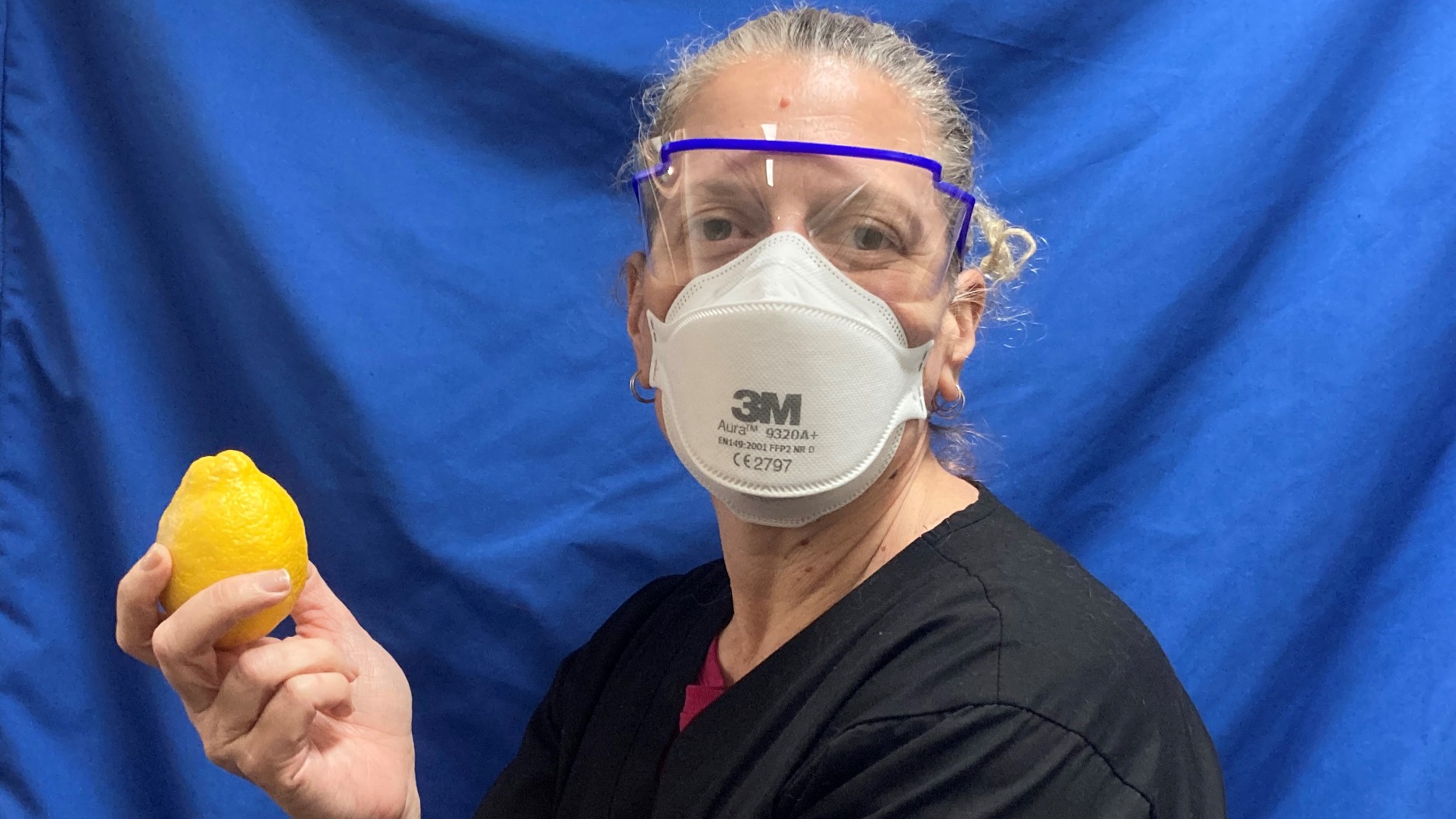
    As Cheryl eloquently puts it, “Get to know your lemons!”

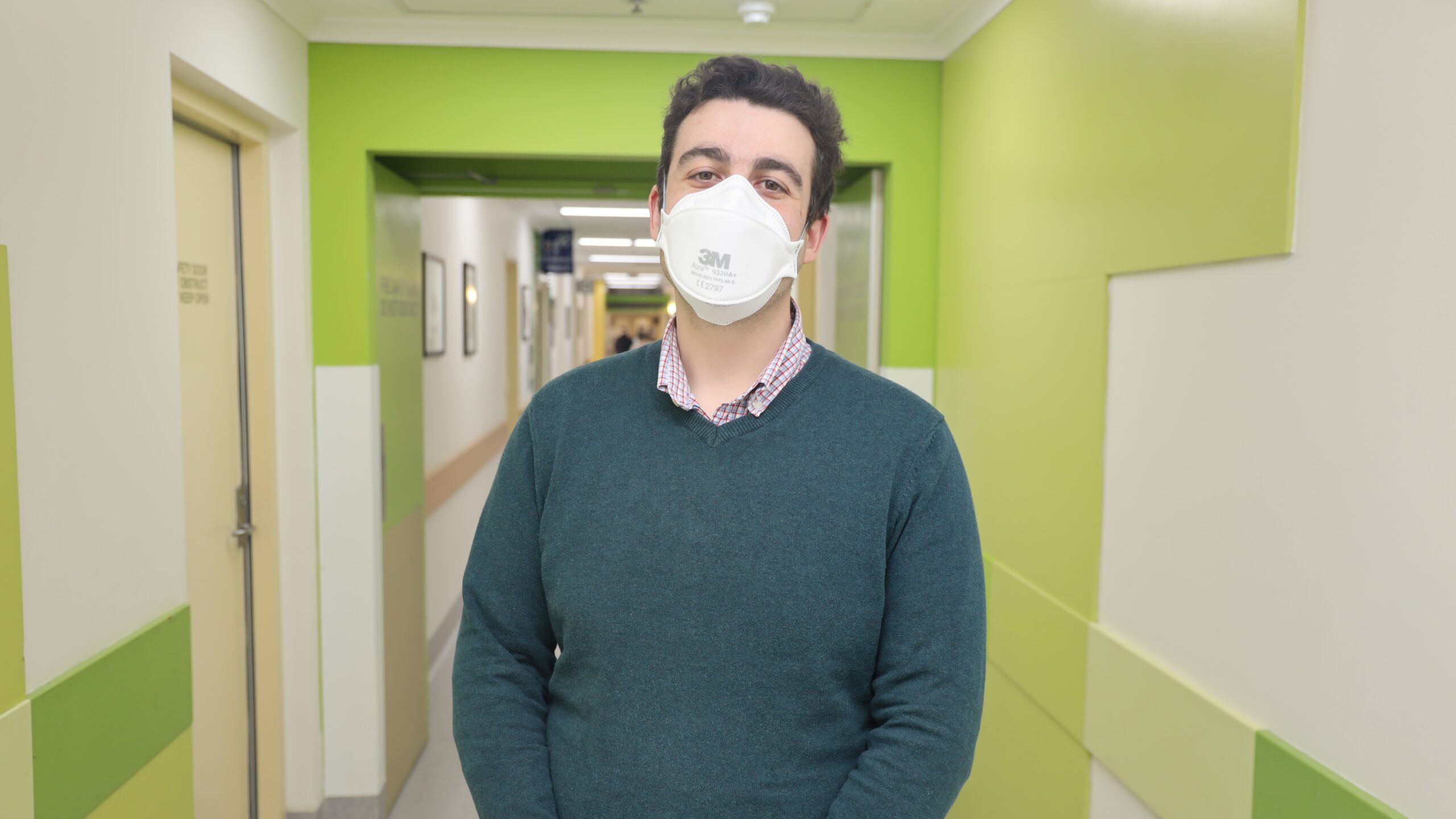
    Featured image shows Cheryl Murray, Breast Care Nurse Consultant (BCN) .

  • Shoes for our COVID Ward nurses

    Shoes for our COVID Ward nurses

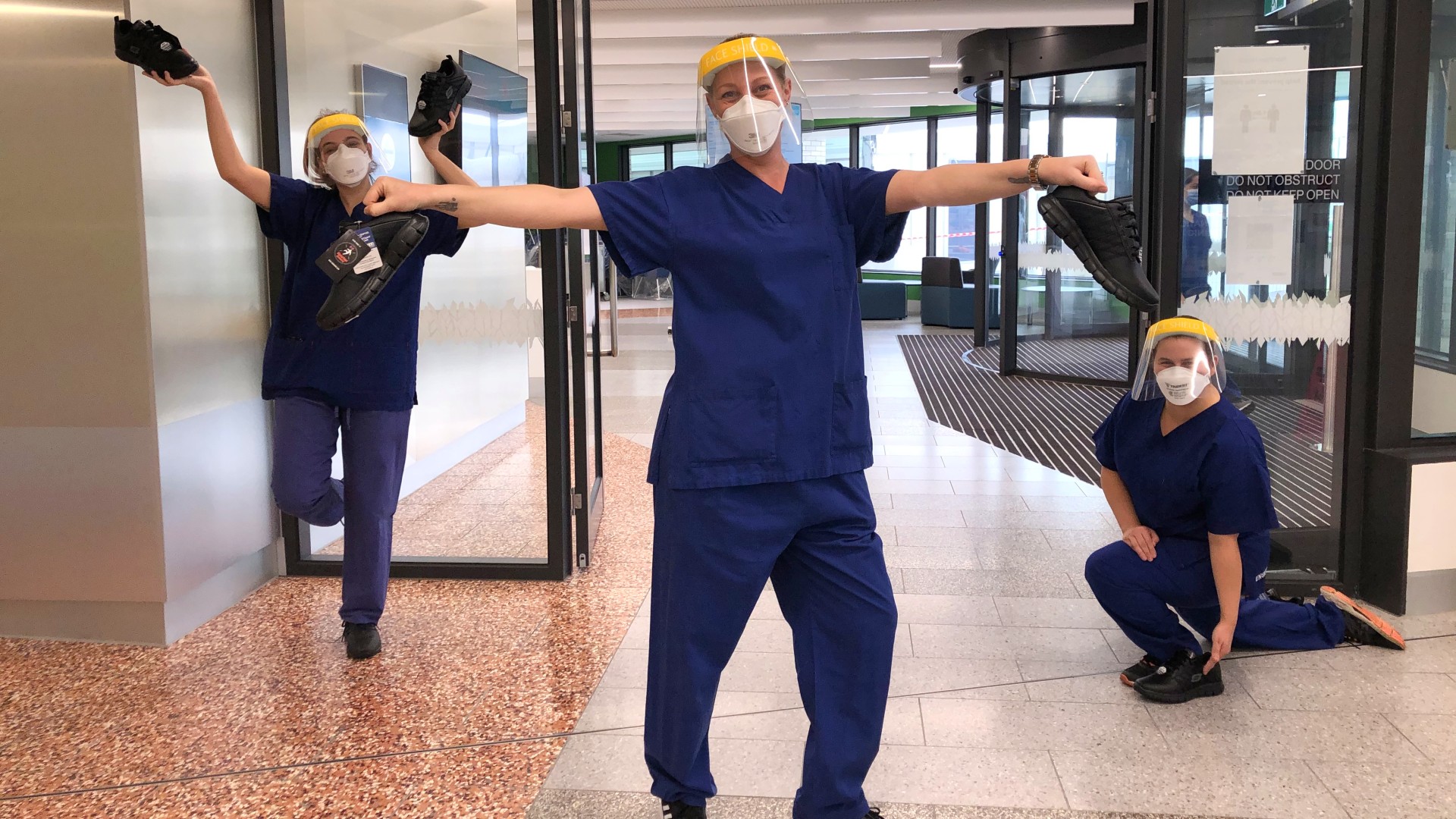
    Our COVID Ward nurses on Ward 22 have received a generous donation of work shoes from footwear company Skechers.

    As part of Skechers October campaign – ‘Skechers Supports Essential Workers’ – 48 shoes from their work range, were donated to nurses on Ward 22.

    Kaitlin Themistoklis, COVID Ward Registered Nurse, thanked Skechers for their new foot gear.

    “It feels great to receive the shoes, we really appreciate it. Thank you to Skechers for supporting our hard work and thank you for helping us to continue working hard,” she said.

    Rebecca Foggie, COVID Ward Registered Nurse, said, “We are very thankful for Skechers for providing us with the shoes. It is great to have some support on board and we really appreciate it.”

    Amy Wilson, COVID Ward Clerk, said it was great that nurses were being supported and recognised for their commitment to providing great patient care.

    “Thank you for supporting our feet. A big thanks to Skechers, we really appreciate it. It’s the small things that mean a lot,” she said.

    The Skechers work range is designed to support workers that are on their feet for long hours and feature slip resistant traction outsoles, water and stain resistant uppers and air-cooled memory foam insoles.

    Daniela Jovanovic, Head of Marketing Skechers ANZ, said the Skechers Supports Essential Workers campaign was to support nurses who are doing long shifts and are on their feet all day due to the impacts of COVID-19.

    “This is our way of saying thank you to the workers helping keep our communities safe during these unprecedented times,” she said.

    Featured image: Kaitlin Themistoklis, Registered Nurse; Amy Wilson, Ward Clerk and Rebecca Foggie, Registered Nurse

  • Internal emergency code number is changing

    Internal emergency code number is changing

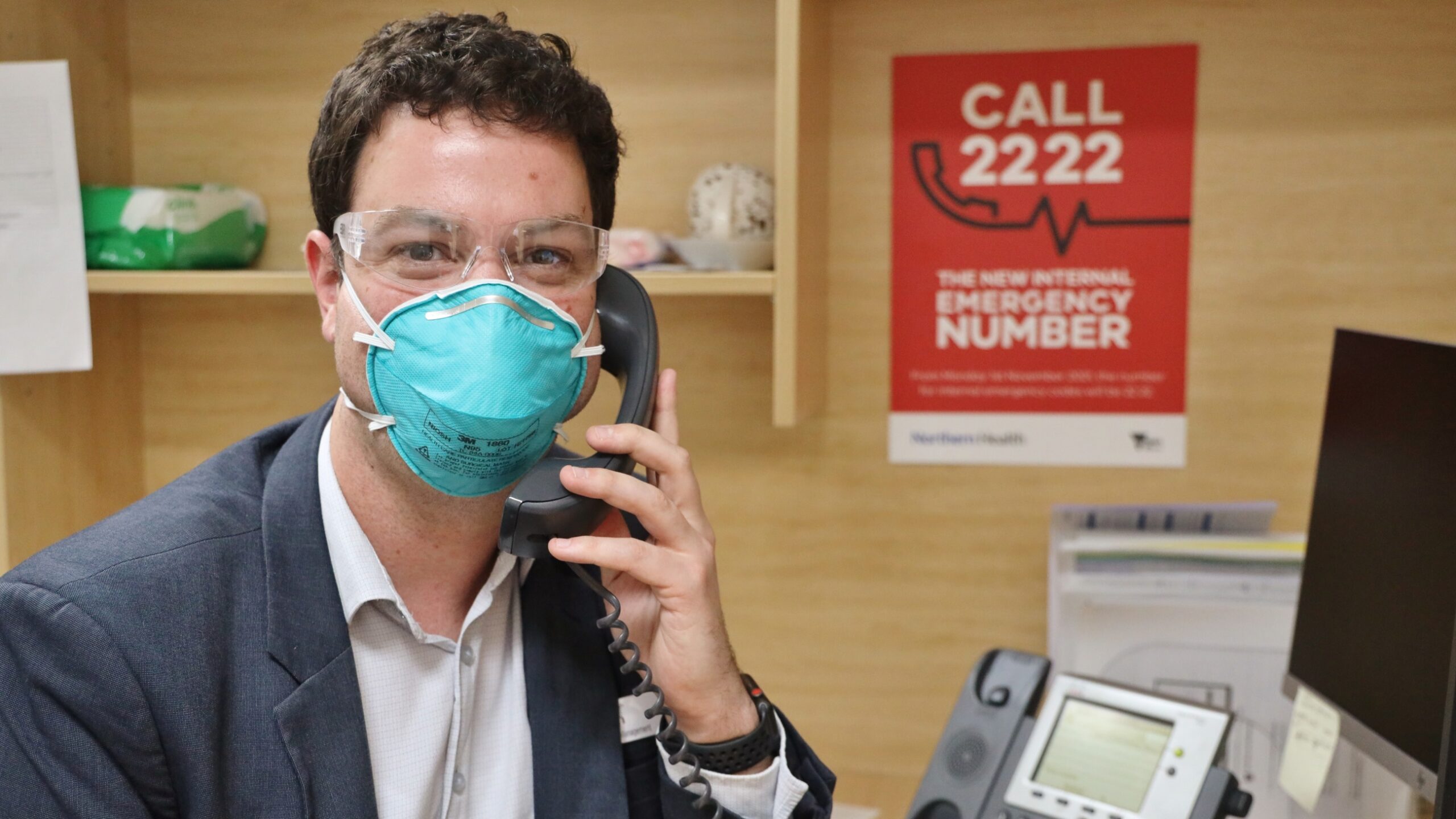
    As part of a Department of Health requirement, on 1 November 2021, Northern Hospital Epping, Broadmeadows Hospital, Bundoora Centre and Craigieburn Centre will be changing our internal Emergency Code phone number from 444 to the new number 2222.

    Across Australia, 51 different phone numbers are used to initiate an in-hospital emergency code across different health services. It is widely acknowledged that having one in-hospital emergency number improves staff awareness and reduces the likelihood of a time delay. Standardising the in-hospital emergency number to 2222 across all Victorian hospitals will enhance recall and improve patient safety.

    While Northern Health is transitioning on 1 November 2021, it is anticipated that all other health services will have transitioned by the end of 2021.

    At Northern Health, 2222 will replace the existing internal emergency number for all codes currently managed by calling 444. There will be no changes to other sites who currently contact 000 such as Palliative Care at Heritage Epping Gardens.

    “All Victorian hospitals are required to move to the new internal emergency code number 2222 by the end of 2021. For our staff that work across different health services, this change will mean that you will only have to remember one phone number regardless of what hospital you work at,” Jason Amos, Manager – Emergency Management explained.

    “This consistent approach will ultimately result in a reduction in delay of emergency code notifications to our Emergency Response Teams,” he added.

    The official Go-Live date of the new Emergency Code phone number is 1 November 2021. However, in August 2021, there was over 2,200 calls made to 444 at Northern Health – so, to ensure patient safety, as we become accustomed to the new 2222 number, the existing 444 number will remain operational for a minimum six month period ending May 2022.

    During October, staff will see the new emergency code phone number promoted on the Intranet and screensavers, within staff areas such as nursing stations, office spaces, staff huddles, LMS training packages and organisational procedures. A resource package will also be available, for all managers, to provide the basic steps and resource material, including posters, stickers and checklists.

    For further information, please click here or email Jason Amos, Manager – Emergency Management at jason.amos@nh.org.au.

  • How to take care of your voice when wearing PPE

    How to take care of your voice when wearing PPE

    During COVID Peak, our Speech Pathology team has been fielding questions for advice on vocal fatigue and strain related to communication with N95 masks.

    Elissa Thomson, Senior Speech Pathologist at Broadmeadows Hospital, explains, “Just like other muscles in our body, overuse or rapidly increased load can lead to straining our vocal chords, particularly when wearing N95 face masks and shields for long periods of time.”

    “Emotional factors, such as stress and anxiety, as well as other health and lifestyle factors, such as reflux, smoking, and viral infections, can also contribute to voice problems.”

    “It is important to consider your voice use outside of work responsibilities. In busy times or between consecutive shifts, be mindful of moderating your voice use and taking regular voice rest,” she adds.

    She has the following advice to protect the health of your vocal chords.

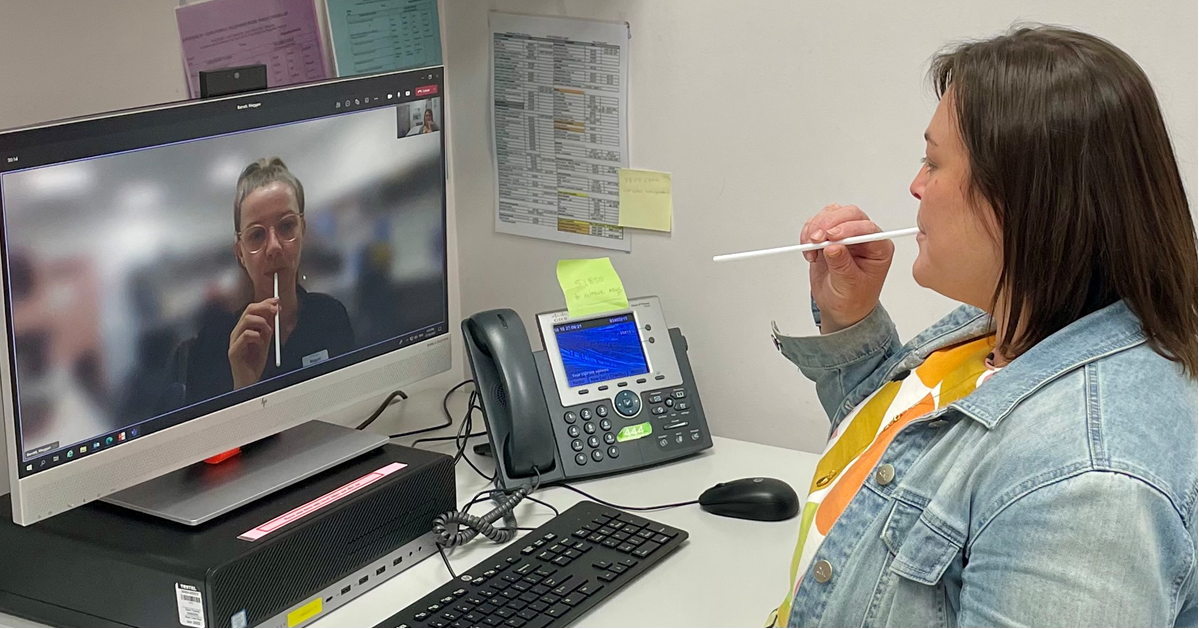
    “Try and rest your voice during breaks throughout your day. Incorporate short vocal exercises such as lip or tongue trills or vocal straw exercises to warm up or cool down your voice,” says Elissa.

    “Minimise any background noise while speaking, e.g. music, loud conversations, open windows to busy roads.”

    “Be mindful of your breathing whilst talking. Ensure you take regular deep breaths from your diaphragm. This will help to slow down your talking and reduce time speaking on residual air. Also move the voice around through different pitch ranges and use inflections where possible.”

    “For healthy voice projection, ensure you have deep breathing to support and focus on the sound resonating in the front of your face, rather than back in your throat. For more information, see here.

    Elissa says that after a period of disuse such as annual leave, we are susceptible to vocal strain. She suggests trying a series of vocal straw exercises in the days leading up to your return to work to help voice reconditioning.

    Elissa points out that, “good posture is important for good voicing, so be mindful of your posture.”

    Lastly, Elissa advises staying well hydrated by drinking plenty of water throughout the day and avoiding excessive amounts of caffeine, menthol-based lozenges, as these have a drying effect on the vocal folds, and maintaining a healthy lifestyle, with good sleep, a balanced diet and regular exercise.

    Featured image shows Elissa Thomson, demonstrating vocal straw exercises.

  • Phoning in on Telehealth Awareness Month

    Phoning in on Telehealth Awareness Month

    October marks National Telehealth Awareness Month.

    This year’s themes are promotion and awareness of telehealth and virtual care for consumers, and addressing digital inequity and digital literacy.

    As part of our response to COVID-19, Northern Health introduced telehealth as a strategy to support patients attending our Specialist Clinics (Outpatients). Now, telehealth is used right across our health service.

    Earlier this year, a Telehealth Hub was launched – a new, redesigned and dedicated space where clinicians can conduct video or phone call appointments with patients.

    Meggan Barratt, Speech Pathologist, works in Community Therapy Services at Broadmeadows Hospital. She sees clients who have a range of communication, cognitive and swallowing difficulties due to stroke, progressive neurological disorders such as Parkinson’s Disease, cancer, respiratory conditions and brain injuries.

    When Meggan was first introduced to telehealth appointments, she said she was nervous and excited to use telehealth with her clients.

    “I wondered how my patients would respond to completing their therapy and reviews over video or phone call. I was particularly excited about using video telehealth, as it meant no masks for our clients with communication impairments, which makes therapy much easier,” Meggan said.

    “I’ve had a really positive experience providing client care over telehealth. I have received some great feedback from clients and clinicians regarding the ease and accessibility of the video telehealth platform. The video call quality is generally really clear, making it feel like we are in person.”

    The implementation of telehealth has meant Meggan has been able to continue seeing her patients for block therapy during COVID-19 restrictions and lockdowns, which has ensured her patients continue to progress with their goals.

    “I have a fond memory of using video telehealth with a client who had significant communication impairment. Her daughter assisted us by setting up the video call and helped to facilitate the sessions on the other end of the video when needed,” Meggan said.

    “One of this client’s goals was to be able to say her daughter’s name, which was achieved through video telehealth. Video telehealth enabled me to provide the appropriate auditory and visual cues required for this form of therapy. It was lovely to see this client’s and her daughter’s response to saying her daughter’s name accurately for the first time.”

    Laura is a Northern Health patient and has been participating in weekly therapy over telehealth since August with Aneta Boskovska, Speech Pathologist. Laura was referred to our speech pathology team by Austin Health, for communication assessment and management, after a sudden collapse at 33 weeks pregnant left her diagnosed with right cerebellar hemangioblastoma, requiring craniotomy and resection of cerebellar lesion and an emergency C-section.

    Laura uses telehealth for communication therapy, targeting difficultly pronouncing longer words due to the movement of her muscles and cognitive communication deficits such as generating ideas, planning, problem solving and organising.

    Her goals have been to optimise speech in day-to-day activities, build confidence to communicate and maintain social relationships, build independence in complex communication tasks such as email writing, phone calls and planning and aiming to return to work as a teacher.

    “So far, telehealth has been great, I can’t fault it. It means I still get to do my therapy during lockdown, which is good as I haven’t missed out,” Laura said.

    “It’s been easy to log on to and the process has been seamless.”

    Laura said saving travel time, undertaking therapy in the comfort of her own home and reducing the risk of COVID-19 exposure has been some of the many benefits of using telehealth.

    “I would recommend it. It’s been easy to use. I’ve got no complaints about it. I think my family and friends would enjoy using it as well,” she said.

    Tracey Webster, Telehealth Coordinator, said, “Telehealth allows patients to be able to see clinicians and patients can share images and photographs. For patients that are hard of hearing, it allows them to lip read. Telehealth allows clinicians to have the patient, a family member, an interpreter, GP or Allied Health staff in the call together,” she said.

    “When patients see their clinician via telehealth, they can save money on petrol, parking, and public transportation. Even better, they don’t waste time travelling or risk running into a traffic jam that makes them late for their appointment.”

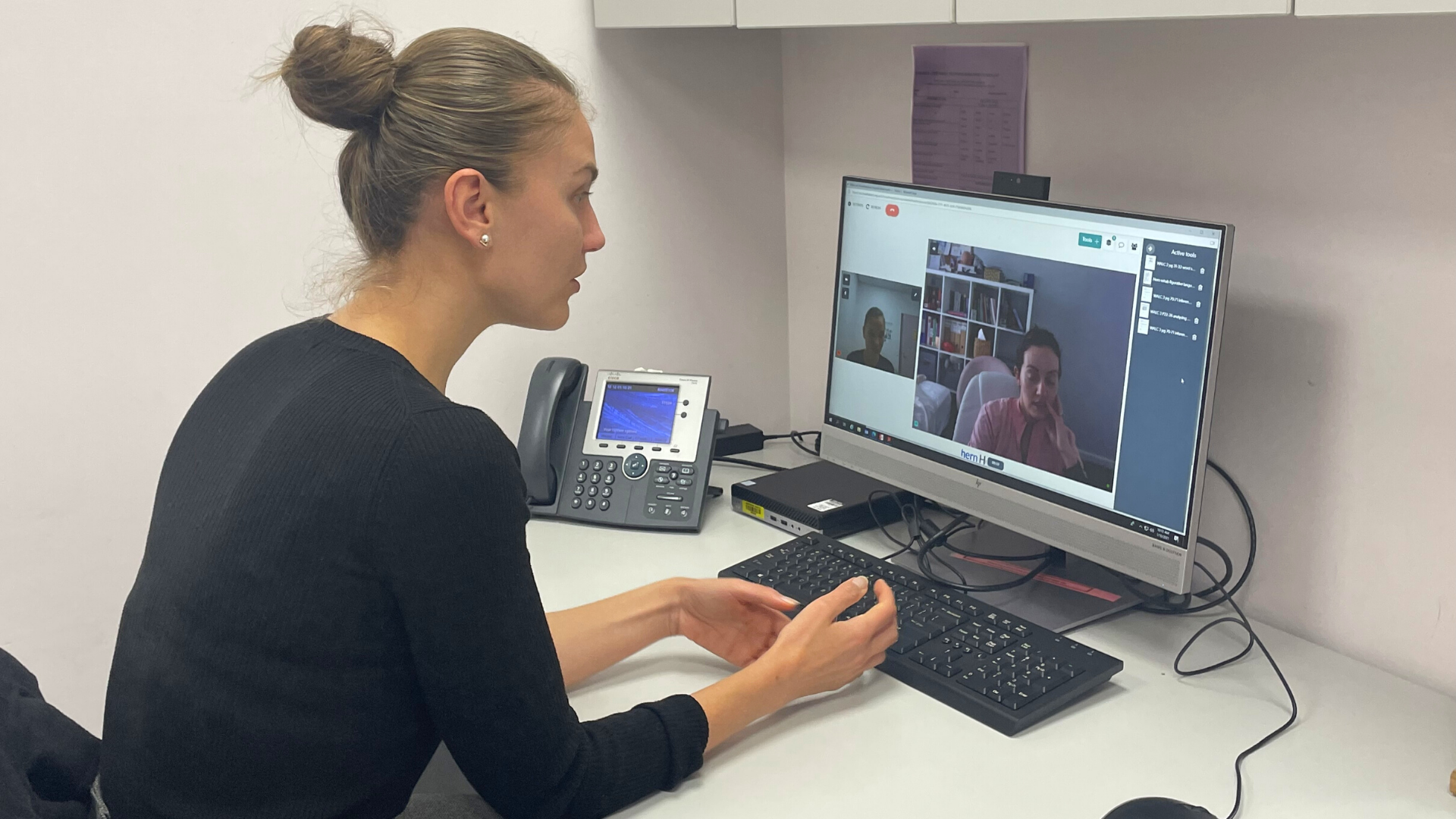
    Featured image: Speech Pathologist, Aneta Boskovska, conducting a telehealth appointment with Laura


  • Virtual ED partners with Ambulance Victoria

    Virtual ED partners with Ambulance Victoria

    Northern Health’s Virtual Emergency Department (ED) has now partnered with Ambulance Victoria, allowing paramedics to use the Virtual ED service from a patient’s home and receive emergency medical advice and care.

    Amanda Thornton A/Regional Improvement Lead, Ambulance Victoria said this partnership will help connect patients with the services that best meet their health needs.

    “Our aim is to minimise patients’ and paramedics exposure to COVID-19, by spending less time at the hospital, and keeping care at home or closer to home. We are essentially going to bring the Emergency Department to their home,” she said.

    The new partnership means that once paramedics arrive on scene, they can determine if the patient would be suitable for Virtual Emergency and, once confirmed, a dedicated pathway is set up for paramedics to access the service. The Virtual ED and Ambulance Victoria partnership will cover the north-eastern hospital catchment area.

    “The paramedics are really excited to engage with Northern Hospital Epping and the ED physicians. To be able to use the technology to support our work is a great change that we are bringing to Ambulance Victoria, and will have a greater impact on the wider community, making us more available to more cases,” Amanda added.

    Dr Loren Sher, Emergency Physician, said the team is very excited to launch this collaboration.

    “Amanda and I have been working on this for a while, as we see the potential to really work as a team to provide care for patients in the community. The Virtual ED’s aim has always been for patients to have access to specialist healthcare from home. This way, we can provide coordinated help, whilst making sure patients don’t have to sit and wait in busy ED waiting rooms,” Dr Sher explained.

    Currently, Northern Health’s Virtual ED sees close to 90 patients a day, showing a significant increase since the recent wave of COVID-19 started.

    “We are rapidly onboarding new doctors to meet that need and collaborating with GPs and specialist ED physicians, so that we can continue to provide excellent healthcare,” Loren added.

    For Northern Health, this is another step towards bringing care to patients, keeping them well at home and making sure they can readily access emergency care.

    Virtual ED is open 8 am – 11.30 pm, every day, including weekends. Interpreters are available. Patients with COVID-19 can access the service 24/7. To connect to the Virtual ED, please head to nh.org.au/ed.

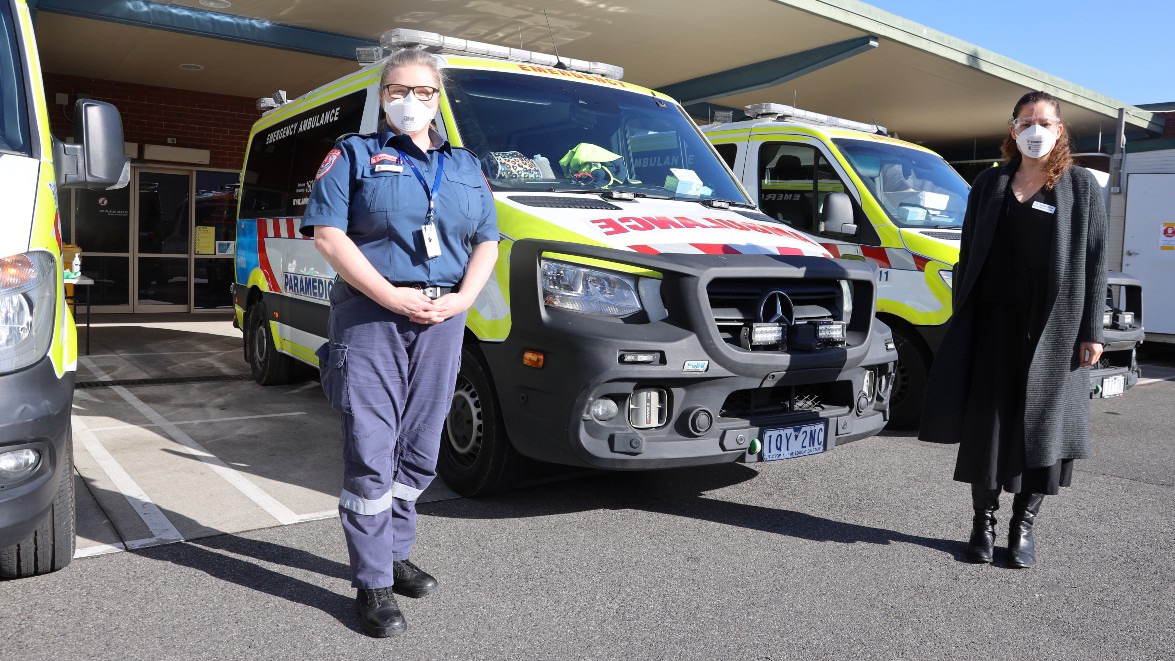
    Featured image: Amanda Thornton and Dr Loren Sher

  • Junior Doctor of the Year: Lucas Taranto

    Junior Doctor of the Year: Lucas Taranto

    The Northern Health Medical Education Unit (MEU) is pleased to announce that our junior doctor, Lucas Taranto, HMO2, won the prestigious 2021 ‘PMCV Junior Doctor of the Year’ award.

    This award is granted to only one junior doctor across Victoria by the Postgraduate Medical Council Victoria (PMCV) for significant contribution to teaching and education.

    When asked how he felt when he heard the news of winning the prestigious award, Lucas said, “I’m still in shock I think – it’s not something I had ever considered being able to win, but it’s an award I am so grateful for.”

    Lucas Taranto is a Hospital Medical Officer (HMO) at Northern Health, with interests in medical education and pain medicine.

    He has been involved in the teaching of medical students as a clinical tutor and lecturer through The University of Melbourne and Deakin University. His passion for education stems from a desire to better improve training for junior doctors and, in his role as Junior Medical Staff Association (JMSA) Education Officer, has been developing and implementing a new near-peer mentoring program.

    “I am most proud of being involved in mentoring and teaching the current interns and medical students. I am passionate about education and have been so disappointed that many learning opportunities have been limited by COVID. It’s been so great to see the students enthusiasm as they begin to hit the wards again now,” Lucas said.

    “Every day has been equally rewarding and challenging. Like everyone, I would not have guessed the last two years would have involved a pandemic, which has been a huge learning experience. Despite this, I have absolutely loved meeting and helping out the northern community in different ways,” Lucas explained.

    Associate Professor Wanda Stelmach, Chief Medical Officer, said, “I was excited to hear that Lucas was voted PMCV JMO of the Year. This recognition of his engagement and support of his colleagues is reflected in his support of staff at Northern Health.”

    “Additionally, my sources tell me that he is always willing to help out Medical Workforce Unit, which is really appreciated by the staff who frequently juggle the unenviable task of ensuring rosters are covered. Congratulations, Lucas – well deserved!” Wanda added.

    Lucas has been involved in multiple research and audit processes to date to help improve hospital processes. Outside of medicine, he loves all things coffee and basketball.

    In January 2021, Lucas assisted the Medical Education Unit with the planning, coordination and implementation of the face-to-face Intern Orientation Program. He also participated in the PMCV Symposium – The Great Debate as a panellist, discussing the impact of COVID-19 on the quality of supervision of JMS.

    Lucas will be in the running to win the Confederation of Postgraduate Medical Education Council (CPMEC) award at the annual Australian and New Zealand Postgraduate Medical Education Council in November. We wish him the best of luck!

    And his favourite thing about working at Northern Health?

    “Has to be the people. I’ve worked with so many amazing colleagues and it’s been a pleasure to be part of such an incredible culture.”

  • Happy Birthday Virtual ED!

    Happy Birthday Virtual ED!

    Our Virtual Emergency Department (ED) Triage service, an Australian-first, is celebrating its 1st birthday.

    At its launch a year ago, Dr Loren Sher, Emergency Physician, explained this service will enable patients to talk to our ED nurses and doctors from their home or work.

    “If a patient has a non-life-threatening emergency, they can connect virtually with our ED staff, who will be able to provide medical advice,” she explained at the launch.

    Patients living in Northern Health’s catchment area, as well as local General Practitioners (GPs), benefit from this service. The service has now expanded its working hours and is now available every day, including weekends, from 8 am to 11.30 pm and 24/7 for COVID patients.

    Since its launch, Virtual ED has seen over 5,707 patients, with 1,300 seen just last month. The service additionally offers interpreting services for patients who are more comfortable speaking to our medical staff in their own language.

    The community has been effusive in their praise.

    “Emergency triage is an excellent service, seen quickly by extremely professional and lovely staff.” 

    “Just wanted to say how wonderful and easy the virtual ED program is, staff who assisted were fantastic and reassuring, thank you for the service, nice not to leave the house and to know we were in safe virtual hands. Thank you.”

    The staff involved, clearly make the difference, as the following  comments prove. 

    “We used the virtual ED triage. Thank you so much for providing this service, it is absolutely the best. Thank you Dr. May Chang and Nurse Ellen, it saved heaps of time and we can stay home instead of going to the crowded ED waiting room.”

    “Patient’s mother would like to compliment the virtual triage and the nursing staff especially John who was phenomenal, a most amazing and friendly nurse, so supportive and always smiling.” 

    “I want to commend two staff members I spoke to through virtual triage today, was even more surprised on arrival to see the two same staff members. Christie and the doctor, were both fantastic and had so much patience with my son. I commend you.”

    Says Loren, “What started off as a small idea has resulted in a massive hospital-wide collaboration, which is now showing its worth in this pandemic. We are now offering care to both patients with and without COVID.”

    Today also marks the launch of a collaboration between our Virtual ED and Ambulance Victoria, to enable paramedics to call our Virtual ED from the patient’s home.

    Says Loren, “Our service is rapidly growing and we are excited and happy to be part of this community. Happy Birthday Virtual ED!”