• Reusable cups brewing big change at Northern Health

    Reusable cups brewing big change at Northern Health

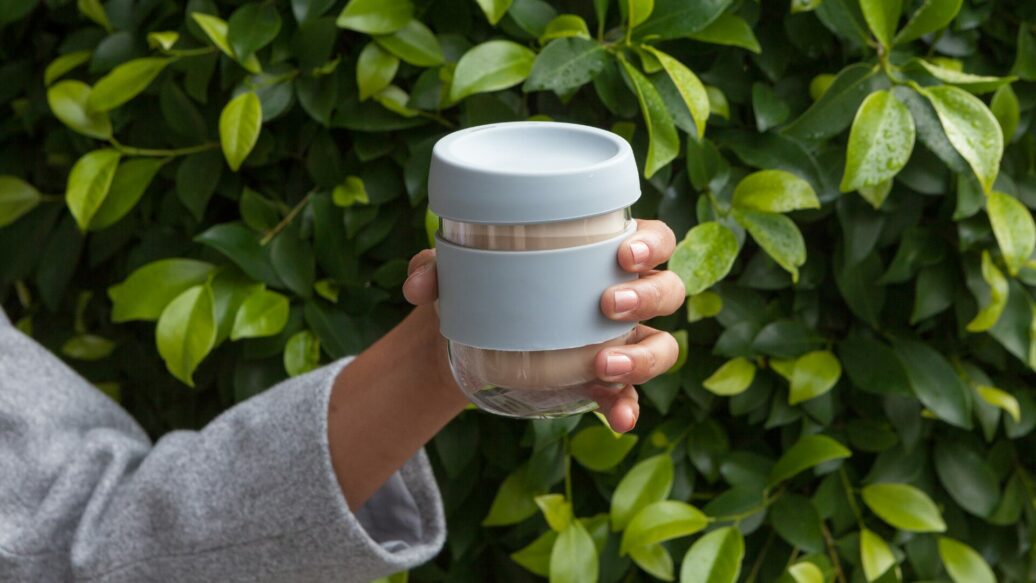
    An exciting new initiative has recently launched in collaboration with our onsite cafes at Northern Hospital Epping.

    In partnership with Henry’s Cafe and Greenbag Cafe, a program designed to reduce environmental waste by using a re-usable cup when ordering coffee, is causing quite a stir among Northern Health staff.

    The sweetener comes in the form of a discount – Henry’s Cafe is offering a 20-cent discount for all people using reusable cups. To top it all off, both Henry’s Cafe and Greenbag Cafe will donate an additional 20 cents per coffee to Northern Health Foundation, each time a reusable coffee cup is used. Staff will continue to receive their regular discount and Happy Hour pricing at Greenbag Cafe.

    Not only will staff be helping the environment, but they will also be giving back to the health service through these donations. Everyone benefits, and that coffee is even more rewarding.

    That warm cup of coffee being poured into your favourite reusable cup can change the world. While our staff benefit from the discount, the environment benefits from a reduction in landfill, and most importantly, our patients and their families will benefit from the funding that comes from Northern Health Foundation.

    The use of re-usable coffee cups significantly reduces the demand for single-use cups, thus preventing a vast amount of waste going into landfill. This is another example of how Northern Health is making a conscious effort to reduce its carbon footprint.

    By actively seeking new ways to improve sustainability, Northern Health remains on track to achieve its target of net zero carbon emissions by 2040.

    Rick Garotti, Deputy CFO and Director of Support Services, is excited about the impact this initiative will have.

    “This is another great example of how Northern Health makes a conscious effort to reduce its carbon footprint,” he said.

    “We are grateful to the management and staff of Henry’s Cafe and Greenbag Cafe for supporting our staff and patients in such a meaningful way.”

    Staff are encouraged to use reusable cups where they can to help with environmental sustainability and contribute to the Foundation. Each time you take your re-usable cup to purchase your coffee, you are contributing to a greater Northern Health.

  • ‘Hold My Hand’ — A Story of Hope Beyond Survival

    ‘Hold My Hand’ — A Story of Hope Beyond Survival

    On Saturday, 17 May 2025, the Northern Health Foundation transformed the Grand Hyatt Melbourne’s Savoy Ballroom into a beacon of hope. Over 430 guests gathered for the annual Gala Ball—not just to dine, dance, and bid on dazzling prizes, but to stand united in support of cancer services in Melbourne’s northern suburbs.

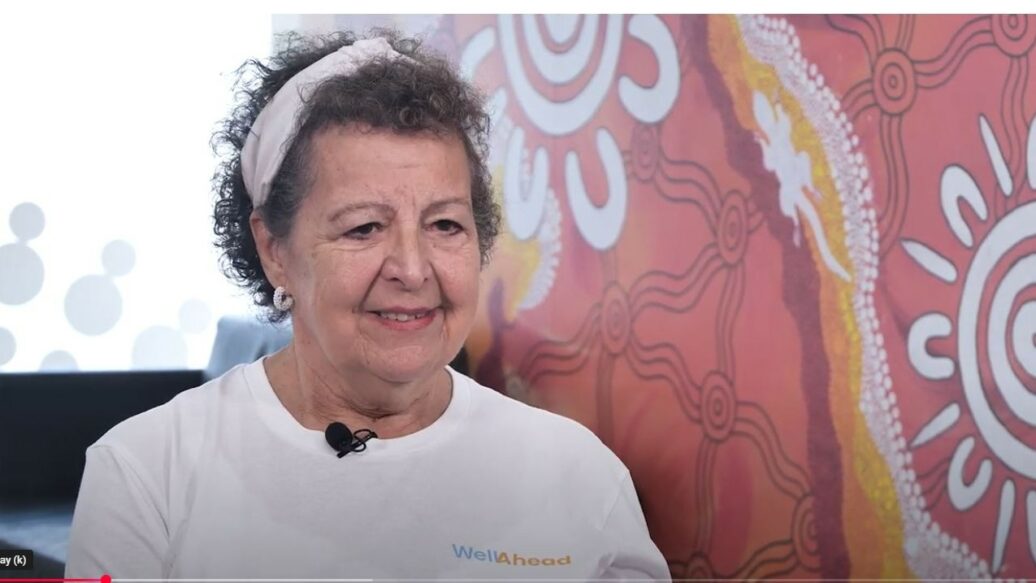
    Amid the elegance and celebration, the video below was played. It told the story of Montse. A story of defiance in the face of stage 4 cancer. Yet, finally, a story of hope. It ended with yet another patient’s plea: “Couldn’t you have held at least one of my hands?”


    A question at the heart of the WellAhead program. A program created not just to treat, but to truly care. Because healing isn’t just about surviving. It’s about thriving. It’s about holding hands—literally and figuratively—through every step of the journey.

    Through Qigong and yoga, voices lifted in the Northern Health Community Choir, and tailored programs for seniors, WellAhead offers wholeness.

    It’s not about the disease. It’s about the person. It’s about living fully, joyfully, and with purpose.

    Backed by the Clinical Oncology Society of Australia’s vision for holistic care, WellAhead empowers individuals to reclaim their lives—not defined by cancer, but by courage, connection, and possibility.

    And if this program helps just one person feel seen, supported, and strong again—it matters.


  • Get to know: Alexis Wellavize

    Get to know: Alexis Wellavize

    #WeAreNorthern

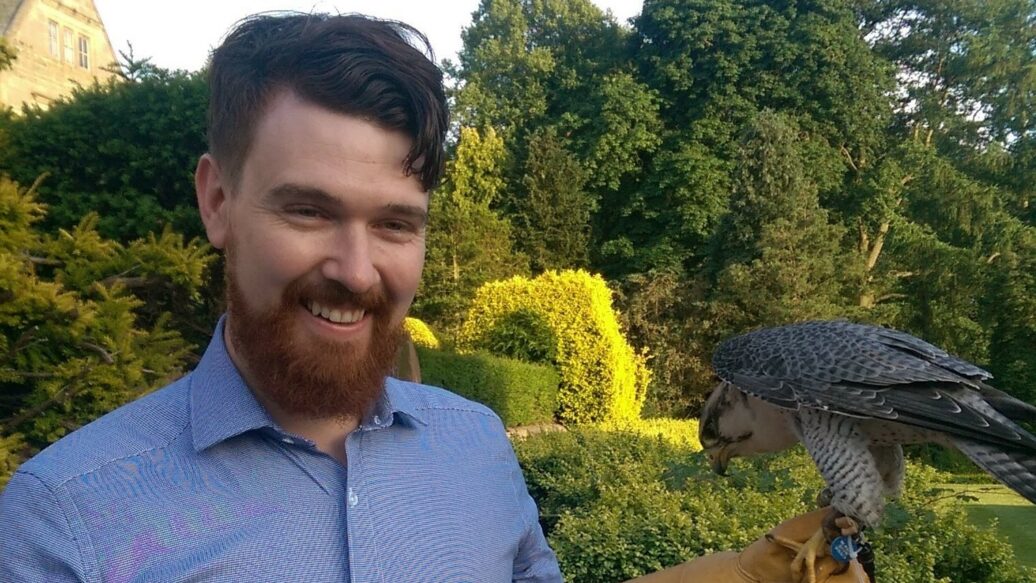
    Meet Alexis ‘Alex’ Wellavize, Data and Integration Manager, always smiling and (most times) seriously bearded. Read Alex’s story, from stubble to sage, his beard not just grown, but earned.

    Firstly, what’s your coffee order, please Alex?

    Medium cappuccino, sometimes with one sugar.

    Tell us of your journey at Northern Health?

    I started at Northern Health in April 2018 as a Business Intelligence Developer in the Decision Support Unit (DSU) developing Power BI reports, self-service web portals, database development, process automation and system integration. In March 2024 I applied and was successful for the position of Data and Integration Manager in DSU and now manage the day-to-day operation of our data warehouse at Northern Health.

    What is one of the more exciting projects you have worked on, Alex?

    Probably the Quality Scorecard Dashboard – as this was my first project at Northern Health. Being new to healthcare, it was a steep learning curve. The complexity of the data and how well received my solution was, gave me a sense of accomplishment and gratitude to everyone who helped me learn and understand our clinical systems.

    What are the challenges? What keeps you going?

    Particularly during the pandemic, times were tough, but the strength and camaraderie at Northern Health is something I’m proud to be part of. Knowing friends and colleagues will go above and beyond in time of need is comforting and reassuring.

    What makes Northern Health home to you?

    I enjoy team bonding in morning teas, birthday lunches and other celebrations around the hospital which gives a chance to catch up on any news and events. I enjoyed attending the Northern’s Choir singing carols last Christmas.

    Tell us something about you, that will surprise us?

    I’m interested in many things outside of tech. I was a drummer in a band in high school and met my wife when I was taking Latin dance lessons. I love travelling, music, trying new things and food.

    Lastly, tell us of your attachment to your beard and how it has evolved?

    I go through periods where I feel like a change and shave it all off. But then I forget what I look like without it and grow it back again. I’d love to grow it really long like ZZ Top but never can.

  • A time to remember: Northern Health Memorial Service

    A time to remember: Northern Health Memorial Service

    Last week, Northern Health’s Spiritual Care, Palliative Care, Mental Health and Social Work teams hosted a Memorial Service to honour the memory of those who passed away at Northern Health between June and November 2024.

    The service, ‘A time to remember’, was an opportunity for loved ones and staff to join together to remember those who passed away. The service also paid tribute to Northern Health staff who passed away during this time.

    The event was attended by more than 100 family members and 40 Northern Health staff, including Dr Andrea Kattula, Northern Health Board Member, Debra Bourne, Chief Executive, A/Prof Jason Cirone, Chief Allied Health Officer, Linda Romano, Chief Operating Officer, Pina Di Donato, Executive Director, Public Affairs and Foundation, and representatives from Spiritual Care, Palliative Care, Social Work and Mental Health. The Northern Health Community Choir also performed at the service.

    Beautiful flower arrangements were also kindly donated by Melbourne Markets and were used as part of the service.

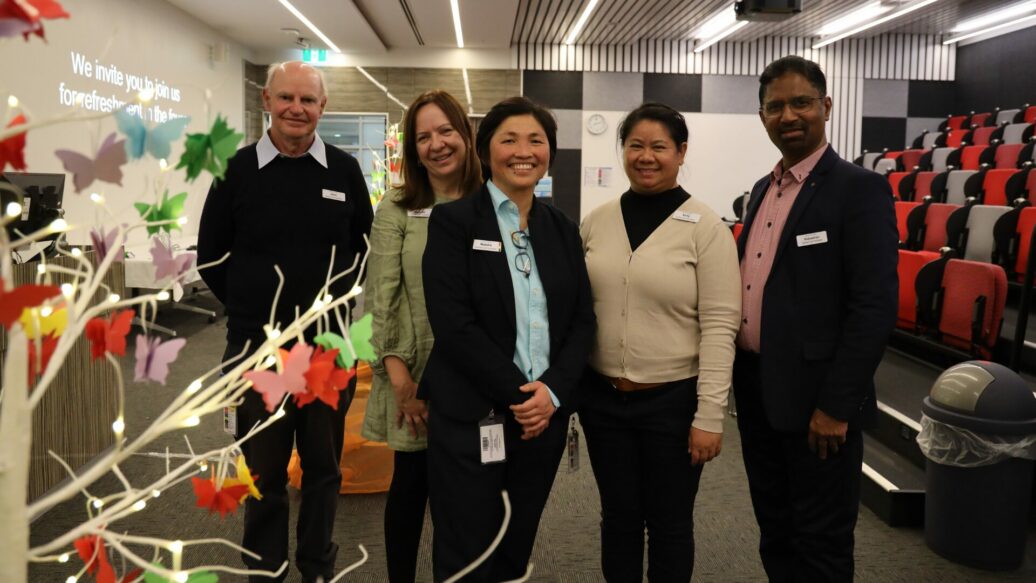
    During the service, guests were invited to reflect by choosing a butterfly that represented an element – grief, courage, memories, love, peace and hope – that was meaningful to them. The butterflies were placed on a community tree in memory of those being honoured, creating a very colourful representative of attendees thoughts and feelings.

    Julius Quiring, Nurse Unit Manager, Palliative Care Unit said the service was a heart felt gathering to honour the patients Northern Health has cared for.

    “Many families attended, with around half of their loved ones having spent their final days in the Palliative Care Unit,” he said.

    “From the sharing by families on the night, it was lovely to hear that the feedback we received as a whole organisation was deeply appreciative, highlighting the compassion, dignity, and support their loved ones received throughout their care.”

    “A moment that touched everyone was when the mother of our youngest patient shared a memory of her daughter’s special graduation in the unit. Her teachers and classmates came to celebrate, and it was heartwarming to hear how we made it possible.”

    “This service would not have been the same without the leadership of the Spiritual Care team, whose thoughtful guidance made the evening so meaningful.”

    Alycea Formosa, Social Work Clinical Leader – Subacute, said the Northern Health Memorial Service is an incredible display of multidisciplinary collaboration.

    “The Spiritual Care, Palliative Care, Social work, Volunteer and Choir teams all come together across both physical and mental health to make this service possible,” she said.

    “While the effort that goes into organising the memorial is significant, it is well worth it to be able to see staff and families come together in such a beautiful way to honour those who have passed away. The Spiritual Care team do a fantastic job of holding space for families to share their memories and grief, but in this, they also find capacity to provide gentle education about the experience of grief.”

    “Having written resources and support on hand to those who need it after the service, allows us to provide a pathway to link those who need it with ongoing care. Having more than 150 people attend the memorial is a testament to the strength of the Northern Health Community and sends a clear message regarding the value of the service to the families of those we have cared for.”

    “Well done to all of the teams involved.”

    Natalia Dewiyani, Spiritual Care Coordinator, said it was a privilege to offer a service that brought healing to all who attended — for both staff and the family and friends.

    “We acknowledged how confronting it can be to return to the place where they last saw their loved one. And yet, so many families came forward to share stories — heartfelt, funny, and deeply moving — about those they had lost. The room was filled with both tears and laughter,” she said.

    “That night, their grief was heard, and the lives of their loved ones were honoured and celebrated. At supper, it was beautiful to witness the healing that can unfold through conversations — between families, and between families and staff.”

    “One woman shared how it was the first time in eight months since her husband passed that she had left her house, aside from shopping or paying bills. Another had travelled all the way from Northern Victoria, touched by the thoughtfulness of the invitation — not only as a step in her own healing, but also to thank us for the care we provided.”

    “The Executives and Board member shared how the family stories reminded them of why they do this work. On behalf of the Spiritual Care Team, I would like to extend our heartfelt thanks to Social Work, Palliative Care, Mental Health, the NH Foundation, Volunteers, and the Northern Health Community Choir for the beautiful music performed on the night.”

    “What a meaningful way to come together — to offer a safe, kind, and healing space in which grief could be held, and love remembered.”

    Debra Bourne, Chief Executive, said it was an honour to attend the memorial service.

    “It was an extremely moving occasion, reminding us of the importance of coming together to honour and remember those we have lost,” she said.

    “It is very special to join with families of our patients and to hear their reflections. Thank you to all who contributed to such a heartfelt event.”
    Featured image: John Davies, Spiritual Care Practitioner, Reverend Melanie Moore, Spiritual Care Practitioner, Natalia Dewiyani, Spiritual Care Coordinator, Kelly Pinto, Spiritual Care Practitioner, and Sebastian Anthony, Spiritual Care Practitioner.


  • LGBTQ Domestic Violence Awareness Day: Seen and Believed

    LGBTQ Domestic Violence Awareness Day: Seen and Believed

    Today, 28 May, is LGBTQ Domestic Violence Awareness Day – a day dedicated to helping end violence within LGBTQ communities by increasing visibility, fostering understanding, and giving hope and courage to victims and survivors.

    LGBTQ Domestic Violence Awareness Day was originally created in Australia in 2020. It is the first time in history that an awareness day was formed to highlight domestic, family and intimate partner violence occurring in LGBTQ communities. It has since grown into a global event, with hundreds of government departments and organisations across 20 countries recognising and supporting this important initiative.

    The theme for this year is #SeenAndBelieved, with the emphasis on the importance of acknowledging and validating the unique experiences of LGBTQ victim survivors of domestic violence. It aims to bring awareness to the issue and ensure that they are seen, heard and believed.

    The health sector is a critical entry point for people affected by family and domestic violence, which is an opportunity to provide medical care, support and referrals to specialist services. Every person affected by violence, each with their unique identities and relationships, has a right to be seen and believed by their health care providers.

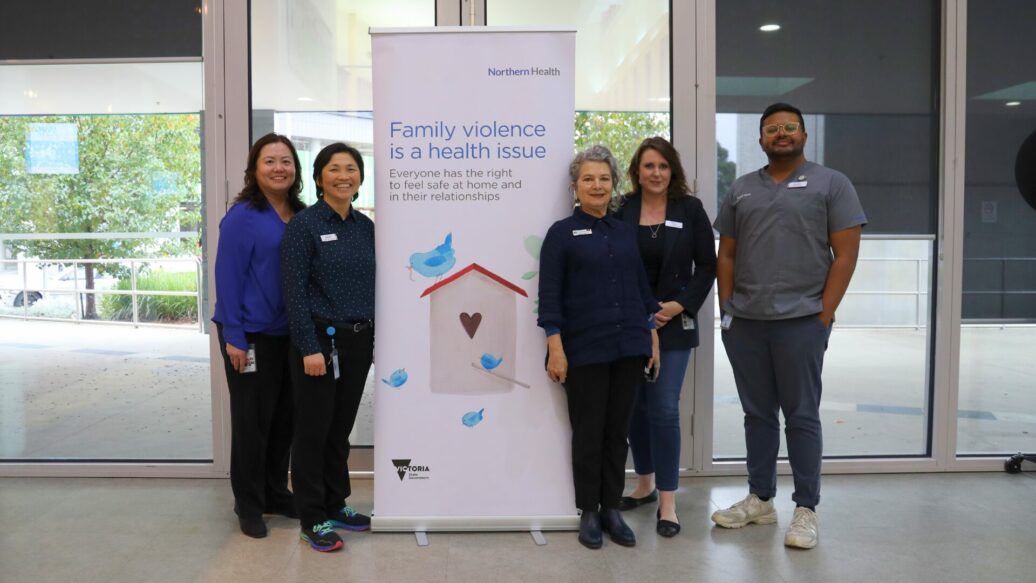
    At Northern Health, the Strengthening Hospital Response to Family Violence (SHRFV) Program and the Rainbow Working Group and are working together to raise awareness on this important health issue.

    Tanya Ellis, Program Manager for Strengthening Hospital Response to Family Violence (SHRFV), says, “Family violence is a serious and prevalent health issue that has a profound impact on the psychological and physical wellbeing of victim survivors. Victim survivors are among our community and frequently present to our health service.”

    “It is a human right to live a life free from violence and we all have a part to play in ensuring that we identify and respond to victim survivors of family and domestic violence.”

    “Unfortunately, there is still apprehension within the LGBTQIA+ community to disclose family violence or contact mainstream services, which means victim survivors remain largely invisible with low levels of disclosure and reporting.”

    “Northern Health aims to play an important role in preventing family violence through providing a respectful, equitable and safe service. We are committed to providing an environment that is safe for all victim survivors of family violence to disclose their experience and receive support and safety,” she added.

    Family violence is behaviour by a person towards a family member that is physically or sexually abusive, emotionally or psychologically abusive, economically abusive, threatening, coercive or controlling of that family member and causes them to fear for their safety.

    Family violence can impact people of all genders and sexual identities and can occur in all family types including intimate partners, across generations, extended families and carer relationships.

    According to the LGBTQ Domestic Violence Awareness Foundation, more than 60 per cent of LGBTQ+ people have experienced domestic, family or intimate partner violence and abuse in their lifetime. Forms of family violence perpetrated specifically against LGBTQIA+ individuals include threatening to ‘out’ a person’s gender, sexual identity or intersex status to family, friends, colleagues or their community and this threat is used as way to control the victim survivor.

    Despite this prevalence, LGBTQ+ individuals are less likely to recognise domestic or family violence in their relationships, less likely to report it to the police or seek support from services and are far less likely to find support services that meet their specific needs.

    Northern Health encourages staff to get involved and show their support to the LGBTQIA+ community by wearing something rainbow throughout the week, having a conversation about healthy relationships, spread the word on social media with #SeenAndBelieved and become aware of support services available to LGBTQIA+ victim survivors.

    Tanya reminds staff to please ensure to use the Family Violence MARAM Screening & Identification Tool when working with a patient who is at risk of family violence. The Tool is best practice in identifying and responding to family violence. The Tool is located on EMR (AdHoc Forms Section) and PROMPT.

    The SHRFV Team is also available for specialist family violence consultation and to deliver family violence training. Please contact the SHRFV Team if you need to consult or organise training in your area (8405 8519).

    Click here to get involved or for more information on LGBTQ Domestic Violence Awareness Day.

    Support services:

    • Safe Steps: 24-hour State-Wide Crisis Response Service Ph: 1800 015 188
    • With Respect: Specialist LGBTQI+ Family Violence Service – Ph: 1800 542 847
    • Rainbow Door: LGBTQIA+ information, support and referral helpline Ph: 1800 729 367
    • 1800 RESPECT: 24/7 National Sexual Assault, Domestic Family Violence Counselling Service Ph: 1800 737 732
    • Qlife: LGBTIQ+ Peer Support, Information and Referral. Ph: 1800 184 527
    • Disclose to your health professional to access support and safety.

    Pictured in featured image (L-R): Maria Soo, Director, Workforce Planning and Projects, People and Culture, Natalia Dewiyani, Spiritual Care Coordinator, Penelope Vye, Associate Director, Allied Health, Tanya Ellis, Program Manager for Strengthening Hospital Response to Family Violence and Chamie, Social Worker.

  • The Gift of Healing: A Northern Health Perspective on Supporting First Nations Participation in Clinical Trials

    The Gift of Healing: A Northern Health Perspective on Supporting First Nations Participation in Clinical Trials

    This week, 27 May – 3 June, is National Reconciliation Week.

    It is a time for all Australians to learn about our shared histories, cultures and achievements, and to explore how each of us can contribute to achieving reconciliation in Australia.

    At Northern Health, we are committed to ensuring our First Nations communities have equitable access to lifesaving and quality-of-life-improving treatment options. Clinical trials can offer exciting new opportunities for care, especially for conditions that disproportionately impact our community.

    Northern Health’s participation in the TrialHub program has enabled us to walk alongside the community in shaping how clinical trials are communicated and delivered. From the outset, we heard clearly that First Nations people value a close, culturally safe model of care – where there is one main point of contact and a genuine opportunity to improve health outcomes for the next generation.

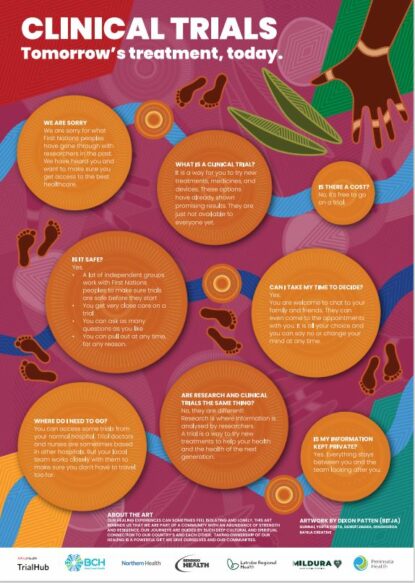
    This feedback helped shape the development of a unique and culturally resonant clinical trials resource, The Gift of Healing – a bespoke brochure created by and for Aboriginal and Torres Strait Islander communities. The project was driven by a shared understanding that First Nations voices must be central in the design and communication of health services.

    “It’s not just about delivering information – it’s about honouring culture, connection, and choice. The Gift of Healing allows our community to see themselves in the narrative of research, where healing is guided by cultural strength,” said Karen Bryant, Manager of Narrun Wilip-giin – Aboriginal Support Unit (ASU), Northern Health.

    This initiative grew from a recognised gap. Two years ago, as clinical trials began expanding into regional and outer-metropolitan Victoria, it became clear that First Nations people had not been adequately consulted in how trials were communicated. For the past 18 months, deep and respectful conversations were held with Indigenous researchers, medical students, and community members to shape both the language and content of the brochure.

    Celebrated Indigenous artist Dixon Patten, a proud Gunnai, Yorta Yorta, Gunditjmara, Dhudhuroa man, was commissioned to bring the brochure to life. Based in Bendigo, Dixon worked closely with TrialHub and the seven partner health services – Latrobe Regional Health, Bass Coast Health, Peninsula Health, Northern Health, Mildura Base Public Hospital, Bendigo Health and Alfred Health – to create an artwork that truly reflects community stories and hopes.

    “Our healing experiences can sometimes feel isolating and lonely,” Dixon said. “This art reminds us that we are part of a community with an abundance of strength and resilience. Taking ownership of our healing is a powerful gift we give ourselves and our communities.”

    The result is The Gift of Healing, a vibrant and culturally grounded visual and written resource that not only explains what clinical trials are, but celebrates the community’s role in shaping a healthier future. Click here to view the PDF version.

    Brochures are available in the Main Foyer, at Entry 5, and throughout Northern Health, including Outpatient Clinics and various wards.

    Northern Health is proud to be part of this collaboration – supporting clinical trial participation that is culturally safe, locally delivered, and community led. The artwork stands as a gift from the seven partnering communities, a symbol of resilience, strength, and the shared journey toward healing.

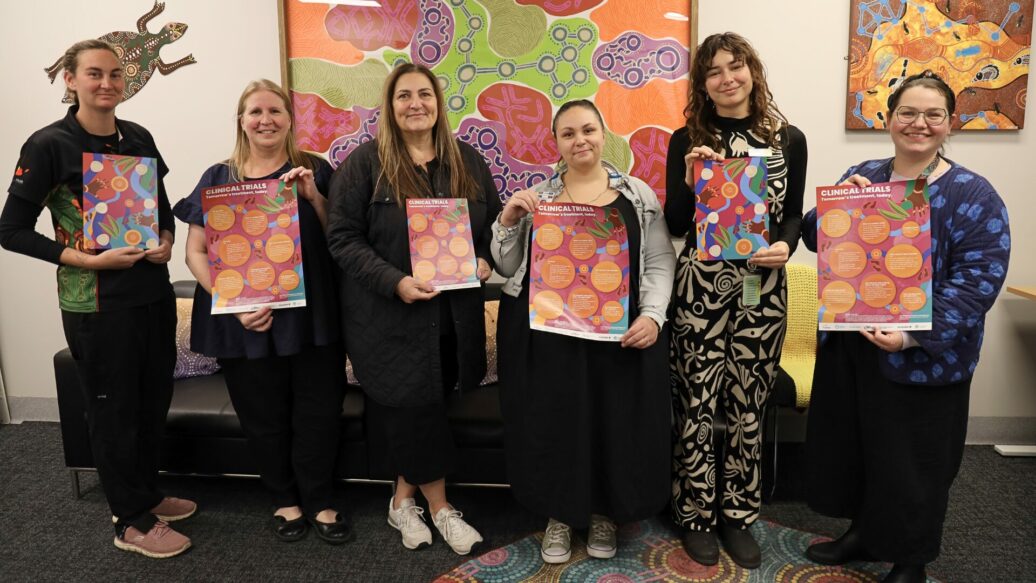
    Pictured in featured image (L-R): Natalie Bloomfield, Aboriginal Clinical Nurse Educator, Lisa Walker, Cancer Clinical Trials Unit Leader and Coordinator, Jo Quinn, Aboriginal Health Practitioner, Stephanie Thompson, Aboriginal Liaison Officer, Alana Chrisomalidis Cohen, Nurse/Midwife and Alex Slade, Midwife.

  • Controlled medication management goes digital

    Controlled medication management goes digital

    Northern Health is adopting electronic tracking of controlled medication management that is both practical and reliable, to enhance patient medication safety and operational efficiency.

    HS8 is a digital platform to record and monitor movement of controlled medicines. Traditionally, this process relies on paper logbooks which are prone to errors, illegible handwriting, and time-consuming reconciliation.

    David Harris, Deputy Director of Pharmacy, said HS8 will mitigate risks associated with medication errors.

    “It will reduce administrative burden for our clinical staff, freeing up time to focus on direct patient care,” he said.

    Real-time compliance alerts for stock adjustments and discrepancies will also assist in timely rectification of irregularities or diversion. Furthermore, its user-friendly interface facilitates efficient documentation and visibility of controlled drugs within the hospital, making dispensing and distribution much more efficient.

    Northern Health’s transition to electronic controlled medication registers began with a successful pilot program across Pharmacy in February 2025. This initial implementation served as a critical testing ground, allowing staff to familiarise themselves with the system, provide feedback, and identify initial challenges.

    This successful expansion was supported by the efforts of pharmacy site leads Elise Simionato, Angelo Tonietto and Paula Parkins, and Pharmacy Education team Jeff Khoshaba and Ginny Dhillon.

    The teams are now in the planning phase to extend HS8 beyond our pharmacies. A working group comprised of senior nursing staff and pharmacists, including Deanne Rowland, Ligi Jomy, Rashminder Singh, Jeena Chhetri, Lisa Cox, Uyen Hua and David Harris have convened to scale the platform across all Northern Health clinical areas.

    This collaborative effort is ensuring that the ward implementation is tailored to the unique workflows and needs of nursing staff, while maintaining established governance and legislative standards for S8 and S4D medicine handling and management.

    The ward pilot program is set to go live July 2025 across two wards – Northern Hospital Epping Ward 16 and Broadmeadows Unit 1.

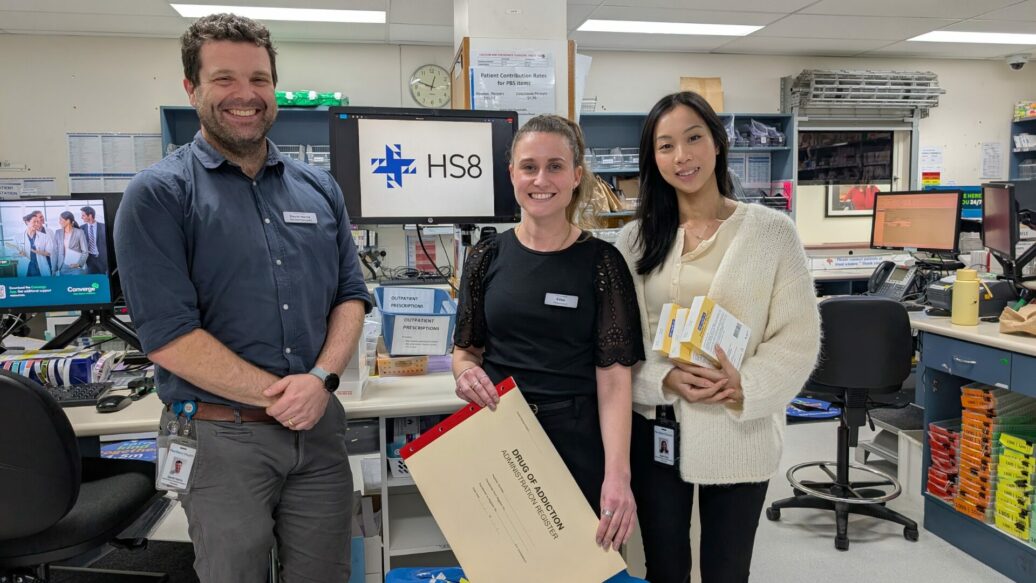
    Featured image L-R: David Harris, Elise Simionato and Uyen Hua.

  • Get to know: Casey O’Brien

    Get to know: Casey O’Brien

    #WeAreNorthern

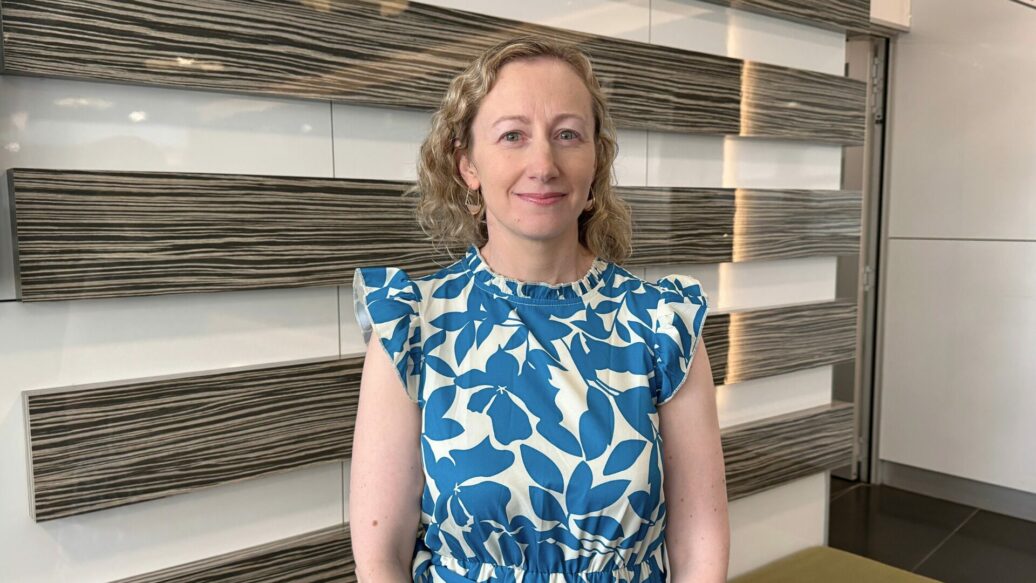
    Meet Casey O’Brien, Senior Psychologist – OHS & Wellbeing, People and Culture at Northern Health.

    Q: First, let’s start with your coffee order?

    A: Skinny cappuccino or flat white. We have a morning ‘coffee walk’ ritual in our team, so coffee is very much part of our culture.

    Q: Tell us about your journey at Northern Health?

    A: After 10 years at St. Vincent’s Hospital, I started at Northern Health in 2021 during the COVID pandemic. As a people person, it was challenging to build relationships with managers and staff when I was largely working from home. Now, a favourite part of my role is being invited into different spaces across Northern Health, taking a tour, and talking to staff about wellbeing and what matters to them. My current role is quite diverse which is the way I like it! Depending on the day I could be delivering education, working on our wellbeing strategy, or supporting a team through a critical event. Each area at Northern has its own culture and strengths within our broader culture of care, so taking time to listen and understand the needs of each area is important to providing support.

    Q: What is the best part of working at Northern Health?

    A: While I may have the ‘wellbeing’ job title, I have met many people here who are equally passionate about wellbeing and do amazing work to promote wellbeing in their areas. We established the NH Peer Support Program in 2022, and I am especially proud of our peers who provide kind, compassionate and really practical support to staff who are navigating challenging situations.

    Q: If you weren’t in your current role, what would you have been instead?

    A: I originally wanted to study Tourism Management because I loved to travel and plan holidays! I have been lucky to have a diverse career working in research, as a therapist providing individual counselling, and also as a yoga teacher. I also considered forensic psychology to work in criminal investigation and behavioural analysis, but I will leave that to Hollywood, lol.

    Q: Tell us one thing not many people know about you?

    A: I lived in Dublin, Ireland for four years during my 20s. When I hear an Irish accent now it is a sweet moment and takes me back to that time. I met so many amazing people (I never got a taste for Guinness though!) and enjoyed travelling around Europe and the UK. My grandfather grew up in Deventer in the Netherlands and came to Australia after World War II. I had the privilege of travelling there and meeting my Dutch family, walking in his footsteps. It was very special.

    Q: Sweet or savoury?

    A: Give me a bowl of salt and vinegar potato chips and I am happy!

    Q: Mountain or beach? 

    A: I am definitely not a sun bather but love walking along the beach on a windswept early evening, taking in the fresh air and sounds of the ocean is very therapeutic!

    Q: What advice you’d like to give to your younger self?

    A: Trust your judgement and don’t worry so much about what others think – do what is right for you.