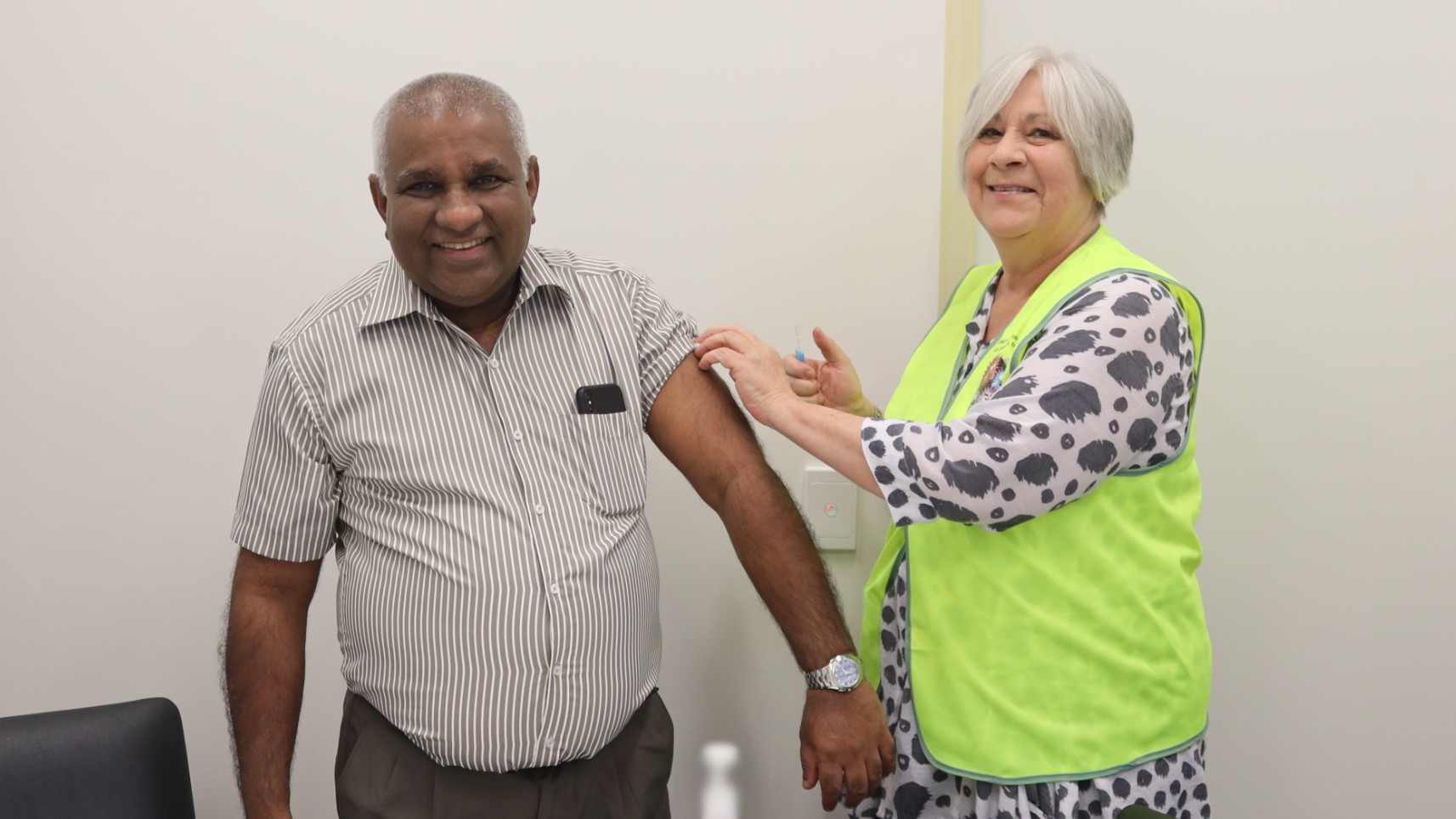
• Staff flu vaccination starts today

    Staff flu vaccination starts today

    Today, Northern Health is commencing flu vaccinations for staff members, with community vaccinations expected to start after Easter.

    Staff influenza vaccinations have started early this year, as recommended by the Victorian Department of Health and Human Services (DHHS).

    Siva Sivarajah, Chief Executive, said that anyone can be affected by the flu, and with the COVID-19 pandemic, it is so important that everyone in the community protects themselves.

    “By getting the flu shot, we are not only protecting our own health and well being, but those around us as well,” he said.

    Roslyn Payne, Director of Nursing and Midwifery, said there is currently no vaccination for COVID-19 but getting the influenza vaccination will reduce the risk of getting the flu and COVID-19 at the same time.

    “All clinical staff are required to have their influenza (flu) vaccination and this will be administered by a vaccinator in the clinical areas. This year, we are required by DHHS to vaccinate a minimum of 90 per cent of our staff – but it is not just about meeting this target. We want to make sure you and your family are protected as we head into the influenza season,” she said.

    Vaccination times will be advertised by the vaccinators in the relevant clinical areas.  In addition to this, immunisers will also be visiting staff work areas to ensure we comply with social distancing policy. Staff working from home are advised to liaise with their manager about a suitable time to attend for vaccination so we can co-ordinate the service appropriately.

    “Last year we vaccinated 86 per cent of our staff, and in addition to this we vaccinated over 20,000 people in our community, our family and friends.  Northern is currently working on a strategy to deliver the 2020 Community Program after Easter that will comply with the current Stage Three restrictions. Please see our Intranet and Internet websites and Northern Health’s social media for further details,” Ros said.

    Featured image: Siva Sivarajah, CE Northern Health and Licia Perillo, Staff Health Nurse.

  • The Inappropriate Question and the importance of Advance Care Planning

    The Inappropriate Question and the importance of Advance Care Planning

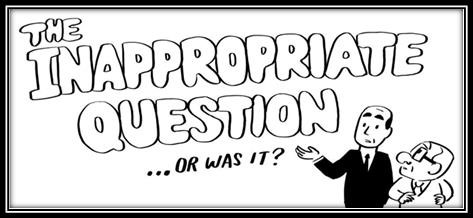
    A film titled The Inappropriate Question, a collaboration between Dr Barbara Hayes, Clinical Lead, Northern Health Advance Care Planning Program and Prof Joe Ibrahim from the Prof Joe website was launched via live stream to coincide with Advance Care Planning Week. This film was funded by the Victorian Department of Health and Human Services.

    View the film here:

    This short animated film will help the community to better understand the important reasons why discussions about cardiopulmonary resuscitation need to be held with some of our hospital patients.

    Speaking at the launch, Chief Executive, Siva Sivarajah said, “I strongly endorse the view that we partner with our patients when making medical treatment decisions and plans. When Barbara first discussed this project with me I was more than happy to support this initiative.”

    “The film also reminds people about the importance of Advance Care planning – prior to become acutely unwell,” he added.

    The COVID-19 pandemic has made these conversations even more essential.

    A component of Advance Care planning can be writing an Advance Care Directive. This is your written instructions, preferences and values that guide medical treatment should you no longer be able to speak for yourself.

    Speaking about  the film’s relevance to the current times, Dr Hayes said “Patients and their families can be surprised and upset when discussions about medical treatment limitations are raised, particularly the discussion about whether to provide or withhold CPR. However, we also know that patients, or their Medical Treatment Decision Makers expect to be consulted about medical treatment decisions, as required by law.

    “How can we reconcile the need to speak with patients knowing that they might become upset by discussing difficult subjects?” asks Barbara.

    “The aim of this film is to help people understand, before they become ill, and before admission to hospital, that these discussions might be expected. It encourages people to think about what would be important for them should they become seriously unwell, and to consider Advance Care planning. This avoids having to think about these issues for the very first time when feeling ill, scared and vulnerable. It also helps their Medical Treatment Decision Maker should they be required to make decisions for the patient. We hope you enjoy the film,” says Barbara.

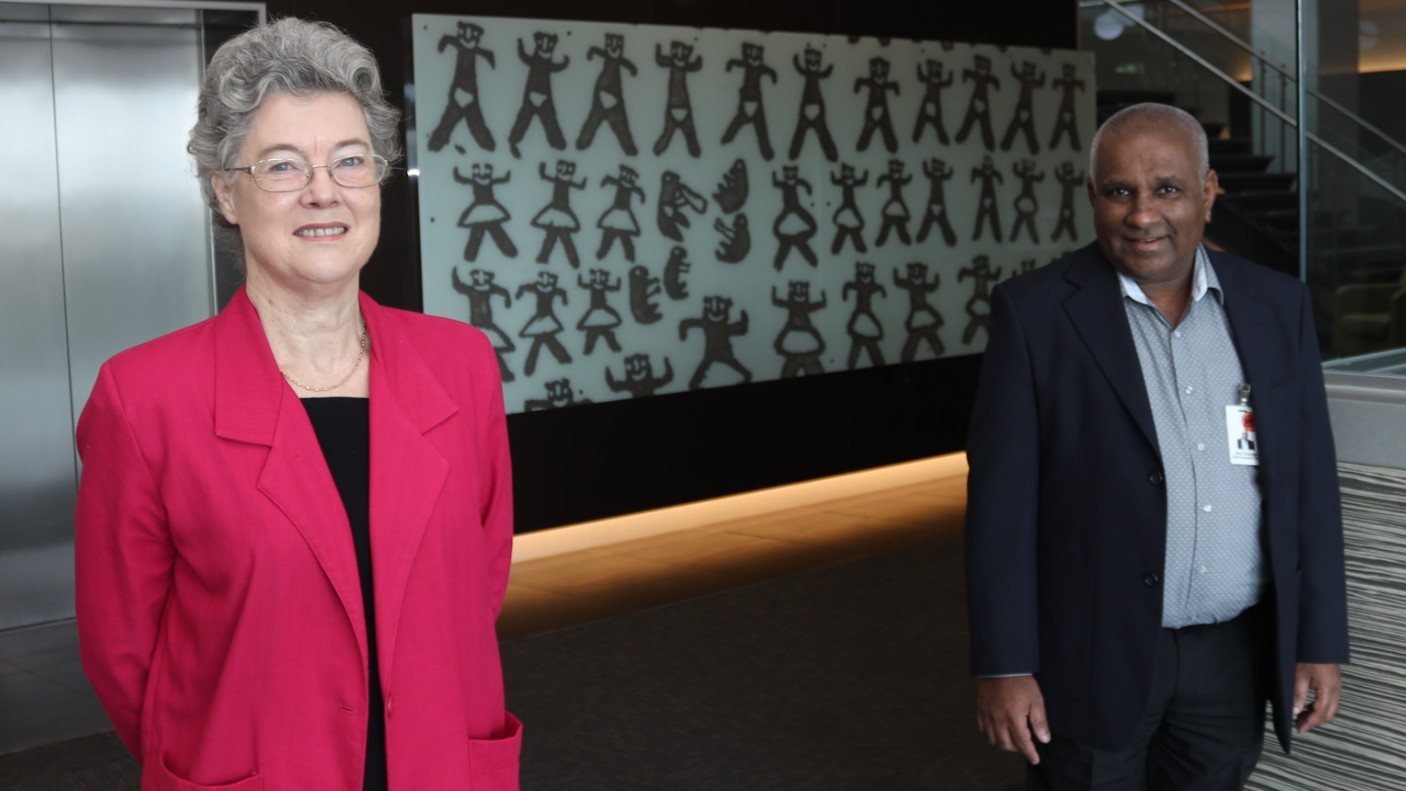
    Featured image shows Dr Barabara Hayes and Mr Sivarajah, at the launch of the film, observing social distancing.

  • ASD Assessment Clinic at Craigieburn: A family’s experience

    ASD Assessment Clinic at Craigieburn: A family’s experience

    Today is World Autism Awareness Day, recognising and raising awareness of people with autism and those who love and support them.

    Craigieburn resident and mother of two, Kim Semmens recently shared her experience of Northern Health’s multidisciplinary Northern Autism Spectrum Disorder Assessment Clinic (NASDAC) at Craigieburn Centre – the only one of its kind in Melbourne’s north.

    After her eldest son, six year old Archie, was diagnosed with ASD, Kim tells us she monitored her second son, four year old Lenny, for signs of the disorder.

    “We knew it might be the case. Once Dr Jolene Fraser decided it was time to progress with an assessment, we were put on a wait list for the new clinic at Craigieburn Centre and, at the time, the wait was approximately six weeks which is extraordinary,” she says.

    Kim says for a multidisciplinary diagnosis, children can be assessed by different specialists.

    “The ASD Assessment Clinic consisted of a developmental paediatrician, a speech pathologist and occupational therapist. With my first son, I had to do all of those things separately and privately, and each one had different waiting times which can be confusing when dealing with all the different things.”

    “With Lenny, we went in and they had all three specialists there. After coming in on a Friday, we had the letter of diagnosis by Monday. It was definitely less stressful for Lenny as he had been to the clinic before and was comfortable. With my older son, he was very overwhelmed with change.”

    Dr Jolene Fraser has worked in other multidisciplinary settings and also sees many children with ASD, both publicly and privately.

    She said, “as autism is a spectrum, every child is different and can present differently. Some children have obvious significant problems with communication and can be assessed by an experienced paediatrician or child psychiatrist, though even then it is preferred to have input from allied health. In children with more subtle difficulties, the joint assessment is more comprehensive and efficient.”

    “A multidisciplinary assessment allows professionals to discuss what is happening for the child and to explore more thoroughly their weakness but more importantly their strengths. Each professional has a slightly different way of looking at the child depending on their background, and this joint assessment is therefore a more accurate representation of all the child’s skills.”

    Kim tells us the sooner a diagnosis has been made, the sooner families are able to link in with services.

    “Being able to get the diagnosis quickly unlocked a whole heap of services for me to immediately get some really great help and also help for our whole family. The clinic itself also provided us a lot of information about local services and therapists,” Kim says.

    “Having a child on the spectrum is a lot to juggle and manage so it simplified the process ridiculously,” she says.

    “Every community needs a clinic like this, so I feel very lucky to have access to that. I know firsthand how difficult it is to do all of those things individually. For me and my second son, it was such a better experience and I feel we were able to get a really accurate assessment of him because he was really calm and feeling comfortable.”

    Kim says early intervention is so important for a child’s development – “parents are dying to give their kids that intervention but they sometimes have to go through a lengthy and costly process. That 6-12 month earlier diagnosis has a significant impact on our son’s ability to be in the community in a mainstream setting and cope with life long term.”

    “Cutting out that long waiting time is also the difference between him having the chance to go to mainstream school next year,” Kim says.

    “I hope they start putting these clinics everywhere as it has a really significant impact for my family.”

    The NASDAC launched in 2019, and runs one day a week at Craigieburn Centre with the involvement of a Paediatrician, Speech Pathologist, Occupational Therapist and Psychologist. The clinic’s aim is for children to receive assessment early to help them access supports earlier.

    Amanda Lees, Speech Pathologist and NASDAC Clinic Coordinator said, “Assessment for ASD is important because it can assist parents and teacher’s understanding of a child’s abilities and difficulties; it can help inform decisions about therapy and can allow the family to access some options for extra assistance and support.”

    “Our clinic is for children when it is unclear if they present with ASD or another diagnosis and need a team-based approach to answer this question.”


  • Northern Health hosts world-class vascular surgeon for complex workshop

    Northern Health hosts world-class vascular surgeon for complex workshop

    At the beginning of March, the Northern Health vascular surgery team welcomed a world-class vascular surgeon for a complex vascular workshop at Northern Hospital.

    Mr Shrikkanth Rangarajan, Northern Health Vascular Surgeon, said, “We had a workshop focusing on complex aortic pathology and repair of aneurysms in the aorta, and had Professor Eichler from San Francisco visit us, who was proctoring the two cases in the workshop.”

    Following the first case at the workshop, Mr Rangarajan, said, “the first case was challenging, as we expected, and we’re hopeful that the patient will have a good outcome.”

    Professor Eichler said the two cases were both very complicated aortic cases and he was impressed with the team and the facilities at Northern Health.

    “I think it is impressive – they have a really good team here and they work well together. This is a great operating suite they have here and so they certainly have the ability to take on these challenges and get a good outcome,” he said.

    Mr Rangarajan said, “these are certainly not run of the mill cases, they do present infrequently. The anatomy and the patients are challenging because they’re not fit for some techniques or major open surgery, so we’re utilising more complex endovascular techniques.”

    “So there is certainly that capability that we’re developing to do the best for the patients and be able to offer every form of treatment to enable these patients to have the best treatment for them.”

    “I want to thank them for inviting me – we had the opportunity to host them in San Francisco about six months ago, so it’s great to come over here and see how things are working,” Professor Eichler said.

    “From a Northern Health perspective, the vascular unit here is in a growth phase and we’re very proud to be enabling patients to have input from world-class vascular surgeons,” Mr Rangarajan said.

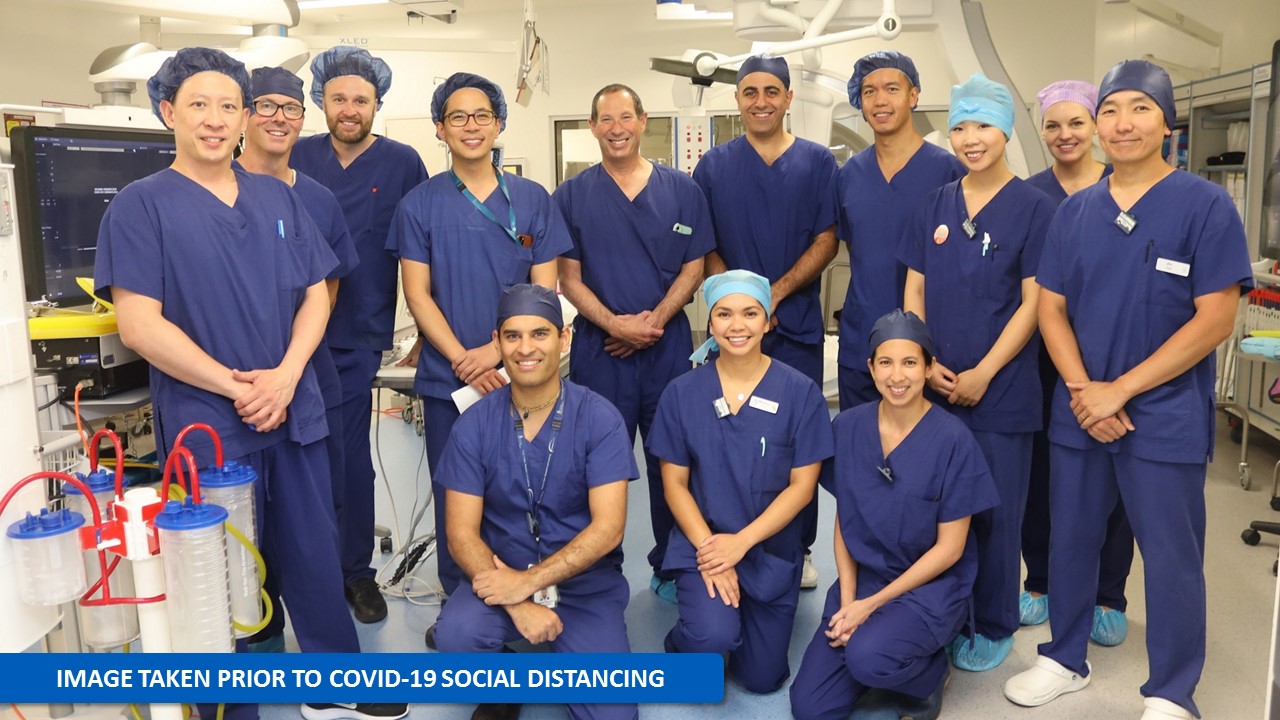
    Featured Image: Mr Shrikkanth Rangarajan (front row, left) with Professor Eichler (back row, centre) with the Northern Health vascular surgery team

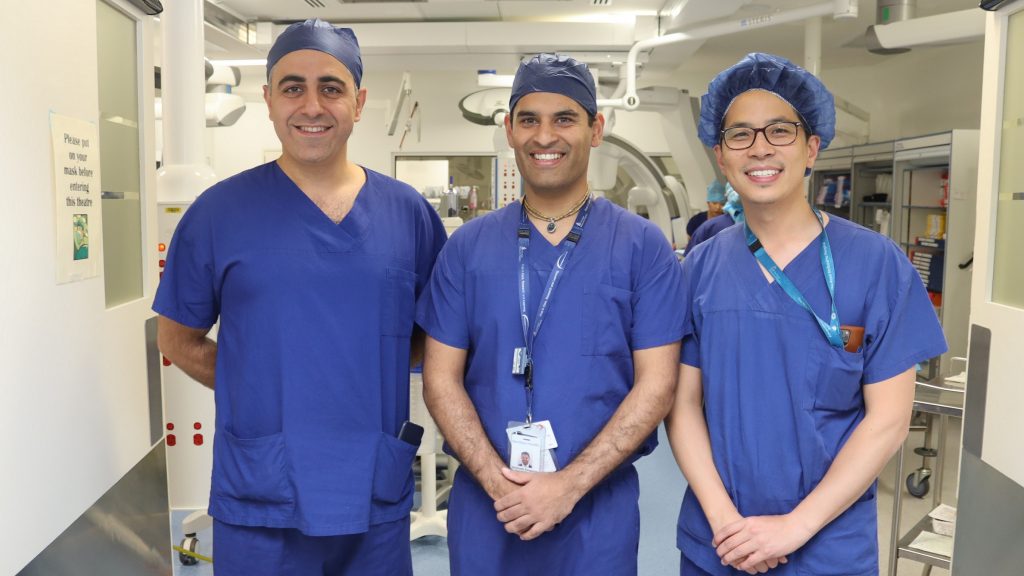
    Left to right: Northern Health Vascular Surgeons Mr Iman Bayat (Head of Unit), Mr Shrikkanth Rangarajan and Mr David Goh
  • Community kids share the love

    Community kids share the love

    Young members of our community are sending messages of hope and support, even in times of social distancing, and especially to our health care workers on the front line of the COVID-19 pandemic.

    Last week, in order to help protect our volunteers, we made the difficult decision to suspend our volunteer program across all sites – and they are being missed greatly across Northern Health. We are very grateful for the dedication and hard work of our volunteers and look forward to welcoming them back when it is safe to do so.

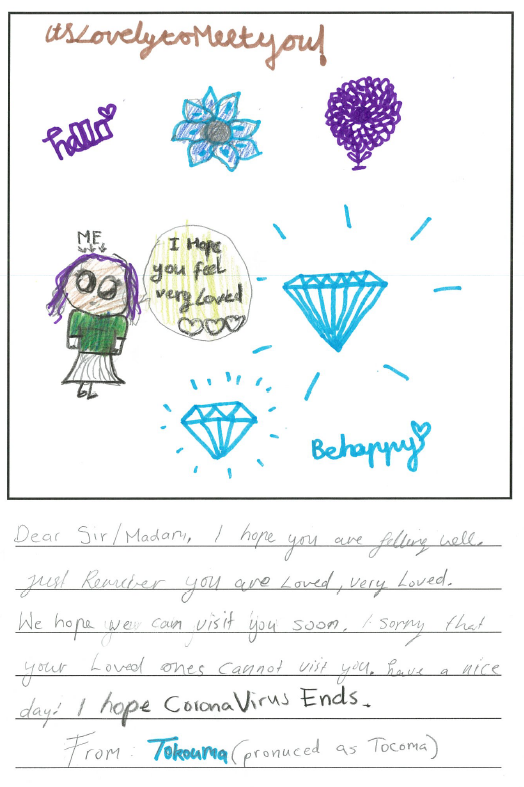
    In recognition of our wonderful staff, some of our volunteers’ grandchildren and nieces and nephews have written letters and drawn pictures to thank staff for all they are doing during this challenging time.

    All clinical and non-clinical staff across Northern Health are banding together to support each other and help keep our community safe. The volunteers and their loved ones had a collective message for all of us:

    “Thank you to all of our staff that are continuing to work during this health crisis.
    From Northern Health volunteers and their family/friends”.

    In addition to the letters from some of our younger community members, students at Northside Christian College recently dropped off letters to the residents of Ian Brand Nursing Home at Bundoora Centre.

    Northside students had been regularly visiting residents before changes to visiting requirements were introduced due to the current pandemic.

    53 letters were recently delivered to delighted residents, providing words of hope and support, and showing them that the students are missing them.

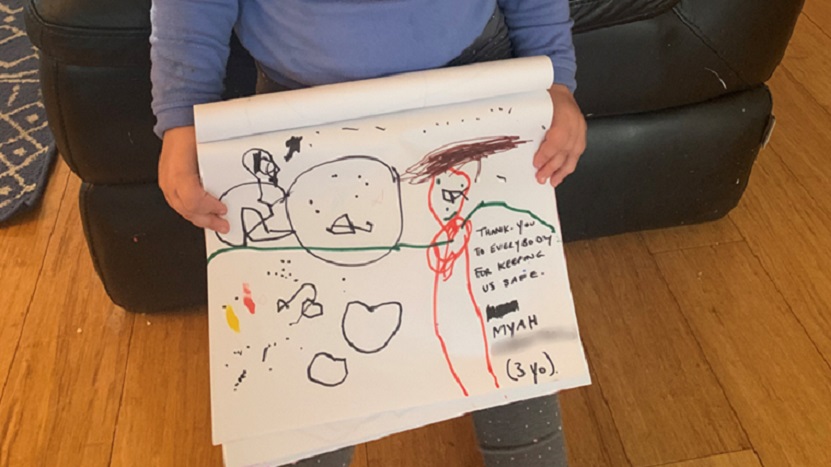
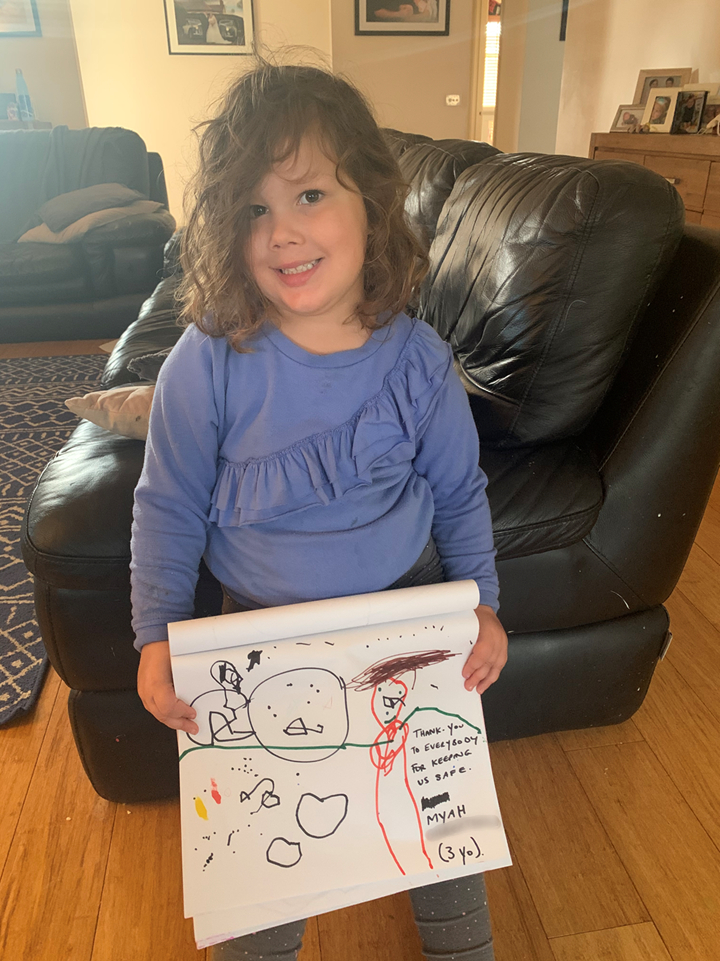
    Three year old Myah and her drawing for staff
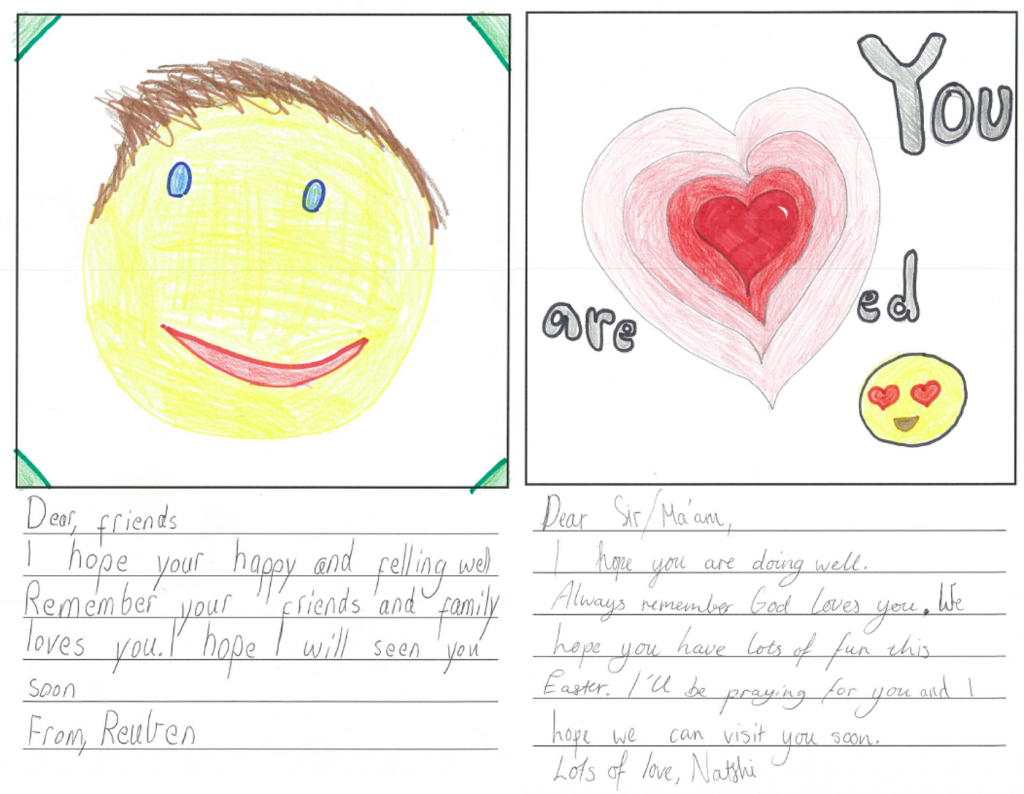
    Letters from Mia and Gracie
    Letters from Northside Christian College Students
    Letters from Northside Christian College Students
  • Infection Prevention: Clean hands against the virus

    Infection Prevention: Clean hands against the virus

    With the COVID-19 pandemic, Northern Health’s Infection Prevention team is working overtime to keep the hospital clean and safe for both our patients and our staff.

    Infection prevention is also a key part of the the COVID-19 Incident Management team meeting.

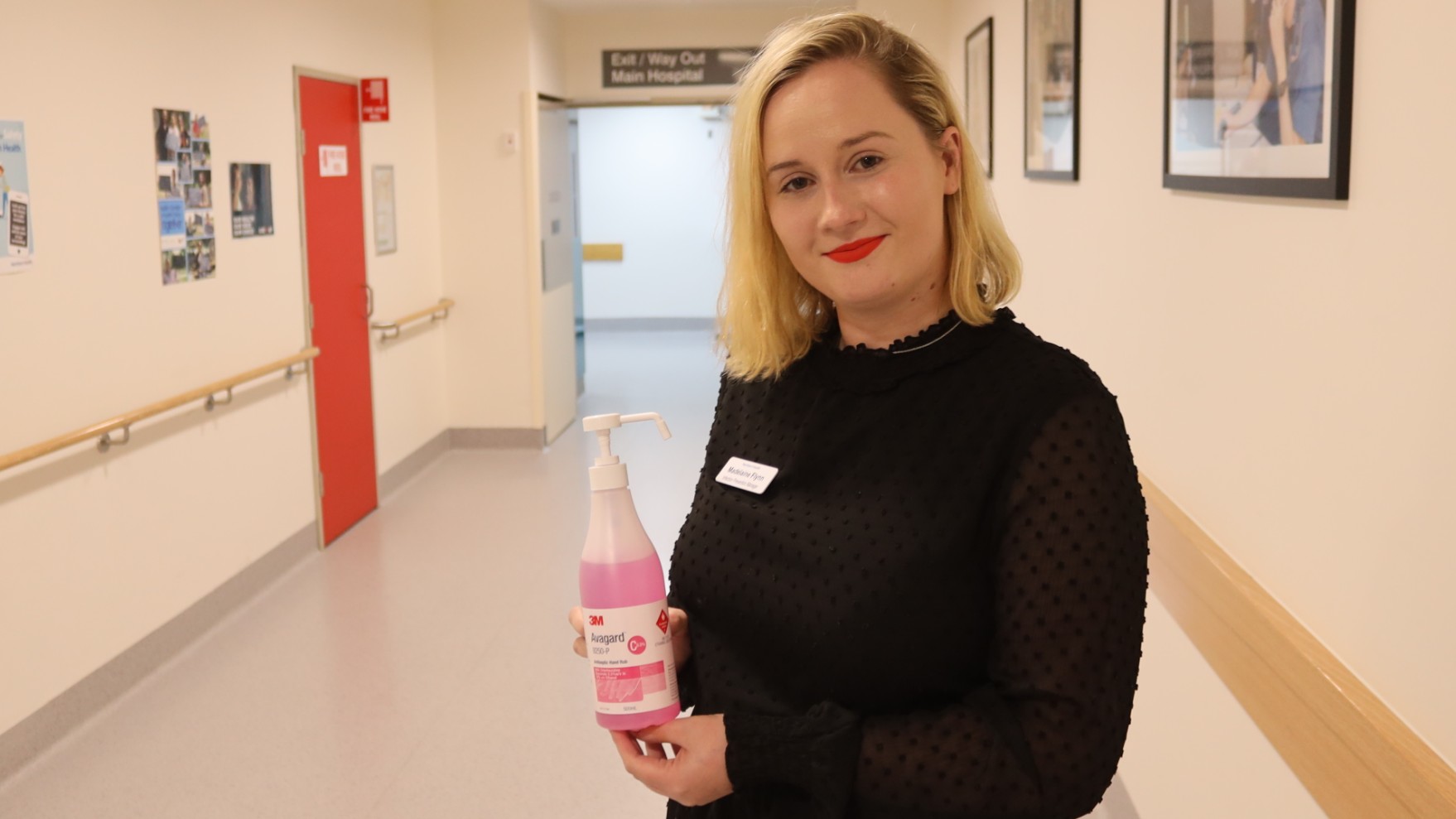
    “We catch up every morning – twice in the morning and once in the afternoon to keep up to date with the definitions, criteria and information from the news and the community”, said Madelaine Flynn, Infection Prevention Manager.

    The key role the team is playing is educating staff in infection prevention principles, PPE application and removal, hand hygiene, cough etiquette and providing support to staff at all levels and in all areas.

    “The situation is changing every day. When the outbreak began most of the questions from staff were around what the virus looks like from a clinical perspective. Now, it has moved towards PPE application and general uncertainty around what is going to happen in the next couple of days and months,” she explained.

    The message the infection prevention team has for our staff is that the hospital is doing everything we can to protect staff and patients during this time.

    “We do infection prevention every day, 365 days a year. Usually we do a lot more surveillance, proactive work around creating education packages and making sure we are meeting our KPIs for surgical site infections. At the moment, it’s more about being out there and reassuring staff about how to best prepare for COVID-19. We are busy on an average day, but we are extra busy at the moment,” Madelaine said.

    The team has dealt with major outbreaks before – such as SARS, MERS and Ebola. Those were world-wide pandemics, but not to the scale of this one.

    “COVID-19 is now affecting all countries, while SARS and MERS were in certain pockets of the world. Though there wasn’t a volume of patients affected that we are now seeing with COVID-19, we are confident in our team and we have the knowledge and experience to best advise on the infection prevention practices,” Madelaine said.

    In a high-stress environment, Madelaine recognises the importance of having a quiet moment to stop and reflect. She de-stresses by trying to get some fresh air, going to the rooftop and trying to breathe and meditate.

    “It’s helping and making me stop and live in the moment, and just allows to reflect on what happened during the day and what tomorrow will look like,” she said.

    If there is one thing staff need to know, Madelaine said that would be “hand hygiene – hand hygiene – hand hygiene!”

    “We do hand hygiene since health care started, but this is just reiterated that if we are cleaning our hands, we are keeping everybody safe. Effective and consistent hand hygiene in line with the five moments of hand hygiene is critical with any infection,” she added.

    “Make sure you do your hand hygiene, wear your PPE appropriately and even stop and take a second before you put your PPE on or take off and have a look at the process. Our priority is keeping you safe in this situation”.

  • Engineering and Security Services: Preparation is the key

    Engineering and Security Services: Preparation is the key

    When COVID-19 first started to hit overseas around five weeks ago, Colin Woodward, Director of Engineering, and his team were observant of it and started to do their planning.

    “There was just something in the back of my head that said – prepare,” said Colin.

    As soon as the numbers started rising and the virus began to impact Australia and Victoria, the team did some further planning and manipulation of the structures to ensure that the health service had fresh air intakes and air changes through the buildings.

    “When the Executive required these things to happen, they already were done. We are making sure our environment is well maintained and sustained,” Colin said.

    Earlier this week, with the rise of numbers and concerns, the Engineering team initiated the further plan, having team members at dedicated campuses stay at those campuses.

    “We have engineering team members across all campuses who now stay there and report daily on any issues, with Craigieburn Centre having an engineering team member present from Monday,” he explained.

    Additionally, the team has split into Team A and Team B, with Team A working from 8 am to 4.30 pm and Team B working from 3.30 pm until midnight.

    “This system gives us better coverage. Part of that master planning is that that the engineering team will now go into clinical spaces only if there is a major requirement. The team is now working hard to ensure everything in our environment is working – from lighting, power, air conditioning, medical air, gases and everything that supports the environment is maintained,” he said.

    The team also helped come up with a solution around having an external triage area in front of the Emergency Department (ED).

    “We have two containers which will be used in front of the ED as a dedicated triage space and that will help control the environment,” Colin explained.

    Colin and his team are used to solving urgent issues and dealing with crises, always staying mission focused.

    “It can be a burst water main inside a theatre complex or something similar, we always need to be prepared for the worst-case scenario, and multiple cases of these,” he said.

    “I would like our health service to know that our engineering teams across all campuses  are working hard and long hours to make sure their environment is the best it can be to overcome the crisis. Prior preparation prevents poor performance,” he added.

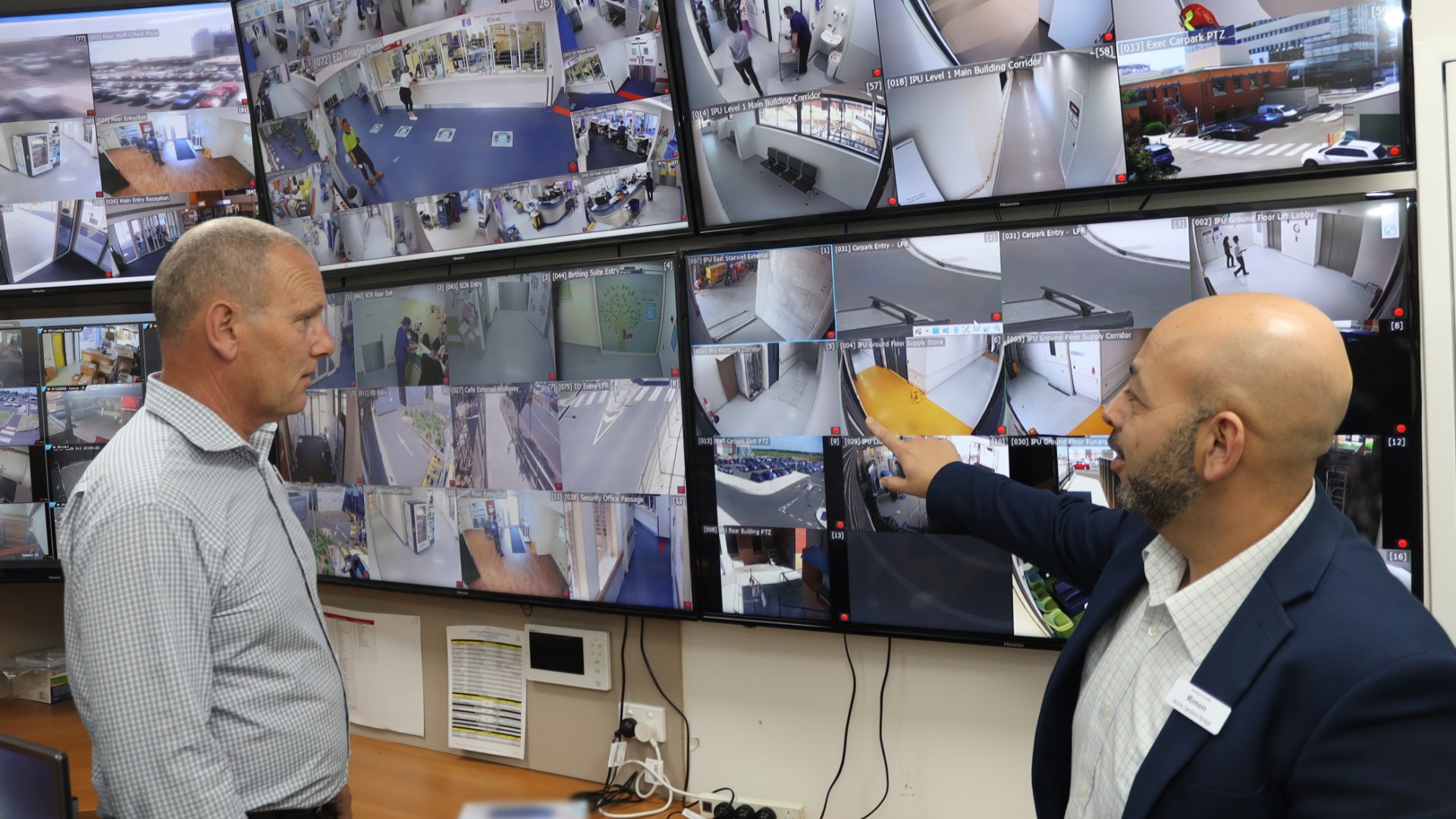
    Rimon Hannania, Security Operations Manager, said that the security team is dealing with increased workload, and their day-to-day challenges have changed.

    “Some things have changed – we are for example noticing incidents of aggression going down. The staff now have an additional role to oversee the Personal Protective Equipment (PPE) and other equipment, making sure nothing is missing from the sites,” he explained.

    The internal controls at the hospital have been increased to prevent these steps. Additional security staff in the afternoon have been deployed to manage the Fever Clinic and ED entrance.

    “Additionally, some doors have been locked to better manage the staff movement and access. Our number one priority at this stage is PPE theft prevention. I would like to encourage everyone to report any suspicious behaviour at the hospital for further investigation,” Rimon added.

  • Northern Hospital the right tune for Martin Cox

    Northern Hospital the right tune for Martin Cox

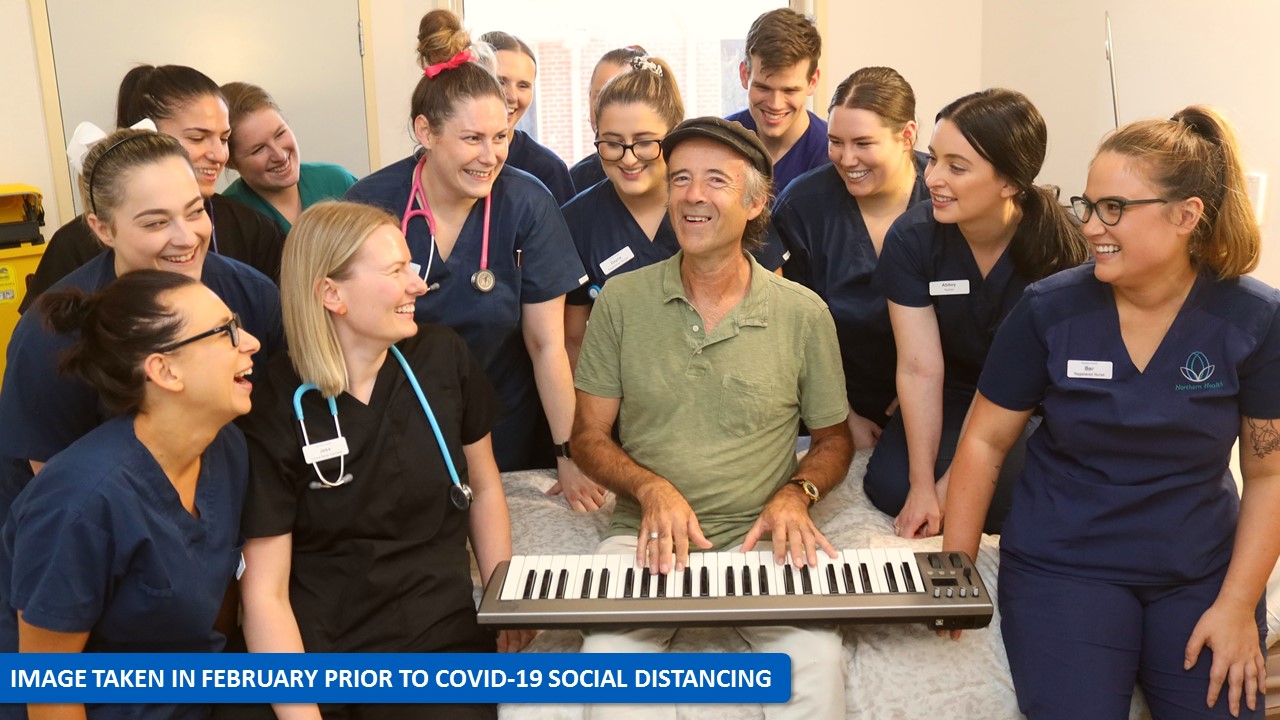
    Eltham local, Martin Cox, spent five weeks at Northern Hospital Epping and was so impressed by the amazing care he received that he decided to write a song about his experience.

    Martin arrived at Northern Hospital on 6 December 2019 following a ride-on mower accident where he had badly injured his foot and required surgery.

    Throughout his hospital stay, Martin was cared for by many staff members in different departments, but spent the majority of his time on Ward 13.

    “When I came into the Emergency Department they were fabulous. They sat there patiently getting all the grass and mud out of my wounds because I had fallen into a dam. I then had an operation to debride the bone and after that they very nicely gave me my own room, as they knew I was going to be in for quite a while. Then all the fun began as they tried to work out what to do,” he said.

    “Three teams – plastics, orthopaedics and infectious diseases – were all involved. The first major thing was getting the flap done, so they took a chunk of my hip and put it on my heel, so after that it was just a question of waiting for the heel (for the flap) to see if it’s going to take.”

    “Once the blood was going properly, it was just waiting until I was good enough to go home – so I was in for about another three weeks after the operation and then got to go home!”

    When asked what inspired him to write a song about Northern Hospital, Martin said, “Just to say thank you to all of them because I was amazed at how professional and wonderful they all were.”

    “I didn’t know anything about this hospital before. From where I live, I would normally go to Austin or Box Hill, but they were on bypass at the time so they brought me here. It’s not that much further – and actually it’s easier to get to and easier to park so it worked out well.”

    “All of the staff were really good, and really funny – Stephen especially. Julia was really kind. I tried to put everybody’s name in the song but I apologise to the Emergency Department for not putting them in there, because they were great too.”

    Martin says he started writing the song while he was still in hospital which proved difficult at times as he tried to keep it a surprise for staff.

    “I got sprung a few times by one of the doctors and he asked, what are you singing? and I just said ‘oh just making stuff up’ – it was quite funny.”

    Martin tells us he has played all different types of music his whole life. “I used to write songs and now I teach. I teach from home and I used to teach at a school in Fitzroy.”

    “I play and teach all woodwind instruments – saxophone, flute, clarinet, oboe and piano – a bit of guitar, bit of drums – all at very different levels,” he says.

    “I used to teach in country schools so I ended up learning a lot of different instruments, basically because you’re the only one there. So I play the guitar but not very well – just have a bit of fun with it. My main instrument is piano. So, now I just teach and write songs – silly songs about doctors! Stephen said it’s the best present he’s ever received!”

    “Again thanks so much for all you and the others did for me, I was simply amazed at the level of care, professionalism and amazing expertise involved in my treatment.”

    Listen below to hear the wonderful ‘Northern Hospital Song’.

    (Please note featured image was taken on 17 February 2020)