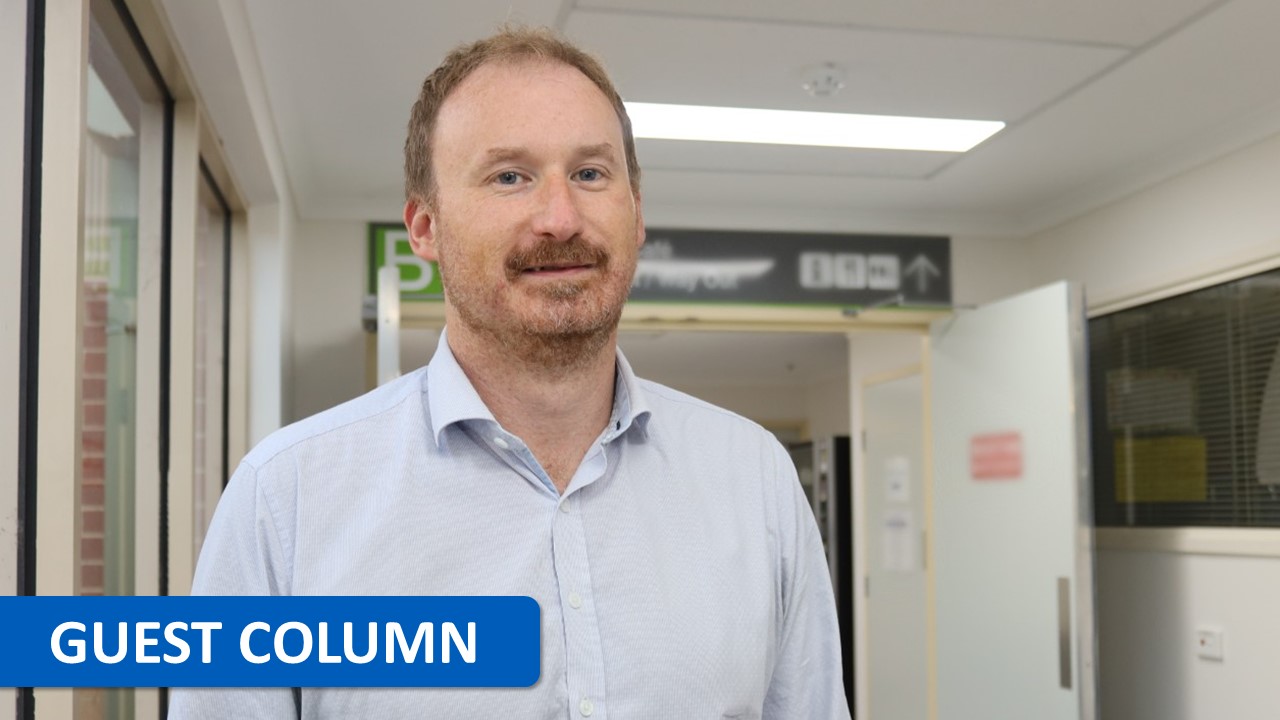
• Supporting local industry through COVID-19

    Supporting local industry through COVID-19

    ’Invention, it must be humbly admitted, does not consist in creating out of void but out of chaos.”
    Mary Shelly


    Personal Protective Equipment (PPE) is in demand for staff on the frontline of fighting COVID-19.

    When Nicholas Romeo, the Head Scientist and Lab Manager of the Respiratory Department at Northern Health, first heard of a possible shortage of PPE in a discussion with his head of department, Dr Katharine See, he decided to do something about it.

    He first asked himself, “Who could make PPE?” and fast concluded it needed a supplier with the ability to fold plastic.

    He ‘cold-called’ a few suppliers locally that make plastic folders and found Victor Stoyanaski, the most engaging in terms of wanting to assist.

    Victor, the proprietor of Norbind Plastics Pty Ltd., a 28 year old business in Epping, says at first he was sceptical – but decided he had nothing to lose. At the time Nicholas called, he had already stood down the majority of his staff, working them only in rotation.

    Victor it turns out was already supplying the plastic folders that we use at our bed-ends at Northern Health.

    That was Monday, 30 March. The same afternoon, he had ready a couple of prototypes and that Thursday had a finished prototype for Nicholas to share with the various stakeholders, including emergency department and theatre physicians.

    On being given the green light, Victor was in production on Friday and delivered his first order the next Monday. He is now in the process of delivering an additional ten thousand face masks to Northern Health.

    Now that he has got his first order under his belt, Victor is already investing on machinery to make cutting the material quicker.

    He says “I want to make it more efficient and then ramp up production.”

    Says Nicholas, “A very big thank you to Dr Katharine See for her assistance and facilitating the valuable feedback from all the physicians. It was great having the support of heads of department, executives, supply department and our respiratory medicine team to make this happen. It was also great to support local industry at this time. Hopefully we can support them into the future.”

    “Thank you Nicholas and Katharine for encouraging this initiative. We’re grateful for your resourcefulness and are glad we can support a local business”, says Basil Ireland, Chief Finance Officer.

    There’s none more grateful than Victor. He already has had enquiries both from Melbourne and interstate. “If not for Nicholas, I would be facing a very different business scenario. On behalf my team and myself, I can’t thank Northern Health enough, for thinking of local business at a challenging time like this for all of us.“

    “It’s true what they say ‘We are in this together’,’” says Victor.

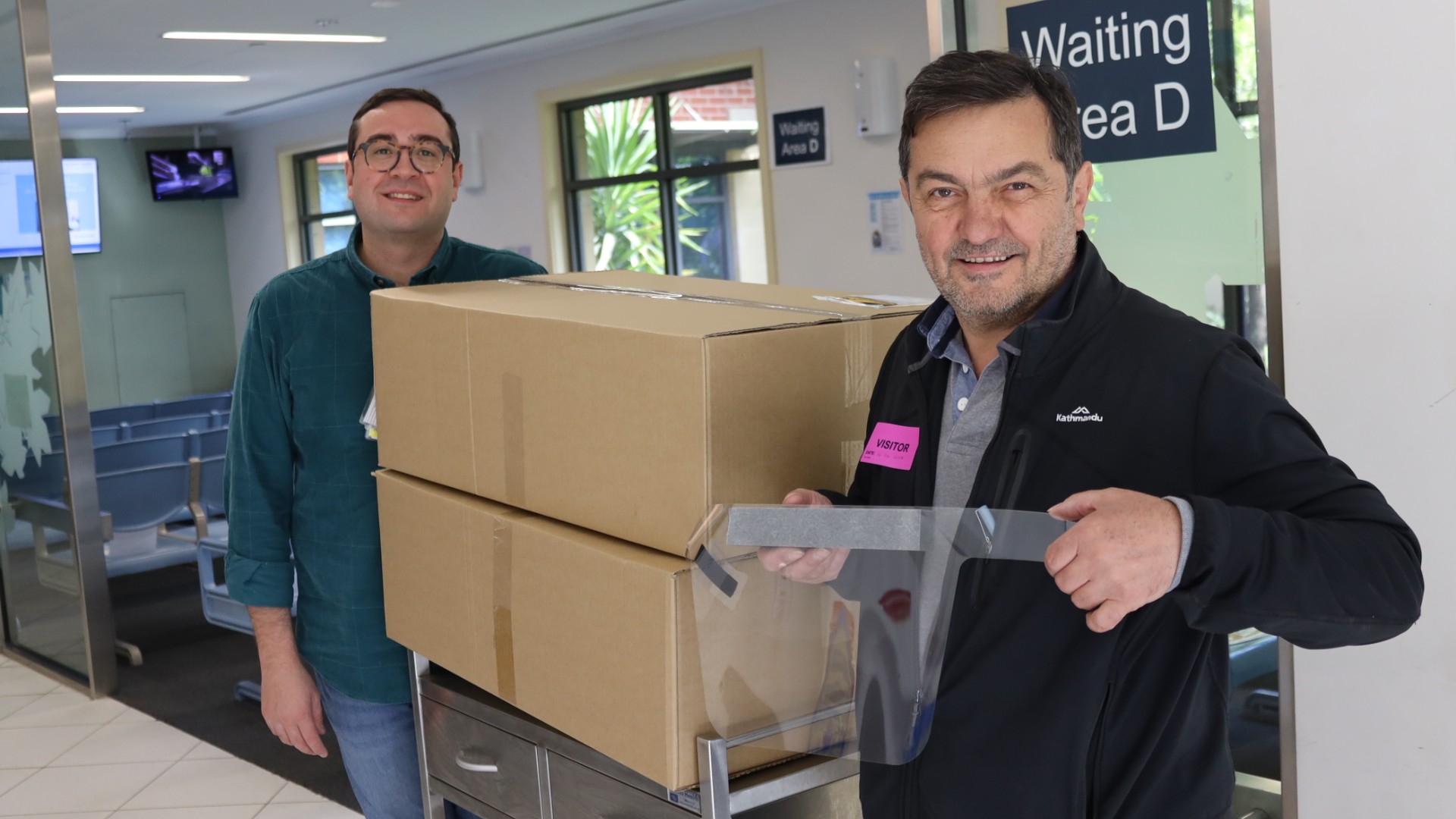
    Featured image show Nicholas Romeo on left with Victor Stoyanaski on right.

  • Creativity in a time of COVID-19

    Creativity in a time of COVID-19

    With increased physical distancing measures and stage three restrictions currently in place, our staff have been spending their days off, quite differently lately.

    A number of them have found creative ways to spend their time at home and express themselves through their cooking, sewing, weaving, gardening, photography, art – even dance and carpentry!

    Wanda Stelmach, our Director of Surgery, refused to let the lock-down get in the way of celebrating Easter with her 95 year old dad , who is in residential care.

    Not only did she prepare and deliver Easter eggs (the Polish version of coloured hard-boiled eggs) but also got to chat to him on Skype.

    Says Wanda, “I think it is important to observe these traditions at a time like this. Challenging as it was to get my dad to use this technology, it made his day – and mine!”

    Pets are a recurring theme – both as figurines (made by Danielle Wilding) and as companions (Olivia Wynne and Heidi McKenzie) and then there’s Steph Labourne’s rather bemused cat. Or is it annoyance, that there’s no food in sight?

    We are hoping to put Catharine Fowler, who made this incredible outdoor table below, in touch with John Ferguson, our Chief Medical Officer, featured in our gallery for his wood chopping skills. We think there might be a business opportunity here.

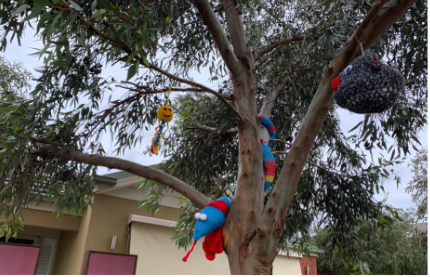
    Some have found their inner child – Yvonne Amos, our Foundation Director, has been ‘making silly animals for our front yard to keep the neighbourhood entertained’. We are not aware of any complaints from the neighbours – yet.

    From our picture gallery, it is very evident there is an abundance of talent out there.

    We would encourage staff to continue to send in examples of how staying at home can be both fulfilling and socially responsible.

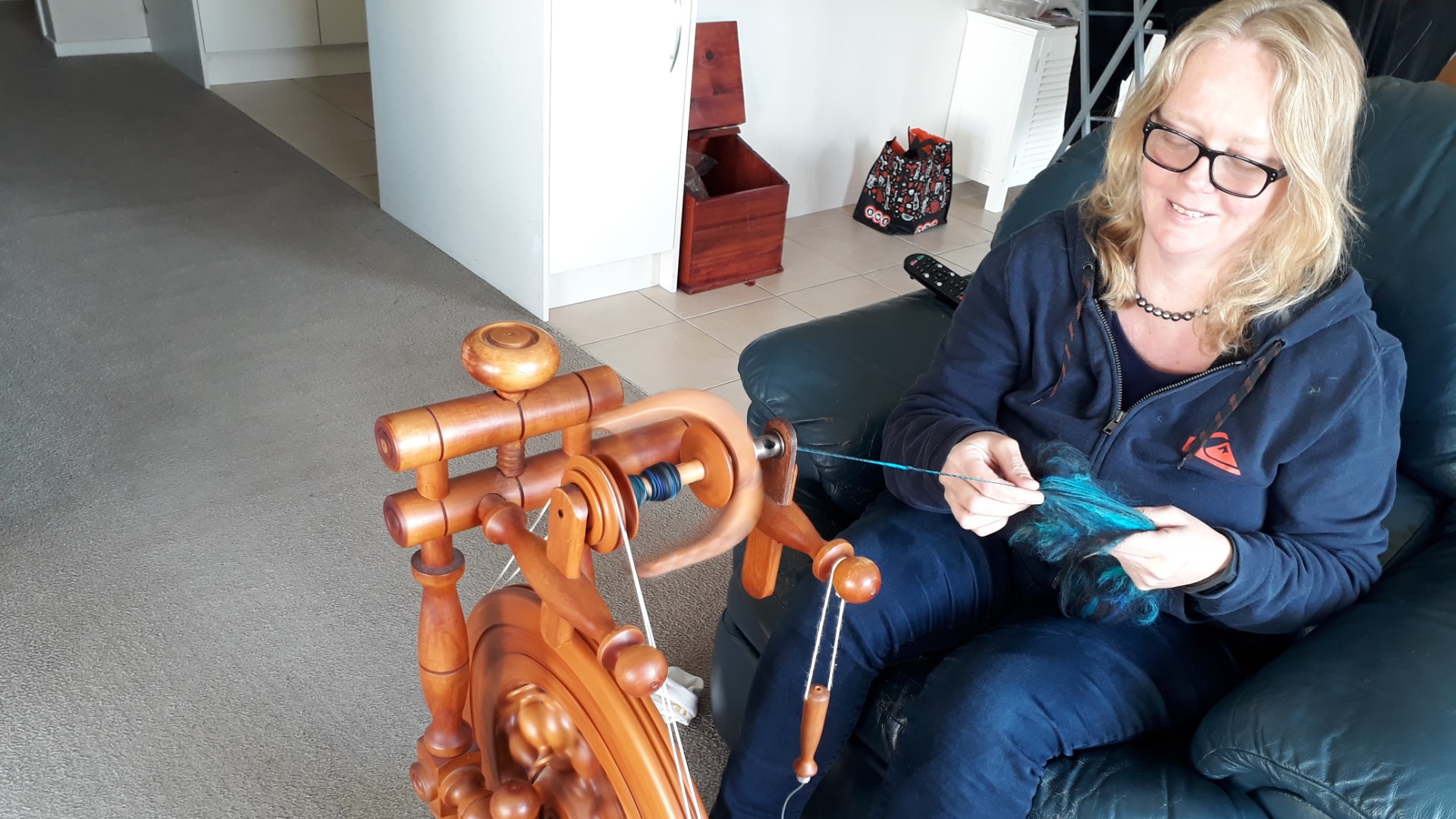
    Featured Image: Kim Scott who is in the front line at our Fever Clinic,  with her spinning wheel

  • PPE donation arrives

    PPE donation arrives

    A donation of valuable PPE equipment arrived yesterday to Northern Hospital Epping, with boxes of N95 masks and protective gowns.

    Lucy Liu, Vice President of MedFamily, the organisation behind the generous donation, said it all started because they wanted to help with PPE and to help hospitals fight COVID-19.

    Annie Cao, MedFamily member, said the reason the team is doing this is to pass on the message that we are all Australian and that together, we are stronger.

    “We are all related to the medical profession somehow – I am a dentist, Lin is a physiologist and her husband is a doctor at Northern Health, and Lucy used to be a doctor in China,” she said.

    Lin Lin’s husband, Dr J.K Chan is a visiting anaesthetist at Northern Hospital. Lin explained the donations are going to most major hospitals, but she has a special connection to Northern.

    “My husband works here and we live in Craigieburn so we know the northern area very well. There is a growing population in this area and we are very glad we could help,” she said.

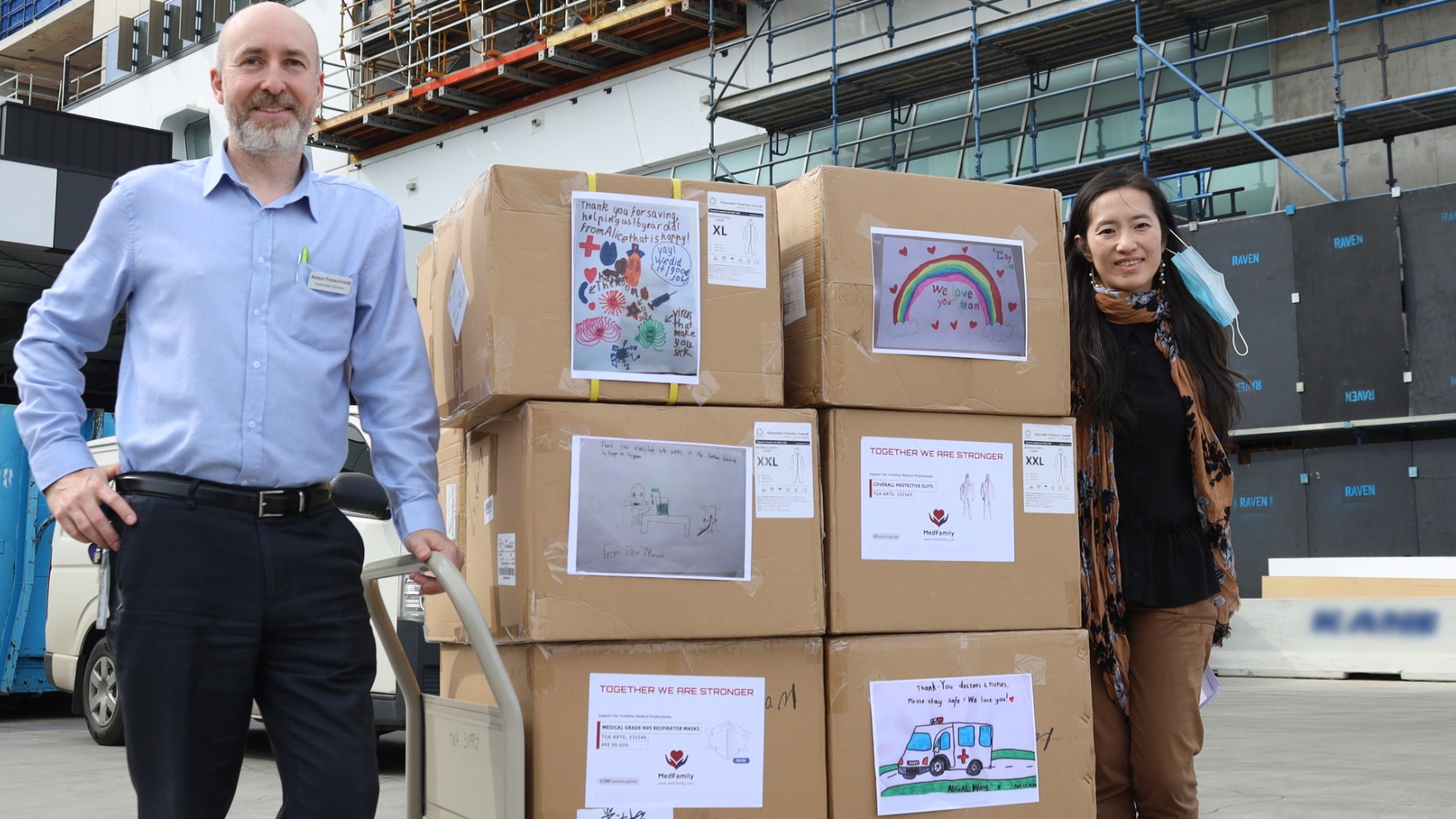
    The boxes were delivered to our supply team, with hand painted drawings and messages from the children whose families support the MedFamily.

    Featured Image: Anton Freischmidt from Supply and Lin Lin

  • New ‘Partnered Pharmacist Medication Charting’ model

    New ‘Partnered Pharmacist Medication Charting’ model

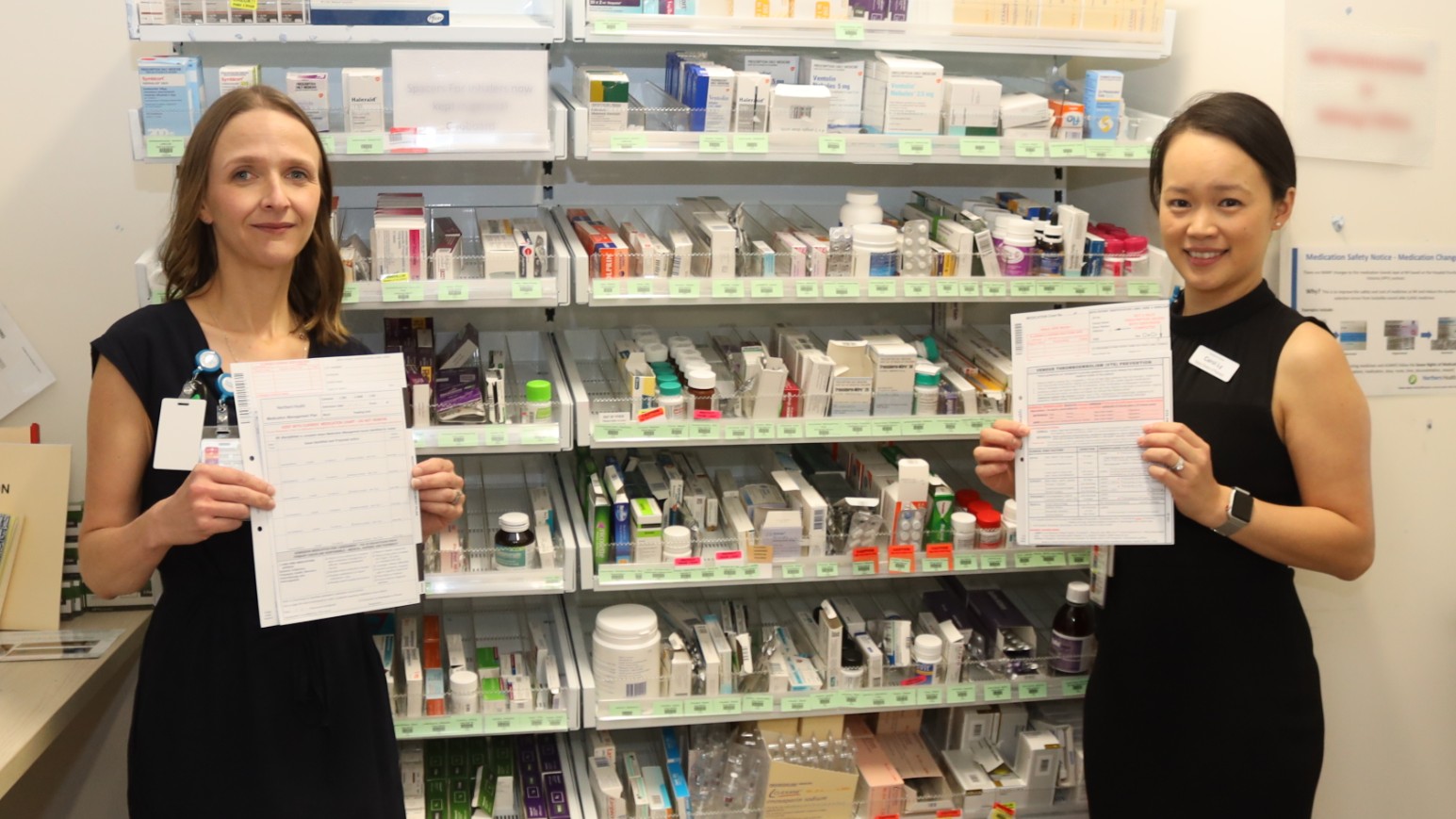
    Towards the latter half of the year, Northern Health Pharmacy will be implementing the Partnered Pharmacist Medication Charting (PPMC) model. This will allow for a more collaborative approach to improving patient care through the quality use of medications.

    Carol Ly, Deputy Director Pharmacy explained this model was developed to reduce the incidence of medication errors in an acute setting.

    “At the moment, doctors are only able to chart the medications that the patient presents to hospital with. The pharmacist then checks with the patient  and gets the full medication history. The pharmacist would also call the patient’s pharmacy, do the best possible medication history and check against the chart, identify problems and work with the doctors to fix it,” she explained.

    The issue with that approach arises when, for example, a patient presents to ED with just one medication, and is unable to communicate what else he or she is taking. The medical team would chart that one medication, even though the patient might be on five regular medications.

    “The new program would enable a pharmacist who has completed the PPMC competency training package and credentialing, to chart pre-admission medications, new medications and venous thromboembolism (VTE) prophylaxis in collaboration with the treating medical doctor, for patients admitted to either an emergency short stay unit or a general medicine unit,” she explained.

    Deanna Guy, Deputy Director Pharmacy, added that the idea is the pharmacist do the medication reconciliation and chart the medications themselves. With documentation of an accurate, best possible, medication history and medication reconciliation occurring on admission, patients will be more likely to have the correct medications charted from day one of the inpatient stay.

    “It’s about being there from day one and assisting the doctors with getting things charted correctly from the beginning. This would allow nurses and doctors to focus more on patient care, as the drug chart is only one part of overall patient care,” she added.

    “It is about being more proactive, rather than us coming and fixing medication charts later,” she explained.

    The process would include the pharmacist having a conversation with the doctor and saying “these are the medications the patient is currently taking, are there any other medications you wish to add to the list?”. Then the pharmacist would get a full sign off from the medical team and nurses can administer from their order.

    “It’s about improving medication safety and decreasing errors.  We were hoping to start in June, but due to COVID-19 pandemic, the initiative got delayed to potentially August,” she explained.

    This team-based approach between medical doctor and pharmacist allows for better integration of the skills and expertise of pharmacists into the multidisciplinary team, whilst also streamlining the prescribing process, avoiding duplication of work and potentially reducing the risk of medication errors. In other health services, this system has proven to save money and decrease length of stay.

    “Through the implementation of PPMC, we are hoping to introduce sustainable practice changes that increase workforce integration and satisfaction whilst, most importantly, improving the quality and safety of care for our patients,” Carol added.

    Featured image (left to right): Deanna Guy and Carol Ly


  • Keeping us safely connected: our ICT team

    Keeping us safely connected: our ICT team

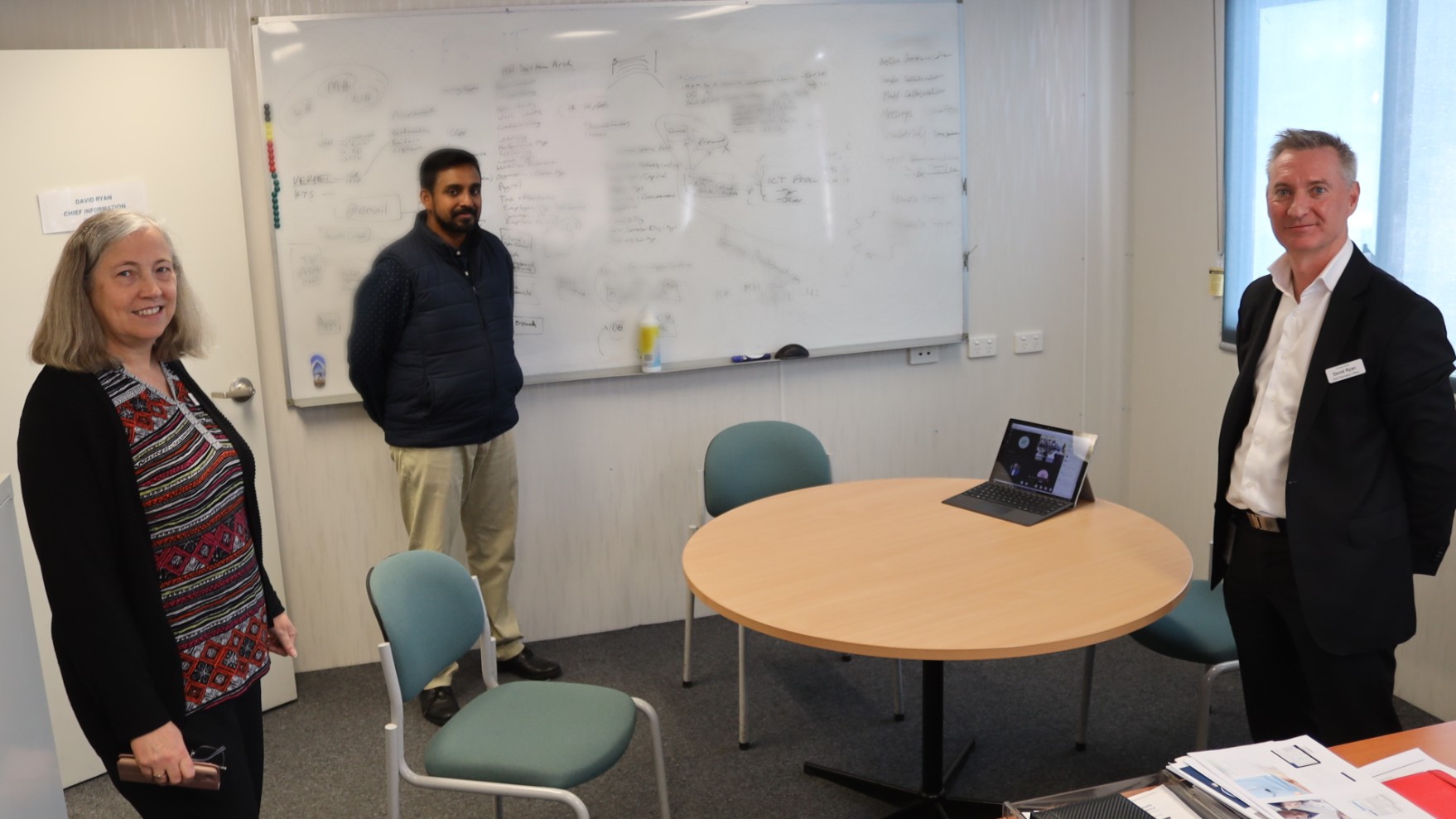
    In the past month, our Information and Communication Technology (ICT) team, has been working on numerous improvements and initiatives to help the organisation adapt to modified ways of daily operations.

    “These few weeks were really about setting up tools for video conferencing and remote working,” said David Ryan, Chief Information Officer.

    “We had to look at the tools the people have; things like Follow Me desktop, secure remote access etc. We found there wasn’t enough licences for everyone, so luckily we managed to get a whole range of services and licences to get us going. Now, any staff that is permitted to work from home remotely will be able to do so,” he explained.

    Another service that ICT has been working on is the SMS messaging.

    “Optus has provided us with a gateway to an SMS service. This means we can send out broad SMS messages to our patients if needed, or send messages to staff. There is also a direct gateway to Pathology, so patients can get their COVID-19 results through SMS. We can also target specific groups of patients with relevant information, like people over 65. The team has been working pretty hard to get that up and running,” David explained.

    Microsoft Teams is another priority tool for David and his team, which is currently under way.

    “Around a 1000 staff so far have been enabled for Teams and the next step is the actual installation of Teams to staff computers. As everyone uses a different type of computer, some will need to access it via the app or via web browser. Currently, our Executive, Incident Management team etc. meetings are all done that way,” he explained.

    Northern Health prefers Microsoft Teams to be used instead of Zoom.

    “The issue with Zoom is that is has security concerns. There is something called  ‘Zoom bombing’ where people join meetings they are not supposed to, usually by mistake. With MS Teams, that can’t happen because you have to be invited or have the link. Meetings also expire, and the links don’t last forever. It’s a one-time meeting link, which is very useful and safe,” David explained.

    “While we can’t stop other hospitals or organisations sending us a meeting link via Zoom, and will still need to participate at those meetings, our preferred platform at Northern Health will be MS Teams,” he added.

    Telehealth is another initiative that ICT has been involved with, looking at different platforms and options other hospitals are using.

    “Health Direct is a system used nation-wide and we are expecting to have our first telehealth appointment this week. Getting this up and running has been a big effort from different teams across the organisation,” he said.

    All these online conferencing tools are having a major impact on the Internet usage across the organisation.

    “To help manage the demand, we now have an upgraded Internet service. We now have 350 Mbits, which is a lot and now video conferencing should be a much easier,” David said.

    With numerous projects underway at the same time, David said the whole team is willing to jump in and help and go above and beyond.

    “They understand what is going on inside of the hospital. Our role is to keep the technology running, so that staff has all the tools required to keep them going,” he added.

    Featured image (left to right): Linda Heard, Boppin John and David Ryan from the ICT team.


  • Record number of twins in Northern Hospital Neonatal Unit

    Record number of twins in Northern Hospital Neonatal Unit

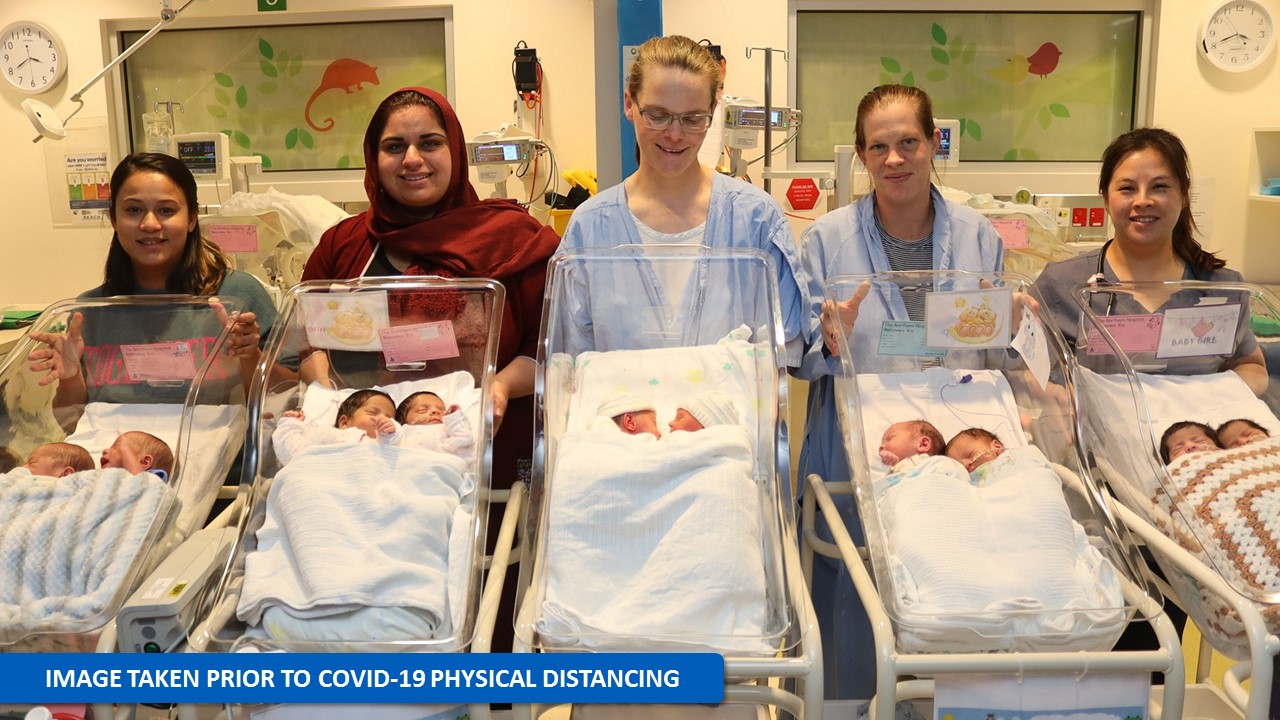
    In March, the Neonatal Unit at Northern Hospital Epping cared for five sets of twins – a record number of twins in the Unit at the same time.

    The twins were all born within days of each other, comprising of seven girls and three boys.

    Barbara Rischitelli, Neonatal Nurse Unit Manager, said, “We were delighted to provide care for these families and proud to be welcoming them into the northern community.”

    “The twins have all now been discharged, with the last set of twins able to go home to their families just a few days ago. They were all happy, healthy and growing – the parents even said they would keep in touch with each other.”

    In the last financial year, over 3,600 babies were born at Northern Hospital Epping.

    Our Neonatal Unit is a 17-bed level 5 nursery that cares for premature and unwell infants from as young as 31 weeks.

    We have expert Neonatologists and Paediatricians who are dedicated to looking after these vulnerable newborns, with designated 24 hour specialist care, and wonderful nurses who provide support for these families.

  • Channel 7 News: Northern Health prepared for COVID-19 pandemic

    Channel 7 News: Northern Health prepared for COVID-19 pandemic

    Our staff on the front line are working hard to protect our community.

    Yesterday, we welcomed Channel 7 News to Northern Hospital Epping to interview Associate Professor Craig Aboltins, Director of Infectious Diseases, and Madelaine Flynn, Infection Prevention Manager, about our response and preparedness for the COVID-19 outbreak.

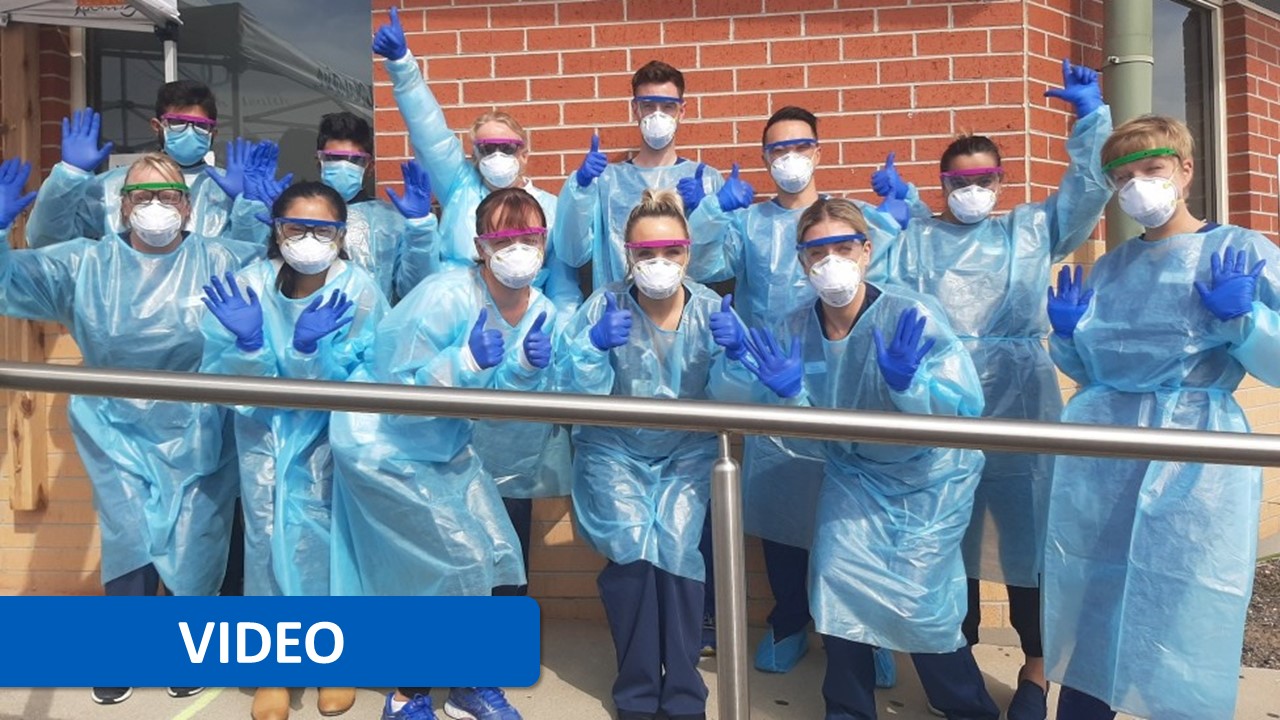
    Our Fever Clinic at Northern Hospital was established early March to safely screen for potential COVID-19 cases. The clinic is open seven days a week from 9 am to 8 pm and has seen over 2,400 people since commencing. 45 people have tested positive to COVID-19 through our Fever Clinic, with the majority of them recovering at home in isolation.

    The Fever Clinic also has dedicated times for staff who require testing, from 7.15 am to 9 am.

    Doctors, nurses, PSA’s and ward clerks all work in the clinic together to help maintain a safe screening environment for community members who meet the criteria for testing.

    Natasha Knapic, Emergency Department Associate Nurse Unit Manager and Project Manager of the Fever Clinic, said, “Our clinic staff look out for one another as well as the community. We have really good communication in the clinic and a great sense of team work. Thank you to all of our Fever Clinic staff for their hard work.”

    The clinic is a joint collaboration with many different departments who all contribute to the smooth running of the clinic every day, including pathology, security and individual wards.

    Across Northern Health, we are creating capacity to ensure we are equipped to care for a large volume of patients in the coming months, which includes having a dedicated COVID-19 ward which can be activated at any time should we need to.

    Infection Prevention Manager, Madelaine Flynn, said, “We’re very proud of our dedicated staff and how they are responding to the rapidly changing situation. We are all banding together and supporting each other so we can look after our community.”

    Watch the Channel 7 TV stories below, including important messages for the community from some of our staff members.

  • Q&A with Dr Christian McGrath on COVID-19

    Q&A with Dr Christian McGrath on COVID-19

    When COVID-19 pandemic started, Dr McGrath, General and Infectious Diseases Physician took the role of clinical leadership for the COVID-19 response at Northern Health. He has been answering staff questions through regular Chief Executive Forums which were live streamed across campuses.

    Today, he further explains how we are preparing our pandemic response and offers some advice and guidance to our staff. 

    What is your role in managing COVID-19?

    I got the role of the clinical leadership by being at the wrong place at the right time, if I can say that. I have experience in dealing with emerging infectious diseases, as I was working at the Department of Health during the Ebola outbreak response. Infectious diseases physicians are familiar with these scenarios and have acted in numerous roles to stop infections from spreading in health service environments.

    What is Northern Health doing to prepare?

    There are a few aspects.

    Today, there is a number of things we need to have in place: we have to keep our staff safe, but also care for the community. That includes applying new case definitions to identify cases, making sure all precautionary measures are in place to keep our staff safe from an infection control point of view; and there is also planning, which allows us to continually evolve and adapt.

    Some of the examples of our preparation include not forgetting there are other patients too, so planning to be able to continue our other operations is still happening. In terms of COVID-19 patients, our core areas are ED, the wards and ICU. The Fever Clinic now acts as an area where people at the risk of COVID-19 can be treated safely. As the number of cases increases, we can cohort patients together on a dedicated ward.

    ICU also have significant plans to expand their capacity to look after a large number of patients, as required. As the situation progresses, we are making sure to identify patient populations at risk of infection and making sure we are not getting COVID-19 cases in other hospital  populations.

    What are we seeing at this stage? Where are we at now?

    The good news is that the total number of cases we are seeing in the populations we are testing is coming down, as a rate. Even though the overall numbers are still going up, the rate of increase is dropping, and that’s what flattening the curve means.

    Part of that can be attributed to the fact that there are fewer international travellers returning to the country, which do make up the bulk of the cases. The part that we now need to keep an eye on is the number of cases in the community in people who haven’t travelled overseas or had a close contact. The whole point of social distancing is reducing that community spread.

    What can be the turning point?

    If the 25 million variables, which are the people of Australia, practise social distancing very well and people don’t congregate, there is no way for the virus to spread. That is how we can get control of these viruses. All these measures together, and testing widely to identify those cases, will act to reduce the risk of a significant spread. One measure can’t work on its own, it’s a number of things working together. This way of life will become a new normal for at least a few months.

    Everything that has been done in Australia so far is done to prevent us from becoming like New York, Spain or Italy. There are really good and promising signs we are not going to be like Italy or the US, as we have all these measures brought in so early. In all these places, and Wuhan as well, a lot of these measures were brought in place when community spreading had already started.

    What are some of the lessons you would like to share?

    Infectious diseases is a really tricky space, especially when they are emerging and when we can’t rely on the normal pathways of peer-reviewed journals or articles. We are now relying even on Twitter feeds to keep us up to speed on what’s happening. That is a whole new world and a whole new way of looking at medicine.

    That said, we have learnt a lot from previous infections like this, like MERS or SARS and I think while we need to be dynamic and innovative, we need to be careful that we have a measured, pragmatic response that fits our circumstances. We are in a completely different set of circumstances to the US or Italy so just because they are doing something, that doesn’t mean that is right for Australia too. But we can learn from it.

    What are some of the things you would like our staff to know?

    Firstly, the whole reason for having a COVID-19 response plan is to make sure we can look after our patients safely whilst also protecting our staff. That’s what it’s all about. We need to work within the physical environment that we have and the resources that we have. It’s about knowing that there is a lot of things that go into infection control to keep us all safe. That includes things like physical changes to the building, changes to the way the air is handled throughout the building and early case detection, using PPE, and increased cleaning. We can’t make this a zero-risk environment, but we are doing the best we can to ensure we are safe as we can be to do what we need to do. For that reason, we will be well set up to care for our patients much better compared to some other places around the world.

    What are some of things medical professionals can learn from a pandemic like this?

    I think it will reinforce something a lot of us already know, and that is that working in a health care service is at the best of times a challenge due to resource limitations and the like. The minute we face a challenge like this, it exposes just how thin some parts of the health system are and I think a lot of clinicians will be feeling that, and the stress and anxiety that comes from that. We are here, we are with you and we will do the best we can to look after our community.

    You mentioned stress and anxiety. What are some of the things you do to de-stress and what would you advise staff?

    It is a challenging time and all this is unprecedented in our lifetime. It’s normal to be anxious.

    To get my mind off COVID-19, I now have a habit of turning off my emails on my phone when I get home. I am purposefully restricting how much media I read and I try to stick with the facts.

    I do have a lot of friends who are non-medical who are helping me with this. We go for bike rides or fitness in the park, respecting social distancing. I recognise that stress and anxiety is a big part of all this, and part of this is because we don’t know what is coming. Getting actual facts from reliable sources really helps with that.

    Knowledge is power.