• Care Economy Cooperative Research Centre

    Care Economy Cooperative Research Centre

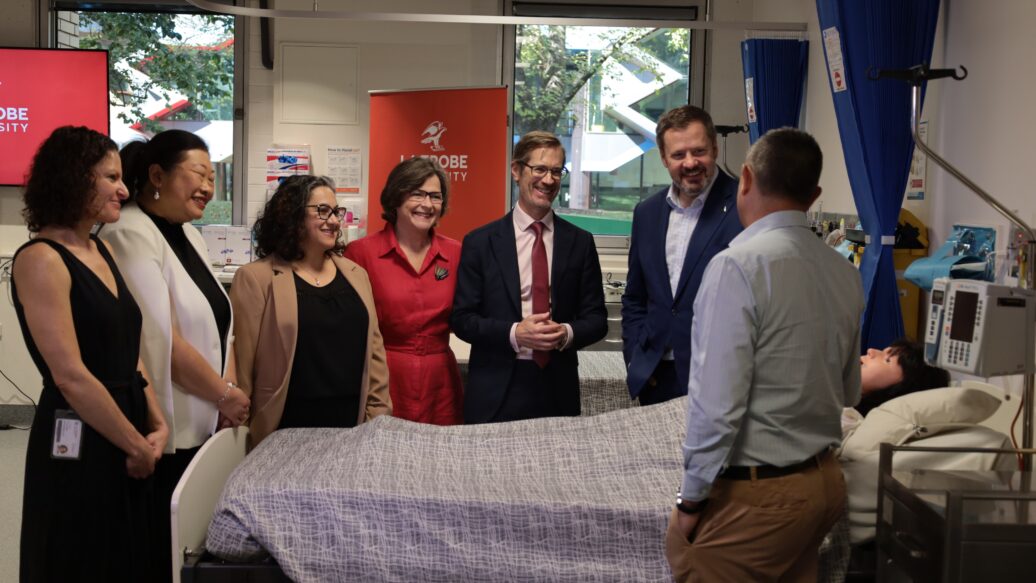
    The Care Economy Cooperative Research Centre (CRC) has received $35m of federal funding through Round 25 of the CRC grants.

    The Care Economy CRC is a $129 million partnership of 60 organisations across Australia, including Northern Health, collaborating on care technology, data solutions, and workforce initiatives.

    The consortium aims to develop and implement innovative solutions to improve care over the next decade. Based at La Trobe University in the Research and Innovation Precinct, the CRC will support development of care technology, apps and interfaces, connected information systems, navigation and decision support tools alongside workforce skills development, and new technology-enabled models of care.

    Partners include leading technology organisations and research institutions working together with aged care, community healthcare, disability services, early childhood education, family services, housing, mental health, wellbeing, and youth services.

    Professor Donald Campbell, Divisional Director of Design and Discovery, said there was a strong alignment between the strategic objectives of Northern Health and the Care Economy CRC.

    “Participation will enable Northern Health to move healthcare focus from bricks and mortar facilities to supported ecologies of care, and realise its strategic goal of promoting a healthier community by helping embed and connect ‘Staying Well’ initiatives into both hospital and community care,” he said.

    “It will also better understand our patients and community needs and their lived health experience in context of the evolving Care Economy. We can train a workforce which can connect acute and community care in new and affordable ways and implement technologies which help people support their own health at home using modern IT platforms.”

    “This necessitates working with broad based partners who share a well-developed vision of how to shape a thriving Care Economy. We look forward to working with Latrobe University partners and the CRC for the Care Economy.”

    Deena Shiff, Care Economy CRC Chair, said they have brought together a broad coalition who, working together, can improve care in these important sectors.

    “We express our gratitude to La Trobe University for the work that has gone into bringing together these parties who can drive change,” Deena said.

    Carmela Sergi, Interim CEO, Care Economy CRC, said the care economy is a rapidly growing part of Australia’s economy, affecting the lives of many Australians.

    “The CRC is dedicated to encouraging innovation and supporting change to achieve contemporary and sustainable future care,” she said.

    To read more about the Care Economy CRC, please click here.

    Featured image: Care Economy CRC launch.
  • Construction begins on the Ambulatory Care Centre

    Construction begins on the Ambulatory Care Centre

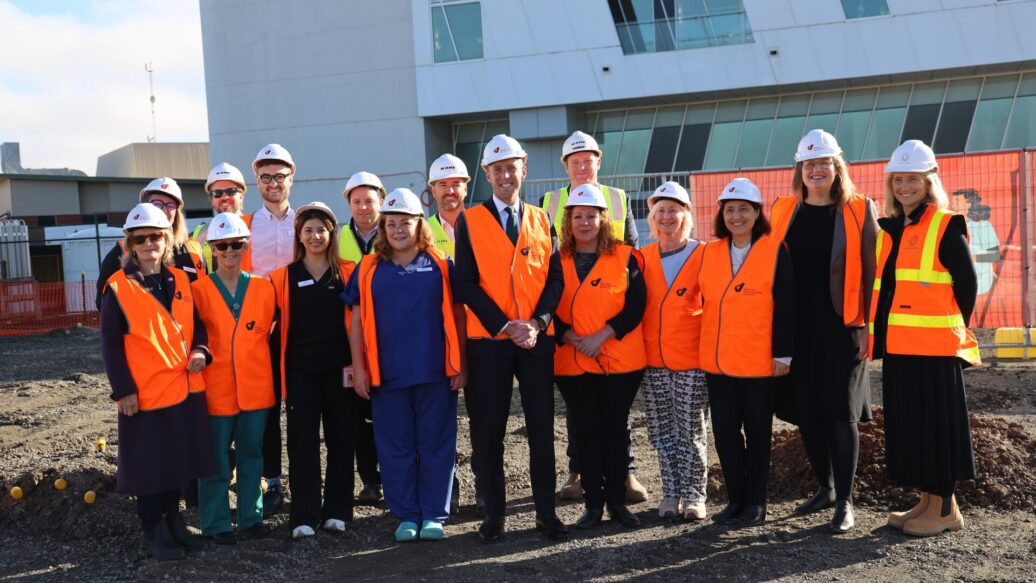
    Construction has started on the first stage of the Northern Hospital Redevelopment Project (NHRP).

    Stage one of the project includes the Ambulatory Care Centre (ACC) – a new four-storey standalone building to provide a dedicated space for outpatient and ambulatory services, clinical care and hospital administration. This will create a central hub to support the needs of Melbourne’s growing northern suburbs into the future.

    Premier Jacinta Allan, Minister for Health Infrastructure Melissa Horne, and Minister for Health Mary-Anne Thomas, visited Northern Hospital Epping earlier this month to turn the first sod on the redevelopment.

    “Our massive upgrade of the Northern Hospital emergency department means local families will continue to get the best care and treatment – faster and closer to home,” said Premier Jacinta Allan.

    State Member for Mill Park, Lily D’Ambrosio, said, “stage one of this redevelopment will play a key role in supporting northern suburbs families – delivering better care and creating good local jobs.”

    Once the ACC is completed, expected in mid-2026, the second stage of the Redevelopment will begin, which will deliver a new emergency department and inpatient unit tower, fronting Cooper Street.

    The new ED and tower will include a dedicated paediatric zone, a specialised mental health and alcohol and other drugs hub and an emergency observation unit.

    The $813m redevelopment will expand and improve facilities to include almost 200 treatment spaces, and support 30,000 more emergency patients each year and ensure families in Melbourne’s growing northern suburbs can access the care they need, close to home.

    The project is expected to be completed in late 2029.

    Render design of the ACC building
  • International Nurses Day: Our Nurses. Our Future.

    International Nurses Day: Our Nurses. Our Future.

    Nurses are at the heart of our health system – caring for lives, families, and communities every day.

    Today, 12 May, Northern Health proudly celebrates International Nurses Day.

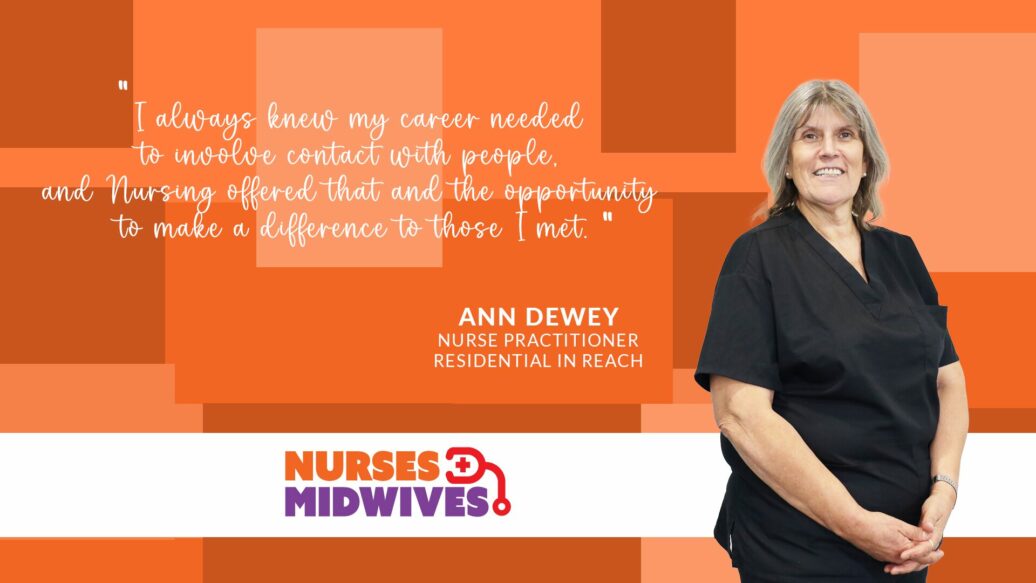
    In line with this year’s theme, “Our Nurses. Our Future. Caring for nurses strengthens economies,” we’re sharing reflections from our very own Ann Dewey, Nurse Practitioner with our Residential in Reach service, who provides specialist care to aged care residents.

    Q. What does International Nurses Day mean to you?

    International Nurses Day is a day to acknowledge and celebrate the fabulous work all nurses do, regardless of clinical speciality or geographical setting.

    Q. What motivated you to choose a career in nursing?

    I always knew my career needed to involve contact with people, and nursing offered that and the opportunity to make a difference to those I met. The fact that it could also allow me to travel while working sealed the deal.

    Q. Can you walk us through your professional journey in nursing?

    It all began on the other side of the globe at University College Hospital in London, back when nurse training was hospital-based. I went on to complete post-basic qualifications in intensive care and cardiothoracic nursing, and worked in both specialties.

    Some years later, after a long working holiday, I found myself in Melbourne. Here, I completed my degree along with a variety of postgraduate certificates.

    Several children and many jobs later, my career took a new direction. I went on to complete a master’s degree – first in gerontology, and then, when it became available, a nurse practitioner qualification in aged care.

    I now work with the In Reach Service, providing specialist care to those living in Residential Aged Care, helping to avoid unnecessary hospital presentations.

    Q. What keeps you inspired and driven in your role?

    Anyone I encounter who finds innovative solutions to resolve problems makes me believe I can do the same. These individuals renew my enthusiasm and truly inspire me. Having a great team to work with also makes a big difference – their professionalism, skill, and patience on a daily basis continue to carry me forward.

    Q. Is there a patient story or moment of care that has left a lasting impact on your heart?

    I will never forget the first injection I gave all those years ago. I was a very nervous and inexperienced student, shaking far more than the patient. The smile and thank you I received came as a completely unexpected surprise and, to be honest, a huge relief. I never forget those who show kindness, especially when it’s shown to me.

    Q. What message would you like to share with your fellow nursing colleagues?

    The small things we do can make a big difference to the people we do them for. Never forget that, and no matter how tough the day gets, there will always be something in it that makes the effort worthwhile.

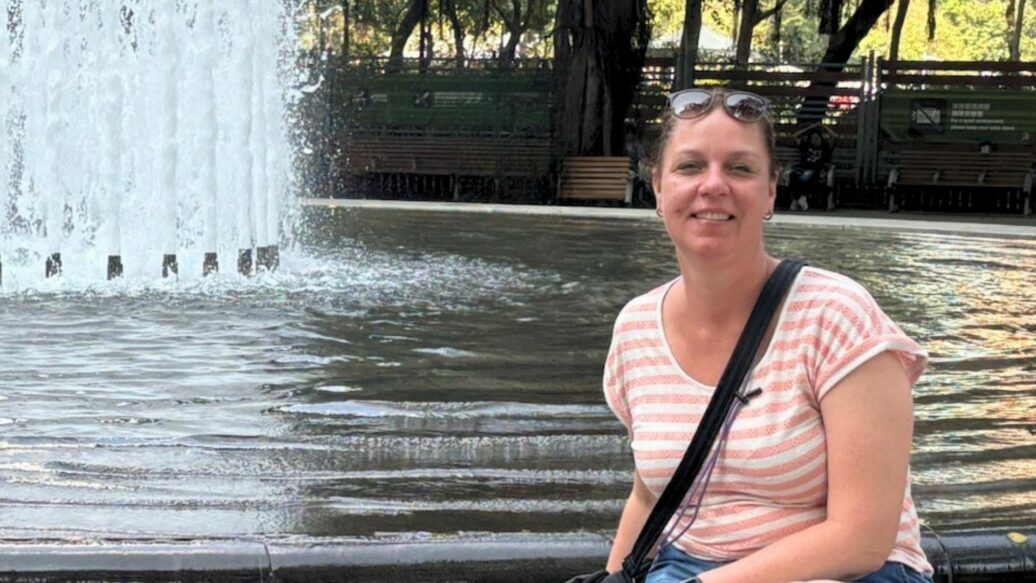
  • Get to know: Nicole Psaila

    Get to know: Nicole Psaila

    #WeAreNorthern

    This week, Northern Health is celebrating International Day of the Midwife and International Nurses Day. Today, we share the thoughts of Nicole Psaila, Postgraduate Program Coordinator – Nursing & Midwifery and Perioperative Clinical Nurse Educator, Nursing and Midwifery Education Unit, Northern Health.

    Q: What is your coffee order?   
    Skinny latte or maybe a mocha for a change.

    Q: Tell us about your career journey.
    I began my nursing career at Northern Health as a graduate in 1998 as part of the very first cohort of just eight nurses! While I always knew theatre was my calling, my time with Unit B and Annie Fraser made the start of my journey so enjoyable that I stayed until February 2000.

    After completing my Postgraduate Certificate in Theatre, I’ve remained in the theatre environment ever since. In 2005, I joined the theatre education team as a Clinical Support Nurse and became a Clinical Nurse Educator (CNE) in 2010. I completed my Master of Clinical Education in 2017.

    In 2019, I was promoted to Postgraduate Program Coordinator while continuing part-time in my CNE role – positions I still hold today. I’ve also had the privilege of stepping into the Director of Education role temporarily, this has been both a challenge and a privilege to lead the team of educators at Northern Health.

    Last year I began my research career and published my first paper. A lot of hard work but so exciting to have my work published with the support of the Australian College of Nursing Emerging Research Leader program.

    Q: What inspires you?
    I am a huge nerd! I am inspired to continue to learn and to make a difference in the lives of those around me. I pride myself on supporting the wellbeing of others and am now undertaking my Professional Doctorate at La Trobe University where I am researching the preparedness of nursing educators to support nursing student wellbeing in the clinical setting.

    In my spare time, I coach and play netball (I should have retired from competitive netball a very long time ago but it’s in my blood!) and I love sharing my knowledge and passion for the sport with young netballers.

    Q: Tell us about a particular student/patient interaction that has really stuck with you.
    As a graduate nurse I once had a patient’s relative tell me I was a terrible nurse and I didn’t care about anyone. I was shocked, upset and hurt when I had worked closely with this family and patient for a week. I received amazing support from the ANUM and NUM on that ward and learnt a lot about how stress comes across from families.

    This has stuck with me through my nursing career and reminds me how vulnerable our junior nurses are to criticism and is part of the reason I am passionate about wellbeing support of our nurses.

    Q: As someone who works across both nursing and midwifery, what does International Day of the Midwife and International Nurses Day mean to you?
    To me as an educator, it makes me reflect on the privilege I have personally had in training and supporting nurses to make a difference with high quality skills and knowledge and impact positively on patient experience and outcomes.

    It makes me proud to see my students working capably and some now in  management roles at Northern Health and other health services, and to know I helped to grow them.

    Q: Do you have a message for your students? 
    I always start orientation with my goal for each and every student I come across. “I am not here to make you a good nurse, I am here to support you to become a great nurse!”

    Q: If you could listen to any song for the rest of your life, what would it be?
    Too many to mention. I love music and the way it can articulate how you feel in any given situation. There is a song for everything.

    Q: What would your perfect weekend look like?
    Anything to do with travel, really. I love being out and about in the world. But if I had to choose, my grandmother turned my entire extended family into Disney fanatics from a young age. So my perfect weekend would be a trip to Disneyland with the family wearing Mickey Mouse ears and enjoying the happiest place on earth!

  • Kilmore District Hospital hosts its annual candlelight vigil to honour victims of domestic abuse 

    Kilmore District Hospital hosts its annual candlelight vigil to honour victims of domestic abuse 

    “Let me take a small step, to get the help I need. It must be out there, let me plant the first seed” – Sue Ellson.

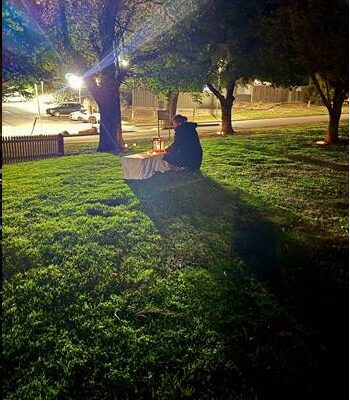
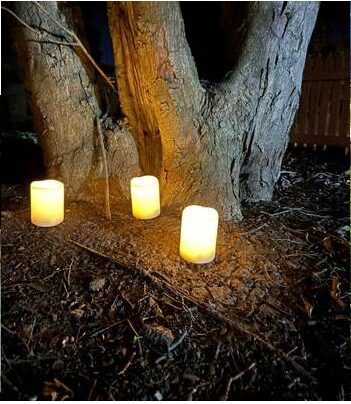
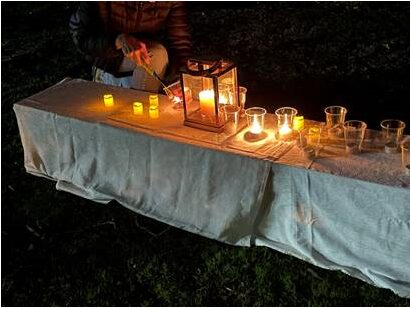
    Last night, under a quiet evening sky at Kilmore District Hospital’s Rose Garden, the glow of candlelight brought warmth and reflection as the local community gathered to remember the lives tragically lost to family and domestic violence.

    The hospital’s historic bluestone building was awash in purple light – a symbol of strength, solidarity, and commitment to ending the silence that so often surrounds this national emergency.

    Held on National Family Violence Remembrance Day (Wednesday, 7 May) during Domestic Violence Prevention Month, the vigil offered space for grief, hope and renewed determination. It was part of a statewide series of memorials coordinated by Safe Steps, Victoria’s family violence crisis service.

    For five years, Kilmore District Hospital (KDH) has stood with others across the state in this powerful act of remembrance.

    Nurse Educator and Associate Nurse Unit Manager Regula ‘Regi’ McKinlay, one of the organisers, said, “For the last five years, KDH has joined the Safe Steps evening of reflection and remembrance to honour the memories and help bring light to this national crisis by lighting a candle and illuminating the heritage hospital building in purple. The space created at the Candlelight Vigil invites staff and community members to remember, grieve and connect in sharing their own story of how they have been touched by the lives lost due to family violence. It is a powerful and healing time experienced collectively.”

    Each year, the vigil grows in resonance, not just as a memorial, but as a call to action. Stories shared on the night served as reminders of the people behind the statistics – individuals whose lives were forever changed or cut short.

    Tanya Ellis, Strengthening Hospital Responses to Family Violence (SHRFV) Program Manager, says, “Family violence is a serious health issue that has a profound impact on the psychological and physical well-being of victim survivors. The hospital system is a critical entry point for many victim survivors, which presents an opportunity for identification, response and referral.”

    “At Northern Health, we all have family violence responsibilities, and we have introduced mandatory training for all staff members and volunteers. It is a significant achievement that our workforce has completed the Family Violence MARAM Mandatory Training.  However, to further strengthen our response to family violence we continue to build on our knowledge and skills in this area to ensure we provide the highest standard trauma-informed care to our patients”.

    Tanya reminds staff to please ensure to use the Family Violence MARAM Screening & Identification Tool when working with a patient at risk of family violence. The Tool is trauma-informed and best practice in identifying and responding to family violence and is located on PROMT and EMR.

    Amanda Dashwood, Specialist Family Violence Advisor in the Mental Health Division, would like to remind attendees of the legislative backing in place, “Family violence is not just a social issue — it’s a breach of fundamental human rights. Under the Family Violence Protection Act and the MARAM Framework, we have a duty to screen and respond with care and consistency.”

    The statistics are harrowing:

    • So far in 2025, 23 Australian women have been killed – many as a result of male violence. Seven of these deaths occurred in just one week.
    • In 2024, 78 women lost their lives to gender-based violence — an average of one every four days.
    • Police in Victoria respond to a family violence incident every six minutes.
    • 30% of these incidents involve children witnessing the trauma.
    • Aboriginal women are 33 times more likely to be hospitalised due to family violence compared to non-Indigenous women.
    • In 2023–24, more than a quarter of people seeking homelessness services did so because of domestic violence.

    If someone you know may be experiencing family violence, here’s how you can help:

    • Let them know you’re there. Even if they’re not ready to talk, your presence matters.
    • Listen without judgement. Believe them. Never place blame.
    • Check in regularly. Continue to offer support without pressure.
    • Share resources. In emergencies, call 000. Provide contacts for professional help.

    Training and Support Available

    Tanya says, “Family violence definitely does not discriminate. On National Family Violence Remembrance Day, it is important to highlight that our staff members and volunteers also experience violence in their personal lives. The SHRFV Program and the OHS & Wellbeing Team have worked together to establish the Family Violence Workplace Support Program. The program is designed to identify, respond to and support our staff members at risk of family violence.  Family Violence Contact Officers (FVCOs) have been implemented in People & Culture. FVCOs are designated senior staff members specifically trained to identify and respond to family violence in the workplace”. FVCOs can be contacted on 8405 8034 or via email: nh–familyviolencecontactofficer@nh.org.au.

    Key Services:

    • Safe Steps (24/7): 1800 151 188
    • The Orange Door: 1800 319 355
    • 1800 RESPECT (24/7): 1800 737 732

    Together, as health professionals and as a community, we can help prevent further loss, break cycles of violence, and ensure every person feels safe, seen, and supported.

  • VVSC wins Innovation Value-Based Health Care Award

    VVSC wins Innovation Value-Based Health Care Award

    On Friday 2 May, Northern Health’s Victorian Virtual Specialist Consults (VVSC) leadership team was delighted to receive the Value-Based Healthcare Award (VBHC) for Innovation at the 2025 VBHC Congress.

    Chosen amongst 80 nominations across the country, the award recognises VVSC’s transformative approach to improving access to specialist expertise across the state. VBHC aims to improve the value of care, meaning better health outcomes for patients at a lower or sustainable cost.

    The 2025 VBHC Congress held in Melbourne, highlighted the transformation required to improve not only patient outcomes but also the sustainability of the Australian health system. As part of the Congress, the VBHC awards aimed to recognise achievements made in redefining healthcare delivery to people and communities.

    The VVSC is a first of its kind service in Australia, utilising video co-consultation with community providers to provide timely and equitable access to specialist expertise across the state.

    “VVSC replicates the ‘corridor consult’ that hospital providers leverage when advice is needed,” says Joanna Lawrence, Director of VVSC.

    “It is transformative, enabling patients to receive care when and where they need it, rather than when it is available.”

    The Innovation award acknowledges the work VVSC does to provide specialist care differently.

    “The collaborative consultation model supports Victoria’s community and rural-based workforce with partnership development and upskilling to keep patients in their own communities,” says Morgan Rayner, GP Engagement Lead and Physician in VVSC.

    VVSC now offers over 28 different specialties across almost 50 clinical sessions per week. More information is available at vvsc.org.au.

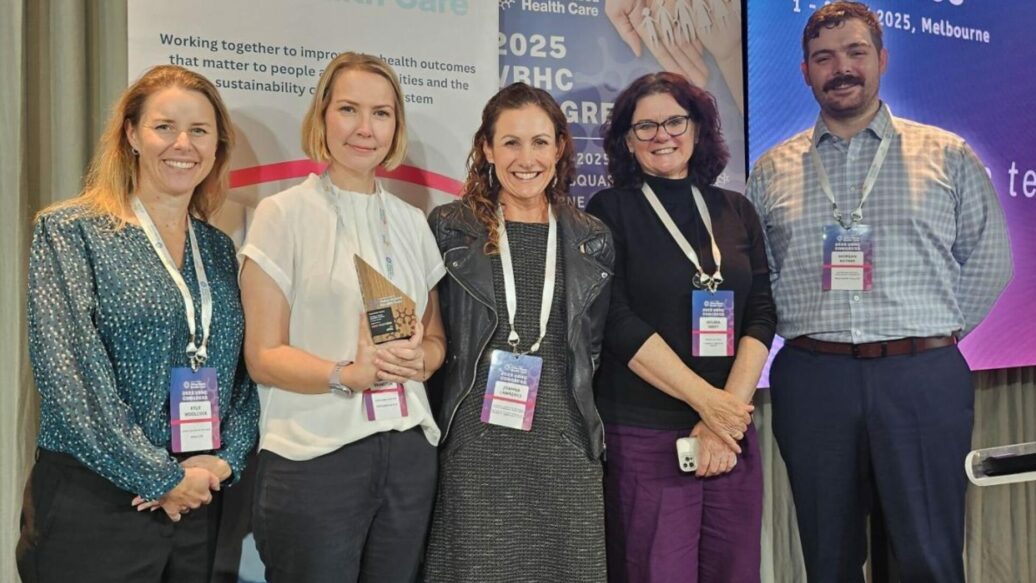
    Featured image L-R: Kylie Woolcock, Chief Executive Officer of AHHA (Australian Healthcare and Hospitals Association), Cassie Bramston, Director Operations, VVSC, Dr Joanna Lawrence, VVSC Director, Melissa Sweet Editor-in-Chief Croakey Health Media, and Dr Morgan Rayner GP Engagement Lead VVSC.

  • Northern Health shines at the Australian Pain Society Annual Scientific Meeting

    Northern Health shines at the Australian Pain Society Annual Scientific Meeting

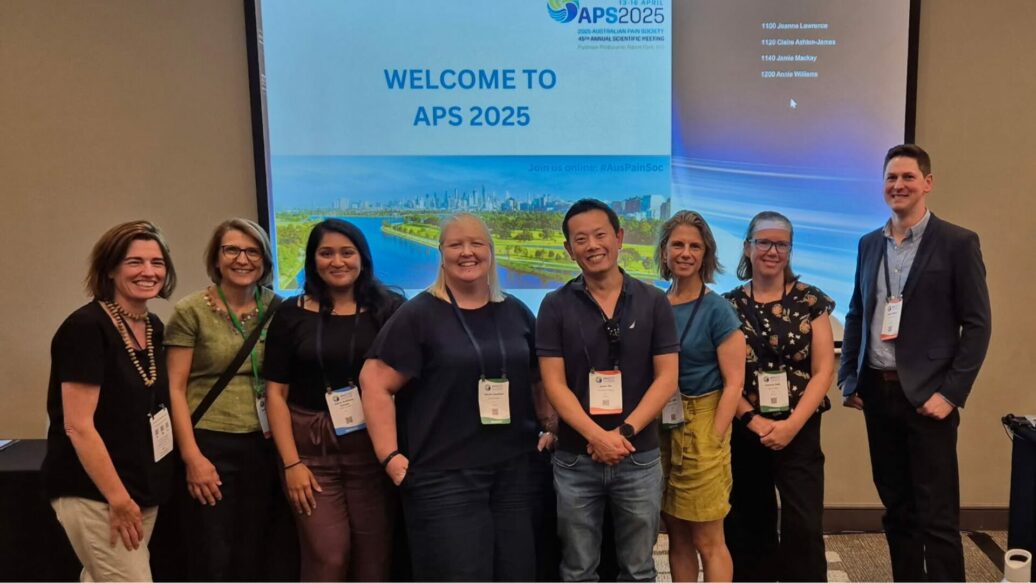
    Northern Health was proudly represented at this year’s Australian Pain Society (APS) Annual Scientific Meeting, held in Melbourne in April.

    The event brought together clinicians, researchers and celebrated speakers from across the country and internationally to explore the latest in pain management and research.

    Northern Health played a key role in shaping the conversation. Our very own Pain Management Nurse Practitioner, Nicole Gauthier, convened the Acute Pain Workshop, drawing strong attendance and praise. The full-day workshop featured a number of expert speakers, including several from Northern Health. The event was sold out and used the largest room available.

    “It was a very good day—so relevant and interesting,” one attendee commented.

    Another attendee said, “There was a great variety of topics, and it was really well done.”

    Letty Bastian, Northern Health’s Emergency Department (ED) Nurse Practitioner, presented on an innovative new initiative providing acupuncture in the ED for patients with back pain—highlighting a practical, evidence-informed approach to managing acute presentations. Dr Jamie Mackay and Dr Joanna Lawrence also delivered insightful presentations during the Acute Pain workshop.

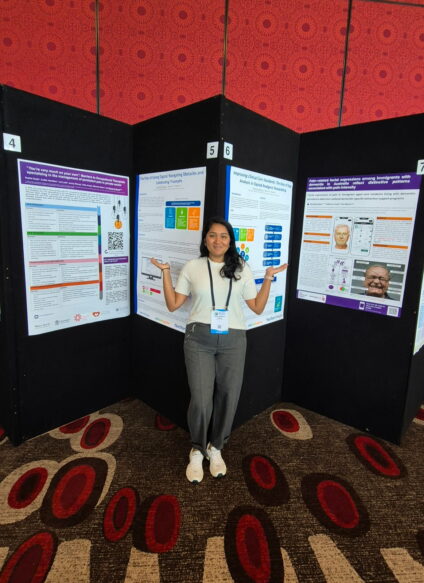
    Adding to the success, Northern Health’s Analgesic Stewardship Pharmacist, Joyce Anthony, had two research posters accepted to the national conference, showcasing the organisation’s ongoing commitment to advancing pain management and patient safety through research and innovation.

    “It was fantastic to see so many Northern Health faces leading and contributing to discussions about acute pain care,” said Nicole Gauthier.

    “It reflects the strength and dedication of our team and our commitment to improving outcomes for patients.”

    Northern Health’s representation at this year’s conference highlights our commitment to providing innovative pain management for our patients.

  • International Day of the Midwife: Critical in Every Crisis

    International Day of the Midwife: Critical in Every Crisis

    Midwives are the heroes of millions of stories.

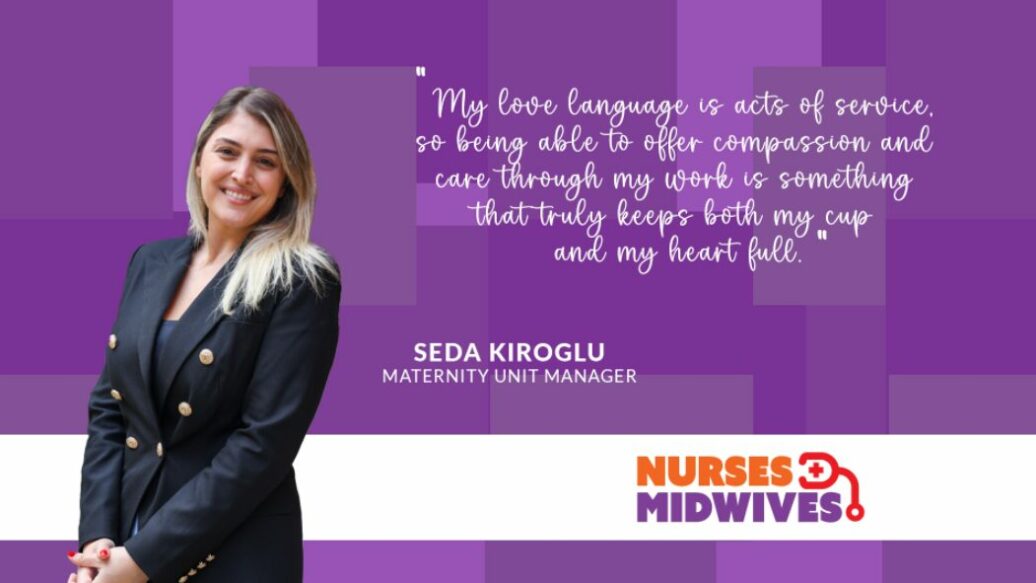
    Today, 5 May, Northern Health is celebrating the International Day of the Midwife. To mark the occasion, we’re sharing the thoughts of our very own Seda Kiroglu, Midwifery Unit Manager for Maternity, Birthing Support, Maternity in the Home, and Specialist Breastfeeding Services.


    Q:  What does International Day of the Midwife mean to you?

    A: To me, the International Day of the Midwife is a powerful reminder of the incredible role midwives play — not just in bringing new life into the world, but in supporting families and creating a safe space during some of their most vulnerable moments. It’s a day to celebrate the quiet strength, compassion, and skill it takes to guide someone through birth. It also feels like a call to recognise and honour the dedication midwives show, often working long hours, making personal sacrifices, and continuously advocating for better, safer births. Personally, it reminds me of the trust and courage that exist between a midwife and the families they care for — and how midwives help shape healthier futures for every life they touch.


    Q: Why did you want to become a midwife?

    A: I wanted to become a midwife because I have always been an empathetic person, and I have found birth to be one of the most fascinating and beautiful experiences in life. Being able to witness and support a woman and her family as they bring new life into the world is something very close to my heart. My love language is acts of service, so being able to offer compassion and care through my work is something that truly keeps both my cup and my heart full.


    Q: Tell us about your journey to become a midwife.

    A: I initially completed my Bachelor of Nursing and undertook my nursing graduate year at another health service. In 2015, I commenced my Postgraduate year of Midwifery at Northern Health, and I have been here ever since, working in various midwifery roles. I have now been in the NUM role for the past three years.


    Q: What inspires you?

    A: There are many things that inspire me to come to work every day. One of them is the new challenges I face regularly. Challenges aren’t necessarily negative – in fact, I see them as positive opportunities for growth, both personally and for our health service. Every woman and her family has their own unique story and experience, and being able to be part of that, or to create a space where families feel safe and supported, is a huge source of inspiration for me.

    As a manager, I aim to lead by example by consistently reflecting the values of Northern Health, as well as the core values of midwifery, to my team — so that this can flow through to the care we provide to our patients and their families.


    Q: Tell us about a particular patient or care interaction that has really stuck with you.

    A: There have been many interactions that have stayed with me over the years, but one that is especially close to my heart was during my time as a Domiciliary Midwife. I was visiting a patient who had recently given birth, and when I saw her name, it felt familiar, but I wasn’t sure if it was just a coincidence. As soon as her husband opened the front door, we instantly recognised each other, and I was hit with a wave of emotion. A few years earlier, I had cared for them when they sadly lost their first baby.

    For me, it felt like a full-circle moment – a sense of closure. While nothing can change the loss they experienced, seeing them now, with their newborn, knowing they finally had the chance to experience the joys they missed out on before, was incredibly special. It was such a bittersweet moment for all of us. We sat together, reflecting on the years that had passed, the journey through their grief, and now, celebrating the arrival of their beautiful baby.


    Q: Do you have a message for your midwifery colleagues?

    A: You can never stop striving to be a better version of yourself – both as a midwife and as an individual. Each woman, each birth, and each interaction shape the midwives we are today. Some days may be tougher than others, however, even though we are passengers on a woman’s birthing journey, we are also there to guide them, helping to make their road to bringing new life into the world as smooth as possible. Our role is to help them navigate around the potholes and impending roadblocks – and when some challenges are unavoidable, we are there to walk beside them, every step of the way.