• Turning the sound down for recovering babies

    Turning the sound down for recovering babies

    Our Northern Health Neonatal Unit is committed to providing the very best care to our littlest patients. This includes creating an optimal environment for babies to recover – the quieter, the better. Therefore, a key focus for the unit is to reduce noise levels as much as possible.

    Thanks to fundraising by our dedicated volunteers and with the help of Northern Health Foundation, the team have recently installed a ‘Sound Ear’ to measure noise levels within the unit. The noise measuring device records sound levels and displays them visually, so staff working in the unit can easily see if levels become too high. The device can also be used to record levels over a continuous period in the unit.

    Barbara Rischitelli, Neonatal Nurse Unit Manager, explained the challenges with increased noise within a hospital environment.

    “Increased noise is common in hospitals due to medical equipment, staff and visitors. Noisy environments can delay the recovery and rehabilitation process, resulting in longer treatments for patients,” Barbara said.

    Premature birth is a very sudden change to the sensory environment of a newborn, so the team are focused on creating the safest environment for preterm babies to thrive in as they grow and develop.

    “When a premature baby is born, their sensory systems are not well-developed, so they don’t have the ability to block out excess noise. Brain development in babies is greatest within the last trimester (often the time that premature babies are on the ward),” Barbara explained.

    The environment conditions of a Neonatal Unit can therefore lead to behavioural and physiological stress responses, so the Sound Ear device aims to minimise neonatal distress by controlling the sensory environment.

    “Sleep and development of premature babies can be protected by ensuring sound levels are at 45 decibels. Achieving this, has shown to have positive effects on brain development,” Barbara said.

    “There are many sounds on the wards that can now be measured, which will give the team data on the highest risk noises and help forward planning for the Neonatal Unit – to provide the best care to our babies,” Barbara said.

    “Not only does a quiet environment facilitate recovery, it also leads to better sleep patterns and improved wellbeing for babies, parents and staff.”
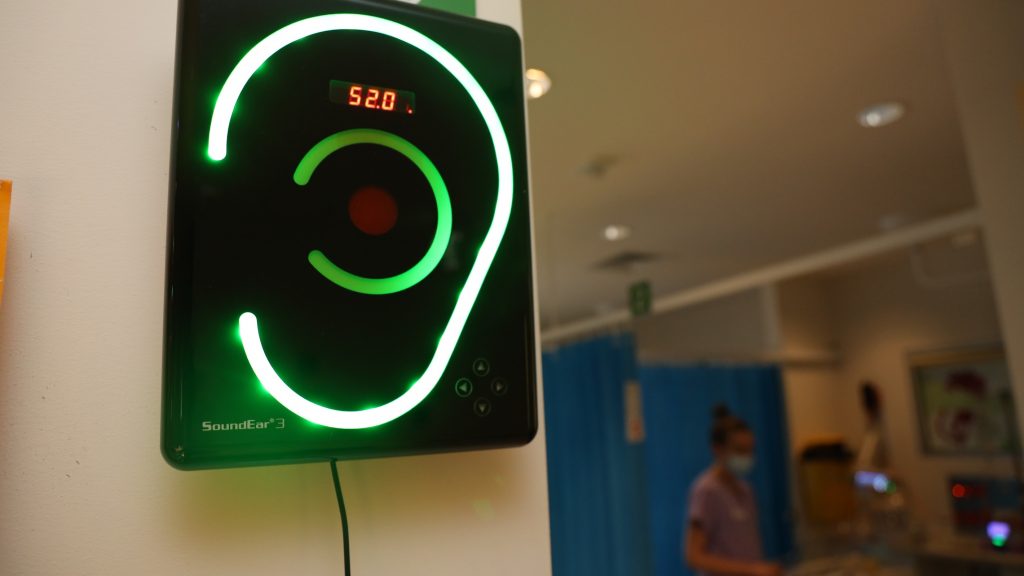
    When levels go over 45 decibels (pictured here), the team work to reduce noise in the unit.

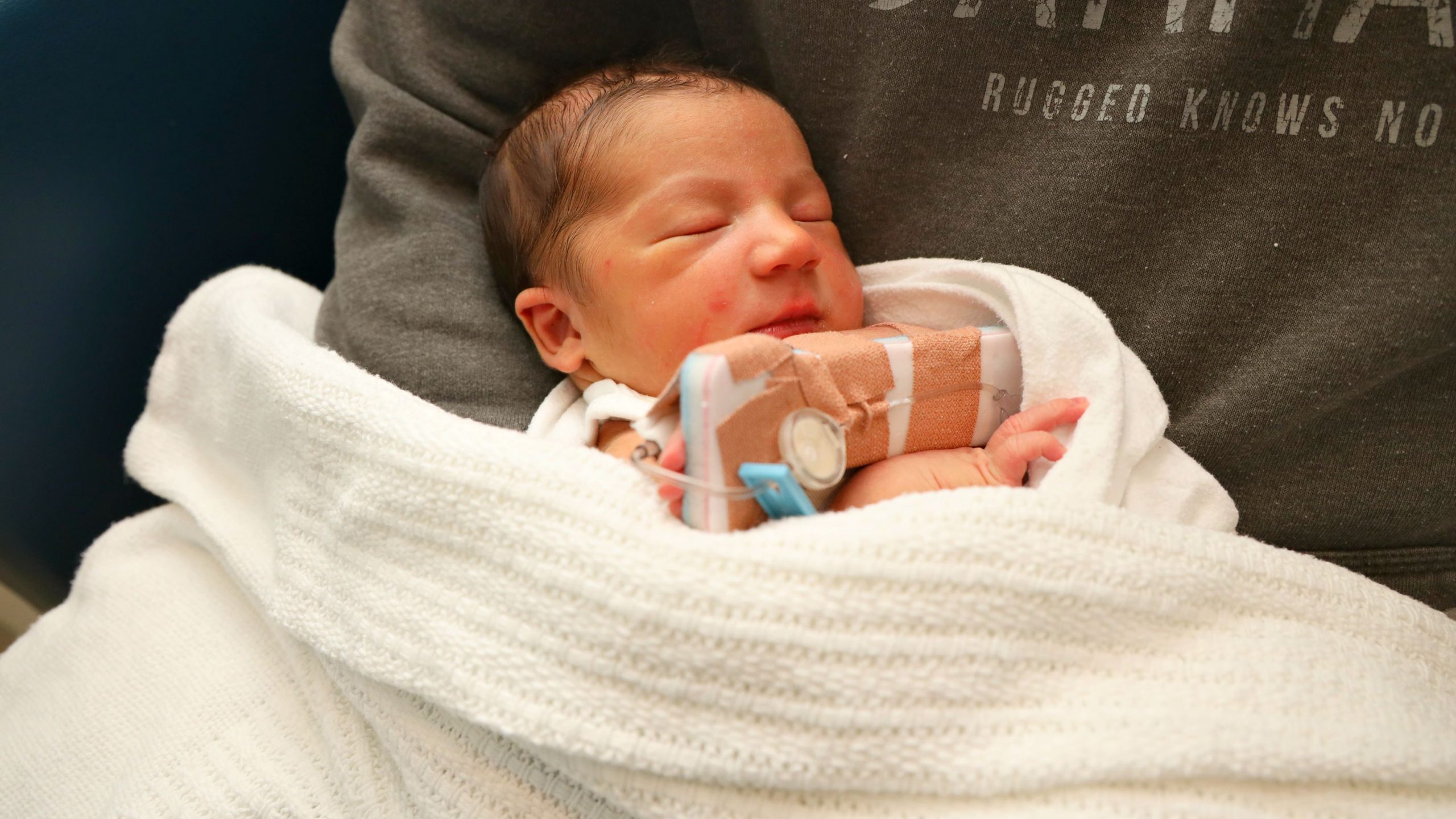
    Featured Image: Baby Henry sleeping soundly 
  • Happy Allied Health Professional’s Day!

    Happy Allied Health Professional’s Day!

    Today is Allied Health Professional’s Day, an international event that was started in 2018 by two clinicians in the UK to celebrate who allied health professionals are, what they do and why they are valuable.

    Jim Sayer, Director of Allied Health, says he is really proud to lead Allied Health at Northern Health.

    “Our 400 staff in allied health are all passionate about improving the quality of our  patients’ lives,” he said.

    Jim chose the profession of physiotherapy after touring as a young athlete, which included a team physiotherapist, exposing him to this career path.

    “I always imaged it would be great to tour the world as a sports physiotherapist. Maybe the international travel as a sports physiotherapist didn’t happen for me, but the profession is still rewarding,” he added.

    His colleague, Jimmy Goulis, Senior Outpatient Physiotherapist, has a similar story – he loved sports and was often injured, which introduced him to the world of physiotherapy early.

    “I always like reading about the human body and I also like helping our culturally diverse community. One of the great things of working here is the variety in your role – from research, to patient contact as well as emergency experience,” he said.

    Hien Pham, Speech Pathologist, said she enjoys working in allied health because they work as part of a multi-disciplinary team.

    “We look at all aspects of patient’s wellbeing and life – and it’s great to improve someone’s quality of life. I am inspired when I see my patients improve their communication after a stroke and when I support them to communicate on the wards,” she said.

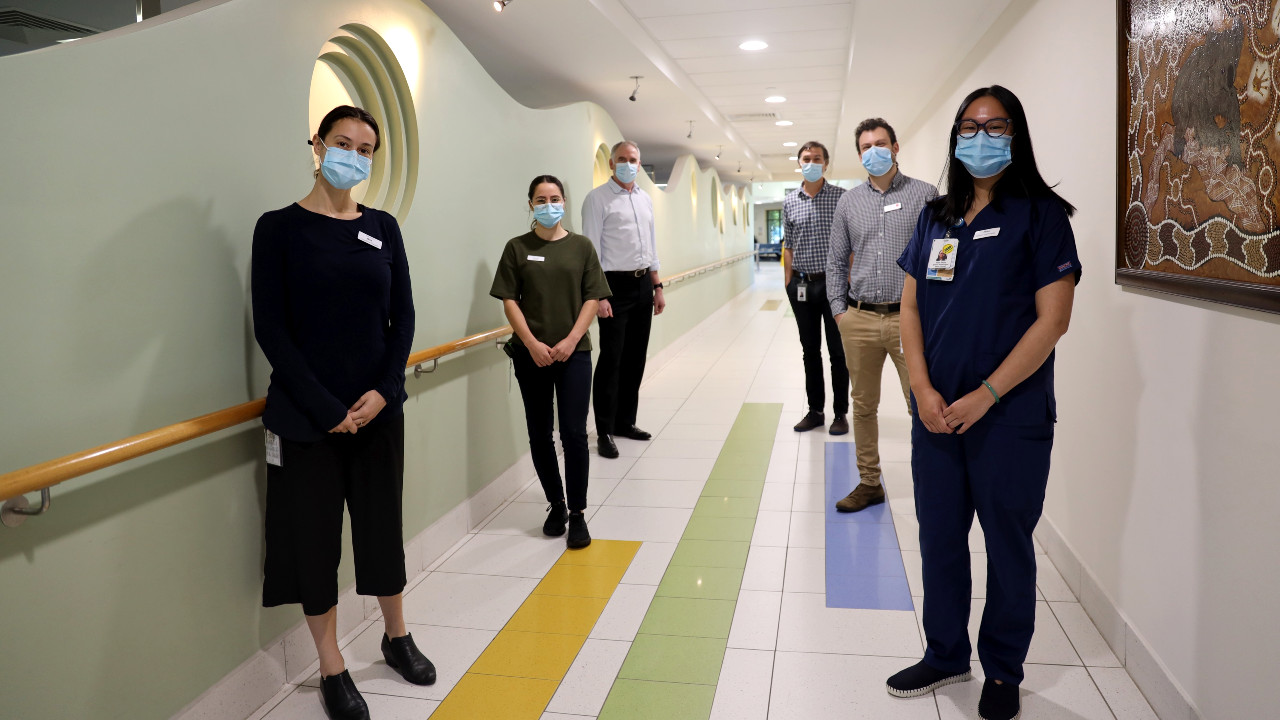
    Her colleagues Elaina Vatcky, Orthotist,  Bond Romeo-Mutch, Social Worker and Gee Kasmawan, Occupational Therapist, agree that helping patients achieve their independence, working in a supportive team, and improving someone’s quality of life are the main reasons they choose their profession and enjoy coming to work every day.

    International Allied Health Professionals’ Day is a social movement to recognise the contribution of Allied Health Professionals to patient care and population health, and a chance to get to know and celebrate skills and achievements with Allied Health Professionals across the world.

  • New Anticoagulation Stewardship service launches

    New Anticoagulation Stewardship service launches

    On World Thrombosis Day, our new Venous Thromboembolism (VTE) and Anticoagulation Stewardship service commences, marking a milestone of collaboration between our haematology and pharmacy departments.

    Cynthia Donarelli, our inaugural VTE and Anticoagulation Stewardship Pharmacist, explained we are the second organisation in Victoria to have this service, which will provide support to patients with complex anticoagulation needs.

    “The pharmacy team liaises with haematology to put together the best possible management plan for a patient. The primary focus of the service is to reduce adverse events related to anticoagulation and to optimise the treatment of venous thromboembolism. We are aiming to improve patient health outcomes, recovery, minimise bleeding and any other risks. We will be reviewing inpatients with complex anticoagulation needs and follow them up as outpatients early post discharge. As pharmacists, we will go through their appropriate medications and make sure they are all safe and appropriate, and that patients understand how to take medications,” she explained.

    Part of Cynthia’s role is to provide education for patients, nursing, medical and allied health staff, and eventually to GPs and local pharmacies, to help raise awareness of the service, as well as importance of anticoagulation management.

    Dr Prahlad Ho, Divisional Director Cancer Services and Specialist Clinics, said the Anticoagulation Stewardship service is a project the team has been working on for a very long time.

    “This service is a combination of all the hard work and collaboration between our pharmacy and haematology teams, as it will help reduce hospital-acquired complications, which is one of critical hospital KPIs. We are doing well, but there is room for improvement,” he said.

    Today is World Thrombosis Day and Dr Hui Yin Lim, Haematologist and Thrombosis Lead, added that raising awareness that thrombosis can affect a lot of people, both inpatients and outpatients, is important.

    “As health care professionals, that is something we need to look for and proactively try to prevent. One of the key things in management of thrombosis is anticoagulation, and it’s very important that our staff are properly trained in administering anticoagulation, ensuring it is safe for the patient,” she explained.

    For more information on this new service and referral details, please have a look at the Anticoagulation Stewardship Intranet Page.

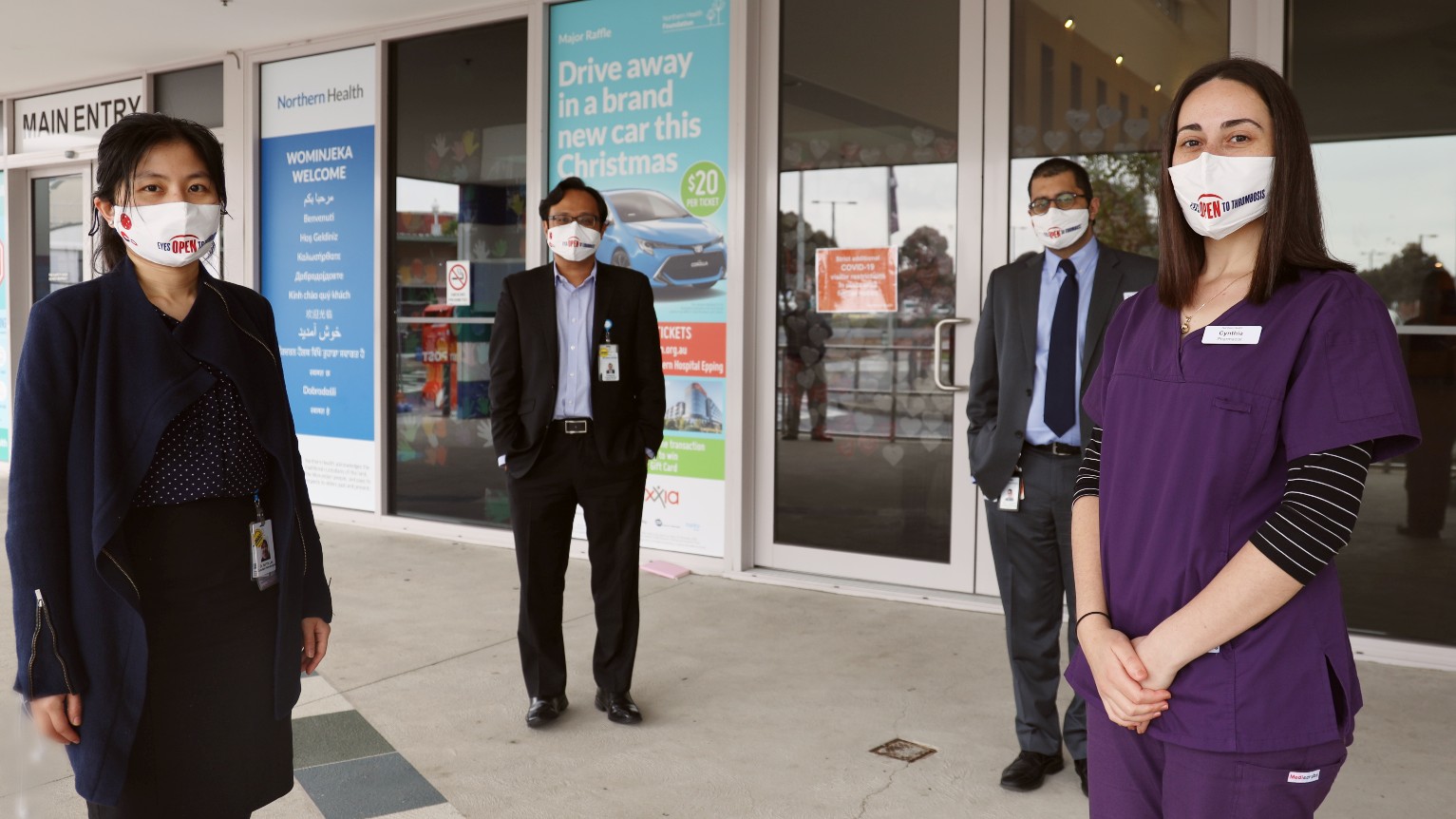
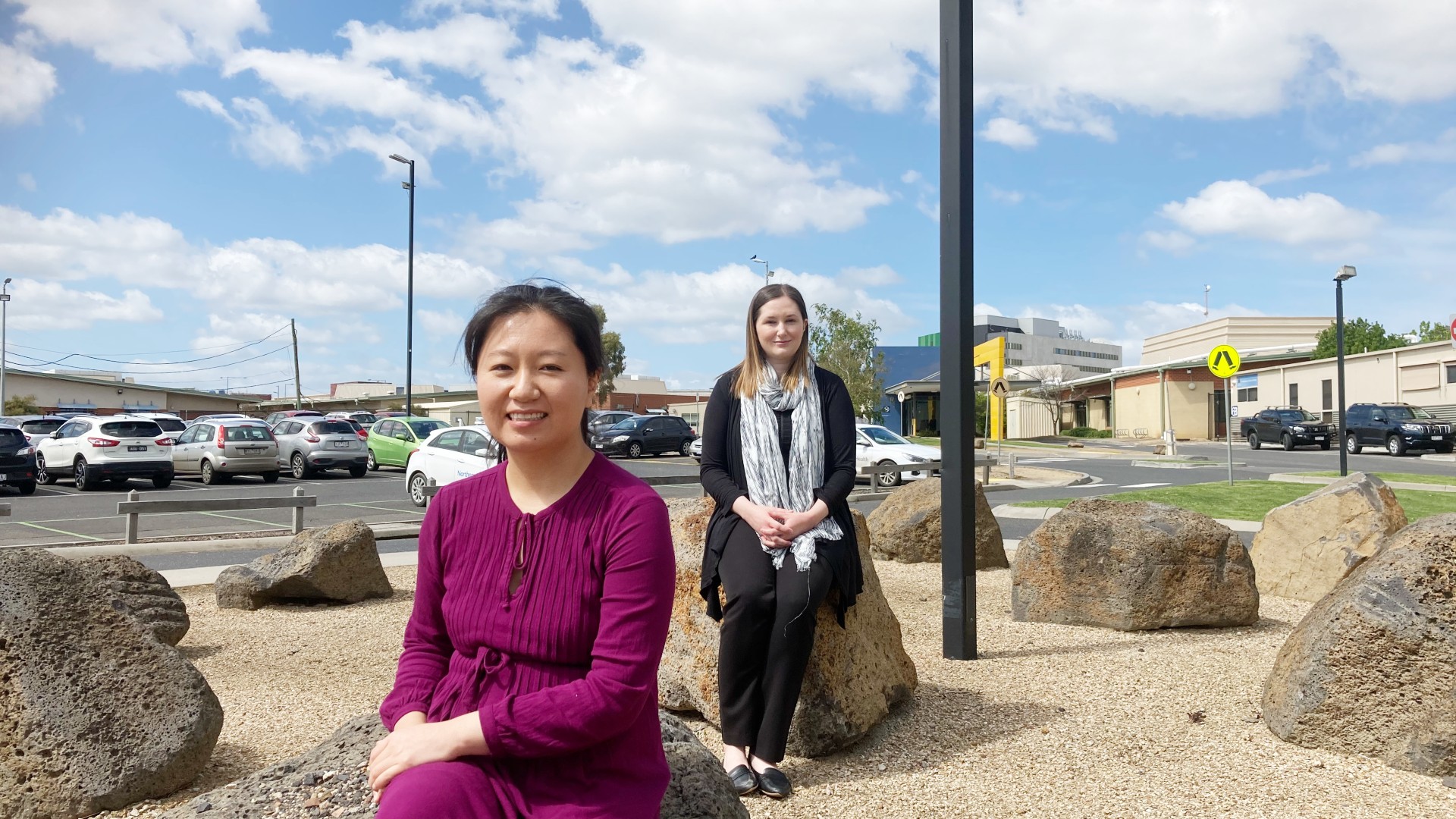
    Featured Image – Front: Dr Hui Yin Lim (left) and Cynthia Donarelli (right); Back: Dr Prahlad Ho (left) and Vinod Chellaram (right)

  • Teams that practise together, perform well together

    Teams that practise together, perform well together

    In May 2019, Northern Health started the ‘Simulation Project’, as part of quality and safety initiatives and our trusted care transformation.

    Dr Nancy Sadka, Emergency Physician, explains the project started with the aim of using in-situ multidisciplinary simulation as part of quality improvement processes.

    “In-situ simulation means the simulation is performed in the clinical space, during clinical times. The purpose of the simulation isn’t necessarily education, but quality improvement. We are testing systems, like our code responses, diagnosing areas of risk and translating recommendations into practise, which is really important,” she said.

    When the pandemic began, the simulation team shifted their focus to finding opportunities for improvement in the pandemic response.

    “The demand grew so much that we ended up doing 13 simulations in just two months, compared to the initial plan to do one a month. Now, we are sitting at 27 completed simulations since last year,” Dr Sadka explained.

    Over time, staff participation in simulations grew, with the initial sessions involving six team members, to now having around 20 team members. With the support of Dr Bill Shearer and the HRO transformation team, the simulation team has involved various hospital units – from critical care specialist and general medical, general surgical, obstetric and paediatric, and has grown to include many aspects of the hospital.

    “We are not just looking at the number of simulations we’ve done, but also at the actual outcomes, the recommendations that have been made and the policy changes. When we do a simulation, we make recommendations, then we communicate these to the people that can change the policies, and then we re-simulate within six months to test and see if the recommendations have been implemented. That is how we ensure we are not just changing a piece of paper, but changing what happens,” she said.

    Nancy adds that simulations are there not to test the staff, or their clinical capabilities – the only thing tested is the system.

    Besides the tangible outcomes, Nancy is proud of the cultural change that simulations have brought. Now, simulation is not just for education, but is a system test which allows teams to come up with solutions and identify problems.

    Nancy and the team have also been approached to help with MET team training and simulation videos, Code Brown response, pandemic response, education and are also part of the testing team for the new building.

    “We’ve had a great response from staff who are asking for more and more exercises of this type, because staff feel that their voices get heard. These activities are also crucial for team building. Don’t forget that teams that practise together, perform well together.”

    “There is a lot of scope for us to do more in 2021, as well as continue the quality project,” Dr Sadka said.

    Dr Bill Shearer, Executive Director Transformation, Quality and Safety added, “Simulation, particularly in-situ simulation, epitomises HRO thinking. It allows us to increase the safety of our care by testing our systems and processes with the experts in providing that care, without risk to patients or staff.”

  • Inspired Researchers: Leading the way to the new normal

    Inspired Researchers: Leading the way to the new normal

    At the beginning of Research Week 2020, Professor Peter Brooks AM, Research Lead – Northern Health, said, “while new treatments and a potential vaccine will likely dominate headlines, it is the new ways of doing many of the things we have taken for granted that is already advancing health care, delivery and consumer-led experience.”

    “It will be our inspired researchers who will lead the way on our journey to a ‘new normal’,” said Prof Brooks.

    Over Research Week 2020, we have been treated to some fascinating guest speakers and presentations from Prof Sir John Savill, Prof Paul Glasziou, Prof Brian Oldenburg, Dr Dominika Kwasnicka, Dr Tilman Dingler and A/Prof Jo-Anne Nankervis.

    Yet, just as impressive, are the research questions our own researchers are pursuing here at Northern Health that we got to hear about, albeit virtually.

    In one of the best attended sessions – a virtual breakfast, Professor Don Campbell, Director of our Staying Well Program, and Dr Rebecca Jessup, Allied Health Research Lead, spoke of how they see ‘Patient care in the community: COVID-19 & beyond’.

    We also heard our PhD candidates and Small Research Grant recipients, sponsored by Northern Health Foundation, speak about their studies; from the ‘effectiveness of Fitness Trackers in changing the physical activity of breast cancer survivors’ to ‘how do health consumers interpret and apply health information during a pandemic?’

    Their studies emphasise the breadth of research-  from the quantitative to the qualitative – done at Northern Health.

    In the last session for Research Week 2020 on Women’s and Children’s research, among the presenters were our own maternal fetal medicine specialist, A/Prof Lisa Hui, Dr David Tran, Clinical Director of Paediatrics and A/Prof Wei Qi Fan, head of our Neonatal Unit.

    Their studies include monitoring the impact of lockdown restrictions on maternal and newborn outcomes in Melbourne, and how a lactation consultant-led telephone program could provide early and regular support for new mothers.

    Clearly, the issues under discussion were topical, as three times the number attended Research Week as they did last year. They joined virtual presentations and workshops, viewed and voted for posters and quizzed the guest speakers online.

    As in years past, the poster and oral presentations generated much interest, with The People’s Choice of Poster awarded to Simone Collins, Dr Paul Viray receiving the People’s Choice for Oral Presentations and Dr Rebecca Jessup awarded the Best Oral Presentation.

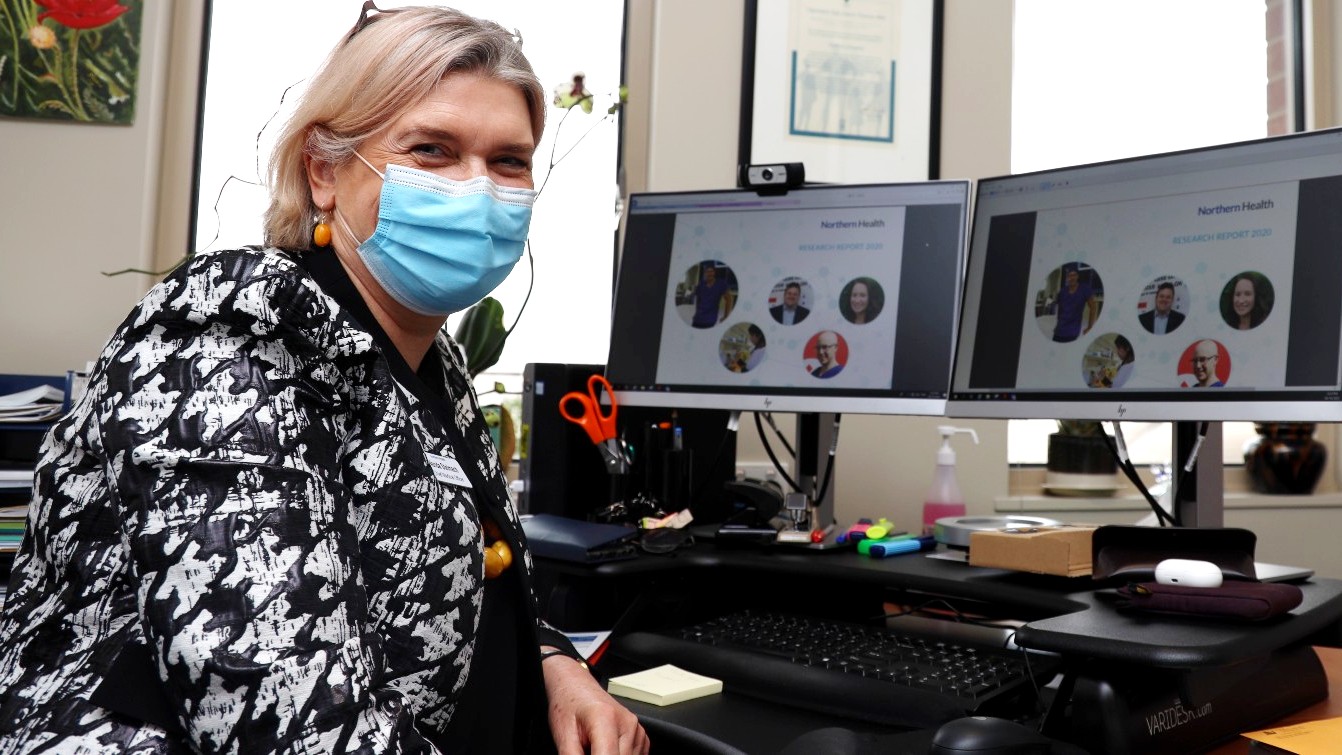
    Ms Wanda Stelmach, Chief Medical Officer, featured above says, “I am proud of the research we are doing at Northern Health, as this ultimately contributes to better health outcomes for our northern community.”

    As Prof Brooks says, “The future is unknown but by reviewing and evaluating what we do, and how we do it, we will have the opportunity to change things for the better, and to continue to deliver trusted care in partnership with our community.”

    The Small Grants program plays a vital role in supporting staff to generate preliminary data which will allow them to apply for larger grants. The PhD Scholarships supports young graduates to be our future research leaders. Since the first Small Research Grant program in 2007, Northern Health Foundation has expended almost $400,000 and, with the PhD Scholarships program, has contributed over $1,100,000 to directly supporting research activities at Northern Health. 

    The Northern Health Research Report 2020 is now available here. The annual research report is an opportunity to celebrate Northern Health’s research achievements and the hard work and dedication of our inspired researchers.

  • Inspired Researchers: Small Research Grant (SRG) Recipients, Round 24

    Inspired Researchers: Small Research Grant (SRG) Recipients, Round 24

    The objective of the Small Research Grants is to support work that benefits Northern Health’s community and support projects that will lead to applications for external grants or funding. The grants will develop and strengthen the research culture at Northern Health, support capacity building and staff development, support pilot projects or projects where traditional funding sources are difficult to attract and increase research productivity.

    Below are the five recipients and their projects that the Northern Health Research Grant and Scholarship Committee have selected for funding in Round 24.

    They have been picked for asking well-defined research questions, their level of innovativeness and originality, the evidence of justification and understanding the literature.

    Name: Associate Professor Uwais Mohamed

    Role: Director of Electrophysiology

    Title: Body Surface Electrical Mapping: A Study of Electrical Synchrony in His-­bundle Pacing and Left Septal Pacing

    His-bundle Pacing (HBP) and left septal pacing (LSP) are relatively novel pacing techniques compared to conventional right ventricular (RV) pacing systems, in that the pacing lead is implanted into the His-bundle, or left septum/left-bundle branch itself, rather than the RV.

    This study presents a unique opportunity to map and compare electrical activation in these different pacing techniques.

    Name: Dr Matthew Cotchett

    Role: Advanced Practicing Podiatrist

    Title: The experience of living with hallux valgus: a qualitative exploration of treatment beliefs, needs and expectations

    Hallux valgus (also called a bunion) is one of the most common conditions treated by podiatrists and orthopaedic surgeons and has a large economic burden on the community. However, no previous work has identified, far less evaluated, the experience and needs required for optimal care for people with hallux valgus.

    Data from this project will be analysed to look for key themes that reflect the voice of the participant.

    Name Angela McLoughlan

    Role: Clinical Leader Occupational Therapy

    Title: Embedding eHealth into routine practice: Investigating the technology readiness (TR) and eHealth literacy of the health professional workforce

    Technology readiness (TR) and eHealth literacy are two variables which pose barriers to an individual’s acceptance and utilisation of eHealth in routine practice.

    The TR and eHealth literacy of Northern Health’s professional workforce is currently unknown. This project proposes to undertake a workforce survey to determine baseline levels of these two variables.

    Name Dr Rebecca Jessup

    Role: Allied Health Research Lead

    Title: How do health consumers interpret and apply health information during a pandemic?

    The coronavirus pandemic (COVID-19) has required individuals to find and apply health and behaviour information rapidly.

    This project aims to understand how patients who attend Northern Health – specifically those who have frequent admissions – are accessing and using health information during COVID-19, and how this might be impacting on their decision making about managing their health.

    Name Belinda Baines

    Role: Grade 2 Renal Podiatrist

    Title: The association between toe-brachia! indices and haemodialysis in patients with chronic kidney disease

    There are around 10,000 hospital admissions in Australia each year for diabetes­ related foot ulcers. In many cases, these admissions results in amputations. Over five years, a single amputation cost is estimated to be around $50,000, not including social costs. Around 85 per cent of amputations are avoidable if attended to in a timely manner and managed properly.

    This project will aim to determine if there is a relationship between changes in the results of lower limb blood pressure assessments and being on dialysis. The results of this study are important to determine whether current clinical practices are appropriate and will guide clinician process around these assessments in the future.


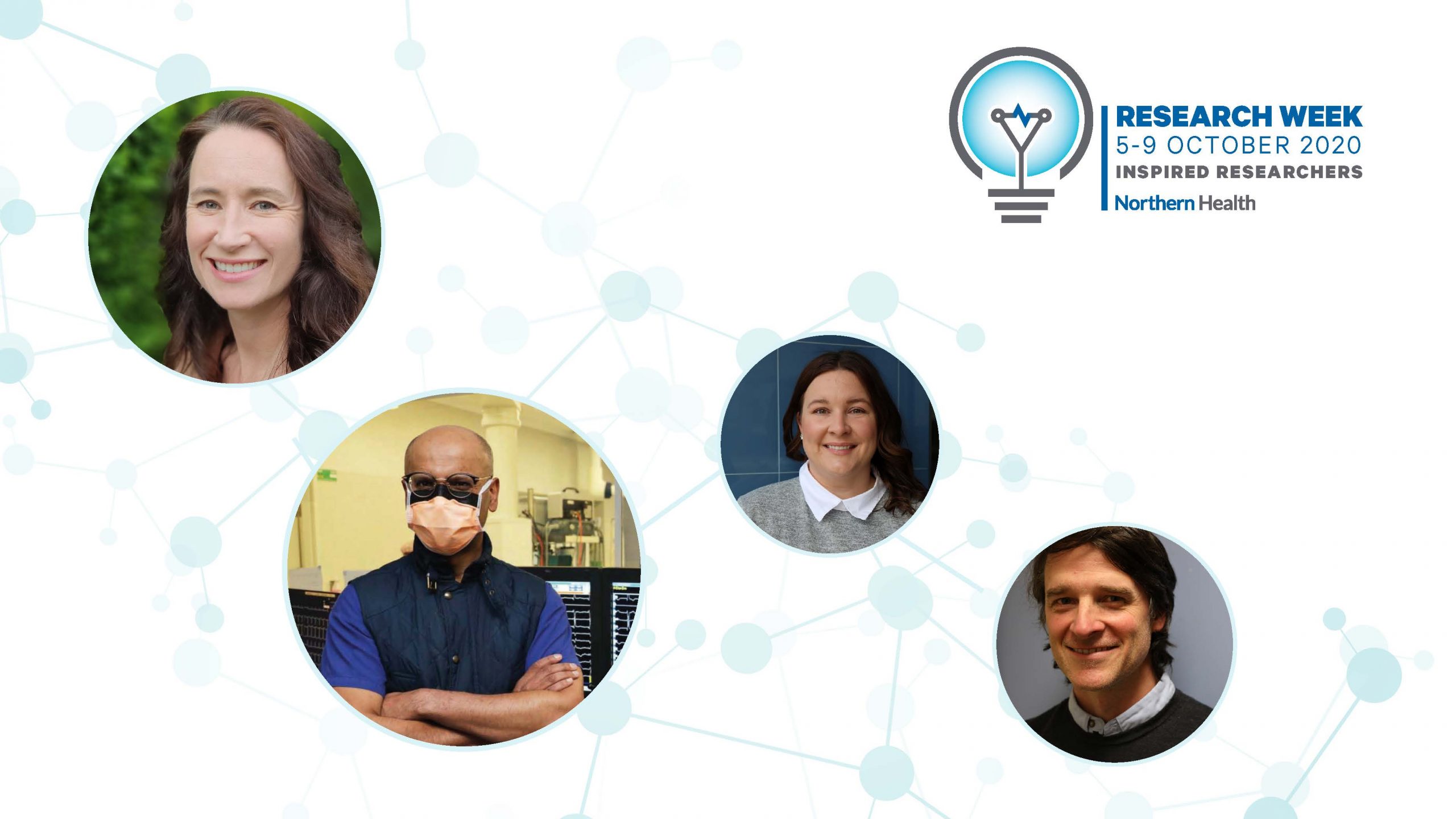
    Featured are L to R: Dr Rebecca Jessup, A/Prof Uwais Mohamed, Belinda Baines and Dr Matthew Cotchett

    Absent: Angela McLoughlan

    The Small Research Grants are powered by Northern Health Foundation, which also funds PhD research scholarships. These grants and scholarships  develop and strengthen research undertaken at Northern Health and benefit patients within the northern community. 

  • Inspired Researchers: PhD Candidates Natali Cvetanovska and Julie Wang

    Inspired Researchers: PhD Candidates Natali Cvetanovska and Julie Wang

    This week, we mark Research Week 2020, and celebrate our inspired researchers.

    Today, we profile our PhD research candidates, Natali Cvetanovska and Julie Wang. Natali has worked in Education and Research as a Manager for the last five and a half years and Julie is a haematologist at Northern Health.

    Thanks to Northern Health Foundation, they have been both awarded PhD scholarships that will support the Foundation’s vision of helping improve the health outcomes of our northern community.

    Natali’s research will focus on helping patients at Northern Health to improve their understanding of health information and improve their health literacy.

    The title of Julie’s PhD study is, ‘Prospective serial evaluation of new bio-markers of Thrombosis in patients with newly diagnosed venous thromboembolism.’

    Natali, who lives locally, says, “Our population has lower levels of education and lower English proficiency rates compared to Victorian averages, which leads to increased challenges with understanding health information. This can lead to poorer health outcomes. Improving health literacy in our population may lead to improved health outcomes.”

    Says Julie of her research, “One of the challenges of Venous Thromboembolism (VTE) management is preventing VTE recurrence after the initial event, which has been reported to be approximately five per cent per year after first VTE, and up to 30 per cent after five years. Locally, our audit of 1,200 VTE patients found a VTE recurrence rate of 3.2/100 patient years.”

    Julie says what inspired her research is, “A desire to find an easy, cheap and accessible way to detect individuals at high risk of VTE recurrence. Being part of a group of active and enthusiastic researchers at Northern Health has really motivated and inspired me to embark on this task.”

    Natali says, “Engaging with my research colleagues, learning about their work and getting to contribute to some of their research, really got me interested in doing my own.”

    Natali is hoping her research can “contribute to better health outcomes for the community that I live and work in.”

    According to Julie, previous studies have mostly examined a single time point following anticoagulation cessation. In her study, investigational assays will be utilised including thrombin and fibrin generation assays, with the possibility of other novel biomarkers including PAI-1, TFPI and proteonomics.

    She says, “To the best of our knowledge, we are the only institution in Victoria which currently has the capacity to evaluate all of these assays.”

    Julie hopes that the “expansion of our research capabilities, in addition to our growing comprehensive clinical service, will allow us, at Northern Health, achieve our vision of being a centre of excellence for thrombosis.”

    Dr Rebecca Jessup, Allied Health Research Lead and Natali’s PhD Supervisor, had this to say, “Natali is an asset to Northern Health and her research will make a real difference. I can’t wait to see her grow as a researcher over the next three years. We know that the northern community is growing at a rapid rate, and the outcomes of Natali’s research will play an important part in building a healthier community in Melbourne’s north.”

    Dr Prahlad Ho, Julie’s PhD Supervisor, says, “Julie has had a long history with Northern Health, doing her thrombosis fellowship here, and a valuable member to our NECTAR research team. Her PhD will help us understand Venous Thrombosis better, as well as develop new risk assessment models to prevent recurrence, and will no doubt allow her to continue the pursuit of one of her passions – research.”

    The PhD research scholarships are powered by Northern Health Foundation, which also funds Small Research Grants . These grants and scholarships  develop and strengthen research undertaken at Northern Health and benefit patients within the northern community. 

  • Happy Perioperative Nurses Week!

    Happy Perioperative Nurses Week!

    This week Northern Health celebrates Perioperative Nurses Week!

    Here at Northern Health, we have over 220 dedicated perioperative nurses who work behind the closed doors of our operating suites, providing exceptional care to patients and their families.

    Our perioperative nurses work at both Northern Hospital Epping and Broadmeadows Hospital, caring for surgical patients from the time they are admitted through to after their procedure. They have a specialised skillset and work together with the surgical team to provide safe, trusted care.

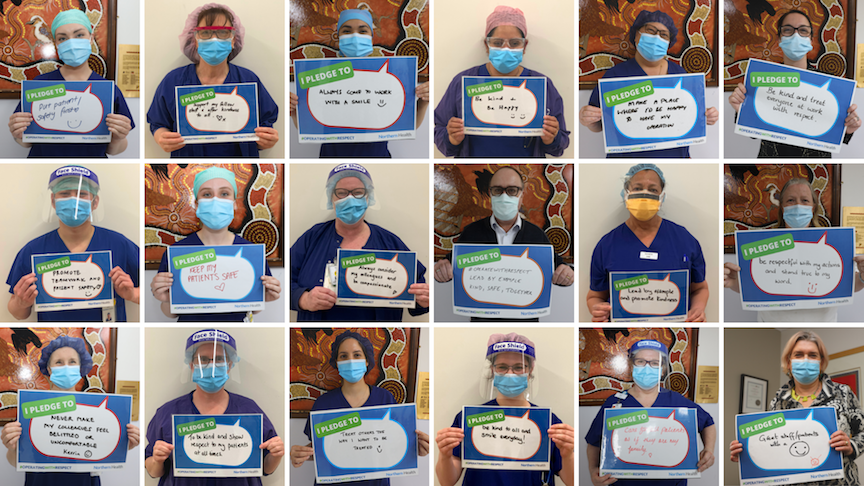
    To acknowledge their work over the past year, the team have organised a number of activities, including receiving certificates of appreciation and a gift of gratitude, virtual trivia and lucky dip prizes. During the week, staff from different areas will also have the opportunity to write a pledge (pictured above) to show their commitment to #operatingwithrespect – a campaign created by the Royal Australasian College of Surgeons to tackles the issues of bullying, harassment and unacceptable behaviours in the workplace.

    Northern Health commits to the principles of #operatingwithrespect and will be actively promoting and supporting respectful communication between, not only staff in the operating theatre complex, but to all staff involved in the care and management of surgical patients.

    Brylie Wilson, Broadmeadows Surgical Centre Nurse Unit Manager, expressed her admiration for her team of dedicated perioperative nurses – especially during the COVID-19 pandemic.

    “The Broadmeadows Surgical Centre team have been adaptive, dedicated, resilient and caring throughout this pandemic. It has been truly humbling to work alongside so many nurses who were willing to do whatever it takes to help during this challenging time,” she said.

    “Thank you to all the Northern Health periop nurses! You are amazing each and every day, making a tremendous contribution to the surgical services division. I am proud to say I am a part of such an amazing team,” she added.

    Linda Romano, Divisional Director Nursing, Surgical Services, equally expressed her appreciation for the team.

    “At Northern Health, we certainly do appreciate our perioperative nurses! Perioperative Nurses Week is a way we can celebrate the hard work and role all perioperative nurses play in caring for Northern Health patients throughout their entire surgical journey,” Linda said.

    “I really value all their work and express my heartfelt appreciation and gratitude for the greater impact they have on our Northern community. It’s amazing how our perioperative nurses have found ways to work together and overcome any obstacle, especially during our recent challenges, and continue to provide excellent care for our patients,” Linda added.

    Yesterday, Tracey Wyllie was announced as the Perioperative Services Manager. She said, “I am proud and humbled to be able to lead the wonderful teams at Northern Health.”

    “I have worked with most of you through my career at Northern and I am always so proud of the dedication and professionalism demonstrated day in and day out. You are all truly remarkable,” Tracey added.

    This week, Northern Health is also celebrating Research Week 2020 and one of our inspiring researchers is Zahra Nasr, PhD Scholarship Recipient from Northern Health Foundation. Zahra is undertaking research in the perioperative space, investigating ‘engaging patients in the prevention and management of postoperative nausea and vomiting’. For more information about Northern Health Research Week, please click here.