• Ready Steady Home: Supporting older adults to stay safe and well at home

    Ready Steady Home: Supporting older adults to stay safe and well at home

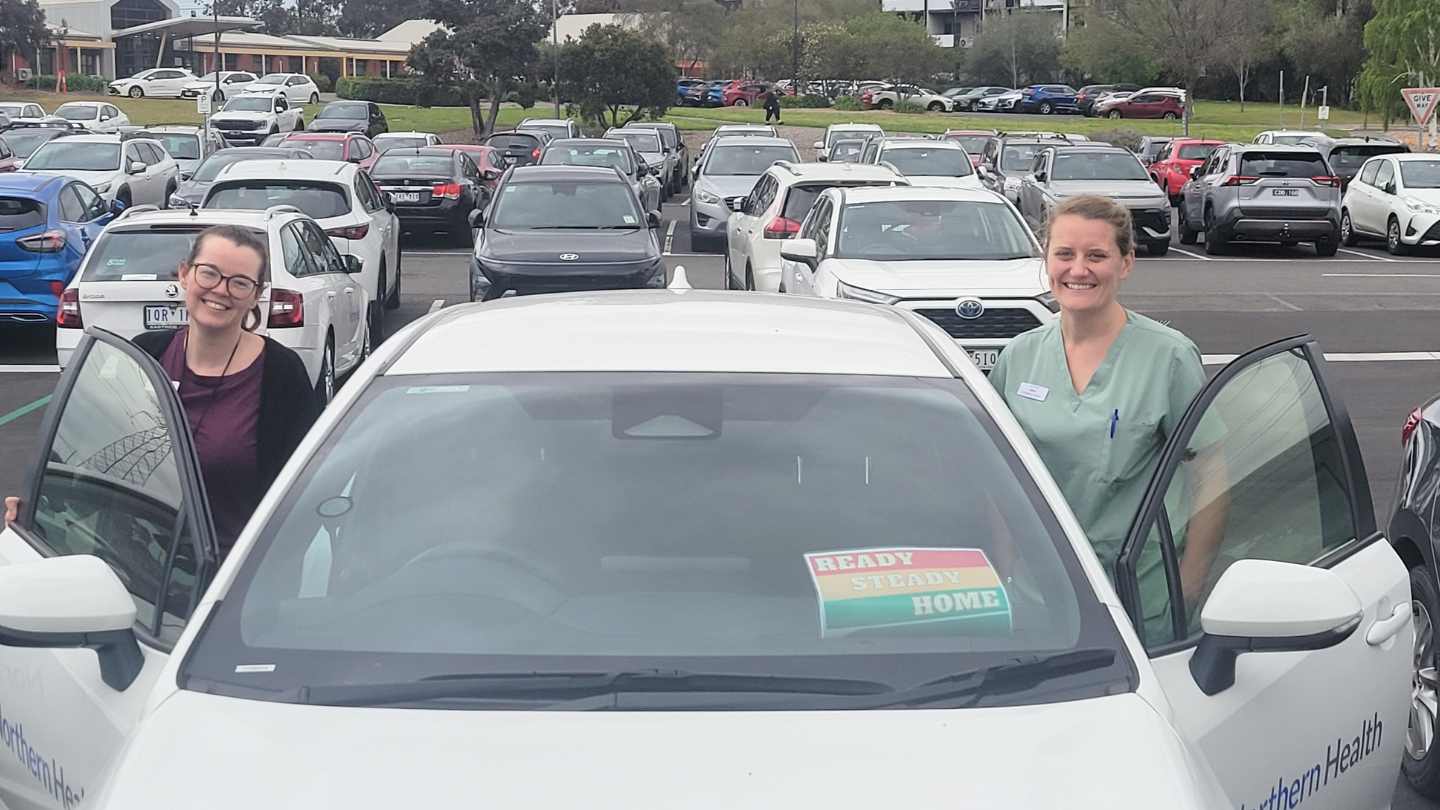
    Northern Health’s Ready Steady Home team, Rachael Walsh, Senior Physiotherapist, and Jess Viergever, Occupational Therapist, are ready to hit the road for another day of home visits.

    Falls are one of the leading causes of hospital presentations among older adults, often resulting in extended stays and repeat visits to the Emergency Department. The Ready Steady Home program, a rapid response allied health initiative, is designed to change that trajectory.

    Targeting patients aged 65 and over (or 50+ for Aboriginal and Torres Strait Islander peoples) who present to the Emergency Department following a fall, the program delivers short, targeted interventions, typically one or two visits. These focus on falls prevention strategies tailored to each person’s home environment, with the aim to:

    • Prevent hospital admission
    • Reduce length of stay
    • Minimise re-presentations to the Emergency Department related to falls and frailty

    Occupational Therapist Jess Viergever, a key member of the program, says, “Ready Steady Home is about more than just preventing falls — it’s about empowering patients to stay safely and confidently in their own homes.”

    Dr Sarah Thomas, Medical Deputy Director, Hospital Without Walls, adds, “This is such a great initiative to care for our vulnerable yet impactable older patients — keeping them home first, preventing hospital-acquired functional decline and providing rapid access to targeted, specialised allied health interventions. By bringing expert care directly to patients at home, Ready Steady Home helps prevent prolonged admissions, reduces hospital-acquired complications, and supports independence and recovery.”

    The Ready Steady Home team is dedicated to making a meaningful difference in the lives of older adults — delivering timely, tailored care that helps people live safely, independently, and well at home.

    Pictured in featured image (L-R): Rachael Walsh, Senior Physiotherapist and Jess Viergever, Senior Occupational Therapist.

  • It’s a wrap! Research Week 2025

    It’s a wrap! Research Week 2025

    Well, Research Week has come and gone for another year. What a week!

    This is my third Research Week since starting at Northern Health and I have to say, each year the event seems to build on the one before. This year, we received 96 abstracts – a 23 per cent increase on 2024 – a lovely indication of how research activity is growing at Northern Health. These abstracts were received from a wide variety of areas across Northern Health, and represented clinical and laboratory, quantitative and qualitative projects. I think you will agree that through oral presentations, poster presentations, and the digital poster gallery, Northern Health really showed up for research!

    Alongside abstract presentations, we had the pleasure of hosting a number of keynote speakers and special focus sessions. Daily scientific highlights included:

    • Monday’s special opening ceremony with presentations from Chief Executive Debra Bourne and Acting Director of Research Mayur Garg, on the importance of research to continued improvement to the care we deliver to our community. This was followed by a keynote presentation from Professor Vassilis Kostakos (University of Melbourne) where he provided examples of how human-computer interactions and big datasets can improve health care. He finished by reassuring us that robots won’t take over the world!
    • Tuesday’s showcase of Health Research in the Digital Age, with a keynote from Professor James Boyd (La Trobe University) outlining the drivers, barriers and enablers of digital health, along with the opportunities it presents to drive equity. This was followed by rapid-fire presentations from the VVED team with some really exciting data on VVED uptake, economic benefit, reach into vulnerable populations, and a case study of the power of the virtual healthcare approach. Also on Tuesday, some outcomes of the Allied Health Stepping Into Research program were presented, demonstrating the power of structured learning and mentoring in helping our staff get started on their researcher journey. The SIR ‘graduates’ commented that “you need a team to succeed” and I couldn’t agree more.
    • Wednesday’s keynote from Professor Vasso Apostolopoulos (RMIT University), which showed us just how much ‘bench to bedside’ can be achieved across decades of dedication to research. Prof Apostolopoulos described key contributions to cancer, autoimmunity and infection care that span greater understanding of disease mechanisms, development of drugs and vaccines, the value of some natural bioactive compounds in healthcare, and the importance of community engagement in defining research directions.
    • Thursday’s keynote from our own Dr Katharine See, was a real standout. Katharine and her CLEO team are working hard to ‘measure what matters, use what matters, and do what matters’ across our health service via digital care pathways co-designed with consumers. Also on Thursday, the Surgical Research Forum showcased the breadth and depth of research being undertaken across our surgical units, from laboratory-based investigations, through to generation of data aimed at saving dollars, and our planet.
    • Friday’s Northern Health Foundation Research Breakfast, where keynote speaker Associate Professor Sam Forster (Hudson Institute of Medical Research) described how research is quickly growing our understanding of the microbiome, and how we can harness this understanding for improved health. This was followed by a joint presentation with our RMIT University colleagues on our Clinical Translation Partnership, and presentations from Northern Health researchers who have successfully attracted external funding for new research endeavours.

    The week wrapped up with a bit of light-hearted fun – The Great Debate 2025. Affirmative (Karen Barclay, Don Campbell, Russell Hodgson) and Negative (Ravinder Kumar, Rebecca Jessup, Shekhar Kumta) teams battled it out over the topic “Robots will replace clinicians by 2050”. There was laughter, tears, plenty of robots, and a surprise harmonica, but in the end the Negative team took the win to thunderous applause (and reconfirmed Vassilis Kostakos’s sentiments from Day 1!).

    Finally, awards for best abstract presentations were announced. Congratulations to the following researchers:
    Best Printed Poster Day 1: Dr Jordan Kahn. Title: What is the correct duration of antimicrobials in infected, obstructed nephrolithiasis?
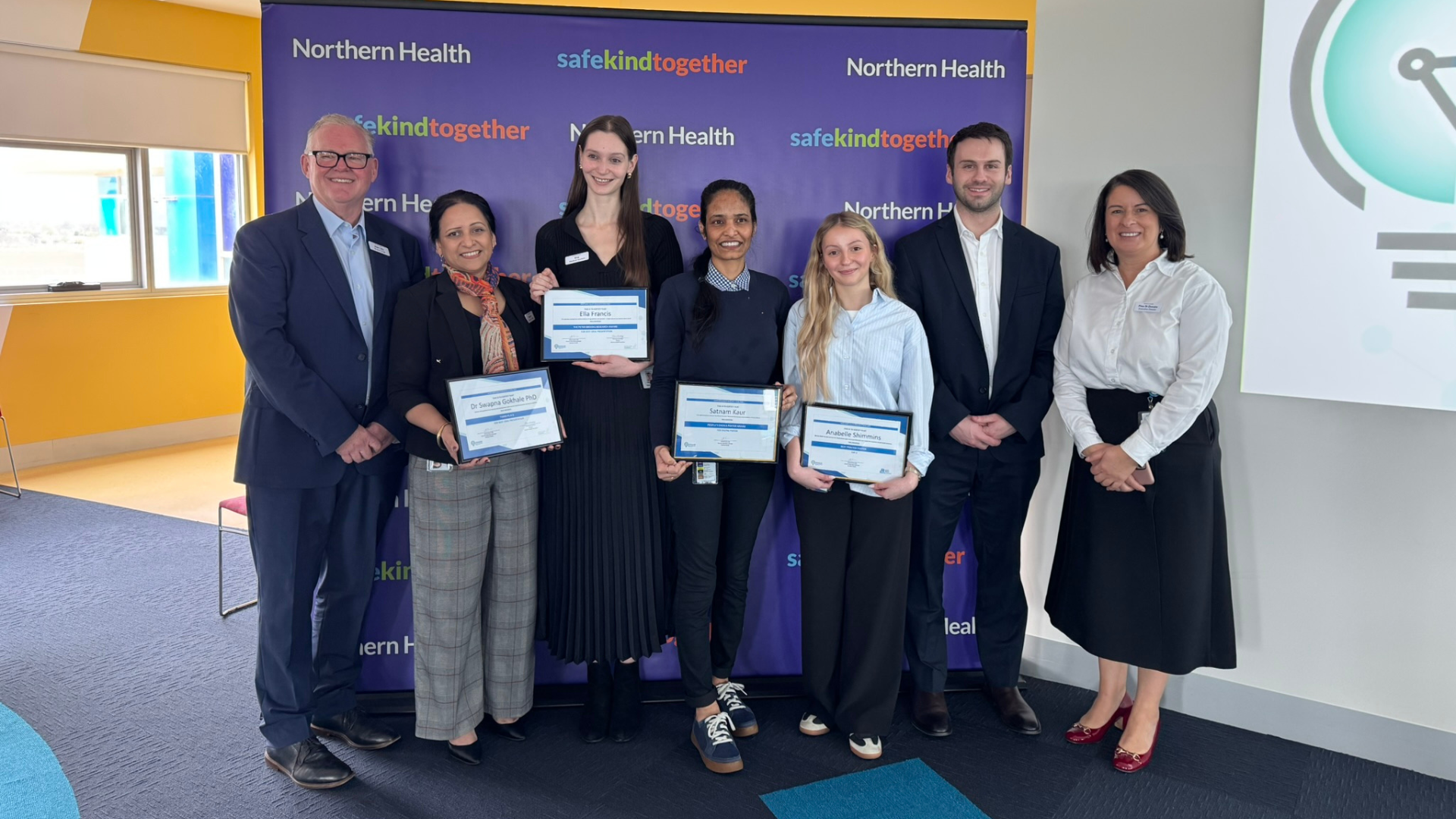
    Best Printed Poster Day 2: Anabelle Shimmins. Title: Mental Health Nurses burnout and implications upon recovery-orientated care within the inpatient mental health services.
    Best Printed Poster Day 3: Vince Chen. Title: Perioperative Outcomes in Smokers Undergoing Major Surgery: A Retrospective Audit at Northern Health.
    Best Printed Poster Day 4: Dr Chamani Kodikara. Title: Patient experiences of Medical Obstetrics at Home (MOAH) care at Northern Health: A qualitative study.
    People’s Choice Award for Best Poster: Satnam Kaur. Title: From Lipid Extraction to Analysis: The Clinical Potential of Vibrational Spectroscopy-Based Lipidomics of Human Plasma.
    Best Abstract Oral Presentation – 3rd Place: Dr Swapna Gokhale. Title: Delirium risk prediction from routinely collected electronic health records: model development and internal validation.
    Best Abstract Oral Presentation – 2nd Place: Dr Roy Wong. Title: Large Bore Mechanical Thrombectomy for Intermediate-High Risk Pulmonary Embolism: Northern Health Experience.
    Peter Brooks Research Award 2025 (Best Abstract Oral Presentation – 1st Place): Ella Francis. Title: Pre-operative fasting times and the incidence of regurgitation and aspiration – a single-network retrospective data analysis.

    Thank you to all who contributed to Research Week – our keynote speakers, abstract submitters, oral presenters, poster presenters, abstract reviewers, judges, MC’s, debate participants, and session attendees. A special thanks to Public Affairs for working alongside us to keep you informed of all the activities and telling the world about it through social media.

    A HUGE thanks to the entire Research Development and Governance Unit (RDGU) Team for delivering Research Week 2025. It’s a very big event to deliver, with planning commencing more than six months prior, and your organisational skills are second-to-none. Particular shout-outs to Britt Szabo and Pree Holman, our exceptional admin team, who have worked tirelessly for months, and to Dr Tilini Gunatillake for gluing it all together as we moved through the week.

    The RDGU team organises Research Week on behalf of our Northern Health Researchers – that’s you! If you would like to let us know how we can improve next year, or deliver activities that better meet your needs, please complete our Feedback Survey! We have a $50 Henry’s voucher up for grabs for a randomly selected respondent. The survey closes on Friday, 31 October.

    Until next year!

    Associate Professor Justine Ellis
    Research Operations Manager

  • The Power of Doing: How OTs transform recovery at Northern Health

    The Power of Doing: How OTs transform recovery at Northern Health

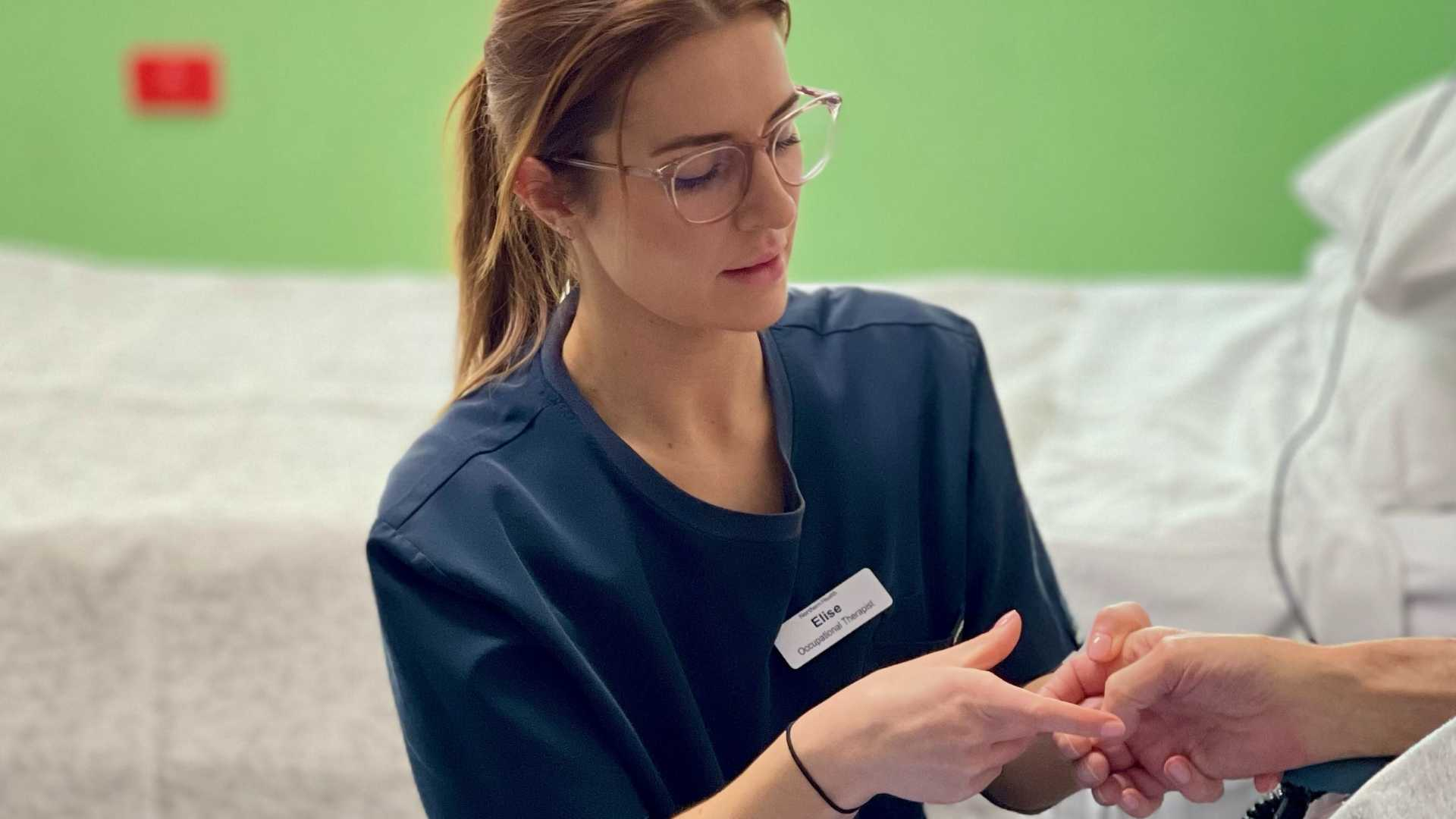
    It’s Occupational Therapy Week across Australia, a time to recognise and celebrate the incredible work of Occupational Therapists (OTs) who empower people to live full, meaningful lives through the power of “doing.”

    At Northern Health, we’re proud to celebrate our dedicated OTs who are the allied health professionals helping patients every day to regain independence, confidence, and quality of life through evidence-based, compassionate care.

    Our Occupational Therapy services span acute, subacute and community care, supporting people across all stages of life and a wide range of health conditions. From the hospital ward to the home, OTs play a vital role in helping patients rebuild their ability to participate in the activities that matter most.

    In paediatrics and the Targeted Acute Rehabilitation Program (TARP), our OTs step in where it counts—helping children develop essential life skills and supporting adults in recovery after injury or illness. Whether it’s developing fine motor abilities, supporting sensory regulation, or enabling adults to regain independence with everyday tasks, our OTs deliver goal-driven, personalised care that makes a lasting difference.

    “As part of the Targeted Acute Rehab Program (TARP), I’ve had the privilege of providing intensive, daily rehabilitation to patients, helping reduce their hospital stay and promoting faster recovery. One particularly impactful experience involved working with a Medicare-ineligible patient who had suffered a stroke, which significantly impaired both her upper and lower limb mobility. I focused on upper limb therapy and task-specific retraining to improve coordination, strength and functional movement. Through consistent, intensive therapy, she achieved her goals and returned home with a high level of independence,” says Chris Campbell, Grade 2 Occupational Therapist (TARP).

    Similarly, our paediatric OTs make an incredible difference to children and their families.

    “As part of the paediatric team, I supported the development of a baby born prematurely and receiving care on the ward. This included promoting fine motor and play skills through therapeutic play sessions off the ward—helping the baby engage in typical occupations for their age. We also provided education for the mother to encourage ongoing development both in hospital and at home. We’re now actively involved in discharge planning, ensuring the family has the strategies and supports needed for a smooth transition and for the child to thrive at home,” added Eilish Feehan, Grade 2 Occupational Therapist (Paediatrics).

    In our Mental Health Division, OTs deliver holistic, person-centred care across inpatient units, PARCs, community care units, and community mental health teams. They help people rebuild daily routines, strengthen emotional regulation, and re-engage with meaningful activities—supporting confidence, resilience, and wellbeing.

    “As a new graduate OT, I’ve seen the real impact of occupational therapy in the mental health inpatient setting, particularly through sensory approaches. Supporting consumers to explore their sensory preferences and understand what these mean for their needs and emotions is powerful. Even simple strategies like introducing weighted modalities can create profound change. These tools not only support recovery during admission but also provide lasting strategies people can use beyond their hospital stay,” says Roslyn Jack, OT1 (Broadmeadows Inpatient Psychiatric Unit).

    “Supporting consumers to re-engage with valued and meaningful activities after an acute period of mental ill health has shown me how vital activity is for overall wellbeing. Participation fosters social connection, builds a sense of self, and promotes recovery. In occupational therapy, the activity itself becomes both the therapy and the outcome. Taking time to explore what is meaningful, supporting a graded return, and mobilising supports demonstrates how central doing is to recovery. This is OT in action—empowering people to reconnect with what matters most and restore balance in their lives.”

    Across Northern Health, our Occupational Therapists truly embody the spirit of OT Week, turning challenges into opportunities and helping people rebuild their lives with purpose and independence. This week, and every week, we thank our incredible OT team for making a difference through the power of “doing.”

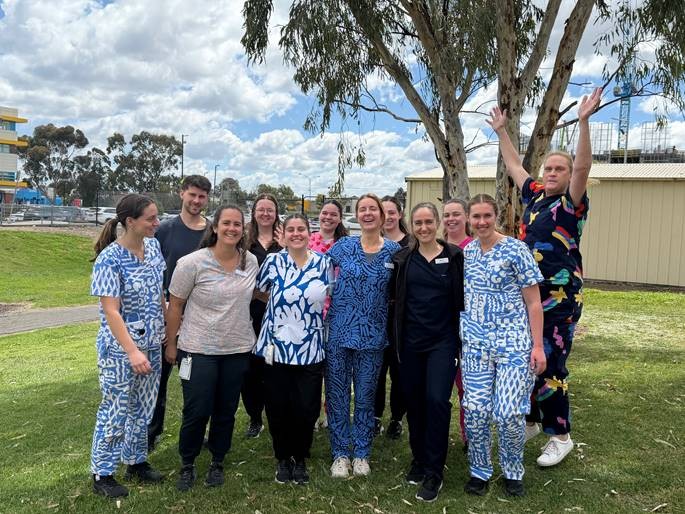
    The OT team at Northern Hospital Epping


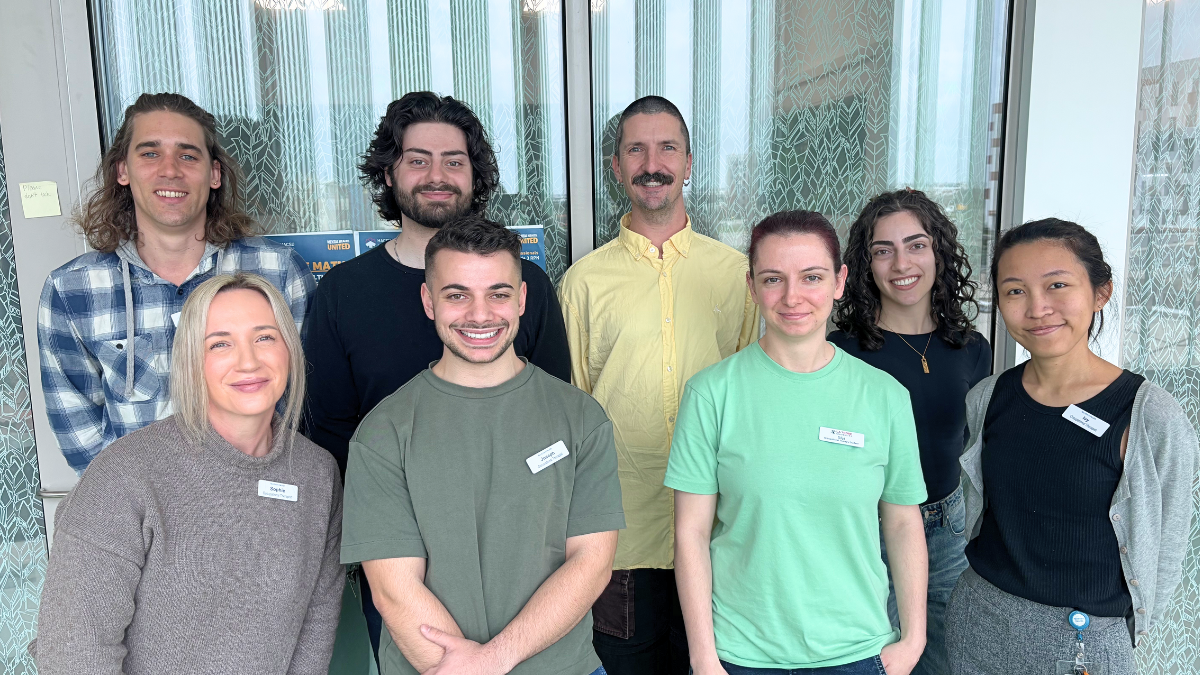
    The OT team at NIPU (Northern Inpatient Psychiatric Unit)
  • Get to know: Andrew Grey

    Get to know: Andrew Grey

    #WeAreNorthern

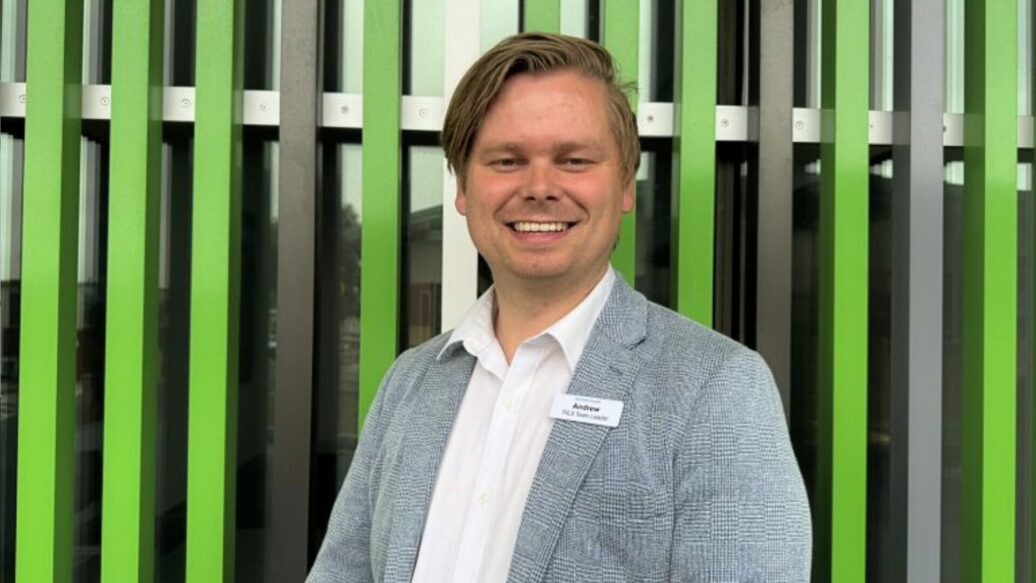
    Meet Andrew Grey, Team Leader, Transcultural and Language Services (TALS), Northern Health.

    Q: First, let’s start with your coffee order?

    A: I do love a good hot chocolate or jasmine tea.

    Q: Tell us about your journey at Northern Health.

    A: Since beginning my career at Northern Health in 2019 as an Administration Officer in the Outpatient Department, I have been fortunate to take on multiple secondment opportunities, including roles such as System Administration Manager, Administration Team Leader, and participation in various projects. My experience also includes working as an Emergency Department Clerk, giving me a well-rounded understanding of patient services and operational workflows.

    Throughout my time at Northern Health, I have contributed to numerous projects from the Qflow Interpreter Module, Interpreter’s Mobile Phone Project, Outpatient Templating Project, and the Outpatient Future State Project. These initiatives have deepened my commitment to improving system efficiency and patient-centred care.

    Currently, I serve as the Team Leader of the Transcultural & Language Services (TALS) Department, where I help lead complex service delivery across multiple campuses and languages. My work focuses on enhancing access, equity, and culturally safe care for our diverse patient population.

    In addition to my current role, I am the current Chair of the Rainbow Sub-committee under the Equity, Diversity & Inclusion Committee. This role allows me to advocate for inclusive practices and contribute to broader organisational change toward a more equitable and welcoming healthcare environment.

    I am also currently pursuing a Bachelor of Public Health & Health Promotion at Deakin University. My long-term goal is to drive systemic change that centres community voices, prioritises health equity, and champions inclusive care across the healthcare system.

    Q: What is the best part of working at TALS?

    A: I really enjoy working with so many different people across the organisation. Working in TALS has given me so many opportunities to meet new teams and create great experiences for our consumers.

    Q: What does a day in your job look like?

    A: Every single day is different. I normally start my day by looking at yesterday’s statistics and then meet with our Booking Coordinators to discuss our plan for the upcoming day. I love to engage with my team and discuss complex situations to plan for the best outcomes.

    Q: Tell us one thing not many people know about you?

    A: My partner and I are foster carers and have cared for a number of children who need a safe, stable, and caring home while they are unable to live with their biological families due to circumstances such as family violence, neglect, illness or crisis.

    Q: Favourite place to travel and why?

    A: Sweden – It is such beautiful country with breathtaking landscapes, lakes, forests, mountains and of course the Northern Lights.

    Q: Which superhero best reflects your story?

    A: Superman – Even Superman had foster parents!

  • Better Outcomes, Healthier Lives: Smoking Cessation Service Goes Digital

    Better Outcomes, Healthier Lives: Smoking Cessation Service Goes Digital

    At Northern Health, we are committed to delivering safe, person-centred care that supports healthier lives across our community. One of the most powerful ways we can improve health outcomes is by helping people to stop smoking. Quitting smoking not only reduces the risk of cancer, heart disease, stroke and lung conditions—it also improves day-to-day wellbeing, reduces hospital admissions, and supports faster recovery from illness and surgery.

    To make it easier for our patients to quit, Northern Health provides a dedicated Smoking Cessation Service, which offers up to eight individualised appointments with trained staff. These appointments give patients ongoing, personalised support to address the physical, behavioural, and emotional challenges of quitting. Every patient has a different journey, and our program recognises that success often comes from combining expert advice, encouragement, and evidence-based strategies over time.

    “Quitting smoking is one of the most impactful ways a person can influence their health trajectory,” says Dr Melissa Yang, Respiratory Physician. “We enjoy building positive, supportive relationships with our patients as they take on this challenge. Our approach creates a safe, encouraging environment where patients are empowered to lead their own journey toward a smoke-free life.”

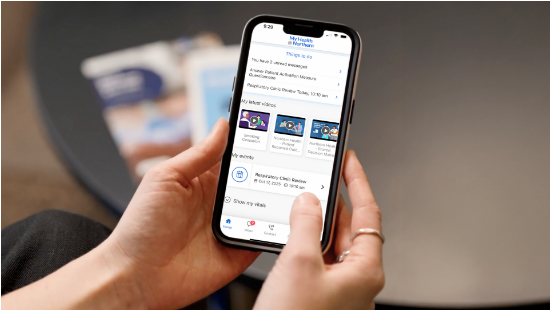
    This year, we are proud to announce the launch of an important new initiative: The Smoking Cessation Digital Care Pathway (DCP). Delivered through the My Health@Northern App, this pathway brings together education, resources, and tools all in one place.

    The Smoking Cessation DCP is designed to complement our face-to-face service by offering:

    • Education and information in one easy-to-access app Patients can find reliable resources about the benefits of quitting, strategies to manage cravings, and practical tips to stay smoke-free.
    • Ongoing engagement and reminders – Short check-in messages encourage patients along their journey and celebrate milestones.
    • Accessible support at any time – Information is available whenever patients need it, helping them stay on track between appointments.
    • Connection to broader services – Patients can be guided to additional support, such as their GP or Quitline, if needed.

    By combining the expertise of our staff with the accessibility of digital tools, Northern Health is creating a supportive environment where patients feel empowered to take the next step toward quitting. Importantly, the pathway not only guides patients through the challenges of stopping smoking but also reinforces the many benefits of a smoke-free life, such as improved breathing, better sleep, and more energy to enjoy time with family and friends.

    “We’re so happy that our patients now have access to the digital care pathway to help them quit smoking,” says Dr Yang. “It means all the resources, tips and tools are in one easy-to-access place. It helps us keep in touch with our patients at a time when things can feel hard, lonely and really challenging.”

    The launch of this pathway is also a strong example of value-based healthcare in action. At its heart, value-based healthcare is about improving outcomes that matter most to patients while making care more sustainable. Helping people to stop smoking not only delivers significant health benefits for individuals, but it also reduces long-term system costs from preventable illness. By embedding smoking cessation into My Health@Northern, we are aligning clinical care with what matters to patients—better health, better recovery, and a better quality of life.

    Feedback from patients already using the DCP has been overwhelmingly positive. Many have commented that having all the information in one place reduces confusion and makes them feel more supported. The short, encouraging messages and easy-to-read resources are proving especially valuable during times when motivation dips.

    “Being into the clinic once every couple of weeks to see a doctor was good. If I couldn’t get there, I’d speak to them on the phone,” one consumer shared.

    Smoking remains one of the leading preventable causes of illness and death in Australia. Supporting people to quit is a powerful way to reduce the burden of disease and create a healthier future for our community. Northern Health is proud to be taking proactive steps to address this challenge, through both our dedicated Smoking Cessation Service and our innovative new Digital Care Pathway.

    Together, we can make a difference – helping more people break free from smoking and experience the benefits of a healthier, smoke-free life.

  • Spiritual Care Week

    Spiritual Care Week

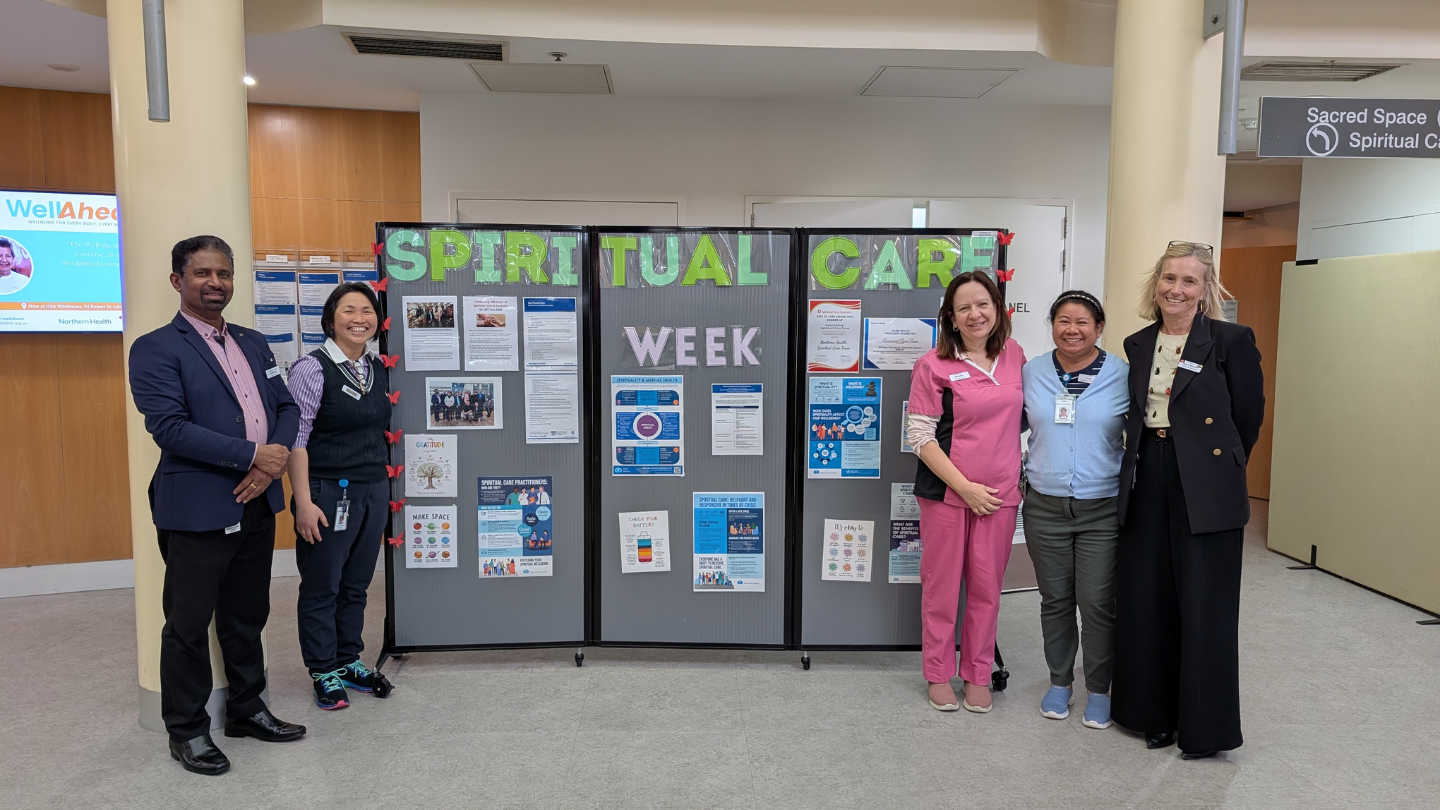
    This week, we celebrate 100 years of Spiritual Care Week in Australia, a time to honour the boundless compassion of spiritual care providers who offer solace, empathy, and support to individuals and families navigating the complexities of life in its many hardships and celebrations.

    Join us in honouring this milestone, celebrating the profound impact of spiritual care, and envisioning a future where deep and genuine support remains at the core of compassionate care.

    Here at Northern Health, our Spiritual Care practitioners are highly skilled in providing support across cultures, faith traditions, and belief systems, including those with no religious affiliation. We offer person-centred care and a calm, compassionate presence in the hospital setting, where many patients and families are facing grief, loss, and distress.

    Our Spiritual Care team also provides valuable emotional and spiritual support to Northern Health staff, helping them navigate the challenges of healthcare work with resilience and wellbeing.

    Spiritual care supports individuals in finding meaning, hope, and connection during times of deep vulnerability. It can help people transcend their suffering – not by removing it, but by accompanying them through it with empathy and presence. In this way, spiritual care fosters resilience, dignity, and inner peace, even in the midst of profound challenges.

    The Spiritual Care team includes Penelope Vye, Associate Director of Social Work and Spiritual Care, Natalia Dewiyani as Spiritual Care Coordinator (NHE), Melanie Moore (PCU), Sebastian Antony (NHE), Kelly Pinto (NHE & BC), and John Davies (BH). As an extension of the in-house team, we work with more than 30 faith representatives who are called in to provide services from particular religious/faith/cultural traditions.

    Natalia Dewiyani, Spiritual Care Coordinator said she was proud to lead such a dedicated and passionate team.

    “The Northern Health Spiritual Care Team was recently recognised as runner-up in both the 2025 Spiritual Care Australia Best of Care Award and the Northern Health Allied Health Excellence Awards. These honours reflect the outstanding care they provide every day. I’m also grateful to our Northern Health leaders and advocates for their continued support of spiritual wellbeing as an essential part of holistic care,” she said.

    Penelope Vye, Associate Director of Social Work and Spiritual Care, said the team provides extraordinary care and support to patients and staff at Northern Health who are experiencing challenges to their health and wellbeing.

    “It is my very great pleasure to lead the Spiritual Care team at Northern Health,” she said.

    “The team provides a deep listening presence and a sense of calmness amid often traumatic circumstances. I congratulate the team on their service to others at Northern Health recognising the value of their work throughout the year and especially during Spiritual Care Week.”

    Alison Giles, Medical Director of Palliative Care, said she couldn’t speak more highly of the wonderful work that the Spiritual Care team do every day.

    “Their incredible warmth, compassion and dedication to supporting patients, families and staff is valued by all who they encounter, many of whom are facing some of life’s biggest challenges,” she said.

    “Their skill, energy and commitment is evidenced by the breadth of work which they are involved in. This includes marriage ceremonies on the wards, health service podcasts, regular staff wellbeing sessions, art therapy providing a legacy for loved ones, bereavement support, end of life rituals and religious prayers, research projects exploring provision of bereavement services in Emergency and Intensive Care Units, and involvement in quality work through the End of Life Committee.”

    Our Patient Experience team receive many compliments about our health service, with many of the compliments directed to our Spiritual Care Team:

    “Thank you, Natalia and Melanie, for your kindness and spiritual support during my father’s last weeks, we are looking forward to the memorial service.”

    “Sending thanks for the invitation to the memorial service to honour the passing of our father, we think that this is a truly wonderful way to say thank you to all the doctors, nurses and other health carers for the care and support we and our loved ones received at your hospital.”

    “We came to the memorial last week and wanted to thank Northern Health for providing us a chance to remember our loved ones. It was great to see so many staff present to support it and you could see how well they work as a team. Even the CEO was there, and she seemed so proud of her team. Well done Northern Health.”

    The next Northern Health Memorial Service is on Thursday, 13 November. Click here for registrations.


  • Northern Health Foundation Celebrates Record-Breaking Year and Launches New Campaign

    Northern Health Foundation Celebrates Record-Breaking Year and Launches New Campaign

    Northern Health Foundation has marked a milestone year with heartfelt celebrations and exciting new initiatives, highlighting its unwavering commitment to improving healthcare in Melbourne’s north.

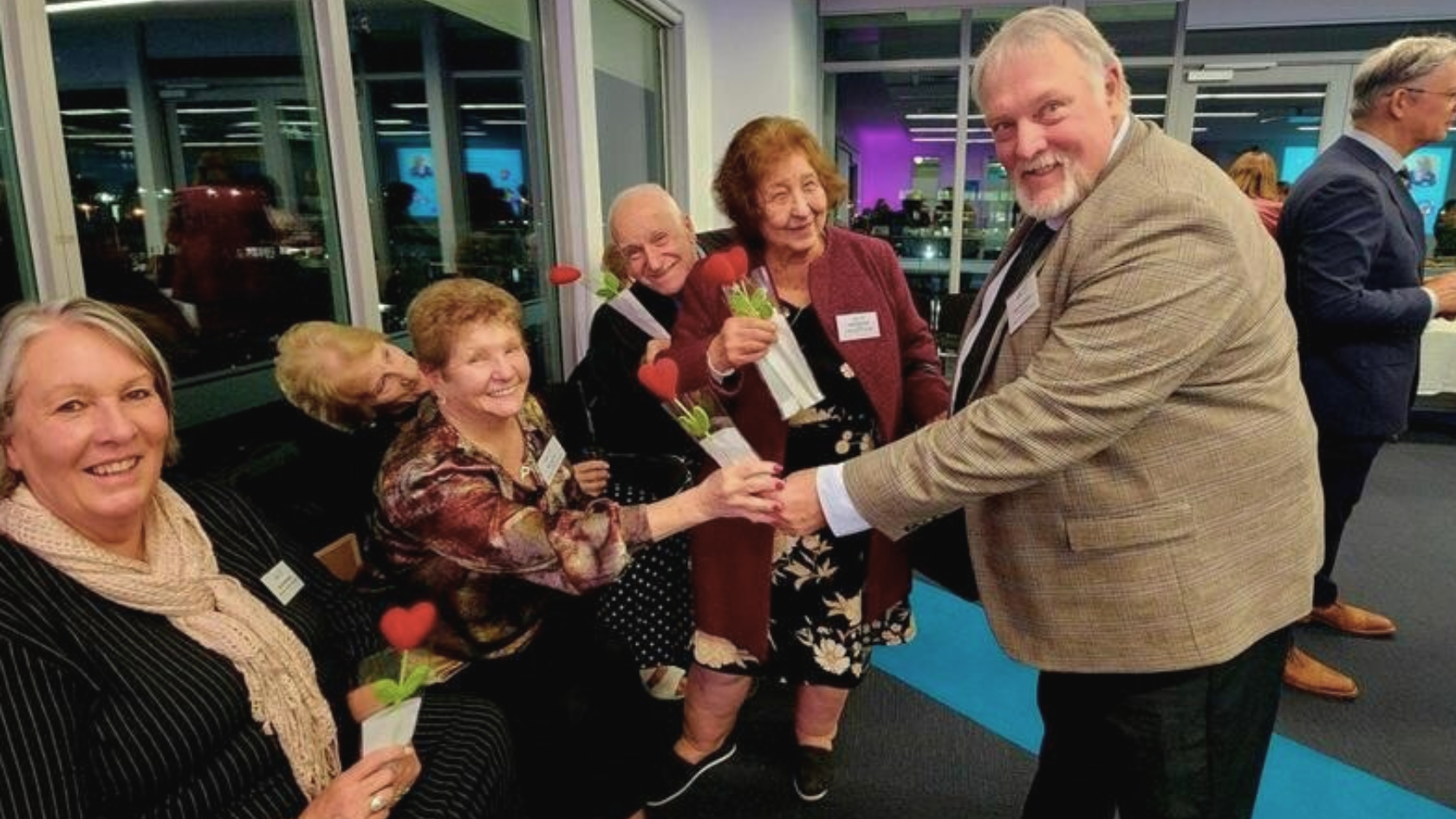
    On 17 September, the Foundation hosted its annual thank you event, honouring the generosity of its donors, partners, and sponsors. The evening was a celebration of community spirit and shared impact, recognising the vital role supporters play in advancing equitable and accessible healthcare.

    In a record-breaking achievement, the Foundation proudly announced it had distributed $1.6 million to Northern Health in 2024/25, its largest contribution to date. These funds have supported life-changing medical equipment, research, staff training, and enhancements to patient spaces across all campuses.

    A highlight of the evening was the launch of the Foundation’s new capital campaign to bring the Da Vinci surgical robot to Northern Hospital Epping. This cutting-edge technology represents a major leap forward in patient care, enabling world-class surgical precision and outcomes for the local community.

    The Foundation also shared inspiring news about the impact of workplace giving. Thanks to the generosity of Northern Health staff, over $70,000 was directed to projects that have transformed patient and family spaces throughout the hospital. These upgrades include:

    • A refreshed Women’s and Children’s balcony
    • New furniture for staff and visitor courtyards
    • A revitalised Sacred Space room (Coming soon)
    • Welcoming waiting areas for maternity and cancer services
    • A dedicated family room in the Emergency Department
    • A vibrant mural in the Children’s Ward, bringing colour and comfort to young patients (Coming soon)

    Each of these enhancements reflects the Foundation’s deep commitment to creating environments that promote dignity, wellbeing, and healing.

    Newly appointed Foundation Director, Chris Harding, is looking forward to building further on the great work of the Foundation, saying how pleased he was to meet donors at the recent thank you event and to have an opportunity to thank them in person.

    “It’s amazing to witness how the contributions of our donors and supporters, and our workplace givers, combine to achieve such a remarkable result. I take this opportunity to thank our staff who contribute regularly to the Workplace Giving Program, together with BankVic who kindly match these contributions.”

    The Foundation expresses profound gratitude to every donor, partner, and workplace giver whose kindness continues to shape a healthier future for all.

    To learn more about workplace giving and how to get involved, visit https://www.nhfoundation.org.au/workplace-giving

  • Shocktober: Call, Push and Shock

    Shocktober: Call, Push and Shock

    Shocktober is Ambulance Victoria’s month-long campaign aimed at highlighting the importance of learning cardiopulmonary resuscitation (CPR) and how to use an automated external defibrillator (AED).

    Every day, around 21 Victorians suffer a cardiac arrest, with only one in 10 surviving. A cardiac arrest occurs when a person’s heart suddenly stops pumping blood effectively around the body.

    For every minute that CPR is delayed, survival decreases by 10 per cent. But when a patient receives CPR and a shock from an AED before paramedics arrive, their chance of survival more than doubles.

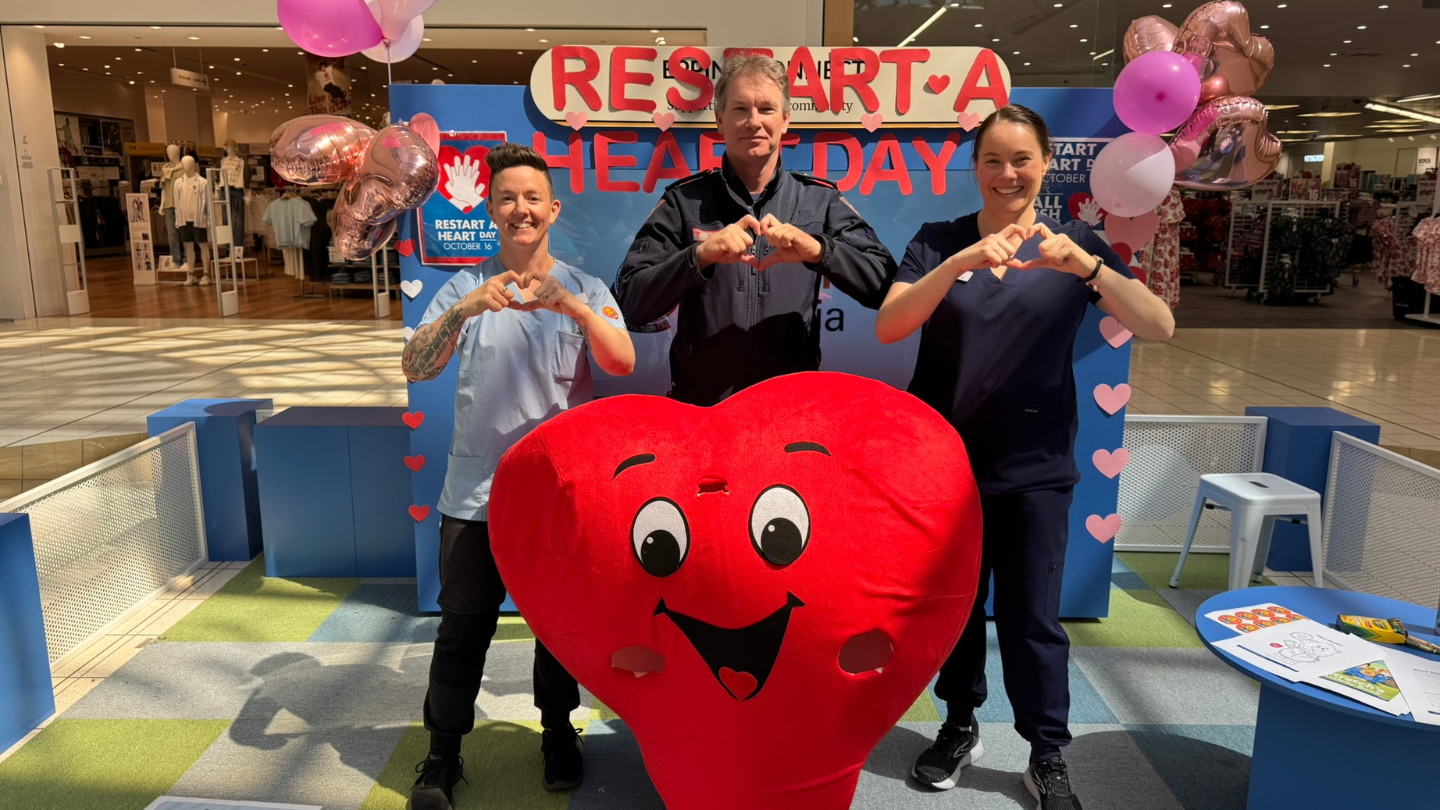
    Last week, Northern Health partnered with Pacific Epping and Ambulance Victoria to host a Restart a Heart Day event. The community was provided with hands-on training in CPR and AED use in a controlled, non-emergency setting for participants to develop these critical life-saving skills.

    Elise Sutton, Resuscitation and Clinical Deterioration Coordinator and Simulation and Safety Coordinator at Northern Health, said the health service was pleased to once again collaborate with Pacific Epping and Ambulance Victoria to bring life-saving CPR and AED awareness to the community.

    “We appreciate Pacific Epping’s commitment to share essential health messages and provide the public with the tools needed for emergencies,” Ms Sutton said.

    James Tehan, Ambulance Victoria Acting Director of Regional and Clinical Operations, encouraged locals to learn CPR, learn how to use an AED, and know where their closest defibrillator is located.

    “Shocktober is about giving Victorians who have a cardiac arrest a better chance of returning to their loved ones,” said Mr Tehan.

    “CPR and defibrillation are critical. Every day, around 21 Victorians suffer the medical emergency but only one in 10 survive. For every minute CPR is delayed, survival decrease by 10 per cent.”

    “Our message is simple – you don’t need to be a paramedic to save a life. Just remember to call Triple Zero (000), perform CPR and use an AED.”

    Adam Phillips, Centre Manager of Pacific Epping, spoke about Pacific Epping’s dedication to community safety and its ongoing work with Northern Health.

    “Being able to team up with Northern Health and Ambulance Victoria for this training is a real chance to help our community feel ready in an emergency, like a cardiac arrest,” said Mr Phillips.

    To find out more about Shocktober, please visit https://www.ambulance.vic.gov.au/shocktober/.

    Featured image: Northern Health and Ambulance Victoria at the Restart a Heart event at Pacific Epping last week.