• Allied Health Professions Day: Stronger together

    Allied Health Professions Day: Stronger together

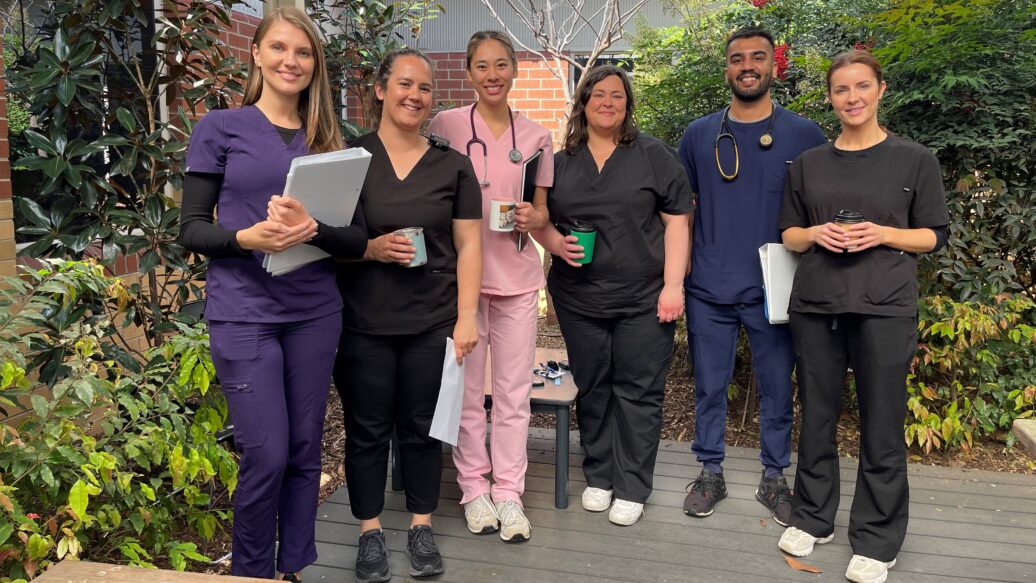
    Allied Health Professions Day is a social movement to recognise the contribution of Allied Health professionals to patient care and population health. It is also a chance to get to know and celebrate the skills and achievements of Allied Health professionals across the world.

    The theme for this year’s Allied Health Professions Day is ‘Stronger Together’, which highlights the benefits of multidisciplinary team-based care. Northern Health has an extensive Allied Health department, spanning all sites, with many dedicated staff working across all disciplines, including:

    • Audiology
    • Exercise Physiology
    • Dietetics and Nutrition
    • Occupational Therapy
    • Orthotics
    • Orthoptics
    • Physiotherapy
    • Podiatry
    • Psychology
    • Social Work
    • Speech Pathology

    “Allied Health staff are an invaluable part of Northern Health. We provide essential care both independently and as integral members of multidisciplinary teams. With expertise across ten Allied Health disciplines, we offer a wide range of specialised services, from detailed assessments to complex treatment plans, all of which significantly enhance patient outcomes,” said A/Prof Jason Cirone, Chief Allied Health Officer.

    Stuti Adhvaryu, Physiotherapist, chose to be an Allied Health professional because she wanted to work in a hands-on health environment, within a team setting.

    “In my role on GEM, I get to be face-to-face with my clients. I get to problem solve complex situations with so many helpful viewpoints from different professionals. It makes my life very interesting and very rewarding,” Stuti said.

    Simone Cariss, Allied Health Workforce Manager and Clinical Leader Occupational Therapy/Hand Therapy, said Allied Health Professions Day is a wonderful opportunity to celebrate and acknowledge the impact they make to enhancing patient care.

    “This is an opportunity to say thank-you to our highly skilled workforce. Thank you for the really important work that you do, with the appreciation that working in healthcare can be challenging at times,” she said.

    “There are so many transferable skills that Allied Health professionals have, that you’ll often find them extending themselves and having successful careers outside of their discipline specific roles and contributing to the healthcare workforce in other meaningful ways.”

    Our Allied Health department will celebrate Allied Health Professions Day this week with their Annual Allied Health Awards on Thursday.

  • Get to know: Dr Jason Talevski

    Get to know: Dr Jason Talevski

    #WeAreNorthern

    Meet Dr Jason Talevski, Senior Research Fellow at the Victorian Virtual Emergency Department (VVED).

    Q: Firstly, what is your coffee order?

    A: Skinny flat white (extra hot).

    Q: Tell us about your role and journey at Northern Health? 

    A: I began working at Northern Health in June 2023 as the Senior Research Fellow for the Victorian Virtual Emergency Department (VVED). My role is to oversee the research undertaken by the VVED that aims to determine the quality, safety, and efficacy of this novel and innovative virtual model of care.

    Q: You were recently the recipient of the Northern Health Foundation Grant. Tell us a bit more about that?

    A: Yes, I was very surprised with this but very happy to receive the grant! My research focus is in telehealth and virtual care now working in the VVED. However, before beginning my role here at Northern Health, my area of research interest was healthy ageing, particularly osteoporosis and fracture prevention and management. My proposed project aims to develop a Fragility Fracture Diversion Pathway, to improve ED referral pathways for follow-up fracture care in older adults. This pathway will hopefully enhance communication between patients and their health care providers by improving post-fracture referral pathways to GPs for follow up. I hypothesise this will increase rates of osteoporosis diagnosis testing and uptake of fracture prevention treatment.

    Q: What are your fondest childhood memories?

    A: Every year we would go on a big family trip to a regional town and stay at a fun family resort during the summer school holidays (alternating between Echuca, Yarrawonga and Cobram). We loved these trips because it was nice to get away and just swim, play tennis and have BBQs, every night for a week. Now that my older brother and sister both have kids, we have recently started this tradition again!

    Q: Favourite place to travel to and why?

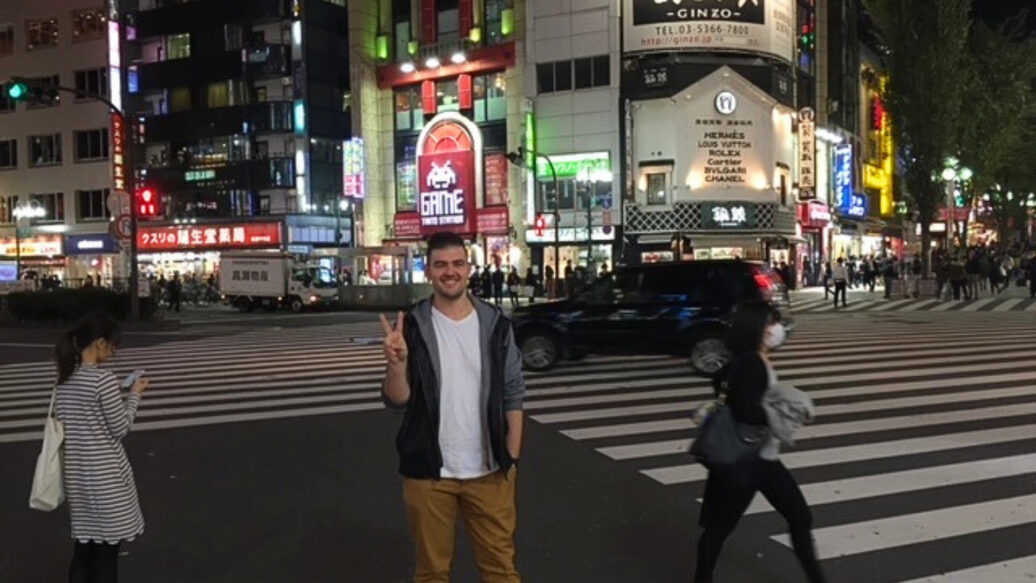
    A: Japan – The food, the culture, the nightlife, the sights, and did I mention THE FOOD! I have been there three times and am hopefully planning another trip there next year.

    Q: Sweet or savoury?

    A: Porque No los Dos?

    Pictured in featured image: Dr Jason Talevski in Tokyo, Japan. 

  • A workplace safe from violence starts with us

    A workplace safe from violence starts with us

    Northern Health creates a safer workplace through assessing and controlling the risks of OVA to minimise harm and create a strong culture of care, and our workplace plays an important role in psychological health and safety.

    Rachel Green, Ward 19 Nurse Unit Manager (NUM), shares with us how OVA risks in her ward were reduced by working together.

    1. Please share difficulties you have encountered in managing violence and aggression on your ward?

    At times, it can be overwhelming for me and the staff involved in an incident. The, toll it takes on my team, not only throughout the OVA incidents, but the aftermath, can be quite difficult. Once an OVA incident has occurred, staff begin reflecting upon the OVA incident with regards to what happened, and what potentially could have happened. This can be quite confronting for some staff, especially those who have encountered multiple OVA incidents.

    2. How has your team handled these difficulties? Have they received support, and if yes, what types of support?  

    The team has received terrific support from within Northern Health.

    We’ve done a lot of training on getting staff to submit a VHIMS / Riskman to report the incident, as well as building confidence in OVA situations in taking a leading role, education on the mental health act and the management of mental health patients on an inpatient ward.

    In more severe OVA incidents, where OVA incidents have impacted staff when the patients have been involved in multiple recurrent incidents, I reach out to our OHS Wellbeing Team. The team facilitate and organise ward debrief sessions (psychological first aid) as required, both in a group setting and individually through the Employee Assist Program (EAP) Converge. This service has been really helpful for staff to debrief as a group, as well as receive individual support as required.

    The OHS Wellbeing Team has also facilitated wellbeing sessions, encouraging staff to look after themselves, which have been really helpful.

    As an acting nurse unit manager early on in my career, the ward had a patient who caused several OVA incidents, which affected staff and myself. Being a new acting manager, I was unsure of what supports were available and who I needed to contact. Through the OHS team, I have been well supported, educated and guided through these difficult incidents, to be able to establish effective processes in order to support staff on the ward as well myself.

    3. What actions have been taken, in collaboration with the OHS team, to prevent/reduce OVA incidents on the ward?

    Through the collaboration of the OVA Coordinator, Head of Security and Emergency Manager, we ran a series of in-services to give staff the confidence to lead in a Code Grey, give clear instructions on what was needed to maintain a safe work environment and the ability to escalate appropriately to ensure safety for all staff and consumers.

    Upon reflection following OVA incidents, gaps in staff safety were identified by the team, One safety point recognised through my debrief with staff, was that some rooms/areas of the ward were not appropriate for managing an OVA risk patient. This led to the implementation of high-risk OVA appropriate rooms. The criteria for these rooms are single rooms at the front of the ward or in areas with appropriate exits and appropriate rooms for staff to retreat to safety.

    The OVA coordinator has been instrumental in encouraging staff to have a zero-tolerance for OVA behaviours from patients and visitors. The OVA coordinator has also assisted ward staff in reviewing VHIMS related to OVA and assisting in providing a zero tolerance notice for patients that are repeat offenders or who have had incidences of unacceptable behaviour. This has proven to be successful for the majority of the time with the patients or consumers understanding that their behaviour will not be tolerated.

    4. What are some of the prevention strategies that Northern Health have implemented to ensure everyone’s safety on the ward?

    Northern Health has implemented an OVA Education/Training group. This includes three Ward 19 OVA champions who attend committee meetings, provide updates and changes to the ward and deliver ongoing training to all staff on Ward 19.

    The OHS team has made themselves available to all staff post incidents, often calling to follow up staff post VHIMS submitted, as well as following up with the manager to ensure all supports are in place. This provides the staff with assurance that the organisation cares about their mental health and wellbeing.  All wards have an OHS wall with EAP and Wellbeing contacts readily available if required.

    Staff on the ward are aware that OVA incidents can take an increased toll on them, even after the event has occurred. Staff understand that it is important to speak about the incident to help prevent burnout.

    5. What are the takeaways from your experience in managing OVA incidents at Northern Health?

    The positive is learning how the organisation does support the ward and knowing that you’re not alone. Sometimes, as a new NUM, it can be difficult to navigate how to advocate and support your staff post incidents.

    Having the OHS team involved does make the navigation and process a lot less daunting. Staff are grateful knowing that the organisation, including our senior leaders, react and come together to support them and ensure their wellbeing and mental health is being looked after. I think our organisation as a whole does prioritise mental health and wellbeing of staff and I think sometimes it takes an incident for staff to realise how much Northern Health do.

    6. What lessons have you learned as a leader? 

    As a leader, I have learnt that I can’t always do everything myself and it is important to reach out to others for help. At times, I have felt I was failing the team, however once I learnt of the support that we do have from the OHS and Wellbeing team at Northern Health, things felt better. It wasn’t easy at the start. I took a lot of it on and I would take it home, not being able to sleep properly. There would be no break from it and I would be constantly thinking of the wellbeing and safety of my staff.

    Over time, I have developed a great network and relationships within the Surgical Division and the OHS team, which helps me to understand and realise that we are all in it together. I am always able to debrief with someone away from the ward setting, which has allowed me to be able to leave work at work. The OHS Wellbeing Team is always checking in. It is really nice to have someone ask if my team and I are okay.

    7. How does the team feel about the processes for managing OVA?

    • Rachel Green, NUM: Northern Health cares about the wellbeing of staff by providing resources and supports to help post OVA incidents. The team appreciates the check ins from the OHS team.
    • Tessa Bruno, CNS: The Northern Health OHS team provides guidance in some tough situations. We appreciate the ongoing support by the OHS team, Rimon and the security team and our NUM, Rachel.
    • Maddison Numa, RN: It was good to build rapport with OHS staff and receive ongoing support from my NUM. The debriefing, post code black, with all parties was beneficial. It enabled me to return to work knowing I was returning to a supportive workplace.
    • Cassandra Lewis, RN: The OHS team at Northern Health always do their best to provide a safe and healthy workplace. Unfortunately, last year I was involved in an incident at work which left me distressed and anxious. The OHS team went above and beyond to reach out and provide support to ensure my wellbeing and mental health was looked after.

    It is important we all work together to reduce risks and promote recovery after stressful events like OVA. Working together, sharing expertise and supporting one another is paramount, not only during the event but in the days, weeks and months afterwards as people recover in different ways.

    For more information, please visit the following intranet pages:

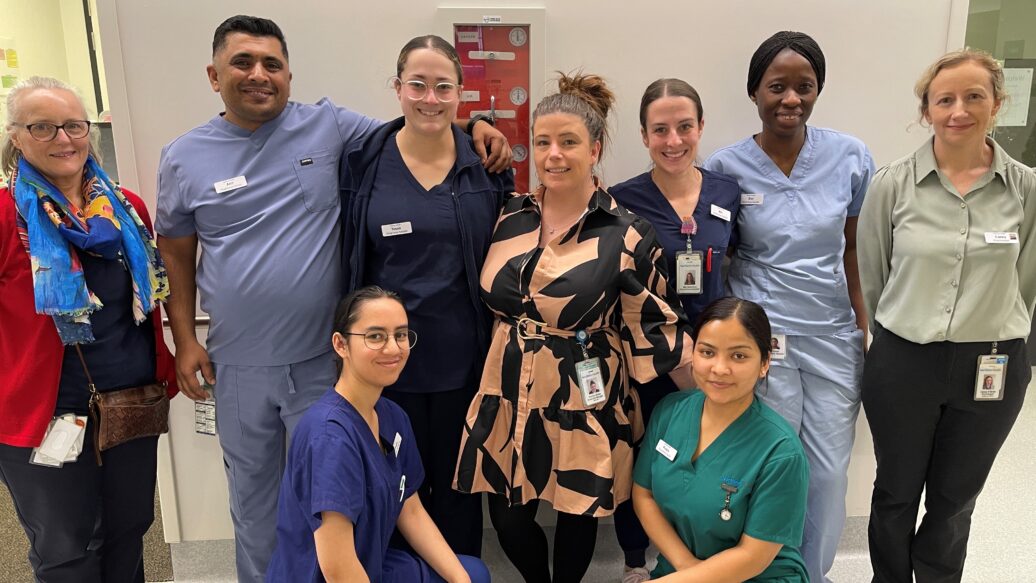
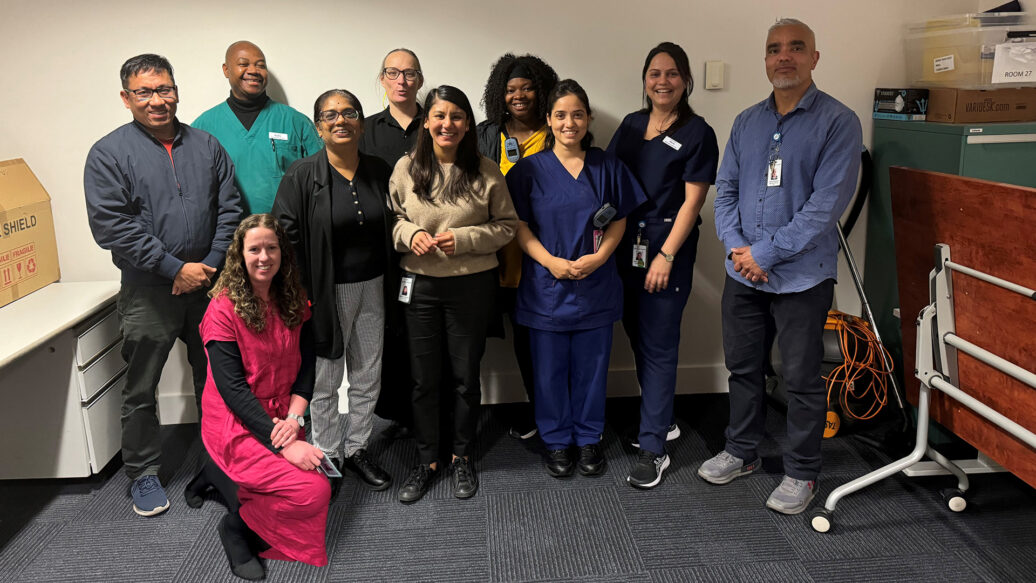
    Featured image: Ward 19 staff with the OVA and Wellbeing team.

  • People Matter Survey: Make every day a great day at Northern Health

    People Matter Survey: Make every day a great day at Northern Health

    The People Matter Survey is now live for staff to complete.

    It is a safe and anonymous way for staff to have their say about what it’s like to work at Northern Health, what the organisation is doing well and what can be improved to ensure the health service is a place staff love to work at.

    Staff are able to safely voice their opinion and concerns on what really matters to them relating to job satisfaction, career development, manager and leadership support, diversity and inclusion, work-related stress and much more.

    Bianca Fazzari, People Experience Business Partner, People and Culture, said, Northern Health is committed to making every day a great day at work, so that we can attract and retain exceptional staff who are aligned to our vision of a healthier community.”

    “One of the ways we listen to our staff in order to make our workplace better is via our annual engagement survey – the People Matter Survey.”

    “The survey is your chance to have your say about how you experience different aspects of our workplace. It enables you to share your valuable insights about what we do well and where we need to improve, in relation to things like job satisfaction, career development, manager and leadership support, diversity and inclusion, work-related stress, and lots more.”

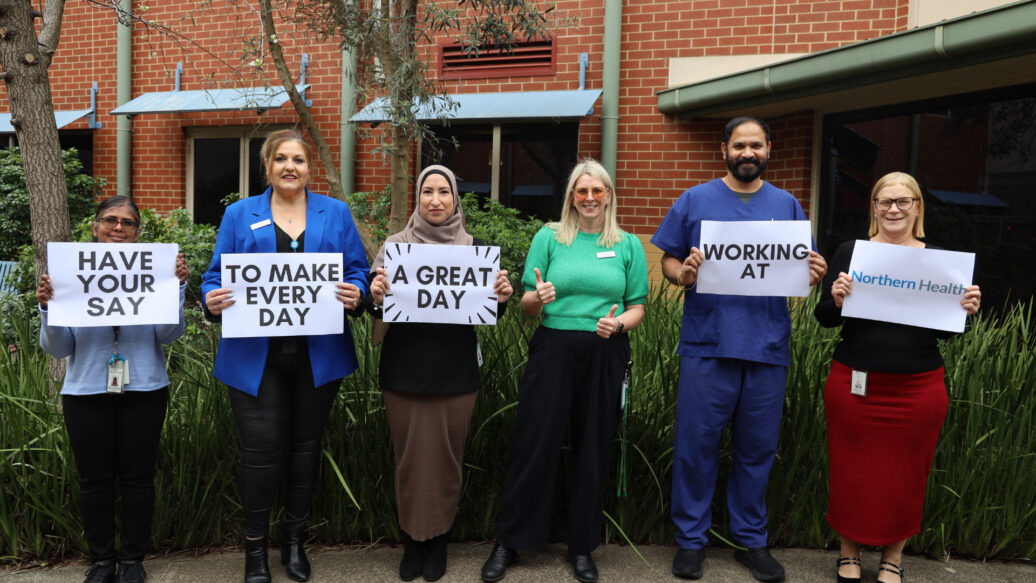
    “Staff participation in the survey is vital to ensure meaningful action is taken to continue to make our workplace better. The more responses we get, the more meaningful the results and actions will be. So, have your say to make every day a great day, working at Northern Health.”

    Over the years, feedback from previous People Matter Surveys have resulted in several initiatives being implemented at Northern Health, including:

    • Executive Safety Walks
    • CEO Updates
    • Improved People Management systems such as RosterOn
    • Wellbeing initiatives such as:
      • Fatigue Management Framework and Training
      • Establishment of Psych Health & Wellbeing Sub-Committee
      • Safety Culture Audit by EY Consultants
      • Building our Zero Tolerance to Bullying approach
      • Safer Care Victoria pilot program to support staff wellbeing
    • Improved reward and recognition programs including Staff Recognition Awards, Service Awards and Employee Appreciation Day celebrations and offerings
    • Improved corporate discounts including local retailer discounts, Perkbox, Wherefit, and Fitness Passport
    • Digitised Annual Performance Appraisal Process

    “Your feedback is really important to us so we can continue to build an organisation that you want to come to work in. Please have your say and help us create an organisation that we continue to love,” said Debra Bourne, Interim Chief Executive, Northern Health.

    Northern Health is aiming for an organisation-wide completion rate of 40 percent. There are gift vouchers, proudly sponsored by Pacific Epping and Cadbury, to be won by the Directorate with the highest completion over 40 percent within set categories. Further information about the prizes and the survey can be found on the Intranet.

    “The People Matter Survey is a really important way for us to get feedback from our teams about how to make our workplace safer and supportive for our staff,” said Jennifer Gilham, Divisional Director, Community Hospitals.

    “Have your say, and together, we can make our workplace better,” said Odette Taylor, Director of Health Information Services

    “Feedback makes us be better,” said David Clark, Nurse Unit Manager, Theatre.

    The survey is independently facilitated by the Victorian Public Sector Commission. Staff participation in the survey enables us to benchmark our performance against other Victorian health services, track progress over time to strengthen a positive workplace culture, identify directorate/division/team unique strengths and build localised action plans to address areas of improvement, specific to your work groups.

    The survey is open until Friday, 25 October. If you need technical help with the survey, please email people.matter@vpsc.vic.gov.au.


  • Personality Disorder Service

    Personality Disorder Service

    In 2019, the Personality Disorder Service (PDS) received funding as part of a pilot program by the Victorian Department of Health and the Office of the Chief Psychiatrist.

    The initiative aims to enhance specialist capabilities of public mental health clinicians to assess, treat and support people with severe personality disorder who are at high risk of suicide or high lethality self-harm and/or aggressive behaviour. Due to the success of the PDS, at the conclusion of the four-year pilot, Northern Health maintained the funding to provide ongoing specialist input within Northern Area Mental Health Service (NAMHS). 

    Since its inception, the PDS has used the principles-based model of Good Psychiatric Management as a framework for service delivery to expand accessibility for consumers and increase mental health professionals’ ability to assess, treat and support consumers with a personality disorder. Service provision provided by the PDS across NAMHS includes primary consultation and treatment (both group and individual), second opinions for diagnostic clarification, secondary consultation and training across the Mental Health Division.

    This October, there are two national events taking place that raise awareness of mental health conditions, including Borderline Personality Disorder (BPD):

    • National Multicultural Mental Health Month- Celebrating Diversity and Healing Together – The Mental Health Foundation Australia (MHFA) has announced October as the National Multicultural Mental Health Month 2024, to celebrate the rich cultural diversity of Australia, while promoting mental health awareness and support within multicultural communities.
    • BPD Awareness Week (1-7 October): Living life well, Recovery and BPD – The BPD Awareness Week theme for 2024 is focused on living life well. Everyone’s recovery journey is uniquely their own, so the word ‘recovery’ means different things to different people. Research shows that, with appropriate treatment and support, people with BPD, ‘recover,’ and lead a life that’s meaningful to them.

    In unifying these themes, the PDS highlights in its service provision the importance of understanding and respecting the diversity of experiences, perspectives, identities and relationships of individuals in their recovery from BPD.

    Culture is central to who we are and shapes our identity and ways of living. Each culture, with its unique history, values and practices, influences individuals and their families in diverse ways that also affect personality functioning. This means that cultural context and norms are extremely important in understanding personality functioning – what living life well looks like varies from culture-to-culture.

    In addition, processes such as migration and acculturation can place further strains on personality functioning that require culturally sensitive approaches, particularly in the context of Australia’s history with minority groups who have experienced cultural dispossession, escape from war and poverty and significant trauma (Ronningstam et al., 2018).

    Recent studies have impressed the importance of understanding consumers in their socio-cultural context, identifying the dynamic interactions between personality traits, developmental histories and adversities within the current social situation (Ryder, 2015).

    NAMHS service participants belong to a broad range of cultural backgrounds. The PDS endeavours to support the mental health division in its work with consumers with BPD to develop individualised shared formulations, which incorporates cultural understandings, to guide collaborative treatment approaches to recovery. For example, understanding the function of non-suicidal self-injury (NSSI) and chronic suicidality for people with BPD requires a culturally sensitive inquiry into their circumstances as what might look like NSSI based on psychopathology may actually relate to a culturally appropriate expression of grief (Fromene et al., 2014).  Cultural diversity and perspectives are further considered in secondary consultation, reflective practice and training offered by the PDS to promote holistic and culturally sensitive service provision.

    The understanding and acknowledgement of diversity is vital in supporting consumers with personality disorder, to build trust, convey empathy and ensure the values and beliefs of the individual are respected and at the forefront of communication. Learning about other cultures, and how these unique cultural experiences may impact their mental health and help-seeking fosters recovery, thus, supporting the individual to lead a life that is meaningful to them.

    For further information visit-https://intranet.nh.org.au/departments-and-services/mental-health-services-mhs/mh-services-internal-how-to-refer/personality-disorder-service/

    or email: Jacinta Clemente – (Lead Personality Disorder Clinical Specialist/Clinical Psychologist) via email Jacinta.clemente@nh.org.au

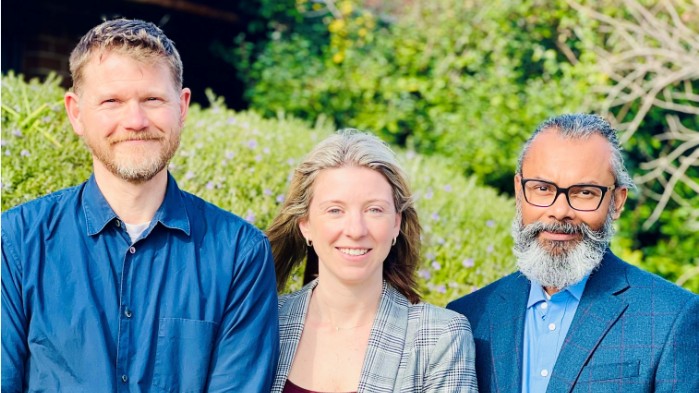
    Picture shows from left to right: Peter Smith (Personality Disorder Clinical Specialist/Social Worker), Jacinta Clemente (Lead Personality Disorder Clinical Specialist/Clinical Psychologist),  and Dr Ajay Vijayakrishnan (Consultant Psychiatrist Personality Disorder Specialist)

  • It’s Thunderstorm Asthma Season

    It’s Thunderstorm Asthma Season

    The arrival of October brings the start of grass pollen season, generally lasting until 31 December.

    Warmer weather, increased amounts of grass pollen in the air and certain types of thunderstorms, when combined, can result in an Epidemic Thunderstorm Asthma (ETSA) event triggering severe asthma.

    Thunderstorm Asthma can cause serious health impacts for people with known and unknown conditions of asthma, therefore it is incredibly vital to be aware of the Thunderstorm Asthma procedures and how to be prepared for a potential ETSA event.

    Symptoms of ETSA include an itchy and runny nose, sneezing, coughing, wheezing and/or chest tightness. Some of these symptoms can become very severe, very quickly, and may require urgent medical assistance.

    Extreme ETSA events, like that experienced on 21 November 2016, can result in large numbers of people with sudden onset asthma in temporal and spatial relation to the storm, and large geographical areas affecting multiple health services, with a resultant strain on health and emergency services.

    Sharon Rukavina, Respiratory Clinical Nurse Consultant – Asthma and Allergy, said during the 2016 event, thousands of people suddenly had asthma attacks, therefore, finding it hard to breathe.

    “Some had never had asthma symptoms before,” she said.

    “In Victoria, from October to December, thunderstorm asthma results from a combination of high grass pollen counts, such as ryegrass, and specific weather conditions. Strong winds carry the pollen, while storms or moisture break open the pollen grains, releasing ultrafine particles into the air.”

    “These particles are small enough to penetrate the lower airways, potentially triggering severe asthma symptoms in those that are susceptible.”

    “A comprehensive review of the 2016 Melbourne thunderstorm asthma incident revealed that it primarily affected individuals sensitive to grass pollens.”

    “Consequently, those with springtime hay fever or poorly controlled asthma – characterised by asthma symptoms on many days of the week or frequent ongoing use of a reliever inhaler – will require additional protection against thunderstorm asthma. If you think your asthma may not be controlled or you have spring hay fever, then please see your GP as soon as you are able.”

    Sharon urges everyone in the community to be able to recognise the symptoms of someone having an asthma attack and to know the four steps of asthma first aid.

    “It is very important not to ignore any symptoms of asthma such as wheeze, persistent cough or unexplained breathlessness. Everyone should be able to recognise the symptoms of someone having an asthma attack and to know the four steps of asthma first aid,” she said.

    Step 1: Sit person suffering the attack upright.

    Step 2: Shake the blue/grey reliever puffer and give them four separate puffs using a spacer if available.

    Step 3: Wait four minutes and give four more puffs if the person cannot breathe normally.

    Step 4: Call an ambulance if they still cannot breathe normally and keep giving reliever puffs as above until an ambulance arrives.

    Completely avoiding pollen can be difficult during the pollen season but the following steps may help reduce your exposure if you are sensitive:

    • For individuals with known asthma, it is important to use your prescribed preventer inhaler as directed, even in the absence of symptoms.

    • Carry a blue/grey reliever inhaler such as Ventolin or Asmol at all times and ensure you are familiar with its proper use

    • Avoid going outdoors on days with high pollen counts,  high winds or after thunderstorms. Stay inside with the windows shut and the air conditioner switched to recirculate/recycled.

    • Check weather forecasts and pollen levels

    • It may be prudent to manage hay fever symptoms with a daily steroid nasal spray during pollen season, although its effectiveness in preventing thunderstorm asthma remains uncertain.

    Jason Amos, Director Emergency Management, is encouraging staff to become aware of Northern Health’s emergency plan for such events including ETSA.

    “Northern Health has a Code Brown Subplan – Thunderstorm Asthma procedure and the Code Brown – External Emergency procedure. Both are available on Prompt and have been updated to include Kilmore District Hospital following the recent amalgamation,” he said.

    The Northern Health Simulation and Safety Team is facilitating a Multiagency Thunderstorm Asthma Simulation on 17 October, 1 pm – 3 pm at NCHER. Representatives from Northern Hospital Epping, Kilmore District Hospital Urgent Care Centre, Epping and Craigieburn Priority Primary Care Centres and Ambulance Victoria will be in attendance.

    You can access daily forecasts for ETSA events here.

    For more information on asthma first aid, please click here.

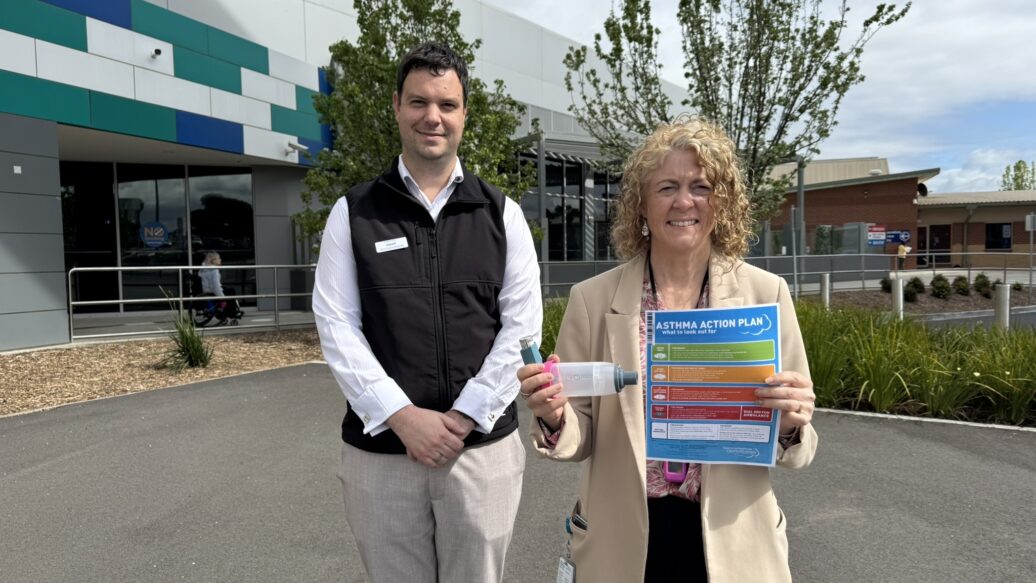
    Featured image: Jason Amos, Director Emergency Management and Sharon Rukavina, Respiratory Clinical Nurse Consultant.

  • Get to know: Douglas Mponda

    Get to know: Douglas Mponda

    #WeAreNorthern

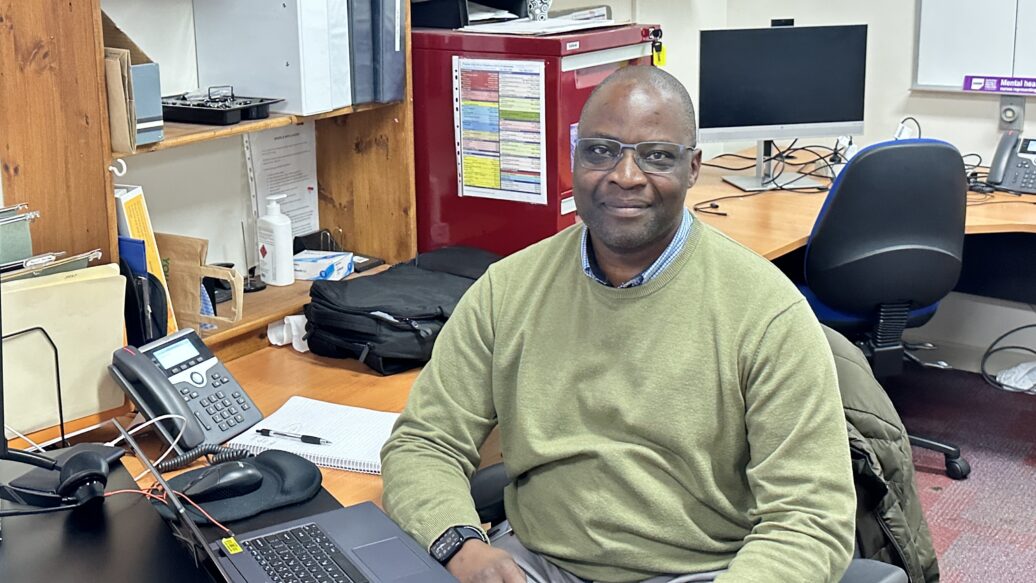
    Meet Douglas Mponda, Forensic Clinical Specialist/Registered Psychiatric Nurse.

    Q: What is your coffee order?

    A: I prefer a simple latte as I am not much of a coffee drinker.

    Q: Tell me about your work as a Forensic Clinical Specialist (FCS) – what does it entail?

    A: My work as an FCS is centered around what we refer to as the four pillars:

    1. Clinical consultancy, which can be primary (seeing the consumer face to face) or secondary consultancy where I meet with the clinician(s) and explore options with them. This way, we offer first line consultancy, offender specific risk assessment and intervention support to the mental health workforce for the following behaviours of concern – violence, threateners, stalking, sexual offending, general offending, querulous (vexatious) complainants, fire-setting and psychopathy. I also undertake joint assessments of consumers with a forensic history or potentially high risk of offending.
    2. Organisational service development and quality improvement which involves contributing to the development, review and evaluation of risk assessment and management frameworks in relation to target population. I also contribute to operational review of incidents involving consumers with an offending history.
    3. Workforce education and training through providing training on forensic mental health topics like principles of forensic mental health; risk assessment and management; role of mental health in offending; navigating the forensic system.
    4. Partnerships and networking via working with local mental health and justice sector in order to lead and support the development of strong collaborative relationships between Northern Area Mental Health Service (NAMHS) and local justice services to reduce gaps in service delivery, particularly during discharge, transfer to or release from prison. I also contribute to the development and review of protocols and processes between mental health services, justice system and local support agencies, including clear referral pathways, collaborative practice principles, information flow and timely communication mechanisms. External services I liaise with include: police; courts; prison based mental health services; Forensicare and non-government support providers. Within the NAMHS, together with my fellow FCS, we coordinate the monthly high risk review panel and I have been a standing member of the NAMHS Safety Committee.

    Q: What do you enjoy most about your work?

    A: I really enjoy the capacity building aspect of the role in that we try to make a difference in the clinicians’ way of thinking and how we offer them a different perspective of approaching risk, its assessment and subsequent management.

    Q: How do you like to unwind after work?

    A: Depending on how busy I would have been at work, I listen to a lot of podcasts, watch movies (to escape reality) or documentaries (to add onto my general knowledge base).

    Q: What is one place you would like to travel to and why?

    A: This is a difficult one to answer as there are many places I would like to visit. Included in my bucket list has to be trips to China and Japan. As an avid martial artist, I would love to visit some of the areas where certain styles of Karate and Kung Fu originated from so that I can pay my homage.

  • KISS: Keep-Ing Safety Simple

    KISS: Keep-Ing Safety Simple

    Every worker deserves a safe and healthy workplace.  The Occupational Health and Safety (OHS) fundamentals is focused on keeping staff safe and healthy at work. Every worker has a right to a safe and healthy working environment, no matter what.

    National Safe Work Month, held annually in October, encourages all individuals and organisations to prioritise work health and safety and take preventative action to reduce the number of work-related injuries, illnesses and fatalities. National Safe Work Month is a time for employers and workers across Australia commit to creating safe and healthy workplaces. The theme for National Safe Work Month 2024 is “Safety is everyone’s business.”

    OHS is essential for any business or organisation. It is a system of practices, procedures, and strategies that help employers protect workers from workplace hazards. At Northern Health, OHS fundamentals helps us to consider health and safety in everything we do and every decision we make. Our OHS systems includes, proactively managing OHS risks, genuinely consulting with workers and providing education and training on safety procedures to understand the importance of workplace safety.

    The OHS & Wellbeing team got back to basics by unpacking the fundamentals of good OHS practice in our Mental Health Inpatient Unit on Ward 8.

    The Northern Health OHS team and Ward 8 Senior Management team acted on concerns from staff, HSR’s and managers about stress, anxiety and burnout. Staff retention was down and sick days had gone up. The organisation has good processes for managing physical OHS risks, including worker consultation. However, the consultative forums and risk management practices could be improved to better manage psychosocial and physical hazards on the ward.

    A local workplace consultative group forum consisting of Ward 8 senior management team, staff, HSR and OHS was established to unpack the fundamentals of OHS.

    These are the responses from Ward 8 staff about the consultation sessions:

    • “It was great to feel heard and someone was in our corner focussing on staff safety.”
    • “They were helpful – moving forward being able to identify similar patterns and putting strategies in earlier works.”
    • “Developing safety huddles, management plans, debriefs happening in good time since early this year.”
    • “Provided a safe space to vent.”
    • “Acknowledged how we felt.”

    “From a management perspective it provided me with a framework to build upon,” said Alexia Sheldon, Acting Clinical Nurse Leader, Ward 8.

    Pradeep Chandravathy, Clinical Nurse Educator Ward 8, said, “During the consultation sessions on Ward 8, staff had the opportunity to discuss their concerns and felt well-supported by the team. This feedback is based on input from various staff members who attended the sessions.”

    Michael Sadkiewicz, HSR Ward 8, said, “Regarding the OHS consultation, there have been many changes on the ward following the meetings, including the reimplementation of safe wards and the designation of the safe ward, ‘champions,’ to head a different domain each month and fortnightly meetings of the safer for all work group.”

    Casey O’Brien, Senior Psychologist People & Culture, OHS & Wellbeing, said, “In addition to the workplace factors impacting the team, we spent time empowering them to also support their individual wellbeing, especially when there were circumstances they did not have influence or control over.”

    “We did this through promoting a holistic discussion about all aspects of their wellbeing, including  emotional, physical, social, spiritual and occupational. We also encouraged them to support each other by sharing strategies they use to cope with the demands of the work, and to seek professional support when needed,” Casey continued.

    Let’s keep workers safe and healthy by ensuring OHS is core to how we do business at Northern Health. Safety is my business, your business, our business.

    Featured image: Ward 8 staff.