• Research Dinner raises vital funds for student research and scholarships

    Research Dinner raises vital funds for student research and scholarships

    On Wednesday, 12 June, Northern Health Foundation hosted their annual Research Dinner, raising funds towards vital research and education.

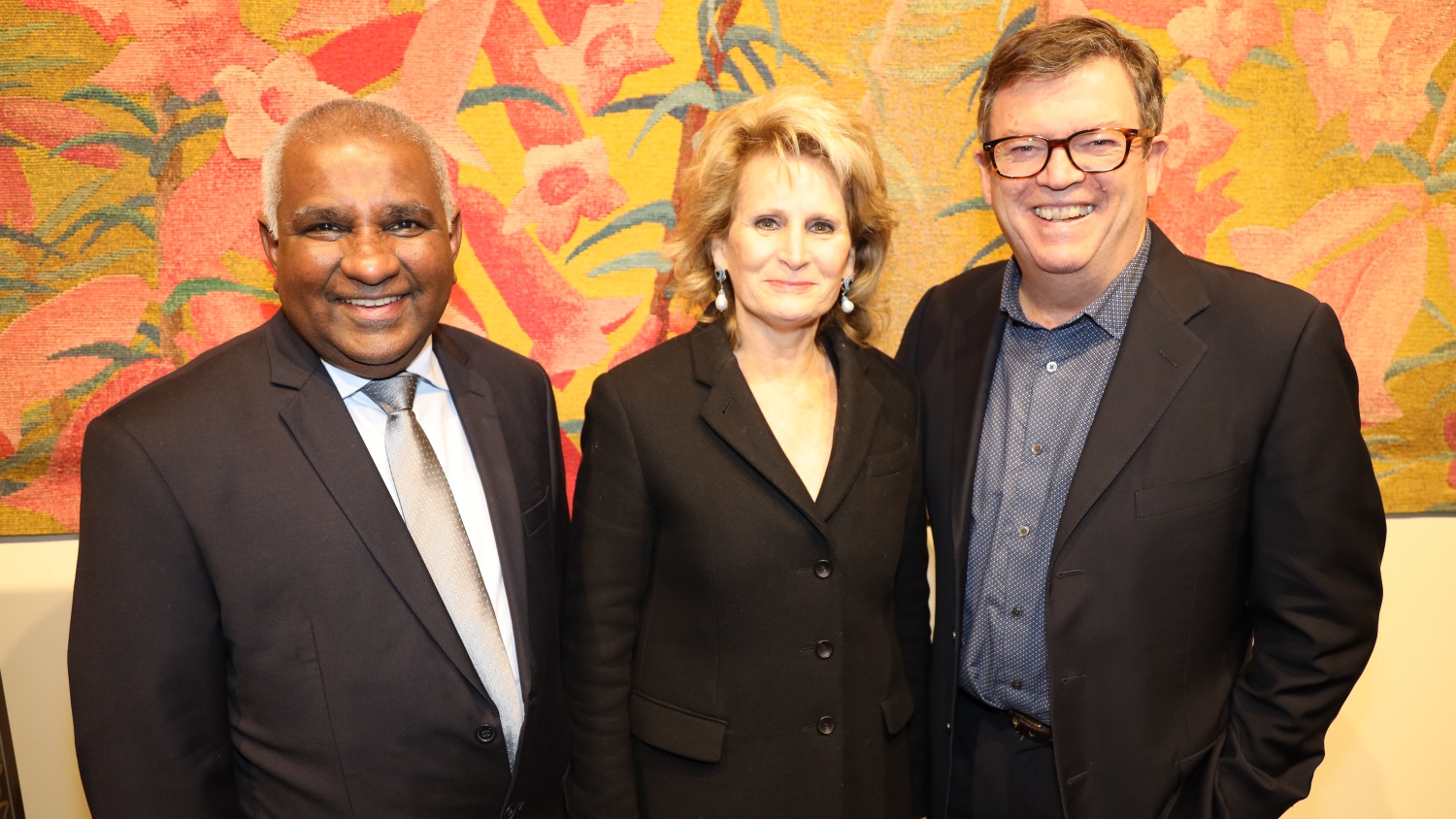
    Hosted at Sofitel Melbourne on Collins, guests included Northern Health Board Chair, Jennifer Williams AM, Chief Executive, Siva Sivarajah, Northern Health Foundation Board Chair, John Molnar, Parliamentary Secretary for Medical Research, Frank McGuire MP, Northern Health Research Lead, Professor Peter Brooks and Divisional Director of Emergency Services and Director of Cardiology, Professor Bill van Gaal.

    Jennifer Williams opened the evening saying, “Northern Health is boldly and innovatively committed to enhancing our patients’ quality of life using digital technologies and research breakthroughs.”

    “We have the opportunity to be at the forefront of new models of care, engaging our clinicians and community in providing solutions to the needs of our patients living in Melbourne’s north. We need to fund our researchers of the future and their innovative ideas that, if successful, will make a difference to the lives of our patients and community,” Jennifer added.

    This year, we welcomed Keynote speaker, Professor Kathryn North AC, Director of the Murdoch Children’s Research Institute and the David Danks Professor of Child Health Research at the University of Melbourne. Professor North is a clinician scientist, world leader in genomic medicine and has extensive knowledge of digital health.

    Professor North spoke about life as a clinician scientist, her career in genomics and children’s health, and future opportunities for Northern Health in its digital health transformation – “It’s a very exciting time to be a researcher, with the Future Fund, and the focus to translate research into clinical practice. Enhancing the power of digital health really means we can do big science from anywhere.”

    “You’ve got to acknowledge the positives of research and this is how you encourage young people to have an addiction to research – embrace teaching others, it enriches your working life and it enriches the clinical environment. Mentorship is probably the most fun of anything I do!” Professor North added.

    Multi ARIA award winners, the Grigoryan Brothers, served as entertainment for staff, corporate partners and sponsors and research enthusiasts.

    PhD scholarship recipients, Rifly Rafiudeen and Zahra Nasr, were in attendance to discuss their research projects. Rifly’s research aims to reduce peri-operative myocardial infarction (PMI) and injury, particularly in patients with hip fractures who tend to be elderly with many medical conditions. Meanwhile, Zahra’s research focuses on preventing and managing post-operative nausea and vomiting, to find out how to effectively engage patients and staff in managing their post-surgical complications.

    Professor Bill van Gaal told guests, “as a prolific researcher myself, I am excited about the future of research at Northern Health and encourage you to join us on this journey.”

    A total of $33,000 was raised by the Northern Health Foundation, which will go towards supporting the next generation of health professionals with research scholarships and grants.

    Chief Executive, Siva Sivarajah, said, “our supporters enable us to continue to translate research into practice, enhance patient safety and create positive outcomes to meet the complex and challenging needs of the northern community.”

    Left to Right: Professor Peter Brooks, Frank McGuire, Jennifer Williams, Kathryn North, Siva Sivarajah
  • From hard water to hope

    From hard water to hope

    The ‘hard’ water in the northern peninsula of Sri Lanka, is high in calcium carbonate and calcium phosphate. This, and the hot, humid weather, increases the risk of urinary tract ailments among the local population, resulting in a significant number of such admissions to the Jaffna Teaching Hospital.

    The Jaffna Teaching Hospital provides tertiary care to more than one million people, and gets referrals from hospitals in all five districts in the Northern Province of Sri Lanka. It functioned for most parts of the bitter civil war as a sanctuary for the people living in the northern part of Sri Lanka.

    It is also where Dr Sudheshan Sundaralingam, Urologist at Northern Health, learnt his surgical skills between 1990 and 1998.

    “That part of the country was ravaged by war for almost thirty years. The hospital was doing a great job with very primitive facilities,” says Sudheshan.

    But that was a long time ago, and Sudheshan could be forgiven for wanting to put it all behind him. He, like a lot of other skilled and accomplished Sri Lankan’s, left for better prospects.

    He first came to Northern Health on a fellowship in 2007 for two years. On his return, he worked as a urologist in the south of Sri Lanka, before taking up an offer from Northern Health and migrating to Australia in 2010.

    “My association with the Northern goes back a long way,” says Sudheshan. Yet, Sudheshan can’t put his past behind him.

    “We have come over here, but that doesn’t mean we have forgotten our land,” says Sudheshan.

    In 2017, the Jaffna Medical Faculty Overseas Alumni Australia Chapter (of which he is the past president), with the assistance of the Australian Medical Aid Foundation and funding from the government, helped build a Laparoscopic Urology Unit at the Jaffna Teaching Hospital.

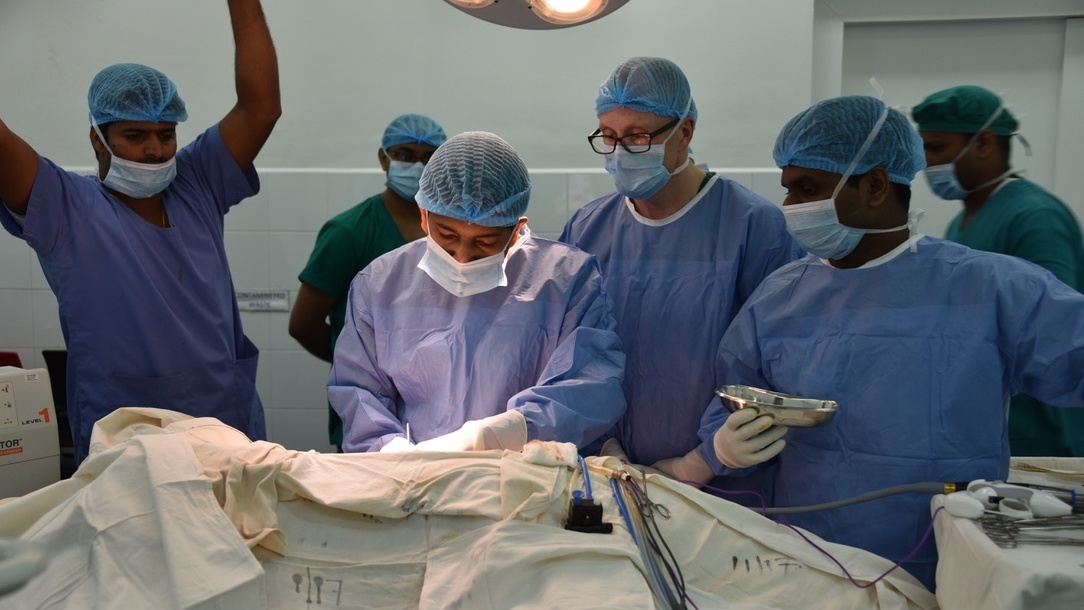
    “I have been visiting every year since, to upskill the urologists at the Jaffna Teaching Hospital in Laparoscopic Urology. The urologists there are very well trained in open and endoscopic urology, but haven’t had the facilities to practice laparoscopic surgery.”

    In 2018, Owen Niall, the Head of Urology here at Northern Health, joined Sudheshan in a 10 day visit both in the north and south of Sri Lanka, teaching and conducting laparoscopic operations.

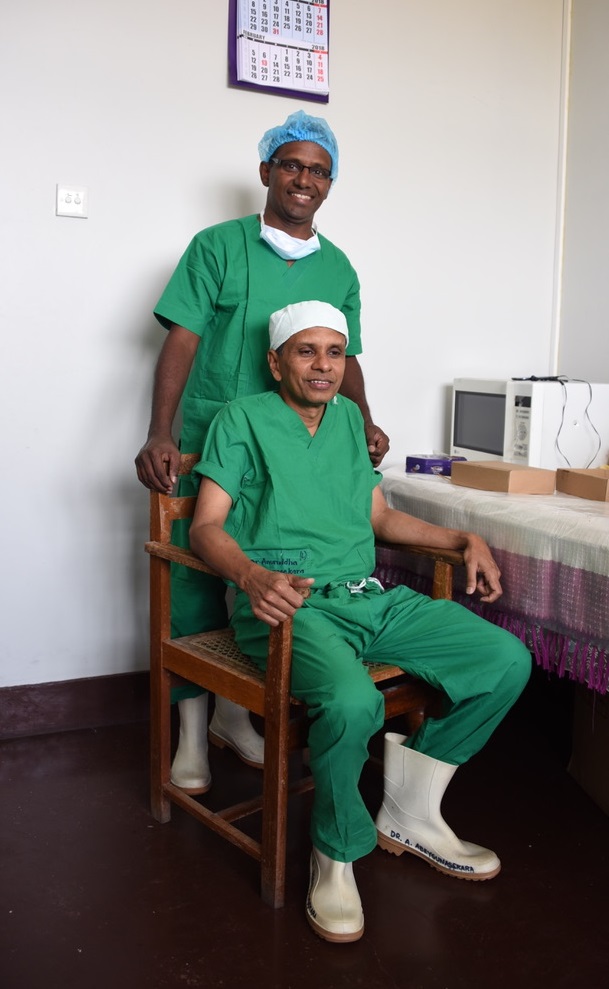
    One memorable meeting was with his former boss, Dr Anuruddha Abeygunasekara, a senior urologist in Sri Lanka, from his time at the Galle Teaching Hospital in the south of Sri Lanka.

    “I was his very first Senior Urology Registrar and was trained by him in the basics of urology. The training was during a time of heightened communal tension. On top of training me, he looked after me like his own child,” says Sudheshan.

    “I was very proud and privileged to go back and work with him and share knowledge.”

    Sudheshan and Owen spent two days with Anuruddha in the capital, Colombo, teaching and operating on patients during their week in Sri Lanka.

    From there, they travelled north to the Jaffna Teaching Hospital and conducted laparoscopic surgical workshops there. Subsequent to this visit, they invited the urologist from the Jaffna Teaching Hospital for a short observer fellowship, both to the Northern and St Vincent’s Hospital to observe laparoscopic cases.

    “I have spoken to other urologists at Northern Health and they are very willing to come over with me and help train the urologists there in advanced laparoscopic urology. The hospital is also very supportive of bringing doctors from there for advanced training.”

    As part of this program, they are now preparing to welcome a junior urologist from there to Northern Hospital for a twelve-month fellowship, specialising in Laparoscopic Urology.

    “I am so thankful to Northern Health and my department for supporting this. I must also thank Dr Wanda Stelmach and Dr Michael Kirk for helping to organise this,” says Sudheshan.

    “I think it is very vital for that community as they are just coming out of a war. We are helping them, at the same time we have learned a lot from their surgical experience.”

    Featured image (left to right): Theatre Technician, Jaffna Teaching Hospital (JTH), Theatre Nurse, JTH, Dr Satheesan Balasubramanium Urologist, JTH, Owen Niall Urologist, Northern Hospital, Scrub Nurse, JTH, Theatre Technician, JTH

    Pictured above: Dr Anuruddha Abeygunasekara (seated) with Sudeshan
  • Flu clinic smashing records

    Flu clinic smashing records

    Northern Health’s flu clinic team is seeing an unprecedented demand for flu vaccines, having given over 14,000 vaccinations to the public in just over a month, compared to 11,000 vaccinations in three months last year.

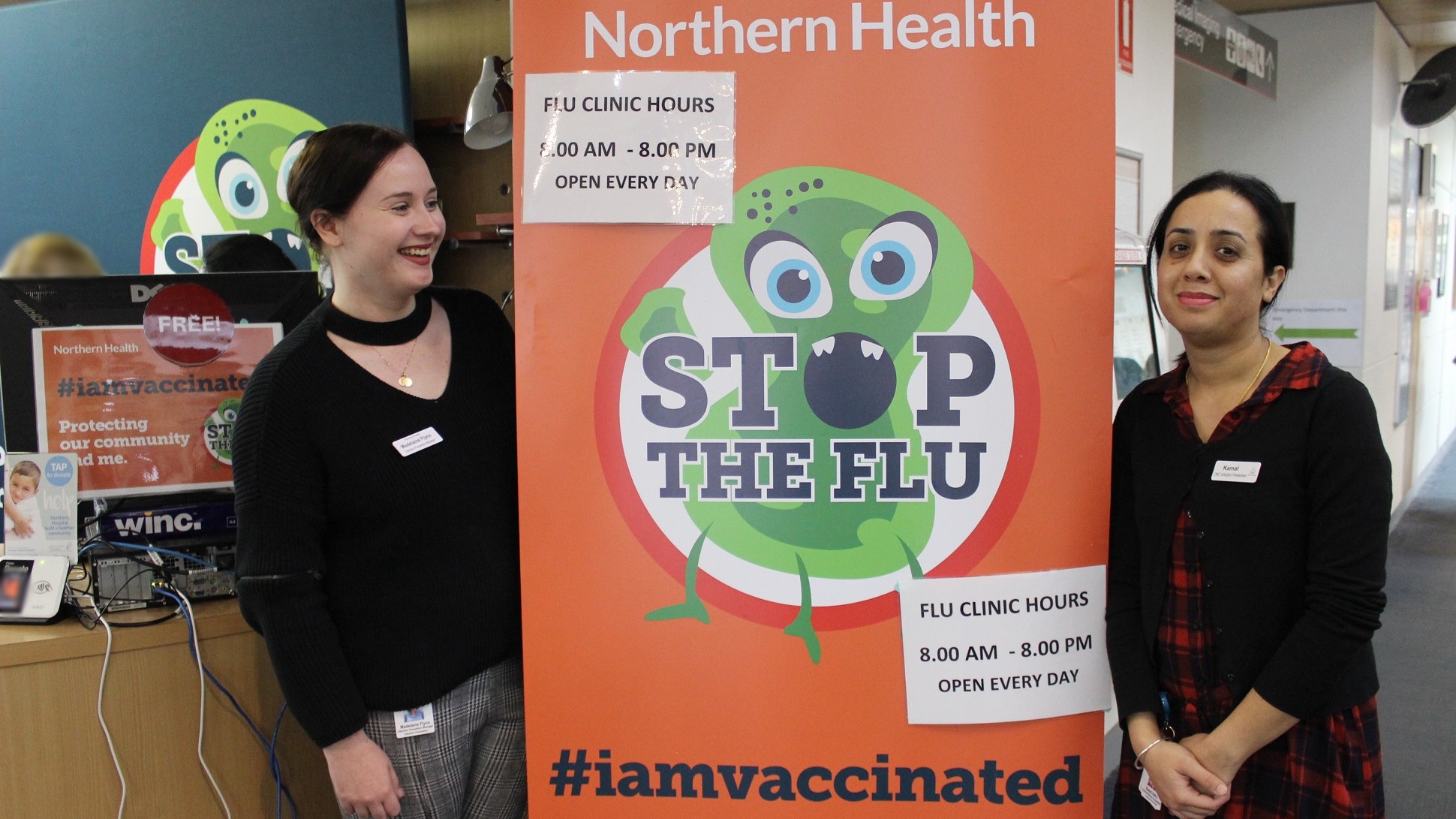
    The team on the front line, Madelaine Flynn, Manager of Infection Prevention and Kamal Sidhu, Clinical Nurse Consultant, told us families drive a few hours to get their children vaccinated and take advantage of the program.

    “They’ve seen the media around the flu, and that has brought to the forefront how important it is to be vaccinated. They come to Northern, and tell us that their child goes to childcare and everybody is sick and they want their child to be protected,” Madelaine said.

    The team has seen families bringing their grandparents, kids and partners to get their free flu shot, as larger families can have a significant financial cost when they go to get vaccinated elsewhere.

    “They are aware of the flu consequences and the importance of vaccinating everyone in the family,” Kamal added.

    Having the flu clinic in the front foyer of Northern Hospital Epping, means numerous families get their flu shot on their way back from their appointments, or after picking up their loved ones.

    “There was a family whose daughter got discharged from the hospital, and as they were leaving the clinic, they came in and all had their shots, because they were aware that vaccination is the best protection they can give,” Madelaine said.

    “We’ve had a few families who’ve come in who had been affected by the flu, either this year or last. Some of them had family members hospitalised. For example, we had a woman in ED who brought her son in with flu-like symptoms. While she was waiting for her son, she came to the clinic to get vaccinated,” she added.

    New parents are also aware of the flu season and take action to stay protected.

    “I had a gentlemen the other day whose wife just had a baby. She sent him to get a flu shot, to protect her and the baby,” Kamal added.

    “We’ve also had the shopping centre staff, Woolworths staff and local kindergartens, school teachers and childcare workers,” she said.

    Northern Health’s flu clinic is also vaccinating people who come in for outpatient appointments, especially the ones with chronic respiratory illness, as they are part of the high risk group.

    And it’s not just the patients that drop by. International visitors come to Northern Health to make sure they stay healthy while visiting Australia.

    “We’ve had a person whose mother was here from overseas, and her son brought her in to get vaccinated,” Kamal said.

    “Even my parents are coming for a visit soon and they will be coming here to get the shot,” she added.

    The flu clinic team also encourage all staff to vaccinate and protect themselves and everyone around them.

    “Our staff are on the front line and at much higher risk – their best defence is to get the shot. They are more likely to get the flu than somebody just walking on the street,” Madelaine added.

    Free flu vaccinations are available in the Northern Hospital foyer from 8 am – 8 pm daily (including weekends). Please note, times may change according to demand.

    (Featured image: Madelaine Flynn and Kamal Sidhu)

  • Northern Health trials interpreting via tablets

    Northern Health trials interpreting via tablets

    As part of our HRO-Trusted Care transformation, Northern Health teams are working on numerous projects with the aim to improve patient experience.

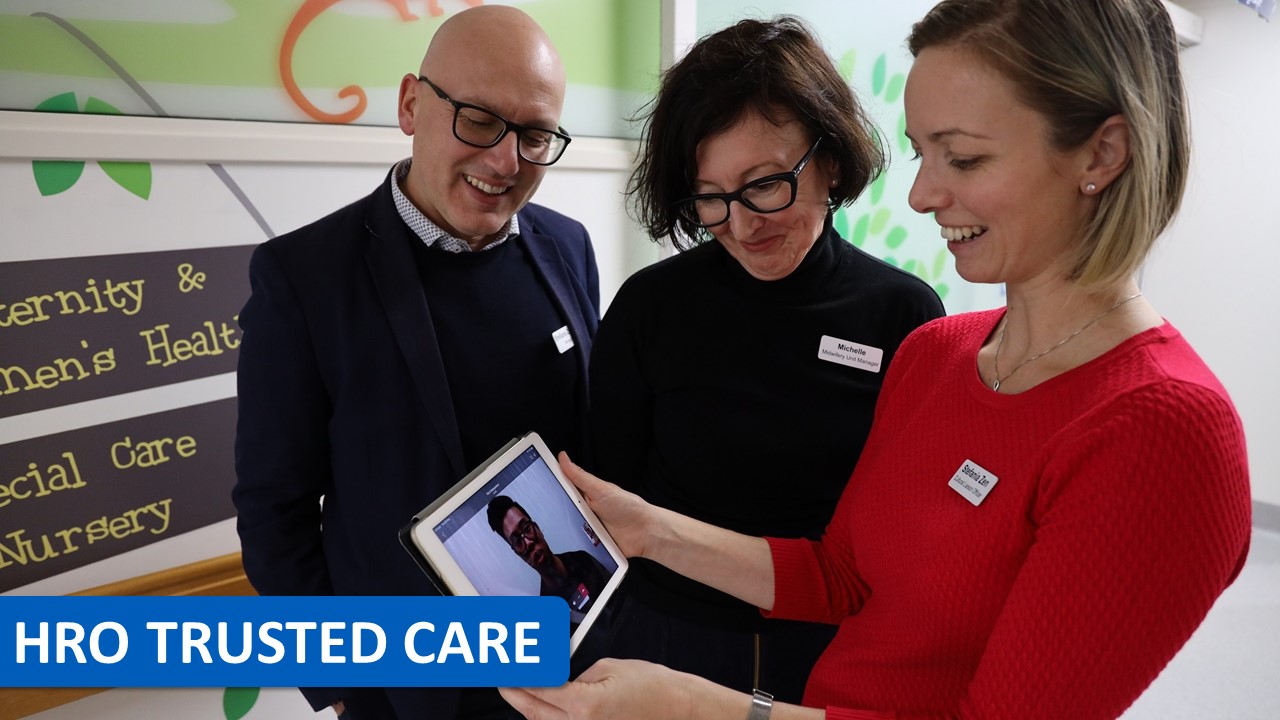
    One of these projects is the ‘Video Interpreting via Portable Device’ trial, which aims to look at options of delivering quick video interpreting services on demand, whilst improving patient experience by reducing the interpreter waiting time.

    “The idea behind video interpreting is now we have the technology to be able to deliver interpreting services via video. The timing is quite good, as the hospital is expanding and it takes a considerable amount of time for interpreters to go back and forth different areas,” says Emiliano Zucchi, Manager Transcultural & Language Services and Aboriginal Support Unit.

    “Sometimes, a doctor or a nurse needs an interpreter just for a minute or two. For these situations, we are trialling video interpreting, as it’s a safe mode of delivery – quick, effective, as well as cost efficient,” he adds.

    Stefania Zen, Cultural Liason Officer leading the project with Emiliano, says the team has identified they can use apps on tablets and trial two different apps to deliver interpreting services.

    “At the moment, we are trialling this service in the maternity ward, because we get a lot of requests for interpreting last minute from that area. We have an iPad in the maternity ward for clinicians to use with a patient, and on our end we have a laptop. The request first comes through the phone at this stage, as wards call to check availability for certain languages,” she explains.

    “We had a situation when we were called from the delivery suite. The clinicians needed an emergency consent for a caesarean and the video was the perfect solution. All they needed to do was to press a button on the iPad and the interpreter responded in seconds. Both the patient and the clinicians were happy with the immediate response,” Stefania explains.

    Initially, the team was thinking to trial just Arabic, but they saw the demand for video interpreting for other languages as well, so the trial was expanded. So far, the team has done videos for Arabic, Vietnamese and Nepali. This way, the project includes different interpreters, and different feedback can be obtained for the trial progress.

    In the future, the team are hoping to have planned appointments via video for appointments they cannot deliver face to face.

    “At the moment, it takes us 15 minutes to walk to the tower and 15 minutes to come back, and having the video is more efficient. Video also has a huge advantage compared to the phone, as the visual aspect is fundamental. We are not just interpreting words, but also body language, sound, gesture and the video allows us do that satisfactorily,” Stefania explains.

    Ideally, the team would like to connect to other campuses over time.

    “There are languages where we have just one interpreter per language and sometimes the interpreter needs to travel for just one appointment to another campus. We do offer telephone interpreting for those situations, and in these scenarios with other campuses, the video would be ideal,” Stefania explains.

    Emiliano adds that investing in video will not replace face-to-face interpreting, it will be a modern, time-saving option.

    “It’s a complementary service. The demand and the need for interpreters is such that we need to explore all avenues to be able to meet the demand and guarantee access to services for all patients, regardless of their background,” he explains.

    Video interpreting is not something Northern Health hasn’t trialled before.

    “We were the first health service in Victoria, maybe even Australia, to trial video interpreting in 2009. The difference now is we are effectively trialling the on-demand systems. A lot of literature suggests that video would be a good solution for appointments up to 15-30 minutes, longer ones would still need to be delivered face to face,” Emiliano explains.

    Stefania is certain this model could be successfully implemented during home visits too, especially during shorter appointments, and is looking into possibilities for the future.

    The current trial will last for three weeks, and the team has delivered eight sessions of video interpreting in the first week, all of which have been well received, both from clinicians and patients.

    To be able to implement this project fully, while maintaining patient and information confidentiality during video interpreting, investments in infrastructure would be necessary in the near future. The interpreters require a soundproof room to work from, which enables them to focus on the patient and the interpreting process. These investments would not only improve the experience for our multicultural patients, but for our dedicated interpreters as well.

  • You can save a life today

    You can save a life today

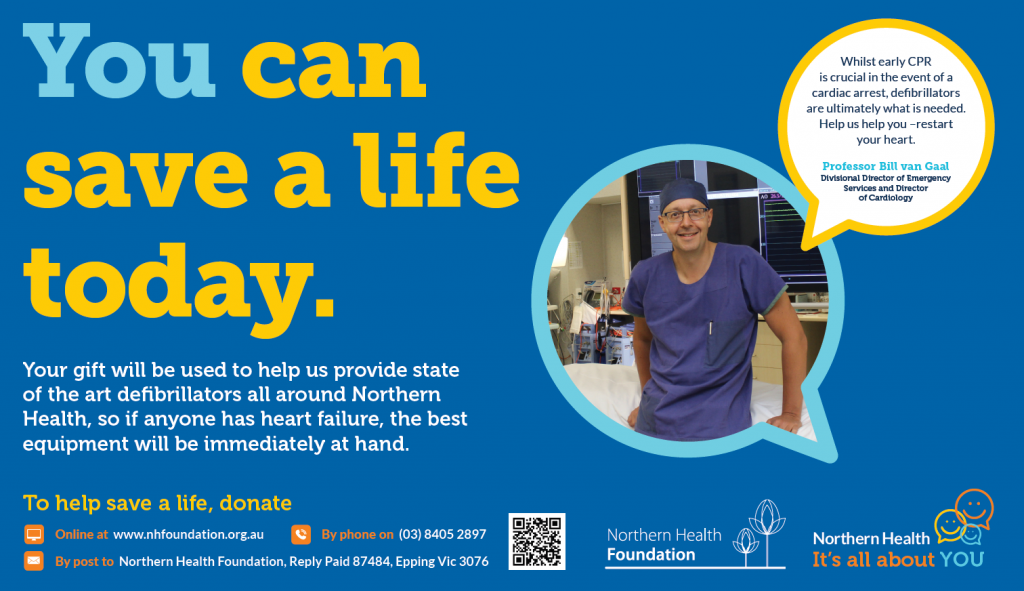
    The Northern Health Foundation are urging staff and the community to come together to raise funds for life-saving defibrillators.

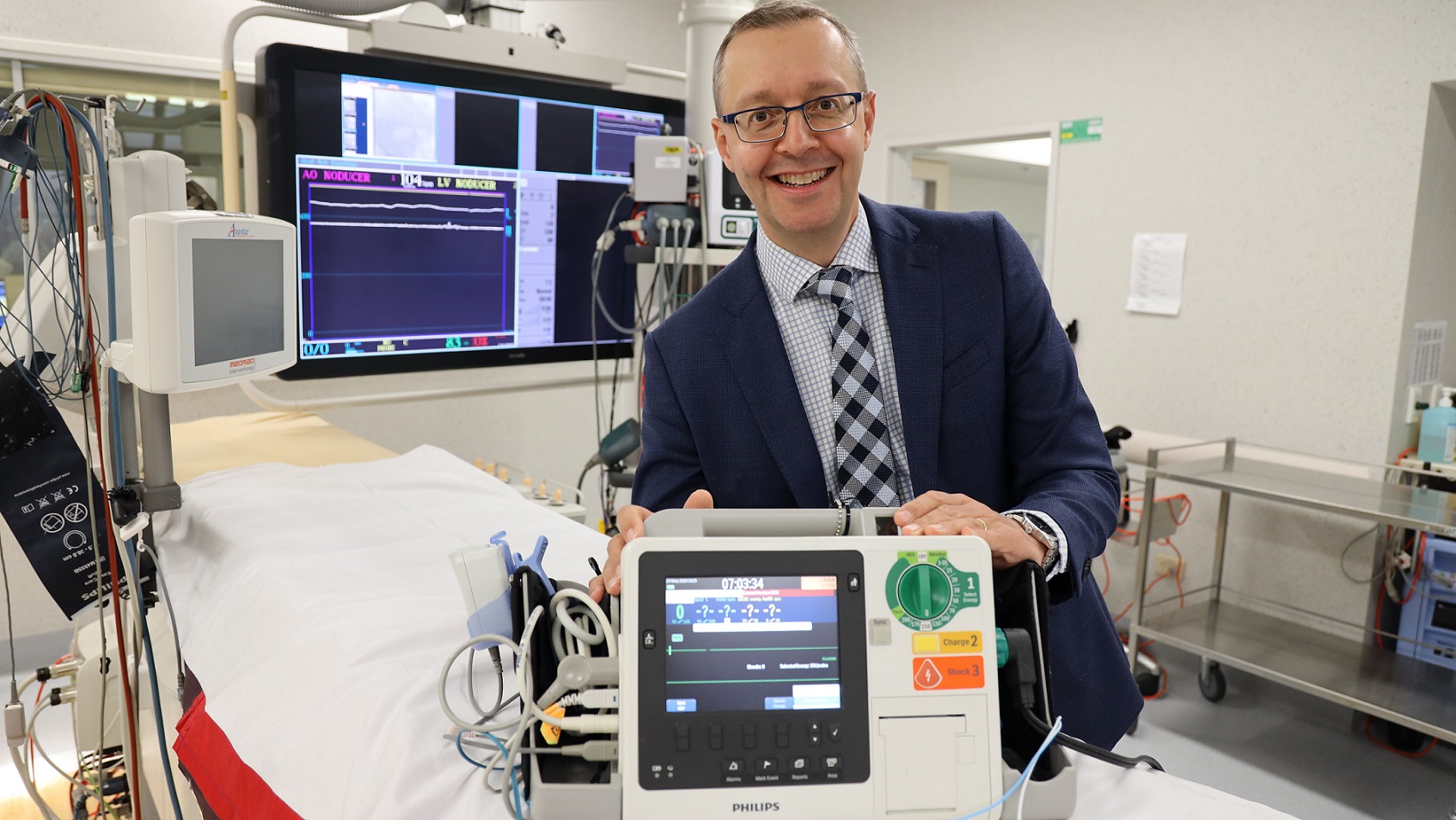
    Launched on 1 June 2019, their new fundraising campaign will raise money for state of the art upgrades to 60 defibrillators across our services. This means that if anyone has heart failure, the best equipment will be immediately at hand and available to people of Melbourne’s northern suburbs.

    The campaign will run through to the end of October 2019, with a fundraising target of $450,000.

    Professor Bill van Gaal, Divisional Director of Emergency Services and Director of Cardiology, encourages people to band together to help save the lives of our family, friends and the wider northern community.

    “Whilst early CPR is crucial in the event of a cardiac arrest, defibrillators are ultimately what is needed to restart your heart. It is important these are readily accessible and easy to use for our staff,” he said.

    “Help us help you – restart your heart.”

    Current defibrillators across Northern Health have different complexities that have been purchased at different times. The state of the art upgrade will ensure we have the latest models and best equipment consistently across our services, whilst also ensuring staff are trained on the same machines throughout our organisation.

    Chief Operating Officer, Jane Poxon, is urging community members and local businesses to donate to this important cause – “great, and ever improving health care is no accident. It also depends on the generosity of our wonderful donors.”

    “When it comes to health care, Northern Health is all about you. Our goal is to give you and your family the very best care and support we can,” she said.

    “It takes a community to create a great service!” she added.

    How you can support the Northern Health Foundation and help to save a life:

    All staff members can get involved by giving a one off donation via the Northern Health Foundation website, via cashiers at Epping, Broadmeadows and Bundoora campuses or by becoming a workplace giver.

    For any donations outside of the organisation, please call 8405 2897 or head to the Northern Health Foundation website.

    Featured Image: Professor Bill van Gaal 

  • Where midwives know how you feel

    Where midwives know how you feel

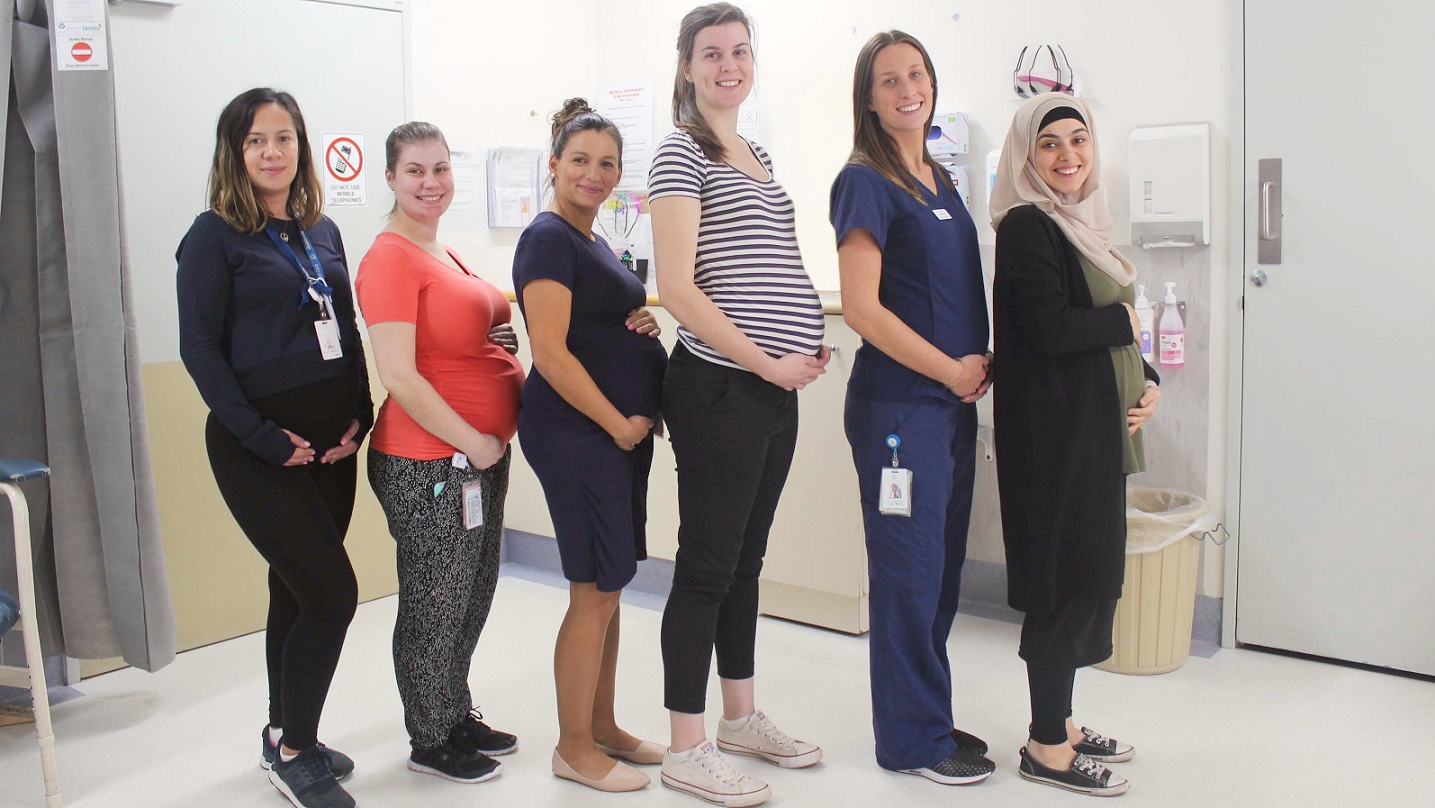
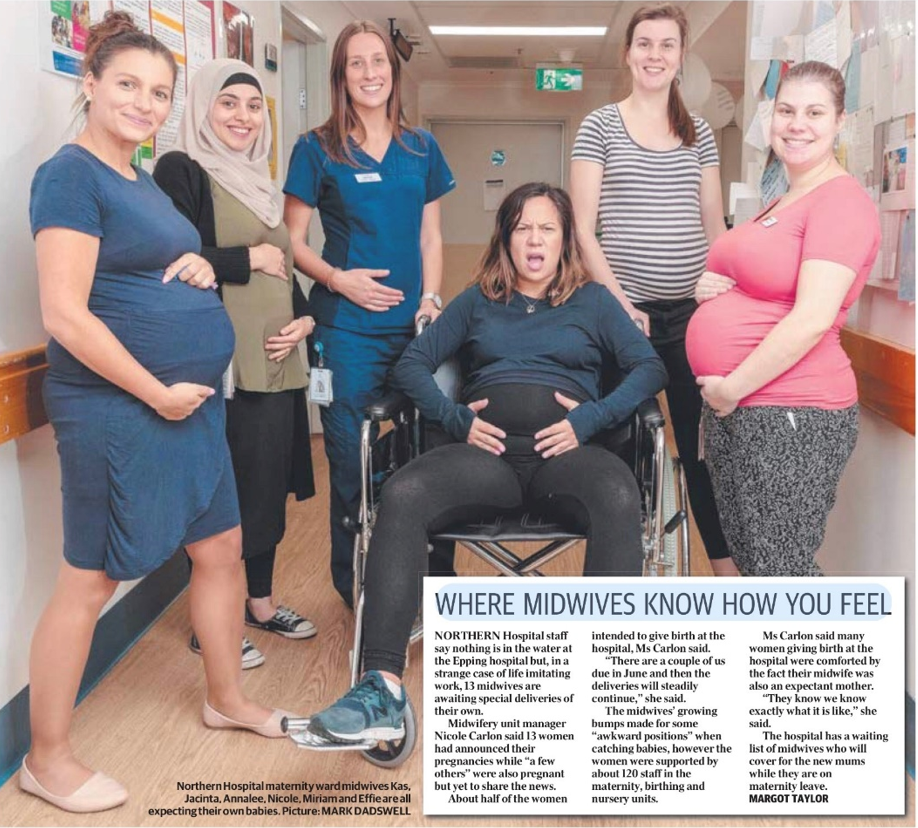
    Just before Mother’s Day, our Northern Hospital maternity staff were featured in the Herald Sun!

    In a strange case of “life imitating work”, 13 of our staff in our maternity unit are awaiting their own special deliveries.

    Expectant mother, Midwifery Unit Manager, Nicole Carlon, said about half of the women were planning on having their babies at Northern Hospital.

    She also said that many patients here at the hospital felt more at ease and comfortable knowing their midwife was expecting as well, as they can relate and know what it’s like.

    Once staff start taking their maternity leave in the coming months, covering staff will be available from a wait list ready to go.

    We wish the expectant mothers all the best with their deliveries!

    Herald Sun Article: 

  • Get ready for Crazy Socks Day!

    Get ready for Crazy Socks Day!

    You’ve probably heard about the #CrazySocks4Docs Day, and are already looking for your most interesting socks to wear to work tomorrow, but do you know the story behind it?

    Dr Geoff Toogood, founder of this initiative, had an awkward experience when he wore odd coloured socks to work. The talk behind his back was that he was failing again, but in reality, he was well and all his good socks had been eaten by his new puppy.

    Rather than his colleagues asking him if he was okay, he heard whispering. This led to the creation of ‘Crazy Socks for Docs’ Day, an initiative to raise awareness and normalise the discussion around psychological wellbeing.

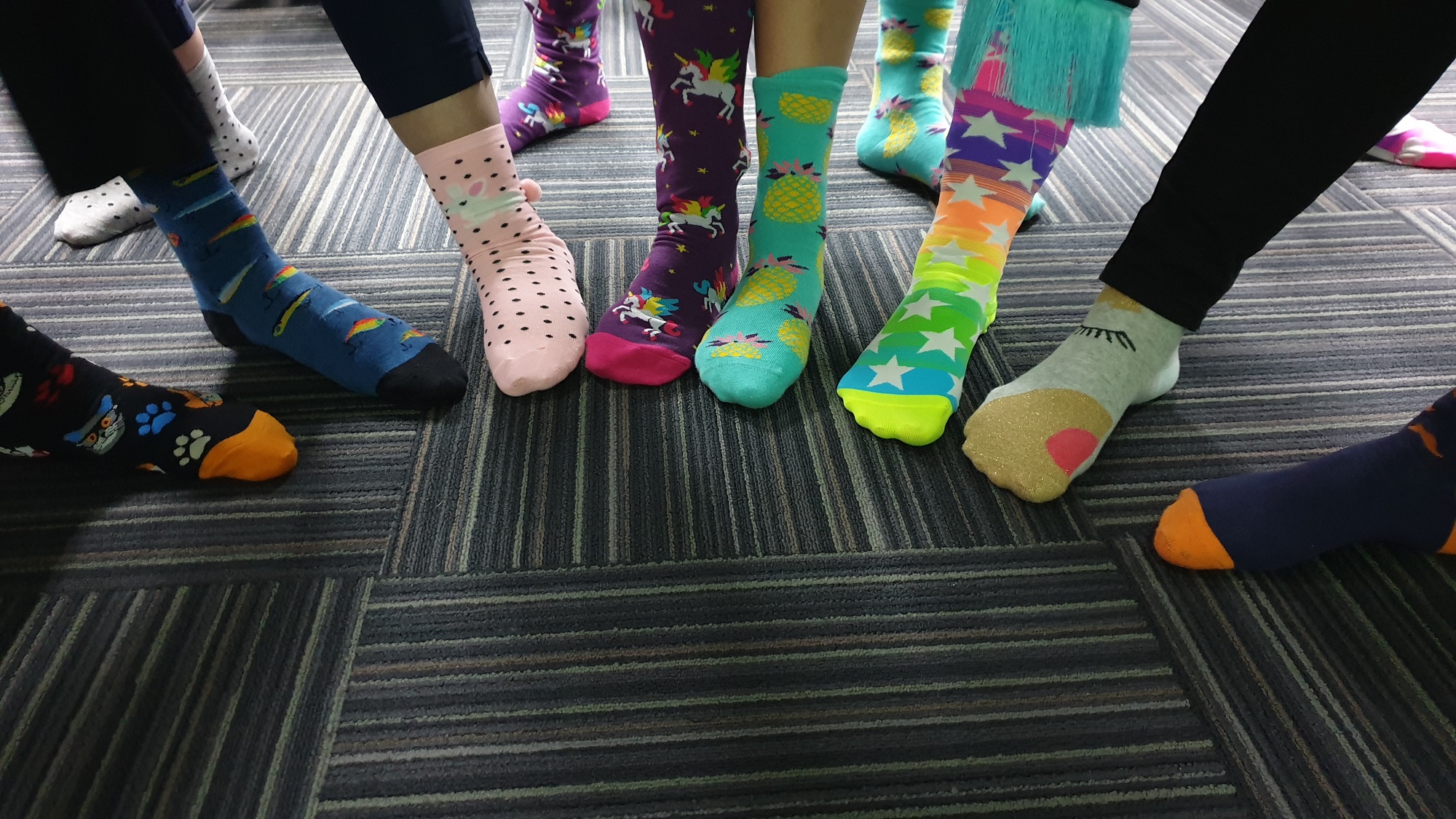
    This year, Northern Health is supporting ‘Crazy Socks for Docs’ Day by making it a Crazy Socks Day for all our staff.

    “We would like to raise awareness of mental health for all doctors and health practitioners and would like to encourage everyone to wear crazy socks to work tomorrow,” said Rachael Coutts, Associate Director, Emergency Physician.

    Staff are encouraged to be creative when choosing their socks for Friday, and also share conversations with colleagues about psychological wellbeing.

    Will Halpin, Director Occupational Health Safety & Wellbeing said this is the second year Northern Health is marking the day.

    “We’d like to raise awareness and reduce stigma around mental illness by normalising the conversation about our mental health. Wear your craziest socks and share photos to support the important campaign,” he said.

    Sita Murugappan, Co Chair, Junior Medical Staff Association (JMSA) said:

    “CrazySocks4Docs is a great initiative to bring awareness to mental health of doctors because whilst we look after people for a living, we do need to look after ourselves. Whilst we wear crazy socks for one day – it’s just a first step and highlights the importance for doctors to start talking to each other, their family and friends about mental illness.”

    Wear your crazy socks this Friday, 7 June, and don’t forget to take a photo and email it to corporatecommunications@nh.org.au

    Head to Crazy Socks Intranet page to check out the latest entries and find out more information!

  • World Environment Day

    World Environment Day

    Today is World Environment Day.

    Northern Health is asking our staff to pledge their support and commitment to minimising waste for at least one day. This can be done by changing your own bin or better yet, taking your waste home with you, bringing in a reusable coffee mug and remembering to turn off lights and computer when not in use. These small changes can have a big impact!

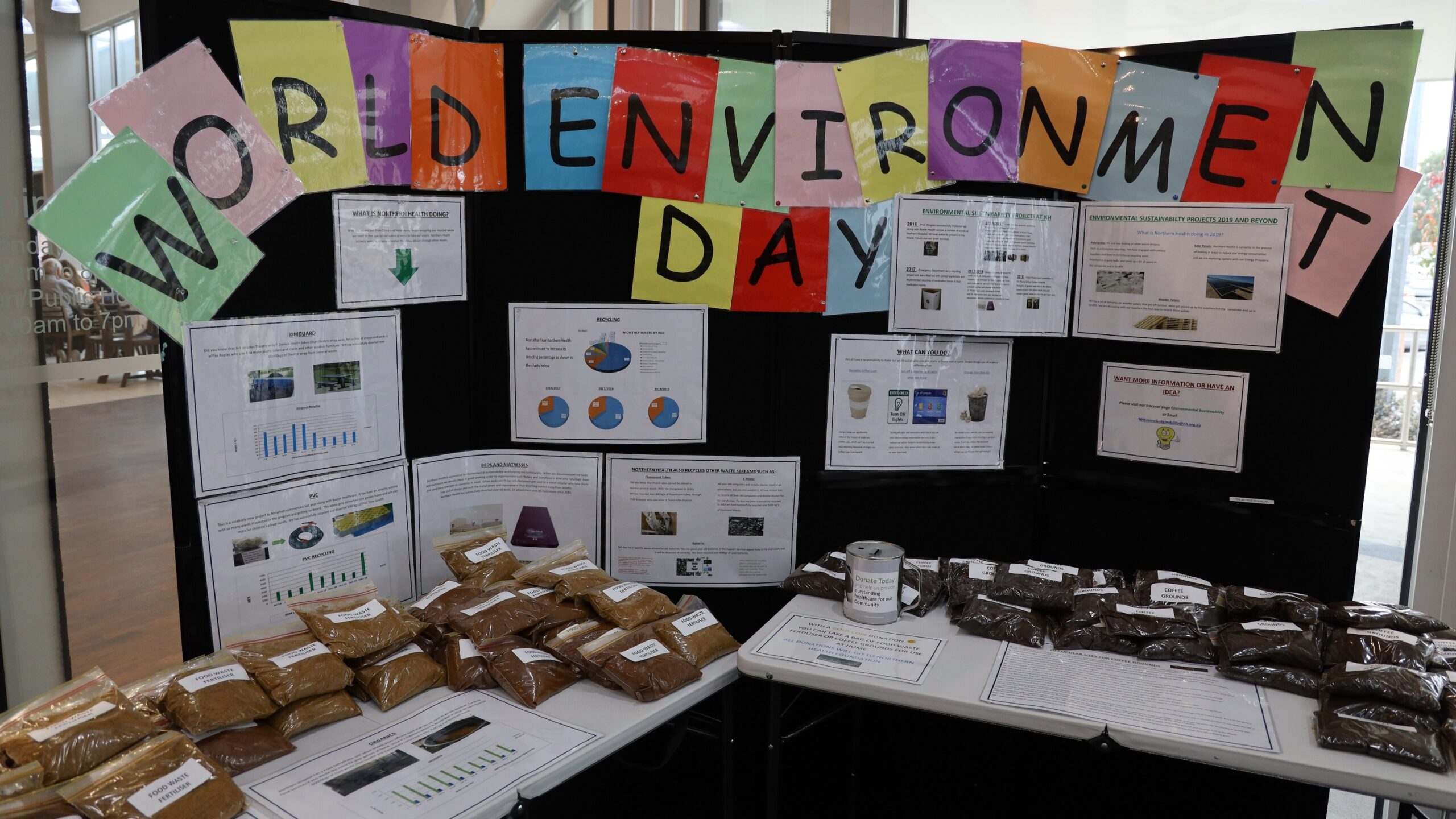
    Sandra Molinaro, Manager Support Services at Northern Health, says “Northern Health is passionate about environmental sustainability and apart from our day to day general, commingled and paper waste, we also recycle other waste such as organics, fluorescent tubes, batteries, Kimguard from Theatre, Electronic Waste, Metal and PVC.”

    “This has resulted in Northern Health successfully diverting 25,000 kg of waste away from landfill and into specialised waste streams and made into products.”

    Basil Ireland, Chief Financial Officer, is excited about the opportunities ahead for sustainability.

    “In the next 12 months, we aim to reduce our greenhouse gas emissions by more than 10 percent by accessing a loan from the Department of Health and Human Services Victoria to install solar panels, upgrade our lighting and further tune our building automation systems,” he says.

    “We have also commenced the replacement of our existing motor vehicle fleet with hybrid cars. The future is looking greener.”

    The environmental sustainability team invites you to come down and visit the front foyer today, where a display will be set up detailing all of our achievements. With a gold coin donation, you can even pick up a bag of organic fertiliser or coffee grounds for use at home, with all proceeds being donated to the Northern Health Foundation.

    For more information about environmental sustainability, please visit our Intranet page.