• Dying to Know Day

    Dying to Know Day

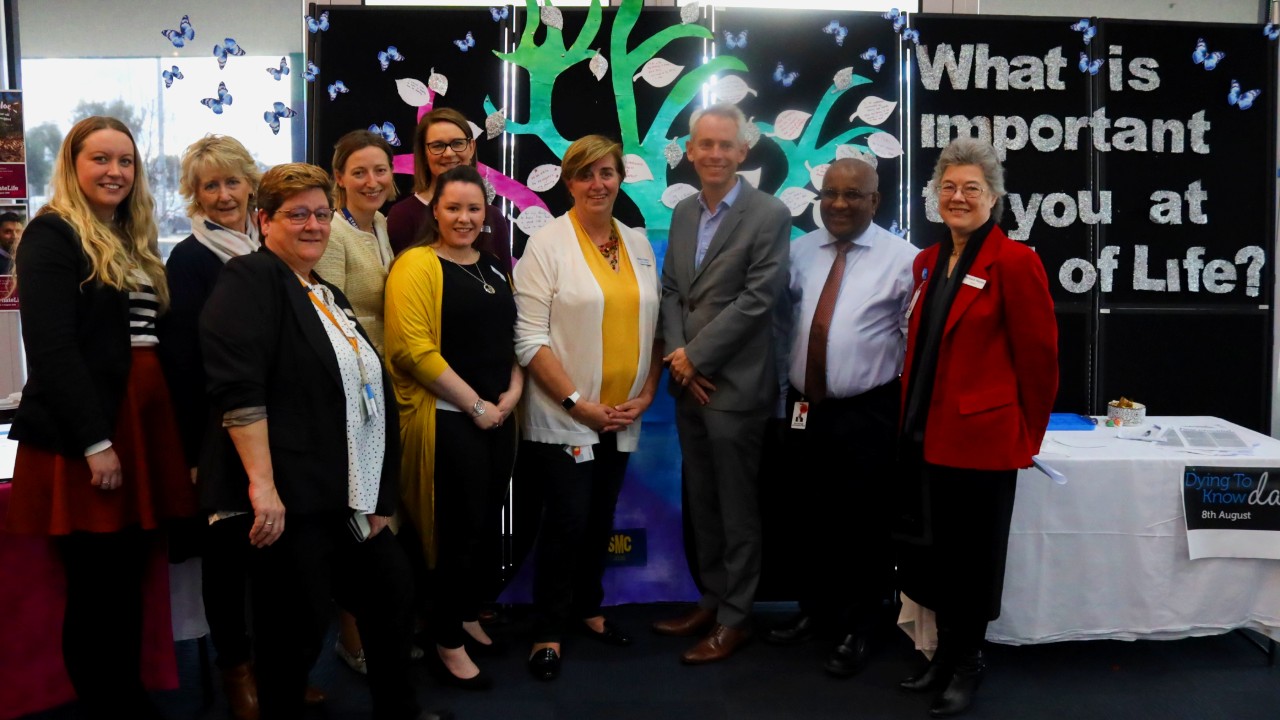
    Northern Health is marking Dying to Know Day in the Northern Hospital foyer today, to change the stigma around talking about death by activating conversations and curiosity.

    We welcomed Mr Andrew Giles, Federal Member for Scullin, to Epping Gardens Heritage Care and Northern Hospital.

    While talking to one of our patients at Epping Gardens, Mr Giles said how important it is to have respectful care at the end of life.

    “It’s important to have these conversations – it’s about the dignity for everyone. It means a lot to me to be able to talk to palliative care patients and understand their needs,” he said.

    Bridget Senior, End of Life Nurse Lead, said this is a national initiative which has been running for around six years.

    “The aim is to promote conversation about death, dying and bereavement. Today, we have representatives from advance care planning, organ and tissue donation, how to make a will, a coroner, social work, palliative care and community palliative care,” she said.

    St Monica’s College STEAM team and their teacher Natalie Ilsley created the ‘Tree of Life’ activity for Dying to Know Day to promote conversation with staff and the community about what is important to them at end of life.

    “The community wrote their wishes on the leaves that the STEAM class made and stuck it on the branches of the tree they created. It was a great discussion point throughout the day with the main focus being around the importance of family at the end of life,” Bridget said.

    Jeff Vasquez from the Victorian Coroner’s Office said this is the first time a hospital has invited him to an event of this kind, emphasising that some people might have troubles around organising funerals and that all cultural sensitivities are carefully considered.

    “This is the first invitation we received this year and we gladly accepted, as we are trying to increase our community engagement. It’s important for the community to know more about the coroner process. We are planning more roadshows in the community and I am glad Northern Hospital is the first place we visited,” he said.

    Displays and information was provided by various teams including Social Work, Chaplaincy, Aboriginal Support Unit, Advance Care Planning, Organ Donation, TALS, Donate Life and Banksia Community Palliative Care.

    The ‘Dying to Know’ initiative aims to encourage death literacy and provide a space to talk about end of life plans.
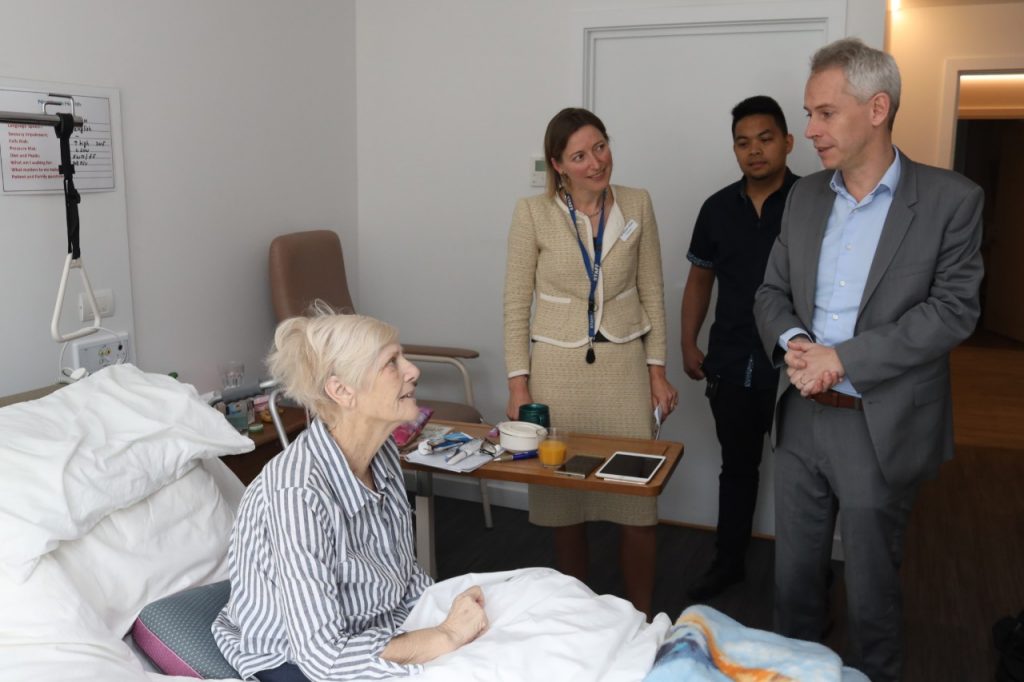
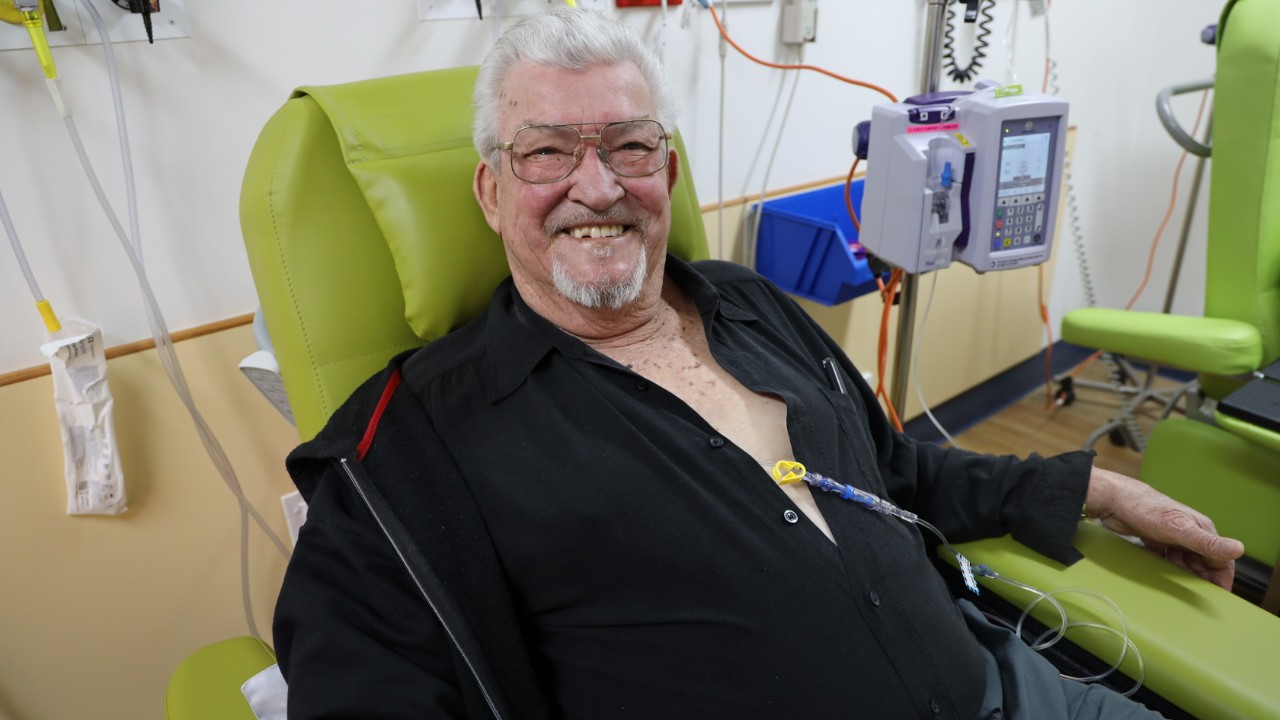
    Dr Alison Giles (Palliative Care Physician), Julius Quiring (Palliative Care Nurse Unit Manager), Andrew Giles MP with patient
  • Dr Barbara Hayes: Public Advocate Guides

    Dr Barbara Hayes: Public Advocate Guides

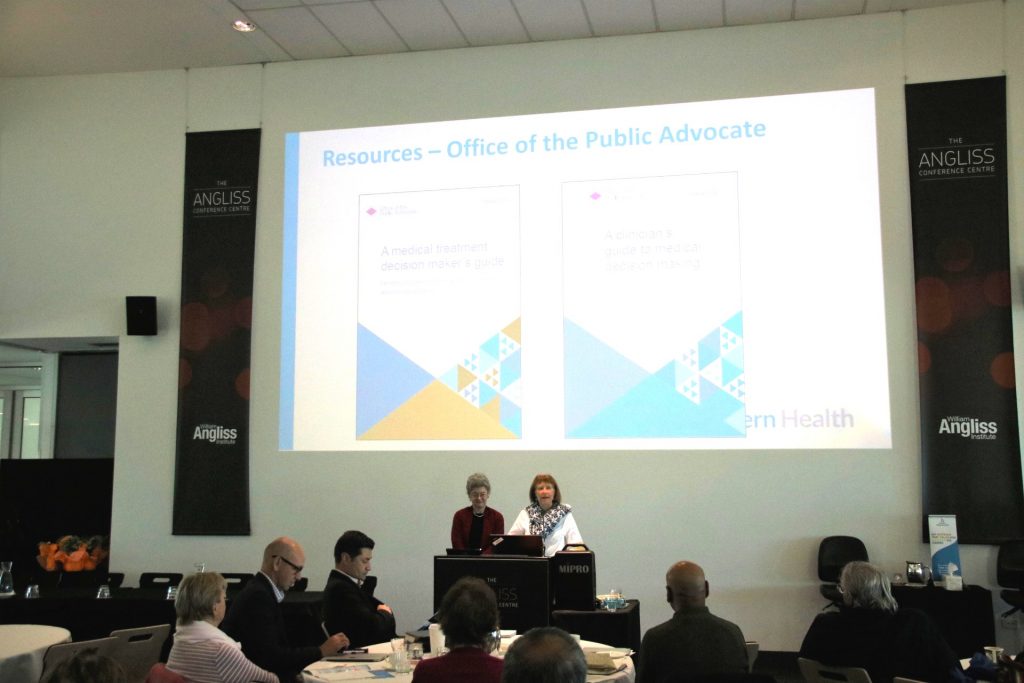
    Dr Barbara Hayes recently spoke at the launch of two Office of the Public Advocate Guides on medical treatment decision making at the Carers Victoria, Dementia and Family Carers Conference. Launched by Colleen Pierce, Public Advocate from the Victorian Office of the Public Advocate, the guides cover five areas that relate to making medical treatment decisions for a person who lacks medical decision making capacity – to consent to their own treatment.

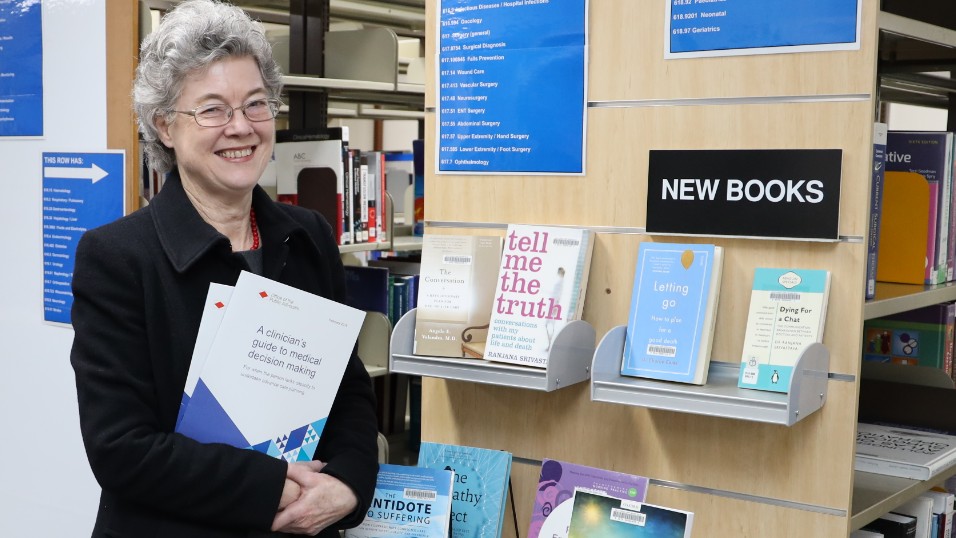
    Dr Barbara Hayes (on the left) at the launch of the two Office of the Public Advocate Guides on medical treatment decision making.

    The areas covered are medical decision-making framework, the role of the medical treatment decision maker, using advance care directives, using the form, ‘What I understand to be the person’s preferences and values’ and medical treatment plans.

    Dr Hayes chaired a Department Health Human Services, Working Group that developed resources for people who lack capacity to do advance care planning.  The Guides were some of the resources developed and have now been adopted by the Office of the Public Advocate.

    Dr Hayes explains: “There is a clinician guide:  ‘A clinician’s to guide medical decision making:  for when the person lacks capacity to undertake advance care planning’. There is also a consumer guide, aimed at those who will need to make medical decisions for another person who is no longer able to make them for themselves, titled ‘A medical treatment decision maker’s guide: for when the person lacks capacity to undertake advance care planning’.”

    Dr Hayes speaking at the launch said: “I was very pleased to be part of this work that addressed an area not covered by written Advance Care Directives alone.”

    Barbara explains that many people choose not to write an Advance Care Directive. “Instead, they may have done oral Advance Care Planning, communicating their preferences and values to their Medical Treatment Decision Maker who must apply that knowledge to any decision.”

    “The Guide for Medical Treatment Decision Makers helps those in that role better understand their obligations and how they should make decisions, recognising how hard it can sometimes be to make decisions for another. The Guide for Clinicians brings together the legal, the clinical, and the personal aspects of substituted medical decision-making, helping the clinician to better understand their role and responsibilities, and how to facilitate this decision-making.”

    The Guides reflect experiences and teaching already in place by the Advance Care Planning Program at Northern Health. The program has been a leader in Victorian Advance Care Planning, with many other health services adopting the Northern Health ‘Advance Care Planning in 3-steps’ approach. This developed from research identifying the importance of a values-based approach to Advance Care Planning, particularly when our community is so culturally and religiously diverse.

    “We needed an approach that was respectful of and captured that diversity. The three steps use the ACP mnemonic: Appoint Another; Chat and Communicate; and Put it on Paper, ” says Barbara.

    Dr Hayes also has an extensive experience as a Palliative Care Doctor at Northern Health, and although not working clinically, Dr Hayes continues to be involved in research and teaching. This includes: trialling the NH Care of the Dying Patient Plan; supervising Registrar research exploring issues related to diagnosing dying, understanding of dementia and knowledge of the Medical Treatment Planning and Decisions Act; a study looking at RACF patients who die within 24hrs of transfer; an NHMRC study led by A/Prof Kwang Lim at Melbourne Health that aims to improve palliative care for residents in Aged Care Facilities and uses a RACF Goals of Care developed by Dr Hayes in collaboration with NH Aged Care clinicians; and the Melbourne Ageing Research Collaborative’s end-of-life care research.

    Copies of ‘A clinician’s to guide medical decision making’ are available here and ‘A medical treatment decision maker’s guide’ here and at the Northern Hospital Library.

  • Using Resources Wisely

    Using Resources Wisely

    Over the last financial year, again we’ve experienced strong growth in our services with emergency department presentations up 8.4% and hospital admissions up 4.6%.

    At the beginning of this new financial year, we’ve needed to focus on our budgets to plan our activities and operations to support this continued growth.

    As a significant public health care provider, we are entrusted with hundreds of millions of taxpayer dollars each year to deliver patient care. It’s our responsibility to ensure that these resources are spent wisely.

    I believe that there is still significant waste across our services that we need to address. We need to look in each of our areas to ensure that the work practices are appropriate and that we are eliminating waste – freeing up resources to maximize patient care and to live within our means.

    I encourage you to share ideas within your wards and departments and speak with your Directors when you need support.

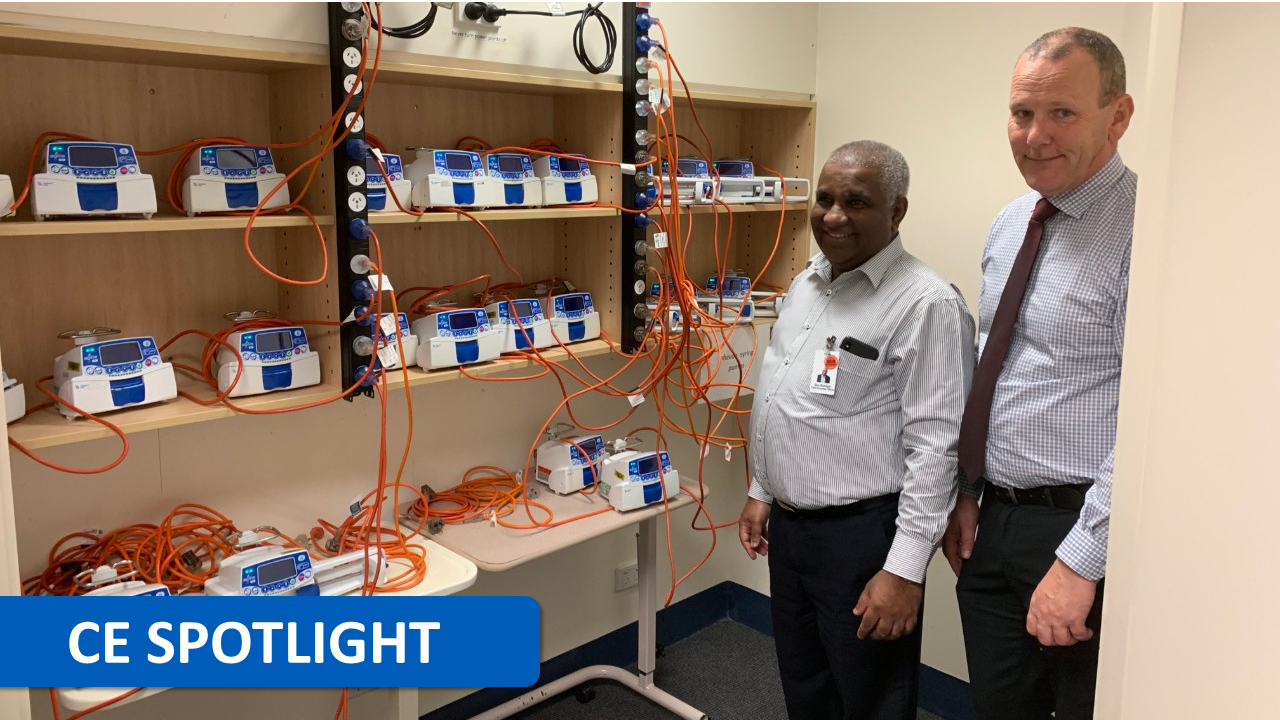
    As an example – we have been hearing for months about the shortage of IV/syringe pumps across our sites. Each day at the Safety Huddle, we were told there were not enough available. Last week I walked around Northern Hospital and found that numerous pumps were locked away in ward cupboards. Software built within the pumps confirmed that over 100 pumps in clinical areas were not being used.

    I encourage everyone to be considerate of others by sharing equipment that’s not in use.

    Northern Health Payroll – My Pay

    This week we have completed transitioning Payroll from Melbourne Health to Northern Health with minimal disruption.  This is a significant change for Northern Health that will provide improved quality and efficiency, as well as a better service for staff. Congratulations to the People and Culture and Finance teams for all the planning and work in making the change so successful.

    I hope you all have a great week ahead.

  • World Breastfeeding Week

    World Breastfeeding Week

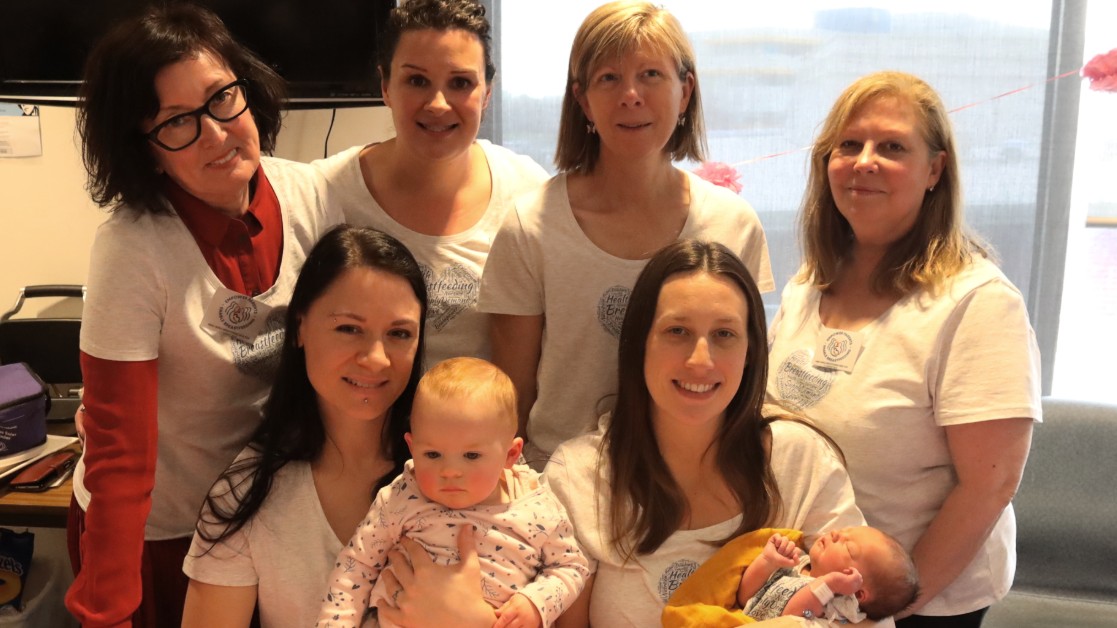
    Northern Health is celebrating World Breastfeeding Week with a foyer display and an afternoon tea held today at Ward 11.

    World Breastfeeding Week encourages mothers to breastfeed to help their baby grow healthy and strong.

    “We understand while breastfeeding is natural for the baby, sometimes mothers may need more support, so this week is a great opportunity to raise awareness of Northern Health’s Specialist Breastfeeding Clinic and the support services available to mothers within the northern community”, said Natalie Mckell, Clinical Coordinator, Domiciliary and Lactation.

    The Specialist Breastfeeding Clinic provides information, assistance, education, reassurance and counselling on breastfeeding and infant feeding issues.

    “Northern Health has four lactation consultants available to assist mothers and staff with breastfeeding issues, and mothers needing additional support and advice are able to see a lactation consultant as an outpatient after being discharged from hospital,” she added.

    Mothers can discuss any questions about infant feeding, breastfeeding, sleep patterns and settling techniques, or any other aspects of parenting.

    “Our midwives and lactation consultants work hand in hand with our families to support successful breastfeeding outcomes,” Natalie added.

    The Specialist Breastfeeding Clinic also holds breastfeeding classes on alternate Wednesday and Friday at Northern Hospital Epping and alternate Thursday at Craigieburn Centre.

    Afternoon tea at Ward 11
  • Foundation receives a gold donation

    Foundation receives a gold donation

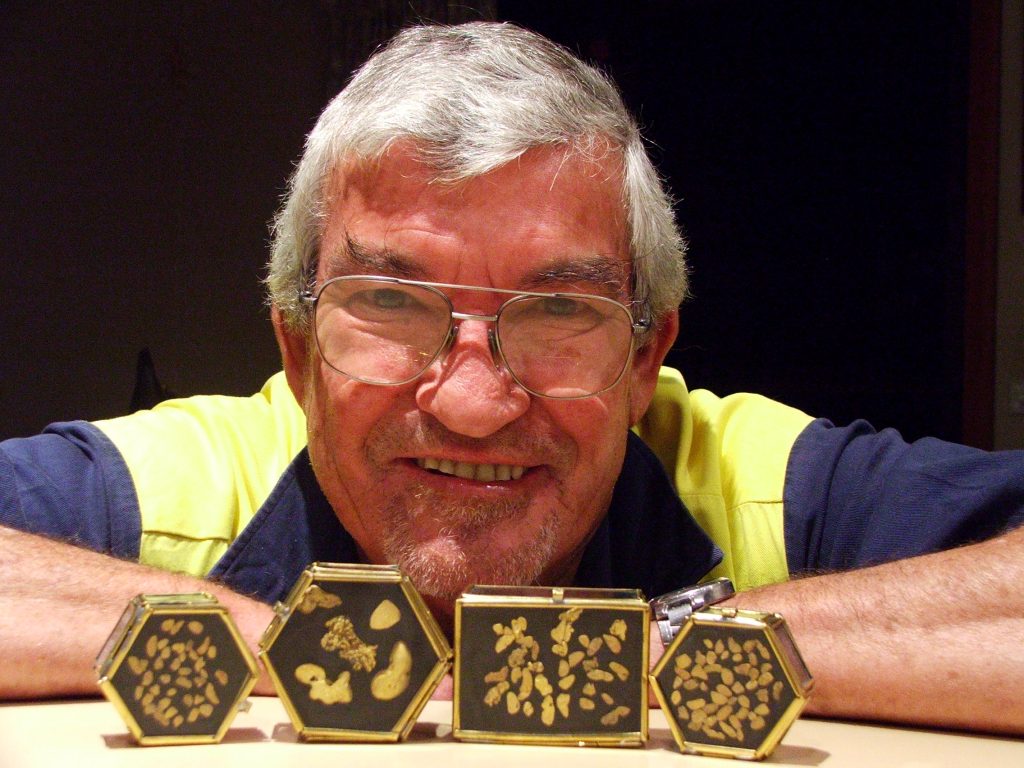
    Grateful for the care James Furletti received at Northern Hospital Epping after being diagnosed with bowel cancer, he wanted to say thank you by donating a gold nugget to the Northern Health Foundation.

    “My experience here was unbelievable, I had really good care. I couldn’t be any happier,” he said.

    He came to Northern Health late September last year, and had bowel surgery in October.

    “I had surgery and then spent some time in the Intensive Care Unit. The care was just fantastic and I feel really good now,” he said.

    The doctors here saved my life and I wanted to show my appreciation to the hospital by giving a nugget. The doctors said the Foundation can receive a gift of that kind and I was happy to donate,” he added.

    Jimmy, as he prefers to be known as, started looking for gold in 2006. His son in law gave him a gold detector and after finding the first nugget, he has been looking ever since all over Victoria, but mostly around Bendigo.

    “I would like to see the money from this gold spent on oncology. It’s not worth millions, but can help someone,” he added.

    James in now nearly 80 years old and plans to keep looking for gold, at least once a week.

    “I can’t wait to get out in the bush again. I spend around 8 hours a day in the bush and it’s something I enjoy doing.”

    James and his gold nuggets
    James in the bush
  • Choosing Wisely

    Choosing Wisely

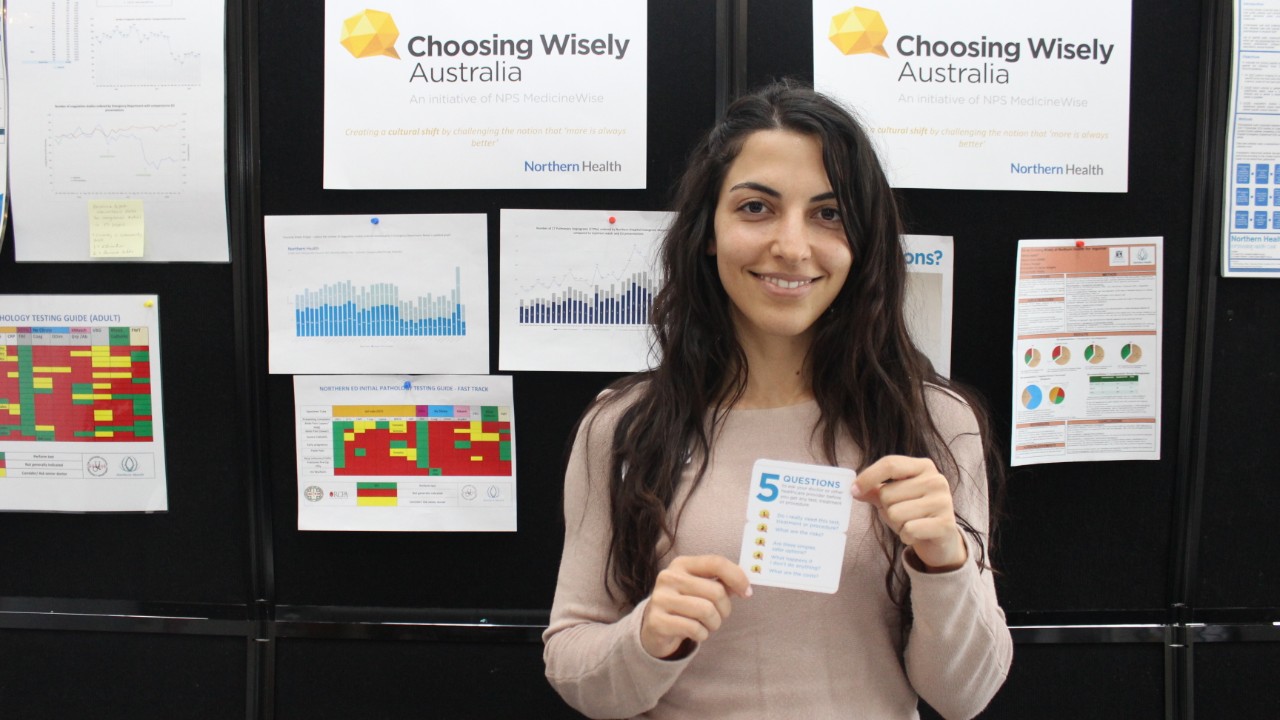
    Choosing Wisely is a global initiative aimed at reducing unnecessary tests, treatments and procedures and empowering consumers to ask questions about their healthcare management. Northern Health joined the year-long Choosing Wisely Victorian Collaborative in July 2018.

    Northern Health implemented several projects to address these objectives including reducing CT Pulmonary Angiograms (CTPAs), coagulation studies and ultrasounds unnecessarily ordered.

    Sandy Ayoub, Project Manager for this initiative, says Choosing Wisely is a simple, broad and extremely valuable concept in healthcare.

    “We are always looking to be more efficient, and that is the primary object of Choosing Wisely.”

    “By implementing evidence-based practice to reduces unnecessary tests and treatments, we can reduce waste and financial burden on patients and the organisation, as well as avoid unnecessary stress on patients. It’s a no-brainer,” Sandy said.

    Among the significant achievements was a 32% reduction in unnecessary coagulation studies and a 36% reduction in unnecessary CTPAs ordered in our emergency department. This has doubled the percentage of appropriately ordered CTPAs scans from 29% to 64%.

    Sandy also explained how the NPS MedicineWise 5 Questions empowers patients to ask questions about their tests, treatments and procedures.

    “Clinicians appreciate this because it promotes conversations between the patient and clinician,” she said.

    “It has been a great experience to see how Choosing Wisely can improve clinical practice and it’s exciting to think of all the different areas which would benefit from Choosing Wisely,” she added.

  • Hand hygiene boosted to 96% on Ward 3

    Hand hygiene boosted to 96% on Ward 3

    Hand hygiene is always very important in healthcare.

    On Ward 3 at Northern Hospital it is particularly important, as the ward cares predominately for oncology/haematology patients, who are often immunosuppressed and vulnerable.

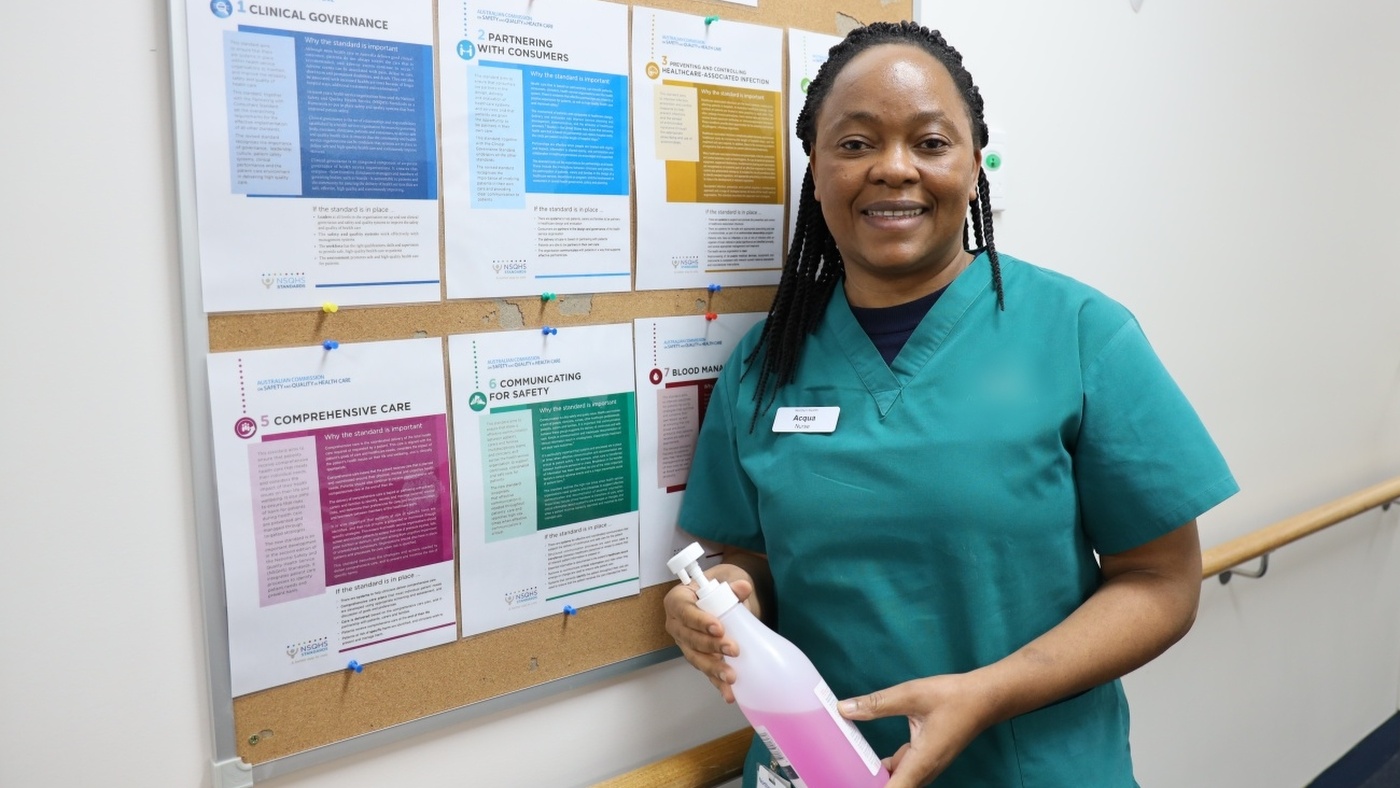
    Recently, the ward’s hand hygiene results increased from 79% to 96%, and graduate nurse, Acqua Makomo, is a big reason for the impressive increase.

    Ward 3 were looking to increase their hand hygiene results, to improve patient care, which is where Acqua stepped in.

    Acqua undertook a hand hygiene-based project as her quality and safety activity which graduates complete as part of their 12 month program.

    Through her research, she was able to raise awareness of the important areas for staff to focus on, which results in patients being better protected.

    Graduate nurse projects are based on a particular topic or clinical issue of their choice that directly relates to patient care. Mentors from Education and Quality & Safety are allocated to each graduate to assist with planning and implementation of each activity.

    Nicole Campbell, Clinical Nurse Consultant, Infection Prevention, provided guidance and advice to Acqua along with the ward staff. The staff have pledged to continue Aqua’s good work to sustain this result.

    Graduate Nursing & Midwifery Program Coordinator, Kate Duggan, said, “The overall aim is to introduce our graduates to the process of improving patient care through analysis of experience, data and processes, and the implementation of simple strategies at a ward level that improve patient experience. They then remeasure to assess the outcome, and develop recommendations of findings.”

    Graduate Nurse, Acqua Makomo, said, “It was a really good project – I got to research about the five moments of hand hygiene, and how important it is for us as nurses to stick to the five moments, especially for us here in the Oncology Ward (Ward 3). Our patients are having chemotherapy and their immune system is low so it’s very important we prevent spread of infection.”

    Aqua is rightly proud of her project and said: “This is a really good achievement and I feel that our patients are now much safer!”

    Acqua (second from left) with Ward 3 staff and mentors
  • Get to know: Q&A with Roger Nicholls

    Get to know: Q&A with Roger Nicholls

    What is your coffee order?

    Strong long black. More strong than long.

    When at work I use fresh ground coffee from home and use a plunger my wife bought at an op shop. I only have one per day but it’s the equivalent of about 4 cups!

    What does a typical work day look for you?

    I generally like to start about 7 am and get away by 5 pm.

    Board or Committee papers are published on Friday afternoons and so each week is geared to meeting this week’s deadline and having the feelers out for papers for subsequent weeks. I have the privilege of working with a broad range of good and smart people to bring reports and proposals to the Board for discussion and decision.

    Tell us about your Northern Health journey?

    I started at what was the precursor of Northern Health – PANCH – in late 1997.

    I moved into a HR role and one of my first jobs was running staff tours of the new and vacant Northern Hospital which opened in February 1998. I was eventually appointed as Director of HR at Northern Health. I have been in my current role as Director of Corporate Governance for a bit over four years.

    Can you tell us a bit about your career before starting at Northern?

    I still don’t know what I want to do when I grow up. I had numerous part time jobs when I first attempted university: hotels, hamburger chef, milkman, hay carter, cleaner. After some time on the road and unemployed, I realised I had to get a real job and ended up training as a nurse, doing a critical care course, some years as a Nurse Unit Manager and so on. There’s a wide variety of opportunities in health and always something new to learn.

    What is your greatest achievement or favourite memory since working here?

    I’m surprised that I’ve been here over 20 years now. There is a scene in the book Siddhartha by Herman Hesse where the young Buddha is sitting next to a river and realises that while it’s the same river, it’s always changing. Such is Northern Health, except the river has got much bigger!

    One of my greatest pleasures is getting to know the people and the satisfaction they get from acquiring new skills, growing their careers and meeting the challenge of providing healthcare to the community.

    What are some things people don’t know about you?

    I do like to try and fix things myself, whether it’s the car, the lawn mower, our house. Some years ago I bought a car that was going to the wreckers, so I parked it in our driveway and pulled it apart down to the last nut and bolt to find out how it worked. I also like to grow vegetables using seed from the previous year but have lost touch with that over recent years.

    What do you like to do after work?

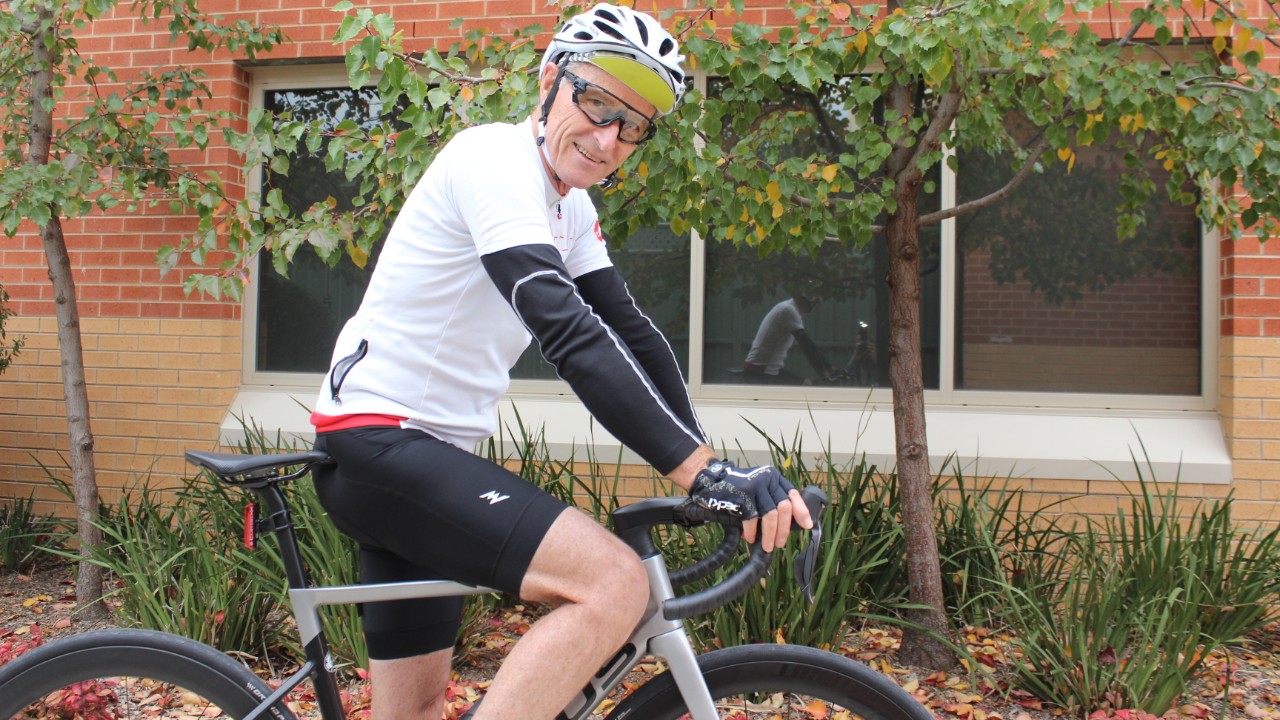
    Over the last 10 years I have become…yes…addicted, to cycling. After discovering the many cycle trails around Melbourne and seeing some stages of the Tour de France live, I bought a good road bike. This opened up a new world of experiences; meeting people from diverse backgrounds and local back roads I wasn’t aware of. Weekdays I train to be fit for the Sunday morning group ride which usually heads out via Diamond Creek to a range of roads with hills, great views, kangaroos and kookaburras. Each year I join a group for a few days cycling in the Victorian Alps. It brings me closer to the landscape and helps me feel young.

    We are aware you are a Melbourne Rebels supporter – how did your interest in rugby union come about?

    I was blessed to have grown up on a farm in central NSW, however, there wasn’t much entertainment except for sport. I had big brothers who played rugby so I followed their path. At 16 I went on a regional representative tour to New Zealand – the peak of my rugby career! Despite over 40 years in Melbourne I still can’t watch a full game of AFL, so I take my son to all of the Rebels home games.

    How would you describe Northern Health in one sentence?

    Health services are large complex organisations – community expectations are increasing and resources are limited. Generally, Northern Health people are up for the challenge and are committed to doing the best possible by finding new ways to provide effective services. The notion of empowered health workers described by the HRO initiative gives me hope that the sum of all of our skills and experience will be harnessed to bring a bright future. Perhaps that’s more than one sentence?

    Who would you nominate next for a staff profile and why?

    In this role I have lost contact with many staff at the clinical coalface. I was heartened to read the recent story of Graduate Nurse Lauren Parkinson. I recall meeting Maree Glynn in the early days prior to the move to Northern and admire her consistent commitment to the organisation. I think she will have some interesting insights.