• 2019 Annual General Meeting and Open Access Board Meeting

    2019 Annual General Meeting and Open Access Board Meeting

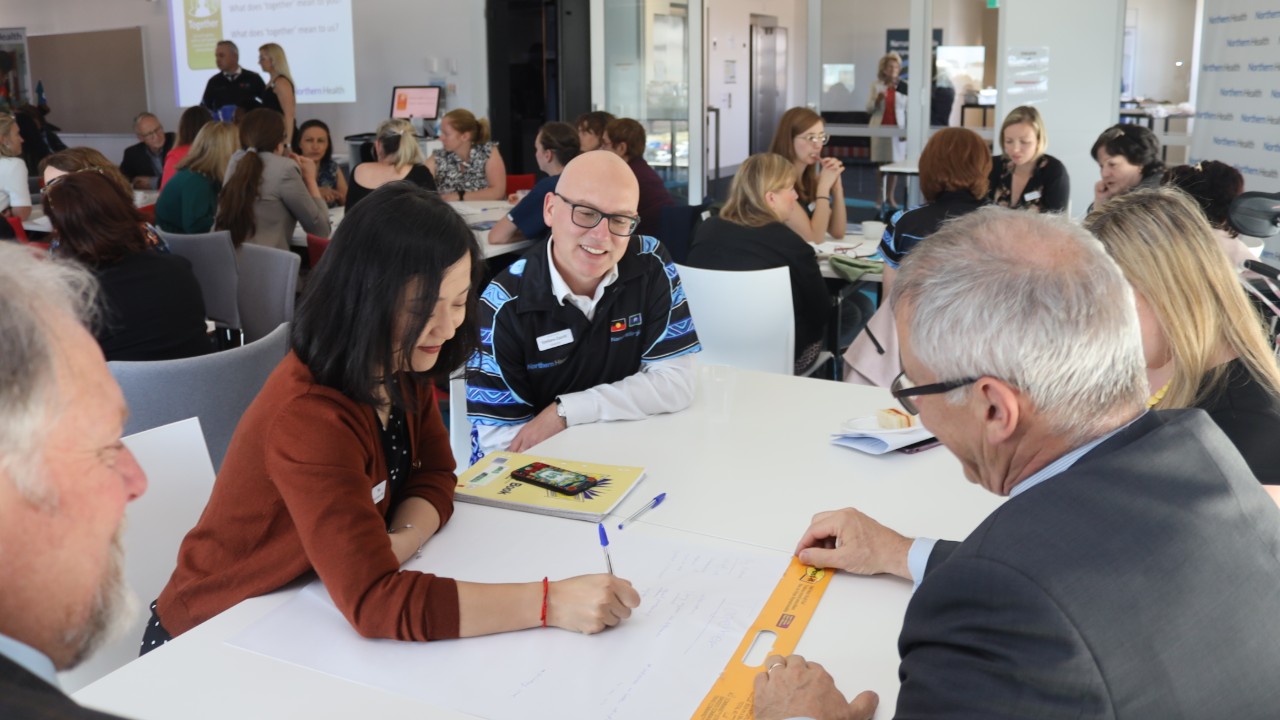
    The 2019 Annual General Meeting and Open Access Board Meeting held this afternoon was well attended with representation from consumers, community members and Aboriginal Elders.

    This event provides an opportunity for the board and senior leadership team to engage with staff and consumers and showcase many of the initiatives and collaborations we have undertaken in the past 12 months. A media video report was also shown, and the participants had an opportunity to see how Northern Health’s achievements were presented to our community through both local newspapers and TV stations (video below).

    Jennifer Williams AM, Board Chair, welcomed attendees and shared some of the quality and improvement initiatives over the last year. She also thanked staff, volunteers, students, Board Directors, Northern Health Foundation supporters and partners, whose contributions have helped us provide outstanding care for our community.

    Chief Executive, Siva Sivarajah, reported that Northern Health received more than 107,000 emergency presentations in the last financial year, making it once again the busiest Emergency Department in Victoria. In addition, he highlighted that we admitted 98,193 patients to hospital, performed 10,385 elective surgeries, and saw 232,496 outpatients in our specialist clinics.

    The Annual General Meeting also included the awarding of the inaugural 2019 Staff Achievement Awards.

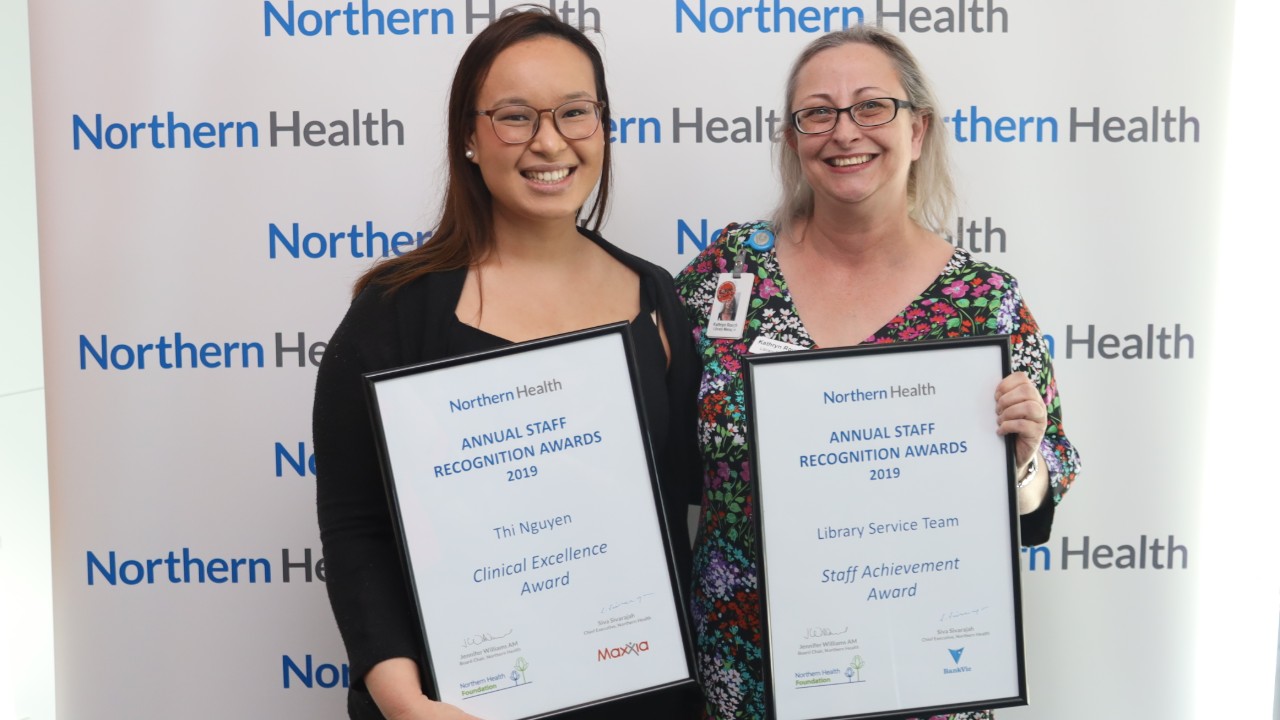
    The Annual Clinical Excellence Award was presented to Thi Nguyen, Nurse Unit Manager, Ward 4 (Unit B) and the 2019 Annual Staff Excellence Award recognised the Library Service. Congratulations to the deserving recipients!

    The Open Access Board Meeting saw the launch of Northern Health’s 2019-21 Innovate Reconciliation Action Plan, known as the RAP.

    “This is Northern Health’s first ever RAP, and is a ground breaking plan which demonstrates our commitment to the Aboriginal community of the north,” said Ms Williams.

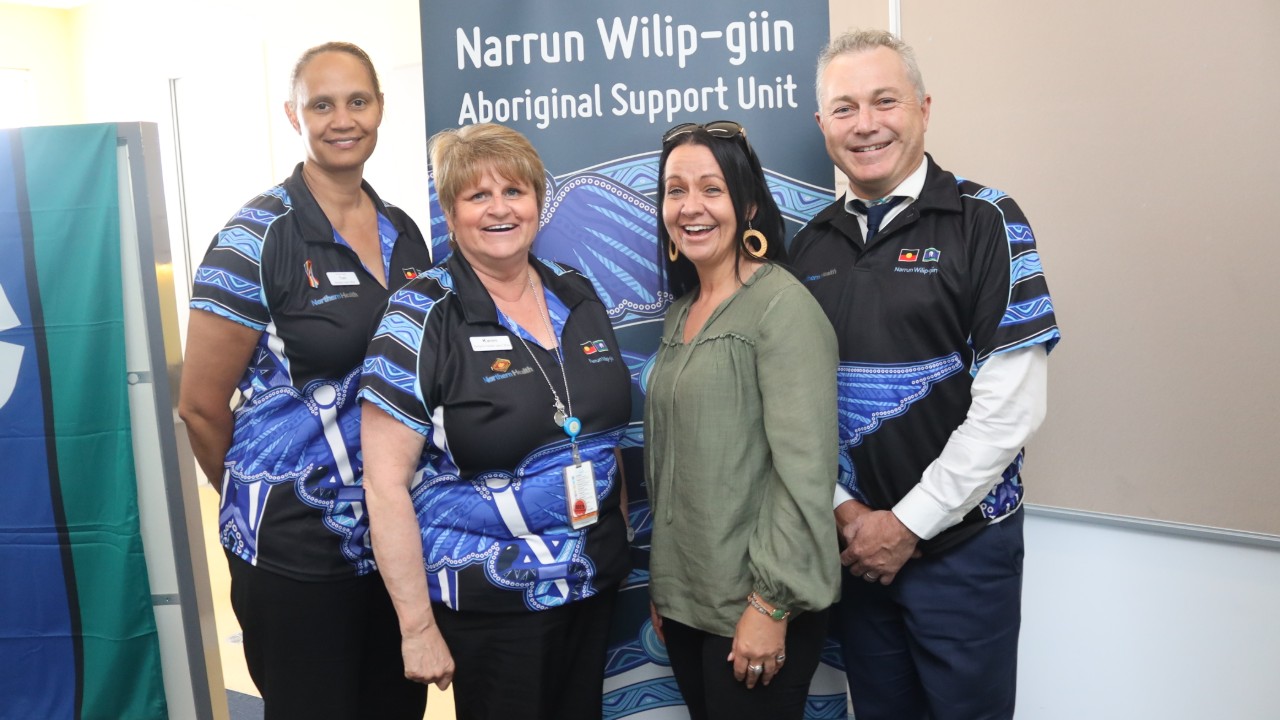
    It was a special day for The Aboriginal Support Unit, as along with the launch of the RAP , they also presented the new name and identity of their unit. Karen Bryant, Senior Aboriginal Liaison Officer, explained Narrun Wilip-Giin was a Woiwurrung name that meant ‘Spirit Keepers’. She said it had “special significance to the Aboriginal Support Unit who work to keep the spirits up of our people in their health journey.”
    The Open Access Board Meeting ended with a lively discussion on how we can better engage consumers in our health service, led by Chief Allied Health Officer, Briana Baass, and Chief Strategy and Business Development Officer, Simon Keating.
    To see Northern Health in the news, please click on the video below:
  • LGBTIQ+ Ideas Labs

    LGBTIQ+ Ideas Labs

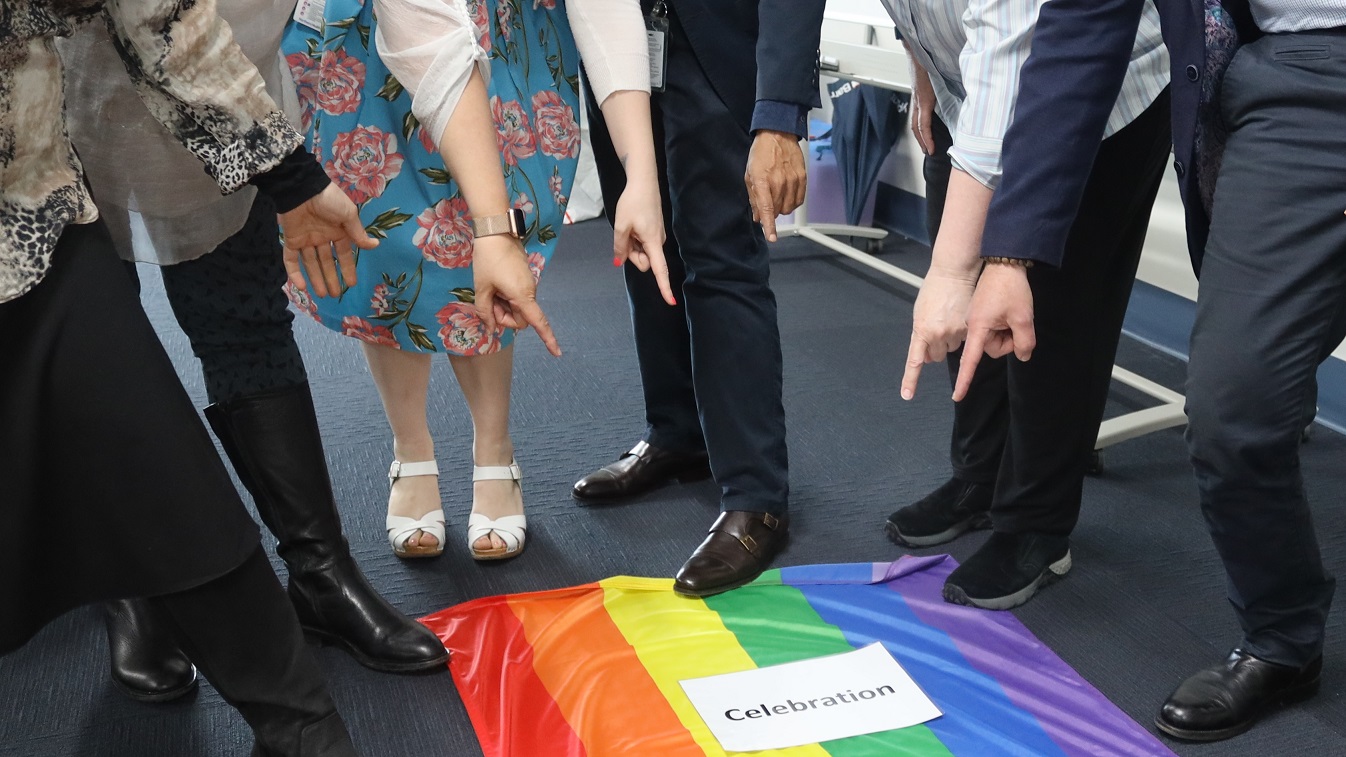
    LGBTIQ+ staff and friends recently participated in Ideas Labs across our four sites.

    Through discussion, participants identified there may be more Northern Health could do to promote pride within the LGBTIQ+ community of the north. This includes improving LGBTIQ+ visibility through leadership, higher profile of LGBTIQ+ people and the use of relevant signs and symbols (e.g. rainbow flags).

    One way we can do this is by celebrating LGBTIQ+ through special events involving the broader community, with plans well underway to participate in the Midsumma Pride March in February 2020.

    We also hope to run events for IDAHOBIT (International Day Against Homophobia, Transphobia, Biphobia and discrimination against people with an intersex condition) in May, Wellness Week in September and Coming Out Week in October.

    Decreasing stigma and improving knowledge and understanding about LGBTIQ+ facts, figures and issues can be achieved through an ever expanding education strategy.

    Participants in the Ideas Labs felt that Northern Health should increase visible support for staff and generate a positive sense of identity and community, with safety and inclusion being our ultimate goal.

    Participant, Penelope Grellet, Director of Organisational Capability, said, “it was so valuable to all come together and share different ideas. The Lab was a great way to encourage and engage in conversation with other staff members we don’t get an opportunity to work with all the time.”

    After the Labs, the Chair of the LGBTIQ+ Working Group, Anne Hastie, said, “face to face sessions are important as many and varied ideas can be actively explored and debated. The final message from the Labs was clear; people want LGBTIQ+ to have more visibility in the health service.”

    If you have any enquiries, please email anne.hastie@nh.org.au.

  • Celebrating our volunteers

    Celebrating our volunteers

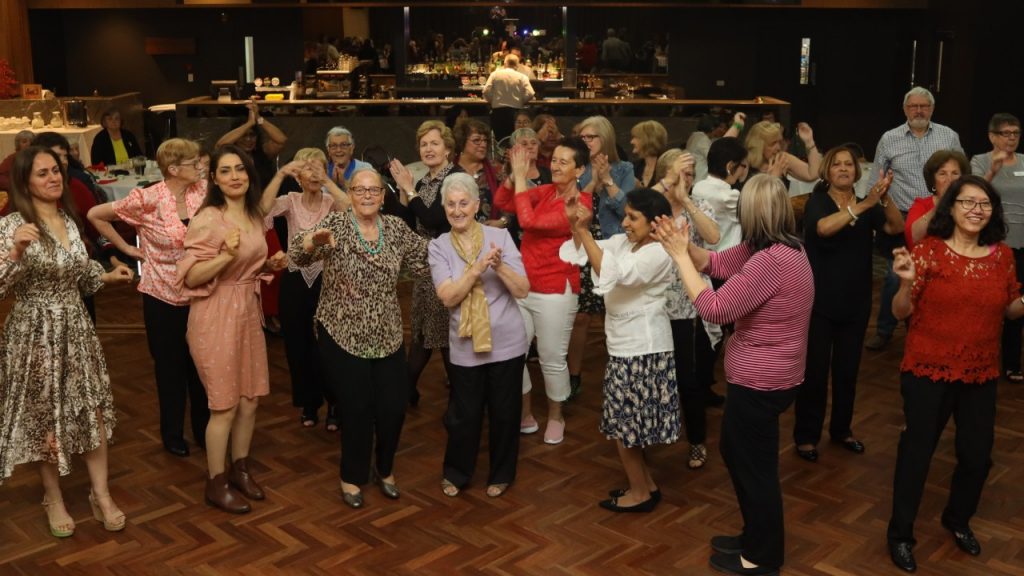
    One of the greatest gifts you can give is your time and that is what Northern Health’s 350 fabulous volunteers give day after day.

    Today, as our gift to volunteers, Northern Health hosted a Christmas lunch at Casa D’Abruzzo Club in Epping. A delicious buffet lunch was enjoyed by all and the volunteers danced the afternoon away with DJ Con.

    The volunteers have much to celebrate, as this year has been particularly busy.

    Andrew Williamson, Executive Director Public Affairs and Foundation, thanked volunteers for their time, commitment and dedication to Northern Health.

    “Our wonderful volunteers make a significant difference every day for our patients, families and visitors,” he said.

    “Their work models Northern Health’s values of Safe, Kind, Together.”

    Henni Wade, Manager Engagement, said our volunteers are helping our visitors find their way around our sites, on average hand out over 600 cups of tea and coffee a week, put together hundreds of administration packs a week, visit patients, help with social support activities, drive patients to appointments, cuddle babies, help people check-in using our new Q-Flow kiosks and make the time to have chats with our patients and visitors making them feel welcome.

    “In addition to these activities that are making a difference to our patient’s experiences, the volunteers also organise many fundraising activities. This year they have raised over $18,000 from cake stalls, various raffles and Knitting Guild sales. They have also sold over 450 car raffle tickets for Northern Health Foundation, raising a further $15,000,” she added.

    Our Busy Fingers Auxiliary donated $10,000 for our defibrillator campaign and one of our Broadmeadows volunteers, Vicki Vernon, has been instrumental in helping us secure $10,000 for a blanket warmer.

    Merry Christmas to all our Northern Health volunteers and thank you for all that you do.

    Volunteers make a difference.

  • Hats off to Stephanie, Mary and Anthony

    Hats off to Stephanie, Mary and Anthony

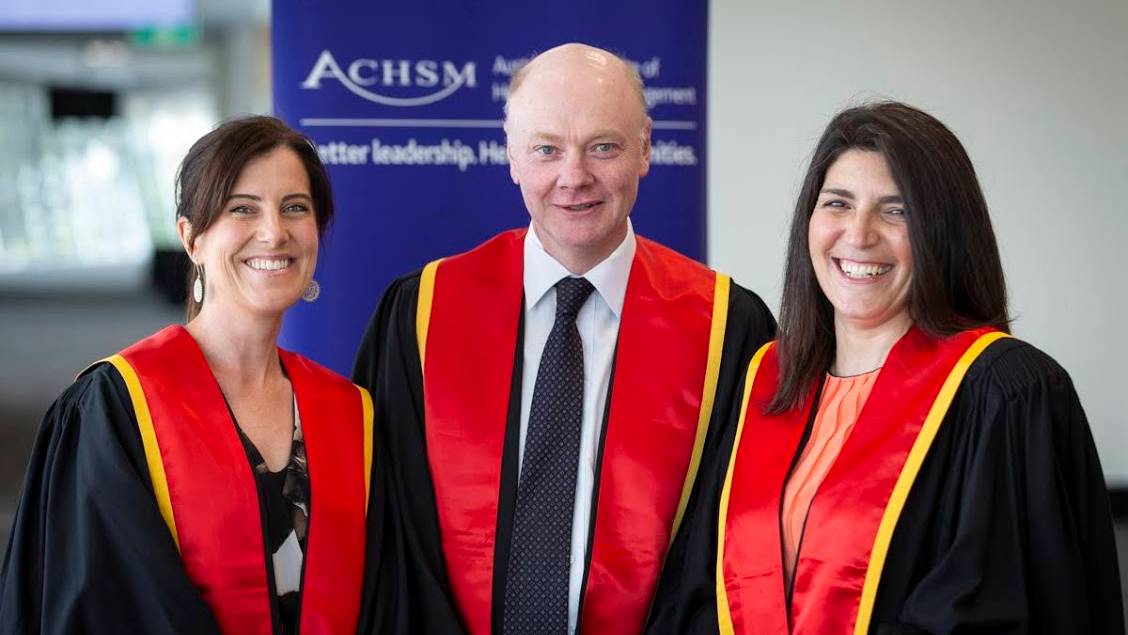
    At the graduation ceremony at the 2019 AGM of the Australasian College of Health Service Management (ACHSM), three of the five Victorian and Tasmanian Fellowship Graduates were from Northern Health. Our congratulations to Stephanie Allan, Mary De Gori and Anthony Gust who are all now Fellows of the College.

    Fellowship is the highest membership category awarded in the College. It is a significant professional achievement and is awarded by the College to those individuals who have demonstrated to their peers that they have the knowledge, attitudes, conceptual and communication skills to be recognised as senior managers and leaders in the health and aged care industries.

    “I would recommend the course to other Northern Health leaders and senior managers who would like to not only learn more about topics such as leadership, health funding to change management but also the bigger health system picture.  Next year’s enrolment is closing soon,” says Anthony Gust, who is our Director of Data Science and Analytics.

    Stephanie Allan, Manager, Planning, added, “The Fellowship is a great experience and I would highly recommend it to others who are interested in learning more about the wider landscape in which health services operate.”

    Fellowship within the ACHSM is recognised both nationally and internationally and it demonstrates an ongoing commitment to excellence in health service management. Fellows provide leadership across the spectrum of public, private and not for profit organisations, in the areas of acute, primary and long term care, and health improvement.

    The awarding of Fellowship to a College member recognises the commitment, continuing professional development and learning, and application of knowledge in health services management they demonstrate.

    Briana Baass, Chief Allied Health Officer and Partnerships at Northern Health, (also Victorian President of ACHSM), had this to say:

    “Going through the Fellowship process, which takes about 10 months, is a powerful and rewarding experience. It can be a bit daunting walking into the oral examination, with a panel of assessors sitting across from you, and firing questions at you!”

    “Candidates must demonstrate a significant breadth of knowledge and experience across many aspects of health service management. These may include governance, funding models across the globe, and integrated care.”

    “A huge congratulations to my Northern Health colleagues – it is a significant professional achievement to be recognised as leaders in the health and aged care industries!”

    Featured image (left to right): Stephanie Allan, Anthony Gust  and Mary De Gori 


    Briana Bass , Chief Allied Health Officer Partnerships and Victorian President (second from left) with the new Fellows of the Australasian College of Health Service Management


  • NDIS training held at Broadmeadows

    NDIS training held at Broadmeadows

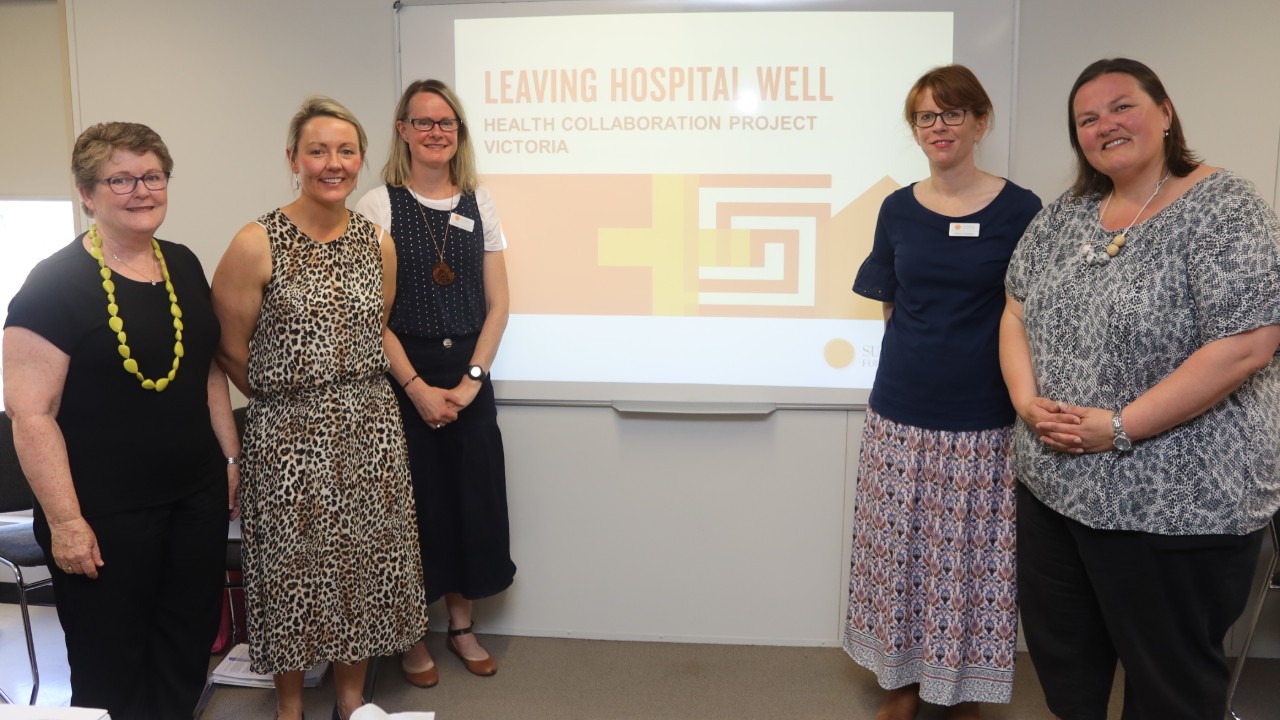
    Northern Health has partnered with the Summer Foundation to up skill our staff in how we work with the NDIS (National Disability Insurance Scheme).

    After completing a gap analysis of what we need to do to successfully manage the interface between NDIS and the health service, a steering committee was established to identify and develop systems required to meet the relevant legislative and regulatory frameworks under the NDIS.

    “We are training our staff health service-wide on this complex issue. We have some very long stayers, either due to the complexity of the system or due to lack of training on how to move things along. This training is for staff both in acute and sub acute services,” explained Ingrid Ioannidis, Clinical Leader, Social Work Continuing Care.

    The training looks at patient’s health journey and how to get started on the NDIS journey, which will enable a shorter hospital stay and a better outcome for patients. This program, funded by Department of Health, is delivered by the Summer Foundation, who are experts in keeping young people out of nursing homes.

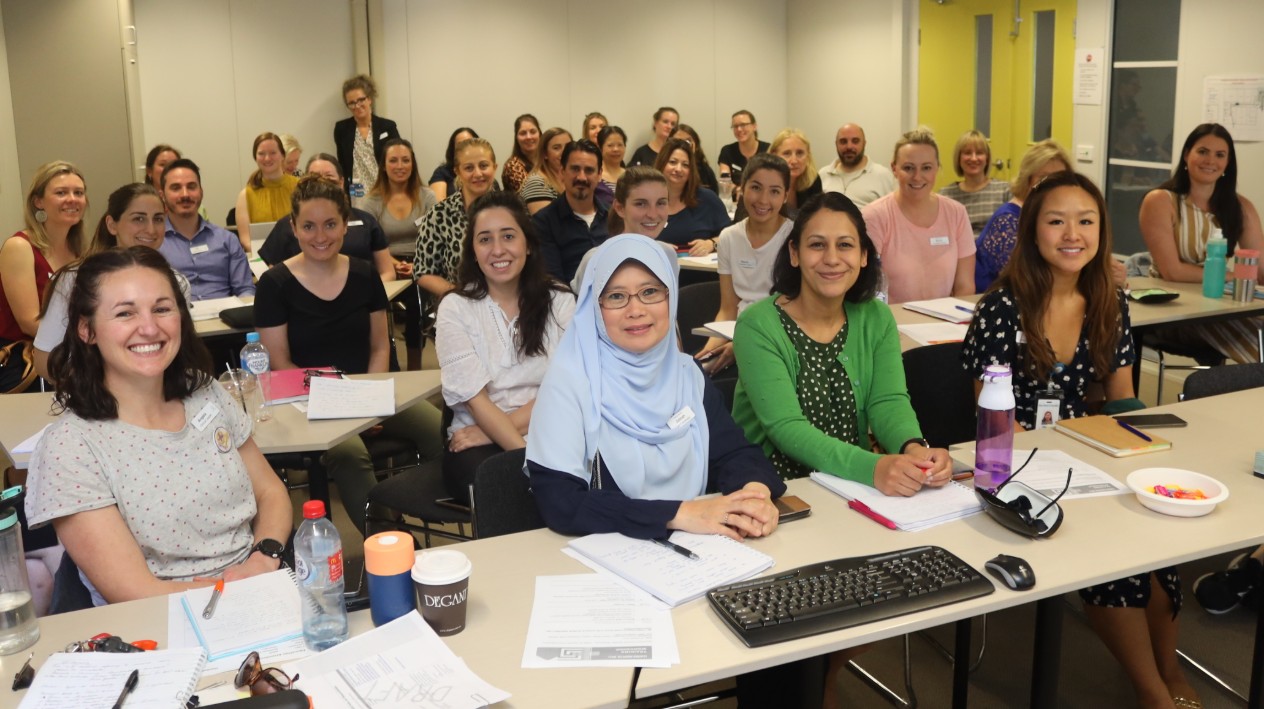
    “Besides the six-hour one-day training which 80 of our staff have already attended, the training also includes videos and gives a basic overview of the program. There is also specific training for social workers and occupational therapists, which will be around accessing housing,” Ingrid explained.

    “That is a really complex part of the NDIS program. We are seeing patient stay in the hospital for a year unfortunately. If patients need accommodation, their journey is a long one. Also, there will be train the trainer module, which will keep the program sustainable in the future,” she added.

    Twenty three hospitals are participating in this program and Northern Health staff already had a day of sharing resources, with the aim to put together the most evidence-based documents.

    “These templates and policies are now completed and they will be integrated into the training. The goal is to have a consistent approach, clear escalation pathway, clear roles and responsibilities and polices,” she explained.

    To watch the Summer Foundation videos on understanding the NDIS, click here.

    Our staff attending Summer Foundation training at Broadmeadows Hospital


    Featured image: Ingrid Ioannidis (right) with Summer Foundation representatives


  • Sharing life experiences across generations

    Sharing life experiences across generations

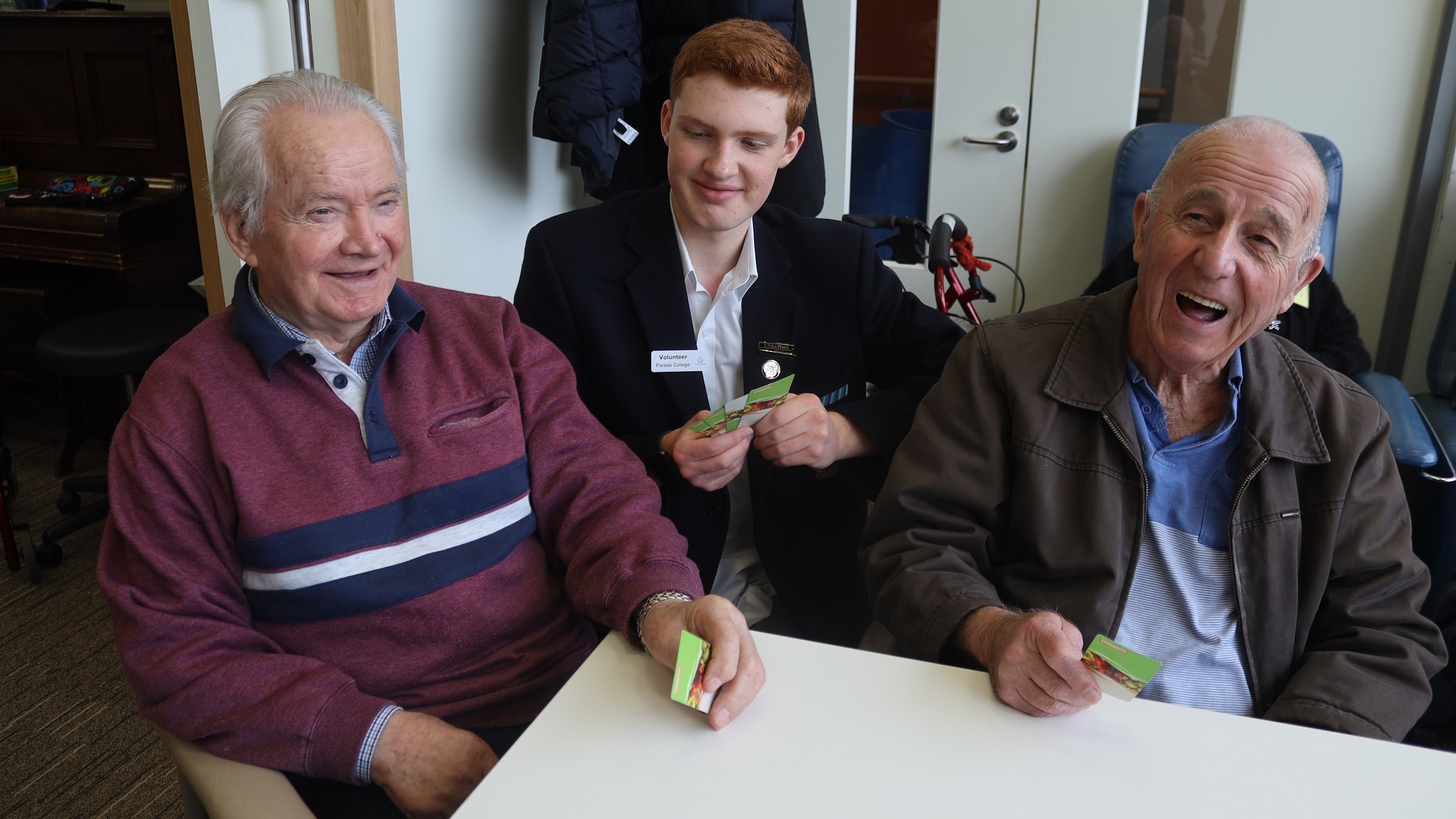
    A unique program at Northern Health sees Parade College students regularly visit the Bundoora Centre Social Support Group.

    The program exposes students to building intergenerational relationships and encourages them to interact with older people in the community.

    Lisa James, Social Support Group Manager, said, “The Parade students have been coming for a number of years now. They come in during the week and spend time with the group members – they interact with them, play cards, reminisce about things, joke around!”

    The Northern Health Social Support Group based at Bundoora Centre is a Commonwealth Home Support Program. Group members live within the community and may have been socially isolated, and the group gives them an opportunity to connect with people and have a fun day out.

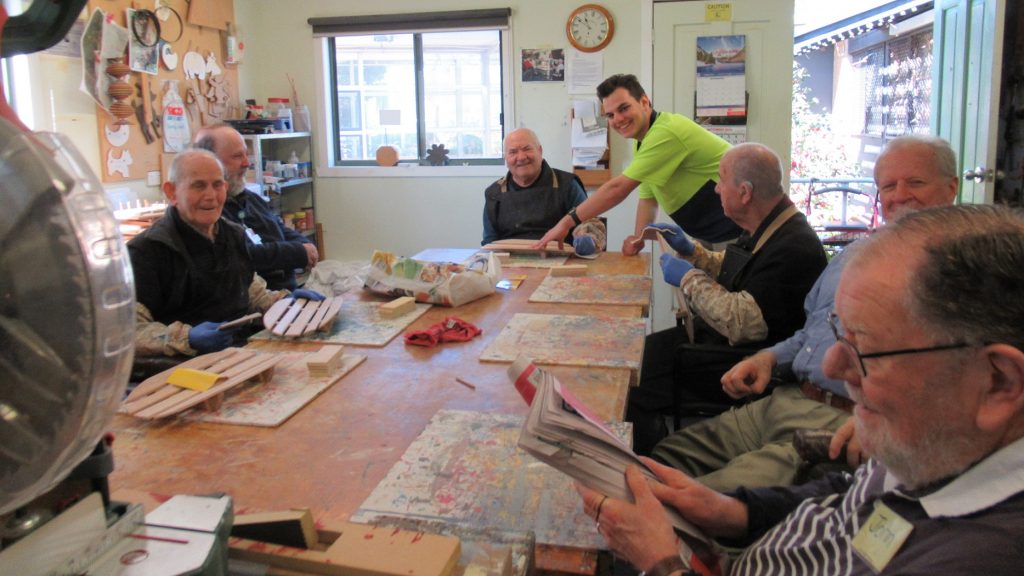
    “The group members love having the Parade students come in. They make them smile and love to have a joke with them. They always ask the students 20 questions – about who they barrack for, what they’re studying at school, what they want to be when they’re older. The students also help out in the old bloke’s shed,” Lisa said.

    “It just brightens their day and it gives them the perspective of younger people. It’s all about interacting with one another and sharing their life experiences,” Lisa added.

    Lisa also tells us the students have said it’s changed their lives too.

    “They come in and start talking to the group members and the age gap sort of goes out the window. The stigma about older people is lifted because they can come in and converse with them about the footy or something topical in the news. Even the students talk about their own life experiences and the clients can relate as something similar may have happened to them,” Lisa said.

    Parade College Community Action Convenor, Anne-Marie Morello, said, “The Year 10 Community Action Program is an important and highly valued part of the Parade College Year 10 Curriculum. Students engage in a valuable intergenerational experience with the aged care clients and form some meaningful relationships that help them to further develop tolerance and empathy.”

    “The positive attitudes towards aging and the sense of purpose it gives our students is evident within weeks of them starting their placements. We value the relationship we have with agencies such as Northern Health who allow this wonderful engagement,” she added.

    Previous students have said, “I learnt that giving my time is a really valuable experience and a joyful thing to do and something I will hold with me forever” and “The placement was an incredibly rewarding experience. I was surprised by the atmosphere, as it was very warm and welcoming. The whole experience has changed my view on volunteering – it felt very rewarding to be able to do something in the community.”

    Parade student, Xander (pictured above), said, “being here at Bundoora has taught me that older people are just like everyone else. When I was told I would be going here, I was told it would probably be very quiet but, in reality, they are all having a very good time and they love it here. They said they were very appreciative of us being here – they always seem to really enjoy it when we’re here and they always thank us when we leave.”

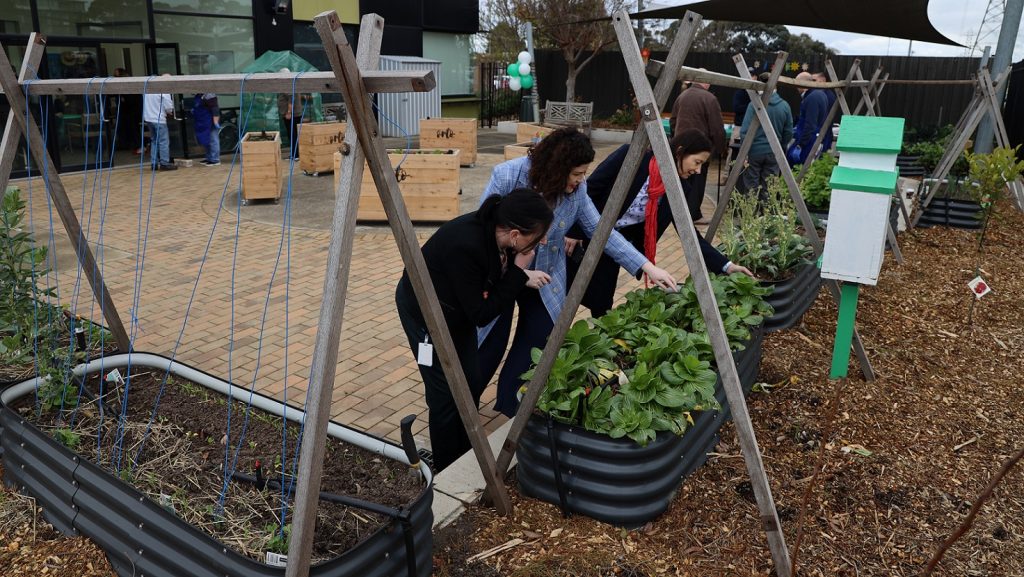
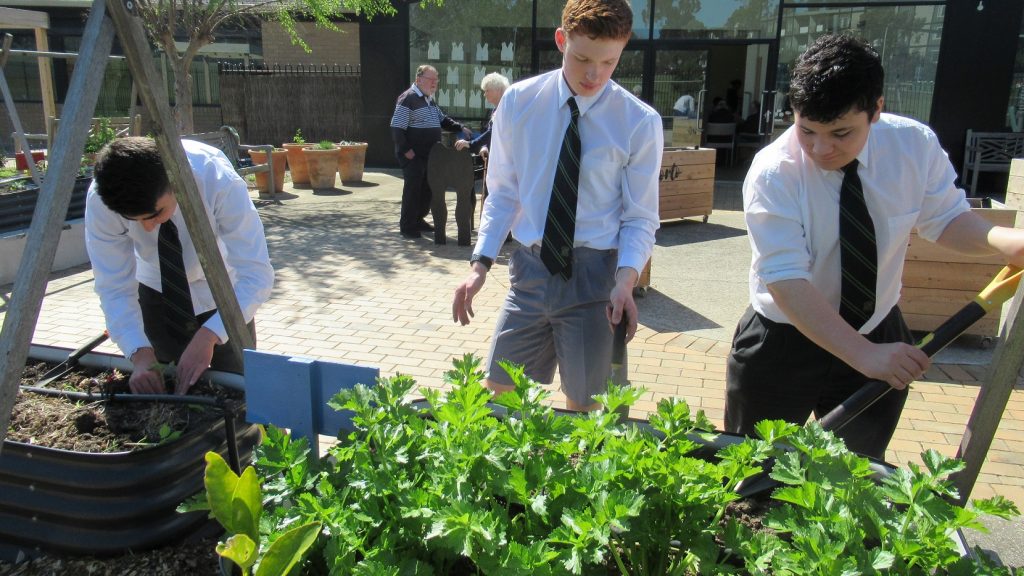
    The Parade students even helped to work on the Social Support Garden at Bundoora Centre.

    The Garden was officially opened in July this year and the students have since helped to maintain it, and have recently helped change the winter crop to the summer crop.

    Opening of the Social Support Group Garden at Bundoora Centre
    Parade students helping to maintain the garden
    Helping out in the Old Bloke’s Shed
  • World COPD Day

    World COPD Day

    Today is World Chronic Obstructive Pulmonary Disease Day (COPD)​ and this year we are taking the opportunity to encourage people to reach out to their health professionals for support and assistance to manage their illness and improve their wellbeing.

    Awareness and investigation of new or ongoing respiratory symptoms, such as persistent cough, wheeze, or shortness of breath can lead to early diagnosis and treatments for a range of respiratory diseases. Awareness and understanding of the treatments prescribed is also important, with the respiratory department promoting evidence based therapy, including the correct use of inhaled medications or ‘puffers’.

    Maureen Goodwin, Respiratory Clinical Nurse Consultant, explained that one way we can assist our respiratory patients is to ensure they are taking their inhaled medications correctly. Inhalers or ‘puffers’ are common treatments in COPD and asthma, and with many different devices available, the use of puffers can be quite confusing for patients.

    “Inhalers can fall into two main categories – preventers and relievers. It is important in asthma and COPD that preventers are taken regularly every day even if you feel well. Relievers are the inhalers which can be used to provide immediate relief when patients experience shortness of breath or other symptoms such as wheeze and cough,” she said.

    With the combination of spring allergy season and Melbourne’s unseasonable weather, Northern Health’s respiratory team have seen many patients experiencing increased respiratory symptoms, requiring use of reliever puffers.

    “To ensure the inhaled medications reach the smallest airways of the lungs, we recommend the use of a spacer and recommend the ‘1 puff 4 breath technique’. This method is a ‘one size fits all’  technique which suits all ages and ability from paediatrics to elderly, including routine or emergency use. This method can even provide a calming effect for patients who are becoming anxious during an acute attack,” Maureen said.

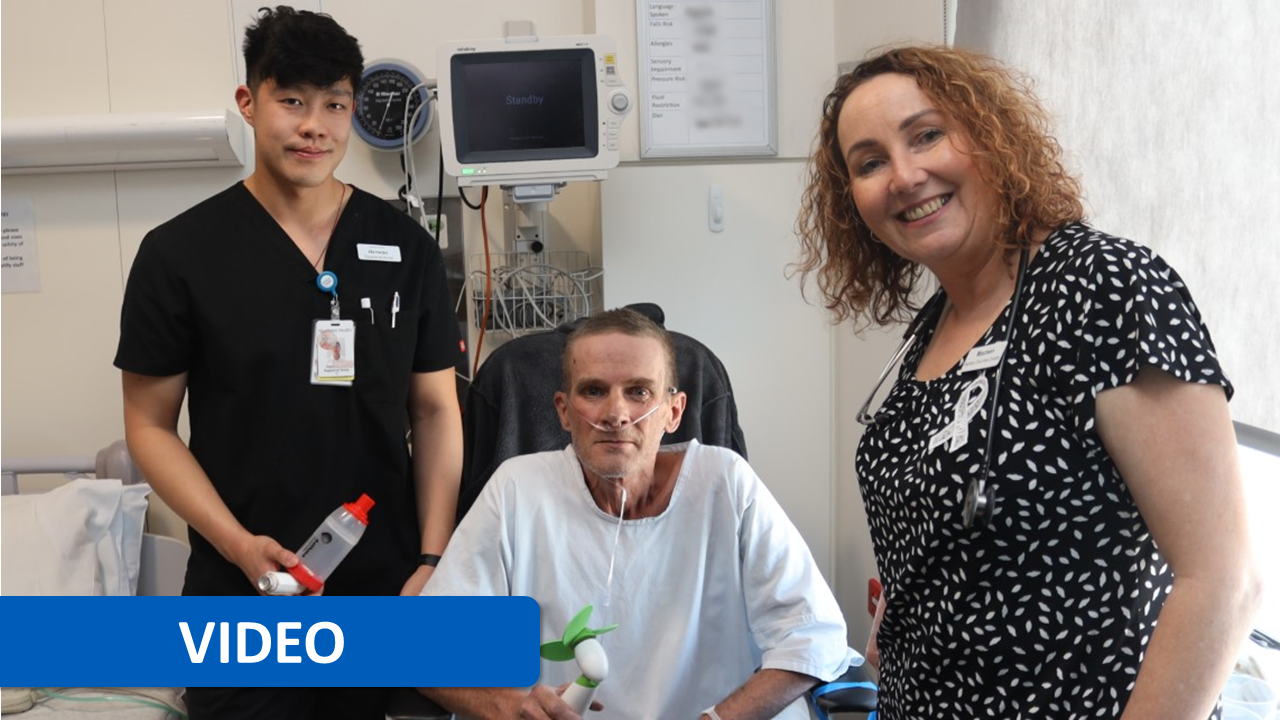
    Please see a short demonstration below on how we promote the use of puffer and spacer at Northern Health.

    The following websites offer a range of resources and support services for patients and health professionals: Lung Foundation Australia, Asthma Australia, National Asthma Council.

    Featured image (left to right): Hanwen Tan, Registered Nurse; Darrin Stirling, Patient; Maureen Goodwin, Respiratory Clinical Nurse Consultant

  • New Bed Management Portal: Supporting the patient journey

    New Bed Management Portal: Supporting the patient journey

    A patient journey provides a unique picture of how our health service operates through the eyes and ears of our patients. The Bed Management Portal in use at Northern Health plays a vital role in tracking this journey.

    “It was after a visit to Canterbury New Zealand, that we realised there was an opportunity to update our current Bed Management Portal to help better support a patients journey,” says Ed Savill, Operations Director, Cancer Services.

    With a working group of clinicians from each discipline and from different sites providing support, Rowan Shield from the Decision Support team got to work, incorporating these learnings into the new portal, which launches at 7 am tomorrow.

    Staff who were given a preview of the new portal at demonstrations across our sites have been positive in their feedback.

    “I think it adds a lot of value to the existing portal,” says Natasha Knapic, Associate Nurse Unit Manager, Emergency Department.

    “It has added functionality that I find really useful,” she added.

    “It’s going to have a really positive impact on communications and patient care,” says Rachel Evans, Associate Director, Nutrition and Dietetics.

    “The new portal connects with several key patient systems and provides better visibility on current status of patients and assists with discharge planning,” says Adam King, Director Decision Support, who has been closely involved in the rebuild of the portal.

    “We recognise that there are a few changes in workflows for staff and that in the short term it will take a bit of getting used to, but medium term the aim is that the new portal will help identify areas of patient journey that may be delaying their next step,” says Ed.

    He adds, “It should also help reduce phone calls and increase transparency around patient flow, so teams on the wards can have more time released to care for patients.”

    The new Bed Management Portal will continue to evolve to ensure it supports our health service requirements, so your feedback is important. Suggestions on how the portal can be improved can be logged via nh-decision-support@nh.org.au.

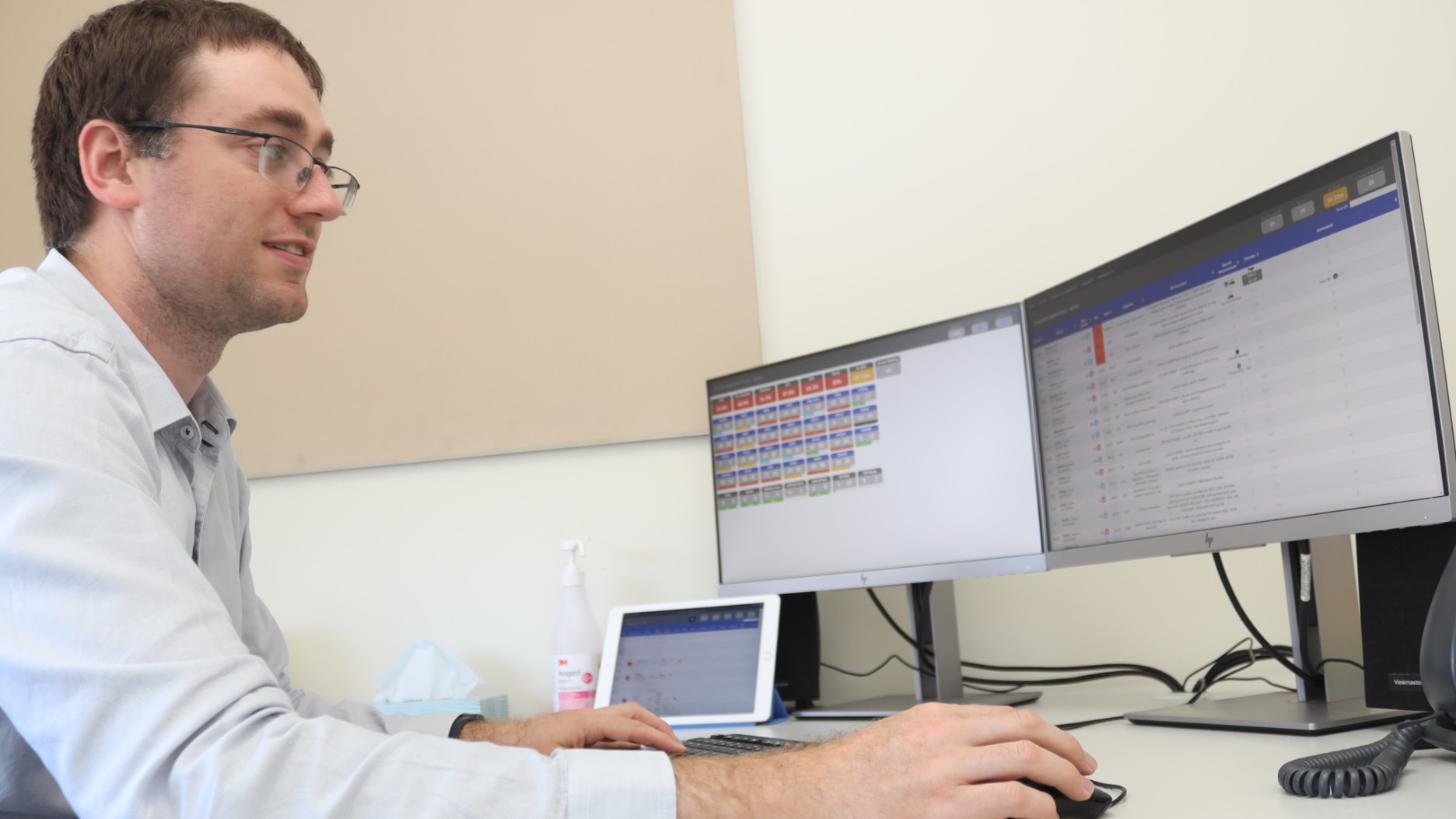
    Picture shows Rowan Shield from the Decision Support team tracking the patient journey.