• Fit Testing at Northern: Phase 2

    Fit Testing at Northern: Phase 2

    After the successful completion of the Fit-Test pilot project, where 847 priority health care workers were fit tested, Northern Health is now entering the second phase.

    Fit testing is a process to verify if a selected brand, model or size of an P2/N95 mask adequately fits the wearer. Testing is carried out with all the different types of masks available, to identify the best fitting mask to ensure a consistent fit.

    Michelle Wakelam, a certified Occupational Hygienist with many years’ experience in fit testing and respiratory protection, has recently been enrolled as our Respiratory Protection Program Coordinator (RPP Coordinator) and our respiratory scientists have received additional training to continue the testing program.

    “We working  increase our capacity to be able to provide up to 21 tests a day,” says Michelle. “Since the pilot project , Northern Health has now fit tested an additional 70 staff members.”

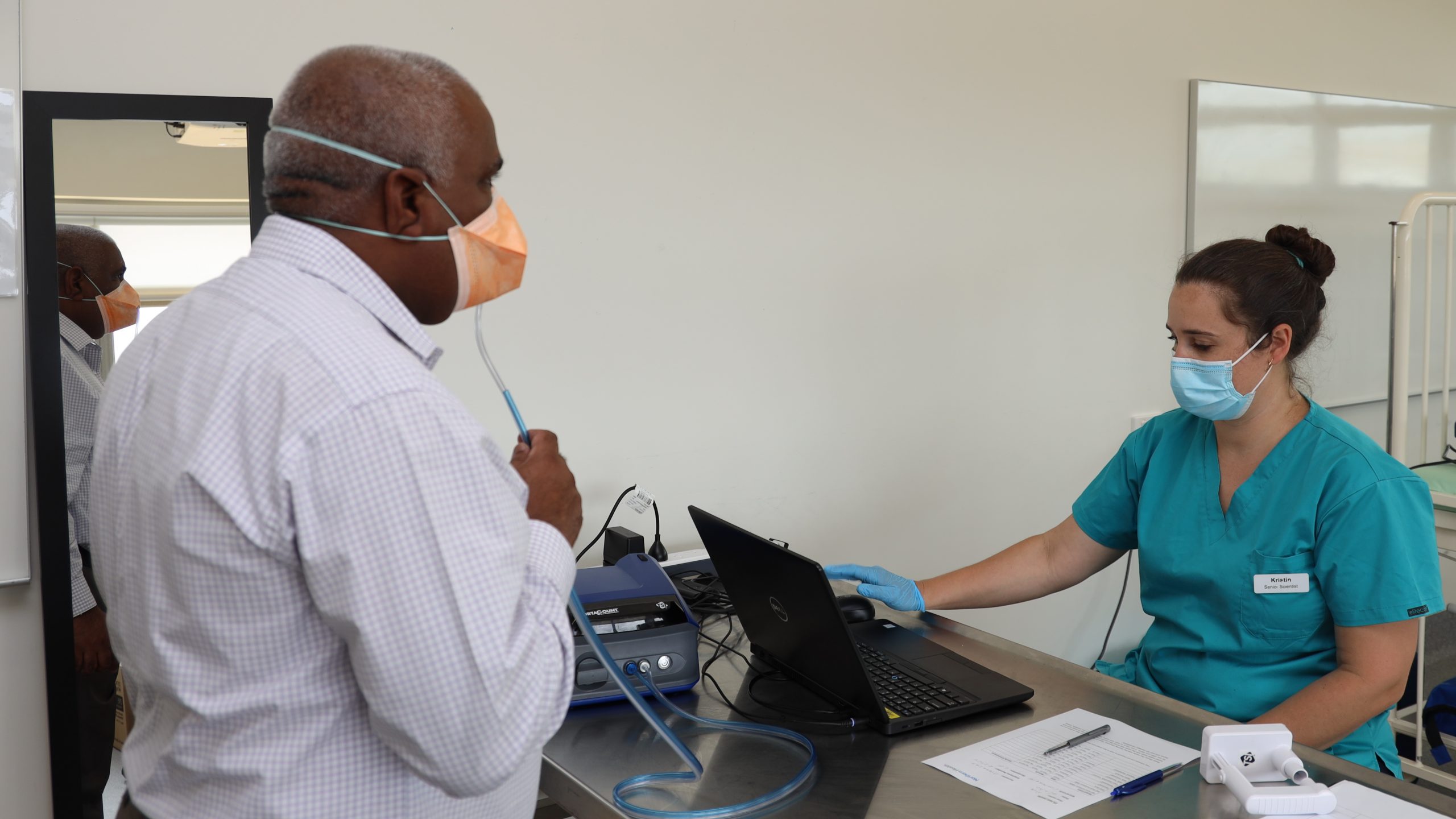
    Chief Executive Siva Sivarajah, was one of those fit tested by scientist Kristin Southwell recently.

    Says Kristin, “Fit testing gives all Northern Health staff confidence on which N95 masks provides them the best protection. In addition to measuring how well a mask fits we also provide staff training on how to appropriately don masks and use their respiratory protective equipment effectively.”

    Nicholas Romeo, Head Respiratory Scientist / Laboratory Manager – Department of Respiratory Medicine said, “we are very honoured to assist the organisation in ensuring the wellbeing and safety of our staff. The idea of having our respiratory scientists performing fit testing is innovative, but it’s a natural fit and utilises all our skill set. We look forward to phase 3 of the program and the opening of the dedicated fit testing laboratories where we expect to test 3500 staff members annually”.


    Featured image shows Siva Sivarajah fit tested by Kristin Southwell 

  • Christmas ISS the season for giving

    Christmas ISS the season for giving

    Every time we love, every time we give, it’s Christmas.” 

    Christmas conjures up images of celebrations around the dinner table, presents under the Christmas tree and being surrounded by close friends and family.

    The last, in particular, will be cause for added celebration for many of us after a year of lockdown and isolation. Yet there are others who may not get the opportunity to be with their loved ones and their families – and this includes patients in our Children’s Ward at Northern Hospital.

    For the fourth year running now, ISS Facility Services are hoping to make a difference to these children, unfortunate enough to be spending Christmas away from their families, with their annual Christmas Appeal.

    Over the past four years, over 500 children in the ward have been reminded that they are both cared for and not forgotten in this season of giving. Their joy has been shared by grateful parents, who have appreciated the thoughtfulness of the gifts their children received.

    Says Snez Poposka, Facilities Service Manager ISS Facility Services, “What prompted me to organise this Christmas Appeal was the thought that, while I get to enjoy Christmas with my kids, there are these children without even the simple pleasure of a Christmas present.”

    “It doesn’t have to be an expensive present. It’s the thought that matters more. It is a chance to bring a smile to a child,” she adds.

    For more details on what presents you could give, please click here. The last date for sending in presents is 16 December.

    Says Courtney Lowry, Nurse Unit Manager Children’s Ward, “Every year, I have been overwhelmed by the lovely acts of kindness from ISS that have brought smiles to the children and their families during what is a stressful time while they are in hospital. I would urge staff and colleagues to support this appeal.”

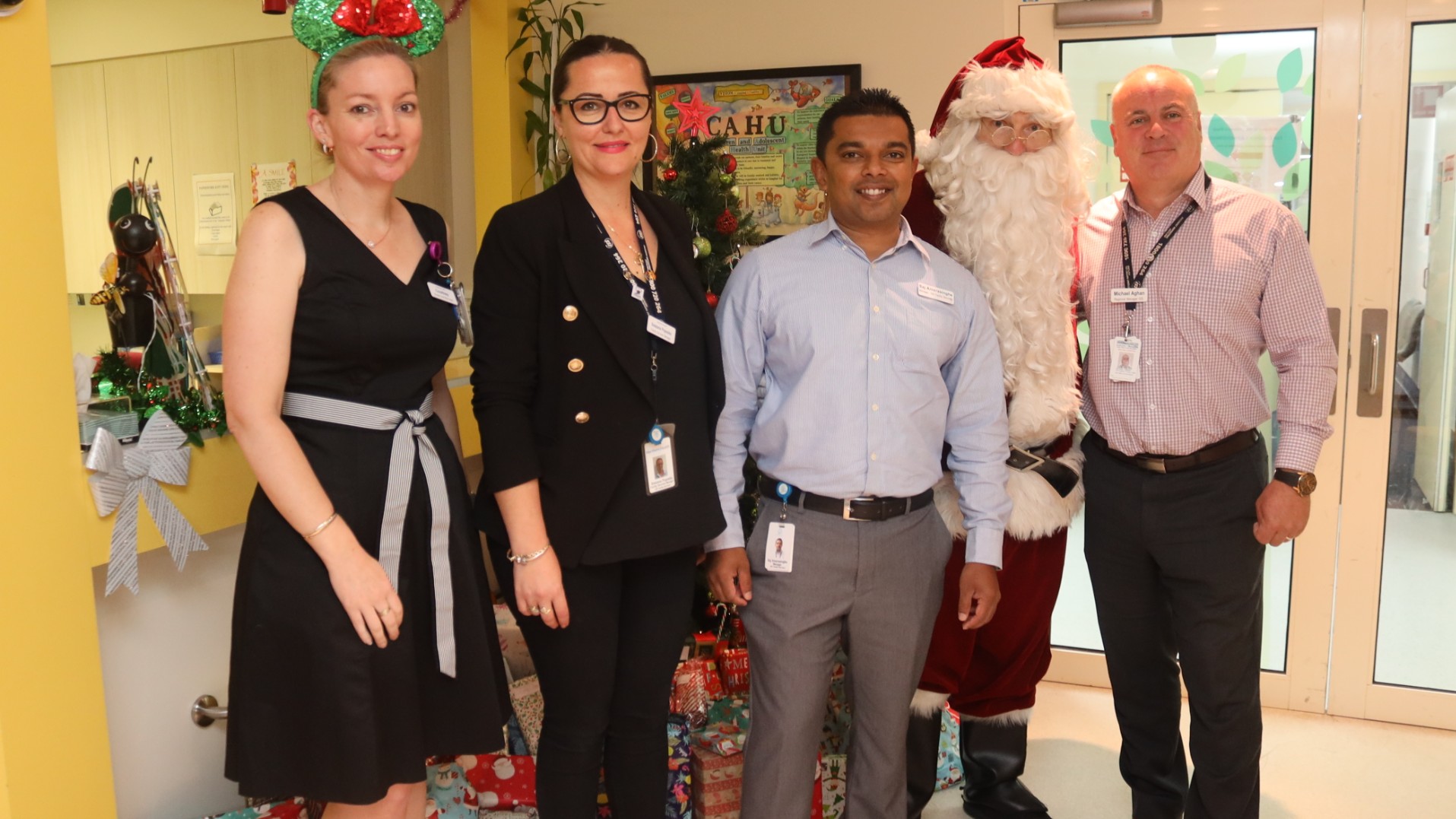
    Featured picture shows Courtney Lowry, Nurse Unit Manager Childrens Ward with Snez Poposka, Facilities Service Manager ISS and the ISS team from last year’s appeal.

  • End of Year Message – From the Chief Executive

    End of Year Message – From the Chief Executive

    On behalf of the Board and Executive Team, thank you very much for your commitment and professionalism during 2020. This year has been completely different to anything we’ve seen before.

    Staff had to change the way they work, whilst making sure patient care continued at the high standard expected of us. Many staff put their lives in danger to continue to provide this care.

    We did not get everything right – but we adjusted quickly. We were learning all the way though the pandemic, and then the experience of the second wave taught us more.

    In early July, when there was infection within the emergency department, one group was furloughed – while the other group still stood up, irrespective of the risk, and worked through until the first group came back.

    Similarly, when our specialist units were furloughed, others picked up the load of the unit and kept the patient care going.

    At the peak of COVID-19, Unit 1 staff from Broadmeadows Hospital came across and supported the Northern Hospital SCOVID (Suspected COVID) Ward 15.  Staff were prepared to leave their normal ward to work in a high risk area where the need was greatest.

    Our Infectious Diseases Unit expanded and provided comprehensive care for our patients, as well as supporting our frontline clinical staff on how to manage the risk during this difficult period.

    One of the early challenges was sourcing large quantities of the PPE we needed. Our Procurement and Supply team worked around the clock to source daily deliveries of the broad range of protective equipment available to clinicians.

    In addition, early in the pandemic, we had very limited COVID-19 testing capacity. Our Northern Pathology Victoria service quickly adjusted with initiative after initiative to expand their testing capability to over 1,000 per day – with some of the fastest testing times in the state.

    We were the first health service with wide-spread infection, with our emergency department and ward staff caring for many older patients with COVID-19. Our early experience and learnings have been adopted by other health services – and they have shared their experiences with us.

    Our Residential-In-Reach team worked in multiple challenging private aged care settings, helping many residents avoid being transferred to hospital – taking them away from their familiar environments.

    Northern Health was chosen to conduct the first fit testing pilot with 800 frontline staff. Now the pilot is complete, we are testing different types of masks so that the Government can broaden the supply of N95 masks from several sources, rather than relying on a narrow selection.

    We had to reduce face-to-face specialist clinics and rapidly accelerated implementation of telehealth – a positive option for the majority of our outpatients into the future.

    One of the cornerstones of our strategic priority of a Healthier Community – is Staying Well.  This is where much of our service expansion will be either home-based care or virtual, rather than people coming into hospital. During the peak of the COVID-19 period, we had to adjust the way the team were working to look after COVID-19 positive people in the community. Now, Staying Well resumes – aiming to enrol 1,000 of our chronically ill patients to the program in coming months.

    Another challenge in health is to catch up on deferred care – where we had to place much of our elective surgery and outpatients on hold to create capacity to deal with COVID-19. Additional work with these patients will commence in February, whilst we maintain our vigilance for any flare-up of COVID-19 in Victoria – before vaccines are readily available.

    Looking ahead to 2021, we have multiple infrastructure projects commencing or nearing completion. Stage 2 of the South East Block is progressing on target, with the new wards and theatres to be commissioned by around March.

    The Victorian Government has announced additional mental health beds in our region, in response to the Mental Health Royal Commission’s Interim Report. Planning has commenced for 30 additional beds that will be built on the front car park at Epping, adjacent to the emergency department. Construction will commence in 2021 with completion in 2024.

    Planning for new community hospitals at Craigieburn and in the City of Whittlesea has commenced. Construction of the Craigieburn Community Hospital will commence in 2021 on our Craigieburn Centre site. The Victorian Government has set aside funds in the recent budget to purchase land in the City of Whittlesea.

    Our Renal Dialysis service has been functioning out of a portable for a very long time. We are converting the old Clinic E into a Renal Dialysis Unit by May. This will be a much better environment for the patients’ experience – and closer to critical care back-up if required.

    Early in 2021, we will commence building our new 1,000 car multi-deck car park at Epping, to accommodate additional convenient on-site parking for staff.

    We are currently building a new IT server room to be completed by May, with new modern equipment replacing outdated equipment currently located in portables. We are using this move as an opportunity to move 50% of our existing IT network to a cloud based environment. This new infrastructure will help support our EMR implementation, which will be another key focus of the organisation over the next three years.

    I encourage as many staff as possible to take time off between now and Australia Day, before we get capacity back to normal in February.

    Thank you all again for your work during 2020. I hope you enjoy the festive season taking a well-deserved break – and please stay safe.

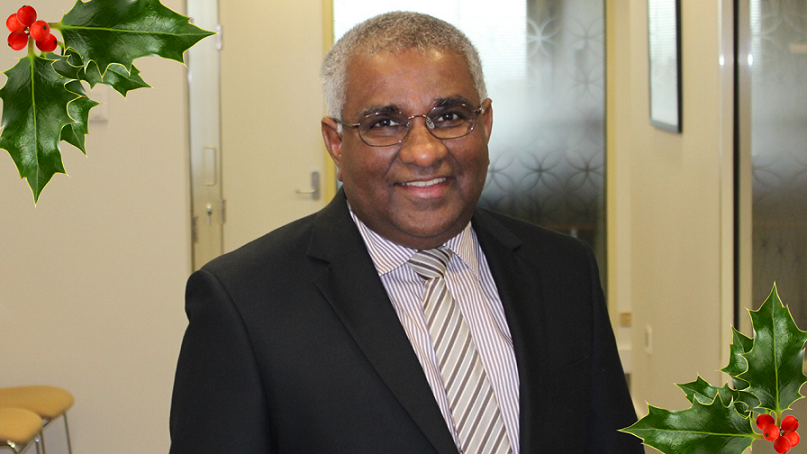
    Siva Sivarajah
    Chief Executive

  • Axe the Fax

    Axe the Fax

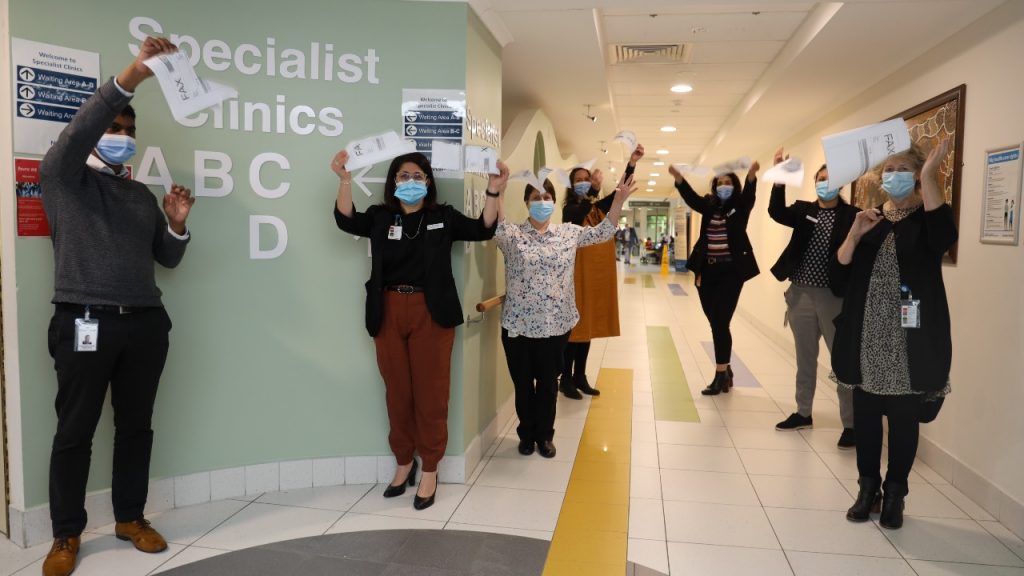
    In October this year, and after a highly successful two-year trial with HealthLink, Northern Health’s Specialist Clinics have switched to HealthLink SmartForms as the standard platform for accepting GP referrals. Previously, referrals would be sent via fax, which often led to technical and readability issues, as some pages might arrive blank or completely black, smeared, only half-pages or illegible.

    The new system is not only making the process more streamlined, but is also benefiting patients by having their referrals received correctly the first time, with all the clinical information in it.

    “When we receive the referral, there’s no back and forth between GPs and us to get the final copy. It avoids that delay of not getting an appointment on time because the GP sent a fax and it didn’t have enough information in it,” said Christopher Daniel, Specialist Clinics Project Officer – eReferrals.

    “The new system ensures our Specialist Clinics get an in-tact referral in one go, rather than multiple unreliable transmissions, additionally reducing the risk of us not receiving the referral or the delay in receiving the referral,” he added.

    Since the launch, the team has seen an incredible improvement and a rise in electronic referrals, with great feedback from a number of local GPs.

    “It’s going exceptionally well. Electronic referrals from GPs to Northern Health Specialist Clinics continues to grow, as more GPs adopt the technology. As at November 2020, Northern Health received 2,590 referrals (compared to 502 in July). The GPs find this process easier to use and, more importantly, they have confidence that when they transmit it electronically, we receive it. In the past, they might send a fax and wonder if we ever got it,” Christopher said.

    “We’ve made great progress but we still have some way to go … a number of GPs are still sending faxes because they don’t know how to send a referral directly from their desktop to ours,” Christopher added.

    Maria Tucker, Acting Chief Nursing and Midwifery Officer, added: “GP adoption of electronic referrals is the key strategy towards mitigating the risk of patient harm through delayed access to clinical services.”

    Northern Health is working with HealthLink to develop a number of electronic referral forms to improve the quality of referrals from GPs to meet the requirements of the DHHS Statewide Referral Criteria.

    Consultation with six Specialist Clinics has been conducted in the development of these forms. Enhancements to all other electronic referral forms (for the other specialist clinics, community access and allied health services) will include options to update expired referrals, telehealth options and features to allow GPs to indicate patient disability/special needs. The new forms are expected to be released for use by GPs in early 2021.

    The Axe the Fax team (left to right): Christopher Daniel, eReferrals Project Officer Specialist Clinics; Terri Fiorenza, Director Health Information Services; Cathy Fletcher, Nurse Unit Manager Specialist Clinics; Bonnie Ferguson, Project Officer Statewide Referral Guidelines Specialist Clinics; Chrissy Nicolaidis, Clerical Manager Specialist Clinics; Samantha Soggee, Director Operations Cancer Services and Specialist Clinics; Karen Overall, Primary Care Liaison


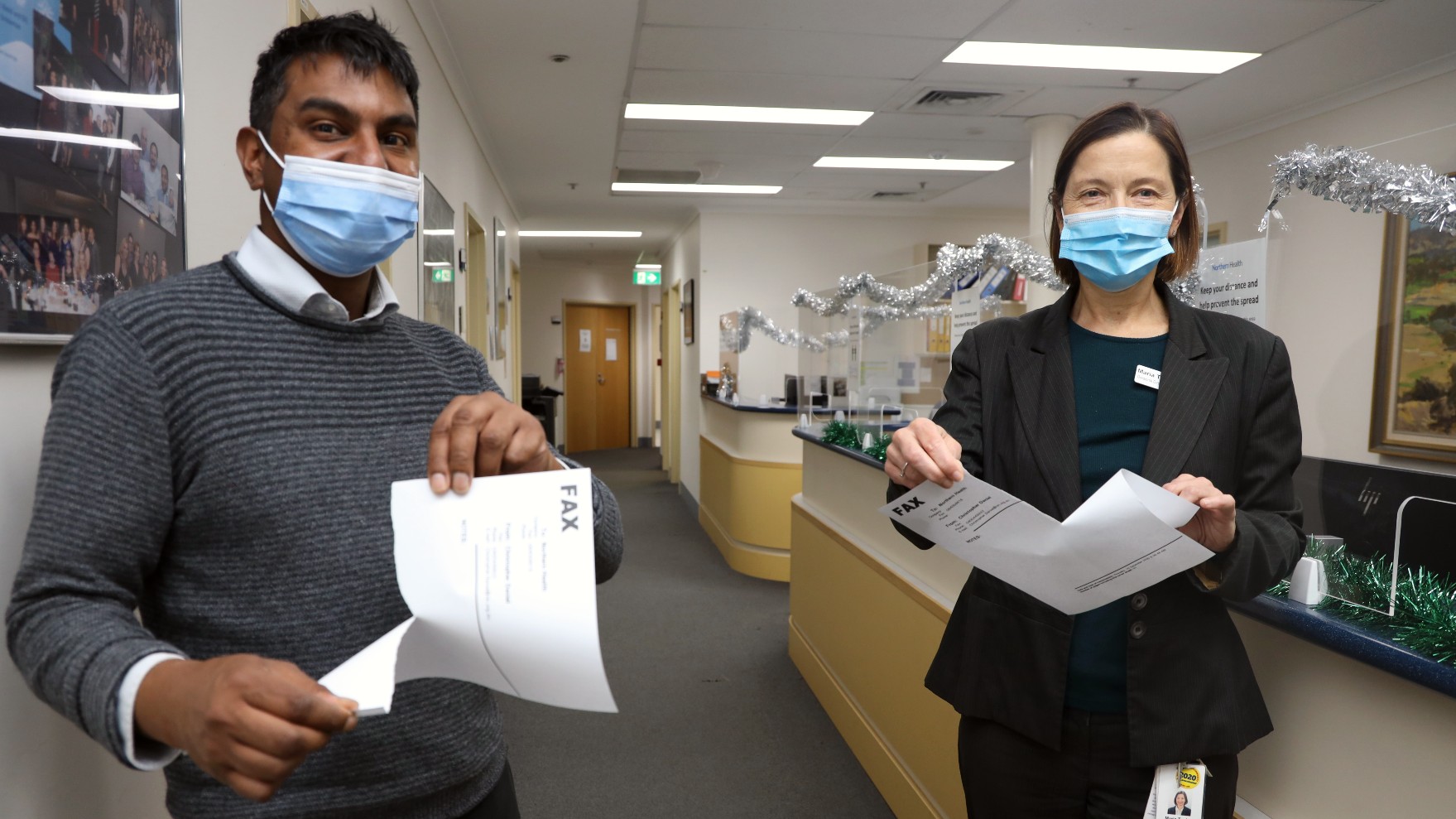
    Featured Image: Christopher Daniel and Maria Tucker

  • Consumers making a difference

    Consumers making a difference

    Northern Health consumers are making a difference and improving health care processes and outcomes by regularly participating on various committees, and being a patient voice during reviews.

    Sophie Rodier, Manager, Patient Experience, explained that a Root Cause Analysis (RCAs) panel can be formed in response to an adverse event. This panel aims to identify why an incident occurred and what can be done to prevent it from happening again.

    “It is important that staff and consumers are involved in this process. Five of these panels held in 2020 have had a consumer member from the Northern Health Consumer Network. We have also had family contribution into three of these reviews, which has led to a greater focus on patient experience during these reviews,” she said.

    One of these consumers is Adamina Ivcovici, a consumer RCA panel member, who is finding her involvement to be a very valuable experience. She has completed the RCA training through Safer Care Victoria and was pleased to be able to put this learning into practice. She found it encouraging to see how rigorous the process was.

    “It was an open environment and I felt comfortable to speak up. Everyone saw the events very differently but seemed happy to be quite critical when they needed to be or debate points rigorously. The Chair made sure that everyone had input and the chance to be heard. I think sometimes it’s easier as an outsider to see where a process might be lacking, which is where having consumers in any piece of improvement work can be so valuable. While others could bring their clinical expertise, I tried to look at the human elements of the incident we were reviewing,” she said.

    During the RCA meetings, Adamina felt she was making a really tangible contribution and was really ‘part of the conversation’. She is also a member of Northern Health’s governance committee.

    “I really enjoy being a member of the two committees I sit on, but they can be quite fast paced and I am trying to get my head around lots of content that’s unfamiliar to me. I feel valued and the Chairs always include me and are happy to receive my comments by email if I need time to think about things. Being involved in the RCA was great and a very different experience as it was a small group and everyone was problem-solving together from the very beginning of the process. It was an opportunity to work more closely with staff which was really appealing to me,” she said.

    Kate Creed, Quality Manager and panel member, said, “Having a consumer voice on our review meant that we had an advocate for the consumer point of view. They helped to ensure that feedback or questions that the family had raised was discussed, guaranteeing this was included in the panel discussions.”

    Northern Health will continue to improve this consumer engagement by looking at training and support for consumers in this area and how to close the loop with our consumers on RCA panels to report back to them about the investigation outcomes.

    We are looking to recruit more consumers to work with us in improving the quality and safety of our services. If you know of any patients, carers of community members who would be interested in volunteering their time to support this work please contact consumerparticipation@nh.org.au or call 9495 3313.

  • ED Research and Quality Presentation Day

    ED Research and Quality Presentation Day

    At the end of November, our Emergency Department (ED) held their ‘Research and Quality Presentation Day’ via MS Teams. This forum provided an opportunity for ED staff to present some of the research projects and quality initiatives they have been involved with over the course of the year, as well as present some future projects that will be conducted next year.

    Dr Kirin Channa, ED Quality Lead, said the idea came from a hospital in Brisbane where she used to work when she was a registrar, where all the senior registrars had an opportunity to do an audit and present. She thought it would be great to have something similar at Northern.

    “The registrars have been coming to me individually, expressing interest in getting involved with quality improvement initiatives and audits. When it comes to research, they were approaching Dr Nancy Sadka to find out how to get involved,” she explained.

    The more formal registrar audit program started this year, where registrars can use some of their paid teaching sessions to do quality improvement projects, and most of them are doing audits.

    “We now have a database of the audits that are being conducted and the consultants who are supervising them. Given that there is so much great work going on, not just with the registrars, but across the Emergency Department, we decided to have a dedicated day to showcase all this work,” she explained.

    The initial idea was to have poster presentations in person, but due to COVID-19, the presentation day was held via MS Teams and was open to staff from other departments as well, with great attendance.

    “The best thing about the day is not to just showcase the great work that has been done, but also generate a really good discussion on the projects and new ideas that were brought forward. The day really highlighted that quality and safety is key to what we do here as clinicians,” she said.

    The day included voting for the ‘Best Project’ – and the two winners were: ‘Snake Bite Protocol’ by Tyson McLeod, Emergency Nurse and ‘PRADAA’ Study by Dr Joe Rotella.

    “The snake bite protocol is an initiative targeted at improving the timely care of patients presenting to the Emergency Department with potential snake bites. It involved both formalised policy changes, as well as the rollout of emergency snake bite kits, containing everything you need to manage a potential snake bite in the ED. The kits contain QR scan codes for ease of access on how to use the kits and have since received state-wide interest. This has lead to further education rollouts on our LMS regarding the patient assessment of this cohort of patients,” Tyson explained.

    Tyson chose to pursue snake bite management quality improvement due to his personal interest of the great outdoors.

    “While I don’t personally have a pet snake, I have had numerous encounters with them in the outdoors and have always had a great respect for them and nature itself,” he added.

    The research and physical rollout of the snake bite protocol has been widely well received by nursing and medical staff alike. It not only provides quick and easy education staff, but also improves our patients timely access to critical care. The protocol will be re-reviewed in the third quarter of 2021, to see how we can further improve on these interventions.

    Dr Joe Rotella explained the PRADAA Study plans to examine the ‘safety and efficacy of PRomethazine And Droperidol for the sedation of Acutely Agitated patients in the Emergency Department’.

    “We plan to conduct a single site, randomised, double-blinded placebo-controlled trial comparing droperidol (the most commonly used drug in the ED for acutely agitated patients) and a placebo against a novel combination of droperidol and promethazine (a sedating antihistamine),” he explained.

    Dr Megan Robb, Director of Emergency Department added: “This is a fantastic initiative to highlight all the great work that is occurring in the Emergency Department. I am very proud of the team for their dedication and all their hard work to ensure our patients get quality and safe care.”

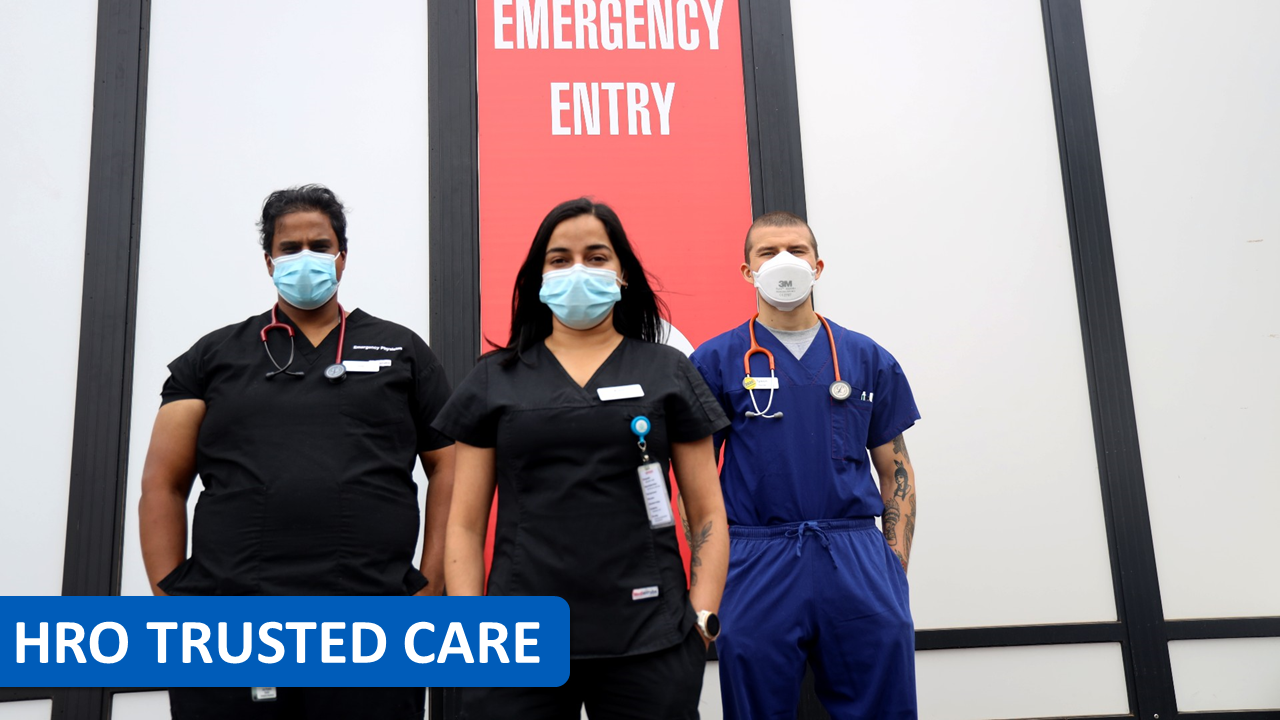
    Featured image (left to right): Joe Rotella, Kirin Channa, Tyson McLeod.

  • Dr Stefan Herodotou nominated for Teacher of the Year

    Dr Stefan Herodotou nominated for Teacher of the Year

    Dr Stefan Herodotou, Northern Health Emergency Physician for almost 40 years, was recently nominated by medical students for ‘MD2 Teacher of the Year’ at Melbourne University’s Northern Clinical School.

    Stefan has worked at PANCH and Northern Health since 1 May 1981, after finding his passion working in the Emergency Department. “I fell in love with it immediately, and made it my second home for the last nearly 40 years,” he said.

    After graduating at The University of Athens Medical School, Stefan started his medical career specialising in surgery before moving to Melbourne. Following his work at a number of health services, Stefan was offered a job in the PANCH Emergency Department – where his passion for teaching medical students flourished.

    “Teaching is my second passion in life after medicine. I always said that if I didn’t do medicine, I would have become a teacher in mathematics. I started teaching medical students more than thirty years ago at PANCH. When the Northern Medical School was established, I was one of the first people who was asked by Professor Hamish Ewing to join it as a senior lecturer – a position which I hold until now,” Stefan said.

    Below are just some of the reasons the medical students nominated Stefan for Teacher of the Year.

    “A person of absolute integrity, compassion and kindness. Has been a role model to me as much as an educator. Is hard working and humble, often aiding student’s in ways that others will never be privy to. Admirably, does this without seeking recognition from others. A more worthy person of this award you are unlikely to find,” one student said.

    “He stayed with us throughout the year and was extremely committed to keeping us on track, even amongst COVID duties!” and “Impressively empathetic doctor. An excellent example for medical students to follow,” others said.

    “Reading the reasoning behind my nomination, it gives me goose bumps. It makes me so emotional!” Stefan said.

    “At this stage of my career, I’m not looking for anything else but the simple recognition of my efforts, and when the recognition comes from the students, it means so much to me. To be recognised as a role model by a young group of students is a humbling and honouring experience,” he said.

    Stefan says he feels the more experienced doctors have an obligation towards the community and towards the new generation of doctors.

    “We need to give the less experienced doctors abundant knowledge in medicine, while simultaneously teaching them what cannot be learned through textbooks. That is, about the morality behind practising medicine, the importance and necessity of using a humane approach; Conveying that this is the essence of patient care, and should always govern one’s practise of medicine,” he said.

    When asked what advice Stefan offers younger doctors, he said, “I tell them how lucky they are; How privileged they are. There is no other profession which gives you the opportunity to come into such a close contact with others, to build such a rapport, where they can trust you with their wellbeing, and at times with their life.”

    “I inform them that this privilege is not without huge responsibility. I tell them how critically important is, to never take advantage of this trust. I like to point out how important it is to maintain the highest possible standards of their practice of medicine, but also the importance of maintaining their moral obligation towards the community and to the less fortunate.”

    Stefan says he also believes it is essential for doctors starting their careers to know early on to anticipate the highs and lows of the job – the joys along with the disappointments and frustrations.

    “They will make mistakes, but mistakes are an opportunity for learning and moving forward with even more strength. I also like to offer encouragement that they should never stop working towards their dreams and their values. The world can only grow and change alongside the dreams of the youth,” he said.

    Over the years, Stefan has covered various positions other than working in emergency medicine, including surgical registrar and postoperative management of psychiatric patients – a position he described as a “challenging but a rewarding experience”. His routine would consist of an ED shift on a Saturday afternoon, then a surgical registrar shift where he would spend the rest of Saturday and Sunday manning the surgical pager, finally finishing his shift first thing Monday morning – only to have a quick shower and start all over again for his Monday morning shift as an ED consultant until evening!

    He reflects on, “unforgettable memories covering an uncountable number of weekend shifts.”

    “I remember how it was especially gratifying to receive the recognition from Dr Peter Leslie, the former Medical Director of PANCH, who called me in his office to tell me that the CEO and the rest of the medical administration were highly appreciative of the services I was providing to the hospital and the community.”

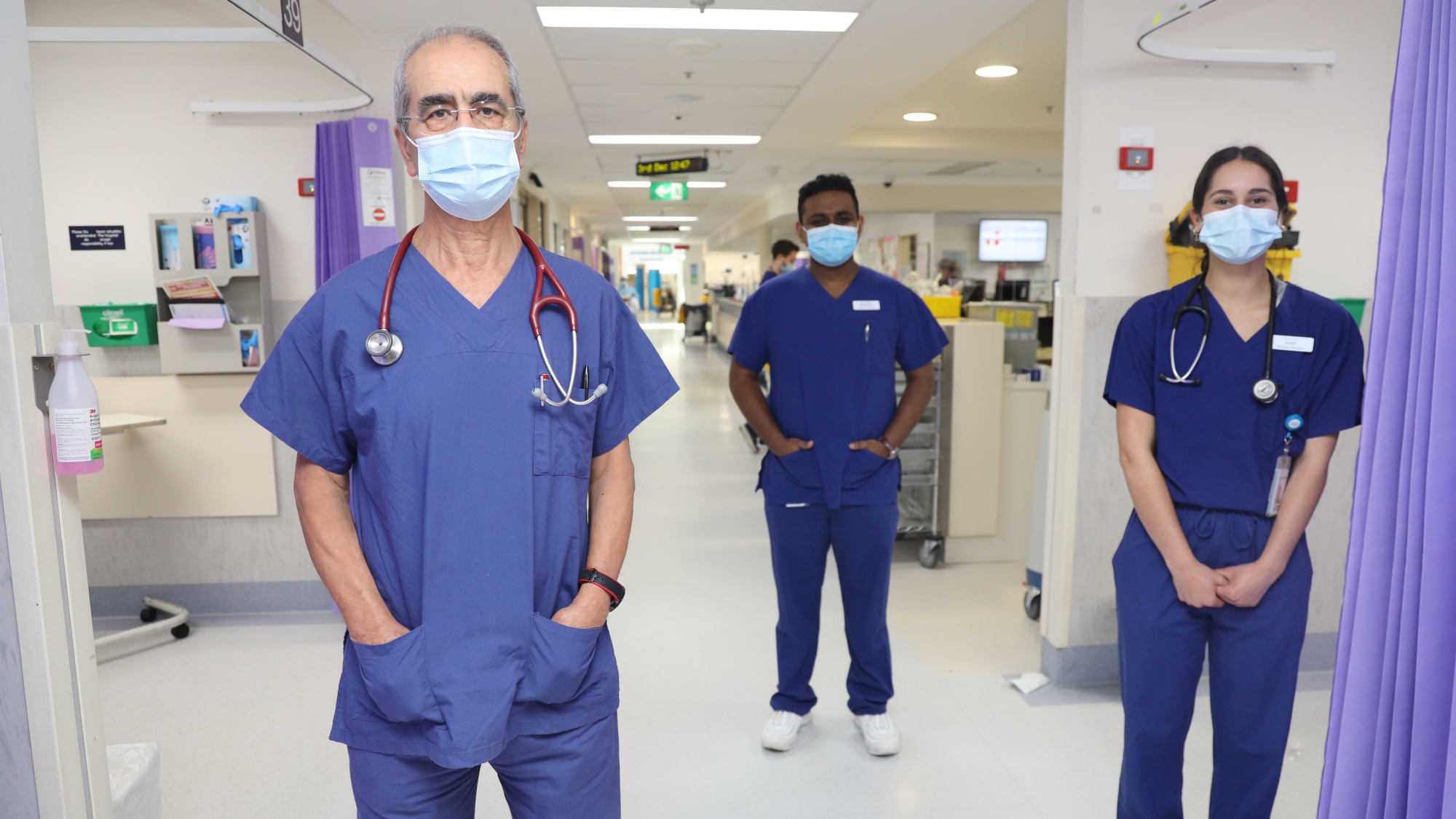
    Featured Image: Stefan (front) with two of his medical students 

  • International Day of People with Disability

    International Day of People with Disability

    Today, Northern Health celebrates International Day of People with Disability, a celebration aimed at promoting awareness, understanding and acceptance of people with a disability.

    Just a week before the International Day of People with Disability, Simone Ortiz became Northern Health’s new Disability Liaison Officer.

    Simone has been with Northern Health for eight years as a social worker, and is now excited to start her new role.

    “The Department of Health has identified that people with disability are sometimes struggling to access health care and, when the pandemic started, that increased. My role was created primarily to help those people with a disability, their carers or families access health care during the pandemic and after,” she explained.

    In this role, Simone works closely with Northern Metro Disability Liaison Officers, to identify what the issues have been so far for people with disability when it comes to health care access.

    “A number of my colleagues work in this role across different health services, and we are all working closely with the community to identify the barriers,” she said.

    Chelsea Simpson, who chairs Northern Health’s Disability Working Group, explained the group’s role is to act and explore the issues that arise by staff and consumers, in relation to disability and access issues.

    “It is also about having a broader strategic role in promoting awareness and inclusion for people with disability and actively working towards reducing barriers, for both staff and community members,” she said.

    “The working group takes feedback from our consumer representatives in terms of issues and challenges they might be having when accessing our sites, and we work with them to improve that access,” she added.

    Some of the things the group is working on are tangible things, such as ensuring we have sheltered car parks available for people who might need to transition from a vehicle to a wheelchair or similar.

    “One of the major pieces of work is the implementation of the Northern Health Disability Action Plan, which focuses on promoting inclusion and reducing barriers for people with disability,” she added.

    For Chelsea, International Day of People with Disability is about promoting the great value and contributions of both our staff and the consumers with disability, and promoting the needs of people with disability, ensuring we provide the best care possible.

    “Today, I would really like to acknowledge all people with disability, whether they are Northern Health staff, community members or patients who visit our services and their achievements and contributions,” she added.

    In her new role, Simone welcomes comments and suggestions from staff and the community. If you have a question, please email her here.

    International Day of People with Disability (IDPwD) is a United Nations sanctioned day that is celebrated internationally on 3 December. It aims to promote public awareness, understanding and acceptance of people with disability.  

    IDPwD represents a significant opportunity for Australian organisations to share their commitment, campaigns, leadership and stories of empowerment related to inclusion of people with disability in the workforce. 

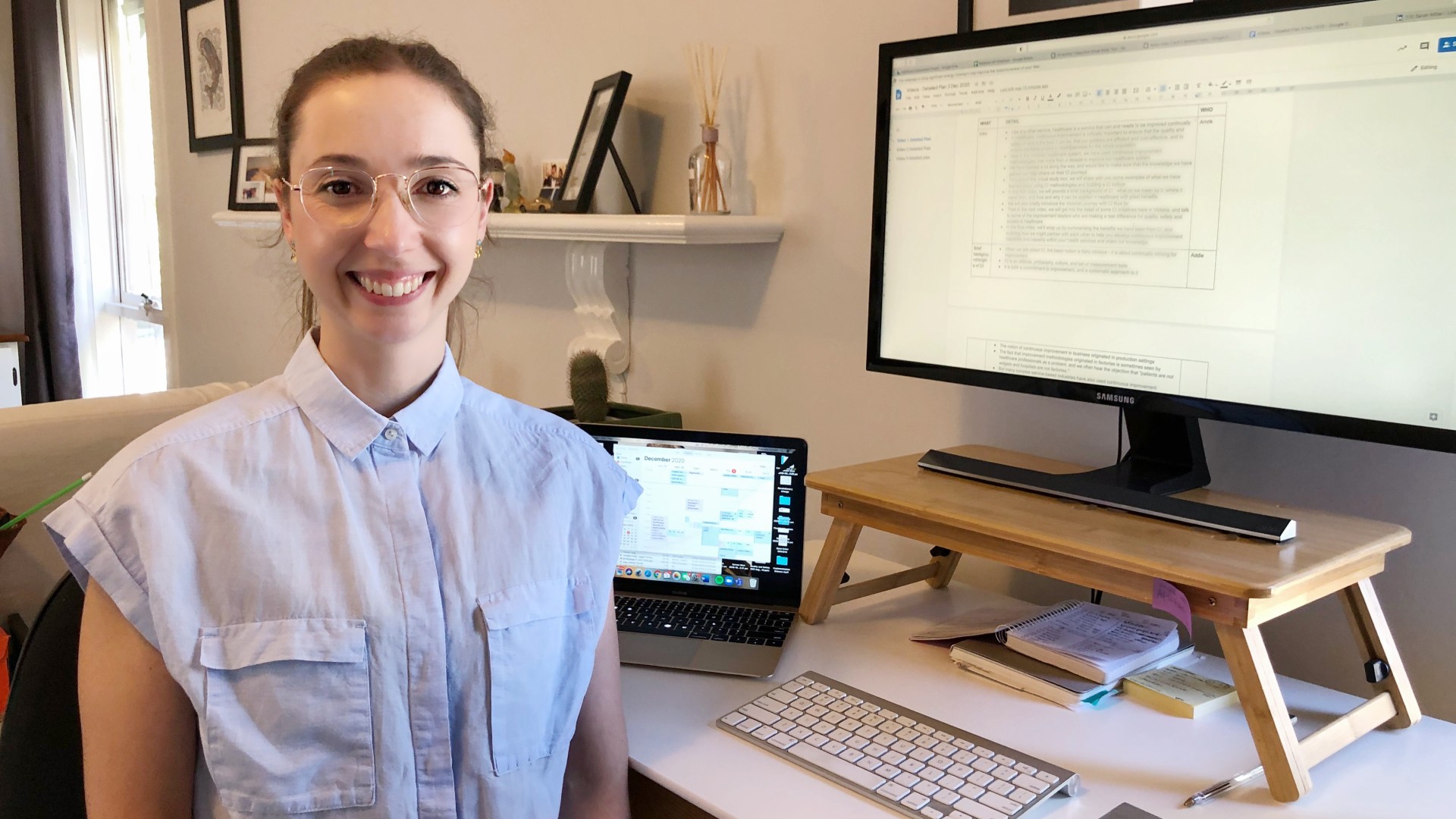
    Featured Image (left to right): Simone Ortiz and Chelsea Simpson