

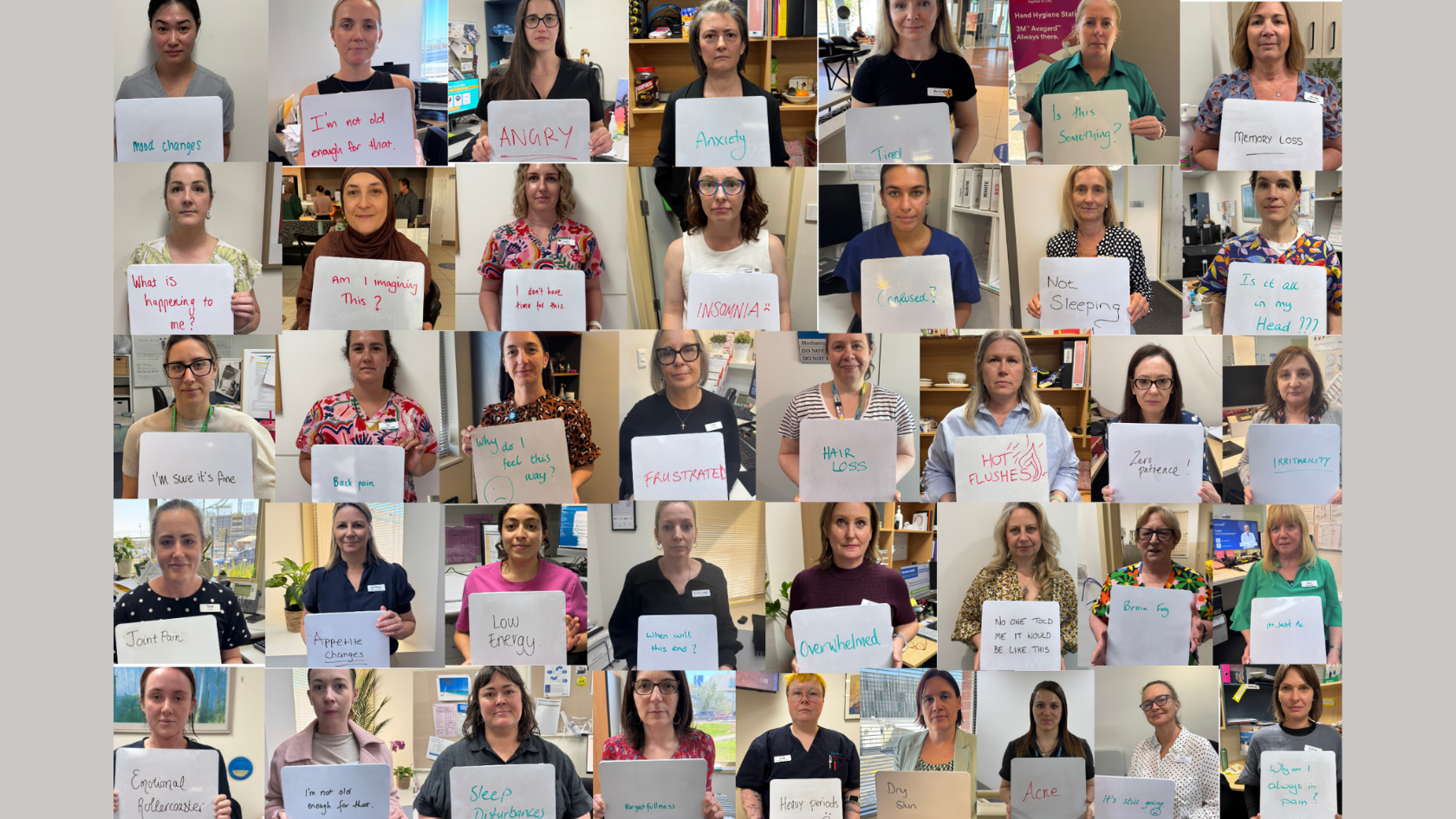
October is World Menopause Month, a time to raise awareness and start conversations about midlife health.
While menopause is a natural transition and experienced differently by every woman, the way women approach their lifestyle during these years can have a profound impact on their wellbeing – both now and in the decades to come.
Dr Nikki Chambers, Women’s Health GP, Menopause Clinic VVSC, said menopause marked the end of menstrual cycles, typically occurring between the ages of 45-55.
“Hormonal changes can often begin years earlier during perimenopause. Fluctuating oestrogen and progesterone levels can bring symptoms such as hot flushes, night sweats, sleep disturbances, mood changes, and brain fog,” she said.
“Other less recognised, but common symptoms, include joint paints and muscle aches. Oestrogen is an anti-inflammatory hormone so it’s no wonder that conditions such as frozen shoulder and hip tendinopathy can worse.”
“Perimenopausal symptoms can come and go, which can leave women wondering what they’re experiencing. Add to this an often busy stage of life, with competing demands from family, work, and health, and it’s easy to see why focusing on lifestyle can feel overwhelming.”
“Beyond symptom management, menopause is a critical window for long-term health, particularly for the heart, bones, and brain.”
Dr Nikki encourages women experiencing perimenopause and menopause to engage in healthy lifestyle choices to manage symptoms and reduce future health risks. This includes, movement, exercise, balanced nutrition, prioritising sleep, stress management, limiting alcohol, and quitting smoking. Another option is menopausal hormone therapy.
“Menopausal hormone therapy can be transformative for many women, particularly with healthy lifestyle foundations,” said Dr Nikki.
“Hormones can easy symptoms and support long-term health, but lifestyle will not only increase the gains, but also promote longevity and feeling strong and healthy in the later years.”
Dr Nikki encourages women to view menopause as a “time of renewal and reprioritisation, rather than an end.”
“It is an opportunity to focus on wellbeing, deepen social connections, and set new health goals,” she said.
“Acceding reliable information and evidence-based care, through GPs, specialist menopause clinics, or trusted resources, can make this transition empowering rather than overwhelming.”