• Cathy and Judy: a tale of two community nurses

    Cathy and Judy: a tale of two community nurses

    This week is Nursing in the Community Week, celebrating those who work in a wide range of areas outside of hospital settings. To highlight this week, Northern Health will focus on some of our amazing staff and services that support our patients in the northern community and give special meaning to the phrase “frontline heroes”.

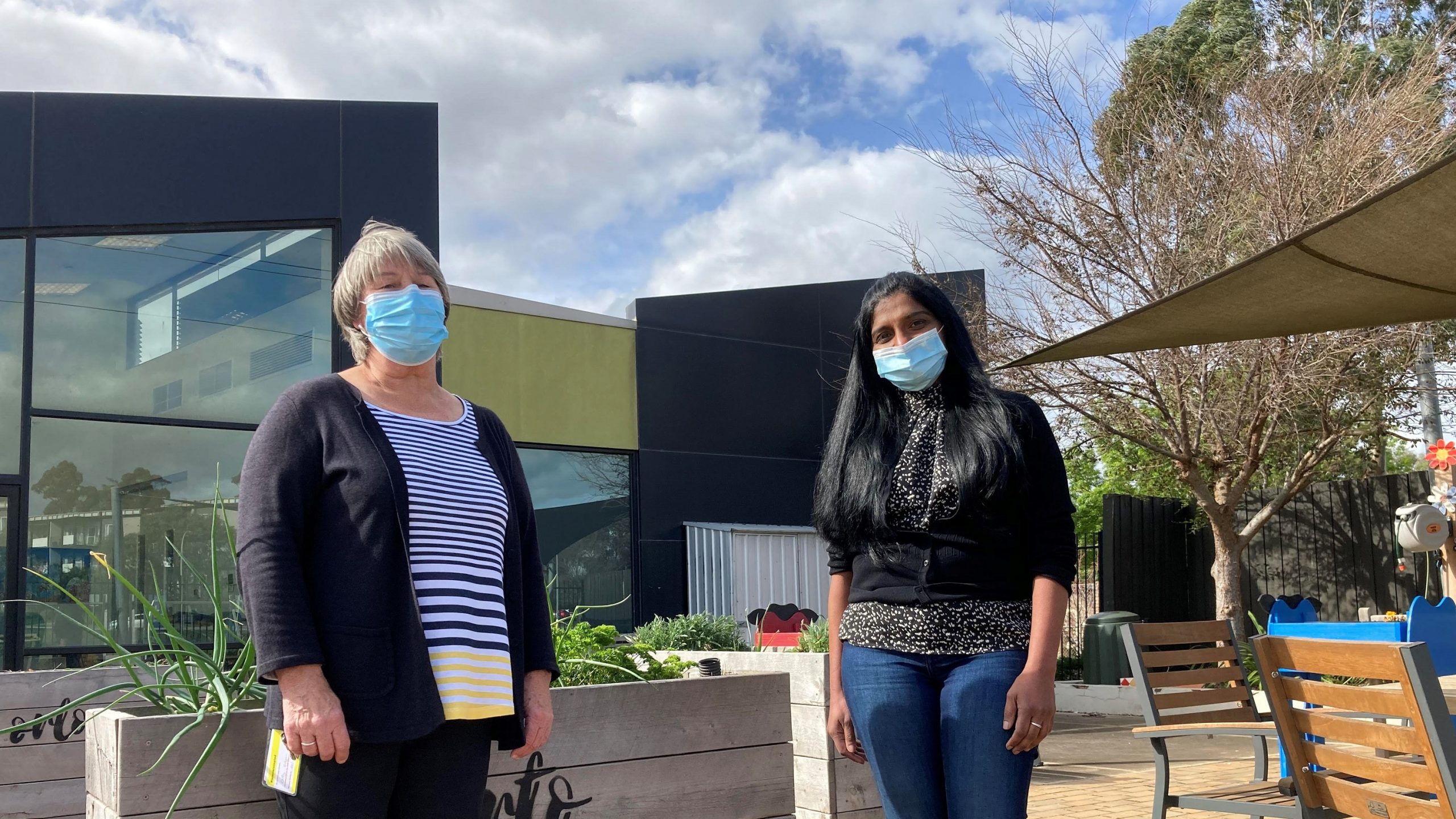
    Cathy Edgar, DipApp (Nursing), GradDip Neuroscience, MNS, PhD, works in our Chronic Wound Service Centre at Bundoora Centre and operates an In-Reach Program on Thursday and Friday. Cathy has been a nurse for 47 years. Judy Constantine has been an enrolled nurse for just over ten years, six of those in the Post-Acute Care service, also at our Bundoora Centre.

    Although they work in different departments, Judy says they have a special bond, describing Cathy as her mentor. Judy explains she has just commenced studies to qualify as a Registered Nurse, Division One, and that Cathy, “with all her experience is being very helpful and guiding me.”

    The other special bond that Cathy and Judy have is their passion for nursing in the community.

    “The work community nurses do is not unlike the work of nurses in a ward; it includes highly technical procedures such as those done by nurses in our Wound Clinic and medication management and clinical nursing care in Post-Acute Care ,” says Johanna Hayes, Operations Director Community Programs.

    “Working in someone’s own home, with their family or supports around them helps remind us that our patients are people, members of their own community, and that we need to work with them to meet their goals,”says Anne Marie Fabri, Associate Director Community Programs.

    Cathy is clear, “If we don’t work with the patient and with their family, we won’t get anywhere – because it’s their body. We are very oriented towards the patient-centred model.”

    Judy says, “When we work in the community, we are working not only with the patient, but with their families as well. So when we set up care, we always need to involve them.”

    Continuity of care is a big factor in the service they provide. “When the patient goes home we are often that first point of call. We are always ready to listen to the family and strive to provide that continuity of care, as best as we can,” says Judy.

    “Nursing in the acute sector is lifesaving stuff. When they come to us, it is more restorative care with the support we have – and we have heaps,” says Cathy.

    Julie Tran, Registered Nurse Care Coordinator for HARP (which we shall hear more about later in the week) says, “The barriers to building rapport in the acute hospital setting have less impact in the community, as we are now in their environment and we have more time to listen to their needs.”

    As Cathy puts it, “When you get to know your patient, you know exactly what colour of tiles they have in their bathroom!”

    “We know them very well; we know their idiosyncrasies- and we are interested because that is what connects us all!”

    Judy says Northern Health has done something special within the Department of Post-Acute Care, by providing an in-house nursing service that helps ensure continuity of care.

    “It’s working well as, if nurses have any concerns, they can read up on the same notes and follow up with the doctors, whoever they need to ensure they can provide that care out there in the community,” says Judy.

    Cathy on her part is pleased that, “When we visit homes or aged care facilities, we have the benefit of ringing our In-Reach team, which includes a geriatrician and two nurses. They will come in and the doctor will assess the patient right away and this will happen even in the home.”

    The current pandemic has further underlined the importance of nursing in the community.

    Says Anne Marie, “Often we are caring for people who are socially isolated and vulnerable, and our care is what makes the difference.”

    Cathy says the challenge for the older people and the people they visit in aged care facilities is the separation from family.

    “Because we deal with them for such a long time, we end up being a bit like their family. They may not see their daughter, but they will see us instead,” says Cathy.
  • Ward 16: Embracing the challenge

    Ward 16: Embracing the challenge

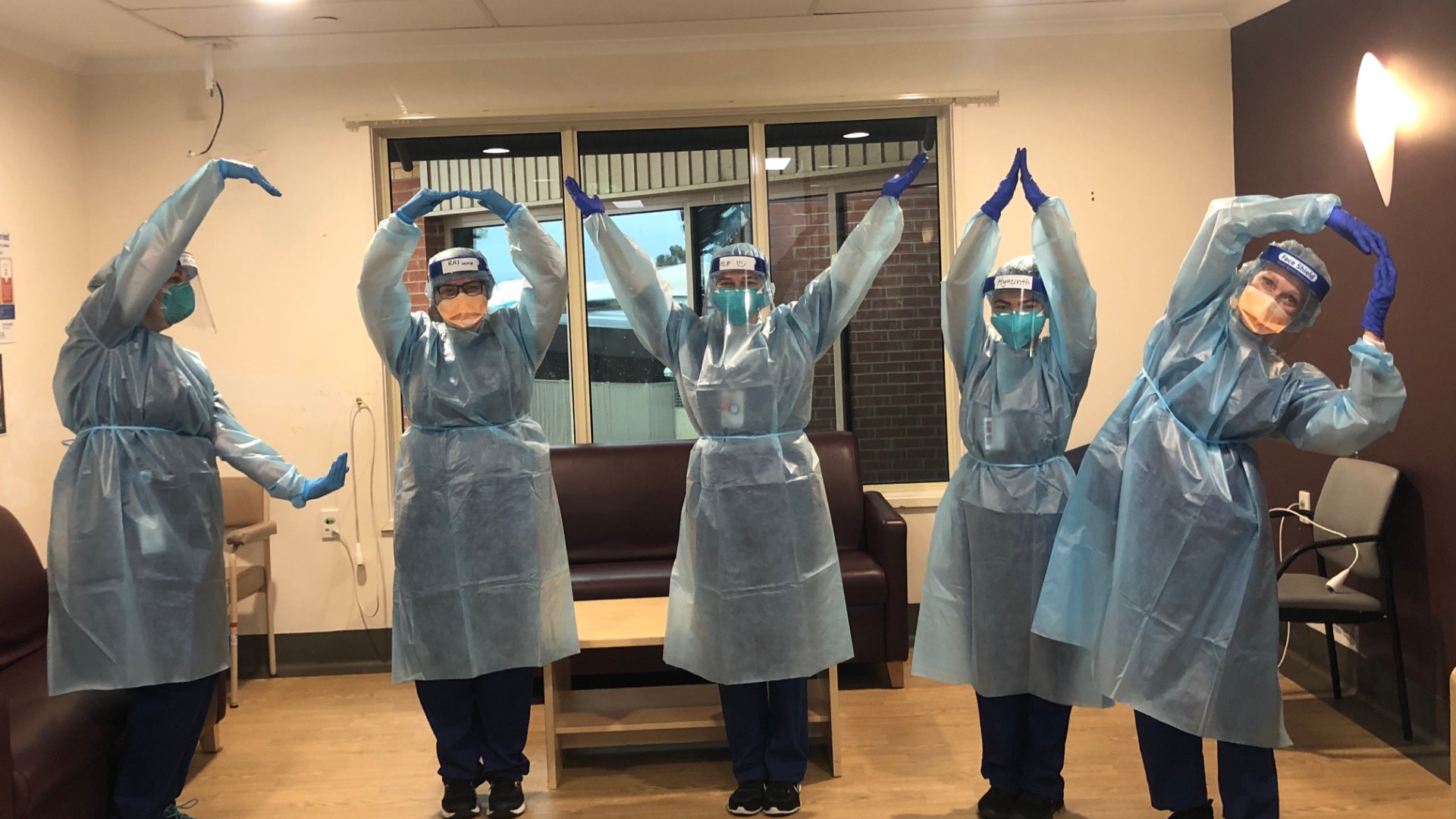
    From March to July this year Ward 16, a 32 bed surgical/medical ward, cared for both suspected and confirmed COVID-19 patients ranging from the ages of 20 to 98 years.

    Elizabeth Schultz, Associate Nurse Unit Manager (ANUM) for Ward 16 says, “Our ward, prior to COVID-19, was predominantly a surgical ward, caring for colorectal and urology patients. Our surgical nurses quickly needed to learn new skills and familiarise themselves with medical and respiratory nursing.”

    “The staff embraced the challenge, took full advantage of the additional resources and education provided to us while preparing for a potential influx of patients.”

    Liz says wearing PPE for long hours and caring for people isolated from their loved ones, at a time when they need their loved ones more than ever, was both challenging and rewarding.

    She says on top of this, the team had to deal with the stressors involved with isolation, and the added risk that they themselves might contract COVID-19.

    “During this time, some of our staff moved out of their homes to protect their families,” says Liz.

    Keeping everyone safe during this pandemic has been an important consideration.

    “As a team we felt well prepared for what could potentially occur, and doing everything the safest possible way and supporting and looking after the wellbeing of each other,” says Richard Ram, Acting Nurse Unit Manager for Ward 16.

    “For me personally, there is something very poignant about the way elderly patients have been particularly affected by COVID-19.”

    Liz agrees. “By far the emotionally hardest but most rewarding thing we have done is to help loved ones, via skype, see and say goodbye to their parents, grandparents and friends.”

    The caring and compassion in Ward 16 – even behind closed doors and PPE – hasn’t gone unnoticed.

    The daughter of one such patient wanted it conveyed that, “Your team were able to turn something that was a distressing experience into something positive.”

    She in particular wanted to thank ANUM, Alycia Sharp, for how grateful she was to her for the kind and thoughtful way that she interacted with both her dad and her family.

    The daughter went on to say that she felt reassured and calm knowing her dad was respected and cared for during his final hours. The daughter was so touched by the care provided, Alycia got a special mention in the eulogy for her father.

    Dr Christian McGrath, General and Infectious Diseases Physician and our COVID-19 lead, had this to say to the staff at Ward 16:

    “These are challenging times that I don’t think most of us ever expected to encounter in our lifetimes and you’ve proven to be the best of us by stepping up to the challenge and doing something that most of your peers never have or hopefully never have to do.”

    Linda Romano, Divisional Director Nursing, Surgical Services, says the commitment of her team in providing care to our northern community has been remarkable and says, “Thank you all for the exceptional display of dedication and team work.”

    “We’ve been given an amazing opportunity to contribute to the northern community and experience nursing in a time like no other. We will forever be changed by this experience,” says Liz.

  • Grab a virtual coffee with a colleague and ask: R U OK?

    Grab a virtual coffee with a colleague and ask: R U OK?

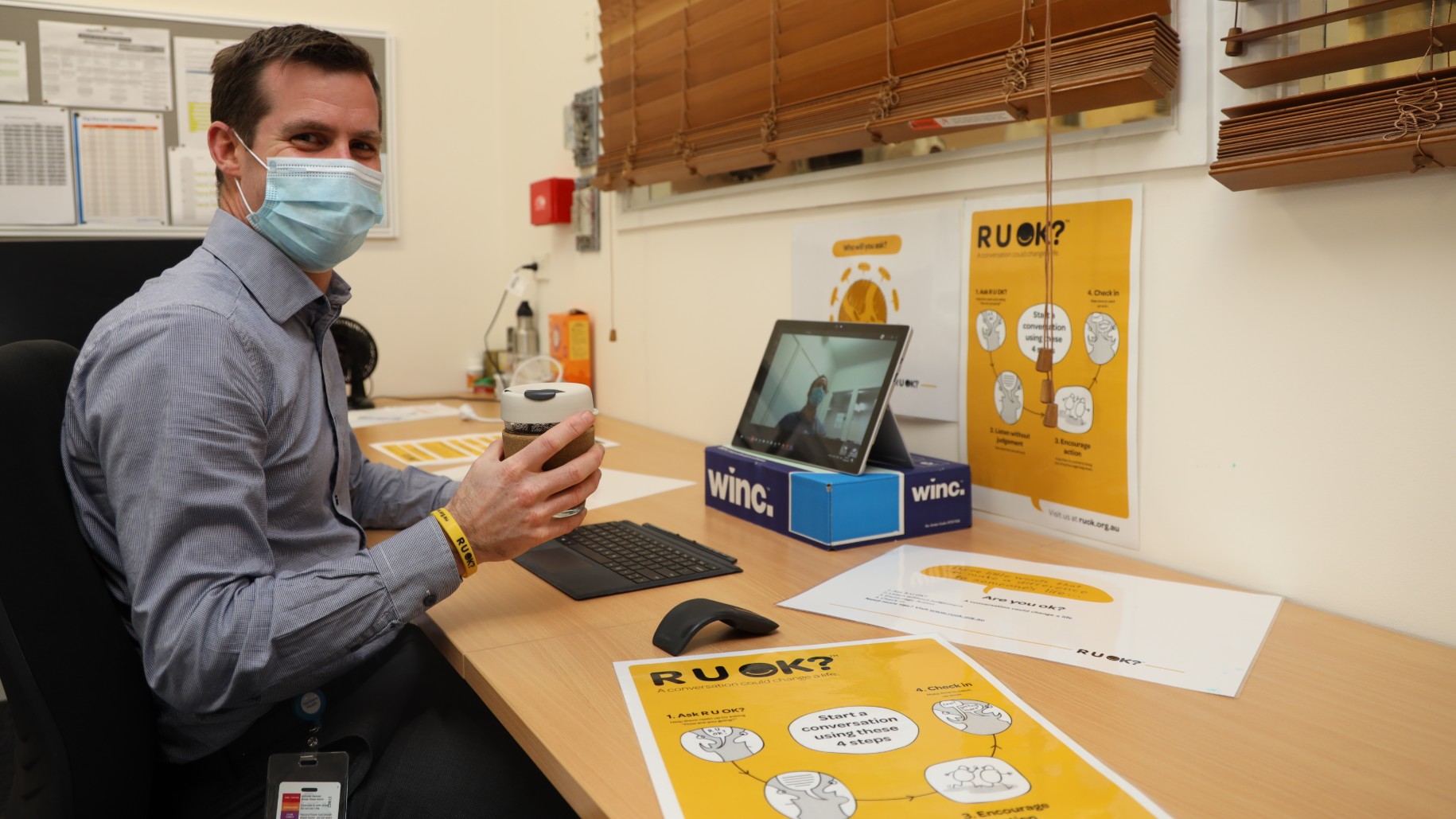
    Today is R U OK Day, a national day of action when Australians are reminded that every day is the day to ask, “Are you OK?” if someone in your world is struggling with life’s ups and downs.

    R U OK Day at Northern Health started with a Grand Round talk on the ‘Pandemic of Kindness Movement’, presented by A/Prof Jane Munro, Head of the Rheumatology Unit at The Royal Children’s Hospital.

    Jane is passionate about the wellbeing of her colleagues and staff working in medicine and health care. Along with some of her colleagues nationwide, Jane set up the ‘Pandemic Kindness Movement‘.

    The Movement is aimed at supporting and enhancing the health and wellbeing of all health care workers during the COVID-19 pandemic. It also focuses on spreading kindness and supporting clinicians and health care workers throughout the COVID-19 pandemic, but also on improving health care through culture change, encouraging leaders to look after their teams, and colleagues to keep an eye on each other’s wellbeing.

    “For R U OK Day, the key is to think of wellbeing every day, to be generous and kind to others and also kind to yourself, and making sure you get your basics covered – getting enough sleep, enough sunshine each day, and trying to do something each day that makes you feel good. This is different for everyone. If you are working in a COVID-19 ward under PPE and struggling, do something that you know will make you feel good – it might be good food or hugging your dog when you get home, or doing simple stretches,” she said.

    During her talk, she mentioned a couple of times that, “we are in the same storm, but not in the same boat,” and that different life and personal circumstances, as well as different professional roles and personalities, will impact on how we deal with the pressure of the pandemic.

    “Everyone is different. For example, I have three kids who are all home schooling and won’t be back to school any time soon. Other people are living on their own, and they haven’t had a hug for six months. That is why this bubble concept is really important for them. Others might be caring for someone with a serious illness. There are so many stories, that is why we need to think how to sustain ourselves and maintain our human connections,” she explained.

    Our OHS & Wellbeing team agrees that keeping in touch with others and your colleagues, no matter if you are working from home or onsite is essential to your wellbeing. That is why all staff at Northern Health are encouraged to set up a virtual coffee with a colleague via Teams or telephone, and talk about not just work, but also about every day life and help share the load.

    “Staying connected to people is an important part of looking after your mental health. You don’t always have to speak to colleagues for ‘work reasons’. Give someone a call or a Teams chat to check in on them,” said Will Halpin, Director OHS & Wellbeing.

    A fantastic rest and recovery session is also on offer this evening for all staff – Jo Gibbs from Treat Healthcare will be holding a 45 min relaxation and mindfulness session at 7 pm.

    To join the session, please click here (MS Teams link).

  • Child Protection Week: Putting children first

    Child Protection Week: Putting children first

    This week, the Northern Health social work team are celebrating National Child Protection Week (NCPW).

    Held annually in September across Australia, Child Protection Week raises awareness of child abuse prevention and all issues connected with child protection.

    The theme for 2020 is ‘Putting Children First’ and under this theme, all Australians are invited to look at how they can prioritise children in their lives and communities.

    Tanya Ellis, Senior Social Worker and Project Support Officer – Strengthening Hospital Response to Family Violence, said, “We know that child abuse and neglect is a significant social problem throughout Australia. Child abuse is rarely a one off incident and is always harmful to a child.”

    “We encourage our staff and our community to think about how they can prioritise children in their lives – putting children first means prioritising their safety and wellbeing. Children need to feel safe and loved, have opportunities to play and explore, have a say in decisions that affect them and have access to essential items such as food, shelter and health care,” she said.

    “In order for children to thrive we need to come together as a community and put children’s needs first not only during Child Protection Week – but every week,” she added.

    Putting children first is especially important during the pandemic.

    “Children are our little heroes at the moment! They are unable to see their friends and extended family and can’t do the fun things they normally would, so they need extra support, love and reassurance.”

    For parents who may be struggling to explain the need to continue to stay home to children, The Wiggles have created a video for them to watch about COVID-19 and physical distancing. They reiterate that the importance of staying home doesn’t have to be a scary conversation. Your children can sing and dance along at home and become a hand washing hero!

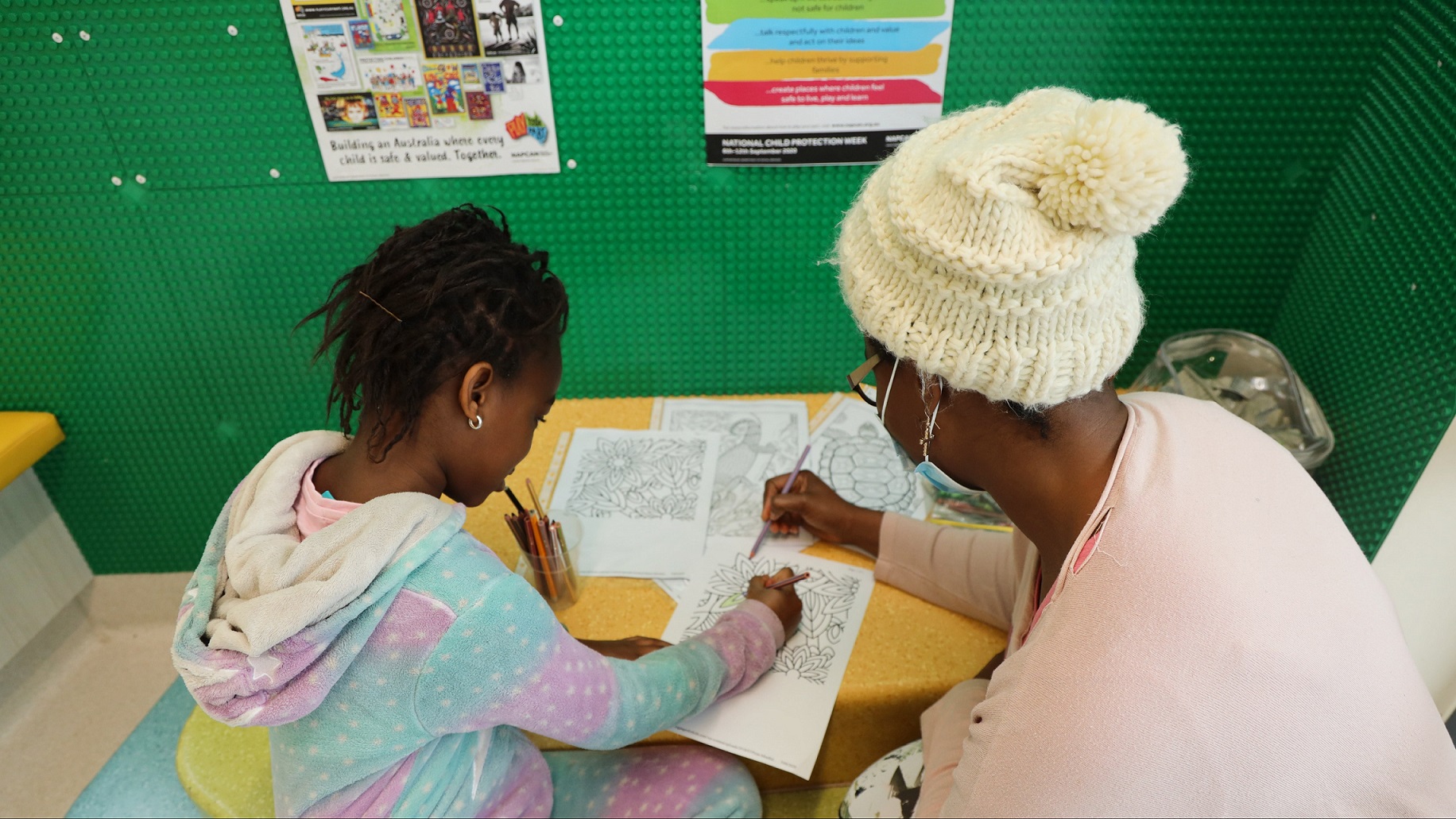
    To mark the week, our social work department are running a number of activities and education sessions throughout Northern Health, including colouring activities for patients and families in the Children’s Ward (pictured above) and a virtual premiere of the celebrated short film Tash.

    Written, directed, illustrated and narrated by young filmmaker inaugural member of the Victim Survivors’ Advisory Council, Natasha Anderson, the film tells her story of growing up experiencing family violence and living in out of home care. You can register for the virtual premiere here.

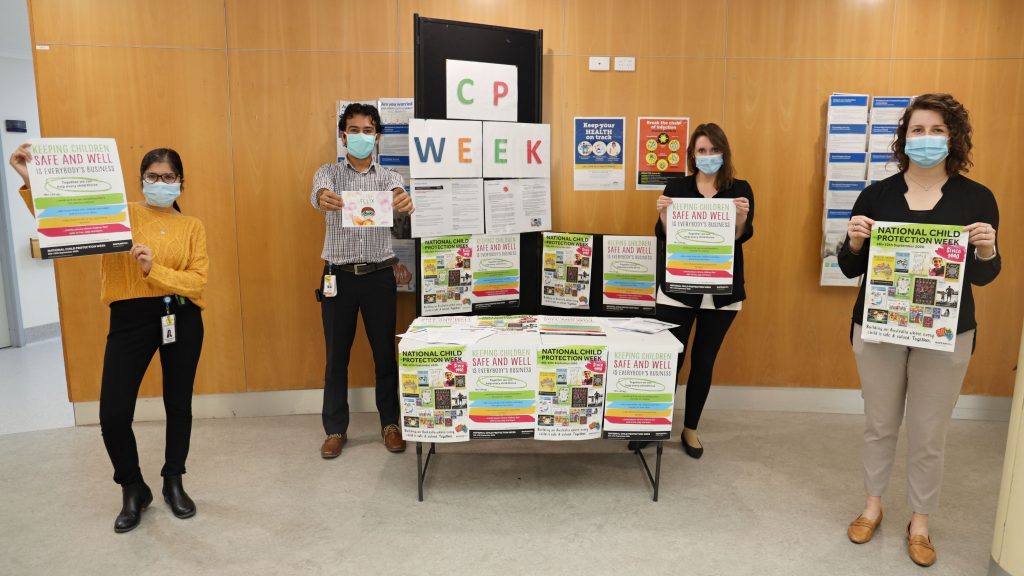
    Northern Health social workers raising awareness of National Child Protection Week
  • Women’s Health Week

    Women’s Health Week

    This week is Women’s Health Week, an opportunity to take time out to check in on your health and to keep making positive changes, particularly with the stress of the current pandemic.

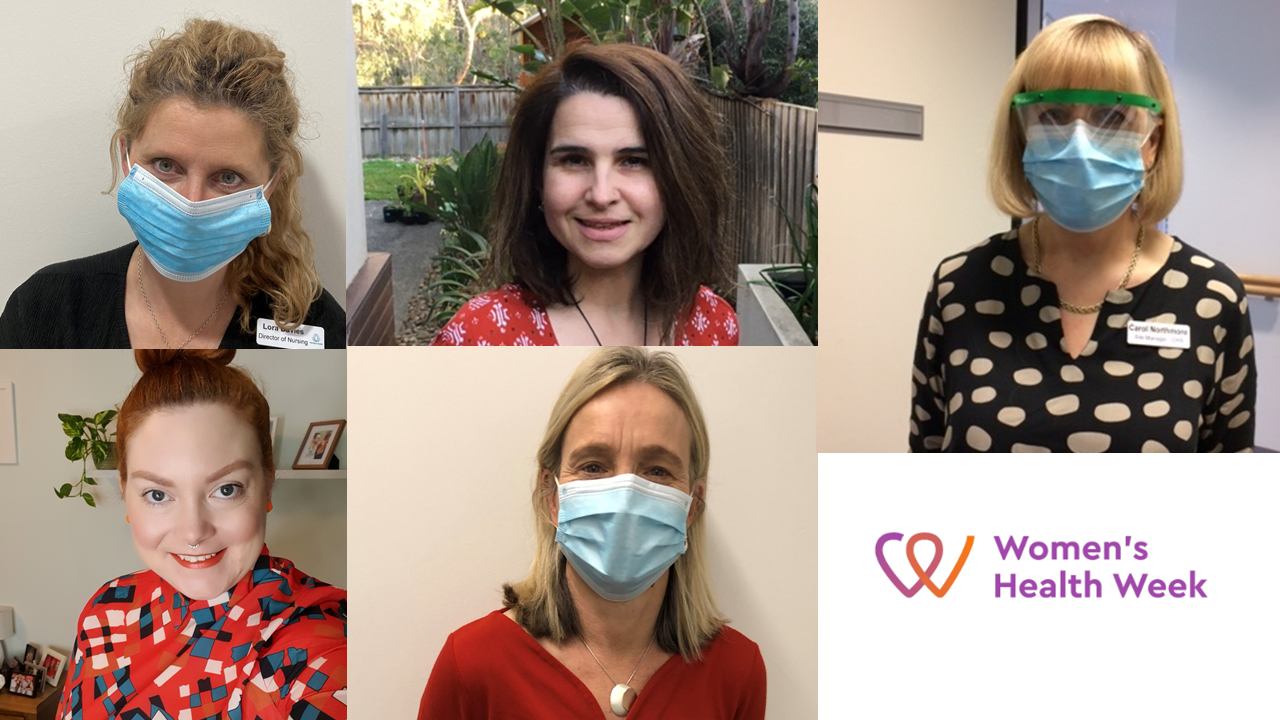
    We asked a cross section of women at Northern Health to share their advice on how they are coping with these challenging times, starting with Debra Bourne, Acting Chief Operating Officer, who says, “Do one thing, no matter how small, each day that brings you joy.”

    Debra goes on to say, “All of us in health care are often so focused on meeting the needs of others and it is so important to ensure that we have some time of our own to do what we truly enjoy doing.”

    “Last night, before I cooked dinner, I put my phone away, sat on my balcony and watched the moon rise. Twenty minutes of peace – my version of joy was all I needed to calm my mind.”

    “During the current times of COVID-19, more so than ever, we do need to focus on our mental wellbeing,” adds Deb.

    Carol Northmore, Site Operations Manager and Deputy Director Nursing at our Craigieburn Centre concurs. She believes that now, more than ever, is the time for our female staff to look after their own health and wellbeing.

    “Many of our female staff not only carry responsibilities at work but often have to juggle family responsibilities at home as well – this is likely to be very much heightened during the pandemic,” says Carol.

    “In these challenging times, having someone to talk to, whether it be family, friends or support services available through Northern Health or the community, can also be helpful. And of course, don’t forget the healing powers of humour!”

    “The bottom line is, if we don’t look after ourselves, we won’t be in a good place to look after others,” says Carol.

    Snezana Filiposki, a key member of the Response to Family Violence team and also a mindfulness facilitator, is a strong believer in the practice of mindful self-compassion. She believes that often we are self-critical and we turn against ourselves like an enemy talking us down.

    Snez says, “We need to hear the inner voice of an ally talking us up, not an enemy attacking us.”

    Her advice is to take time to practice self-care and self-compassion, as she believes it will help us to develop a state of “warm, connected presence during difficult moments in our lives.”

    Lora Davies, Director of Nursing, Professional Practice and Projects, Nursing Workforce Unit and Director Operations Medicine Program, is of the view there are a few simple, yet key things for women to do to look after themselves, and says, “Accept that what you did on the day was the very best you could do on the day.”

    Lora strongly advises on staying away from too much social media, as, “it can give you a very distorted view of the world.” Instead, she says, “Connect with your people, it keeps you grounded.”

    Finally, Ariana Carrodus, Project Manager, Project Management Office and HRO Transformation Unit, has this to offer.

    “It goes without saying that the basics of drinking enough water, getting enough sleep and moving your body (even for 15 minutes like we did with the exercise challenge this year) are super important in ensuring you have good health, but I think this year there are a few extra special things to consider.”

    “Be kind to yourself. If this year was an amusement park ride it would definitely be a roller coaster. It is okay to not want to do anything. It is okay to spend all day watching TV in your PJs. It is okay to not come out of this year as an expert in sourdough making, a fitness guru or an artist. To just survive and get through the year is enough. I promise that you are doing a great job!”

    For more information, visit womenshealthweek.com.au for daily information, tools and tips to help you take the lead on your health.

  • Conversations Week: TREAT yourself to rest and mindfulness

    Conversations Week: TREAT yourself to rest and mindfulness

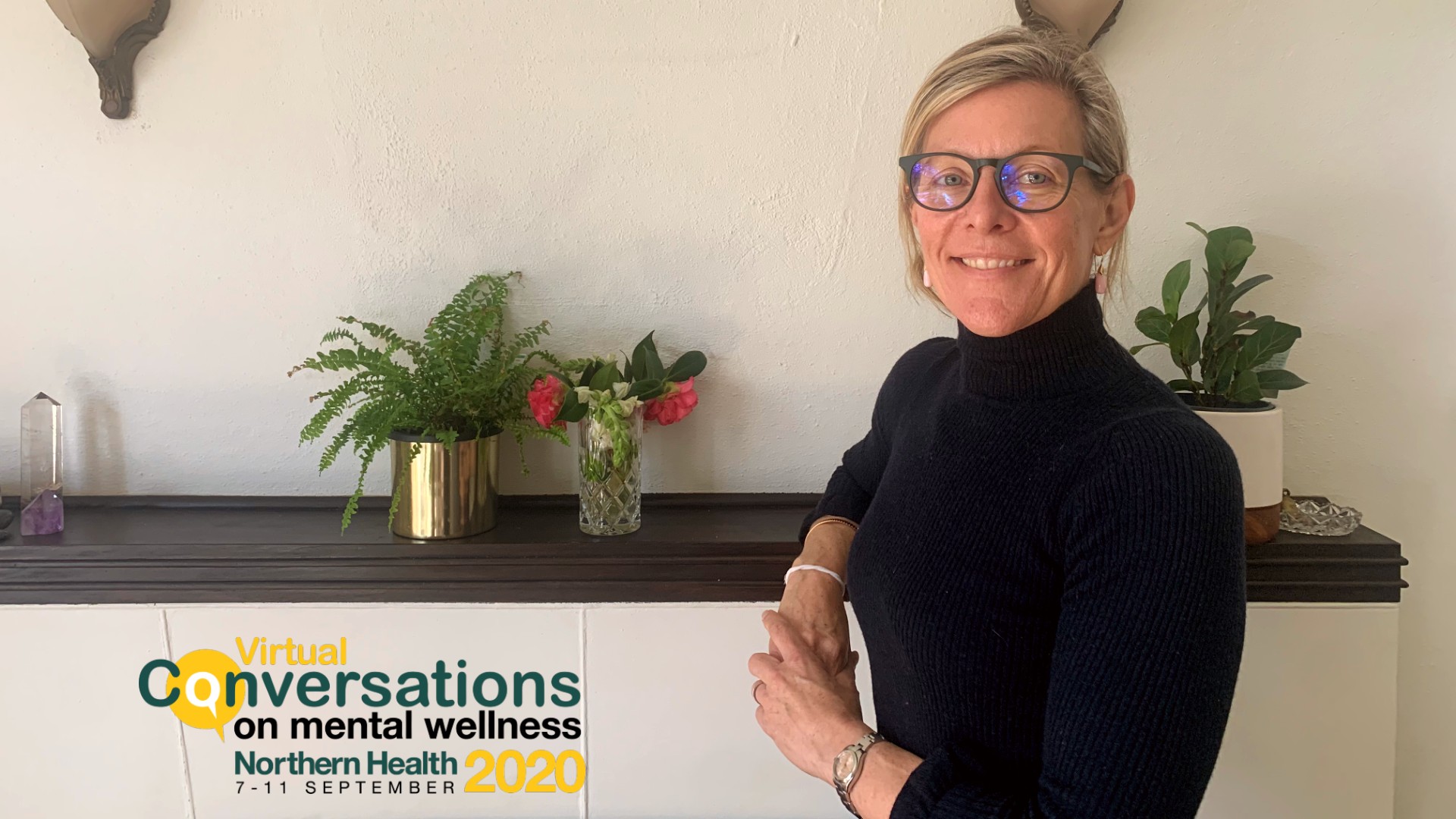
    Northern Health is celebrating ‘Virtual Conversations on Mental Wellness Week’, starting today, with numerous online sessions to help staff focus on their wellbeing and mindfulness.

    Jo Gibbs is no stranger to Northern Health. During the first Conversations on Mental Wellness in 2018, she stepped into the lecture room barefoot, holding a spray of refreshing citrus notes, and in a few seconds transported the whole room straight into a summer afternoon somewhere in the Mediterranean.

    “Inhaling orange scent instantly improves our mood,” she started her talk on healthcare workers’ wellbeing.

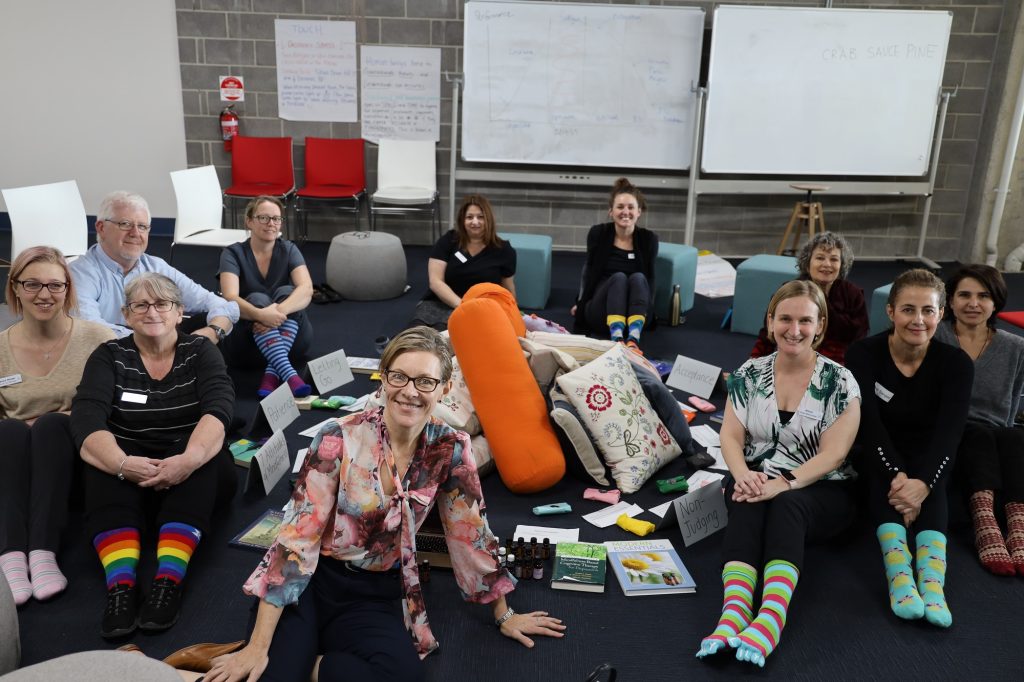
    By profession a nurse, Jo now runs popular Therapeutic Relaxation And Enhanced Awareness Training (TREAT), which helps healthcare workers and their colleagues rest, recover and stay mindful. These sessions usually include gentle stretching, followed by relaxation and guided meditation practices on the floor. The carefully decorated session room is always filled with huge cushions, warm blankets, soft lighting, numerous crystals and essentials oils, supported by relaxing music, providing a safe haven and true sensory experience for everyone.

    Jo with our staff after a TREAT session at NCHER. Photo taken in 2019.

    TREAT started as a trial one-off session six years ago. Today, TREAT rest and recovery sessions are Jo’s full-time job, and regularly on offer for staff at Northern Health. They are also an important part of the ‘Virtual Conversations on Mental Wellness’ which starts today.

    “A couple of years ago, I went back to university to do my post-graduate studies, and while I was on placement in a busy public hospital I suddenly realised the stress and anxiety have started to ramp up. That is when I had the light bulb moment that I need to pull together everything I know about self-care and share with my colleagues,” she explained.

    Jo has always felt strongly about helping others and is currently doing her second study on how TREAT sessions are helping with mental health. Through her sessions, she helps participants restructure thoughts and focus on how their day begins, shifting their mindset from feeling flat and negative to warm feelings of hope and motivation.

    “I realised that how I start the day resonates throughout the whole of my day. If we can actually practice just 15 minutes of anchoring ourselves, and filling ourselves up, we are more likely to have steadiness for the rest of the day. Life, work and home bring a lot of curve balls and we need to fill ourselves, like we would fill up our car on the way to work. Let’s tell ourselves that today will be a good day and something great will happen,” she explained.

    In her surroundings, Jo observes how the current pandemic is increasing problems with anxiety, loneliness and the feeling of worry with many people.

    “There is a very subtle grieving process people are going through. Many of us aren’t even aware of it, it’s something the literature calls – ambiguous loss. We are not sure what we have lost, but there is a lot of feeling of loss. Because we can’t actually see the virus, it makes it even harder – it’s like being battle-weary, but we can’t see the war. We are aware we have lost our freedom, which has led to a huge feeling of collective heaviness and demotivation,” Jo explained.

    To get out of the spiralling thoughts of anxiety, Jo recommends finding something simple to look forward to. It can be walking with a loved one and looking at the moon and stars, making the whole experience extra sensory, or ordering take away and putting on a nice table setup.

    “There are findings that 59 per cent of people don’t make their bed in the morning. I would recommend everyone to make their beds. It takes 30 seconds. Once you make your bed, your room starts to look neater. By adding an extra cushions or flowers, you can make it like a luxurious hotel room. That can be the start of feeling good in the morning,” she explained.

    The famous line, “put your own oxygen mask first before putting it on to others,” often comes up when we talk about mindfulness, and Jo feels for healthcare workers, this translates to taking our own pulse first.

    “There is something deeper about that, as our pulse is telling us how we are doing, how are hearts are doing and if our minds are anxious. We need to take our own pulse first before we take someone else’s”.

    Northern Health’s Virtual Conversations on Mental Wellness 2020 start today, open to all staff. You can join Jo’s daily ’15 minutes of mental clarity’ morning sessions, 9 – 9.15 am by clicking here.

    A longer 45 minute complete rest and recovery TREAT session will be held on Thursday, 10 September 7 – 7.45 pm. Click here to join (MS Teams link).

  • Q&A with Dr Megan Robb, Director of Emergency

    Q&A with Dr Megan Robb, Director of Emergency

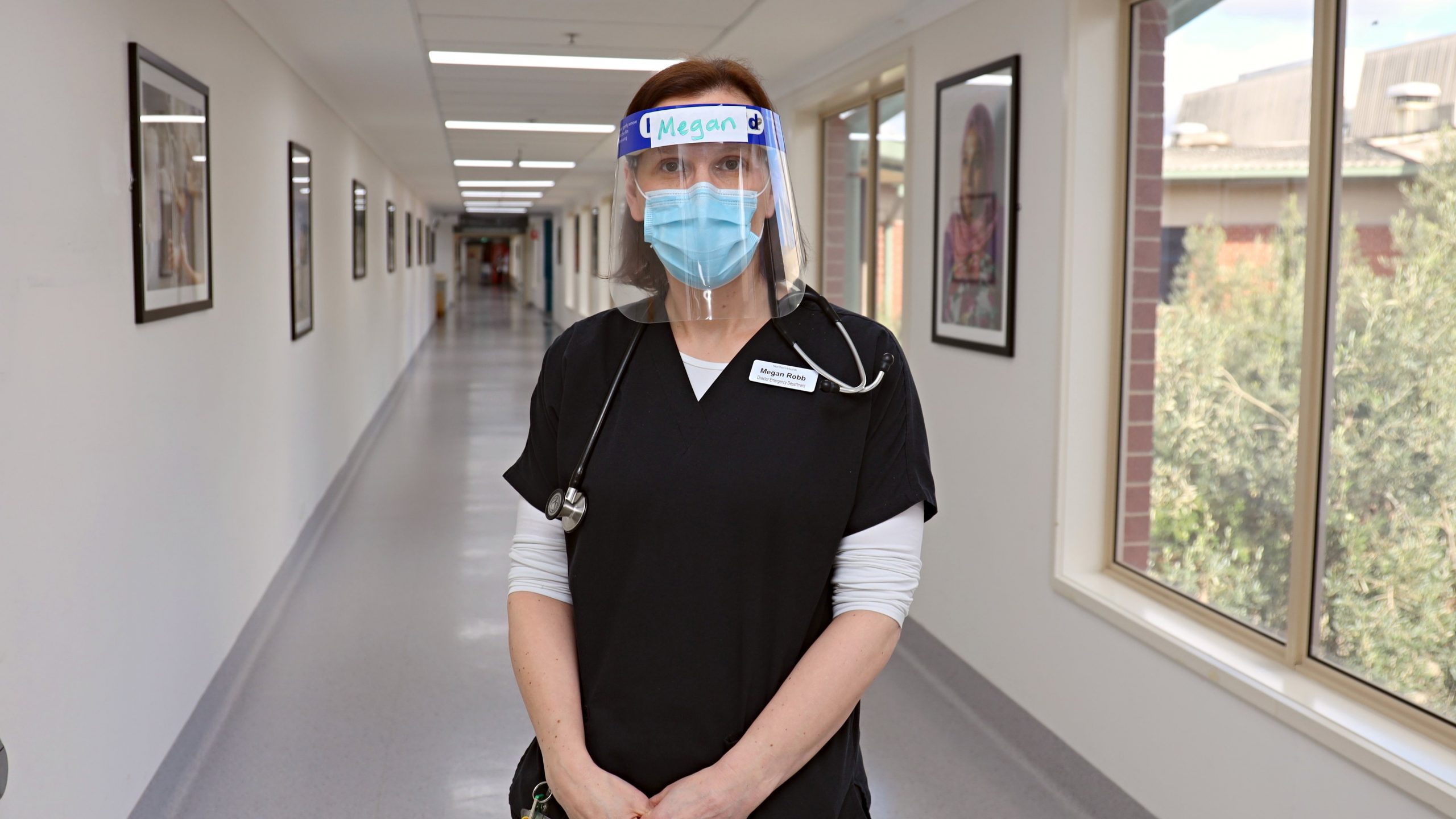
    Being the Director of an Emergency Department during a pandemic comes with many challenges. We sat down with Dr Megan Robb, Northern Health Director of Emergency, to talk about her and her dedicated team’s work during the COVID-19 pandemic.

    How has COVID-19 changed the work in your department? 

    It has been a challenging time over the past six months but I’m very proud of our staff and how they are responding and adapting to the rapidly changing situation. There have been a lot of changes and we have had to learn how to work differently due to COVID-19. This has included undertaking additional training and implementing new models of care in our department.

    We work in full PPE, which is hot and everything takes much longer to do. One of the biggest challenges wearing PPE is that it makes it harder to communicate and develop a personal connection with our patients. We all struggle with this aspect of our job at the moment.

    The pandemic has brought us closer as a team and shown how dedicated and adaptable our staff really are. We are supporting one another and working collaboratively with staff across the entire health service, to ensure we can continue to provide the best possible care to our patients and the community.

    How has your role as Director of Emergency changed? 

    COVID–19 changes the way you work both personally and professionally. There is a new level of responsibility ensuring the health and safety of staff, patients, colleagues and the community. Work life balance is not as good as it should be, but that’s the role of an Emergency Department (ED) Director during a pandemic. I have had increased interactions with staff and teams I normally wouldn’t, such as engineering. There has been increased collaboration between departments within our hospital and also across health services.

    We have developed and implemented multiple new models of care in a very short time frame. Often these changes are made with very short notice due to the rapidly changing nature of a pandemic. With every change, you need to immediately adapt. You then need to implement and explain these changes in a clear concise way. Communicating well, often and in multiple ways has been the key.

    What are you most proud of in the last six months? 

    I am incredibly proud of the way our team has responded to the pandemic. They continue to show up every day despite the uncertainty and continue to do their best for the patients and the community. The ED team has shown just how resilient, adaptable and dedicated they are. I am also very grateful for all the support ED has received from within Northern Health, especially during our Code Yellow. Having staff from other wards and disciplines working with us was amazing. I feel really privileged to be the Director of the Northern Hospital ED.

    What’s your message to the community?

    Our staff on the front line are working extremely hard to care for our patients and help protect our community. It’s crucial that everyone continues to maintain 1.5m distance and wears mandatory face coverings. It’s also important to maintain strict hand hygiene – wash your hands with soap and water for at least 20 seconds or use an alcohol-based hand sanitiser. And please be kind and support each other – we are in this together.

    What’s the one thing you would like the community to better understand about COVID-19?

    COVID-19 doesn’t discriminate. It can affect anyone and so we all need to be vigilant. Health care workers don’t consider themselves heroes. We are the last line of defence and need all to be involved in the fight against COVID-19.

  • Stroke Week: it can happen to anyone

    Stroke Week: it can happen to anyone

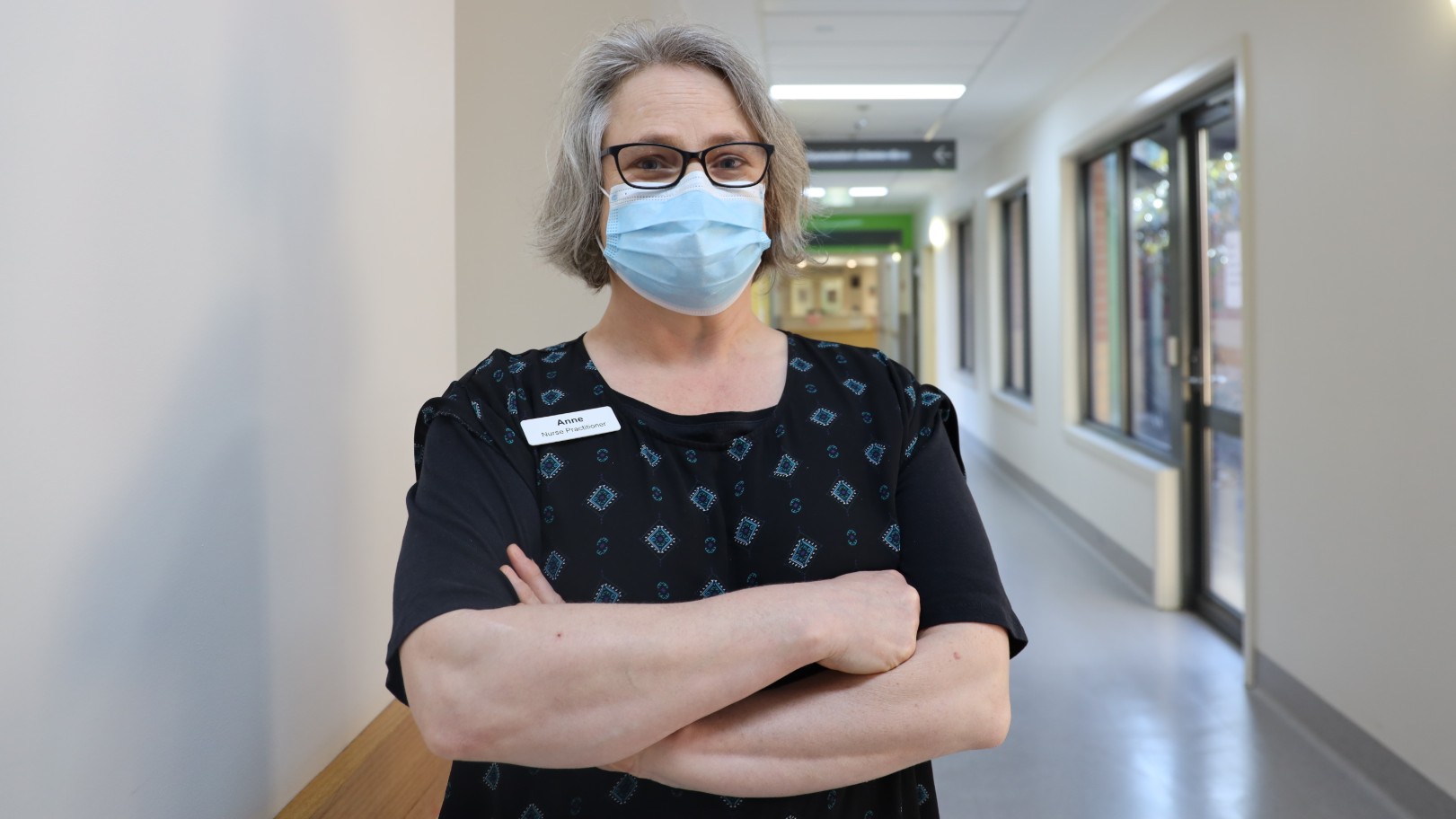
    Anne Rodda has worked at Northern Health for 18 years and has been a stroke nurse for over a decade. In her career, she has seen how a stroke can affect so many people, from children to older patients.

    “Twenty per cent of strokes happen to people under 55 years of age, and even children can have stroke, with the Stroke Foundation recently releasing guidelines on how to care for children with stroke,” she said.

    Anne explained one of the biggest concerns in Victoria, when it comes to stroke patients, is that people are not coming to hospital, and waiting, even though they are experiencing signs of stroke.

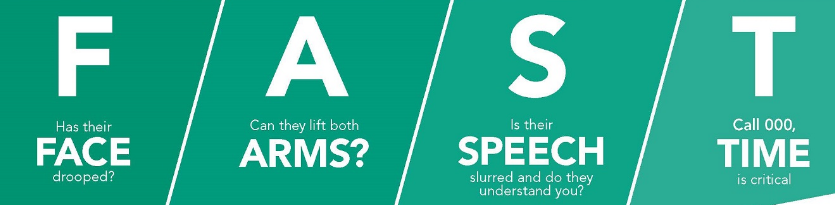
    “Some of the signs people shouldn’t be ignoring are FASTFace, Arm, Speech, Time. These include change in facial expressions on one side, weakness in one side of the body, change in their speech. We have treatments if people get into hospital quickly, so that is why they need to come straight away,” she said.

    Stroke occurs as a result of a problem with the blood vessels, which can break or bleed. Blood pressure can have a significant impact on this and Anne always encourages people to monitor and know their numbers.

    “Make sure you recognise the FAST symptoms and do something immediately, even if the symptoms are very mild, like your hand not working. Sometimes, patients are feeling well while having a stroke. Preventing stroke is about a healthy lifestyle – we all know we should keep on eye on our diet and exercise regularly. It can happen to anyone, men and women. All the risk factors make a difference,” she explained.

    Caring for patients after stroke takes a multidisciplinary effort across the organisation, as care extends beyond the hospital, to recovery and patient support.

    “Stroke unit care is the main point of care, where patients get seen by people who are trained and are experts in managing a stroke, and the multidisciplinary team is the core of that. Patient recovery depends on how big the stroke is and where it is. Some people can be back to normal in a few days, while others have a long term disability. Out of all people that survive a stroke, a third of them will have a long term disability,” Anne said.

    “The main message we have for the community is that people need to come to hospital and get the treatment they need, as soon as possible,” she said.

    National Stroke Week runs from 31 August – 6 September, with great resources and information available from The Stroke Foundation.