• Join Steve in the HRO Champions Network

    Join Steve in the HRO Champions Network

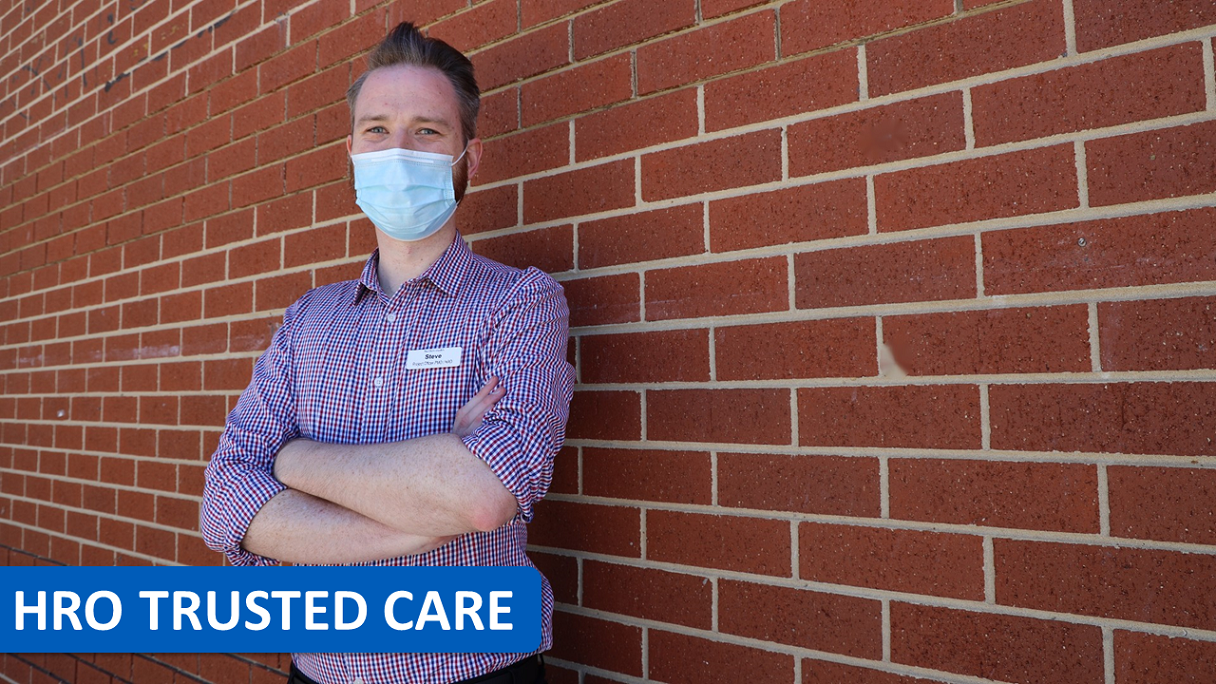
    Steve Ferguson is the new Project Officer in Project Management / High Reliability Organisation (HRO) office, and a member of the HRO Champions Network, whose passion for patient care led to his involvement in quality and improvement projects.

    “I was always interested in improving patient care and curious about how we were doing things and if something can be done better. Coming from a clinical background, project management appealed to me as I could see it as a different way of achieving the same goal – the best possible patient care,” he said.

    Steve initially started working at Northern as a student, and landed his first role as a junior physiotherapist. His career temporarily continued in the UK where he lived and worked for two years, following a return to Northern Health to a clinical role and then moving into service development and non-clinical work.

    “Actually, Mondays and Tuesdays I work as a physiotherapist and in Community Access, and the rest of my week I work on numerous improvement projects, like looking at how we can care best for homeless patients or those with no fixed address,” he explained.

    Steve became aware of the HRO and Project Management office during the planning for “What the Hack” weekend, which had to be delayed due to COVID-19.

    “I made some submissions and ideas for the Hack Weekend. One idea was selected to go through for the weekend, and it was around better preparing patients for discharge. I was very fortunate to be able to bring together a multidisciplinary team to collaboratively design a possible digital solution that considered all domains of patient communication,” he explained.

    From that, Steve joined the HRO Champions, a group of Northern Health staff from various disciplines and campuses, who meet regularly once a month to discuss quality and safety improvement initiatives.

    “One project the Champions are currently looking at is reviewing education to staff and how we can do it in a more multi-disciplinary way, rather than doing our training and education in silos. As a member, I get to work alongside people who might be in a very different area and have different experiences and ways of looking at patient care. The group brings people together to collaboratively solve problems and helps us find out what is happening in the organisation and how things fit together,” he explained.

    Steve enjoys being part of the HRO Champions network as he sees it as a place where people can bring an idea forward to the group and have it heard.

    “From that idea, they can be put in contact with the people who are working on something similar so there is a chance for collaborative work involvement. Also, you can learn the skills of how you can turn an idea into a reality. It’s a place where frontline staff can get an idea heard by the executives. And most importantly, it’s a friendly group of people,” he added.

    If you would like to hear more about the HRO Champions network and join, please email: HROChampionNetwork@nh.org.au
  • Dr Kim Pham wins Chris Maxwell Medal

    Dr Kim Pham wins Chris Maxwell Medal

    On the evening of 22 January 2021, the Department of Obstetrics and Gynaecology virtually held the annual Chris Maxwell medal competition for the best registrar case presentation.

    “This was the first time we had held the event remotely and we had more people than usual attend, so by any measure the evening was a great success,” explained Dr Paul Howat, Divisional Director – Women’s and Children’s Services.

    Topics presented on included primary hyperparathyroidism diagnosed in labour, emergency presentation of germ cell tumours in young women, unusual causes of genital ulceration and pulmonary haemorrhage in pregnancy.

    “These are all rare conditions and very important for all clinicians at Northern Health to be aware of,” Paul said.

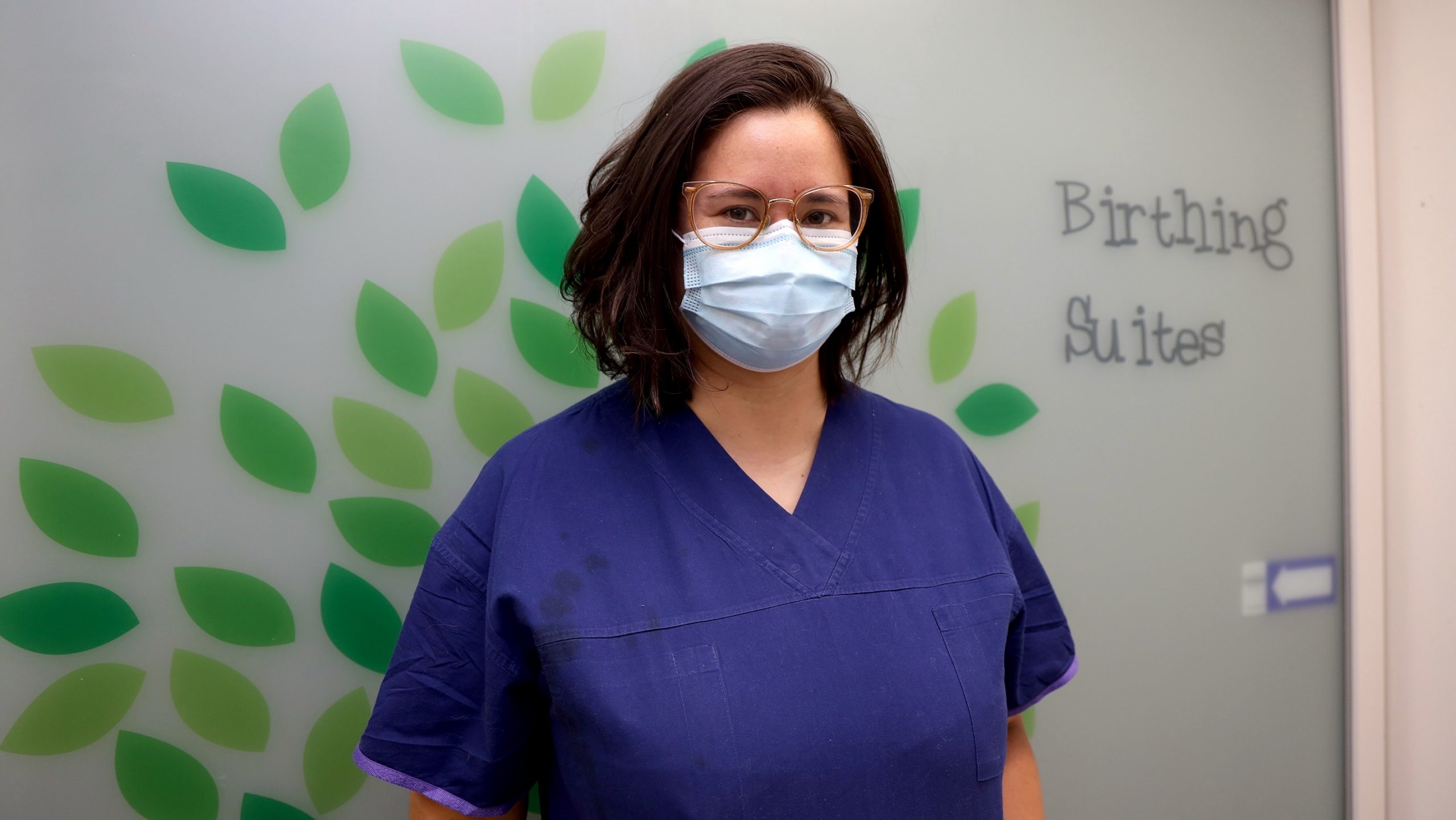
    The four entrants pictured below (clockwise from top left) were Dr Kim Pham, Dr Laura McKinley, Dr Sita Murugappan and Dr Thalia Ash.

    All entrants were rewarded with a hamper of goodies posted out the day before, but there could only be one winner…

    Dr Kim Pham took home the Chris Maxwell Medal for 2020!

    Kim’s case presentation focused on a unique presentation of Behçet’s Disease – a rheumatological condition that can present with gynaecological signs.

    “In an interesting twist of fate, Dr Kim Pham informed me afterwards that her husband had been delivered by Dr Chris Maxwell, who was a clinical director of Obstetrics and Gynaecology at both PANCH and Northern Health for over 30 years, and the medal is named in his honour,” Paul said.

    “Winning this award fills me with immense honour and pride – for the colleagues I work with and the standard of care we offer,” Kim said.

    “It’s particularly important given the legacy of Chris Maxwell and his advocacy for staff and patients at Northern Health after its move from PANCH,” Kim said.

    “Congratulations to Kim and to all of the entrants for a high standard of education and a great evening. Thank you to our guest judge, Dr David Langsford, and also to Dr Naomi Holbeach for being the MC for the evening,” Paul added.

  • Virtual ED patients now triaged in their own language

    Virtual ED patients now triaged in their own language

    Northern Health’s Virtual Emergency Department (ED) now offers interpreting services for patients who are more comfortable speaking to our medical staff in their own language.

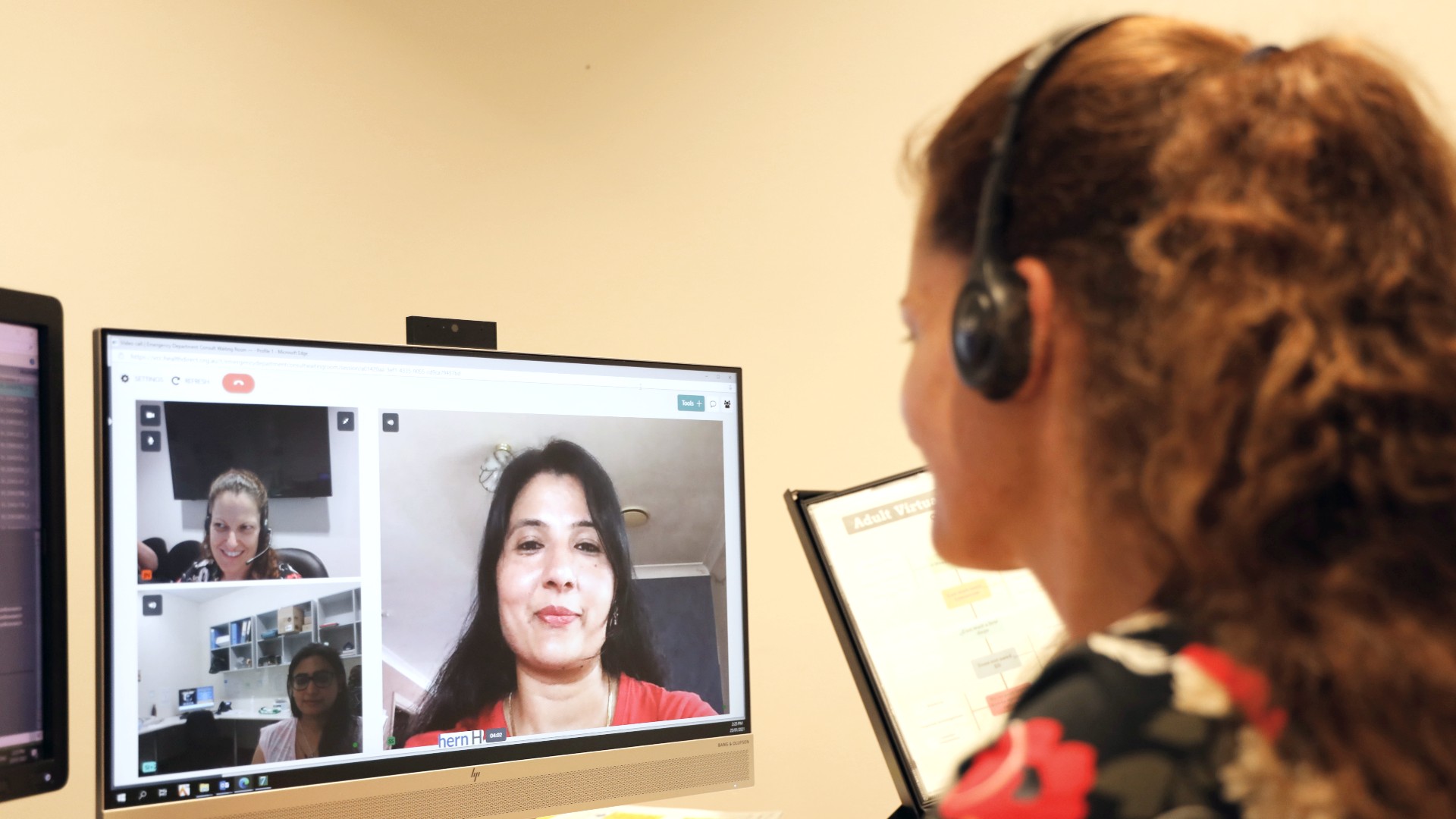
    Dr Loren Sher, Emergency Physician, said this is something the team has always planned for, and is happy to announce that interpreting services are now available for our virtual patients, every day.

    “We have just launched the interpreting services and have so far seen numerous patients who needed to get an interpreter involved. The service is available through Northern Health’s interpreting team and for all languages,” she said.

    Our first patient to use our interpreting services while being triaged virtually was Shiksha, who was previously at Northern Hospital and heard about the Virtual Emergency Department from our staff.

    “The staff told me this is a new system and that I can see a doctor from home. My English understanding is not too bad, but I didn’t understand well during the consultation, so I asked for a Hindi interpreter and had no issues in understanding afterwards,” she said.

    Shiksha, an Epping local, was concerned about a swollen finger and her GP advised her to come to Northern Hospital’s ED.

    “My virtual experience was good, as I didn’t have to wait long to be seen and I know the ED is usually very busy. Once the interpreter joined, the communication between the medical staff and myself became very fluid and I am very happy with how it all went,” she said.

    Since launching in October, our Australian-first Virtual ED has seen over 1,000 patients, and in the future plans to additionally offer AUSLAN capabilities.

    “There has been a wide variety of presentations in the last four months. We see a lot of early pregnancy concerns, back pain, abdominal pain and mild injuries. We have also seen a variety of ages, with the oldest patient being 92 years old,” Loren added.

    Our emergency staff are enjoying their virtual shifts and providing one-on-one consultation with patients and families without the noise and distraction of a busy Emergency Department.

    “Children are more relaxed at home, so it is much easier and quicker to get an impression of how they are. It also allows busy families to access emergency care without having to bundle all the kids into the car. It’s particularly great when we can manage the patients completely virtually and spare them the inconvenience of having to drive in. I think the community really appreciate the convenience factor,” Loren added.

    Convenience is one of the key benefits for Shiksha too, who has already started spreading the word and sharing her story.

    “I am already recommending the Virtual ED to my friends, and telling them how helpful it is. Some people don’t know how to drive, so the Virtual ED can be really beneficial for them. I hope that, with my feedback, people from non-English speaking backgrounds wouldn’t hesitate to use the Virtual ED and the language services. I would like to thank Navneet Gill (interpreter) because she helped me explain my problem very well and we achieved a good result,” Shiksha added.

    “As an interpreter, I felt more comfortable interpreting through video rather than phone because it helps us understand the situation better. We are able to provide more effective and timely response to short notice interpreting requests, as it does not require us to travel, making us more productive because we can interpret from different campuses of Northern Health. All this makes us feel appreciated caring for the team and the patients,” Navneet added.

    Featured image: Dr Loren Sher speaking with patient Shiksha (on the screen, right), and interpreter Navneet (on the screen, lower left).

  • Feelin’ the love on social media

    Feelin’ the love on social media

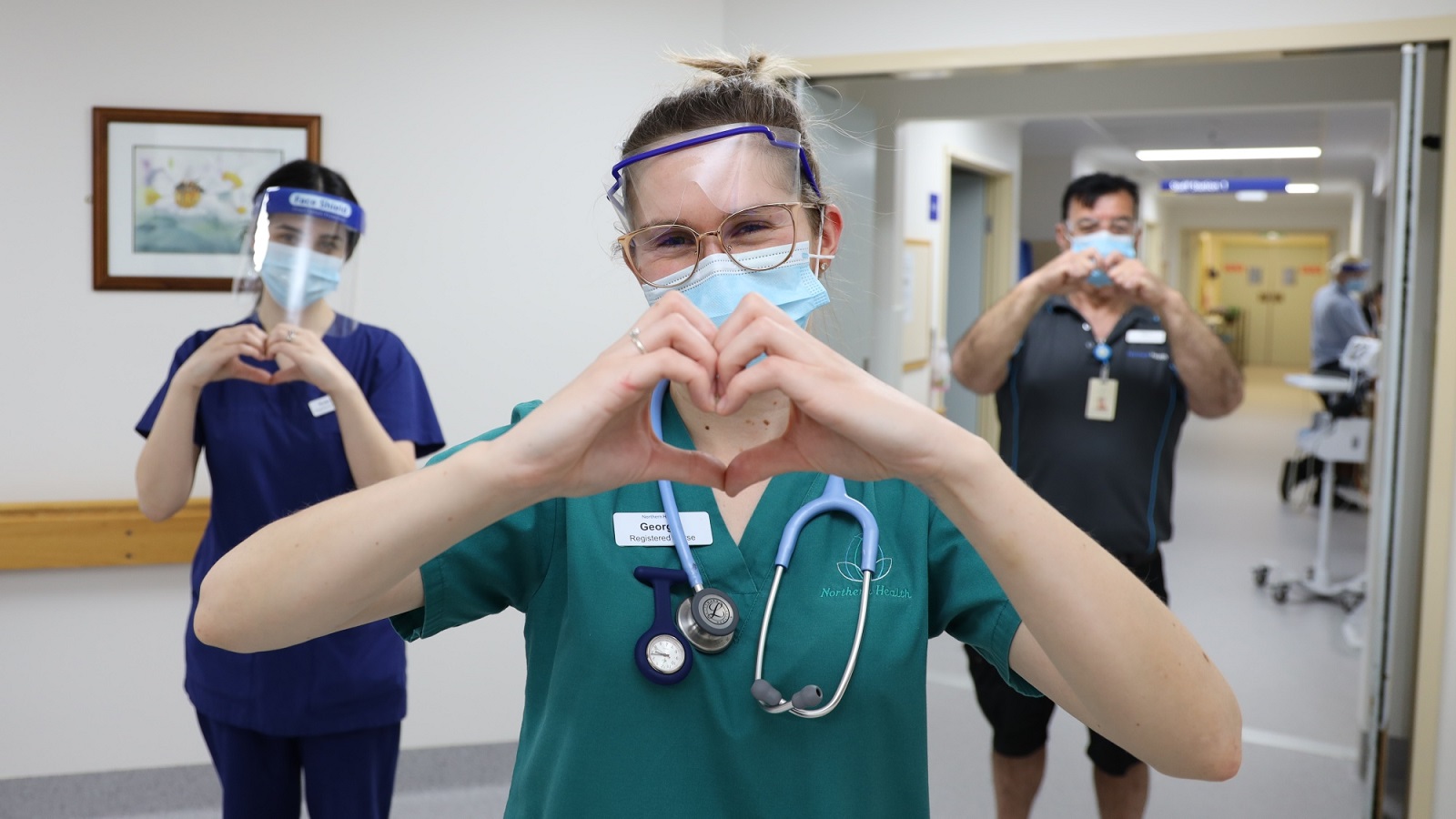
    Following what was a truly unforgettable year, our efforts didn’t go unnoticed in the community.

    We have received hundreds of messages and comments of support and appreciation for Northern Health across our social media channels, especially over the festive season.

    Recognising staff across the entire health service for their incredible efforts in 2020, here is what some community members had to say about you:

    “I got tested on a 35+ degree day and the staff were wearing full PPE, despite this, they were incredibly kind and patient. Keep up the great work 👏” 

    “Thanks to your amazing team, the care and attention I was given made me feel special and safe.”

    “This afternoon, I started getting a sore throat so I raced up to Epping at 6 pm for a COVID-19 test. I had my negative result back in four hours. Incredible! Thanks @northernhealth_ team. You are still working so hard and I’m so grateful.”

    “I appreciate YOU and am thankful to the work you’ve done to keep us safe this (crazy!) year.”

    “Thank you so much for your hard work and dedication during one of the most challenging years.”

    After Victoria recorded a period of no new COVID-19 cases:

    “Congratulations on an extraordinary effort! At one point the masses may have thought zero cases was impossible BUT with all your super careful methods, you’ve achieved this wonderful outcome! We love you and appreciate each and everyone of you! Thanking you really is just a small word but it comes with heartfelt gratitude!”

    “Your team are amazing with all that you do. The care that you provide under some very extreme circumstances shows your dedication to your job and the community. Keep up the good work, but above all, stay safe!”

    “Well done to Northern Health staff on your ongoing dedication and commitment on keeping COVID-19 at bay. Your hard work has paid off. I, as a northern suburbs member of our community, cannot THANK YOU ALL ENOUGH. You should be so proud of your dedication and support during those tough times. Give yourselves a pat on the back!”

    “A great big thanks to all the laboratory staff for processing all those swabs! Massive effort, endless hours at work getting those results out to the community. Well done ✅👩‍💻👩‍🔬🧑🏻‍🔬😷

    “I cannot speak highly enough of the impeccable staff in the special care nursery. Each and every person that our family come across was patient, empathetic and incredibly supportive.”
    “Fabulous effort working together, very proud of everything that’s being achieved at Northern Hospital.”
    “Thank you to all the Northern Health staff on the front line caring for your patients and also staff in the Fever Clinic. You are stars 🌟 Please take care 🌈
  • Governor of Victoria personally thanks Northern Health staff

    Governor of Victoria personally thanks Northern Health staff

    Northern Health nurses recently were personally thanked for their contributions during 2020 by the Governor of Victoria.

    On Friday, 18 December 2020, Her Excellency the Honourable Linda Dessau AC, Governor of Victoria, and Mr Anthony Howard AM QC, hosted a reception at Government House in honour of the nursing profession.

    Ten Northern Health nurses who represented all of the dedicated nurses and midwives at Northern Health attended, along with a number of nurses from different health services across Victoria.

    The event was held to recognise the incredible efforts of Victorian nurses in 2020, particularly those nurses who cared for patients with COVID-19.

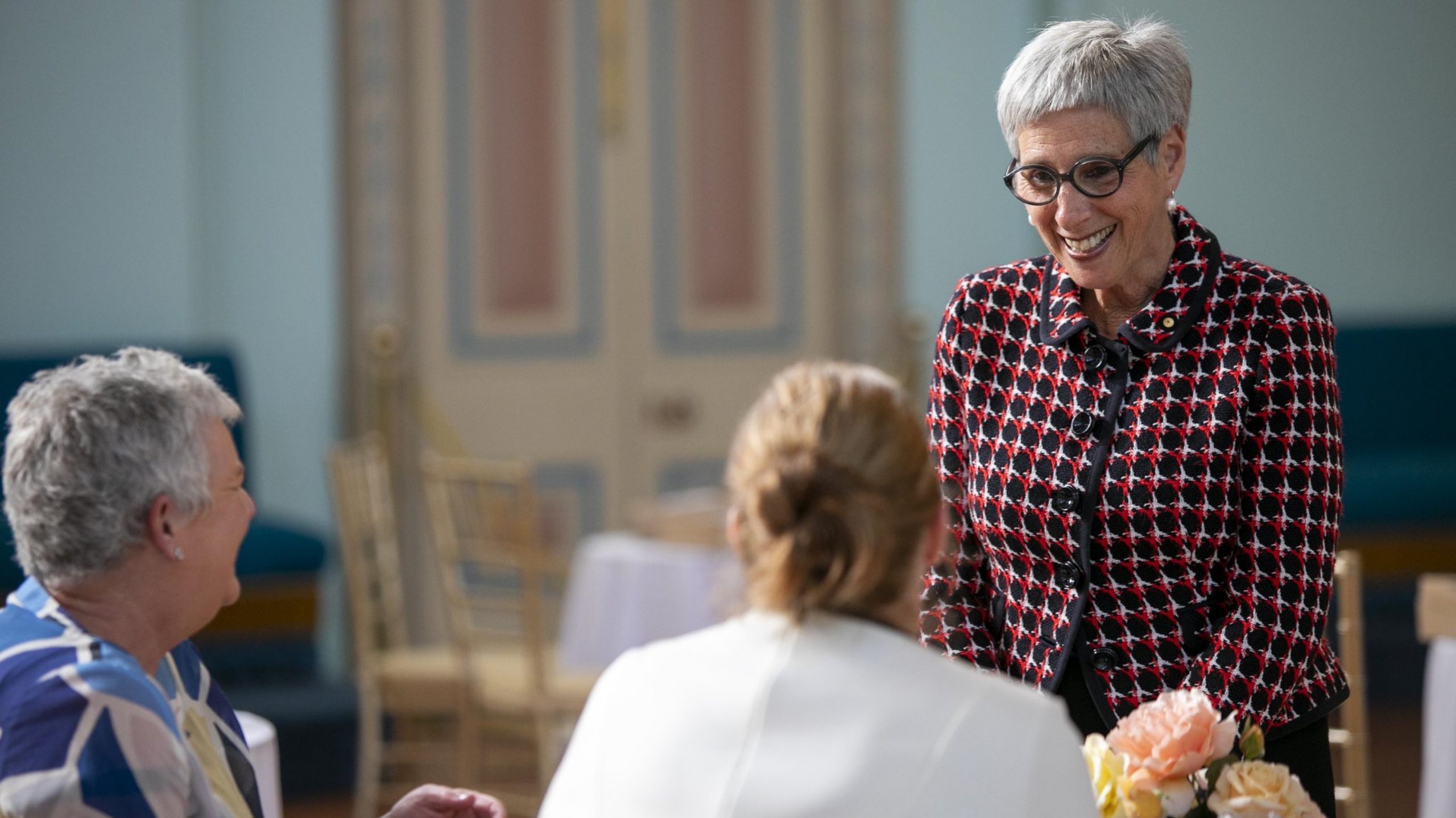
    The Governor greeted attendees and thanked them all for their invaluable contribution during the pandemic. She even gave a special mention to Northern Health. The Governor acknowledged and personally thanked Northern Health staff for the significant role they played in Victoria’s response to COVID-19.

    Johanna Hayes, Director of Community Programs, was one of the attendees representing Northern Health. She said, “I felt very privileged to be invited along with nine other nurses from Emergency, Intensive Care, Ward 16, Aged Care, Residential In-Reach and the Community Monitoring Program. We were able to describe to the Governor some of the contributions of nurses, and also the challenges we faced. It was a wonderful event at the beautiful Government House. We would also like to thank Debra Bourne and Maria Tucker for the opportunity to attend.”

    “I was honoured to represent Northern Health, and, in particular, Specialist Clinics, for the significant contributions made during the COVID-19 pandemic. It was a fantastic evening, with the opportunity to share and listen to stories from nurses who provided extraordinary care to help keep Victorians safe during the most challenging of times,” said Cathy Fletcher, Specialist Clinics Nurse Unit Manager.

    Featured Image: The Governor speaking to staff members, Paula Lennox and Johanna Hayes who represented Northern Health (Image Source: Governor of Victoria Twitter Page) 

  • Dr Hayes appointed Honorary Associate Professor

    Dr Hayes appointed Honorary Associate Professor

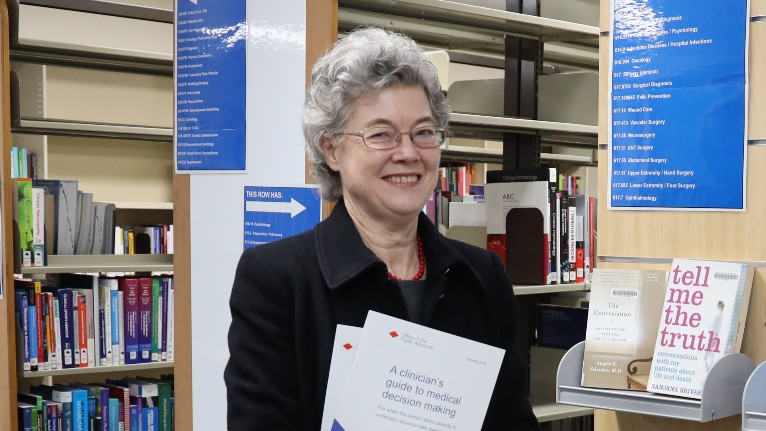
    Dr Barbara Hayes, Clinical Lead of Advance Care Planning and a Palliative Care Consultant, was recently appointed as Honorary Associate Professor in Medical Education at the University of Melbourne. Here she discusses her role at Northern Health and in the Northern Clinical School.

    Can you tell us more about your role in teaching and research?

    I have been teaching medical students since I qualified as a Palliative Care Consultant. I am very passionate about sharing my knowledge of palliative care and the limits of medicine to cure. This teaching expanded to include communication skills, ethics and law relating to end-of-life decisions, consent, and advance care planning. This is teaching I do in the Northern Clinical School.

    I have also been involved in initiatives that have been underpinned by research. I came to research later in my career, particularly after discovering qualitative research. I completed a PhD at the University of Melbourne, ‘Ethical CPR decision-making’, which gave me skills and confidence to do further research. I love to learn from people’s stories.

    I was involved in developing a Northern Health approach to advance care planning that was based on our local research. This approach has been adopted by many health services across Victoria and when you see ACP brochures at other hospitals, you will often recognise the link. I also chaired a DHHS Working Group that developed resources for people who lack capacity to complete an Advance Care Directive, resources now widely used in Victoria.

    Northern Health was the first health service in Victoria to adopt a Goals of Patient Care form, an innovation built on work that I had been involved with in Tasmania. It has now been adopted widely across Victoria and interstate, following published research from Northern Health. I am really pleased to see this. The Goals of Patient Care promotes shared decision-making, and considering the medical treatment plan in a positive way whilst recognising when treatment limitations are required. We have developed and published an evaluation of a Residential Aged Care version of the Goals of Care and the next step is a community version.

    How long have you worked at Northern Health?

    I have been with Northern Health from a time when we were part of the North Western Healthcare Network. In 1995, I was looking after palliative care in-patient beds at what is currently known as the Royal Park campus of the Royal Melbourne Hospital. When Northern Health split from this Network, the beds and I were moved to Broadmeadows Health Service in 2002, where I looked after a dedicated Palliative Care Unit and provided a consult service to the rest of Northern Health until taking on the ACP role while studying for the PhD.

    What does the promotion to Honorary Associate Professor mean for you?

    I am very grateful to Dr Leonie Griffiths, Director of Medical Education at Northern Clinical School, for suggesting and supporting this promotion. It feels very special to have my work and my contribution to the University recognised in this way. There is still much more that I want to do.

    Dr Griffiths says, “Barbara has made a wonderful contribution through teaching University of Melbourne medical students over two decades. During that time, she opened their eyes to the importance of end-of–life care, and to the rewards and complexities of supporting patients and their families through this time.”

    Chief Medical Officer, Wanda S Stelmach, joins us in congratulating Barbara and says, “Barbara has been a stalwart member of the Northern Health medical staff for over 20 years. She is the perfect example of a quiet achiever. Her caring and compassionate approach has driven better patient care in a period of a person’s life that is confronting.”

    She adds, “Her learned advice has led to decisions that have improved palliative care and end-of-life decisions in the Australian community. She is greatly respected and admired by her patients and their families, as well as her colleagues, trainees and medical students alike.”

  • New kitchen at Northern Hospital opening soon!

    New kitchen at Northern Hospital opening soon!

    Stage 2 works of the Northern Hospital Expansion Project are coming to fruition, with completion on track to be finished within the next month.

    One of the first areas to move into the new building will be our Food Services Department – who will be heading into a state of the art kitchen facility.

    The new kitchen area is more spacious than the current facility, which is the original kitchen that was built within the hospital when it first opened in 1998.

    Greg Warman, Director of Support Services, is excited for Food Services to move into their new space, which will offer a number of benefits and new features for both staff and patients.

    “The new kitchen is a lot larger and is also more functional than the current one, and there’s more flow throughout it,” he said.

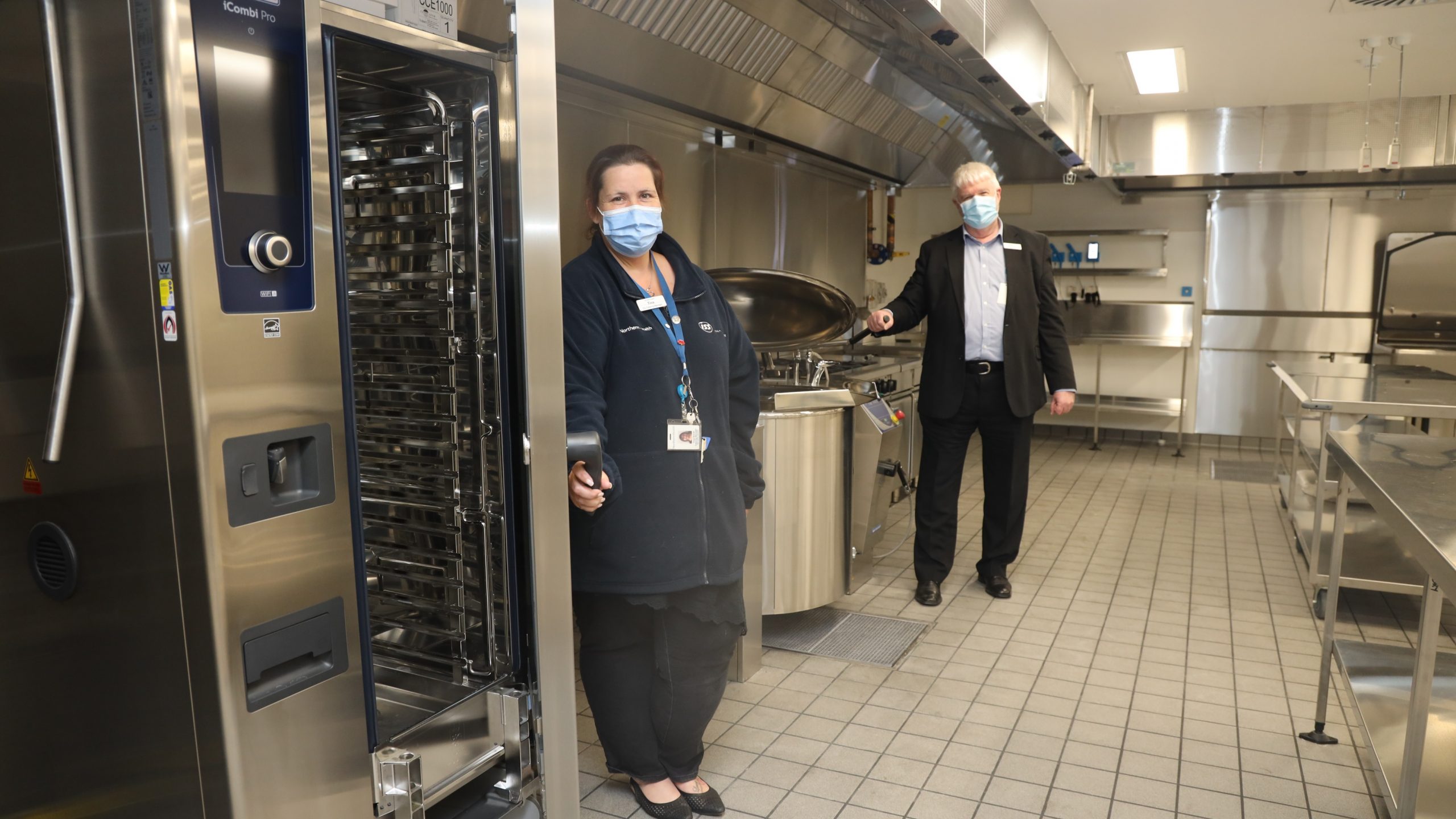
    “In our current kitchen, we don’t have facilities for production, so an important feature of the new one is that we are now in a position where we are able to cook food here. In the new space, we have a 150L kettle, cooktops, fryers and a Frima, which is a multipurpose piece of equipment – like a pressure cooker – and we’ve got space for another one in the future. We also have the new blast chiller/freezer so we can store food, and the plan is to do full complete meals.”

    Tina Smith, ISS Catering Manager, said, “From a patient satisfaction standpoint, I think this will be a value add.”

    The new kitchen will become operational on 3 February, however, the equipment will start moving into the new space on 27 January.

    “Overnight on 2 February, the tray line will get moved and then our first meal to go out from the new kitchen will be breakfast the next day,” Greg said.

    Greg explains that during the transition, patients won’t be impacted by the move and there will be no disruptions to meals.

    “The move will be seamless so patients won’t be affected. The menu and meal times will remain the same,” he said.

    “The only thing patients will notice is their food being provided on disposables from 25 January to 3 February, as we won’t have the dishwasher in use during the move,” Greg added.

    Greg and his team are looking forward to the opportunities the new facility will bring to Northern Health, while helping to improve patient experience.

    “Part of the reason I joined Northern Health was because of this project. Kane Construction have done a fantastic job – they’ve given us a brilliant kitchen and we’re really excited to be coming towards the pointy end of the project,” Greg said.

    Staff training has already commenced so staff can familiarise themselves with the new space and facilities.

    Tina acknowledged the enormous effort between ISS staff and Northern Health staff to bring this project to fruition.

    “Collaboratively, from an ISS and Northern Health standpoint, it’s been a big joint effort. It’s an exciting time – the next two weeks are going to be very busy moving in, but we’re ready for the challenge and we are confident we will have a smooth transition on both sides,” Tina expressed.

    Featured Image (left to right): Tina Smith, ISS Catering Manager with Greg Warman, Director Support Services 

  • Victorian-first ED pivot triage system

    Victorian-first ED pivot triage system

    The Northern Hospital Emergency Department (ED) has become the first ED in Victoria to move to a new ‘pivot triage’ and self-registration system. The new triage system, which commenced yesterday on 18 January 2021, is designed to improve patient experience and door-to-physician time, and has already proven successful in the United States.

    The idea originated after an internal process review, where the traditional triage and registration system were identified as bottle necks impacting patient flow and experience.

    “Previously, patients would be seen by a triage nurse, then go back in the waiting room and wait for clerical staff to call them, get their details and put them in the system. Now, they can see the pivot nurse who uses critical care thinking skills to make a rapid assessment of the patient’s condition and determine urgency based on symptoms. The patient can then register electronically on their own via a QR code, with that information going directly to our clerical staff,” explained Janice Fernandes, ED Nurse Unit Manager.

    Dr Loren Sher, Emergency Physician, added, “The pivot nurse model gets the patients in much quicker, as proven in the USA, and we are the first in Victoria to implement this model. Patients that are in category 4 and 5, as well as walk-in patients in category 3, will now be able to scan the QR code and put in their details electronically.”

    “From our Virtual ED triage system, we learned that there are lot of time efficiencies when using an online system, and more accurate information is gathered if patients self-register. We are aiming to be quicker, faster, more efficient and more accurate in the process,” she said.

    Trisha Abbey, Clerical Supervisor, ED, said the team found that sometimes patients don’t inform staff that they have changed their address or phone number. With the new process, patients are providing the most recent information, thus improving hospital data quality.

    The pivot process will not just improve patient flow in the ED, it will also reduce time patients spend in the department, improve patient experience and help patients get the care they need quicker.

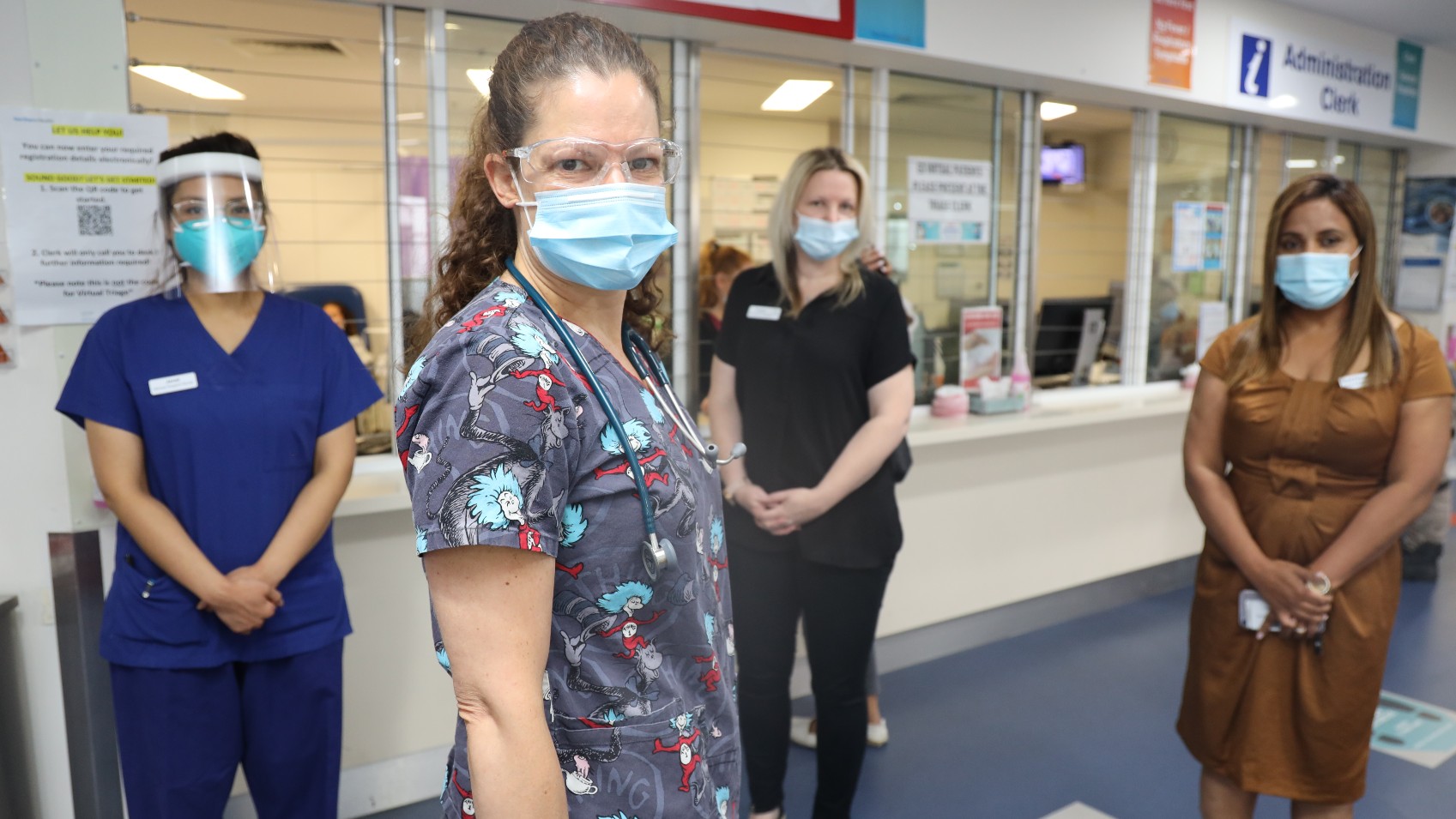
    Featured image (left to right): Janet Leung, Dr Loren Sher, Trisha Abbey, Janice Fernandes.