• First Quarterly Staff Recognition Awards for 2021

    First Quarterly Staff Recognition Awards for 2021

    On Friday, our first Quarterly Staff Recognition Awards Ceremony for 2021 was held online, with our staff showing incredible support and admiration for their colleagues after submitting almost 100 nominations.

    Siva Sivarajah, Chief Executive opened the virtual presentation and said through these Awards we recognise staff for their hard work and dedication to our patients, staff and community.

    “The award winners today are staff who exemplify a strong and positive workplace culture and commitment to our patients,“ said Mr Sivarajah.

    “There were almost 100 entries this time – so again the judging panel has had a difficult task in deciding on the winners,” he added.

    And the winners are…

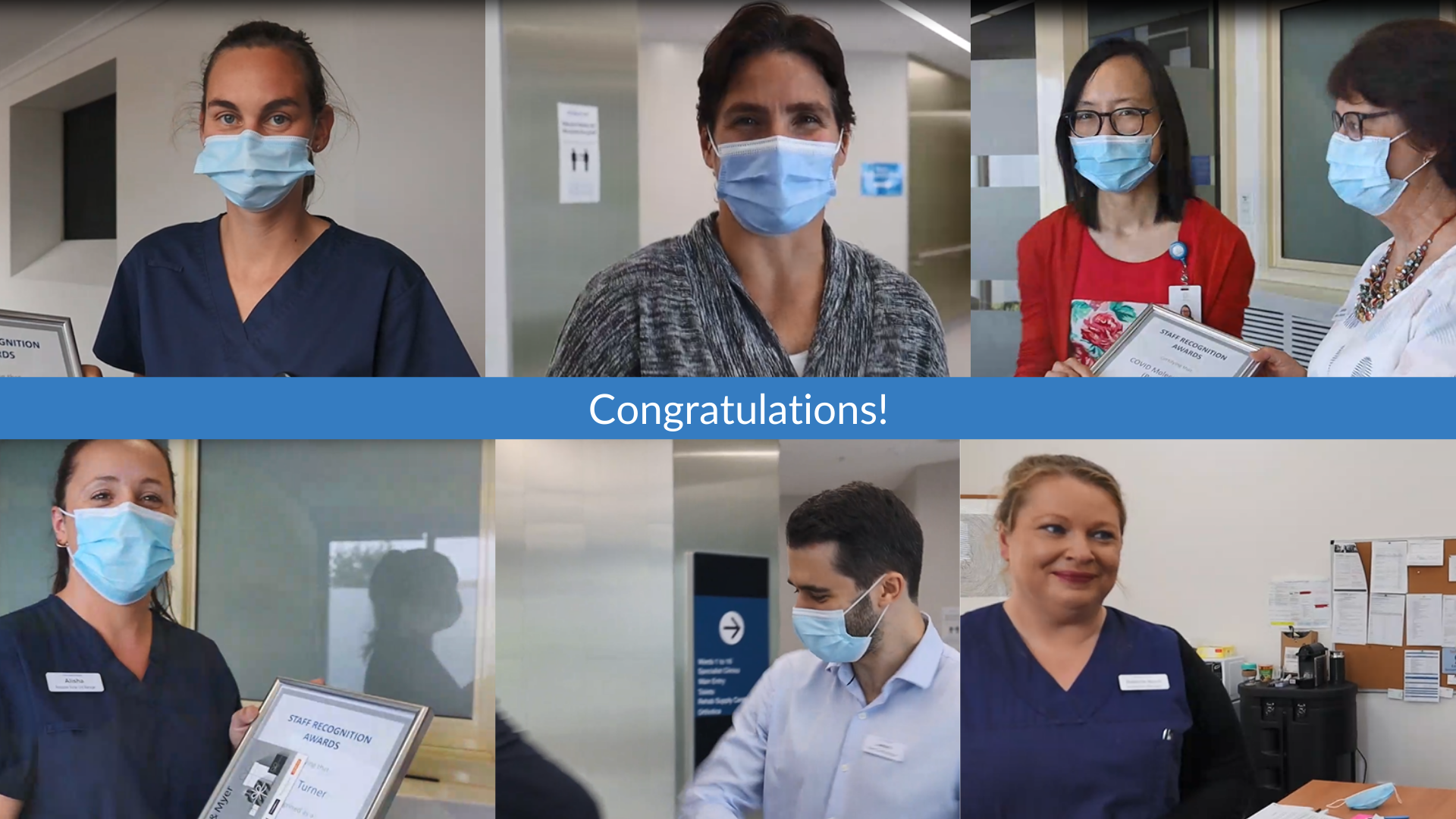
    Clinical Excellence: A clinician or clinical team generous with knowledge, who instils confidence in patients and colleagues, and achieves the best patient experience outcomes – COVID-19 Molecular team, Pathology

    Patient Experience: Recognising an individual or team who has made a significant achievement in improving the care experience, including showing kindness and compassion towards a patient, family or work colleague – Broadmeadows Hospital Rehabilitation Team

    Excellence in Safety: An individual or team who has assisted in making Northern Health safer for patients, visitors or staff – Dr Nancy Sadka, Emergency Physician 

    Innovation: A team or individual who implemented a better way to deliver care or service through a new idea or initiative – James Pownall, Ward Clerk Manager

    Above and Beyond: An individual who has gone above and beyond in providing care or support to a patient, family or work colleague – Natalie Bloomfield, Clinical Support Nurse

    Rising Star: A staff member recognised as having great potential to grow and develop in their career at Northern Health – Alisha Turner, Associate Nurse Unit Manager

    “Congratulations to all of our award winners, and thank you to Maxxia and BankVic for your sponsorship and ongoing support,” Mr Sivarajah said.

    To watch the Awards ceremony, please click here (MS Teams event recording, presentation starts from 5 min onwards).

    Sponsored by Maxxia and BankVic, our Quarterly Staff Recognition Awards have been designed to formally recognise outstanding contributions by our employees and celebrate staff excellence. To nominate a staff member, click here. We strongly encourage staff to nominate their colleagues for their achievements at Northern Health, whose actions align with our values of safe, kind and together, across the six categories.
  • Standard 4: What you need to know

    Standard 4: What you need to know

    In the lead up to organisation wide Accreditation from 24-18 May 2021, each week Northern Health will be focusing on a different Standard. You will hear from the Chairs of each Standard Committee on what you need to know.

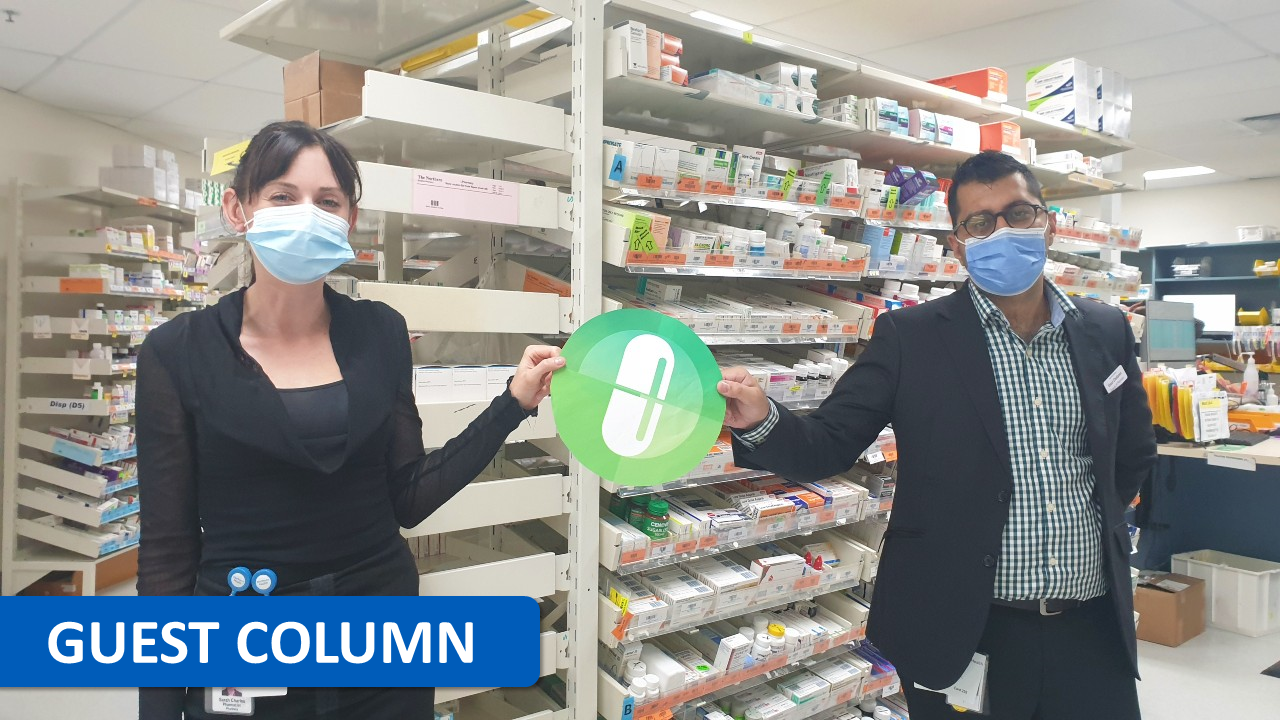
    This week we spoke to Vinod Chellaram, Director of Pharmacy, about Standard 4: Medication Safety

    “Everyone has a role to play in medication safety at Northern Health,” Vinod said.

    “The patient is the central focus in medication management and all clinicians are responsible for working collaboratively to ensure the patient receives safe and effective care. The patient/carer is always involved in shared decision making throughout the process of medication management including prescribing and administration of medications and medication counselling,” he added.

    What is this standard about?

    The Medication Safety Standard aims to ensure that clinicians safely prescribe, dispense and administer appropriate medicines. It also aims to ensure that consumers are informed about medicines, and understand their own medicine needs and risks.

    At Northern Health, this standard looks like….

    We work together collaboratively when prescribing, administering and dispensing medications and provide information to patients to ensure the patient is kept safe and medication errors are minimised during their inpatient stay and the patent is discharged safely and continues to stay well.

    When administering medications, we follow the 7 rights of medication administration (RIGHT patient, RIGHT drug, RIGHT dose, RIGHT route, RIGHT time, RIGHT documentation, RIGHT reason). We have a strong reporting culture, reporting medication incidents and we learn about the trends in medication errors and work together to improve medication safety across the organisation. The patient is the central focus of care and they are a key component of shared decision making and involved in the decisions around medication treatment throughout their stay.

    What are the top 5 ways staff can be prepared for Accreditation against this Standard?

    1. Ensure the patient is involved in all aspects of medication management and ensure they are provided with information in a way they understand
    2. Perform a Best Possible Medication History and Medication Reconciliation at admission to reduce the risk of medication related errors
    3. Know the Medication Safety Improvement projects in your area, reflect on what you are most proud of
    4. Keep medication rooms tidy, and ensure all medications are stored appropriately (e.g. locked in the medication room, schedule 8 safe)
    5. Be involved in education sessions on medication safety including in services and presentations

    What are the top 5 questions staff needs to be able to answer about this Standard?

    1. What types of medication related incidents keep you up at night and what has your area done to reduce the risk of these?
    2. How do you involve the patient/carer in decisions about their medications?
    3. How do you store medications safely and in accordance with legislative requirements in your area?
    4. How do you report a medication incident or new allergy/Adverse Drug Reaction? How do you know what types of medication incidents are reported in your area?
    5. What are the high risk medicines at Northern Health and what are some strategies used to reduce the risk of medication errors with these medicine classes?

    Is there anything else you would like staff to know about this Standard?

    Medication Safety is something you practice every day, we should all be proud of the work we do to improve medication safety and remember to highlight this and be proud when speaking to the assessors.

    To learn more about Standard 4, please click here.


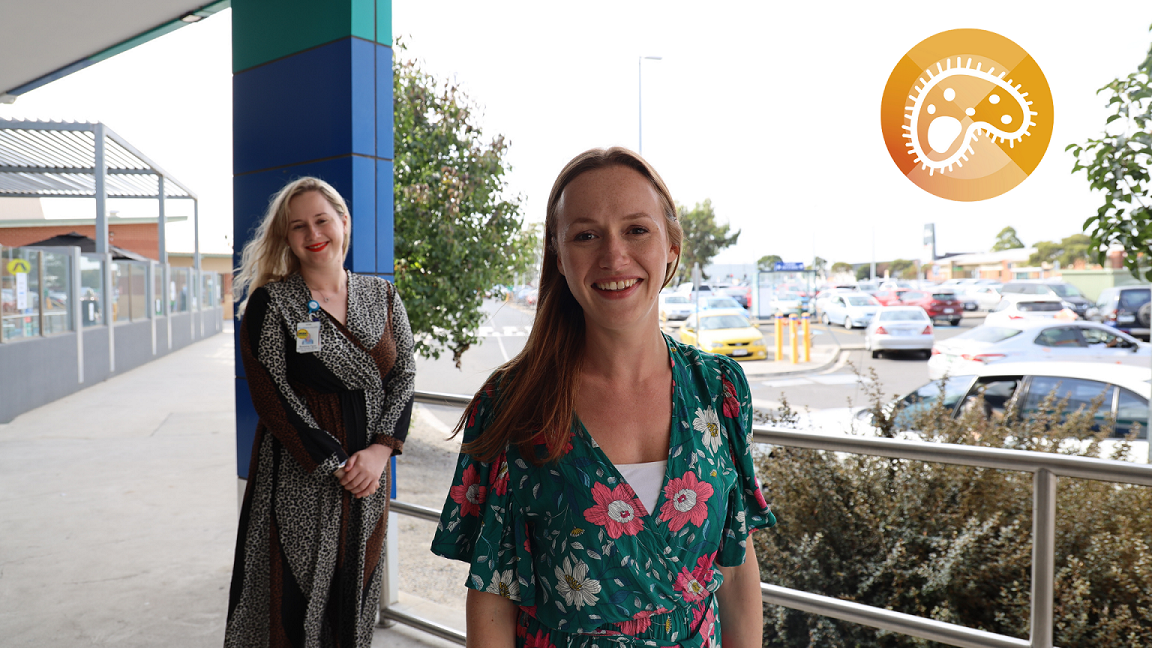
    Featured image (left to right): Sarah Charles, Quality and Medication Safety Lead Pharmacist and Vinod Chellaram, Director of Pharmacy.


  • Safe, kind and outdoors: new courtyard opens

    Safe, kind and outdoors: new courtyard opens

    Just a short distance from our Rehabilitation/Supply office at Northern Hospital Epping, there is now a quiet oasis, where staff get to have informal meetings and enjoy their meal breaks.

    Jason Cirone, Director Workforce Sustainability, says this courtyard and garden came about in response to physical distancing requirements and the need for health services to improve their outdoor spaces.

    He explains, “This enables us to spread our staff out across the campus, and achieve appropriate physical distancing.”

    This initiative, facilitated by People & Culture and Engineering, is open only to Northern Health staff, accessible through the use of staff swipe cards.

    Steve Micallef from the Engineering team says he is very pleased at how the courtyard has turned out. He says it was, “An old garden – over the course of times we kept it neat, but the dream was to have a decking here and to open the courtyard to staff.”

    He says, “We now have the decking and a nice little garden. The roof has been added – keeps the sun and rain out and keeps the wind out too, and staff in this side of the hospital now get to use an open area that they can enjoy, rain hail or shine.”

    Steve and his team have planted magnolias, forest pansies, new hedging and azaleas, which he says will bring lots of colour and green to the courtyard even in winter and autumn. “The boys did a really good job! It’s exactly as I imagined!”

    “Looking forward to sitting here on a rainy day. It will be really nice with the sound off the roof,” adds Steve.

    Says Jason, “It’s great to see staff using our improved outdoor spaces for breaks and catch ups. We are pleased to have created another area staff can get outside.”

    Sue Wood, Senior, Allied Health Receptionist, says, “We are really happy with the courtyard. This gives us an opportunity to have little breakaways for five minutes on a busy day. It’s quite a pleasant environment and been enjoyed by myself and my colleagues. It’s great!”

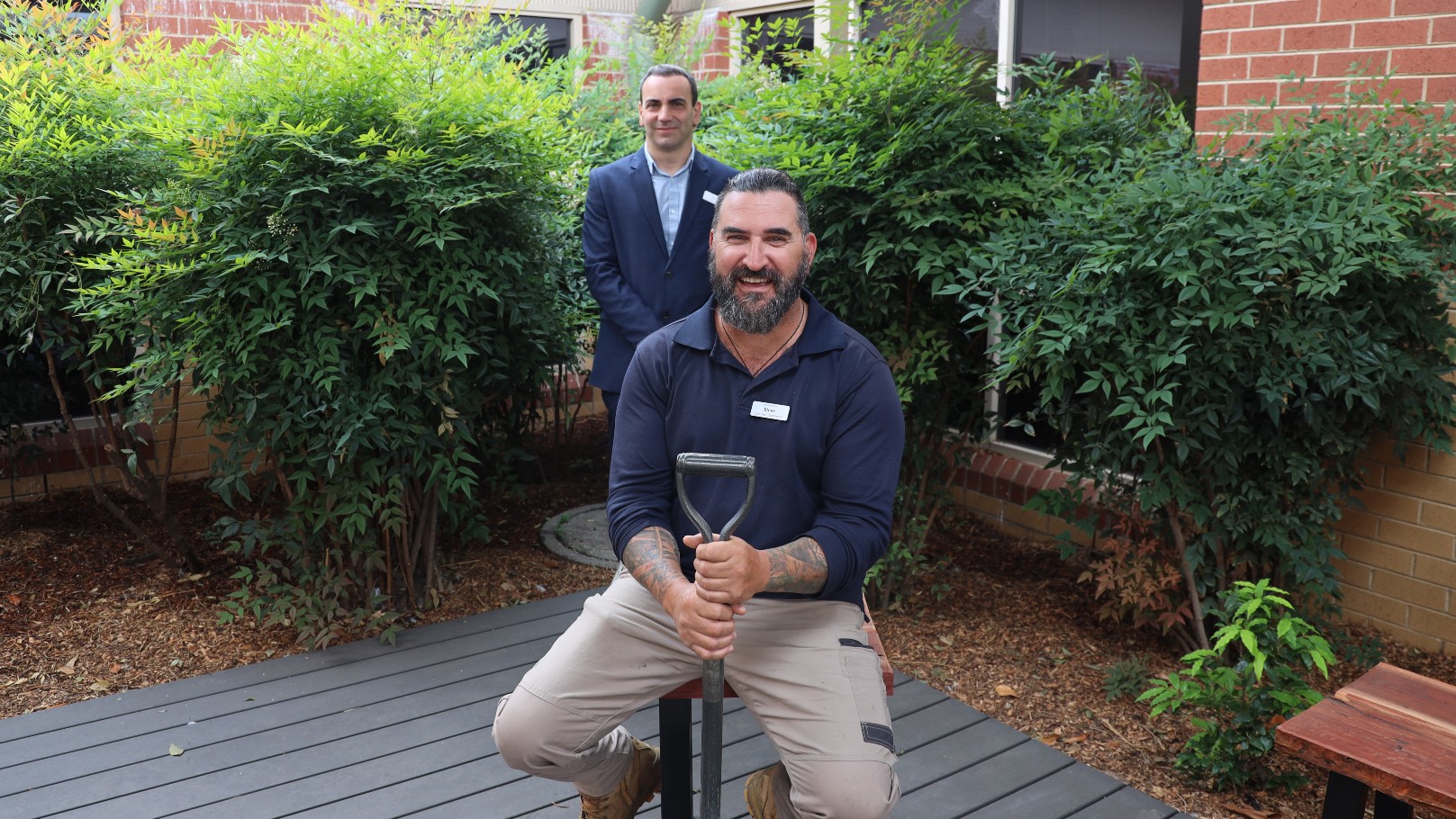
    Featured picture shows Jason Cirone (back) and Steve Micallef (front) 

  • Get to know our EMR Program Director, Trish Aldridge

    Get to know our EMR Program Director, Trish Aldridge

    Our Electronic Medical Record (EMR) Program officially kicked off last month with a team of almost 40 staff members embarking on a two to three year project to successfully implement an EMR across Northern Health.

    The EMR will be a fully integrated digital patient record that will provide clinicians with a ‘single source of truth’ to support high quality care for our patients. The program will be a major clinical transformation project.

    Over the next 18 months, staff across all our services will be involved in the design of the EMR.  The team recognises it may be challenging for our busy clinicians to be involved, so it will plan and work with staff to minimise disruption to services while they capture clinician’s knowledge.

    Leading the charge is EMR Program Director, Trish Aldridge. Trish started her career as a paediatric nurse and moved into the digital health space early in her career as she could see that clinical information systems make such a difference to clinical care. Trish completed a Masters of Public Health and further studies in Digital Health. Trish has worked at Northern Health for the last four years preparing Northern Health for EMR, as well as being responsible for the Medical Grade Network upgrade.

    Trish brings a wealth of experience in digital health and is excited to be at this point in the launch of the program.

    “Prior to Northern Health, I have spent the last 15 years delivering clinical information systems. Some of these include Peter MacCallum Cancer Centre, VCCC and Royal Melbourne,” Trish said.

    After extensive work preparing for the commencement of the EMR Program, Trish is looking forward to working with her team and our Northern Health staff who are ready to embrace this change.  “I am so excited to be finally ready with my team to start working with our people across all sites to build their EMR, “ Trish added.

    Trish explained that we will start the first of the design workshops (iterative) on April 12 and we have close to 100 sessions running over two weeks.

    “Staff will be continuously involved from then on with the EMR team. I am proud of the enthusiasm of the staff and their willingness to be part of this exciting journey.  It will be challenging for us all at different times due to competing needs and priorities but the benefits for our patients will keep us on the path for success,” she concluded.

  • Antimicrobial Stewardship

    Antimicrobial Stewardship

    Heather Mackenzie is the Antimicrobial Stewardship (AMS) Pharmacist at Northern Hospital, and is responsible for making sure that we have a safe and robust antimicrobial stewardship program.

    Antimicrobials is an umbrella term for antibiotics, antivirals, antifungals and antiparasitic medication.

    The aim of this program is to promote the optimal usage of antimicrobials within the organisation, to make sure that we are giving the most appropriate treatment for patients, prescribing according to the guidelines, and providing tailored care to the individual.

    “We do that in two ways, one aspect is individual patient review on the AMS ward rounds, and the other aspect is making sure we have all the systems and processes in place so that healthcare workers can use antimicrobials appropriately, such as developing guidelines and resources as well as delivering education and providing feedback based on our audit and surveillance work,” she explained.

    “The ward rounds are aimed at protecting key antimicrobials, such as the broader spectrum intravenous agents, so that they are used only for the right infections and for the right duration. Myself and one of the infectious diseases consultants will review patients on these agents as identified by our Guidance approvals software, and provide recommendations to prescribers and pharmacists. We also use this as an opportunity to provide targeted education,” she said.

    “In terms of the risk, if we don’t do this properly, we could face increased length of stay, and complications such as line infections, toxicity and developing resistance to antimicrobials, both in the individual and the community,” Heather explained.

    Madelaine Flynn, Manager of the Infection Prevention and Surveillance service explained over the past few years, there has been an emerging resistance to Antimicrobials by some pathogens.

    “Having a good Antimicrobial Stewardship program ensures patients safety and reduces transmission of infections in hospitals,” she said.

    Infection prevention affects all departments, units, staff and every patient care interaction.

    “It is very diverse – from looking at the environment, to looking how we are analysing risk associated with infections in healthcare and ensuring patients are not put at risk. The pandemic has put infection prevention in the spot light, and everyone is taking it more seriously, which includes things like hand hygiene and cough etiquette” she explained.

    From an accreditation point of view, Madelaine advises we need to look at the environment, make sure everything is clean, things are being managed appropriately and  risk is escalated.

    “Staff need to make sure we are doing our hand hygiene, as well as standard and transmission based precautions. Also, educating patients and their families about Infectious risk and risk associated with inappropriate antimicrobial use. We do things well here at Northern but there are things we could do better. I would like to encourage all staff in all areas and roles to look quality improvement activities associated with infection prevention and working with key stakeholders in your area to improve patient outcomes,” she explained.

    From the Antimicrobial Stewardship point of view, Heather would like to encourage all staff involved in the use of antimicrobials, be it prescribing, administering, reviewing or supplying, to look at the Antimicrobial Stewardship procedure on PROMPT, to see what their roles and responsibilities are within AMS.

    “It is everyone’s responsibility to advocate for patient safety,” both agree.

  • COVID-19 Vaccination Program ramps up

    COVID-19 Vaccination Program ramps up

    In the past week, our COVID-19 Vaccination Program has well and truly ramped up, with all Northern Health staff now eligible to receive the vaccine.

    The program began with high-risk health care staff receiving their jab and has now extended to all staff – to ensure we protect ourselves, our patients, families and colleagues from the virus that has changed the world as we know it.

    Our senior leadership and board members too received their vaccinations, and had nothing but praise in how our Vaccination Clinic operated.

    As Maria Tucker, Divisional Director, Nursing – Cancer Services and Specialist Clinics said, “The staff were friendly, welcoming, efficient and very customer focussed. Very well coordinated, and such, a positive example of our nursing and administration workforce.”

    She also had this to say about Lumnise ‘Luma’ Gashi, Nurse Unit Manager for the Vaccination Clinic, “Luma is very visible and active in the unit, providing staff with the independence to work and coaching as needed. Definitely award winning service.”

    Debra Bourne, Chief Nursing and Midwifery Officer, added her praise to the staff in the Vaccination Clinic saying, “They have created such a positive, happy and professional unit.”

    She went on to say, “I am just so thankful to have received my COVID-19 vaccination. I am thankful for the science, the medical researchers that developed this vaccine, our Australian health care system, who I have enormous trust and faith in, and all the staff in our Vaccination Clinic.”

    Just as thankful is Dr Paul Howat, Divisional Director, Women’s and Children’s Services, who said, “I felt like a weight had been lifted from my shoulders – I’ll be protected from severe disease! I’m so grateful to our hospital for looking after us and the community in this way. I feel very emotional and uplifted. Please get vaccinated when you are offered one.”

    Our Board Chair, Jennifer Williams AM, echoed these sentiments, saying, “I had the COVID-19 vaccine today because I believe it is vitally important that all Australians get vaccinated to get this pandemic under control.”

    Peter McWilliam, Board Member agrees and says, “I’ve just had my COVID-19 vaccine. I’ve done it not just for myself, but for the rest of the community and loved ones that I want to protect.”

    For more information, visit our COVID-19 Vaccination page here

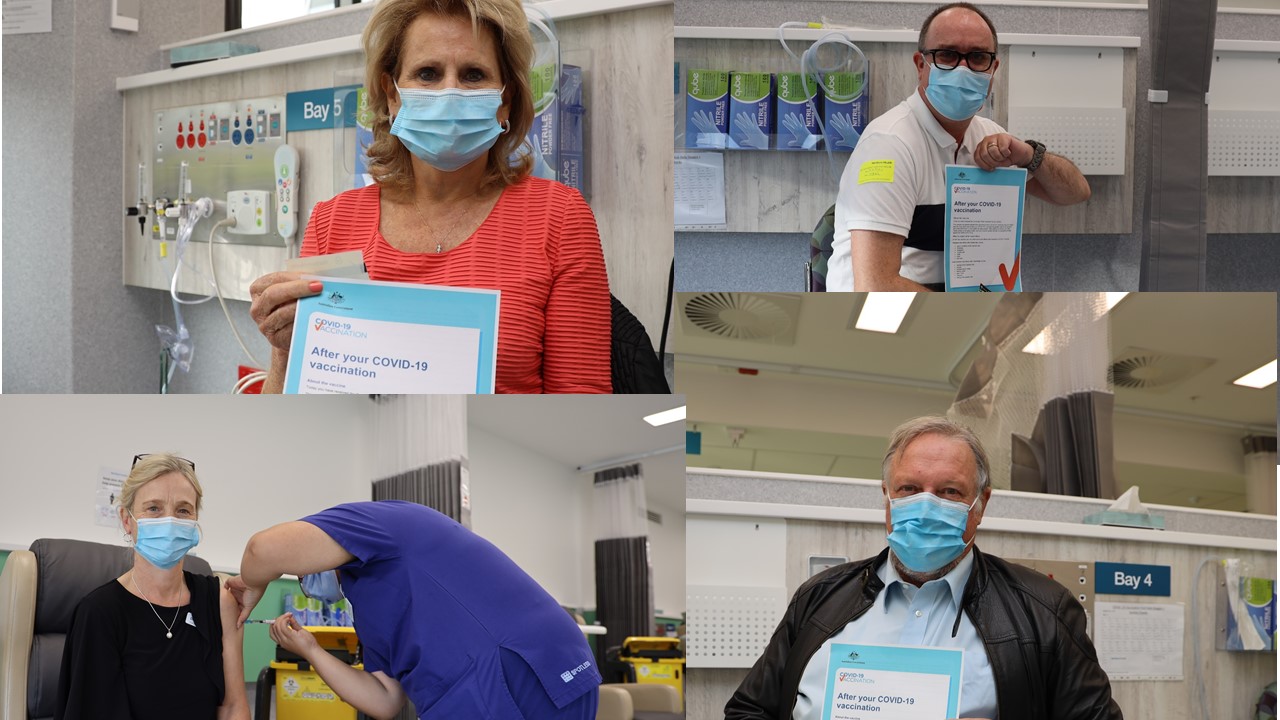
    Featured Image (clockwise from top left): Jennifer Williams AM, Dr Paul Howat, Peter McWilliam, Debra Bourne

  • Ward 18 a big fan of the Knitting Guild

    Ward 18 a big fan of the Knitting Guild

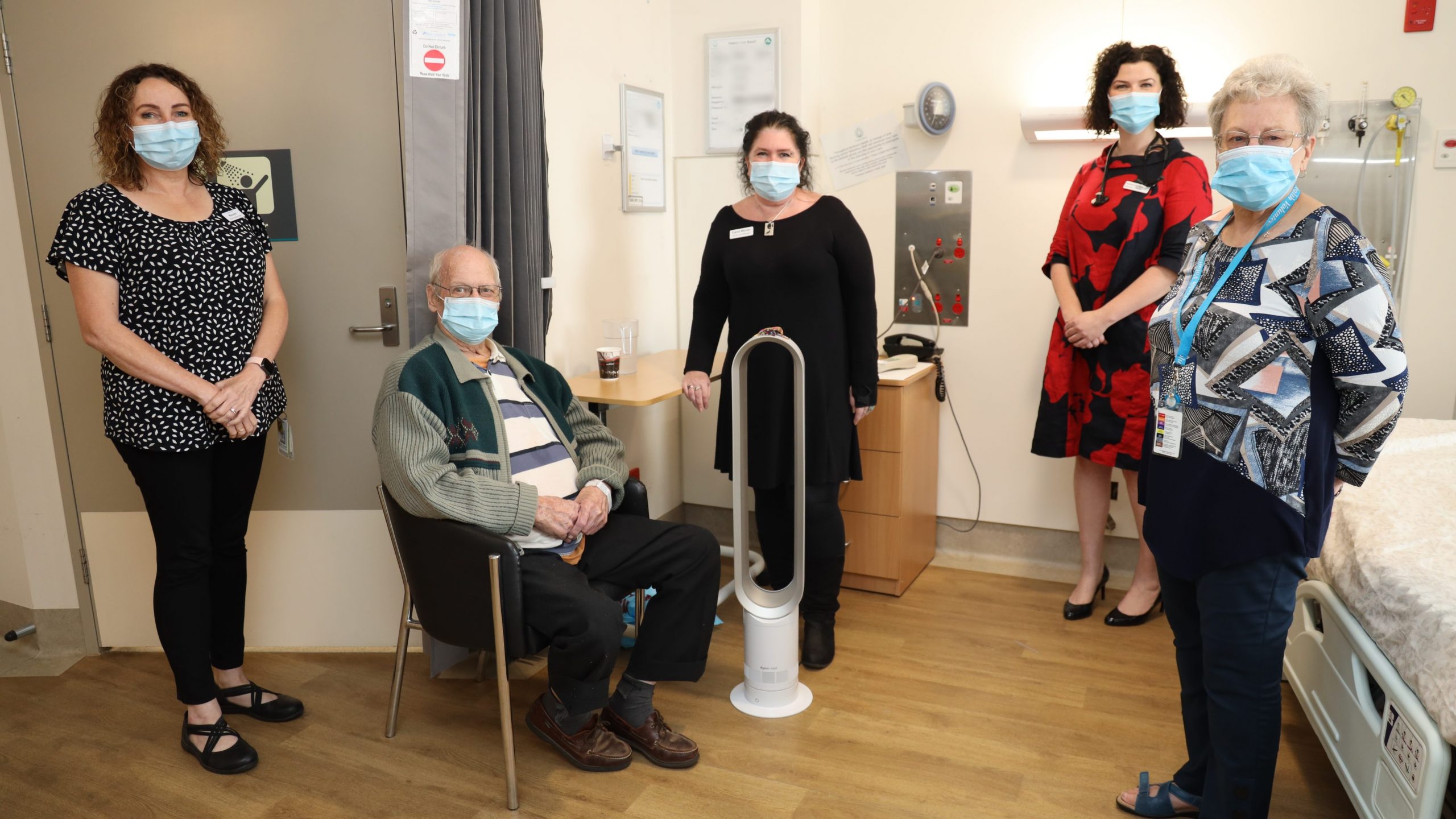
    Ward 18 was recently delighted to receive a generous donation from the Knitting Guild of four new bladeless Dyson fans to help patients experiencing breathlessness.

    The Northern Health Respiratory Department has over 1,200 patients admitted each year and a significant proportion of those patients have chronic respiratory disease, with the main symptom they have in their acute illness is breathlessness.

    Dr Katharine See, Director of Respiratory Medicine, explained how fans can help patients manage their breathlessness.

    “While we are waiting for treatments for the underlying cause of their deterioration to resolve, we really need to try and control their symptoms so that they are, firstly, comfortable, but also to reduce the amount of time they spend in bed or sitting in a chair de-conditioning,” Katharine said.

    There are drug treatments available for breathlessness but patients can sometimes feel quite anxious about using them – even in the safety of a hospital setting – so one of the most evidence-based, non-drug treatments for breathlessness is the use of fans.

    “There’s evidence for both the big fans and also handheld fans, and they help with that feeling of air hunger. When patients have air moving around them, it generally reduces their feeling of breathlessness,” Katharine explained.

    Pedestal fans with blades present an infection prevention risk as they are difficult to clean and dust can get caught in them, so bladeless fans are significantly more beneficial for patients.

    “We are incredibly grateful for the donation of the bladeless fans which also have an air filter, so they are reducing dust particles in the air, as well as being really easy to clean, and reducing that infection prevention risk, whilst also really helping patients manage their breathlessness,” Katharine explained.

    “The Knitting Guild donated four – they are very expensive, so without their generous donation, we just wouldn’t have been able to do that for our patients.”

    Maureen Goodwin, Respiratory Clinical Nurse Consultant, does a lot of work with patients for management of their breathlessness. She says the new fans can also help reduce anxiety associated with experiencing breathlessness.

    “The more breathless patients are, the more anxious they become, and so by having a fan blowing air on the face, it tricks the brain into thinking there’s plenty of air around and it naturally slows the breathing rate down. So the fans are a really natural way of controlling the breathing and reducing the anxiety and panic goes with that,” she explained.

    “They also give patients a sense of control in managing their symptom, and that’s really empowering for patients. We have four fans and they are almost constantly in use, so there’s definitely demand for them,” Katharine added.

    The Knitting Guild raise funds for Northern Health through their beautifully hand-made items that are available for sale in the Northern Health Foundation Office and Rainbow Shop at Northern Hospital.

    Featured Image (left to right): Maureen Goodwin, Respiratory Nurse Consultant; Patient, Ronald; Carol Winter, Ward 18 Nurse Unit Manager; Katharine See, Director of Respiratory Medicine and Jenny Carlson from the Knitting Guild

  • Standard 3 – What you need to know

    Standard 3 – What you need to know

    In the lead up to organisation wide Accreditation from 24-28 May 2021, each week Northern Health will be focusing on a different Standard. You will hear from the Chairs of each Standard Committee on what you need to know.

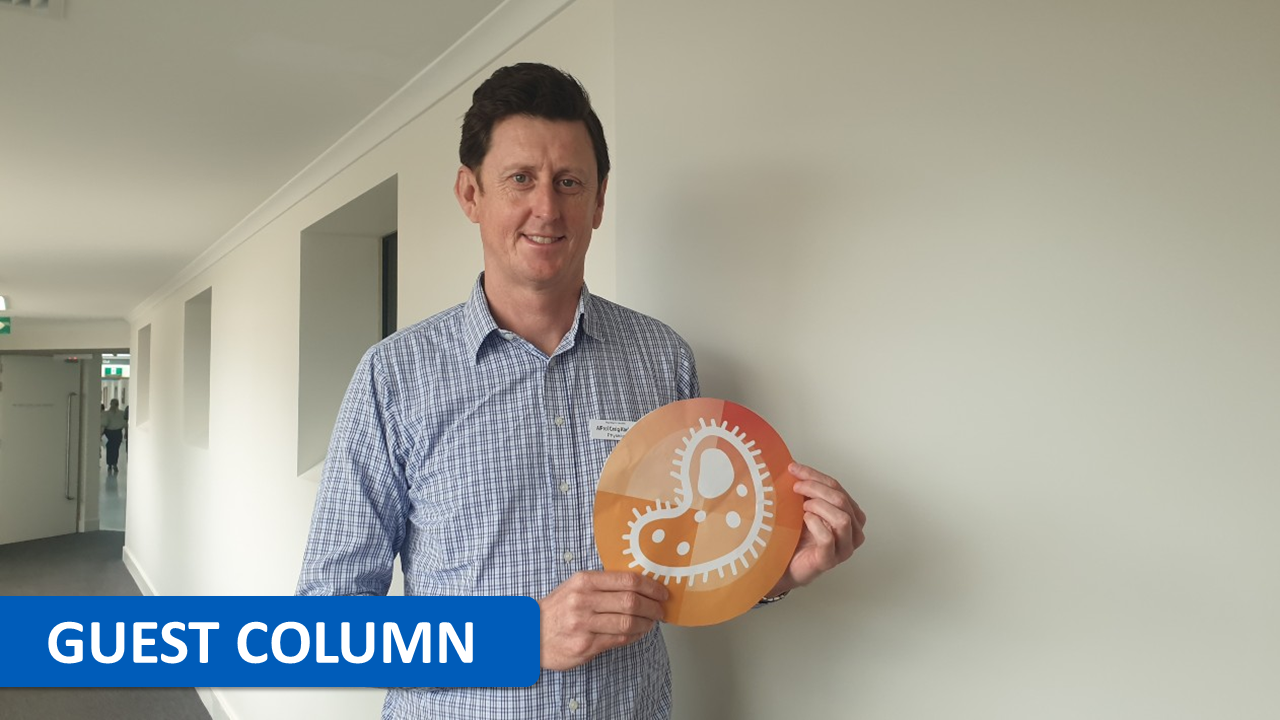
    This week we spoke to Associate Professor Craig Aboltins, Director Infectious Diseases about Standard 3: Preventing and Controlling Healthcare Associated Infections.

    Dr Aboltins explained Infection Prevention is a very broad and diverse standard that effects all disciplines, departments and levels of the organisation. Infection Prevention mechanisms are in place to ensure that patients and staff are kept safe throughout their time at Northern health .

    What is this standard about?

    Healthcare associated infections are the most common complication that impacts on our patients while they are in hospital.  It is our responsibility to work with patients to ensure our systems and procedures protect them because many hospital acquired complications (HACs) are preventable.

    At Northern Health, this standard looks like…. 

    Standard 3 has a dedicated Infection Prevention service who lead a variety of work that occurs across the health service, but it relies on every employee in the organisation to be aware of the importance of the work and follow evidence based practices to protect our patients.

    What are the top five ways staff can be prepared for Accreditation against this Standard?

    1. Ensure your immunisation status is up to date and if you have vaccinations outstanding in Cgov that you update your file.
    2. Complete your mandatory training – hand hygiene, PPE module and aseptic non-touch technique (ANTT)
    3. Antimicrobial stewardship is important – use evidence to engage your patients and ensure they understand their care. Champion antimicrobial stewardship for your patients.
    4. Be aware of quality activities in your area that have been undertaken to reduce risks for your patients.
    5. Ensure that you keep equipment and the patient environment clean.

    What are the top questions staff needs to be able to answer about this Standard?

    1. Why might your patient be at increased risk of infection?
    2. How do we identify risk of infection in patients?
    3. What infection prevention strategies are in place for all your patients?
    4. What might you consider when a patients develops an infection?
    5. How do you communicate information about preventing infection to your patients and their families?
    6. What quality activities have you been involved in to reduce infection in on your unit?
    7. What is your role in Antimicrobial stewardship?
    8. Do you know your immunisation status?
    9. How do we reduce the risk of COVID-19 in our healthcare service?

    Is there anything else you would like staff to know about this Standard?

    Standard 3 is part of your daily work.  Be aware of the principles of good hand hygiene, aseptic non-touch technique and cleaning between patients.

    Click here to learn more about Standard 3: Preventing and Controlling Healthcare Associated Infections.