• Northern Health Mental Health Unit welcomes patients

    Northern Health Mental Health Unit welcomes patients

    Today, Wednesday 16 August 2023, we officially welcome patients into the Northern Hospital Mental Health Unit.

    With 30 acute inpatient mental health beds and a contemporary and modern design, this building encompasses technologically enhanced sensory rooms and courtyards with in-built exercise equipment.

    The patient rooms and communal spaces are light, supportive and flexible so the changing needs of consumers can be accommodated to throughout their stay. Consumers will also have access to a range of shared internal spaces for social, therapeutic and recreational activities.

    “Following from the recommendations of the Royal Commission into Victoria’s Mental Health System, Northern Health became a designated mental health service on 1 July 2022. This new facility will allow us to implement a model of care that realises the vision of the Royal Commission,” said Belinda Scott, Executive Director, Mental Health.

    “It is fantastic to see the impact the input from our lived-experience consumers has had on the final result – this unit is a functional space for staff to work in and a comfortable environment for patients to recover in.”

    In February this year, Premier of Victoria, Daniel Andrews, and Minister for Mental Health, Gabrielle Williams, visited Northern Health to announce the completion of this new building.

    Yesterday, 15 August 2023, Northern Health hosted a Mental Health Open Day to celebrate the imminent first intake of patients.

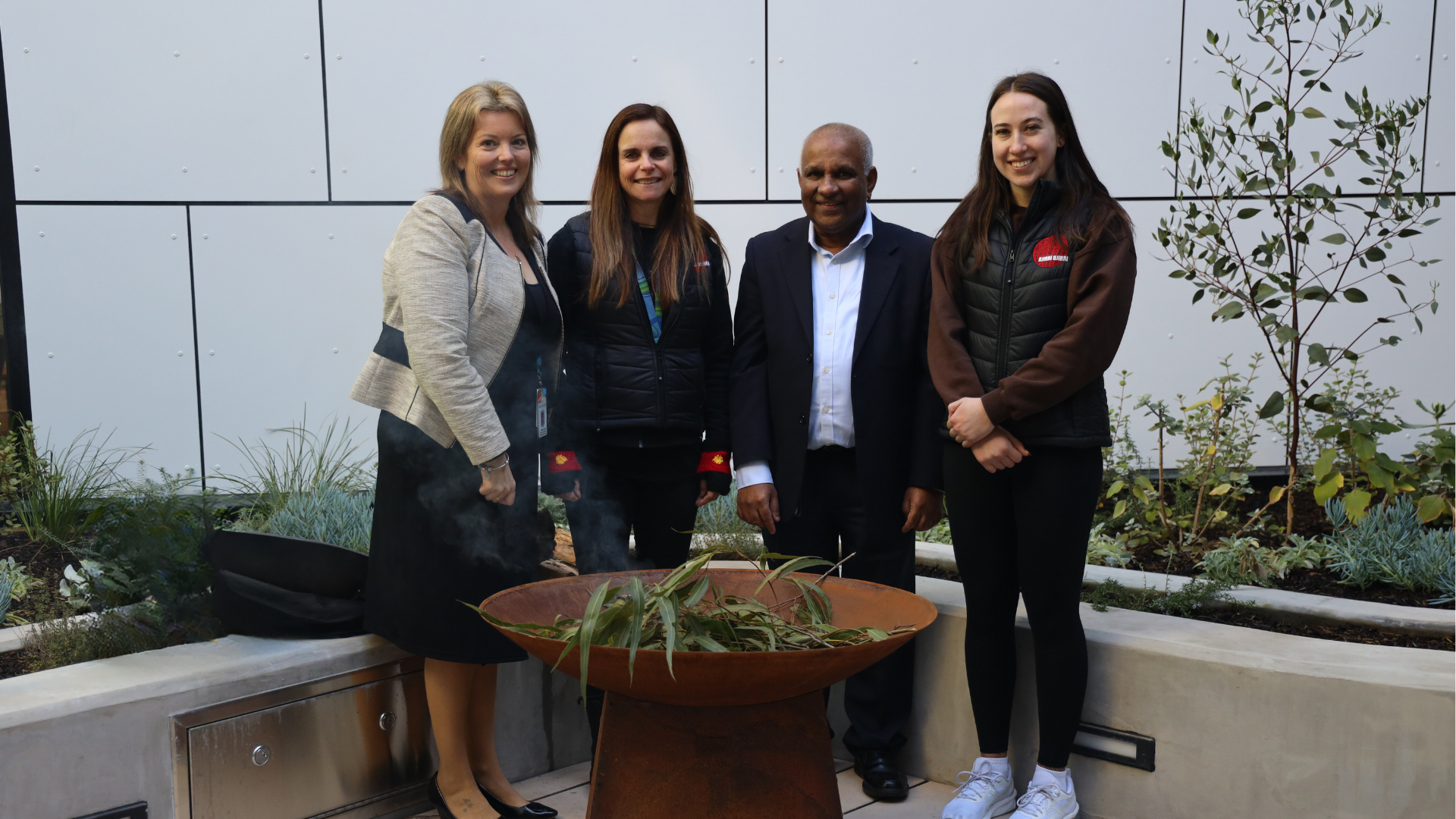
    The event included a traditional Welcome to Country and Smoking Ceremony, along with speeches from Executives and lived experience consumers and a performance from the Northern Health Community Choir.

    “This new facility will allow people in Melbourne’s growing northern suburbs to receive the support they need close to their homes, families and support networks,” said Siva Sivarajah, Chief Executive, Northern Health.

    “I am proud and pleased to see this facility open and filled with staff capable and committed to providing mental health patients with the support they need, close to their homes, families and support networks.”

    Featured image: Belinda Scott, Executive Director, Mental Health with Traditional Owner Mandy Nicholson, Siva Sivarajah, Chief Executive, and Kirra.

    Belinda Scott, Executive Director, Mental Health
    Traditional Owner Mandy Nicholson.
    Karen Bryant, Senior Aboriginal Liaison Officer, and Siva Sivarajah, Chief Executive.
    Northern Health Community Choir.
    Northern Health staff participating in the Smoking Ceremony.


  • We are Northern: This is the Referral and Intake team

    We are Northern: This is the Referral and Intake team

    The Outpatient services at Northern Health are vital in providing and accessing timely healthcare for the community in the north.

    The Referral and Intake team, which is based at the Northern Hospital Epping, is one of the busiest components of the Outpatient division.

    The team receive approximately 15,000 referrals per month across 34 specialties. It consists of 15 staff who are all committed to providing excellent patient care while ensuring all referrals are processed in an effective and timely manner. The team takes pride in their work and the important role they play in patients accessing healthcare services.

    Kelly Luca, Administrating Manager says, “The Referral and Intake team is a dedicated team of administration officers who work tirelessly to ensure our consumers have access to specialist services in a timely manner. Their unwavering commitment to accuracy, efficiency, and attention to detail is significant in providing the community access to our services.”

    The team is responsible for performing numerous duties, including:

    • Capturing patient demographics and data integrity
    • Processing referrals (both internal and external)
    • Assigning referrals to specialities
    • Registering referrals from referral manager to iPM
    • Requesting further information from referring consultants
    • Processing correspondence with referring clinicians and patients
    • Booking new patient appointments
    • Corresponding with patient enquires
    • Monitoring and processing referrals in line with the Department of Health specialist clinics access policy.

    Bonnie Ferguson, Outpatients Transformation Lead says, “The Referrals and Intake team are the behind-the-scenes workforce that has a vital role and impact in the everyday functions of the Outpatients Services Division. Over the last few years, a number of new innovations and initiatives have been brought in to improve processes, reduce paper-based referrals and improve patient safety. The Referral and Intake team has taken on these new systems without hesitation and embraced the improvements. We are all so proud of our hard-working team and know that we all play a vital role in patients accessing Northern Health’s Outpatient services.”

    The team has a great deal of knowledge and skills to facilitate and assist in providing patients with timely correspondence and access to healthcare, aiming for safe, kind and trusted patient care, during their journey through the healthcare system.

    Christine Millson, Administration Officer says, “Over the past nine years, it has been a pleasure working with such a dynamic team who are passionate and dedicated to providing the best patient care.”

    Ashleigh Stefanakis, Team Leader, Referral and Intake team, says the team play a fundamental role in ensuring patients have a seamless experience at Northern Health.

    “I am truly lucky to work with such great people.”

    Thank you to the Referral and Intake team for all that you do!

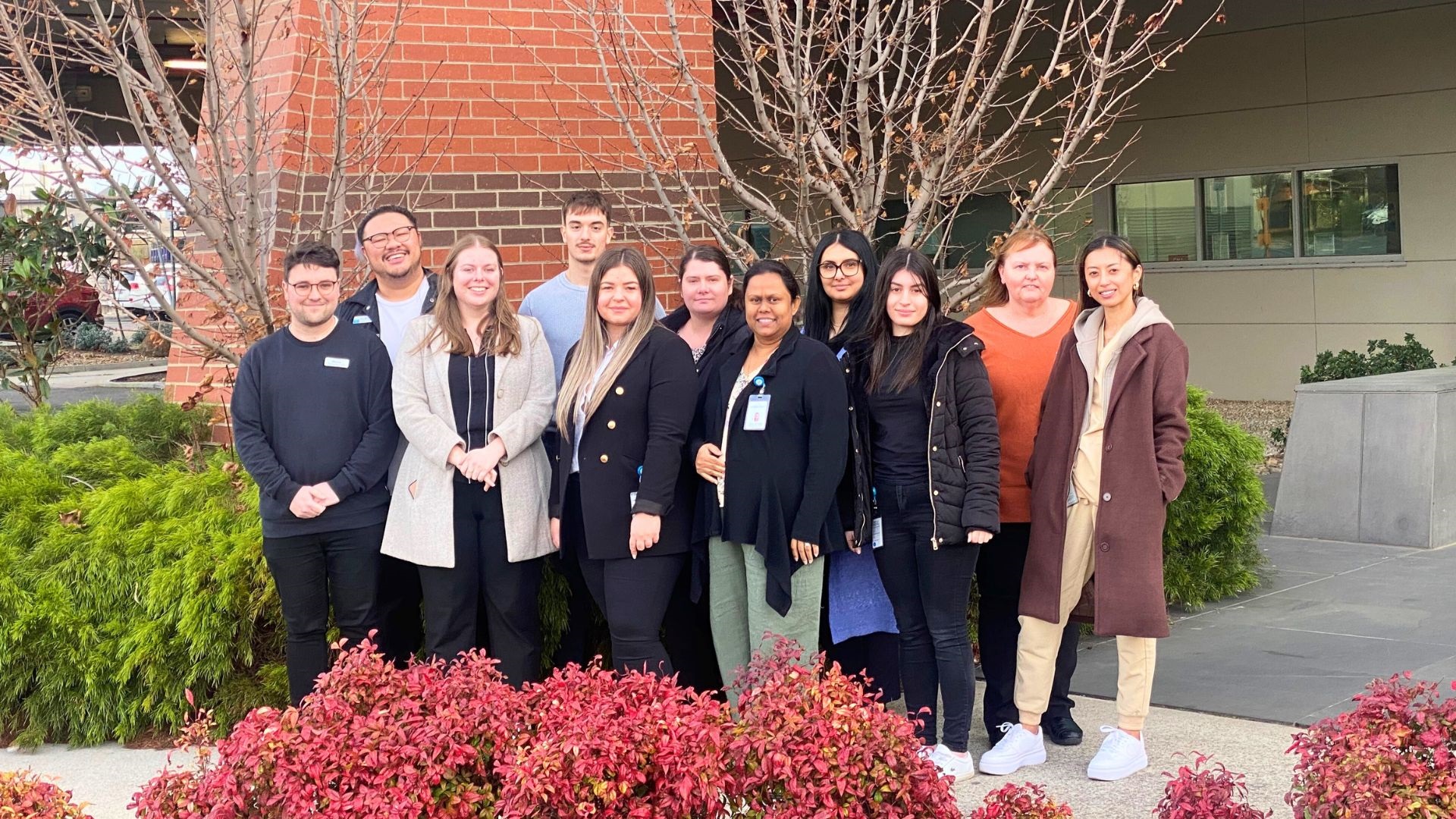
    Pictured in featured image (L-R): Ritchie Caruso, Kevin Tom, Taylah Beer, Marko Dimoski, Ashleigh Stefanakis, Kristina Belevski, Disha Senayaka, Nahid Wardak, Gabby Alexander, Avril Everson, Rachelle Gumabon.

  • Eye-opener into the Ophthalmology and Orthoptic departments

    Eye-opener into the Ophthalmology and Orthoptic departments

    The Northern Health Ophthalmology and Orthoptic departments have expanded to full-time to cater for an increase in referral demands.

    Based at Broadmeadows Hospital, the Ophthalmology department provides specialists ophthalmology care to patients in the northern catchment. It can provide assessment, diagnosis, prevention, medical and surgical management of various eye conditions in adults.

    The main ophthalmology surgical procedures performed at Broadmeadows Hospital are cataracts, pterygia and minor lid surgeries. The department was originally open three days a week, and in August last year, moved to a full-time service from Monday to Friday.

    Lilian Akimana, Associate Nurse Unit Manager Clinic Lead, Ophthalmology Department, said the expansion was due to an increase in referrals, and a long waitlist due to reduced face-to-face appointments brought on by the COVID-19 pandemic.

    “We have a growing and ageing population, and our services need to be accessible to address the needs of the patients in a timely fashion,” she said.

    “Since our expansion to full time, we have now been able to reduce our waitlist to a very manageable timeframe. Patients can be seen and treated earlier and most importantly, in their local area, reducing the need for these patients to travel far.”

    “This is the best outcome for patient experience and satisfaction overall.”

    The Ophthalmology Department is staffed by a very dynamic multidisciplinary team made up of ophthalmologists, orthoptists, nursing and administrative staff, who all worked together to provide holistic care to patients.

    Gary Campbell, Mill Park resident and recent Northern Health patient, underwent right and left cataracts surgery. Gary said he couldn’t speak highly enough of the service he received.

    “I have not had one bad experience. The staff treated me perfectly. No complains whatsoever, couldn’t have been at a better facility. I was treated with the best care here,” he said.

    Also based at Broadmeadows Hospital is the Orthoptic department. Ophthalmology and Orthoptics work collaboratively in investigating and managing diseases of the eye.

    “An orthoptist is primarily responsible for all preliminary assessments of every patient prior to seeing the Ophthalmologist,” said Zeina Dayoub, Senior Orthoptist.

    “To perform these investigations, orthoptists are highly trained in using specialised technology to detect and measure the progression of eye disease – these include instruments such as ultrasonography machines (A-Scans and Pachymeters), tomographers (Ocular Coherence Tomographer), retinal cameras and visual fields.”

    “With respect to cataract patients, orthoptists are involved in undertaking a number of peri-operative investigations to determine the patient’s potential vision, surgical requirements including optical lens to be inserted in the eye during surgery and assessing the post-operative vision and outcome.”

    Orthoptics also recently extended their hours to fulltime, Monday to Friday, which has greatly improved patient throughput. On average, the department sees 20 to 40 patients per day, depending on the clinic. The department is composed of seven orthoptists managed by Kym Patterson, Associate Director of Speech Pathology, Audiology and Orthoptics.

    “Patients now receive a prompt, and accessible service, which has not only benefited patients, but also boosted staff morale. The extension of hours has greatly improved patient throughput,” Zeina said.

    Orthoptic lead services currently provided are cataract assessment clinics, visual fields testing and A-Scan Clinic. Orthoptists are also involved in an epidemiological study led by the Baker Heart and Diabetes institute together with Northern Health which looks at ways of identifying people with type 2 diabetes who are at risk of developing diabetic complications, in this instance, diabetic retinopathy.

    The department accepts referrals from Optometrists, internal and external providers as well as GPs.

    It is essential that the current vision and/or ocular and medical history is included in the referral to enable accurate triage. Referral can be made via Health Direct Fax to (03) 84058616. For internal referrals, via CPF.

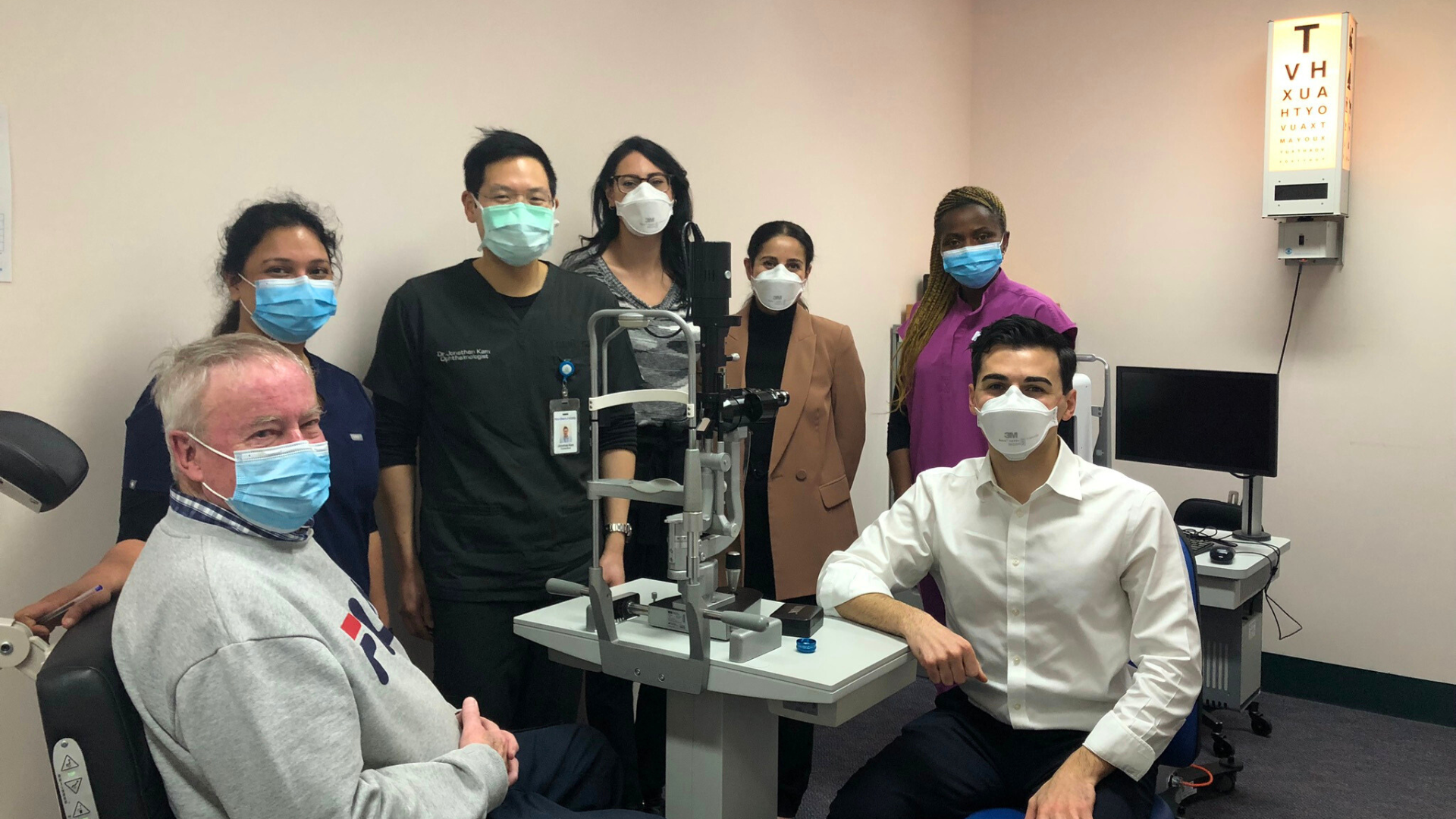
    Featured image: Gary Campbell, far left with Ophthalmology and Orthoptic teams at Broadmeadows Hospital.

  • Get to know: Daniel Crompton

    Get to know: Daniel Crompton

    #WeAreNorthern

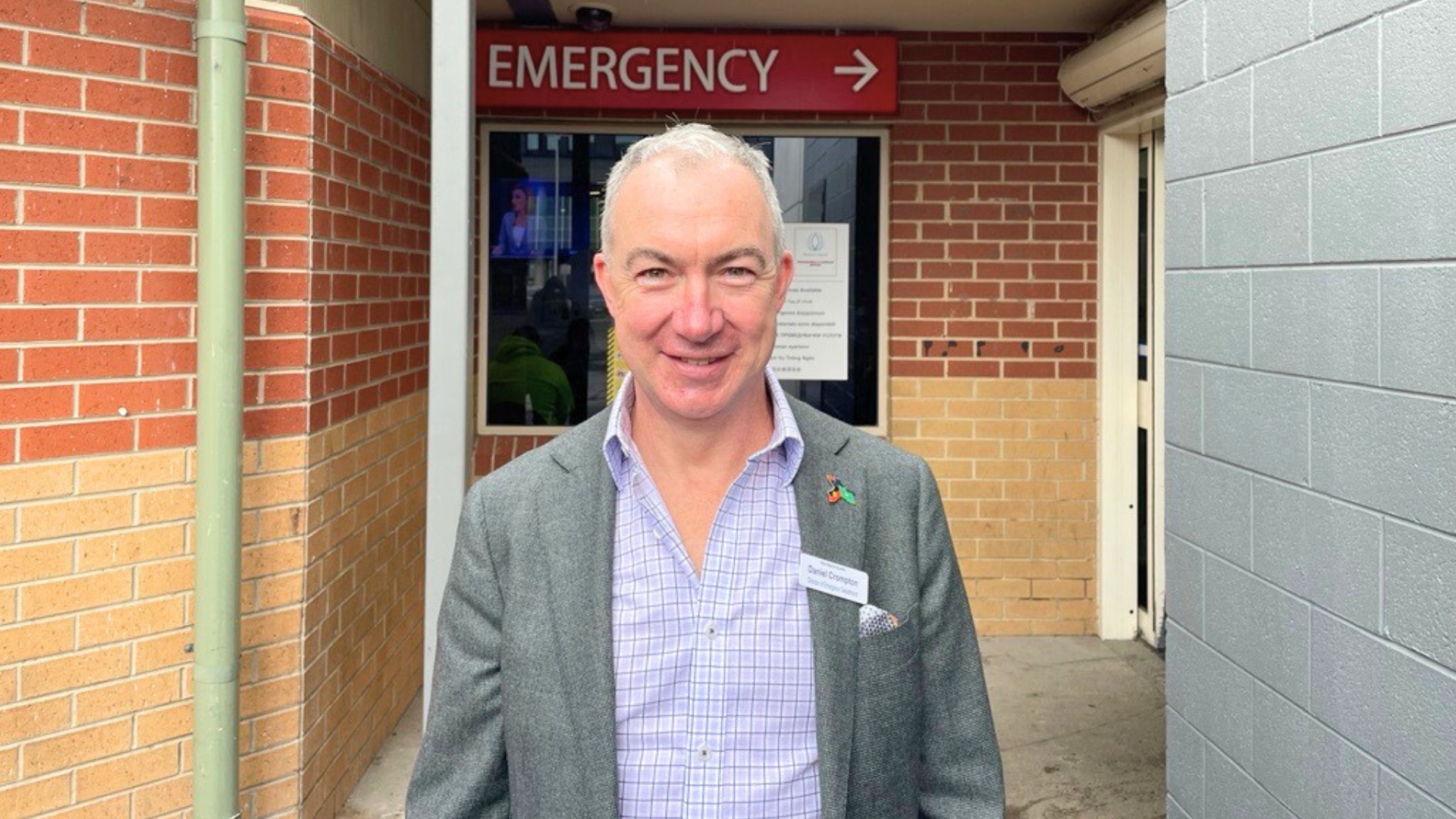
    Meet Dr Daniel Crompton, Director of Emergency Services, Northern Hospital Epping.

    Q: Tell us about your new role at Northern Health?

    A: I’m a Director of the Emergency Department (ED), responsible for service delivery and governance of the ED at Northern Hospital Epping and following the expansion of services at the Craigieburn and Whittlesea Urgent Care Centres. Essentially, I provide support to the extremely hard-working ED staff to do their job to look after our patients.

    Q: What was your first job?

    A: My first job was a newspaper round to pay for my first ski trip aged 13. I was born and grew up in the UK and the trip was to Aviemore in Scotland – my main recollections were that it was very windy and cold and not great skiing.

    Q: What is your proudest accomplishment?

    A: I have worked as a doctor in the UK, NZ and now Australia. In addition to working as an emergency specialist, I have worked for Adult Retrieval Victoria for 12 years as a retrieval specialist. My most recent role was as the Director of Emergency Services for Bass Coast Health, responsible for a small rural ED in Wonthaggi and an Urgent Care Centre in Cowes, Phillip Island. This role taught me the importance of a health service to its community and the need always to do our best because we are likely treating one of our community’s family or friend. The team here are dynamic, hard-working and friendly. I hope to bring the best of emergency medicine to our community and support my team to do their best every day.

    Q: How would you describe Northern Health?

    A: Safe, kind and together. I have witnessed that you all live these values and find it truly inspiring.

    Q: Favourite childhood memory?

    A: Learning how to ski. In the UK we would ski on ‘dry’ ski slopes – weird but true.

  • Vascular Surgery Unit first to use the INARI ClotTReiver on east coast

    Vascular Surgery Unit first to use the INARI ClotTReiver on east coast

    Northern Health’s Vascular Surgery Unit, led by Mr Iman Bayat, Clinical Lead for Complex Venous Service, is the first vascular team on the east coast of Australia to use an innovative new device to perform deep venous thrombus (DVT) removal in a patient.

    Mr Bayat says he is delighted by the outcome and has been closely following the new technology that uses the INARI ClotTreiver device in international literature for the past two years.

    “I am pleased to announce that this was the first use of this technology on the east coast of Australia, with the first one performed in Perth. This device is a great tool that we now have in the Vascular Surgery Unit at Northern Health, and it will benefit many patients in the future,” he said.

    The INARI ClotTreiver device was approved by the Therapeutic Goods Administration (TGA) in late 2022 and is an over-the-wire system designed to capture and remove large clot burden from veins, treat in a single session, eliminate the need for thrombolytics and eliminate extended stays in the Intensive Care Unit (ICU).

    Mr Aman Pillay was the patient at Northern Health who was treated for DVT with the new device.

    In March 2023, Mr Pillay presented with an extensive Iliofemoral DVT case. He suffered symptoms such as severe swelling, pain in the left groin and difficulty walking. Initially he opted for conservative management, however after discharge, his symptoms worsened, and he was readmitted two days later.

    Following his readmission, Mr Pillay’s case was reviewed by Northern Health’s New Technology Committee, and the Vascular Surgery Unit team offered Mr Pillay treatment using the new technology, and in turn, successfully removed the thrombus later that month.

    “The large thrombus was successfully removed by using the new device and without the use of thrombolytic medication, reducing the risk of severe bleeding. The surgery was completed in a single procedure, being the second advantage of this new technology. This technology allows us to remove large central clots up to several weeks old, which was much more difficult to achieve with our previous tools,” said Mr Bayat.

    Mr Pillay said he opted for the new technology because it was more advanced and carried less risks compared to the other more traditional clot removal procedures.

    “The pain I was having in my groin area was immediately gone after the procedure. I was able to walk, limp free, three to four days after the surgery. I saw my surgeon two weeks after the procedure and by that time, my leg returned to its normal size, I had no pain or discomfort and I felt back to normal,” said Mr Pillay.

    The Vascular Surgery Unit has since performed the same procedure on two more Northern Health patients with large clots in the central abdominal veins and the subclavian vein. The use of the INARI ClotTreiver device for removal of a large clot in the subclavian vein was the first use of the device for this particular indication in Australia.

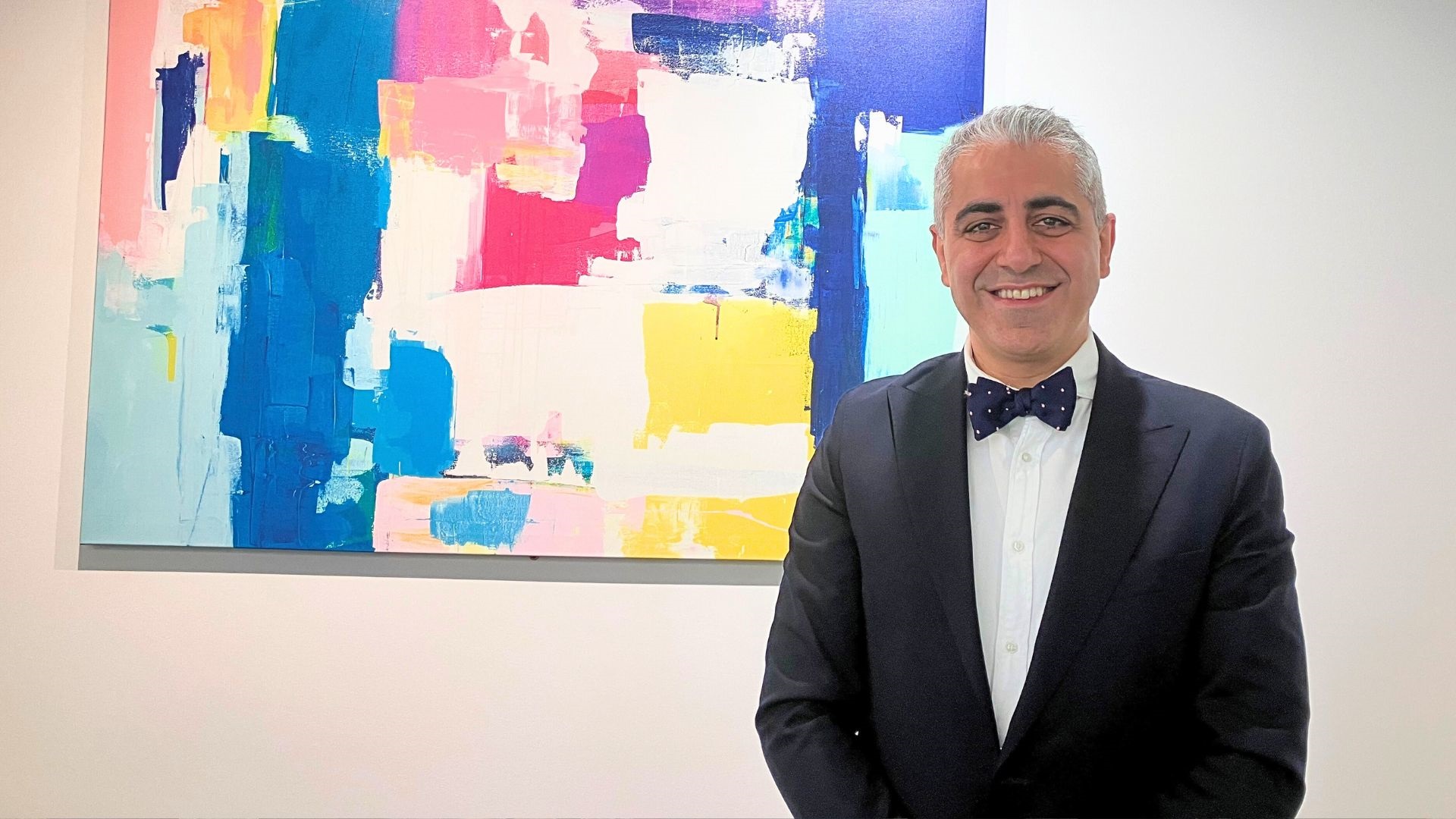
    Pictured in featured image: Mr Iman Bayat, Clinical Lead for Complex Venous Service. 

  • Northern Health and Kilmore District Health Boards approve potential merger proposal

    Northern Health and Kilmore District Health Boards approve potential merger proposal

    Over the past few months, Kilmore District Health and Northern Health have worked together to explore the potential benefits of a better connected health service.

    After extensive consultation with staff and the community, the boards of the two health services have endorsed a proposal to formally merge to create a new health service for the northern catchment areas under the Northern Health umbrella. The proposal was supported by a comprehensive business case that assessed the options for voluntary amalgamation.

    While the consultation and business case process has taken place independent of government, in accordance with the Health Services Act 1988, the proposal has now been referred to the Secretary of the Department of Health and the Minister for Health for consideration and approval.

    Under the proposed new structure, each health service will continue to care for their local communities while exploring new ways of sharing resources, increasing access to specialist services and enhancing career opportunities for staff.

    If the proposal is approved by the Minister for Health, Kilmore District Health and Northern Health will work with staff to develop an integrated Strategic Plan and Clinical Service Plan with a shared vision for a sustainable model of care to benefit the northern community well into the future.

    For further information and updated FAQs please visit Better Connected Care.

  • Fighting stroke together

    Fighting stroke together

    This week is National Stroke Week – an annual event to encourage the community to fight stroke together.

    Fighting stroke together aims to bring people together to share knowledge, support and resources to help prevent strokes from occurring and to aid in the recovery process for those who’ve experienced a stroke.

    A stroke happens when blood supply to the brain is interrupted. Blood is carried to the brain by blood vessels called arteries. Blood also contains oxygen and important nutrients for brain cells. Blood may be interrupted or stop moving through an artery because the artery is blocked (ischaemic stroke) or bursts (haemorrhagic stroke). When brain cells do not get enough oxygen or nutrients they die.

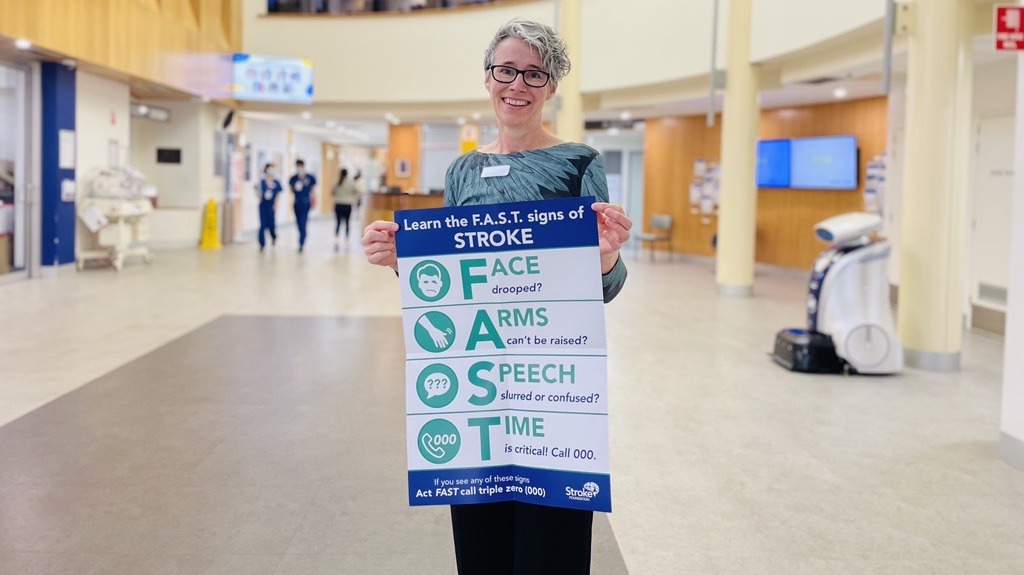
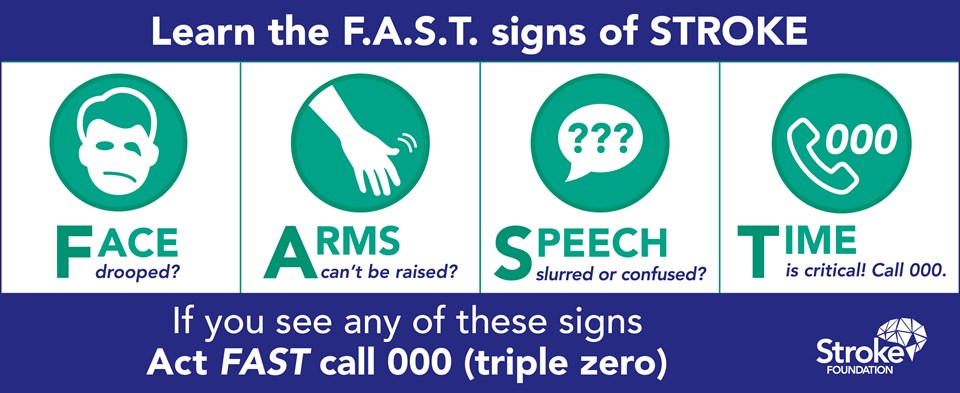
    In the event of a stroke, everyone is urged to become familiar with the ‘F.A.S.T.’ signs of a stroke.

    • Face – Has the face drooped?
    • Arms – Can arms be raised?
    • Speech – Is speech slurred or confused?
    • Time – Time is critical – call Triple Zero (000) urgently.

    According to the Stroke Foundation, an Australian will have a stroke every 19 minutes. More than 445,000 Australians are living with the effects of stroke, while regional Australians are 17 per cent more likely to suffer a stroke than those living in metropolitan areas.

    Smoking, high cholesterol levels, poor diet, lack of exercise and high blood pressure are among the lifestyle factors that can contribute to a stroke. Liz Mackey, Stroke Nurse Practitioner at Northern Health, said while factors such as age, gender and family history cannot be controlled, basic lifestyle changes can help to prevent a stroke.

    “There is no time to waste. We urge you to stop reaching for the salt or sugary drinks. Walk an extra block to work or take the stairs instead of the lift. These small steps can go a long way to reducing your stroke risk,” she said.

    Northern Health has a large specialist multidisciplinary stroke team. At Northern Hospital Epping, there is an Acute Stroke Unit on Ward 21, with a Stroke High Dependency Unit that can provide lifesaving stroke treatment with ‘Clot Buster’ medication.

    “We have a specialised rehabilitation service that offers intensive stroke specific rehabilitation – both inpatient and with the Early Stroke Discharge program, and outpatient clinics, therapy and services,” Liz said.

    “Our patients have access to education for stroke risk reduction.”

    During the week, blood pressure checks will be offered to staff at Northern Hospital Epping foyer, 1.30 pm to 2. 30 pm, until Friday, 11 August.

    “We’d love to meet with you to talk about stroke and stroke risk reduction or come along to see the display for fighting stroke together,” Liz said.

    Featured image: Liz Mackey, Stroke Nurse Practitioner.

    Broadmeadows Hospital Stroke Week display and Early Stroke Discharge team members

  • Guiding analgesic use among patients

    Guiding analgesic use among patients

    Northern Health recently created a pilot program with Safe Care Victoria (SCV) focusing on analgesic stewardship across Northern Hosptial Epping.

    The program is led by SCV and Alfred Health and involved six health services, including Northern Health, to develop strategies within each organisation to guide and review opioid and other analgesic use, and ultimately improve acute pain management and reduce avoidable medication-related harm.

    Since the launch almost 18 months ago, Northern Health was successful in obtaining funding for full-time Analgesic Stewardship (AGS) Pharmacist, Joyce Anthony.

    Joyce commenced in her role in February 2023, and has been involved in developing protocols and procedures, monitoring prescribing trends, and educating on analgesic use within the health service. Joyce works on a referral basis to review patients with complex pain needs and who may be on high/multiple opioid use. She is also part of the Acute Pain Services (APS) team.

    An Analgesic Stewardship Committee, consisting of representatives across Pharmacy, Quality, Emergency, Surgical, Medical, Palliative Care and APS, meets monthly to review analgesic-related incidences, discuss new therapies, education packages and strategies to address current gaps to meeting the Australian Commission on Safety and Quality in Health Care’s (ACSQHC) Opioid Analgesic Stewardship in Acute Pain Clinical Care Standard.

    “Our Analgesic Stewardship Committee and Pharmacy department have collectively learned an enormous amount from the program content provided by SCV and Alfred Health, and from the experiences of the other participating health organisations,” Joyce said.

    “Importantly, we have identified that lasting changes requires a hands-on, coordinated approach with strong multidisciplinary collaboration.”

    The Analgesic Stewardship Committee’s biggest challenge so far has been guiding long-lasting practice changes in terms opioid and analgesia prescribing across Northern Health, especially with the constant expansion of our services and new staff joining our organisation.

    “We have a very knowledgeable and committed team however who are up to the task,” Joyce said,

    Looking to the future, the Analgesic Stewardship Committee is keen to build on the learnings provided from the initial analgesic pilot program, and improve analgesic education, governance and safety across Northern Health.

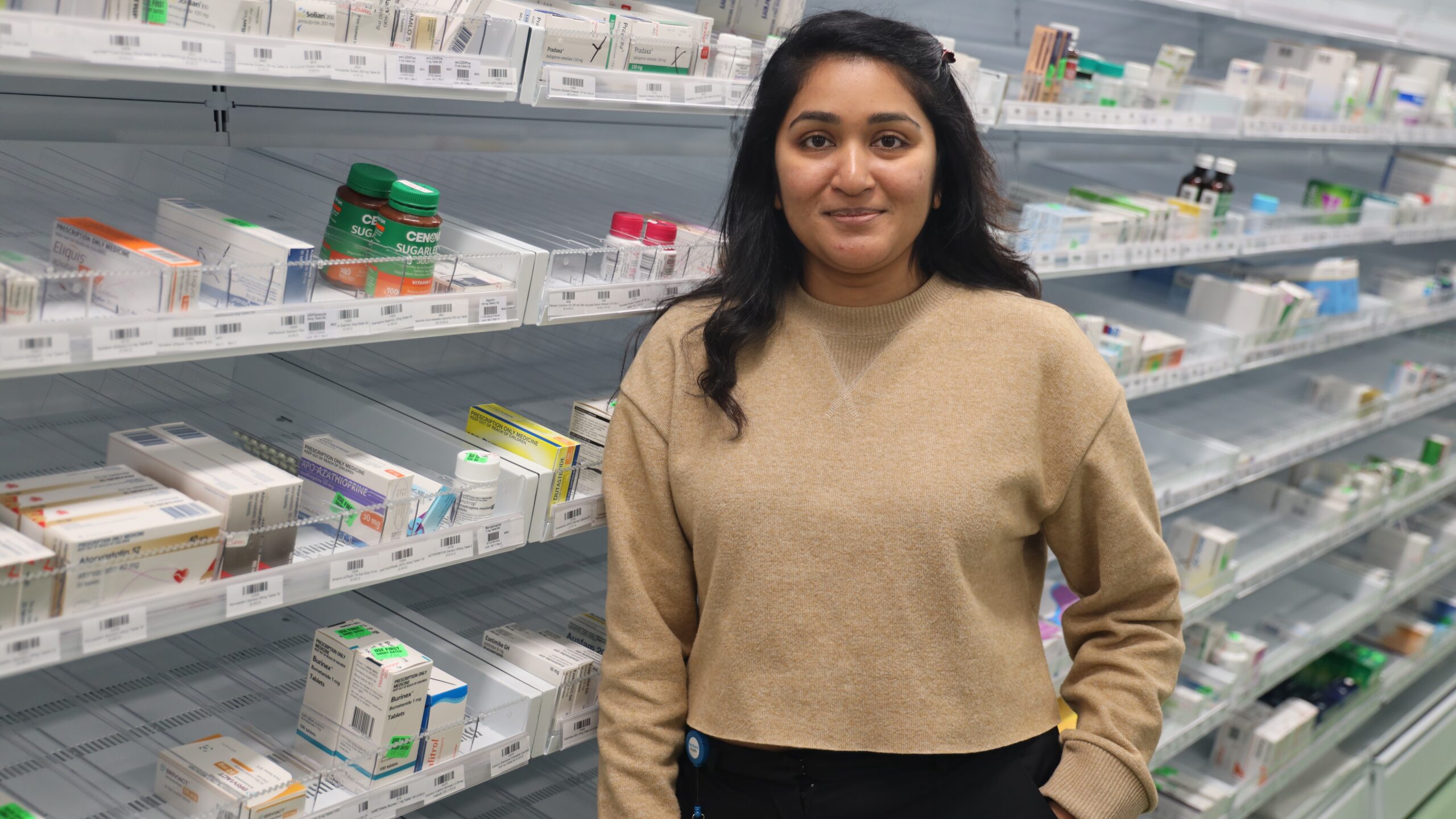
    Featured image: Joyce Anthony, Analgesic Stewardship Pharmacist/Team Lead.