• We’re here to hear: R U OK? Day

    We’re here to hear: R U OK? Day

    On R U OK? Day, and every day, Northern Health is committed to supporting the psychological health and wellbeing of all our staff.

    Today is R U OK? Day, a national day of action to remind everyone that every day is the day to ask ‘R U OK?’ and to start a meaningful conversations whenever they spot the signs that someone might be struggling.

    The theme of ‘I’m here to hear’ encourages us all to not only ask ‘R U OK?’ but to genuinely listen and to make sure you are giving your mate, colleague, family member or loved one the right environment to open up when times may get tough.

    Michelle Fenwick, Executive Director, People and Culture, expressed the importance of being here to hear.

    “This year, R U OK? Day is a really special day, especially given the last three to four years we have had, not just here at Northern Health, but across the country, and the world,” she said.

    “We are actually here to hear for this R U OK? Day. We are not just going to say the words, we are actually going to hear the response.”

    “So take the time to ask the question and sit down with either family, colleagues and alike, to really be here to hear the response.”

    Casey O’Brien, Senior Psychologist, People and Culture, said supportive conversations were important in maintaining the wellbeing of the people around us.

    “Remember that there are many ways we can support each other. You don’t need to have counselling skills or training to have a powerful impact on someone’s day,” she said.

    “Kindness and support can come from a corridor check-in, sitting in silence together after a difficult event, or checking in on a colleague who has been having a hard time at home.”

    Here at Northern Health, multiple support systems, programs and initiatives are in place to support our staff and community.

    The Northern Health Peer Support Program was established in July 2022. The program is celebrating its first successful year of staff supporting staff with brief, practical and emotional support.

    Trained and compassionate Northern Health peer supporters work alongside staff in need of a chat, guidance or support. Our peer supporters have assisted staff with a range of concerns including ongoing stress, career and family concerns and work-life balance.

    Staff can also access the Northern Health Employee Assistance Program (EAP) – a professional, counselling service that offers free and confidential, short-term support for a variety of work-related and personal concerns that may be affecting staff at work or home. The EAP provides access to qualified professionals, including psychologists, social workers and management coaches.

    “The Peer Support Program is driven by our values of safe, kind and together,” Casey said.

    “Along with our EAP Program, the Peer Support Program provides another avenue of confidential support for staff with work or personal concerns, and connection to resources. Our peer supporters come from diverse backgrounds, are easy to access, and understand what it is like to work at Northern Health. They are here to hear when you need them.”

    Beyond the Peer Support Program and EAP, there are many staff who are like-minded and passionate about mental health. This year, we had over 100 staff, including Executives and senior leaders, participate in Mental Health First Aid training.

    This accreditation provides staff with more confidence in creating those supportive R U OK? conversations, and providing safe pathways for intervention. These skills also help us to support our friends and family members who are going through difficult times or crises – these are lifelong skills that also help us reflect on our own wellbeing.

    If today is a difficult day for you, or you are needing support, we encourage you to reach out to one of our Northern Health Peer Supporters or Northern Health’s free Employee Assistance Program.

    To find out more about R U OK? Day and resources available to staff, please visit the Intranet. Click here to watch Northern Health staff talk about the importance of R U OK? Day and being here to hear.

    Remember, every day is the day ask, ‘are you OK?’.

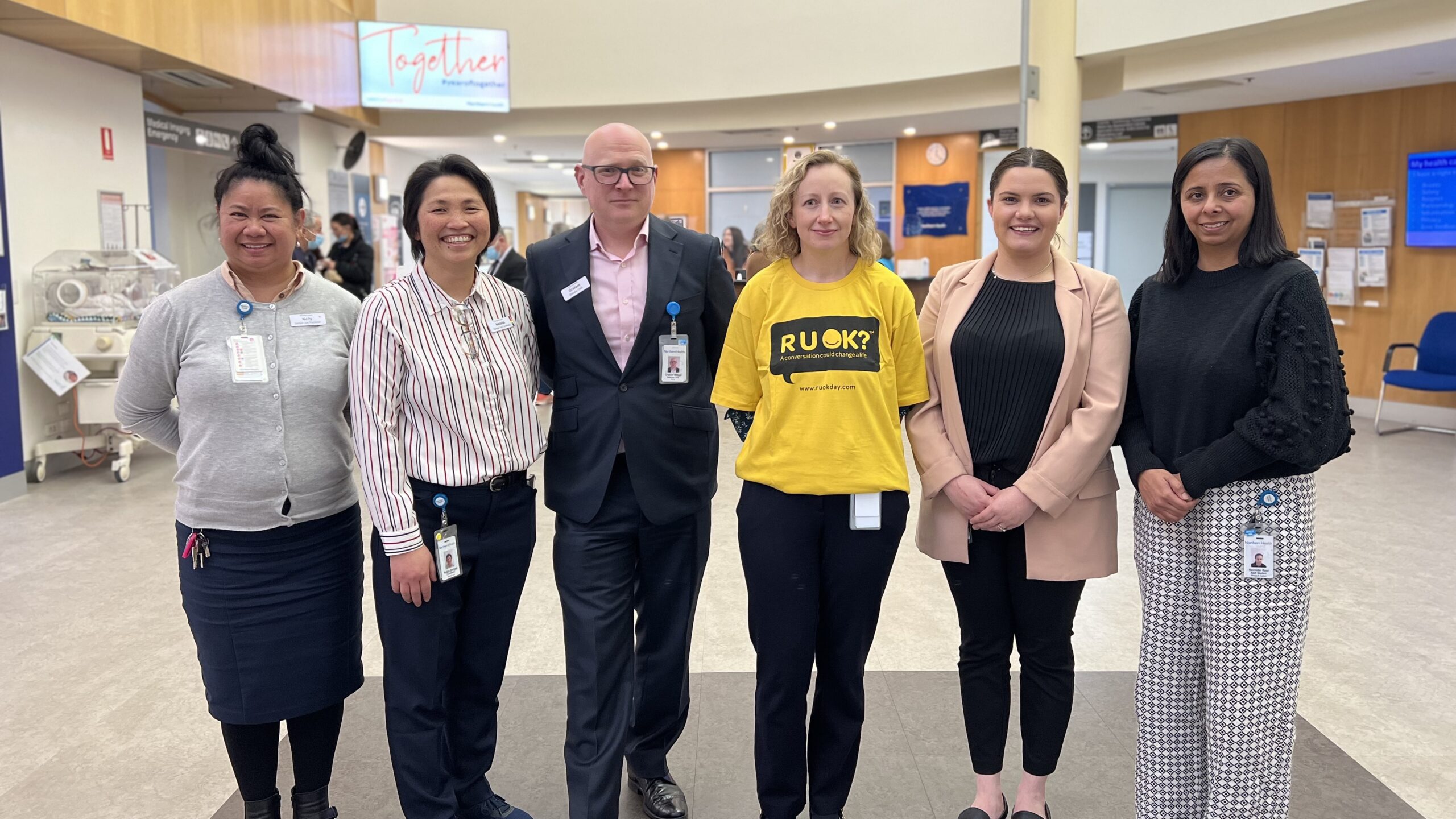
    Featured image: Kelly Pinto, Spiritual Carer, Natalia Dewiyani, Spiritual Care Coordinator, Graham Wilson, OHS Director, Casey O’Brien, Senior Psychologist, People and Culture, Alysha Hooper, People Experience Business Partner, People & Culture and Ravinder Kaur, AGA Student, People and Culture.
  • Donation that warms both milk and hearts

    Donation that warms both milk and hearts

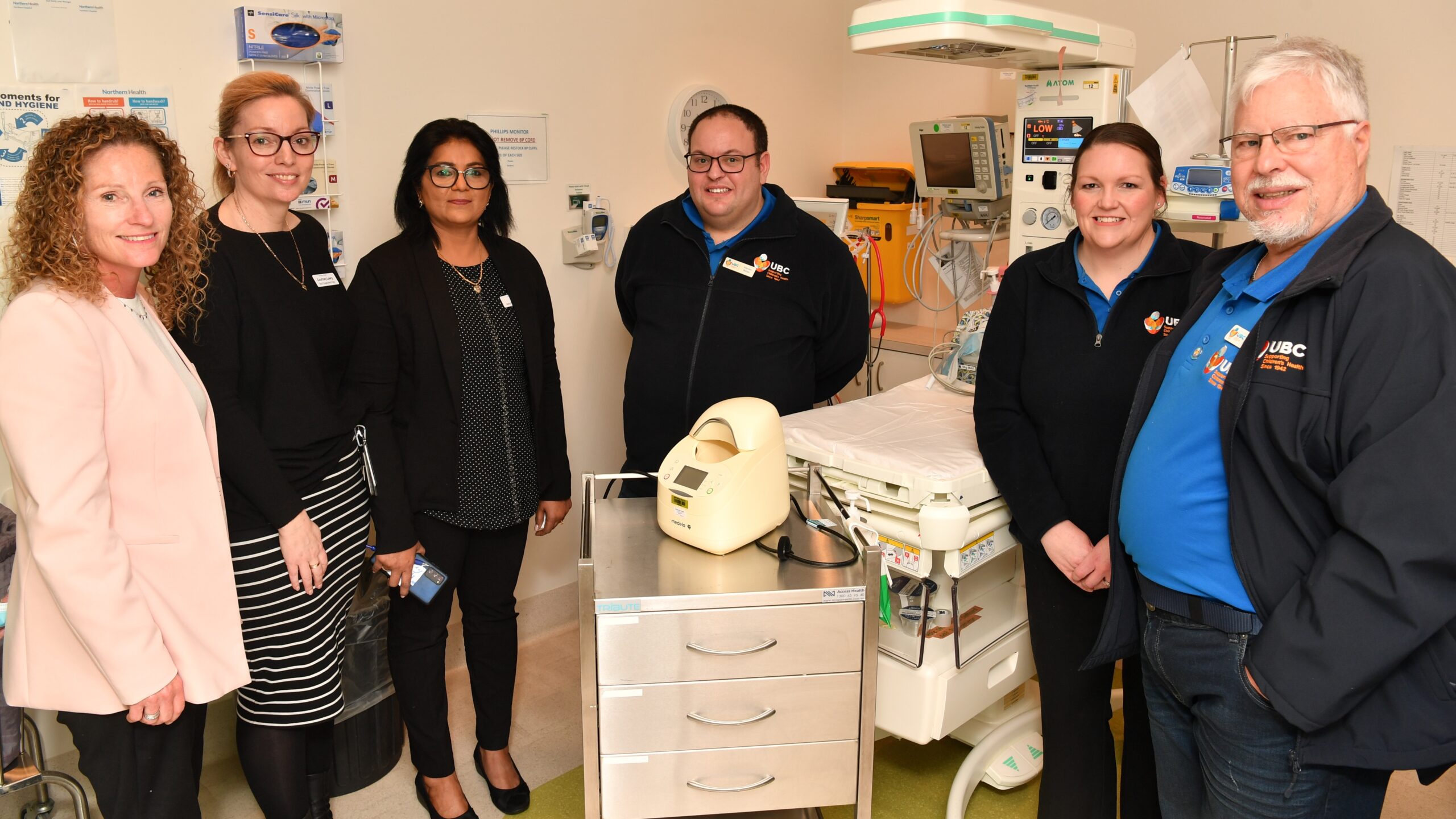
    Thanks to the generous fundraising efforts of UBC – Uncle Bobs Club, a local north-west Melbourne branch of the Victorian charity, Northern Hospital Epping has been fortunate to receive four Medela Milk Warmers, valued at just over $5,600.

    These warmers have proven to be a valuable addition for nursing staff and new parents, providing them with convenient equipment that is easy to use. The Medela Milk Warmers play a crucial role in ensuring that babies in our care receive milk at a consistent temperature, maintaining its integrity.

    “The new technology milk warmers help to maintain the optimal integrity of human milk and they provide a safe, hygienic and standardised method for preparing feeds without the use of warm water,” says Molly Mathew, Nurse Unit Manager.

    “The milk warmers are also versatile enough to accommodate syringes, making them ideal for feeding babies who require tube feeding.”

    In addition to the recent donation of milk warmers, UBC also funded an ice machine for the Children’s Ward in 2020. This ice machine has been a gift that keeps on giving, as it produces large amounts of ice instantly, which is used to minimise discomfort in orthopaedic patients with fractures and reduce swelling on patient’s limbs prior to surgery.

    It also serves as a comforting solution for children who are reluctant to take fluids or recovering from surgery, allowing them to suck on ice until they are ready to resume a regular diet. The machine also ensures that chilled water is readily available to all patients and their families.

    UBC have also purchased a sleeper chair for our Maternity and Children’s Ward.  Sleeper chairs are designed to act as both a chair and a temporary bed for visitors, providing parents and partners a place to rest while they watch over their loved ones.

    UBC exists to benefit the lives of children with medical needs in Victoria. They fund equipment for hospitals and support health organisations in the community through their Local Giving for Local Health initiative. They also support the high quality of Victoria’s healthcare work and education through Scholarships and Fellowships.

    “We sincerely thank Uncle Bobs Club for their unwavering support of Northern Health and look forward to seeing how our partnership continues benefiting the lives of children with medical needs, right here in the north,” said Melissa Grenville, Director, Northern Health Foundation.

    “We also acknowledge and thank the Foundation who continue facilitating these important items and projects that are changing lives within our health service.”

    Featured image: Melissa Grenville, Northern Health Foundation Director, Courtney Lowry, Molly Matthews and Uncle Bob Club’s Steve Bates, Stacey Ramadge and Paul Etherington.

  • Northern Hospital Epping is going live with the EMR today!

    Northern Hospital Epping is going live with the EMR today!

    The wait is over – Northern Hospital Epping is finally live with the Electronic Medical Record (EMR) today!

    The first wards to go live with the EMR are Wards 2, 13, 16, 17, 18, 19, Operating Theatres, Recovery, Cath Lab, Endoscopy, Day Procedure Unit, HITH, and Transit Lounge.

    We are expecting to transition more than 100 patients today, via a total of 11 clinical transition teams stationed at Epping. If you see someone in a pink vest, make sure you don’t disturb them, as they require total concentration to transition patients to the EMR.

    “The team are well prepared and have done the hard work – go live is their opportunity to shine,” said Tracey Wyllie, Director of Operation – Perioperative Services.

    “We have been fortunate to go live in two halves and have been able to transition some lessons from Broadmeadows Hospital to Northern Hospital.”

    “It has been a big all-round effort and I know that the perioperative team will do what they do best when presented with a challenge. We’ve got this and I’m really proud of them all!” said Ms Wyllie.

    Jake Geertsema, Director of Anaesthesia, said EMR super user presence has been vital.

    “We have medical student super users in theatre providing valuable assistance to the team in using the EMR,” said Dr Geertsema.

    “Implementing the EMR is the right step for Northern Health and our patients.”

    More than 500 questions have been asked in the EMR Super User MS Teams Channel, and more than 100 calls have come through to the EMR Help Desk. Thank you to the team for this fantastic effort in answering questions and resolving issues.

    With Northern Hospital Epping and Craigieburn Centre going live this week, we are expecting a significant increase in support required. While we strive to ensure all areas are well supported, please also utilise the Quick Reference Guides as your first point of support.

  • Step on Sepsis at Northern Health

    Step on Sepsis at Northern Health

    This Wednesday, 13 September, is World Sepsis Day – an annual event to raise awareness and reduce the worldwide burden of sepsis.

    Sepsis is a life-threatening condition that arises when the body’s response to an infection damages its own organs and tissues. This process, if left untreated or incorrectly treated, can lead to septic shock or death.

    Many of those who do survive sepsis can face lifelong consequences which can impact their day-to-day functioning. According to the Global Sepsis Alliance, sepsis accounts for at least 11 million deaths worldwide each year. Yet, depending on the country and education, sepsis is known only to seven to 50 per cent of people.

    To combat sepsis, Northern Health has an established Step on Sepsis team to promote the early recognition and appropriate treatment of patients at risk of developing or experiencing sepsis.

    Since launching 10 years ago, the team has developed resources to assist staff in the management of these patients.

    “These include the adult sepsis management guidelines, as well as the antimicrobial prescribing guide, which are both available on PROMPT,” said Yasmin Sungkar, Step on Sepsis Project Coordinator.

    “The Step on Sepsis team conducts quarterly audits on the management of septic patients at Northern Health, and this data is reported back to the NSQHS Standard 3 committee.”

    “Award winning research abstracts have also been presented at interstate and local conferences, as well as at Northern Health Research Week to showcase the success of the Step on Sepsis project over these years.”

    During the month of September, the Step on Sepsis team is running a number of campaigns to promote sepsis awareness to staff and our community. Keep an eye out for display boards in the foyer of the Northern Hospital Epping and Broadmeadows Hospital.

    You can also participate in an online sepsis quiz, where you have the chance of winning a coffee voucher.

    To find out more about Step on Sepsis, please visit the Intranet. Further information and resources about the World Sepsis Day can be found here.

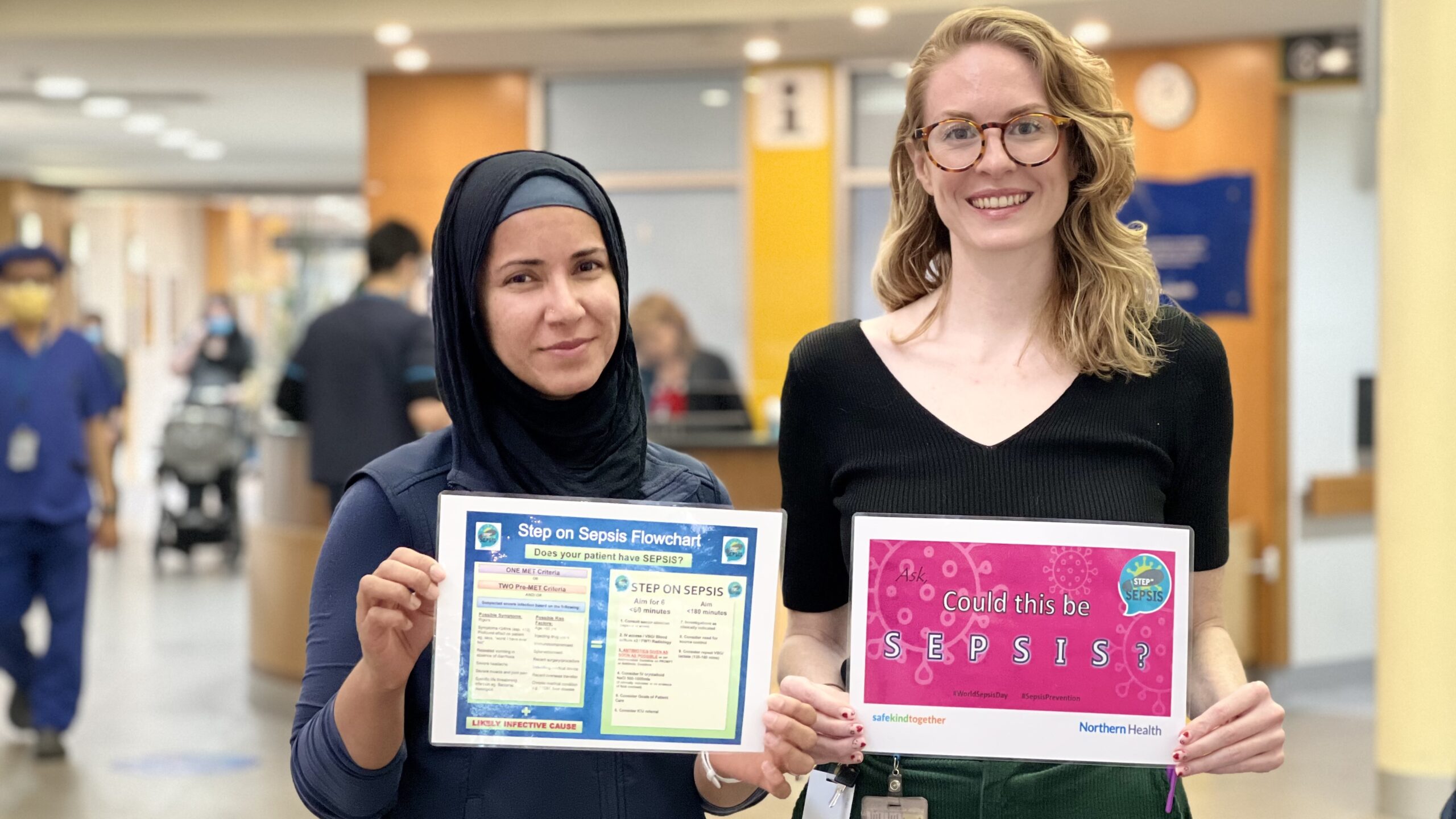
    Featured image: Yasmin Sungkar, Step on Sepsis Project Coordinator and Danni Miatke, Infectious Disease and Antimicrobial Stewardship Pharmacist.

  • Broadmeadows Hospital is now fully transitioned to the EMR!

    Broadmeadows Hospital is now fully transitioned to the EMR!

    Today, we welcome Broadmeadows Hospital Unit 2 and 3 under the wings of EMR. Today also marks the end of week one EMR go live!

    Lucia Bento, Site Director and Director of Nursing at Broadmeadows Hospital, recognised the importance of the preparation pre-go live.

    “The preparation, organisation and lead up to EMR, is what we have found at Broadmeadows Hospital to be very important in the go-live implementation,” she said.

    “The teams at Broadmeadows Hospital have done very well. The EMR team and super users have been supportive, enthusiastic and hands-on to ensure a smooth transition, well done to everyone!.”

    Debra Bourne, Chief Operating Officer, said, “We have been receiving positive messages from clinical staff from transitioned wards. This is great to see and we are positive that we will do well when we go live with Northern Health Epping and Craigieburn Centre next week.”

    From Tuesday, 12 September, the EMR will go live at Northern Hospital Epping. Followed by Craigieburn Centre from Thursday, 14 September.

    Thank you for continuing to support each other.

  • Get to know: Tony McGillion

    Get to know: Tony McGillion

    #WeAreNorthern

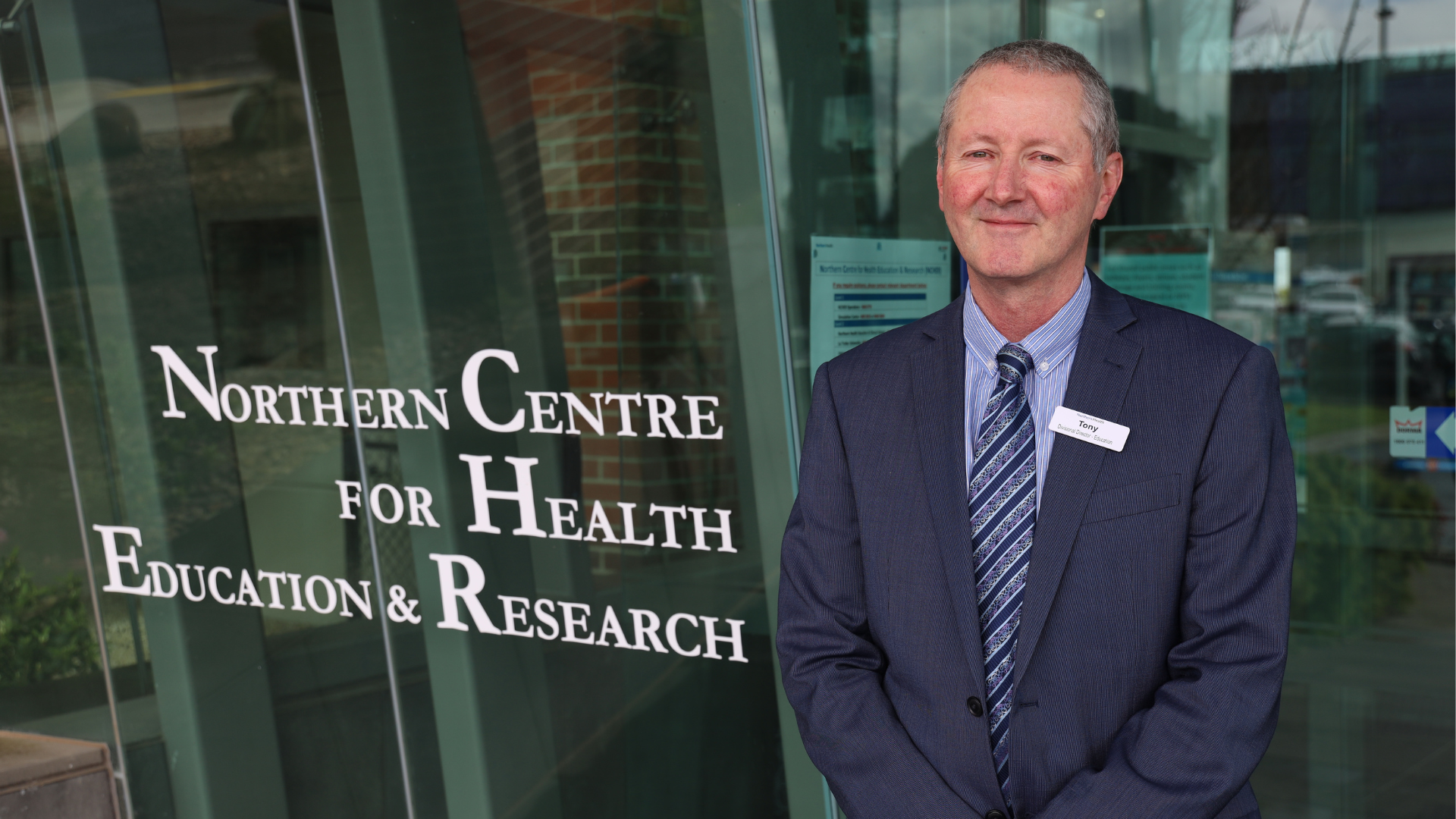
    Meet Tony McGillion, Divisional Director, Education and Training.

    Q: Tell me about your career before you started at Northern Health earlier this year?

    A: Gosh, at my age that could take a while! I trained as a Registered Nurse in the UK in 1985 then spent a couple of years working in Saudi Arabia, where I gained a great perspective on working and living with different cultures. I arrived in Melbourne in 1989 with one suitcase. I knew nobody but had a sense of adventure – fortunately I had a job and a Visa! I did my Critical Care Course at PANCH then specialised in the area of cardiothoracics for a few years across both public and private healthcare.

    I furthered my education by doing an education degree then a Master of Health Administration. I also worked in education leadership roles for a few years including Clinical Nursing Education at both Cabrini Health and Austin Health. In 2015, I was seconded to the Department of Health and Human Services as a Senior Policy Advisor for Nursing and Midwifery Education and led the Nursing and Midwifery Workforce team.

    At the end of this secondment, I went to La Trobe University as Associate Professor of Nursing, where I co-ordinated undergraduate research subjects and postgraduate leadership and management. I was also the Academic Program Coordinator for our Singapore transition degree program and led the La Trobe University/Melbourne Health Clinical School. I was lucky enough to have a number of research projects published during this time, including those focused on interprofessional education, occupational violence and aggression and the assistant nursing and midwifery workforce.

    In 2021, I joined Western Health as Director of Nursing and Midwifery with the portfolio of ‘innovation’ and ‘leadership development’. Earlier this year I was lucky enough to join Northern Health as the inaugural Divisional Director of Education and Training. I have retained Adjunct Associate Professor roles at La Trobe University (School of Public Health & Psychology) and the University of Melbourne and volunteer my time after hours as the Victorian Chair for the Australian College of Nursing, a role that includes mentoring emerging nurse leaders nationally.

    Q: You are our new Divisional Director Education – what does the job entail?

    A: Many things but initially establishing the new division and the various supporting systems and processes as well as implementing and evaluating our Education & Training Strategic Plan. I believe that education is omnipresent and people will learn best when enabled to do so. We are all here to safely care for patients and consumers/clients and we do this as a very large team.

    However, we tend to historically encourage learning in ‘separate siloes’ – the new division is an opportunity for greater collaboration using best practice educational principles. I see a large part of my role as supporting lifelong learning at all stages of professional and vocational careers, ensuring that education and training are front-loaded into key projects and priorities. My job also entails role-modelling the key elements of integrity, approachability and transparency and living the Northern Health values and providing advice to all staff to benefit their knowledge and skills.

    Q: What do you enjoy most about your new role?

    A: Getting to know people and getting out to all the other Northern Health campuses has been fantastic. You only get one opportunity to make a good first impression and I see myself as an ambassador for ensuring our values are lived. There are many present and future challenges that education and training are part of and it is these ‘challenges’ that fuel my every day.

    Q: If you could describe Northern Health in a sentence, what would it be?

    A: Northern Health is both understated and unpretentious – this is shown by simple things such as our name badges and logo.

    Q: What has been your greatest achievement in life?

    A: I would like to discuss both a professional and personal achievements. Professionally, I had the opportunity in 2017, to teach at Sichuan University in China for four weeks. My challenge was to talk about leadership using an interpreter whilst being culturally aware. This was an amazing opportunity and my reflections of this four-week period will also be positive. Personally, raising two very well-rounded boys to become men that I am proud of has been a significant achievement.

  • Welcome to the EMR: Broadmeadows Hospital!

    Welcome to the EMR: Broadmeadows Hospital!

    Today, we are going live with the EMR at Unit 1, Acute – BIPU, BIPU Aged, Operating Theatres, and Recovery at Broadmeadows Hospital. We had the first patient transitioned on Unit 1 at 9.21 am.

    When asked if there are any go live key learnings, Jamie Duffy, Nurse Unit Manager, Unit 1 said, “As impossible as it may sound, we need to stay calm and relaxed to allow the EMR team and clinical transition team to transition patients to the EMR, and lean on our super users when help is needed.”

    Key messages of the day:

    • Bundoora Centre is going well on Day Three of EMR go live.
    • EMR access: If you are experiencing EMR access issue, please ring the EMR help desk or find your green vested super user so they can escalate to the team. We will sort this out ASAP.
    • To get access to the EMR, everyone at Epping needs to have their password synced: If you are a nursing/midwifery/doctor, make sure you perform a password sync before your ward goes live – click on this link and enter your new password. *You will need to be on the Northern Health network or via FollowMe Desktop to action this.
    • Clinician swipe ID: Clinician ID (QR code) is only relevant for the following wards where there is a Welch Allyn integrated spot monitor (has a scanner) for Ward 15, Tower Wards Ward 18, 19, 20, 21, 22, ICU, Oncology Day Medical, and 230 Cooper Street Day Oncology Day Infusion.
    • Patient transition: Make sure you have all your patient information and folders ready for transition. The team needs to be able to hit the ground running for a smooth transition.

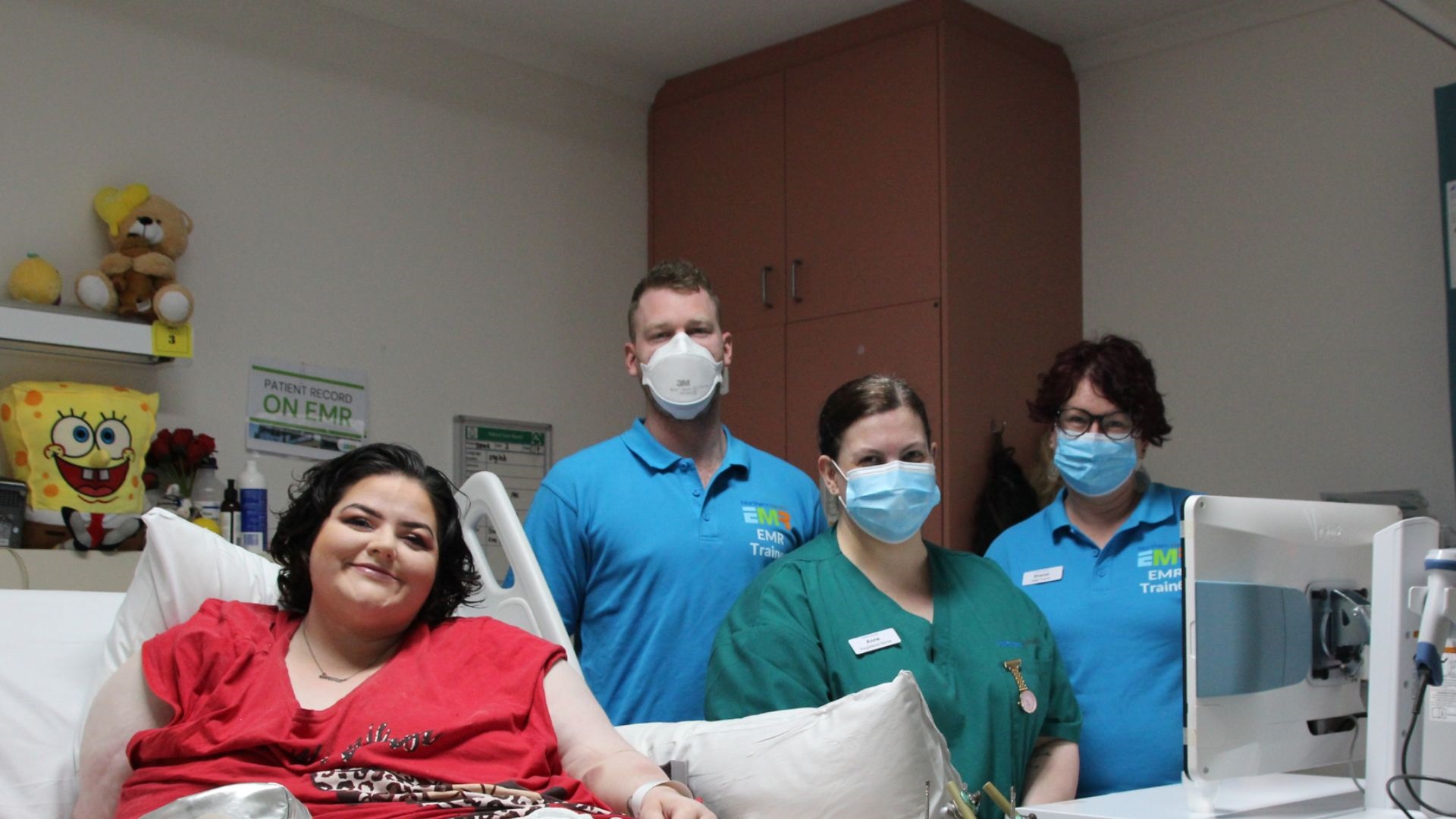
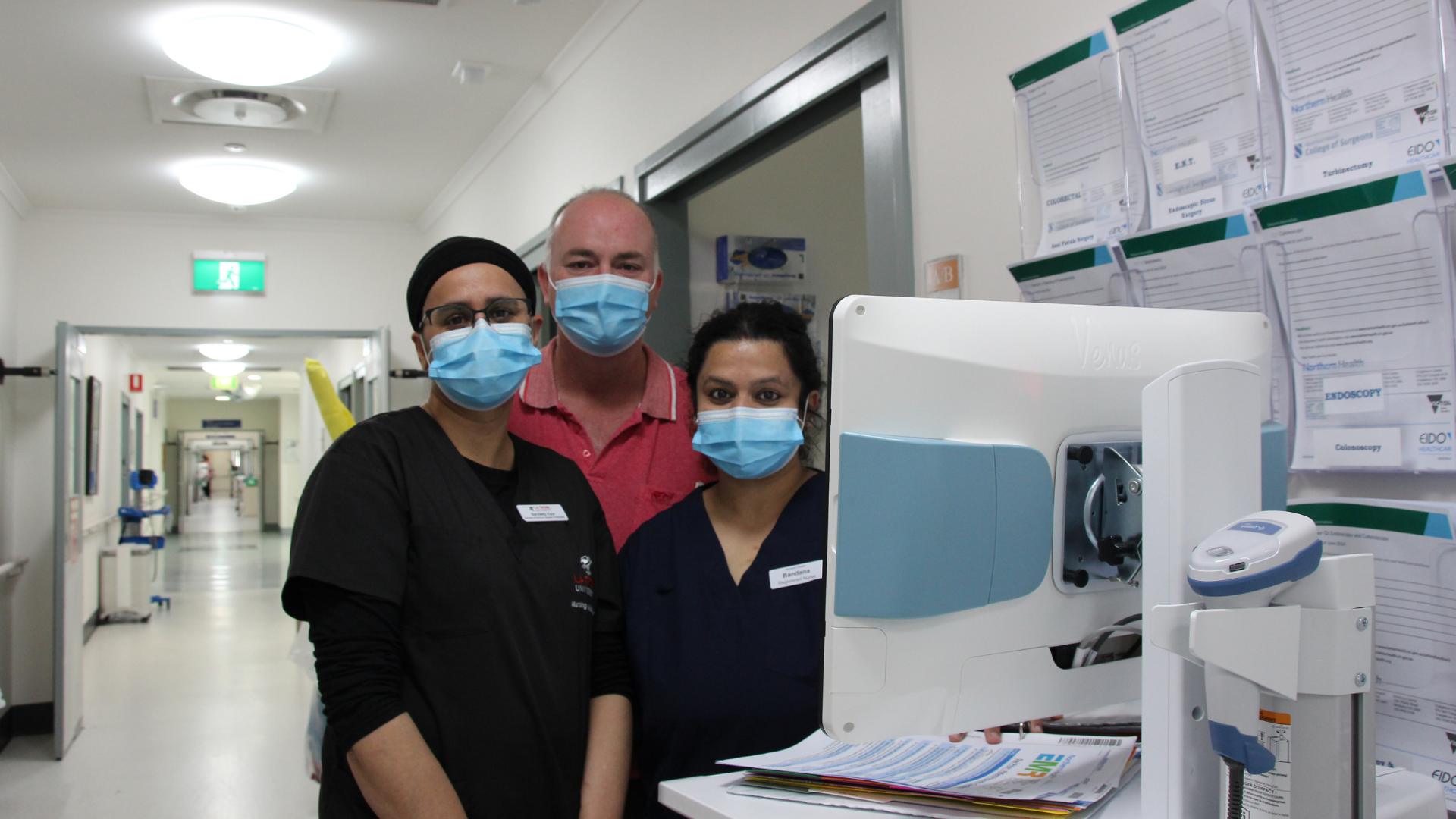
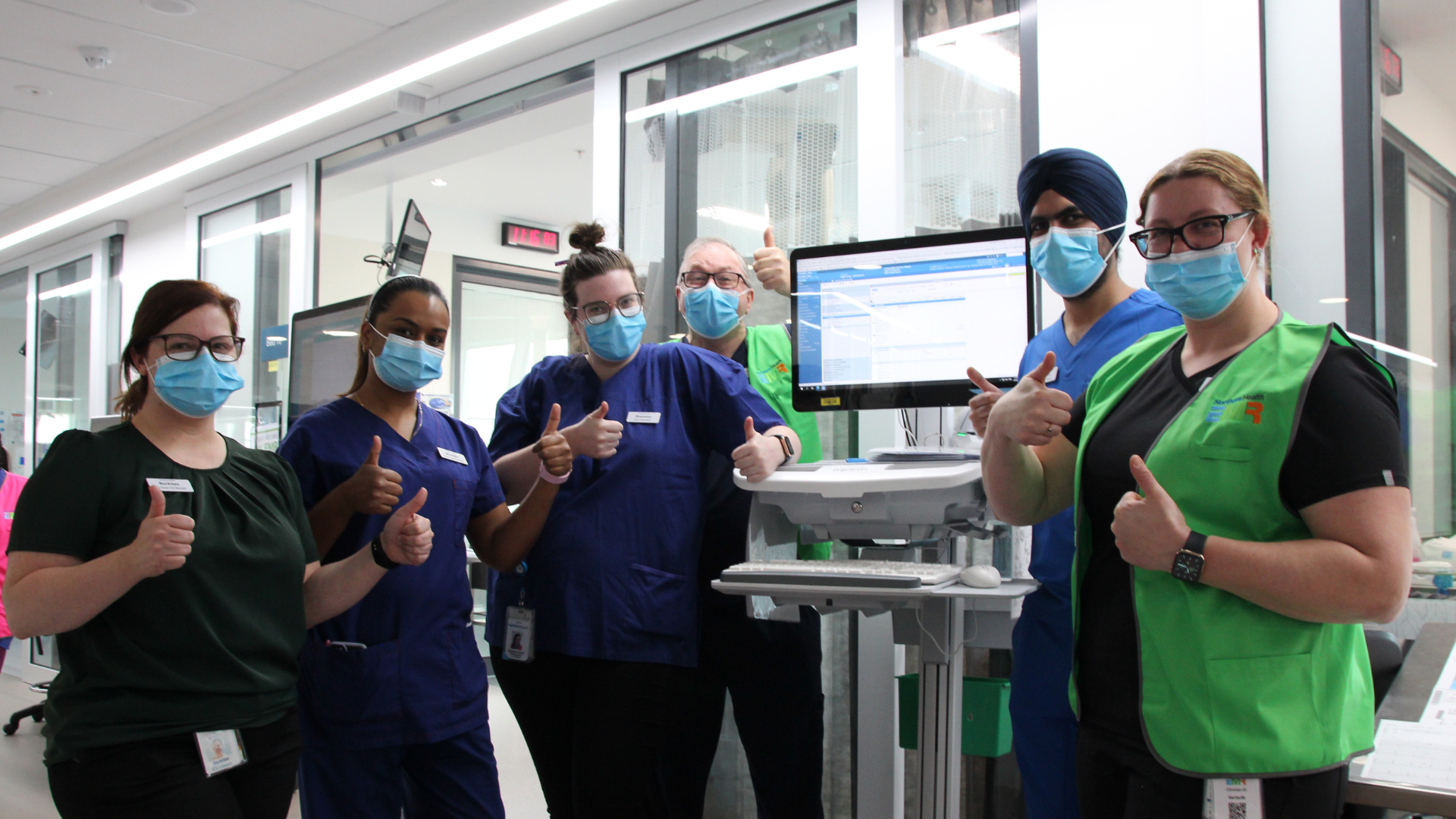
    Below are some photos of today’s go live:

  • The new Mental Health and Wellbeing Act 2022: The top five changes

    The new Mental Health and Wellbeing Act 2022: The top five changes

    From 1 September 2023, Victoria has a new Mental Health and Wellbeing Act (MHWA). The Act is the outcome of recommendations from the Royal Commission into Mental Health in Victoria.

    A copy of the Act and more information is available on our Intranet as well as the Department of Health and Chief Psychiatrist website.

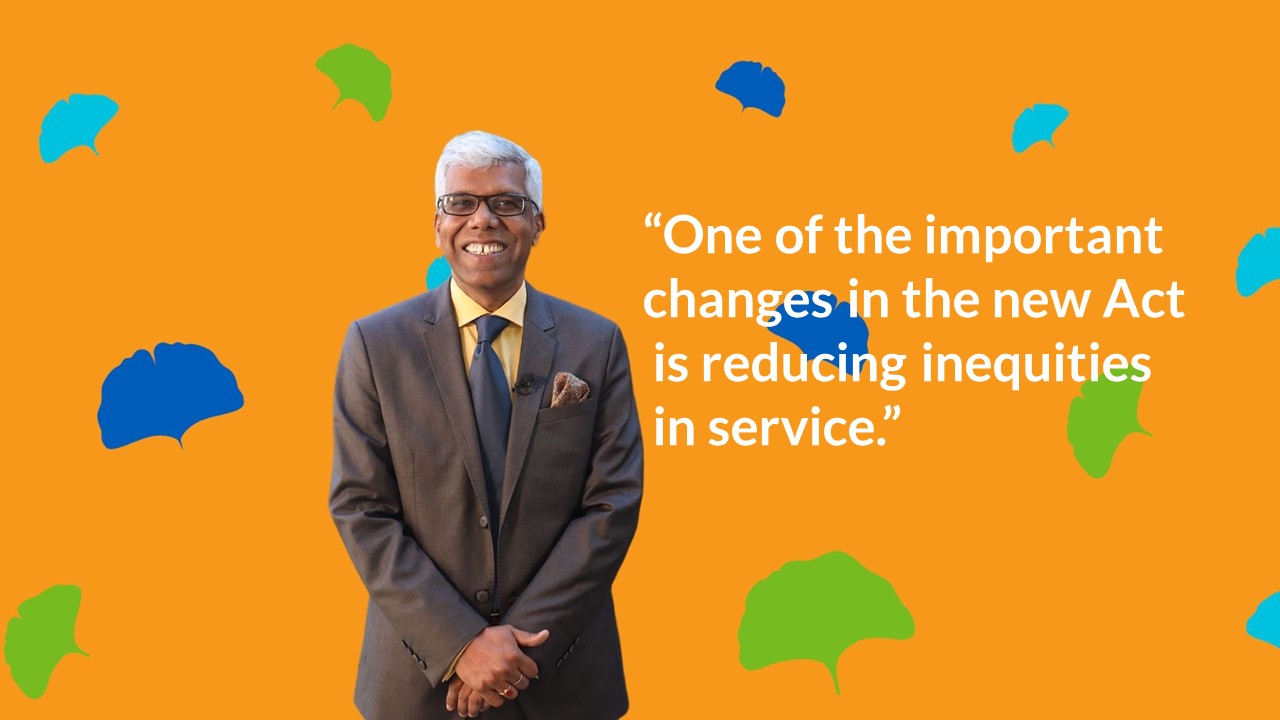
    Associate Professor Vinay Lakra, Divisional Director of Mental Health, believes one of the main objectives is to reduce inequities in access to services. He says, “This is important, given long standing issues on equity and access.”

    He lists below the top five changes which impact clinical practice:

    1. A new set of principles which govern our decision-making process.
    2. New forms
    3. Chemical restraint – The new Act legislates circumstances regarding chemical restraint and the associated notification, monitoring and reporting of chemical restraint.
    4. Changes to duration of Community Treatment Orders (CTO) – Under the new Act, the maximum duration of a CTO has been reduced from 12 to six months for all adults.
    5. Availability of non-legal mental health services with an opt – out approach.

    Vinay adds, “You are expected to consider the principles in all decision making under the Act. Please familiarise yourself with them and discuss with senior colleagues where needed. Please also make sure you use the new forms for all actions related to the MHWA.”