• Get to know: Lynne Santamaria

    Get to know: Lynne Santamaria

    #WeAreNorthern

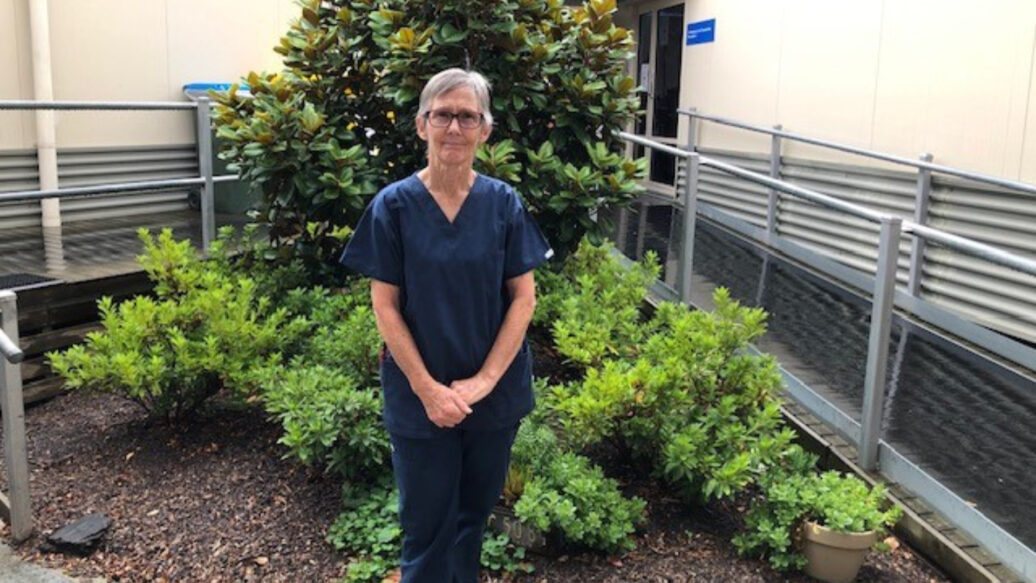
    Meet Lynne Santamaria, Nurse Unit Manager, Hospital in the Home (HITH).

    What is your coffee order?

    My order is a weak latte, if I have a full strength my heart goes into overdrive.

    Tell me about your role at Northern Health and what it entails?

    I am the unit manager of the Hospital in the Home (HITH) program, we are based at the Northern Hospital Epping. What that really entails though is managing staff and financial resources; ensuring patient and staff satisfaction; maintaining a safe environment for staff and patients; ensuring standards and quality of care are maintained; and aligning the unit’s goals with the hospital’s strategic goals.

    Our program provides care in the home that would otherwise need to be delivered within a hospital as an admitted patient. Patients who receive HITH care are classified as admitted patients and HITH is classed as an acute unit. HITH often provides an alternative to admission to a hospital or an opportunity for earlier relocation to the home than would otherwise be possible. I manage our multidisciplinary team that provides care to up to 70 adult patients and 6 paediatric patients on a daily basis.

    What do you love most about your role?

    I am not sure that I can say what I love most about my role – it’s more than that. I am just a part of an incredible team that works together to give our patients the best care they can. I could pick any person in this team and acknowledge what they bring to the table and how they make this team better for them being a part of it. So I guess in reality what I am saying is that being part of this  team is what I love the most.

    How do you like to relax or switch off after a long day at work?

    I live on a 10-acre property at Sunday Creek. I have a veggie patch, orchard and garden that keep me busy and help me to unwind at the end of a day or week. I love being able to pick and cook my own produce.

    My husband and I also have a small blueberry business (only 600 trees) but we need to pick by hand so that is often what I am out doing, especially at this time of year when the trees are in full production.

    Do you have a bucket list item, something you would love to do?

    Really just looking at when I retire, spending more time with family, exploring areas of Australia a bit more, and just enjoying the activities of day-to-day life.
  • Launch of Mental Health Outlier Program

    Launch of Mental Health Outlier Program

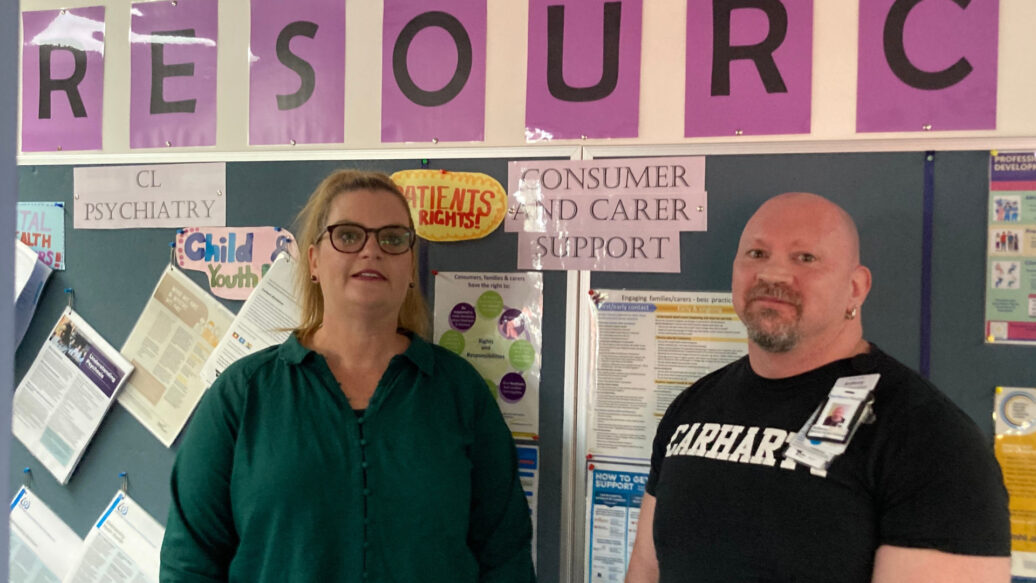
    This week the Mental Health Division welcomes Rebecca Beaumont and Anthony Rathbone to the newly launched Mental Health Outlier Program (MHOP).

    Mental Health consumers in general inpatient beds can pose significant challenges for the multidisciplinary team caring for them. The MHOP nursing role compliments the care provided by other health care professionals in a general inpatient ward.

    Working out of Northern Hospital Epping, Rebecca and Anthony will undertake clinical assessments, engage with consumers and their families, assist with the implementation of the clinical treatment plans and build capability and confidence in the multidisciplinary team.

    Rebecca commenced her Mental Health Nursing journey 24 years ago as a Graduate Nurse at Northern Health. Since then, she has worked for public mental health services in varying roles including Inpatient, Mental Health Phone Triage, Crisis Assessment and Treatment Teams, Emergency Mental Health, PACER and Case Management.

    She says, “I am passionate about ensuring our consumers and patients receive quality holistic care during their journey and are repatriated from general hospital wards to mental health inpatient units for specialised treatment in a timely manner.”

    Anthony has been working in healthcare since 2005. He started his career in the acute medical setting but found himself more interested in the field of mental health. He has been working in the position of Senior Clinician, Mental Health Intensive Care Area Response (MHICAR) since March 2022.

    Anthony says, “I am an ardent supporter for any endeavour that will help optimise our process and streamline our service – thus resulting in reduced length of stay, and improved engagement with our consumers, their families and key stakeholders.”

    “I am delighted to launch this new program and welcome Rebecca and Anthony to their new roles,” says Belinda Scott, Executive Director, Mental Health.

    They will help us provide high quality care for mental health consumers waiting access to a specialist mental health bed.”

    Featured image shows from left to right Rebecca Beaumont and Anthony Rathbone.


  • The ABCDE of skin cancer

    The ABCDE of skin cancer

    Australia has one of the highest rates of skin cancer in the world, with approximately two in three Australians being diagnosed with skin cancer by the age of 70.

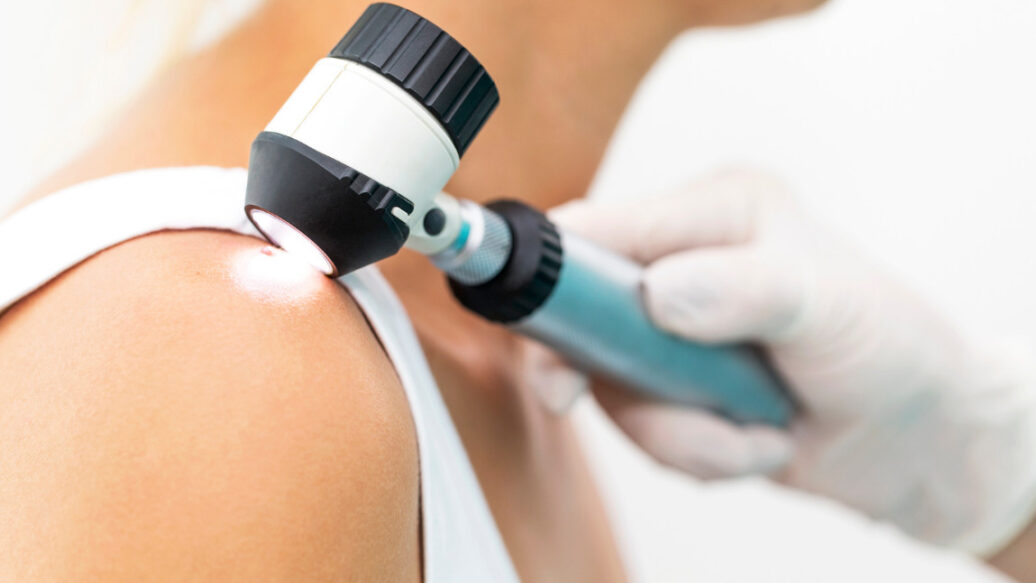
    Skin cancer can present as any new mole or other skin lesion growing or changing over time. The “ABCDE” signs are a simple way to identify possible suspicious changes in a lesion that should be brought to the attention of your doctor.

    A = asymmetry (lesions becoming asymmetrical)

    B = border (lesions with irregular borders)

    C = colour (lesions with multiple colours)

    D = diameter (lesions growing to have a large diameter above 6mm)

    E = evolution (lesions changing over time)

    Dr Aaron Robinson, Head of Dermatology, Northern Health, says, “skin cancer risk is highest in people who have had significant sun (and thus ultraviolet light) exposure, such as with working outside or with outdoor hobbies. In particular, people who regularly have sun exposure to the point of tanning have a higher risk of developing skin cancer.”

    “There is no such thing as a healthy tan. A tan is a sign that your skin is distressed from sun damage. People with lighter skin types are at higher risk of developing skin cancer, but skin cancers can occur in people with darker skin too.”

    The best way to prevent skin cancer is to minimise sun exposure, and to always use sun protection, such as a hat, long sleeves and sunscreen when outside for any extended periods. Being aware of your own skin and moles, and seeing your doctor to review any suspicious changing lesions is also important in order to potentially diagnose any skin cancers early, when they can be easier to treat. 

    “Any new growths or changing lesions should be brought to the attention of your GP, particularly for people that have had a history of significant sun exposure or sun damage,” advises Dr Robinson.

    Your doctor may also recommend having a regular check of your skin, if you have a history of significant sun damage, previous skin cancer, or a significant family history of skin cancer. In cases of skin cancer diagnosis or particularly high-risk patients, a referral to a dermatologist for specialist care might also be appropriate.

    Northern Health runs a clinic for management of skin cancers. Patients can be referred to the clinic by their General Practitioner (GP), after a biopsy.

  • Pride March 2024

    Pride March 2024

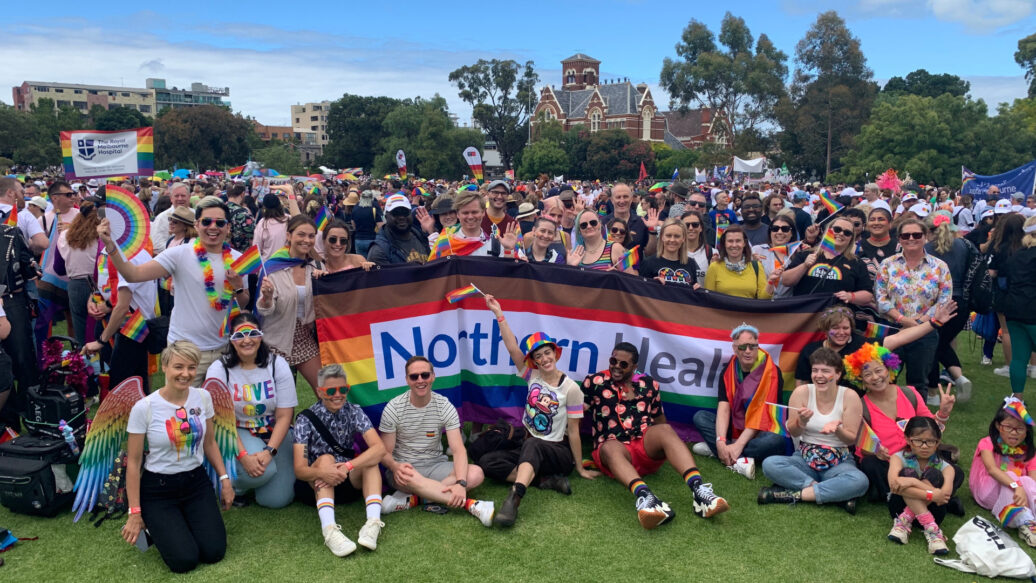
    Pride March is an annual event held in Melbourne as part of the Midsumma Festival, a celebration of LGBTIQA+ culture and arts. This year, the march will be held on Sunday, 4 February.

    More than 7,000 marchers take to the streets in St Kilda each year to show their support of the LGBTIQA+ community, and over 45,000 people line the streets and balconies along the march route to show their support.

    Northern Health first marched at Pride March in 2020, with the Pride in the North Network, and again in 2021. Last year marked the first year Northern Health marched under its own banner at Pride March and will do the same again in 2024.

    A number of different organisations, including health services, march on the day. The march begins at 11 am at the Ian Johnson Oval on the corner of Lakeside Drive and Fitzroy Street, before marching along Fitzroy Street and ending in Catani Gardens in St Kilda.

    Electra Ulrich, Co-Chair Rainbow Working Group and Senior Dietitian, said marching under the Northern Health banner at Pride March provides a strong message to staff and the community that the health service is inclusive and prioritises the wellbeing of LGBTIQA+ people.

    “It would be great to see even more people march this year. Many bring along a colleague, friend or family member and the day is full of energy and colour,” she said.

    “It makes me proud to be able to do this as part of my work in healthcare. Please come along if you can – we have a large number of allies of the LGBTQIA+ community march with us and it’s a really lovely way to connect and do something meaningful together.”

    Pride March is a family-friendly event, with pets also welcomed to join in the fun.

    “Pride March is a fun day to connect with colleagues and the community, whilst showing our community that Northern Health is striving to become a safe and inclusive place for our LGBTIQA+ staff, patients and families. We would love to see as many colleagues as possible at this fun, free and family friendly event,” said Chrissy Nicolaidis, Co-Chair Rainbow Working Group.

    To register your interest in marching with Northern Health, please email the Rainbow Working Group at rainbowgroup@nh.org.au or visit the Intranet.

    The Midsumma Festival runs from 21 January until 11 February, with a colourful range of events. To find out more, please click here.

    Featured image: Northern Health at Pride March 2023.

  • Welcome to 2024 Medical Interns

    Welcome to 2024 Medical Interns

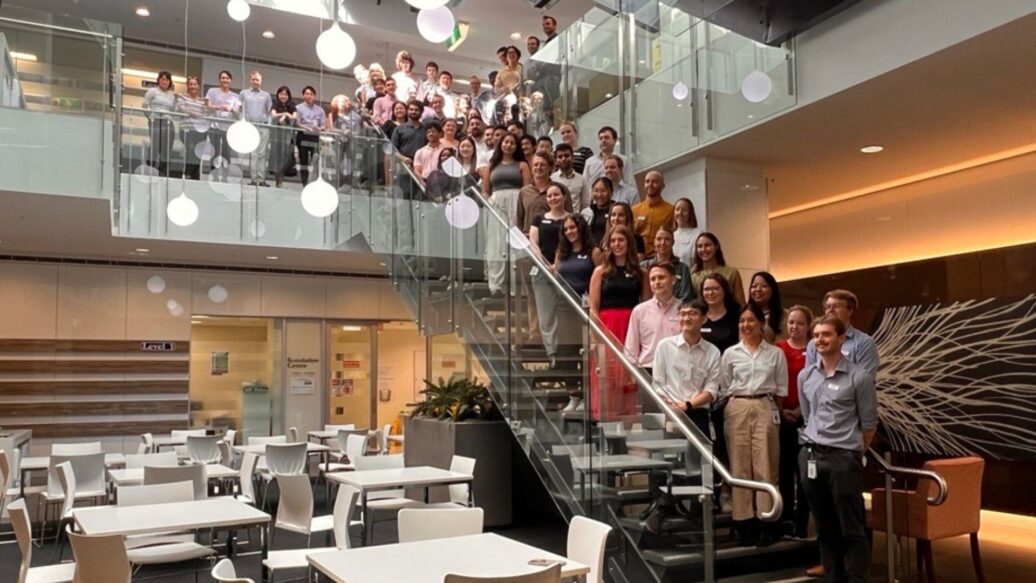
    For the first time since COVID 19 intervened, Northern Health had the pleasure of welcoming 61 medical interns, in person, for their orientation – the highest number ever.

    Eleven new positions have been added to the program: four in General Medicine, one in Plastics Surgery, two in Mental Health, two in Emergency Department, one in Renal Service, one in Palliative Care. Dr Carol Chong, Supervisor of Intern Training, says, “It is a reflection of Northern Health’s expanding catchment and the increasing health needs of the community.”

    2024 is the commencement of the new AMR Framework which includes revised assessments, the introduction of Entrustable Professional Activities (EPAs) and strengthened Aboriginal and Torres Strait Islander outcome statements.

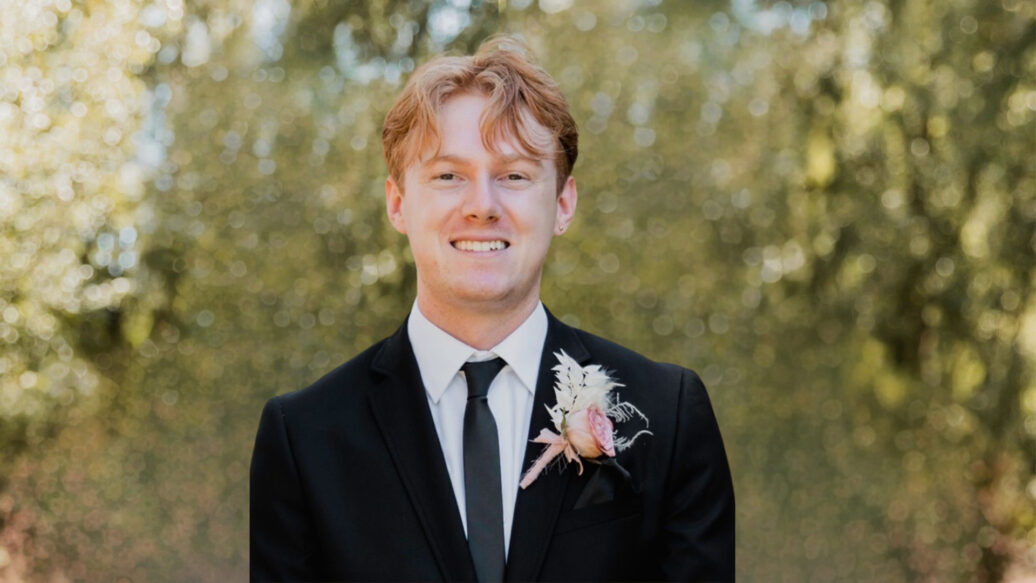
    Suraj Hari, is one such intern who as a 10-year-old, remembers doctors working their magic on his mom’s fractured wrist in the Orthopaedics ward, “wide-eyed and inspired”.  He says,” Here I am, back at the heart of it all!”

    Yang Chin says, “The nerves did get to me at the beginning, since I did most of medical school in Malaysia and had only just arrived in Melbourne a week before orientation. Starting work as a doctor while finding my footing here in Australia were big tasks to handle at the same time.  Nevertheless, orientation has been lots of fun. Northern Health really lives up to its reputation for having a supportive and positive work culture. Everyone has been really friendly and welcoming, which made settling in much easier.”

    Jayde Galletti says, “I’m definitely feeling excited to start my internship! It has been really encouraging to hear from seasoned clinicians who have dedicated so much to Northern Health and are still passionate about improving the health service for our staff, patients, and community.”

    She further adds, “Our orientation had a strong focus on intern wellbeing and supporting our career development as junior doctors, which is why I wanted to remain at Northern Health.”

    Dr Chong says, “Our interns come from various clinical schools with a notable third from our own Northern Clinical School. We welcome them all and look forward to supporting them as they start their internship, an exciting time in their life.


  • Get to know : Tye Robertson

    Get to know : Tye Robertson

    #wearenorthern

    Today we chat to Tye Robertson, a Grade 1, Occupational Therapist who has recently joined the Home and Community Care team at our Bundoora Centre.

    Q. Firstly, your coffee order Tye?

    Large cappuccino please!

    Q. How would you describe your role?

    As an Occupational Therapist Grade 1, I visit clients’ homes and communities to get an understanding of their occupational capabilities. This involves prescribing and trialling assistive equipment/aids, creating goals for activities of daily living, drawing diagrams for home modifications, understanding various funding services and processes, and doing a lot of paperwork!

    Q. Any anecdotes to share in your short time here? 

    From my time here at the Bundoora Centre, what stands out is how many times clients have offered me a coffee or cup of tea after a home visit. It makes my work feel extremely valued and satisfying, knowing that I have made an impact on their life.

    Q. What are some of the challenges?

    One of the challenges is learning about all the different types of equipment and assistive aids. It really is amazing how many different options for aids and equipment are available and how they all can vary. Likewise, understanding all the different funding services and processes. It is quite a lot to get your head around.

    Q. What is the most rewarding part of this role?

    The most rewarding part of this role is watching how you can make a significant impact in a person’s life that allow them to participate in activities that they previously struggled with. Also the monthly OT lunches are great!

    Q. Your impressions on joining the Northern family?

    My first impressions have been great as the team have been extremely welcoming and nice, and have made sure I have settled in.

    Q. Lastly, tell us something that most people would not know about you? 

    There are a couple… I have a large Nano Blocks (small Lego) collection. I got into Nano blocks during the COVID lockdown in 2020 and have been making small builds for the past four years. I wanted to really challenge myself by using the smaller bricks and test my patience and fine motor skills. I’d say the most complex model I’ve made is a Deluxe Dialga that was 1020 pieces and took a few days to complete in between my studies and work.

    I also love playing and watching soccer. I am a fan of Manchester United.

  • Michael’s life-changing cataract surgery

    Michael’s life-changing cataract surgery

    Michael Radcliffe has a new perspective on life, thanks to life-changing cataract surgery at Broadmeadows Hospital.

    In 2021, Michael noticed his vision deteriorating and decided to visit a local optometrist, where it was confirmed, he had cataracts. Following on from this appointment, Michael was referred to a doctor and was put on a waiting list for cataract surgery.

    Whilst on the waitlist, Michael’s quality of life was severely affected.

    “I couldn’t see. I was falling over a lot so I would always try and control the fall – if I was going down, it would be with my hands, but sometimes I would just fall,” Michael said.

    “It affected my mental health. I couldn’t help my wife at home, I couldn’t do a lot. My grandson was playing football, and I couldn’t watch him. He would get upset because I wasn’t there and I would tell him, ‘I can’t see.’”

    Michael was on the waiting list for more than two years, before he was referred to Northern Health to have the life-changing surgery at Broadmeadows Hospital.

    “Things progressed quickly at Northern Health,” Michael said.

    “I have learned over the years that you have to push. And I pushed and I pushed before I was referred to Northern Health, and since then, Northern Health has been great.”

    Since having surgery on his left eye in 2023, Michael noticed a significant difference to his quality of life and was able to slowly get back into doing things he loved. Michael has also been able to enjoy and appreciate the simple things in life, including watching his grandson grow up.

    “It has been amazing. I cannot complain at all. My left eye has been done and once the right eye is done, I can get back into things. I want to do things with my hands, I was an electrician by trade, so I like to keep my hands busy.”

    “My grandson is 10-years-old and his hair changes so many times. Before, I could see it, but I couldn’t appreciate it because the detail wasn’t there.”

    “When I had the surgery, he started playing basketball. I went and watched his game, and he came up to me and hugged me because I was there. I am so happy. When my other eye is done, it’ll be 110 per cent better.”

    Michael is now looking forward to having surgery on his second eye in early 2024.

    “It is humbling to hear Michael’s story and his positive experience with Ophthalmology and Specialist Clinics as a whole,” said Lilian Akimana, ANUM/Clinical Lead Ophthalmology, Broadmeadows Hospital.

    “Michael is an amputee who was facing vision impairment and was subsequently sustaining multiple falls due to his deteriorating sight along with having only one leg.”

    “Michael regaining his sight post cataract surgery gave back his quality of life, reducing his risk of falls and allowing him to get back to the activities that mean the most. I would like to thank the Ophthalmology team and all staff members for their contribution to our patient’s journeys.”

    Since the Ophthalmology department expanded to full time operations, staff have seen an increase in patients accessing their services on a daily basis. Staff have been able to process referrals promptly, book patients in, complete their diagnostic testing and prepare them for surgery in a timely fashion.

    “I am very proud of our team, who have been receptive in embracing these changes resulting in positive experiences for our valued patients, such as Michael. Our team strives to continue working within Northern Health’s values of safe, kind and together,” Lilian said.

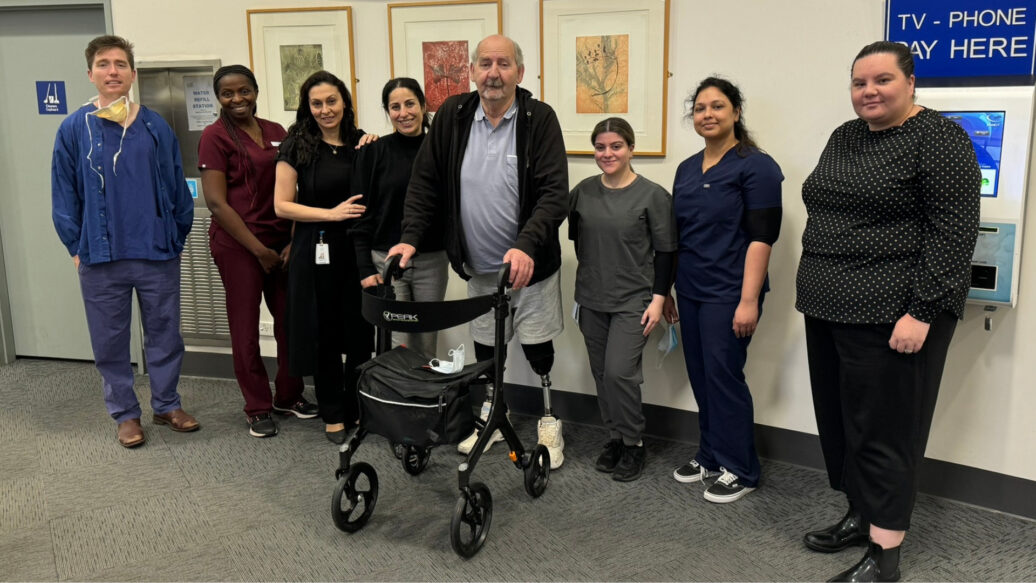
    Featured image: Michael Radcliffe with members of the Ophthalmology department at Broadmeadows Hospital.

  • Beat the heat: Navigating the summer heat safely

    Beat the heat: Navigating the summer heat safely

    Even though the weather in Melbourne can be quite unpredictable, hot days and extreme weather conditions are sure to be expected during summer.

    Understanding the potential risks and adopting strategies to thrive in the heat is crucial. High temperatures can result in conditions like heat cramps and heat exhaustion, with the possibility of progressing to the life-threatening condition of heatstroke. Vulnerable individuals, such as the elderly, young children, and those with medical conditions like heart disease or diabetes, are particularly at risk.

    How to beat the heat?

    Medical professionals recommend staying well hydrated, even if you don’t feel thirsty, and keeping cool by using wet towels, placing your feet in cool water, and taking refreshing showers. Spending time in air-conditioned environments, such as shopping centres, libraries, cinemas or community centres, is advised. It’s also important to avoid sun exposure during the hottest part of the day, wear light-coloured, loose-fitting clothing, and use a hat for additional protection.

    Additionally, staying connected with sick or frail friends and family and checking on elderly neighbours during extreme heat days, is essential.

    Remember to steer clear of strenuous activities like sports, renovation or gardening, and never leave children, adults or pets in hot cars. Seek medical assistance promptly if faced with a serious heat-related illness.

    Preparing for extreme heat

    Here are some guidelines for effectively preparing for extreme heat:

    • Stock up on essential supplies like food, water and medicines to minimise the need to go out in the heat.
    • Consult with your doctor to assess if adjustments are necessary to your medication during extreme heat.
    • Safely store medications at the recommended temperature.
    • Ensure that your fan or air-conditioner is in good working order.
    • Explore ways to cool down your home, such as installing window coverings, shade cloths or external blinds on sun-exposed sides of the house.
    • If opting for beach or pool activities to beat the heat, prioritise safety. Learn to swim, avoid swimming alone, be aware of your limits, stay hydrated, acquire basic CPR skills and always supervise children around water.

    For further information on managing the summer heat, visit: www.betterhealth.vic.gov.au