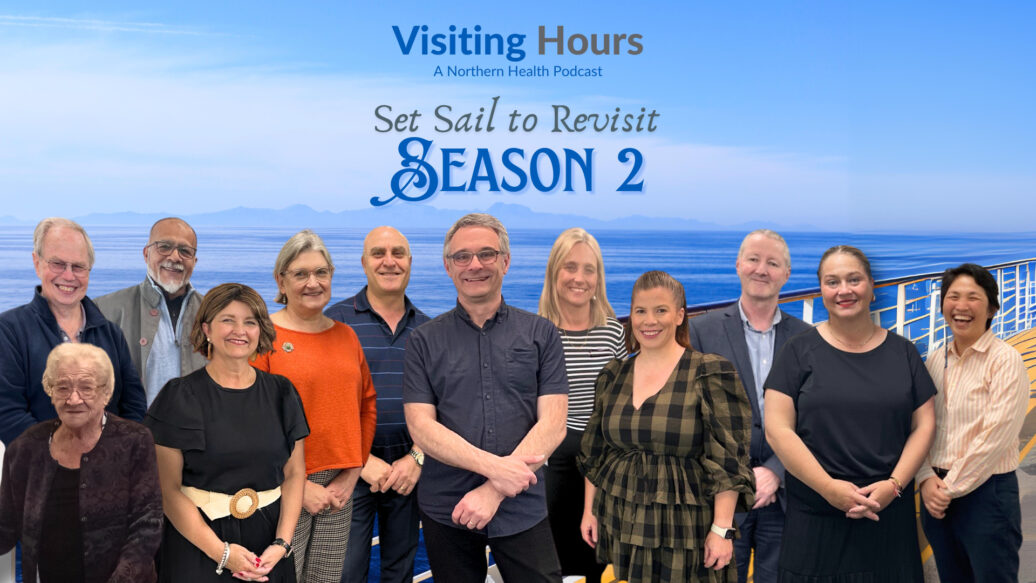
• Welcome aboard the Visiting Hours Recap Cruise

    Welcome aboard the Visiting Hours Recap Cruise

    As we reach the halfway point of season two of Northern Health’s podcast, Visiting Hours, we thought we’d take the opportunity to look back and enjoy the special moments captured as we visited with members of our Northern Health family.

    As always, episodes are a balance of celebrating the amazing things being accomplished in the sphere of work, an insight into how our staff live outside of that sphere, and a prescribed dose of fun.

    Listened to in over 45 countries, the podcast navigates the very real themes of finding love, dealing with loss and building resilience and guiding the listener through highs and lows into a safe harbour of positive affirmation.

    We invite you to take a voyage with us back through the early stops in season 2.

     Episode 1Wendy Nicol, Northern Health’s Operations Manager of Support Services, discussed her vision for the department, shared openly about her battle with the BRCA2 gene, but drew the line at singing Disney songs… in public.

    Episode 2 – Northern Health’s Spiritual Care Coordinator, Natalia Dewiyani, talked about the importance of holding a space for patients to express their true selves, overcoming cancer one smile at a time, and the spicy secret weapon she never leaves home without.

    Episode 3 Prof. Wanda Stelmach shared her insights on the importance of nurturing hobbies, skills and interests outside of work, her gutsy navigation of a heavily male dominated field with graceful aplomb, and her special connection with Thailand.

    Episode 4Fidel Touma, Consultant General Surgeon at Northern Health. A proud father and smitten husband, Fidel shared candidly about leaving his life behind in Syria and starting over in Australia. He talked about the importance of treating patients with respect, and the kindness shown to him by Northern Health staff as he navigated new frontiers.

    Episode 5Fiona Jeal, Program Manager with Northern Health’s Mental Health Division, a firm believer in harnessing her team’s strengths, talked about the importance of having the right people offering the best care. She celebrates the quiet achievers, brings class to the campsite, and happily switches hats between captain and pirate.

    Episode 6Jacque Dulson from Northern Health’s Fertility Clinic, shared the highs and lows of working in fertility and the importance open communication as a pathway to resilience. She revealed her true passion when it comes to movies, her rediscovery of the gym, and how a Hungry Jack’s burger wrapper changed her life forever.

    Episode 7Debra Bourne, Northern Health Chief Operating Officer, has never lost her love of nursing and midwifery. She celebrates the positive impact nurses and midwives have on their patients. She spoke about the importance of switching off outside of work, despite the temptation of a home office, delved into her love of opera and revealed how a gift from her son led to an encounter with the King.

    Episode 8Adj. Assoc. Prof. Tony McGillion, Northern Health’s Divisional Director of Education and Training explored the role of education in a health setting and beyond, discussed the benefits of mentorship from both sides of the coin and spoke about just when you hit ‘the wall’ on a long-distance run.

    Episode 9Gordon Dennis, Northern Health Consumer Advisor, is a retired Artificer Sergeant Major in the Australian Army. Gordon draws on his years of experience, to pass on what he knows for the benefit of others. He shared on the importance of building a good reputation, dealing with loss and loneliness and how he’s come full circle by building model replicas of the locomotives he worked on as an apprentice.

    Episode 10 – It’s not often you have the privilege to sit and chat with someone that’s 104 years young.  Betty Soraghan, Resident Dianella Village Kilmore, joined by her daughter Anne, recalled getting all done up for the Saturday night dances, horse-riding with no bridle in sight and how important having the Kilmore District Hospital is for the community.

    Episode 11Prof. Shekhar Kumta, Academic Lead, Department of Surgery, identified Northern Health as the perfect place to build research data sets, he revealed how your passions and hobbies can actually free up your mind enabling you to tackle work in new and creative ways.

    Steve Carnell, Visiting Hours host commented, “Our Northern Health family are such an incredible bunch of humans, and It’s been a great privilege to have the opportunity to share their stories with the world.”

    Visiting Hours is available to listen to wherever you get good podcasts.
  • Whittlesea Salvation Army Craft Group donates to Neonatal

    Whittlesea Salvation Army Craft Group donates to Neonatal

    Over many years, the Whittlesea Salvation Army Craft Group has been quietly supporting the needs of Northern Hospital Epping’s Neonatal Unit, donating covers for incubators, sewn goods and most recently, a Medela Milk Warmer. Funds are raised through their quarterly stalls, and everything earned from the stalls goes back into providing more items to those in need.

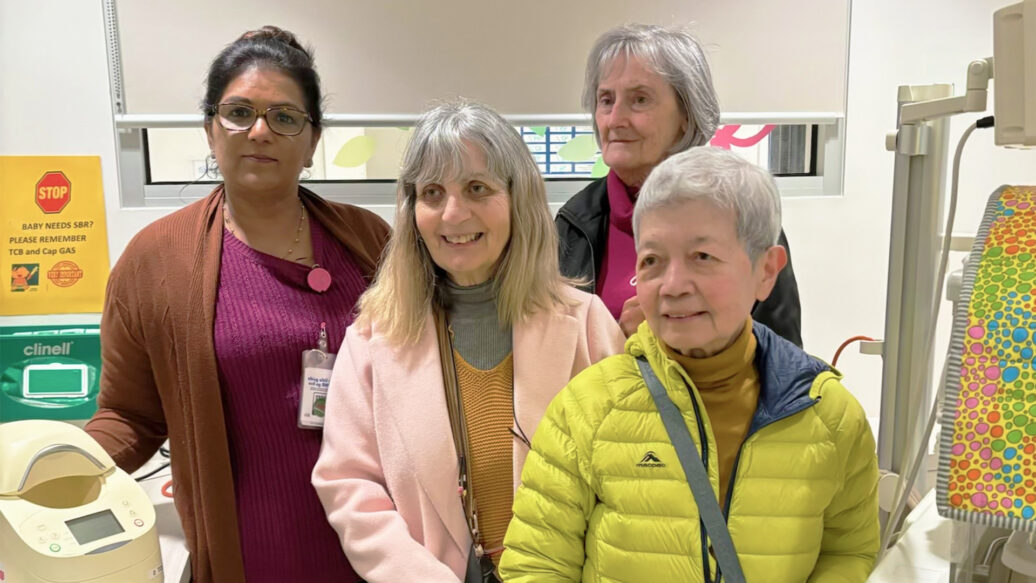
    On Monday, 22 July, Joan, Angela, Wendy and Carolyn from the Craft Group, visited the ward to see how the milk warmers have been helping our smallest patients. The milk warmers ensure the milk is kept at the right temperature, reducing the risk of contamination to the milk.

    Last year, the Craft Group also donated incubator covers to the Neonatal Unit at Northern Hospital Epping to facilitate a study around how premature babies fared when quilts with dark undersides were used, and the bright lights of the wards were blocked out. This involves sewing suitably dark fabric to a size which will cover the incubator to reduce lighting whilst allowing clinical staff to access necessary equipment. Approximately 45 ladies volunteer in the craft group, where materials for goods are provided through donations from craft group members and the community.

    The volunteers have kindly offered to donate their time and resources to sew more covers for the new Babyleo TN500s that were purchased through a donation by The Muriel and Les Batten Foundation. There is evidence to suggest that light reduction and day-night “cycled lighting” can improve infant sleep patterns, weight gain, and decrease feeding time. Cycled lighting has also been shown to reduce hospital length of stay.

    “Whittlesea Salvation Army Craft Group is making a meaningful impact at Northern Health through their donation-based services, quietly enhancing the patient experience behind the scenes. We are incredibly fortunate to have them as a part of our community group, and I am very thankful to all who volunteer and give their time to support our health service,” said Natalie Carroll, Volunteer Services Coordinator.

    Each and every volunteer within the Craft Group has made a wonderful impact on our Women’s and Children’s Department, and Northern Health Foundation sincerely thanks the Whittlesea Salvation Army Craft Group for their ongoing support of our health service and our community’s most vulnerable little patients.

  • DonateLife Week – Arghavan’s story

    DonateLife Week – Arghavan’s story

    This week is DonateLife Week – an annual national public awareness week to highlight the importance of organ and tissue donation.

    The week aims to encourage more Australians to register their wishes to become an organ and tissue donor and be the reason someone gets a second chance at life. One organ donor can save the lives of up to seven people and change the lives of many more through eye and tissue donation.

    Northern Health’s Donation Specialist Team, which comprises of Medical Donation Specialist, Dr David Crosbie, and Donation Nurse Specialist, Bridget Walters, work closely with DonateLife Victoria to support and offer families of Northern Health patients the possibility of organ and tissue donation within our Intensive Care Unit.

    At Northern Health last year, two families said ‘yes’ to organ donation. These donations saved and transformed the lives of three very grateful recipients. Seven families said ‘yes’ to eye donation, restoring the sight and changing the lives of 14 recipients.

    “We thank all organ and tissue donors and their families for their generosity,” said the Donation Specialist team.

    The Donation Specialist team is proud to work with many teams across Northern Health to support patients and families throughout the donation process.

    Dr David Crosbie said organ and tissue donation would not be possible at Northern Health without the dedication, kindness, teamwork and compassion that is in place to care for patients and their families going through organ and tissue donation.

    “We are privileged to work and collaborate amongst a large multidisciplinary team, in particular with our Emergency Department, Intensive Care Unit, Theatre and Palliative Care Unit colleagues, as well as Medical Designated Officers, Northern Pathology, Radiology, Echocardiology and Interventional Cardiology,” he said.

    “We thank them for their ongoing support and accommodating nature.”

    Within the critical care areas and Palliative Care Unit are organ and tissue donation nurse champions, who work closely with Bridget Walters in creating awareness of the importance of organ and tissue donation, partake in professional development in this area, and are a pivotal resource to colleagues as well as providing education.

    Bridget acknowledges the ongoing commitment of these nurse champions towards organ and tissue donation at Northern Health and looks forward to continue working with them.

    An important aspect of the donation role is family conversations. The donation specialist team wish to thank the Transcultural and Language Services (TALS) team, interpreters, social work and allied health staff for their willingness to support the team during donation conversations and for their expertise and empathy towards families during this difficult time.

    “My role as the Nurse Donation Specialist is a unique and privileged role that allows me to meet with families and learn what is important to them and their loved one,” Bridget said.

    “It’s very humbling to sit with a family and learn about their loved one, whilst they’re feeling such grief. Yet they find it within themselves to consent to donation, providing the ultimate gift of life to another.”

    In light of DonateLife Week, the Northern Donation team is privileged to share Arghavan’s donor story, with the persmission of Arghavan’s husband Moh.

    For the longest time, Arghavan (known as Aggie amongst friends), dreamt of pursuing a career as a model. She had a great passion for health and fitness, and loved languages, too, says her husband, Moh.

    He recalls when they immigrated to Australia from Iran over a decade ago. Arghavan spoke Persian (Farsi) and French, and learnt English in her first year here.

    “She was a very smart person,” Moh says.

    Arghavan also had epilepsy. Tragically, she died unexpectedly after a seizure two years ago. She was 34.

    Though they hadn’t ever discussed organ and tissue donation, Moh was a registered donor himself, and believed Arghavan would have wanted to donate her organs if it meant helping others. Arghavan saved several lives because of her incredible gifts.

    “I know it’s a personal decision, but once you pass away, at the end I think you should contribute,” says Moh, who has received letters from some of the recipients of his wife’s organs.

    “In the letters, they have told their story and explained what it has meant to have the donation which saved them. This has been beautiful and has meant a lot to me,” Moh says.

    Moh feels great comfort knowing that Arghavan’s organs were able to save the lives of others. He also believes it is important to have the discussion about organ and tissue donation with family and friends.

    “Family will ultimately make the final decision and it might be hard for them otherwise. Just let them know what your expectation is,” he says.

    This important week gives hope to 1,800 Australians waiting for a life-saving organ transplant and 14,000 more on dialysis for kidney failure who need Australia’s help. This DonateLife Week, be the reason someone gets a second chance at life.

    Register as an organ and tissue donor at donatelife.gov.au or via your Medicare Express Plus app – and don’t forget to tell your family.

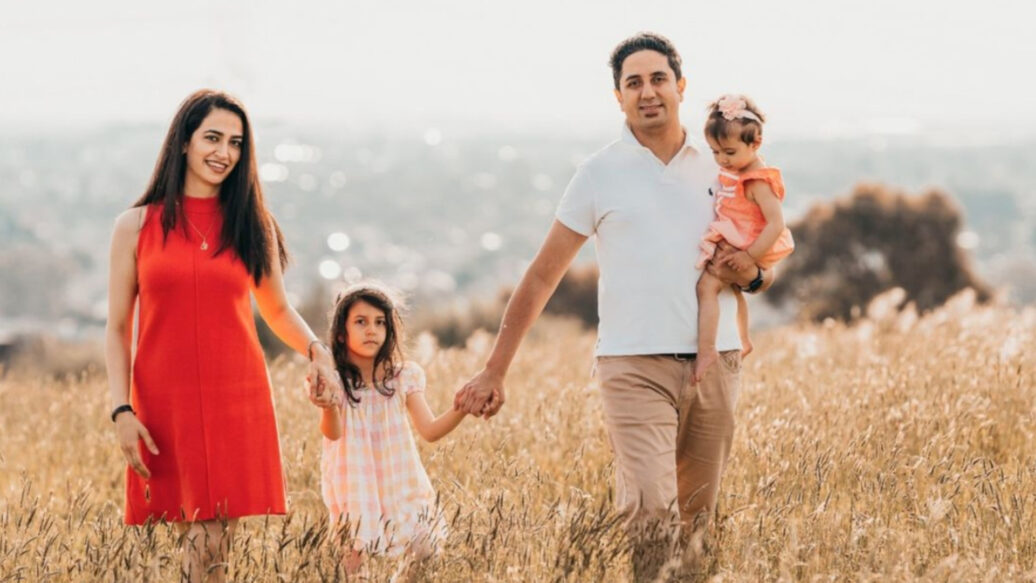
    Featured image: Arghavan (far left) with her husband Moh and two children.

  • Get to know: Lori Bennett

    Get to know: Lori Bennett

    #WeAreNorthern

    Meet Lori Bennett, Computer Clerk and Peer Supporter at Northern Health

    1. What is your coffee order?

    I love a hot caramel latte with a dash of full cream milk! I have a sweet tooth

    2. Can you tell me about your role as both a Computer Clerk and a Peer Supporter?

    I have been employed with Northern Health since September 2015 as a part time staff member. My shifts are days, afternoons and weekends. I also work at Bundoora Centre to help out when they are short staffed. As a Switchboard Operator/Computer clerk, I play a vital part at Northern Health. My communication skills shine as I eagerly engage with various members of the public, directing enquiries and assisting them with integrity and decency. My expertise includes liaising with doctors and nurses, and establishing well structured lines of communication across our campus.

    I started my Peer Support role last year. I became a peer supporter to help those that need someone to talk to, even if it’s just to get something off their chest. I strive to give people strategies to help resolve any issues they may have without judgement, because I may not have walked in their shoes. I believe this program gives staff a chance to speak to someone who isn’t their manager, or may not even work in the same area. Helping others lifts my spirits and makes me happy.

    3. What motivated you to become a Peer Supporter?

    I was motivated by the fact that I have always enjoyed helping others. I thought it would be beneficial for people to have a safe space to debrief about their issues, work related or not. The program stood out to me as a great opportunity to contribute to  the wellbeing of others in the workplace by listening, acknowledging people’s feelings and helping in any way I can. Staff members should not feel like they just need to ‘cope better’ or just be able to ‘get on with things’ when they are struggling.

    4. What do you enjoy the most about being a Peer Supporter?

    I enjoy being a Peer Supporter because I believe emotional and psychological wellbeing in the workplace is important, and I enjoy connecting with my colleagues. I believe that having a safe space to share experiences and connect makes a difference in how we cope with difficult times in this challenging industry.

    5. How do you like to relax after a day at work?

    I relax by having a good old sing, whilst sipping on a pina colada. I have learnt singing for over 20 years, and also enjoy live streaming my singing when I have the chance. I also love getting out in nature.

    6. If you could have dinner with any historical figure or celebrity, who would it be and why?

    I would have dinner with Ryan Reynolds, as he would keep the table laughing and engaged with his quick wit and charm. My grandpa, just to have one more dinner with him would be amazing. And Juanita Coco from Young Talent Time who is one of my idols. Her talent for singing and dancing is amazing.

    To access the Peer Support Program, please visit the Intranet.

  • “We see you, and we believe you.” Shining a spotlight on women’s pain

    “We see you, and we believe you.” Shining a spotlight on women’s pain

    National Pain Week is Australia’s annual awareness event for chronic pain, which focuses national attention on the experiences of those living with chronic pain, and helps to reduce barriers related to their pain.

    We spoke to Dr Josephine Vivian-Taylor, Head of Gynaecology at Northern Health, about the impact of women’s pain, and how we can help to manage this pain more effectively.

    How prevalent is chronic pain among women compared to men?

    Women experience chronic pain at higher rates than men across a lifetime. In part, this is because women experience persistent pelvic pain, period pain, bladder and bowel pain, particularly at the time in their lives that they are having periods and ovulating.

    Why do gynaecological pain conditions often go undiagnosed or misdiagnosed?

    Evidence into women’s experiences of the healthcare system when they present with gynaecological pain has shown that they are more likely to have their pain disregarded. This may lead to delayed referral, diagnosis and treatment, all of which have the potential to contribute to the pain becoming more chronic in nature, and more difficult to treat.

    Pervasive ideas such as, ‘it is normal for sex to be painful,’ and, ‘period pain is normal,’ mean that, for girls and women who experience pain, particularly when it is excessive and negatively impacting their lives, are less likely to seek help in the first place. Many of our patients have internalised these messages to the point where they now feel that it is ‘normal’ to be bedridden for two days a month during their periods. When we are able to tell them that their experience is not ‘normal,’ and that we have ways to help, they express relief that they are not ‘going crazy’ as they had been feeling, up to this point, that their pain had been ignored.

    How does chronic pain impact a woman’s quality of life and mental health?

    Chronic pain can have an enormous impact on women’s quality of life and mental health. Women with persistent pelvic pain are often young, and not being able to participate in life like their peers, care for children or fulfil their career potential can have devastating effects. I am in awe of these women’s strength to push through and fight in the face of such pain. But why should they have to? Women are tough, but if we could help them manage their pain better, they could put this amazing resilience and energy into other aspects of their lives.

    How can we help women manage chronic pain more effectively?

    We know that chronic pain is most effectively treated in a multidisciplinary team that includes GPs, pain specialists, physiotherapists, pain psychologists, nurses, dieticians, and in my speciality, gynaecologists. The evidence for this multidisciplinary approach is well established, but the delivery of this model of care in our healthcare system is still being developed.

    The women’s health clinics that are being rolled out by the Victoria government across the state over the next four years, along with endometriosis clinics in general practice and health care plans for pelvic health physiotherapy and psychology, aim to improve access to this type of care in Victoria. There is no one solution to treat persistent pelvic pain, so shared decision making, with women at the centre of the care we deliver, is an essential aspect of this care also.

    What message would you like to convey to women suffering from chronic pain?

    I would like to say ‘we see you and we believe you’. For those who have been put off accessing care due to poor experience or fear of not being believed, I encourage you to advocate for treatment again. I would also encourage women to explore all aspects of the multidisciplinary treatment available for chronic pain so they can find the combination that works best for them.

    Dr Vivian-Taylor was this week featured in the Star Weekly newspaper, sharing her thoughts on this important subject. You can read this article here.

  • Powering up – Small Change, Big Impact

    Powering up – Small Change, Big Impact

    Earlier this week, Northern Health launched a new initiative called ‘Small Change, Big Impact’.

    The program encourages staff working in all facets of the organisation to implement small, cost saving actions in their areas and then share them through Ideascale. Ideas will be highlighted and celebrated through various forums, like The Window and the weekly Staff Update email, so that other areas can utilise them, and we can all benefit.

    The initial idea for the program came from Deanne Rowland, Nurse Unit Manager Unit 1, Broadmeadows Hospital, who has been challenging her staff to save $20 per person per shift.

    “Many staff are unaware of the costs of the products we use, so we’ve put cost per unit on some of our more frequently used items in our supply room,” Ms. Rowland explained.

    “It’s a visible reminder of the cost. So, when staff go into an isolation room, for example, they only take in what’s needed at the time, rather than throwing out excess when the patient goes home.”

    Using no-nonsense, ‘Nurse Math,’ if you have an average of five staff per shift x three shifts per day =15 shifts x $20 = $300/day x 30 units = $9000.00 per day x 365 = $3.2 million over the year!

    The beauty of all of this, is that so many wards and areas are already employing these kinds of measures. Through Small Change, Big Impact, these ideas can now be highlighted organisation wide, compounding the marvellous work being done. The ultimate powerup!

    Debra Bourne, Chief Operating Officer, added “This is not only about saving costs, what’s good for Northern is also good for the environment, and has many flow-on affects that are positive and sustainable.”

    Click here to share your ideas and collaborate with your peers now, and see your small change be part of a big impact.

  • Introducing Northern Health’s new CMO – Professor Prahlad Ho

    Introducing Northern Health’s new CMO – Professor Prahlad Ho

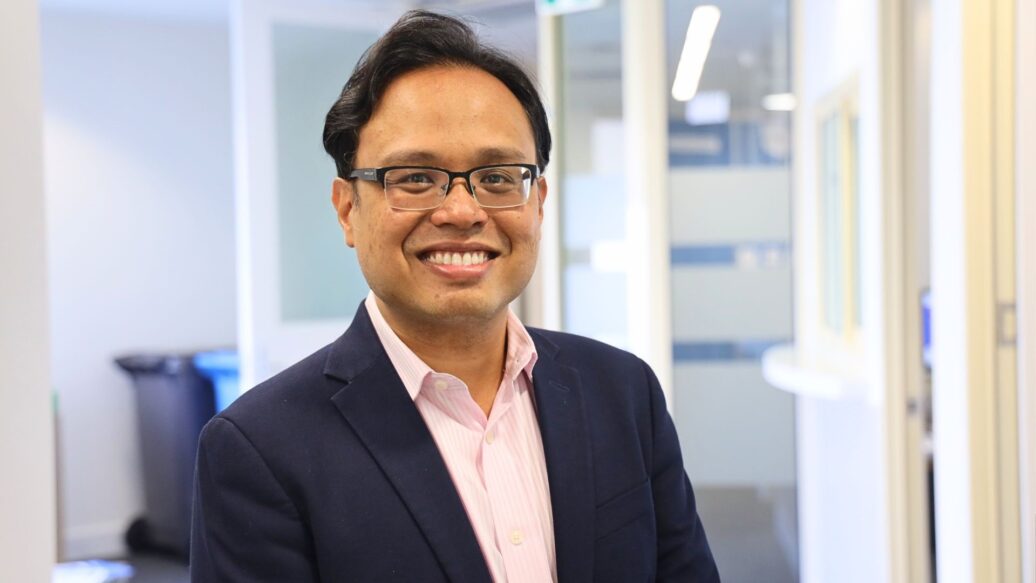
    This week, Professor Prahlad Ho takes on the role of Chief Medical Officer (CMO), with Professor Wanda Stelmach handing over the baton as she transitions to her new role in cancer services.

    With over 18 years of dedicated service at Northern Health, Prahlad’s journey began as an intern, progressing through basic and advanced training at Northern Health and Austin Health. In 2014, he was appointed to the role of Laboratory and Clinical Haematologist, and has since held multiple leadership positions, including Director of Clinical Haematology, Director of Northern Pathology, Divisional Director of Diagnostics and Outpatients, Divisional Director (Medical) of Cancer Services and Chair of the Research Executive Committee.

    Prahlad’s impressive academic background includes a Bachelor of Medical Science and a Bachelor of Medicine and Surgery (Honours) from the University of Melbourne. He is a Fellow of the Royal College of Pathologists of Australasia (FRCPA) and the Royal Australasian College of Physicians (FRACP) and earned his Doctor of Philosophy from the University of Melbourne in 2018. He also holds an Adjunct Professorship from RMIT University and honorary appointments at the University of Melbourne and Monash University, maintaining an active research portfolio in thrombosis and cardiovascular disease.

    In a recent discussion, Prahlad shared his insights on his new role, his remarkable career journey, the exciting new chapter ahead, and his future plans. Here is an excerpt from our conversation with him.

    Q: Firstly, what is your coffee order?

    A: I love coffee and skinny latte is my order.

    Q: You have been recently appointed the new Chief Medical Officer of Northern Health. Tell us how you feel about this new role, what would your focus be and what is your vision for the role?

    A: I am honoured to take on this role in a very challenging time, with the financial crisis and discussions about possible amalgamations hovering over us. While I am, like everyone else, concerned and anxious about the upcoming changes, I am supremely confident in the strength of our hospital, and that it will always be our geographical destiny to serve our growing population, as we have for over 25 years.

    Q: You have been working at Northern Health since 2006. Tell us about your history at Northern Health, your early beginnings and your journey throughout the years?

    A: I have had the privilege of serving in every medical position in this hospital, from medical student to consultant, and now I have the honour of serving as CMO. I still recall when I first came here as a medical student, I had to avoid kangaroos to get into the building. How much has the Northern Hospital Epping changed since then! During my time here, I have seen us develop from a small, outer suburban community hospital, into a major hospital that we are all so proud of.

    Q: What are you most excited about this new chapter?

    A: When I first started here as a haematologist and PhD student, I was asked “why would you ever go to Northern Health?” I have spent much of my career telling everyone – it is because this is the best place to work and a place where we can make a difference! My motto has been that “no patient should be disadvantaged by the postcode they live in” and I intend to continue on delivering this, by working together with everyone, to transform our hospital into a tertiary centre of excellence, which our patients, and us, can all be proud of.

    Q: What achievements are you most proud of at Northern Health?

    A: Northern Pathology Victoria, Northern Imaging Victoria and our NECTAR group (Northern Health’s Collaborative Group for Thrombosis and Research).

    Q: Can you please share with us something not many people know about you?

    A: I served in the Singapore Army and Navy.

    Q: What is on the top of your bucket list?

    A: Travel to every continent of the world.

    Congratulations from all of us at Northern Health! We wish you continued success and look forward to the positive impact you’ll bring.

  • TRICS to improving patient outcomes

    TRICS to improving patient outcomes

    As healthcare professionals, much of our training around clinical deterioration and resuscitation focuses on our technical skills – how to perform effective CPR, how to use the defibrillator etc.

    However, there is a growing awareness that our non-technical skills are just as important in a critical situation. Teaching and practice of skills such as role allocation, communication, leadership and planning are essential to improve outcomes for our patients.

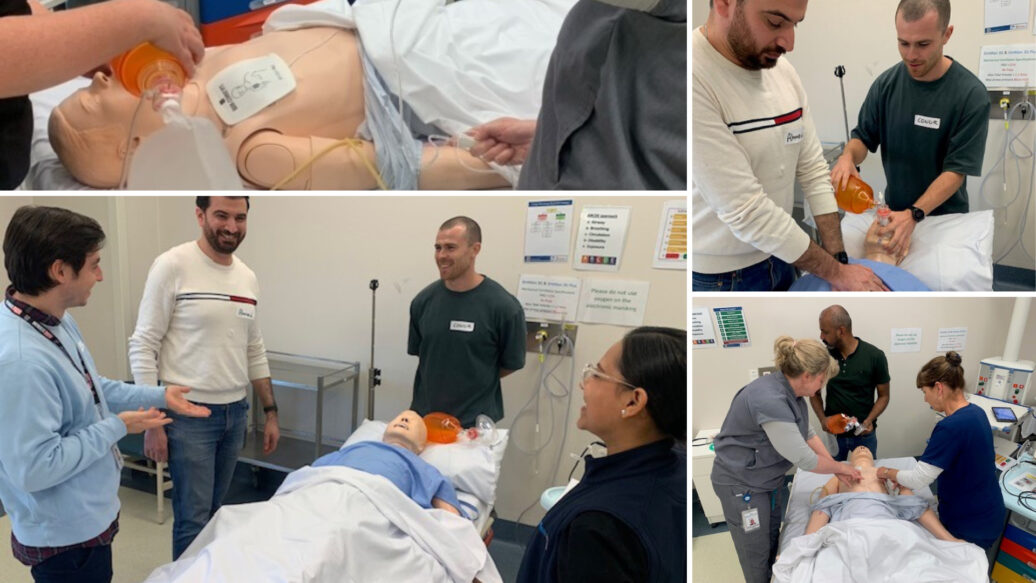
    The TRICS – Team Response in Critical Situations, course is designed to teach and practice these skills in a multidisciplinary team environment. The 4.5-hour course is held at the NCHER simulation centre and involves skills stations, simulations, and team debriefing, taught by nursing and medical faculty with critical care experience.

    The course has been running for a few weeks, with many staff attending providing valuable feedback on the importance of this course.

    “From my perspective, as a doctor working in ICU and anaesthetics who regularly attends Code Blues and MET calls, the improvement in communication, situational awareness, teamwork, and task management displayed by participants excites me and reassures me of the course’s value in enhancing patient safety.” – Dr Nathan Hanegbi, Anaesthetic SRMO.

    “The TRICS study day is a wonderful opportunity to solidify your leadership skills in critical high stress situations. The course provided great theoretical knowledge which was then reinforced during some fun and engaging team simulations. I have since found my confidence in medical emergencies has greatly improved and I am better able to communicate with others throughout the event which allows me to be a voice for my patients and escalate concerns and needs appropriately.” – Kaytlin Wills, Registered Nurse, Ward 22.

    “I thought there was a good mix of classroom explanation and bedside simulation. The simulation work was very helpful, not only as a Basic LIfe Support/Advanced Life Support  refresher almost, but mainly as a chance to take on a leadership role in a less high-stakes setting than actually in the hospital. The communication focus was a great benefit, because this seems to be what breaks down in work the most often. I’ve ended up using that experience I got in there in work a bunch of times since. I stepped up to Registrar recently and have been involved in and sometimes ran a lot of MET calls. The course acted as a good stepping stone towards those moments in work, and also gave me more confidence for those moments where everyone turns and asks ‘what would you like to do’, because we’d worked through a framework for those exact situations in the simulation room.” – Aaron Barry, General Medical Registrar.

    The TRICS course is open to clinical staff working at Northern Health. Course dates and how to register can be found on the LMS here.