• Stronger Hearts This RedFeb

    Stronger Hearts This RedFeb

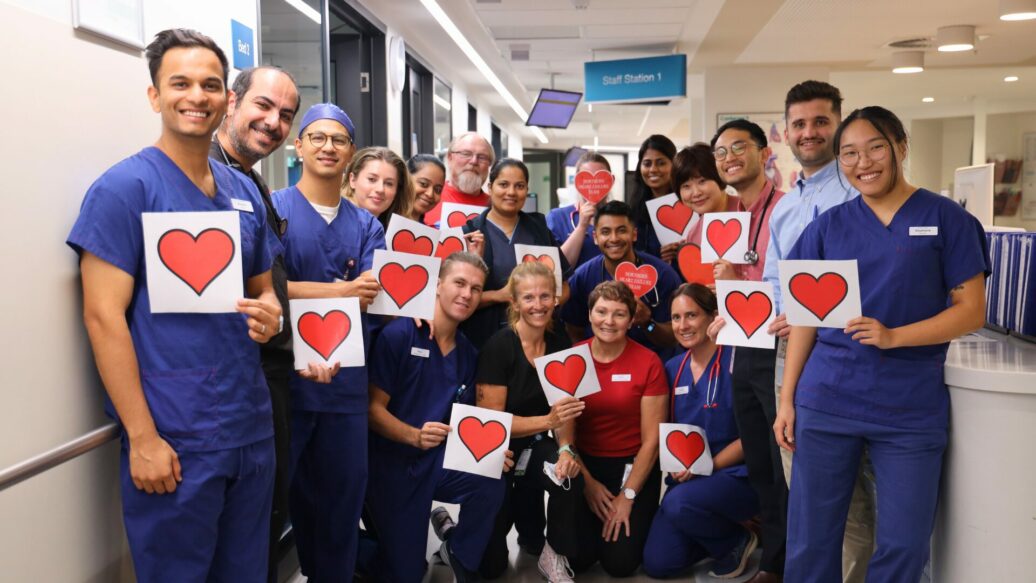
    February marks RedFeb, an annual initiative by Heart Research Australia that encourages individuals to wear red in support of heart health awareness and research.

    Heart disease remains the leading cause of death in Australia, yet many risk factors can be managed through lifestyle choices and regular health monitoring.

    Northern Health Heart Failure Nurse Practitioner, Vikki Hannah, says “we need to focus on movement and exercise, healthy eating, monitoring of general health including cholesterol, blood pressure, weight, blood sugar levels, mental health and reducing stress.”

    Heart Research Australia recommends simple steps to a Healthy Heart – The “4M’s

    • Move: Staying active at any age helps maintain heart function, reduces blood pressure, and improves overall wellbeing. Regular exercise can also prevent conditions like dementia and muscle loss later in life.
    • Meals: A balanced, nutrient rich diet plays a crucial role in heart health. Choosing whole foods over processed options can help manage cholesterol and blood sugar levels.
    • Measurement: Regularly tracking key health indicators such as blood pressure, cholesterol, weight, and waist circumference is essential for early detection and prevention of heart disease.
    • Mental wellness: Stress, anxiety, and depression can negatively impact heart health. Maintaining positive social connections, managing stress, and prioritising mental wellbeing all contribute to a healthier heart.

    While some factors like age and family history cannot be changed, most heart attacks and strokes can be prevented by adopting healthier habits.

    “Despite the rising number of people having heart attacks without traditional risk factors, there is hope in prevention. By making healthy choices and staying informed, we can protect our hearts and the hearts of those we care about,” Ms Hannah adds.

    Movement and exercise, intelligent choice of meals, measurement of key health indicators and mental wellness through prioritising a positive mindset and social connection (the 4M approach) form a concise and effective framework to managing heart health before and after serious illness, at any age.

    For more information on RedFeb, visit www.heartresearch.com.au/redfeb.

    Featured Image: Cardiology Team, Northern Health.
  • Northern Health home of the largest public women’s mental health unit

    Northern Health home of the largest public women’s mental health unit

    Northern Health is the home of Victoria’s largest public women’s mental health inpatient unit.

    Located at Northern Hospital Epping in Ward 7, the Women’s Mental Health Unit will operate as a 25-bed inpatient unit, dedicated to supporting female consumers aged 18 to 65 years who require hospital-based care due to acute deterioration of current mental illness, or acute exacerbation of chronic mental illness that cannot be managed in the community.

    Officially opening today, the unit will serve consumers who reside within the northern catchment or have presented to a health site within the catchment and require admission. The unit is also the first women’s mental health unit in the northern catchment area.

    The unit’s workforce includes 59 staff from multiple disciplines including nursing, social work, occupational therapy, consultant psychiatry, psychology, admin and lived experience.

    Ward 7 underwent a significant refurbishment to enhance the environment to better support recovery-focused care. The works included upgraded lighting, new flooring, ligature-safe doors, as well as modernised ensuites and toilets to ensure a safer and more therapeutic space for consumers.

    Belinda Scott, Executive Director, Mental Health, said the unit was a significant milestone and represented a big step forward in delivering specialised, compassionate and holistic care for women experiencing acute mental illness.

    “Here at Northern Hospital Epping, we have 80 Adult Mental Health beds – this is the largest number of public mental health beds on a single site in Victoria,” Ms Scott said.

    “This creates an opportunity to do things differently, to move towards specialist care not just for women but for all consumers using Northern Health Mental Health services. This marks the first step in transforming care.”

    “Now, with a refurbished space and a passionate team, we are ready to open our doors and provide care that is consumer centred, recovery-oriented and guided by the principles of trauma-informed care and family inclusive practices.”

    Shaveta Sood, Project Manager, Ward 7, said the Women’s Mental Health Unit is dedicated to delivering trauma-informed, gender-sensitive and recovery-focused care to ensure a safe and supportive environment, and responds to the unique needs of women in crisis.

    “We look forward to welcoming consumers and providing high-quality, compassionate mental health care in this newly refurbished space. Thank you to everyone involved in making this vision a reality,” Ms Sood said.

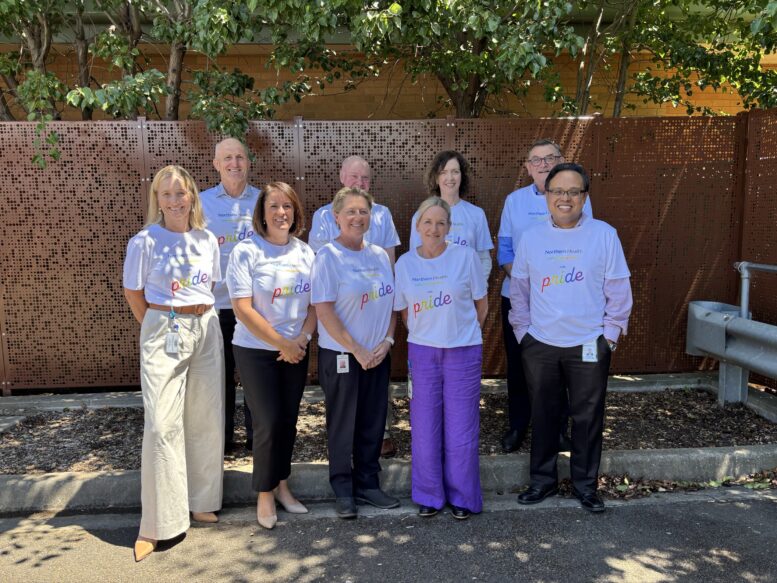
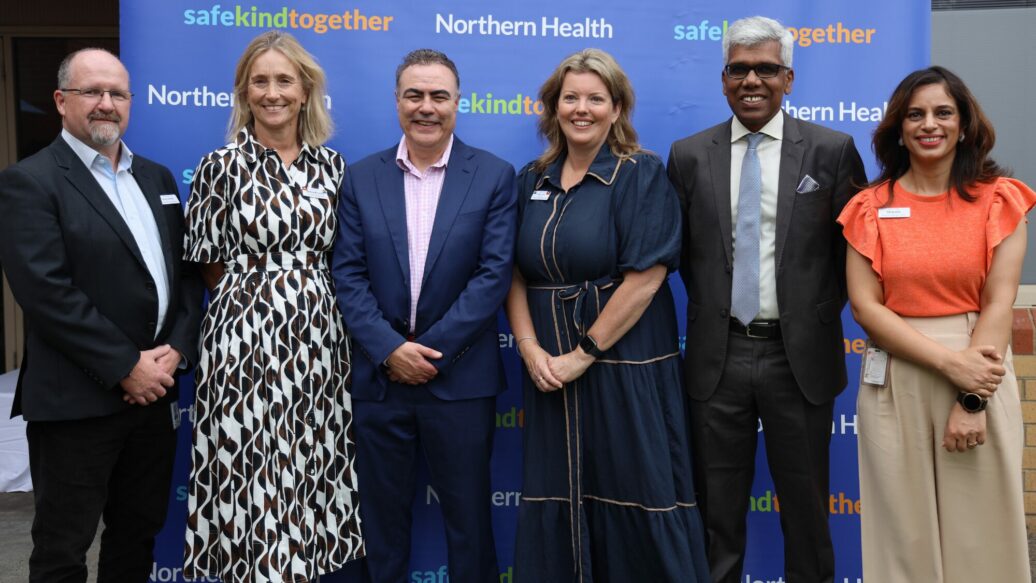
    Featured image: L-R Gary Ennis, Director of Nursing, Mental Health, Debra Bourne, Chief Executive, John Dermanakis, Operations Director, Northern Area Mental Health Service, Belinda Scott, Executive Director, Mental Health, Vinay Lakra, Divisional Director, Mental Health, and Shaveta Sood, Project Manager, Ward 7.

  • Get to know: Bethany Wallach

    Get to know: Bethany Wallach

    #WeAreNorthern

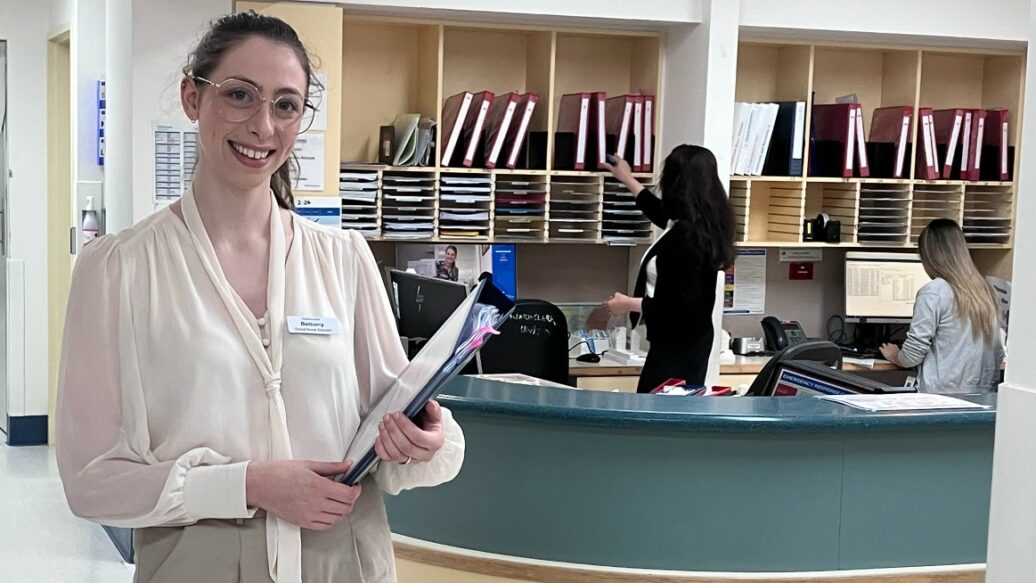
    Tuesday, 4 February was World Cancer Day. Today we are pleased to profile Bethany Wallach, Clinical Nurse Educator – Haematology/Oncology.

    Q: Can I have your coffee order first, please, Beth?

    A: Small oat cappuccino! A must have to start the day!

    Q: What is the role of a Clinical Nurse Educator in the cancer space?

    A: As a Clinical Nurse Educator, my role is to support and train staff in providing exceptional care for cancer patients, including administering chemotherapy treatments. I also assist in developing training programs, implementing new treatment protocols, and creating educational content and policies. A big part of my role involves mentoring new graduate nurses and undergraduate students, helping them become the best nurses they can be.

    Q: What satisfaction does your role give you?

    A: I love the challenge that comes with this role — whether it’s problem-solving, staying updated on advancements in cancer care, or finding new ways to educate staff. Teaching and mentoring are particularly rewarding, as I get to help shape the future of nursing. I also enjoy working within multi-disciplinary teams, engaging with different stakeholders, and creating resources that enhance knowledge and patient care. Most of all, I love the opportunity to continuously develop my own knowledge and research in the cancer field, allowing me to stay at the forefront of new treatments and best practices.

    Q: What are your plans in this role for 2025?

    A: Firstly, ensuring all staff members in the cancer sector complete the Anti-Cancer Drug Administration Course (ADAC). Also expanding training for handling and administering cytotoxic drugs hospital-wide, assisting with the implementation of new cancer treatments at Northern Health and providing more training around the management of Central Venous Access Devices (CVAD) to ensure best practices in patient care.

    Q: What are the best things about working at Northern Health?

    A: Without a doubt, the culture and the people. It’s a supportive, collaborative environment where everyone is committed to making a difference. I’ve also felt incredibly supported by the education team, who have helped me develop and grow into my role. Their guidance has been invaluable in shaping my journey as a Clinical Nurse Educator.

    Q: How do you occupy yourself outside of work?

    A: I love spending time in my garden, reading, knitting, and playing video games. I also enjoy listening to music, hanging out with my dog Winnie, and spending quality time with my husband.

    Q: What is something not many people know about you?

    A: I have a keen interest in history, especially revolutions, and will happily discuss them at length. One day, I’d love to write my own book!

    Q: Who is a famous historical figure who has influenced you and why?

    A: Without a doubt, Virginia Hall! She was an incredibly intelligent and courageous woman who refused to let her disability or gender stand in her way. Despite numerous obstacles, she became one of the most effective undercover spies of World War II. She coordinated critical missions, and orchestrated daring rescues of captured agents from heavily guarded prisons. Her resilience and passion inspire me to continue to push past obstacles that seem unachievable, and to transform what seem like personal deficits and insecurities, into strengths.

  • Marching with pride and colour

    Marching with pride and colour

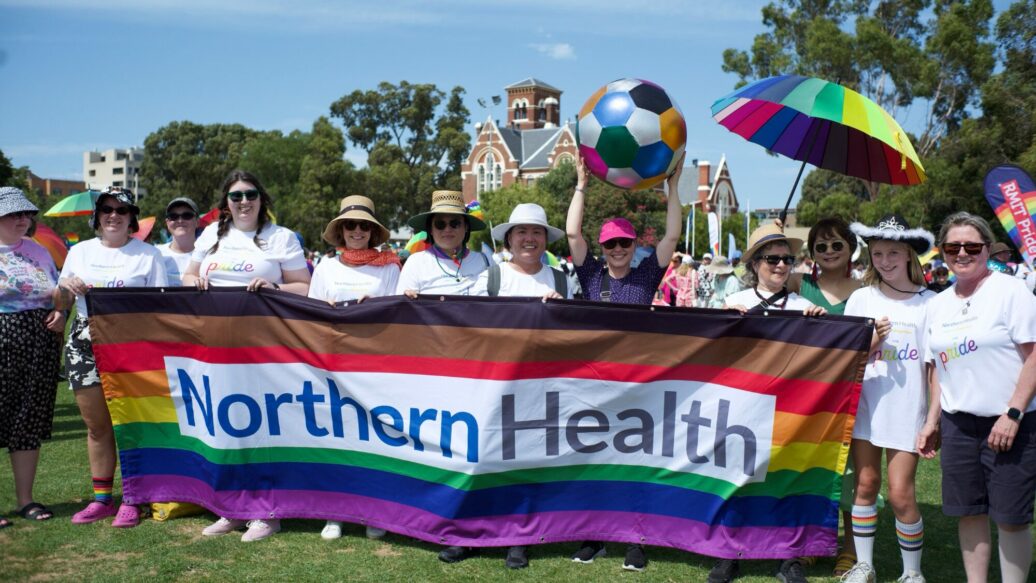
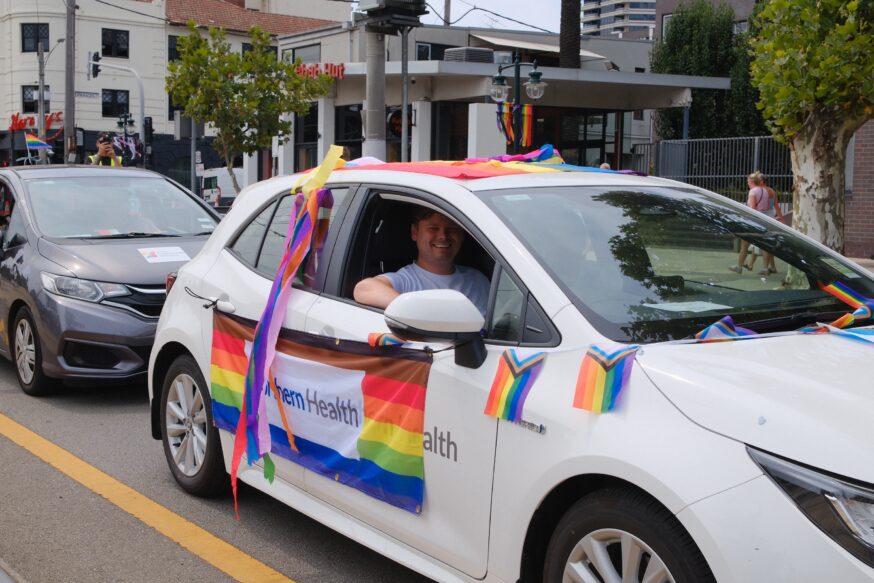
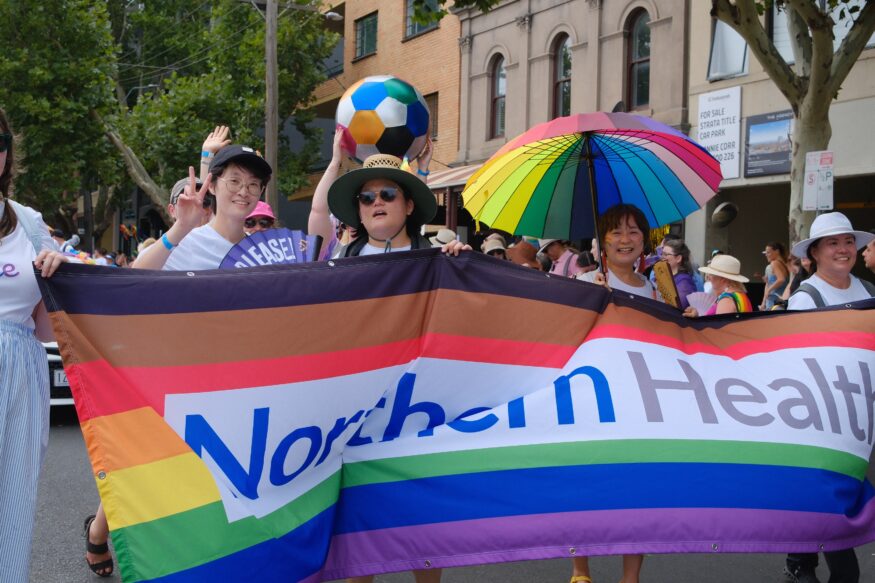
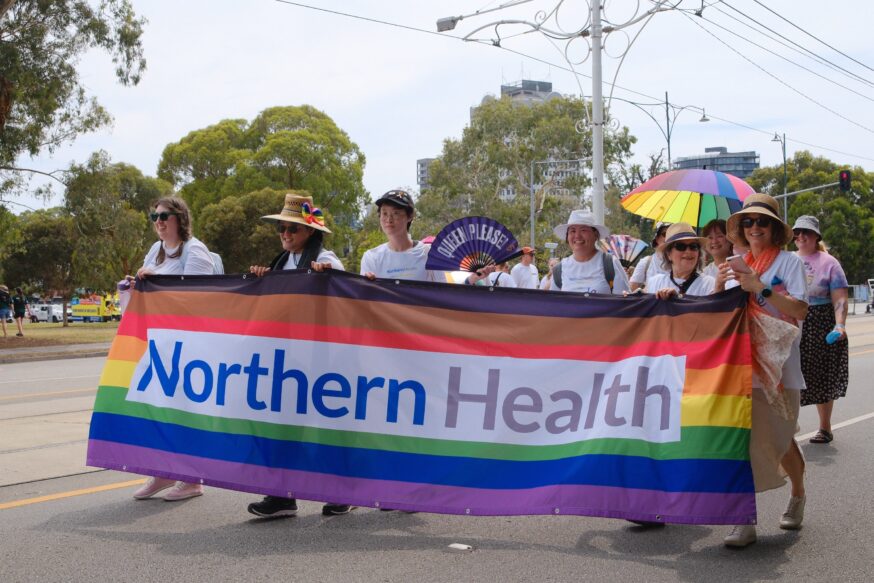
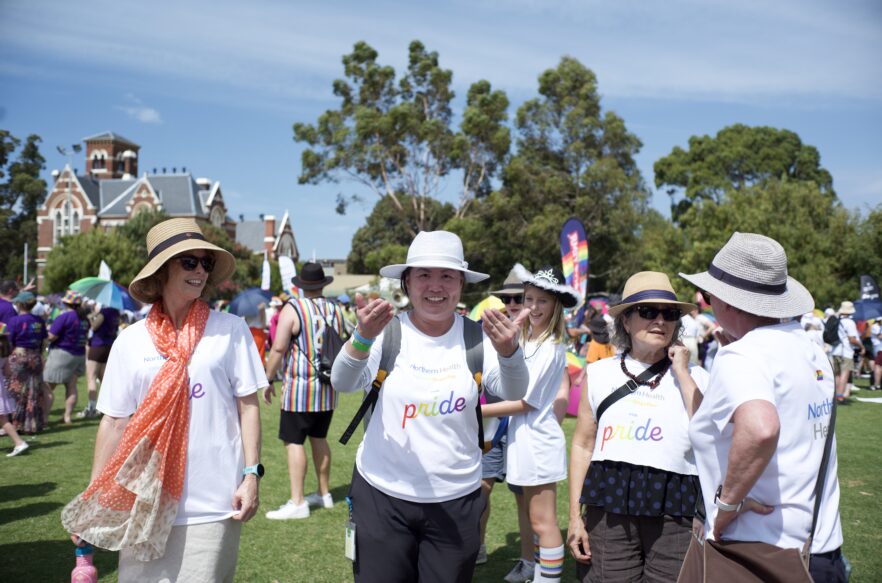
    Northern Health was proud to stand with the LGBTIQA+ community during last Sunday’s colourful Pride March.

    The annual event forms part of Melbourne’s Midsumma Festival, held between 19 January and 9 February 2025. Despite the hot weather, thousands of people marched the streets of St Kilda to show their support and solidarity for the LGBTIQA+ community. Alongside many other organisations, our team, which included doctors, nurses, allied health, psychology, dietitians, Transcultural and Language Service (TALS), and admin support, proudly represented Northern Health. This year marked Northern Health’s fifth time marching in the event.

    “As we come together and march, we are showing that our community is a place where everyone is welcome, valued, and empowered to be their authentic selves,” said Michelle Fenwick, Executive Director, People and Culture, Northern Health.

    Andrew Grey, Chair of the Rainbow Sub Committee and Booking Team Leader, TALS, said it was fantastic to see familiar and new faces marching alongside Northern Health, all united in the commitment to inclusivity and equality.

    “As healthcare professionals, we recognise the significance of events like Pride March—not only as a celebration but as a powerful statement of support. Visibility matters, and by taking part, we reaffirm our dedication to fostering a safe, welcoming, and affirming environment for our LGBTIQA+ patients, their families, and our staff,” he said.

    Maria Soo, Director of Workforce Planning and Projects said it was incredible being part of the Northern Health contingent with representatives from across various campuses and directorates getting together to celebrate our uniqueness.

    “There was so much excitement and buzz throughout the day, with people (and lots of canines) marching for the right to a discrimination-free existence. As a member of the Equity, Diversity & Inclusion Steering Committee, I look forward to working with our workforce in 2025 to promote and celebrate diversity.”

     Penelope Vye, Associate Director, Allied Health, said it was a pleasure and honour to represent Northern Health as an ally of Pride March.

    “The atmosphere was one of joyful celebration despite the heat of the day,” she said.

  • Northern Health welcomes new junior doctors

    Northern Health welcomes new junior doctors

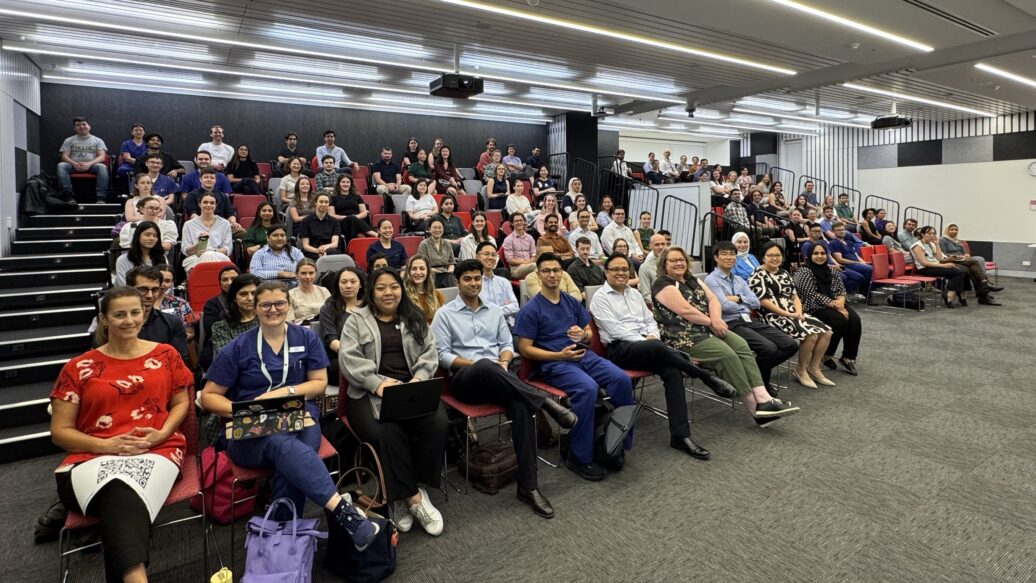
    Northern Health officially welcomed 150 new junior doctors to its workforce on Monday with a comprehensive, hybrid orientation designed to ease the new doctors into their roles.

    The half-day event kicked off with a warm welcome from Prahlad Ho, Northern Health’s Chief Medical Officer and Dr Susanty Tay, Northern Health’s Deputy Chief Medical Officer. They both emphasised the hospital’s values of ‘safe, kind, together’, offering guidance on the junior doctors’ responsibilities and expectations across Northern Health. They introduced the new Director of Northern Doctors Education, Dr Kim Jeffs, on what was her first day in the role.

    Dr Chiu Kang, Director of Clinical Training spoke about wellbeing for junior doctors and the support options available. He outlined the Australian Medical Council (AMC) framework, which sets clear standards for clinical practice, professional development, and workplace behaviour, ensuring that junior doctors in their early years of training are well equipped to succeed in their roles.

    The day concluded with hospital tours to provide the new junior doctors the opportunity to familiarise themselves with the various departments, wards, and facilities, and meet key staff members who will be working alongside them.

    “Orientation aims to provide a foundation for the new to Northern Health junior doctors to ensure they are prepared to deliver high-quality care and integrate smoothly into the hospital’s fast-paced environment,” said Susie Sangas, Northern Doctors Education.

    “Northern Health has long been a leader in the training and development of junior doctors, with orientation serving as the first step in a fulfilling and challenging career within the health service.”

    From all of us at Northern Health, a warm welcome to our juniors doctors! We are excited to have you on board.

    Featured image: New junior doctors at Northern Health.

  • Montse’s story

    Montse’s story

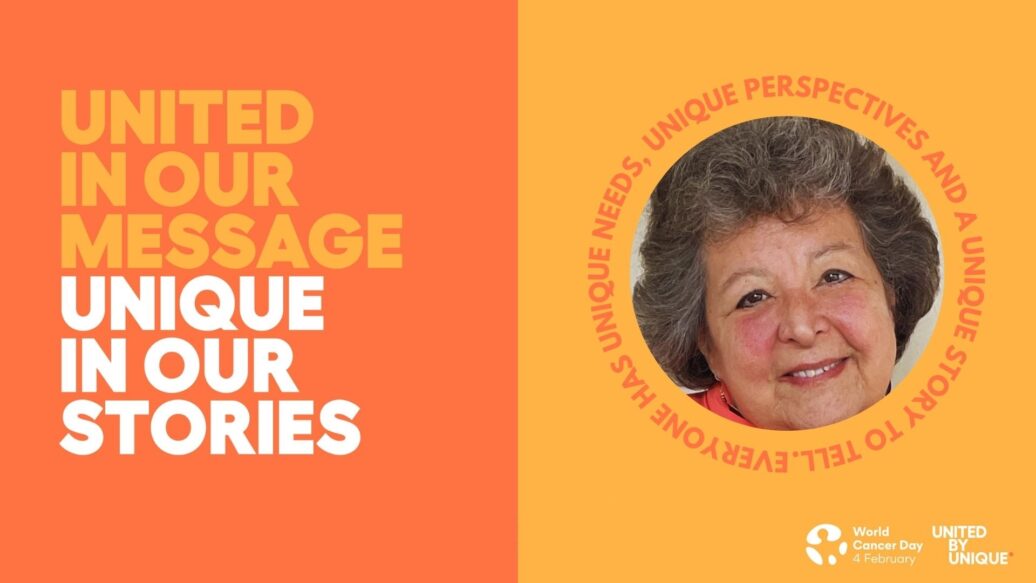
    Today is World Cancer Day. The theme this year is ‘United by Unique,’ which emphasises the importance of placing people and their stories at the heart of care. As stated on the World Cancer Day website, “Behind every diagnosis lies a unique human story.”

    Today, we would like to share the story of Montse (short for Montserrat), a 78-year-old proud Catalan originally from Barcelona, who arrived in Australia 52 years ago.

    As Montse explains, “I moved to Melbourne after marrying an Australian whom I met while on holiday in Italy. We had a daughter together and settled in the suburb of Sandringham. I am currently married to a German, and for the past 30 years, we have been living in Mill Park.”

    Her story is colourful – in more sense than one. Speaking of her first husband, she says, “…after writing to each other for a few months, we met in London the following year and decided that we would get married within a month and so we did. We drove to Barcelona for our honeymoon, in the purple Volkswagen that I later painted navy blue.”

    Here in Melbourne, Montse lived a full and vibrant life.

    “Back in my younger days I enjoyed playing basketball and when I arrived in Melbourne, I continued to play first division basketball. I then founded the Melbourne Catalonian Club in 1986 in order to practice my mother tongue Catalonian. I held the positions of Secretary, President and Treasurer for many years.”

    Until five years ago. “After having been misdiagnosed with asthma for many years, I was diagnosed with Stage 4 Lung Cancer. I am now on a treatment which, although it keeps the cancer stable, has the side effects of fatigue and swollen legs, hence my need for exercise.”

    Although Montse lives locally at Mill Park, she was not treated at Northern Health and is not a patient of Northern Health.

    “I heard of the WellAhead  program at the Northern Hospital from the U3A Newsletter where I have been a member for many years. I have been attending the yoga and qigong classes for some time now,” she says.

    “The program has helped me with my breathing and allowed me to exercise with a group because I am not disciplined enough to exercise on my own. I have recommended the program to a 90-year-old friend who also has cancer.”

    Says Montse, “I believe it is not only my medical treatment that is keeping my cancer stable but also my diet and exercise.”

    WellAhead is a holistic wellness program, co–designed with consumers, to support and empower those living with and beyond cancer. Activities include yoga, qigong, volunteer programs, Northern Health Community Choir and classes for seniors from Whittlesea U3A.

    Wellness holds particular significance for individuals diagnosed and treated for cancer. Activities like yoga and qigong promote relaxation, reduce stress, and improve flexibility and strength. Card making and other creative pursuits offer emotional expression and a sense of accomplishment.

    They foster a supportive community, boost mood, and help in coping with treatment-related stress. Overall, they contribute to a holistic approach to healing, improving quality of life and aiding in recovery.

    WellAhead aligns with Northern Health’s Trusted Care Commitment of ‘Staying Well’ with a focus on health and wellbeing in the community.

    Professor Wanda Stelmach, Divisional Director, Medicine and Cancer says she would like to see wellness, holistically supporting our consumers, “from the start of their diagnostic journey through to treatment, remission, recurrence and end of life care and enable them to live as full a life as they desire. “

    From today, the weekly classes of yoga and qigong will move across the road from Northern Hospital Epping to Whittlesea Community Connections, Pacific Epping.

    Alex Haynes, CEO of Whittlesea Community Connections (WCC) says, “Partnering with Northern Health and supporting their WellAhead program means those in our community with cancer, and those caring for them, have opportunities to engage in free wellbeing activities, information and support.”

    Montse says, “I am looking forward to our classes. I would recommend the WellAhead program to anyone who is going through their cancer journey like me.”

    To learn more and enrol, visit: nh.org.au/wellahead

  • Guidance: New antimicrobial surveillance software

    Guidance: New antimicrobial surveillance software

    Northern Health’s Antimicrobial Stewardship (AMS) Program ‘Guidance’ is undergoing a major upgrade in 2025.

    This program has been used at Northern Health since 2011 and is an essential decision support tool used to promote safe and appropriate antimicrobial use across the organisation.

    Guidance is a web-based antimicrobial decision support program designed by the National Centre for Antimicrobial Stewardship (NCAS) to support AMS activities in hospitals. First developed in 2005, the program has been implemented in over 60 hospitals nationally and has been associated with reductions in broad-spectrum antimicrobial use, gram negative resistance rates and antimicrobial costs.

    The upgraded program will offer improved functionality and is fully customisable, with a number of key benefits:

    Advanced clinical decision support and improved prescriber workflows

    Enhanced functionality of the Guidance program will allow more effective clinical guidance and decision support for clinicians when prescribing antimicrobials and treating infectious conditions. The upgraded program will allow clinicians to search by indication or medicine and provide treatment recommendations based on fully customisable treatment pathways, based on local and national guidelines.

    Workflow efficiency and EMR integration

    The upgraded program is designed to be significantly easier to use, supporting improved clinician and AMS team workflow through a variety of pathways:

    • Integration with EMR with a dynamic link to Guidance at the time of prescribing
    • Streamlined upload of antimicrobial active orders data
    • Improved flexibility of content design and management, using the Guideline Writer platform
    • Expansion of the program to include all Northern Health sites, improving offsite AMS activities and surveillance
    • Increased data-base of decision support algorithms, including over 260 indications. Each of these are able to be easily customised to reflect local guidelines

    Improved AMS auditing and reporting capability

    The upgrade facilitates more efficient auditing and reporting processes within the AMS clinical team, through improved patient triage and ward round capabilities, more comprehensive documentation of patient assessments and recommendations, and improved functionality of the reporting portal. In addition, the program has been redesigned to enable real-time business intelligence reports, tailored to meet the AMS and Sepsis Clinical Care Standards. These reports can be tailored to provide real-time, actionable data to specific units and/clinical areas, which included key areas of quality improvement and targeted interventions.

    The Guidance build will begin in February, with roll-out planned for the second half of 2025. Updates will be provided throughout the build process and user education scheduled closer to the implementation

    This program is used by all clinical staff at Northern Health, so will improve antimicrobial prescribing across the organisation. In particular, we’re excited that this upgrade will allow us to extend the AMS program to the Kilmore site for the first time. The build is being directed by an expert working group consisting of the AMS team, Pharmacy, IT and Informatics.

    “My hope is that the improved functionality and EMR integration will allow increased utilisation of local prescribing Guidelines and lead to safer antimicrobial use at Northern Health,” said Danni Miatke, Antimicrobial Stewardship Lead Pharmacist.

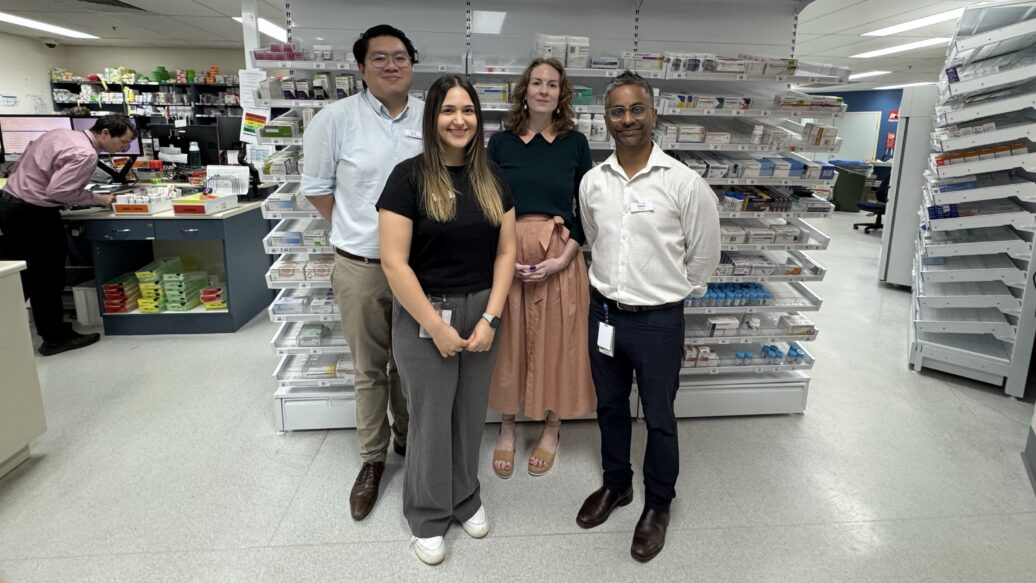
    Featured image: David Nguyen, Deputy Director Pharmacy – Quality and Informatics, Amina Nouri, AMS Pharmacist, Danni Miatke, AMS Lead Pharmacist and Saliya Hewagama, AMS Lead Physician. 

  • Get to know: Sharni Norouzi

    Get to know: Sharni Norouzi

    #WeAreNorthern

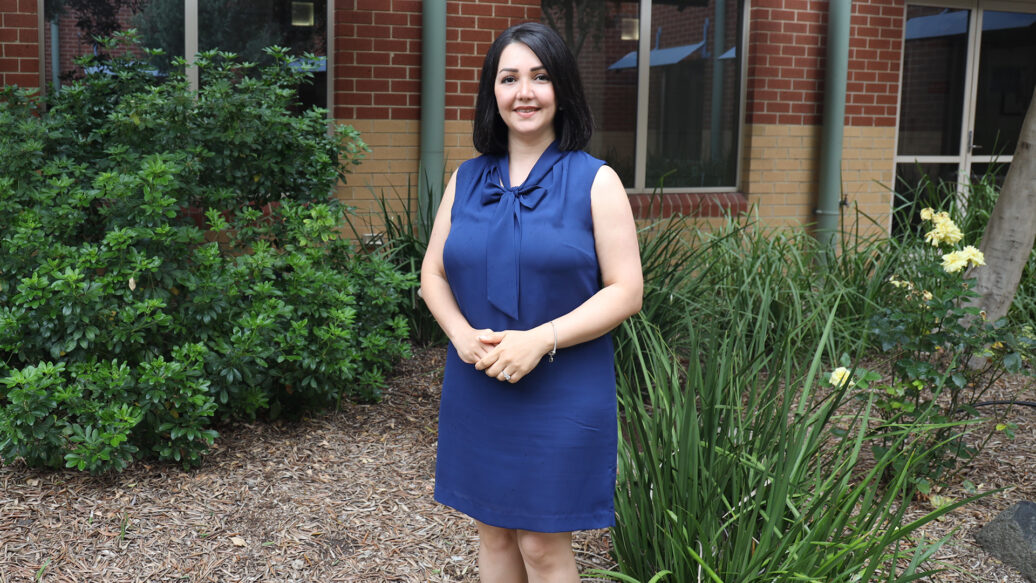
    In light of World Cancer Day (4 February) next week, we spoke to Sharni Norouzi, Research Coordinator- Scientist, part of our Cancer Clinical Trials team.

    Q: First, can I have your coffee order please Sharni?

    A: I’m not a real coffee drinker, but I usually go for a small flat white, extra hot please.

    Q: Tell us of your role in the Cancer Clinical Trials team? 

    A: I have a dual role, contributing both to an important project supporting Culturally and Linguistically Diverse (CALD) patients and to the overall clinical coordination of cancer trials.

    Q: What satisfaction does your role give you?

    A: My role allows me to make a real difference in the lives of people from diverse backgrounds. Having experienced the challenges of adjusting to a new country and language myself, I truly understand how hard it can be to navigate life in a foreign place.

    Being able to support CALD communities, including my own, has always been my passion. In my home country, I faced restrictions that prevented me from serving my community in the way I wanted to. But here, I feel empowered to do just that. Particularly when working with individuals facing serious health issues like cancer, I find great purpose in providing the support they need, knowing how important it is to feel understood and cared for during such challenging times.

    Q: What are some of the challenges you face?

    A: One of the challenges for the unit is that, according to survey results, two-thirds of our cancer patients are not aware of the availability of cancer clinical trials at Northern Health.  Addressing this awareness gap has become a key focus for me.

    Q: What are your plans for 2025?

    A: We have been conducting surveys with patients and their carers, interpreters/ translators from the TALS department, and healthcare providers, and have established three separate focus groups with each of these group. Based on the insights gathered from the surveys and focus groups, we are now moving into a co-design process to develop pilot toolkits that will improve access and support for CALD patients.

    Q: Tell us of your journey prior to joining Northern Health?

    A: I started my career in academia, focusing on research and teaching. I completed my master’s degree in Biochemistry in my home country, Iran. In 2015, I moved to Australia and completed my PhD in Medical Science in beautiful Tasmania, a place I will always love. I then did postdoctoral research at Oxidant and Inflammation Biology (OXIB) group at RMIT University and the Markey Cancer Centre at the University of Kentucky in the US, before joining the Northern Health Cancer Clinical Trials team.

    Q: What are the best things about working at Northern Health?

    A: One of the best things about working at Northern Health is its multicultural environment, where I never feel like a stranger. I also really appreciate the supportive and friendly atmosphere in the Cancer Clinical Trials unit. My colleagues are always kind and welcoming, which makes it a wonderful place to work.

     Q: What are your interests outside work?

    A: I have a passion for teaching my mother tongue, Persian, especially to my children. My six-year-old son is already able to communicate fluently in Persian and is halfway through learning to write in it. I also teach Persian on Saturdays at the Victorian School of Languages, which I thoroughly enjoy.

    Q: What is something not many people know about you?

    A: I scan everything with the Yuka app before I eat to make sure it’s healthy!