• Giving new hope to the heart

    Giving new hope to the heart

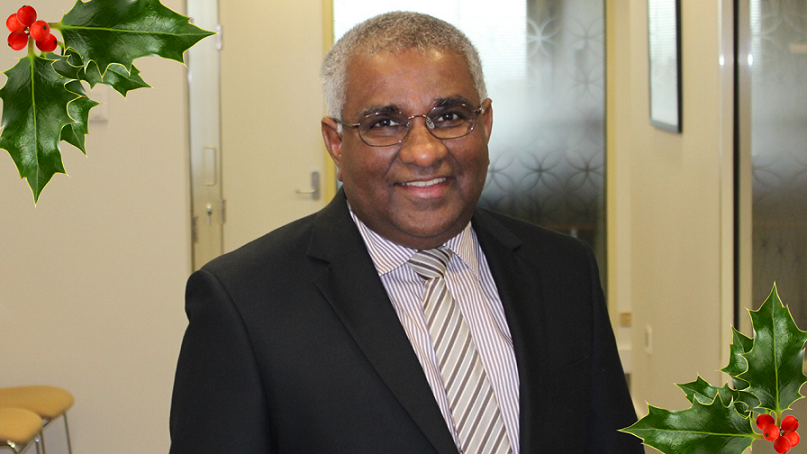
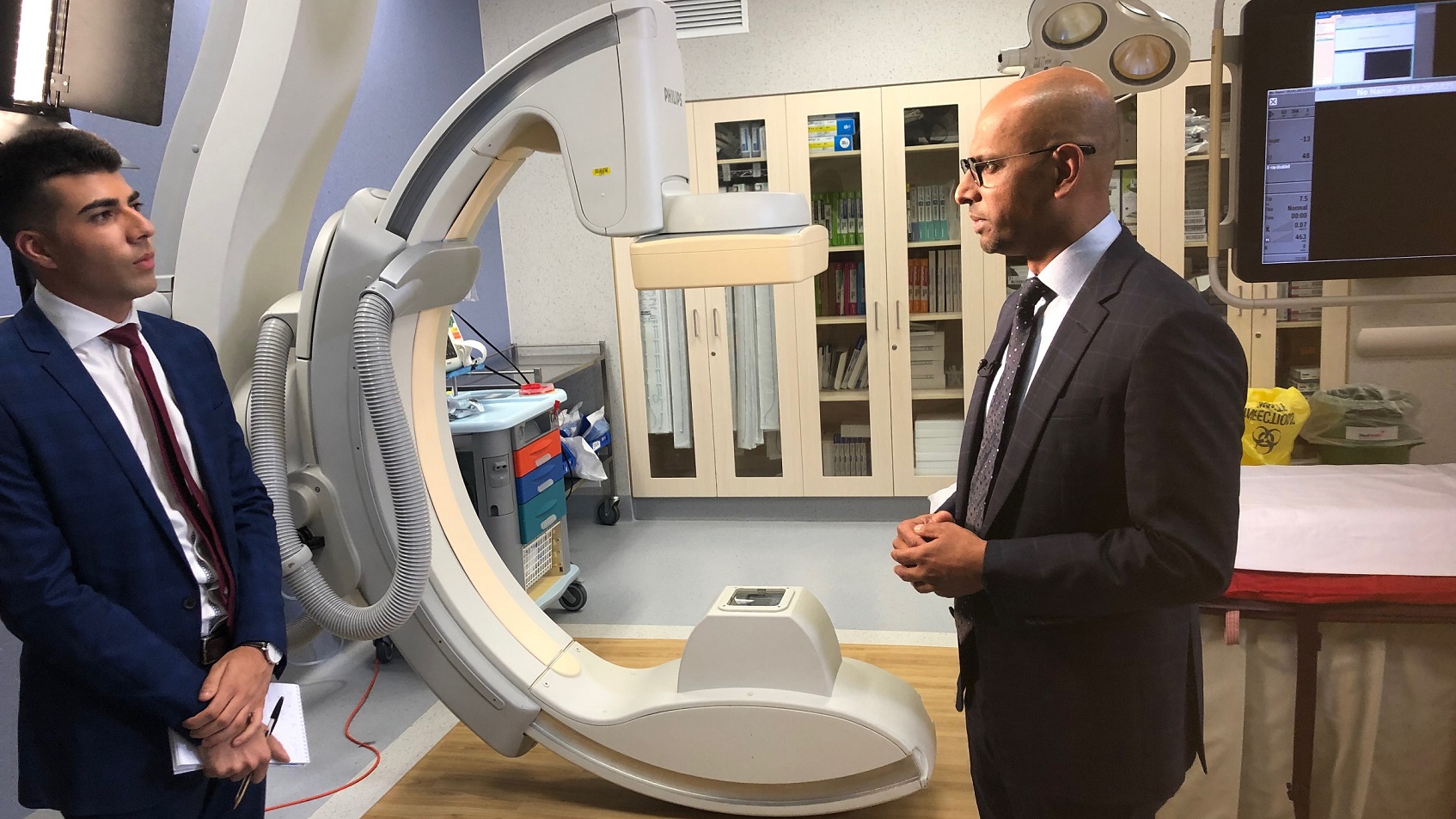
    Yesterday, we welcomed Nine News to Northern Hospital Epping to interview Associate Professor Uwais Mohamed, about a new heart procedure helping patients who experience problems with their pacemakers.

    Pacemakers can improve life for many people with heart problems, but in some cases, can trigger adverse effects and heart failure symptoms.

    77-year old Northern Health patient, Colin Berryman, could barely manage to take the rubbish out.

    After having a pacemaker for several years and still experiencing heart problems, Colin was losing hope.

    “It was like the end of the world,” he says.

    “You get crushing chest pain – it’s as if you’ve just come in from a marathon,” he adds.

    The new technique, known as ‘His Bundle Pacing’, has only been performed on a handful of patients across Australia – earlier this year, Colin was one of them.

    Traditionally, pacemaker wires are inserted into the bottom right side of the heart.

    The new technique performed by Dr Mohamed involves attaching the pacemaker wire to a more central area of the heart than traditional pacing, which stimulates both sides at the same time, enabling a more natural and synchronised heartbeat.

    Dr Mohamed says the new procedure can be performed on patients requiring a pacemaker for the first time, or those who have developed complications from an existing device.

    Since undergoing the revolutionary procedure at Northern Hospital, Colin has seen significant, immediate improvement.

    “I could hardly walk from the house to the end of the driveway with the wheelie bin, now I can mix bags of concrete and lay bricks,” he says.

    “It’s just incredible.”

    Click here to watch the exclusive story with Nine News 

    Northern Health patient, Colin Berryman, with his wife, Angela
  • Christmas Appeal: A hand to hold

    Christmas Appeal: A hand to hold

    In September this year, 3-year old Loyal quickly turned from a carefree kid at home in the morning, to a child fighting for life in the afternoon.

    Seeing him rushed through our Emergency Department unresponsive and blue, his parents thought they might lose him.

    After receiving the best possible care at Northern Hospital, he pulled through the night. However, the life-threatening asthma is still there, and the walls of our Children’s Ward have become very familiar to him.

    Loyal is one of 22,000 children who present to our Paediatric Emergency Department every year, many of them sharing a similar, life-threatening story.

    That is why we know how traumatic it is for parents to see the lives of their little ones on the line. We also know how scared and confused children like Loyal feel when they are rushed through our doors, as our staff in the Paediatric Emergency Department see more than 60 children every day.

    This Christmas, we encourage you to give generously to the Northern Health Foundation and help the growing number of children in Melbourne’s north receive the best possible care close to home.

    By giving just $25 today, we call all help provide equipment and resources needed to support families and continue holding their hand, bringing comfort in deep distress.

  • Chief Executive Message

    Chief Executive Message

    2018 Northern Health Quality Account

    This week we’ve published the 2018 Northern Health Quality Account on our website.

    In the report, you can read about our absolute commitment to patient safety and improving the patient experience, and our quality and safety achievements over the last 12 months. We know this would not be possible without dedication from our staff, cooperation from our patients and their families, as well as involvement with our community members.

    Providing Trusted Care to all of our patients is our commitment, and with the ongoing High Reliability transformation, we are making significant improvements in clinical practice and the way we provide care over the next two years.

    In the report, we share the many successful staff and patient stories, showing what we do every day and how we engage with our community, encouraging deeper mutual understanding and support.

    I encourage you to read the Quality Account on our website.

    Jodie Ashworth leaving Northern Health

    Jodie Ashworth, our Chief Nursing and Midwifery Officer, leaves Northern Health at the end of next week. She and her family will be moving to the warmth of the Sunshine Coast, Queensland.

    On your behalf, I would like to thank Jodie for her drive and commitment since she joined Northern Health in January 2014. She is a passionate advocate for patient care and excellent patient outcomes, and takes pride in leading our nursing and midwifery staff.

    Jodie, we wish you well in the next stage of your life and career in Queensland. You will be missed.

    Jodie is a guest columnist this week discussing the Patient Experience – the Trusted Care element she has been leading.

    Staff Christmas BBQ Lunches

    As the year draws to a close, I am pleased to invite you to Staff Christmas BBQ Lunches across our sites: Broadmeadows Hospital at 1pm Monday, 17 December, Northern Hospital Epping at 1pm Tuesday, 18 December, Bundoora at 1pm Wednesday, 19 December, and Craigieburn at 12.30pm Wednesday, 19 December.

    I hope you can attend.

    Christmas and New Year Celebrations

    I hope that you and your families have an enjoyable festive season.

    Those participating in workplace Christmas functions need to remember that these are an extension of our workplace – so all Code of Conduct and social media policies apply.  Further information can be found within the Prompt OHS – Employee Health & Wellbeing procedure. 

    Keep safe and enjoy this time of the year – refreshed and ready for a great year ahead in 2019.


    Chief Executive

    Siva Sivarajah               

  • Movember: Time for the mo to go?

    Movember: Time for the mo to go?

    It’s been a very successful Movember here at Northern Health.

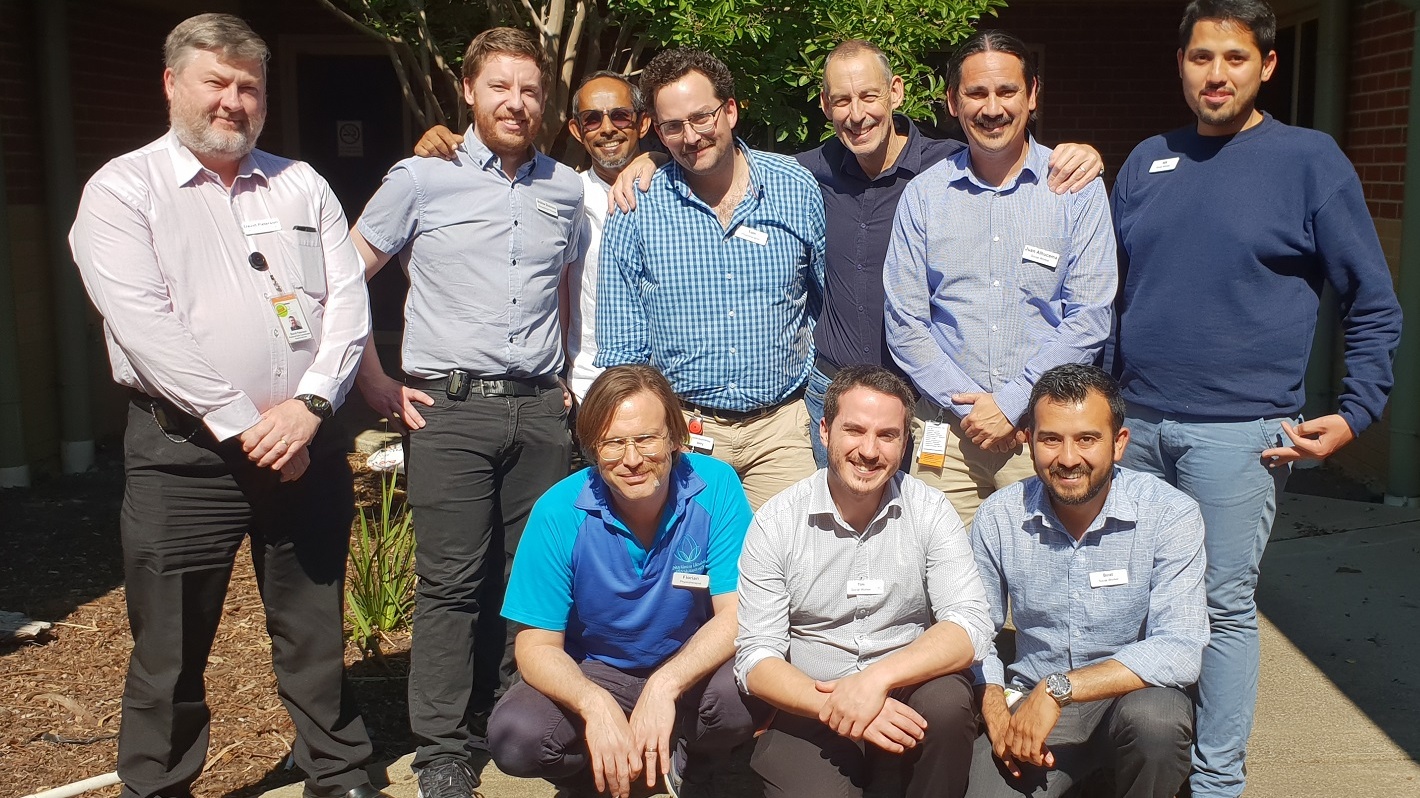
    Social Work Clinical Leader and Movember group organiser, Juan Alhucema, said the team at Northern Health pledged to either cut, grow, shave or dye their hair – should the group receive over $1,000 in donations.

    “I am happy to say that we have raised $2,632.85 in donations and we would like to thank everyone who participated in the cause,” Juan said.

    “This has been a great bonding activity for all us men involved here at Northern Health. Even though I lost my ponytail in the process!” added Juan with a laugh.

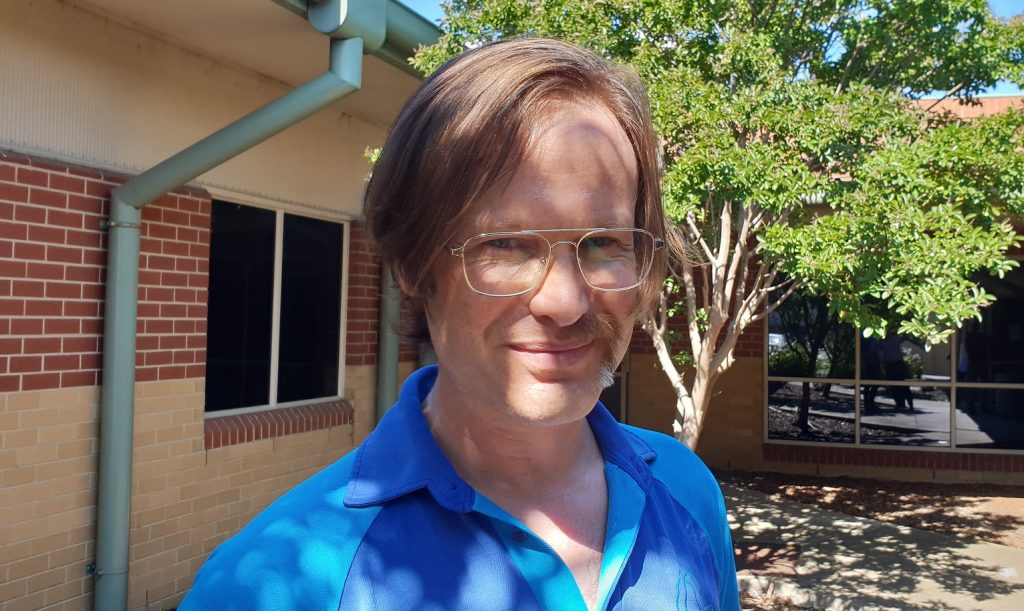
    The promise was kept…besides Juan, another team member also cut off his ponytail, whilst Florian (pictured below) was in two minds and decided to keep half of his moustache.

    The rest say they are considering keeping their new beards and moustaches.

    Florian Zimmerman’s unique contribution to Movember

    “With a great beard, comes great responsibility,” said Mike Masilamani, another member of the Northern Health team – NoH-vember.

    “In this instance, we have the satisfaction of knowing we are raising awareness and making a difference to men’s health, particularly addressing prostate cancer, testicular cancer, mental health and suicide prevention,” he added.


    Featured Image:

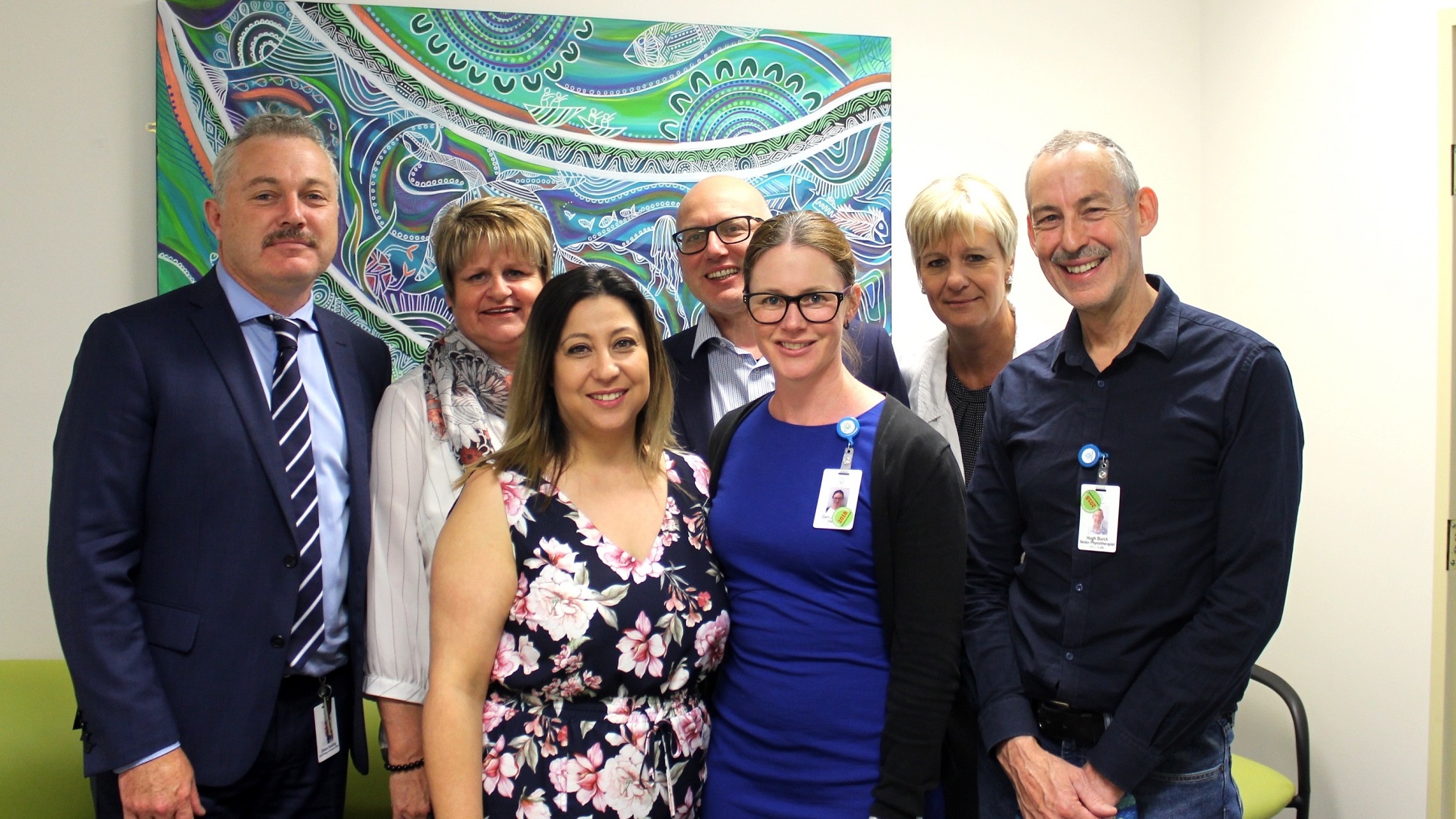
    Top left to right – David Paterson (Pastoral Care CL), Andrew Dickinson (OT), Mike Masilamani (Public Affairs), Thomas Cooper (PT), Hugh Burch (PT and Cancer Service Facilitator), Juan Alhucema (SW), Nik Rawat (SW).

    Bottom left to right – Florian Zimmerman (PT), Tim Gauci (SW), Birat Sharma (SW).

    Other participants not in the picture:

    Dhruv Govil (PT and Workforce Manager), James Watt (Pall Care Nurse), Jordan Casey (AOL), Paul Jackson (PT), Simon Keating (Chief Strategy, Business & Development Officer) and Richard Ram (Patient Flow Manager).

  • Patient Experience: Small things matter

    Patient Experience: Small things matter

    Northern Health has commenced on a journey to become a highly reliable organisation, and improving patient experience is one of the key components.

    We work in a fast paced, ever changing health environment and sometimes it’s easy to lose track of the small things that matter.

    But, what are those things?

    Back in 1992, I had an experience as a student midwife that changed the way I thought for the rest of my career. I was looking after a lady having her third baby and I’d delivered less than seven babies as a student midwife.

    Post birth, she had a massive haemorrhage and we couldn’t stop the bleeding. She had the first, second, third and the fourth line drugs and treatment, the massive transfusion policy was instigated. She also had emergency surgery and the team saved her life.

    Two years later, I was in a supermarket when a lady randomly approached me and hugged me.

    She said: “You may not remember me, but thank you”.

    She told me her name and the trauma flashed back. I just smiled and said that I was a student and that I was lucky to be part of a great team.

    She looked at me puzzled and said: “No, you were the one that mattered the most. You held my hand and you told me it would be okay”

    I remember I heard my baby cry and you made the doctor hold her up for me to see.

    You were the one that made a difference, you were the one I need to thank”.

    I’ve never forgotten that.

    Today, leading the Patient Experience work, I often wonder, how do we make it right for everyone?

    We are working with several key messages to support the work, with the first one already mentioned:

    Small things matter.

    The  second key message helps us focus on the things that matter not only to us, but our patients, families and carers.

    Ask what matters, hear what matters, do what matters.

    The third is probably the hardest of all. It’s a shift from asking our community and family members

    “What’s the matter?”  to asking

    “What matters to you?”

    As clinicians, we sometimes think we have all the answers. We have the technology, state of the art equipment, research and access to practice world class medicine.

    We can cure, save lives and alleviate pain.

    But is that all our community wants? 

    The Patient Experience component of the Trusted Care transformation focuses on moving the words of patient-centred care into translational practice.

    There are 13 pieces of work that make up the Trusted Care Patient Experience Strategy. As this work evolves, I encourage you to keep up to date with recent developments and register your interest for work you would like to be involved in.

  • Discussing Disability: Interview with Dr Harry Eeman

    Discussing Disability: Interview with Dr Harry Eeman

    Dr Harry Eeman, Rehabilitation Medicine Physician at Northern Health, was a young medical student when he was struck down by a severe form of Guillain-Barré syndrome whilst backpacking in Europe.

    Guillain-Barré syndrome is a rare but serious autoimmune disorder in which the immune system attacks healthy nerve cells in your peripheral nervous system. This leads to weakness, numbness, and tingling, and can eventually cause paralysis.

    Harry spent the next two and a half years in hospital, five months of which were spent on a ventilator paralysed in what seemed like a coma-like state, except for the fact that he could hear those around him.

    After years of rehabilitation, he recommenced his studies and completed medicine as a quadriplegic, which required overcoming a number of physical and attitudinal barriers.

    He eventually graduated with honours and subsequently completed two postgraduate specialist qualifications.

    As today is International Day of People with Disability (IDPwD), we interviewed Dr Harry Eeman on the subject of disability and the challenges he has faced.


  • A picture worth a thousand words

    A picture worth a thousand words

    They say a picture is worth a thousand words, and this morning, we unveiled an artwork by Yorta Yorta woman Kahli Luttrell from Epping, at the Day Oncology Unit at Northern Hospital Epping.

    The picture signifies our continued and ongoing commitment to support our Aboriginal Community. It is as the artist has depicted, a journey that tells its own story.

    Funded by an Aboriginal Cultural Safety Program Grant, the artwork is part of a larger project that aims to improve cultural safety at Northern Health.

    Besides commissioning an artwork from a local Aboriginal artist, the project also includes consultation with local elders to identify priorities for inclusion, displaying of plaques acknowledging the traditional owners of the land, and the development of a sustainable cultural awareness eLearning training package.

    The ‘Koorie Contemporary’ artwork by Ms Luttrell depicts the patient journey, with its seasons and struggles.

    What is evident from the painting is that those on this journey are not alone. They ride on the back of turtles; symbolising persistence, strength and resilience.

    It doesn’t matter if the road is long. A caring and supportive community is always at hand, represented by the dots and circles – a recurring motif throughout the painting.

    The soothing and calming colours, bring a sense of peace.

    This painting’s story is far from over. As this project signifies Northern Health’s ongoing commitment to support our Aboriginal community and pays respect to the traditional custodians of the land, past and present – it will also be part of their future.

    It further strengthens our connections with our diverse community and our journey towards providing a holistic and culturally appropriate service, in turn, providing trusted care to our northern community.

    So, like all good stories, we end by saying ‘to be continued’.


    Artwork by Kahli Luttrell 

  • Assisted Dying: Your life, your choice

    Assisted Dying: Your life, your choice

    Mr Julian Gardner AM, chair of the Victorian Implementation Task Force for the Voluntary Assisted Dying Act (2017), presented at a forum on Voluntary Assisted Dying on Tuesday.

    Julian Gardner is a lawyer with an interest in human rights.

    He has been involved in high profile end-of-life decisions and litigation, and responsible for promoting and protecting the rights of people with disabilities that affected their decision-making capacity.

    The forum provided an opportunity for staff to hear about the new Act and the role health care services will have when this legislation comes into effect on 19 June 2019. The forum was very well received by health care professionals from all backgrounds at Northern Health.

    Julian Gardner, who has extensive experience in advocating for vulnerable people, spoke about the legislative requirements surrounding the Act, and the importance of patients being able to have compassionate access to Voluntary Assisted Dying.

    Northern Health has established a steering committee to ensure that we meet the legislative requirements contained in the Act by 19 June 2019. One of the first tasks of the committee is to review the resources at Northern Health to ascertain which pathways will be offered with Voluntary Assisted Dying. 

    “Mr Gardner gave a very thorough overview of the governance and patient safety mechanisms involved in the procedure,” said Associate Professor Bill van Gaal, Northern Health Divisional Director of Emergency Services and Director of Cardiology.

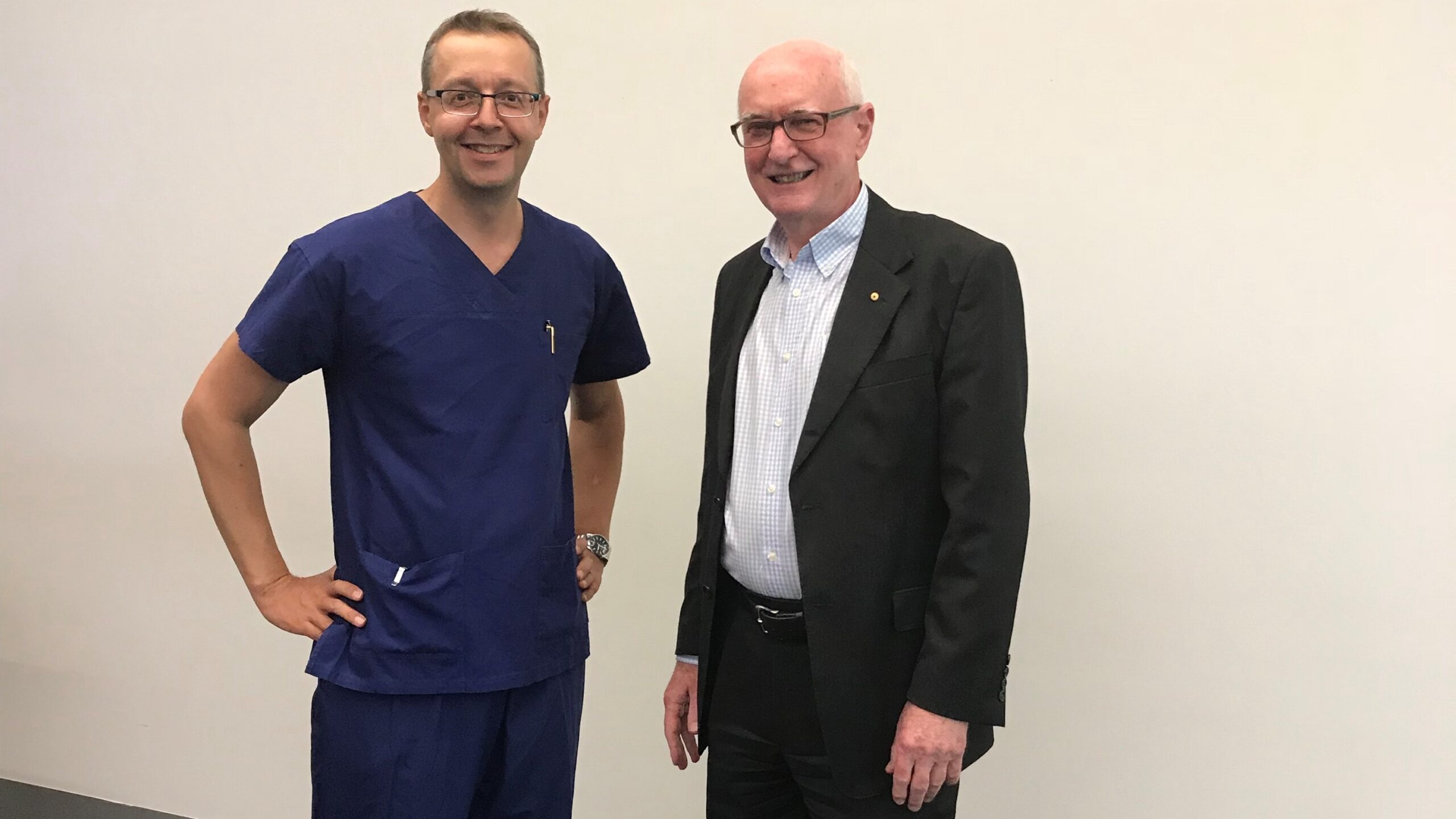
    Bill, pictured above with Julian Gardner, was just one of the many participants in attendance at the forum.

    “This generated much discussion around the process, what this means for patients and their families in our community and steps Northern Health should undertake to comply with the new legislation,” Bill said.