• Dr Sarwat Shenouda – Rest In Peace

    Dr Sarwat Shenouda – Rest In Peace

    It is with sadness that we acknowledge the passing of Sarwat Shenouda, an Obstetrician and Gyneacologist with many years of service to Northern Health.

    “Sarwat was not only a great clinician but he was also a passionate supporter, educator and mentor of medical students, trainees of the college and international doctors – guiding many on placements,” says his friend and colleague, Dr Andrew Ngu.

    “He was not frightened of hard work – some weeks he could be on call for four days per week.”

    He was the backbone of the Obstetrics and Gynaecology Unit at Northern Hospital for many years. He came to Northern to complete his Fellowship training in 2000 and became a consultant in 2001, a post he held until his death.

    Dr Sarwat Shenouda was born in Egypt in 1957. He completed a Masters of Clinical Pathology at the University of Ain Shams before migrating to Australia to work as a GP, and then later train in Obstetrics and Gynaecology.

    He married Gilan in 1986 in Melbourne and had two children in Rami (1990) and Mayar (1992).

    Sarwat got on extremely well with the people at work and he treated them like his family. Many a time he would ring to inform the staff  that he was bringing lunch or dinner for everyone. He was a larger-than-life character who treated everyone well.

    Sarwat was immediately recognisable by his signature greeting and his warm personality that could fill any room. His generosity was immeasurable and he lived to share food, laughter and love with anyone that crossed his path.

    He had been extremely brave but also realistic in his fight with his illness for more than five years.

    “He had multiple surgeries, radiotherapy and chemotherapy and hospital admissions, but throughout, he remained ever-positive about life. He became extremely close to God in the last few years of his life and had accepted death as a gateway to be united with his Holy Father,” says Andrew.

    Sarwat Shenouda peacefully passed away on Friday, 10 May 2019 surrounded by his family. He will always be remembered by Northern Health as a great human being.


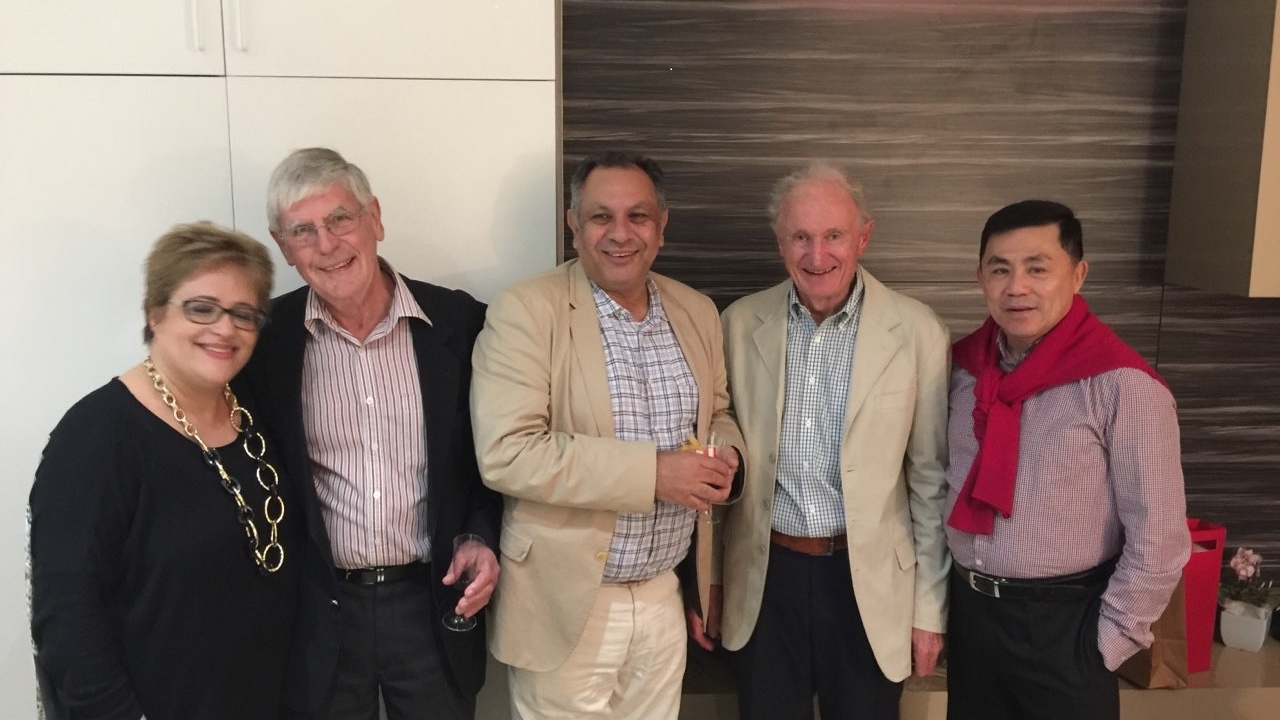
    Featured Image (left to right):

    Dr Marcia Bonazzi (Registrar at Northern Hospital in 2000), Dr Barry Dawson (Retired Consultant), Dr Sarwat Shenouda, Dr Peter Ashton (Consultant at PANCH), Dr Andrew Ngu (Consultant)
  • Winter Strategy Launches

    Winter Strategy Launches

    After winter 2017 saw an unprecedented demand for services, Northern Health decided to proactively develop a strategy to manage the increased demand during winter.

    Katharine See, Head of Respiratory Medicine and Winter Strategy lead said this year is the second year of the initiative, with new programs launching.

    “Each year, we come up with a different set of initiatives designed to help us address the key priorities: optimising patient flow, managing all the patients that come in with influenza-like illness and trying to enhance the capacity of our workforce, as well as processes which help streamline the discharge,” she said.

    This year, the two key initiatives are the ‘HOT Clinics’ and the Supported Transition to Assist Recovery (STAR) program.

    “HOT clinics are general medical clinics designed to avoid admission for people who need an early review, or patients who need early follow-up, so that they can be discharged home sooner,” she explained.

    The ‘HOT Clinics’ will be running on Tuesdays, Wednesdays and Thursdays at the moment. They can be booked by any of the ward clerks.

    “The STAR, which starts on July 1, is a new initiative, as we’ve identified that patients over 70 who have pneumonia, COPD (Chronic obstructive pulmonary disease) or heart failure are often coming back to hospital after 72 hours of discharge,” Katharine said.

    “The program is designed so that these people receive a phone call within 24-48 hours after going home. The STAR nurse will check how they are going with recovery, make sure they understand their care plan and medications,” she added.

    The STAR program can also book them into ‘HOT Clinics’ or to see their GP, or even to get the ‘Hospital in the Home’ involved. It is designed to assist people to continue to get well and stay well at home.

    “This is a brand new initiative, unique to Northern Health”, Katharine added.

    This winter season is already showing high levels of flu. The flu inter-season, which is the summer period was also high, and the current high rates of flu are affecting the staff as well.

    “Please make sure to get your free flu shot and bring your families,” Katharine added.

  • Health Information Management Awareness Month

    Health Information Management Awareness Month

    The month of May was National Health Information Management (HIM) Awareness Month, where we acknowledge what is at the heart of our healthcare system.

    Health Information Managers are responsible for the collection, storage, analysis and distribution of healthcare information. They contribute to both the healthcare system and to people’s health by providing the information systems and data central for medical decision making and patient care planning. They also coordinate many kinds of healthcare information, from a variety of sources.

    Northern Health HIMs work across the following departments – Client Data Management, Decision Support Unit, Legal Counsel, Information Technology and Mental Health.

    Director of Health Information Services, Terri Fiorenza says, “Health Information Managers have a broad skillset that enables them to work in a range of areas within the health industry. For me personally, the HIM profession has provided me with the opportunity to manage and lead a team of dedicated professionals and make a difference to the way in which health information is managed and used to make informed decisions on financial planning, casemix and quality of care.”

    In 2011, Northern Health received acknowledgement for the excellence in our semi-electronic scanned medical record system at the Sir Rupert Hamer Records Management Awards. Named after the former Premier of Victoria and public records advocate, the award acknowledges the importance of records management.

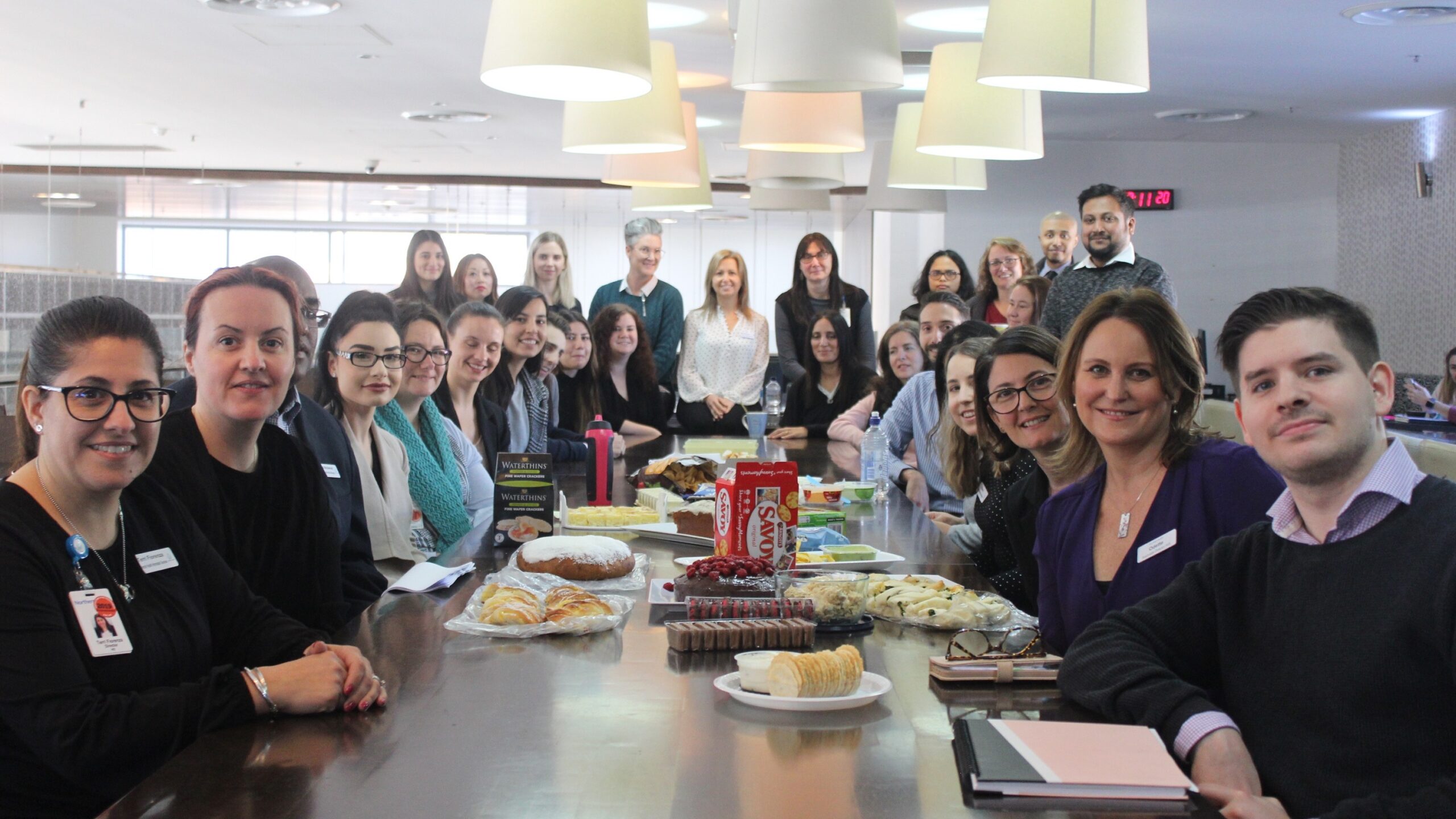
    In celebrating HIM Awareness Month, a morning tea was held to celebrate the HIM profession as a whole, and acknowledge the different and wide variety of roles held by Health Information Managers across Northern Health.

    David Mangano said, “I decided to become a Health Information Manager as I liked the idea of contributing to the healthcare system through the combination of data and technology. It also allows me to partake in multiple projects across the organisation, collaborating with a broad range of disciplines.”

    Vali Youkhana said, “I decided to become a Health Information Manager as I wanted to work in the health industry but did not want any patient contact. The HIM profession has been a very rewarding career choice for me. Our skills and expertise in the field of health information are highly sought after, and this enables us to work in a variety of different roles within the health industry.”

    To find out more about Health Information Services at Northern Health, please click here.

  • Reliable Operating Room Project Expands

    Reliable Operating Room Project Expands

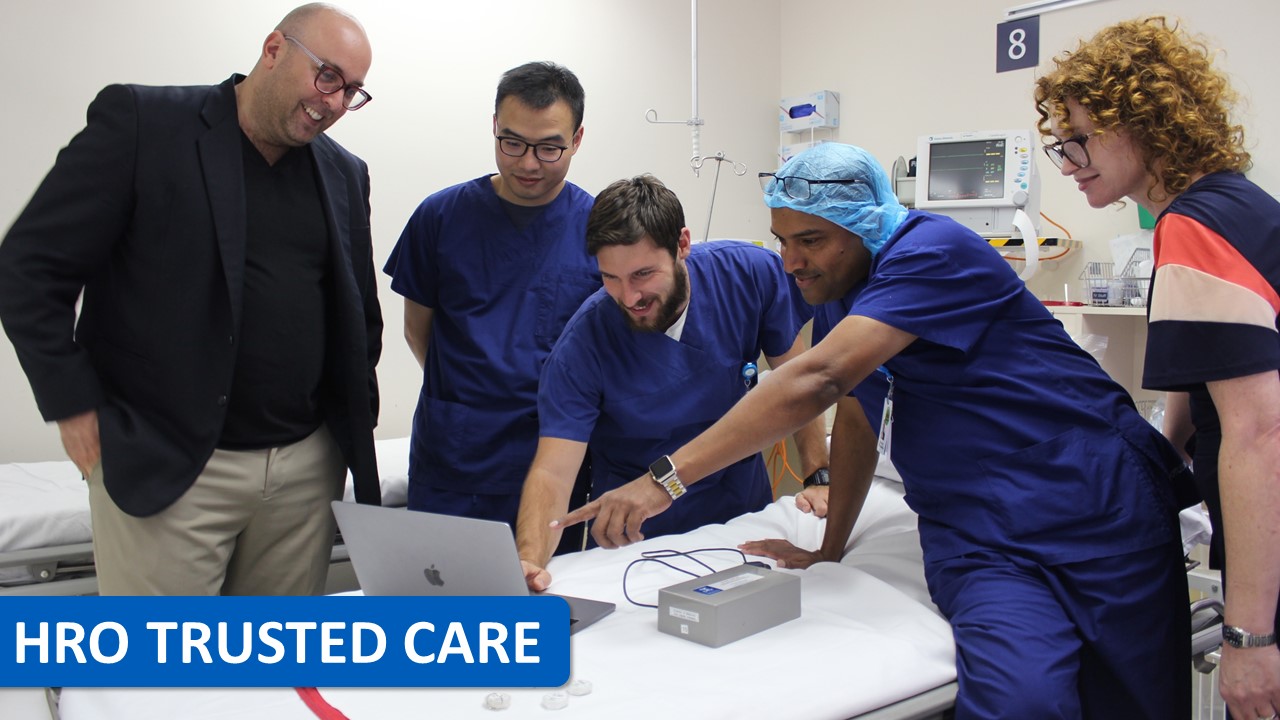
    The ‘Reliable Operating Room Research Project’ kicked off at Northern Hospital Epping in November last year, in partnership with the University of Melbourne – School of Computing and Information Systems, with the aim to enable Northern Health to study the activities of our staff in the operating room.

    Gabriele Marini, PhD candidate from the University of Melbourne, who runs this project, explained the system is designed to help understand how people are moving within the building, and provide crucial information on the entire flow. Our staff were carrying Bluetooth beacons to help the researchers track their movement.

    This year, the project is expanding to encompass patients as well.

    Gabriele explained the first stage of the project involved the initial deployment of the devices and the beacons. During this time, the system was monitored and refined when necessary to ensure it was working as expected. The placement of the devices was also frequently reviewed to ensure the indoor location was able to detect signals accurately enough to be used to compute aggregate statistics over a long-term study. The project is now ready to enter the next phase.

    “The purpose of the next phase is to track the location and movement of both staff and patients. The resulting data will be used to identify metrics and correlations between patient and staff movements. This set of metrics will then allow us to generate a statistical model to define and potentially predict how well the theatre schedule is going to function in the future,” Gabriele explained.

    Collecting this information will enable researchers to potentially identify drawbacks and possible improvements in surgery scheduling.

    “In order for this data collection phase to be successful, it is important that beacons are carried during movements around the hospital and devices remain plugged in when possible as they can only last half a day without power. This will ensure the data collected is clean and constant, which will provide the best outcome for the analysis,” Gabriele explained.

    All data collected is anonymous and only the identification number of the beacon and the role covered by its holder will be recorded for the purpose of the analysis.

    Clare McCarthy, Project Manager, said this research reflects our work towards becoming a highly reliable organisation.

    “It’s about creating an awareness and looking at our systems and practices from another perspective. This project will get people talking about improvements, safety and technology, while creating learning opportunities and building resilience. That’s the hallmark of high reliability,” she said.

    “We understand that giving out beacons to patients or even remembering to attach it to the badge might be another one of the many things to remember every day, however it would be greatly appreciated if it is done in support of the study,” Gabriele added.

    Device, beacons and the computer tracking screen

    Featured Image (Left to Right): Professor Vassilis Kostakos, Chapman Wang, PhD candidate, Gabriele Marini, PhD candidate, Ajimon Joy, Nursing Unit Manager, Clare McCarthy, Project Manager

  • Voices of Reconciliation

    Voices of Reconciliation

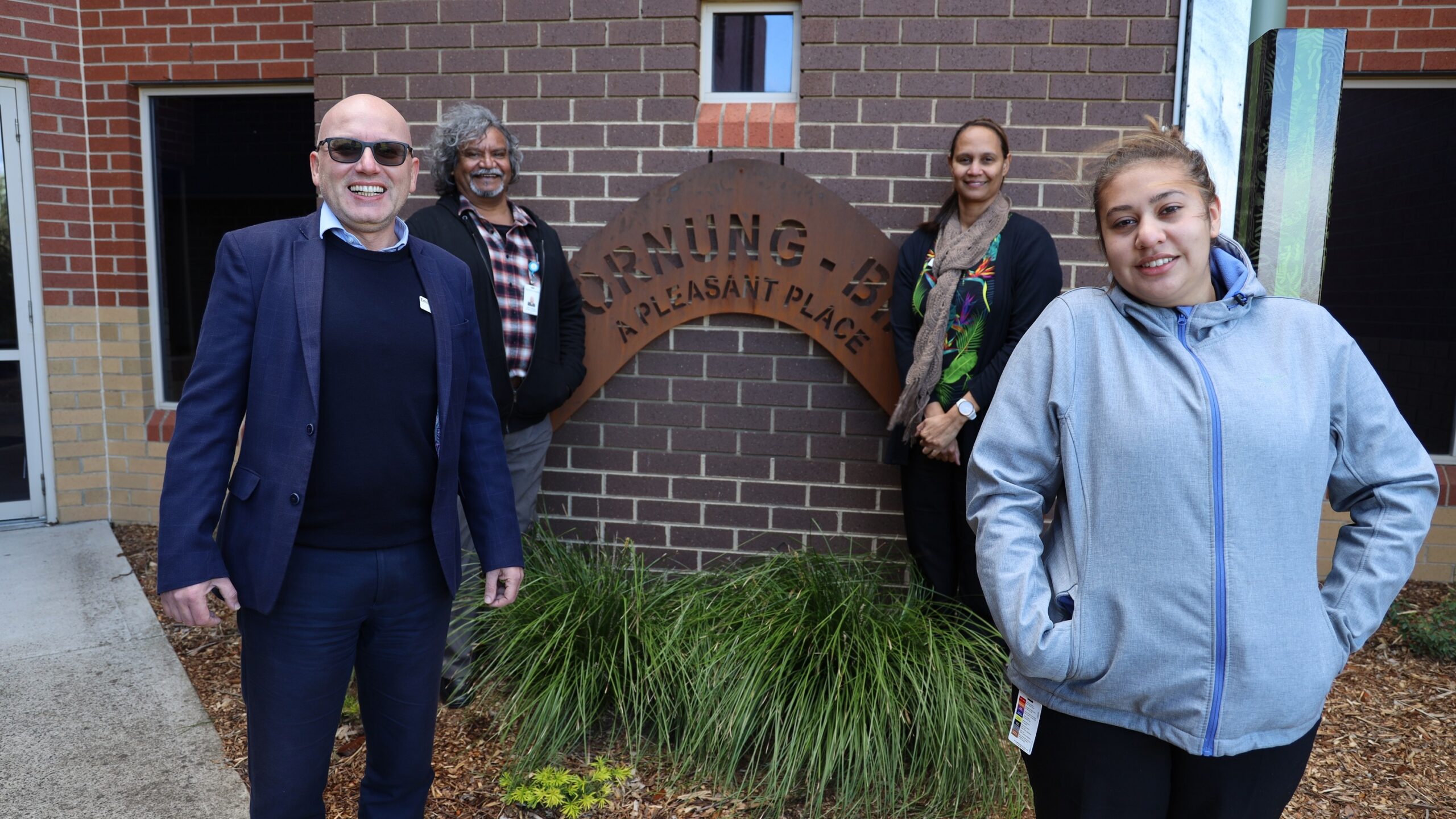
    National Reconciliation Week (NRW) is a time for all Australians to learn about our shared histories, cultures, and achievements, and to explore how each of us can contribute to achieving reconciliation in Australia.

    Tayla Andrews, Administrator (Student), Aboriginal Support Unit at Northern Health, says, “Being a proud young Gunditjmara and Yorta-Yorta Women, Reconciliation Week means bringing all Aboriginal, Torres Strait Islander and Australian people together for peace and harmony.”

    “To educate and raise awareness of Aboriginal Australia’s true history, and provide further development, to achieve a better future for all.”

    Today, 80 percent of Australians believe it is important to undertake formal truth telling processes, according to the 2018 Australian Reconciliation Barometer. Australians are ready to come to terms with our history as a crucial step towards a unified future, in which we understand, value and respect each other.

    National Reconciliation Week is held between two significant milestones in Australia’s history, 27 May and 3 June.

    May is the anniversary of the 1967 referendum in which more than 90 percent of Australians voted ‘Yes’ to count Aboriginal and Torres Strait Islander peoples in the census and give the Australian Government the power to make laws for Aboriginal and Torres Strait Islander peoples.

    3 June marks the historic 1992 Mabo decision in which the High Court of Australia recognised native title – the recognition that Aboriginal and Torres Strait Islander peoples’ rights over their lands did survive British colonisation.

    Toni Gabelish works as an Aboriginal Liaison Officer for Northern Health. Her day starts with checking the daily inpatient report, indicating where Aboriginal and Torres Strait Islander patients are in the hospital. This allows her to plan her patient visits, both here and at the other sub-acute sites. Toni also carries a pager for new patient referrals from all wards including Emergency Department and Intensive Care Unit.

    In between patient contacts and meetings, she keeps her focus on providing culturally safe, social and emotional care, which often includes repeat visits to her patients. This includes encouraging patients to stay in hospital to complete their medical treatment as well as supporting patients to attend outpatient clinics.

    We asked Toni what Reconciliation Week means to her. Here’s what she says:

    “Reconciliation means bringing all people together peacefully; irrelevant of race, religion and colour, and making the effort to realise we aren’t that different to one another and that we could actually all learn a lot from each other. Respect.”

    Northern Health recognises the diversity of Aboriginal and Torres Strait Islander people. Diversity in their cultures, traditional and contemporary ways, lifestyles, geographic location and status.

    We also support the model of addressing Aboriginal and Torres Strait Islander health with coordination and collaboration between the Aboriginal and Torres Strait Islander community and Northern Health.

    Northern Health is committed to improving the health and wellbeing of Aboriginal and Torres Strait Islander people through ensuring equity in access to high quality, culturally sensitive health services.

  • Palliative Care Grant brings new patient lifter

    Palliative Care Grant brings new patient lifter

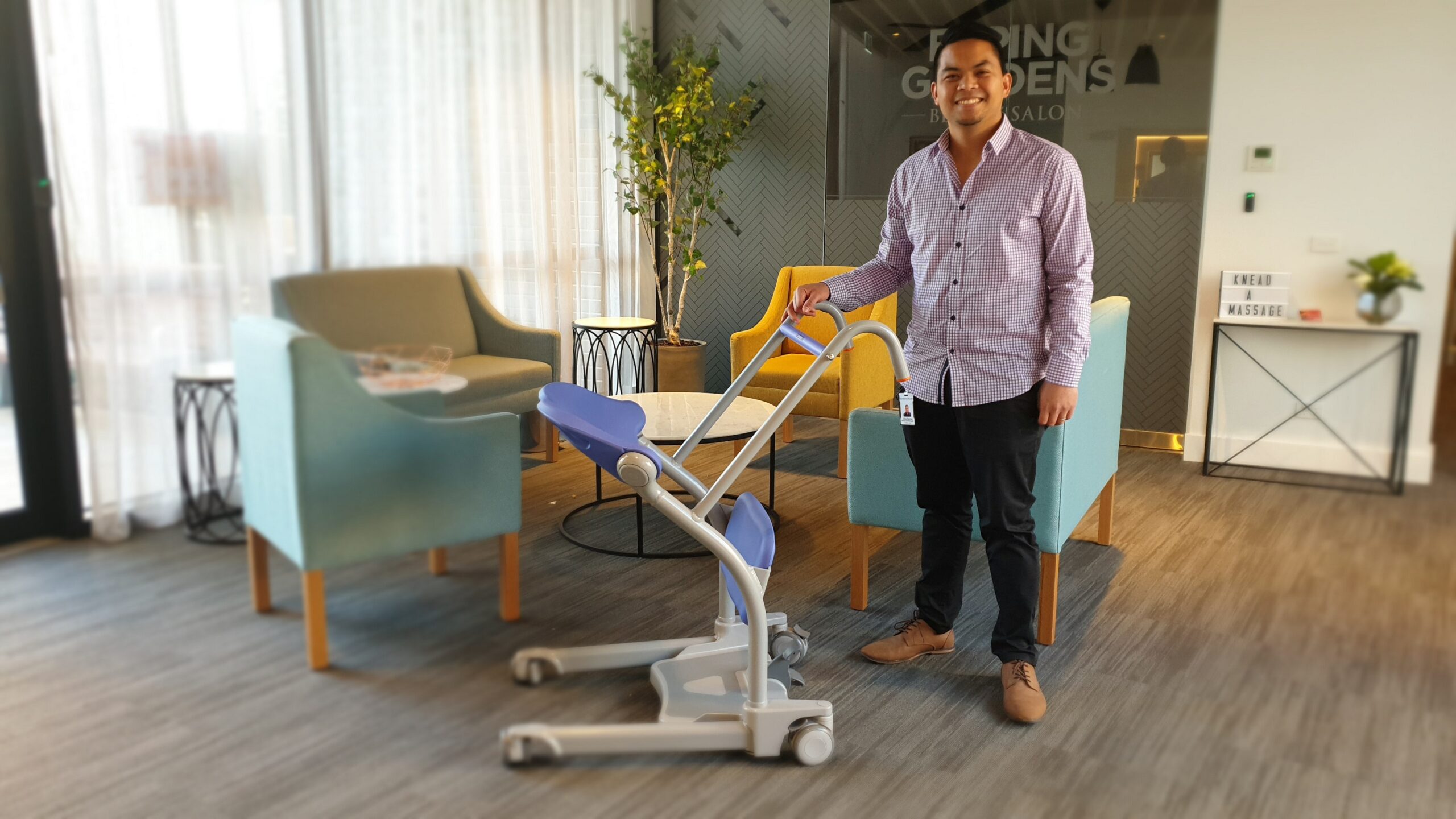
    “This lifter is the best thing in the world for patients who are not able to step or shift their weight,” starts Julius Quiring, Nurse Unit Manager in the Palliative Care Unit.

    “It is ideal for patients that can stand, but don’t wish to be lifted up with a sling hoist, as the patients can hold to the new chair now and lift themselves up,” he adds.

    The Northern Health Palliative Care Unit at Epping Gardens is a 16-bed unit supporting patients who are approaching end of life. Before the Northern Health Foundation grant was approved, the unit only had access to a sling hoist which is used for non-weight bearing patients and required two staff members to assist when moving and caring for patients.

    With the new lifter, only one nurse or a family member is required to help the patient up and move across the floor.

    “It makes life so much easier for the nurses. There is no manual handling or lifting any more. Manual handling does take its toll on staff, as they had to help with moving patients from bed to the chair. With this device, lifting stops and the machine transfers them from point A to point B,” explains Julius.

    He added the chair is perfect for patients who still have some arm and leg strength, and can stand up on their own. Nurses in the ward can now easily move patients around, and since the chair has strong wheels, it doesn’t feel like pushing at all.

    Julius and his team are grateful for the Northern Health Foundation grant, as they see every day how both staff and patients benefit from the new equipment.

  • Quarterly Staff Recognition Awards

    Quarterly Staff Recognition Awards

    This morning, Northern Health held the third Quarterly Staff Recognition Awards ceremony.

    These awards have been designed to formally recognise outstanding contributions by our employees and celebrate staff excellence in a wide range of areas across our organisation.

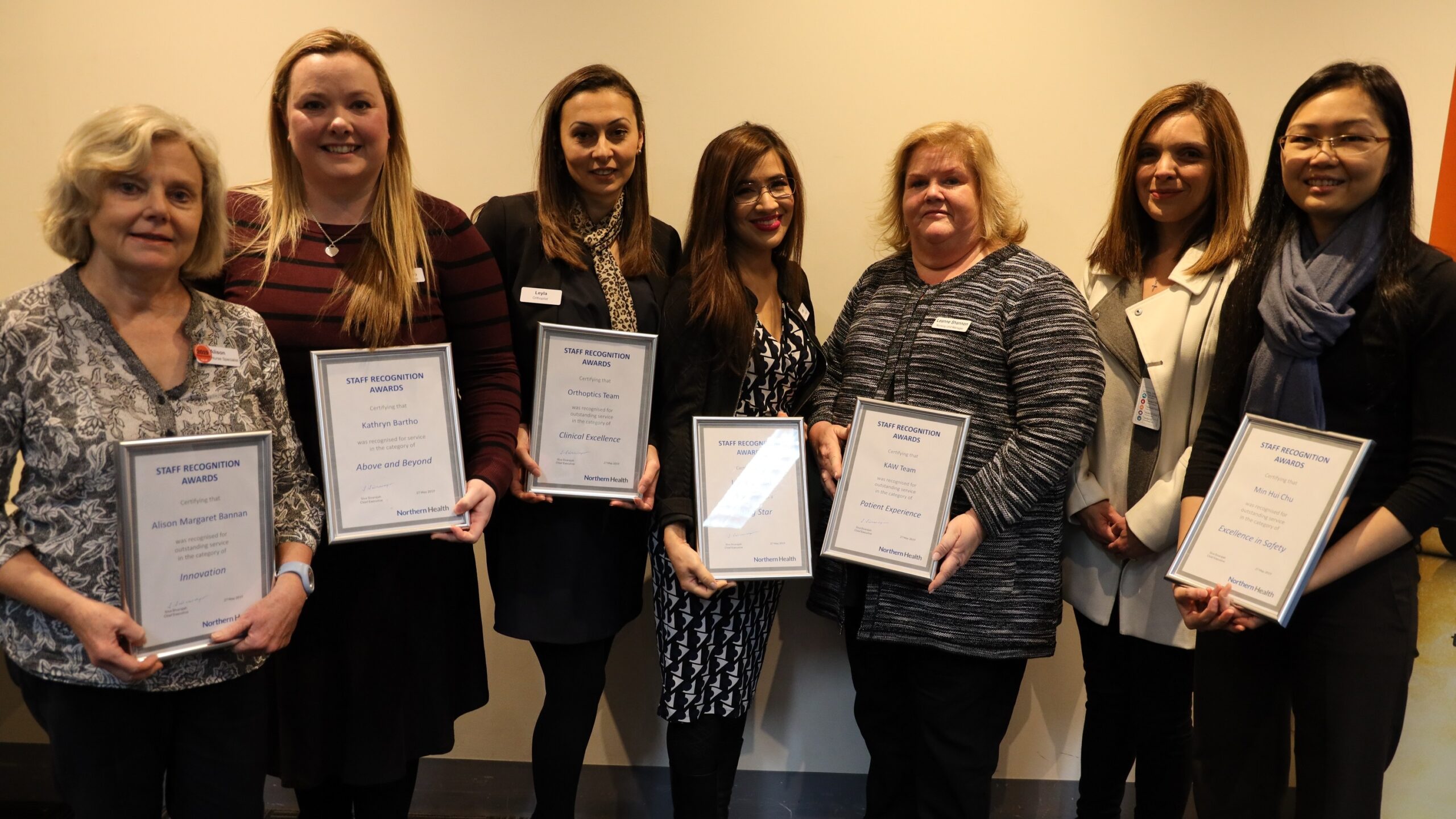
    Staff who exemplify a strong and positive workplace culture and commitment to our patients are nominated across six categories – Clinical Excellence, Patient Experience, Excellence in Safety, Innovation, Above and Beyond and Rising Star.

    Chief Executive, Siva Sivarajah presented the awards to recipients and said, “the executive judging panel had a difficult task in deciding on the winners – because of the high standard of entries.”

    “So really, all of you are winners!”

    The winners of the third Quarterly Staff Recognition Awards represent different disciplines and centres, from the orthoptists at Broadmeadows Hospital, nurses from Kath Atkinson Wing to Pharmacy:

    1. Clinical Excellence – Orthoptics Team, Broadmeadows Hospital
    2. Patient Experience – Kath Atkinson Wing (KAW) Team, Bundoora Centre
    3. Excellence in Safety – Min Chu, Pharmacy
    4. Innovation – Alison Bannan, Specialist Clinics – Wound Clinic
    5. Above and Beyond – Kathryn Bartho, Finance
    6. Rising Star – Lauren Scott, Allied Health

    “It’s great to see so many staff nominate their colleagues for their achievements at Northern Health,” Siva added.

    Northern Health would like to thank our sponsors, Maxxia and BankVic, for their support with these awards.

    The next Quarterly Staff Recognition Awards will be held in July, so if you know a staff member who deserves a Staff Award, we encourage you to nominate them!

  • Knitting Guild introduces footy beanies

    Knitting Guild introduces footy beanies

    The busy and creative fingers of ladies in Northern Health’s Knitting Guild have now introduced something new for babies – footy beanies.

    These dedicated ladies have been knitting jackets, beanies, booties, soft toys and similar for more than 30 years, supporting the Northern Health Foundation and helping our patients have a positive hospital experience.

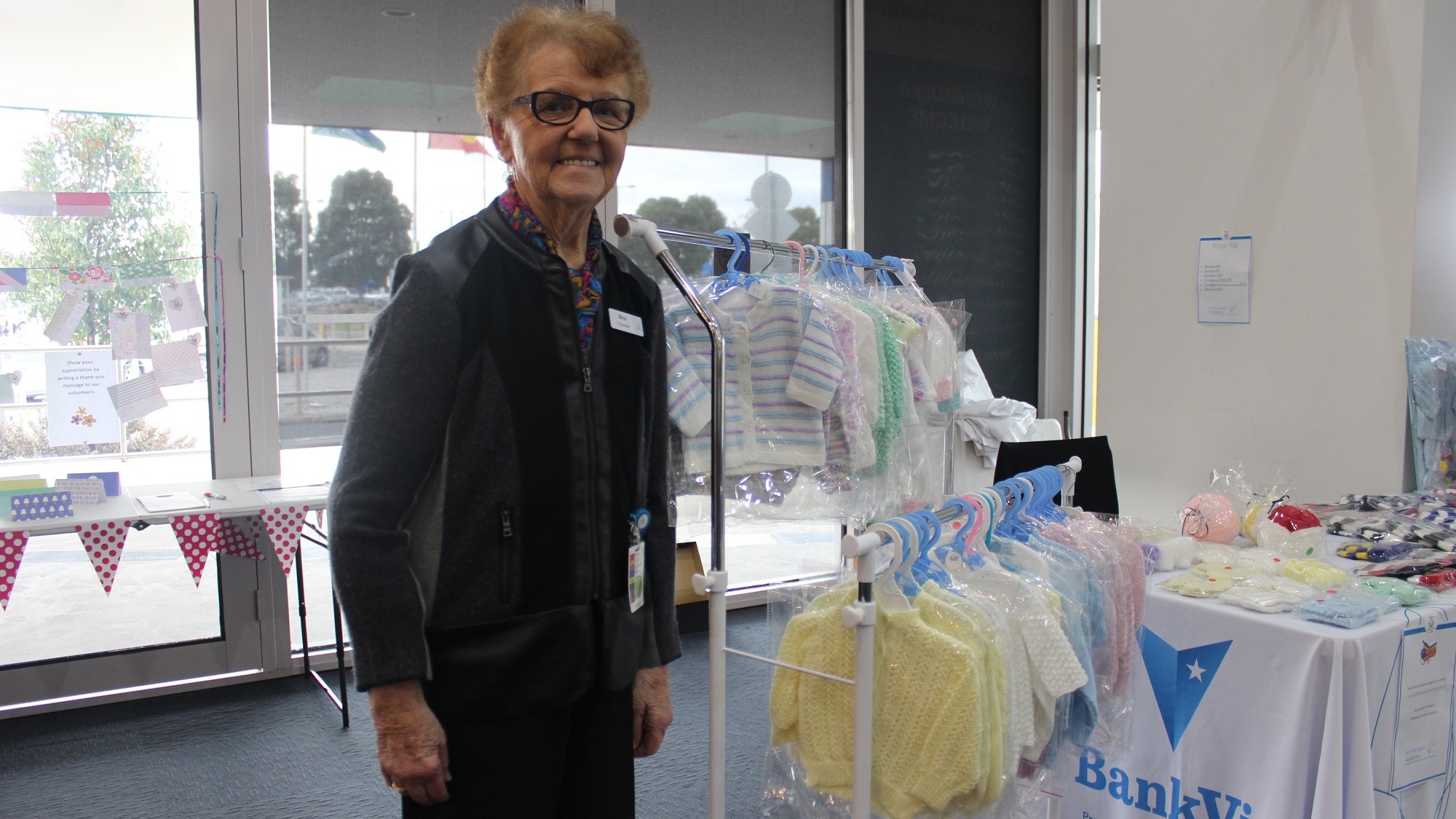
    Bina Connelly is a former Northern Health employee who started at PANCH and that is where she began knitting with one of the local volunteers.

    “I started knitting in 1991 and after I moved to Northern to work in the Social Work Department, I still continued to knit,” she said.

    After retiring, she found it difficult to be away from Northern Health, so she decided to come back as a volunteer.

    “I’m now volunteering on the tea trolley and I love it – and I get to see the people who I used to work with. It’s a social thing for me.”

    Bina and the ladies from the Knitting Guild are using their talent to help the Northern Health Foundation. The items they make are sold in the Rainbow Shop at Northern Hospital and in the Busy Fingers Shop at Bundoora Centre. All the funds go to the Northern Health Foundation.

    “Over the years, we’ve raised more than $100,000 for the Foundation and this has gone towards buying some wonderful equipment,” Bina adds.

    The footy beanies are the newest addition and Bina is excited to share that she has knitted the beanies in different team colours.

    Henni Wade, Manager Volunteer Services, added that the volunteering team is hoping to raise awareness of the new goods offered and the amazing work the volunteers do.

    “Having the stall in the foyer this week fits in with National Volunteer Week, and we are celebrating all the wonderful things volunteers do at the hospital – the Knitting Guild is just one of the many activities,” she said.

    “Hospitals can sometimes be a place where people can be stressed or anxious, and that’s when the volunteers come in to have a chat, bring positive energy and offer compassion,” Henni added.