• Happy International Nurses Day!

    Happy International Nurses Day!

    This year, the World Health Organization (WHO) has designated 2020 as the International Year of the Nurse and Midwife.

    Under the theme ‘Caring Together’, over the last few months, Northern Health has been showcasing the importance of nursing, in a series titled ‘Postcard to my Younger Self’, featuring senior nursing staff from Judy Sonneveld, Monica Dowling, Gavin Fahey, Luma Gashi to Valeria Konova-Tscholakow and Nazih Beydoun. The ‘postcards’ reflect the influence of our senior nursing  staff and takes the form of advice to their younger self.

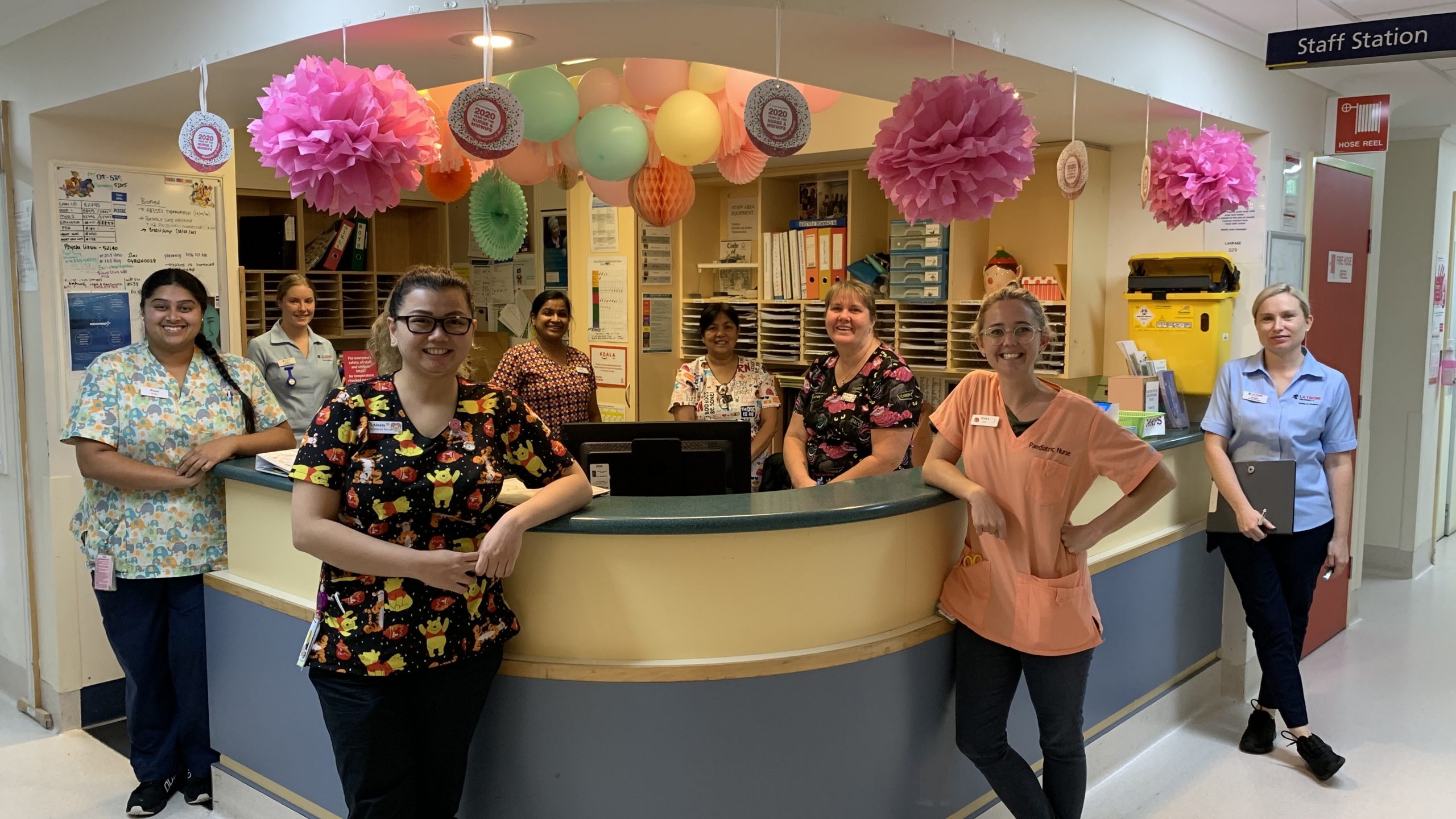
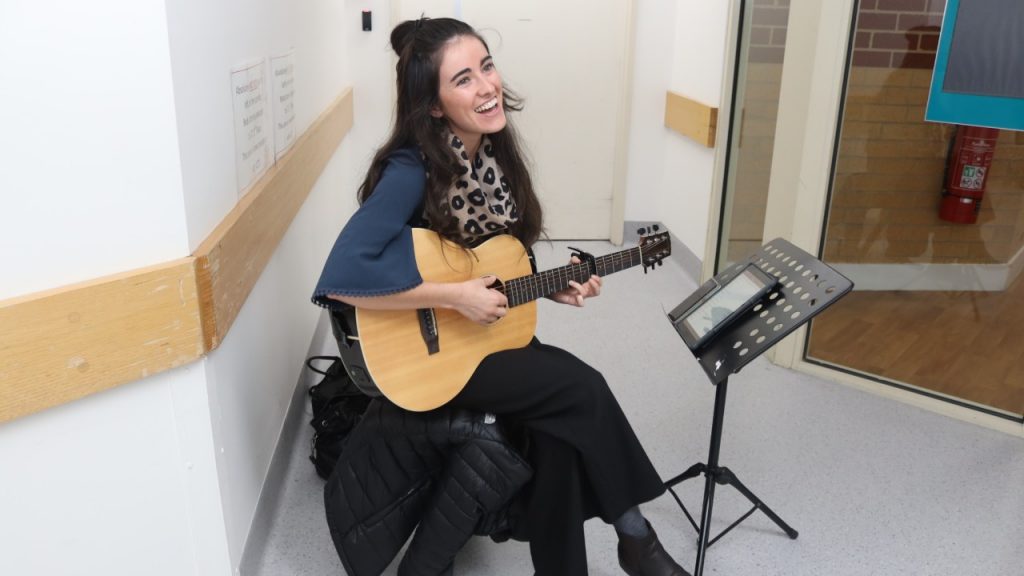
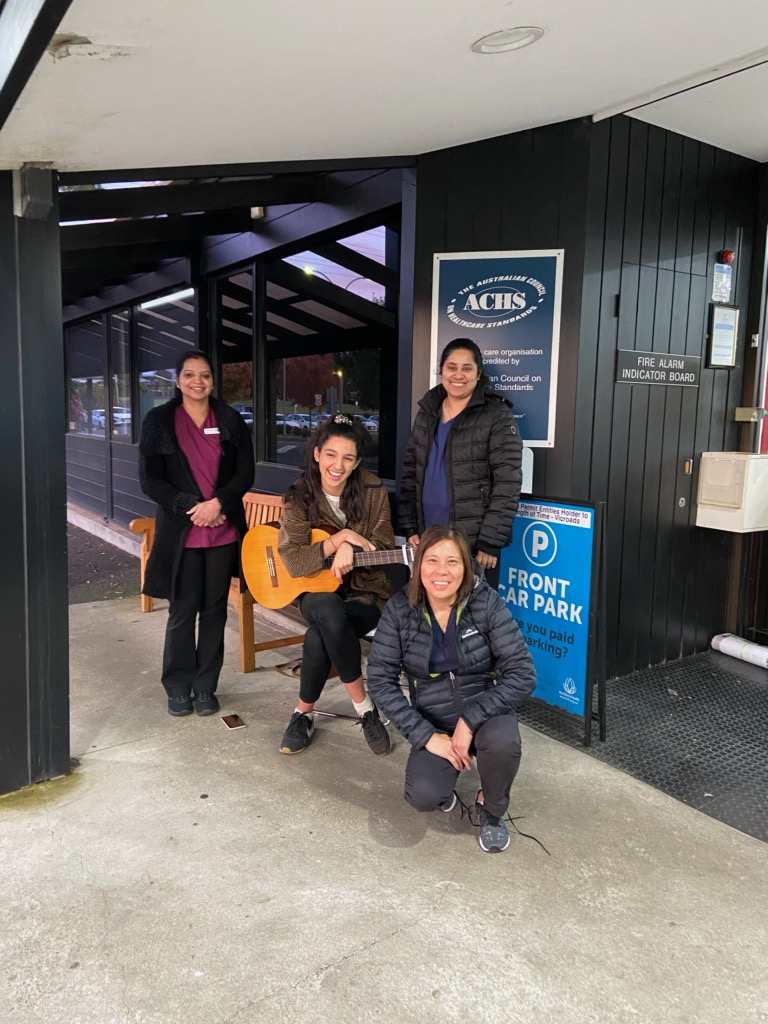
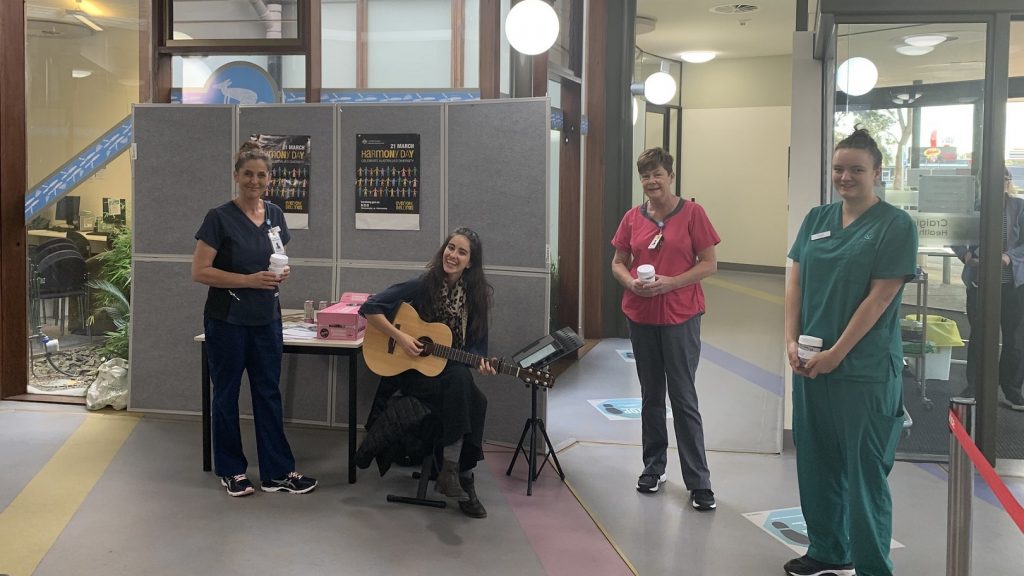
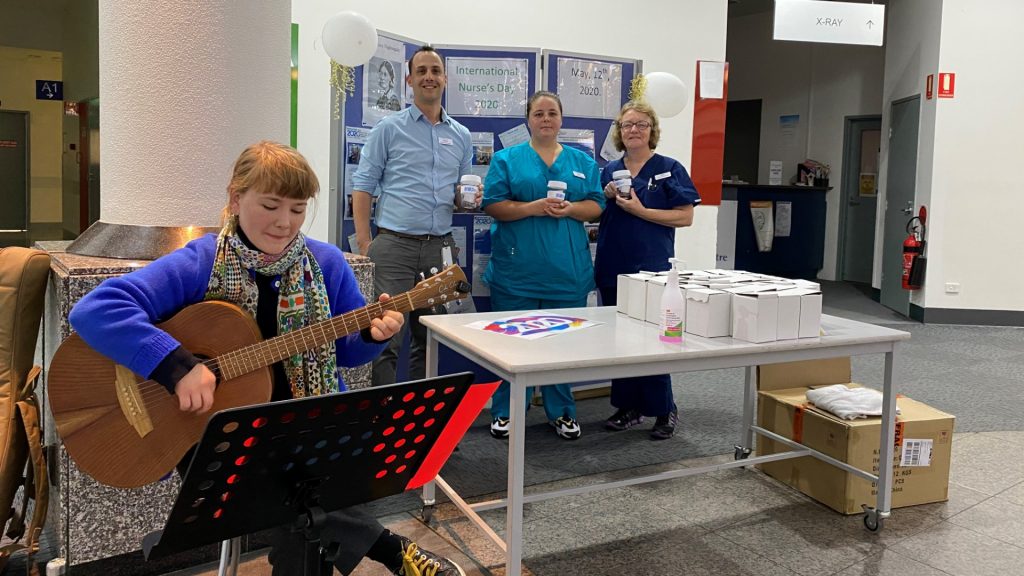
    Today on the anniversary of Florence Nightingale’s birth, we surprised our nursing staff with live music, symbolic gifts, a special guard of honour and live music at all our centres. Georgia Pitts, a former music therapist at our Children’s Ward,  performed for nursing staff at both Northern Hospital and Craigieburn Centre. Miia Leslie, also a music therapists performed for staff at Broadmeadows Hospital and Paula Martinez for staff at Bundoora Centre.

    Debra Bourne, Chief Nursing and Midwifery Officer said “It was great to welcome nursing staff coming in for their morning shift and let them know how special they are. I am very proud of our nurses and midwives and their achievements,” she said.

    Here are some videos and photos of our celebrations.

    A video where we paid a special tribute to all nurses around the world:


    Our Emergency Department staff, join the celebration:


    Celebration at Short Stay Unit
    Nurses being greeted this morning at Northern Hospital

    Georgia Pitts serenading staff coming in for their morning shift.

    Paula Martinez greeting staff at Bundoora Centre
    Georgia Pitts welcoming staff at Craigieburn Centre
    Miia Leslie playing music at Broadmeadows Hospital
  • Accreditation ready any time

    Accreditation ready any time

    Before the COVID-19 pandemic started, Northern Health’s accreditation due date was scheduled for today, 11 May.

    On 25 March, the Australian Commission for Quality and Safety ceased all accreditation in response to the coronavirus pandemic.

    Maree Glynn, Director of Clinical Practice Improvement, explained the Commission understood the health services would be fully immersed preparing for the pandemic.

    “The National Standards describe the minimum standard of care expected for any patient. Organisations often see and prepare for accreditation as an event,” she explained.

    Dr Bill Shearer, Executive Director Quality and Safety, added that “event” is about showing that we do our daily work well – every day.

    “Our goal is to be accreditation ready any time. That means that at Northern Health, quality and safety is our continuous work, and working towards a standard is part of our everyday role. We prove this to ourselves, and at accreditation, by regularly measuring our performance, auditing our practice, and making sure we are following procedures and best evidence practice,” he said.

    The other way we monitor quality and safety is our reactive side. That includes learning from clinical incidents, adverse events and feedback to improve our care.

    “The work of getting the organisation ready for accreditation, as well as the work of the clinical improvement committees has continued regardless of the pandemic. From the accreditation team point of view, we will be very ready once accreditation comes back. Once the decision is made, and the timeline is determined, we will probably get about five to six months to re-prepare,” Maree explained.

    “The uncertainty is also an exciting opportunity to make Northern Health Ready Anytime – whether for accreditation or COVID-19,” Dr Shearer added.

    Our approach to quality and safety is also built on the High Reliability Organisation transformation work we are doing.

    “Our response to COVID-19, which has been an incredible effort, and really breaking barriers will be excellent to showcase once we have accreditation. If we take Standard 3, one of our big standards, which is preventing infection, our COVID-19 response is a case study of a resilient and learning organisation that has concentrated on things like hand hygiene, immunisations, screening, isolating patients, preventing the spread of virus and infection. Resilience means that an organisation can respond to new and unexpected challenges, and COVID-19 was exactly that,” Maree explained.

    “It’s about responding to unexpected challenges quickly, effectively and with the minimal disruption of the organisation. Our response to COVID-19 is an example of how we are doing that well,” Dr Shearer added.

    While some of our staff are very busy now, others have some down time so Maree is encouraging everyone to keep up with mandatory training, appraisals and things we always find hard to do and usually leave for the last minute.

    “We need to make sure we continue to do audits where we can and do the improvement work where we need to. From an accreditation point of view, we already almost met every action that was required, so we should be positive and proud of what we have achieved and we need to keep up that work to be ready anytime,” she added.

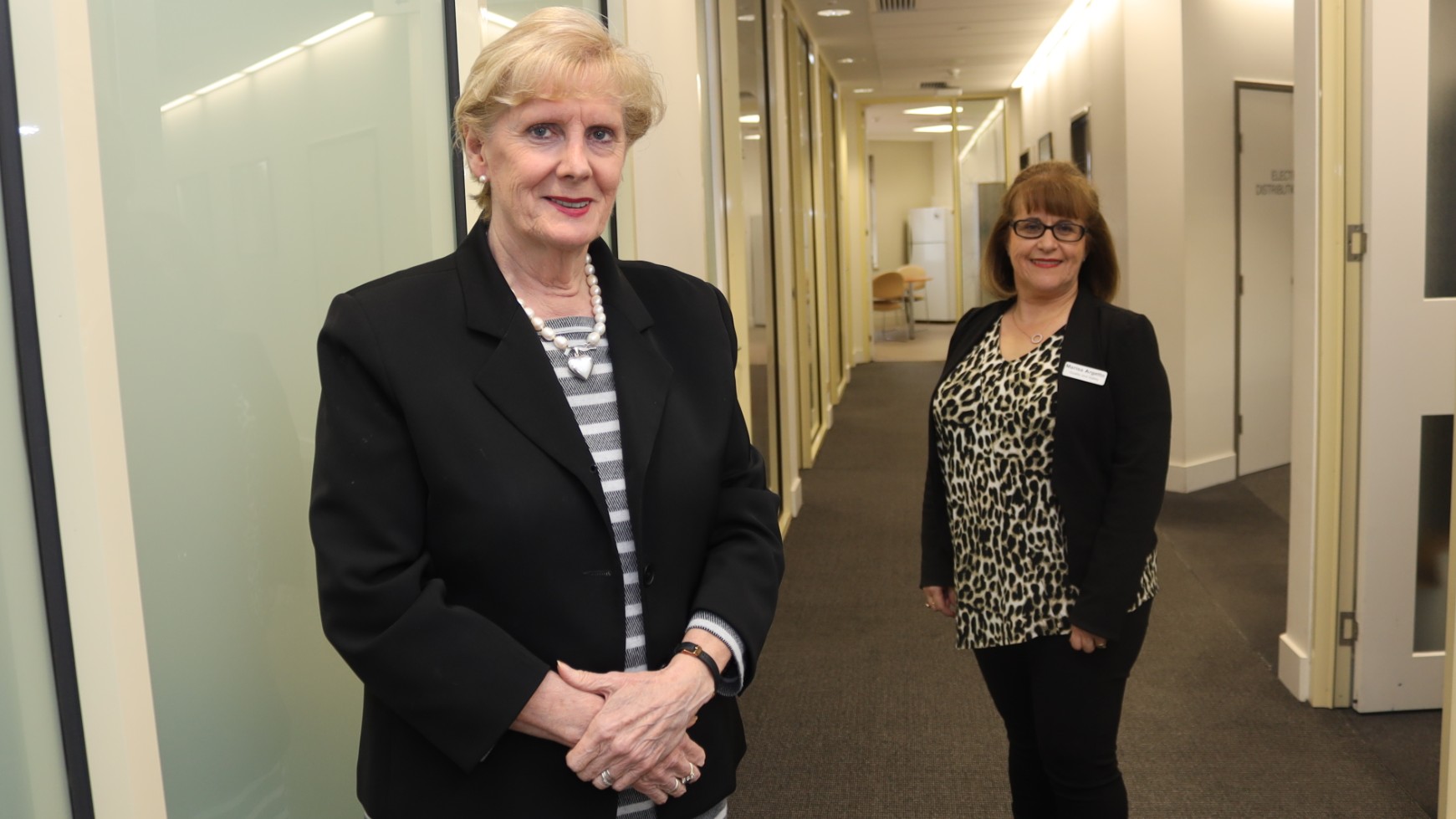
    Featured image (left to right): Maree Glynn and Marisa Argetto, Administrative Assistant and PROMPT Administrator, Quality & Service Improvement 

  • Postcard to my younger self: Monica Dowling

    Postcard to my younger self: Monica Dowling

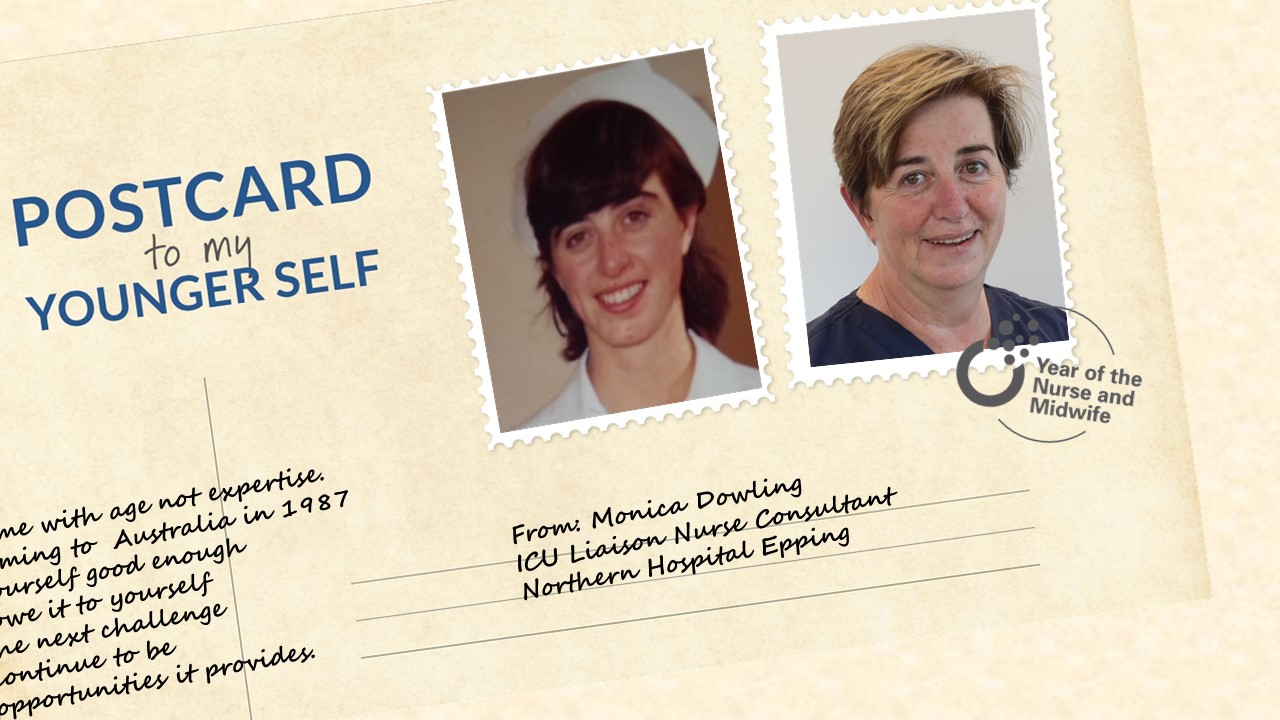
    To celebrate the International Year of the Nurse and Midwife, we asked a selection of staff who exemplify the key qualities of a nurse/midwife to write a ‘postcard to their younger self’ and offer insight and advice. Monica Dowling, Nurse Donation Specialist and ICU Liaison Nurse Consultant, had this to say to her younger self:

    The day your nursing becomes routine for you is the day you need to challenge yourself with something new. Being uncomfortable in your role means you are learning something – embrace every opportunity.

    Starting out in nursing many years ago in Ireland, career progression came with age not expertise. Coming to Australia in 1987 blew that myth right out of the water. Look around you – nursing is the mecca for opportunity.

    Believe in yourself – yes a bedside nurse can become an Associate Nurse Unit Manager and progress to Nurse Unit Manager, District Nurse, Director of Nursing, Nurse Recruitment Project Manager, ICU Liaison and Nurse Organ Donation Nurse Specialist!

    Are you good enough for the role? Make yourself good enough with the right training/courses/Grad Dips. Remember you owe it to yourself and to those who work with you to be the best at what you undertake. Yes it is scary, yes it is uncomfortable, yes you doubt yourself and yes you make mistakes.

    But one day it all falls into place and you become comfortable and confident again. Enjoy the feeling for a while (seven years was my limit in any role) and consider the next challenge – new organisation, new role, new focus, new people.  

    40 years on and I still love nursing and I continue to be excited by the opportunities it provides!

  • Amanda Cox: COVID-19 registrar

    Amanda Cox: COVID-19 registrar

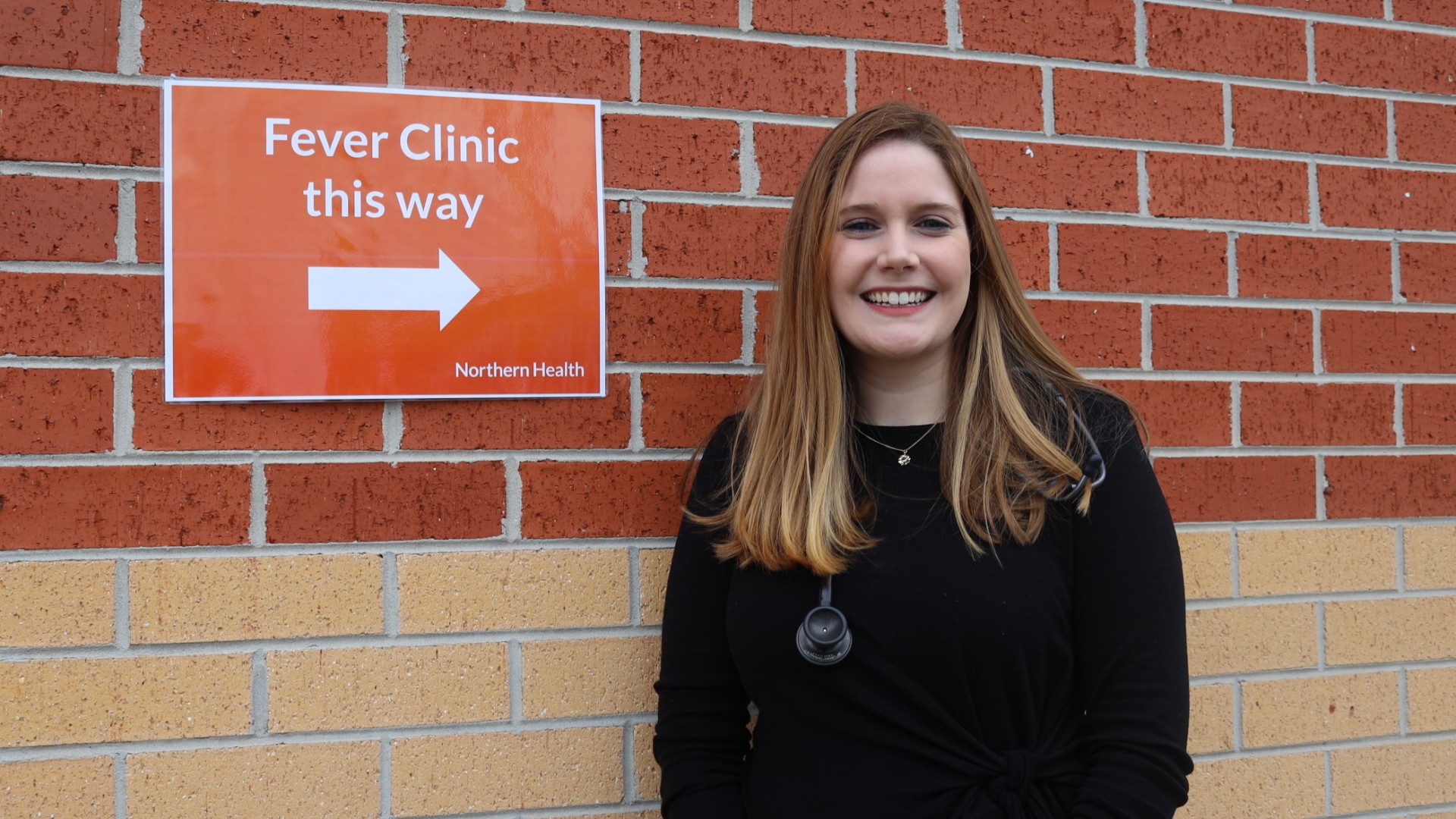
    Amanda Cox is Northern Health’s COVID-19 registrar, but she and her team usually say this is a, “job without a job description,” with  the role constantly evolving over the last 10 weeks.

    “It’s been everything from measuring chairs 1.5 metres apart on the day we opened our Fever Clinic, to moving from calling each patient with their results to creating a texting system. We also developed policies and procedures and provide clinical support and education to clinicians about testing and management of patients,” she said.

    Amanda is a Physician Trainee, and this is her second year at Northern Health. Before COVID-19 started, she was doing two weeks relief and was then brought into the COVID-19 team to help Infectious Diseases for a, “couple of days,” – that became 10 weeks and counting.

    “A lot has changed now in my day-to-day work, everyday there’s a new problem to be solved but it wouldn’t be possible without a huge focus on team work. There have been so many faces that can have contributed to our COVID-19 response, and it’s been great to meet the people involved.”

    “Having a sense of humour also helps, especially in situations when you’ve just written a whole protocol, issued to all staff, only for it to be changed a few hours later,” she explained.

    With a personal interest in Endocrinology, Amanda was due to sit her clinical exam at the end of this year, but that has been delayed until next year.

    “We are all personally and professionally affected by this pandemic in one way or the other,” she added.

    Amanda feels she only realised she was drawn to medicine when she studied  Biomedicine at Melbourne University, enjoying the more clinical aspects and decided to apply for medicine. She then studied Medicine in Sydney, worked and travelled in Ireland before moving back home to Melbourne in 2019.

    As this is a very unusual time for everyone, Amanda says to take every day at a time.

    “My secret to success is chocolate, wine and a bit of healthy couch time to unwind occasionally. We also have to appreciate the silver lining, as this is an opportunity for change and to also take a moment to slow down and smell the roses during isolation. While a pandemic is frightening, we still need to keep our spirits high and it’s been wonderful to see great sense of camaraderie, kindness and can-do attitude across the hospital and that has really lifted spirits. It’s been great to work in a place that is supportive and where we can still share a laugh about the absurdity of the situation we have found ourselves in sometimes” she added.

    “There is no workplace that has been untouched by this pandemic and every industry will change from this, hopefully for the better” she added.

  • COVIDSafe App – Download to keep the community safe

    COVIDSafe App – Download to keep the community safe

    The COVIDSafe app helps find close contacts of COVID-19 cases and will speed up the current manual process of finding people who have been in close contact with someone with COVID-19.

    The Commonwealth has said that widespread use of the app is a precondition of relaxing some of the physical distancing restrictions currently in place.

    While the COVIDSafe app is completely voluntary, Northern Health staff are encouraged to download the app to help keep our community safe.

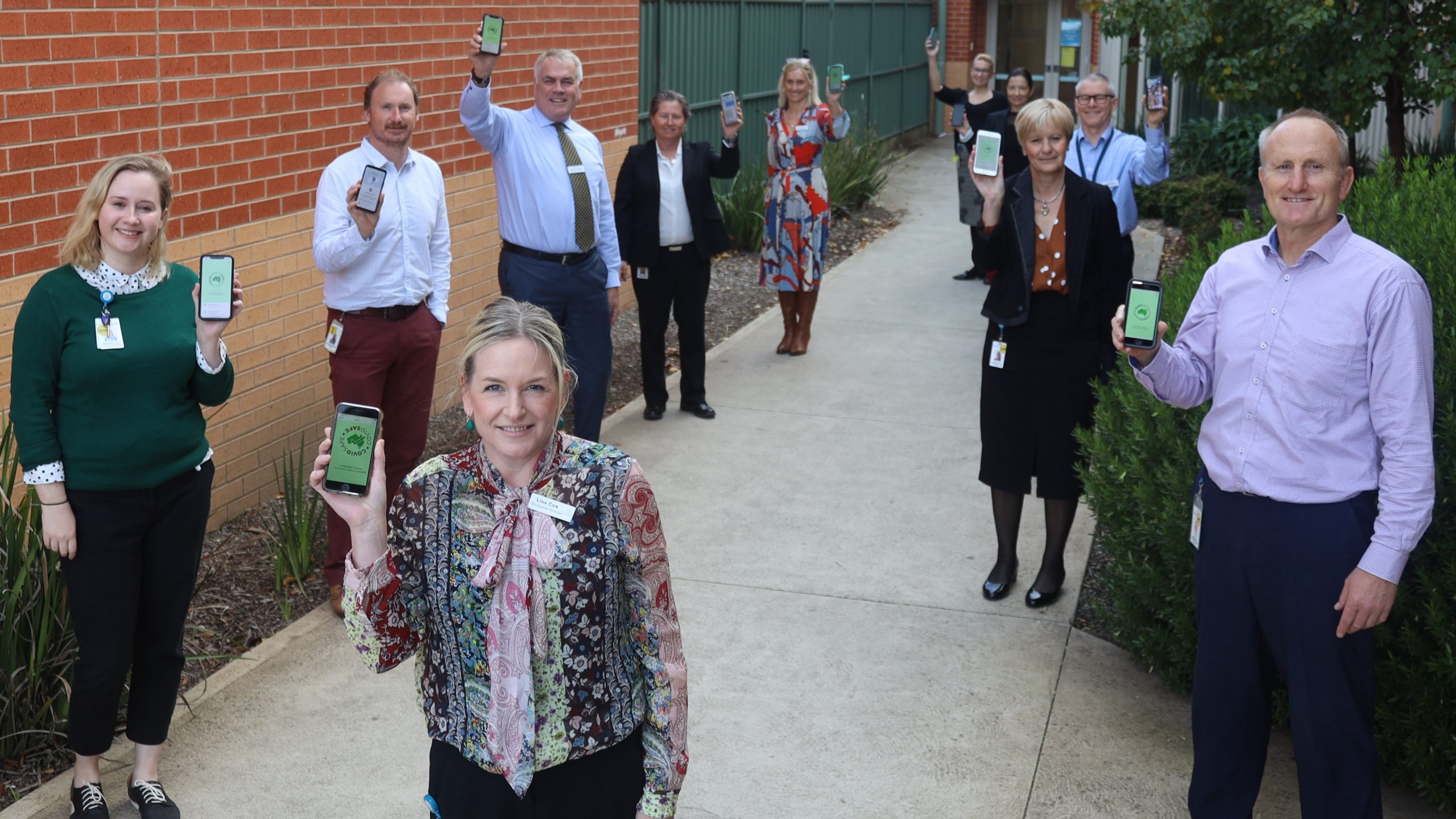
    Over the last week, the entire COVID-19 Incident Management Team have downloaded the COVIDSafe App to their mobile phones.

    “The app helps the Department of Health to quickly contact people who may have been exposed to COVID-19, and inform you if you have a risk of infection. It will help monitor possible outbreaks in the community, as restrictions are gradually relaxed,” said Dr Christian McGrath, Clinical Lead, COVID-19 Response.

    He believes that the app is completely safe to use.

    “The app itself doesn’t collect data about yourself or where you are going. What it does is identify when you’ve been moving within 1.5 metres of someone else who has the app on their phone.”

    The information is encrypted and that encrypted identifier is stored securely on your phone. Not even you can access it. The contact information stored on people’s mobiles is deleted on a 21-day rolling cycle.

    “When the Department of Health has a confirmed case, they seek permission from that person to download the data. This will provide a phone log of people you’ve been in the vicinity of and inform them that they are now a close contact and recommend quarantine. That way they can clamp down really early on outbreaks and not have to rely on people’s memories,” Dr McGrath said.

    You can learn more and download the app here.

    Photo: Members of the COVID-19 Incident Management Team who have all downloaded the COVIDSafe app.

  • Celebrating International Day of the Midwife

    Celebrating International Day of the Midwife

    The International Day of the Midwife was first celebrated on 5 May 1991, and has been observed worldwide since. We spoke to Debra Bourne, Chief Nursing and Midwifery Officer at Northern Health on the significance of this day and her views on midwifery. Debra commenced her nursing career in metro health services within intensive care departments. Later on, she moved to rural health and held a variety of nursing roles, from renal dialysis unit, operating suite, emergency nursing and then midwifery where she worked for 20 years. Debra was endorsed as one of the first rural and remote Nurse Practitioners (NP) in Victoria. Her career then progressed further and led to health service management roles in operations, quality and service development. Debra joined Northern Health in 2016.

    What is the significance of today?

    In essence, most people have had some touch point with a midwife. Whatever country you are born in, there is a high probability that there was midwifery care. Midwives play such an important role – and not only just for the actual birth but also for the important role they play in the pregnancy and post natal period. Research clearly demonstrates that midwifery care is pivotal to mother and baby’s wellbeing. If a woman and her family receive midwifery care throughout the whole episode, it results in better outcomes for mother and baby. The word ‘midwife’ is about standing with and being there for women. Midwives see the family as a whole unit and are truly focused on holistic care.

    As I said before, we do know that women and babies that have good midwifery care, have better outcomes.

    Why did you choose midwifery?

    I commenced work in a small rural hospital 30 years ago and they were delivering babies. There was just one ward and maternity was a part of it. You could spend one shift working in the Emergency Department, scrub in for an emergency theatre case and assist in birthing. I recognised quickly that I needed to become a midwife to meet that community’s needs.

    I started midwifery when I was in my twenties and just loved it. I loved it right from the start. In the country, I was providing care for women and their families that I knew – it had a real community feel. You looked after them right from the start and when they had their babies, you saw them afterwards, and then you saw those babies grow up. Being present when a woman gives birth is a privilege and witnessing her strength and power in birth is incredibly special.

    What was your most memorable delivery?

    It’s hard to mention just one and often the ones that were most memorable are often the ones that were more challenging. I can also remember the birth of one of the staff members here at Northern. Her name is Steph Gray, who is working in the Neonatal Unit and Short Stay Unit and is a delightful young woman (nothing to do with me). Besides making me feel incredibly old, it was extremely special to see her on her orientation day as a grad nurse.

    But being a midwife is not only about being part of a birth. One of the most significant memories is assisting a woman to breastfeed. Breastfeeding for some can be very challenging and it takes patience, skill and perseverance. Midwives play such an important role here and there is nothing that gives me more job satisfaction than helping a women to overcome breastfeeding challenges.

    To be with a woman who is birthing, is giving a little bit of yourself to that moment. If you are with the mother for eight to 10 hours or even sometimes 12 hours, you are with and connected to that woman – not only physically (on your feet and moving around) but also emotionally. You cannot lose focus and lose that connection to not only create trust, but to ensure the safety of the woman and her baby. Emotionally, this can be hard work. So you can finish an entire shift on your feet being connected to and being there for one woman and it can take a little bit out of you.

    What are some of the rewards of being a midwife?

    One of the rewards of being a midwife are the midwives you work with. Midwives are always about the team work, not only with their fellow midwives, but also with the obstetrics team. This is why I like this job – I’m fortunate to be the Chief Nursing and Midwifery Officer at Northern Health and play a small part in leading this wonderful and highly skilled group of midwives here. They are a very caring and close knit group.

    At Northern Health it is not just the midwifery team – here it is the obstetrics team, our doctors, our neonatal team – it’s a close knit team and that is one of the joys of being here as a midwife.

    Any final messages to staff and the community?

    It is important that we acknowledge the importance of the role of the midwife and the role they play in improving maternal and newborn health. They truly make a difference – they connect and be with women at such an important time of their life. I would like to sincerely thank them on this special day.

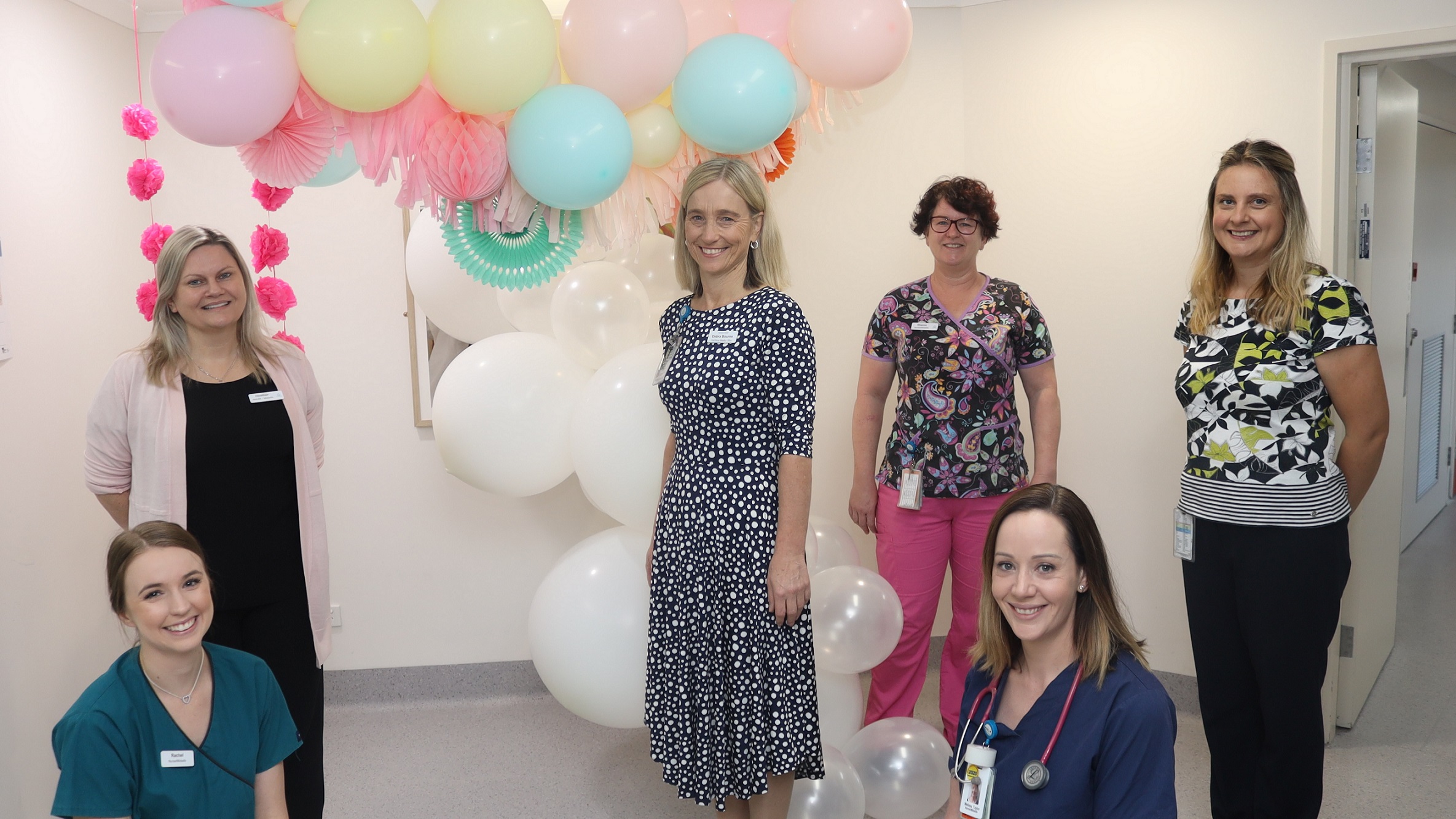
    Featured Image: Debra Bourne (centre) with midwifery staff 

  • Communication without contamination: How Northern Health is protecting our health care workers

    Communication without contamination: How Northern Health is protecting our health care workers

    Communication is very important in any emergency, however as Dr Loren Sher, Head of Paediatric Emergency points out, with COVID -19, there’s the added challenge of contamination from our communication devices. ‘How to maintain effective and critical communication between staff without the risk of contamination?’ was the problem that Dr Sher put to some friends in business and IT.

    “They linked me in to the technology team at HESTA. When HESTA heard we were trying to solve a problem related to COVID-19, they not only helped us with the solution, but also donated the equipment we would need to run the solution,” says Dr Sher.

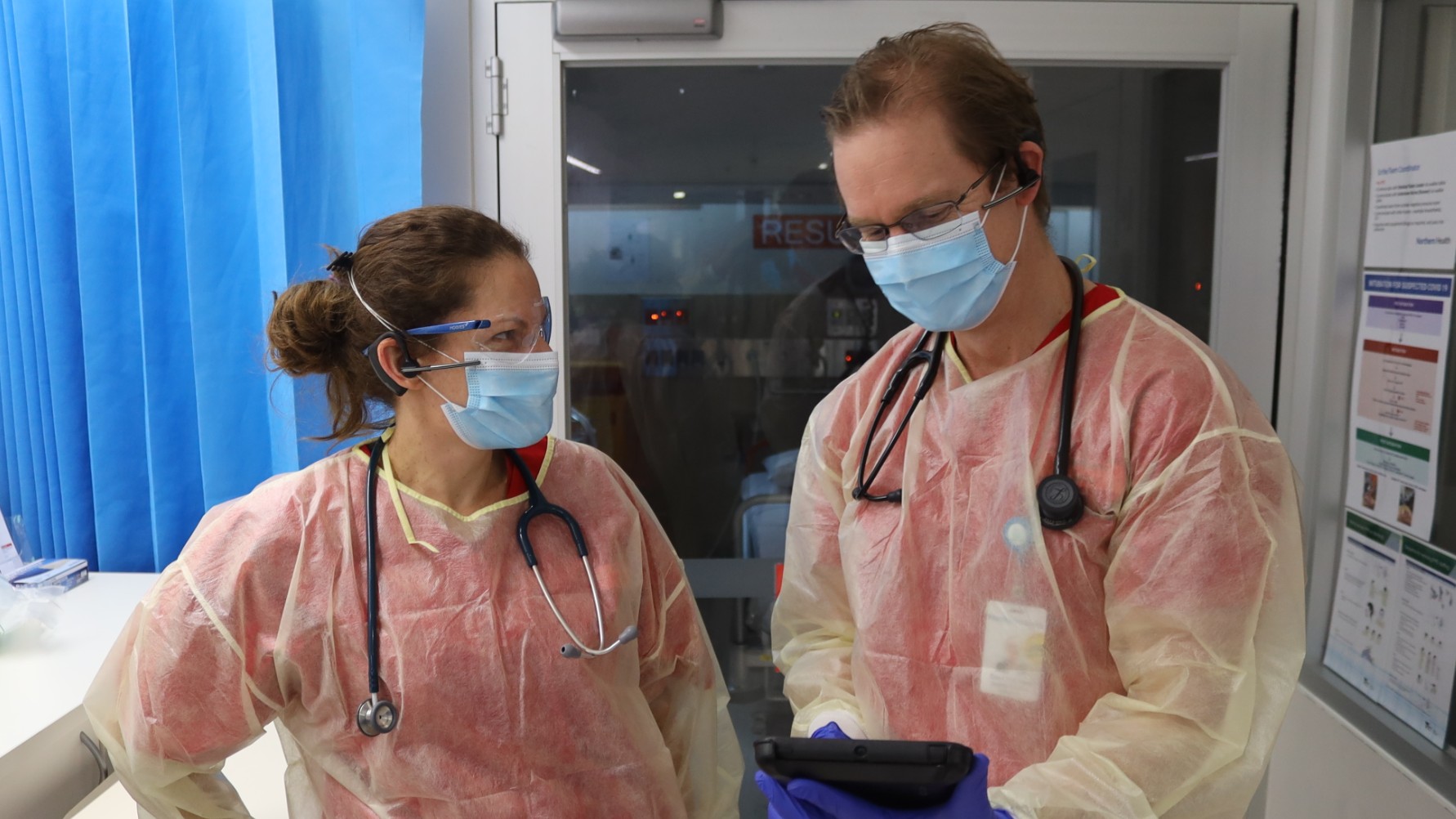
    HESTA donated ten Plantronics Bluetooth headsets and one laptop to facilitate hands-free and team communication in the emergency department, while managing patients with suspect or proven COVID-19.

    Says Dr Dean Pritchard, Emergency Physician and Deputy Director of Emergency, “Hands free communication will make a positive impact on the safety of doctors and nurses during COVID-19. Using these devices, we will no longer be required to touch our faces using the portable phones, feeling confident to take phone calls between managing our COVID-19 patients. Communication is central to our pandemic response, and this generous donation will certainly improve the safety of our frontline clinicians.”

    Dr Sher says, “On behalf of Northern Health, I would like to thank Stephen Reilly, Chief Operating Officer, Neil Saxton, Chief Partnership Officer, Sheena Peeters, General Manager- Technology, Uday Jagasia, Technology Business Partner, from HESTA and Prue Munro,  ZOOM Customer Manager, for their generous donation and ready support.”

  • Postcard to my younger self: Gavin Fahey

    Postcard to my younger self: Gavin Fahey

    To celebrate the International Year of the Nurse and Midwife, we asked a selection of staff who exemplify the key qualities of a nurse/midwife to write a ‘postcard to their younger self’ and offer insight and advice.

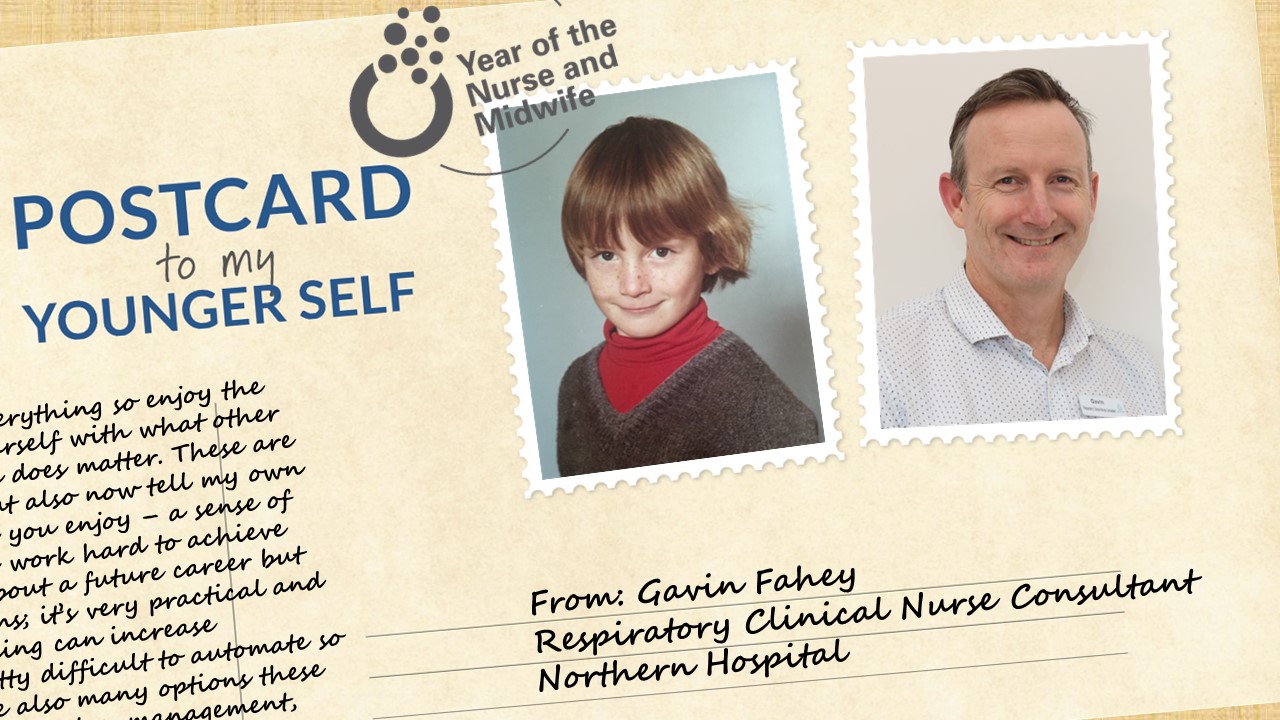
    Gavin Fahey, Respiratory Clinical Nurse Consultant and Team Leader, had this to say to his younger self:

    Stay positive, you’re not meant to know everything, so enjoy the learning along the way. Don’t concern yourself with what other people think about you and your opinion does matter.

    These are the things I would tell my younger self, but also now tell my own children. Continue to focus on the things you enjoy – a sense of adventure, travel, remain optimistic and work hard to achieve your goals. 

    You may be a little unsure about a future career but nursing is a great option for many reasons; it’s very practical and can be applied in all walks of life.  

    Nursing can increase confidence and social skills and it’s pretty difficult to automate so nurses will always be needed! 

    There are also many options these days; specialising within departments and roles, management, project management – just to name a few.

    And it’s fine to move between roles until you find your niche. Remember that a rewarding role is one in which there is a balance between your knowledge/input having a positive impact and ongoing learning.