• Speech Pathology Week: Communicating with confidence

    Speech Pathology Week: Communicating with confidence

    Speech Pathology Week promotes the profession and work done by speech pathologists with over 1.2 million Australians who have a communication disability. The theme for Speech Pathology Week 2020 is Communicating with confidence.

    Rebecca Lamont, Northern Health Speech Pathologist, explained the team works with all aspects of communication challenges, relating to language, understanding and expression, voice, fluency and similar. The same muscles used for speech are used in swallowing, so the team are experts in that field too, and can also help with cognition and thinking skills.

    Maree Spencer is one of Northern Health’s patients that Rebecca has been treating at the Bundoora Centre and at Maree’s home.

    “She was first seen in July 2019 and diagnosed with motor neurone disease (MND) at 54 years of age. MND is a progressive, degenerative and fatal condition, that has no cure and no known cause. There is only one medication that can be used to slow down the symptoms, but doesn’t work to stop it,” she explained.

    The disease affects parts of the brain that control movement, and as a consequence the muscles atrophy and weaken because they are not being used. The people lose the ability to move, speak or breathe.

    Maree walks with a four wheel frame to avoid falls and her speech has almost completely stopped. To be able to communicate, she uses a text-to speech app or her phone and iPad, and the device then speaks for her.

    “Most of the time, people with MND have preserved cognition and intelligence, and this is what makes the disease very difficult, as people are fully aware what is happening to them,” Rebecca explained.

    “The disease has slowly taken my voice, and today people can’t understand me anymore without assistance,” Maree told us by typing her answers, and her daughter reading to us.

    “At the moment, I am using different tools to communicate, like my iPad with the Predictable app. I also use my phone to write notes on and I am now trialling an eye-gazing communication device,” she added.

    “My only advice to others would be – before your voice goes away, make sure you film video messages to your loved ones and let them know how you feel.”

    “Rebecca has helped me tremendously and is giving me different tools to test. I can always email her with any concerns and she always responds quickly,” Maree added.

    Maree at home
    Maree at home

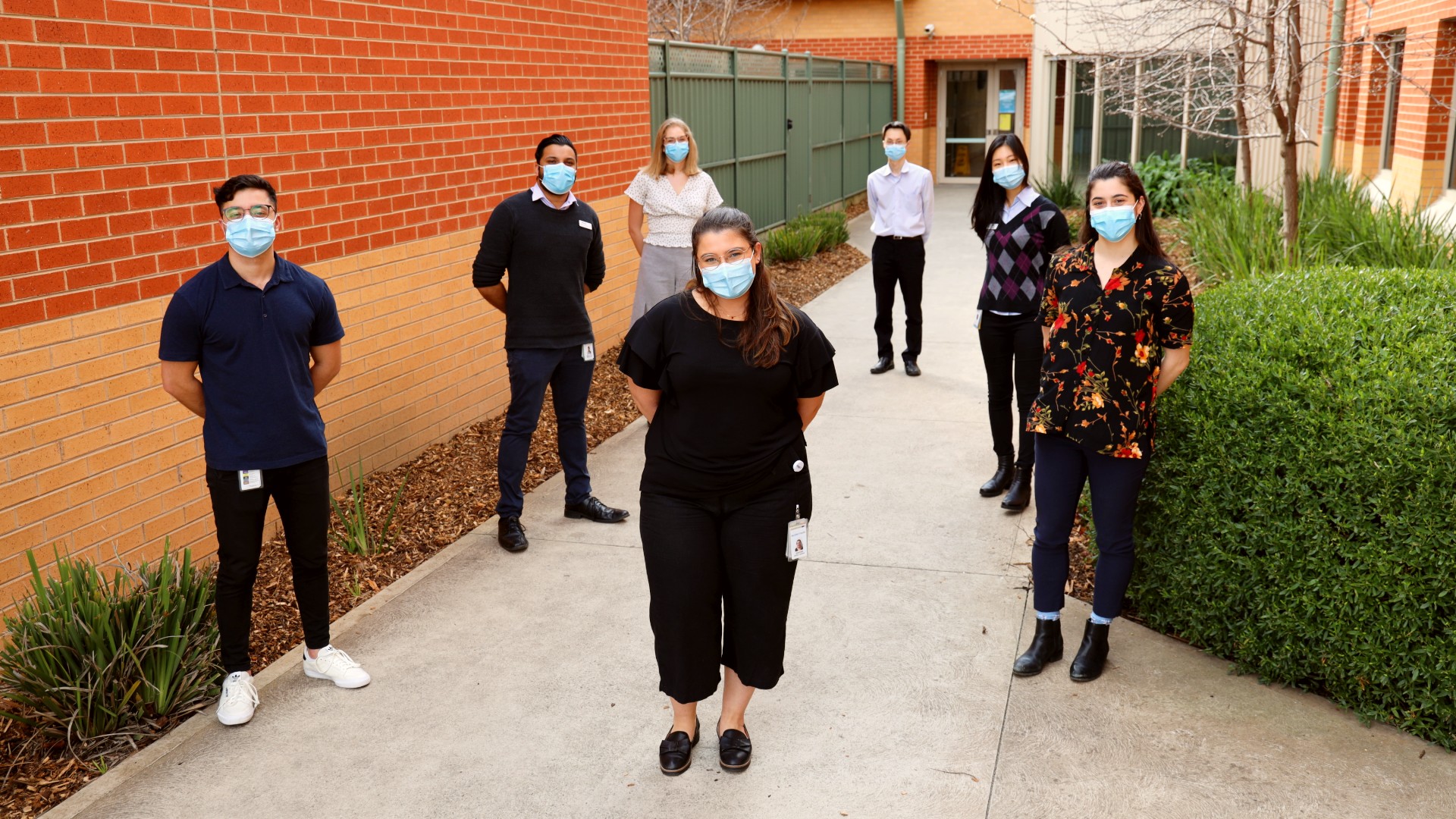
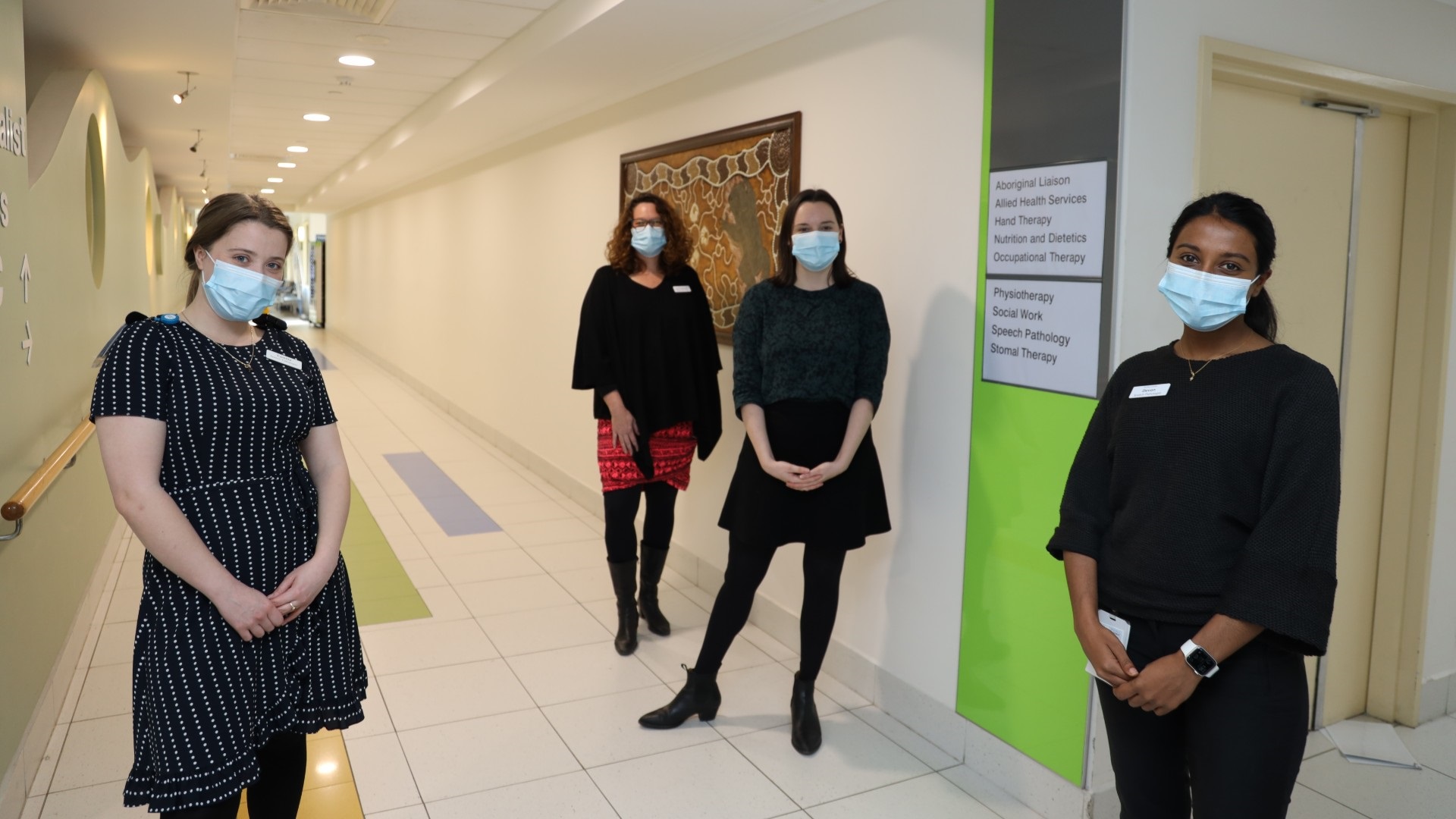
    Featured image (left to right): Camille Meredith, Kym Patterson, Stephanie Bennetts, Devon Iluksooriya.
  • Strategic Priority 5: Engaged learners, inspired researchers

    Strategic Priority 5: Engaged learners, inspired researchers

    The fifth strategic priority in Northern Health’s new Strategic Plan 2020-24 focuses on research and learning, working towards the goal of equipping staff with the latest knowledge and best practices to support positive patient experiences and safe, effective care.

    Prof. Bill van Gaal, Director Cardiology Service and Divisional Director Emergency Services says, “Northern Health is committed to building a culture of research and educating the workforce of the future.”

    In order to elevate our research profile and translate research into healthcare practice, Northern Health is keen to create a workforce of engaged learners and inspired researchers, by enhancing teaching and creating a culture of learning and research, and becoming a partner of choice for research.

    Northern Health will continue to grow the capacity for clinical trials for our northern community, which are an important way of helping patients receive the best care and treatments in the future.

    Says Krinal Mori, General Surgeon and Educator: “We are clear that for the safe, effective and positive patient experience, right from the time the patient comes into hospital, to even after they are discharged, it is important that we equip our staff with the best medical practise and the latest information”.

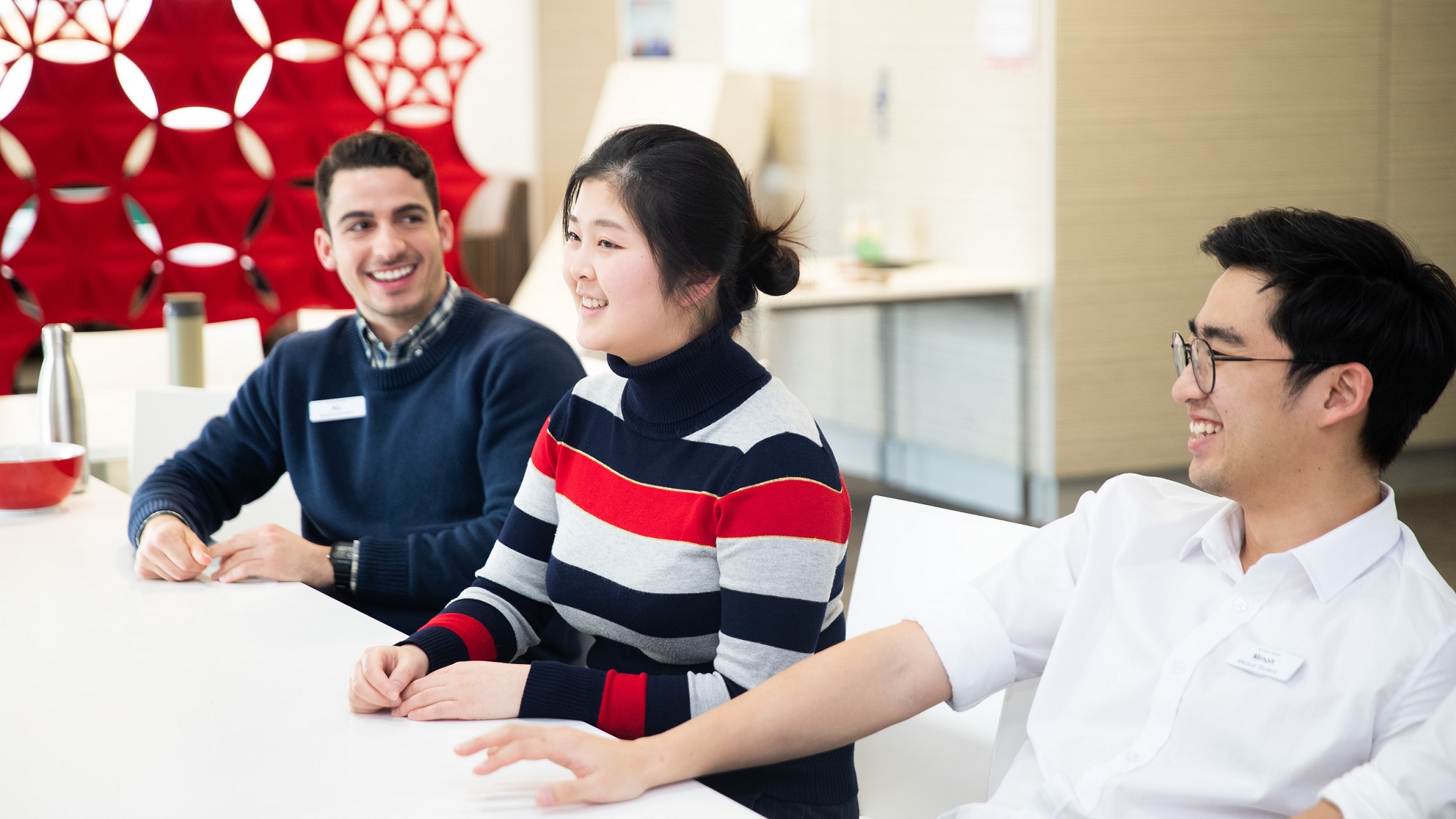
    Northern Health is working with partner Universities in training the healthcare workforce of the future. Laura Calogero, student nurse is one of our engaged learners, She says ” Here at Northern Health, we are supported by staff and educators. the friendly staff nurture and help us to grow.”

    Please see the video below to hear more about what ‘Engaged learners, inspired researchers’ means to some of our staff:

  • CLEAR group turns five

    CLEAR group turns five

    Northern Health’s Consumer Literacy Evaluation and Review (CLEAR) group turned five this month. They are one of the longest running consumer groups who have eagerly contributed to Northern Health. The group has a very specific task of reviewing and providing feedback on all information developed within the health service, that will be given to patients and their families.

    Paula Murray, Health Literacy Coordinator, explained the group focuses on ensuring the information aimed at patients makes sense, is useful and relevant and easy to understand.

    “The group also looks at whether the information in a brochure, for example, provides the information consumers would expect to receive, if it answers any questions that they may have and if it points readers to where they can get more information,” she explained.

    Originally, prior to the formation of the CLEAR group, consumers reviewed materials posted out to them. When the CLEAR group commenced, the group evolved to meet once monthly face to face to review documents together.  They discuss, sometimes quite animatedly, their opinions on how the information could be improved. The CLEAR group members take their role very seriously, always considering how and when people will receive this information, and how useful it will be to them.

    Mary Renshaw , CLEAR member said: “Since I joined the CLEAR group,  I have been a patient at Northern Health too. As a patient, I received special care at Northern Health and understood why the work of our CLEAR group is so important and how it can make a difference. It has helped with the clear wording of directions and general understanding of information the patients receive,” she said.

    The feedback provided from the CLEAR group helps the clinical authors adapt and revise their documents to ensure they are of the best possible quality for future patients and consumers using our services.

    “The CLEAR group participated in previous accreditation processes and, on two separate occasions, helped Northern Health achieve “Met with Merit” outcome for our Health Literacy actives, which is outstanding and an excellent acknowledgment of their work and effort. Now that we are in COVID-19 times, the group, even in lockdown, are reviewing documents and providing feedback electronically or over the phone,” Paula explained.

    The CLEAR group have achieved a lot in their time, and have reviewed over 200 documents. These have included posters, patient information brochures, surveys and Northern Health publications such as our annual Quality Account.

    Five of the original CLEAR group members have been on the group from the very beginning and have now achieved five years of contribution. They are: Graham and Gwen Roberts, Mary Renshaw, Ruth Sherlock and Mary Herring.

    If you’d like advice on developing a patient resource or seeking input for the CLEAR group, please contact Norther Health’s Health Literacy Coordinator, Paula Murray at paula.murray@nh.org.au.

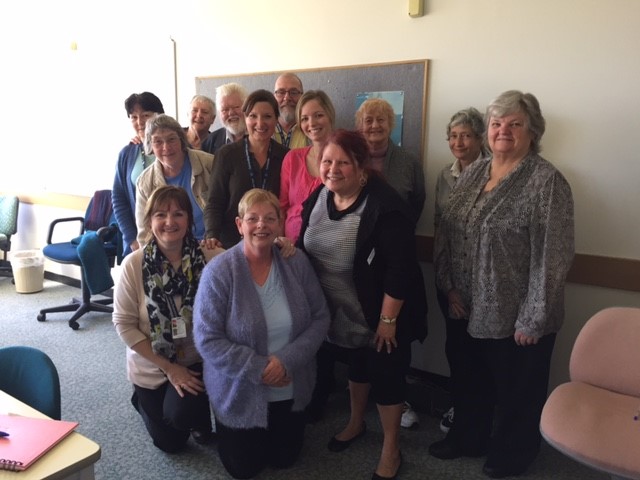
    Original CLEAR group members
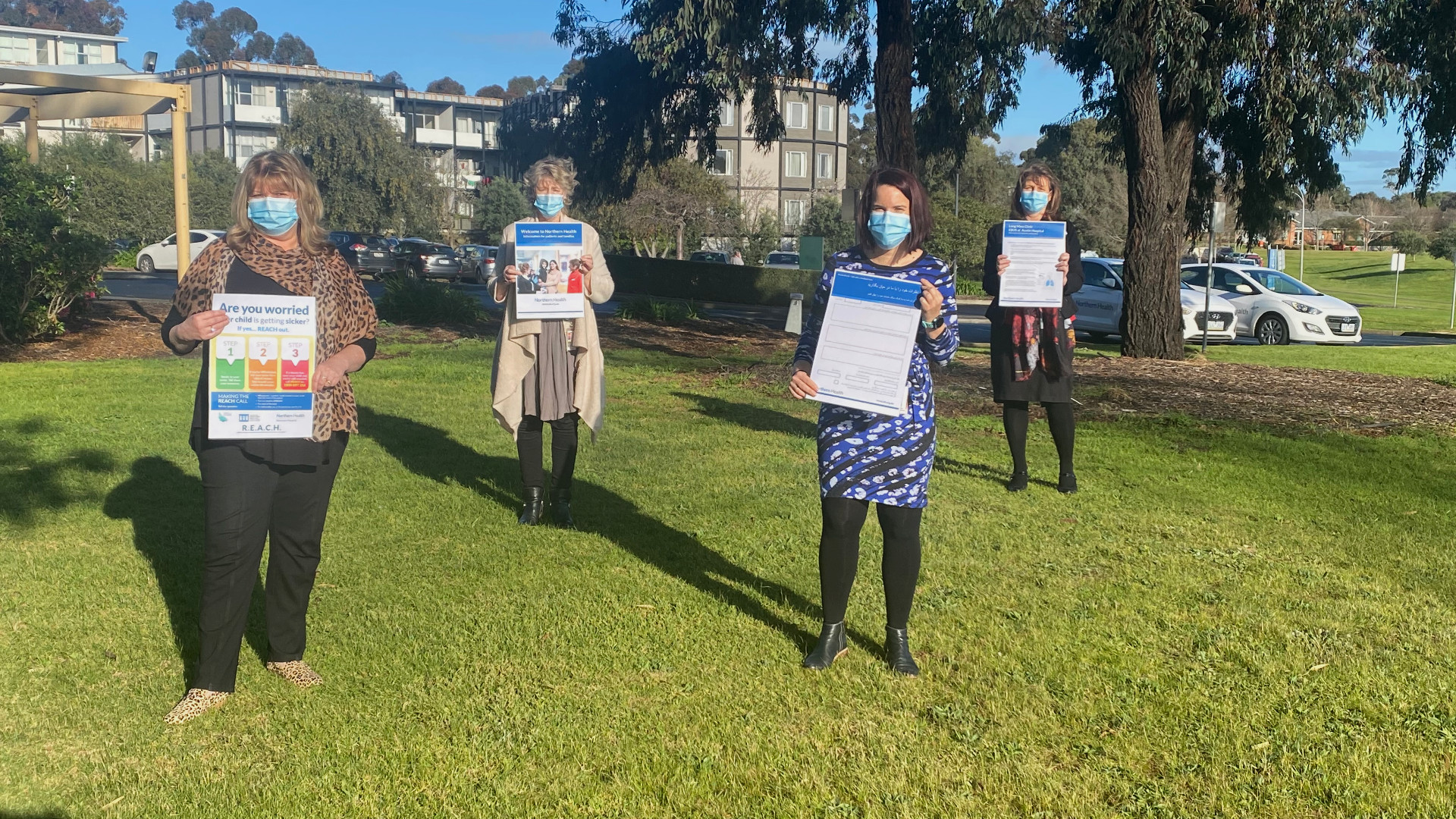
    Featured image (left to right): Annette Higgins, Karen Overall, Sophie Rodier and Amanda Strangwick from the Patient Experience team
  • Help us support our IBD patients in the north

    Help us support our IBD patients in the north

    Anita, a local young mother, welcomed her first child with her husband just over three months ago, a beautiful baby boy named Riaan. Her pregnancy was challenging as Anita has Crohn’s Disease, a chronic inflammatory disease of the bowel that requires lifelong treatment and monitoring when the condition flares.

    Anita was initially diagnosed five years ago at Northern Hospital Epping and continues to receive care for her condition from our Inflammatory Bowel Disease (IBD) team. Like many chronic conditions, it came on suddenly and unexpectedly, and impacts on Anita’s quality of life as well as that of her growing family. When she experiences flares, she is unable to go to work and social outings, and experiences increased levels of pain which can be debilitating.

    During her pregnancy, Anita was referred to an alternative health service for an intestinal ultrasound (IUS) – the only safe radiological investigation for pregnant IBD patients – the results of which help to guide treatment. Currently, these ultrasounds are not available at Northern Health and patients requiring this need to be referred to other hospitals.

    “I think there’s a lot of anxiety behind it. There was a lag in getting the appointment and I was getting anxious – I wanted to make sure that the disease was under control because I was already a high-risk pregnancy. Then it’s the inconvenience of having to travel and explain your situation again to a new health professional,” Anita said.

    Anita said it would be fantastic to see IUS at Northern Health. “While you’re having the ultrasound done, you can actually see what’s happening and manage the disease better – they can pinpoint if you’re having a flare-up or if one is coming on, so it gives you a sense of relief,” she said.

    Northern Health Foundation have launched their Major Raffle for 2020, which will raise funds to support the purchase of IUS. Introducing Intestinal Ultrasounds to Northern Health will alleviate the need for patients in the northern community to travel to other health services, keeping them closer to home. This will reduce wait times, improve continuity of care and provide immediate information about the severity of the disease – providing better outcomes for patients.

    Anita’s mother, Shanthi, has seen firsthand the impact of Anita’s condition and looks forward to IUS being introduced. “We need it around this area, so people don’t have to travel and go through that stressful waiting period – not just talking about my daughter but for other patients as well,” she said.

    “With Anita’s flare-ups, you do really worry because it changes her whole lifestyle. Now, with the baby, I do get very anxious, but we are there to support her,” Shanthi added.

    Anita with her mother, Shanthi

    IBD Clinical Nurse Consultant, Charys Winter, works with these patients, including Anita, every day. She said, “IUS will be an extremely useful tool to engage patients in their care and management, and most importantly their understanding of their disease. To be able to update their treatment on the spot will be of tremendous benefit.”

    Charys encourages our community to purchase raffle tickets as a way of giving back to their local health service. “If you’re a member of our hospital community and if you have received a benefit from that, it’s a nice way to pay it forward – to be involved, buy a ticket and help support – as it might even be for you or a relative that need our care one day.”

    Click here to purchase your tickets today and support patients like Anita.

    The total raffle prize pool includes:
    First prize: A stunning brand new Toyota Corolla Hybrid Hatch – RRP $30,393.40
    Second prize: Helicopter Joy Flight – RRP $4,500
    Third prize: UPPAbaby VISTA V2 Pram and Bassinet – RRP $2,099
    Fourth prize: One night in Mantra Epping Penthouse Suite including Breakfast and Dinner for two – RRP $750

    By purchasing a ticket, you can feel proud of supporting the important work of Northern Health. If you buy five tickets in one transaction, you will go in the running to win a $500 Coles/Myer Gift Card! If you purchase your tickets before Wednesday 23 September 2020, you will also enter our Early Bird Draw to win a $500 Coles/Myer Gift Card.

  • Medical students supporting our COVID-19 response

    Medical students supporting our COVID-19 response

    A number of final year medical students from Northern Clinical School are now casual Northern Health employees, playing an important role in helping us with the COVID-19 pandemic response.

    Dr Leonie Griffiths, Director Medical Education Northern Clinical School, explained the school is part of University of Melbourne located onsite at Northern Centre for Health, Education & Research (NCHER). As a result of the pandemic, the hospital has required additional help and the medical students were able to fill roles in different areas.

    “The students have been mostly assisting with contact tracing, PPE and in Pathology. They are actually doing two roles at the moment. In their student role, they are undertaking their regular ward activities, and, in their own time, they are undertaking the paid pandemic role,” she explained.

    The students commenced in both programs a month ago and are able to continue until they start their internships in January, if the demand is there.

    “The strength is that they already have a great knowledge of the hospital and the system, and as a workforce, they are already well prepared. They are a very flexible, adaptable workforce,” Dr  Griffiths explained.

    The students were very eager to contribute to Northern Health’s pandemic response. For them, this is a great opportunity to see how a health service operates during a pandemic, and engage more closely with the hospital, while contributing to patient care in a more meaningful way.

    “Students genuinely value this opportunity. Being final year medical students, they are set to graduate this year, and most of them would be coming back to Northern Health as interns next year,” Dr Griffiths added.

    Sara Unal is one of those students, working in the micro lab on the coronavirus testing.

    “It’s been really fun and I have learned a lot. I have picked up a lot on how to be a good doctor, in terms of clinical notes and referring things to Pathology. I learnt a lot about the pandemic and the different machines required for testing. The team is lovely here and they are looking after us,” she said.

    Her colleague, Lauren Russo, said she “feels like I am contributing meaningfully to the coronavirus pandemic workforce. I have learned so much about the virus and different genes in the virus,” while Ji Park, another student, added: “We are in a such a privileged position to be able to help during a pandemic. I would really like to give a huge shout to the Pathology team. Through this experience, we realised how much of an amazing job they are doing behind the scenes”.

    Dr Frank Hong, Director of Pathology, said medical students have played an important part in helping Northern Pathology Victoria (NPV) maintain its COVID-19 testing capability, as the testing in Melbourne surged in July. They have helped NPV achieve one of the best turnaround times in Victoria, with an approximate mean time of 10-12 hours.

    “From registering COVID-19 swabs to setting up samples for actual testing in the molecular laboratory, the students have been enthusiastic and always ready to help, including on weekends and in the evenings. We are very appreciative of their help and hopefully this has also given them some insight into how Pathology works,” he said.

    Infection prevention is another area the students have been working in, and Madelaine Flynn, Manager Infection Prevention, said the University of Melbourne medical students have been instrumental to the success of the infection prevention team during COVID-19.

    “Their tasks included aiding in data collection, contact tracing and providing phone support to staff who are either close contacts or confirmed COVID-19 cases. The students have embodied Northern Health’s values of safe, kind and together in all of their interactions. They are being kind to everyone, working as a part of the team and helping our department to keep our staff and patients safe,” she explained.

    Featured image (left to right): Sara Unal (centre), Ridvan Atlihan, Michael D’Silva, Nadia Olivier, Dr Frank Hong, Ji Park, Lauren Russo

  • Anytime, Anywhere Care

    Anytime, Anywhere Care

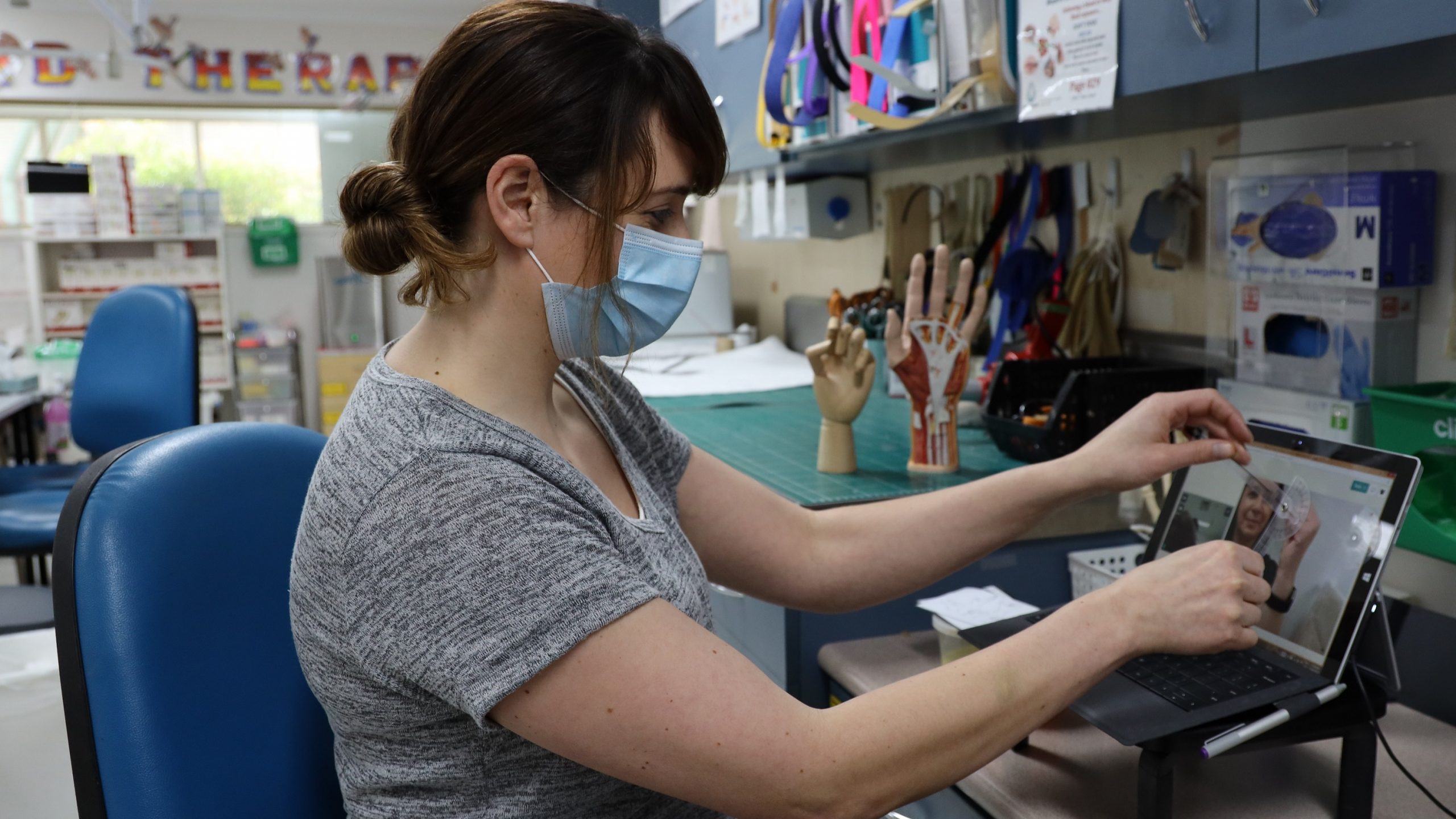
    Laurelle Bland, Occupational Therapist – Hand Therapy Service, has been using Telehealth (video calls) in the treatment of hand therapy trauma for several weeks now.

    She says, “Telehealth has enabled me to effectively treat patients who are unable to attend due to COVID-19. It is also very cost and time effective for our rural patients, who can now receive treatment online rather than having to drive to Melbourne.”

    Laurelle says she has found video calls allow her to visually assess the patient rather than relying on subjective reporting over the phone, which then better guides her treatment.

    “I have even been able to measure range of motion on the screen using a goniometer,” says Laurelle.

    Says Laurelle, “Telehealth has changed our hand therapy treatment for the better and I am excited by the opportunity it provides in making our service more accessible, time efficient and cost effective.”

    Allied Health is working on expanding our Telehealth service across other outpatient clinics and community therapy services.

    Tracey Webster, Telehealth Project Officer, is pleased to see the Hand Therapy Clinic use Telehealth – for a couple of reasons.

    “My daughter has been a patient twice as a child/teenager at the Hand Therapy Clinic. She is now 23 and a land surveyor and has no problems with her hands and is grateful for the care she received. For me, being able to assist the Hand Therapy Clinic team in being able to provide their patients with access to video calls was a privilege,” she says.

    Briana Baass, Chief Allied Health Officer and Partnerships, sees digitally enabled models of care helping Northern Health achieve its strategic plan and be more equipped to meet the future demand and needs of our community.

    “Ultimately, these initiatives leverage the benefits of technology to improve service access, efficiency and responsiveness in order to work towards delivering ‘anytime, anywhere care’,” says Briana.

    Bec Gilbert, Manager Organisational Capability at Northern Health, today confirmed that the Telehealth Hub has gone live in the myLearning LMS.

    It will provide staff across the organisation access to relevant training and education, receive up-to-date information, facilitate ongoing dialogue across all sites and a platform to share information, issues, and solutions regarding Telehealth.

    Early evaluation and patient feedback from the Allied Health pilot clinics indicate that patients felt the video Telehealth consultation addressed their health care needs, and all patients surveyed indicated they would prefer to use Telehealth for their next appointment rather than attend in person.

    Here’s what a couple of patients had to say:

    “I don’t think it could be improved. It was an excellent consultation.”

    “Keep offering it please!”

    Featured image shows Laurelle Bland,  Occupational Therapist in consultation with a patient on Telehealth.

  • Strategic Priority 4: Enabled staff, empowered teams

    Strategic Priority 4: Enabled staff, empowered teams

    Our new Northern Health Strategic Plan 2020-24 has five priorities and one of them has a strong focus on our staff – enabling and empowering them to focus on safety and professional development.

    Working towards this goal means that our staff will have the skills, knowledge, motivation and opportunity to make a difference for our patients and each other. By providing education and development opportunities, staff will be empowered to improve the safety of the health service.

    “Education is not the only road to empowering our teams,” said Dr Megan Robb, Director of Emergency.

    “When we think about teamwork, our goal is to have teams where multidisciplinary communication, problem solving and innovation is encouraged,” she explained.

    Teamwork is important at Northern Health and by developing these structured and functional teams, our staff will be able to achieve more and go further.

    “To acknowledge and celebrate our success, Northern Health will enhance staff recognition programs and performance systems,” said Michelle Fenwick, Executive Director, People and Culture.

    “We are working towards becoming an employer of choice,” Michelle added.

    Julie Mason, Patient Services Assistant, explained how we support staff in their work.

    “At Northern Health, staff are engaged and empowered to use all their skills and knowledge. We are a team and it’s a great place to work!” she said.

    Please see the video below to hear more on what ‘enabled staff, empowered teams’ means to some of our staff:

  • Volunteers working together

    Volunteers working together

    Northern Health has over 300 dedicated volunteers, who work across our site to help us provide support and care to our patients. Unfortunately, during the current pandemic, our volunteers cannot be onsite. Although we miss them terribly, we are looking at innovative ways to keep in touch, and for them to know that all our staff and volunteers are in this together.

    One of these is a daily newsletter. Last week the Volunteer Services Team, sent out their 100th newsletter, that provides information, humour, (called ‘Vollie Jollies’) and inspiration that keeps the volunteers connected with each other.

    Henni Wade, Manager of Volunteer Services says “Although our volunteers are currently unable to attend their roles due to COVID-19, the Volunteer Services Team has been working hard on helping our volunteers stay well at home.”

    “Our newsletters provide a platform to share what the volunteers have been doing from the safety of their homes, “she adds.

    “The volunteers have told us that the daily newsletter is something they look forward to and as the ‘unknown’ increases their anxiety, having daily communication helps to relieve this anxiety.  They also enjoy hearing and seeing photos of what other volunteers are doing,” says Henni.

    The daily newsletter also includes wellbeing tips to help volunteers keep their minds and bodies healthy and cooking and craft ideas.

    “We encourage the volunteers to be guest editors and to send through content for the newsletters. We also provide suggestions for encouraging volunteers to monitor their own health and suggested resources for them to seek further help if they are feeling isolated and depressed,” she says.

    Henni points out, “The team is aware that not everyone has a computer or smart-phone to stay in touch so have been making targeted calls to those volunteers whom we identify as being socially isolated.  We have definitely felt that some of those calls have been a life-line for a few of the volunteers.”

    Mandy Davis one of our long standing volunteers at Northern Hospital, says she is bored but doing the right thing and staying mostly at home except to go out once every two weeks to do her shopping. She says she is thrilled to get the newsletter. “ I felt I’m still part of the volunteers and it has been so good to be kept up to date on everything that has been happening and how hard every one is working there. I’m so proud of everyone and just to know how everyone is doing, has been really good.”

    As Henni says. “We are definitely in this together!”

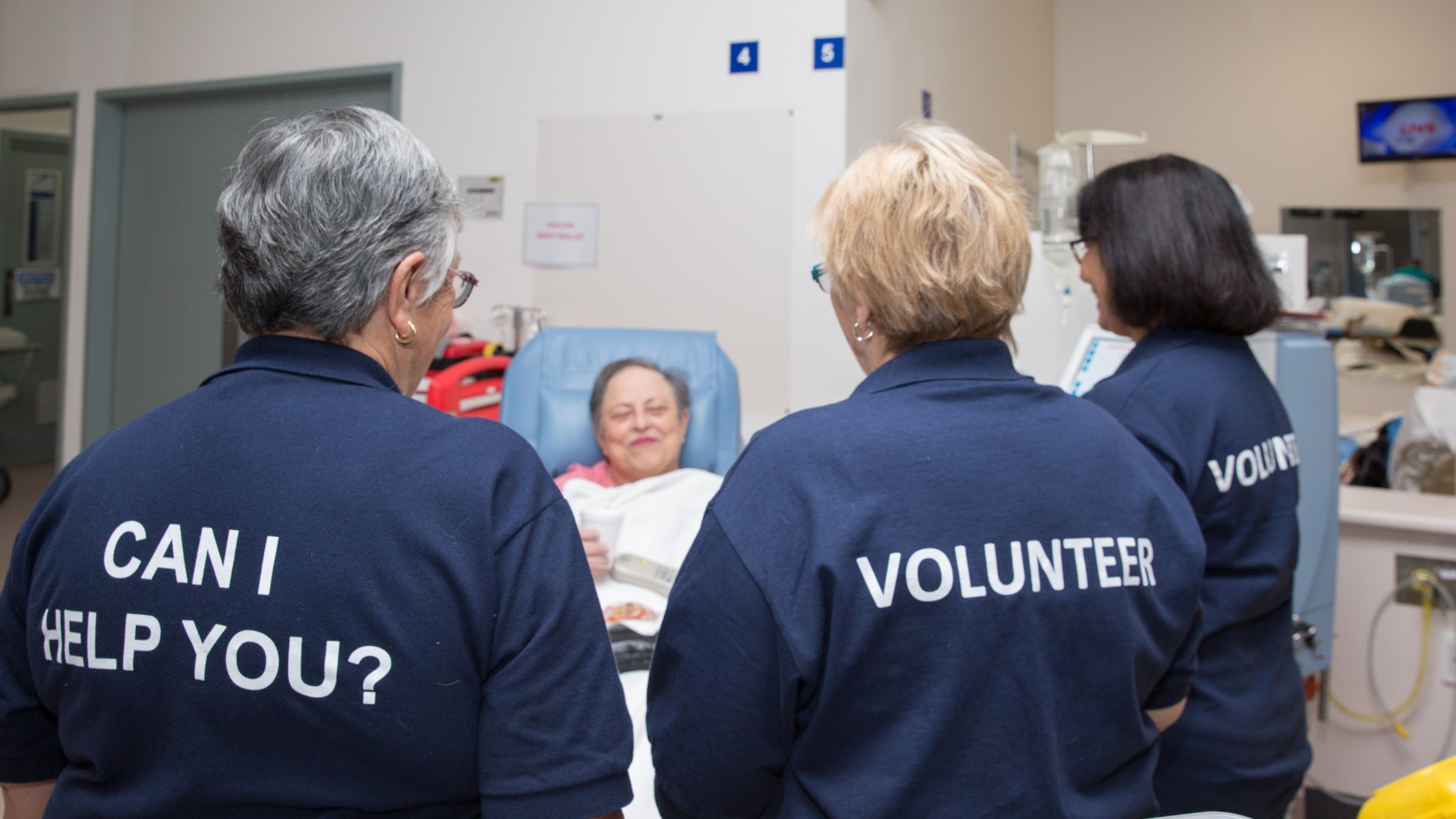
    Featured picture shows our volunteers in pre-COVID times.