• Postcard to My Younger Self: ‘Luma’ Gashi

    Postcard to My Younger Self: ‘Luma’ Gashi

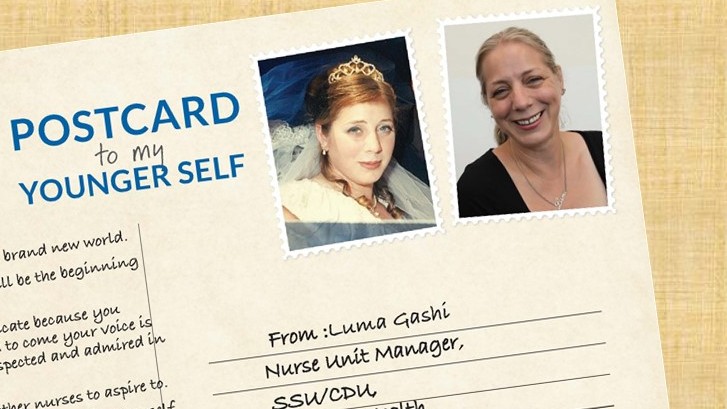
    To celebrate the International year of the Nurse and Midwife, we asked a selection of staff who exemplify the key qualities of a nurse/midwife to write a ‘postcard to their younger self’ and offer insight and advice to their younger self.

    We begin with Lumnise ‘Luma’ Gashi, Nurse Unit Manager for Short Stay Unit/Clinical Decision Unit. Here’s what she had to say to her younger self:

    I know you’re only 15 but you’re coming to a brand new world. Don’t be frightened – don’t be scared – this will be the beginning of a fantastic new life.

    Right now you feel like you can’t communicate because you can’t speak English but know that in years to come your voice is the one everyone will listen to as you are respected and admired in your profession. You will become a powerful role model for other nurses to aspire to.

    Don’t always worry about pleasing other people – trust in yourself – you’ve got it covered. You will be faced with challenges and be distracted by life events but don’t lose sight of your dream.

    You might be chaos in the inside but always look your best – amaze them with your glamour, your dazzling demeanor and your beautiful personality.

    Leave them in awe of you!

  • Northern Health Foundation says Thank You

    Northern Health Foundation says Thank You

    On Wednesday, 19 February 2020, Northern Health Foundation hosted their annual Thank You Evening, to celebrate and thank our wonderful donors for their ongoing support.

    “We were delighted to celebrate the fundraising efforts of our supporters and donors, and their generous contributions to the Northern Health Foundation,” said Andrew Williamson, Executive Director, Public Affairs and Northern Health Foundation.

    “Through the amazing support from the community, our recent Defibrillator Campaign raised over $300,000 to purchase state-of-the art defibrillators for all Northern Health sites, along with implementing many other improvements and upgrades across the health service.”

    Northern Health Foundation Board Chair, John Molnar OAM, said, “I would like to extend my sincerest gratitude to all of our generous supporters, patrons, corporate partners, dedicated volunteers, Northern Health staff and everyone who has contributed towards our fundraising efforts through donations, grants and support at our events.”

    Mr Molnar also paid tribute to the late Alexander Robertson who, together with his family, have been supporting Northern Health since Northern Hospital first opened.

    “Having grown up locally in Epping, not far from Northern Hospital, Alex was always actively involved in community activities – and was passionate about giving back,” said Mr Molnar.

    “His association with Northern Health began when he was approached to sponsor the first Annual Dinner in 1999. This support has continued for over 20 years and we will miss Alex and extend our sympathies to his family and colleagues.”

    The evening also included a presentation from Dr Katharine See, Director of Respiratory Medicine at Northern Health. Dr See spoke about the Foundation’s current fundraising campaign, to support the purchase of an Endobronchial Ultrasound Service (EBUS) for Northern Health, which will reduce patient wait times for lung cancer stage diagnosis and treatment.

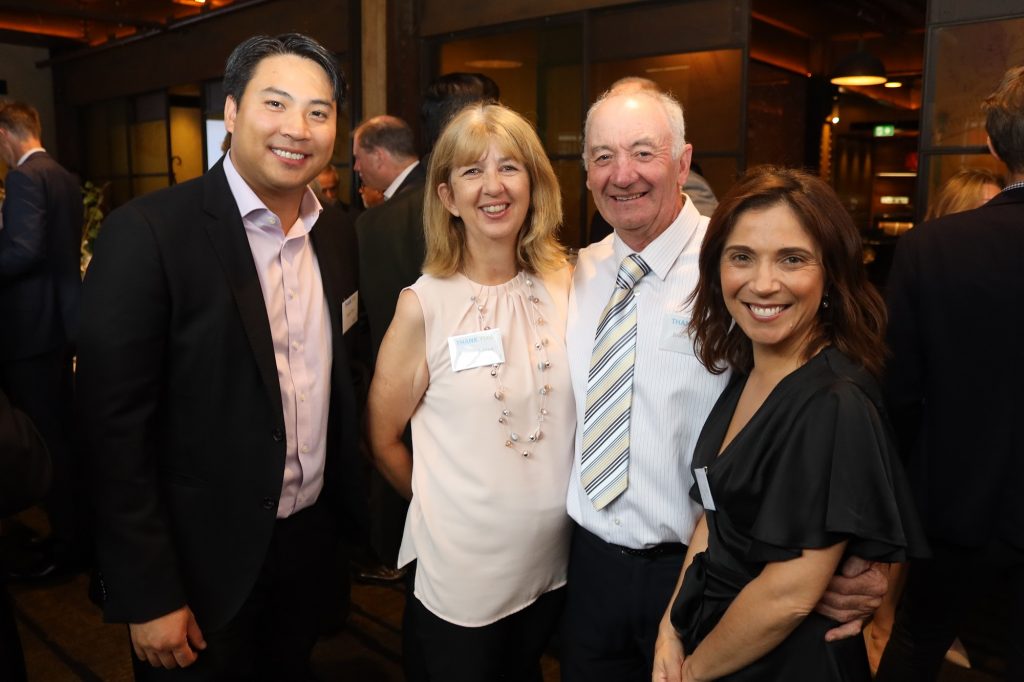
    Dr David Tran, Colleen Batten, Bruce Batten and Barbara Rischitelli.
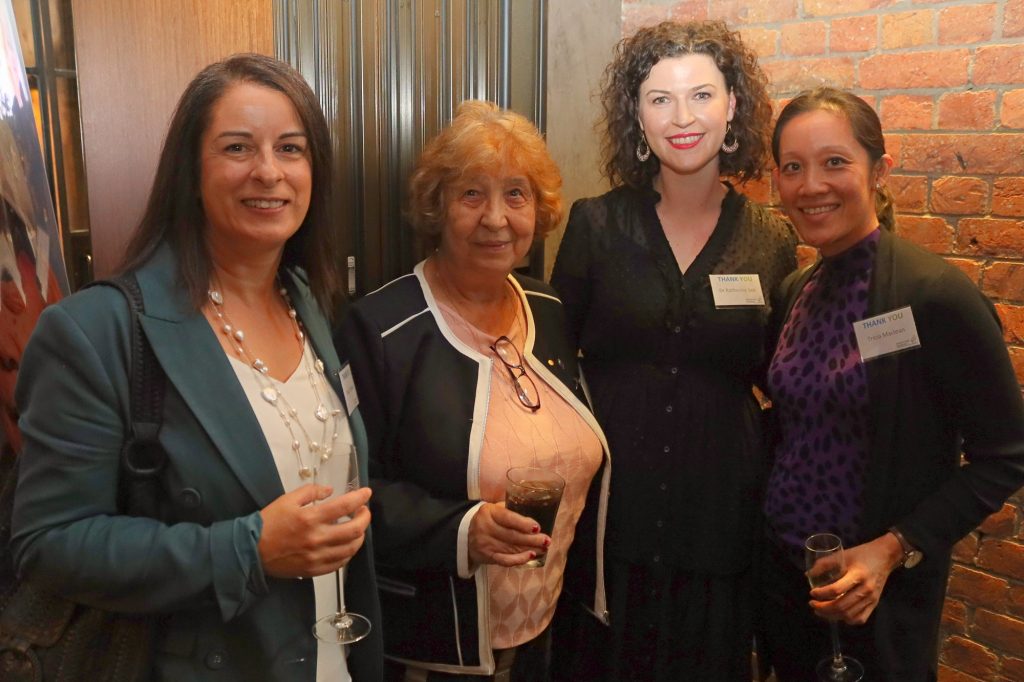
    Pina Di Donato, Josie Minniti, Dr Katharine See and Tricia Maclean
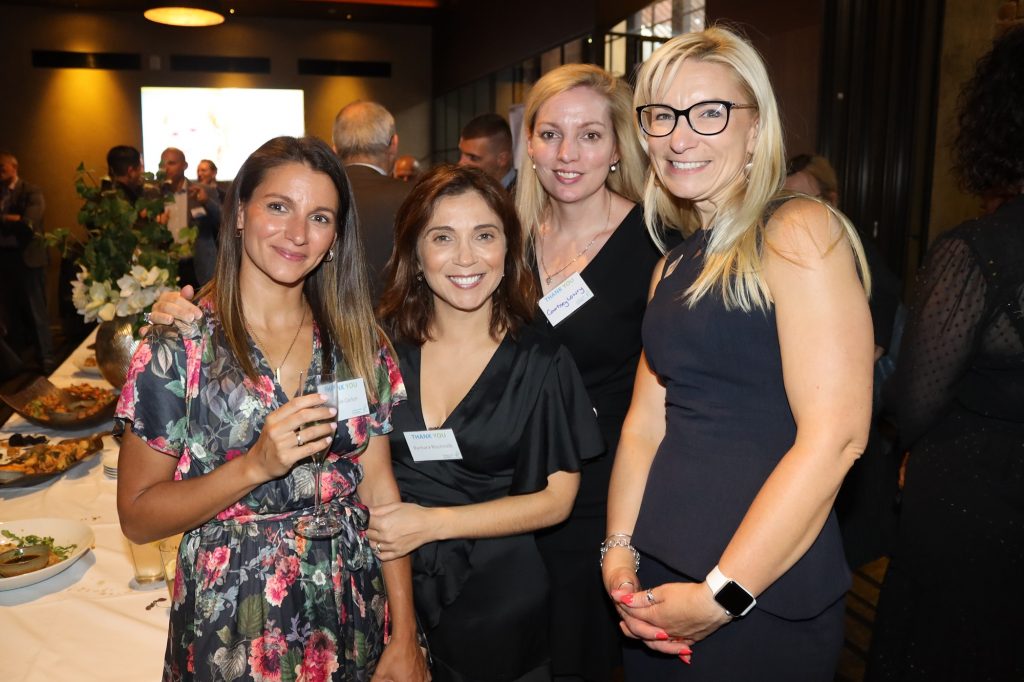
    Nicole Carlon, Barbara Rischitelli, Courtney Lowry and Briana Baass

    Watch the video below to hear from some of our staff about the contribution our donors have made to their departments.

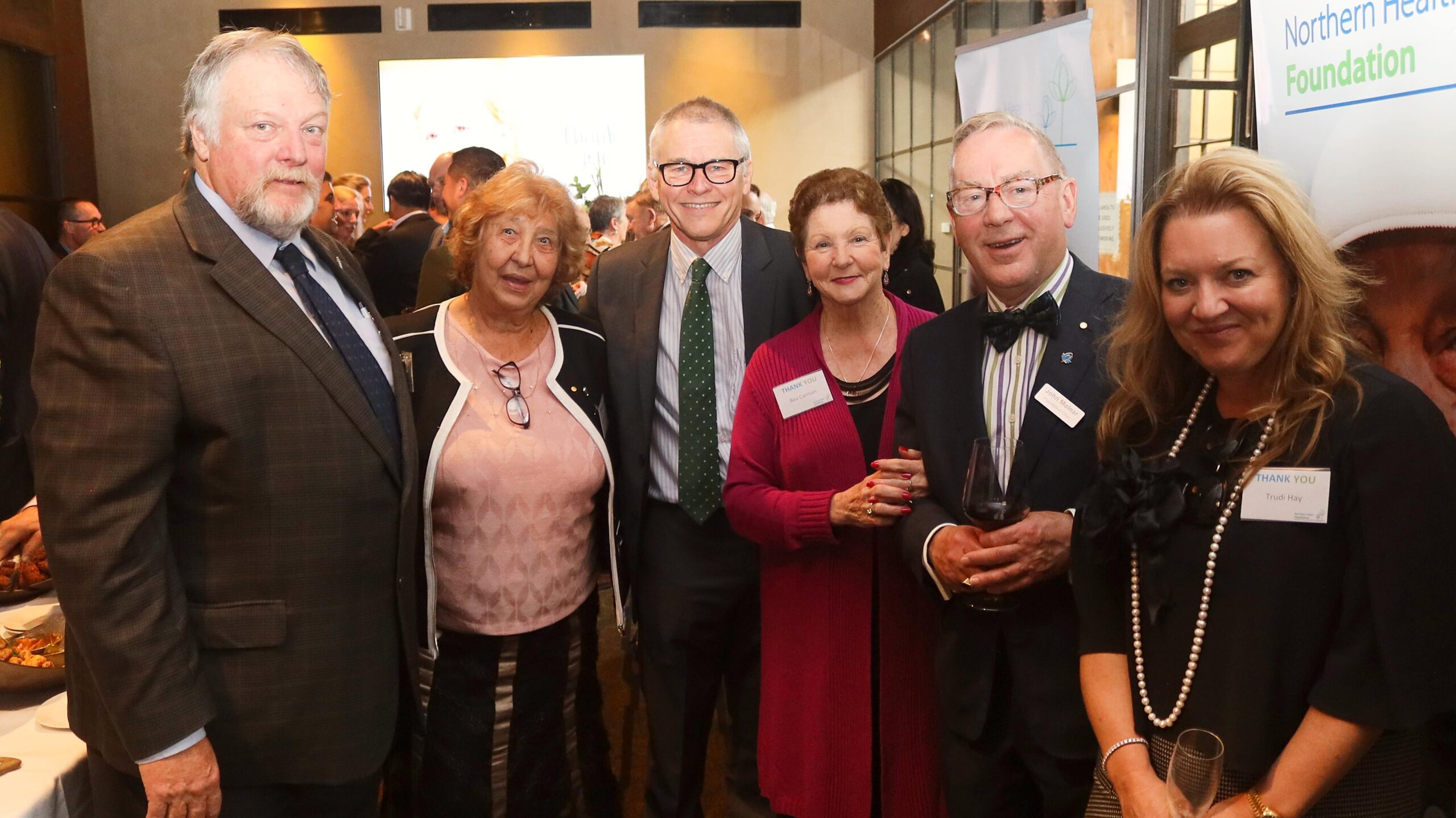
    Featured image: Peter McWilliam, Josie Minniti, Andrew Williamson, Bev Carman, John Molnar OAM and Trudi Hay 

  • Mentoring for Success: Grant and Karen

    Mentoring for Success: Grant and Karen

    The ‘Mentoring for Success’ program launched in September last year, attracting 69 mentoring matches across Northern Health.

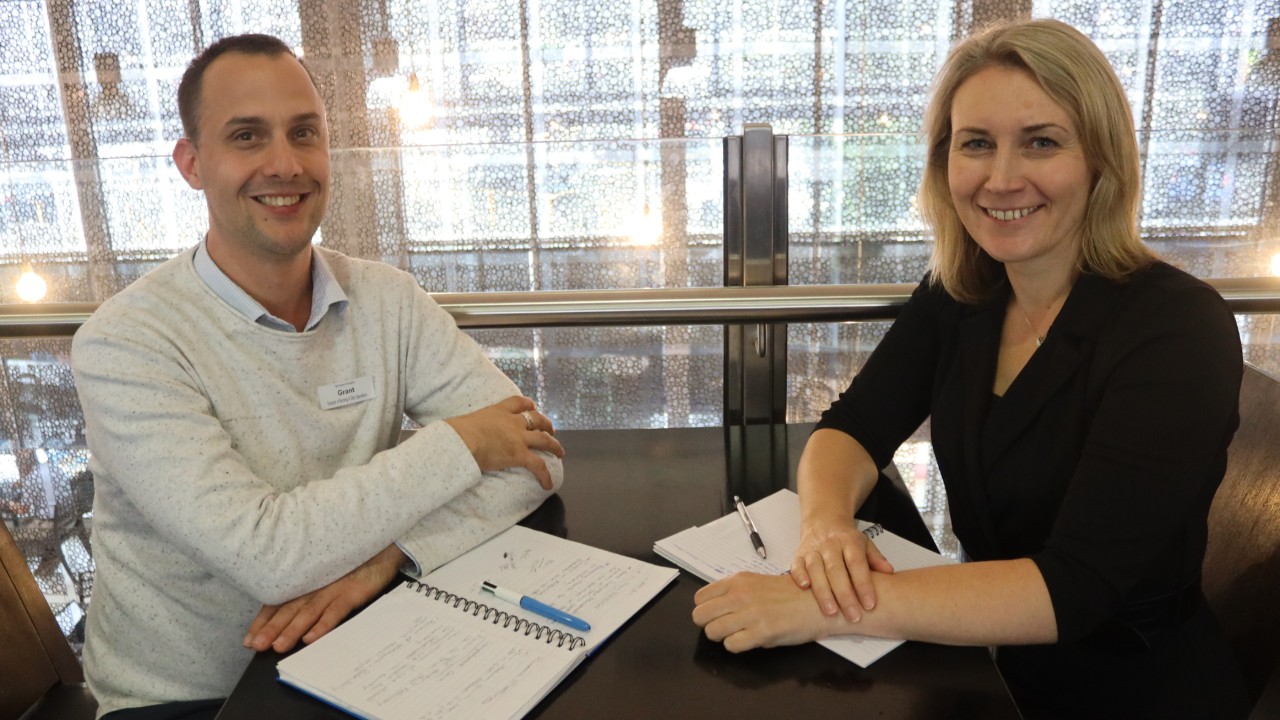
    One of these matches is Grant Taylor, Site Director of Broadmeadows Hospital and Craigieburn Centre with Karen Barnett, Deputy Director, Finance.

    Grant, who is mentoring Karen, said he had previously participated in mentorship programs at other health services and has always found these programs to be of great personal and professional benefit in terms of growth and development.

    “It is through participating in these programs, I have been able to achieve my career goals and furthermore have enabled me to work towards my current position as Director of Nursing and Operations,” he said.

    Karen, the mentee, said she was particularly attracted to Northern Health’s mentorship program as it offered her the opportunity to be paired with a mentor from outside of Finance, and provide her with valuable insight into operations. Through the program, she now has the opportunity to brainstorm ideas around how to address challenges within her portfolio.

    “As the mentee in this relationship, I was looking to gain greater insights into Northern Health from a nursing perspective. I believe having these insights will help myself as a finance professional to provide better business support to our operational stakeholders,” she said.

    As a mentor, Grant’s goal is to support the growth of his colleagues, help troubleshoot challenges and come up with new ways of doing things.

    “As I’ve previously been a mentee, I wanted to share that same positive experience I had. As a mentor, I also hoped to gain insight into other people’s experience, which thankfully I’ve been fortunate enough to have gained. Even though I am the mentor in this relationship, I have still learnt a lot of things from Karen, given she is from a Finance background. It’s been great to blend our two ‘world views’ and find some common ground in how we get through our days, as well as take on ideas on how to best manage new scenarios,” Grant added.

    Both Karen and Grant agree they would strongly recommend mentorship to others, as they found it to be a really rewarding experience and through participating in it, they are able to share ideas and notice not just their own growth and development, but that of a colleague.

    “Who knows, you might even find a new friend,” Grant added.

    Natalie Sposaro, Manager, Organisational Capability, said the overall staff feedback has been extremely positive.

    “Our staff are thankful that Northern Health has allowed employees to connect within and cross discipline. People are enjoying the different types of mentoring relationships – traditional, peer to peer and reverse. We have most of the Executive team participating in the program and they are very supportive,” she said.

  • Pride in the North

    Pride in the North

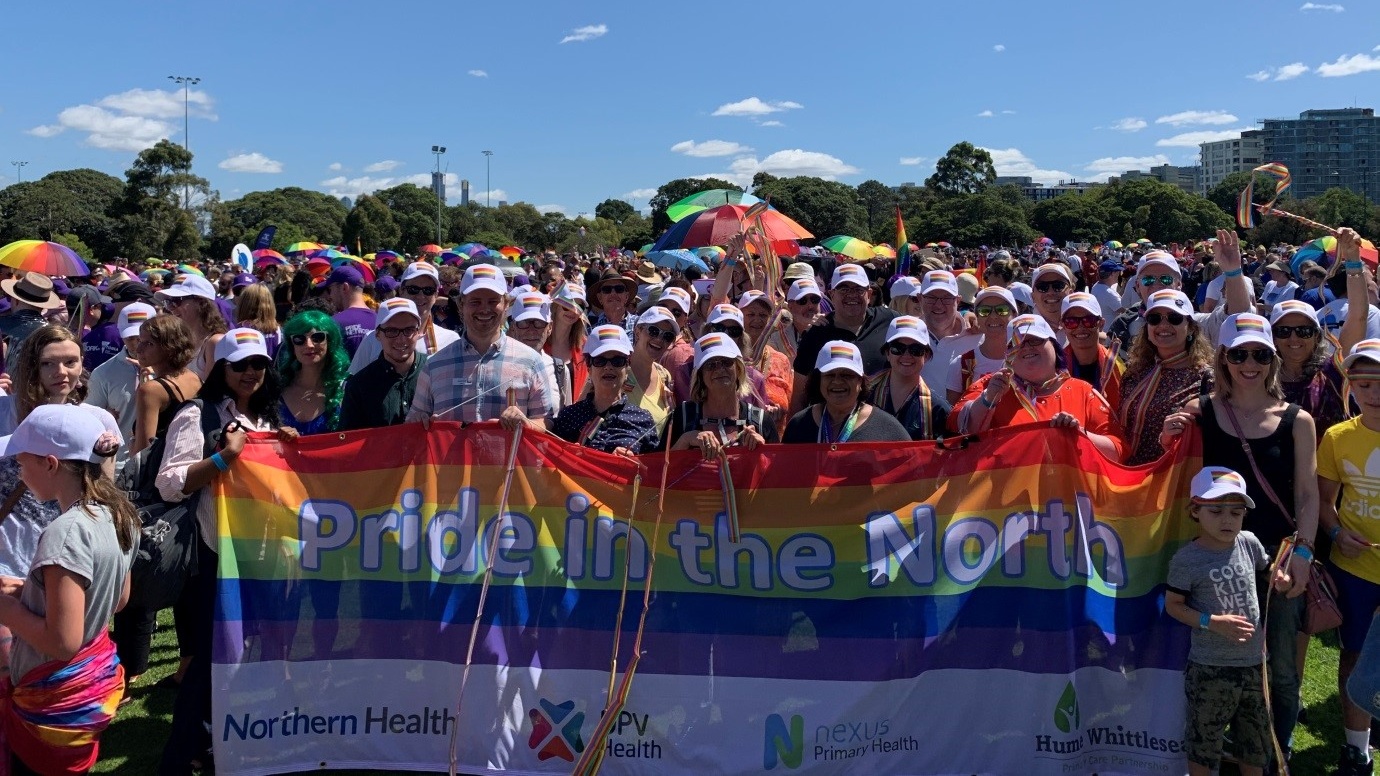
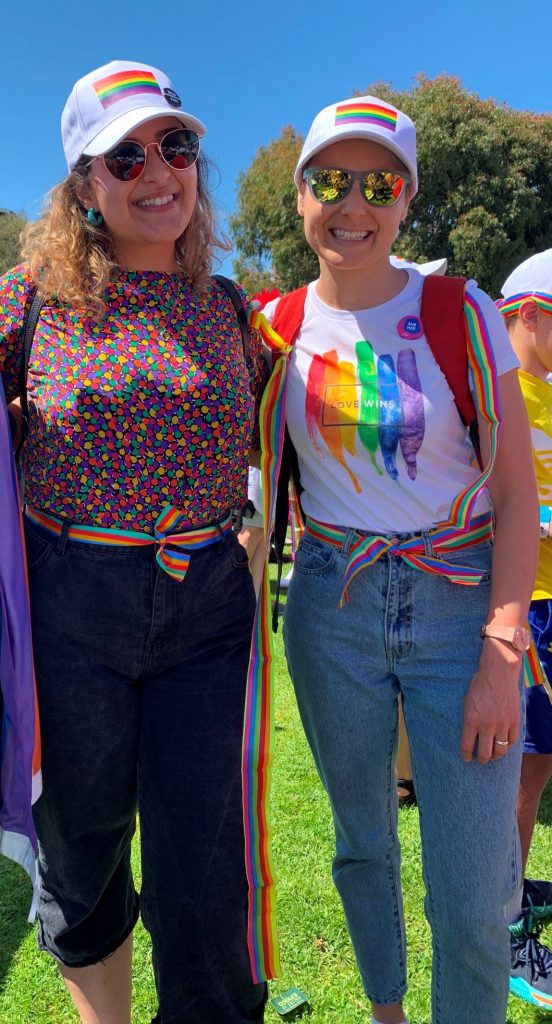
    Northern Health was proud to march with partners in the north at the 25th Anniversary Midsumma Pride March on 2 February – in recognition of our support for the LGBTQIA+ community.

    As a collaboration between Northern Health, DPV Health, Nexus Health and Hume-Whittlesea Primary Care Partnership, staff and their family and friends marched with the banner ‘Pride in the North’ to a crowd of over 45,000 people lining the streets of St Kilda.

    “Amongst the bright colours and rainbows, marching as a health service sends a strong message to our community. It says we are willing to change our practice to be more inclusive and create a safer space for the LGBTQIA+ community and staff,” said Electra Ulrich, Senior Dietitian and Co-chair of the Northern Health LGBTQIA+ Working Group.

    “The day was fun, colourful and a great way to connect with others – from colleagues and other health services.” Electra added.

    “I really enjoyed the day – it had such a warm vibe all over and it was great to be a part of it!”

    Northern Health will be marching again next year with staff and the northern community – and it will be bigger and better! For more information or to share photos from the day, please email PrideintheNorth@nh.org.au.

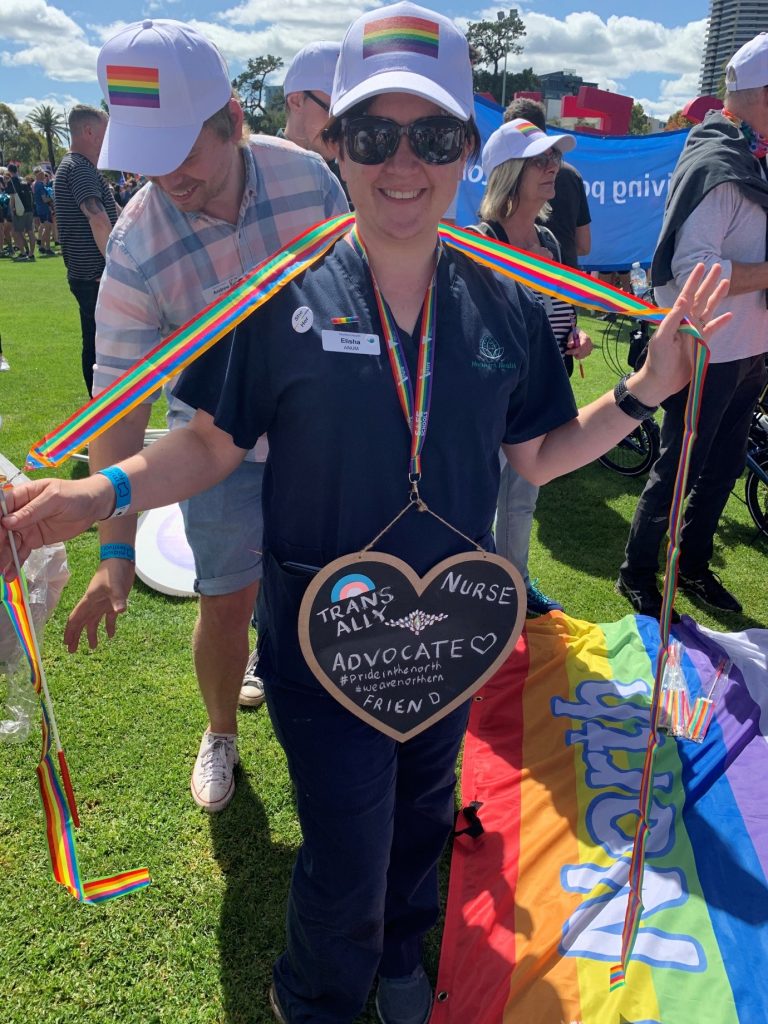
    Emergency Department Associate Nurse Unit Manager, Elisha O’Dowd
    Co-chairs of the Northern Health LGBTQIA+ Working Group, Chrissy Nicolaidis and Electra Ulrich
  • From Patient to Broadmeadows Hospital Volunteer

    From Patient to Broadmeadows Hospital Volunteer

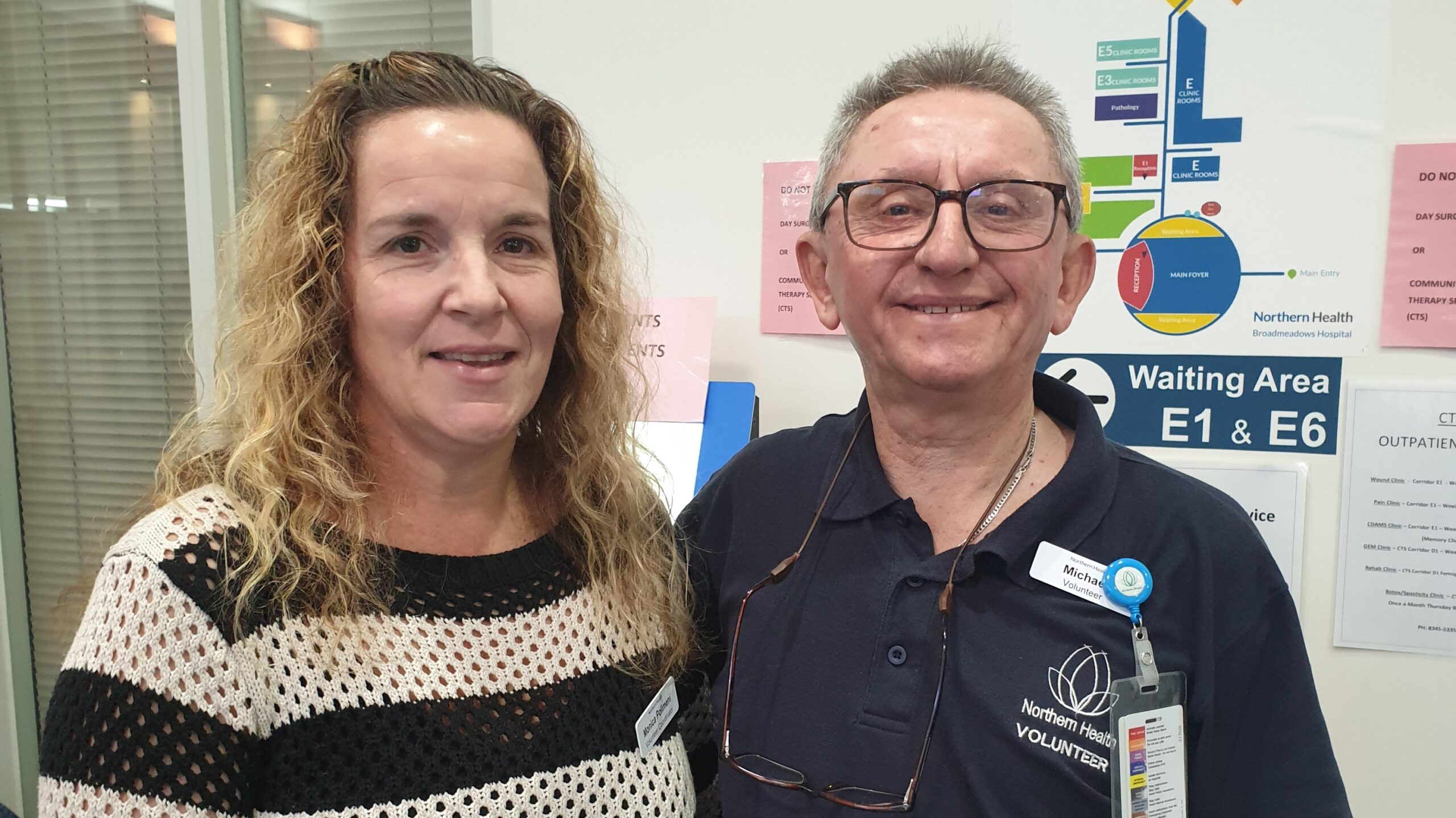
    Michael Fedyshyn has been a volunteer at Northern Health for six years, but has been a patient of Northern Health for over 15 years.

    Michael credits his experience as a patient for his journey to becoming a volunteer.

    In 2004, Michael suffered a blood clot in the brain and a stroke. The stroke meant Michael had to start again and learn how to speak and walk – something a lot of us take for granted – we never expect to have to learn these skills again later in life.

    Through the support of his doctors at Northern Health, Michael’s outlook on life changed. He realised he was better off seeing the bright side of life, to be positive, active and happy. It was thanks to this new found attitude that Michael was able to return back to work, improve his speaking ability, obtain his driving licence and continue to improve his life. Michael was later diagnosed with epilepsy, leading to multiple stays at Northern Hospital over the next few years.

    Once Michael retired from work, he wanted to remain active and productive, and it was then that he realised he could help others in similar situations to himself. He became a volunteer at Northern Health and has now clocked up six years of service.

    Michael has volunteered at Craigieburn Centre, Bundoora Centre, Northern Centre for Health Education & Research (NCHER) and Broadmeadows Hospital.

    The volunteering role Michael finds most rewarding is at the Rehabilitation Department of Broadmeadows Hospital. It is here where Michael is able to speak to patients like him, who have also had to deal with the after effects of having a stroke. His experience is invaluable as he is able to empathise with exactly what they are feeling and is able to show them how, with a positive and determined outlook, they too can get their lives back on track – for he is a living example of what can be achieved.

    Michael had this to say about his time volunteering – “I became a volunteer to help patients as much as I can, to help start their lives again. There have been times where I have been in the hospital, at the shopping centre or even on the street, where I have had patients come up to me to thank me for helping them walk and talk again and to continue on prospering with their lives. I’m so happy that I have been able to help so many people and I will always continue to do so.”

    Featured Image: Engagement Advisor, Monica Polimeni and Volunteer, Michael Fedyshyn

  • Small Research Grants: Asking big questions

    Small Research Grants: Asking big questions

    The Small Research Grant (SRG) recipients of Round 23 are asking big questions.

    Justin Wong, Orthopaedic Surgeon, wants to know if, “there’s a better way to reconstruct the anterior cruciate ligament (ACL)?”

    Shannon Smith, Clinical Nurse Specialist ICU, would like to know if, ‘alarm fatigue’ is affecting patient care.

    Jenny Huynh, General Surgery Fellow, is asking, “Can a ‘one-stop’ Benign Breast Clinic further improve outcomes for women in the north?”

    “How much oxygen is good for you?” asks Maureen Goodwin, Clinical Nurse Consultant Respiratory Medicine.

    The SRG Recipients are hoping to find the answers to these and other research questions, which can develop and strengthen our research culture  and potentially benefit Northern Health’s community. Read about the big questions they are posing and join us in congratulating them:
     

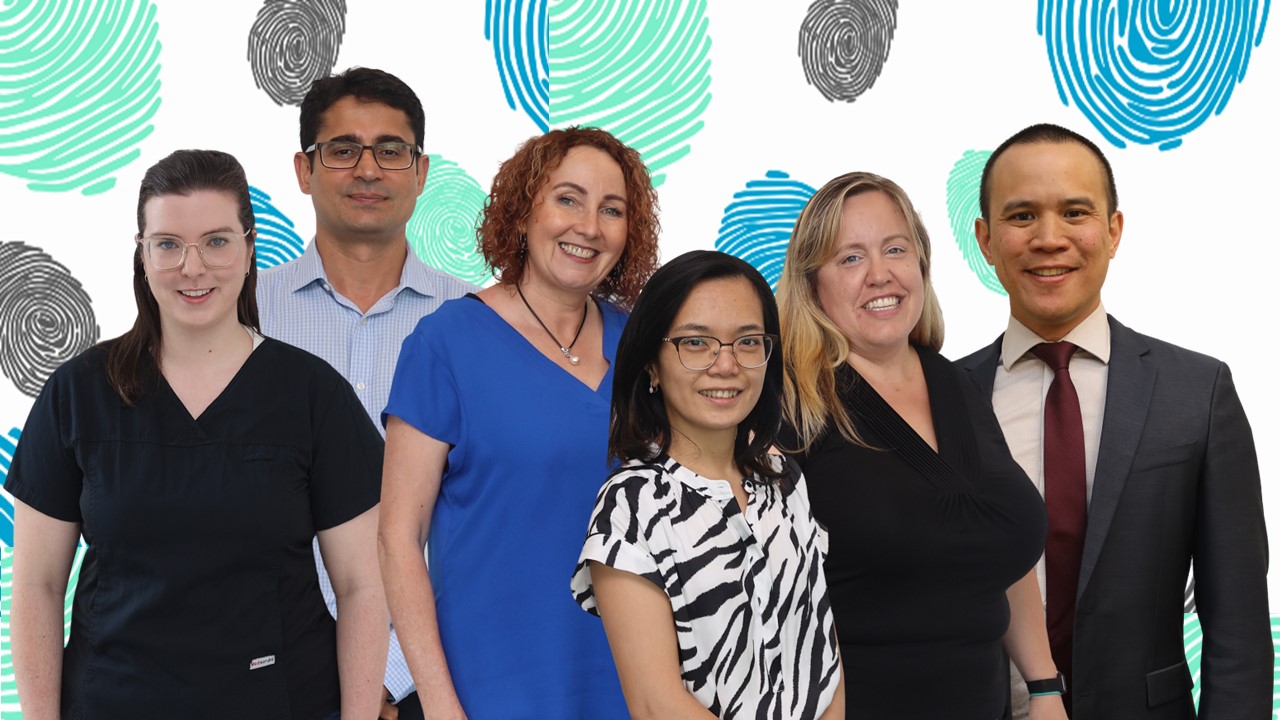
    Name: Dr David Liu, Dr Betty Lai and Dr Krinal Mori
    Role: Senior General Surgery Registrar, Head of Acute General Surgery Unit and General Surgeon
    Big Question: Can we use more thromboprophylaxis to reduce the risk of Venous thromboembolism (VTE)?

    Venous thromboembolism (VTE), which refers to the development of blood clots within the deep veins of the body and arteries of the lungs, is a major hospital-acquired complication. The use of calf compression devices which promote blood flow, and pharmacological agents which inhibit blood from clotting, together termed thromboprophylaxis, have proven efficacy in reducing VTE risk.

    This grant will fund the establishment and evaluation of a dedicated interdisciplinary thromboprophylaxis review team, embedded within the Acute General Surgery Unit (AGSU).


    Name: Mr Justin Wong
    Role: Orthopaedic Surgeon
    Big Question: Is there a better way to reconstruct the anterior cruciate ligament (ACL)?

    The (ACL) is a commonly injured structure in competitive athletes. In order to overcome the instability and return to sport, the ACL is commonly reconstructed using a hamstrings tendon graft.

    Orthopaedic surgeons do not have a standard instrument to pull the graft through the knee. Instead, improvised instruments are utilised.

    The aim of this project is to measure the force required to shuttle an ACL graft through the knee using standard instruments and compare that to the force measured when using a specially made ACL graft shuttling device.


    Name: Ms Shannon Smith
    Role: Clinical Nurse Specialist ICU
    Big Question: Is ‘alarm fatigue’ affecting patient care?

    High ‘false’ alarm rates in Intensive Care have been hypothesised to increase the likelihood of an alarm that is related to a severe deterioration (‘true’ alarms) being missed. The aim of this project is to investigate the number of alarms per day that staff and patients are exposed to. This project will investigate the impact that alarms have in an Australian Intensive Care Unit and develop strategies to minimise the rate of ‘false’ alarms.


    Name Ms Caitlin Farmer
    Role: Advanced Musculoskeletal Physiotherapist (ED)
    Big Question: Do patient beliefs, influence presentations to Emergency Department (ED)?

    Low back pain is extremely common, accounting for over three per cent of all emergency visits.

    In the absence of signs of serious or specific disease (present in less than two per cent of patients), back pain is not an emergency situation, and is best manage by primary care practitioners in the community such as General Practitioners (GPs) and physiotherapists.

    This study will identify whether low health literacy and back pain beliefs impact on whether an individual presents to the Emergency Department. This will in turn allow for the development of interventions tailored to improving the understanding of back pain and reducing unnecessary use of emergency departments.


    Name: Ms Maureen Goodwin
    Role: Clinical Nurse Consultant Respiratory Medicine
    Big Question: How much oxygen is good for you?

    Because oxygen is so easy to administer it is commonly used inappropriately. Overuse or underuse of oxygen could potentially cause harm or delay hospital discharge. There is very little information from Australian hospitals on how oxygen is used here. This study will examine oxygen use at Northern Health and determine how often it is consistent with local and international guidelines. The results will help to improve the use of oxygen therapy which will in turn improve outcomes for patients.


    Name: Dr Jenny Huynh
    Role: General Surgery Unit 2 Fellow
    Big Question: Can a ‘one-stop’ Benign Breast Disease Clinic further improve outcomes for women in the north?

    The majority of new referrals to Northern Breast Clinic are for benign breast disease (BBD), with numbers exponentially increasing yearly. Access to clinic is compromised with risk of delayed diagnosis for new breast cancers.

    Current practice involves referral to breast surgeons with multiple imaging investigations and repeat review appointments. The proposed project will analysis current practice and patient satisfaction of services and implement a BBD ‘one-stop’ clinic for low risk patients, followed by an analysis of implementation and patient satisfaction.


    The objective of the Small Research Grants is to support work that benefits Northern Health’s community and support projects that will lead to applications for external grants or funding. The grants will also develop and strengthen the research culture at Northern Health, support capacity building and staff development, support pilot projects or projects where traditional funding sources are difficult to attract and increase research productivity. Follow the journey of the Small Research Grant recipients Round 23 at https://bit.ly/31PyDOF

    The Small Research Grants are powered by Northern Health Foundation, which also funds PhD research scholarships. These grants and scholarships  develop and strengthen research undertaken at Northern Health and benefit patients within the northern community. 

  • Jenefer Williams on how consumers can make a change

    Jenefer Williams on how consumers can make a change

    Five years ago, Jenefer Williams’ mother had a stroke and was treated at a Melbourne hospital. Jenefer’s personal experience of trying to access quality care for her mother, across various levels of health care, was her main motivation to get involved in health care as a consumer.

    “Having ageing parents within the Victorian public health care system, I initially found it an intricate and often confusing place. It was frequently difficult and impossible to navigate and my family experienced many system failures that ultimately contributed to poor health outcomes,” she said.

    “This was when I had a light bulb moment, and I thought that if I am struggling within a complicated system, how many more people are experiencing exactly the same thing and what can be done?” she added.

    For Jenefer, the obvious answer was to work with health services to improve opportunities for consumers and community representatives to participate in quality and safety improvement activities.

    When her mother received future care at Northern Health on several occasions, the ward nurse who looked after her mother was exactly how Jenefer imagined a nurse would be – caring, efficient and she seemed like a beacon of hope in trying times.

    “If hospitals were football teams, this nurse would be the whole offence and defence. Vital to good patient care,” she added.

    Jenefer became involved to make a change. She understands the importance of clinical knowledge, however, feels combining this with lived experience, or having the capacity or interest to take a humanistic approach to care will bring the best possible health outcomes. Now, she is involved with the PECAC (Patient Experience Consumer Advisory Committee) as well as the Family Violence Committee.

    “The committees that I am privileged to sit on are platforms to provide and drive targeted change, for patients, carers and family members,” she said.

    Jenefer sees health as a partnership between physical and psychological care, both needing attention for people to become and stay well.

    “It is the holistic approach – the person and their condition – a person is not just their condition. I am advocating to build stronger and consistent partnerships with shared decision making. This is critical for the improvement in long term healthcare outcomes,” she said.

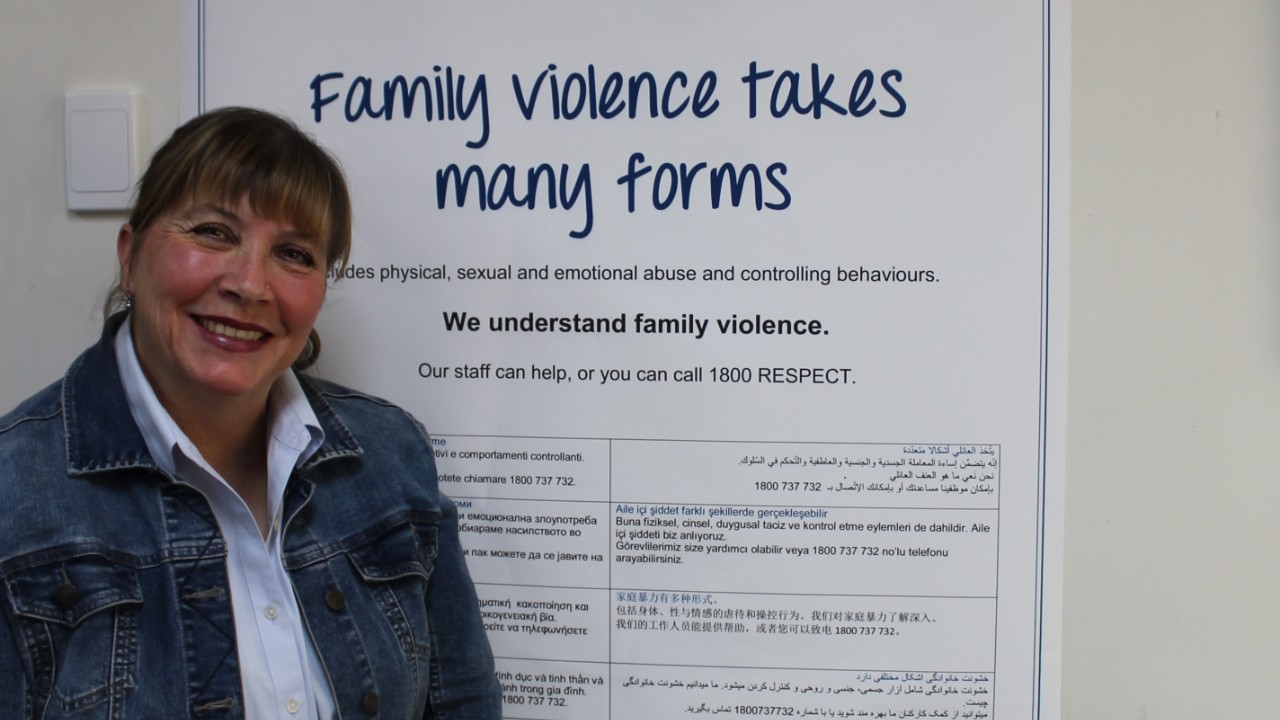
    She loves that on the Family Violence Committee, Northern Health partners with Kilmore and District Hospital and they are an invaluable voice at the table to strengthen our overall response with the Whittlesea, Hume and Kilmore catchments.

    “I was involved when Northern Health held its second family violence forum ‘Breaking through the Barriers’ which had excellent attendance from clinicians, stakeholders and the community. I am also proud to see Northern Hospital as the first Victorian hospital to install the Pink Box Dignity Vending Machine,” she said.

    As a consumer, she is prepared to ask the hard questions and provide an alternate voice.

    “Northern Health can do better, but we do better together, with consumers,” she said.

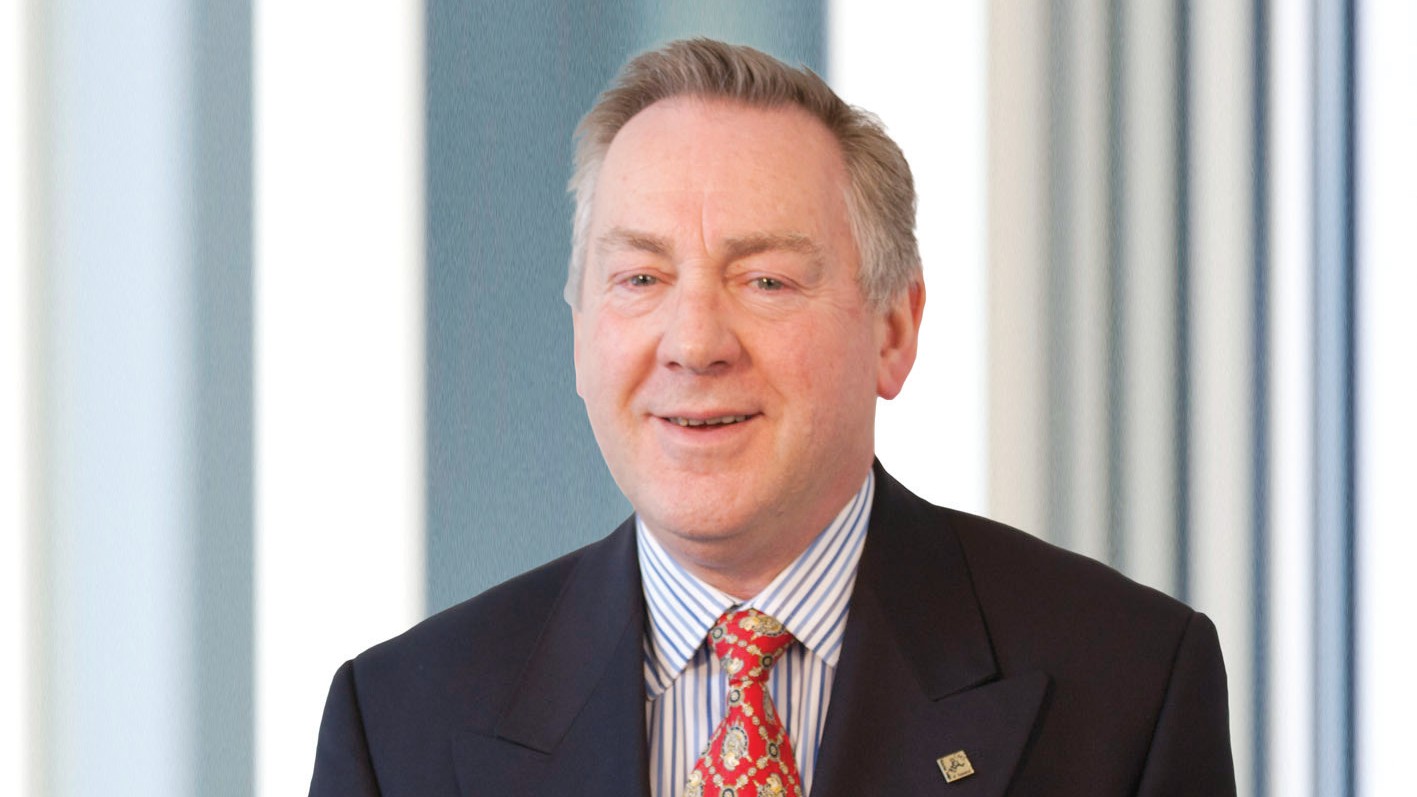
  • Foundation Chair John Molnar receives Order of Australia Medal

    Foundation Chair John Molnar receives Order of Australia Medal

    Northern Health Foundation Chair John Molnar was awarded an Order of Australia Medal in the recent Australian Honours announced on Australia Day.

    John received the award in recognition of his support and services to charitable organisations, including Northern Health Foundation. He is Director of Freemasons Victoria and Master of the Victorian Naval and Military Lodge 49.

    “We congratulate John for your great support of Northern Health’s patients and services through the Northern Health Foundation over many years,” said Siva Sivarajah, Chief Executive Northern Health.

    “Your dedication and support is truly appreciated by Northern Health’s Board and Executive”.

    Jennifer Williams Chair Northern Health Board of Directors said, “The award is a significant recognition of your contribution which is so much appreciated by us all at Northern Health.”

    “I’m proud to have received this award,” John Molnar said.

    “Many of my family came from around the northern suburbs and its been important for me to continue to be involved by supporting Northern Health in continually improving the health services for the northern community.”

    “This honour actually reflects less on my efforts and more on the hard work of others involved with the charitable organisations I have tried to support – my thanks in particular to those patrons, supporters and staff who have worked so hard for the Northern Health Foundation,” John Molnar said.

    “In a real sense I accept the award as representing the work you have done”.

    John Molnar has practiced law for thirty-five years and during that time, became heavily involved in the field of law relating to health service providers and hospitals. He has also served on the Boards of a number of public and private hospitals, including Northern Health and the Nurses Board of Victoria.

    Recognising the need for the additional support for Northern Health to meet its commitment to the rapidly growing northern community and establish itself as a major teaching and research centre, John was instrumental in the establishment of the Northern Health Foundation. He remains a passionate advocate of the Northern Health and the dedicated medical clinicians who work within it.