• Respiratory CUSP turns two

    Respiratory CUSP turns two

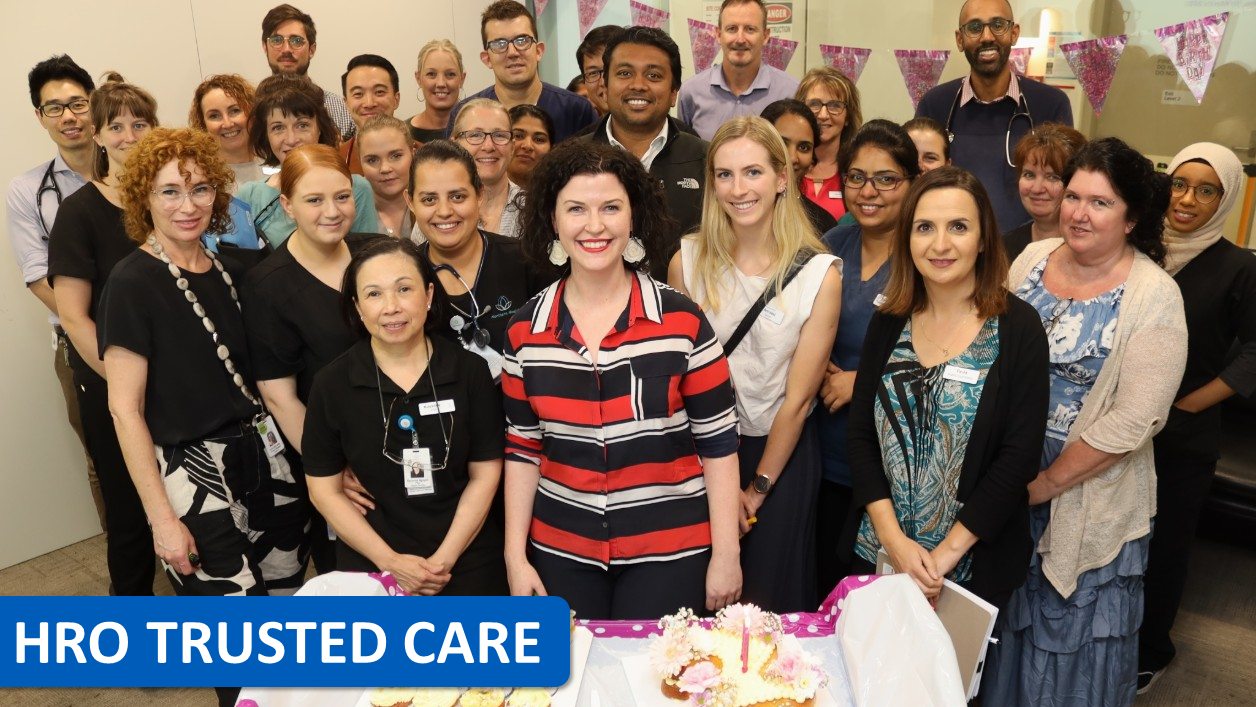
    The Respiratory CUSP (Comprehensive Unit-based Safety Program) turned two last week.

    Dr Katharine See, Director of Respiratory Medicine, explained the purpose of the CUSP is to empower every single person who works on the ward, from the head of department to all of nursing, medical, allied health, administrative and support service staff to raise a hand and contribute to improving quality and safety on the ward.

    “During these two years, there have been numerous improvements on the ward, with over 50 initiatives. For example, our junior medical staff designed a new form. New rules and regulations around how much oxygen is required to be in the cylinder before the patient can safely be transported to radiology and implementing that hospital-wide is just something that came out of CUSP meetings,” she said.

    Dr See explained how the team also implemented the use of hand-held fans for patients with breathlessness on the ward, with patients provided with education on how to optimally use the fan.

    “The reason why this is so important is that the drug treatment for this condition would be morphine, which increases their risk of falls. The team has also established a dedicated pleural procedure room, a sterile space for procedures,” she said.

    Other improvements include making sure two nurses check blood gas results, at handovers, which enables staff to detect deterioration earlier for patients with respiratory failure.

    “It can be little changes in process, or it can be major redevelopments, that is the beauty of the CUSP. All these smaller things put together are just as important as the big thing,” she said.

    Dr See advocates for putting the responsibility on the CUSP, empowering staff to bring safety concerns to light. The CUSP is an opportunity for every single member of the team not only to identify concerns, but also to identify ways to improve our current systems and processes.

    “When we first started, everyone felt this was another meeting that they need to attend, but after two years, there is no complaining when staff come to the CUSP meeting, as they bring all these amazing ideas on how they can improve things. It’s improved our safety culture and brought our team together,” she added.

    Dr See sees the CUSP as her favourite meeting of the month.

    “We are now being proactive at looking at our systems and ways to improve. Around 30-40 people attend every meeting and are still coming every month,” she added.

    Next month, Dr See and Clare McCarthy, Project Manager, were scheduled to take the CUSP to Copenhagen, Denmark to share the ‘Northern’ experience at the International Forum on Quality and Safety in Healthcare.

    “It will be a fabulous opportunity to represent Northern Health and share our CUSP endeavours with an international audience. The Forum has been postponed in view of the spread of COVID-19 with a new date pending late 2020,” said Clare.
  • CE Update: COVID-19 (Coronavirus)

    CE Update: COVID-19 (Coronavirus)

    At Northern Health we have been focused on our response to COVID-19 including daily incident team meetings to ensure we are best placed to respond.

    We have established an Incident Control Centre and are working with DHHS, Health Purchasing Victoria and other health services on our collective response and how to best utilise resources across the state (e.g. Ventilators, PPE and consumables).

    The Incident Management Team is gathering the best experts, both internally and externally, to manage this evolving situation. During this time we need to defer to the experts – whether clinical or non-clinical.

    As you will have seen over the weekend, an enhanced response to COVID-19 was announced by Prime Minister Scott Morrison yesterday. These measures were agreed on a phone conference with state and territories Premiers and First Ministers yesterday afternoon, and include:

    • Anyone arriving in Australia from overseas will be required to self-isolate for 14 days
    • Banning all cruise ships from foreign ports arriving in Australia for 30 days
    • Banning gatherings of over 500 people.

    There was also emphasis placed upon the importance of social-distancing, including encouraging people to maintain a distance of 1.5 metres and not engage in handshakes. There will also be increased restrictions in regards to nursing homes and most schools and universities will remain open at this stage.

    In Victoria, Premier Daniel Andrews has this morning declared a state of emergency in Victoria, effective from 12 pm Monday, March 16, for four weeks in response to the coronavirus pandemic.

    This is addition to the Victorian Government’s $60 million announcement to fast-track more than 7000 procedures in the coming weeks, to free up capacity in hospitals as we continue to prepare for an increase of COVID-19 patients.

    We have been running a Fever clinic located in Clinic E Northern Hospital open between 9 am and 8 pm. The clinic has been operating for just over a week, with almost 700 people seen.

    To date, Northern Health has had one person test positive to COVID-19. This was a person who recently returned from overseas. All correct processes were followed, and the person is currently at home in self-isolation.

    Northern Health is planning for how we best continue to sustain critical services whilst protecting our staff and patients. With an emphasis on social distancing measures, meetings are now limited to 15 people or less in one room. We are reviewing what this means for our services, and is looking at multiple solutions including relocating specialist clinics and better utilisation of telehealth services. We will keep you updated on these discussions and outcomes.

    Your safety and wellbeing is our priority, and we thank you for your professionalism and understanding during this time.

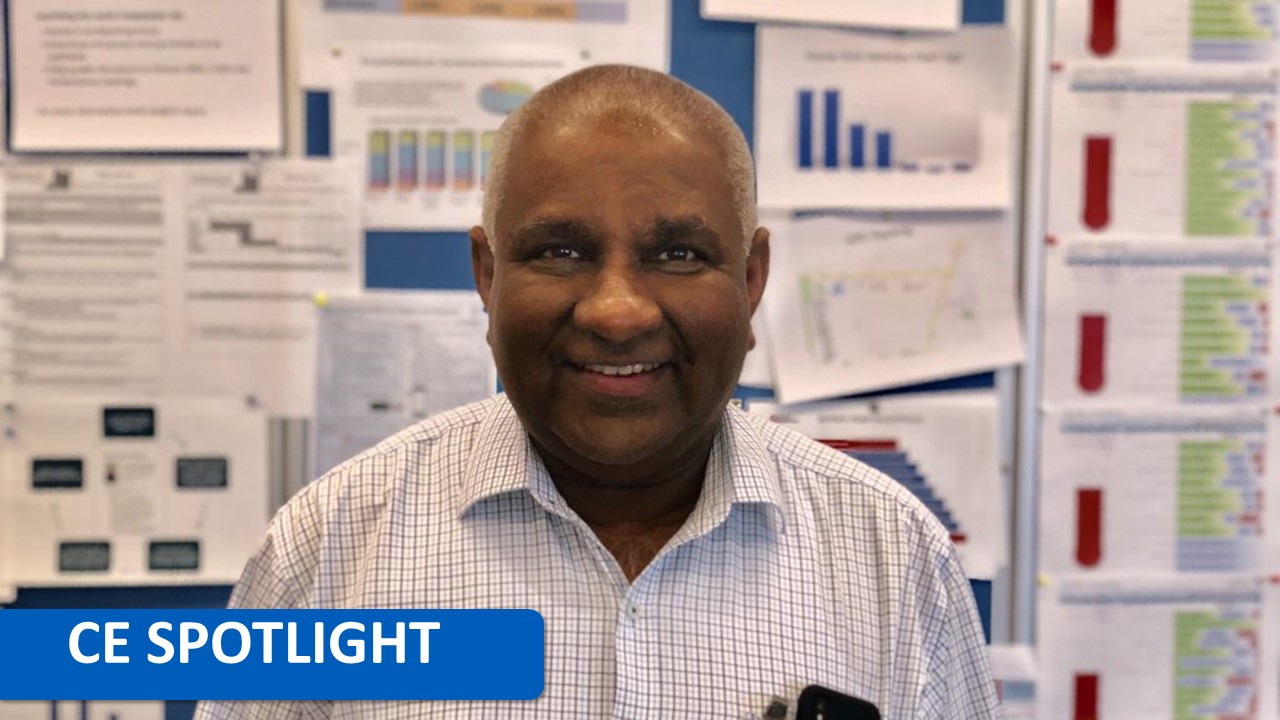
    Siva Sivarajah

    Chief Executive

  • COVID-19 Chief Executive Forum – Live Stream

    COVID-19 Chief Executive Forum – Live Stream
    To continue to keep you informed on developments with our response to COVID-19, we are running a special live stream Chief Executive All Staff Forum on:

    Monday 16 March 2020 at 1 pm.

    This can be viewed on your PC, laptop or smartphone (not available through FollowMe) via the following link:

    https://youtu.be/5byGz1o3IwE.

    Please note this is an online live stream only, NOT a meeting at NCHER as previously advised.

    If you have any questions you would like answered about COVID-19 during the forum, please email them to corporatecommunications@nh.org.au.

    For more information about COVID-19,  please click here for our intranet page.

  • Clean hands, safe care

    Clean hands, safe care

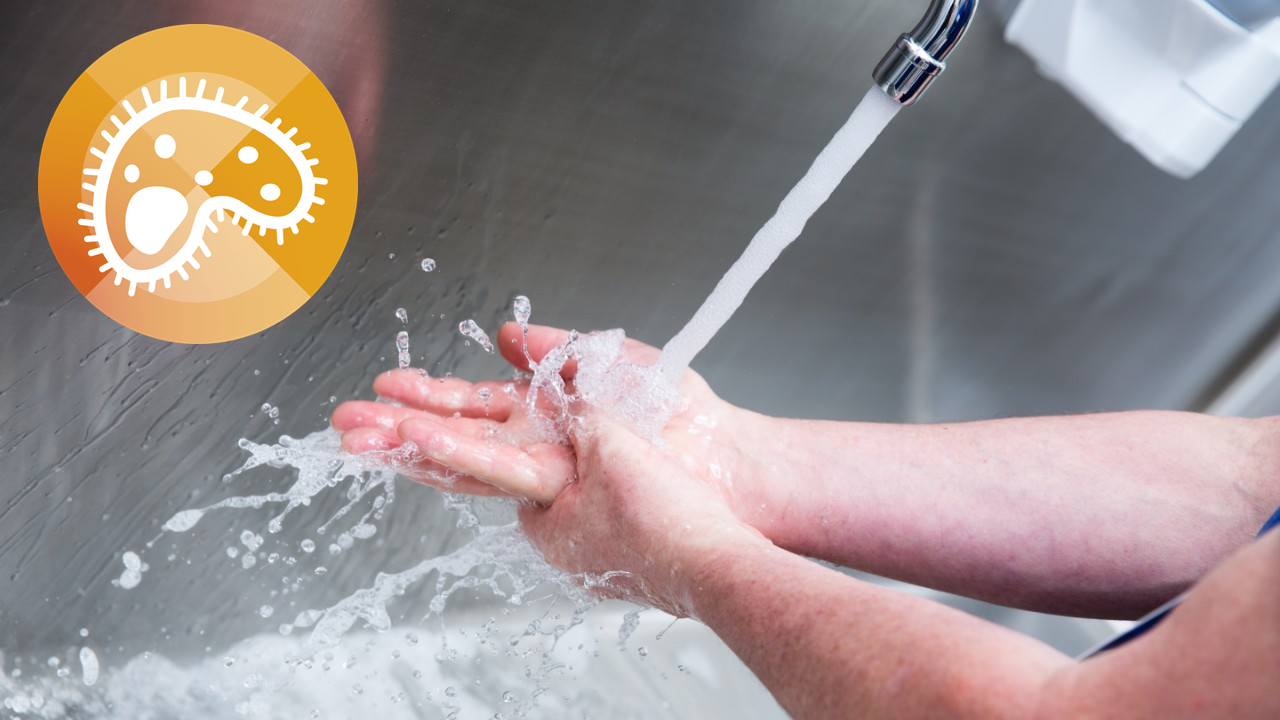
    According to the World Health Organisation (WHO), hand hygiene is the single most effective strategy to prevent hospital acquired infections.

    Madelaine Flynn, Manager Infection Prevention, explained how our hands may appear clean, but many germs are invisible to the eye.

    “With the COVID-19 pandemic, we see increased focused on hand hygiene and the importance of following the procedures to keep ourselves and our patients protected. The most important we can do for our patients to prevent transmission of disease is to perform effective hand hygiene and follow the five steps of hand hygiene,” she said.

    Hand hygiene must always be performed according to the ‘5 Moments’ – 1: Before touching a patient;  2: Before a procedure; 3: After a procedure or potential blood or body fluid exposure; 4: After touching a patient and 5: After touching a patient’s surrounds.

    “Alcohol Based Hand Rub (ABHR) is the gold standard of care for hand hygiene practices and results in a greater reduction of bacteria than soap and water. It dries quickly and causes less skin irritation than soap and water, although soap and water should still be used when hands are visibly soiled,” she added.

    Penelope Grellet, Director Trust, Diversity and Engagement said our current Hand Hygiene mandatory training results are sitting at 80.4%, while the ANTT results are 82.7%.

    “As an organisation, we have a target of 95% for both of these trainings. I would like to strongly encourage everyone to complete their training to ensure that Northern Health are doing everything we can to ensure the wellbeing and safety of our staff, patients and the community,” she said.


  • World Kidney Day

    World Kidney Day

    Today is World Kidney Day, a global campaign focused on highlighting the importance of kidney health for everyone through better prevention and detection measures.

    John Catelmi came to Northern Health in 2015 for a prostate operation and was surprised to hear his kidneys weren’t working. He started seeing our renal service with end stage renal disease. Soon after, he started haemodialysis and then changed to home peritoneal dialysis.

    “The doctors gave me a lot of information and supported me through my journey. Northern Hospital has been great – the nurses, the dialysis and renal staff were fantastic. I can’t say thank you enough and I feel good today,” he said.

    John was one of many patients who needed a kidney transplant. The procedure was a success and to date he continues to remain off dialysis with the kidney transplant working well.

    Dr David Barit, Head of Nephrology, together with his team nephrologists, the chronic kidney disease nurse educators, home dialysis nurses and the renal allied health team including dietetics, social work and pharmacy looked after John.

    “Kidney disease is something very common and it happens to one in ten people. There is a number of reasons why people get kidney disease. It’s very fortunate that a lot of diseases that relate to kidney disease are potentially preventable or modifiable, but there are many people that require treatment,” Dr Barit said.

    Northern Health’s Nephrology Department sees more than 7,000 patients each year, with 50-70 patients admitted under the kidney service, needing to stay in hospital, and around 600-700 patients with severe kidney disease. Around 150 patients are receiving dialysis in the local area.

    “Northern Health is part of the growth area, so we are going to see more individuals present to our hospital with kidney disease, who will require ongoing management over a number of years,” he added.

    Kidney disease doesn’t just affect the health of the individual. It also affects other components of a person’s life.

    “That is why having a multi-disciplinary service with social work, pharmacy, psychology is very important. We also have nurse educators who help patients understand the treatment process and they provide information and coordinate care,” he added.

    To showcase the importance of team work across disciplines, Dr Barit explained the complex process of collaboration between hospitals and departments to ensure the patient receives the best possible care and the matching kidney.

    “John received the kidney transplant at the Royal Melbourne Hospital. It was through detailed planning, care coordination, organising tests and sending information to Melbourne Health, confirming appointments and tests, confirming that he still remains on the waiting list how the team managed to get the best possible outcome for this patient. This also highlights the importance of the nurse educator’s role,” he added.

    “The Northern Health staff have been great and they are still helping me today,” John added.

    World Kidney Day aims to raise awareness of the importance of our kidneys to our overall health and to reduce the frequency and impact of kidney disease and its associated health problems worldwide.

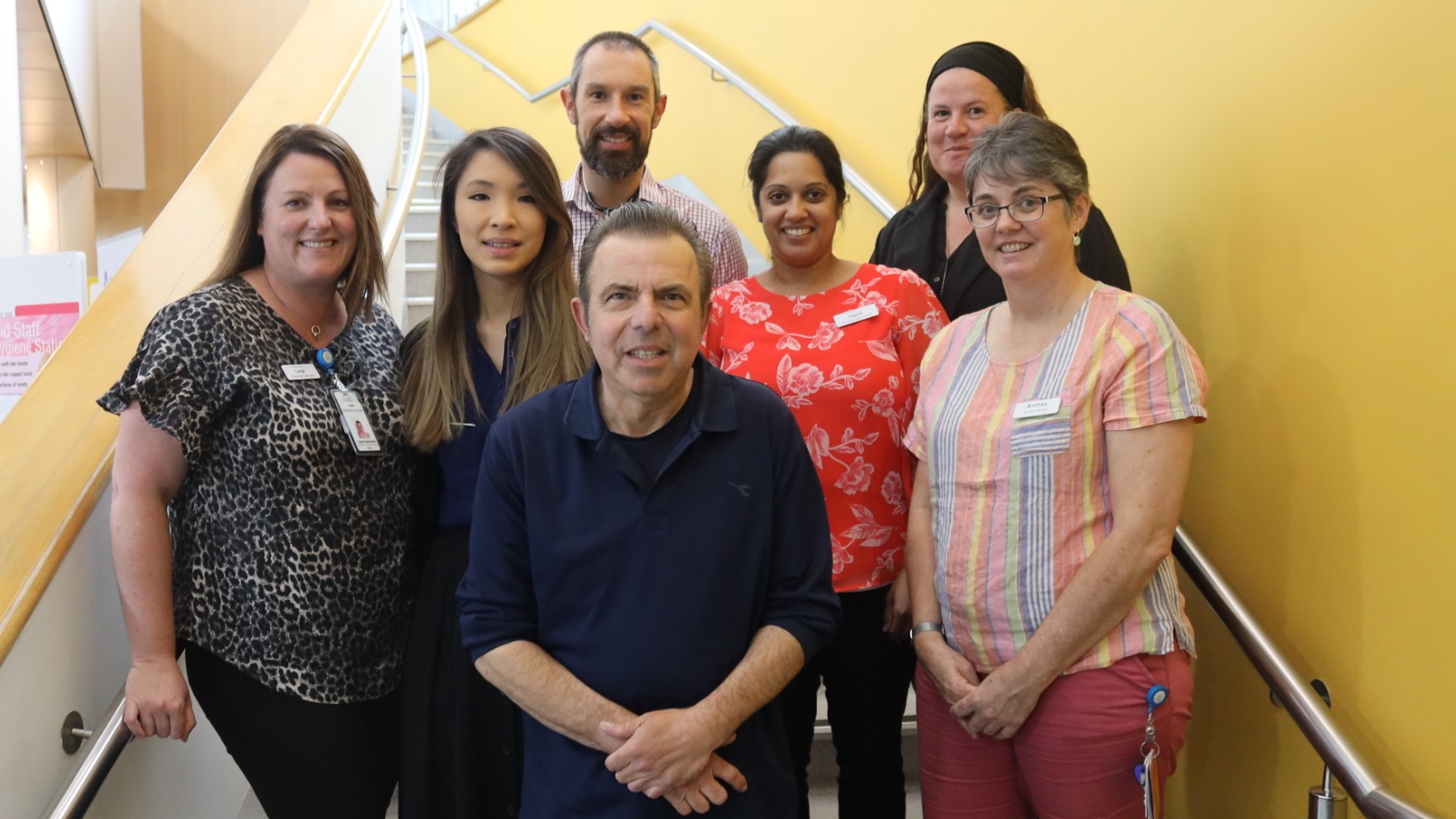
    Featured Image (left to right): Patient John Catelmi (front row), Leigh Kisielewski, Transport Coordinator; Catherine Yan, Renal Pharmacist; Ingrid Ryan, Chronic Disease Coordinator; Anthea Elliott, Social Worker; Dr David Barit, Head of Nephrology; Janine Bradbury, Chronic Kidney Disease and Transplant Coordinator.

  • Celebrating International Women’s Day

    Celebrating International Women’s Day

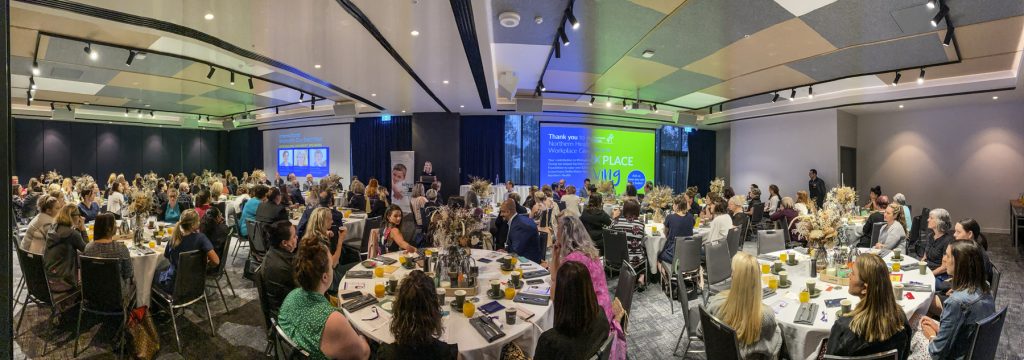
    This morning, Northern Health Foundation hosted a sold-out breakfast event in celebration of International Women’s Day, coming together to acknowledge the achievements of women.

    Held at Mantra Epping, guests enjoyed a delicious breakfast in the company of women and men within the health care industry and from the local community.

    Debra Bourne, Chief Nursing and Midwifery Officer, who was the driving force behind the event, opened the breakfast and said the event celebrated and acknowledged the significant contribution all women at Northern Health make to not only improving the health wellbeing of our community, but also the support we provide to each other.

    “Northern Health is extremely fortunate to have strong female leaders in all areas of this organisation providing important role models and having a clear strong voice in creating an empowered workplace,” she said.

    Inspiring guest speakers included Jennifer Williams AM, Northern Health Board Chair, Dr Nancy Sadka, Emergency Physician and ED Clinical Lead in Education and Research and Shiraz Lubke, Northern Pathology Victoria Operations Manager.

    Facilitated by Project Manager, Ariana Carrodus, Jennifer, Nancy and Shiraz answered questions and led discussions around juggling work-life balance, supporting young women and women in the workplace, the importance of gender equality and celebrating the ordinary moments of life, as well as the extraordinary.

    Jennifer, Nancy and Shiraz also touched on society expectations of women and having confidence in yourself.

    Nancy said, “I can be a leader in my field and be myself. I do not need to be more masculine or more feminine, I just need to be Nancy.”

    Ariana Carrodus said, “It was such a pleasure to be part of the inaugural event – to take the time to celebrate women, talk about some of the biggest issues facing women and how we can all work together to shift inequality. It was thought provoking and an inspiring morning hearing from three incredible Northern Health women.”

    International Women’s Day (IWD), celebrated this year on 8 March, is a global day celebrating the social, economic, cultural and political achievements of women. This year, IWD celebrated under the theme – ‘Each for Equal’ – acknowledging that, collectively, each one of us can help to create a gender equal world.

    Thank you to all of the amazing women who work and volunteer at Northern Health!

    “i want to apologize to all the women i have called beautiful
    before i’ve called them intelligent or brave
    i am sorry i made it sound as though
    something as simple as what you’re born with
    is all you have to be proud of
    when you have broken mountains with your wit
    from now on i will say things like
    you are resilient, or you are extraordinary
    not because i don’t think you’re beautiful
    but because i need you to know
    you are more than that”
    ― Rupi Kaur

    Left to right: Jennifer Williams AM, Board Chair; Jane Poxon, Chief Operating Officer; Siva Sivarajah, Chief Executive

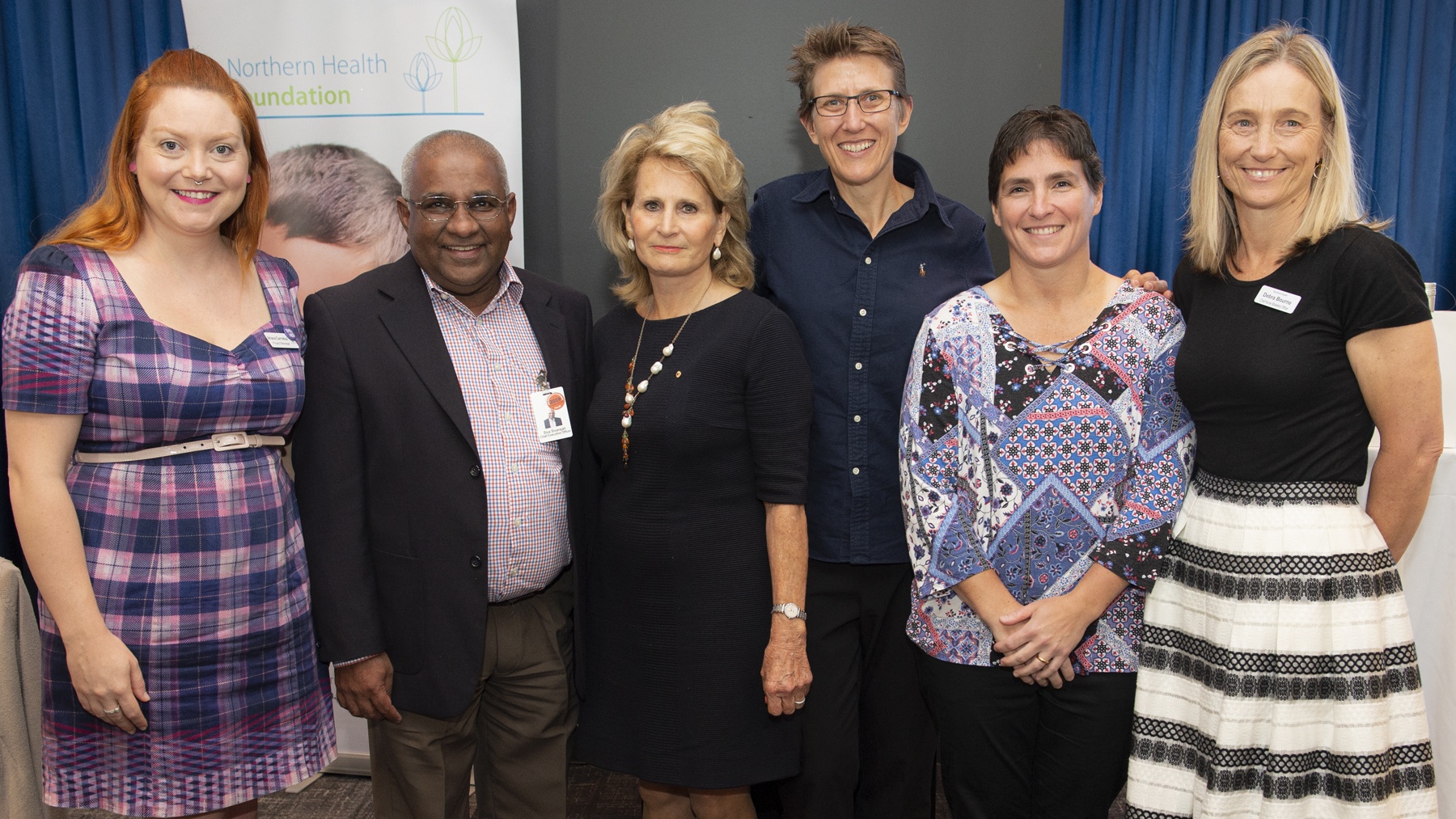
    Featured Image (left to right): Ariana Carrodus, Project Manager; Siva Sivarajah, Chief Executive; Jennifer Williams AM, Northern Health Board Chair; Shiraz Lubke, Northern Pathology Victoria Operations Manager; Dr Nancy Sadka, Emergency Physician and ED Clinical Lead in Education and Research, Debra Bourne, Chief Nursing and Midwifery Officer

  • Gary Lloyd, our only male midwife retires

    Gary Lloyd, our only male midwife retires

    Gary Lloyd, the only male midwife at Northern Health, retired last Friday after three years of working at Northern Health.

    Many of our staff, patients and families will remember him for his hard work, passion for midwifery and the willingness to make a real difference in his role.

    One colleague, Dr Sita Murugappan, has a special connection to Gary – he was the midwife at her birth and was present when Sita was born.

    Dr Murugappan began to connect the dots when she read an article about Gary and saw he worked at the Western at 1992.

    “My mum has been telling me for years that she had a male midwife at delivery. Then I asked Gary if he was the only male midwife and he said yes. That is how I found out,” she said.

    “My parents were migrants at the time and had just moved to Australia from India. For my mum back in those days, it was a cultural shock to have males in delivery suite. That is why she automatically thought he was a doctor, because that was what would be expected in India,” she added.

    Dr Murugappan has been at Northern Health for the last three years. She is an OMG HMO and currently going away for six months for rotation, but will be coming back as a Registrar.

    “I came to Northern Health as an intern. One day, I came to the registration session and that is how I found out about Northern,” she said.

    Gary added he wasn’t surprised when he heard that it was him who delivered Dr Murugappan.

    “I have delivered babies who are now students at Northern. I always feel like a parent to them,” he said.

    Sita confirmed this, adding that he always checks up if she had dinner or not and that they always have a chat when they are on the ward at the same time.

    “When I started as a male midwife, I was a bit of an oddity. Not many men last in this job. Some come for a couple of years, decide it’s not for them and then leave. For me, it’s a job that I enjoy doing and now the time has come to finish it up,” he said.

    Gary left Sunshine Hospital in about 2014 and went back to nursing. He didn’t particularly like it so he went back to what he loves – obstetrics.

    “I loved working here at Northern as this is the most culturally diverse hospital and it just felt right for me. And the people were always nice,” he said.

    “I think I will miss the job – but I won’t miss getting up at 5.30 am,” he added.

    Michelle Morrow, the Nurse Unit Manager of Maternity, proudly said she was the one to employ Gary.

    “Gary first came to Northern as an agency midwife. I was so impressed with his work ethic, with his empathy, humour and sense of team that I nagged him to accept some permanent hours. He has been an absolute delight to work with,” she said.

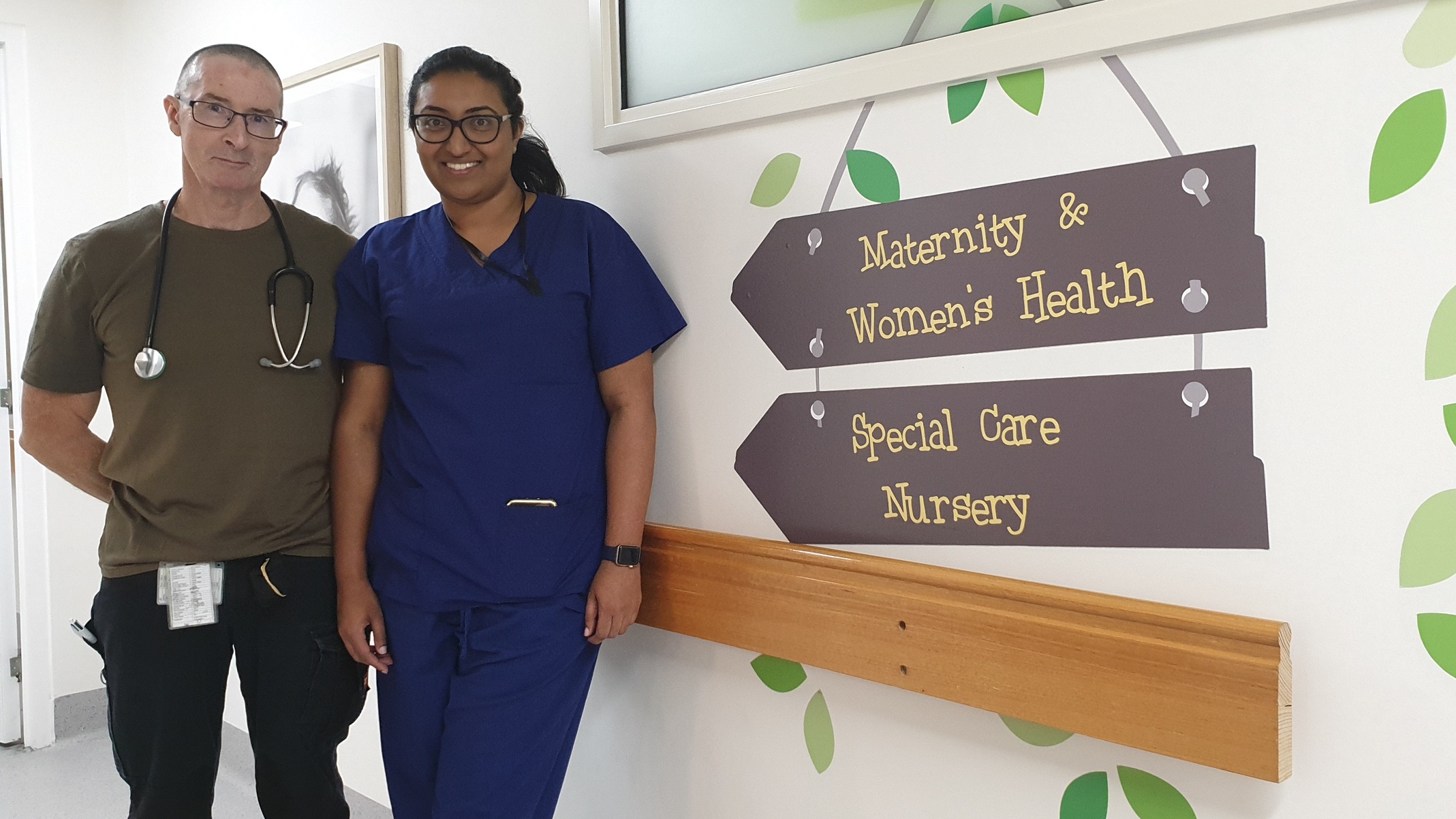
    Featured Image (left to right): Gary Lloyd and Dr Sita Murugappan

  • 2020 Digital Health Futures @ Northern Health

    2020 Digital Health Futures @ Northern Health

    Northern Health has welcomed guests from around the globe to the 2020 Digital Health Futures Forum at the Northern Centre for Health Education & Research.

    This landmark forum brings together consumers, health system leaders, health professionals, policy-makers and digital health researchers to identify technology solutions to some of our country’s most significant health challenges, including diabetes, heart failure, musculoskeletal disorders, mental health and cancers.

    “Northern Health is delighted to once again host the prestigious Digital Health Futures at Northern Health. Now in its second consecutive year, the forum brings together some of the best and brightest minds in research, technology and health care to discuss our country’s biggest health challenges,” said Professor Peter Brooks, Research Lead, Northern Health.

    “We increasingly depend on technology in aspects of our daily lives – communicating with friends, making appointments, purchasing things from entertainment to clothes and banking, and now it is time to see how technology can enable health care,” Professor Brooks said.

    The event commenced with a Corporate Breakfast, hosted by Northern Health Foundation, together with NORTH Link.

    Guests from local business, research and health care networked and heard a presentation from Professor Vassilis Kostakos, Professor of Human Computer Interaction at University of Melbourne, who spoke about digital solutions driving health care.

    Following the breakfast, the summit officially commenced with an inspirational Welcome to Country from Kelli Hunter, Traditional Owner, who spoke about her own experience with digital health.

    A range of internationally reputed speakers presented throughout the day, including:

    • Sharmila Mande, Chief Scientist at Tata Consultancy Services Research
    • Professor Jussi Pihlajamaki, University of Eastern Finland
    • Associate Professor Clair Sullivan, Chief Digital Health Officer, Metro North Hospital & Health Service
    • Matiu Bush, Deputy Director, RMIT Health Transformation Lab and Founder, One Good Street
    • Professor Don Campbell, Clinical Director, Staying Well, Northern Health
    • Professor Peter Brooks, Research Lead, Northern Health

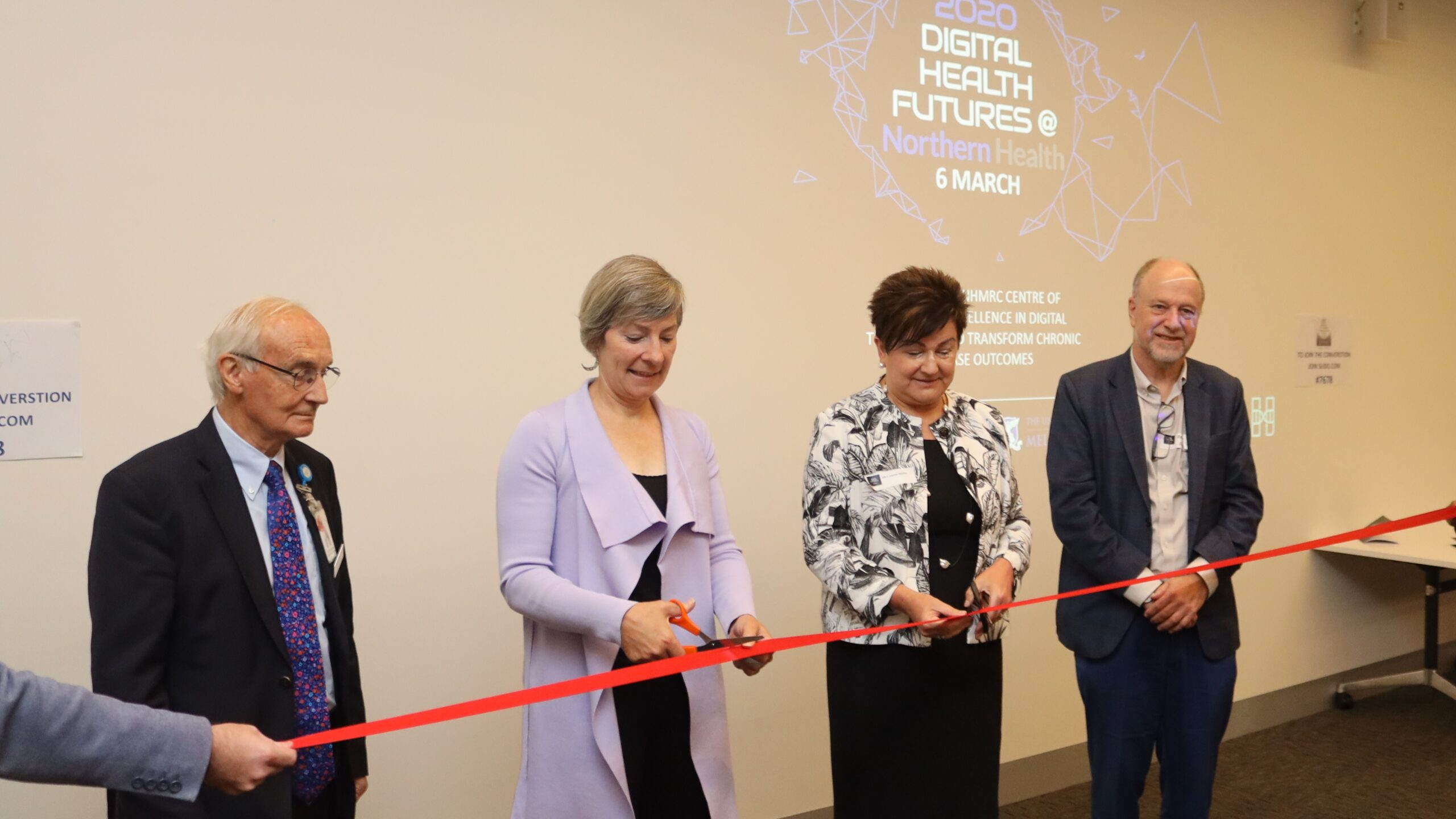
    The National Health and Medical Research Council (NHMRC) Centre for Research Excellence (CRE) in Interactive Digital Technology to Transform Australia’s Chronic Disease Outcomes was also formally launched during the forum. The CRE for Interactive Digital Technology to Transform Australia’s Chronic Disease Outcomes will create a national research capability in the field of digital population health research.

    Professor Don Campbell, responsible for the Staying Well Program at Northern Health, says, to foster wellness in the home, we need to build connectivity, if we are to have the ability to monitor in the home.

    “A means for digital engagement is essential. That’s why this Centre for Research Excellence in Interactive Digital Technology to Transform Australia’s Chronic Disease Outcomes is timely,” says Professor Campbell.

    “Investment in this CRE program will create a national research capability in this emerging field of digital population health research and will generate evidence and methods that will significantly improve chronic disease outcomes for Australians now, and into the future.”

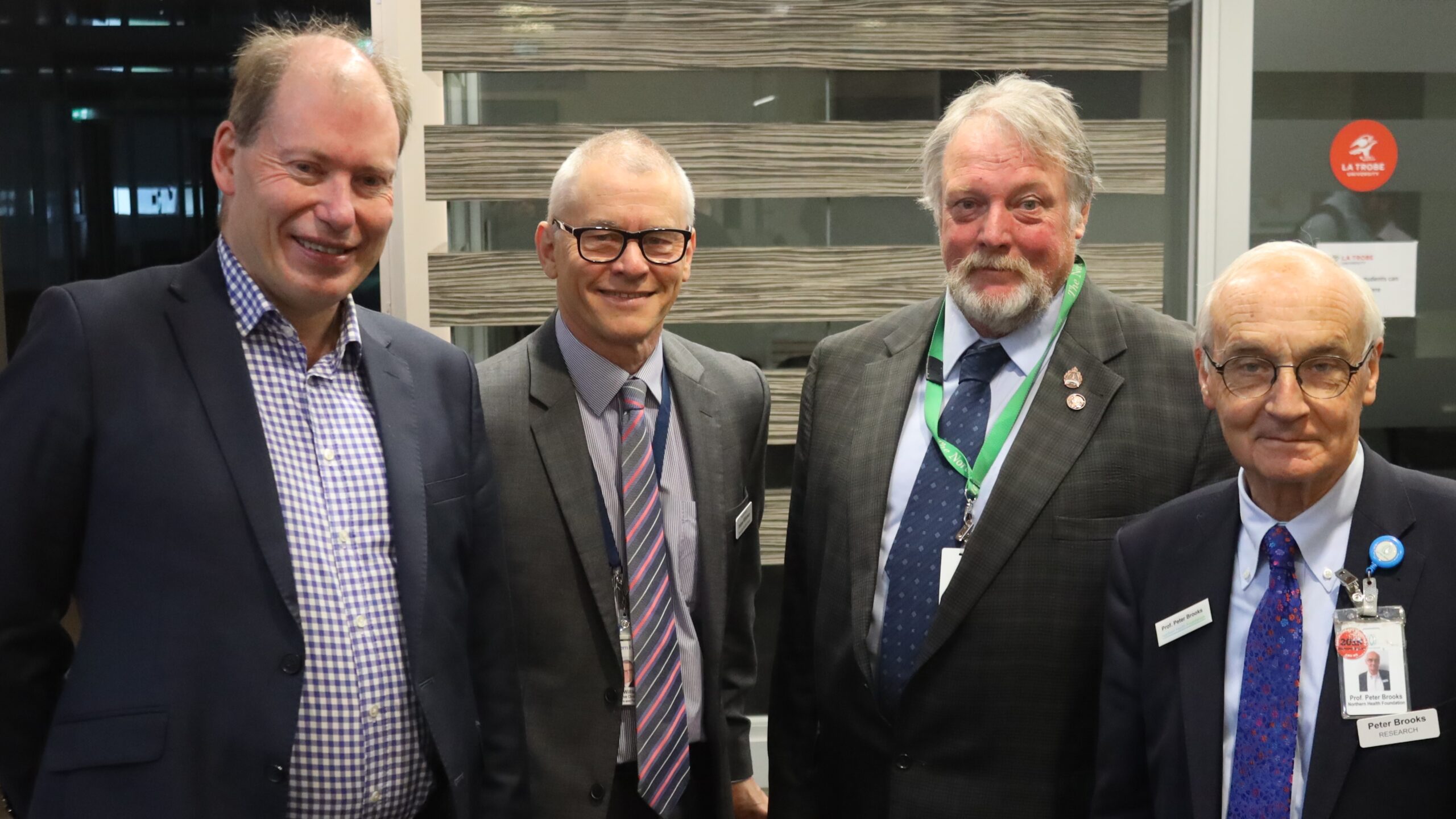
    Chris James, Executive Director, NORTH Link; Andrew Williamson, Northern Health Executive Director Public Affairs and Foundation; Peter McWilliam, Northern Health Board; and Professor Peter Brooks, Northern Health Research Lead at the Northern Health Foundation Corporate Breakfast
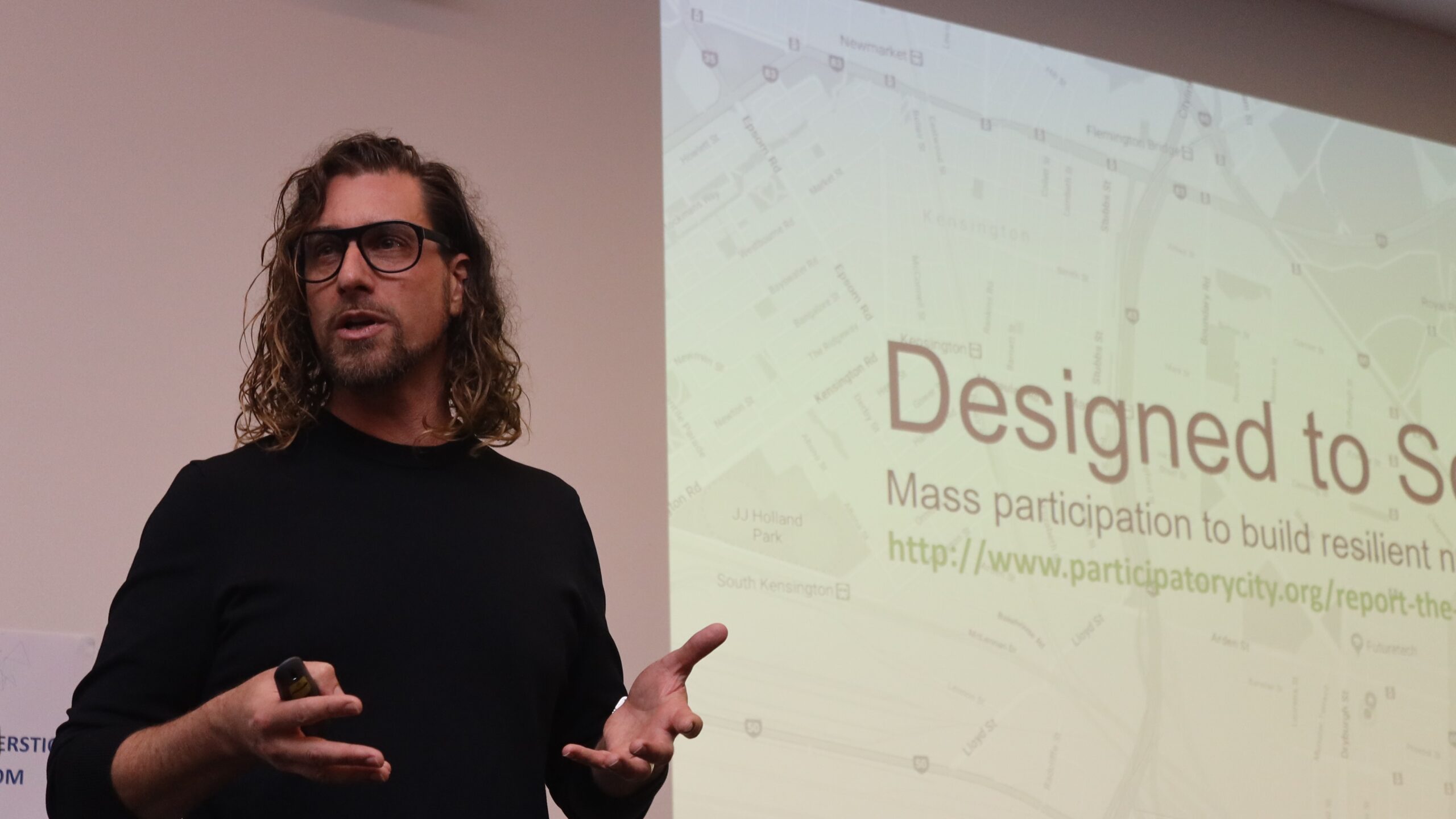
    Matiu Bush, Deputy Director, RMIT Health Transformation Lab presenting on the importance of system design in digital health
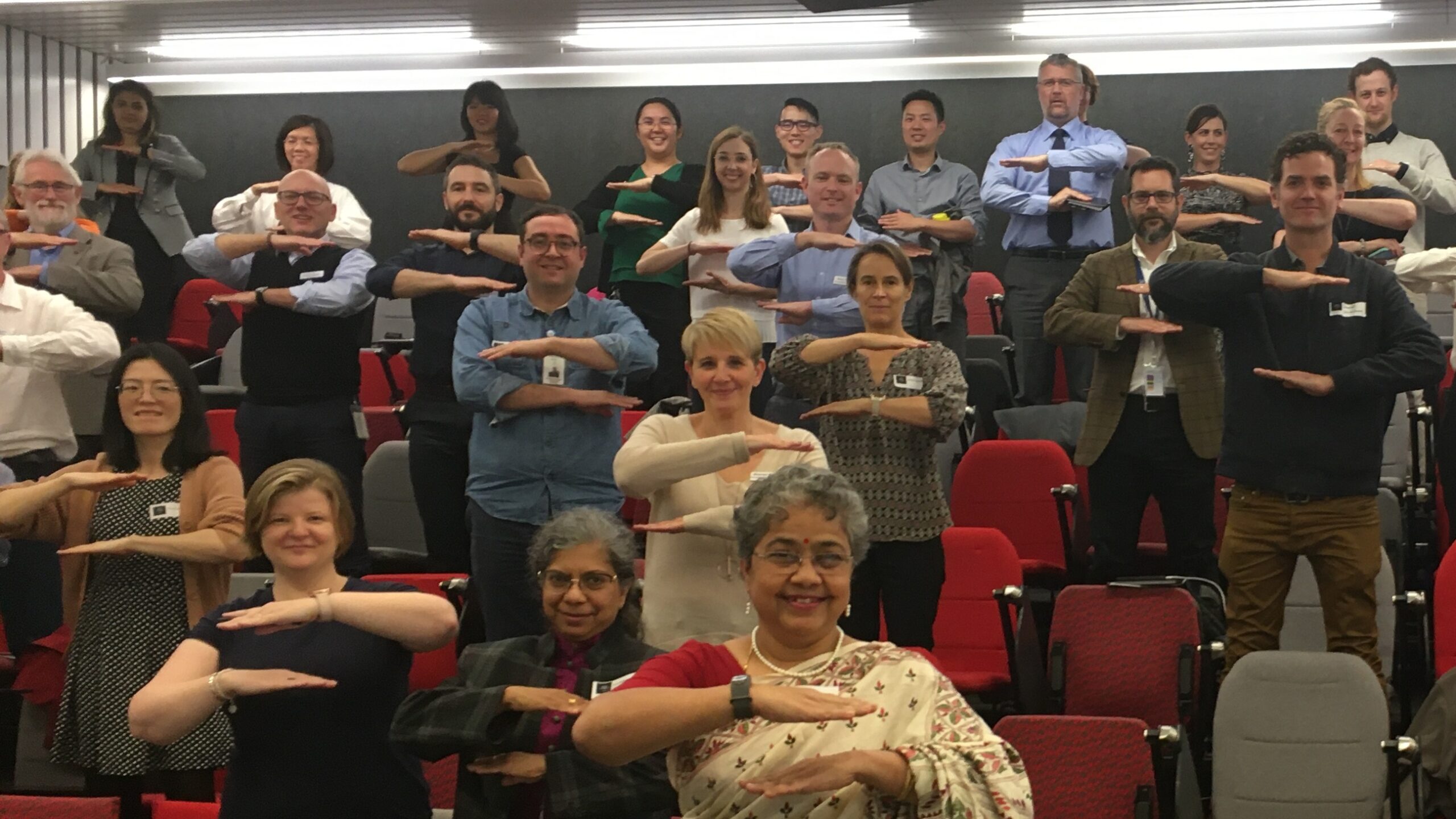
    Participants acknowledging the role of women ahead of International Women’s Day