• Allied Health Excellence Awards 2025

    Allied Health Excellence Awards 2025

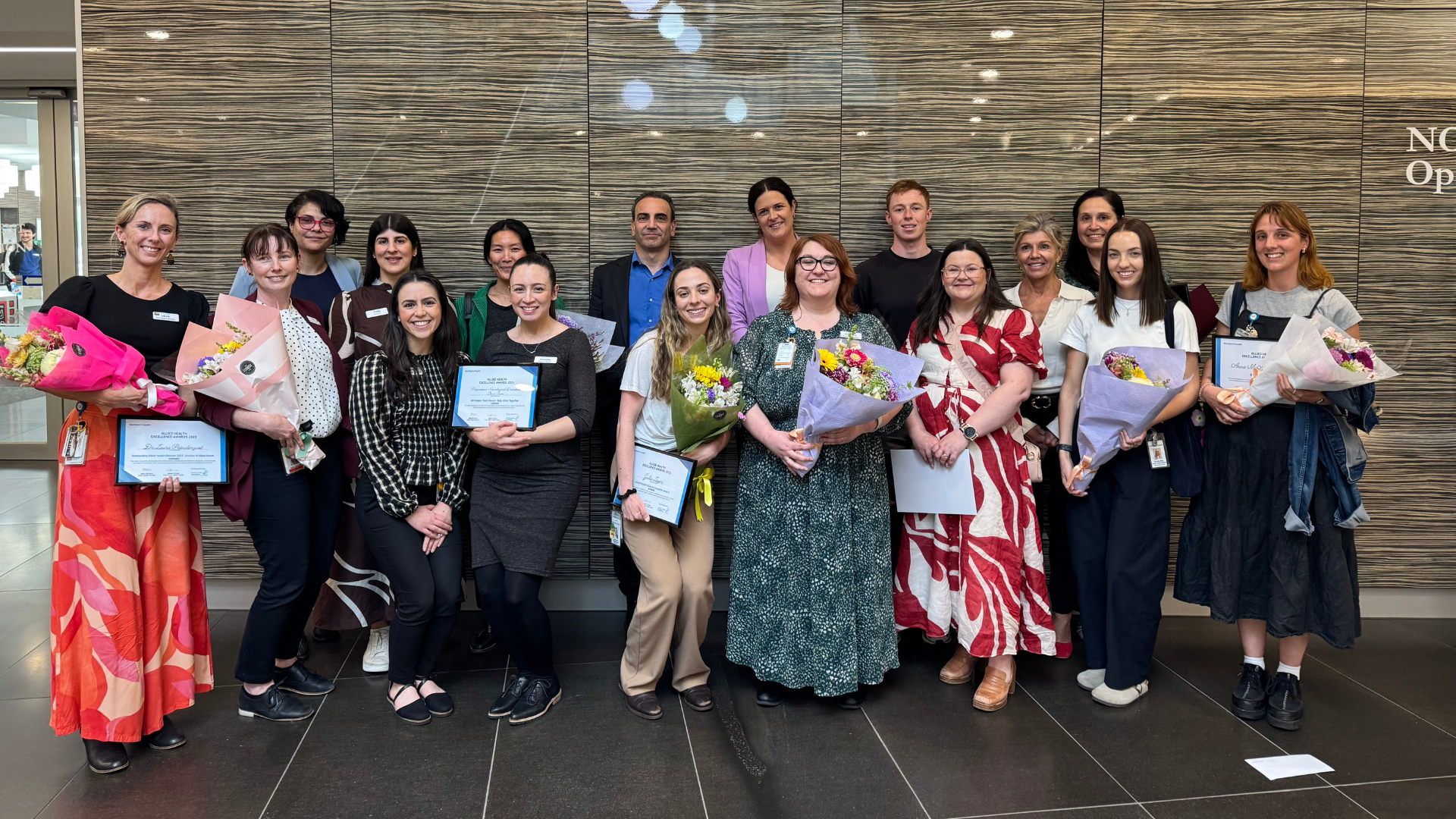
    Yesterday, our Allied Health team celebrated the outstanding contributions of their staff at the Allied Health Excellence Awards.

    The awards were presented to staff across clinical care, education, leadership, innovation, and quality improvement. The ceremony was also an opportunity to celebrate the contributions allied health staff make in the profession.

    Northern Health is proud to have 600 allied health staff, plus 240 staff under the mental health division, providing allied health care to the community.

    Yesterday also marked Allied Health Professions Day – a social movement to recognise all allied health professionals and the role the play in patient care. The theme for this year’s Allied Health Professions Day is ‘Strong Together’, which highlights the benefits of multidisciplinary team-based care.

    The award ceremony was attended by Debra Bourne, Chief Executive, A/Professor Jason Cirone, Chief Allied Health Officer, Mary De Gori, Allied Health Director, Brit Gordon, Executive Director of the North Metro and Mitchell Network, Jen Williams, Allied Health Director, Division of Mental Health, as well as many allied health staff.

    The awards ceremony was proudly sponsored by Northern Health Foundation. There were 10 award categories, presented to the following staff and teams:

    • Outstanding Allied Health Clinician – Mental Health: Joby Philip
    • Outstanding Allied Health Clinician – Physical Health: Dr Laura Prendergast
    • Allied Health Student Education Award: Julie Layer
    • Allied Health Workforce Education Award: Anastasia Pourliakas
    • Excellence in Research Award: Hannah Silva and Monika Sekulov
    • Excellence in Quality Award: Christina Lambros
    • Leadership Award: Anna Connolly
    • Early Career Award: Anna McArthur-Dowty
    • Innovation Award: Cara Ervin-Ward, Anna McArthur-Dowty, Ben Callaghan, and Georgia Rice
    • Northern Health Vales (Safe Kind Together) Team Award: The Progressive Neurological Disorders Clinic Team

    “Allied Health staff are highly trained and skilled practitioners. Their impact through assessment, diagnoses and treatment is invaluable in patient care, and an integral part of clinical services at Northern Health,” said A/Prof Jason Cirone, Chief Allied Health Officer.

    “The Allied Health Excellence Awards provide us with a wonderful opportunity to celebrate the achievements of allied health, right across Northern Health. Congratulations to all our finalists and winners,” said Mary De Gori, Allied Health Director.

    Congratulations to all the winners and finalists. Thank you to the entire Allied Health Department for the work you do.

    Featured image: Award winners
  • Podiatry Week 2025: From First Steps to Next Steps

    Podiatry Week 2025: From First Steps to Next Steps

    Podiatry Week 2025 invites us to reflect on our feet’s remarkable journey through life — from a baby’s first steps and the balance they learn, to the miles we walk through work, sport and everyday living. It’s the perfect time to pause and appreciate the incredible work our feet do for us every day.

    To shine a light on the vital role of podiatry and orthotics, we spoke with members of the Northern Health Podiatry and Orthotics team. They shared insights into their areas of expertise and what they find most rewarding about helping clients stay mobile and pain-free.

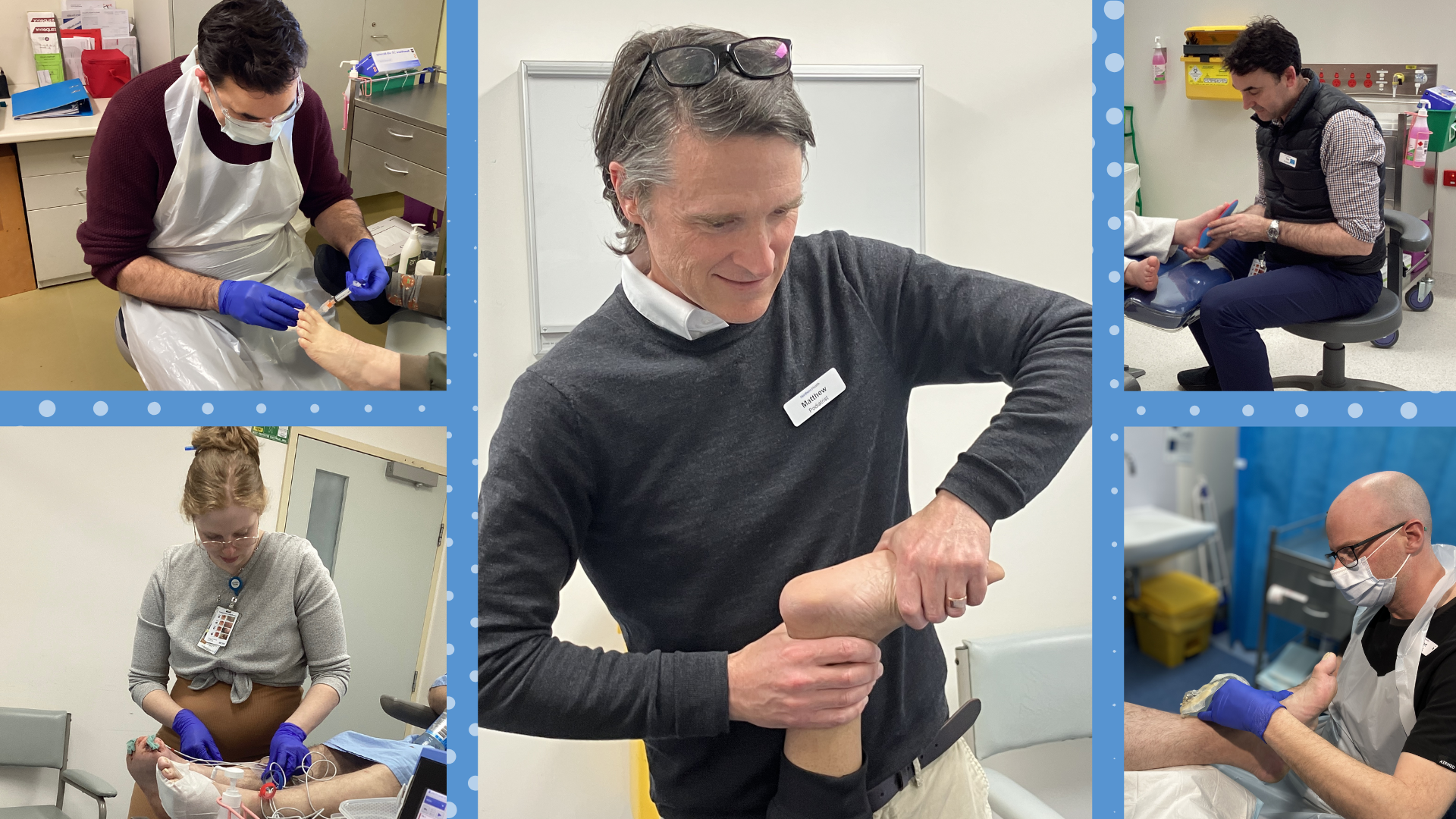
    Tim Butters, Podiatrist, Foot Procedure Unit, Craigieburn Centre– Treating ingrown toenails

    Podiatrists play a crucial role in managing ingrown toenails, using surgery only as a last resort. Through specialist care, podiatrists can often resolve the problem in its early stages by trimming nails to prevent them from growing into the skin, removing problematic edges, and educating clients about causes — from self-treatment issues to footwear choices and nail shape.

    When needed, podiatrists perform nail surgery under local anaesthetic, including procedures to remove part (PNA-Partial Nail Avulsion) or all (TNA- Total Nail Avulsion) of the affected nail.

    Tim performing local anaesthetic injection

    “It’s very satisfying to help clients with painful ingrown nails that stop them from working, exercising or enjoying daily life. Seeing someone come in unable to walk comfortably and return a few weeks later, pain-free and back to their normal activities, is incredibly rewarding,” said Tim.

    Robert Beavan, Podiatrist, Foot Procedure Unit, Northern Hospital Epping – Wound Care in Podiatry

    “I enjoy working in wound care because it’s both challenging and rewarding. Many patients come in feeling anxious — our role is to provide clear information, collaborate on a management plan, and help them heal.”

    “Podiatrists bring a wide range of skills to wound care, including debridement, vascular assessment, casting, and minor surgery. Increasingly, podiatrists are also endorsed to prescribe medications.”

    “Being able to deliver such valuable care for foot wounds makes for a deeply fulfilling career.”

    Robert performing wound care

    Bianca Goodwin, Podiatrist, Foot Procedure Unit, Broadmeadows Hospital – Blood Flow Assessments

    Podiatrists play a vital role in conducting non-invasive vascular assessments to evaluate blood flow in the lower limbs. These assessments — including pulse checks, Doppler ultrasounds, toe pressures, and ABI or TBI measurements — help identify peripheral vascular disease and other circulation issues, guiding treatment and referrals.

    They’re especially important for individuals with diabetes, smokers, or those with wounds, numbness, or leg pain. Early detection allows podiatrists to implement preventive measures and reduce the risk of serious complications.

    Vascular assessments include:

    1. Visual inspection: Observing skin colour, temperature and condition.
    2. Pulse checks: Assessing strength and regularity.
    3. Doppler: Measuring blood flow using waveforms.
    4. Toe pressures: Detecting narrowing or blockages.
    5. ABI/TBI: Comparing blood pressure between the arms and ankles to assess arterial health.

    “We work closely with vascular surgeons, and when peripheral arterial disease is detected, clients are referred for surgical evaluation. Once blood flow improves, patients often experience reduced pain, faster wound healing, and greater mobility,” said Bianca.

    Bianca performing a vascular doppler assessment

    Kyle Martin-Alcaide, Orthotist, Northern Hospital Epping – Orthotics and Wound Care

    Orthotics play an essential role in both preventing and healing foot wounds by redistributing weight and offloading pressure from vulnerable areas. Reducing excessive pressure improves blood flow, supports tissue repair, and accelerates healing.

    “Helping with wound care is deeply gratifying because the impact is immediate and visible. Supporting patients through recovery helps restore their independence, reduce pain, and improve their quality of life. For many, it means returning to work or simply enjoying time with their families again — and that’s incredibly fulfilling,” said Kyle.

    Tim Butters – Working in the Paediatric Clinic

    “Working in the children’s clinic is always fun — no two days are ever the same. I enjoy adapting assessments from observation to hands-on movement testing, depending on each child’s needs.”

    “It’s incredibly gratifying to help children overcome foot pain so they can get back to playing sport or running around without discomfort. Sometimes, it’s simply about reassuring parents that their child’s leg alignment will improve naturally with growth and development. Watching that progress over time is always rewarding,” he said.

    This Podiatry Week, let’s celebrate our Northern Health Podiatry and Orthotics team for keeping our community steady on their feet — from first steps to next steps.

  • Preventing Blood Clots, Protecting Lives: Northern Health Marks World Thrombosis Day

    Preventing Blood Clots, Protecting Lives: Northern Health Marks World Thrombosis Day

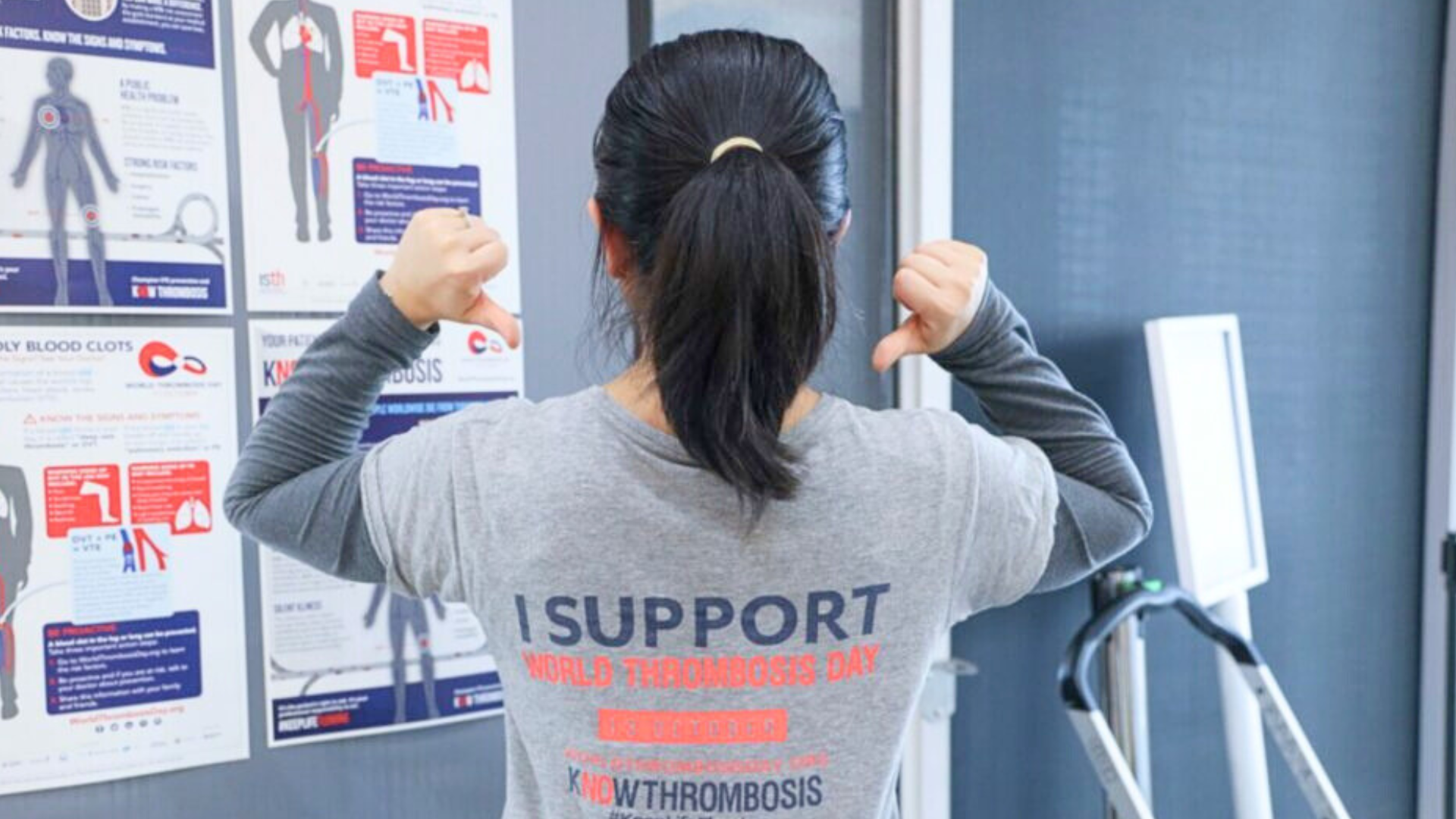
    Every year on 13 October, health professionals and communities across the world unite for World Thrombosis Day, a global initiative founded by the International Society on Thrombosis and Haemostasis (ISTH) to raise awareness of one of the world’s most serious yet often silent conditions, blood clots.

    Thrombosis, the formation of a blood clot within a blood vessel, is responsible for one in four deaths. Each year, around 10 million people experience hospital-associated clots, with 60 per cent of venous thromboembolisms (VTEs) occurring during or soon after hospitalisation. These events remain a leading cause of preventable in-hospital death, but with the right systems, awareness and clinical practices, they can be prevented.

    At Northern Health, the Pharmacy and Medical teams have been working to improve patient safety and outcomes in VTE prevention and anticoagulation management.

    “We’re incredibly proud of the progress Northern Health has made in thrombosis prevention and anticoagulation safety,” said Simon Huynh, Senior Pharmacist – Anticoagulation Stewardship, Pharmacy. “It’s been a journey built on collaboration, innovation and a shared commitment to protecting our patients.”


    Key highlights from Northern Health’s Anticoagulation Service include:

    • Establishment of a VTE & Anticoagulation Committee providing clinical governance and leadership.
    • Implementation of an Anticoagulation Stewardship Program to optimise prescribing and safety.
    • Introduction of the VTE Risk Assessment Monitor, improving assessment completion from 30% (Oct 2023) to 76% (Sept 2025).
    • Launch of a multidisciplinary Pulmonary Embolism Response Team (PERT) and updated clinical guidelines.
    • Becoming the first Victorian hospital to perform large-bore mechanical thrombectomy for pulmonary embolism (May 2024).
    • Establishment of Victoria’s first Virtual Thrombosis Clinic.
    • Recognition as Australia’s first Anticoagulation Centre of Excellence.

    “Preventing venous thromboembolism is an important part of patient safety. Everyone in the hospital plays a role through early review, timely intervention, and listening to our patients,” Simon says.

    “Each achievement reflects the teamwork and dedication of our multidisciplinary teams. Every improvement helps us deliver safer, faster, and more effective care for our patients.”

    This World Thrombosis Day, Northern Health celebrates the dedication of its staff and reaffirms its commitment to reducing preventable harm from blood clots across every stage of care.

    You can test your own knowledge and join the awareness effort by taking the THANZ World Thrombosis Day quiz.

  • Get to know Emily Miranda

    Get to know Emily Miranda

    #WeAreNorthern

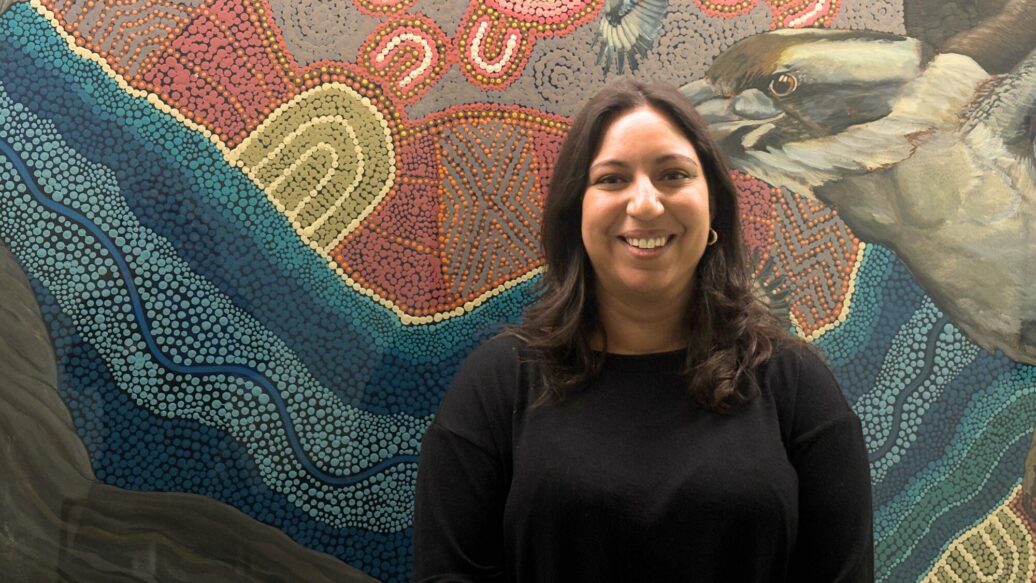
    Today, in recognition of both Mental Health Month and Mental Health Day, we’re delighted to introduce Emily Miranda, our new Adult Community Group Program Coordinator within the Mental Health Division.

    The group program is being introduced as part of the new Adult Community model of care and will offer consumers and carers a range of group-based sessions to complement the care provided by the treating mental health teams.  Emily brings valuable experience from her previous roles as a Mental Health Occupational Therapist and Team Leader and Group Coordinator.

    What is your coffee order?
    I love a good chai latte.

    What will your role as Adult Community Group Program Coordinator entail? 
    This role is an exciting opportunity to build a group program that provides recovery-oriented group interventions which complement the work that is already being done individually, drawing on the expertise of all disciplines.

    What excites you about this opportunity?
    After spending the last two years establishing a successful group program in Monash Health’s adult community mental health services, I’m looking forward to leading the development of a service-wide program at Northern Health and to work together on this exciting new aspect of the service.

    Why is the group program important for your consumers?
    There is something fundamentally powerful about feeling part of a group; a sense of acceptance, emotional safety, support and validation that are the remedy to loneliness and a sense of isolation. Group work allows us an opportunity to connect people, and I don’t just mean socially.
    In therapeutic groups, participants share their experiences, learn from each other, gain a sense of hope from hearing from others who’ve been where they’ve been, and also a sense of pride and accomplishment when they are the person providing that example for others.

    How do you unwind after work?
    I like to unwind by making plans to meet friends, singing loudly in my car and trying out new recipes for dinner.

    Where is one place you would like to travel to and why?
    I would love to go back to Spain. Between the tapas, siestas and salsa dancing I can’t think of anywhere better!

    What is something not many people know about you?
    I am obsessed with coriander; I’m convinced it makes everything better. I like to use the entire bunch in a dish, regardless of what the recipe says!

  • Northern Health hosts inaugural Acute Withdrawal Symposium

    Northern Health hosts inaugural Acute Withdrawal Symposium

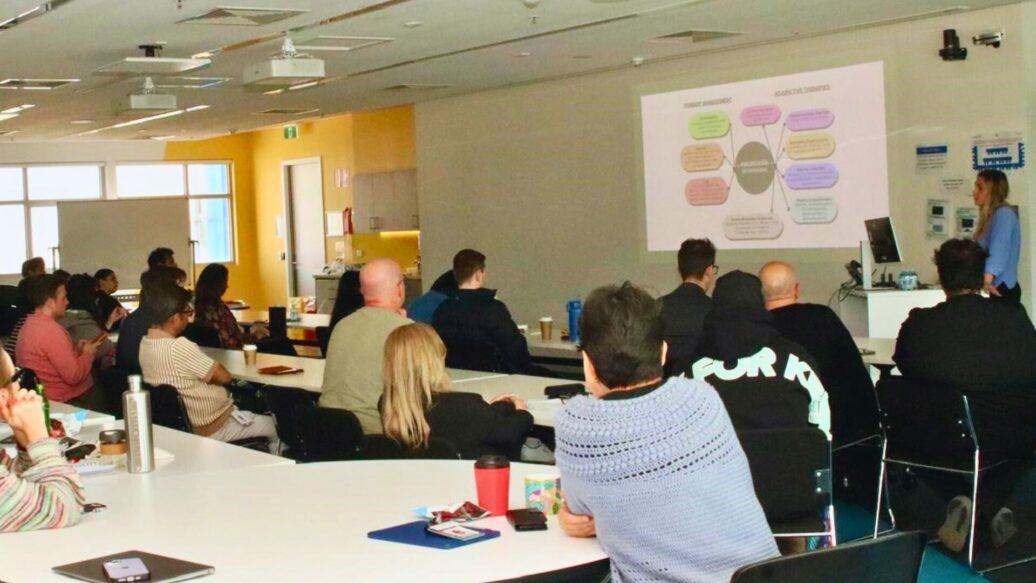
    Last week, Northern Health’s Addiction Psychiatry and Toxicology (APT) team hosted the first-ever Acute Withdrawal Symposium. The event aimed to spark conversation around integrated care, increase awareness of substance dependence and related conditions, and explore the future of substance use services and treatment.

    The symposium was opened by Executive Director for Mental Health, Ms Belinda Scott, who said, “At Northern Health, we believe healthcare should be accessible to everyone who needs it, with no wrong door for consumers seeking support. Separation of services creates barriers, and true person-centred care means meeting people where they are, with the support they need, when they need it.”

    The event featured a keynote address from Dr Zeff Koutsogiannis, Clinical Toxicologist and Emergency Physician, who delivered a simple yet powerful message: “People who use drugs are people.” He highlighted that empathy and non-judgemental care contribute to better outcomes for consumers, reflecting Northern Health’s values of Safe, Kind, Together.

    Victoria’s Chief Addiction Medicine Officer, Dr Paul McCartney, shared insights into the future of addiction medicine services in Victoria. The symposium included several talks on different acute withdrawal conditions and concluded with a compelling consumer story from Trent, who shared his recovery journey with the APT team.

    Reflecting on the symposium, A/Prof Joe Rotella, Clinical Director of APT, said, “The goal was not only to raise awareness and knowledge around substance dependence but to remind us that all consumers come to the hospital for a service, not a judgement. Terms like ‘IVDU’, ‘junkie’, or ‘addict’ have no place in a hospital or wider society. Keeping people central to our care ensures it isn’t hampered by stigma or bias.”

    Ms Scott added, “We need more research, more innovation, and more collaboration to continue improving the care we provide. Gatherings like last week’s symposium are vital, they allow us to share knowledge, challenge assumptions, and commit to doing better.”

    Joby Philip, APT Program Manager, who helped shape the symposium, said, “The success of this event is a testament to the dedication and hard work of our presenters and the entire team. Together, we’ve created something special.”

    Feedback from participants was overwhelmingly positive, with many expressing enthusiasm for future events. Encouraged by this response, the APT team is excited to announce that plans for the second Acute Withdrawal Symposium in 2026 are already underway, promising even more opportunities for learning, networking, and growth.

  • Celebrating Our Emergency Nurses

    Celebrating Our Emergency Nurses

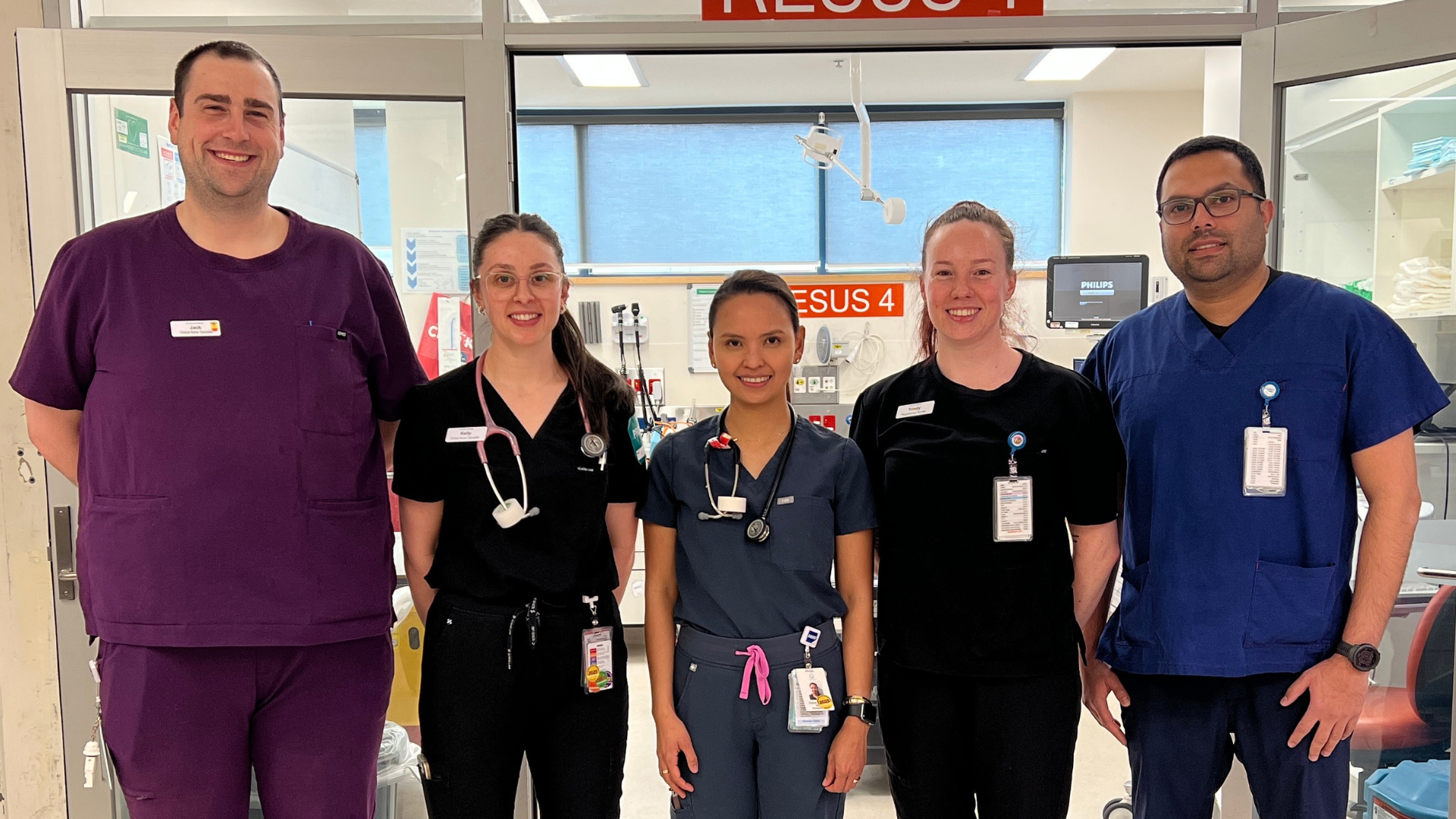
    Today, on International Emergency Nurses Day, we celebrate these extraordinary professionals whose resilience, compassion, and unwavering dedication form the backbone of our Emergency Departments.

    Every day, our emergency teams care for hundreds of patients and families who turn to us in moments of crisis. With over 330 presentations daily and a team of approximately 240 nursing staff across our campuses, our emergency nurses work tirelessly to provide safe, timely, and compassionate care to everyone who walks through our doors.

    Daniel Crompton, Emergency Department Director at Northern Health, expressed his gratitude to the team for the difference they make each day.

    “Congratulations to all our emergency nurses this International Emergency Nurses Day. I can’t express enough how much I value everything you do. You go above and beyond every single day, and it’s a privilege to work alongside such an exceptional team. You are, without a doubt, the most awesome team I could ask for. Thank you for your incredible work.”

    Working in emergency is no easy feat. It demands resilience, empathy, adaptability, and teamwork, often under intense and unpredictable circumstances. Yet, our nurses continue to rise to every challenge, showing remarkable professionalism and compassion even in the most demanding situations. Their work reflects not only clinical excellence but also the human side of healthcare – where empathy, kindness, and teamwork shine through in every interaction.

    Amanda Paleologos, Nurse Unit Manager of the Emergency Department, says, “I’d like to thank all of my incredible team this Emergency Nurses Day for the work they do today and every day. It’s an incredible privilege to lead such compassionate, skilled, and committed nurses who make a difference in the lives of so many.”

    At Northern Health, we are immensely proud of our emergency nurses who embody our values of Safe, Kind, and Together. Their commitment to supporting patients, families, and each other forms the foundation of our emergency care.

  • Supporting staff wellbeing through morning movement

    Supporting staff wellbeing through morning movement

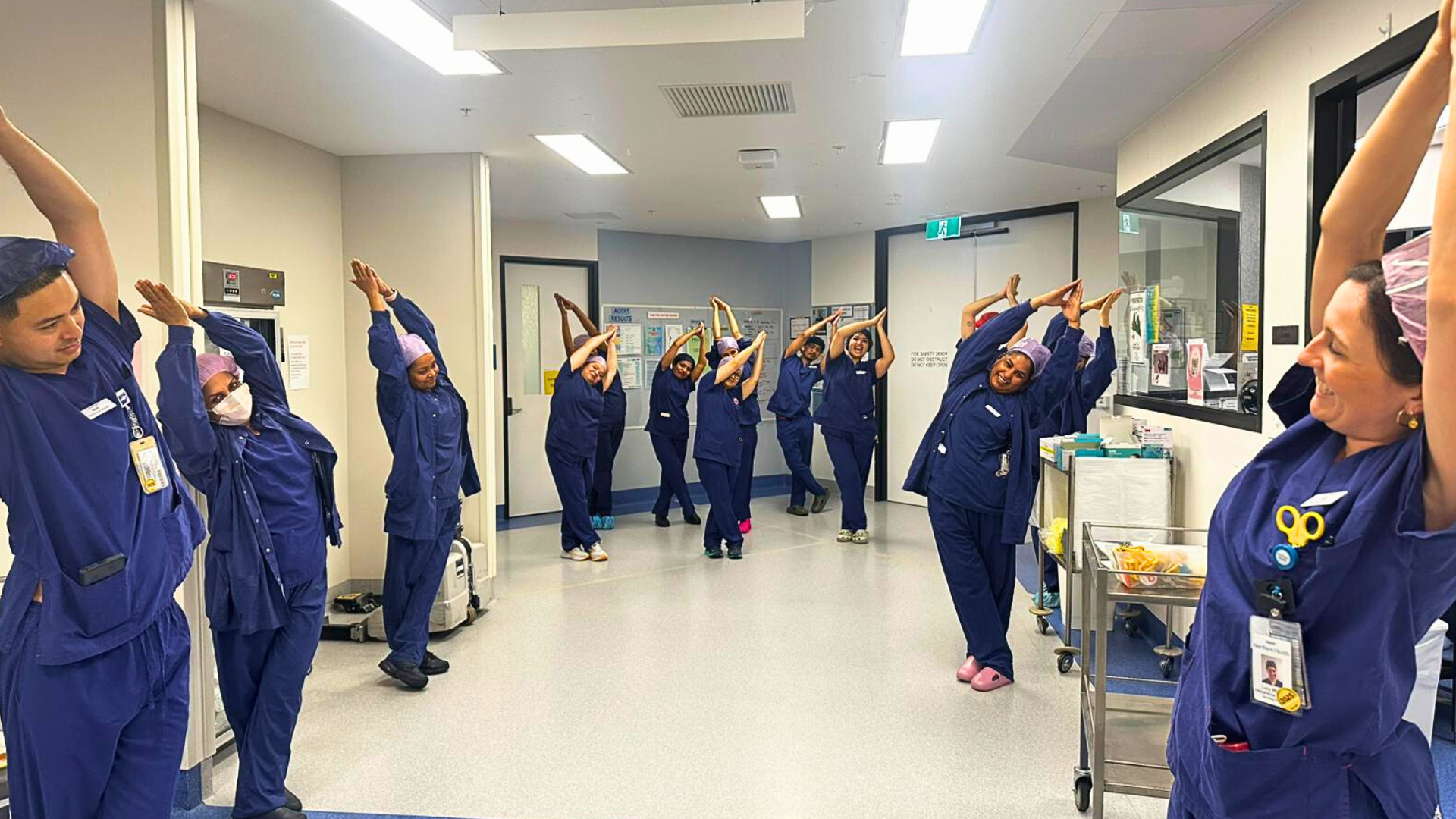
    In a proactive response to feedback from the People Matter Survey, Lana Dent, Nurse Unit Manager (NUM) of the General Operating Theatre, reached out to the OHS and Wellbeing team to explore opportunities to enhance staff wellbeing. One key idea that emerged was to introduce a short, team-based physical activity session during the daily morning huddle.

    Staff shared that they were looking for a fun and energising way to start their day – something that would support both mental and physical readiness for work.

    Dylan Perera, Staff Exercise Physiologist, worked closely with Lana, Anna Caro, NUM, and Lucy White, a nurse who volunteered to champion the initiative. With Lucy’s background in yoga and her deep understanding of the demands of the role, the team co-designed a simple, effective routine focusing on mobility, stretching, breathwork and mindfulness — all tailored to the specific needs of clinical staff in physically active roles.

    “We were very excited to receive this request,” says Dylan. “There’s growing evidence supporting the broad physical and mental health benefits of workplace physical activity, and it’s increasingly being adopted across many sectors. It’s great to see healthcare teams leading the way.”

    The morning huddle activity was launched in July and has been met with great enthusiasm.

    “The team are loving the new initiative,” says Lana. “They’re now trying to do it a couple of days each week.”

    Lucy, who leads the sessions, says the feedback has been overwhelmingly positive, with staff requesting even more frequent sessions.

    For physically demanding roles, such as nursing, incorporating warm-up and stretching before a shift can help reduce the risk of injury and support overall wellbeing. For those in more sedentary, desk-based roles, the literature recommends increasing incidental movement throughout the day and incorporating short bursts of muscle-strengthening exercises. Resistance bands are one simple and cost-effective way to facilitate this in the workplace.

    Research shows that small, regular investments in physical activity during the workday can lead to improvements in productivity, reduced musculoskeletal injuries, and better health outcomes for staff.

    If other teams across Northern Health are interested in starting a similar initiative, they are encouraged to contact the OHS and Wellbeing team at staffexphys@nh.org.au to plan a tailored program that suits their team’s needs.

  • Northern Health’s Housing Pathways Team

    Northern Health’s Housing Pathways Team

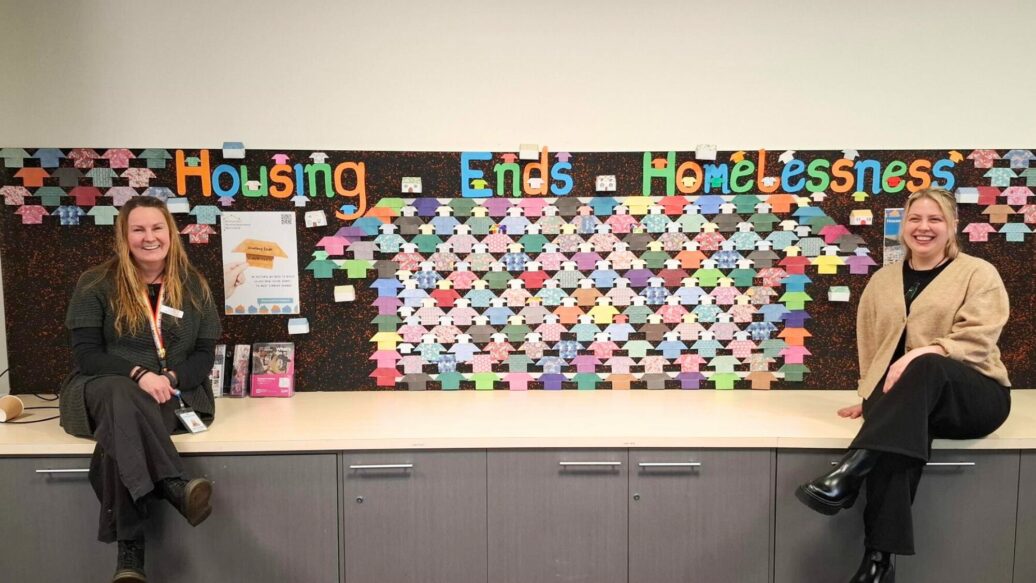
    As Mental Health Month continues throughout October – highlighting the importance of awareness, advocacy, and systemic change – two trailblazers at Northern Health are making a profound impact in the ever-evolving landscape of mental health and housing support. Cassie MacAlpine and Meghan Burkett, both deeply committed social workers, are leading the charge in transforming how individuals navigate housing pathways—bringing compassion and advocacy to a system often described as complex and under-resourced.

    For mental health consumers, accessing and maintaining secure housing is the foundation for recovery. Yet this critical need is often met with significant barriers, with many individuals experiencing homelessness or facing the risk of it. Cassie and Meghan’s work directly address these challenges, helping to build safer, more stable futures for those most vulnerable.

    Cassie MacAlpine stepped into the newly created role of Housing Pathways Coordinator in October 2024, bringing with her 25 years of frontline experience in mental health, housing, and homelessness. Her career spans community and public housing, crisis assessment, outreach, inpatient and hospital social work, and case management.

    “Housing and homelessness have been such a large part of my working career,” Cassie shares. “I feel very fortunate to assist clinicians and consumers in navigating this space, and to work with regional partners to advocate for those without a safe and secure place to live.”

    Joining Cassie in July 2025, Meghan Burkett took on the role of Housing Pathways Clinician. Her journey began at Northern Health through the Mental Health Early Careers Program, followed by work at Neami National. There, she provided integrated mental health and housing case management, always keeping the individual’s goals at the heart of her practice.

    “I absolutely love working at the intersection of mental health and housing,” Meghan says. “The system can be complex, but there’s nothing more rewarding than supporting someone in achieving their housing goals.”

    Meghan’s return to Northern Health marks a full-circle moment, bringing her expertise and passion back to where it all began.

    Together, Cassie and Meghan offer a comprehensive support system across Northern Health’s Mental Health division. Their work includes:

    • Guidance on general housing options and homelessness services
    • Assistance with Victorian Housing Register (VHR) applications
    • Access to Housing Establishment Funds (HEF), PRAP, and Bond Loans
    • Crisis accommodation and rooming house referrals
    • Budgeting for private rentals and sourcing financial aid for essentials
    • Legal support around tenancy breaches and VCAT matters
    • Advocacy and connection to legal and housing information services

    Their collaboration is more than a job—it’s a lifeline for many. By demystifying housing systems and advocating fiercely for those in need, Cassie and Meghan are reshaping what it means to provide holistic, person-centered care. Their collaboration is more than a job—it’s a lifeline for many. By demystifying housing systems and advocating fiercely for those in need, Cassie and Meghan are reshaping what it means to provide holistic, person-centered care.

    With leaders like Cassie MacAlpine and Meghan Burkett at the helm, the future looks a little brighter for those seeking a place to call home.