
• Volunteers Shine Bright This Christmas Season 

    Volunteers Shine Bright This Christmas Season 

    As the festive season fills our community with light and joy, we pause to celebrate the true gifts that cannot be wrapped or placed under a tree – the time, kindness, and compassion of our Northern Health volunteers.

    Last week, 150 of our volunteers came together for a festive lunch, not only to celebrate friendships and community, but to remind us all of the spirit of Christmas: giving without expectation, sharing warmth, and bringing comfort to those who need it most.

    Over the past year, our volunteers fundraising initiatives have raised more than $91,000, every cent of which has gone directly towards purchasing equipment for wards and enhancing spaces across our health service. These contributions are more than numbers, they are gifts of hope, safety, and care for patients and families during their most vulnerable moments.

    Henni Wade, Manager of Volunteer Services, captured the essence of their work: “Our volunteers give something that cannot be bought, borrowed, or replaced: their time, their kindness, and their presence.”

    From the friendly faces of our wayfinding guides who turn confusion into calm, to the behind-the-scenes helpers who fold thousands of letters, prepare patient packs, restock libraries, cuddle babies, and offer a hot cup of tea or coffee to visitors , every act of service is a thread in the tapestry of compassion that defines our health service. Our patient visitors, simply through their presence, a gentle conversation, a steady hand in a difficult moment, or quietly sitting beside someone who needs to know they’re not alone, have provided comfort to thousands of patients.

    In this season of giving, we are reminded that our volunteers embody the very heart of Christmas. They bring light into dark days, joy into weary hearts, and connection into every corner of our health service.

    On behalf of the Executive Team, our staff, our patients, and our community, we extend our deepest gratitude. Thank you for being the stars that guide us, the hands that comfort us, and the spirit that makes our health service feel like family!

  • Get to know: Julia Edward

    Get to know: Julia Edward

    #WeAreNorthern

    Meet Julia Edward, Registered Nurse, Emergency Department, Northern Health.


    Q: First, let’s start with your coffee order?

    A: Flat white with one sugar, simple and perfect to start a busy day.


    Q: Tell us about your journey at Northern Health?

    A: My journey with Northern Health began in 2018 in the Emergency Department, where I continue to work proudly today. Before that, I worked at Bundoora Extended Care as a Division 2 Nurse, which gave me valuable early experience in teamwork and patient care.

    With support and encouragement from my colleagues and mentors, I pursued my Postgraduate studies in Critical Care, which I successfully completed in 2022, beginning through the University of Melbourne and completing with the University of Technology Sydney. Balancing study, work, and family life as a single mum was not easy, but it strengthened my determination and commitment to nursing.

    After completing my postgraduate qualification, I took on several travel nursing roles across Australia, including Mackay (Queensland), South Australia, and Launceston (Tasmania), working as a Critical Care Nurse in diverse settings. These experiences broadened my clinical skills and deepened my understanding of patient-centred care.

    Now, I have been selected to work at The Alfred ICU while continuing my role at Northern Health Emergency Department, which remains close to my heart.


    Q: What is the best part of working at Northern Health?

    A: The culture of teamwork and genuine care. Everyone supports one another and works together to provide the best outcomes for patients. It truly feels like a family.


    Q: What’s something people might be surprised to learn about your role?

    A: Emergency nursing is not only about responding quickly, but it’s also about calm thinking, empathy, and helping people through some of their most vulnerable moments.


    Q: What’s the most valuable lesson you’ve learned in your career so far?

    A: Perseverance and self-belief make anything possible. Every challenge can become an opportunity for growth if you keep moving forward.


    Q: How do you like to spend your weekends or time off?

    A: I enjoy gym workouts, bike rides, swimming, and long walks. They help me stay grounded and energised.


    Q: Who or what inspires you most?

    A: I am inspired by my patients, mentors, and colleagues. Each of them reminds me daily that compassion and resilience define the heart of nursing.

  • Northern Health shines at Gastroenterology Conference

    Northern Health shines at Gastroenterology Conference

    Northern Health’s Department of Gastroenterology was well represented at the combined Australian Gastroenterology Week/World Congress of Gastroenterology held in Melbourne earlier this year – the largest gastroenterology conference ever hosted in Australia.

    The team contributed over 26 accepted abstracts, reflecting the department’s growing influence on this prestigious national and international stage.

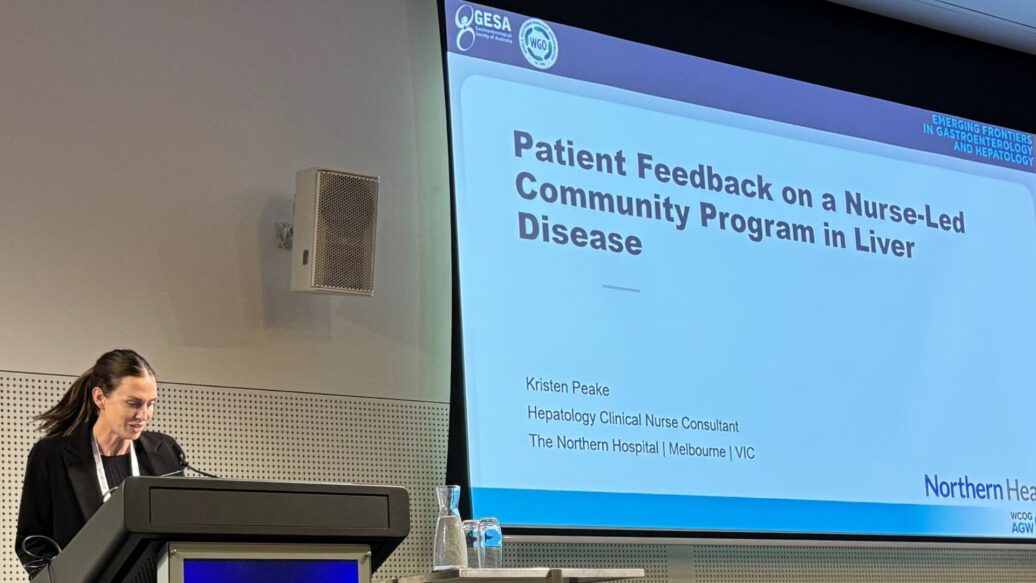
    Among the highlights were three oral presentations, including two delivered by Liver Clinical Nurse Consultant Kristen Peake and one by Gastroenterology Registrar Dr Leya Nedumannil, who presented on Northern Health’s successful Liver at Home program.

    Consultant Gastroenterologist Dr Aysha Al-Ani won the People’s Choice Young Investigator Award for her outstanding presentation on mechanisms of inflammation and necroptosis in inflammatory bowel disease (IBD).

    Adding to the department’s presence, Dietitian Dr Hannah Silvia and Gastroenterologist Dr Oliver Cronin were invited to speak on key topics, irritable bowel syndrome and endoscopy respectively, sharing their expertise with a global audience.

    Associate Professor Mayur Garg, Director of Gastroenterology, co-convened the postgraduate course attended by more than 600 delegates. A/Prof Garg further elevated Northern Health’s profile by presenting at the opening plenary IBD session of the main conference alongside international experts, focusing on acute severe ulcerative colitis (ASUC).

    In addition to these presentations, the department showcased over 20 posters, which were viewed by more than 3,000 attendees during poster sessions. This strong representation across oral presentations, invited talks, and posters reflects the depth and breadth of research and clinical innovation within the team.

    “We’re very proud to see the hard work by so many of our staff in the Department of Gastroenterology – our nurses, allied health professionals and doctors, being recognised at this major meeting,” said A/Prof Garg. “More importantly, it’s heartwarming to see Northern Health staff feeling empowered to take a lead role in shaping the future of our specialty and develop innovative solutions for our patients.”

    Main picture shows Liver Clinical Nurse Consultant Kristen Peake presenting at the conference.


  • Giving Parents a Stronger Voice in Paediatric Care

    Giving Parents a Stronger Voice in Paediatric Care

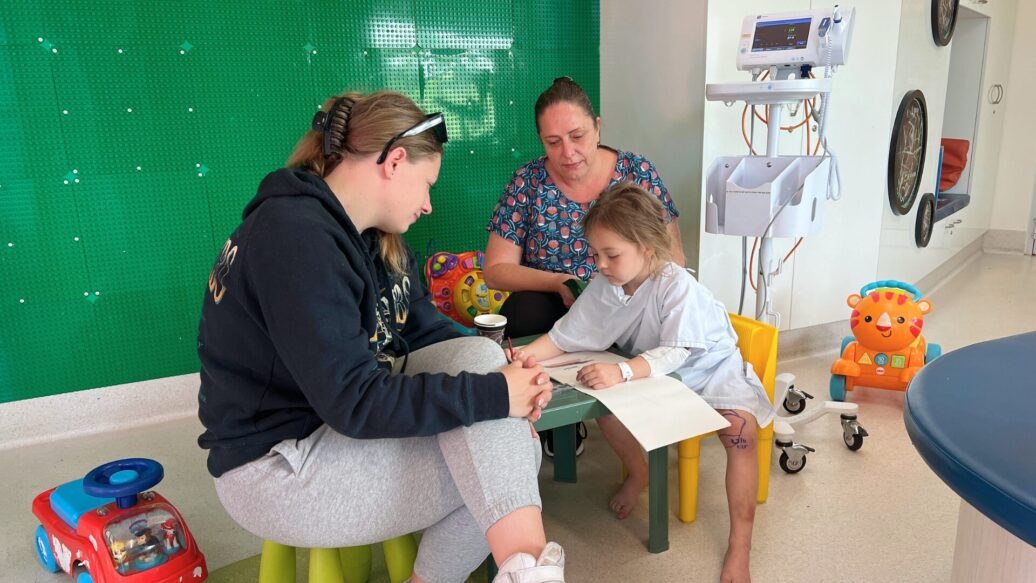
    Today, 10 December, all sites across Northern Health are introducing an important new change to the way we care for children – a simple but powerful question now asked during every observation set: “Are you worried your child is getting worse?”

    The introduction of this question forms part of the state-wide rollout of the Refined ViCTOR Chart, following recommendations from Safer Care Victoria, and aims to strengthen early recognition of clinical deterioration in children.

    Research has shown that parents often detect subtle signs of deterioration well before clinicians do and before vital signs change, making it essential that families are routinely invited to share any concerns.

    Recent Victorian studies have also found that caregiver concern is independently associated with critical illness in paediatric patients, even when vital signs appear normal. These findings highlight the value of actively seeking parental input as part of routine care – something Northern Health is proud to strengthen today.

    Clinical Deterioration & Resuscitation Coordinator, Liz Ward says, “Parents know their child best. By asking this simple question, we’re making sure their concerns are heard and acted on immediately.”

    From today, nursing and medical staff will ask the Family/Carer Concern question whenever a parent or carer is present. If the response is ‘Yes’, a PreMET call will be initiated for urgent clinical review. The question will not be asked during procedures, at triage, immediately after birth, or when parents or carers are not at the bedside.

    Dr David Tran, Divisional Director of Women’s & Children’s Services, says, “Introducing the question ‘Are you worried your child is getting worse’ means we can act faster when a child’s condition changes. It’s about giving families a voice and improving safety for every child in our care.”

    Today’s implementation follows months of preparation, including staff education, scripts, translated materials and posters, along with an audit plan to ensure consistent and safe use of the updated chart across all paediatric settings.

    Paediatric Clinical Nurse Educator, Kelly Alysandratos, says, “This change strengthens our partnership with families. It reassures parents that their instincts matter and helps us prevent serious deterioration before it happens.”

    Reflecting on the impact of today’s launch, Liz Ward adds, “We’re proud to be leading this initiative. It’s a small change that will make a big difference for children and their families at Northern Health.”

  • From PANCH to Today: Our Time-Travelling Team

    From PANCH to Today: Our Time-Travelling Team

    This morning, Northern Health hosted the annual Length of Service Awards for 2025, recognising the extraordinary contributions of more than 460 staff who have achieved between 10 and 50 years of service. Many of these colleagues have been with us since the days of PANCH, and together, their dedication represents over 7,500 years of collective service to our community.

    More than 250 staff members tuned in online to watch the celebration, which also featured a series of light-hearted videos, in the style of Sir David Attenborough, showcasing notable moments from each year including some milestone from Northern Health.

    Northern Health’s Chief Executive, Debra Bourne, opened the ceremony by acknowledging the depth of experience across our workforce.

    “We have a large number of staff working across Northern Health, many who have provided service since PANCH. It is great to see how our health service has grown since PANCH, with the inclusion of Craigieburn and Mernda Community Hospitals this year,” she said.

    This year, several colleagues reached remarkable milestones that reflect decades of dedication, professional excellence and unwavering commitment to patient care.

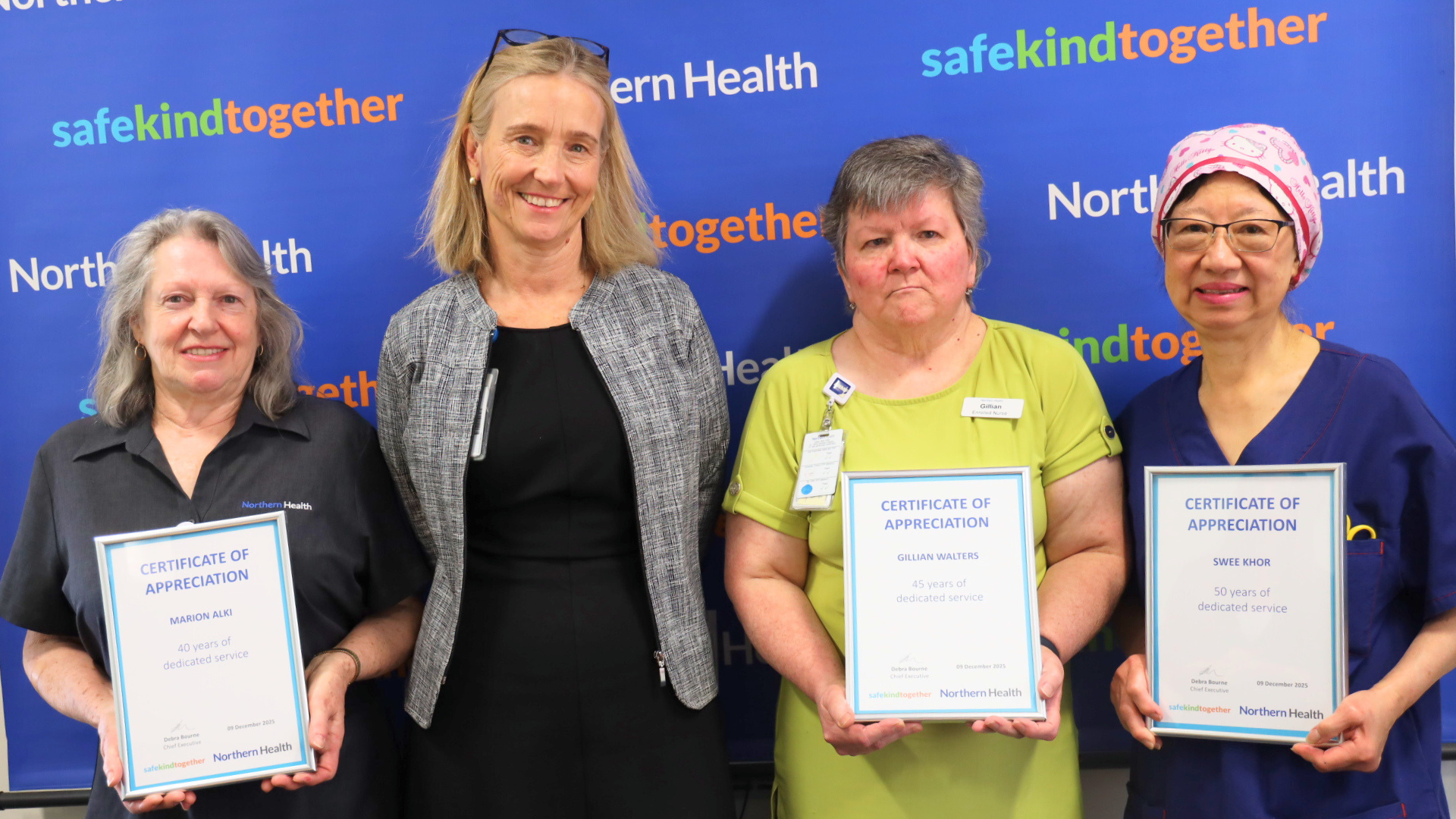
    40 Years of Service:

    • Susanne Pettingill, Sonographer

    • Marion Alki, Patient Service Assistant

    • Anthony Salgram, Theatre Technician

    Susanne and Anthony were unable to attend the ceremony in person, but their achievements were warmly acknowledged. Marion received her award from Lisa Cox, Chief Nursing and Midwifery Officer, and spoke about the incredible evolution of healthcare over the past four decades, reflecting on the many changes she has witnessed across the organisation.

    45 Years of Service:

    • Gillian Walters, Computer Clerk

    Gillian was presented with her award by Linda Romano, Chief Operating Officer. She shared heartfelt reflections on her long and rewarding career at Northern Health, describing the many colleagues, departments and patients who have shaped her journey.

    50 Years of Service:

    • Swee Khor, Clinical Nurse Specialist

    Reaching an extraordinary half-century of service, Swee offered an inspiring reflection on a career grounded in compassion, resilience and commitment to nursing excellence. Her award was presented with admiration and gratitude by Lisa Cox.

    Members of the Executive team also proudly presented awards to staff achieving 10, 15, 20, 25, 30 and 35 years of service—each milestone representing a meaningful contribution to the strength and continuity of our health service.

    Debra Bourne closed the ceremony by congratulating all award recipients and acknowledging the privilege of leading an organisation built on such a strong foundation of dedication.

    “I am so proud to be part of an organisation with such a rich history, and whose staff are dedicated and passionate about caring and serving our community,” she said.

    “Congratulations on providing another year of care, and we look forward to continuing the same level of care in 2026. As we move towards the end of 2025, on behalf of the Board and Executive team, I wish you a Merry Christmas and a safe and happy New Year.”

    Congratulations to all our recipients!

    Featured image (L-R): Marion Alki, Deb Bourne, CE Northern Health, Gillian Walters and Swee Khor.

  • Celebrating Nurse Practitioner Week at Northern Health

    Celebrating Nurse Practitioner Week at Northern Health

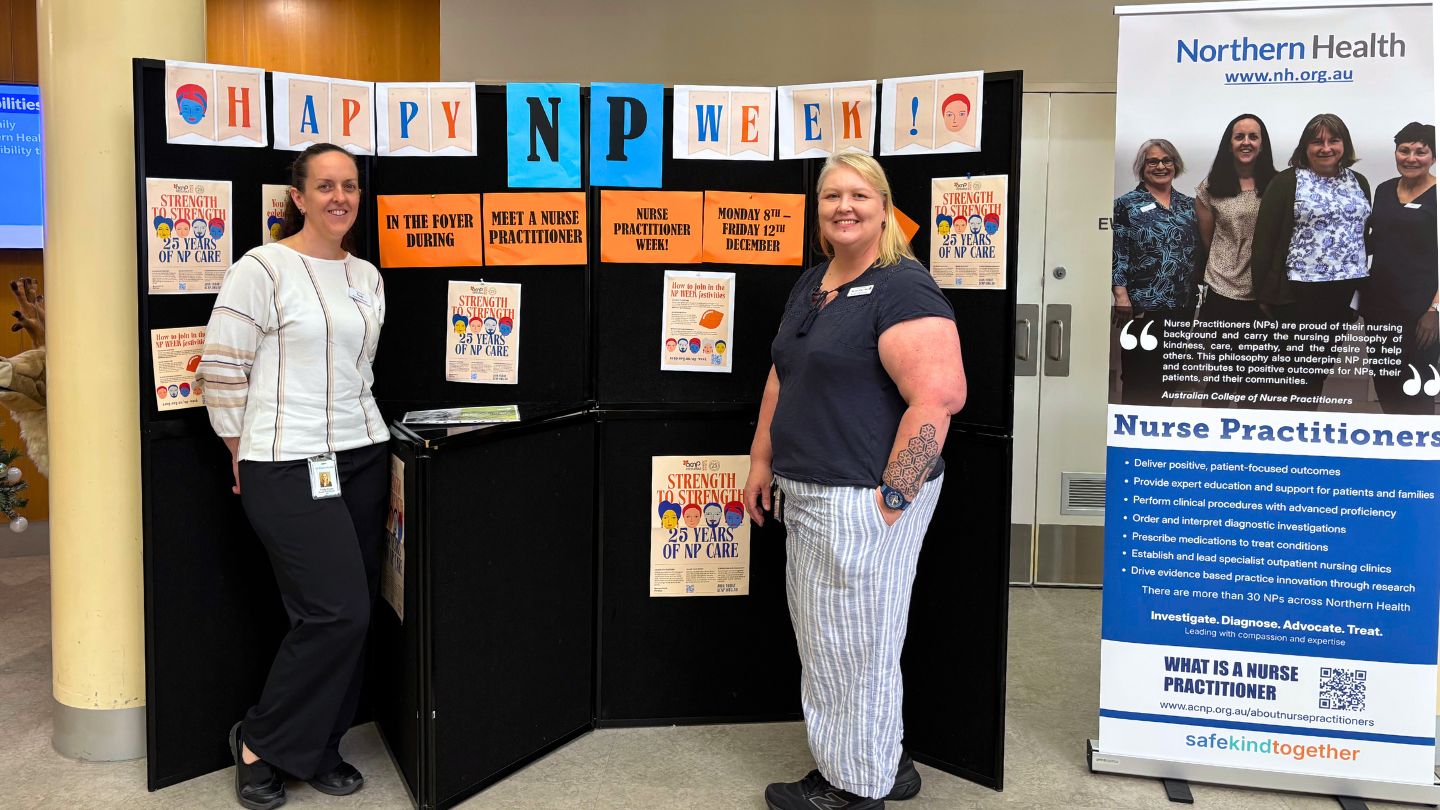
    8-12 December marks Nurse Practitioner (NP) Week, and Northern Health is proud to recognise the vital contributions of our Nurse Practitioners to patient care, clinical leadership, and innovation across the health service.

    Nurse Practitioners have been an integral part of Northern Health for more than a decade. Over the years, the service has grown significantly, with NPs now embedded across Emergency, Heart Failure, Stroke, Mental Health, Oncology, Haematology, Neonatal, and other specialty areas. Today, Northern Health boasts one of the most diverse and rapidly expanding NP workforces in Victoria.

    Throughout the organisation, NPs lead advanced clinical assessment, diagnostics, prescribing, coordination of care, and patient-centred management, improving access, reducing delays, and supporting safer, more effective care pathways. Their leadership in education, research, mentorship, and quality improvement also plays a crucial role in strengthening the capability of our workforce.

    “Northern Health has a strong history of creating and supporting Nurse Practitioner roles within the organisation. Northern Health leads many Victorian health services in the pursuit of advanced nursing practice and innovative and nurse led models of care. I am very proud of the wide range of specialties our Nurse Practitioners are positioned and the impact these roles have on high quality and safe care. Each Nurse Practitioner at Northern Health makes an impact on the community we serve,” says Lisa Cox, Chief Nursing and Midwifery Officer, Northern Health. 

    This NP Week, we honour the dedication, compassion, and expertise of our Northern Health Nurse Practitioners. Whether working at the bedside, responding to emergencies, delivering specialist clinics, or driving system-wide improvements, our NPs consistently demonstrate excellence and unwavering commitment to our community.

    We thank every NP at Northern Health for the exceptional care you deliver each day. Your impact is tangible, valued, and deeply appreciated!

    Pictured in featured image (L-R): Trudy Brown and Nicole Gauthier, both Nurse Practitioners at Northern Health. 

  • Get to know: Camille Meredith

    Get to know: Camille Meredith

    #WeAreNorthern

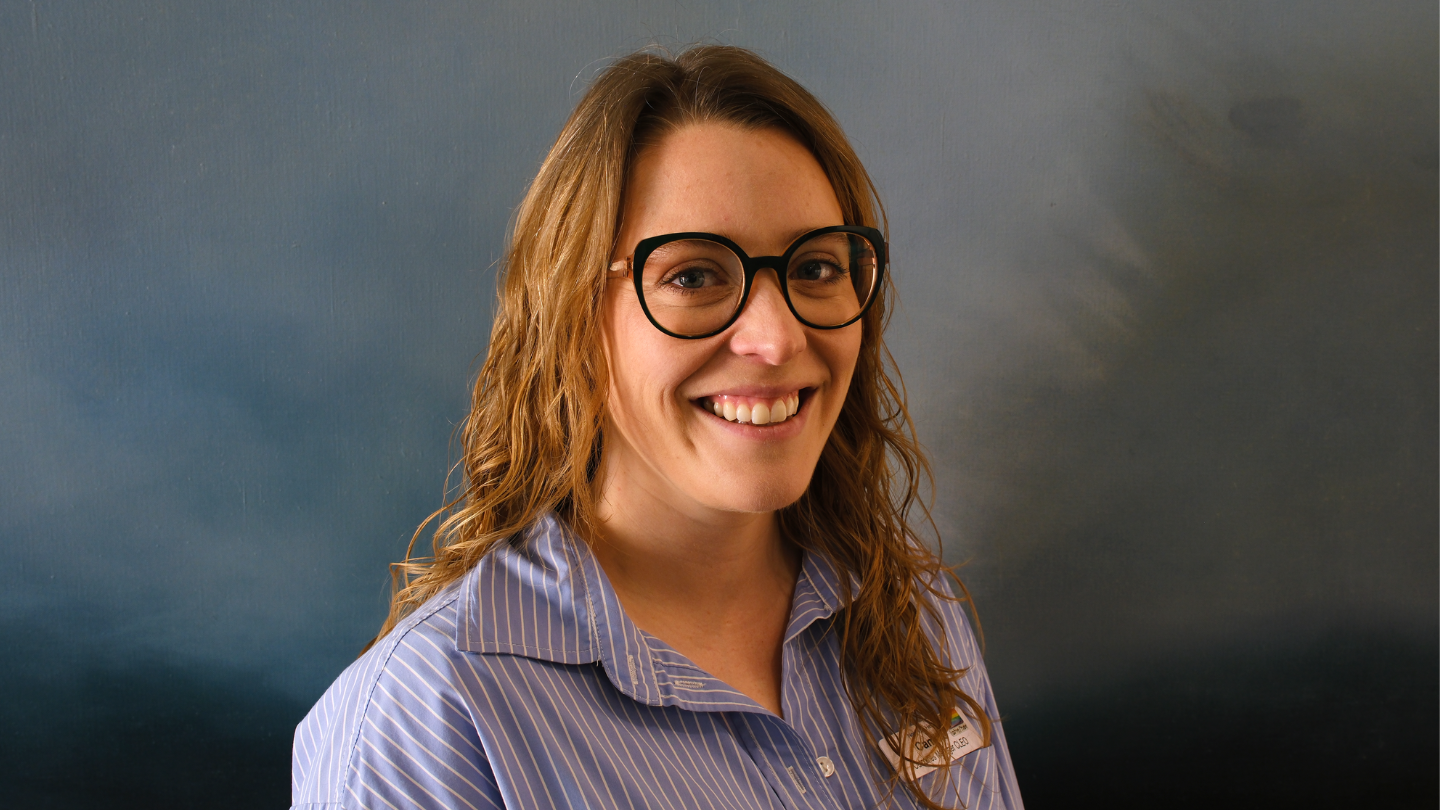
    Meet Camille Meredith, Effectiveness and Outcomes Manager – CLEO, Northern Health.


    Q: First, let’s start with your coffee order.

    A: Flat white or piccolo.


    Q: Tell us about your journey at Northern Health?

    A: I started my career in 2013 as an acute Speech Pathologist in Adelaide, specialising in stroke and neurology. In 2017, I made the move to Melbourne to join Northern Health and make the most of the lifestyle.

    Since then, my career has taken a pathway that resembles a ‘squiggly line’. Leading up to COVID, and thanks to some amazing mentors at Northern Health, I found myself increasingly fascinated by health informatics and health system design. Particularly, how data and digital tools can drive better care for patients and improve staff workflows. Thanks to this curiosity and few nudges from people around me, I took the leap to step outside of clinical – first as the Allied Health Informatics Officer then as the EMR Allied Health Analyst.

    Following these roles and after completing the University of Melbourne’s Learning Health Systems Fellowship, I transitioned into my current position as Effectiveness and Outcomes Manager with the Clinical Leadership Effectiveness and Outcomes (CLEO) team.


    Q: What is the best part of working at Northern Health?

    A: The best part of working at Northern Health is being part of a team that is committed to transforming how healthcare is delivered, open to new ideas and encourages change. I’m able to combine my skills and passion for clinical care, health informatics and innovation to help the organisation shift towards value-based healthcare. I also have the opportunity to work with diverse stakeholders including patients, clinicians, administrative staff, and digital health experts at Northern Health and beyond.


    Q: Tell us one thing not many people know about you?

    A: During COVID, I decided I was officially old enough to take up knitting. The results are questionable, but I’m enthusiastic and my friends and family continue to accept my creations.


    Q: Favourite place to travel and why?

    A: The Slovenian Alps near Triglav National Park are hard to beat. The hiking is incredible, the Soca river is great for kayaking, and the local wine is fantastic.

  • Interprofessional Simulation: “Welcome to the Night Shift!”

    Interprofessional Simulation: “Welcome to the Night Shift!”

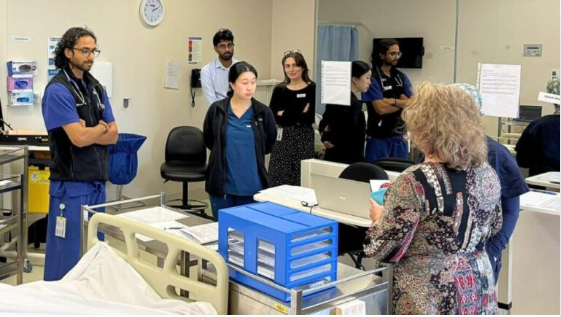
    Intern pharmacists from Northern Health and final-year MD4 students from the Northern Clinical School (University of Melbourne) recently took part in an innovative interprofessional simulation designed to prepare them for real-world hospital practice.

    Developed in response to participant feedback, the program was created after intern pharmacists reported uncertainty about how to approach medical staff, while medical students identified gaps in their pharmacology knowledge and understanding of the hospital pharmacist’s role.

    “Jeff Khoshaba, Lead Pharmacist for Education, and I connected at a recent conference and realised our students shared similar learning needs. This collaboration has not only created a fun and valuable learning experience for them, but also highlighted how interdepartmental collaboration in medical education can benefit everyone involved,” said Pip Wills, Simulation Teaching Specialist, Northern Clinical School, University of Melbourne and Emergency Physician, Northern Hospital Epping.

    To address these needs, staff from Northern Health Pharmacy and the Northern Clinical School co-designed a realistic “night shift” simulation, mirroring the fast-paced, high-pressure environment of a hospital after hours.

    During the simulation:

    • Groups of four medical students rotated through six simulated patient stations.
    • They received simulated phone calls from ward nurses seeking clinical advice.
    • Intern pharmacists completed ward-based responsibilities and fielded their own calls from nursing staff.
    • Both groups were encouraged to collaborate in real time, consulting and problem-solving together—just as they would during an actual shift.

    The exercise concluded with a joint debriefing that explored key clinical and communication scenarios, followed by profession-specific sessions to consolidate learning.

    Feedback from participants has been overwhelmingly positive. Both medical students and intern pharmacists reported increased confidence, improved understanding of each other’s roles, and greater appreciation of the importance of interprofessional collaboration in delivering safe, effective patient care.

    One medical student commented, “Having a pharmacist involved in the simulation made it feel much more realistic. It helped me understand when and how to engage with pharmacists to provide better patient care.”

    Ongoing feedback and evaluation will continue to refine the simulation to ensure it meets learners’ needs and reflects the evolving realities of clinical practice.