• Wellbeing is paws-itively all about you 

    Wellbeing is paws-itively all about you 

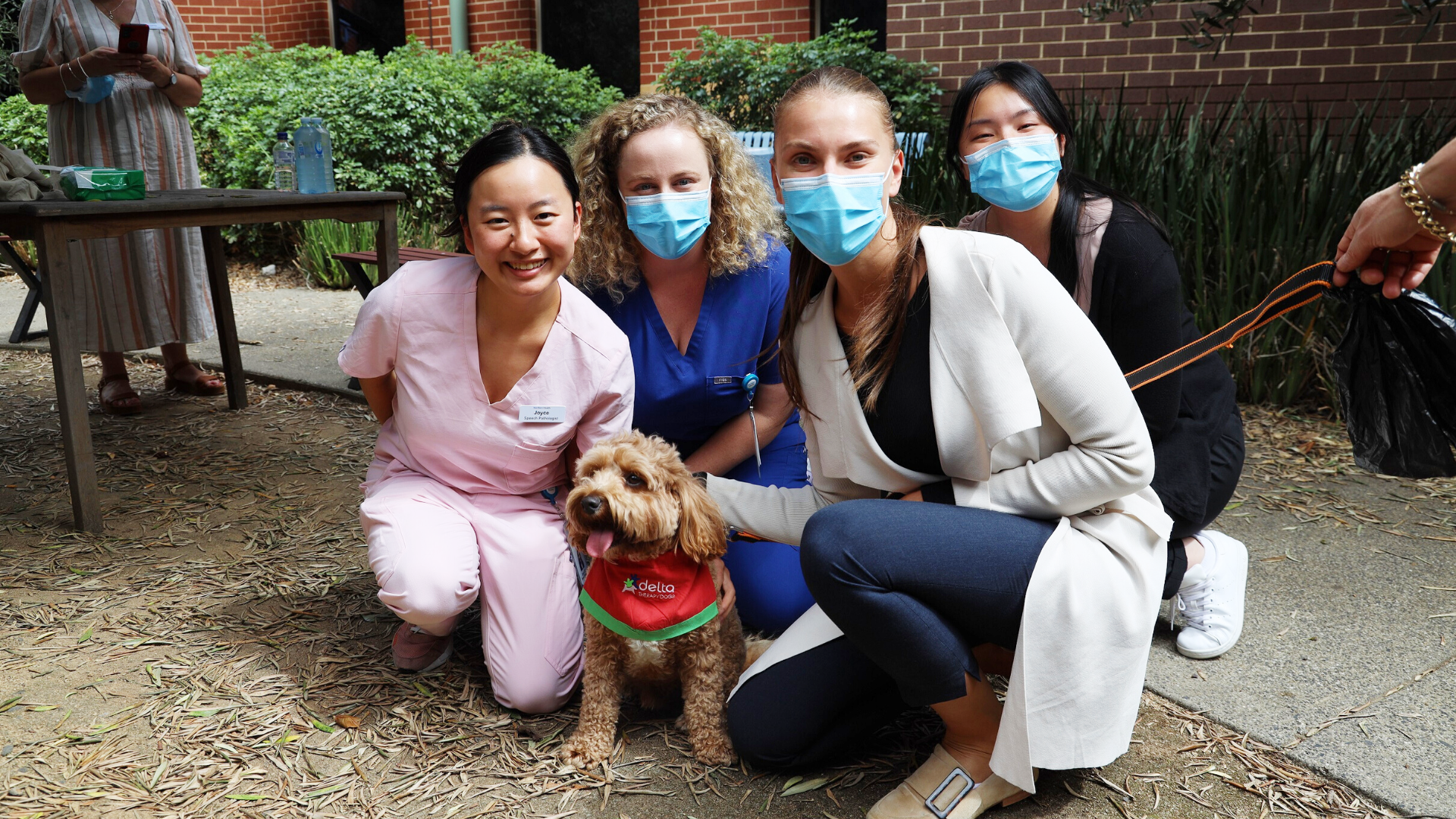
    Therapy dogs Scout, Leo and Larry provided comfort and cuddles to our hard-working staff as part of Delta Therapy Dogs Paws the Pressure Program.

    In late 2021, the Victorian Government provided health services with funding to implement initiatives aimed at improving the psychological and physical wellbeing of employees. The Northern Health All About You Initiative commenced in September last year, which recognised there was a no ‘one size fits all’ approach to improved wellbeing, with priorities and daily challenges varying amongst teams.

    This initiative provided each team an opportunity to consult their staff and select a wellbeing support to suit their area across two categories: psychological supports and staff rest and recovery spaces.

    One of the requests received from staff was dog therapy. Staff from Ward 4, Clinical E Dialysis, Day Oncology, Ward 15 and Speech Pathology were greeted with wagging tails and big smiles from the pups as Leo, Scout and Larry lapped up the attention.

    The Paws the Pressure Program aims to reduce stress and promote wellbeing by providing calming cuddles and friendly ‘paw-shakes’.

    Many Northern Health teams expressed interest in refreshing their outdoor rest spaces. With the reduction of COVID-19 restrictions, the desire to share and eat together while on break and enjoying the fresh air was a key wellbeing priority.

    Carol Setaro, Administrator for Community Therapy Services, said, “It’s wonderful. With over 30 seats for staff to enjoy fresh air on their break, it’s going to be very much enjoyed by all.”

    Connecting with nature was also valued by our mental health teams, who requested more plants across all sites.

    Carlotta Martinello, Carer Lived Experience Program Manager at NorthWestern Mental Health Service, said plants have,helped to brighten up the space considerably for staff and consumers.”

    On-site massages were also enjoyed by many teams to reduce physical tension and create a relaxation experience for teams including our Emergency Department and the Wellbeing Team. Other requests granted included meals and refreshments, psychological training/support sessions, artwork, a hydrotap for a staff kitchen, coffee machines, sensory lamps, freezers and a massage chair.

    “We are proud and impressed with the creative ideas submitted by teams, and hope that these carefully chosen resources will support their long-term wellbeing and add some small pleasures to the workday,” said the Wellbeing Team.

    Applications are now closed with some existing applications still to be processed in 2023.

    The Wellbeing Team would like to thank everyone who has supported the running of this initiative including Supply, OHS, Finance, Engineering, Accounts Payable, Communications, Operations managers, Two Hands Massage and the Delta Society.

    Staff interacting with Leo, Scout and Larry
    Northern Health staff enjoying their wellbeing support, including new furniture, office plants, massages, cathartic support and a hydro tap.
  • We Are Northern: This is the Occupational Health and Safety team

    We Are Northern: This is the Occupational Health and Safety team

    The Occupational Health and Safety (OHS) team is part of the People and Culture department at Northern Health. The team works across four units: Occupational Health and Safety, Injury Management, Staff Health Clinic and Occupation Violence and Aggression, to ensure a healthy and safe workplace for all staff at Northern Health.

    Each of the four units specialise in different areas of workplace related OHS matters, such as:

    • Occupational Health and Safety – risk assessments, incident investigations, stakeholder engagement, WorkSafe engagement, general OHS support.
    • Injury Management – early intervention, return to work support, collaboration with stakeholders, insurer management.
    • Staff Health Clinic – physiotherapy and exercise physiology appointments to improve health and performance, education on exercise and injury prevention.
    • Occupation Violence and Aggression (OVA) – prevention, management and follow up of OVA related incidents.

    OVA Coordinator, Eve Kodermann, has been an employee of Northern Health for almost 30 years. She says she has seen many changes since she first started working as a nurse at PANCH.

    “The organisation has grown significantly since I moved from PANCH in February 1998. The building expansion, workforce growth, specialties and the patients we now care for reflect the community’s growth, demographics and needs. Coming to work now, I miss the farmland on Cooper Street and the kangaroos that used to hop past the ED ambulance bay in the early hours of the morning,” said Ms Kodermann.

    The global pandemic brought many challenges to the OHS team at Northern Health. The team only consisted of six employees at the height of the pandemic, however it since managed to grow back to 13. Despite these challenges, the OHS team persevered with continued OHS delivery – incident investigations, WorkSafe engagement, injury management and staff health clinic.

    During this time, the engagement and teamwork with Respiratory Medicine and Infection Prevention to develop and implement the Respiratory Protection Program (N95 Fit Testing) was a great success for the OHS team.

    “The huge uptake of N95 respirator usage coincided with the COVID-19 pandemic, and this posed a mammoth challenge in getting staff fit tested quickly, and in a way where they felt confident that they were being protected when caring for their patients. From this, we’ve learnt how valuable N95s have been and I certainly see N95s playing an ongoing role in protecting staff at risk of exposure to respiratory diseases,” said Respiratory Protection Program Coordinator, Tess Norwood.

    OVA Educator, James Watt, joined the team in 2022 as a High Reliability Organisation (HRO) explorer and says his role helped him appreciate the work the OHS team does.

    “I love how this role enables me to bring together my areas of interest which are communication skills training and staff wellbeing. I’ve experienced first-hand the negative impact that occupational violence can have on staff so feel really committed to working with the rest of the team to make Northern Health a safer place for us all,” he said.

    In 2023, the team are focused on increased engagement and communication across all areas of Northern Health, working closely with staff and managers and delivery of training.

    OHS Team Leader, Leon Tan, says the team is delighted to launch new and exciting projects in 2023.

    “We are excited about the launch of the revamped manual handling/no lift training, our new OVA training, the collaboration with RMIT for undergraduate nurse community placement with the OVA team and the launch of the Wellbeing App, to name a few,” said Mr Tan.

    Thank you to our OHS team for making our workplace feel safe and healthy!

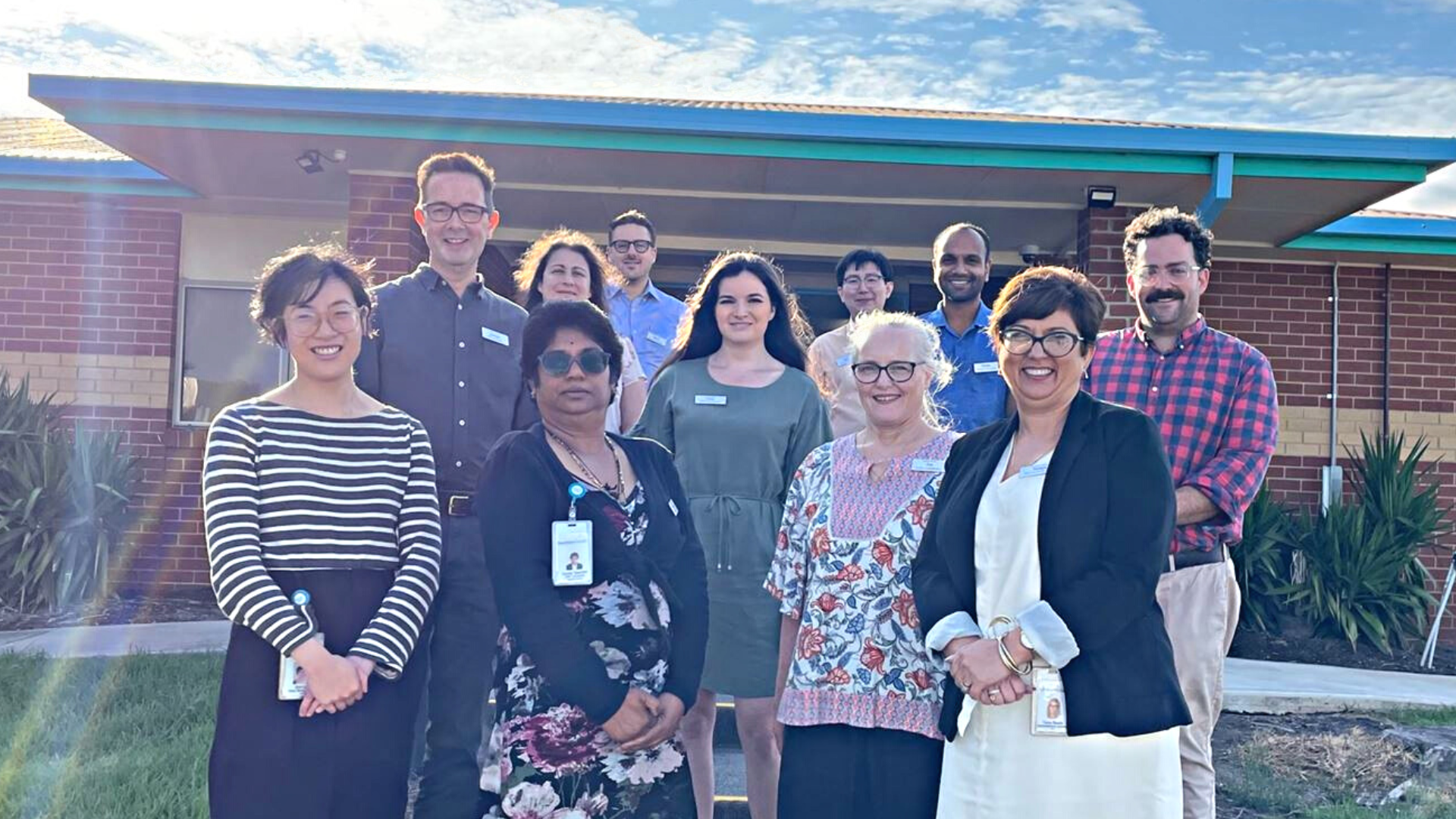
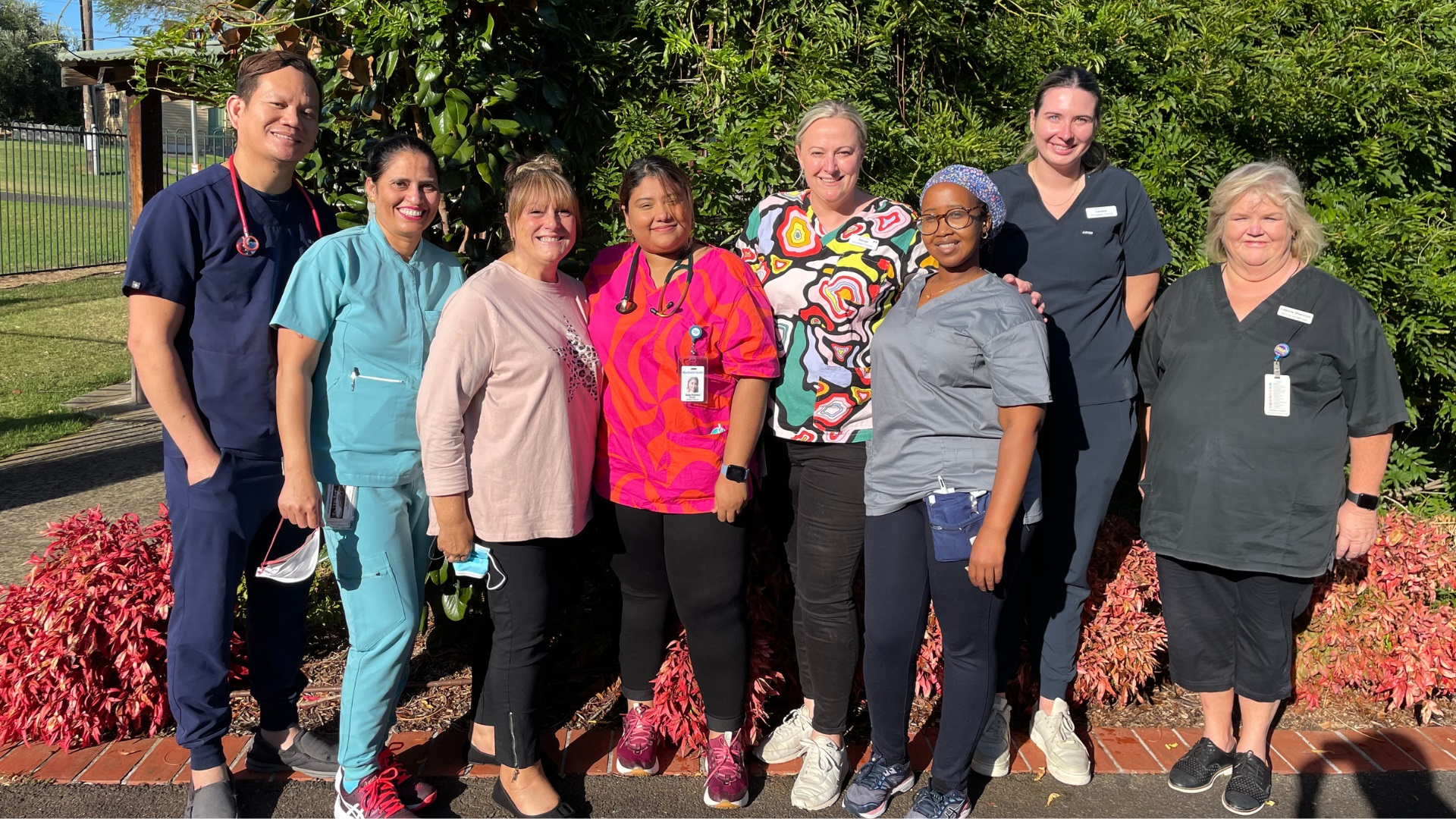
    Pictured first row (left to right): Gim Loe, Vasalia Govender, Eve Kodermann, Tanya Rando

    Second row (left to right): James Watt, Tess Norwood, Tom Cooper

    Third row (left to right): Vicki Petrou, Dylan Perera

    Fourth row (left to right): Kevin Barry, Leon Tan

  • Get to know: Julia Beckman

    Get to know: Julia Beckman

    #WeAreNorthern 

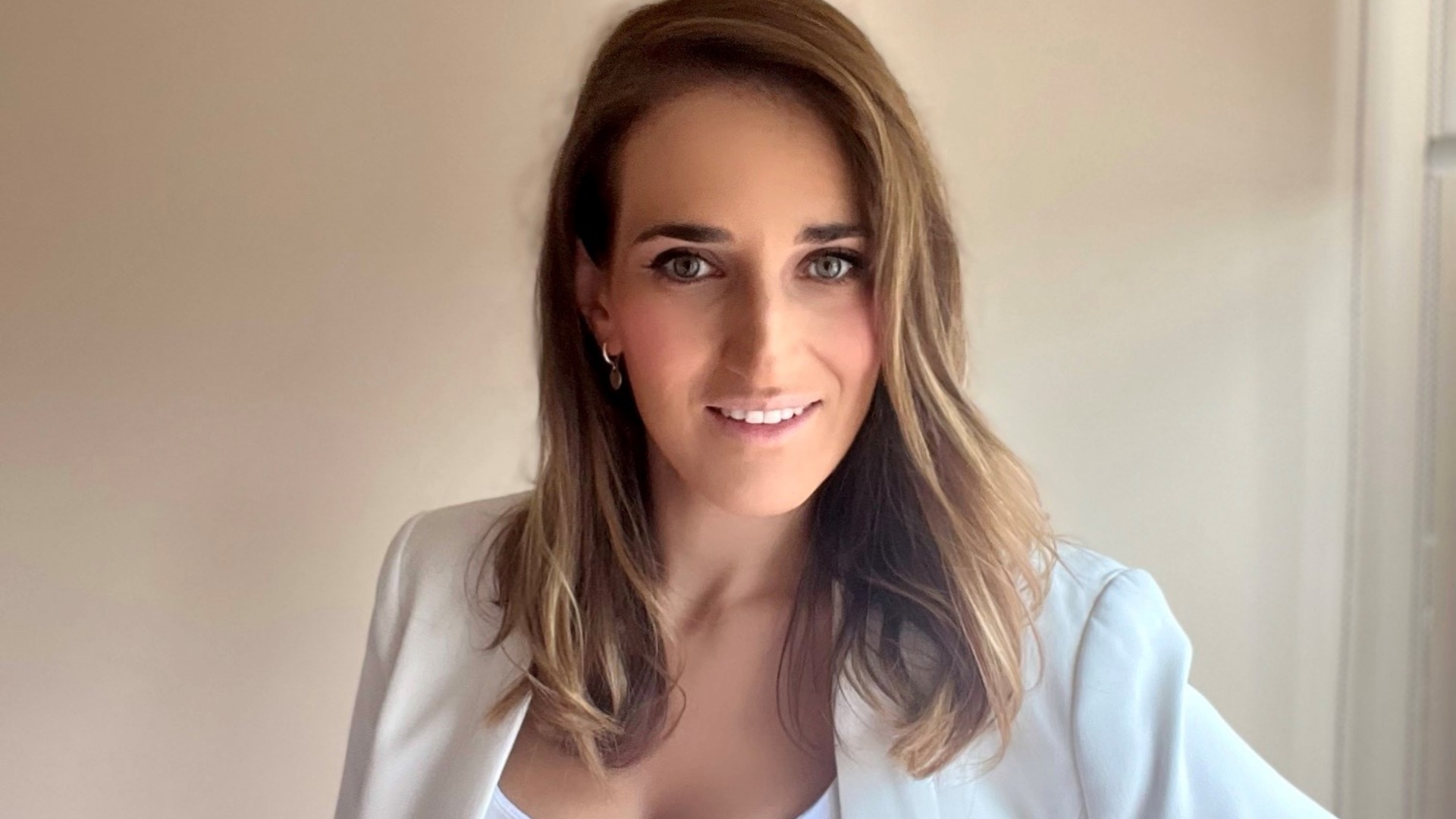
    Meet Julia Beckman, Emergency Department, Nurse Unit Manager (NUM).

    Q: What do you enjoy most about your job?

    A: As a Nurse Unit Manager, I have a deep appreciation for the impact I can make on both staff and patient outcomes. I realise I’m in a unique position to be able to facilitate change and take pride in leading quality improvement. As a leader, I also take great pride in bringing together a diverse group of individuals to work towards a common goal within a supportive and nurturing environment.

    Q: Is there anything you have implemented since starting at Northern Health that you are proud of?

    A: Since starting at Northern Health, I have made it a priority to improve the wellbeing of the ED nursing staff. To support this, I implemented a fortnightly ‘wellbeing hour’. This allows staff to finish their shift one hour early and engage in well-being activities as a group. I have also been heavily involved in engaging with the wellbeing team to promote other initiatives such as the ‘one hour back’, whereby staff start an hour later, or finish an hour earlier on weekends. Additionally, as a leader I also believe it is important to take on a hands-on approach and will regularly offer my clinical assistance when required. You will often see me on the floor checking in on staff or working in resus when my skills are required.

    Q: What have been some of the positive outcomes from the Wellbeing Focus sessions in ED that you have been involved in?

    A: The sessions have been well received by staff and overall, a measurable difference in the reduction of personal leave has been noticed. The focus sessions not only benefit the team’s wellbeing, but also strengthens the sense of community and creates a positive work environment. I am confident that this initiative will continue to foster positive relationships within the team.

    Q: If you weren’t in your current role, what would you be doing?

    A: Helping others has forever been a part of who I am – my mother would always refer to me as ‘Mother Theresa’. Along with my passion for nursing, I am also a huge animal lover. If I hadn’t chosen nursing as a career, I can see myself being part of a wildlife animal rescue group. My desire to make a positive impact on both people and animals is a reflection of my caring nature and my commitment to making a difference in the world.

    Q: What is one thing people don’t know about you?

    A: The career path I took to get into nursing wasn’t easy and I found myself pursuing my university education as a single mum with two young children. Nevertheless, my drive and passion got me through, and I have never looked back. My oldest daughter, who is now commencing VCE, is striving to follow in my footsteps to become a nurse and I couldn’t be prouder!

  • Digital care pathway for patients with back pain

    Digital care pathway for patients with back pain

    Dr Adam Semciw, Associate Professor of Allied Health, was recently awarded funding from the Transport Accident Commission (TAC) to develop a digital care pathway for patients attending the Emergency Department (ED) with back pain.

    In collaboration with the Northern Health Allied Health Department, the Clinical Leadership, Effectiveness and Outcomes (CLEO) team and the School of Allied Health at La Trobe University, $149,000 has been allocated as part of the TAC’s Value-Based Healthcare Grant towards Dr Semciw’s project – ‘Co-design, implementation and evaluation of an innovative digital care pathway for patients presenting to the Emergency Department with back pain.’

    “Back pain is a debilitating condition affecting one in six Australians, and is the second leading cause of disease burden,” Dr Semciw said.

    “Our research responds to the urgent need for cost-effective, accessible, inclusive digital solutions in healthcare. Our study aims to co-develop, implement and evaluate a digital care pathway for back pain patients, including transport accident victims, who present to the ED at Northern Health, and are seen in our Northern Health Back Pain Hot Clinic.”

    The project will undertaken in two phases, with phase one involving co-design and development.

    “We will conduct a series of co-design workshops. Health practitioners, other health system workers and people seeking care for back pain in the ED will be engaged,” Dr Semciw said.

    “Workshops will focus on understanding the lived experience of people with back pain and explore the acceptability, barriers, enablers and required adaptions of implementing a digital care pathway. We will also aim to understand the different types of educational resources that patients with back pain may benefit from engaging with.”

    Phase two of the project involves implementation and evaluation.

    “Patients will be tracked along their care journey and patient-reported outcomes (PROMs) will be collected over 12 weeks. Experiences will be collected from all participants to determine demand and acceptability using surveys,” Dr Semciw said.

    “Semi-structured interviews will be conducted on a subset of participants to establish richer information on barriers and facilitators on this digital model of care.”

    Approximately 1,700 patients with back pain present to the Northern Hospital Epping ED each year. Dr Semciw says the project will enable healthcare providers to work together with patients to determine an individualised treatment plan, which can potentially lead to faster and better recovery from low back pain.

    “Patients with back pain are notoriously difficult to manage for a number of reasons, including the need to assess for and exclude life-threatening causation such as a ruptured aortic aneurism,” he said.

    “Gaining more insight into what matters for patients is a key focus for this collaboration. Having more objective data on this will allow us to tailor further resources accordingly.”

    The multi-disciplinary and multi-institution collaboration between the Allied Health Department and CLEO team at Northern Health, and the School of Allied Health at La Trobe University is an important aspect of the project.

    “An innovative back pain clinic developed and run by Northern Health Physiotherapists Tom Collins and Nicole Alousis, provides a fantastic opportunity to develop and test such a platform, and aligns with a priority patient group for the TAC,” Dr Semciw said.

    “They have teamed up with Dr Katharine See and Tracey Webster from the recently established CLEO team at Northern Health. The CLEO team have experience rolling out digital care pathways across other departments in Northern Health. Rounding out the team are our professional researchers and evaluators including myself as well as Dr Matthew King who formerly served on the clinical panel at the TAC, and our expert back pain researcher, Associate Professor Andrew Hahne. We have recently employed a Research Assistant (Milly Bell, La Trobe U) who will use her qualitative research experience during focus groups and workshops.”

    “Together, we were able to develop a plan for implementation that was funded by the TAC.”

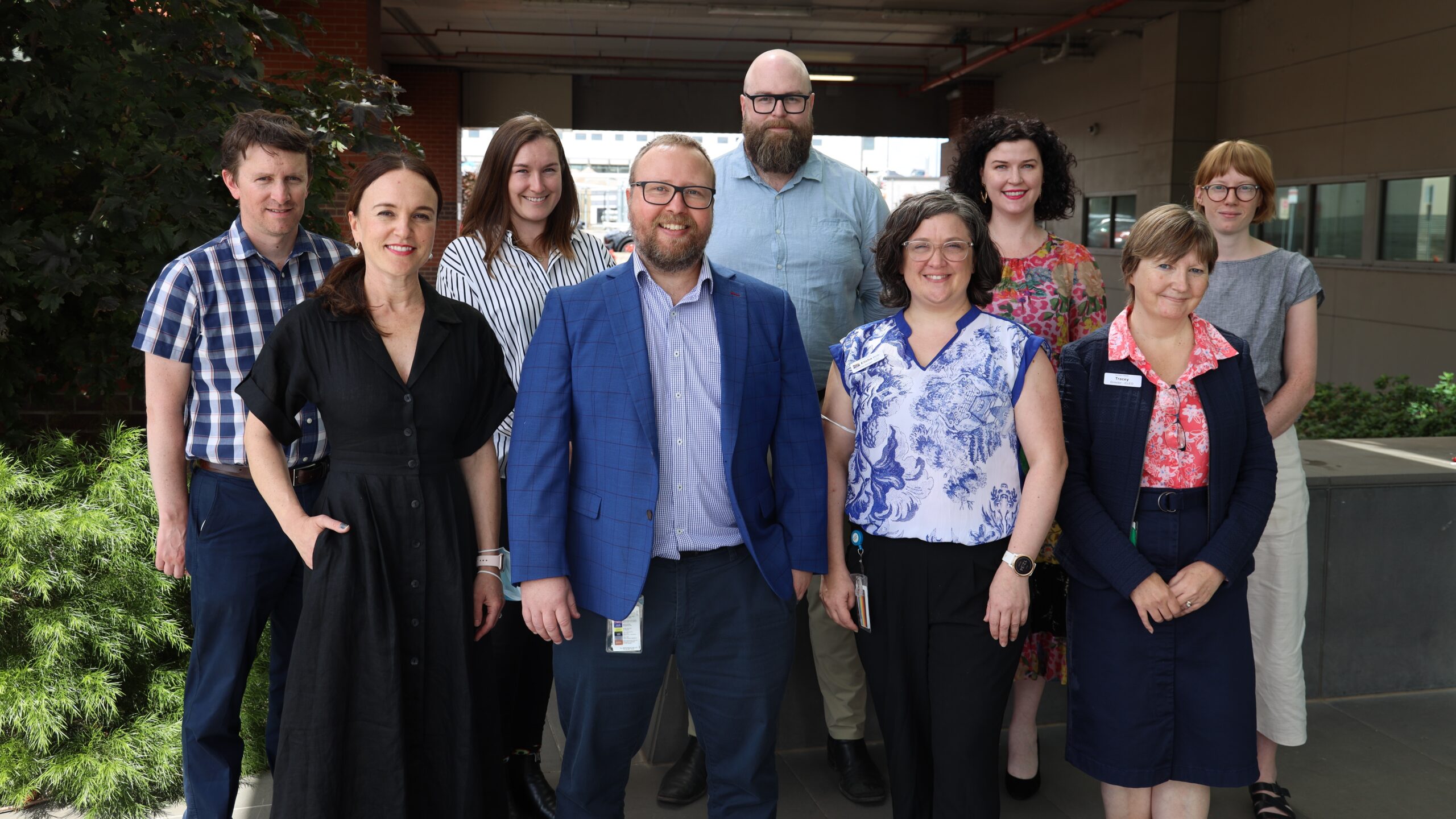
    Featured image: L-R back row: Professor Andrew Hahne, Physiotherapy Discipline Lead and expert Back Pain Researcher, La Trobe University, Milly Bell, Research Assistant for BackTrac, La Trobe University, Dr Matthew King, Lecturer in Physiotherapy, La Trobe University, Dr Katharine See, Chief Health Outcomes Officer – CLEO, Natalie Tirant Executive Assistance – CLEO

    L-R front row: Nicole Alousis, Physiotherapist, Back Pain Hot Clinic, Northern Health (Allied Health), Dr Adam Semciw, Associate Professor of Allied Health, La Trobe University and Northern Health (Allied Health), Elisha O’Dowd Effectiveness & Outcomes Manager – CLEO, Tracey Webster Director CLEO.

  • Northern Health Foundation marks International Women’s Day 2023

    Northern Health Foundation marks International Women’s Day 2023

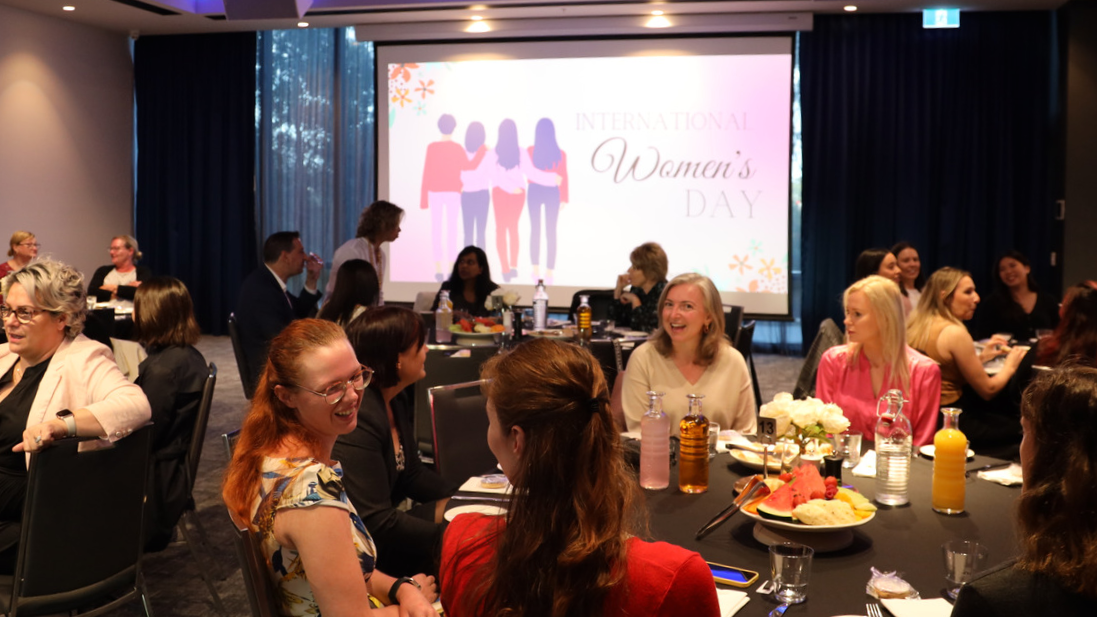
    This morning, 145 Northern Health staff, Board members and guests gathered at Mantra Epping to celebrate International Women’s Day 2023.

    Attendees were welcomed by Northern Health Executive Director, Pina Di Donato, who highlighted the importance of the event as an opportunity to discuss equal access to healthcare for our local community.

    “Northern Health is always working towards fixing the gaps in the care provided to women in our region; equality isn’t a ‘nice to have’ – it’s a ‘must have’,” she said.

    Among those in attendance was the Hon. Mary-Anne Thomas, Minister for Health, who spoke about the diverse and growing community in the northern suburbs of Melbourne, as well as acknowledging the challenges the pandemic has had on Northern Health over the past few years.

    “I firmly believe that it’s my job to work with senior healthcare leaders to ensure we deliver equitable care to every woman. I want to ensure that our nurses, allied health staff and clinicians all have the opportunity to grow their careers so this can happen. We dedicate a lot of money and effort training our highly qualified nurses, and then about seven years in, or after they have children, they fall off a cliff. We need to look at this workforce and see what is making it so difficult for them to continue to utilise this expertise,” she said.

    Ms Thomas also reiterated the importance of access to high-quality healthcare for women and the Victorian state government’s commitment to creating 20 new women’s health clinics that will provide comprehensive care for Victorians needing treatment and advice on issues like endometriosis, pelvic pain and menopause.

    “We’ve come a long way in women’s health, but there is more to do – that’s why we will deliver new women’s health clinics, more sexual and reproductive health hubs and double the number of endometriosis surgeries,” she said.

    Northern Health’s Operations Director, Outpatients, Kathryn Bartho, shared her touching cancer survival story with guests, recounting her diagnosis in January 2020 at age 32 and the journey of receiving treatment at her own workplace.

    “I was lying in bed and felt a lump in my breast, so as a nurse I knew I had to get it checked out. My GP sent me for an ultrasound and during the ultrasound I kept asking “why are you clicking?” and “are you measuring something?”…I just knew she was clicking too much,” she said.

    “I felt lost, confused and numb after my diagnosis. Within five weeks of finding that lump, I received my first chemotherapy session with my husband by my side, however due to COVID restrictions, he was one of the few people able to be with me throughout. The rest of my support team was made up of the amazing oncology doctors and nurses, holding my hand and being with me the whole time.”

    Ms Bartho spoke glowingly of the care she received at Northern Health, telling how she was able to receive chemotherapy in the comfort of her own home and was able to work from home throughout her treatment.

    “The journey was a rollercoaster. Seven weeks into my treatment, I succumbed to my hair loss and shaved my head, as did my husband in solidarity with me. I think it’s important to acknowledge that, in a global comparison, my cancer experience is unique, and that not all women have what I have. I’ve been very lucky to be surrounded by strong women all my life and encouraged to achieve, grow and learn at every opportunity,” she said.

    “International Women’s Day is about celebrating women across the globe and the main message I want people to walk away with today is surround yourself with people that allow you to be you, that want to share in your success and celebrate your achievements. As women, standing together united we can achieve greatness.”

    Pictured: Attendees at the Northern Health Foundation International Women’s Day event.

  • We are Northern: This is the Kath Atkinson Wing GEM

    We are Northern: This is the Kath Atkinson Wing GEM

    The Kath Atkinson Age Geriatric, Assessment and Management Unit (KAW GEM), is one of two units, along with the Kath Atkinson Wing Older Adults Mental Health Inpatient Unit, based in the Kath Atkinson Wing – KAW AGE at Bundoora Centre.

    The unit is named in recognition of the outstanding contribution from Kathleen Atkinson to the former Bundoora Extended Care Centre (BECC). In 1972, Ms Atkinson worked tirelessly to help raise funds to build BECC, and in 1973, she formed the Preston Auxiliary, of which she was President.

    The KAW GEM unit is a unique, 15-bed secure specialist geriatric assessment unit that provides care for individuals who are experiencing cognitive decline and medical illness.

    The unit’s multidisciplinary team believe that care should be directed towards assisting the individual to regain a level of independence best suited to them. The staff are committed to providing quality care with an innovative approach.

    KAW GEM NUM, Leanne Shannon says she is very proud to work with an amazing team.

    “The nurses on the ward demonstrate patience, creativity and empathy in their approach to problem solving and patient care. This prevents escalation to behavioural crisis. The allied health team are thorough and practical and our expert neuropsychologists provide amazing support and management strategies,” she said.

    “What happens as a result is a kind of magic. Where else would you find a senior nurse supporting a junior nurse while ballroom dancing with a patient, or a spontaneous chair aerobics class led by allied health and attended by smiling, giggling patients previously admitted from their residential care facilities due to unmanageable behaviours.”

    The pandemic created some challenging times for the staff at KAW GEM, with patients having to be isolated and some not being able to comprehend why they were unable to see their loved ones. During this time, the staff implemented innovative ways to assist with communication, such as video chats with patients’ families.

    KAW Occupational Therapist, Renee Catton, said the care provided is a very good example of patient-centred multidisciplinary care.

    “Having video access during the pandemic was instrumental in providing comfort to patients. During this time, staff were all wearing personal protective equipment (PPE) and lost their human appearance, and for people with dementia that was incredibly difficult to adjust to,” she said.

    With new and exciting projects coming up, the KAW AGE GEM Unit is proud of initiating Tree of Care – a project aimed at highlighting Northern Health’s values and objectives via a tree on the wall with its leaves featuring positive statements.

    The staff are also in the process of designing and implementing responsive behaviours quick reference flip cards, designed as an on-the-spot point of reference for health professionals and care staff who work with people with dementia. These cards will address 10 common behaviours and recommended assessments.

    KAW GEM Dr Naba Waheed said working for the ward has been both challenging and extremely rewarding.

    “The best thing about this ward is the amazing care provided by the nurses and the NUM. The leadership I have seen here is unlike any other,” said Dr Waheed.

     Thank you to our staff at KAW GEM for all your hard work and dedication!

  • Shared Decision Making: How partnering with consumers creates best outcomes

    Shared Decision Making: How partnering with consumers creates best outcomes

    The National Safety and Quality Health Service (NSQHS) Standards provide a nationally consistent statement of the level of care consumers can expect from health service organisations. The primary aims of the Standards are to protect the public from harm and to improve the quality of health service provision.

    Standard 2: Partnering with Consumers, together with Standard 1: Clinical Governance, underpin the principles and expectations of the eight NSQHS Standards. The standard recognises the importance of involving patients in their own care and providing clear communication to them, as part of shared decision-making and person-centred care.

    “In health care decision-making we need to consider the health care options – the pros and cons of treatment, the patient, and what is important to them. Bringing these together creates shared decision-making and results in the best decision for the patient,” said the Shared Decision Making and Consent Standard 2 Subcommittee Chair, Anne Marie Fabri.

    Anne Marie met with Northern Health patient, Verdiana Filippi, to explore her experience of shared decision-making.

    Verdiana was diagnosed with breast cancer following the discovery of a breast lump.

    As Verdiana talked about her journey from diagnosis to treatment, she described multiple occasions where clinicians engaged in shared decision-making, enabling Verdiana to partner with clinicians in decision-making.

    Verdiana was able to make decisions for herself, in the context of her values and life circumstances. Trustworthy clinicians and trustworthy communications were important components of Verdiana’s care.

    “I never felt overwhelmed, and they never used huge words that I can’t understand. If I don’t understand something I always asked. I never felt like they were not telling me things, not saying everything they should have said,” said Verdiana.

    The surgeon explained the recommended surgery, showed Verdiana pictures of proposed surgeries and provided information to read later.

    “He made sure he went through everything to make it as easy as possible,” she said.

    By sharing her fears about needles and asking about options for minimising needle punctures, she felt listened to by staff who found ways to work with her on this.

    “The person in charge, she looked after me like I was her own daughter. I told her I am very scared of needles. I asked if there’s a chance they can put in a cannula and do a blood test from there.  She spoke to one of the nurses and did everything in one go and so I just had one needle,” said Verdiana.

    “The Breast Care Nurse came to see me just before the operation and she bought me a little bag of things and she asked, “Are you okay?” and, “Is there anything I can do?” So that makes you feel very looked after… and if I had any question, there was someone there I could ask for.”

    Staff took the time to get to know Verdiana, learn what is important to her, what worried her and earnt her trust.

    “All the people made me feel very taken care of and confident. I never felt rushed. They took their time, and they were compassionate, and they always made me feel like a normal person; not a sick patient,” she said.

    To find out more about Northern ‘Standard 2 Partnering with Consumers’ at Northern Health, click here

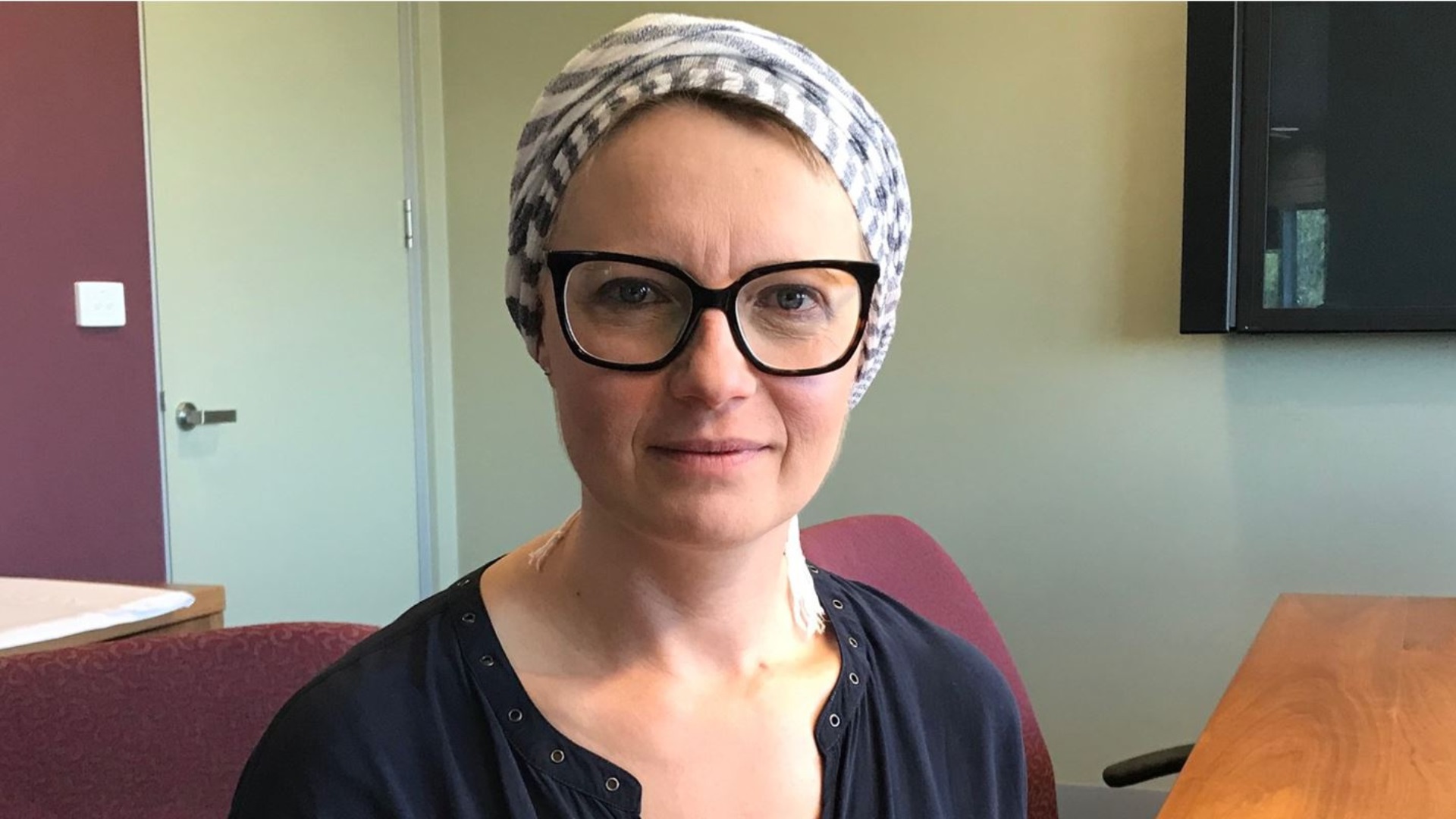
    Featured image: Verdiana Filippi 

  • Get to know: Nikolajs Zeps

    Get to know: Nikolajs Zeps

    #WeAreNorthern

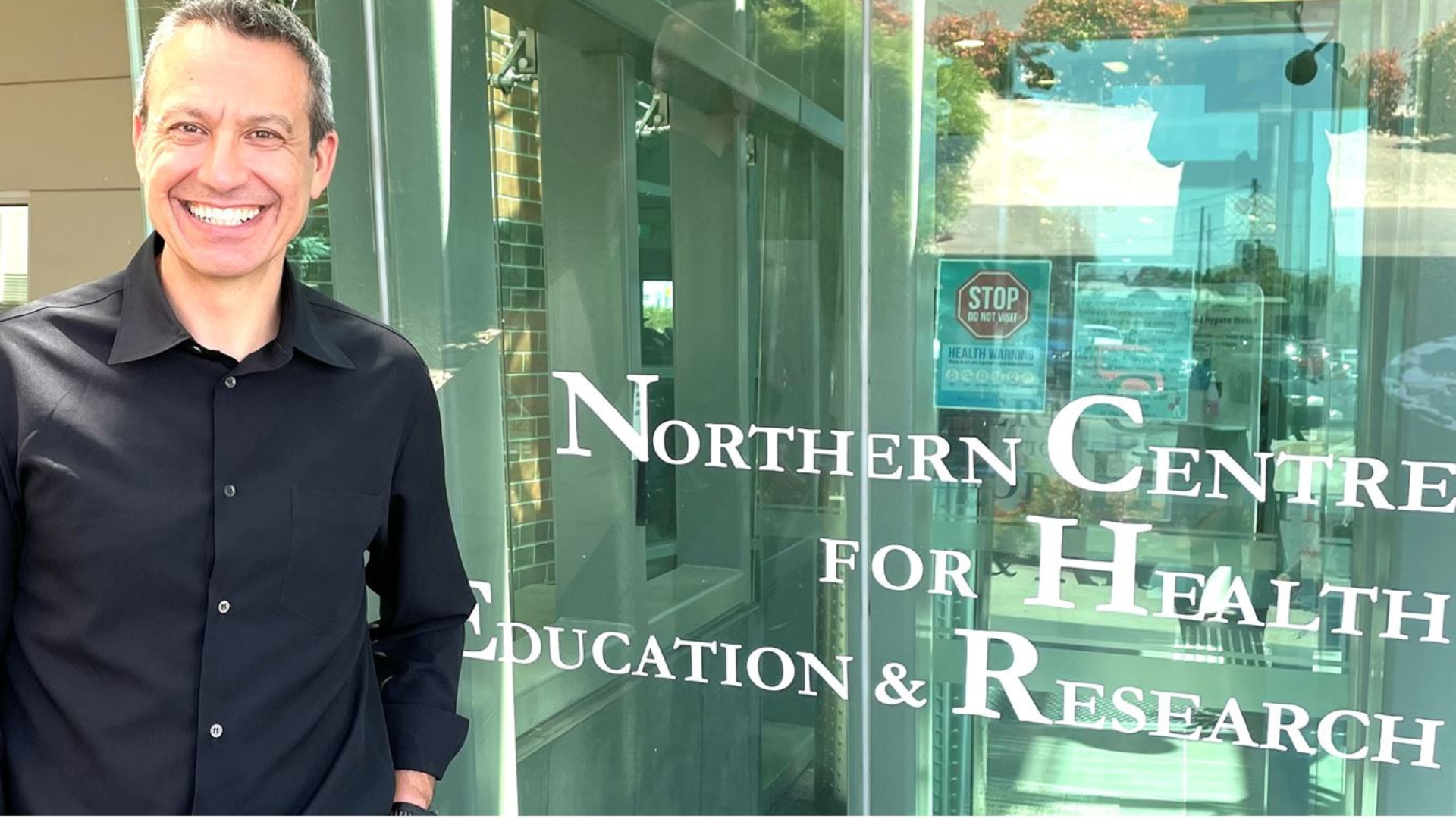
    Meet Nikolajs Zeps, Director of Research

    Q: Tell us about your Northern Health journey?

     A: I first did some work at Northern Health in July 2021 as Consultant to review the research activities. This led to a report delivered in November 2022. I came back again in June 2022, to assist with completing some of the recommendations and in December 2022, the role of Director of Research was advertised. I saw a great opportunity to work with Northern at that time, so applied and was very happy to be selected to do the role.

     Q: How would you describe Northern Health?

    A: It is a vibrant, growing health service, with a hugely talented and dedicated workforce, that delivers essential services to its community.

    Q: If you weren’t a Director of Research, what would you be doing instead?

    A: I really enjoy cycling, so probably doing that through the beautiful countryside of Australia, and possibly also France, Spain and Italy following the grand tours.

    Q: What are some things people don’t know about you?

    A: That’s quite a broad question. I imagine people think I am English by origin, but in fact my parents were refugees from Latvia after the Second World War, and I didn’t speak English until I was 5 years old.

    Q: What is your favourite place you have visited and why?

    A: I still love Australia the most. It has such diversity and natural beauty. I am very grateful to be living here. In Victoria, I particularly like the high country around Bright, but also the Otway forests and the area at the top of Wilson’s Prom.