• Research Executive Committee: Growing engaged learners and inspired researchers

    Research Executive Committee: Growing engaged learners and inspired researchers

    The appointment of a Research Executive Committee (REC) is a significant step in fostering the next generation of engaged learners and inspired researchers at Northern Health.

    Dr. Rebecca Jessup, Deputy Chair and Lead of the Research Advisory Group, says, “As a hospital that is experiencing exponential growth, it is important that we develop a strong reputation for high quality research. This will help us to recruit the best clinicians, as well as ensure we can provide the best care for our patients.”

    The REC is tasked with advising the Chief Medical Officer and the Chief Executive and its role in promoting, coordinating, and supporting research activities across the health service is of paramount importance. Developing key partnerships with our university and community partners is yet another area of focus for the committee. The REC also oversees research governance and quality at Northern Health.

    A/Prof Prahlad Ho, Chair of the Research Executive, says, “Having a REC will help us to meet our key priority of growing engaged learners and inspired leaders and promote high-quality clinical care.”

    The impressive team of experienced clinician researcher leaders leading the program will work to ensure that research conducted within the hospital is of high quality, ethically sound, and aligned with the hospital’s strategic goals. Just as important, they will work on embedding a culture of research at Northern Health.

    Wanda Stelmach, Chief Medical Officer, says, “This is an important step towards Northern Health being recognised as a health service where the care of patients is driven by research to ensure high quality clinical care; where clinicians in allied health, nursing and medicine will together drive better care for their patients while at the same time growing their clinical and academic portfolios. Northern Health is setting itself up to be the preferred health service for innovative research.”

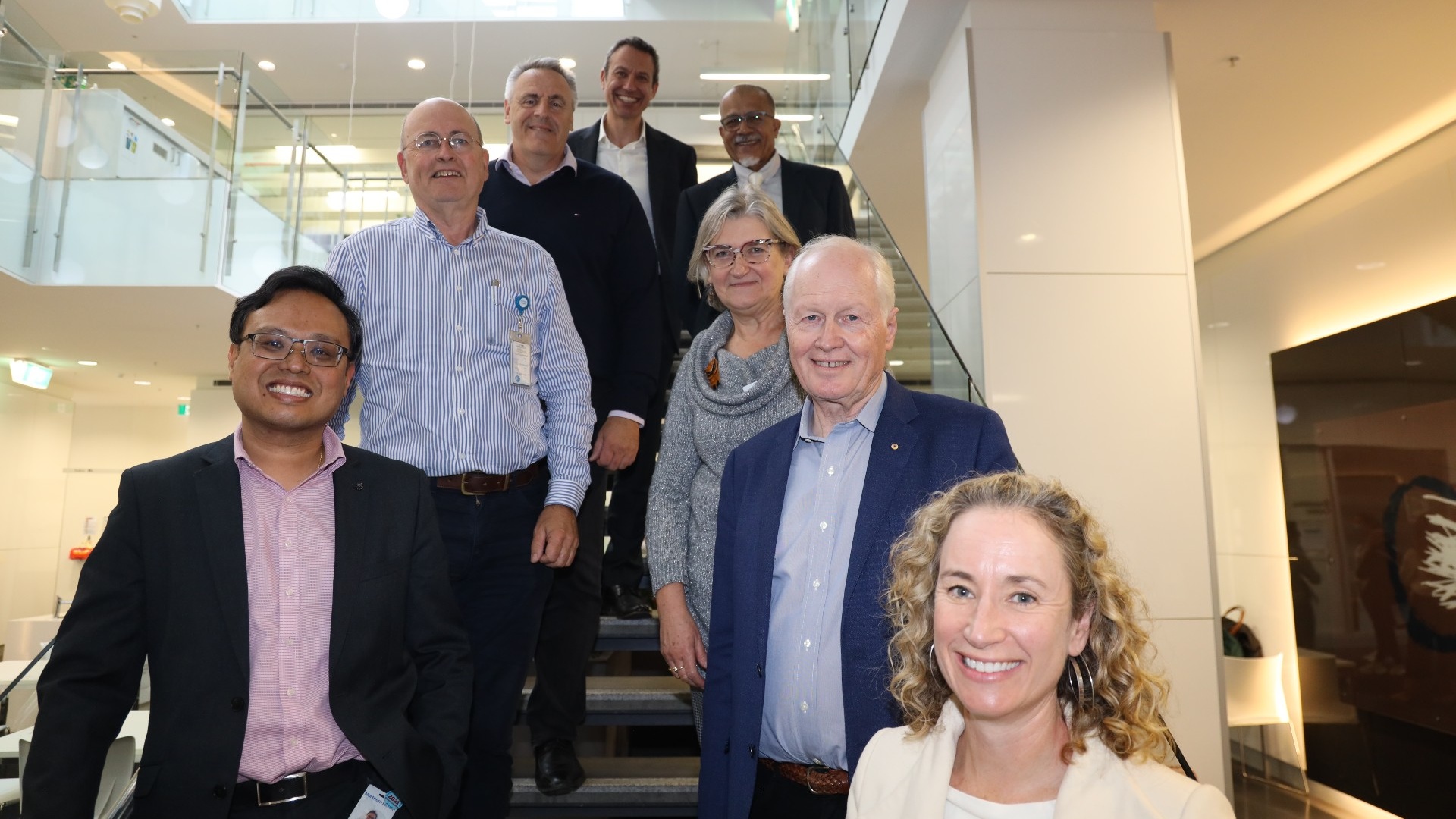
    Pictured from left to right: A/Prof Prahlad Ho, Chair of Research Executive Committee*, Prof Donald Campbell*, Prof Russell Hoye, Pro Vice Chancellor, La Trobe University, Prof Nik Zeps, Director of Research*, Prof Shekhar Kumta, Professor of Surgery*, A/Prof Wanda Stelmach, Chief Medical Officer, Prof Geoffrey Donnan AO, Senior Research Advisor and former Director of Florey Institute of Neurosciences and Mental Health*, Dr. Rebecca Jessup, Deputy Chair of the Research Advisory Committee*

    *Northern Health staff who are members of the Research Executive Committee.
  • Chews-Day’s story: New easy to chew diet for patients

    Chews-Day’s story: New easy to chew diet for patients

    A new ‘easy to chew diet’ will soon come into play for Northern Health patients.

    The easy to chew diet consists of normal, everyday foods of a soft and tender texture, of any shape or size. Patients should be able to bite off pieces of soft and tender food and choose bite-sizes that are safe to chew and swallow.

    Currently, staff use the ‘soft dental diet’ code which includes hard dry biscuits, toast and bread. With the easy to chew diet, multigrain bread, hard dry biscuits and toast will be removed, making way for soft cakes, soft bread – including white and wholemeal bread – and sandwiches with soft bread and soft fillings. Raw vegetables are also not included in the easy to chew diet.

    Jasmine Wong, Speech Pathologist, said the Speech Pathology department reviewed recommendations from the International Dysphagia Diet Standardisation for patients on an easy to chew diet.

    “Easy to chew food may be used if you have a strong enough chewing ability to break down soft and tender foods into pieces without help, you have no increased risk of choking and do not have swallowing problems,” she said.

    “This texture may be right for you if you usually choose to eat soft food, have weaker chewing muscles for hard and firm textures, but can chew soft and tender food without tiring easily.”

    “It may also be a good choice if you have been sick and are recovering strength.”

    The new easy to chew terminology is in the process of being implemented internationally to maintain consistence of diet recommendations across health settings. Northern Health will start using the easy to chew diet terminology in line with the EMR go live date of 4 September.

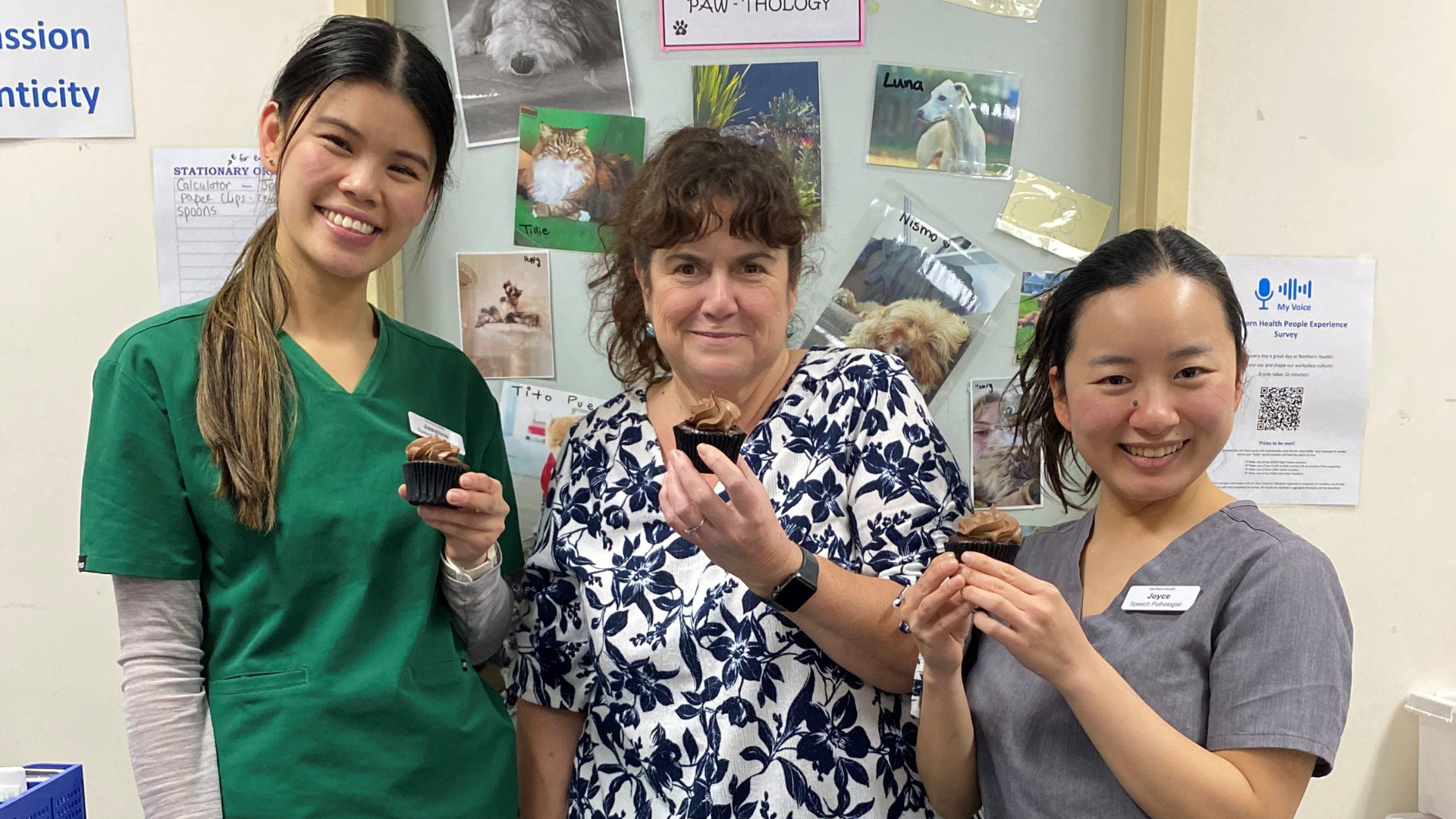
    Featured image: Jasmine, Speech Pathologist, Lauren, Speech Pathology Allied Health Assistant and Joyce, Speech Pathologist.

  • Keep practising in the EMR!

    Keep practising in the EMR!

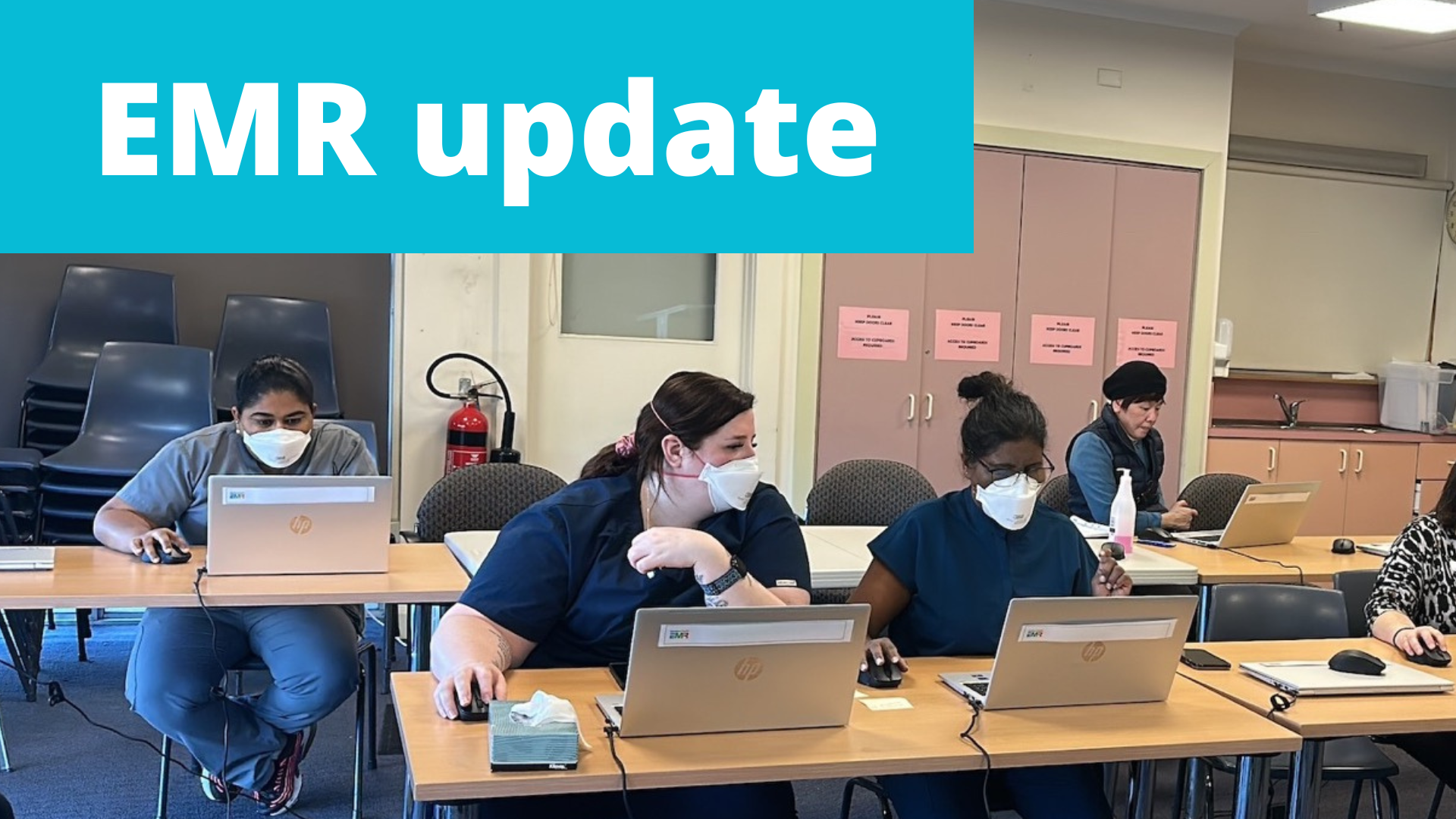
    We are only six weeks away from the Electronic Medical Record (EMR) going live! Training is full steam ahead and we have more than 1000 staff trained.

    Staff who have completed training will be able to access the Train Domain (a mock-up version of the EMR) to practice. This is set up so you can practice the new skills you have learned in training.

    To practice, simply follow the instructions and use the practice logins provided on the EMR website. We have a list of scenarios available in the participation guides to support you in this process. You are more than welcome to come up with your own scenarios as well!  In training, we aim to cover as much content as we can to equip you with the go live. However, you might need more practice on workflows that are specific to your area of work to feel even more confident in using the EMR.

    The EMR team is also running dedicated practice sessions across Epping, Broadmeadows, and Bundoora, where a trainer will be present to answer any questions that you might have.

    Annabel Milonas, Director of Education – Nursing and Midwifery, is supportive of the practice sessions. “After attending training, the key for me is to now continue doing the practice sessions and I encourage all educators to do the same and promote in your areas with your super users helping as well. This is how we can strive for adoption when the EMR goes live,” says Annabel.

    A famous blue fish once said, ‘just keep swimming’. With the EMR going live in less than 50 days, we need to ‘just keep practising!’

    Watch the short video below, of Ms Wanda Stelmach attending EMR Surgeon training!

  • Get to know: Snezana Poposka

    Get to know: Snezana Poposka

    #WeAreNothern

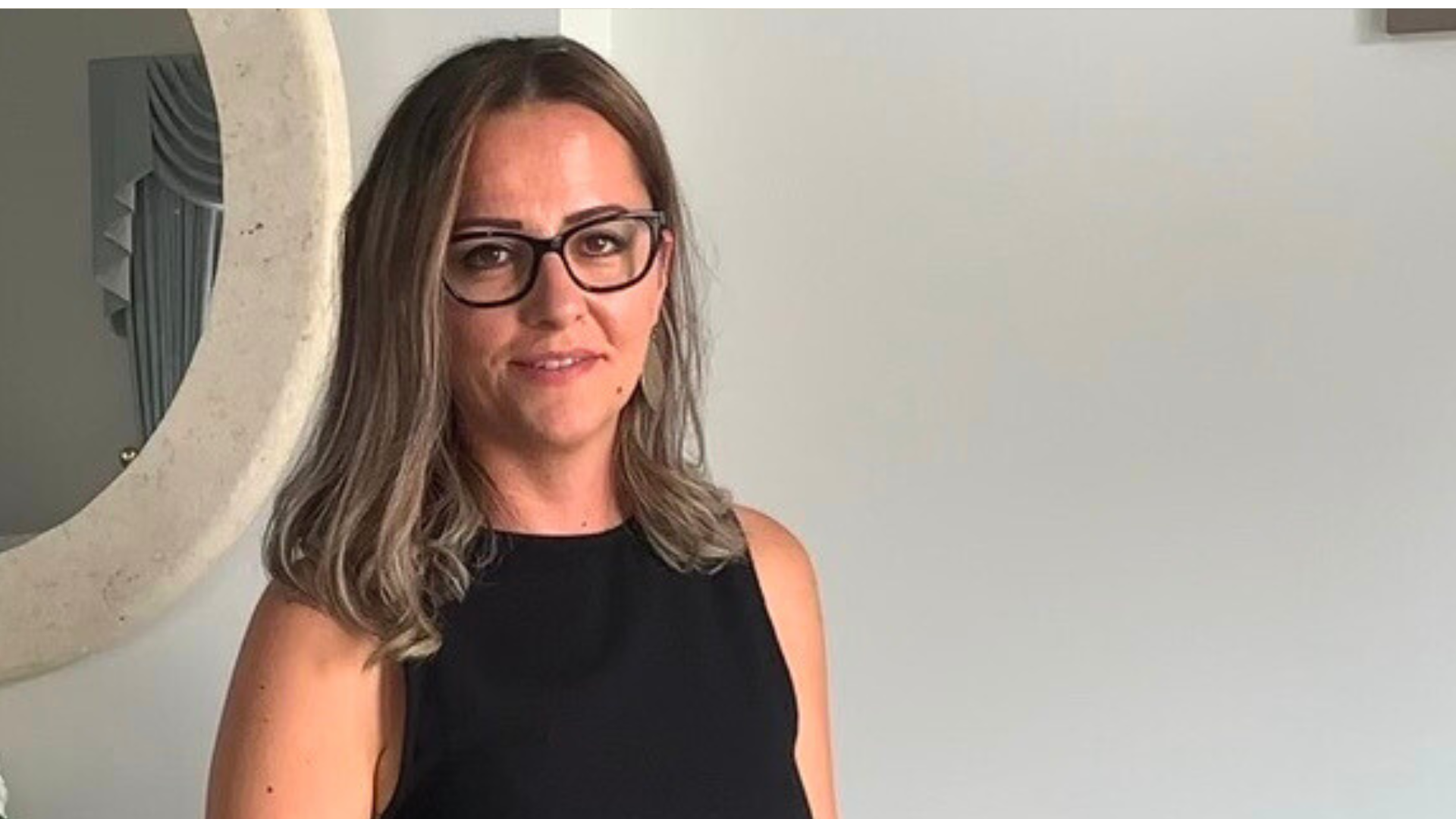
    Meet Snezana Poposka, Facility Service Manager, Bundoora Centre.

    Q: What was your first job?

    A: My first ever job was back home in Macedonia. I worked in a high school canteen, serving the students.

    Q: Who made a difference in your life as a kid?

    A: I come from a family of five kids, and I am also a twin, so my siblings have always been the ones that made a difference in my life. I had always looked up to them, and they showed me how to
    become a better person and achieve more in life.

    Q: What do you love most about your job?

     A: I am very passionate about working with people, and I’m a people person in general. Working with patients and staff and looking after them in my current role as a Facility Manager in a healthcare setting is very rewarding. I get to help the community every day and work with some amazing staff in my team. I love the passion that each individual brings to the job and everyone working towards achieving the same goal: getting our patients and residents better while they are in the hospital.

    Q: Tell us about a professional goal that you have set for yourself and worked towards achieving it?

    A: I had always worked towards getting a job in administration, and I can say I have overachieved my goal by reaching a management role – which now makes me set an even bigger goal to work towards achieving an even higher position.

    Q: Beach or mountain?

    A: Beach all day every day – I grew up in a town by the water and it’s something that I have missed the most since I moved to Australia.

  • Northern Pathology – On the right track

    Northern Pathology – On the right track

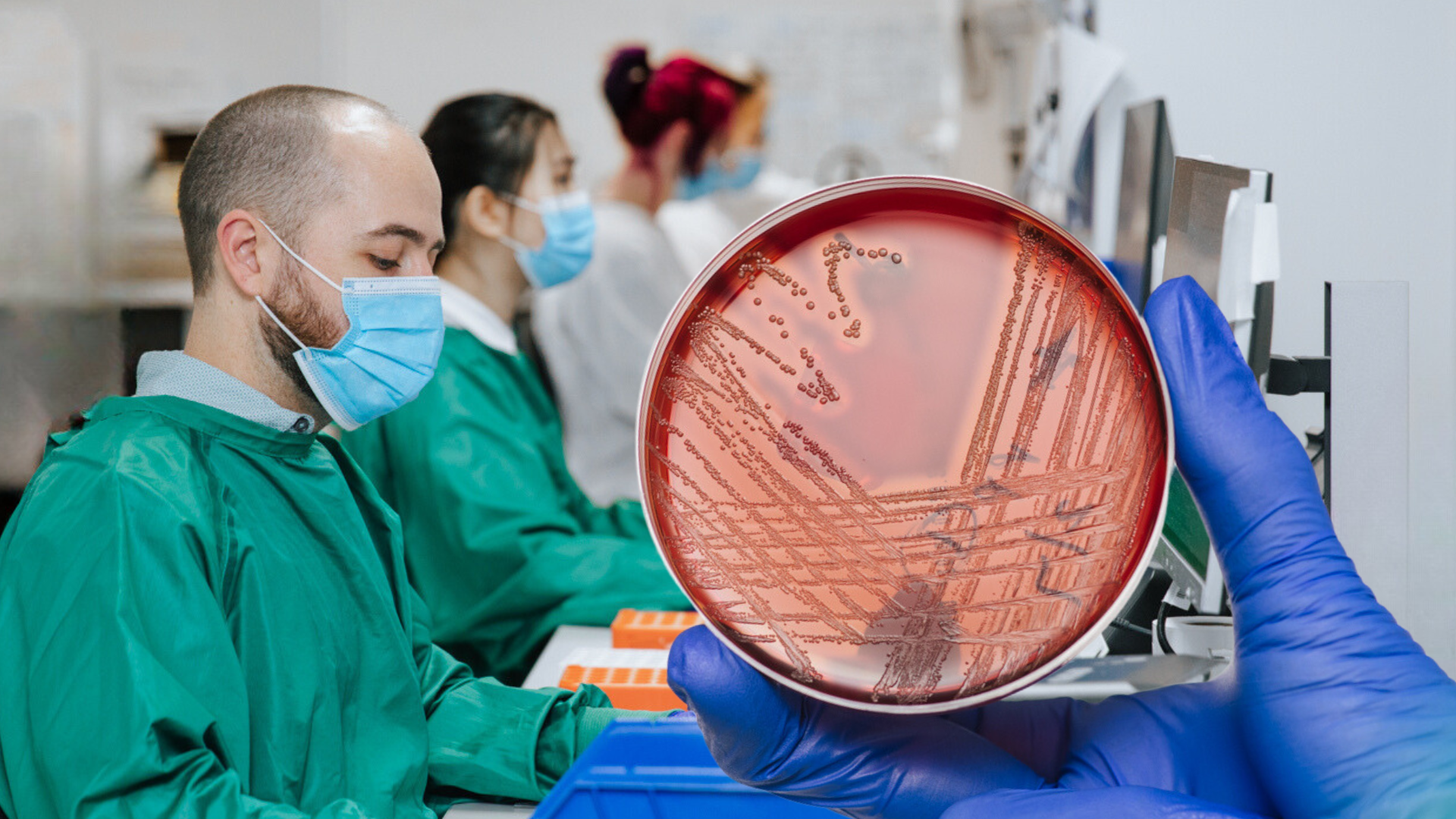
    Northern Pathology Victoria is moving in the right direction when it comes to efficient laboratory practices with the aid of the Abbott GLP Track.

    Following the lab transitioning to an in-house service at Northern Health in 2019, a milestone in itself, plans were being made to upgrade the equipment to help streamline the laboratories workflows.

    Northern Pathology’s principal scientist Niki Lee commented, “We’ve had lots of interest from other public pathology labs wanting to come and view the track, I think we’re one of the best labs out there.”

    The track itself, the first in Victoria, is fully automated and includes various modules dedicated to specific tasks along the samples journey. Reading barcodes, weighing, de-capping test tubes and splitting tubes into sub-samples (Aliquots) are just some of the pre-analysis tasks it can do.

    “Hopefully by the end of the year we’ll be able to integrate a new hematology analyser to the system, adding to our existing analysers along the track,” said Mr Lee.

    The system is fully upgradable and expandable, with the ability to grow with the service as required, but the real heroes of pathology are the people. The GLP Track is able to take on some of the essential yet mundane elements of the process, freeing up the staff to focus their efforts and expertise on other pivotal moments in the lab.

    “Because the track picks up errors earlier in the process, staff enjoy a more efficient workflow and that leads to better patient flow throughout the hospital,” Mr Lee added.

    Northern Pathology Victoria continues to forge ahead. Thank-you for your innovation and your tireless testing.

    Featured image: Northern Pathology staff leading the way.

  • Timely Emergency Care Collaborative (TECC)

    Timely Emergency Care Collaborative (TECC)

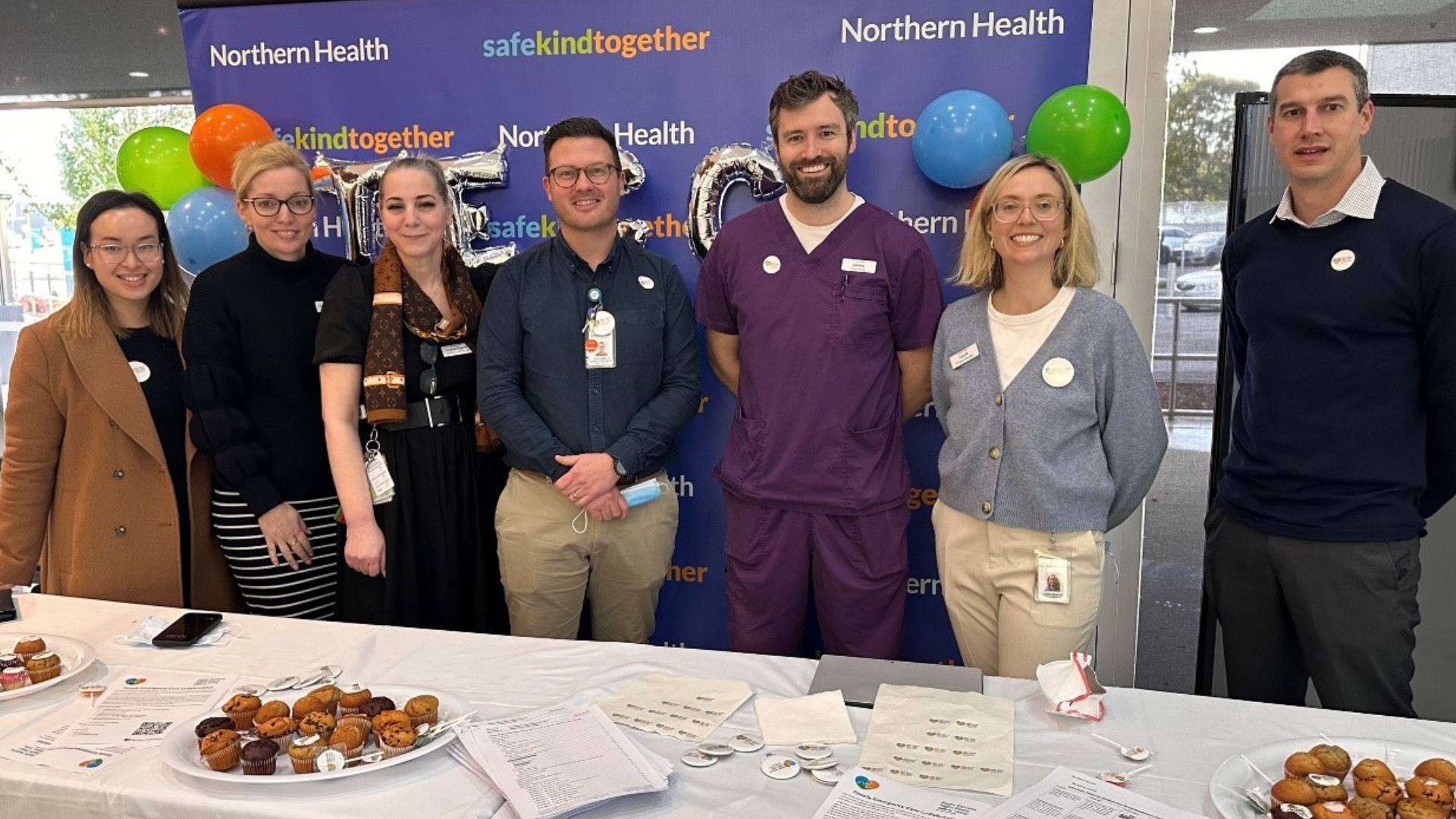
    Northern Health is proud to be a part of the Timely Emergency Care Collaborative (TECC), a statewide initiative involving 15 health services and Ambulance Victoria. Officially launched last month, the primary focus of TECC is to identify systemic opportunities to improve access to emergency care and address them.

    Lora Davies, Divisional Director of Access and Sub-Acute Services, said, “We’re improving the way we process our patients, from when they come in the front door to when they leave, to ensure that everything is streamlined and to support a safe and calm environment for both patients and staff.”

    Some improvements to the process are already bearing fruit, like weekend huddles for the Plastics and Orthopaedics teams allowing for potential early patient discharges, streamlining radiology visits post-surgery, and discharge scripts post ward rounds.

    The addition of a virtual triage next to the emergency waiting room has been an outstanding success.  Since the launch, the Victorian Virtual Emergency Department (VVED) team has successfully served over 300 patients. Remarkably, out of these patients, an impressive 270 individuals were able to return home following their virtual consultation, thanks to the efficient and accurate assessment provided by the program. This streamlined process eliminates the need for patients to endure lengthy waiting times and enables them to receive timely care without compromising quality.

    The ultimate goal of TECC is to optimise patient placement and ensure every patient receives the right care in the right place, the first time. Optimising patient flow through the hospital is key to ensuring patients presenting to the emergency department (ED) are cared for in a timely manner.  Sometimes referring patients to Priority Primary Care Centres (PPCC) outside of the hospital is a far more efficient use of resources, once patients are expertly assessed and given alternatives for their care, based on specific criteria.

    The initiative is truly collaborative, combining three streams within the hospital operational, inpatient and emergency department.

    “This ensures the best flow through the hospital that we can, which means less wait times in ED, by ensuring the right patients are presenting to emergency, and that we prioritise timely discharges to facilitate beds for patients moving from ED to the wards,” said James Ash, Senior Pharmacist.

    The more staff are actively involved and collaborate in this initiative, the better able we’ll be to improve our hospital’s emergency care services. Together, we can make a significant difference in delivering timely and quality care to our patients.

    We encourage you to take this opportunity to share your insights, suggestions, and experiences, as they will play a crucial role in shaping the success of TECC. A link to the ideas scale is found here.

    Featured image: Staff promoting TECC at the launch.

  • We are Northern: This is the Audiology team

    We are Northern: This is the Audiology team

    The Audiology department is based at Northern Hospital Epping, and aims to identify and manage hearing impairment in children from six months to adults, referred from within Northern Health. Most referrals come from the Ear Nose and Throat Service and the Paediatrics teams, with some from Oncology, Neurology, Infectious Diseases and other clinics.

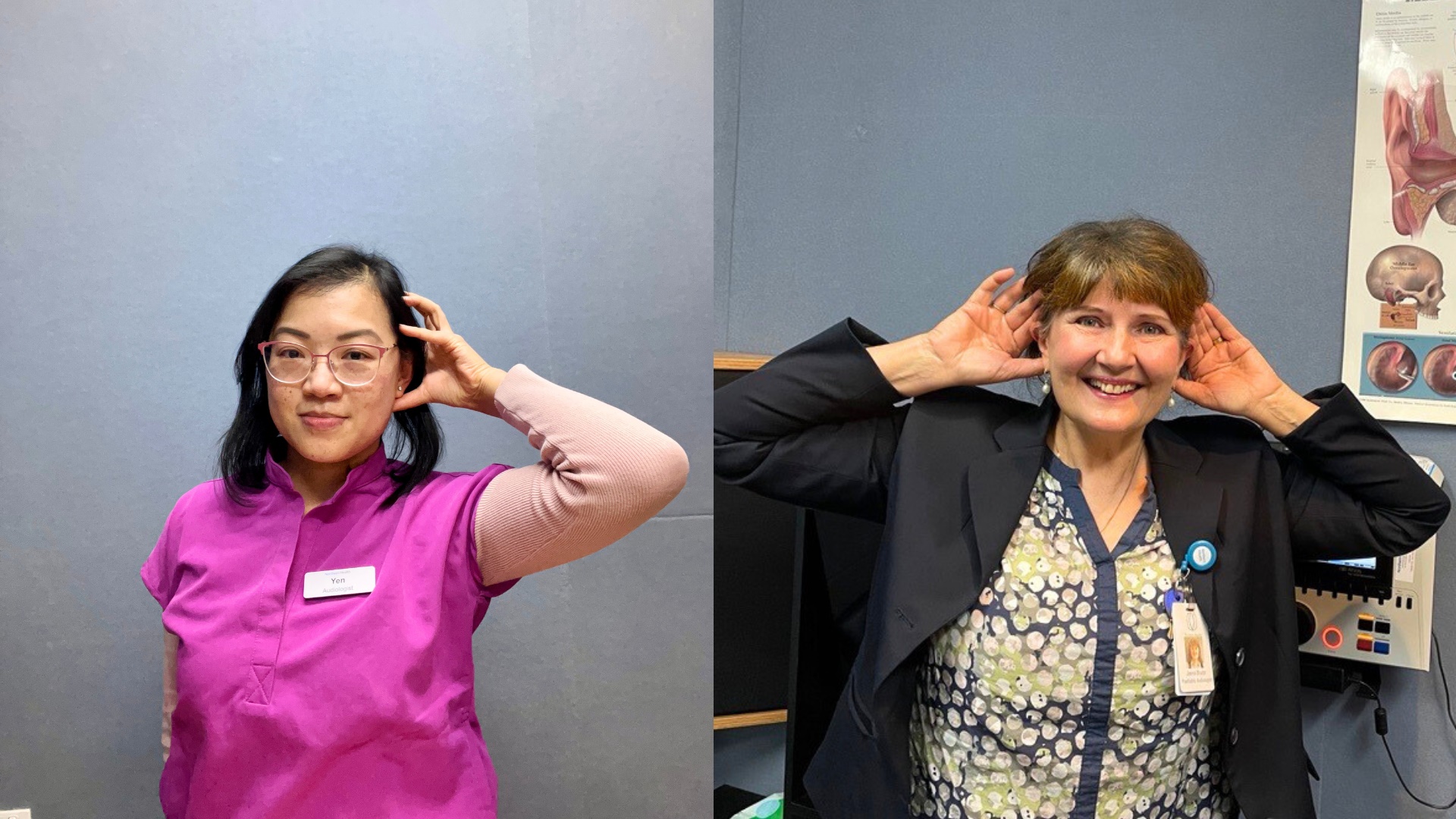
    Audiology operates five days a week and consists of two part-time audiologists, Jasna Bruce and Yen Nguyen. The department is located in Specialist Clinics (Room 36) and is supported by the Associate Director of Allied Health – Dietetics, Speech Pathology, Audiology and Orthoptics.

    An audiologist is a health-care professional specialising in identifying, and the non-medical management of disorders of the auditory and vestibular system. Audiologists also help design and implement personal and industrial hearing safety programs, newborn hearing screening programs, school hearing screening programs, and provide special fitting ear plugs and other hearing protection devices to help prevent hearing loss.

    During the pandemic, the clinic was closed for a time and became innovative by partnering with community audiology clinics to assist with the demand. During this time, Audiologist Jasna Bruce became a PPE trainer for Allied Health and a COVID-19 spotter for the Mental Health wards (when they were in the Red zone), and also a COVID-19 Tracer at Broadmeadows Hospital during lockdowns.

    “It was a really interesting time and one that I will never forget, but I really enjoy working at Northern Health and have been here for 13 years.  I enjoy Audiology because hearing is associated with speech development, learning, behaviour and the wellbeing of children. It is also associated with many quality-of-life measures for adults, so it’s very important to detect hearing loss and do something about it if needed,” said Jasna.

    “As you can imagine, we have lots of supportive conversations with patients during their time in the Audiology clinic. One of the best feelings is when a child is diagnosed with a conductive hearing loss, has grommets inserted and immediately we see their hearing improve to normal.”

    In 2023, the staff are excited about achieving significantly reduced patient waiting times.

    “With the increased staffing, we are able to service referrals and review patients in a timely manner. Less pressure on the whole department allows us to be more thorough with our follow-ups. We are also looking forward to potentially expanding our services into other areas of audiology in future,” said Yen.

    “If the door is open, please come and say ‘hi’.”

    Thank you to the Audiology team for all that you do for our patients.

    Pictured in featured image (L-R): Yen Nguyen and Jasna Bruce.

  • Reverend Melanie Moore awarded Best of Care

    Reverend Melanie Moore awarded Best of Care

    Reverend Melanie Moore, Anglican and Palliative Care Chaplain at Northern Health, was recently awarded the Best of Care Award 2023 by Spiritual Care Australia (SCA).

    Melanie was presented with this honour at the SCA Conference in June for her best practice and excellence within the spiritual care sector. SCA is the professional association of practitioners in spiritual care, pastoral care and chaplaincy.

    “I feel humbled and honoured. I didn’t even have an acceptance speech written as I was doubtful I would win. I am thankful for being nominated and for working with such wonderful people across many disciplines within Northern Health,” she said.

    Melanie has been delivering spiritual care since 2004, and since 2006 at Northern Health, where she promotes spiritual wellbeing and continuity of care to a diverse range of patients, their support network, and staff.

    As the Anglican and Palliative Care Chaplain at Northern Health, Melanie spends most of her time in the Palliative Care Unit at Northern Hospital Epping, supporting the spiritual and emotional wellbeing of patients, their loved ones and staff. As an Anglican priest, she also supports patients who request rituals in the Anglican faith tradition and leads bereavement support service to care for the next of kin patient who have died on the ward.

    “The role is varied, and I love it. The rewards are numerous. I absolutely love the way that person-centred listening, compassion, and support can bring hope, peace and resilience for our patients and their support people,” Melanie said.

    “A great reward is working with such dedicated staff who share my love in caring for and supporting others – it’s not just a job.”

    Melanie says a common misconception about the Spiritual Care department is that it only offers faith rituals to those who identify with a faith tradition, and chats with “lonely” patients. While this is true, the department offers much more.

    “Spiritual Carers are trained and accredited to assess and support individuals’ spiritual and emotional needs in the form of a supportive presence, conversations, rituals and ceremonies and supply sacred texts and resources,” she said.

    “We respect and support individuals’ belief systems and values. A hospital admission can challenge deeply held beliefs, life meaning, and purpose. Our team is available to support individuals as they seek to process and integrate their experiences, and we refer to support services as required.”

    Reflecting on her award, Melanie says her close-knit team inspires her to do her best every day.

    “I want to take this opportunity to thank the wonderful people I work with – our small but mighty Spiritual Care team and the Palliative Care Multidisciplinary team. You inspire me,” she said.

    Natalia Dewiyani, Spiritual Care Coordinator, said it was a privilege to work alongside Melanie.

    “She has dedicated herself to Northern Health for 17 years. Winning the national award is an outstanding achievement and a testament of her excellence care and dedication. Her knowledge, wisdom, skills and most importantly, her caring heart, is an invaluable asset for us and Northern Health. Congratulations Mel, you truly deserve it,” she said.

    Dr Cheryl Holmes OAM, Chief Executive Officer, Spiritual Health Australia, said Melanie exemplifies the standard of spiritual care that should be in place across every health service.

    “Congratulations Melanie on this recognition for your work as part of the Northern Health Spiritual Care team,” she said.

    On behalf of everyone at Northern Health, we give Melanie a big congratulations on this significant achievement. Thank you for all the work you do for our patients and their loved ones.

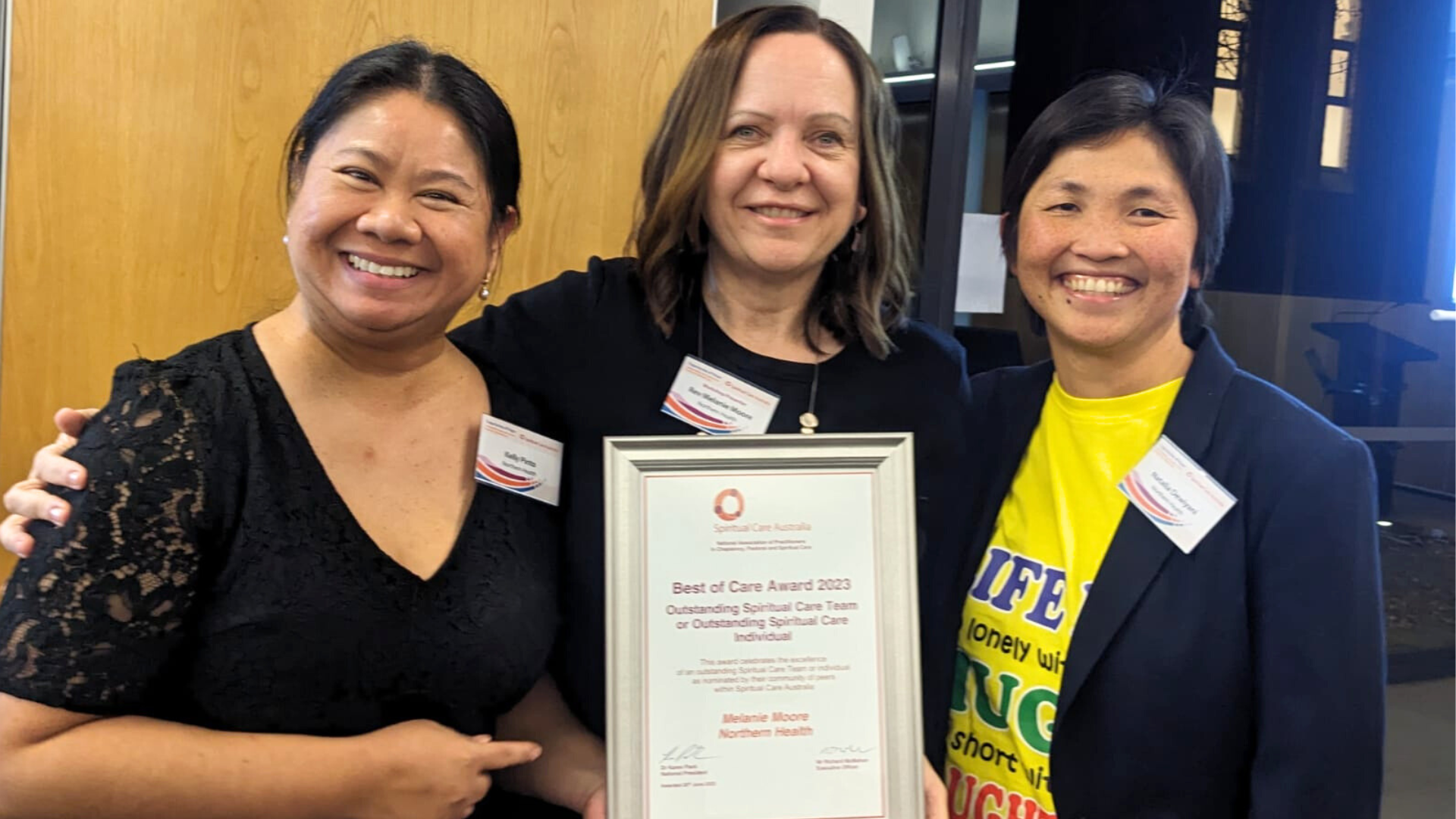
    Featured image: Northern Health Spiritual Carers Kelly Pinto and Reverend Melanie Moore with Natalia Dewiyani, Spiritual Care Coordinator.

    Dr Karen Pack, Spiritual Care President and Reverend Melanie Moore