
• RAT style test could save the lives of thousands of newborn babies

    RAT style test could save the lives of thousands of newborn babies

    A new test, similar to COVID-19 rapid antigen tests, could detect a common infection in expecting mothers within minutes, potentially saving the lives of 150,000 newborns around the world every year.

    Group B Streptococcus (GBS) bacteria is carried by one in five pregnant women, and GBS infection can cause serious complications, leading to preterm births, stillbirths and neonatal deaths. The good news is the infection, once detected, is easily treatable with standard antibiotics.

    RMIT University is part of a consortium that has just won $3 million in funding in the latest Cooperative Research Centres Projects (CRC-P) round for StrepSure®, a sensor technology that’s anticipated to be able to identify GBS bacteria within minutes.

    Northern Health is delighted to partner with RMIT, EXSEN Biotech and Atomo Diagnostics for this important trial.

    RMIT has already filed a provisional patent application to protect the key intellectual property underpinning the GBS sensor technology. Within the next three years, the RAT-like technology will undergo large-scale clinical trials and be taken to regulators in Australia, the United States and the United Kingdom.

    Associate Professor Prahlad Ho, Chair of Northern Health Research Executive Committee and Divisional Director of Diagnostic Services, said Northern Health was proud and excited to be the clinical partner in the project, which will help improve clinical outcomes for babies.

    “As one of the busiest healthcare providers in the region, Northern Health is committed to providing the best care for its large volume of clinically and ethnically diverse populations through its research collaborations and partnerships,” he said.

    “Northern Health’s clinical partnership, led by Professor Lisa Hui and the Northern Pathology team, will enable the clinical testing of the diagnostic sensor being developed, thereby making it available for wider and equitable use in the community.”

    Pictured left to right: Professor Shekhar Kumta, Professor of Surgery, Northern Health, Mr Thomas Hanly, CEO, NexSen, Mr Mark Muzzin,Chairman, NexSen, Associate Professor Prahalad Ho, Chair of Northern Health Research Executive Committee and Divisional Director of Diagnostic Services) and Professor Vipul Bansal, Founding Director, Sir Ian Potter NanoBioSensing Facility, RMIT University.

  • Shining light on February: Ovarian Cancer Awareness month

    Shining light on February: Ovarian Cancer Awareness month

    February marks Ovarian Cancer Awareness month and is dedicated to raising awareness and providing support for those affected by ovarian cancer.

    Ovarian cancer is a malignant tumour that grows in one or both ovaries and is the ninth most common cancer in Australia. According to Cancer Council Australia, it is estimated that each year, about 1,720 Australians are diagnosed with ovarian cancer.

    While over 80 per cent of people diagnosed are over the age of 50, ovarian cancer can occur at any age and it can be difficult to diagnose in its early stages, as symptoms can often be non-specific or similar to those of other diseases.

    “Unfortunately, at present, it is difficult to detect ovarian cancer early as symptoms tend not to develop until the cancer is more advanced. Symptoms can be vague and include persistent abdominal pain and bloating. If you experience any persistent new concerns, you should see your doctor in a timely manner,” said Dr Frances Barnett, Medical Oncologist, Northern Health.

    Although further research is needed to fully comprehend the origins of ovarian cancer, currently, there are no targeted tests, screening procedures, or preventative measures available to mitigate the risk of ovarian cancer in women.

    “Ovarian cancer is not as common as many other cancers including breast and bowel cancer. Some people with hereditary cancer syndromes such as BRCA (BReast CAncer gene), are at higher risk of ovarian cancer when compared to the average person, and these women are frequently advised to have their ovaries removed after completing their family to reduce their risk,’ said Dr Barnett.

    Even though the only way to really prevent ovarian cancer is to remove your ovaries, this is not necessary for most women. According to Dr Barnett, “More important is general cancer prevention which can be done by eating well, exercising regularly, maintaining a healthy weight, not smoking, moderating alcohol consumption, and having recommended screening tests for certain cancers (cervical cancer, breast cancer, bowel cancer, and lung cancer, for those who smoke).”

    Ovarian cancer is usually diagnosed by a combination of preliminary tests performed by a doctor, including a pelvic exam, radiological tests, blood tests and ultimately, a surgical biopsy.

    For more information on ovarian cancer, visit the Cancer Council website.

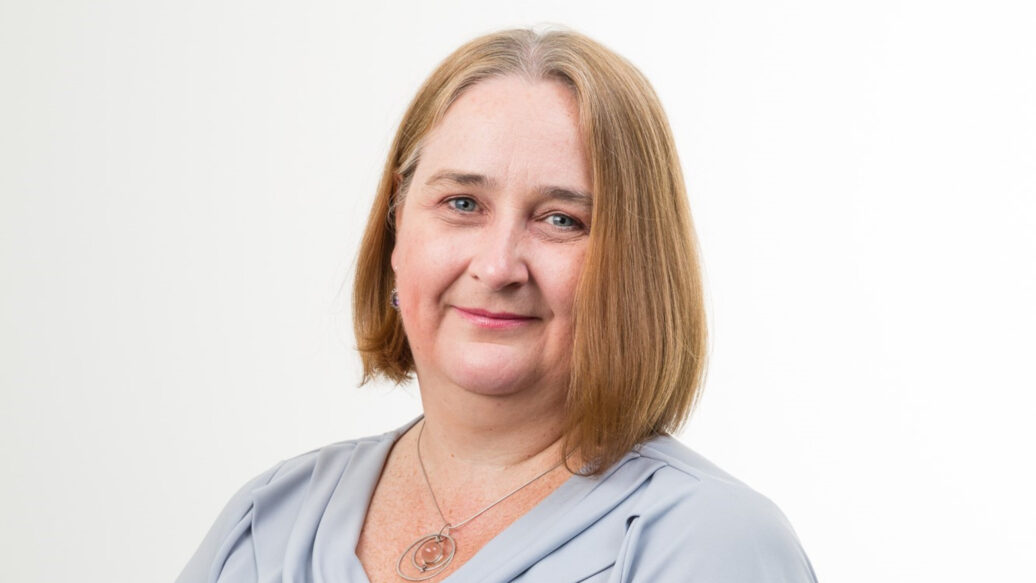
    Featured in the image: Dr Frances Barnett, Medical Oncologist.

  • Standard 4 – What you need to know

    Standard 4 – What you need to know

    In the lead up to organisation wide Short Notice Accreditation, each week Northern Health will be focusing on a different Standard. You will hear from the Chairs of each Standard Committee on what you need to know.

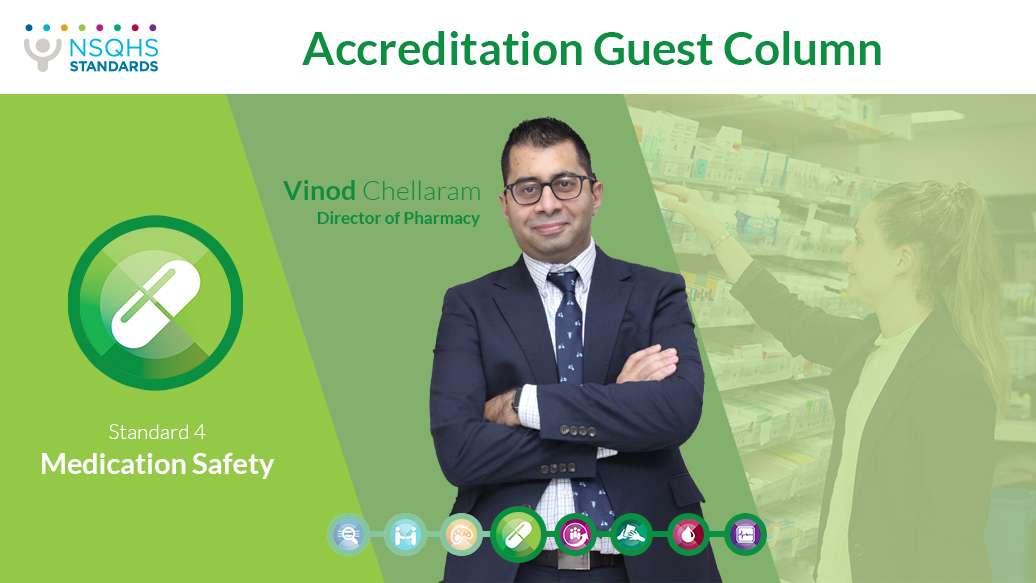
    This week we spoke to Vinod Chellaram, Director of Pharmacy, about Standard 4: Medication Safety

    “Everyone has a role to play in medication safety at Northern Health,” Vinod said.

    “The patient is the central focus in medication management and all clinicians are responsible for working collaboratively to ensure the patient receives safe and effective care. The patient/carer is always involved in shared decision making throughout the process of medication management including prescribing and administration of medications and medication counselling,” he added.

    What is this standard about?

    The Medication Safety Standard aims to ensure that clinicians safely prescribe, dispense and administer appropriate medicines. It also aims to ensure that consumers are informed about medicines, and understand their own medicine needs and risks.

    At Northern Health, this standard looks like….

    We work together collaboratively when prescribing, administering and dispensing medications and provide information to patients to ensure the patient is kept safe and medication errors are minimised during their inpatient stay. We also ensure patients are discharged safely and continue to stay well in the community.

    When administering medications, we follow the 7 rights of medication administration (RIGHT patient, RIGHT drug, RIGHT dose, RIGHT route, RIGHT time, RIGHT documentation, RIGHT reason). We have a strong reporting culture, reporting medication incidents and we learn about the trends in medication errors and work together to improve medication safety across the organisation. The patient is the central focus of care and they are a key component of shared decision making and are involved in the decisions around medication treatment throughout their stay.

    What are the top 6 ways staff can be prepared for Accreditation against this Standard?

    1. Ensure the patient is involved in all aspects of medication management and ensure they are provided with information in a way they understand
    2. Perform a Best Possible Medication History and Medication Reconciliation at admission to reduce the risk of medication related errors including comprehensive allergy/adverse drug reaction documentation
    3. Know the Medication Safety Improvement projects in your area, reflect on what you are most proud of
    4. Keep medication rooms tidy, and ensure all medications are stored appropriately (e.g. locked in the medication room, schedule 8 safe, WOW medicine drawers)
    5. Be involved in education sessions on medication safety including in services and presentations and learning packages on the LMS portal (e.g. Medication Safety Training, Safe Medication Administration – Get It Right!)
    6. Familiarise yourself with workflows to support safe prescribing, administration and dispensing practices.

    What are the top 5 questions staff needs to be able to answer about this Standard?

    1. What types of medication related incidents keep you up at night and what has your area done to reduce the risk of these?
    2. How do you involve the patient/carer in decisions about their medications?
    3. How do you store medications safely and in accordance with legislative requirements in your area?
    4. How do you report a medication incident or new allergy/Adverse Drug Reaction? How do you know what types of medication incidents are reported in your area?
    5. What are the high risk medicines at Northern Health and what are some strategies used to reduce the risk of medication errors with these medicine classes?

    Is there anything else you would like staff to know about this Standard?

    Medication Safety is something you practice every day, we should all be proud of the work we do to improve medication safety and remember to highlight this and be proud when speaking to the assessors.

    To learn more about Standard 4, please click here.

  • Get to know: Anne Bright

    Get to know: Anne Bright

    #WeAreNorthern

    Meet Anne Bright, Project Manager, Northern Imaging Victoria.

    What is your coffee order?

    I have never developed a taste for coffee. Terrible stuff! I generally order an Earl Grey tea if out with friends, but my current favourite at home is Black Rose tea from the Tea Centre.

    Tell us about your Northern Health journey? (When you started, your roles here etc.)

    I joined Northern Health in April 2023 as a Project Manager to bring imaging in-house under Northern Imaging Victoria. I continue in that role drawing upon my past experience as a Chief Radiographer to help grow and build the service. The current projects are bringing imaging in-house at Kilmore District Hospital, commissioning of PET, transition of point of care devices from the old PACS to the new, and development of services at Broadmeadows and our community sites, with much more on the horizon.

    What do you like to do after work?

    Listen to music and non-fiction audiobooks. I like walking with my husband, enjoying the sun and breeze or visiting art galleries. When time permits, I enjoy baking or working on a craft project.

    What are some things people don’t know about you?

    I lived in Belfast for a little over a year before the end of The Troubles. I have a small collection of pre-decommission murals taken on a long walk through the streets of the Falls and Shankill. Those were streets I had been warned to avoid when I first arrived due to the unrest, but by the time I was leaving I knew when to speak with the locals and when to leave some things alone. It was a year of great growth. One painting, seen at Christmas, stands out in my mind. On the side of a large building on the lower Falls Road was the virgin and child, juxtaposed by a large armed checkpoint immediately in front. I was declined the opportunity to take the photograph by my friends, lest we be arrested.

    Where is a favourite place you’ve travelled and why?

    That’s difficult to answer. There are so many places that are wonderful. One memory that I cherish is my visit to the island of Murano where I was privileged to be taken into the glass works of Mazzega Murano and was able to watch and speak with the glass master at work. Although there’s plenty of opportunity to watch the glass makers, being permitted into the foundry is a rare privilege. The day I was there they were crafting pink glass bowls that surround the globes for a chandelier. It gave me a different perspective on glassblowing from the limited experience I had when I lived in Sydney.

  • Caring for kids in Kilmore and beyond

    Caring for kids in Kilmore and beyond

    A new paediatric service has launched this week at Kilmore District Hospital, as part of Northern Health’s commitment to providing better connected care, and ensuring we are meeting our communities needs now, and into the future.

    The newly established service provides support to young children who experience developmental and behavioural issues. This includes children experiencing speech delay, concerns of autism, concerns of ADHD (Attention Deficit Hyperactive Disorder) and significant levels of anxiety, particularly post-COVID.

    Many of these children are eligible for NDIS funding, and the team at Kilmore is focused on recognising and treating concerns before they commence school and getting them linked with the most appropriate services early.

    The clinic operates four days a week and is staffed by two community fellows and a paediatric consultant, supported by onsite nursing and administrative support. The clinicians also provide outreach clinics to local maternal child health nursing and community health centres. These clinics accept referrals from, not only GPs, but also maternal child health nurses and school nurses, enabling greater access to care.

    “By servicing the Mitchell Shire region and in particular Kilmore itself, we wanted to focus on some of the most vulnerable families and young children who, at the moment, are facing long wait times to be seen,” said Dr David Tran, Divisional Director, Women’s and Children’s Services.

    “It is a fantastic, and really exciting new service in a region where there is a huge need. Hopefully this will streamline services and enable some of these patients to get the care that they need faster, and closer to home.”

    Dr Daniel Tsen, General Paediatrician, looks forward to its positive impact in the local community.

    “It is fantastic that paediatric services are more accessible for community in Mitchell Shire region. This allows us to deliver better paediatric care by working closely with families locally,” he said.

    “Through clinics at Kilmore District Hospital and community outreach centres, paediatric community fellows will also gain invaluable experiences in community medicine, consolidating their professional development as future paediatricians.”

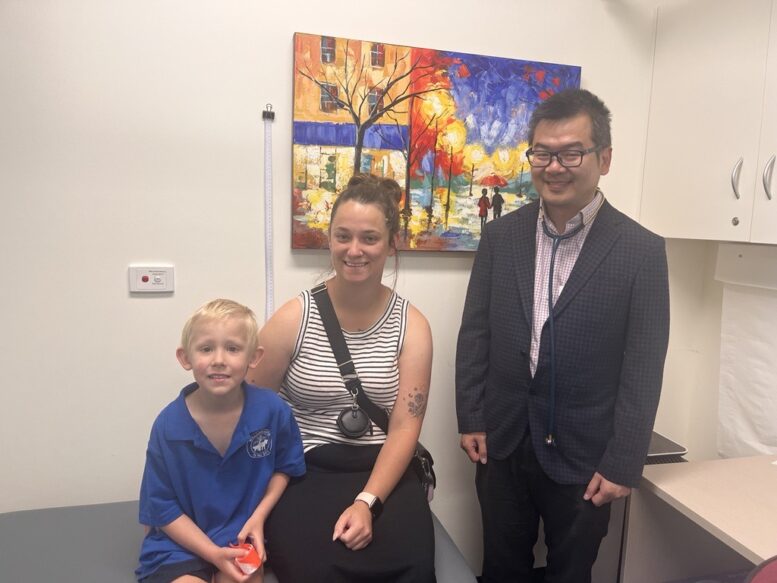
    Cooper was the very first patient to access this new service on Tuesday, 13 February 2024.

    Cooper’s mum, Jordy, is excited to see the progress he will make under the care of the paediatric team at Kilmore District Hospital.

    “It’s really good that we now have local access to these health services, not only for ourselves, but also for our children, and not have to travel far away, or be on a massive waitlist,” said Jordy.

    Dr Tran also spoke of the other benefits of having a paediatric team onsite at Kilmore District Hospital.

    “The other benefit of having the clinics here is that we will also have paediatricians on site, who can help support other services like the Urgent Care Centre. That’s something we’d be really keen to explore,” he said.

    Dr Daniel Tsen with Jordy and Cooper
     

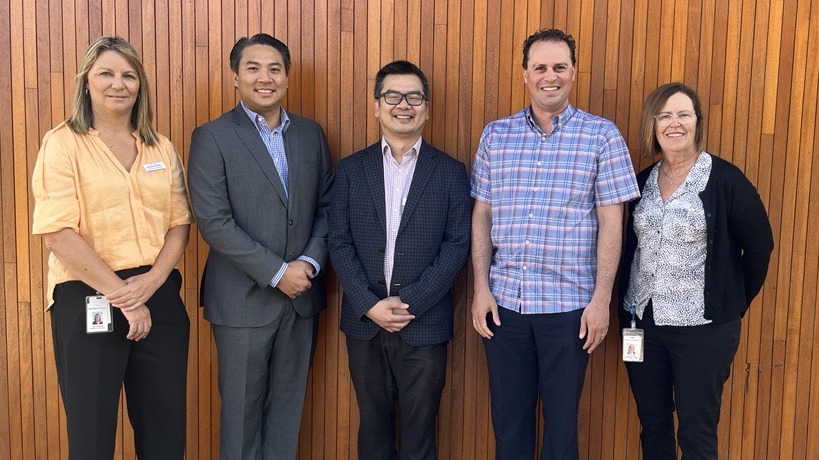
    Featured image: Jennifer Gilham, Divisional Director, Community Hospitals, Dr David Tran, Divisional Director, Women’s and Children’s Services, Dr Daniel Tsen, General Paediatrician, James Walker, Outpatient Administration Coordinator, Paediatrics, and Jennifer Grech, Team Leader, Kilmore District Hospital Outpatients

  • Valentine’s Day Bubs at Northern Health!

    Valentine’s Day Bubs at Northern Health!

    Today, on 14 February, in the heart of Northern Health’s maternity unit, three families welcomed the most precious gift of all on this special Valentine’s Day, their beautiful babies.

    As the world celebrates love in all its forms, the maternity ward echoed with the sounds of new beginnings, each cry a testament to the miracle of life.

    As for Northern Health’s Maternity staff, it is both their honour and privilege to witness these moments, and to share in the warmth of new beginnings.

    “Midwifery is such a sacred job that it allows you to be with the woman and her family when creating core memories of their family growing. When you add a day of love, it adds that extra bit of sparkle and joy to the day,” said Seda Kiroglu, Maternity Unit Manager, Northern Health.

    “Maternity Services at Northern Health take pride in the care we provide for our new families, which is why as we celebrate the year of kindness, we would like to echo that value through our practice.”

    Our heartfelt congratulations to all the families who have welcomed their new bundles of joy on Valentine’s Day.

  • We are Northern: This is Ward 16

    We are Northern: This is Ward 16

    Ward 16 is a 32-bed Medical Surgical ward, and it is located at Northern Hospital Epping. The Ward has been adapting to various changes in recent years, including a current configuration with 16 beds dedicated to medical patients. The adjustment in bed allocation reflects on the response to the ever-growing demand for medical patients in the hospital.

    The team in Ward 16 currently consists of 55 staff members. The workforce is predominantly composed of fairly new staff, most of whom have been on the ward for almost a year. The significant turnover of staff experienced last year has resulted in a relatively young and novice team. Despite this, the team has been actively addressing the challenge by prioritising upskilling initiatives and fostering an environment that builds confidence among staff. Their aim is to provide comprehensive care to patients, ensuring patient-centred approach aligned with their specific needs.

    Patient cohort in Ward 16 are surgical colorectal patients, patients with gastroenterology issues and medical patients dealing with multiple complex health issues. The diverse patient population requires a specialised and multidisciplinary approach to address their unique needs.

    Recently, one of their staff members, Bilgin Kocaburak, Registered Nurse, has made a significant contribution for the early diagnosis of patients experiencing delirium post-surgery. As part of his post-graduate work, he developed an informative poster which helps to effectively identify delirium in post-operative patients. This initiative has gained popularity and recognition, leading Mr Kocaburak to join the Delirium Committee.

    “His expertise in the early identification and management of delirium patients is now being shared with other wards across the organisation,” said Jeena Katuwal, Nurse Unit Manager, Ward 16, Northern Hospital Epping.

    In another uplifting development, Ward 16 has been the recipient of a generous $3500 donation from a deeply grateful patient, who, after nearly six months under their care, successfully overcame his health complications and returned home. The donation serves as a heartfelt token of appreciation to the entire staff of Ward 16.

    “The generous donation served as a testament to the impact and quality of care provided by our dedicated team. We are grateful for such positive feedback and committed to maintain this highest standard of patient care,” said Ms Katuwal.

    After the pandemic, Ward 16 transitioned back to a surgical ward, however during that time, they faced a notable lack of stability in leadership and staffing. Recently, the team has taken significant strides towards restoring cohesion and harmony within the unit. With a renewed focus on upskilling and safety, they are actively working to enhance their capabilities and maintain a secure and proficient workplace.

    In 2024, we are committed to achieving excellence in patient care. Our primary goals include delivering high-quality patient-centred care, by fostering a positive and supportive workplace culture, and face challenges with a positive attitude as we continue to grow. Our focus is on continuous improvement and ongoing training and development opportunities for our wonderful staff,” said Ms Katuwal.

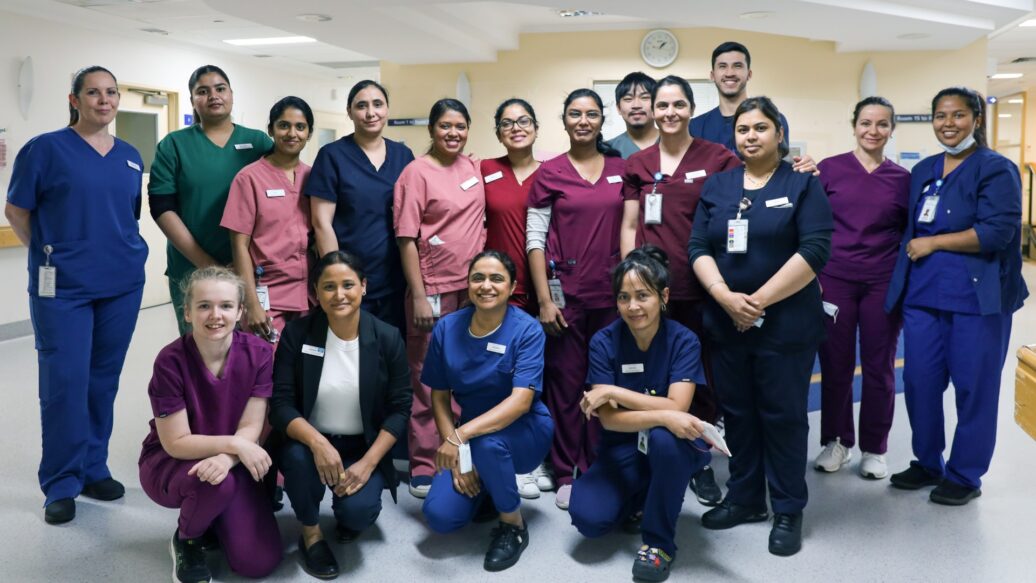
    Featured image: Staff at Ward 16, Northern Hospital Epping. 

  • Standard 3 – What you need to know

    Standard 3 – What you need to know

    Each week in the lead up to Accreditation, Northern Health will focus on a different Standard. You will hear from the Chair of each of the Standard Committees about the key points you need to know.

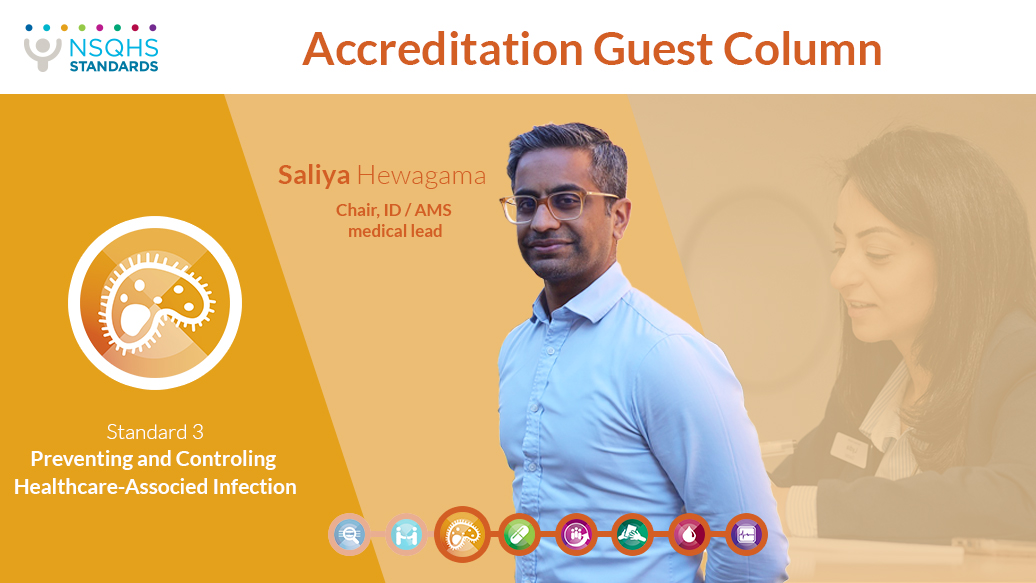
    This week we spoke to Dr Saliya Hewagama, Infectious Diseases Physician, about Standard 3: Preventing and Controlling Healthcare Associated Infections.

    Dr Hewagama explained Infection Prevention is a very broad and diverse standard that effects all disciplines, departments and levels of the organisation. Infection Prevention mechanisms are in place to ensure that patients and staff are kept safe throughout their time at Northern Health.

    What is this standard about?

    Healthcare associated infections are the most common complication that impacts on our patients while they are in hospital.  It is our responsibility to work with patients to ensure our systems and procedures protect them because many hospital acquired complications (HACs) are preventable.

    At Northern Health, this standard looks like…. 

    Standard 3 has a dedicated Infection Prevention service who lead a variety of work that occurs across the health service, but it relies on every employee in the organisation to be aware of the importance of the work and follow evidence-based practices to protect our patients.

    What are the top five ways staff can be prepared for Accreditation against this Standard?

    1. Ensure your immunisation status is up to date and if you have vaccinations outstanding in Cgov that you update your file.
    2. Complete your mandatory training – hand hygiene, PPE module and aseptic non-touch technique (ANTT).
    3. Antimicrobial stewardship is important – use evidence to engage your patients and ensure they understand their care. Champion antimicrobial stewardship for your patients.
    4. Ensure you check alerts for transmission-based precautions requirements for your patients and ensure correct room placement and PPE usage.
    5. Ensure that you keep equipment and the patient environment clean.

    What are the top questions staff needs to be able to answer about this Standard?

    1. Why might your patient be at increased risk of infection?
    2. How do we identify risk of infection in patients?
    3. What infection prevention strategies are in place for all your patients?
    4. What are the key features in recognising and managing sepsis?
    5. How do you communicate information about preventing infection to your patients and their families?
    6. What quality activities have you been involved in to reduce infection in on your unit?
    7. What is the purpose of Antimicrobial stewardship and its impact on patient care, and how do you play a role in it?
    8. Do you know your immunisation status?
    9. How do you manage and dispose of clinical waste appropriately?
    10. What are the 5 moments of Hand Hygiene?
    11. What do you do if you have an occupational exposure (e.g. needlestick injury)?

    Is there anything else you would like staff to know about this Standard?

    Standard 3 is part of your daily work.  Be aware of the principles of good hand hygiene, aseptic non-touch technique and cleaning between patients.

    Click here to learn more about Standard 3: Preventing and Controlling Healthcare Associated Infections.