• Dr. Zena Barakat: Celebrating excellence in Nephrology

    Dr. Zena Barakat: Celebrating excellence in Nephrology

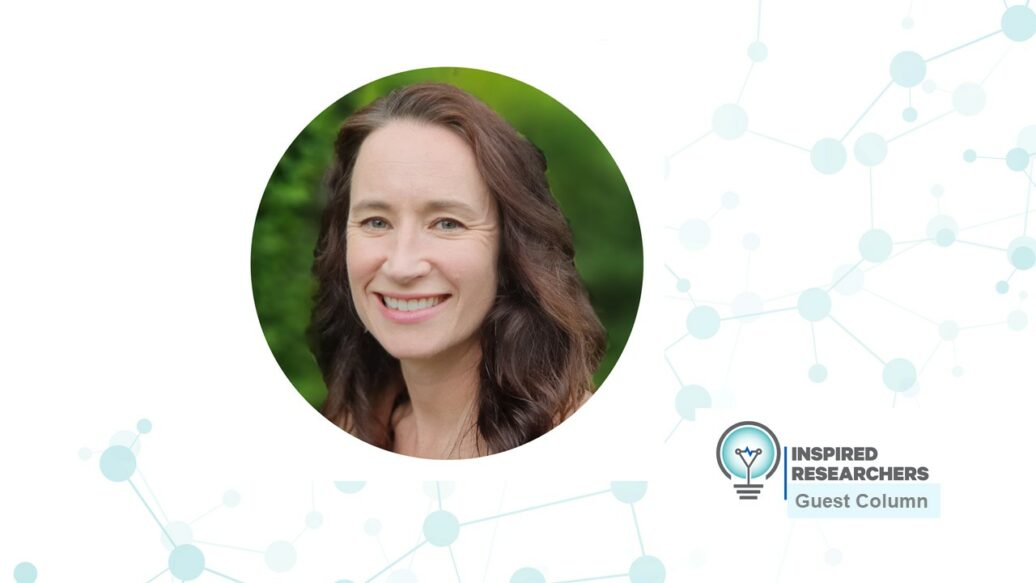
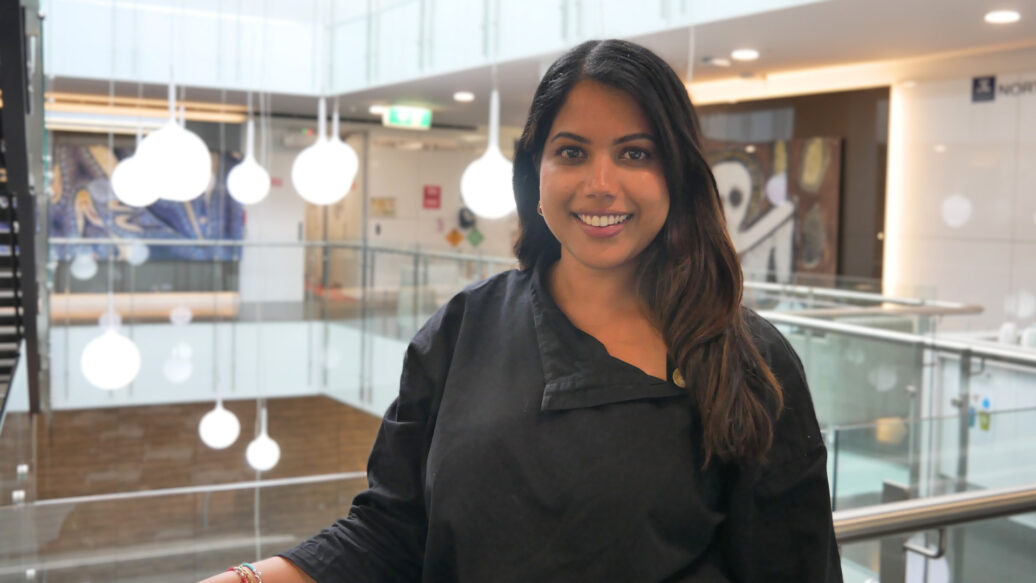
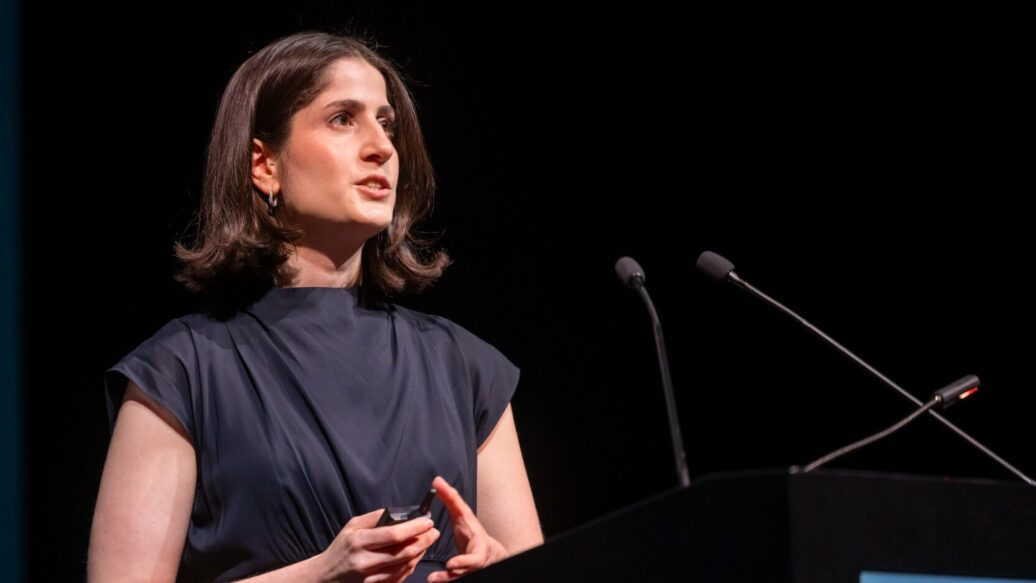
    Dr Zena Barakat has been honoured with the prestigious Shaun Summers Clinical Trainee Award at the 2024 Australian and New Zealand Society of Nephrology (ANZSN) Annual Scientific Meeting in Adelaide. This award celebrates outstanding research contributions by ANZSN members working as clinical or advanced nephrology trainees.

    The ANZSN Annual Scientific Meeting is the pinnacle event for kidney health in Australia and New Zealand, bringing together leading minds in nephrology. Under the mentorship of Dr Tim Pianta from Northern Health’s Department of Renal Medicine and the University of Melbourne’s Department of Medical Education, Dr Barakat’s research was deemed the most outstanding by a
    Nephrology Advanced Trainee across Australia and New Zealand.

    Her presentation was titled ‘Readmission & Mortality After an Admission with Acute Kidney Injury: A Victorian-wide Data-linkage Analysis’.

    Acute kidney injury (AKI) strikes when the kidneys abruptly lose function, leading to a dangerous buildup of waste products and an inability to balance electrolytes, acids, and water. This condition can arise from various causes, most commonly a disruption in blood supply or severe inflammation. It’s a stealthy affliction, especially prevalent among older adults and those with high blood pressure, diabetes, and pre-existing kidney disease. AKI is on the rise globally and often flies under the radar, yet it’s strongly linked to increased short- and long- term health complications and mortality.

    Historically, Australian understanding of AKI was limited to data from a handful of hospitals, including earlier work by Dr Zena Barakat and Dr Tim Pianta at Northern Health. These studies couldn’t track individual patient outcomes comprehensively. Dr Barakat’s recent research breaks new ground as the first of its kind in Australia and among a select few globally. Her study examined 2.8 million hospital admissions across Victoria over 12 months, identifying approximately 200,000 AKI cases.

    Among her findings, Dr Barakat discovered:

    1. While AKI is often under-recognised, 11 per cent of patients admitted to Victorian hospitals are diagnosed with AKI.
    2. Over two-fifths of these patients experienced a recurrence of AKI within 12 months.
    3. New diagnoses of cardiovascular disease, chronic kidney disease, or cancer occurred in more than two-thirds of these patients within three years.
    4. Approximately 70 per cent of AKI patients were readmitted to the hospital within a year.
    5. Sadly, over a quarter of the patients had passed away within 12 months, and more than a third (37 per cent) by the three-year mark.
    6. A previously unrecognised link between AKI and subsequent cancer-related deaths was identified.

    Dr Barakat’s study has already garnered attention from the scientific community: Read more.

    Now, Dr Barakat is channeling her expertise into her Masters of Philosophy (Research) at the University of Melbourne. Her journey began as a research student at the Northern Clinical School, progressed through a Basic Physician Trainee role at Northern Health, and continues with her Advanced Training in Nephrology at Alfred Health. She is a recipient of the Northern Health Foundation Research Small Grant in 2021.

    Chief Medical Officer and Chair of the Research Executive Committee, Professor Prahlad Ho, said, “My congratulations to both Dr Zena Barakat and Dr Tim Pianta. This is a significant achievement that underscores their dedication to advancing medical research and improving patient outcomes.”
  • Get to know: Tanya Goodison

    Get to know: Tanya Goodison

    #WeAreNorthern

    As we conclude Occupational Therapy Week, we speak to Tanya Goodison, Program Manager – Hume and Merri-bek Community Teams, from the Mental Health Division at Northern Health.

    Q: What is your coffee order?

    A: I have never been a coffee drinker, but I do love a hot chocolate.

    Q: What is the role of an Occupational Therapist (OT) in mental health?

    A: Occupational Therapists (OTs) in mental health work in a variety of inpatient, rehab and community settings supporting consumers to engage in meaningful activity and promote participation in everyday life activities. We have many areas of focus including ADL Assessment, sensory modulation, group work, driving education and assessment. In relation to sensory modulation, our OTs have introduced sensory resources including glider chairs, weighted items, fidget tools, sensory gardens and visual tools which assist consumers in our community and inpatient settings.

    Many of our OTs work in case management roles, meaning they will be providing specialist mental health assessment and intervention and care and co-ordination with an occupational lens, alongside their discipline specific expertise in the work they do with consumers.

    We also have OTs in leadership roles such as team leaders, management roles (which is what I do), mental health tribunal co-ordinator, clinical educators and our OT professional leads.

    Q: Why is your role important? What satisfaction does it give you?

    A: I oversee the community mental health teams in Northwest Area Mental Health Service to support consumers in the Hume and Merri-bek areas to access specialist mental health support. I really enjoy working with a team of wonderful and dedicated staff from a variety of disciplines and backgrounds and continuing to learn from others. In my role, I’m able to support the implementation of many great initiatives not only from our OTs, but also programs led by other disciplines such as our therapy stream, family work, exercise physiology, lived experience, dietetics, physical health and many more, which makes this role really meaningful. Knowing that our team is making a difference in the lives of consumers accessing our service is definitely the most satisfying part of this role.

    Q: What are some of the challenges?

    A: Each day in community, mental health can bring unexpected challenges and situations. Supporting consumers in achieving their goals is a great part of this work but we also work with a number of consumers who have not chosen to receive mental health care and balancing their voice and our obligations under the mental health act requires constant review and consideration. Occupational Violence and Aggression is always on our radar in our settings.

    Q: What are the best things about working at Northern Health?

    A: Working with such amazing and supportive colleagues across our teams and the wider service.

    Q: What is something not many people know about you?

    A: I love to read and won’t go a single day without spending at least some time reading a novel!

  • Spiritual Care Week: Beyond religious roles

    Spiritual Care Week: Beyond religious roles

    This week we celebrate Spiritual Care Week (20 – 26 October), a time to reflect on the important role spiritual care plays in providing multidisciplinary and holistic care for patients and their loved ones.

    The celebration of Spiritual Care Week allows chaplains, pastoral care counsellors, educators and providers to share their stories and to celebrate various ministries. This year’s theme, ‘Beyond Religious Roles’ touches on the many roles chaplains and other professional spiritual caregivers play, outside of offering prayer.

    When thinking of chaplains, many people picture prayer, religious activities, sacred texts, leading worship services, performing weddings and funerals, and providing spiritual guidance.

    However, chaplains are also highly trained in numerous roles in addition to their religious care – they can provide family support, grief counselling, assist with pre-surgery and post-surgery care, or simply be an emotional comforter, among many other roles.

    Here at Northern Health, our Spiritual Care staff continue to provide spiritual care beyond religious roles, including bereavement support, emotional support, pastoral counselling, ceremonial events and rites, education and training, blessing and name ceremonies (post-natal) and referral and consultation.

    Spiritual Care staff are based at Northern Hospital Epping, Bundoora Centre and Broadmeadows Hospital, and sacred spaces are also available at these sites.

    The spaces are open to people of any faith and no faith. Everyone is welcome for quiet time, prayers, reflections. At times, these spaces are offered for urgent ceremonies – an intimate and memorable wedding ceremony was held in one of the sacred spaces because the bride’s mother was a patient and too unwell to go to her wedding.

    “There is a misconception that we are just about religion. We’re so much more than religion – we can offer value if a patient is distressed or worried,” said Natalia Dewiyani, Spiritual Care Coordinator.

    “Our goal is for staff to change this misconception that we are just about religion, and to know we add value to people’s lives, especially end of life care.”

    “We have a sacred space that people use for both religious and spiritual purposes, but it is open to all faith and non-faith people. Everyone is welcome, even if it’s just for a quiet or reflective space needed.”

    “We offer support to staff as well. We had someone pass away who was still quite young and had been in and out of hospital for the last 12 years. Staff were quite distressed as they had known this patient for a long time – these are the type of situations we can help with; we have a lot of different skills that come into play. We’re very creative and adapt to what the person needs.”

    “We hold a safe, comforting, and non-judgmental space where people often feel most vulnerable in the hospital setting. We empower patients, family and staff in transcending their suffering and exploring their sense of meaning, purpose and belonging.”

    Last year, the department changed their name from Pastoral Care (also known as hospital chaplains) to Spiritual Care to make it more inclusive to everyone.

    “We are open for all faiths and no faith. Everyone has their own spirituality, everyone has a spirit,” said Natalia.

    “We are trained and capable of giving support in a wide array of spiritual, emotional, social, and other needs.  When called upon, we are ready to serve in many ways.”

    Kelly Pinto, Spiritual Care Practitioner, says she thrives on providing a diversity of skills and implementing them into spiritual care.

    “Firstly, offering patients a listening and empathic presence without judgement. Secondly, by inviting them to explore their inner wealth of resources that lifts their spirits. Thirdly, exploring other external interventions that could assist with healing their soul by surrendering themselves over to a higher power through rituals,” she said.

    John Davies, who is part of the Spiritual Care team, often provides intervention to people experiencing a recent death within the family, or an anniversary that triggers emotional grief and lowness in mood.

    He said that this can include, “being alongside the person, listening to their loss, exploring the relationship experienced over the years – both uplifting or negative. Also affirming the good and challenging times, reflecting upon the deceased’s personality and character and what lives on.”

    “Also encouraging the person to be gentle on themselves and allow the grieving process to take place,” he said.

    Our Spiritual Care department continues to leave a lasting impact on our community. A recent survey showed overwhelming positive feedback, including comments such as:

    • “Spiritual Care is a vital part of life for many patients and staff. Staff, patients and family members derive comfort and meaning from their spiritual beliefs which enables them to cope with ill health and poor prognosis. The Spiritual Care team at Northern Health provide much needed support and compassion to people going through some of the darkest hours of their life.”
    • “The spiritual care practitioners have been such a necessary part of patient healing, both to religious and non-religious patients. Medicine is only a small part of healing.”
    • “Spiritual care always support and provide spiritual healing for the patients.”

    Spiritual Care, together with Palliative Care and Social Work, will be hosting the second Northern Health Memorial Service for 2024 on Thursday, 14 November at NCHER. The event honours the memory of those who passed away at Northern Health between December 2023 and May 2024. Staff can register their attendance here.

    Referrals for Spiritual Care can be made through EMR, phone call or pager. They also welcome you to simply knock on their office door as well.

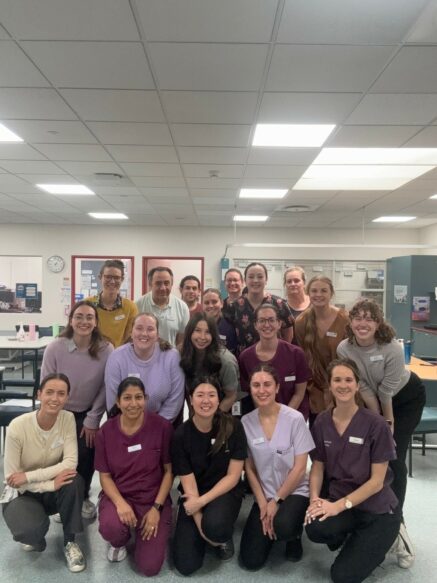
    Featued image: Spiritual Care department.

  • Occupational Therapy Week: Northern Health’s unsung heroes

    Occupational Therapy Week: Northern Health’s unsung heroes

    Occupational Therapy Week is an annual celebration, held from 21 – 27 October in 2024, and celebrates occupational therapy as a profession, and the dedicated professionals who provide this care to our community.

    At Northern Health, Occupational Therapists (OTs) are the quiet powerhouses ensuring patient recovery isn’t just a goal, but a reality. These unsung heroes weave therapy into daily life activities, turning routine into rehabilitation.

    Our large community team of OTs swings into action either at clients’ homes or in our centres, fostering independence and smooth transitions back into the community. We have targeted services for stroke survivors and patients at high risk of hospital readmission. Additionally, our home assessment service tweaks home environments with modifications and equipment to keep folks living independently.

    In the Mental Health Division, Occupational Therapists wear many hats, delivering specialised and holistic care across our bed-based and community services. By honing daily functions, enhancing self-regulation skills, and boosting community and social involvement, OTs make a tangible difference in the lives of our consumers.

    We asked some of our OTs to reflect on their work and share their stories.

    Here’s what they had to say:

    “As part of the inpatient rehabilitation team, I recall working with a female patient, who had experienced a stroke, and required the help of the nursing staff to feed herself due to her reduced upper limb function. I worked closely with the patient to focus on upper limb therapy and task-specific retraining to improve her coordination.  We were able to choose specific tasks and activities that aligned with her interests such as crocheting. Thanks to this daily and meaningful therapy, she regained function in her upper limb and was able to achieve her goal of being able to feed herself independently.” Charlotte Boyes, Grade 1 Occupational Therapist
    GEM Ward.

    “As part of the Sub-Acute Ambulatory Care Services (SACS) Community Therapy team, I was working with a patient who had a stroke and had reduced strength in both his hands. His main goal was to be able to read his newspaper in the morning. Working closely with him and developing task specific exercises to assist with strengthening his hands, he was able to grasp the newspaper without it slipping from his hands. Even though it sounds like a simple goal, it made such a difference to his morning, and he was extremely grateful.”
    Alana Evans, Grade 2 Occupational Therapist
    SACS Community Team.

    We had the opportunity to work with a client who was experiencing confusion and delirium. The client was admitted into a residential aged care facility and when her condition started to improve, we were able to facilitate her return to independently living in her own home. We were also able to assess her home and recommended strategies, home modifications and equipment to support her function, and memory whilst mitigating the risk of falls where possible. It is not often you hear of people returning home after being admitted into an aged care facility, but we are grateful that we were able to help to achieve her goals.”
    Rachael, Grade 3 Occupational Therapist
    Bella Dodds, Grade 1 Occupational Therapist
    Home and Community Care Team.

    “A highlight of my career has been facilitating activity-based leisure groups in mental health. Witnessing the joy and animation our consumers experience when connecting socially and engaging in a joyful and fun leisure-based activity is a definite highlight. Through these groups, they develop their social skills and feel a sense of belonging and connection.”
    Rohan Godfrey, Occupational Therapist Grade 1
    Merri-bek Community Mental Health Team,
    Northwest Area Mental Health Service.

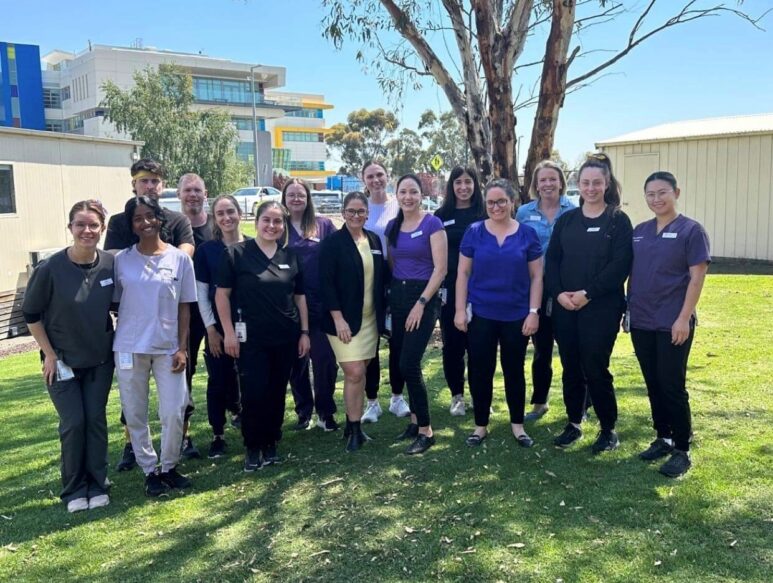
    The team at Northern Hospital Epping.
    The team at Broadmeadows Hospital.


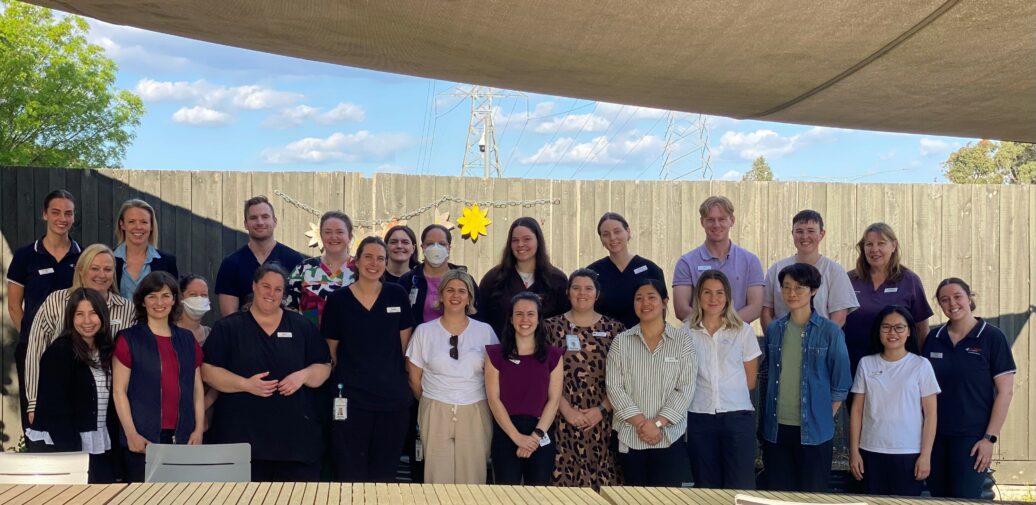
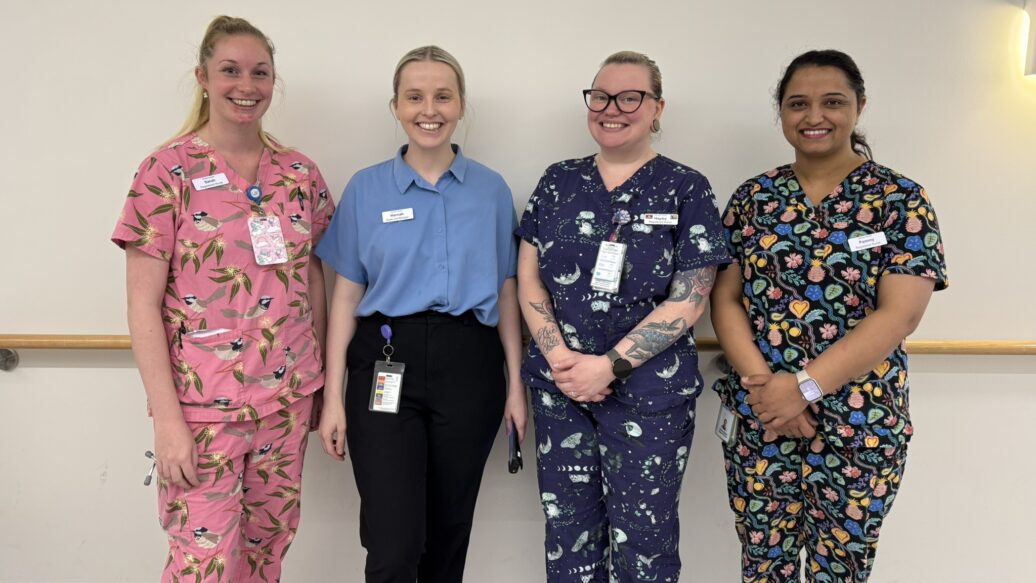
    Main picture shows the Occupational Therapy Team at Bundoora Centre.

  • Why Research Week matters

    Why Research Week matters

    Research Week is an important event in the Northern Health calendar as it showcases the breadth and depth of research activity across our organisation, highlighting the significant contributions of staff and partners. This year, there has been an incredible response to our call for abstracts with 78 abstract submissions from clinicians and researchers at Northern Health. Across oral and poster presentations, many clinicians and researchers have the opportunity to share their work, which we hope will encourage further collaboration and innovation across different departments. We also have a terrific line up of invited speakers for research week, including:

    • Professor Jon Karnon from Flinders University, an expert in health economics whose work focuses on economic evaluations in healthcare, decision analytic modeling, and health policy development.
    • Professor Elif Ekinci from the University of Melbourne, a renowned endocrinologist, brings extensive research on diabetes, particularly the impacts of diabetes on kidney health and cardiovascular risk management.
    • Professor Richard Saffery from the Murdoch Children’s Research Institute (GENV) who leads pioneering research in epigenetics, exploring how genetic and environmental factors influence childhood health outcomes.
    • Professor Paul Monagle from the Royal Children’s Hospital and Murdoch Children’s Research Institute is a leader in paediatric haematology, well-known for his research on thrombosis and anticoagulation in children.

    Together, these experts provide diverse perspectives on current and emerging issues in healthcare and biomedical research.

    One of the key reasons Research Week is so important is that it highlights Northern Health’s ongoing commitment to cutting-edge research and its role in improving healthcare outcomes. This year, research collaborations between Northern Health and external institutions including RMIT University and La Trobe University will be showcased. These partnerships will help place Northern Health in a stronger position to drive innovation and enhance the quality of care provided to our community.

    A big thank you to the research office, in particular Britt Szabo, for all their work in pulling another wonderful week together.


    Associate Professor Rebecca Jessup

    Director, Victorian Centre for Virtual Health Research

    Acting Director of Research, Northern Health

    Deputy Chair, Northern Health Research Executive Committee

  • Translational Research: Transferring scientific discoveries into practical applications

    Translational Research: Transferring scientific discoveries into practical applications

    Translational research transfers scientific discoveries into practical applications that can benefit patients and society at large.

    To be successful, translational research leadership needs to be people-centred and innately collaborative in its drive. Such collaborations enable individual expertise to support a larger framework, thereby facilitating interactions between clinically motivated individuals and their basic science counterparts who may provide skills, knowledge and technology necessary to drive research innovations.

    At Northern Health, we are blessed with a committed leadership that has driven collaborative networks across numerous academic institutions and the Northern Clinician Leadership. Recent partnership initiatives between Northern Health, the Royal Melbourne Institute of Technology (RMIT) and La Trobe University are a testimony to the institution’s commitment towards translational goals.

    Northern Health has always facilitated translational research while maintaining cultural humility. Indeed, diversity and inclusivity are a strength of Northern Health, and a core feature of its rich potential for translational research impact in its community.

    Novel discoveries are not the only defining feature of translational research. New pathways towards managing diseases and a focus on health outcomes also falls in the category of translational science. By understanding the underpinnings of human behaviour and what promotes healthy and unhealthy patient behaviours, we can design better, more targeted interventions to alter and sustain positive, healthy behaviours.

    Research training and career development are crucial avenues for ensuring sustained success in translational  research. Transferring research advances to maximise public health impact, requires effective partnerships between biomedicine and  scientists and collectively with patients, healthcare providers, policymakers, and other stakeholders.

    Research Week and our continued collaborative efforts at Northern Health will go a long way towards attaining these community directed goals.

    You can listen to Professor Kumta on Northern Health’s podcast Visiting Hours.


    Professor Shekhar Kumta

    University of Melbourne’s Academic Lead, Department of Surgery at Northern Health

    Research Executive Committee member

  • Get to Know: Tilini Gunatillake

    Get to Know: Tilini Gunatillake

    #wearenorthern

    As we approach Research Week, say hello to Tilini Gunatillake, Research Development Manager, Northern Health.

    Firstly, what’s your coffee order?

     A medium oat cappuccino!

    Tell us about your Northern Health journey? 

    I feel like I’m still a newbie as I’ve been here just under a year (I joined in November 2023). I’m the Research Development Manager working in the Research Development and Governance Unit. My role covers off a few things, but mainly I’m here to support and cultivate the research culture at Northern. My focus is on developing researcher capability by providing the supports, tools, education and training to do high quality research at Northern. I work closely with staff who have an interest in, or are actively doing research, helping them through the lifecycle of the research journey. Mostly to reassure them it’s not as scary as it might seem; particularly in the sphere of obtaining ethics and governance approval!

    Why is research so important?

    Research, at its core, is about generating new knowledge. It offers the opportunity to explore new ideas, solve problems, challenge outdated theories, and innovate in ways that can be life changing.

    In the field of health, research is essential for providing high-quality clinical care. It directly influences health services, and the quality-of-care people receive, which ultimately enhances health practices and improve outcomes for individuals and communities.

    But it’s also important to note that not all research is built equally. The utilisation of research methodologies in conjunction with a discerning eye is often needed to help decipher quality. It ensures that researchers have applied a logical and systematic approach to answering the research question. Being able to distinguish between high-quality, credible research and the rest is vital in a world where we are inundated with advice on what to do and what to avoid,

    What do you like to do to relax?

    I love to workout, which helps balance out my love for food and drink! When I’m not at the gym, you’ll find me hunting for new wine bars, getting lost in a good book, or binge-watching a good show!

    What’s your favourite inspirational quote?

    I have so many inspirational quotes that I live by.

    James Clear has a great one- “Every action you take is a vote for the type of person you want to be”.

    But I’m particularly passionate about inclusion, equity and diversity and one that I always think of is “When you feel like you belong, you show up differently…” In the work arena, this is particularly important and leans towards the notion of psychological safety, where there is research 😉 to suggest that it’s the most important characteristic of successful, high-performing teams.

  • Looking out for safety

    Looking out for safety

    Safety doesn’t happen by chance or guesswork. It requires risk management and doing the OHS fundamentals well. The first step to safety is to identify hazards.

    Workplace hazards are sources of potential harm or damage to someone or something in any work environment. They can be material or any activity that has the likelihood to cause injuries under specific conditions. Hazards should be eliminated as soon as they are identified to prevent workplace incidents or fatalities. Early detection of hazards and implementing safety practices will help prevent work-related injuries and illnesses.

    Some ways to identify hazards at Northern Health include:

    VHIMS
    Collecting information on incidents through VHIMS is one method of building a profile of the types of hazards and risks present in our workplace.

    If you have experienced an incident or a near-miss event, report it in VHIMS. This will allow your manager to understand the situation and provide necessary support. Where possible, completing a VHIMS should occur before the end of a working day while the information is still fresh in your mind.

    The OHS & Wellbeing team reviews VHIMS at the start of every day and provide support to the manager and the staff as appropriate.

    Safety Walk
    Reporting reactively can only go so far in protecting the workplace. Proactive and regular assessments of the workplace, such as safety walks and safety inspections will help to flag both existing and newly developed hazards.

    Conducting safety walks in the workplace is important to preventing the risk of accidents and injuries. Safety walks should be conducted quarterly by managers or their delegates. Health and safety representatives are also encouraged to participate.

    Before starting an inspection, staff are encouraged to review the previous inspection report and ensure that any problems identified in that report have been corrected. After the inspection, complete the action plan and specify the recommended corrective action(s) (e.g. Asset plus raised), before assigning a responsible person and establishing a definite correction due date.

    The video below demonstrates a simple and direct approach to conducting a workplace safety walk.

    For more information about safety walks, please visit the Intranet.

    If you see something that is not safe, you have to speak up. Once we are aware of the hazard, we can then manage the risk.
    Please refer to Risk Management Fundamentals for more information.

    You are the key to your safety, your colleague’s safety and your patient’s safety! Safety is my business, your business, our business.

    Featured image: Ward 18 staff.