• Research Week Presents: Dr Amanda Quattrocelli

    Research Week Presents: Dr Amanda Quattrocelli

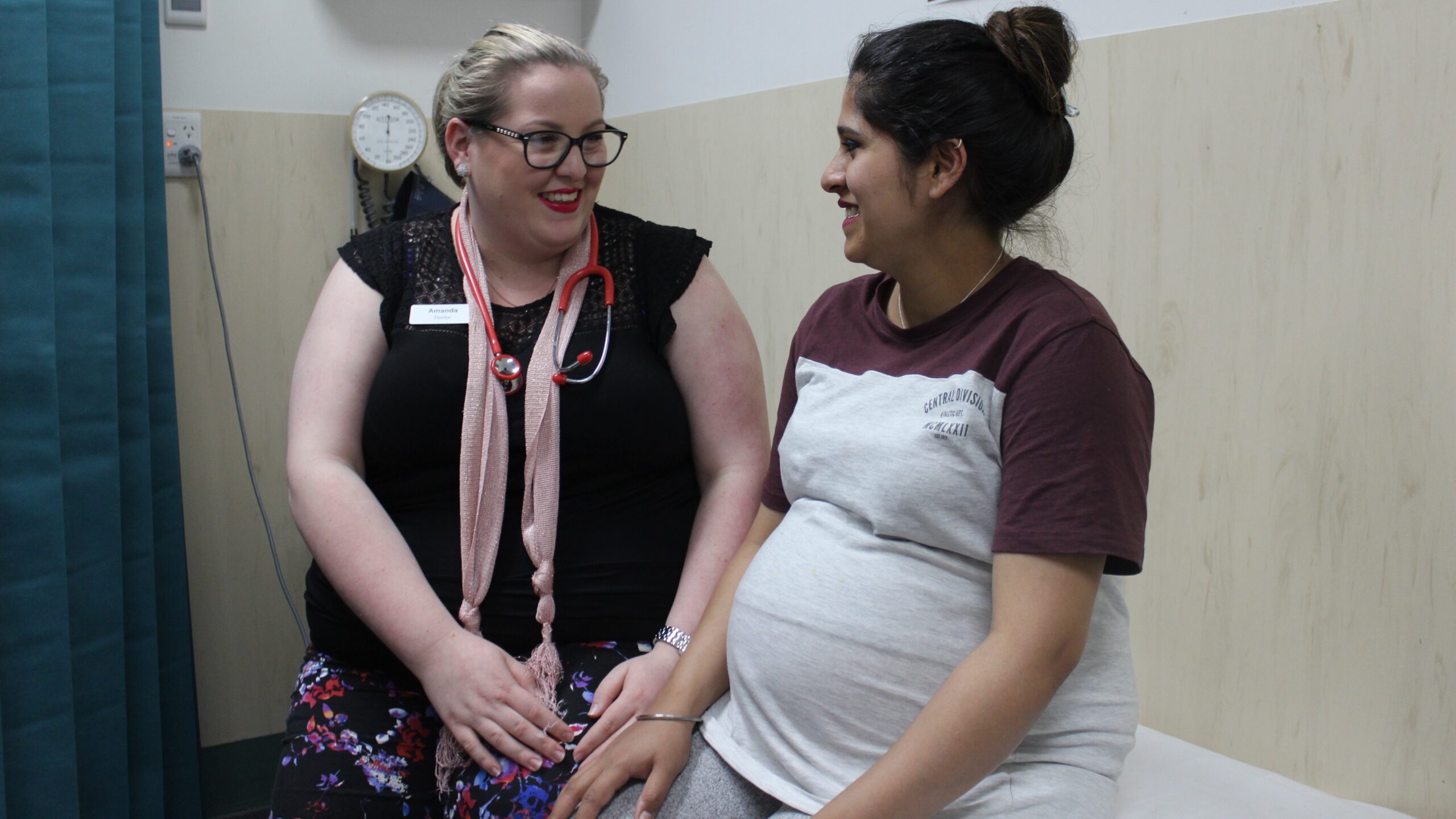
    Dr Amanda Quattrocelli is an Obstetrics and Gynaecology resident in the maternity department at Northern Health. Working with women treated at Northern, she has been researching on gestational diabetes and has looked at early glucose tolerance tests and whether they are making a difference in the outcomes of our mothers and their babies.

    She explains that gestational diabetes, a type of diabetes women may develop during pregnancy, should go away after pregnancy although it is well known that if women have diabetes in pregnancy, they are at a increased risk of developing overt type 2 diabetes later in life.

    “We look at it as an early warning sign”, she said.

    Dr Quattrocelli has done two separate studies comparing women who have early glucose tolerance tests compared to later or normal timed tests and their outcomes. A follow-up study was also conducted with the aim to determine the strongest predictors of an early diagnosis of gestational diabetes.

    “The results of the studies have shown that if women who had an early diagnosis of GDM were more likely to be insulin dependent by the time of delivery, and if they had a late diagnosis of gestational diabetes they were more likely to have a spontaneous onset of labour and be diet controled at the time of delivery,” she said.

    For all other outcomes, in terms of maternal outcomes, birth trauma, birth statistics and foetal outcomes, there were no differences between women who had early glucose tolerance testing and ones who were diagnosed later.

    The follow-up study looked at all the women who had early glucose tests and what their risk factors were, and found the strongest predictors for gestational diabetes were a family history of diabetes or having gestational diabetes in a previous pregnancy.

    “A lot of our women are from many different ethnic backgrounds and lots of them have an increased BMI which are risk factors for GDM and I was surprised that many of our women had early tolerance tests, but not necessarily had an early GDM diagnosis,” Amanda said.

    This led to Dr Quattrocelli creating a flow chart, helping to better analyse women with risk factors for GDM in our antenatal clinics, which is a possibility in the future management of our pregnant women, but that more research is needed before we can implement any change in clinics.

    “Northern has been very supportive in my research – I am seeing a lot of improvements when it comes to research. Hiring a statistician is very helpful and that would have helped me a lot when I was doing my research. Northern Health is up and coming with its research and taking steps in the right direction,” she said.

    Make sure to check out the amazing speakers during Research Week at Northern Health from 8 – 12 October.
  • Ready for the finals?

    Ready for the finals?

    It’s the AFL Grand Final weekend, and our staff are ready for the game!

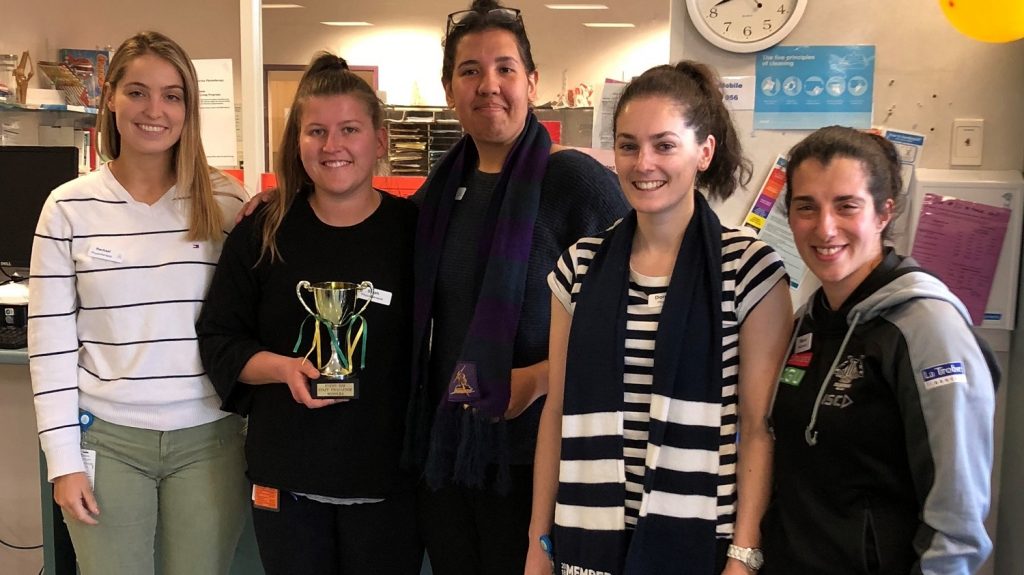
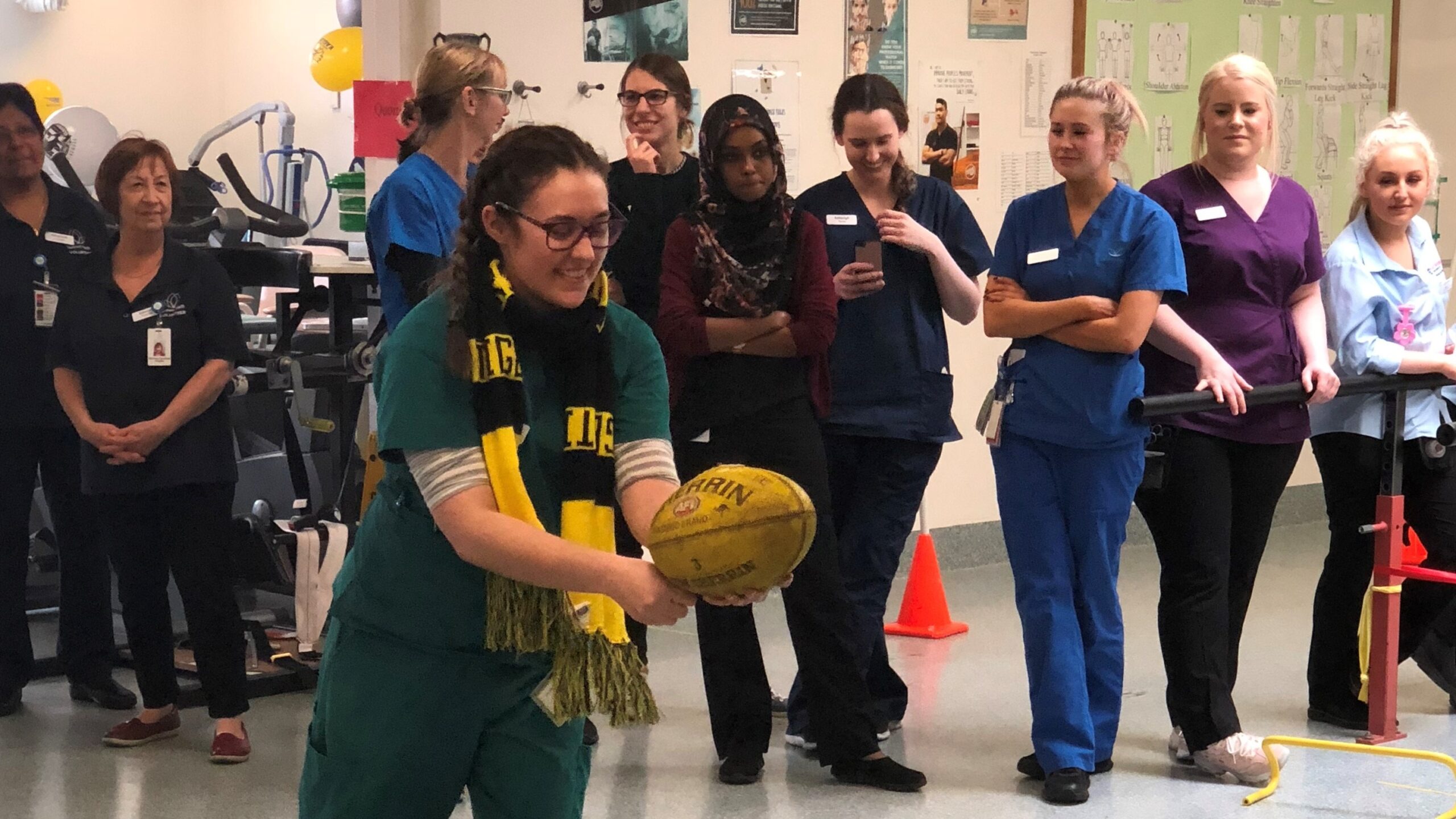
    On Wednesday, for the 14th year in a row, the Allied Health team at Broadmeadows Hospital ran an event day for clients and staff to celebrate the AFL Grand Final.

    Clients enjoyed a variety of activities including a handball target, kicking for goal, quoits, basketball, ten pin bowling, croquet and a bean bag throw.  Winning clients are awarded with medals for being the top scorers.

    Craig Whitbourne, Senior Clinician Exercise Physiologist, said that staff competition was again very fierce this year.  Up to ten different teams were fighting for the right to keep the Broadmeadows Hospital event day trophy in their department for the next 12 months.

    “The footy quiz challenged all the teams and their knowledge of our great game. This was followed by a handball competition and an interesting obstacle course with egg and spoon, basketball, dodging objects and bean bag throwing.  The volunteer team had a big fall from grace – after winning last year they fell to last this year. Unit 3 recruited a past AFL great / premiership player but they fell just short and into second place,” he said.

    And the winner is … the Physiotherapy Department. Congratulations!


    The AFL games day will be held at Northern Health Bundoora today.

  • Chief Executive Message

    Chief Executive Message

    We are heading into our first “Northern Celebrates” – a month of celebrations and awards throughout October that recognises what we have achieved, in caring for our patients, every day.

    The month includes our Northern Health Annual Dinner, Staff Length of Service Awards, Research Week and our Annual Meeting and Open Board Meeting.  I hope that you become involved in as many of these activities as you can.

    As a team, we have a lot to be proud of.  Our Annual Report has just been tabled in parliament, showing strong growth and performance improvement we can be proud of.

    A quick glance at the care we’ve provided shows that we’ve had over 99,446 presentations at our Emergency Department making it the busiest in Victoria – (a rise of 7.9% compared to last year.)

    We’ve also seen an 11.8% rise in hospital admissions, as we’ve had more than 93,913 admissions in the previous year.  Numbers keep on growing as we also look at elective surgical operations, reaching 10,095 – a rise of 17.15%.

    Our teams are also witnessing a baby boom in the north, with our maternity care team assisting with the delivery an average 73 babies each week.

    It’s not all about growth.  It’s about our continual quest to improve the patient experience, access to services – and the quality and safety of the care we provide.

    Covering three of ten nations’ fastest growing suburbs: South Morang, Craigieburn and Epping means, we play a crucial role of providing “trusted care” to residents of Melbourne’s north.

    Well done to you all.

    Hope you all have a great week ahead.

    Siva Sivarajah

    Chief Executive

  • The Mediterranean Diet by Dr Anthony Mariani

    The Mediterranean Diet by Dr Anthony Mariani

    Congratulations to our Gastroenterology Consultant, Dr Anthony Mariani on the release of his follow up book, The Mediterranean Diet: Recipes from Mediterranean Kitchens.

    In his book, Dr Mariani highlights the principles of a Mediterranean diet and its major elements, as well as providing practical ways for incorporating them into your lifestyle.

    He discusses the benefits associated with adopting a traditional Mediterranean diet, including “simplicity of recipes, nutritional balance and great taste”.

    More than 100 authentic recipes from various countries are included, many of them handed down through generations and sourced from families of Mediterranean background.

    Dr Mariani’s first edition of The Mediterranean Diet: Food, Science and Health focuses on the history of the diet and its prevention benefits in various diseases, such as type 2 diabetes mellitus, heart disease, strokes, cognitive impairments, cancer and many inflammatory disorders.

    He also examines evidence for employing a Mediterranean dietary pattern as a weapon in treatment and prevention of obesity in Western countries.

    Dr Anthony Mariani is a Consultant Physician in General Medicine and Gastroenterology. He obtained his medical degree from the University of Melbourne and has trained in Gastroenterology and Hepatology in Miami Florida USA before returning to Melbourne.

    If you would like to find out more information about Dr Mariani’s new book, you can check out his website here.

  • Nominate Now: Staff Recognition Awards

    Nominate Now: Staff Recognition Awards

    Can you think of a colleague who has gone above and beyond at Northern Health? Do you know of a team who has made a significant achievement in improving the patient experience?

    It’s their time to shine – through your nominations to recognise their efforts.

    Quarterly Staff Recognition Awards are an opportunity to reward teams and individuals in a wide range of areas, who have demonstrated commitment to high quality outcomes.

    Northern Health’s Executive Director People and Culture, Michelle Fenwick, encourages everyone to nominate.

    “The Awards are a way that you can highlight your colleagues’ achievements,” she said.

    “Categories will cover exceptional patient experience, compassionate care, safety improvement, innovation, ‘above and beyond’, and potential to grow and develop at Northern Health. Both individuals and teams can be nominated for categories.”

    Andrew Williamson, Executive Director Public Affairs and Foundation, says the awards ceremony will be held 16 October, during Northern Celebrates, with the help of our sponsors.

    “We are delighted with the generous sponsorship support from BankVic and Maxxia,” he said.

    Six Award Certificates and prizes of $250 each will be awarded each quarter, as Northern Health looks forward to celebrating amazing achievements of our staff and teams throughout the year.

    Nominate your colleagues now as submissions close 30 September 2018!

  • Health literacy in multicultural environments is a two-way street

    Health literacy in multicultural environments is a two-way street

    Attaching health literacy to the National Health Survey makes Australia the first country in the world to fully and comprehensively get a baseline of our country’s health literacy, using a tool that was actually developed in Melbourne.

    A keen supporter of Northern in our efforts to improve quality of care, Professor of Public Health, Richard Osborne from Deakin University, and the director of the World Health Organisation Collaborating Centre for Health Literacy, held a research seminar on health literacy in multicultural environments at NCHER recently.

    Richard describes health literacy as a person’s ability to understand access, use and retrieve information, and organise themselves and their family to be able to get healthcare. That is something very close to health equity and quality because it goes two ways – people can have trouble understanding what to do and health professionals can also have trouble understanding what the needs are of the people they serve.

    “Some patients are unable to read English, and they are given English written information, so they get in a tricky situation unless they have someone to help them understand. Also, they might be given medicine and they need to understand instructions on when to take them,” he said.

    Health literacy also means developing a relationship with the healthcare professional. For a patient, it means whether they can actually discuss things with doctors, if they can find information on the web which is reliable and safe and do they trust the healthcare professionals.

    “As this is a two-way street, we have to look from the other side too. From a health service perspective, health literacy means asking questions like – how good are we as a service to understand people’s needs? Do we talk to them in a way which they can understand? Do we understand their cultural issues and backgrounds?”

    Richard adds that when someone leaves a hospital and professionals give them instructions to look after their baby in a certain way, as an organisation you need to make sure you’ve communicated correctly.

    “There’s a technique called ‘teach back’ and that is what professionals can use to check if they have been understood,” he said.

    You can say something like, “now, I’ve given you some information about what you need to do. Can you please explain to me the steps you need to take when you get home. If the patient can’t explain, then it’s the professional’s job to explain again or try explaining in a different format,” he advised.

    ‘Teach back’ is incredibly important and it’s key to good mutual understanding, as it genuinely supports better understanding.

    “At the Collaboration Centre for Health Literacy, we offer various research tools, and those tools have been used in many parts of the world. In multicultural communities, it’s crucial to co-design communication materials to get cultural, as well linguistic, things right, so that when people go home they know what to do,” Richard said.

    According to Richard’s research experience, understanding your community means knowing what community needs are and what perceptions they have.

    “Try to understand what it feels like to arrive to Australia, and all the things you would need to know quickly, to be able to navigate thought the system and access all the health services available,” he added.

    Make sure to check out amazing speakers during the Research Week at Northern Health from 8-12 October.

  • #letsdance: Annual Dinner staff rate extended

    #letsdance: Annual Dinner staff rate extended

    Northern Health’s Annual Dinner Staff Rate has just been extended!

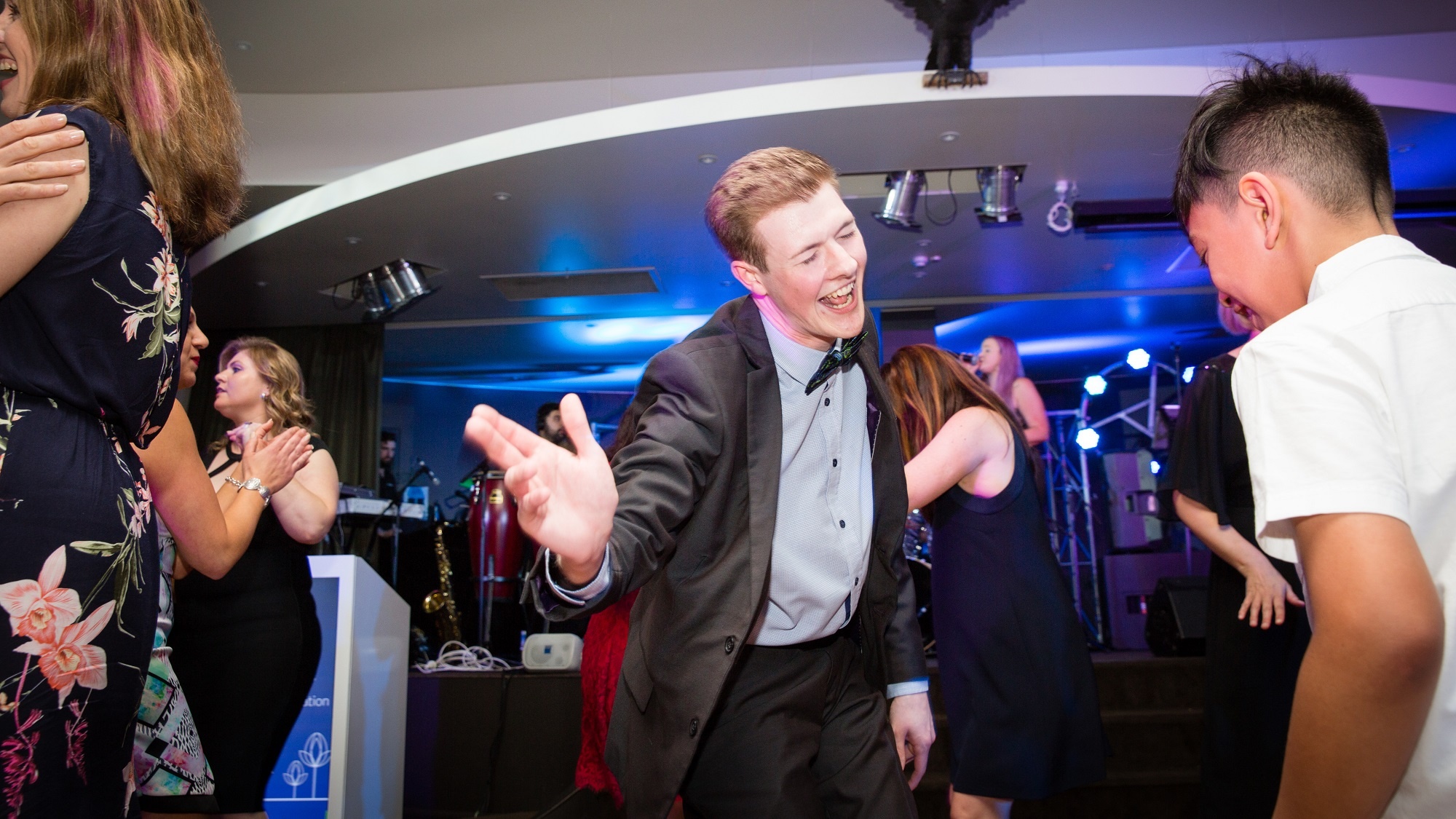
    On October 6, we are getting together for the biggest event at Northern – our Annual Dinner. We have extended the special staff rate, with tickets available at $99 per person or $990 for a table for 10.

    And there’s more good news!

    Our sponsors, Quest Epping have secured an accommodation special rate for everyone attending the dinner.

    If your dancing shoes start feeling too heavy after a big night or you just don’t feel like driving late, discounted accommodation options are available at Quest.

    All you have to do to get a discounted price is call in and mention that you are the guest at the Annual Dinner.

    We can’t wait to see you there!

    Where: Casa D’Abruzzo Club, Epping

    When: October 6 2018, 6.30PM – 12AM

    Entertainment: Comedian Michael Pope, with the show-stopping Baker Boys band

    Meals: Three course dinner

    Drinks: Wine, beer and soft drinks included

    Price: Staff tickets are at the special price of $99 each or tables of 10 at $990

    Click here to get your tickets.


  • The new Code Surge: Everyone’s responsibility

    The new Code Surge: Everyone’s responsibility

    Code Surge, developed in June this year, is Northern Health’s process for solving periods of peak demand in our Emergency Department.

    Overcapacity in the emergency department can be a safety and quality issue and impacts both the patients waiting for a bed and those in the waiting room waiting to be seen. To address this, Northern Health developed a new code called Code Surge.

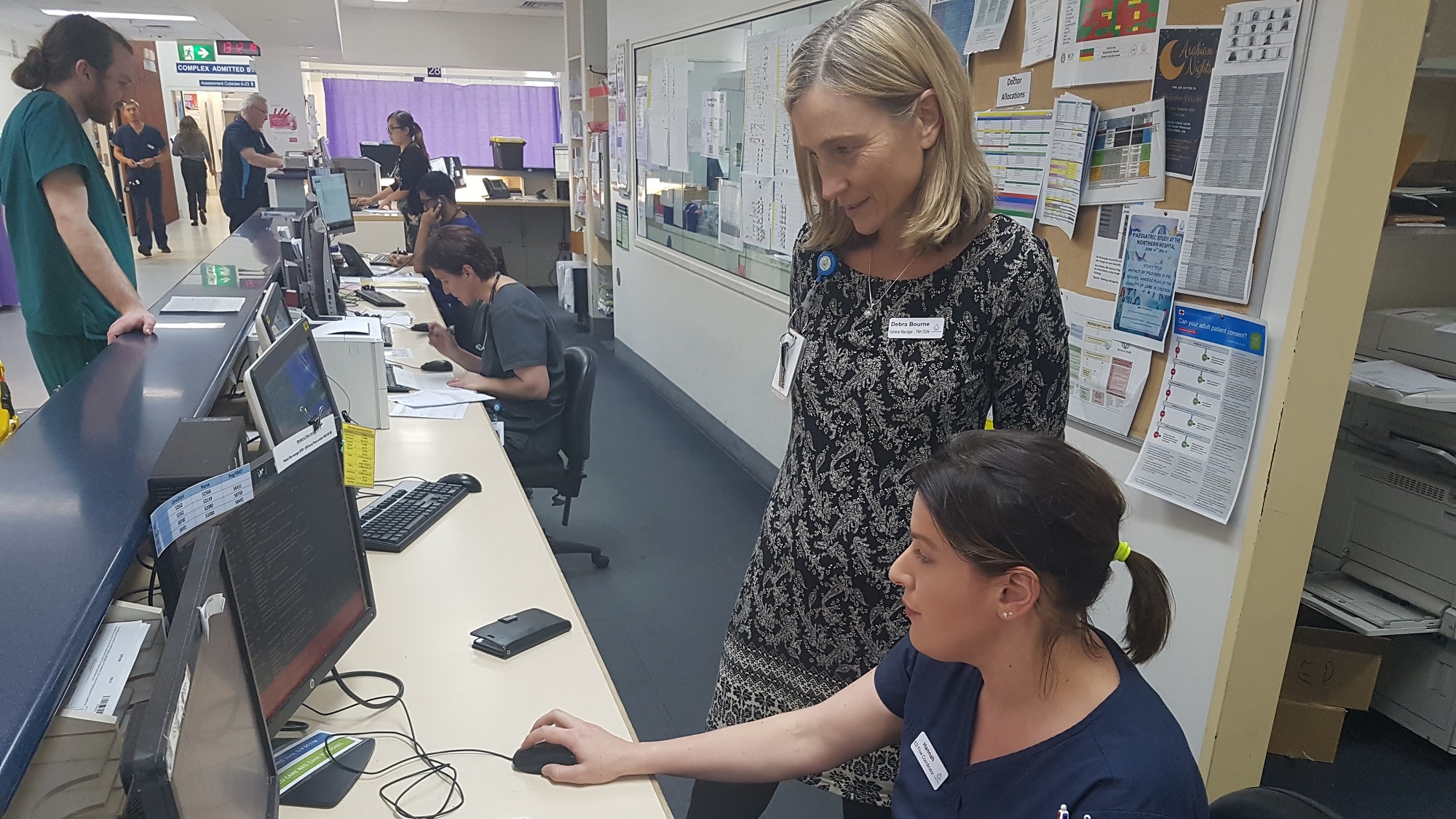
    According to Debra Bourne, Divisional Director, this new initiative is unique to Northern Health.

    “Having too many people in the ED impacts both patients and staff. It increases the waiting times, the length of stay and research has shown that it increases the clinical risk to the patients,” she said.

    Northern identified that in situations where ED has overcapacity, an organisation wide response is required. The new Code Surge, just like Code Stroke or Code Blue is alerted throughout the organisation.

    “Doctors get alerted through the paging system and we send SMS and e-mail notifications to other senior staff within the health service. From this, there are actions that each person and group needs to take,” Debra added.

    Code Surge has been activated 10 times since its introduction and in the majority of occasions, the situation was resolved within 2 hours. This success is due to team work from all staff, both clinical and non-clinical.

    In times of Code Surge, staff works extremely hard to ensure that our patients are cared for in the right place.