• From Melbourne to Mongolia

    From Melbourne to Mongolia

    Northern Health’s enduring relationship with Mongolia continues to flourish, built on over two decades of collaboration with the Mongolian Society of Anaesthesiologists (MSA). This partnership began in 2001 when Professor David Pescod attended the 40th anniversary meeting of the MSA and formed a close working relationship with Dr Ganbold Lundeg, then-president of the MSA.

    Over the years, this collaboration has grown through the dedicated efforts of clinicians like Dr Amanda Baric, whose contributions to anaesthesia education and patient safety in Mongolia have earned her prestigious accolades, including the Order of the Polar Star (2021), the Robert Orton Medal (2023), and appointment as a Member of the Order of Australia (2024).

    In June 2025, a team of Northern Health clinicians joined forces with Australian colleagues to continue this legacy of compassion and global partnership. Their mission: to provide life-changing education and support to Mongolia’s medical community.

    Eighteen Australian faculty members, including 11 from Northern Health, travelled to Ulaanbaatar to participate in the annual MSA seminar, hosted in collaboration with the Australian Society of Anaesthetists (ASA). Led by Dr Baric and supported by organisations such as Interplast and the University of Melbourne, the team focused on empowering local doctors through hands-on training, shared knowledge, and enduring partnerships.

    Northern Health was proudly represented by:

    • Dr Sajidah Ilyas, Anaesthetist and Deputy Director, Mercy Hospital for Women.
    • Dr Suzy Cook, Anaesthetist, Northern Health and RVEEH, Dental Hospital.
    • Dr Andrew Huang, Anaesthetist, Northern Health.
    • Dr Janette Haq, Anaesthetist, Northern Health.
    • Dr Asrar Haq, Cardiologist, Northern Health.
    • Dr Amardeep Nanuan, Anaesthetist, Northern Health.
    • Dr Neil MacDonald, Anaesthetist, Northern Health and The Women’s Hospital.
    • Mr Vikram Iyer, Vascular Surgeon.
    • Dr Pip Wills, Emergency Physician and Simulation Education Specialist.
    • Dr Diana Lewis, Gastroenterologist.
    • A/Prof David Pescod, Anaesthetist, Northern Health.

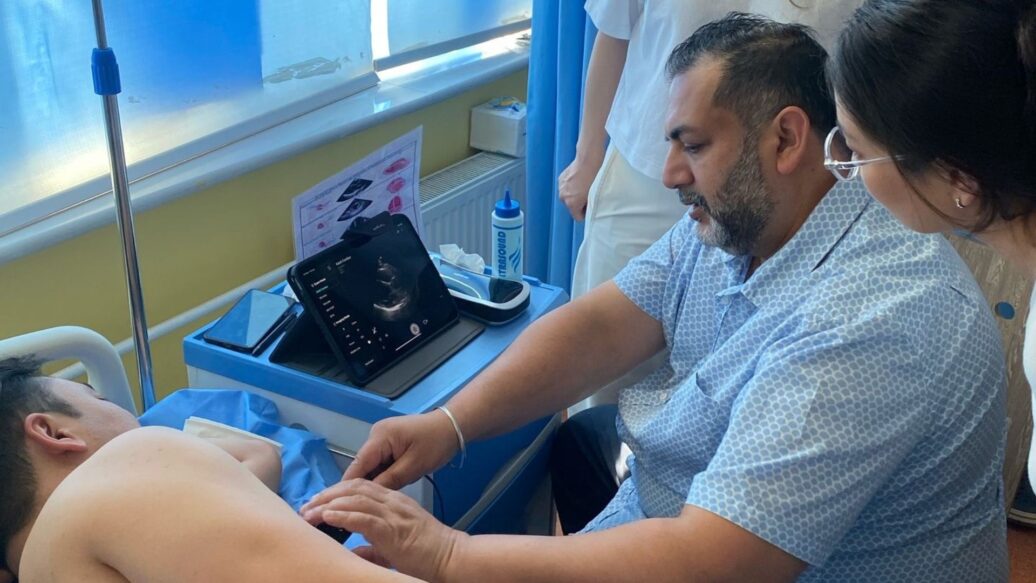
    Throughout the week, Northern Health staff delivered workshops on cardiac investigations, neuro-anaesthesia, transthoracic echocardiography (TTE), obstetric anaesthesia for high-risk patients, machine troubleshooting, and more.

    At the Mongolian National University of Medical Sciences (MNUMS), another Northern Health team led simulation-based education sessions for 30 faculty members and medical students. These workshops focused on adult learning principles, feedback, psychological safety, and scenario-based teaching.

    Northern Health also supported rural hospital visits and contributed essential equipment, including capnography lines, LMAs, and ultrasound machines.

    From Melbourne to Mongolia, Northern Health continues to demonstrate that when healthcare professionals unite across borders, incredible things happen.

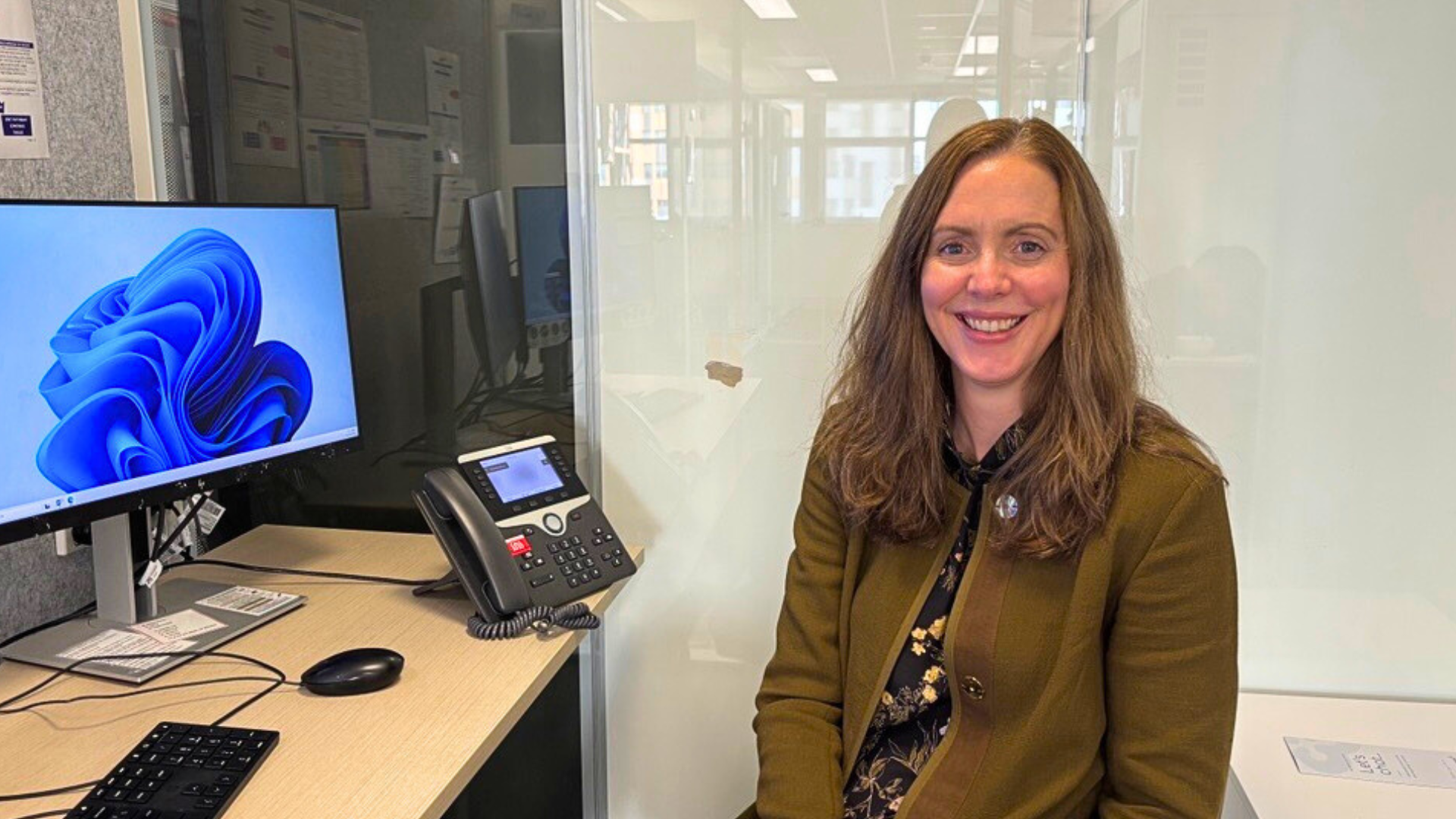
    Featured image shows Dr Amardeep Nanuan, Anaesthetist, Northern Health.

  • Get to know: Dr Suzie Miller

    Get to know: Dr Suzie Miller

    #WeAreNorthern

    Meet Dr Suzie Miller, Emergency Physician, Acting Director, Victorian Virtual Emergency Department (VVED), Northern Health.


    Q: First, let’s start with your coffee order. 

    A: Oat flat white.


    Q: Tell us about your journey at VVED.

    A: I started in September 2021 as an emergency physician when VVED was in its COVID-focused phase. In 2022, I became Director of Strategy, Quality, and Technology.


    Q: What is the best part of working at Northern Health?

    A: VVED’s fast-paced, innovative, start-up culture.


    Q: What does a typical day at work look like for you? 

    A: Fortunately, there is no typical day at VVED.

    It’s often a mix of caring for patients; re-defining priorities with the leadership team and collaborating to action them; brainstorming, piloting, evaluating, and iterating new models of care; evaluating quality cases/audits and improving the service based on learnings; meeting with current and future partners (Department of Health, referral partners, etc.); and reviewing tech company offerings to understand the digital health landscape.


    Q: If you weren’t in your current role, what would you have been instead?

    A: Prior to VVED, I spent a decade as the Chief Medical Officer of various medical technology companies. If VVED didn’t exist, I suspect I would have remained in a med tech executive role while continuing emergency physician clinical practice.


    Q: Tell us one thing not many people know about you?

    A: I used to play the saxophone in a jazz band and remain a fan of big band, swing, and jazz.


    Q: Favourite childhood memory?

    A: Yearly train trips from Washington, DC to New York City with Aunt Mary Ann to shop at Bloomingdales and catch a Broadway show.


    Q: What advice you’d like to give to your younger self?

    A: Don’t sweat the small stuff.

  • Adrenal Venous Sampling now available at Northern Hospital

    Adrenal Venous Sampling now available at Northern Hospital

    Northern Hospital is proud to announce the introduction of Adrenal Venous Sampling (AVS), a highly specialised diagnostic procedure traditionally available only at major metropolitan centres. With the establishment of this service locally, patients in Melbourne’s northern corridor now have access to world-class diagnostic care without the need to travel to tertiary referral hospitals.

    AVS is considered the gold standard for distinguishing between unilateral and bilateral adrenal causes of primary aldosteronism – a condition affecting up to one in 10 patients with hypertension. Accurate diagnosis through AVS enables precise treatment planning, including targeted surgical intervention or tailored medical therapy.

    “The introduction of adrenal venous sampling at Northern Hospital marks a significant milestone for our service and our community. It allows us to deliver cutting-edge diagnostic care close to home, reflecting our commitment to expanding advanced, state-of-the-art services in Melbourne’s north,” says Dr Goran Mitreski, Interventional Radiologist, Northern Health.

    This advanced diagnostic capability has been made possible through the procurement of specialised equipment for real-time sample analysis and the expertise of Northern Health’s Interventional Radiology (IR) team, who bring extensive experience in complex venous sampling techniques. It reflects Northern Hospital’s ongoing commitment to providing high-end, evidence-based care closer to home.

    “I’m proud to introduce our new adrenal venous sampling service — a result of months of dedicated, multidisciplinary collaboration between Interventional Radiology, Endocrinology, and Chemical Pathology. Bringing this advanced diagnostic capability to Northern Health addresses a vital clinical need and ensures our patients and community receive truly comprehensive, locally accessible care,” says A/Prof Terry Kok, Director of Imaging Services, Northern Health.

    The AVS unit also incorporates the latest point-of-care testing assays, enhancing both the accuracy and efficiency of sample collection. Interventional Radiology, Endocrinology, and Laboratory Services have worked closely to ensure the seamless integration of AVS into routine clinical workflows.

    Dr Kay Weng Choy, Head of Chemical Pathology, thanked Northern Health for supporting the development of this important service, adding, “it is a privilege to contribute to the investigation and diagnostic workup of patients with primary aldosteronism — a condition that remains significantly under-diagnosed despite its impact on hypertension and cardiovascular risk.”

    Mr Steven Nikolaidis, the first patient to undergo AVS at Northern Hospital Epping, described the experience as seamless.

    “I’d like to thank Dr Mitreski and his team for their professionalism and care during my recent procedure. I was conscious throughout the adrenal vein sampling and appreciated how Dr Mitreski explained each step along the way. He also let me know I was the first person at Northern Hospital to undergo this procedure, which made the experience even more memorable. Watching everything unfold on the big screen, I felt calm, informed, and completely at ease thanks to the team’s support. I experienced no pain, healed quickly, and had no complications. Most importantly, this procedure will help the endocrinology team determine the best course of action for my ongoing care. I’m incredibly happy and grateful.”

    By offering AVS locally, Northern Hospital not only enhances patient convenience but also reinforces its position as a regional leader in advanced imaging and interventional procedures. This service delivers the highest standard of care to our community and helps reduce demand on larger Victorian institutions, many of which face delays due to high case volumes.

    The introduction of AVS at Northern Health is a timely, state-wide contribution to equitable access and improved diagnostic capacity.

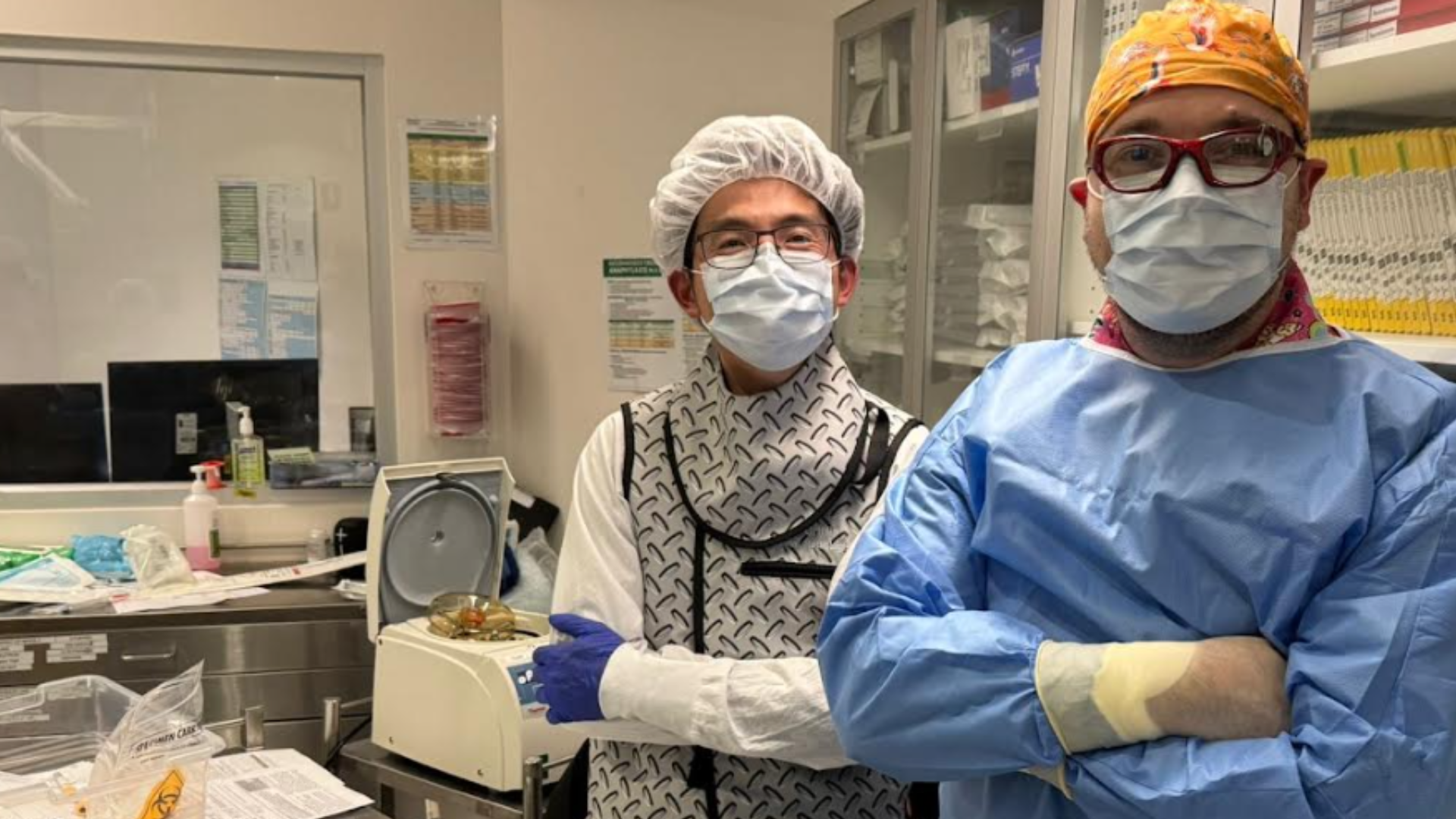
    Dr Goran Mitreski during AVS
    Dr Kay Weng Choy during point of care testing and sample handling

    Pictured in featured image: Dr Kay Weng Choy and Dr Goran Mitreski

  • Barbara Hayes: Shifting the conversation from cure to care

    Barbara Hayes: Shifting the conversation from cure to care

    “We have a society that often doesn’t understand the limits to medicine,
    and that pursuing ever-more medicine can cause harm and suffering without benefit.”

    #WeAreNorthern

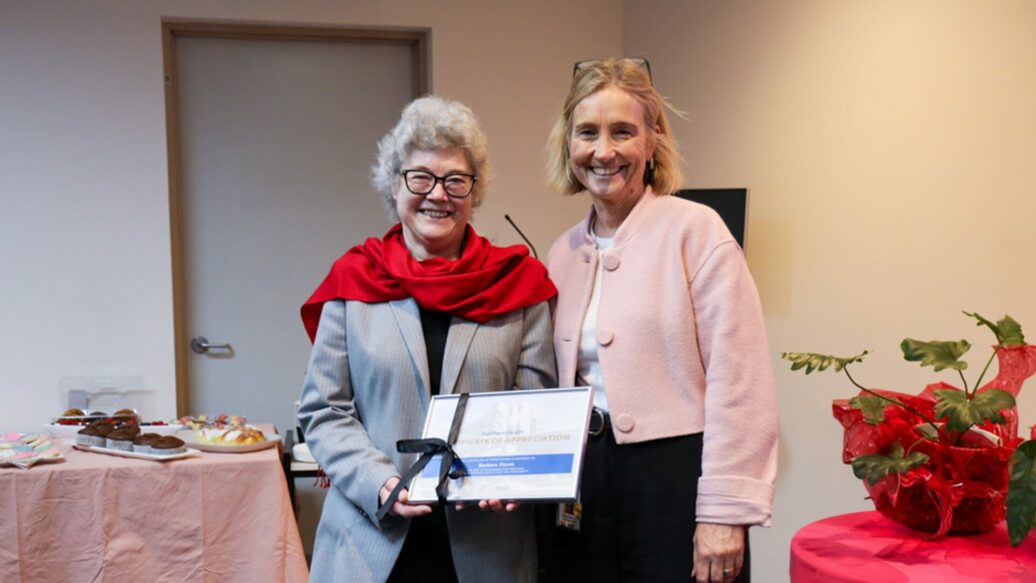
    Today, we celebrate the remarkable career of Dr Barbara Hayes, Clinical Leader in Advance Care Planning and Palliative Care Physician, as she transitions into an honorary role at Northern Health.

    Barbara’s journey began in 1995 within the North Western Healthcare Network, where she managed palliative care beds at what is now the Royal Park campus of the Royal Melbourne Hospital. When Northern Health became independent in 2002, Barbara and the palliative care beds moved to Broadmeadows Health Service, where she led a dedicated Palliative Care Unit and provided consultative support across the organisation.

    Her leadership has been instrumental in shaping Northern Health’s Advance Care Planning program over the past 18 years.

    Barbara, what inspired you to focus your career on palliative care and advance care planning?

    I was originally planning to study geriatrics and then realised the importance of palliative care in that sector.  I decided to obtain some Palliative Care experience – and stayed.  I was asked to take on Advance Care Planning while completing a PhD – ethical CPR decision making. It was a natural fit and I became passionate about teaching and improving Advance Care Planning, Goals of Care and Informed Consent.

    How has your understanding of end-of-life care evolved over the years?

    I think that end-of-life care systems have changed a lot over the years, but patients haven’t.  Their needs are the same, and the importance of understanding the whole patient and their place in the family, and society, is very important.  I like that Palliative Care is the only medical specialty to include spirituality as a core need of patients.

    Why is this important to patients?

    Because many people would identify as having a spiritual element to who they are – not necessarily religious.  It is good to recognise this in healthcare. Of course, as people approach death, spiritual issues often become more prominent.

    What advice would you give to the next generation of clinicians and educators in this field?

    Focus on the patient, learn from the patient and family, and don’t underestimate the therapeutic value of yourself as a caring person.

    Which research project or publication are you most excited about or proud of?

    I would have to say my PhD thesis, ‘Ethical CPR decision making’.  This gave me a lot of skills that enabled further research, teaching and process development, such as the Goals of Care.

    How do you see the future of Advance Care Planning evolving in the next decade?

    I hope it becomes more common-place and brings about cultural change in our community so that people become more health and death literate.  We have a society that often doesn’t understand the limits to medicine, and that pursuing ever-more medicine can cause harm and suffering without benefit.

    What will you miss most about working at Northern Health?

    The people. It is a friendly place to work.  I also see a lot of clinicians who have a real heart for their patients, which is inspiring.

    What are your plans or hopes for the next chapter of your life?

    Have a rest. I still have research to complete as part of an Honorary Northern Health appointment.

    If you could leave one message for the patients and families you’ve supported, what would it be?

    Thank you. I am grateful to you for teaching me so much along the way; I wish though that I knew at the beginning what I know now.
    I am also grateful to have had the opportunity to meet so many extraordinary people, who have lived extraordinary lives, and for the kindness shown to me by patients and families. I will remember some of my patients until the day I die.

  • If you go down to the library today…

    If you go down to the library today…

    If you go down to the library today, you’re sure of a sweet surprise!

    Because something delightful is happening — it’s Library and Information Literacy Week (28 July – 3 August), and the Library is celebrating in the most paws-itively charming way.

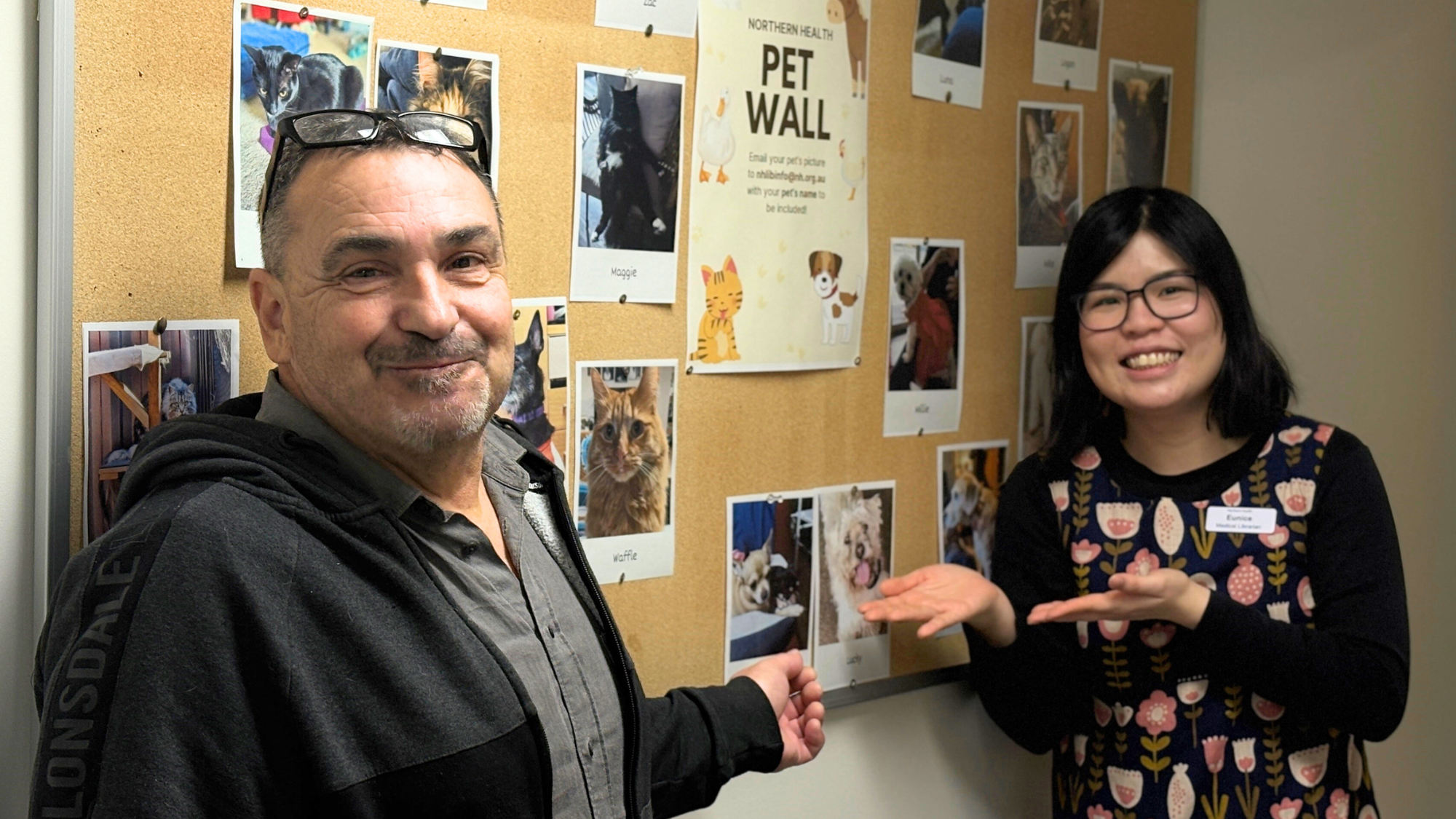
    This year’s theme, “To read or not to read – literacy matters,” reminds us that reading isn’t just about textbooks and journals — it’s about connection, wellbeing and the joy of everyday moments. And what better way to celebrate than with our beloved Staff Pet Wall?

    Just like the teddy bears in the woods, our pets have their own kind of picnic — curled up beside us while we read, snoozing through Zoom calls, or offering a comforting presence during long work-from-home days. The Pet Wall is a joyful collage of these quiet companions, contributed by staff from across Northern Health. It’s a glimpse into life beyond the workplace and a celebration of the furry, feathery and scaly friends who share our stories.

    But the magic doesn’t stop there. If you go down to the library today, you’ll also find:

    • A Leisure Reading collection for those moments when you need a break
    • Access to digital health news to keep you informed (here’s the link: https://www.pulseit.news/)
    • A knowledge supply service to help you explore any topic of interest
    • Support to set up Book Chats with your team or launch a Journal Club

    Don’t hesitate to email us at NHLibInfo@nh.org.au  if you would like more information, on the above. So, whether you’re a bookworm, a casual reader or just someone who loves a good pet photo, there’s something for everyone at the Library.

    Join the fun! Send a photo of your pet (with their name) to NHLibInfo@nh.org.au and be part of the Pet Wall picnic. Because here at Northern Health, literacy lives in every moment — especially the ones shared with a wagging tail or a gentle purr.

    And they all read happily ever after.


    Featured image shows proud pet owner Miguel Barros, Environmental Support Services Manager and Eunice Ang, Medical Librarian.

  • Why DonateLife Week matters: A call to register and share

    Why DonateLife Week matters: A call to register and share

    Sunday, 27 July – 3 August, marks DonateLife Week, an annual national awareness period to highlight and raise awareness of the importance of Organ and Tissue donation.

    The week aims to encourage more Australians to register their wishes to become organ and tissue donors as well encouraging Australians to have the conversation with their families.

    The Northern Donation Specialist Team comprises a Medical Donation Specialist, Dr David Crosbie, and a Nurse Donation Specialist, Bridget Walters. They work closely with DonateLife Victoria to support patients who are at end of life and their families and offer the possibility of organ and tissue donation within the Intensive Care Unit at Northern Health.

    DonateLife Week allows us to reflect upon caring for our patients and loved ones who graciously consented to Organ, Eye and Tissue Donation in the last 12 months. At Northern Health, five families said ‘yes’ to organ donation. These donations saved and transformed the lives of nine very grateful recipients and changes the lives of many others through tissue donation. Eleven families said ‘yes’ to eye donation restoring the sight and changing the lives of 22 recipients.

    “We thank all organ and tissue donors and their families for their generosity,” said the Donation Specialist team.

    Bridget finds it a great honour and privilege in her nurse donation specialist role to be able to support patients and their families during such a difficult time.

    “It is very humbling to sit and be present with a family who often share stories and memories of their loved one, whilst feeling such grief and loss and yet find the strength and generosity to consider others by saying ‘yes’ to organ donation, giving the ultimate gift of a second chance of life to another,” she says.

    This DonateLife Week we would also like to acknowledge and thank the staff at Northern Health.

    “Organ and tissue donation would not be able to occur without the commitment, teamwork, person-centred care and compassion that is given to patients and their families during the donation process. Multiple areas are usually involved, including the emergency department, intensive care unit, medical imaging, cardiac cath lab and theatre. These teams exemplify the organisation’s Safe, Kind, Together values during this challenging time, which is why Northern Health is held in such esteem by DonateLife,” said Dr Crosbie.

    The Donation Specialist team continue to work collaboratively with the Palliative and Neurology wards, Medical Designated Officers, Northern Pathology and Radiology, Echocardiology and Interventional Cardiology, who are all very accommodating of the needs of the donor patients, often coming in after hours and within short timeframes.

    At Northern Health we are very fortunate to have such a compassionate allied health team. Social workers, spiritual care and the Transcultural and Language Services (TALS) team of interpreters, play an integral role during family donation conversations and throughout the donation journey, ensuring the individual needs cultural, spiritual and religious needs of patients and families are supported,” said Ms Walters.

    This DonateLife week, the donation specialist team wish to acknowledge and thank the clinical medical and nurse champions and nurse advocate across the organisation who continuously raise awareness, support education and who are important resource to their colleagues when caring from organ donors and their families.

    In Australia, your family will always be asked to support your decision before organ donation goes ahead. They are much more likely to agree if they know you want to be a donor.

    This important week gives hope to around 1,800 Australians on the organ transplant waitlist and an additional 14,000 people on dialysis, many of whom could benefit from a kidney transplant.

    Everyone over the age of 16 can register to donate their organs and tissues on the Australian Organ Donor Register (AODR).

    It only takes one minute to register, visit donatelife.gov.au

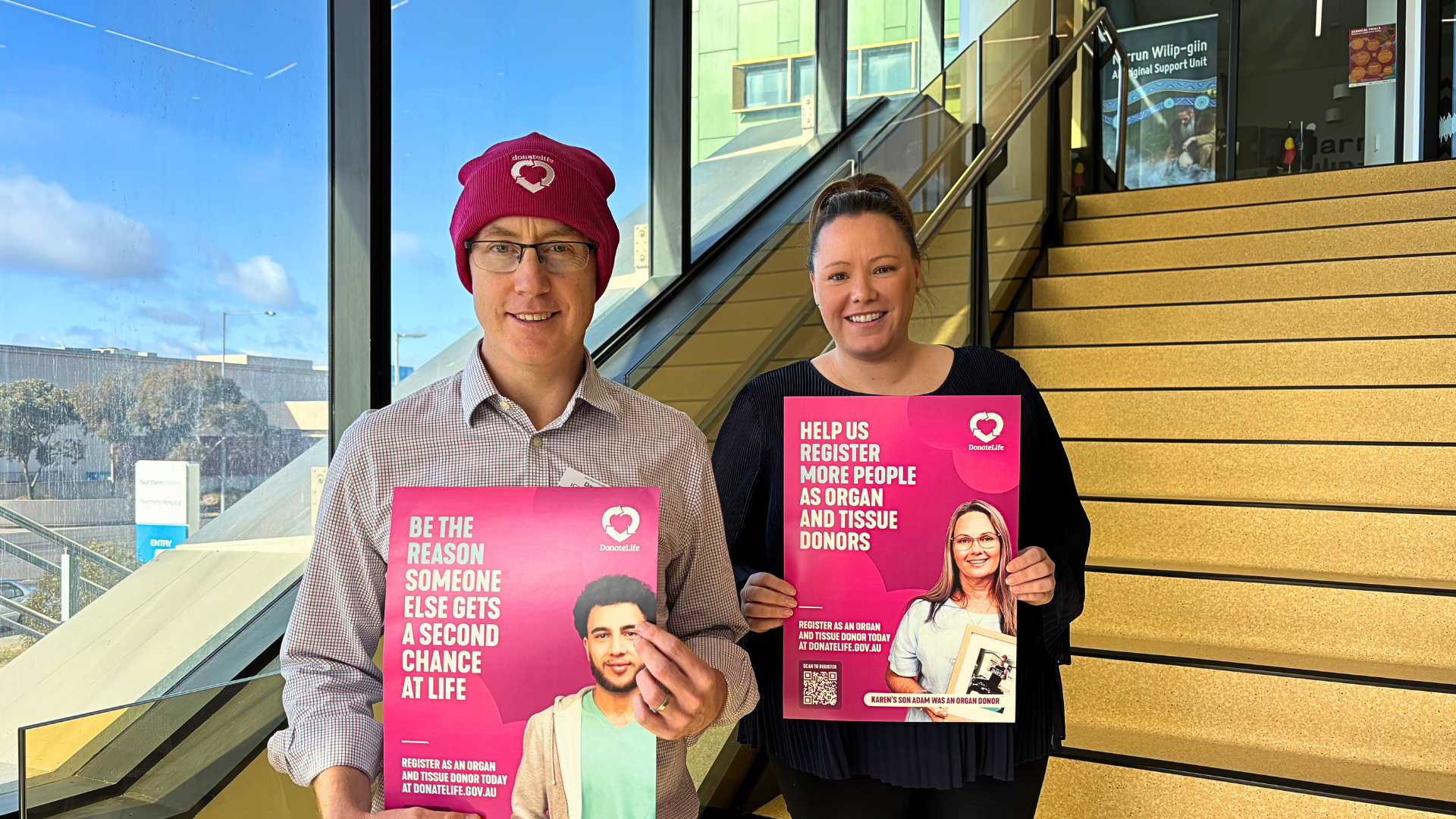
    Pictured in featured image: Dr David Crosbie and Bridget Walters. 

  • 2025 Research Grant recipients announced

    2025 Research Grant recipients announced

    Northern Health is dedicated to fostering a strong and vibrant research culture across the organisation. In continued support of this commitment, and to amplify Northern Health’s contributions to the broader research landscape, a suite of research grants, similar to 2024, were offered:

    • Northern Health Foundation Grant ($50,000) – A premier research grant which is a competitive grant based on track record, with a view to building capacity towards Category 1 research success. Only one grant was available under this category.
    • Research @ Northern Support Grants ($20,000) – A grant that supports research initiation or establishment at Northern Health. Available to early career researchers, on an equal footing with established researchers. Three grants were available under this category.
    • Grants in Aid ($10,000) – A grant focused on supporting research units with funding for equipment, consumables, or external technical support not available within Northern Health. Five grants were available under this category.

    The objectives of the Northern Health Research Grant Round are to:

    • Support work that benefits the Northern Health’s community
    • Support projects that will lead to applications for external grants or funding
    • Develop and strengthen the research culture at Northern Health
    • Support capacity building and staff development in research
    • Increase research productivity at Northern Health
    • Support pilot projects or projects where traditional funding sources are difficult to attract.

    The grant round attracted a high volume of outstanding applications. The multidisciplinary Grants Committee led by Professor Donald Campbell were highly impressed by breadth and calibre of submissions. Each application was carefully reviewed by independent reviewers, with the process overseen by the Northern Health Research Grant and Scholarship Committee, chaired by Professor Geoffrey Donnan.  The committee convened to discuss and recommend the grant recipients for each category.

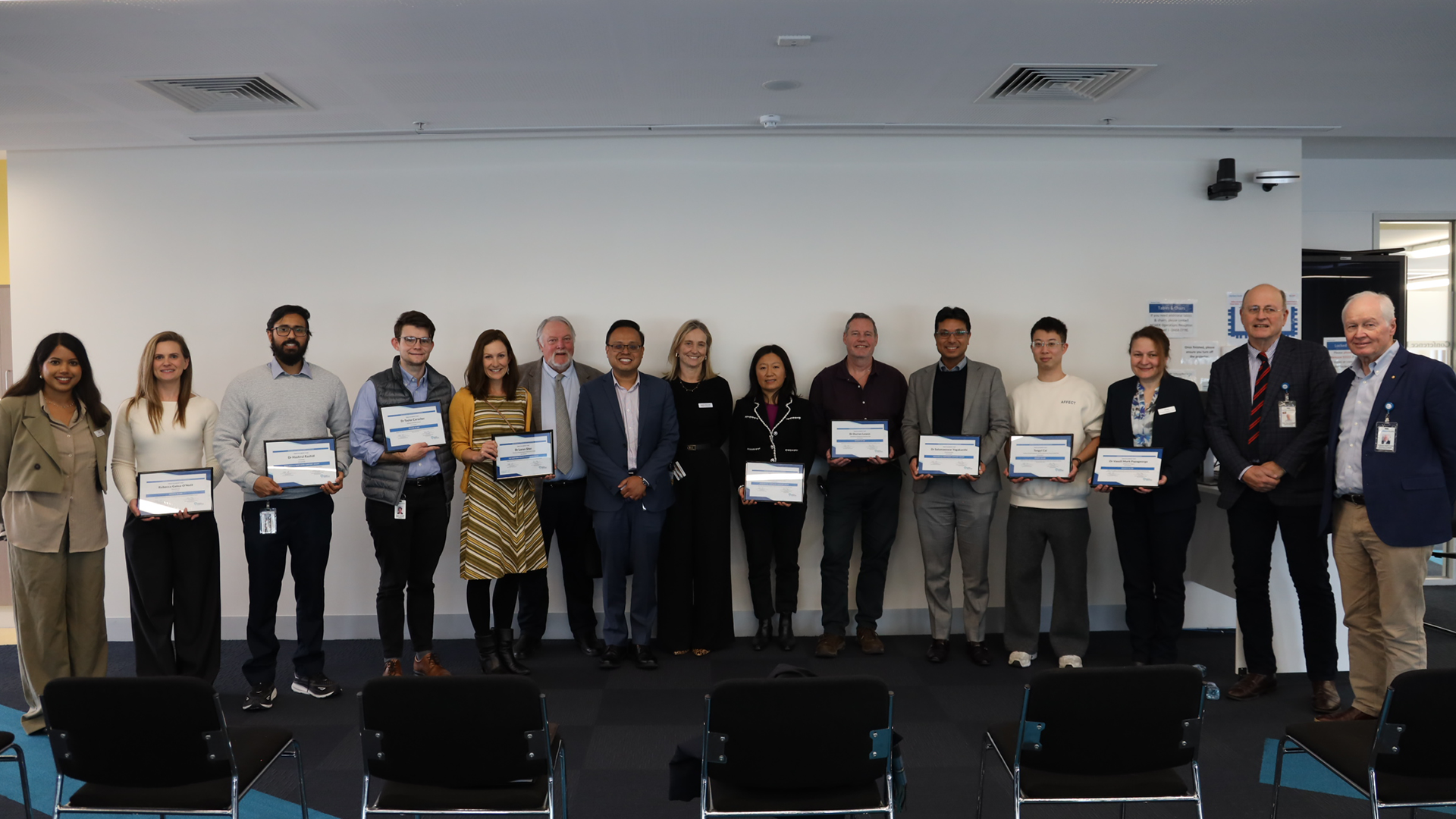
    The final recommendations were endorsed by the Research Executive Committee and the Northern Health Foundation Board. The successful recipients were formally announced today at the Research Grand Round, held at the Northern Centre for Health Education and Research (NCHER).

    The recipients are:

    Northern Health Foundation Grant

    • Dr Loren Sher, Program Director of VVED and Paediatric Emergency Physician
      Department: Victorian Virtual Emergency Department (VVED)
      Project title: ENDURED: Enhancing Discharge Understanding and Retention through Effective Delivery


    Research @ Northern Support Grants

    1. Dr Julie Wang, Clinical and Laboratory Haematologist
      Department: Northern Clinical Diagnostics and Thrombovascular Research Centre (NECTAR)
      Project title: Northern Novel biomarkers to improve cardiovascular risk prediction in non-cardiac major surgery
    2. Dr Hashrul Rashid, Interventional Cardiologist
      Department: Cardiology
      Project title: EMPRESS Study (Empagliflozin and Coronary Stent Restenosis in Type 2 Diabetes
    3. Dr Saiumaeswar Yogakanthi, Senior Inflammatory Bowel Disease Fellow
      Department: Gastroenterology
      Project title: The Renin Angiotensin System in Structuring Crohn’s Disease

    Grants in Aid

    1. Dr Taylor Corocher, Medical Scientist
      Department: Northern Pathology Victoria
      Project title: Validation of rapid quantification of unfractionated heparin in plasma using surface-enhanced Raman spectroscopy
    2. Dr Vassili Mark Papageorge, Orthopaedic registrar
      Department: Orthopaedic Surgery
      Project title: Prospective multi-spectral analysis of joint fluid aspirates for the rapid diagnosis of septic and crystal arthropathies – a SPECTRAL Study (Spectral Profiles of Joint Effusions with Confirmed Test Results and Arthropathy Library)
    3. Dr Darren Lowen, Staff Specialist Anaesthetist
      Department: Anaesthesia, Perioperative Medicine & Pain
      Project title: Paired blood samples to determine the obstetric impact of induction of labour in nulliparous women.
    4. Tengyi Cai, Research Fellow
      Department: Northern Clinical Diagnostics and Thrombovascular Research (NECTAR)
      Project title: Evaluation of vaspin as a biomarker for health outcomes in patients with cardiovascular risk factors and chronic kidney disease
    5. Rebecca Galea-O’Neill, Physiotherapist
      Department: Physiotherapy
      Project title: Patient Perspectives: Showcasing the Impact of the Musculoskeletal Wellness Program

    From all of us at Northern Health, congratulations!

  • Deputy Prime Minister visits Broadmeadows Hospital

    Deputy Prime Minister visits Broadmeadows Hospital

    Last Thursday, Northern Health welcomed The Hon Richard Marles MP, Deputy Prime Minister, Basem Abdo MP, Federal Member for Calwell, Senator Michelle Ananda-Rajah (Senator for Victoria), and Kathleen Matthews Ward, Member for Broadmeadows in the Legislative Assembly, to Broadmeadows Hospital.

    The Deputy PM and accompany ministers and senator, met with Alan Lilly, Board Chair, Northern Health, Debra Bourne, Chief Executive, Northern Health, A/Professor Jason Cirone, Chief Allied Health Officer, and other Northern Health stakeholders, to promote the Commonwealth Prac Payments for nursing, midwifery, teaching and social work students.

    Eligible students will receive $331.65 per week while doing their mandatory prac placements as part of their degree. This new payment will provide cost-of-living relief for around 68,000 eligible higher education students and more than 5,000 VET students each year.

    The prac placement is a mandatory period of supervised work experience that students undertake as part of their degree or vocational training. These placements are crucial to applying theoretical knowledge to real-world situations, developing practical skills and gain experience in their chosen field. For some students, these placements can be unpaid or require significant time and financial commitment, leading to “placement poverty.”

    During the visit, they toured Broadmeadows Surgical Centre and Unit 1 (Medical Surgical Ward), where they met with students who will benefit from the payments.

    “Our Victorian nursing students are a national asset we want to grow. The paid-pracs will help retain nursing students during their studies. This is vital cost of living support, so that we don’t just attract talent, but enable these students to succeed,” said Senator Ananda-Rajah.

    Minister for Education Jason Clare announced the Commonwealth Prac Payments on 1 July.

    “This will give people who have signed up to do some of the most important jobs in this country a bit of extra help to get the qualifications they need,” he said.

    “These are people who are going to teach our kids, who are going to look after us when we’re sick or when we’re old, going to help women during childbirth and help support women in domestic violence refuges.”

    “And that’s why this is important. It’s a bit of practical support for people while they do their practical training.”

    “Placement poverty is a real thing. I have met students who told me they can afford to go to university, but they can’t afford to do the prac. Some students say prac means they have to give up their part-time job, and that they don’t have the money to pay the bill.”

    To find out more about the Commonwealth Prac Payment, please click here.

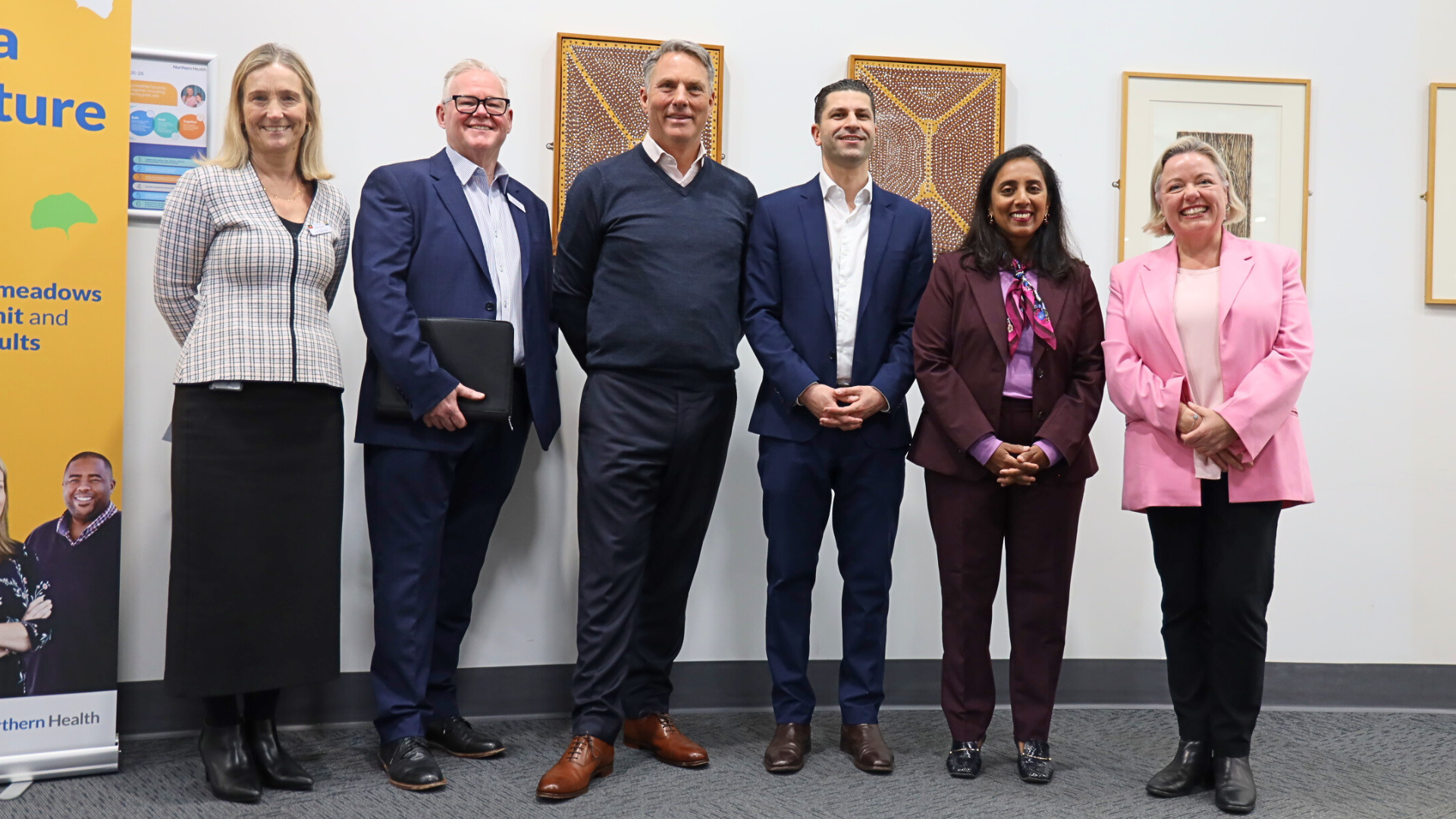
    Pictured in featured image (L-R): Debra Bourne, CE, Alan Lily, Board Member, The Hon Richard Marles MP, Deputy Prime Minister, Basem Abdo MP, Senator Michelle Ananda-Rajah, and Kathleen Matthews Ward, Member for Broadmeadows in the Legislative Assembly.