• KAW Nurses: Providing patients with moments of happiness

    KAW Nurses: Providing patients with moments of happiness

    The Kath Atkinson Wing (KAW) at Bundoora Centre provides care, evaluation and management of individuals who are experiencing cognitive decline and medical illness.

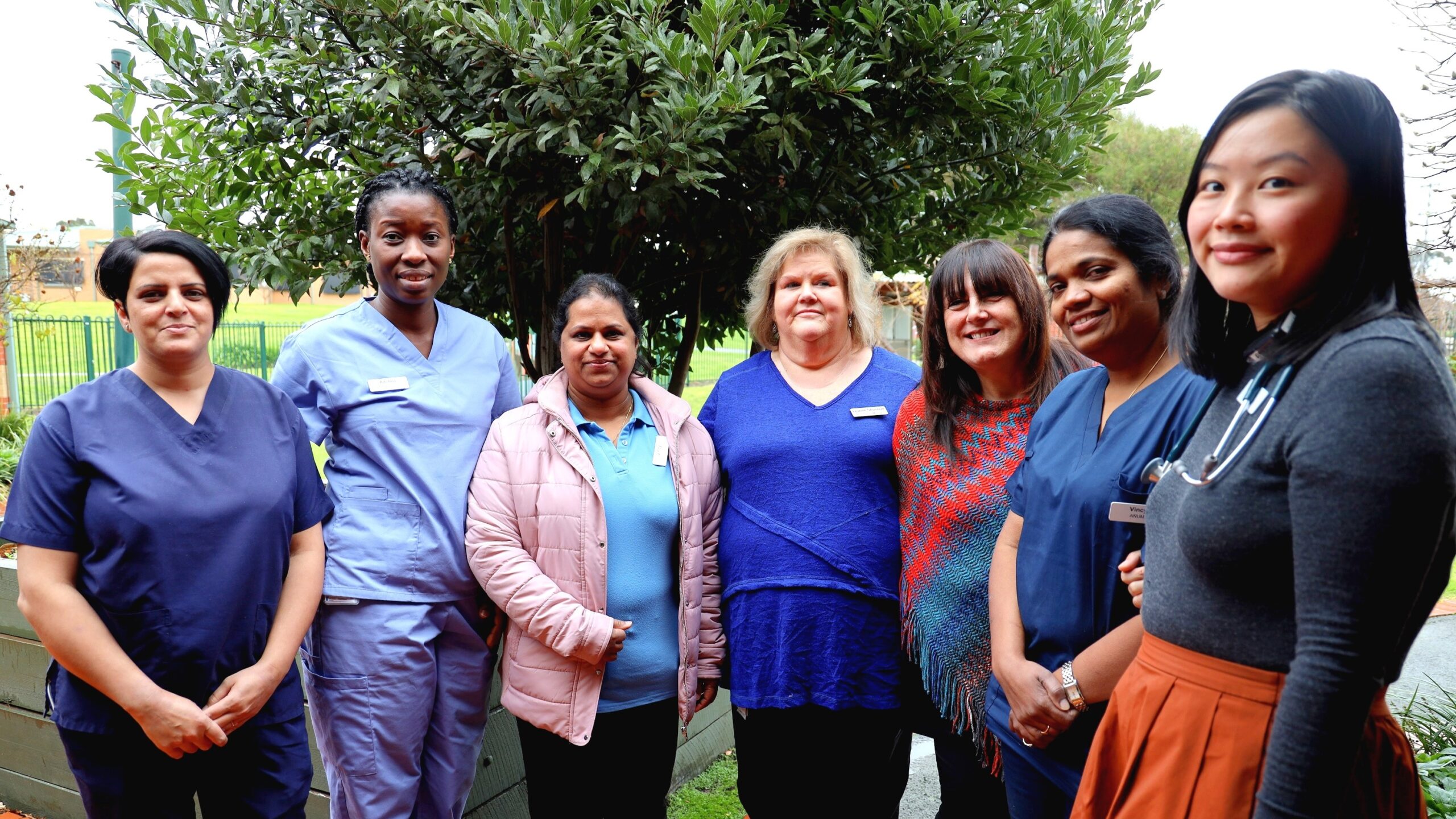
    Recently, the KAW nurses received the award for ‘Patient Experience’ at the Quarterly Staff Recognition Awards.

    The team were nominated by Lilian Oparanozie, who said, “KAW unit is a challenging unit with patients who have behaviour and psychological symptoms of dementia. Despite the difficulties they face, the KAW nurses deal with patients with great empathy and understanding.”

    Leanne Shannon, Nurse Unit Manager, says, “It can be very challenging and isolating down here, so to get that recognition really meant a lot!”

    The unit specialises in dementia and cognitive behaviours, which can vary from an elderly woman in her 90s who is slightly confused, to men in their 50s who are physically aggressive.

    “It’s the unexpected that’s difficult. The staff are having to adapt their nursing management style for different scenarios,” Leanne says.

    “We’re getting younger men who don’t have dementia but have an acquired brain injury related to alcohol or drugs and because of that, have a cognition issue, so they come to us to sort it out.”

    Through these unexpected and trying times, it is the team’s close family relationship and support for one another when it comes to complex patients that gets them through.

    “I guess the most rewarding part is when you get a very complex behavioural person who comes in and you’re able to work as a team and implement strategies to manage their behaviour, and then you can discharge them and they don’t come back.”

    But most importantly, it is the moments of happiness the team get to create for patients and their families that makes it all worth it.

    “Recently, we had a particular patient who went in and out of her confusion. One of the things she said was – it’s not fair! I should be retired, travelling, going dancing with my husband,” Leanne says, “and she couldn’t do that,” she adds.

    “We had a session here where we put on music and she was up dancing with her husband – it makes me cry every time I think about it.”

    The team have also celebrated 90th birthdays, where families have come in and the ward throws a party.

    “Even though the patient might not remember this at a later date, the families definitely will,” Leanne says.

    “You can’t solve world problems, but you can give a moment of happiness and this is what keeps us going.”

    Featured Image: The KAW Team
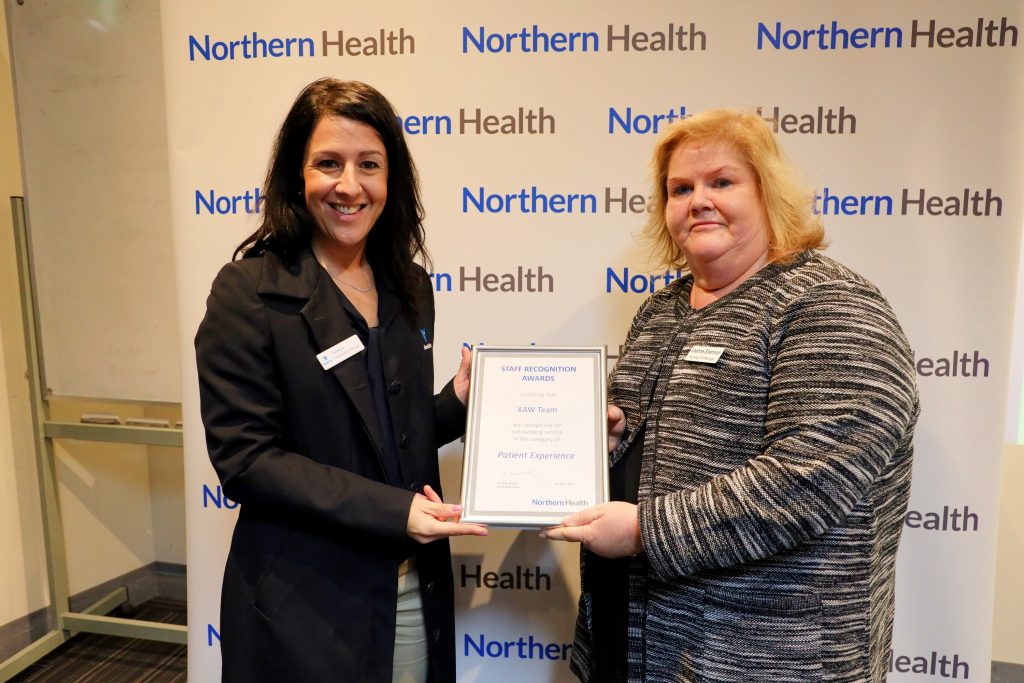
    Leanne Shannon, Nurse Unit Manager, accepting the ‘Patient Experience’ award
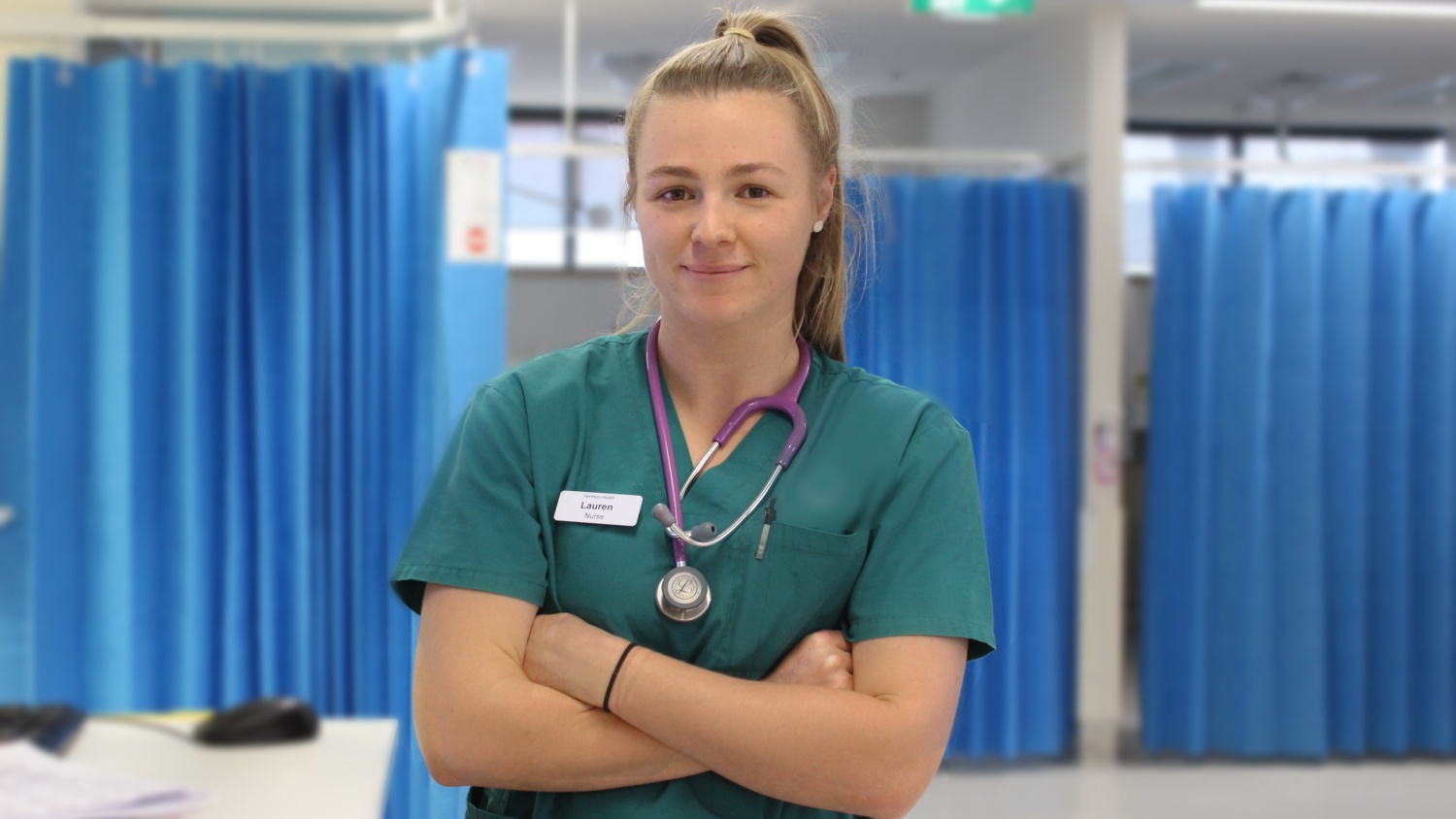
  • Graduate Nurse: Lauren Parkinson

    Graduate Nurse: Lauren Parkinson

    Can you tell us why you chose a career in nursing?

    Nursing has always been something I wanted to do from a young age, and I set myself a plan on how to achieve this as soon as I got to high school. Unfortunately, I lost my mum to cancer when I was eight. During her battle, I watched multiple nurses go out of their way to give the best care possible to her and keep her dignity right until the end.

    My family and I remember these nurses to this day, for the amazing person-centred care they gave my mum and our family. This unfortunate event in my life gave me the passion to be like those nurses. I wanted to bring dignity and respect to people at their most vulnerable time and advocate for patients and their families. I wanted to be able to assist people in small ways to make their day, or even to just be a smiling face when someone really needs it.

    Nursing is such a selfless job – it has so many ways of making you feel good. I love the feeling of going home from a shift with the knowledge that I have helped someone, even in just a minor way, to feel better.

    When looking for a graduate nurse program, how did you go about narrowing down your decision?

    When looking through all the places that offered graduate programs, I felt so overwhelmed with choices. The two most important things for me when I was looking at different programs was the culture of the hospital and what learning opportunities they could offer.

    I narrowed my choices down by my experience on placement at these different hospitals, as well as going to their information nights and asking questions about how they could support me, not only in my graduate year, but ongoing years.

    How did you feel about the application process?

    To begin with, the application process was very daunting and overwhelming. Once I sat down and looked at it all step by step, it became a lot less daunting and more exciting than anything. Attending the information sessions the hospitals held were really beneficial, as well as speaking to graduates from previous years.

    Going through the interview process was another step that was nowhere near as daunting as it seemed. All hospitals were very welcoming and understanding of everyone’s nerves, and having so many other peers going through this process feeling the same way I did made it easier.

    How did you feel when you found out your Computer Match results?

    Getting my results was without a doubt one of the best and most terrifying feelings. Knowing all the hard work I had put into University, placements and my graduate application had paid off, made my only response tears. With a mixture of excitement and relief I was over the moon, as well as terrified that it was all becoming reality.

    What advice would you have to students going through this process at the moment?

    Start early! Be as prepared and organised as you can be and research the hospitals that you are applying for really well. Be confident in yourself and your own skills and don’t be afraid to show it – also, don’t put the pressure on yourself like I did! Even if you don’t get that graduate year you hoped for, there are so many other options out there and no matter where you start or which ward you start on, you’re going to learn so much – it might even change your mind on the path you want to take.

    The last thing I would say would be to jump in the deep end – apply or aspire to something outside of your comfort zone. If there is going to be a time to try something new, but you don’t have the confidence in yourself or you are too scared to do so, your graduate year is the perfect opportunity to give it a go.

    Finally, can you tell us how you are enjoying your graduate program at Northern Health? 

    I absolutely love my graduate program at Northern Health this year. I am so grateful for the opportunity. I was given six months to complete a rotation in the Emergency Department and on Unit B. The ongoing support from the clinical educators has been amazing.

    I would’ve been lost without their assistance on the floor, their ongoing educational sessions and just being there as another ear to debrief to on good and bad days. The step from being an undergraduate student to being a registered nurse has probably been the biggest challenge.

    From not having a ‘buddy nurse’ anymore, to you being the ‘buddy nurse’, takes some time to adjust to, but my nursing colleagues have been so supportive. The team at Northern Health has made this transition so easy.

    Having the support from the graduate coordinators, Kate and Katia, the clinical support nurses, my colleagues and the other graduates this year, has made the whole process so enjoyable! I have learnt so much in my first six months and I’m already aspiring to complete postgraduate studies.

    Most days I can’t believe what I’ve achieved and how lucky I am to be exactly where I want to be.

    It makes me very thankful for this opportunity and I can’t wait to see where my nursing career at Northern health takes me.

  • What’s new in June

    What’s new in June

    Builder appointed for Stage 2 Expansion Project at Northern Hospital

    The Minister for Health has approved Kane Constructions as the main works builder for the Stage 2 Expansion Project at Northern Hospital. Kane have extensive experience in building public hospital infrastructure.

    This next stage will increase the tower from three to seven floors, including three 32-bed wards accommodating 96 acute in-patient beds and three new operating theatres. The seventh floor will include shell space for future expansion.

    Works are expected to commence almost immediately with an anticipated completion date of late February 2021.

    Staying Well

    In health care, we know we need to do things differently as our population grows and demand for health services continues. Our new “Staying Well” initiatives will commence in the second half of the year – where we will reach out to patients in the community to support them further outside hospital.

    In the future, this will extend to further involvement in population health and support across our community.

    I’m pleased that we’ve been able to recruit Professor Don Campbell as Clinical Services Director, Staying Well Program, commencing in August. Don is an innovator in the health sector, establishing a number of ground breaking programs including most recently the ‘Monash Watch’ program for patients with complex needs.  He has also been involved in simulation flow modeling tools, to understand the movement of patients through hospitals – including Royal Children’s Hospital, Royal Melbourne Hospital & Royal Adelaide Hospital.

    Flu Vaccination

    Our flu vaccination team have provided over 16,000 vaccinations to the public in just over a month, compared to 11,000 vaccinations in three months last year, and to date 602 patients have been vaccinated.

    When we look at our staff, 79% of staff have received the vaccination, with our target being 90%. I encourage you all to participate for your own health, your family and the protection of our patients.

    Although the flu season has not yet been officially declared, we all know winter is here!

    I hope you have a good week ahead.

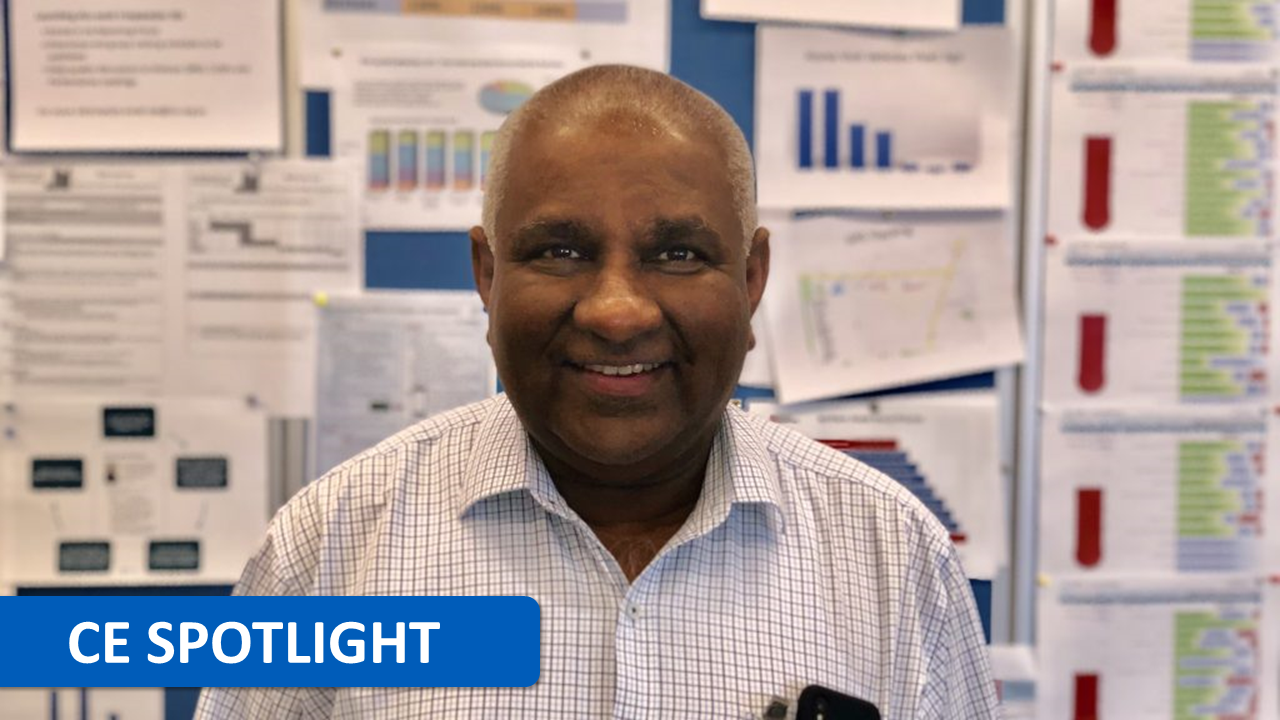
    Siva Sivarajah

    Chief Executive

  • GP education for a healthier community

    GP education for a healthier community

    The education evening on ‘Osteoarthritis – Joint Management with General Practice’, is an example of how Northern Health is working collaboratively with the General Practitioner (GP) for the best patient outcome. It was initiated by our Orthopaedic Department and developed and coordinated through the Primary Care Liaison Unit.

    Seventeen GP’s attended the event, which sought to provide a forum for GP education regarding best practice non-surgical management of hip and knee osteoarthritis (exercise and medication).

    Karen Overall’s role as Primary Care Liaison, is to provide the expertise of Northern Health’s medical specialists to present the most up-to-date and relevant medical development for the GP. A role that is of increasing importance in Northern Health’s mission to keep our community well in their own homes.

    “An important aspect of the upskilling is to know at what point to refer to Northern Health and what is required in the referrals for triage,” says Karen.

    “Patients are triaged according to the information we receive, so it’s really important to educate the GP on what is required on a referral to our service.”

    Juliette Gentle, Director of Orthopaedic Surgery at Northern Health states “The key messages were optimising non-operative management of hip and knee arthritis in the community, promoting resources for GP’s and their patients and highlighting programs available for referral.”

    “There is irrefutable research evidence (at least 44 randomised controlled trials) to support the assertion that structured, targeted exercise therapy improves pain management and function, regardless of the severity of radiographic findings or pain severity,” claims Tom Collins, Clinical Leader Physiotherapy – Advanced Practice at Northern Health.

    “What patients are often not told, is that 10 percent of patients are unsatisfied with their knee replacement surgery outcomes at one year, and 20 percent have no clinically meaningful improvement in pain or function,” he adds.

    Speakers included Anton Harms – Advanced Practice Musculoskeletal Physiotherapist, Akilan Velayudhan – Anaesthetic Consultant and Pain Specialist and Juliette Gentle.

    Anton Harms says “Over my time at Northern Health, I have witnessed remarkable improvements in many patients’ osteoarthritis knee pain through specific exercise and weight control improvements, that I would not have thought possible if I had not witnessed it.”

    “The aim of the GP session was to try and convey this to them and in particular, to inform them about the GLA:D program for hip and knee osteoarthritis.”

    The GLA:D program developed in Denmark, provides the minimally effective dosage of exercise for knee and hip arthritis. This consists of two one hour exercise sessions per week for six weeks.

    A patient of the GLA:D program at DPV Community Health, Epping, Pamela Horton, can attest to the effectiveness of it. “I did not want to get surgery, so I was willing to try anything.”

    “I think it was the best thing ever for me,” she continues.

    “Because of the program, I’m actually walking really well and I’m not going for the operation.”

    Anton says, “As the primary point of contact, the GP’s have a critical role in advocating for and arranging rehabilitation before considering referral to the Orthopaedic Department.”

    “Pain and disability are a massive problem, in particular in our community. It just so happens that we have the perfect group of collaborative, passionate, skilled team members (Juliette, Anton, Briana, Wanda, Akilan and Jake from the pain team) to make this model of care work,” Tom says.

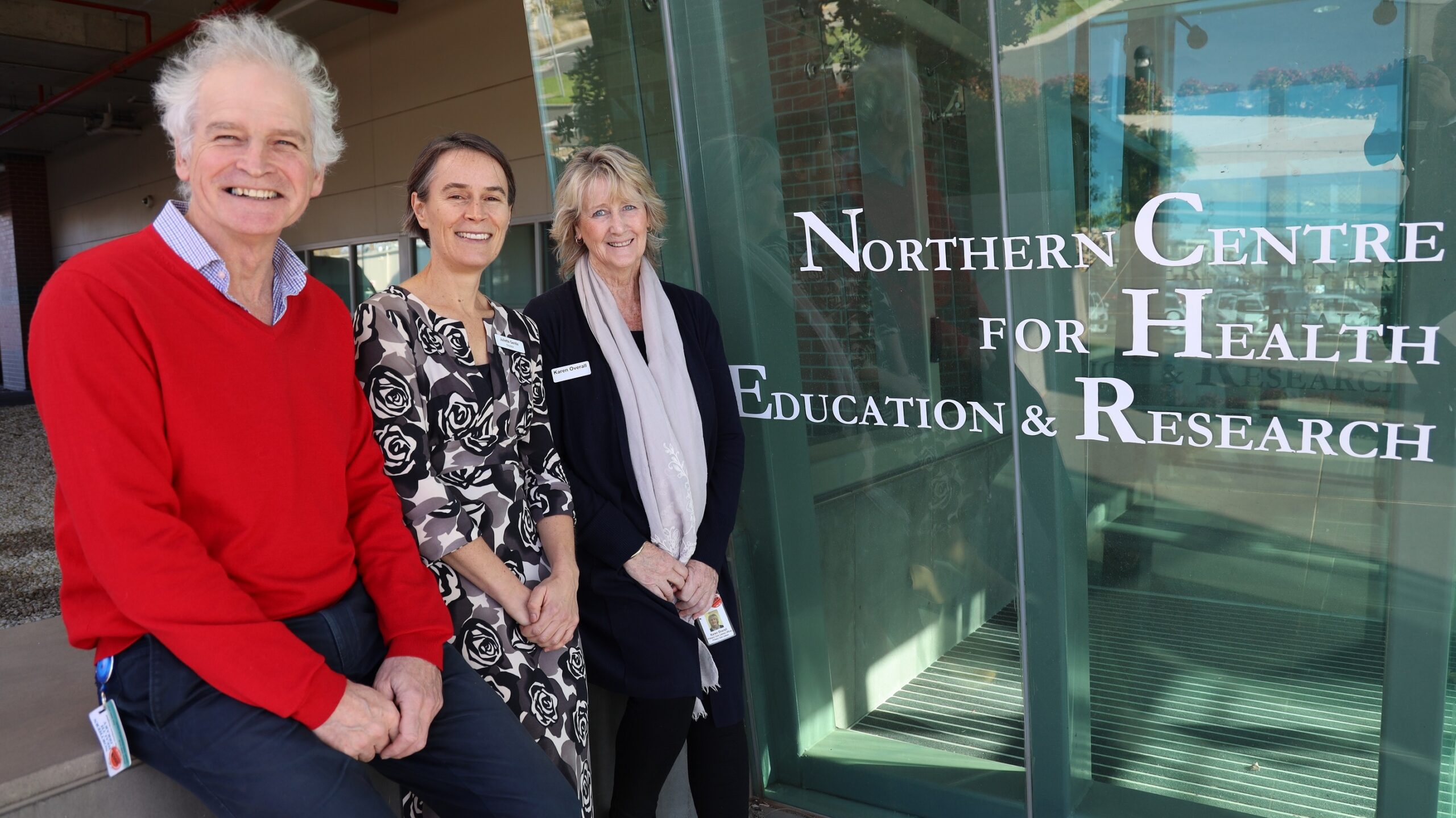
    Featured image left to right: Anton Harms, Juliette Gentle and Karen Overall.

  • Inaugural Palliative Care CUSP

    Inaugural Palliative Care CUSP

    Our Inpatient Palliative Care Unit at Epping Gardens recently kicked-off their Comprehensive Unit-based Safety Program (CUSP) meetings.

    Dr Alison Giles, Palliative Care Physician and Head of Unit, sees the CUSP as a great problem-solving and team building opportunity.

    “CUSP meetings are a great opportunity to get together as a team and problem solve at a grassroots level. We also see it as an opportunity to think about our safety and ensure high quality care for our patients,” she said.

    CUSP is a key component of Northern Hospital’s HRO transformation, providing a clinical method for improving patient safety through improved teamwork, communication and fostering clinical best practice.

    Initially developed by Johns Hopkins Medicine, CUSP is a methodology establishing clinical teams as centres of local knowledge and shared clinical expertise. As a collaborative network, CUSP meetings focus on clinical communication and awareness of unique patient risks by identifying system defects and potential localised interventions across a range of disciplines.

    “It’s a great way to team build because prior to this, we didn’t have an opportunity to gather across multiple disciplines. The team will meet regularly – doctors, nurses, allied health, pharmacy, ward clerks, volunteers, managers – everyone together to brainstorm and problem solve,” Alison added.

    Dr Jaclyn Yoong, Palliative Care Consultant/Medical Oncologist, said these meetings can help the team discuss data and results relevant to their patients.

    “I think CUSP is a valuable exercise because there are a couple of things that are important from a quality and safety issue, that may not be necessarily transferable between sites. For example, our patient population is different than the acute population. Using these meetings to flag things which are relevant to our specific setting, both geographically and clinically is good,” she said.

    Clare McCarthy, Project Manager, said this is Northern Health’s fifth CUSP and there will be more in the future.

    “We are currently supporting Respiratory and Neurology/Stroke (Ward 18), Med3/Unit B, Respiratory Outpatients and Unit 1 Broadmeadows CUSPs – and the ICU CUSP is starting next month. Our CUSPs are emerging as effective communities of practice, they’re embracing the method, and their preliminary outcomes are indicating a heightened awareness of safety culture,” she said.

    Consistent with international data, Australian research indicates that about one in 10 hospital patients experience a ‘complication of care’, with half of these considered ‘avoidable’. Each episode of patient care occurs in a modern, complex and high-risk environment and involves thousands of people and moving parts.

    Avoidable complications arise largely because of failings in communication and culture, rather than individual clinical incompetence or other failings in the chain of medical care.

    CUSPs are there to enhance communication across disciplines, increase teamwork and improve patient safety.

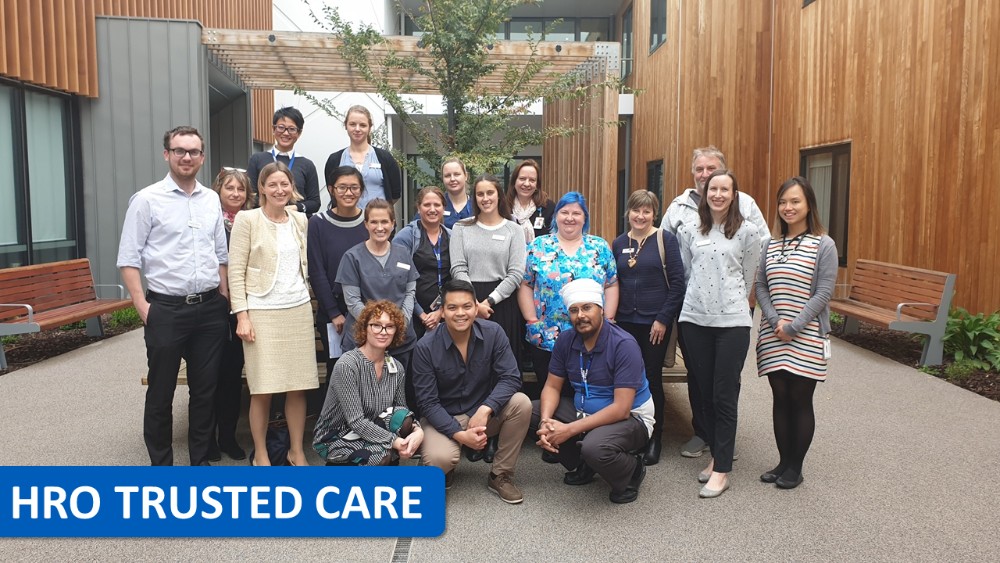
    CUSP members at Palliative Care Unit, Epping Gardens – both clinical & non-clinical multidisciplinary team members
  • Twins, Liam and Logan: One year on

    Twins, Liam and Logan: One year on

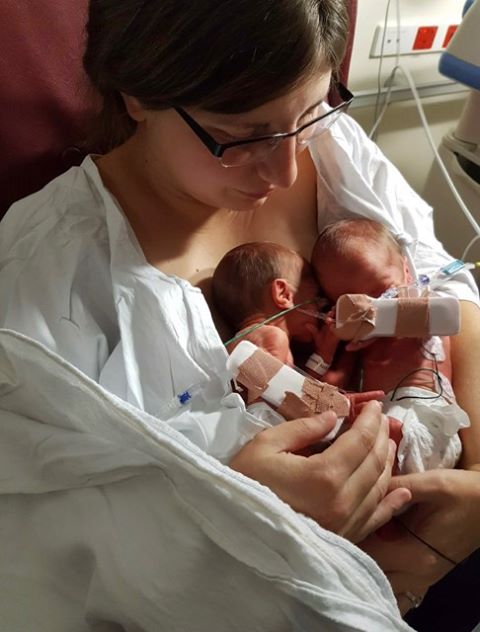
    Westmeadows local, Natalia O’Keeffe, knows the Neonatal Unit at Northern Hospital very well after her premature twin boys, Liam and Logan, spent over two months in the nursery.

    After being born at just 32 weeks during an emergency caesarean after Natalia’s placenta ruptured, the twins were transferred to Northern Hospital a week after they were born.

    Liam spent 69 days in hospital, while Logan spent 59.

    Born on 22 March 2018 at only 1.3 kg and 1.4 kg, the proud mum was excited to share the news recently of an exciting milestone – their first birthday.

    “They’re doing amazing – they’re hitting their points, they’ve just been signed off by the physio today. They’re happy and healthy!”

    “They’re crawling and starting to say a few words – they’ve come out of hospital with no complications at all,” she says.

    Liam was born first as he was the healthier baby, followed shortly after by Logan.

    As they were born prematurely, throughout their stay in hospital they suffered a number of complications. Natalia tells us they wouldn’t feed properly, developed temperatures and caught colds very easily.

    “Liam wasn’t drinking or swallowing properly, and when he swallowed milk, it went into his lungs and caused a lung infection,” she says.

    “They were on antibiotics, which could have caused hearing problems, but they had a hearing test just last week and passed!”

    As Natalia had her other son Lachlan at home, she couldn’t be with her newborns all the time and would come in at night with her husband. She says the nurses made all the difference to her experience, as they consistently kept her informed of their progress.

    “The nurses would call me every four hours to provide me with updates which was really great,” she says.

    Natalia says staff went above and beyond for her and her sons – “They were in hospital on Mother’s Day and, because I couldn’t be there with them, the nurses printed their footprints on a Mother’s Day card for me. They gave it to me when I came in – that was really special – I have the card stored away and will keep it forever,” she says.

    Natalia says her overall experience with the hospital was fantastic – “you get nurses that really know what they’re doing, and you click with them and become friends.”

    “The staff were amazing – all so positive and helpful. They also gave you your space when you needed it so you can bond with your babies, which was really nice,” she adds.

    “I want to say thank you so much to the nurses, because they’ve come out healthy. I really appreciate the time and care they put into them – you can see the benefits at the end of it.”

    “Also, thank you to the volunteers who cuddled them when we weren’t there!”

  • Get to know: Q&A with John Cozzolino

    Get to know: Q&A with John Cozzolino

    In this week’s Get to know: Q&A with…we chat with John Cozzolino, Team Leader at Payroll Services.

    What is your coffee order?

    As a born Neapolitan, I can’t go past an espresso using the flip coffee pot.

    What does a typical work day look like for you?

    My day starts early, at 3 am. I’ve been passionate about health and fitness from a young age, so I’m off to the local 24 hour fitness centre for an hour session, then back home to take the dog for a run.

    I typically start work at 7.30 am. My role is deadline driven, so I have to organise my time and prioritise workload efficiently and effectively. Also, tackling any new challenges the day may bring is part of the usual day.

    Tell us about your Northern Health journey? 

    My journey at Northern Health started in October 2001. Prior to this, I was working for the Royal Children’s Hospital for twelve years.

    As a resident of the north, I was looking for something closer to home and applied for a role in the Human Resources Department.

    My role is partly payroll related, where I aid in maintaining the payroll master file and at the same time, work closely with the Melbourne Health Payroll Department.

    When I arrived in 2001, Northern Health had 2,400 employees. Today, we have approximately 5,200 employees. The growth has been incredible and exciting for Northern Health.

    Now, after 18 plus years, we begin another amazing, new journey of having payroll services in-house from mid July 2019. Exciting times!

    Can you tell us a bit about your career before starting at Northern?

    After completing accounting studies, I applied for a payroll position at the Royal Children’s Hospital. I spent twelve years there and my first role was as a Payroll Administrator. I then successfully moved into a team leader/manager role. I was also lucky enough to be seconded to North West Hospital, formerly Mount Royal, as Payroll Manager for nine months. In October 2001, I decided to move on and begin employment with Northern Health in the Human Resources Department.

    What is your greatest achievement or favourite memory since working here?

    There have been many tasks to be proud of over the years, and would’ve only been achieved by working and collaborating as a team with my colleagues.

    On a personal note, commitment to Northern Health for 18 years is my biggest achievement.

    How would you describe Northern Health in one sentence?

    Playing a vital role in providing care for the growing demand of acute illness and injury.

    What are some things people don’t know about you?

    When it comes to music, I’m a fan of pop and dance music and have a love for classical and listening to solo piano. Mum wasn’t a fan of classical music, so dad would drag me along to concerts from an early age – which I agreed because I knew gelati was on the cards after the concert.

    From the age of nine, I wasn’t a fan of some Italian home meals like pasta e piselli (peas), pasta e fagioli (beans), pasta e broccoli.

    Pasta was with everything! Give me a meat pie, sausage role or hot dog anytime.

    Ask me if I love those meals now – absolutely!

    What do you like to do after work?

    I’m an early starter, so not much happens after work during the week. I touch base with mum over the phone, prep dinner and dedicate time to my pets. I’m a crazy sports fan, so I catch up on sports, both with AFL (Collingwood) and my home town Napoli football club.

    Do you have a bucket list item? Something you would love to do?

    My dad wanted to travel the Glacier Express train through the Alps together.

    He became terminally ill, so we never had the chance to take the trip.

    This one is on my list!

    Who would you nominate next for a staff profile and why?

    Roger Nicholls. Roger employed me back in 2001 and was my mentor for 13 years. As the Director of Corporate Governance, Roger continues to play a major role for Northern Health.

  • Dr Katharine See: Winter is here

    Dr Katharine See: Winter is here

    Welcome to winter!

    The hospital has been busier than ever in the last few weeks, consistently seeing over 300 presentations to the emergency department each day.

    While the flu season is yet to be declared, the hospital is seeing high numbers of confirmed influenza cases. Almost 20,000 cases of flu have been reported so far this year compared to 2,500 in the same period in 2018. Many of these patients are very unwell. Having looked after a number of them myself in the last few weeks, it serves as a timely reminder as to the importance of protecting ourselves and our families from the flu.

    We all know that the best way to protect ourselves from flu is by being vaccinated. It’s excellent to see that the large majority of staff have had their fluvax, but we still have a way to go to reach our target of 90% vaccination. For staff who are unable or unwilling to have the fluvax, to protect them from exposure to flu, they will be required to wear a mask to reduce their risk of contracting it.

    While this might seem like a drastic move, minimising the transmission of flu amongst our staff is a high priority for Northern Health.

    As someone who diligently had their fluvax on the first day of our vaccination campaign, it was a shock for me to find myself with a high fever and a cough four weeks later. I had been around several patients who had been unwell with flu but had always carefully used a gown, gloves and a mask, as well as religiously using Avagard to clean my hands. Just like I would isolate a patient while waiting for their flu swab result to return, I isolated myself to protect my patients and team in case I was contagious.

    While vaccination is the best protection, it isn’t perfect and so it is vital that we use all of the infection prevention measures available to us.

    As caring healthcare workers, when we find ourselves unwell, we often don’t want to take enough time off to recover for fear that we are increasing the workload for our colleagues, but this is really the best possible thing we can do so as not to infect our friends and co-workers.

    Finally, when it’s really busy and everyone is under the pump, it’s easy to forget to be kind to each other. Working together as a unified team is the only way we will all get through what is shaping up to be a busy and challenging winter.

    Take care of yourselves,

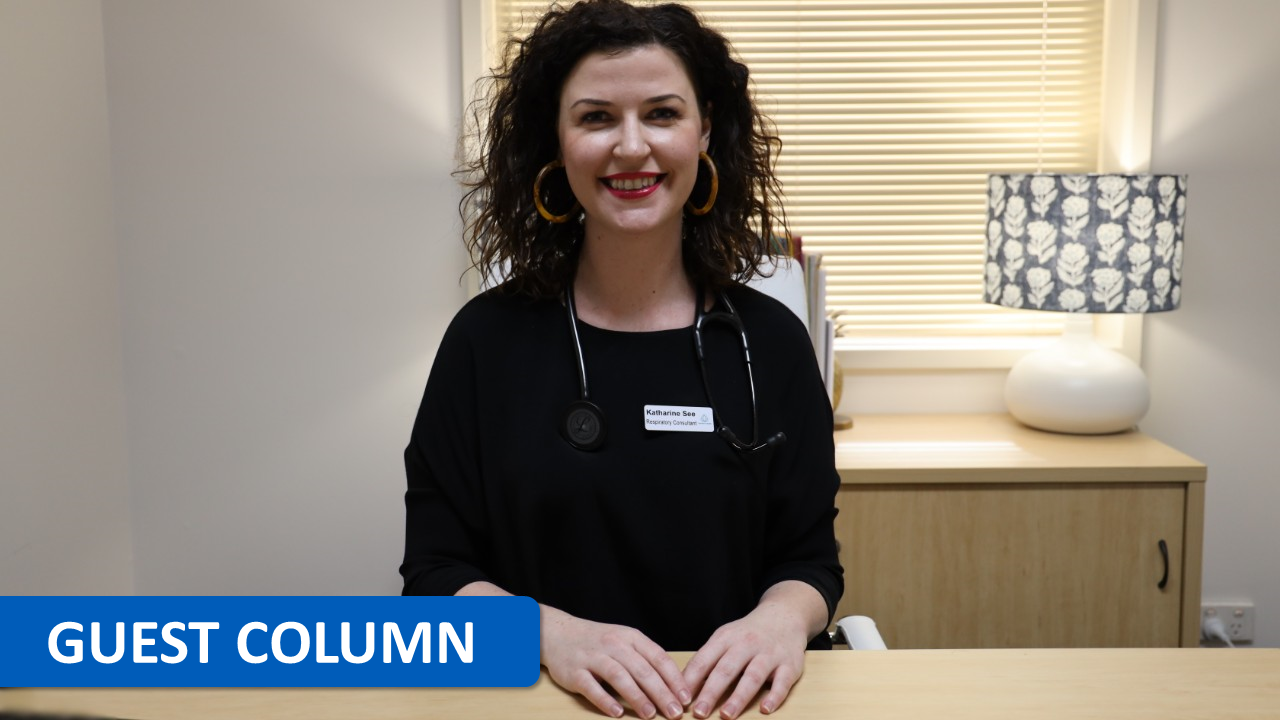
    Dr Katharine See

    Director, Respiratory Medicine