• New HITH Chemotherapy Service

    New HITH Chemotherapy Service

    Kilmore resident Michael Dunn is one of the first Northern Health patients to use our new Hospital in the Home (HITH) chemotherapy service.

    Patients receiving chemotherapy for colorectal cancer require a specific regime that includes an infusor filled with chemotherapy to be attached for 46 hours.

    Until recently, patients would return home once the infusor is attached and return to the day oncology unit for disconnection of the infusor on their third day of treatment.

    Day Oncology Nurse Unit Manager, Melissa Gwynne, said, “This causes some anxiety for some patients who have issues with transport. Benchmarking across multiple health services, HITH are able, with the correct training, to provide this part of the service at home.”

    Patients who meet the admission criteria can now be referred to HITH, allowing patients to be disconnected in the comfort of their own home, saving them an additional trip to hospital.

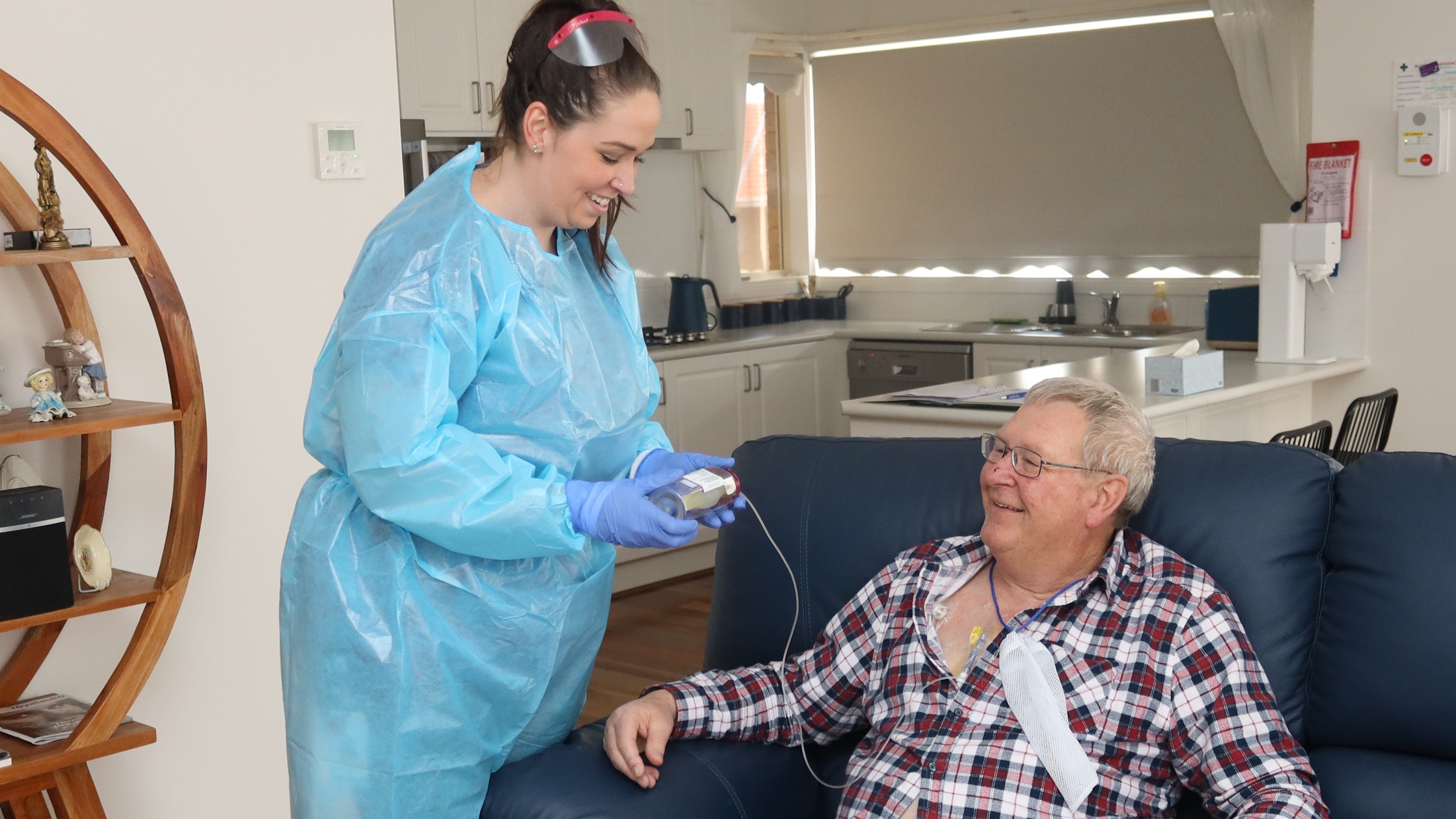
    Michael Dunn (pictured above) has been an oncology patient of Northern Health since March and has been using the new HITH service for just over six weeks.

    “It’s excellent. Saves me having to worry about getting all the way to Epping, I can drive but I only like to drive local – driving 40 minutes down the highway is a little bit nerve-wracking. So the fact that HITH is coming here – it just takes all that stress off you – it’s much easier,” he said.

    With this new process, patients attend day oncology for day one of treatment, and are then transferred to HITH for day two and three for observation, assessment and disconnect.

    Michelle McDonald, Nurse Unit Manager of HITH, said it’s beneficial for patients being able to be treated at home, helping them with issues of transport and parking.

    “It’s also a win for day oncology, as it frees up space in the unit for other patients to be seen,” she added.

    Patients also benefit from receiving an additional service on their second day of treatment, with the HITH nurse coming to your house to check on you. The nurse will complete a wellbeing check, ensuring the chemotherapy is running, the site is clean and everything’s working properly.

    Previously, patients wouldn’t receive this additional check-up on their second day of treatment as they would have to return to hospital to do so.

    “They come and check my stats on the Tuesday and then unplug me on the Wednesday. Previously, I wasn’t getting the second day check-up so it’s a plus plus,” Michael said.

    Michael says his experience at Northern has been great -“absolutely amazing what happens and how good the nurses are,” Michael said.

    “It’s been a good ride – you can’t go crook.”

    Featured Image: Michael Dunn with HITH Nurse, Kate Findlay
  • OPAL Clinic empowering women in pregnancy

    OPAL Clinic empowering women in pregnancy

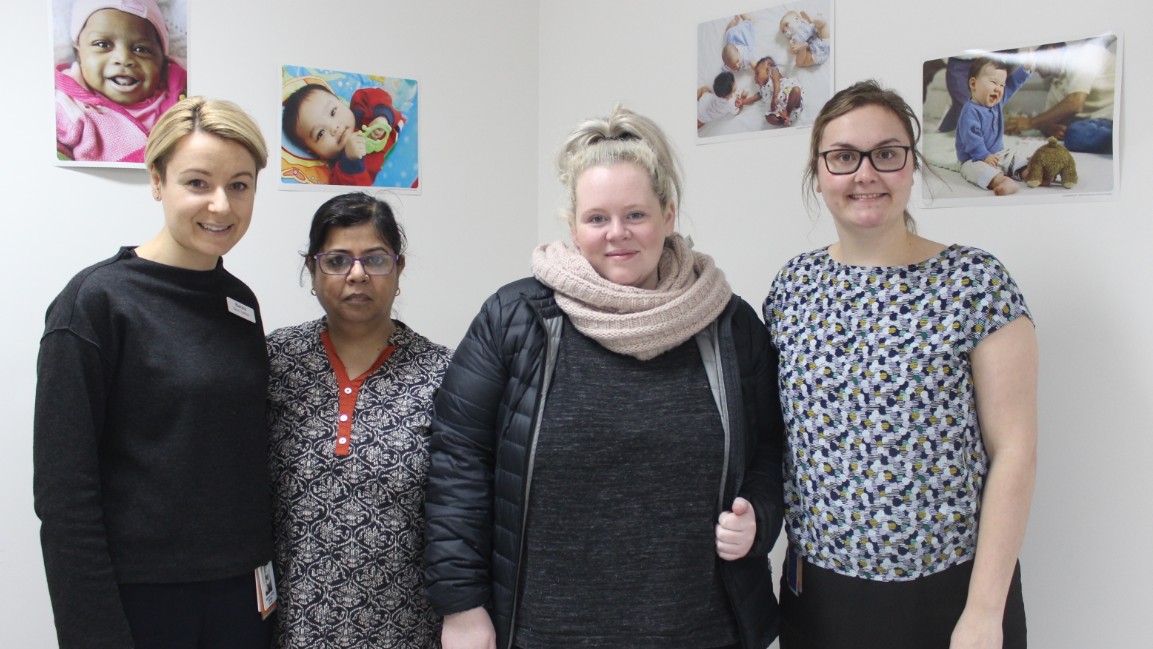
    The Obesity, Pregnancy and Lifestyle (OPAL) clinic at Northern Hospital is a specialised clinic that provides antenatal care to pregnant women with an elevated body mass index (BMI>40) and/or women who have had previous bariatric surgery such as gastric band, gastric sleeve and gastric bypass surgeries.

    Midwife, Nicole Kuehlich-Zippel, said the clinic offers continuity of care in which women and their families see the same midwife, obstetrician and dietitian throughout their antenatal care. This provides an opportunity for women to know their healthcare provider and feel more comfortable.

    “Weight stigma is commonly experienced by people in larger bodies. Some women who have an elevated BMI can feel judged about their weight or have had negative experiences about their body weight. The OPAL clinic aims to provide collaborative care that is non-judgmental and helps to support women in healthy choices and feeling empowered in their pregnancy. Women can feel safe and confident to ask any questions or concerns they may have,” she said.

    While many women with increased body weight will have uncomplicated pregnancies and births, there are increased risks that may arise such as diabetes, high blood pressure and caesarean birth. The OPAL clinic closely monitors women and their babies during pregnancy and works to safely manage any complications that may develop. Women can easily be referred to other specialists if needed such as diabetic educators, endocrinologists or medical obstetric doctors.

    OPAL obstetrician, Dr Sujata Hemrajani, specialises in obstetric ultrasound. She said women with elevated BMIs are able to have routine growth ultrasounds during their OPAL antenatal visits, to monitor how their baby is growing. Having a specialist obstetrician perform these scans improves accuracy of scanning, continuity and is more convenient for women.

    “Many women in high risk clinics at Northern Hospital do not see a midwife during their antenatal care. Women in the OPAL clinic will continue to see a midwife throughout their pregnancy in collaboration with obstetric care. The OPAL midwife can provide added support and advice about pregnancy, labour, birth and the postnatal period with baby,” she said.

    Dietitian, Electra Ulrich, added that providing specialised nutrition support through a dietitian can help improve nutritional intake during pregnancy, and work with women to make positive and sustainable lifestyle changes.

    “For those women who’ve had bariatric surgery, nutrient absorption is reduced, so close monitoring is provided including vitamin and mineral blood tests,” she said.

    Since commencing just over 12 months ago, the OPAL clinic has supported over 80 women during their pregnancy.

  • Sarah Findlay selected for leadership program in New York

    Sarah Findlay selected for leadership program in New York

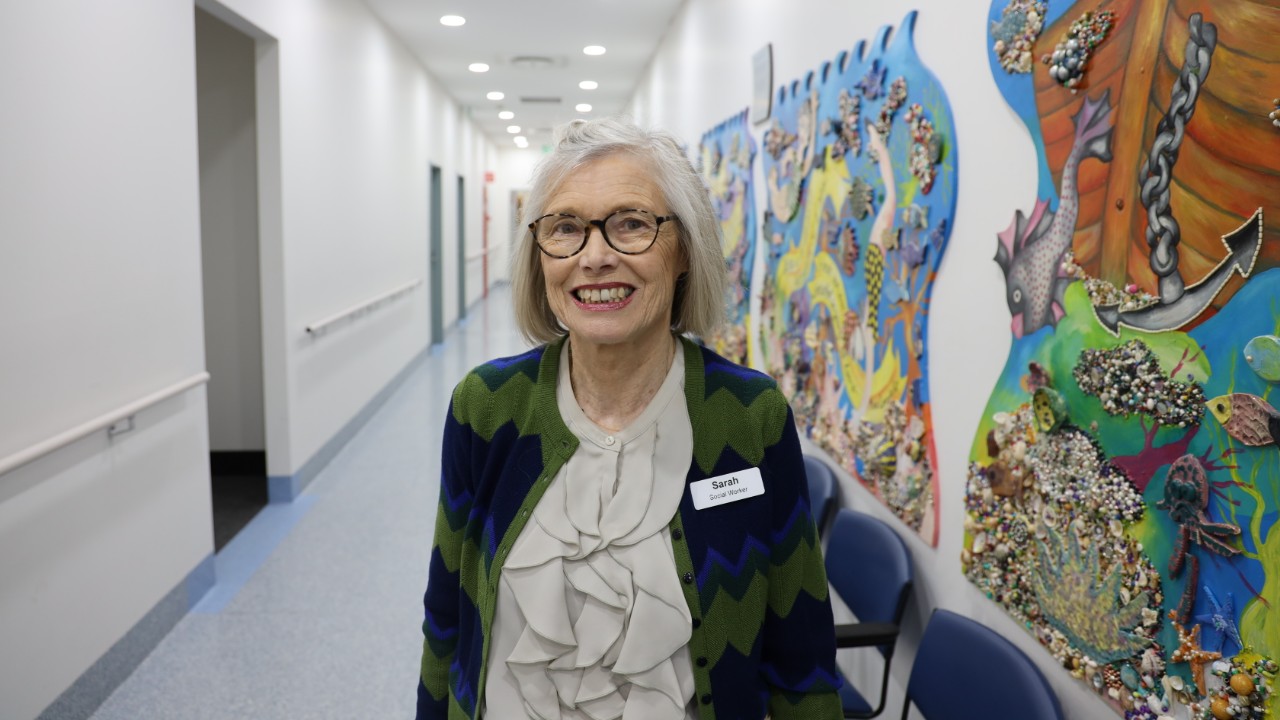
    Sarah Findlay, social worker from Broadmeadows Hospital, has been selected to attend the ‘International Enhancement of Social Work Leadership Program’ at Mount Sinai Hospital in New York, and is the first person from Northern Health to ever attend this program.

    Around Easter time, Associate Director of Allied Health, Penelope Vye, forwarded information on a six week observership program at Mount Sinai Hospital to her team, and Sarah was immediately interested and excited about the opportunity.

    Knowing that Mount Sinai is an eminent teaching hospital, and having information of their programs that encourage people to come and observe what they did to enrich their own practice, Sarah applied to go to New York.

    “It was like a job application, with CV, references and letters from my employer. There was also a panel interview by phone. I was interviewed by three social workers who had previously done the course, and they told us it would take a couple of weeks to make a decision on participants,” she said.

    After more than a month, Sarah received an official letter from New York offering her a place in the competitive program.

    “I am the first person from Northern Health who has been selected to go – we haven’t previously attended this program. The second person coming from Australia will be a social worker from the Alfred,” she said.

    Getting into this international program is not easy. There are only four social workers accepted from a pool of candidates from across the world, and the other two would be coming from Israel.

    “From 28 October until 6 December 2019, I will be part of the observership program, as we won’t be having direct contact with patients and families. The program will be full with meetings, both hospital based and community based, in the areas of social work,” Sarah said.

    During her time there, Sarah will have to give a couple of presentations and select her special area of interest, which is the National Disability Insurance Scheme (NDIS) and disability accommodation.

    “There are severely disabled young people who get caught in the hospital system, because there isn’t anywhere in the community that could meet their high level of care needs. In Australia, we call it NDIS – an insurance scheme designed to meet the needs of those people,” she said.

    Sarah covers all the expenses of this trip, as the accommodation and flights are not included in the program.

    “The organisers made it clear the successful candidate funds their trip. I think it would be worth it – I am very excited to go,” she added.

    Even though the United States have a different health care system, Sarah is hoping to bring new findings and insights both from the US and Israel into her department when she comes back, working closely with her team to reduce the length of stay.

  • Heart Failure Unit opens today

    Heart Failure Unit opens today

    The newly established Cardiology Heart Failure (CAHF) Unit commenced their ward rounds today, led by Cardiologist Associate Professor Gautam Vaddadi.

    A/Prof Vaddadi said Northern Hospital Epping has the biggest cohort of heart failure patients of any tertiary hospital in Victoria, admitting over 2,000 heart failure patients per year.

    “These patients have high mortality and cost the community a lot in terms of resourcing, both in hospital and out of hospital. Our goal is to keep people well and out of hospital,” he said.

    “The new unit will help look after these patients better and try to optimise their management, which has become very complicated in recent years. The idea here is to bring people who have expertise in heart failure to look after these specific cohort of patients,” he added.

    Heart failure can be a consequence of a heart attack, but is any form of weakness in the heart muscle that causes a particular syndrome, which is usually comprised of retaining fluid in the body, becoming short of breath and that develops because of blocked arteries in their heart and weakness in the heart muscle.

    “We have to be able to look at the causes of heart failure, but also treat the consequences,” A/Prof Vaddadi said.

    Internationally, it is well recognised that heart failure is best managed by dedicated cardiologists who sub-specialise in heart failure. If poorly managed, this can lead to a high number of ED presentations and high readmission rates. Conversely, early intervention and optimal treatment leads to better patient outcomes.

    The Cardiology Unit at Northern Hospital has been divided into two specialist sub-units: Cardiology General (CAGE) and Cardiology Heart Failure (CAHF). CAHF will allow for improved and standardised care for this complex patient group by providing specialised inpatient heart failure management. The CAHF unit will also provide a consult service to other units as required.

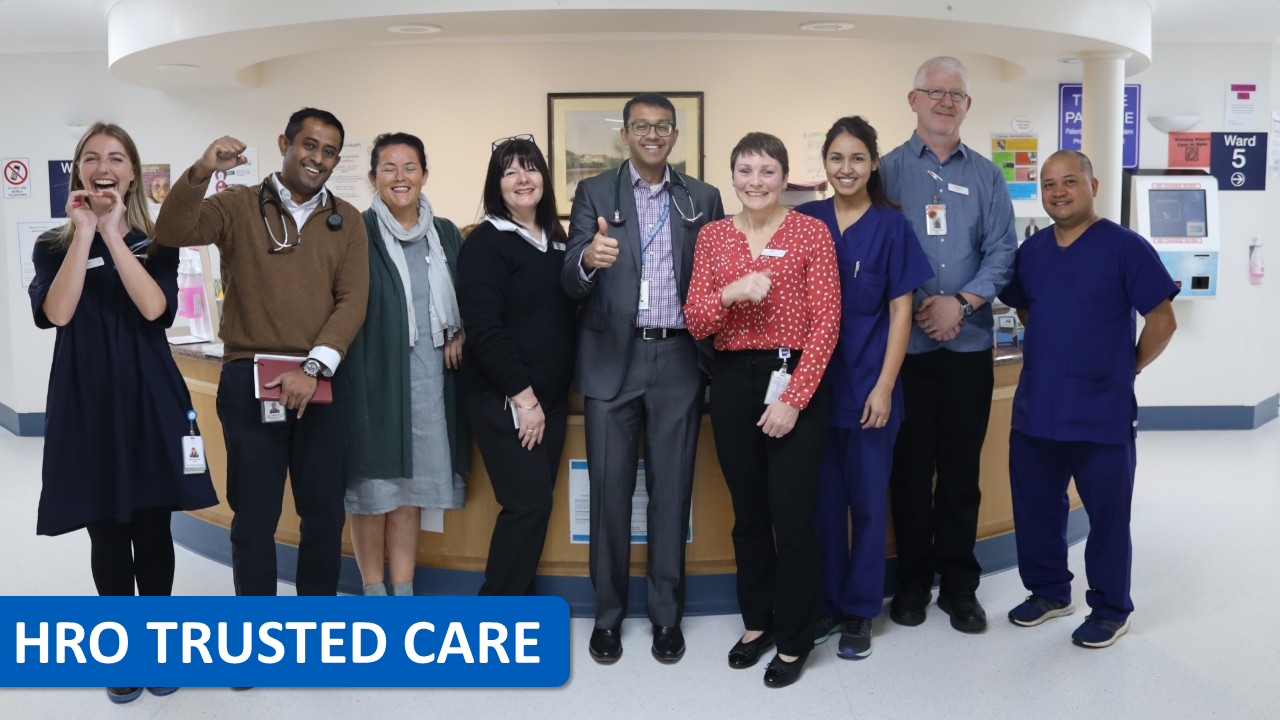
    The heart failure team have been working alongside the HRO Transformation Unit and have established a Clinical Community, with the aim of improving and standardising patient care both within Northern Health and out in the community.

    Further exciting opportunities are in the works for collaboration with external stakeholders, to improve the care for heart failure patients across all of Victoria.

  • Family Violence: Breaking Through the Barriers

    Family Violence: Breaking Through the Barriers

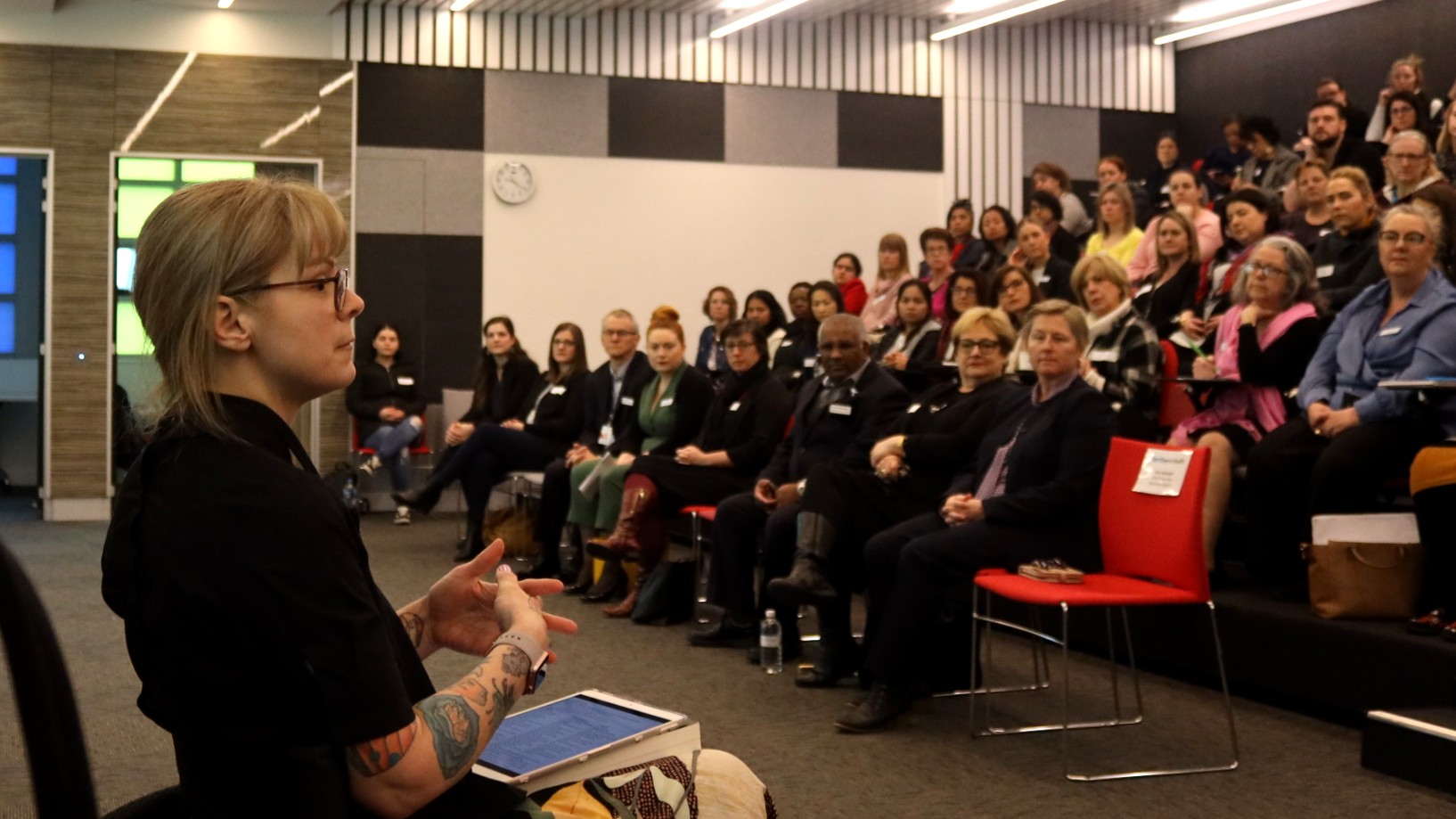
    This morning, we hosted our second Family Violence: At Risk Communities Breaking Through the Barriers half day forum.

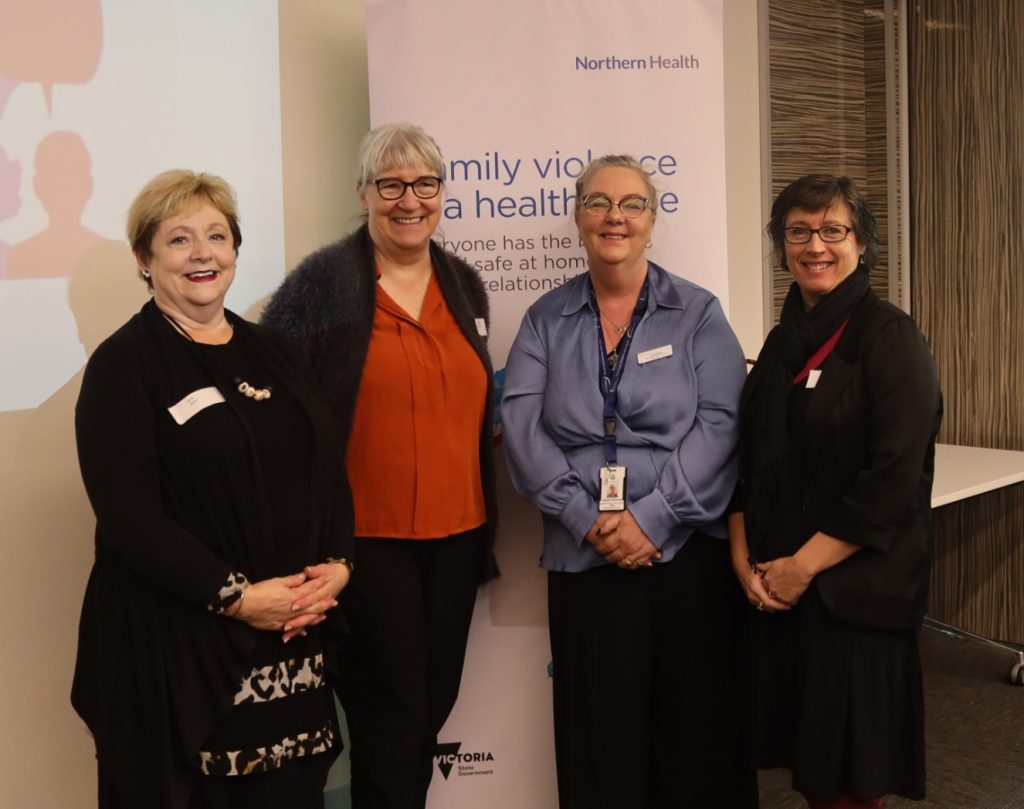
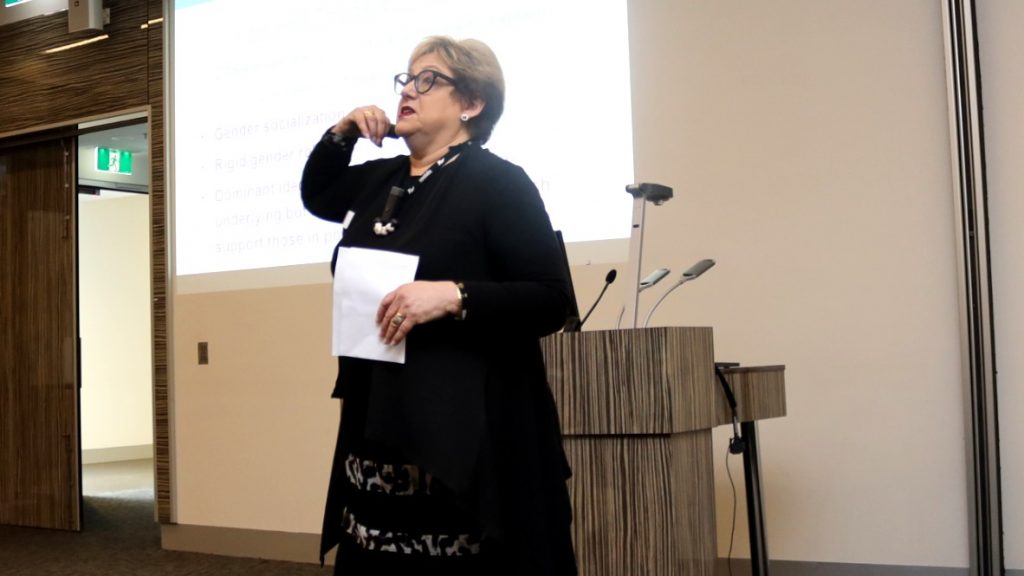
    The speakers included Nicole Lee (Victim Survivors Council), Kaye Rigby (Victorian Centre Against Sexual Assault), Janet Clover (Foundation House), Amanda Dashwood and Linda Hebel (NorthWestern Mental Health) and Pat Jewell (Australian Childhood Foundation).

    From left to right: Kaye Rigby, Janet Clover, Amanda Dashwood and Linda Hebel.

    Chief Executive, Siva Sivarajah, opening the forum spoke of how Northern Health has identified family violence as a major health issue.

    The statistics he quoted were sobering – a quarter of women have experienced at least one incident of violence by an intimate partner, approximately one in five women has experienced sexual violence, and on average one woman per week is killed by her current or previous intimate partner.

    Siva Sivarajah also pointed out family violence can, and often does, have a significant negative impact on the mental health of the survivors.

    He made it clear that Northern Health was treating this issue as a priority, with a whole of hospital response. State wide Strengthening Hospital Response to Family Violence initiative, progression within clinical and organisational areas and education opportunities are some of the measures he listed.

    Nicole the opening speaker, said it isn’t often victims or survivors get invited to speak from their lived experience at events like this.

    Speaking of her experience as a victim of family violence, Nicole said “There are really vital things that nobody ever addressed. Nobody asked me direct questions such as, What was happening? Are you scared of him? Does he hit you? What happens when you argue and disagree with him?”

    She says she got deadpan responses from people who possibly felt confronted themselves and didn’t know what to say. No one ever validated what they were hearing, says Nicole.

    “They could have said ‘That sounds so terrible, I’m really sorry that you are experiencing that.’ But nobody said that and I started doubting my own reality.”

    Kaye, another of our guest speakers, said she thought it incredibly important that health providers in any kind of role, start to feel comfortable initiating conversations as to whether or not people are feeling safe in their homes and safe in relationships.

    Kaye Rigby from the Victorian Centre against Sexual Assault (CASA)

    “One of the things I know as a sexual assault counsellor is that the great majority of sexual assault happens in homes,” says Kaye.

    Kaye points out that as a result, there is so much taboo and so much shame that is becomes an uncomfortable conversation to have – and yet it is where the majority of her clients come from.

    She described how these people are struggling to come forward and their mental and sometimes their physical health also deteriorates.

    (The Royal Commission into Institutional Responses to Child Sexual Abuse reports that on average, it took 23.9 years for survivors to tell their story).

    “So the sooner we can start taking on some responsibility to create a safe and welcoming space that says ‘your issues are welcome here, we can handle it’, the sooner these people will be on the road to recovery,” says Kay.

    Kay put it to the audience,  that they could be “the first person the victim feels safe enough to talk to.”

    In which event, her advice is to respond respectfully, listen actively and believe, place blame with perpetrators (and confirm that the survivor has a right to a respectful and safe relationship). She reiterated the importance of  listening, believing and taking the disclosure seriously.

    She left the audience with the heartening thought that the impacts of trauma can be mitigated with time, self –compassion and support.

    Northern Health is the second health service in Victoria to be awarded White Ribbon Accreditation.

  • Vascular surgery team hosts international surgeon for workshop

    Vascular surgery team hosts international surgeon for workshop

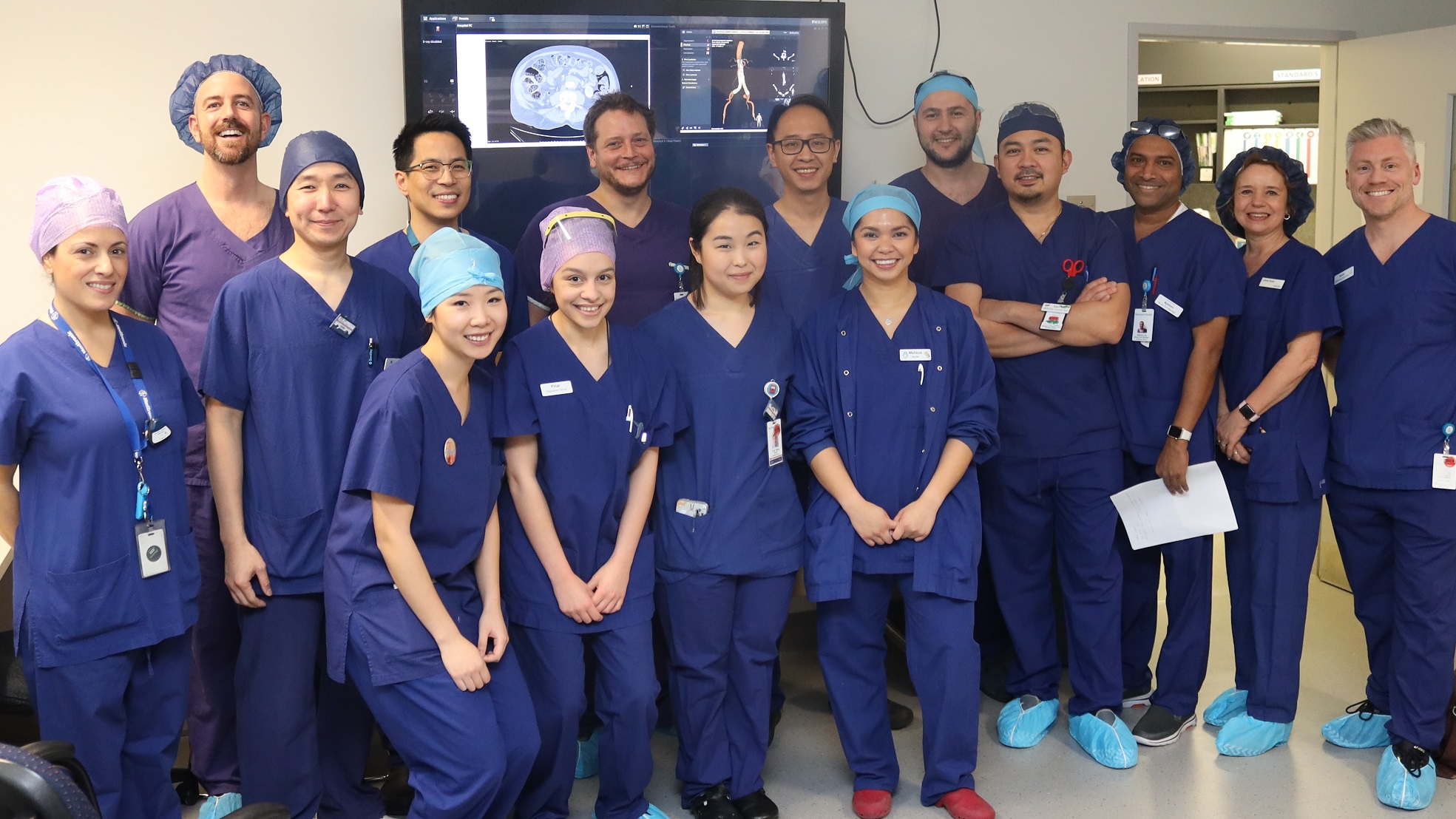
    This week, Dr David Goh and the vascular surgery unit hosted a workshop, inviting experienced vascular surgeon, Dr Arne Schwindt, from Germany.

    The purpose of the workshop was to introduce new techniques and technologies used for the treatment of Type II endoleaks (leaks that can happen after endovascular aneurysm repair (EVAR)).  Traditionally, these cases have been referred to the interventional radiology department, however, increasingly, this has become part of a vascular surgeon’s skill set.

    “It’s an excellent skill for vascular surgeons to have, as it leads to more familiarity with micro catheters and complex endovascular work,” David Goh said.

    Dr Arne Schwindt has vast experience with endovascular surgery, in particular with the treatment of complex endoleaks.

    “I was invited to assist in a case of a patient who had a late complication after treatment of an abdominal aneurysm,” Arne Schwindt said.

    When asked if he performs many of these procedures back in Germany, he said he is one of the more experienced surgeons in this field.

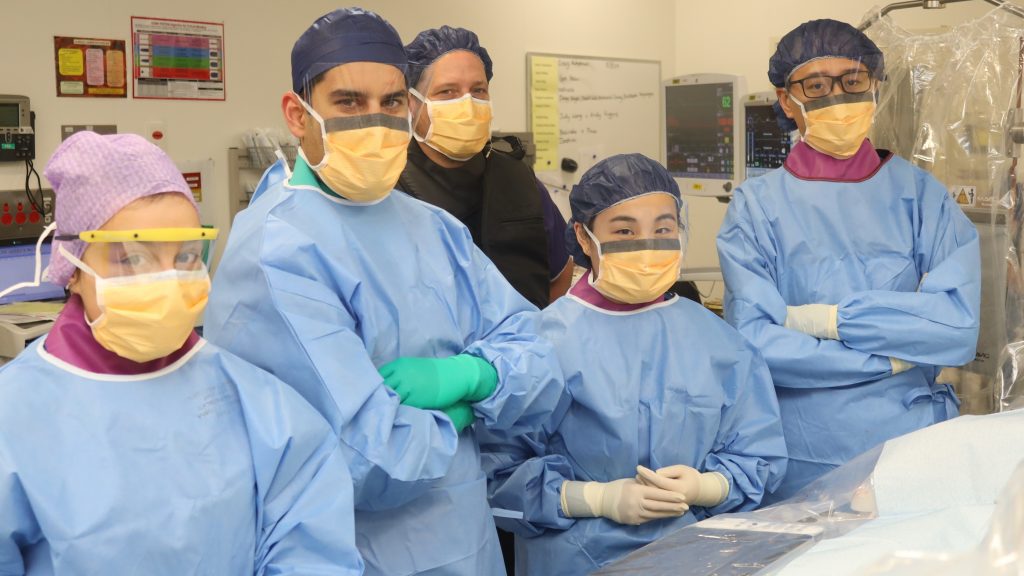
    Dr Goh explained the case undertaken during the workshop – “An endoleak from a patient that had an EVAR in 2017 was present and the aortic aneurysm sac was increasing in size, indicating a need for treatment. Dr Schwindt guided two of the vascular surgeons to obtain access to the leak using micro catheters fix the leak.”

    “The workshop was attended by the entire vascular surgery unit, and the case was performed successfully under the guidance of Dr Schwindt,” David Goh added.

    “With the experience and knowledge gained from the workshop, the vascular surgery team now have the ability and skill set to fix endoleaks and work in concert with the interventional radiologists. Going forward, the vascular team feel confident in expanding this new skill set and offering this treatment for this complication,” David Goh said.

    The team with Arne Schwindt (middle) in the operating theatre

    Featured Image: David Goh (back row, 4th from the left) and Arne Schwindt (back row, 5th from the left) with the Northern Health vascular surgery team 

  • Microwave Ablation: Cutting edge technology in the north

    Microwave Ablation: Cutting edge technology in the north

    On 25 July 2019, Wumin Chen entered Northern Hospital with a cancerous lesion the size of a large button in his liver. The anxious expression on his wife and son’s face said it all.

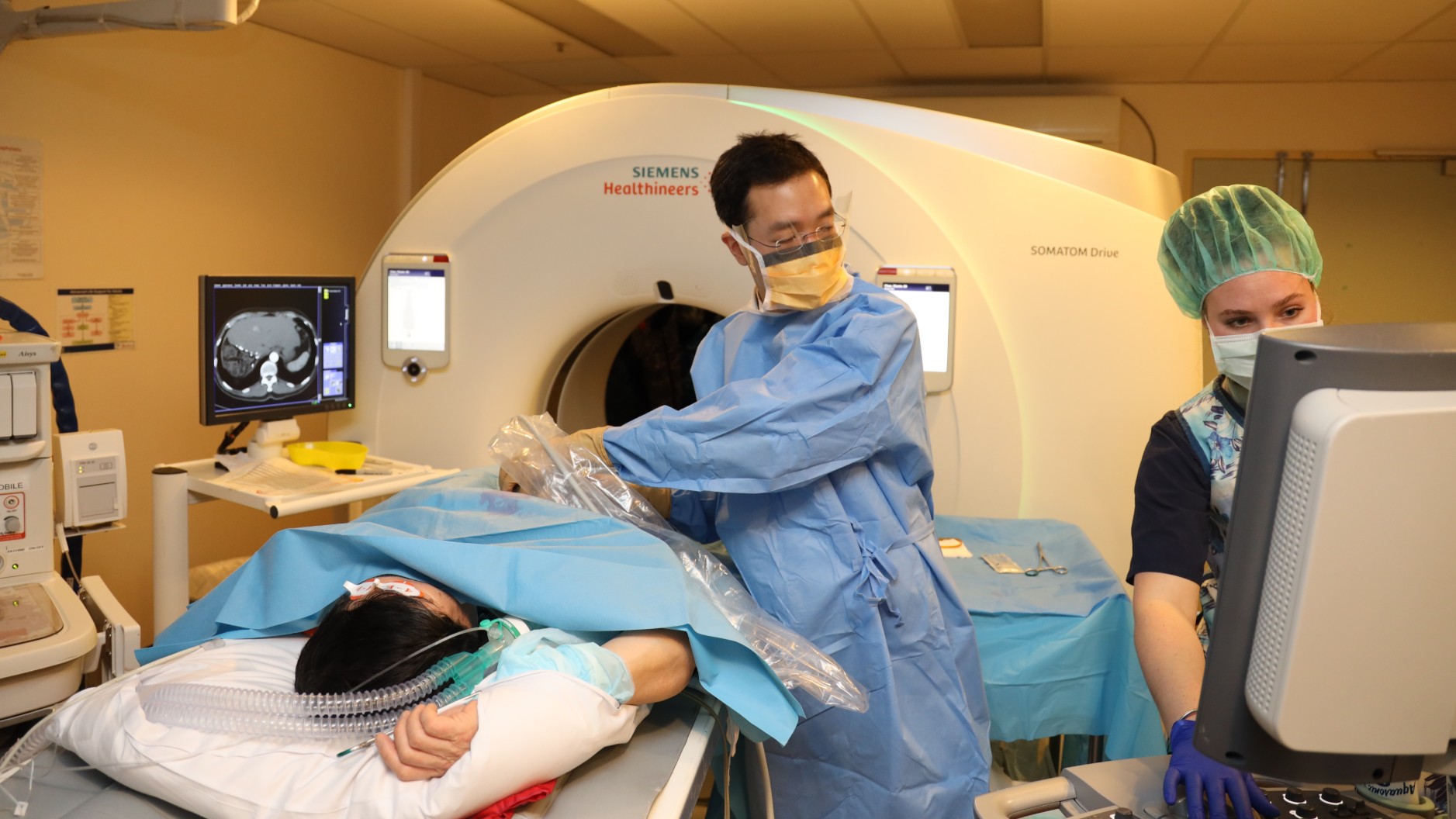
    Thanks to a minimally-invasive liver microwave ablation procedure performed by Interventional Radiologist, Dr Terry Kok, the tumour was successfully treated and, after an overnight stay, he was well enough to go home.

    Before and after pictures of the microwave ablation


    This was the second such microwave ablation procedure performed at Northern Health using the latest generation Thermosphere microwave ablation technology. The first was performed by Dr David Burrows and Dr Kok, successfully treating another patient with liver cancer the previous month.

    “The work we do in Interventional Radiology (IR) is not well publicized, but represents the latest minimally invasive techniques for treating cancer and a wide range of other diseases,” says Dr Kok.

    Microwave ablation is part of the armamentarium of techniques available to Interventional Radiologists to treat a variety of malignant tumours in the liver, kidney and lung, particularly in patients not suitable for surgical treatment.

    The ablation procedure is performed by the very precise placement of a specialised needle probe in the tumour using imaging-guidance through a ‘pinhole’ incision less than 5 mm wide, explains Dr Kok.

    This is followed by delivery of microwave energy to heat up and destroy tumour cells. The actual treatment lasts between 5-10 minutes and is less invasive compared to surgery with quicker recovery for the patient, generally only involving an overnight hospital stay.

    Whilst ablation technology is now available in most tertiary centres, previously, Northern Health patients would have had to be referred elsewhere in order to have this treatment.

    “Our patients are getting the best possible treatment right at their doorstep,” Dr Kok adds.

    Access to microwave ablation treatment is part of the expanding Interventional Oncology (IO) service for cancer patients at Northern Health, in addition to the recently introduced chemoembolisation (TACE) procedure for treating liver tumours. The successful delivery of these treatments are supported by collaborative multidisciplinary teamwork with nursing and radiography staff, as well as specialist colleagues in Hepatobiliary (HPB) Surgery, Oncology, Gastroenterology/Hepatology and Anaesthetics.

    Dr Lachie Hayes, Medical Divisional Director of Cancer Services, congratulates Dr Kok and the team involved in driving this initiative and providing this innovative option to cancer patients in Melbourne’s north.

    “This is a great example of clinicians working together to provide care that is not only safe and effective, but also a better patient experience,” Dr Hayes says.

  • Innovation Winner: Simon Bertoli

    Innovation Winner: Simon Bertoli

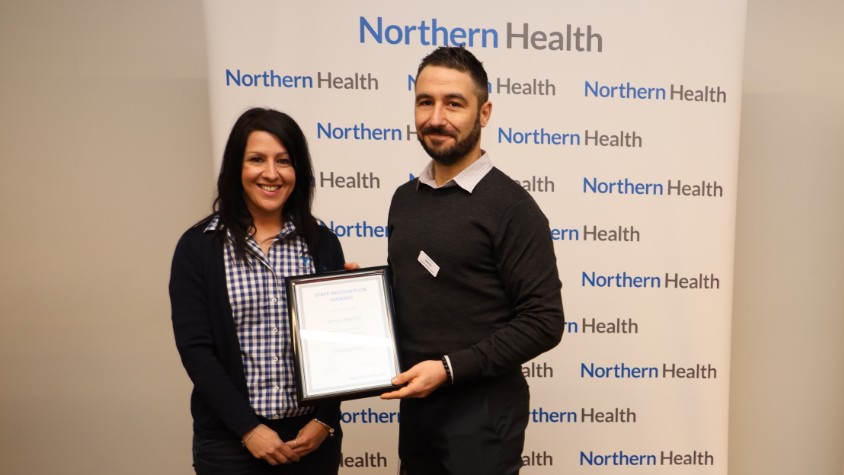
    Digital Design Lead for Organisational Capability, Simon Bertoli, has only worked at Northern Health for six months, but has already proven he is committed to making a change and bringing fresh ideas to the organisation. His efforts were recognised at the recent Quarterly Staff Recognition Awards, where he received the award for ‘Innovation’.

    Simon said winning this award meant a lot to him.

    “Having a supportive director, manager and colleagues who believe in me and what I can do for the organisation allows me to feel comfortable sharing ideas, knowing they will be met with genuine interest and thought,” he said.

    Simon was nominated by Penelope Grellet, Director of Organisational Capability, who said that Simon looks to innovate in everything he does.

    “In the short time he has been with Northern Health, he has introduced virtual reality technology for eLearning, completely revised the way the Organisational Capability team capture training needs data through an integrated Google Docs form, and designed the look and feel for our eLearning packages. Simon has a can-do approach and brings an innovative and person-centred design mindset to his daily activity,” she said.

    Simon says his main goal is to find new and innovate ways to help Northern Health staff do their job and learn.

    “I firmly believe that we can leverage new and existing technology to enhance the experience of all our staff and therefore our consumers. It’s a process and journey I thoroughly enjoy,” he said.

    Simon not only enjoys his role, but working with his colleagues too.

    “My director, Penelope, and manager, Bec, have cultivated and built an environment in the Organisational Capability team where speaking freely and openly is encouraged and respected. This makes work exciting and enjoyable. Being on the ground floor of a project and help drive its future at Northern Health is a very rewarding experience,” he said.

    In the future, Simon sees himself helping Northern Health employees at their work.

    “I see myself finding new and interesting ways to support staff in their day to day work, and teaching new skills for their continual growth,” he added.

    Sponsored by Maxxia and BankVic, our Quarterly Staff Recognition Awards have been designed to formally recognise outstanding contributions by our employees and celebrate staff excellence. Nominations for the next awards are now open. To nominate a staff member, click here.

    Featured image: Simon Bertoli with Rebecca Attard from BankVic.