• Exemplary patient experience: Yvonne Cartwright and Andrea Wilson

    Exemplary patient experience: Yvonne Cartwright and Andrea Wilson

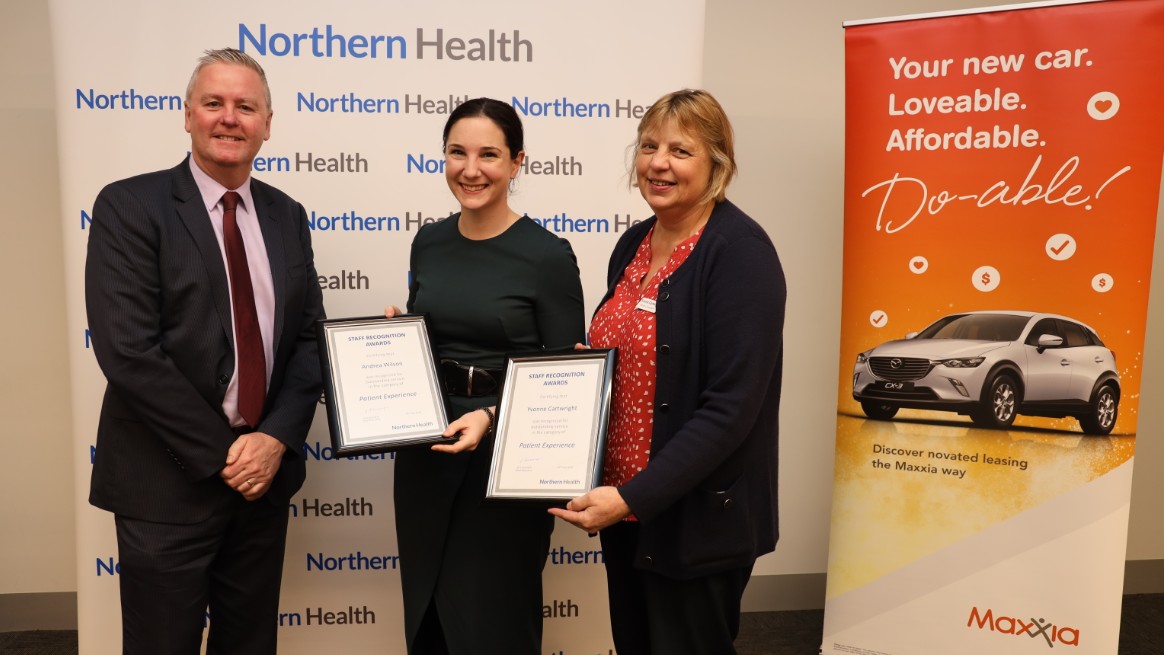
    At the latest Quarterly Staff Recognition Awards, Yvonne Cartwright and Andrea Wilson won the award for Patient Experience. The award recognised their team effort in providing exemplary patient-centred care in helping an Indigenous man get back to country for end-of-life care.

    They were nominated by Dr Kim Jeffs, Karen Bryant and Sandra Brown, who said Yvonne and Andrea coordinated a remarkable effort of advocacy and coordination that took many hours and resulted in an extremely important outcome for the patient, since connection to country was very important to him.

    “Yvonne and Andrea approached the challenge with enthusiasm and optimism, something that clearly rubbed off on the other people involved in making this possible. They spent many hours working on the transfer, including their own time. I am extremely proud to have worked alongside these amazing women and believe they are very worthy candidates to receive this award,” Dr Jeffs said.

    Karen Bryant added, “I am nominating these same two members as they went over and above to identify and meet the cultural needs of an Aboriginal patient who was born on Northern Territory country. Once his direction was confirmed, these two ladies coordinated, emailed, telephoned and liaised with two states and a Territory of Australia, engaged with multiple organisations, programs and hospitals to streamline a smooth transition to the country,” she said.

    Andrea has been at Northern Health for four years, and works mostly with older people and enjoys hearing their stories.

    “People have often lived incredibly colourful and interesting lives, and knowing about someone’s background can give you a whole new respect for the patient you are meeting and what their health means to them,” she said.

    When describing the case they won the award for, she said the particular scenario relied on a huge portion of good will from a large number of people to be able to help the gentleman involved.

    “Most of this work was entirely outside the scope of what a hospital is able to usually provide and was made possible by a large number of people working together and going the extra mile. This award to me meant that those times we all go outside our comfort zone, or work above and beyond to make things happen for a patient are worth it,” she said.

    Her team member, Yvonne Cartwright, has been at Northern Health for 19 years and has spent the last 11 years in the Residential Care Intervention Program in the Elderly (RECIPE) program.

    “I very much enjoy the diversity of the role including using my knowledge and skills to assist staff and families who are often struggling to care for residents in their care, and relatives who are struggling emotionally,” she said.

    For Yvonne, the award is a lovely opportunity to showcase the variety of work of staff in her team and illustrates what can be achieved when we engage others in the health care sector to help us to achieve specific patient first wishes.

    “Sometimes, we just need to ask,” she said.

    In the future, Yvonne would like to continue working collaboratively with her colleagues and she plans to continue in her current role, while Andrea is hoping to return to Hobart and practise geriatric medicine there, whilst taking with her everything she learnt from the RECIPE team.

    “The RECIPE team itself provides excellent support to a large number of nursing home residents and I only see this service growing,” she said.

    Sponsored by Maxxia and BankVic, our Quarterly Staff Recognition Awards have been designed to formally recognise outstanding contributions by our employees and celebrate staff excellence. To nominate a staff member, click here.


    Featured Image (left to right): Tim Bond from Maxxia with Andrea Wilson and Yvonne Cartwright 
  • Huge success of our Heart Failure program

    Huge success of our Heart Failure program

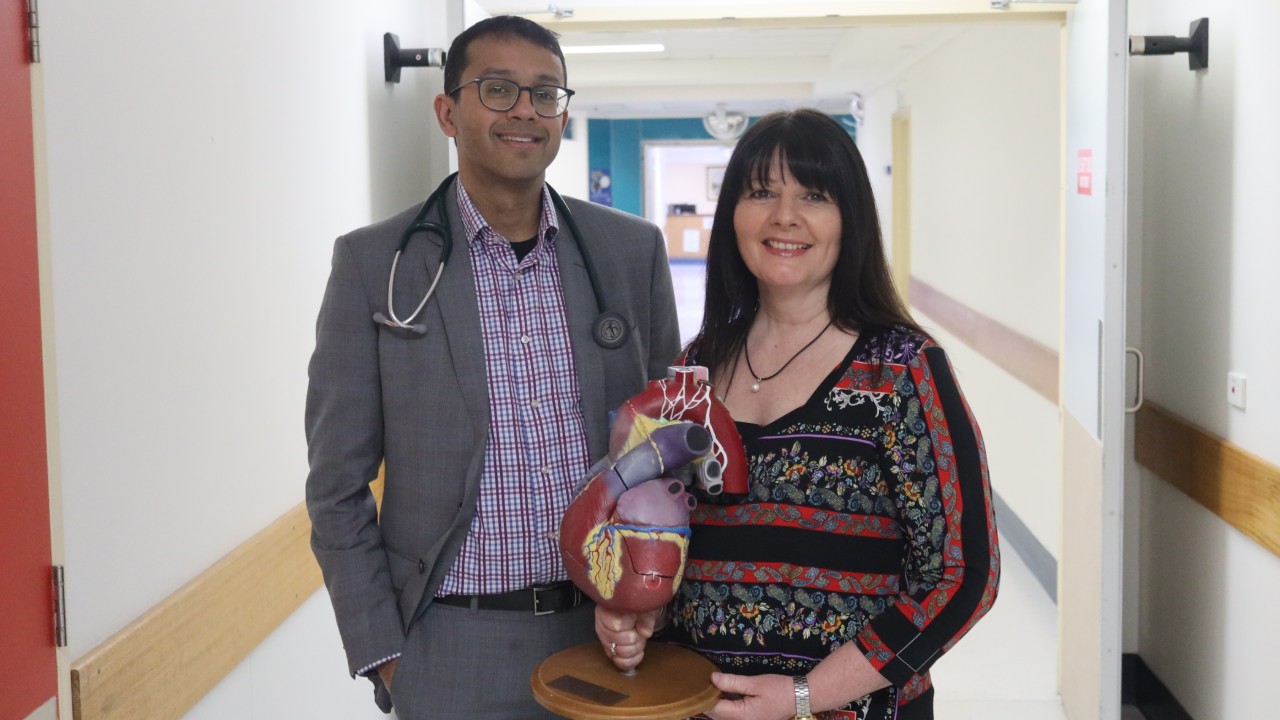
    Patients who are diagnosed with heart failure in the northern suburbs will now be better managed in participating GP clinics thanks to Northern Health’s unique ‘Heart Failure in the North’ education program, which provides personal education and upskilling for GPs and primary care nurses.

    The program started in March 2016 by recruiting four large GP clinics that were geographically located near Northern Health and whose patients were regularly presenting to hospital for heart failure.

    Associate Professor Gautam Vaddadi, head of the program explained that a lot of patients with heart failure are not treated with the most appropriate evidence based care, particularly the use of complex combination medications. GPs frequently find this a challenging area to practice in, and with evidence changing rapidly, GPs need more support from specialist hospital services to ensure patients are maintained on evidence based treatment. He and his team sought to improve that standard and build a link between the hospital and general practice.

    “There is a strong recognition that heart failure patients are being sub-optimally managed and a lot of that care is controlled in the community. After speaking with A/Prof Ralph Audehm GP, who has done a lot of work in the diabetes space, we decided that heart failure would be a good condition to engage with primary care on and build a skill base within general practice to manage heart failure,” he explained.

    Fiona Miller, Heart Failure nurse who runs the education sessions added that during the second year of the program, the team recruited two more clinics, so six clinics in total were engaged in education during the first two year period. Currently, she is working with 30 medical clinics in the northern region of Melbourne.

    “The goal of the project was to improve evidence based medication use in heart failure patients and we looked at ways to make that happen. While collecting data from GPs on these patients, we recognised that there was a gap in the way these patients were coded. They were all given a generic diagnosis – Congested Cardiac Failure (CCF). That code doesn’t really tell the GPs what kind of heart failure the patient has, and for the patients to be managed correctly, the GPs needed to know what type of heart failure it is,” Fiona explained.

    She further explained that once that cohort of patients was classified correctly, she did a lot of education around diagnostics for the type of heart failure, especially with the nurses who were engaging with patients around their “care plan”.

    “I worked very closely with the nurses in the medical clinics, around management of chronic heart failure to help nurses better understand how to educate and support patient management. I would sit in the room with the nurses and initially do all the education with the patient during care planning. This process of the nurse learning by example helped link the theory to practice. Nurses then felt more confident to discuss heart failure self-management with patients and over time it became standard care,” she explained.

    “We used the GPMP (GP management plan) to identify gaps in management and alert the GP,” she added.

    The nurses valued the practical aspect of the education program. The feedback from patients was fantastic and they ‘felt looked after and felt better at home.’

    Fiona and Gautam agree there is a big difference between this program and education programs from other hospitals. With this program, Fiona is able to link in with the patient at the hospital and use that to connect with the GP who is looking after the patient. In essence the patient becomes the “vector” for education and system improvement between the hospital and primary care. Traditionally there has been a wall that separates the hospital system from the GP system.

    “We are breaking those barriers between general practice and hospitals,” A/Prof Vaddadi explained.

    The response from the GPs has been fantastic, and Fiona has been receiving numerous letters of support, appreciation and encouragement.

  • Colin Woodward: From the battlefield to the ward

    Colin Woodward: From the battlefield to the ward

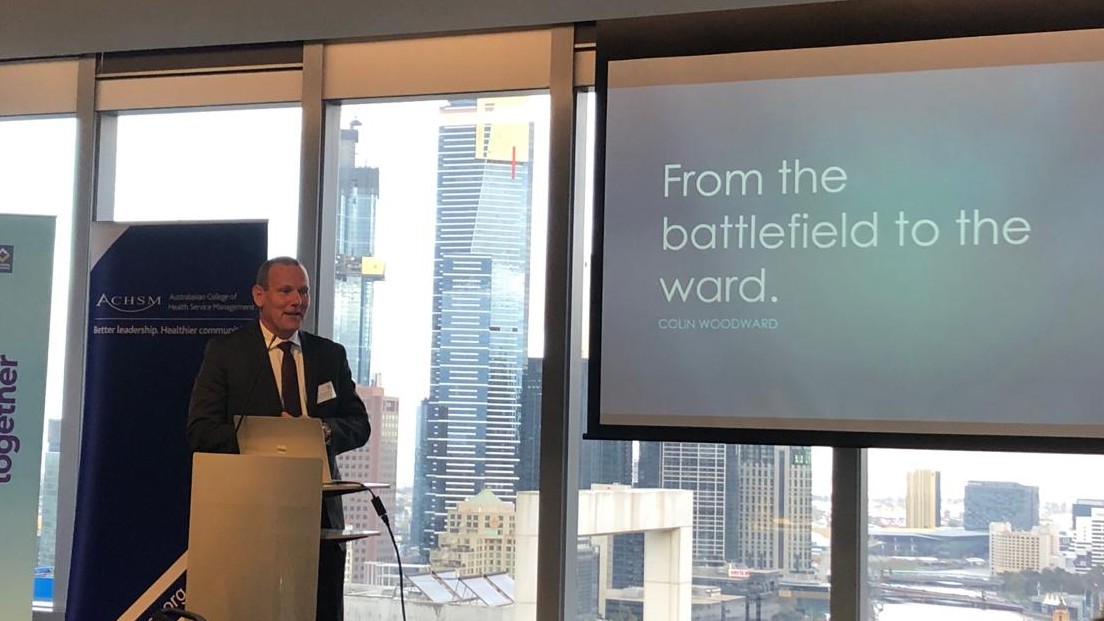
    Colin Woodward, Director of Engineering and Building Services, was recently invited to speak at Australasian College of Health Service Management breakfast session on the lessons he learned in the army and how they can be implemented in a health care environment.

    In both of these environments, Colin said he had to quickly learn how to survive, learn his trade, find role models and keep his sense of humor. From the days when he was just a teenager in the army, till today, he still makes his bed every morning, shaves, cleans his shoes and is always in early.

    “My military experience started at 16. I was surrounded by some really good people and part of the process was identifying who are the people you follow, and who are the ones you don’t. My bosses wanted nothing but the best, and at that early stage of my career, I realised I needed role models to lead my way,” he said.

    During his career, Colin said he had to learn how to listen, observe, learn quickly and fail. He observed that no matter how good he trained or achieved, it wasn’t good enough.

    “Even after I finished my military training, I always keep thinking if I’ve done the best I could! And the same is today with my trade,” he said.

    Over time, Colin read a lot and learned a about the military appreciation process that focuses on planning, communication and how everyone should think the same.

    “This is something that taught me to operate effectively in the worst possible conditions and health is a pretty good example of that. I also removed the word ‘can’t’ from my vocabulary and focused on success,” Colin said.

    In both health care and military environments, Colin is certain training needs to be harder than the reality.

    “If we ever get hit with a large number of people coming through with injuries, it should be business as usual. That’s why training needs to be harder than our every day reality”.

    Another parallel between the military and health care environments Colin draws is in how different teams or corps work together towards a mission.

    “If I take military environment and compare it to health care, in defence we have commanders at all levels and different corps, the structure is there. In health care there is surgical, ICU, cleaners, kitchen, medical wards etc – all these are dependant on each other and they all need to work towards the success of our mission,” Colin said.

    While on the job, in either environment, Colin noticed how systems always keep changing. More than systems, he says how training and environments will also change and that is something we should always consider as part of what we do.

    “What people died from 30 years ago, they don’t die from today. This is research and development,” he said.

    Both health care and the military are 24/7 environments which never stop and he emphasised the importance of planning.

    “Defence plans and trains to win, while health care can’t win. In defence, our mission is to win battles, and wars. In health, we may win some battles but never the war. People will always get sick, have a car accident or get the flu,” Colin said.

    Briana Baass, Chief Allied Health Officer attended the lecture and said, “Amazing conversation at Australasian College of Health Service Management (ACHSM) breakfast. Loved hearing from Colin Woodward and Mark Bainbridge about how their military experience taught them to ‘achieve what you need to achieve, in an environment that doesn’t allow you to win.’ So many similarities.”

    Colin sees health care as a “business that will go on forever”, and a huge task in front of all health care workers is to find a way to combat those challenges.

    “I do my best, expect nothing in return and I never panic under pressure,” Colin said.

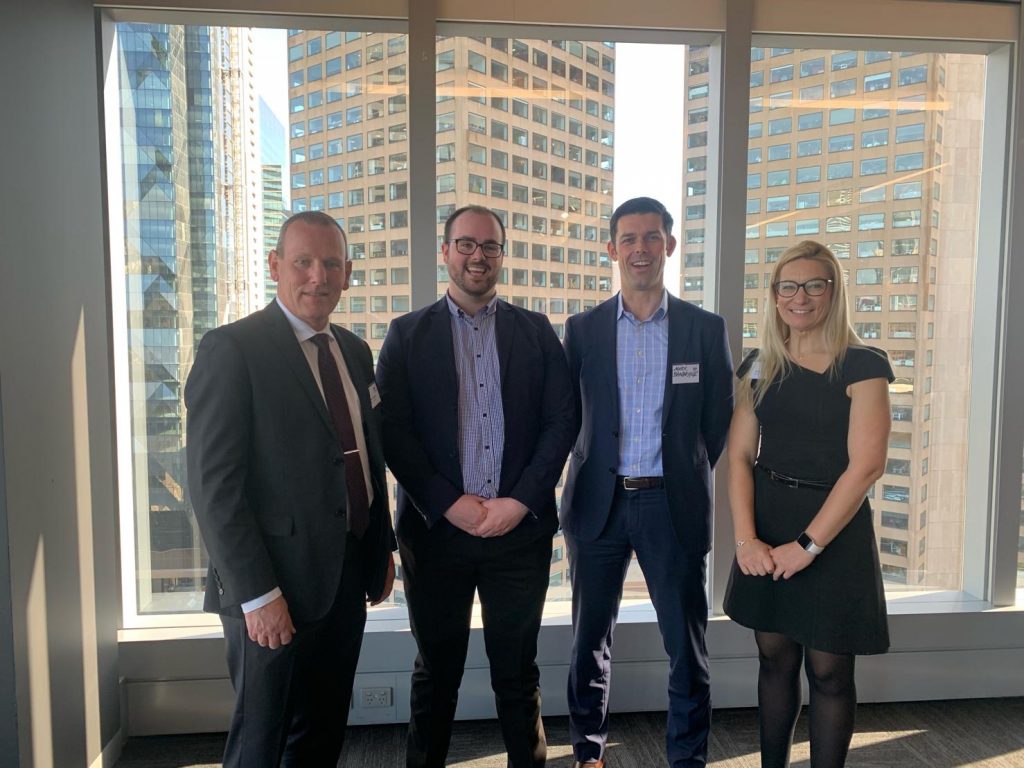
    Colin with Briana Baass, Chief Allied Health Officer and guests at the lecture


  • Our LISN course held at Royal Children’s Hospital

    Our LISN course held at Royal Children’s Hospital

    The Learning Improvement Science (LISN) course, which has been running for the last four years and is offered free to all Northern Health staff, has been delivered at another hospital for the first time.

    LISN teaches the fundamentals of process improvement by breaking the problem down bit by bit and showcasing how small changes can make a big difference to the system.

    “In health care, we are solution focused, while this workshop aims to find the root cause of the problem. We do it in a tangible way so people can go back to their workplace and improve processes,” explains Ariana Carrodus, Acting Director Project Management Office and HRO Transformation Unit.

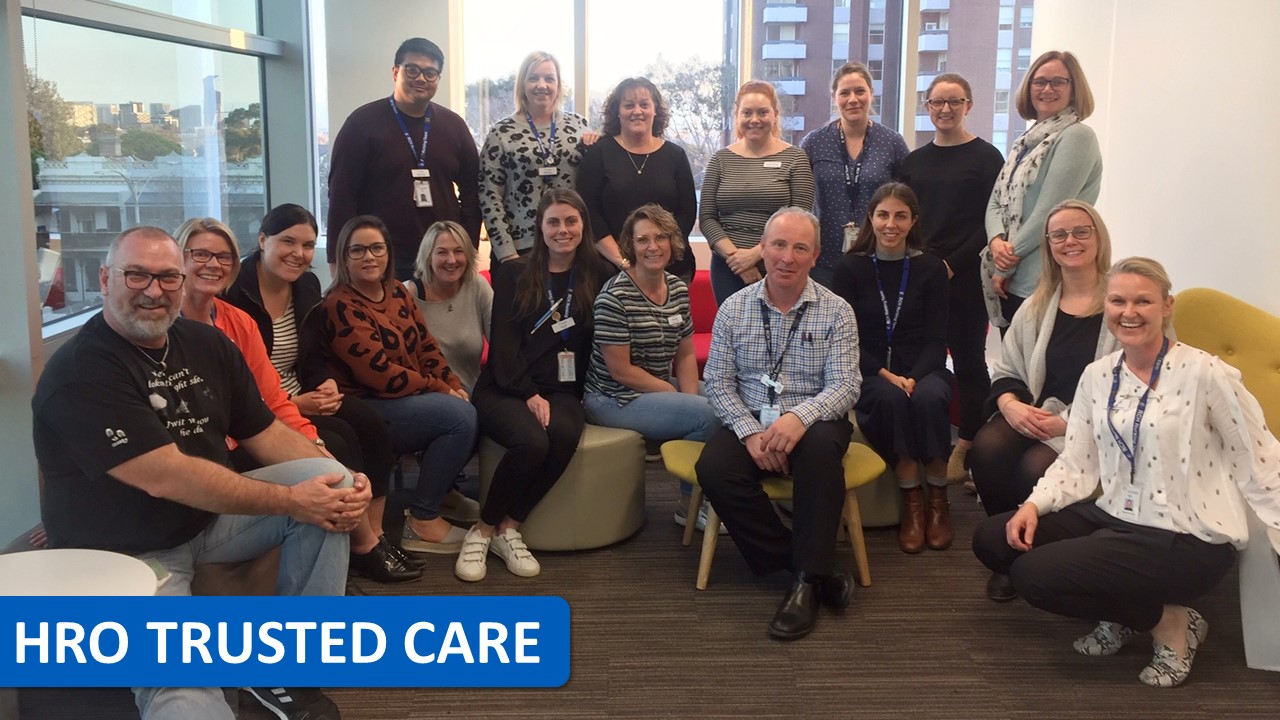
    The Royal Children’s Hospital (RCH) hosted Ariana and Brooke Williams, Project Support Officer, who, in partnership with RCH staff, co-delivered this training to 32 senior nursing staff.

    LISN is an action learning workshop built around a simulation of Day Procedure Unit (DPU) where multiple improvement cycles are conducted to improve patient’s clinical outcomes, reduce documentation errors, while at the same time improving access and efficiency.

    Simon Lane, Improvement Capability Lead at RCH, explains he was working at Northern Health from 2015-2017 when this improvement course was introduced and found it to be an extremely effective way for understanding what improvement is.

    “These improvements typically focus on very small changes that can have large impacts on things like quality and access. The RCH have been sending staff to Northern from 2017 and, since then, we have co-facilitated these workshops,” he said.

    “We identified the need for this training at RCH because we are working on improvement projects and we understand that staff need to lead improvements, rather than being told what to do. Ariana and the team have done two single-day workshops at RCH and some of the participating staff said this was the best professional development workshop they’ve experienced,” Simon said.

    Participants are shown how to make small problems visible in their workspace and given the tools, eyes and language to identify problems and resolve them.

    “The workshop encourages productive and open conversation around problems so that people feel empowered to bring them up and root causes can be found and addressed,” he explained.

    The last two LISN sessions for the year will be held on 18 October and 13 November 2019 at Northern Health.

    Please email lisn.hro@nh.org.au if you would like to attend. Anyone can participate and the course is also offered to other industries and health services.

    Dates for 2020 are coming soon.

  • Over three thousand courses completed on myLearning

    Over three thousand courses completed on myLearning

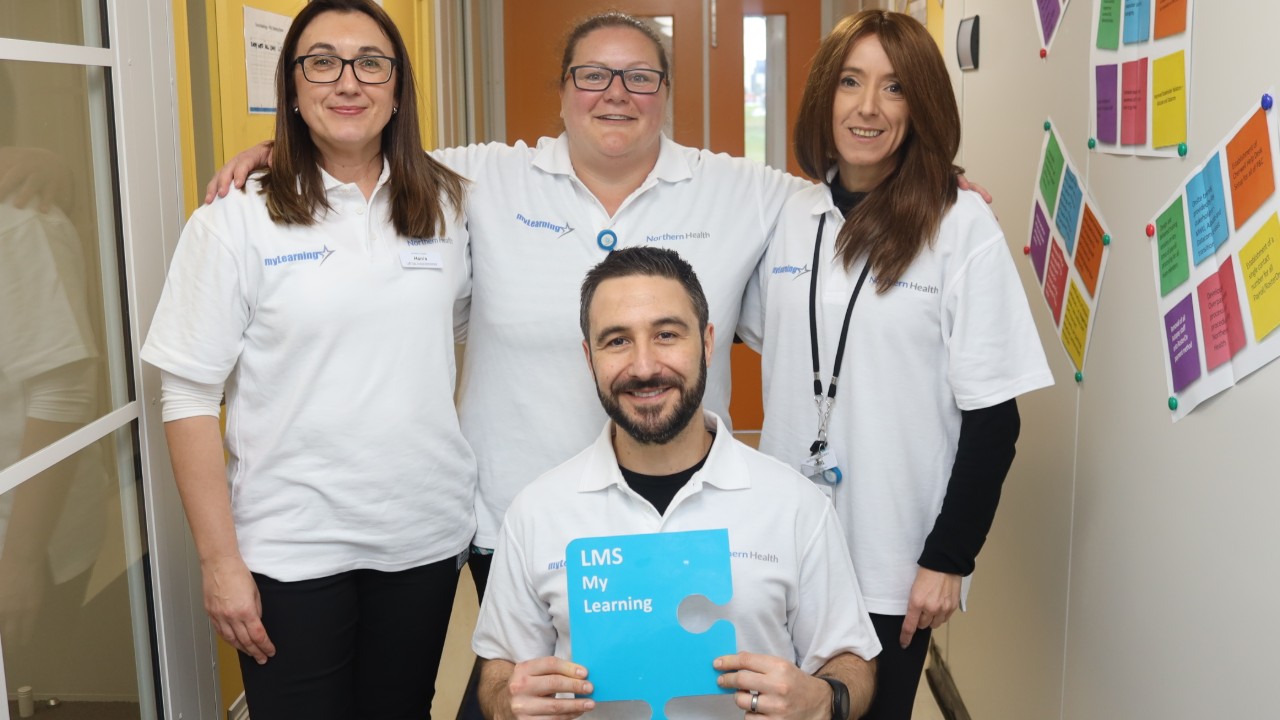
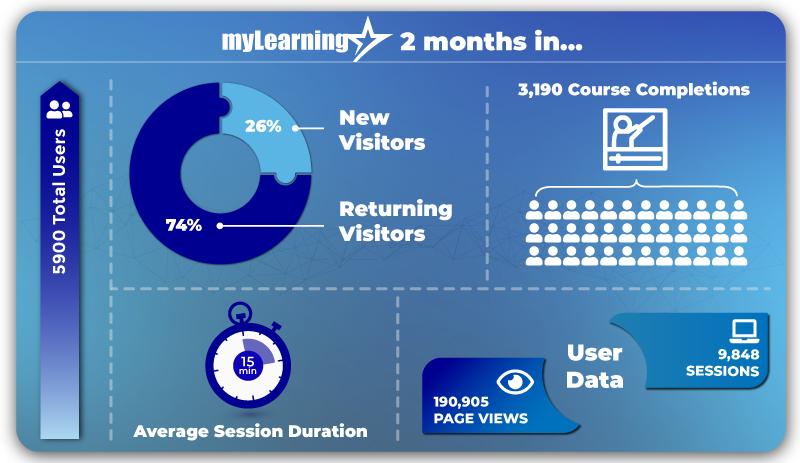
    Since the July launch of the new Learning Management System (LMS), Northern Health staff have completed 3,190 courses and spent around 15 minutes within the system during each visit.

    Bec Gilbert, Project Manager, said she is proud of the team’s achievements and the work that has been put into the new LMS.

    “Since the launch, we have had a hive of activity as we continue to design and deliver new courses for our employees and streamline processes to support the system now, and into the future,” she said.

    “Having training modules in one central location makes it easier for Northern Health staff to access and complete their training requirements in a flexible and dynamic time frame of the working day,” said Michelle Fenwick, Executive Director People and Culture.

    The myLearning project team isn’t slowing down any time soon and will continue to provide support, while developing six new courses.

    “Now, we are expecting improved access, performance and completion of mandatory training and the continued expansion of our present education and training within myLearning for us all to enjoy in the coming months,” Bec said.

    New courses will continue to be added to myLearning over the following six months, leading up to accreditation in May 2020.

    Some of the courses currently available on myLearning include Fire and Emergency, Hand Hygiene and many more. New courses will include topics like Children at Risk, Blood Safe Learning, Open Disclosure and more.

    Click here for the full list of current and new courses.

  • HMOs accepted into RANZCOG Training Program

    HMOs accepted into RANZCOG Training Program

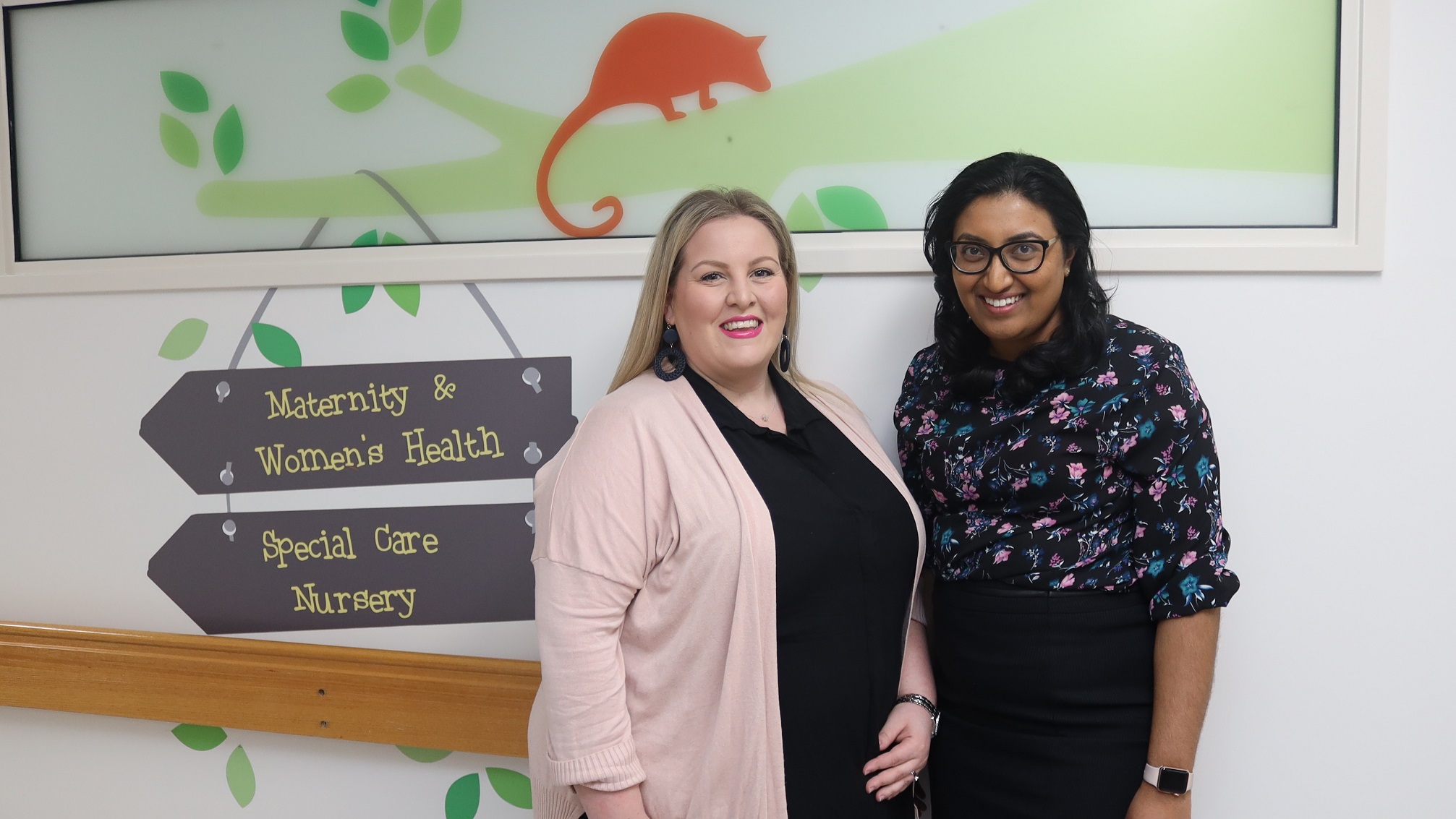
    Sita Murugappan and Amanda Quattrocelli are both Northern Health Hospital Medical Officers (HMOs) who were recently accepted into the highly competitive Royal Australian New Zealand College of Obstetricians and Gynaecologists (RANZCOG) Training Program.

    RANZCOG trains and accredits doctors throughout Australia and New Zealand in the specialties of obstetrics and gynaecology so that they are capable – professionally and psychologically – of providing the highest standards of health care.

    The Training Program is a six-year specialist program where only 24 trainees per year in Victoria are accepted. Trainees spend the first four years based at Northern Hospital but also get rotated to Mercy Health for experience in areas that aren’t available here, as well as six months at a rural centre.

    Many of our trainees return in their fifth or sixth year as senior registrars and some also settle in the north to develop their careers here.

    Northern Health Divisional Director of Women’s and Children’s Services, Dr Paul Howat, said, “I’m very excited that two of our HMOs were successful in getting into the training program, continuing our success from last year. The program is highly competitive.”

    “It’s good to see that RANZCOG is selecting trainees from diverse backgrounds, which reflects the composition of our northern community,” he said.

    “We are proud of these two young women who have promising careers. They have come through Northern and are loyal to Northern and see their careers playing out here. We’re just very excited to have them on board,” he added.

    Amanda and Sita both expressed their enthusiasm for the opportunity.

    “We are very excited to be accepted into the training program and are hopeful to be Northern Health trainees in 2020.”

    “Both of us are very grateful and thank all those who have supported us along the way. We look forward to continuing to provide quality care to women coming through our health service at some of their most pivotal moments,” they said.

    Featured Image (left to right): Amanda Quattrocelli and Sita Murugappan

  • Our reputation, our brand and our identity

    Our reputation, our brand and our identity

    Our reputation and brand identity are linked to our value in the community – who rely on us to provide the health care and services they need. Northern Health’s growing reputation is a credit to our staff and their professionalism and commitment to their work.

    Over the last two years, Public Affairs has consulted with staff, consumers and volunteers to seek feedback and develop a whole of organisation approach to branding to create greater consistency and brand awareness.

    Our website was updated six months ago following the upgrade of the intranet and the establishment of iNews. We now have a strong and regular presence in local newspapers and our patient care is profiled in metropolitan and national media.

    In recent years we have been well known and regarded for the way we manage growth in demand for services – now we are being recognised for our innovation in health care in our approach to dealing with this demand.

    Our logo and Style Guide

    Twelve months ago our logo was simplified to provide a more modern style, reflecting our organisation as a modern and progressive health service.

    Updating our logo will be a gradual process. Most of our logo applications are electronic or printed on-demand and major signage will only be changed in line with maintenance requirements.

    Our new brand is visible through logos on our modern vehicle fleet being seen through the northern suburbs seven days a week and on our intranet, website and iNews.

    Our new Style Guide includes a range of templates including letterheads, email signature blocks and PowerPoint presentations. The Style Guide and templates are now available on the intranet and our logo procedure is available on Prompt.

    Consistent application of our logo and style guidelines not only enhances the professionalism of our brand, it also acts as legal protection for our registered trademarks.

    Names of our sites

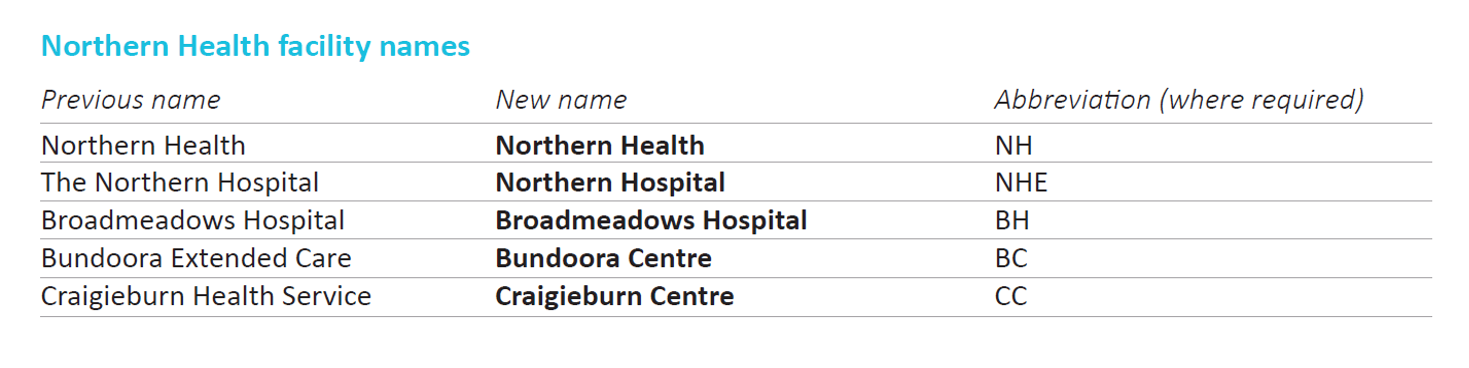
    As part of our brand review, the names of our key health care facilities have been updated.

    Our Broadmeadows campus was renamed Broadmeadows Hospital over two years ago when the new expanded elective surgery centre was opened. More recently, the names of our other three facilities have been simplified. ‘The Northern Hospital’ has been simplified to ‘Northern Hospital’. Bundoora is now known as ‘Bundoora Centre’ and Craigieburn will be known as ‘Craigieburn Centre’. We’ve also simplified the abbreviations for Northern Health and the sites, which have been included in the Style Guide.

    These names and abbreviations are to be used now – and will be formally in place by 31 December this year.

    We can all be very proud to be part of an organisation that is adapting to a changing health care landscape within one of the one of the fastest growing communities in Australia. Our commitment to Trusted Care for our patients, the new ways we are developing for people Staying Well at home and our growing translational research initiatives are continually strengthening our brand and reputation.

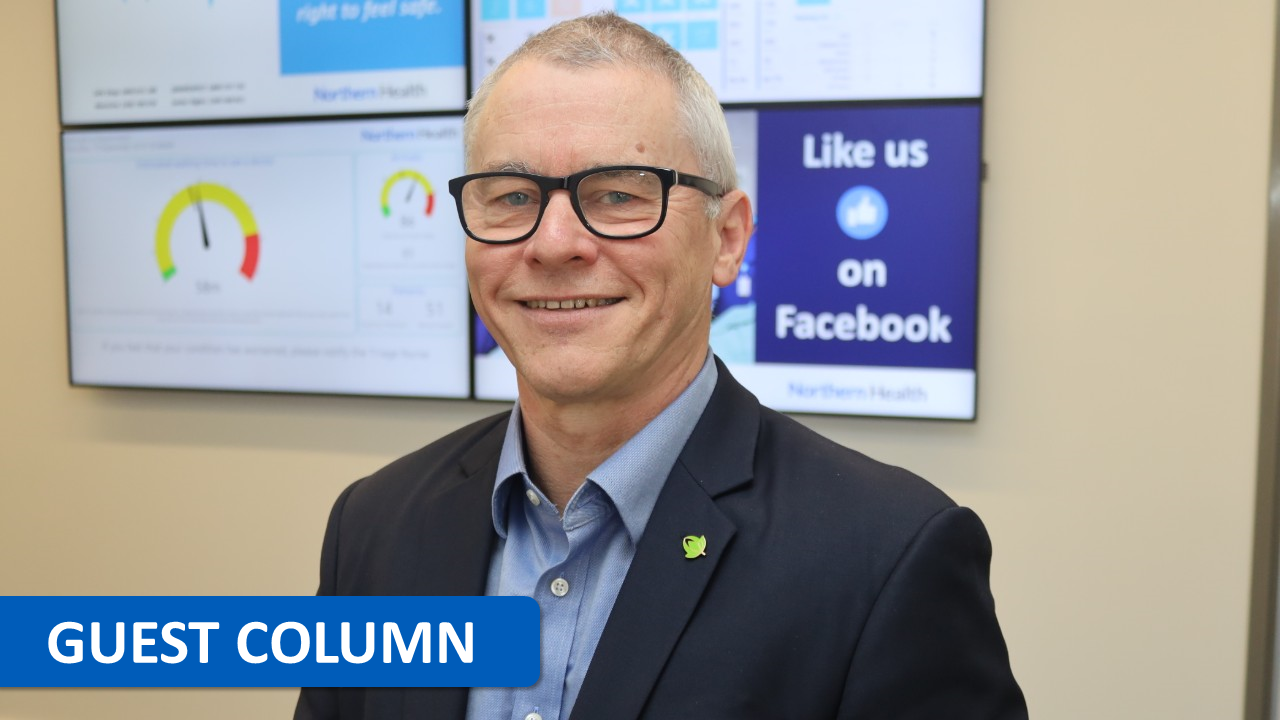
    Andrew Williamson
    Executive Director Public Affairs and Foundation

  • Flu campaign success and People Matter Survey results

    Flu campaign success and People Matter Survey results

    Influenza Campaign Success

    This week, the Victorian Government’s Healthcare Association Infection Surveillance Coordinating Centre congratulated Northern Heath on exceeding the DHHS target for health care workers influenza program. We have achieved a Healthcare Worker Influenza rate of 87.1 per cent.

    This recognises the excellent vaccination results and acknowledges the exceptional efforts our organisation has put into providing free flu vaccinations for our staff.

    We have not only achieved outstanding results in the number of staff vaccinated, but also in the number of community members that have come through our flu clinic.

    The 20,000 free vaccinations provided to our community helped our northern neighbours stay well this winter. In our flu clinic, we have seen families drive for hours to get their flu shot, as well as numerous overseas visitors. It’s pleasing that we are able to provide this protection to both our staff and our community.

    People Matter Survey

    We have recently received our 2019 People Matter Survey results and Michelle Fenwick and I have been presenting them to staff at forums over the past two weeks.

    Over 1,600 staff completed the survey and provided feedback on what is working well at Northern Health, and also highlighted the areas that we need to focus and act on. The gap between us and similar major and tertiary health services is closing, particularly in the areas of engagement, diversity, psychological safety and role clarity.

    Of particular note, this year has seen a significant decrease in respondents reporting they have experienced or are currently experiencing bullying. This has decreased by 48 per cent since 2016 when we first participated in the survey. We recognise there is still work to do in this space but are buoyed by these results.

    We will be focusing on some core areas over the coming months, namely change management and recognition which you have told us we could do better. We will also continue to maintain and celebrate those areas we are doing well in, like learning and development, where we have recently launched our new initiative – Mentoring for Success. With 75 per cent of respondents indicating that intend to stay at Northern Health for the next two years, we are really pleased with Northern Health’s direction.

    I hope you have a good week ahead.

    Siva Sivarajah

    Chief Executive