• Coming home to Northern: The journey of Dr Fidel Touma

    Coming home to Northern: The journey of Dr Fidel Touma

    Fidel Touma is a Consultant General Surgeon here at Northern Hospital. Fidel says everyone he works with are very helpful. “They are like friends – brothers and sisters helping everyone.”

    “They always have time for my questions about the health system. I feel part of a big family here at the Northern,” says Fidel.

    Family has always been a big consideration for Fidel. It is the reason he left his home country of Syria for Australia, arriving here on 1 July 2014.

    Prior to joining Northern Health, Fidel served as Director of Surgery of the Assuqaylabiyah National Hospital in the province of Hama in Syria, and Head of the Laparoscopic Units in many other hospitals. Fidel was the pioneer of laparoscopic surgery (keyhole surgery) in his province, starting with laparoscopic cholecystectomy (gallbladder removal) and extending to other laparoscopic operations.

    “It gave me a very good life – I didn’t want to leave,” says Fidel of those heady days.

    That was until the war in 2011 destroyed everything. Fidel recalls how people had to start thinking of safety and food and basic requirements, instead of advancing their skills.

    “Everything was in short supply – resources were limited and we had only the basics and that too only for emergency situations.”

    After three years of war, Fidel started looking for a safe resort for his family to start a new life.

    Initially, the family found it hard settling in Australia. His children were too young to comprehend what was happening and found learning a new language a big barrier.

    “Everybody we contacted regarding my recognition as a surgeon here was not optimistic,” says Fidel. They suggested he might have to start the surgical program again from scratch. However, as part of a career guidance course (SLPET) at Melbourne Polytechnic Preston, Fidel was able to get a two week observership at Northern Hospital in mid 2015.

    “Everyone was very kind and ‘human’ at the Northern– I use this word because I started feeling at home and everyone was helpful and supportive,” Fidel says.

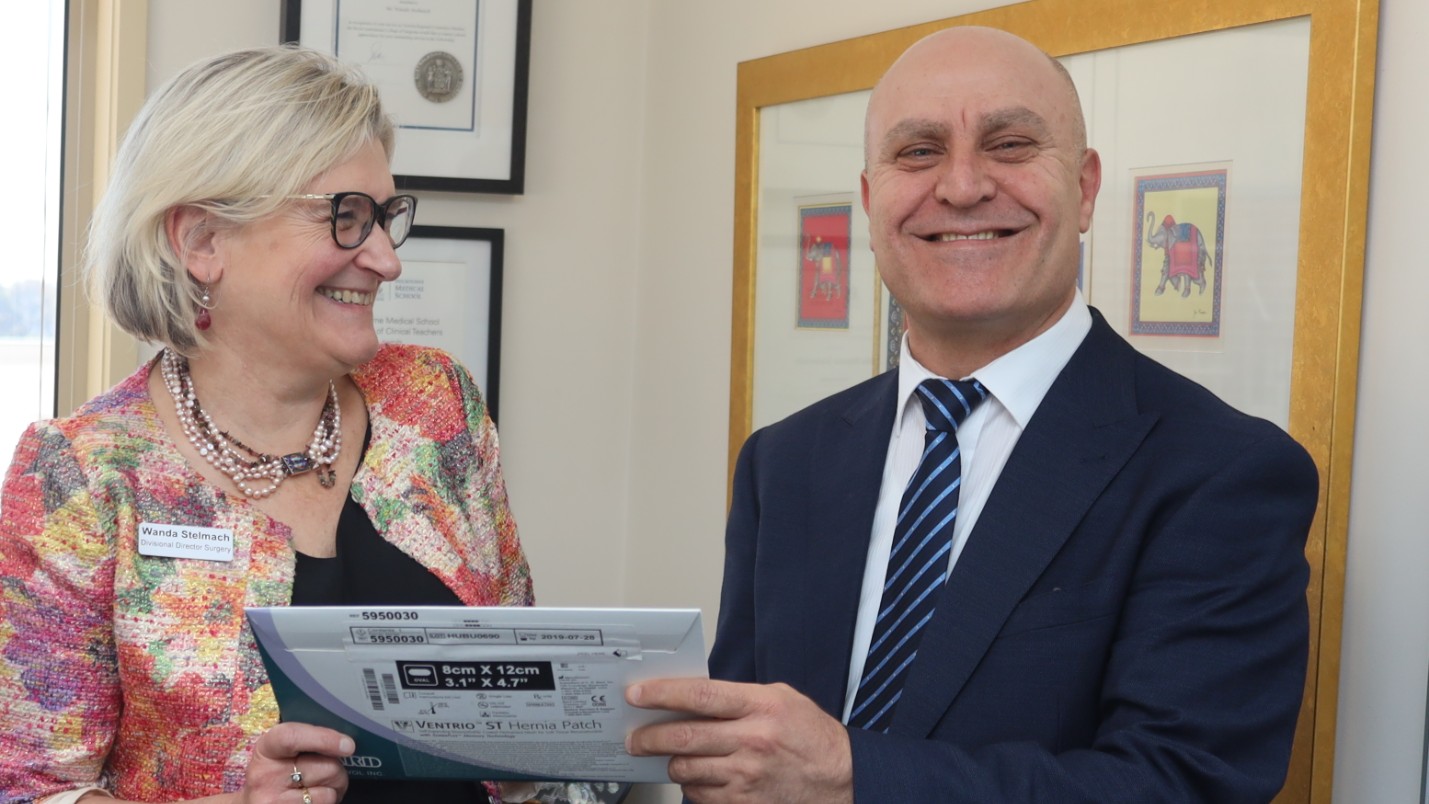
    “Wanda Stelmach (Divisional Director of Surgery) was amazing – she extended my observership by another two weeks.”

    “From our first contact with Fidel, it was obvious that he was a very experienced surgeon, but he did not advertise this outright. It was from his considered comments and suggestions that this experience became obvious,” says Wanda.

    “His approach to the opportunities that were given to him was humble and, as his training was recognised, and when he finally gained FRACS (Fellow of the Royal Australasian College of Surgeons), his true personality started to shine,”  she says.

    After his interview with the Royal Australasian College of Surgeons (RACS) in October 2015, Fidel was deemed to be substantially comparable to Australasian surgeons and waived any further exit fellowship exams. After that, he immediately got his first job here as an International Medical Graduate General Surgery Fellow.

    It was about this time Fidel started dreaming again – daring to believe he could build a career at Northern Health.

    “To me, this was a crucial part and key step of my journey, that put me on track again to restore my career. I started thinking and dreaming of a new pathway with lots of achievements and loving life again!”

    Fidel, as it turned out, fitted in very well at Northern.

    “He is always willing to engage with the care of patients, with the education of colleagues, registrars and medical students and with the activities of the health service,” continues Wanda.

    “His love for his family is truly obvious as he proudly describes the achievements of his wife, son and daughter – you get the feeling they outshine his own amazing achievements! Fidel really exemplifies the attributes of the migrants that are the backbone of the northern suburbs.”

    Fidel has the final say, “I love to work in this hospital. This kind of collegial environment you can’t find anywhere else – I feel very much at home!”
  • Safe Work Month

    Safe Work Month

    Safe Work Month is a national health and safety awareness campaign developed by Safe Work Australia. This year’s theme, “Be a Safety Champion,” is about highlighting that anyone, employers or employees from any occupation, can be a champion for work health and safety. Everyone can support a safety culture in the workplace.

    At Northern Health, we have Health and Safety Representatives (HSRs) who have taken on the role of being a Safety Champion for their work group. HSRs are the highly dedicated representatives who work to maintain a safe and professional workplace.

    One of them is Steven Micallef, who works in the Engineering team. To him, safety means the, “team gets to go home at night without incident and feel that they can work in a safe environment every day.”

    “At the start I wasn’t sure why I was voted in, but I took on the role and have been able to provide information to our team at meetings. Also, I was making sure we were always doing things in a fashion which meant that we could reduce the risk of injury significantly to the point where we don’t have any incidents at all,” he said.

    His colleague, Nathaniel Gee, is a Senior Clinical Physiotherapist in Acute Services at Broadmeadows Hospital.  He is the HSR for the Allied Health area and safety to him means, “we all go home happy and well.” He put his hand up to become an HSR because he is involved in the Physiotherapy Wellbeing business plan.

    “I think that wellbeing and safety go hand in hand. I also believe that safety is good for everyone… patients, staff and the organisation as a whole,” he said.

    I see my role as HSR as providing a listening ear to my workgroup on the ground and also being an advocate for safety. Being a HSR also allows me to help push through safety issues to management and make sure they don’t fall through the cracks,” he added.

    Today, at the Melbourne Health and Safety Month Conference, Suzanna Tan, Manual Handling Risk Coordinator, will present on the Patient Handling Injuries Review of Systems (PHIRES) toolkit she has worked on with WorkSafe Victoria to improve and reduce patient handling injuries.

    The month of events culminates in WorkSafe Awards Ceremony and Gala Dinner on 31 October, where Winnie Tjong, Injury Management Coordinator,  has been nominated as a finalist for the RTW Coordinator Excellence award – good luck Winnie!

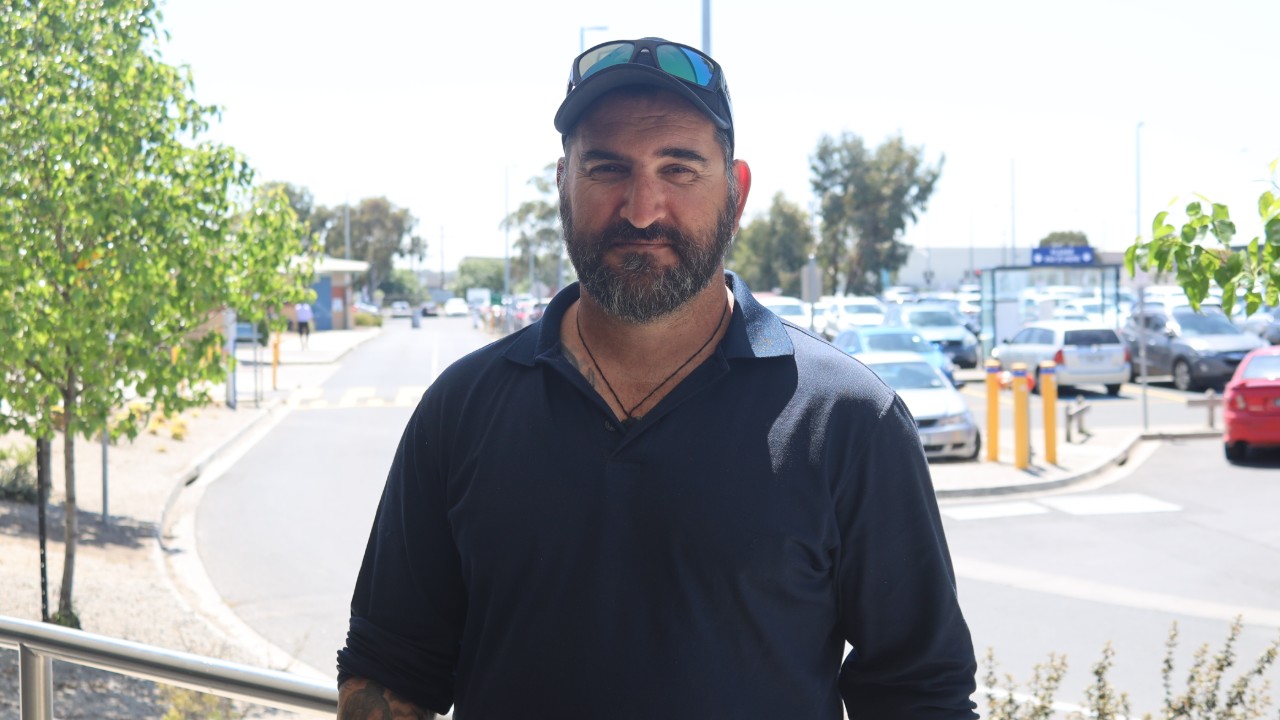
    Steven Micallef, HSR

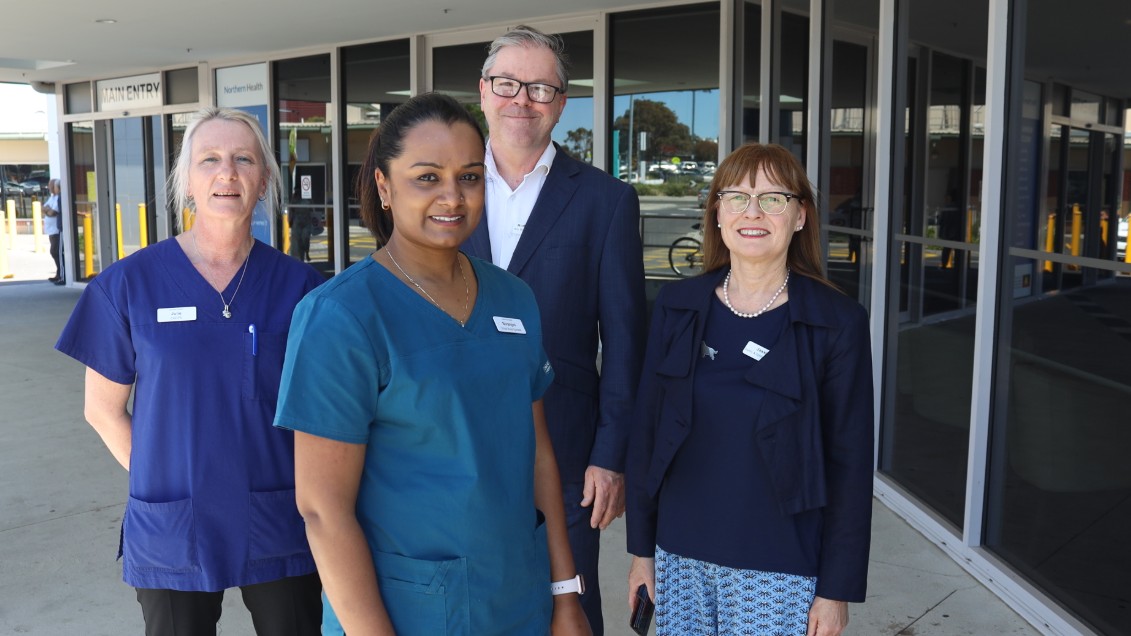
    Featured Image (left to right): Julie Mason, HSR for Support Services; Roderick Greig and Sivanjini Devi, HRSs for Ward 17 (ICU); Jaxxon Roberts, HSR for Quality and Safety

  • Meet Grant Taylor

    Meet Grant Taylor

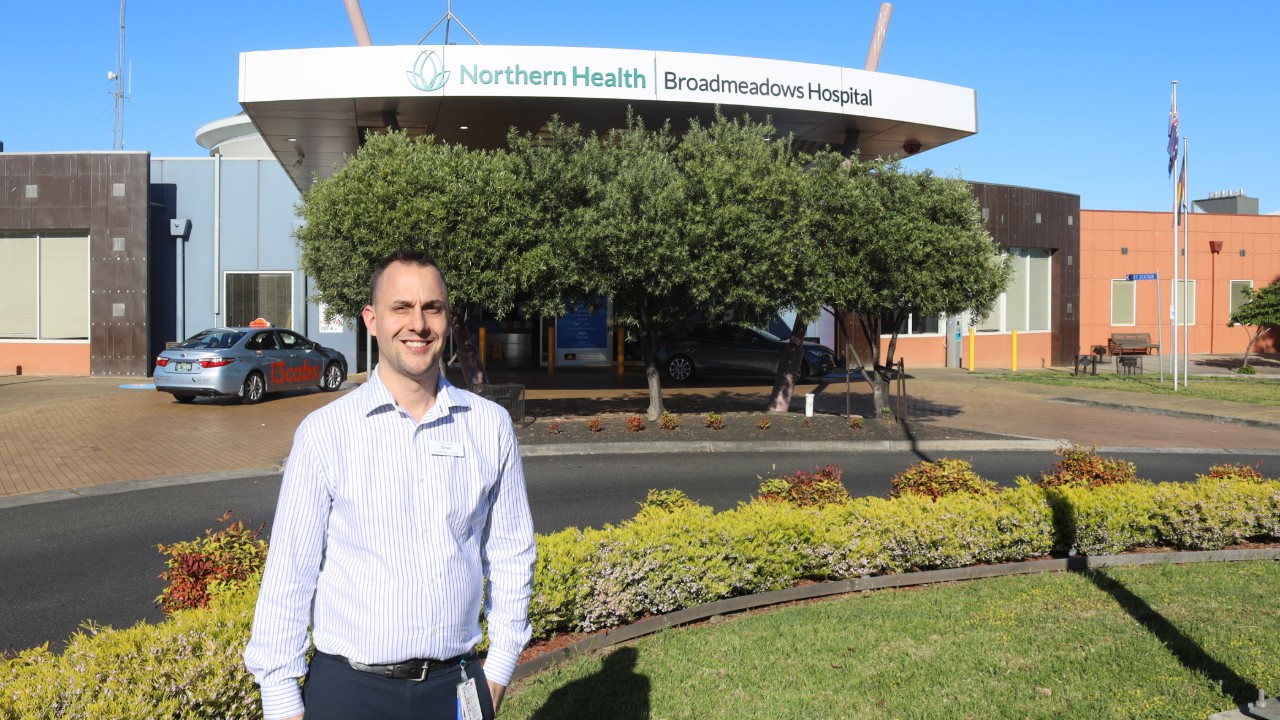
    Grant Taylor, Site Manager and Director of Nursing for Broadmeadows Hospital and Craigieburn Centre, always starts his working day with a coffee, which he prepares at the office.

    “Then I wander to the wards, ask staff how the previous shift has been and meet with the coordinators. I conduct a lot of meetings, take some time to meet patients and it’s all about keeping Broadmeadows Hospital and Craigieburn Centre operational and ensuring we are meeting the demands,” he said.

    Prior to coming to Northern Health this winter, Grant was at Melbourne Health for five and a half years as a Nurse Unit Manager and After Hours Manager.

    “Northern Health was the right opportunity at the right time. I was looking to get into a more senior role for a long time, and I heard a lot about Northern Health and how it progressed a lot. I saw it as a professional challenge and something that would get me out of my comfort zone,” he said.

    Grant lived in Sydney almost all of his life, with two and a half years of living in London and working in emergency nursing. He came to Victoria in 2014, looking for a change of pace and surroundings. He is now enjoying his role and is ready to face any challenges.

    “I enjoy leading the team. There is a lot of opportunity here and such a broad mix of services – surgery, subacute, acute, and always something going on here. What I love most is how friendly the team are and how ready they are for change,” he said.

    “The challenge is keeping up on where the organisation is going, but that is becoming easier now with all the communication that has been implemented. Access and the demand for services, and balancing with patient expectations is our biggest challenge, as an organisation,” he added.

    When he is not busy at work looking after Broadmeadows Hospital or Craigieburn Centre, he usually travels or is planning at least a road trip to a nearby town.

    “I have been traveling a lot and I’ve developed a blog too. Every second year I do a big trip of four or six weeks and if I am not planning an overseas trip, I am looking into towns I could visit and drives I can do,” he added.

    His interests also include movies, eating out and something not many people know about him.

    “I have a quirky sense of humor which only some of my colleagues see now. Also, I used to be a competitive dressage rider – I used to show horses in show jumping, cross country and competitive dressage – haven’t done that in a long time,” he said.

    In the future, Grant sees Broadmeadows Hospital as a high functioning acute and subacute service, a place that patients want to come to that not only meets the community expectations, but surpasses them.

    “We have a new leadership team coming in the Nurse Unit Manager space and that will help drive Broadmeadows Hospital forward,” he said.

    When it comes to Craigieburn Centre, he said it is a fantastic service delivering timely access to health care for a diverse population group.

    “There have been some amazing developments in the past 18 months including the introduction of the Rapid Access Iron Infusion Clinic. In the future, I would foresee increased continued growth in the Day Procedure department as well as the addition of new and exciting services,” he added.

  • David Ryan: Our cyber security

    David Ryan: Our cyber security

    During the previous month, we have been seeing news about cyber-attacks on hospitals, especially a significant attack which affected hospitals in the Gippsland and South West regions of Victoria. The attack led to some of the hospitals, including Barwon Health to cancel some elective surgery and appointments. We monitor these events closely and take them very seriously.

    A couple of days ago, we have received important information from DHHS via the Victorian Government Cyber Incident Response Service (CIRS) that Victorian Government organisations are being targeted in phishing campaigns attempting to deploy malware known as Emotet.

    The organisations impacted reported receiving phishing emails containing malicious Microsoft Word documents. The Microsoft Word documents contain a macro which, when enabled, downloads Emotet malware to the user’s device. If you see a suspicious document, please let us know.

    We have also been alerted by the Australian Cyber Security Centre on Scam Text messages on phones targeting Australia Post Customers. The widespread scam text messages are telling customers there are problems delivering a package, or that a parcel won’t be delivered “due to unverified shipping address.” Please make sure you never click on links which ask for your personal information.

    At Northern Health, we have a number of systems in place to protect ourselves from potential cyber security attacks, but we also need you to be vigilant! Your email is the most likely entrance for such attacks.

    I would like to personally assure everyone that we are taking all precautions to prevent malware entering into the Northern Health network and are monitoring for any malicious traffic.

    Should you identify any suspicious links, emails or documents, please contact the ICT team at ServiceHUB@nh.org.au or ext 52222.

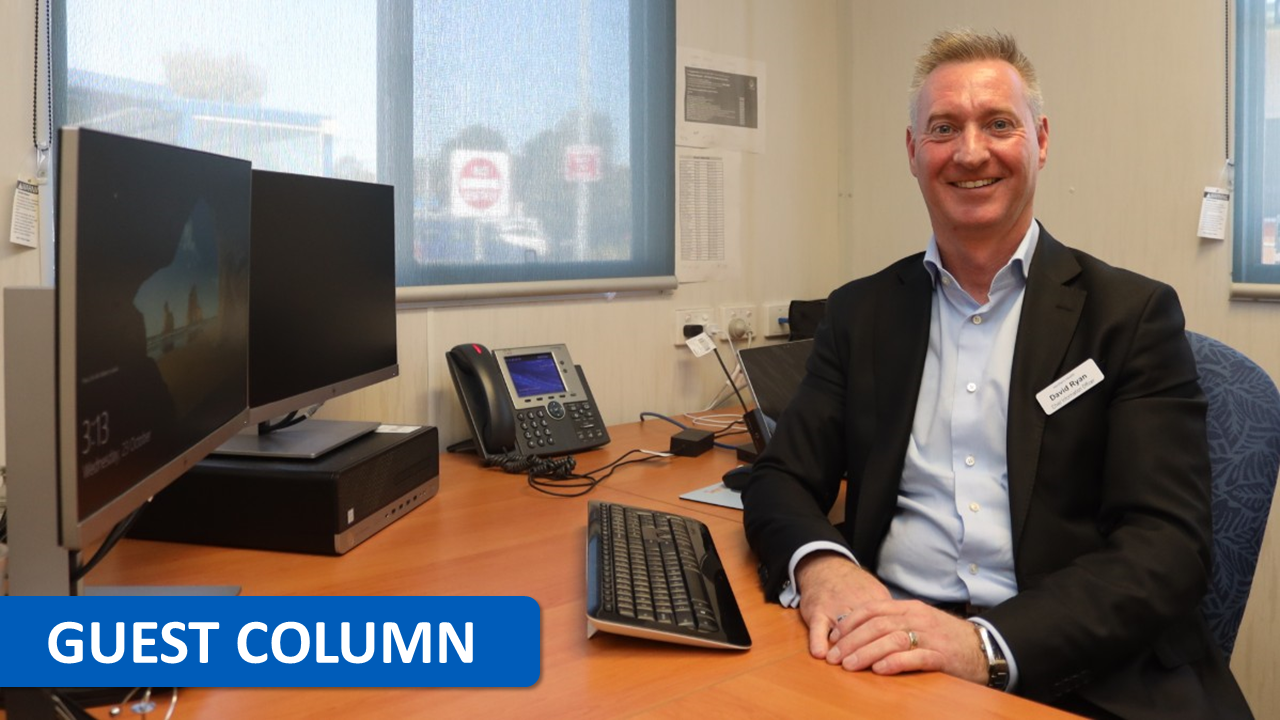
    David Ryan

    Chief Information Officer

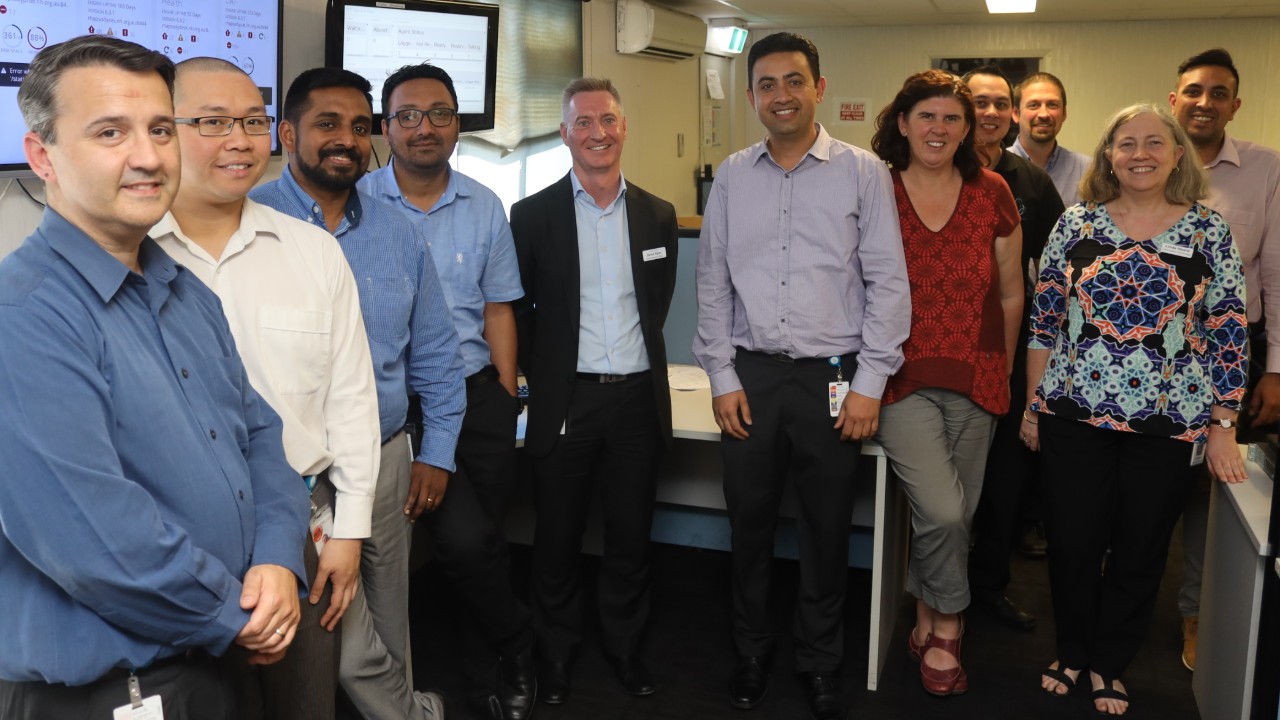
    Our IT team with David Ryan


  • Cert II students graduate at Northern Health

    Cert II students graduate at Northern Health

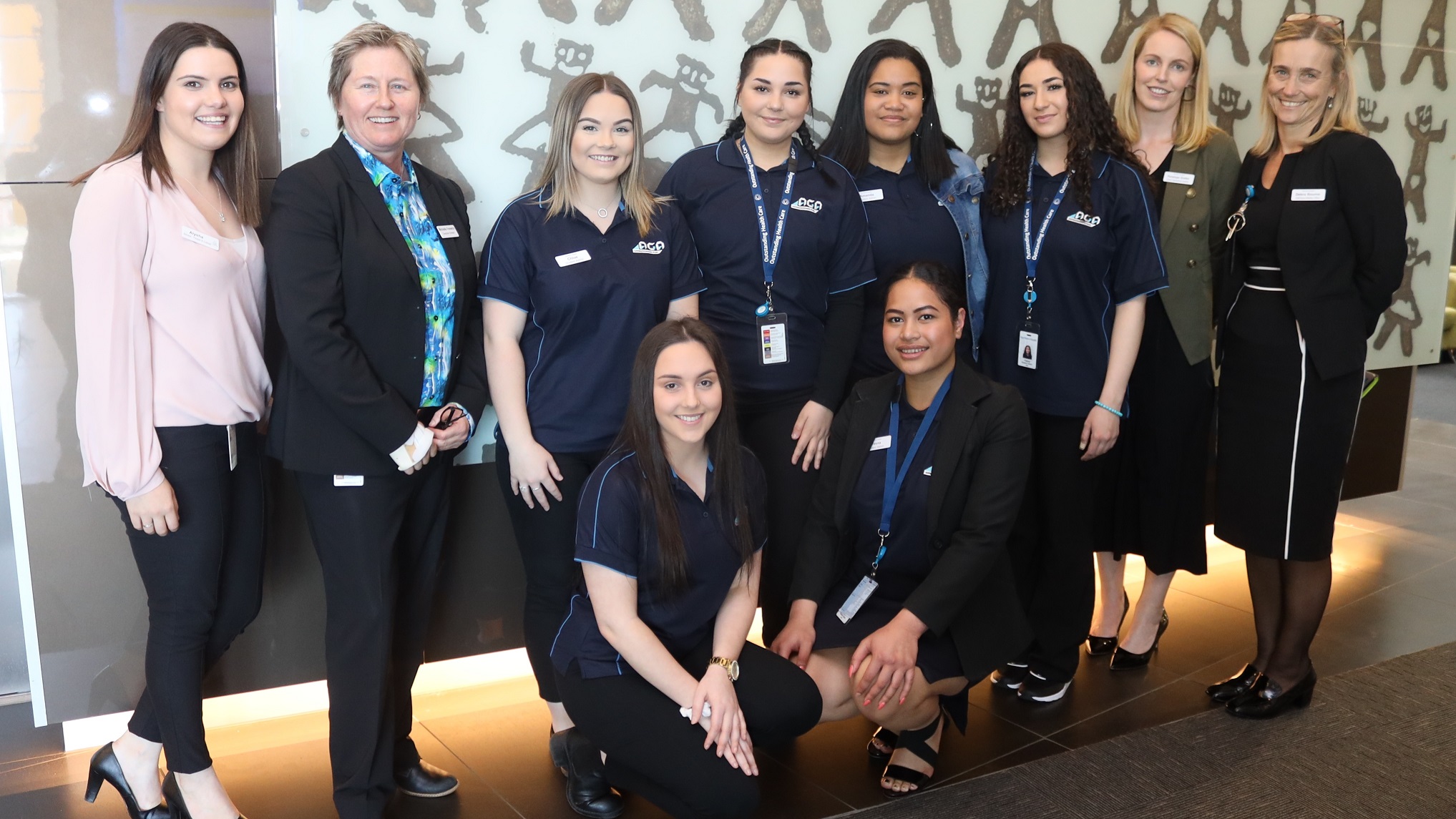
    Northern Health recently celebrated the graduating class of 2019 Business Administration and Community Services students at Northern Hospital Epping.

    Of the graduating Certificate II students, Northern Health is offering placements to four students to complete their Certificate III in 2020.

    Northern Health has a partnership with AGA Apprenticeships Plus to provide eligible students with the opportunity to complete a Certificate II in Business Administration or Certificate II in Community Services whilst completing Year 11 or 12.

    Students attend placement one day per week across a number of departments including People & Culture, Women’s & Children’s Services and Ambulatory Care at Northern Hospital Epping, Broadmeadows Hospital and Bundoora Centre.

    Penelope Grellet, Director of Organisational Capability, said, “At Northern Health, we are proud of our partnership with AGA, which enables local students access to work placements combined with the ability to complete a formal qualification.”

    “The students bring passion and energy, and contribute to teams right across the organisation. This ongoing partnership is part of our commitment to the northern community as the largest employer in the region,” she added.

    “I was really excited to learn new things about the hospital and I have learnt so much!” said Amanda Samuela, Cert II in Community Services Graduate.

    The first School Based Traineeship Program (SBAT) commenced in 2017 with eight students. Since then, the program has grown to include the Certificate III in Business Administration qualification whereby students work full time at Northern Health for a period of 12 months.

  • Wanda Stelmach: What were you doing in the 80’s?

    Wanda Stelmach: What were you doing in the 80’s?

    In the lead up to this year’s 80’s themed Northern Health Foundation Dinner, we sat down with Divisional Director of Surgery, Wanda Stelmach, to find out what she was doing in the 80’s! Read her story below. To purchase your tickets to the Dinner, please click here.

    1980’s was a decade of firsts for me!

    I went from being a medical student in a short coat to junior doctor in a long coat!

    I went from paying Uni fees of around $300 to being paid an income! However, the hours facing residents in the 80’s were horrible with 36 hour (overnight and the following day), 60 hour (two overnights and the following day) and the ‘best’ shift started on Saturday morning and continued through Sunday, Monday to Tuesday 5 pm – 84 hours on-site – that’s why we had Resident’s Quarters.

    And then you came back on Wednesday, Thursday and Friday and continued your 12 hour shifts. A fortnight of 180 hours that was legally rostered and by the 1980’s, paid for! In the previous decades, rosters did not recognise on-going shifts through the night and you only got paid for 8 hour days although you worked the hours above!

    Residents were a tight bunch in those days because we lived in the hospital so much of our time. The nurses (mainly young and female) lived in the nurses home which was strictly off-limits to the young and predominantly male doctors…but that didn’t stop the shenanigans, even though Matron patrolled the premises. Parties were wild especially around the pool in summer on Friday nights.

    I fully paid for my first overseas holiday – Thailand! I fell in love with a country that was so exotic by Australian standards and represented so much freedom to a Polish girl whose parents still exercised control over their children! My love of Thailand led me to adopt my son and daughter in later years.

    I bought and paid for my first car burgundy Holden Gemini 5 speed with manual choke. May need to explain that to the young ones!

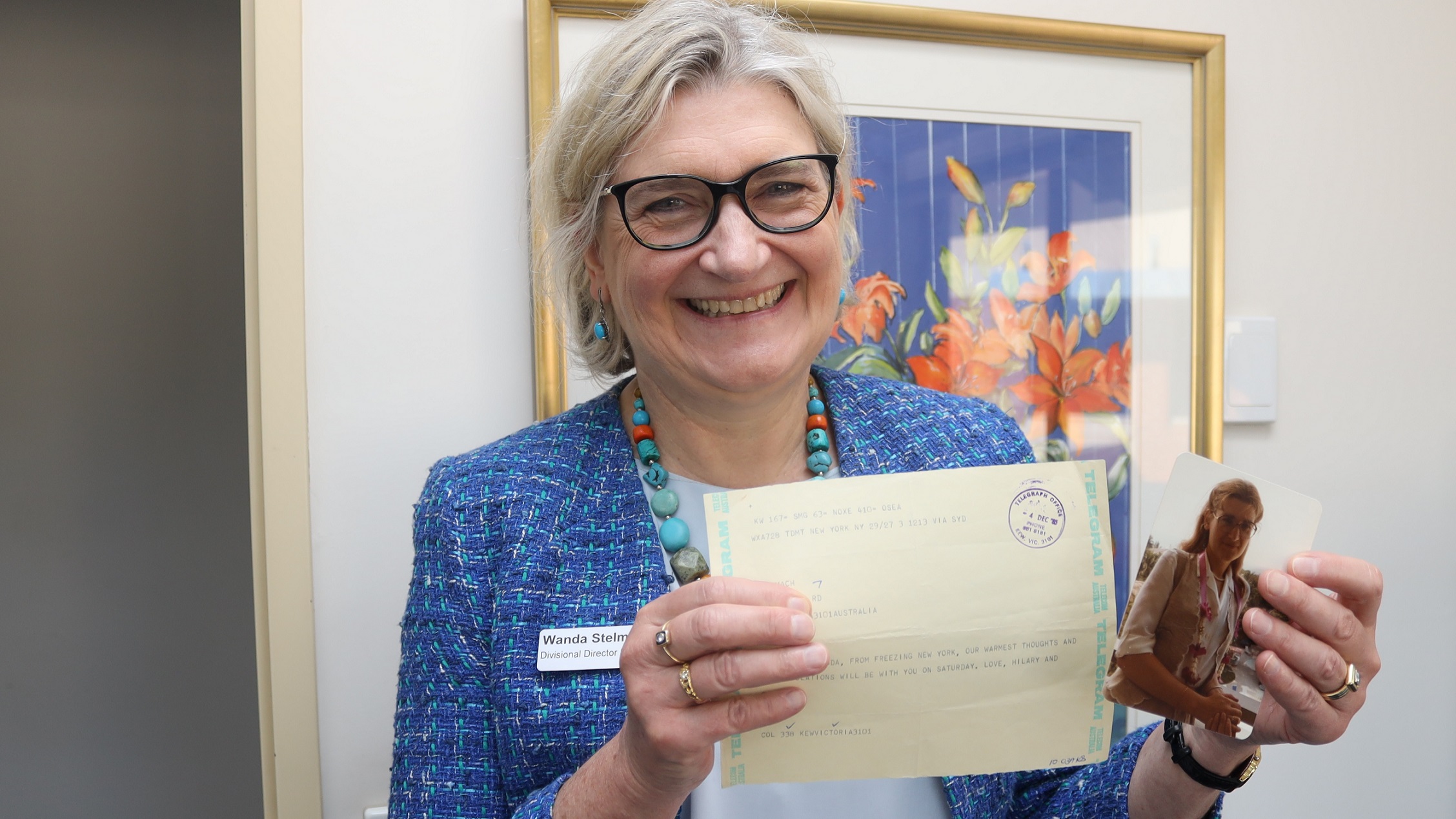
    I fell in love, got engaged and got married that decade. Our friends from around the world sent us their best wishes by telegrams – before emails, SMS and other platforms.

    The bride and bridesmaids wore puffy sleeves to the wedding as one did. Thank goodness we didn’t go with the puffy hair! But it was all there in best 1980’s style at my 10 year school reunion – oversize jackets, oversize shoulder pads and oversize hair! Effie/Mary Coustas from Acropolis Now reigned!

    Going from zero dollars to big bucks, I bought my first house with a startling mortgage interest rate of 17.5%.

    Even though I was the breadwinner and my husband the law student, I had to bring him along to the bank interview, as the bank manager did not believe that a woman should be given a loan without male support…Don’t get me started!

    My first country rotation was internship in surgery in Wangaratta– I fell in love with surgery and never gave medicine a chance. I also developed an appreciation of wineries and good wines which I could now afford.

    I sat my entry exams in surgery toward the end of that decade and my surgical career was set when I passed the exams. Haven’t looked back, but did have to deal with surgeons, hospital staff and patients who believed that a female surgeon is an anachronism and a woman would never be as good as a man! Today’s world still has some of these perceptions but with #LookLikeASurgeon, attitudes are changing!

    And all this was to the music of Eye of the Tiger, Like a Virgin, Another One Bites the Dust, Wake Me up Before you Go-Go, Flashdance, Papa Don’t Preach, Bette Davis Eyes, Karma Chameleon and Cyndi Lauper’s Girls just want to have fun! And I did!

  • Our CUSP program presented in Taiwan

    Our CUSP program presented in Taiwan

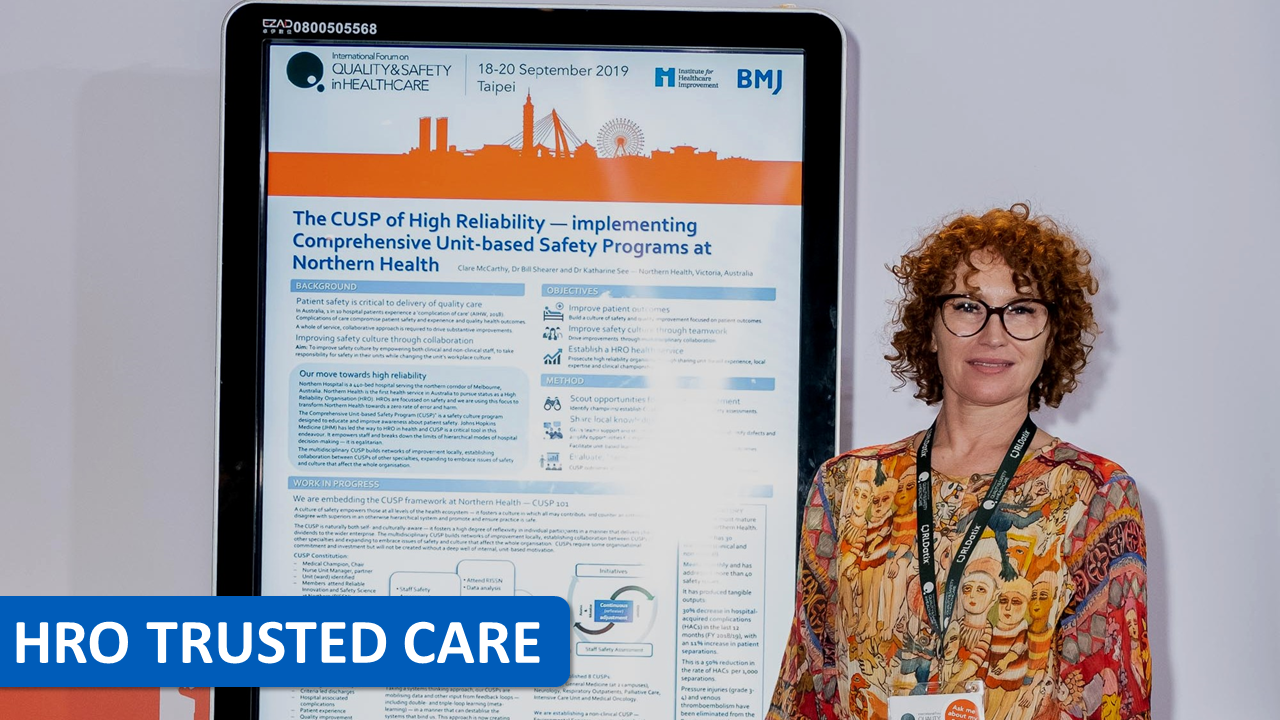
    At the International Forum on Quality & Safety in Healthcare in Taiwan, Clare McCarthy, Project Manager PMO/HRO Transformation Unit, presented a poster on our Comprehensive Unit-based Safety Programs (CUSP).

    Clare attended the ‘Transforming Quality for Tomorrow’ Conference, to present an ePoster ‘The CUSP of High Reliability – Implementing Comprehensive Unit-based Safety Programs at Northern Health’.

    “I presented to an international audience of clinicians, academics and health administrators on how Northern Health is the first health service in Australia to embark on establishing itself as a High Reliability Organisation (HRO). The Comprehensive Unit-based Safety Program (CUSP) is a key component of our HRO endeavour, providing a clinical method for improving patient safety through improved teamwork, communication and fostering clinical awareness and best practice. Put together with Dr Katharine See and Dr Bill Shearer, the poster tells the story of CUSPs thus far,” she said.

    CUSPs empower staff by breaking down old hierarchies of decision making. It’s egalitarian — all experience and perspectives are heard, and the CUSP begins to identify system defects and how these might be fixed.

    “Clinical leaders get to see unit-based activity for themselves — they listen to local points of view and tend to apply their observations,” Clare said.

    Clare explained how the CUSP framework is being embedded at Northern Health through ‘CUSP 101’ — an evolving program of multidisciplinary CUSPs, building networks of clinical using ‘science of safety’ to understand and prevent adverse events, establishing teamwork and collaboration across clinical specialties and expanding to embrace issues of safety and culture that affect the whole organisation.

    “To date, eight clinical CUSPs have been established to meet the challenge of Northern Health’s HRO commitment, including Respiratory, General Medicine (at two campuses), Neurology, Respiratory Outpatients, Palliative Care, Intensive Care Unit and Medical Oncology,” Clare explained.

    The Respiratory CUSP was the first to be established and is the most mature at Northern Health. It has 30 members, both clinical and non-clinical and meets monthly.

    “We were the first,” said Dr Katharine See, Head of Respiratory Medicine.

    “The Respiratory and now the Respiratory Outpatient CUSPs are proving invaluable. The CUSP model has helped us address more than 40 safety issues since we started. And, it’s my favourite meeting of the month,” Katharine said.

    “We’re moving towards a system based on learning,” said Dr Bill Shearer, Executive Director Quality, Safety and Transformation.

    “This approach is now creating the momentum we need for transformational change.”

    While in Taipei, Clare also attended the ‘Lessons from Aviation Safety and High-Speed Rail’ – one of the ‘experience days’ available to attendees. The day included a visit to the newly inaugurated Taiwan Transportation Safety Board (TTSB) — which investigates Taiwan’s aviation, shipping railway and highway incidents — and the Taiwan High Speed Rail (THSR). Both organisations are modelled on HRO principles of efficiency and safety with obvious implications for health services.

    Clare and Katharine will present on developments in CUSP at the International Forum on Quality & Safety in Healthcare in Copenhagen in April 2020.

  • Future nurses and midwives impress with research projects

    Future nurses and midwives impress with research projects

    Each year, Northern Health graduate nurses and midwives are required to complete a project aimed at improving the quality and safety of the patients they provide care for.

    This year, there were 66 posters presented by graduates representing the quality activity they undertook. Posters were judged based on innovation, improving patient experience and addition to nursing knowledge.

    Displayed simultaneously with Research Week, the posters created significant interest and demonstrated the skill of these emerging nurse/midwifery leaders who are clearly focused on improving the patient journey.

    And the winner is…

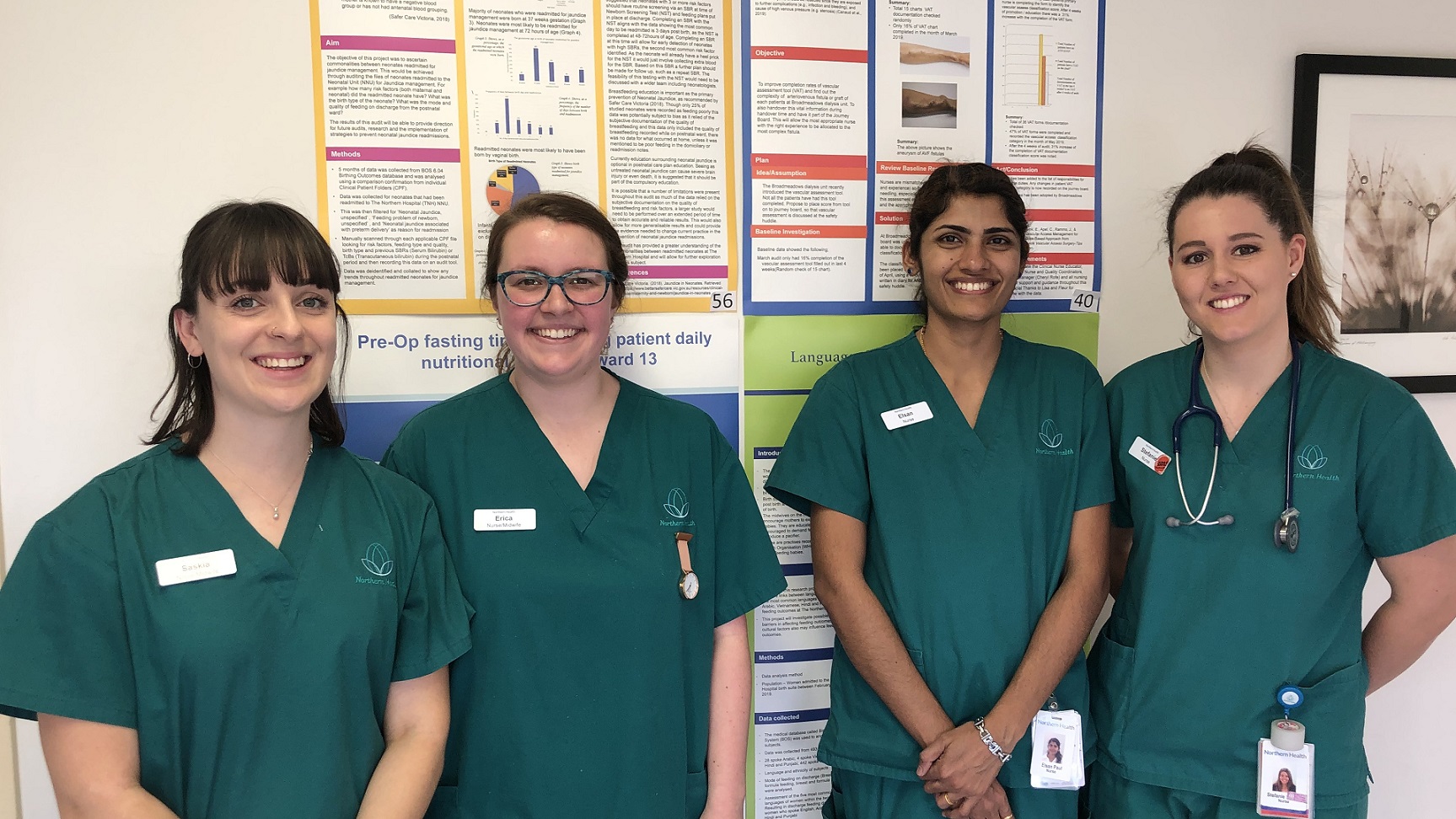
    Stefanie Shears for her project: Pre-operative fasting time affecting dietary nutritional intake

    Stefanie has been awarded attendance to the Safer Care Victoria Giant Steps Conference in Melbourne later this year.

    “It was an honour to work alongside some really amazing people and it was great that I was able to find out a lot about nutrition in terms of postoperative patients. I think the research I’ve done can further help patients and their care,” Stefanie said.

    Three nurses and midwives also received highly commended awards for their quality projects below.

    Saskia Tykocinski: Languages spoken and newborn feeding outcomes

    Erica Spessot: Understanding the commonalities between neonates readmitted for jaundice management

    Elsan Paul: Vascular assessment tool in dialysis

    Debra Bourne, Chief Nursing and Midwifery Officer, said, “I had the opportunity to speak to these graduate nurses and midwives when they presented their posters – I was overwhelmed and impressed by their enthusiasm and commitment to not only their role as nurses and midwives at Northern Health, but also to the value that nursing and midwifery has in improving patient outcomes.”

    Featured Image (left to right): Saskia, Erica, Elsan and Stefanie