• Week Without Violence

    Week Without Violence

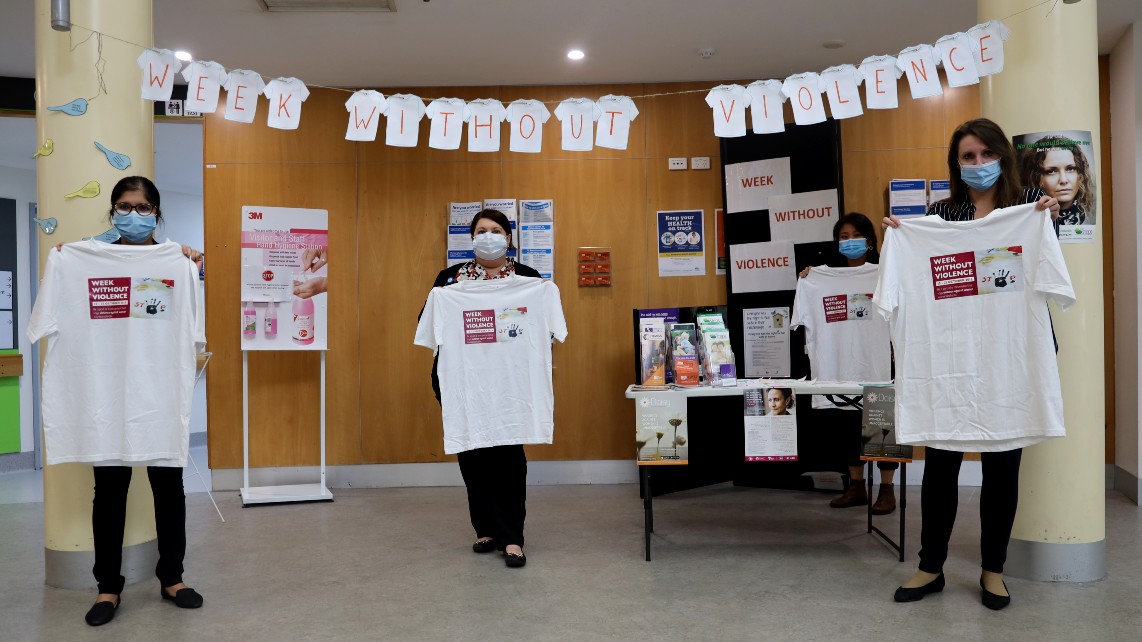
    Week Without Violence is a global campaign to end violence against women. The campaign originally began in the USA in 1995 and, over the past two decades, organisations around the world have hosted community events to end violence.

    Tanya Ellis, Project Support Officer, Strengthening Hospital Response to Family Violence, explained activities focus on raising awareness, promoting attitude change and enabling individuals and organisations to begin positive actions towards ending violence in their communities.

    “The campaign occurs in the third week of October each year. The Northern Metropolitan region has had a proud history of participation in Week Without Violence, primarily through the Clothesline Project, which focuses on raising awareness about family violence,” she said.

    Northern Health is committed to providing a workplace in which violence is not tolerated or excused, and people who may be experiencing family violence are supported.

    “There are several entitlements, including family violence leave, as well as other supports offered to staff who are victims/survivors of family violence. Northern Health has implemented an OH&S – Staff Support for Family Violence Policy to ensure the organisation is doing everything possible to support staff members affected and/or impacted by family violence,” she explained.

    “If staff have concerns about a patient experiencing, or at risk of, experiencing violence then please offer a referral to social work or consult with social work,” she added.

    There are many myths and misconceptions relating to family violence, Tanya explains. She adds that what we do know is that family violence is a prevalent issue within our community.

    “Family violence is about power and control and can occur in the form of physical, sexual, verbal, emotional or financial abuse. Family violence does not discriminate and anyone can be a victim/survivor of violence,” she said.

    The ‘Strengthening Hospital Response to Family Violence’ project team are running various activities to promote the week throughout the organisation.

    There are stands in the main foyer at Northern Hospital Epping, Bundoora Centre and Broadmeadows Hospital, and the team will be delivering Family Violence Training today from 2.15 pm to 3 pm. To join, please click on this link: Join Microsoft Teams Meeting.


    Featured image (left to right): Harindhi Wimaladharmai, Anna Chu, Samantha Williamson, Tanya Ellis, social workers
  • Breast cancer doesn’t stop for COVID-19

    Breast cancer doesn’t stop for COVID-19

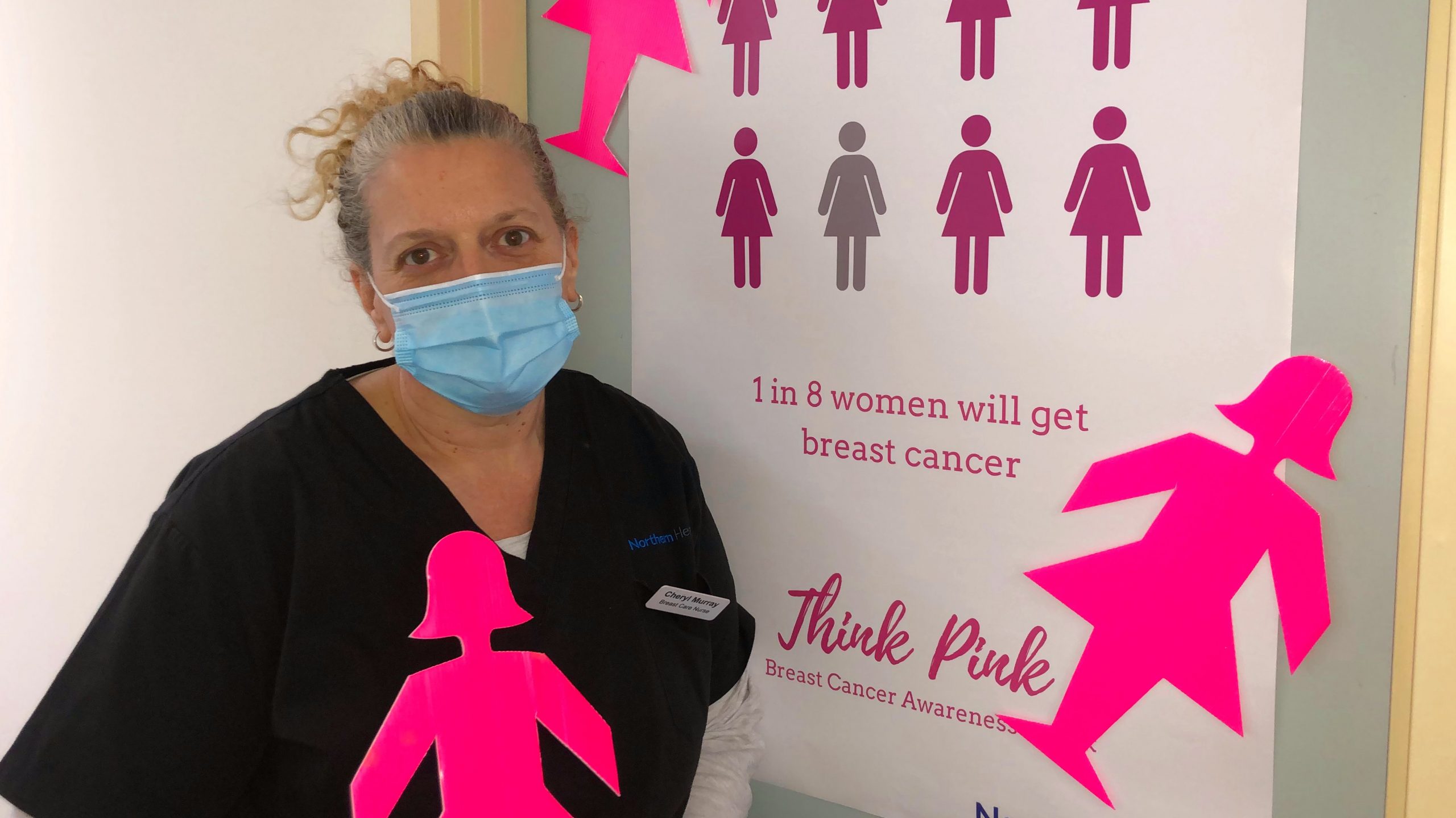
    Breast cancer is the most common cancer affecting Australian women. Cheryl Murray, Breast Care Nurse Consultant, urges the community to continue to get screened, even in a pandemic.

    “The key message is self-detection is still key. Book in to get your breast screen, because they are open and they have precautions in place.”

    “Be ‘breast aware’ and if you have changes in your breasts, please book an appointment with your GP,” Cheryl said.

    Being ‘breast aware’ means becoming familiar with the normal look and feel of your breasts and reporting any unusual breast changes to your doctor as soon as possible, as early detection can boost your chances of survival.

    Statistics show that the five-year relative survival rate for women diagnosed with breast cancer is 90.8 per cent. The number of people being diagnosed with breast cancer in Australia is increasing; however the number of deaths from breast cancer is decreasing.

    One of Cheryl’s patients, Robyn, who was diagnosed with breast cancer in June this year, said that even though it can be overwhelming during a pandemic, it’s important to put your health first.

    “Please go and get checked – don’t let COVID-19 scare you. You need to put your health at the forefront, no matter what the circumstances are.”

    “It felt quite overwhelming coming into hospital, not having a support person with you, seeing everyone masked up and not being able to have that face-to-face interaction but everybody I have dealt with through this time has been absolutely amazing. Nothing has dropped with the care – you still get the support and reassurance as you go through each stage of treatments,” Robyn said.

    Cheryl explains how COVID-19 has impacted patients receiving treatment for breast cancer.

    “COVID-19 has changed the way we deliver our service, and the major change for our outpatient appointments was moving the service into Telehealth.”

    “Some patients are happy to use Telehealth, but others feel more secure when they have their appointment face to face,” Cheryl said.

    “Patients may feel vulnerable already when battling cancer or worried about reoccurrence, add in COVID-19 and it has definitely increased feelings of vulnerability and isolation,” Cheryl explained.

    “Patients undergoing treatment for cancer, patients being diagnosed with cancer during COVID-19, or cancer survivors having routine imaging and follow ups – they have all been impacted by COVID-19. I want to remind the community that Northern Health is open for business and we are here to care for you.”

    For those living with breast cancer during the pandemic, The Breast Cancer Network of Australia say:

    “Our message to those living with breast cancer – please continue your follow up care and reach out for help. You are not alone.”

    For more information, please click here.

    Featured Image: Cheryl Murray, Breast Care Nurse Consultant

  • ED launches Bariatric Kiosk

    ED launches Bariatric Kiosk

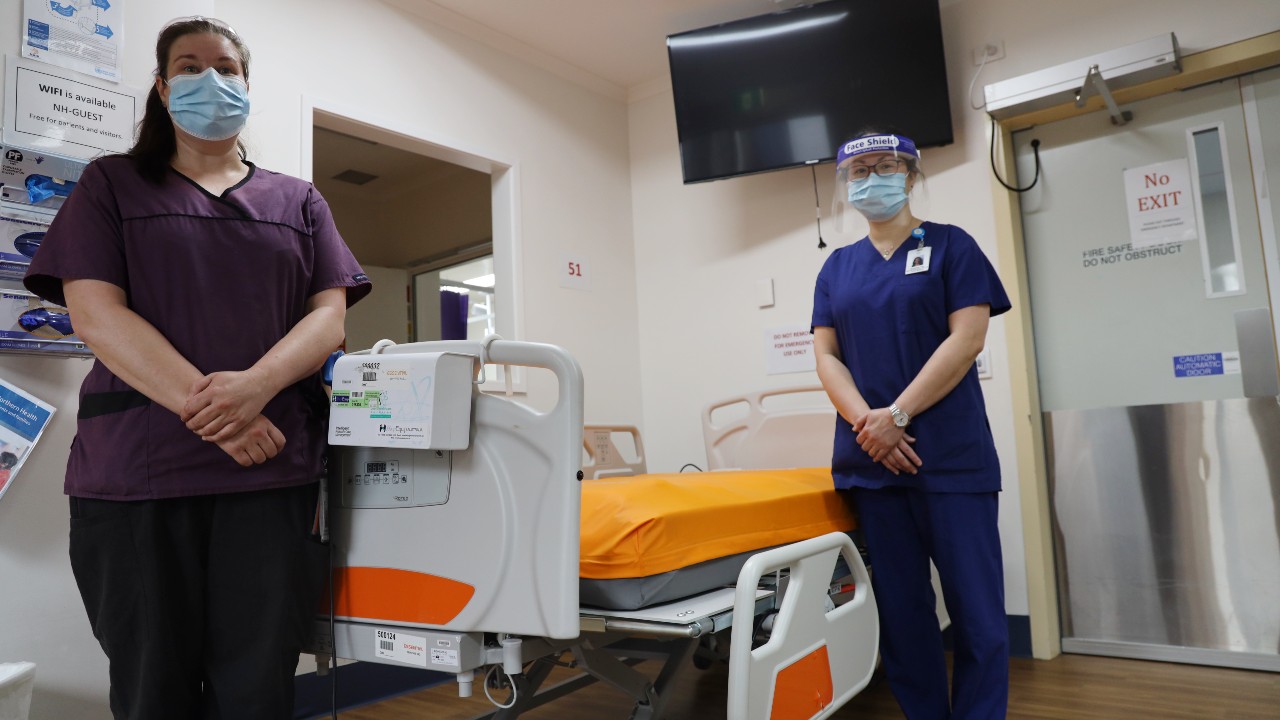
    Last month, the Northern Health Emergency Department (ED) launched its first-ever Bariatric Kiosk as part of their initiative on Better and Safer Patient Care.

    This concept was derived from a framework currently run at both the Auckland District Health Service Board and Waikato District Health Board. In partnership with ESSENTIAL, who helped with the development of this framework in New Zealand, a stand-by bariatric bed (on loan), is released via a pin code for bariatric patient admissions via the ED.

    The bed movement will be closely monitored by Nurse Unit Managers when it leaves the ED to other wards, so that as soon as a patient is discharged, the bed loan ceases.

    Bronwyn Matthews, CNS/ED Equipment Nurse, said, “The frequency of bariatric patient admissions is increasing, and appropriate equipment is crucial for patient care. The Bariatric Kiosk will enhance patient and staff safety, patient care and our access process.”

    Suzanna Tan, Manual Handling Risk Coordinator (OHS Wellbeing), says, “The loan arrangement works out to be more cost-effective than having a suite of ‘super’ bariatric equipment which requires regular and extensive preventative maintenance, and repairs.”

    “The Waikato Study on a 320kg patient noted that provision of suitable equipment, in early stages of admission for care, reduced the Length of Stay (LOS) from 80 days for the first admission to 13 days for the second admission. This was coupled with significant cost savings in the second admission.”

    “One in three Australian adults are obese. We need to be ready to provide care for an increasing population of obese patients. Having a stand-by Bariatric Kiosk is the first step to providing good care to patients,” adds Suzanna.

  • Turning the sound down for recovering babies

    Turning the sound down for recovering babies

    Our Northern Health Neonatal Unit is committed to providing the very best care to our littlest patients. This includes creating an optimal environment for babies to recover – the quieter, the better. Therefore, a key focus for the unit is to reduce noise levels as much as possible.

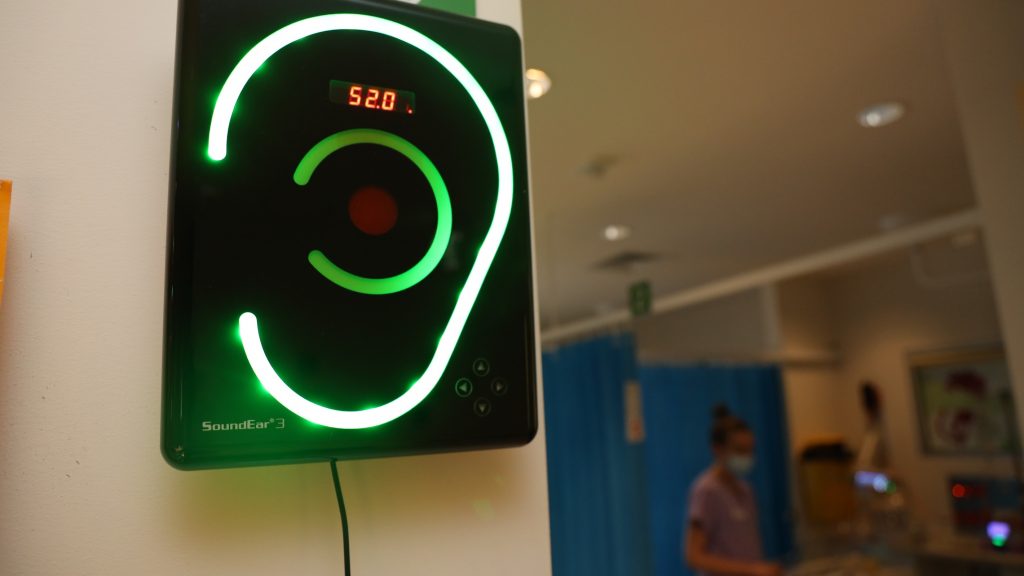
    Thanks to fundraising by our dedicated volunteers and with the help of Northern Health Foundation, the team have recently installed a ‘Sound Ear’ to measure noise levels within the unit. The noise measuring device records sound levels and displays them visually, so staff working in the unit can easily see if levels become too high. The device can also be used to record levels over a continuous period in the unit.

    Barbara Rischitelli, Neonatal Nurse Unit Manager, explained the challenges with increased noise within a hospital environment.

    “Increased noise is common in hospitals due to medical equipment, staff and visitors. Noisy environments can delay the recovery and rehabilitation process, resulting in longer treatments for patients,” Barbara said.

    Premature birth is a very sudden change to the sensory environment of a newborn, so the team are focused on creating the safest environment for preterm babies to thrive in as they grow and develop.

    “When a premature baby is born, their sensory systems are not well-developed, so they don’t have the ability to block out excess noise. Brain development in babies is greatest within the last trimester (often the time that premature babies are on the ward),” Barbara explained.

    The environment conditions of a Neonatal Unit can therefore lead to behavioural and physiological stress responses, so the Sound Ear device aims to minimise neonatal distress by controlling the sensory environment.

    “Sleep and development of premature babies can be protected by ensuring sound levels are at 45 decibels. Achieving this, has shown to have positive effects on brain development,” Barbara said.

    “There are many sounds on the wards that can now be measured, which will give the team data on the highest risk noises and help forward planning for the Neonatal Unit – to provide the best care to our babies,” Barbara said.

    “Not only does a quiet environment facilitate recovery, it also leads to better sleep patterns and improved wellbeing for babies, parents and staff.”

    When levels go over 45 decibels (pictured here), the team work to reduce noise in the unit.

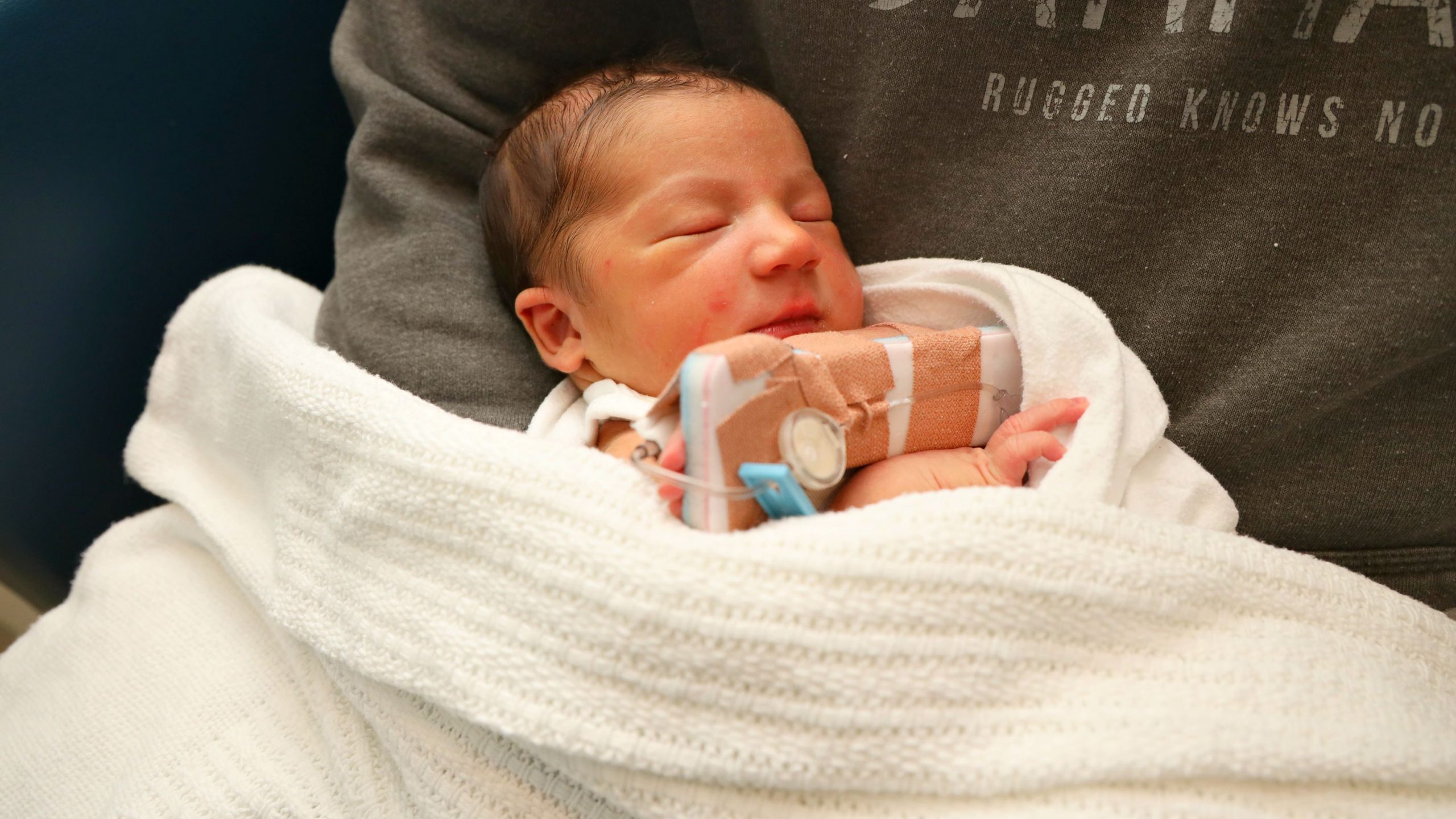
    Featured Image: Baby Henry sleeping soundly 

  • Happy Allied Health Professional’s Day!

    Happy Allied Health Professional’s Day!

    Today is Allied Health Professional’s Day, an international event that was started in 2018 by two clinicians in the UK to celebrate who allied health professionals are, what they do and why they are valuable.

    Jim Sayer, Director of Allied Health, says he is really proud to lead Allied Health at Northern Health.

    “Our 400 staff in allied health are all passionate about improving the quality of our  patients’ lives,” he said.

    Jim chose the profession of physiotherapy after touring as a young athlete, which included a team physiotherapist, exposing him to this career path.

    “I always imaged it would be great to tour the world as a sports physiotherapist. Maybe the international travel as a sports physiotherapist didn’t happen for me, but the profession is still rewarding,” he added.

    His colleague, Jimmy Goulis, Senior Outpatient Physiotherapist, has a similar story – he loved sports and was often injured, which introduced him to the world of physiotherapy early.

    “I always like reading about the human body and I also like helping our culturally diverse community. One of the great things of working here is the variety in your role – from research, to patient contact as well as emergency experience,” he said.

    Hien Pham, Speech Pathologist, said she enjoys working in allied health because they work as part of a multi-disciplinary team.

    “We look at all aspects of patient’s wellbeing and life – and it’s great to improve someone’s quality of life. I am inspired when I see my patients improve their communication after a stroke and when I support them to communicate on the wards,” she said.

    Her colleagues Elaina Vatcky, Orthotist,  Bond Romeo-Mutch, Social Worker and Gee Kasmawan, Occupational Therapist, agree that helping patients achieve their independence, working in a supportive team, and improving someone’s quality of life are the main reasons they choose their profession and enjoy coming to work every day.

    International Allied Health Professionals’ Day is a social movement to recognise the contribution of Allied Health Professionals to patient care and population health, and a chance to get to know and celebrate skills and achievements with Allied Health Professionals across the world.

  • New Anticoagulation Stewardship service launches

    New Anticoagulation Stewardship service launches

    On World Thrombosis Day, our new Venous Thromboembolism (VTE) and Anticoagulation Stewardship service commences, marking a milestone of collaboration between our haematology and pharmacy departments.

    Cynthia Donarelli, our inaugural VTE and Anticoagulation Stewardship Pharmacist, explained we are the second organisation in Victoria to have this service, which will provide support to patients with complex anticoagulation needs.

    “The pharmacy team liaises with haematology to put together the best possible management plan for a patient. The primary focus of the service is to reduce adverse events related to anticoagulation and to optimise the treatment of venous thromboembolism. We are aiming to improve patient health outcomes, recovery, minimise bleeding and any other risks. We will be reviewing inpatients with complex anticoagulation needs and follow them up as outpatients early post discharge. As pharmacists, we will go through their appropriate medications and make sure they are all safe and appropriate, and that patients understand how to take medications,” she explained.

    Part of Cynthia’s role is to provide education for patients, nursing, medical and allied health staff, and eventually to GPs and local pharmacies, to help raise awareness of the service, as well as importance of anticoagulation management.

    Dr Prahlad Ho, Divisional Director Cancer Services and Specialist Clinics, said the Anticoagulation Stewardship service is a project the team has been working on for a very long time.

    “This service is a combination of all the hard work and collaboration between our pharmacy and haematology teams, as it will help reduce hospital-acquired complications, which is one of critical hospital KPIs. We are doing well, but there is room for improvement,” he said.

    Today is World Thrombosis Day and Dr Hui Yin Lim, Haematologist and Thrombosis Lead, added that raising awareness that thrombosis can affect a lot of people, both inpatients and outpatients, is important.

    “As health care professionals, that is something we need to look for and proactively try to prevent. One of the key things in management of thrombosis is anticoagulation, and it’s very important that our staff are properly trained in administering anticoagulation, ensuring it is safe for the patient,” she explained.

    For more information on this new service and referral details, please have a look at the Anticoagulation Stewardship Intranet Page.

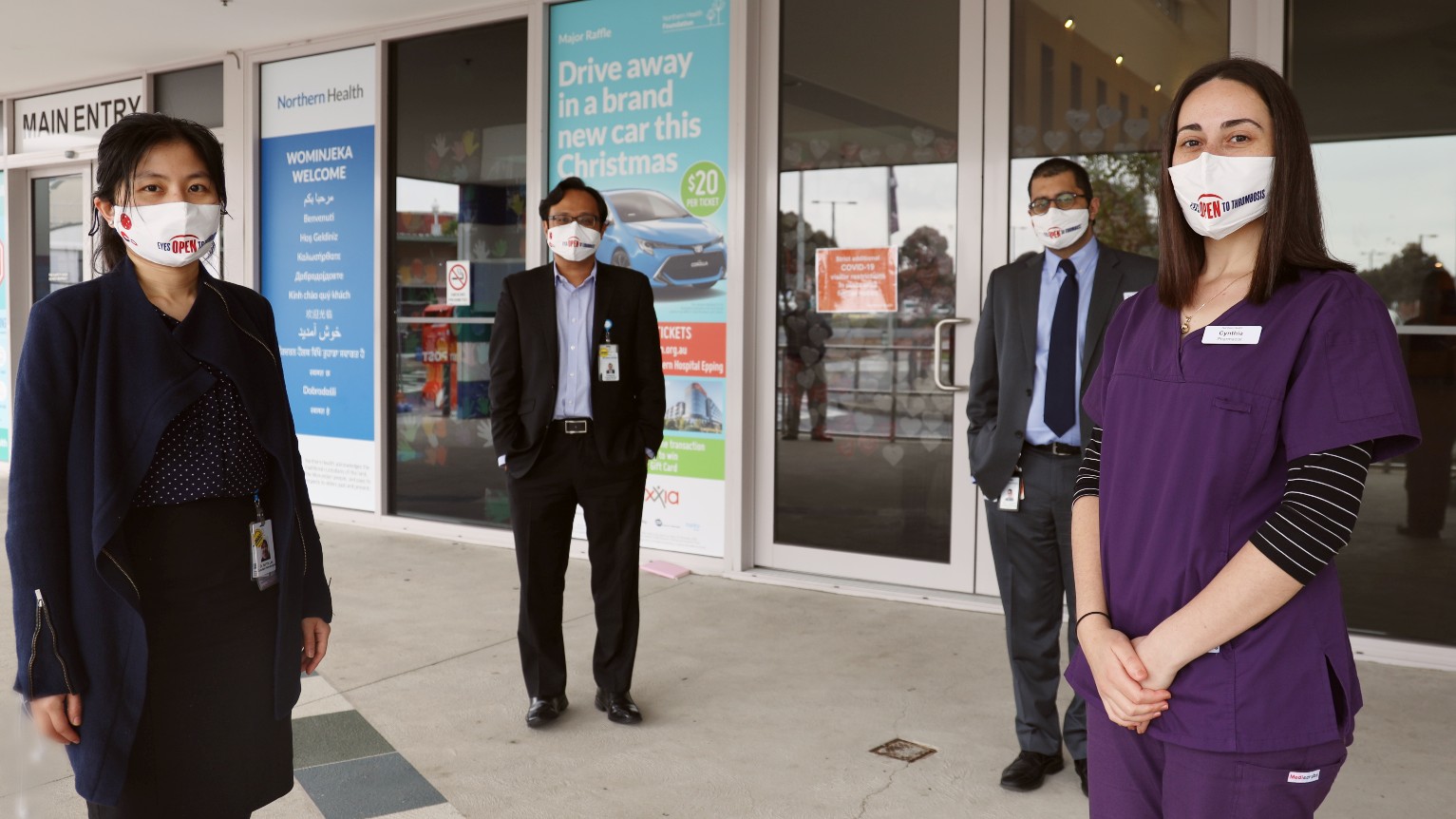
    Featured Image – Front: Dr Hui Yin Lim (left) and Cynthia Donarelli (right); Back: Dr Prahlad Ho (left) and Vinod Chellaram (right)

  • Teams that practise together, perform well together

    Teams that practise together, perform well together

    In May 2019, Northern Health started the ‘Simulation Project’, as part of quality and safety initiatives and our trusted care transformation.

    Dr Nancy Sadka, Emergency Physician, explains the project started with the aim of using in-situ multidisciplinary simulation as part of quality improvement processes.

    “In-situ simulation means the simulation is performed in the clinical space, during clinical times. The purpose of the simulation isn’t necessarily education, but quality improvement. We are testing systems, like our code responses, diagnosing areas of risk and translating recommendations into practise, which is really important,” she said.

    When the pandemic began, the simulation team shifted their focus to finding opportunities for improvement in the pandemic response.

    “The demand grew so much that we ended up doing 13 simulations in just two months, compared to the initial plan to do one a month. Now, we are sitting at 27 completed simulations since last year,” Dr Sadka explained.

    Over time, staff participation in simulations grew, with the initial sessions involving six team members, to now having around 20 team members. With the support of Dr Bill Shearer and the HRO transformation team, the simulation team has involved various hospital units – from critical care specialist and general medical, general surgical, obstetric and paediatric, and has grown to include many aspects of the hospital.

    “We are not just looking at the number of simulations we’ve done, but also at the actual outcomes, the recommendations that have been made and the policy changes. When we do a simulation, we make recommendations, then we communicate these to the people that can change the policies, and then we re-simulate within six months to test and see if the recommendations have been implemented. That is how we ensure we are not just changing a piece of paper, but changing what happens,” she said.

    Nancy adds that simulations are there not to test the staff, or their clinical capabilities – the only thing tested is the system.

    Besides the tangible outcomes, Nancy is proud of the cultural change that simulations have brought. Now, simulation is not just for education, but is a system test which allows teams to come up with solutions and identify problems.

    Nancy and the team have also been approached to help with MET team training and simulation videos, Code Brown response, pandemic response, education and are also part of the testing team for the new building.

    “We’ve had a great response from staff who are asking for more and more exercises of this type, because staff feel that their voices get heard. These activities are also crucial for team building. Don’t forget that teams that practise together, perform well together.”

    “There is a lot of scope for us to do more in 2021, as well as continue the quality project,” Dr Sadka said.

    Dr Bill Shearer, Executive Director Transformation, Quality and Safety added, “Simulation, particularly in-situ simulation, epitomises HRO thinking. It allows us to increase the safety of our care by testing our systems and processes with the experts in providing that care, without risk to patients or staff.”

  • Inspired Researchers: Leading the way to the new normal

    Inspired Researchers: Leading the way to the new normal

    At the beginning of Research Week 2020, Professor Peter Brooks AM, Research Lead – Northern Health, said, “while new treatments and a potential vaccine will likely dominate headlines, it is the new ways of doing many of the things we have taken for granted that is already advancing health care, delivery and consumer-led experience.”

    “It will be our inspired researchers who will lead the way on our journey to a ‘new normal’,” said Prof Brooks.

    Over Research Week 2020, we have been treated to some fascinating guest speakers and presentations from Prof Sir John Savill, Prof Paul Glasziou, Prof Brian Oldenburg, Dr Dominika Kwasnicka, Dr Tilman Dingler and A/Prof Jo-Anne Nankervis.

    Yet, just as impressive, are the research questions our own researchers are pursuing here at Northern Health that we got to hear about, albeit virtually.

    In one of the best attended sessions – a virtual breakfast, Professor Don Campbell, Director of our Staying Well Program, and Dr Rebecca Jessup, Allied Health Research Lead, spoke of how they see ‘Patient care in the community: COVID-19 & beyond’.

    We also heard our PhD candidates and Small Research Grant recipients, sponsored by Northern Health Foundation, speak about their studies; from the ‘effectiveness of Fitness Trackers in changing the physical activity of breast cancer survivors’ to ‘how do health consumers interpret and apply health information during a pandemic?’

    Their studies emphasise the breadth of research-  from the quantitative to the qualitative – done at Northern Health.

    In the last session for Research Week 2020 on Women’s and Children’s research, among the presenters were our own maternal fetal medicine specialist, A/Prof Lisa Hui, Dr David Tran, Clinical Director of Paediatrics and A/Prof Wei Qi Fan, head of our Neonatal Unit.

    Their studies include monitoring the impact of lockdown restrictions on maternal and newborn outcomes in Melbourne, and how a lactation consultant-led telephone program could provide early and regular support for new mothers.

    Clearly, the issues under discussion were topical, as three times the number attended Research Week as they did last year. They joined virtual presentations and workshops, viewed and voted for posters and quizzed the guest speakers online.

    As in years past, the poster and oral presentations generated much interest, with The People’s Choice of Poster awarded to Simone Collins, Dr Paul Viray receiving the People’s Choice for Oral Presentations and Dr Rebecca Jessup awarded the Best Oral Presentation.

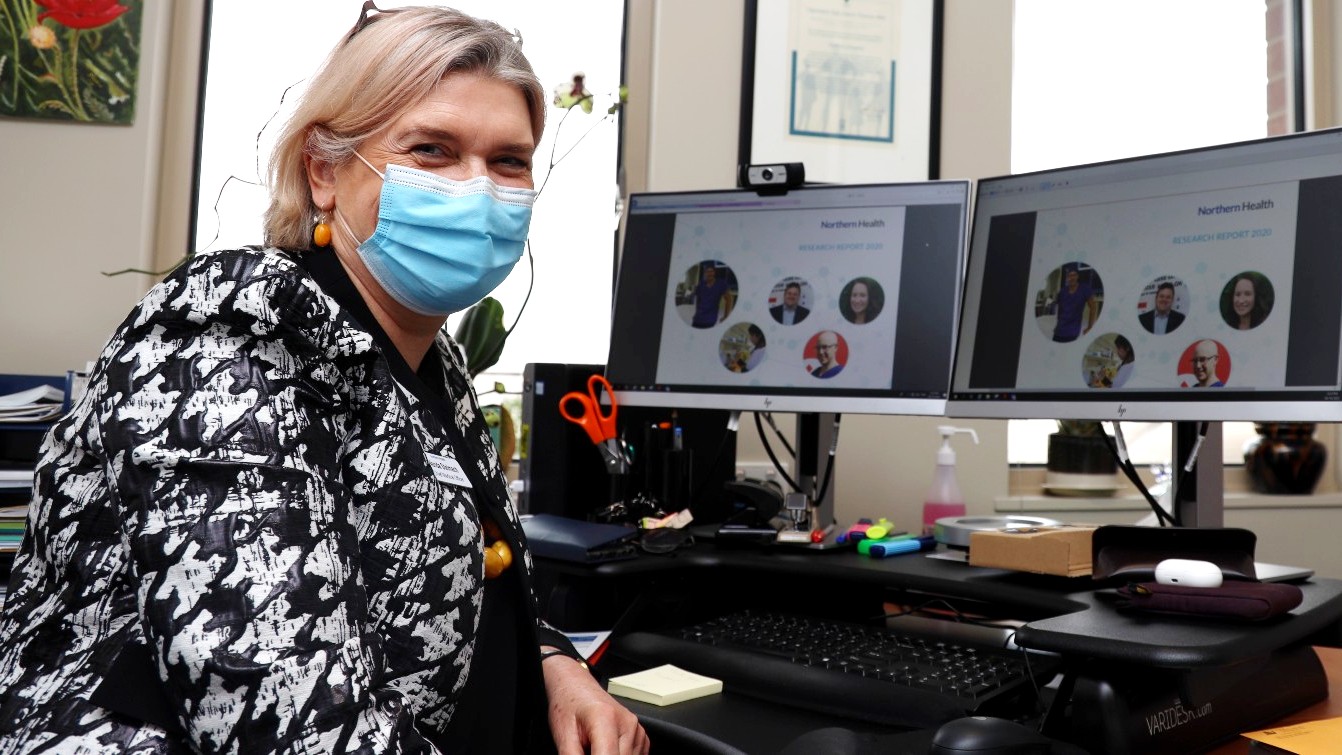
    Ms Wanda Stelmach, Chief Medical Officer, featured above says, “I am proud of the research we are doing at Northern Health, as this ultimately contributes to better health outcomes for our northern community.”

    As Prof Brooks says, “The future is unknown but by reviewing and evaluating what we do, and how we do it, we will have the opportunity to change things for the better, and to continue to deliver trusted care in partnership with our community.”

    The Small Grants program plays a vital role in supporting staff to generate preliminary data which will allow them to apply for larger grants. The PhD Scholarships supports young graduates to be our future research leaders. Since the first Small Research Grant program in 2007, Northern Health Foundation has expended almost $400,000 and, with the PhD Scholarships program, has contributed over $1,100,000 to directly supporting research activities at Northern Health. 

    The Northern Health Research Report 2020 is now available here. The annual research report is an opportunity to celebrate Northern Health’s research achievements and the hard work and dedication of our inspired researchers.