• Standard 2 – What you need to know

    Standard 2 – What you need to know

    In the lead up to organisation wide Accreditation from 24-28 May 2021, each week Northern Health will be focusing on a different Standard. You will hear from the Chairs of each Standard Committees on what you need to know.

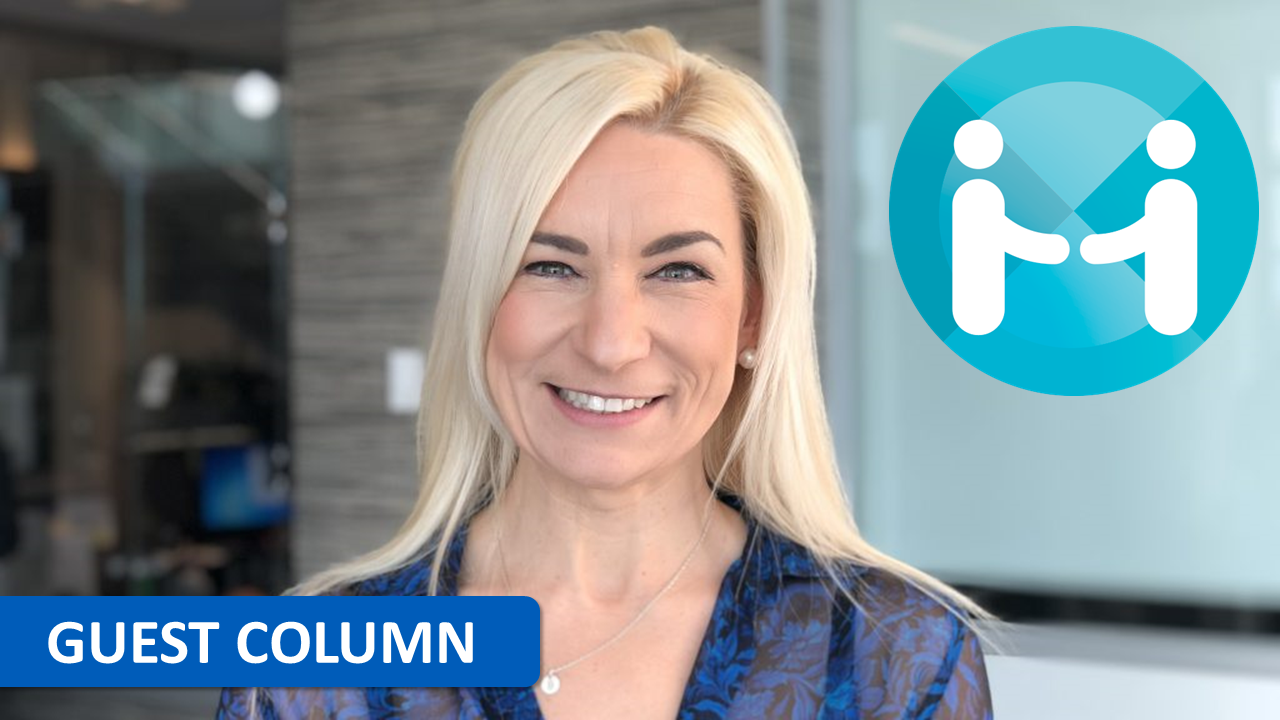
    This week we spoke to Briana Baass, Executive Director, Chief Allied Health Officer and Partnerships about Standard 2: Partnering with Consumers.

    Briana explained that partnering with consumers is our way of ensuring that our patients and their carers are at the centre of all the work that we do.

    “Patient and consumer partnerships are key to delivering person-centred care. This care focuses on the relationship between a patient and a clinician, as well as between the broader community and northern health, and recognises the importance of trust, mutual respect and sharing knowledge to deliver the best health outcomes,” she said.

    What is this standard about?

    Standard 2- Partnering with Consumers is about making sure that our consumers are a partner in their own care and that how our service grows and changes allows us to meet their needs.

    This standard is about partnering with consumers at all levels of our work, including: in their own care; at a service level; and at a system level.

    At a direct care level it is about getting to know your patients and their preferences and values, meeting their needs and providing them with information that they can understand and use to make decisions about their care.

    At a service and system level this is about listening to the voices of our patients and their carers and involving them in the work we do to improve our services.

    At Northern Health, this standard looks like….

    These examples show the impact of partnering with the consumers on our Consumer Network or the consumers in a local area on:

    The patient journey: consumers have provided feedback on the Q-Flow system in Outpatients and influenced the information displayed on the screens and tickets printed.

    Building and infrastructure: consumer input has influenced the design of our new ICU and creating a family zone in each ICU bay.

    Our strategic direction: a consumer joined the working group that informed our new strategic plan and 500 consumers provided feedback through surveys and focus groups to create our new values.

    Our publications: the CLEAR group (consumer group) provides feedback on the patient information Northern Health produces so that they get the consumer tick of approval that they are written in language our community can understand.

    Developing our staff: consumers have presented their stories and experiences at training sessions such as the Safe Practice Forum and Refugee and Asylum Seeker Study Day.

    What are the top five ways staff can be prepared for Accreditation against this Standard?

    1. Involve your patients and their carers in goal setting and care planning and document this on the bedside communication board.
    2. Identify the substitute Medical Treatment Decision Maker if a patient does not have the capacity to make decisions for themselves – click here for how to ask (or visit https://intranet.nh.org.au/departments-and-services/advance-care-planning/brochures-forms-documentation/)
    3. Provide your patients with the Rights and Responsibilities patient information brochure.
    4. Check that your patient understands the information you are providing and encourage patients to provide feedback and act to resolve any problems while they are in your care
    5. Wear your name badge and introduce yourself

    What are the top five questions staff needs to be able to answer about this Standard?

    1. When should a patient be provided with Northern Health’s Healthcare Rights and Responsibilities?
    2. How do you partner with patients and carers in care planning and treatment decisions?
    3. What do you do if a patient is at risk of not understanding the information you are providing to them?
    4. How would you respond to a patient who was dissatisfied with their care?
    5. How is Northern Health partnering with consumers in activities to improve our services?

    Is there anything else you would like staff to know about this Standard?

    This is all about providing person-centred care, like Rebecca experienced – click here to see the video.

    Click here to learn more about Standard 2: Partnering with consumers.
  • ‘Intern to Consultant’ mentoring held online

    ‘Intern to Consultant’ mentoring held online

    For the first time in the Medical Education Unit’s history, the mentoring program for interns was rolled out online.

    There was both excitement and trepidation from Dr Carol Chong, Intern Supervisor, who explained that the team couldn’t put the interns and consultants together in a room to meet each other, unlike the previous ten years of the program.

    “We improvised and ran it via MS Teams. It was a very quick decision as lockdown 3.0 was announced four days prior to the session running,” said Dr Chong.

    More than 18 senior medical staff tuned into the virtual session to introduce themselves and to talk candidly about their experiences as interns.

    “Effective mentorship can make a real difference in guiding decision making for our interns in important areas such as career planning and work-life balance,” said Dr Chong. “It is incredibly heart-warming that 103 consultants volunteered to be mentors to our 45 new interns this year.”

    Some of the consultants have been mentors for many years and have gone above and beyond for their mentees. Examples include Dr Jackie Yoong, Oncologist and Palliative Care Consultant, who went on a 10km charity fun run with her mentee. Also, Mr Rodrigo Teixiera, Plastic Surgeon’s mentorship resulted in one of his mentees becoming a research fellow in plastic surgery at Northern Health.

    “The aim of the program is to match an intern to a consultant mentor mainly based on the specialty he or she is interested in or would be a good fit. Prior to the online session, the Medical Education Unit staff, Susie Sangas, Medical Education Manager and Rebecca Hartmann, Medical Education Assistant, emailed interns and consultants who they were matched in a very short turnaround. Despite the change to the online session this year, the mentoring session was still rated highly by the large number of interns who tuned in.”

    “Mentors and mentees are expected to meet at least once a term during the year,” explained Dr Chong.

    “Our mentoring philosophy is to create a connection between a senior doctor and intern, and to provide a safe haven where it is possible to share experiences, reflect, seek advice or discuss sensitive issues without prejudice.”

    “The simplicity of the program is one of the reasons for its longevity, as well as the incredible support of our consultants,” reflected Dr Chong.

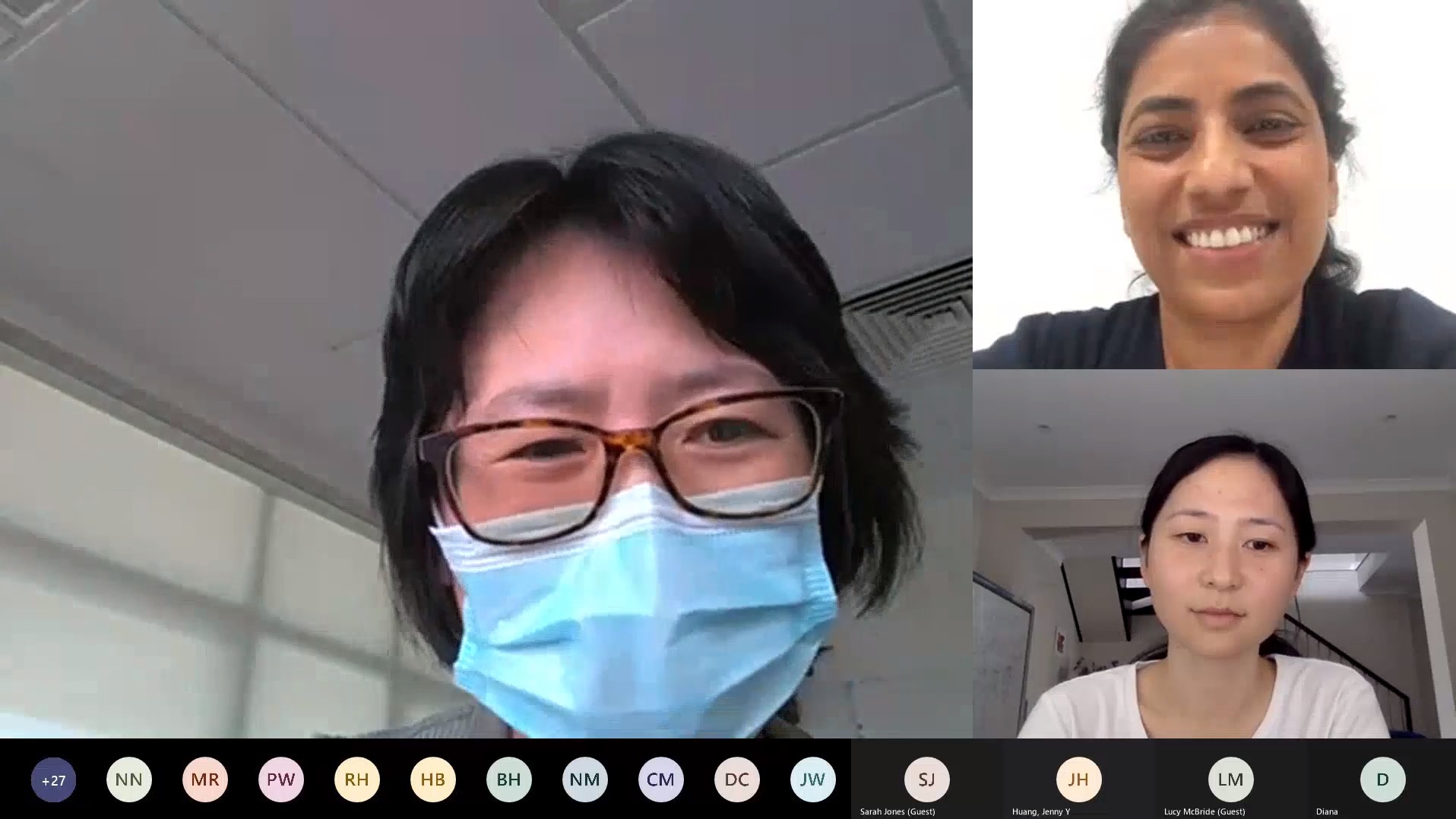
    Featured image: Dr Carol Chong, Supervisor of Intern Training; right hand corner Dr Pavany Arulliah, General Medical Consultant and her mentee Dr Helen Pho, Intern

  • Executive patient safety walk-arounds – Understanding what matters

    Executive patient safety walk-arounds – Understanding what matters

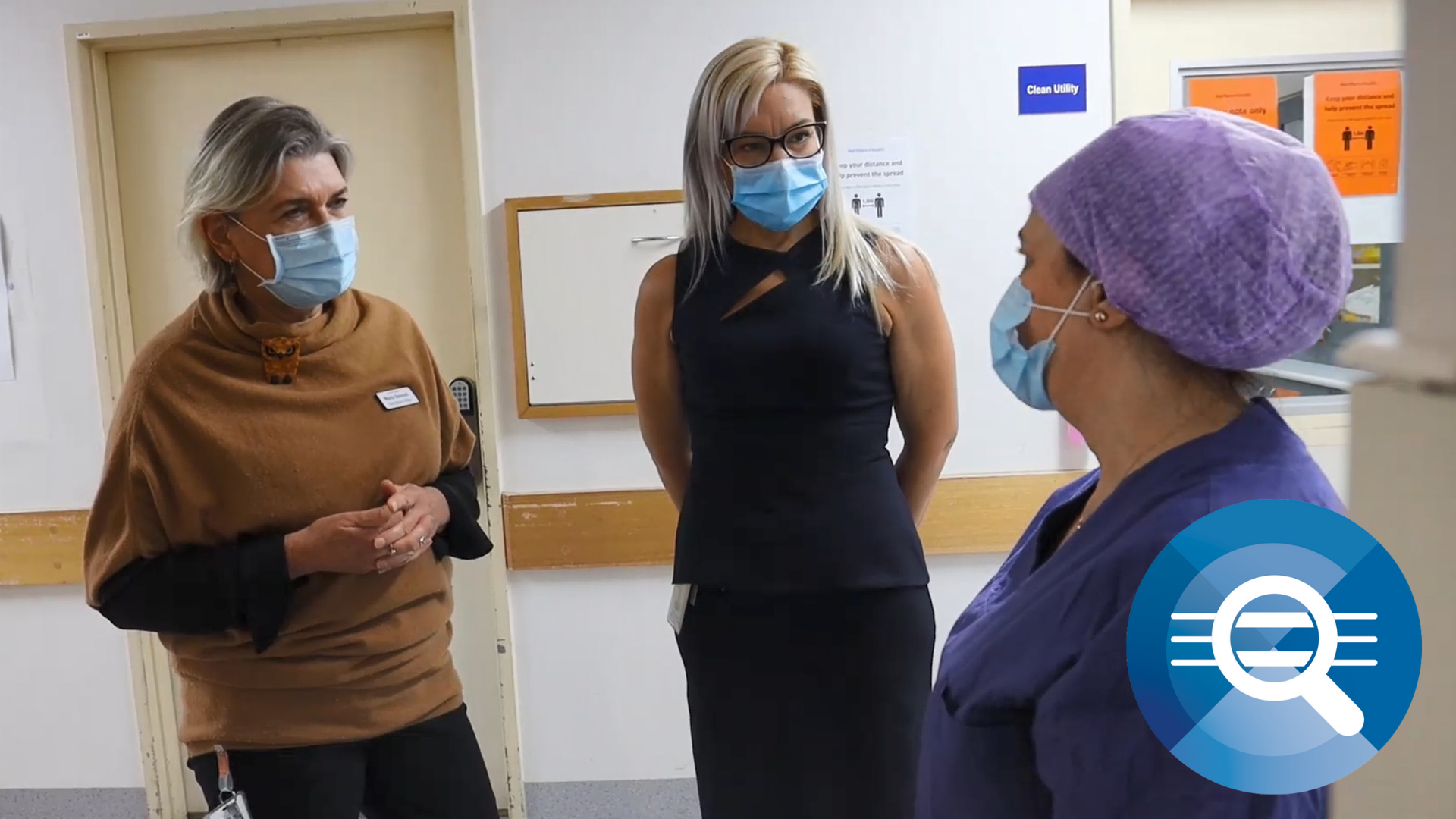
    Our ‘Executive patient safety walk-arounds’ are integral to improving safety and getting the feedback from the staff on the floor, patients and their families. Due to COVID-19, the walks have been slightly modified, but will continue throughout 2021, commencing from next week.

    Based on feedback gathered during walk-arounds, the team monitors the improvements suggested and puts in place clear strategies and procedures to reduce risk in those areas.

    Debra Bourne, Chief Nursing and Midwifery Officer, said they are a great opportunity for the Executive team, with consumers, to walk around each unit and speak with our staff and their patients.

    “This is a great opportunity to talk and understand what matters to them and how we can improve things to keep them safe in their unit,” she said.

    Briana Baass, Chief Allied Health Officer and Partnerships, highlighted the continued collaboration with consumers, and said consumers are actively participating in safety improvements for a certain ward or area, while families provide feedback by the bedside.

    “This is a great opportunity to just slow down and have a conversation about safety,” she said.

    Wanda Stelmach, Chief Medical Officer, said it is important to do the walk-arounds to know what is happening in a ward or area.

    “We might think we know what is safe practice and what will work in an area, but until you actually work in an area, you don’t understand the issues faced. This isn’t an audit, it’s about us finding out what is occurring on the floor and how things are working,” she said.

    In the video below, hear more from Debra, Briana and Wanda about the importance of these walk-arounds and how they contribute to improved patient care:

  • First Northern Health staff receive COVID-19 vaccine

    First Northern Health staff receive COVID-19 vaccine

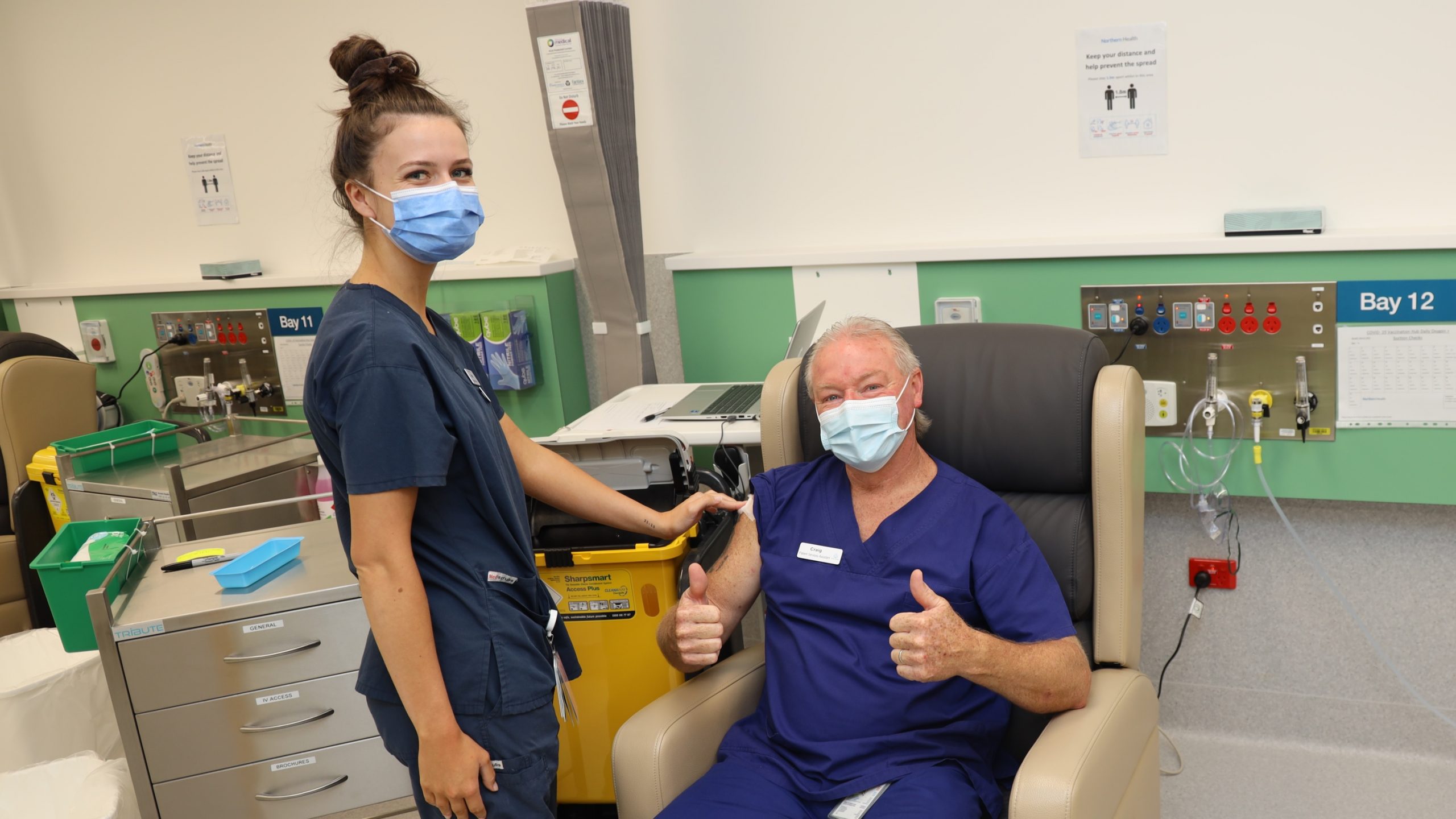
    Today marked the official start of our COVID-19 Vaccination Program at Northern Hospital Epping.

    Among some of the first staff to receive their vaccination were Craig Field, ICU Patient Services Assistant, Rina Gaunder, ICU Nurse Immuniser,  and Daniel Habteslassie, Junior Medical Officer.


    These staff were nominated to represent our first high-risk staff to be vaccinated as part of the new program.

    “Their selection was based on the commitment they showed during the challenges with COVID-19 during 2020,” said Lora Davies, Director of Nursing.

    With emotions running high, these three frontline health care workers were excited to be some of the first staff members to receive their vaccination, after what was an unforgettable and extremely challenging year last year.

    “Having worked in the COVID-19 Ward last year, being vaccinated means protection for myself, my family and my patients. I’m really fortunate to have access to this today and I’m looking forward to receiving my second dose in the future,” said Daniel Habteslassie, Junior Medical Officer.

    “It’s been a pretty hectic last twelve months and I’m very grateful and honoured to be receiving this needle today,” said Craig Field, ICU PSA.

    “As I work in a high-risk area in the ICU, it’s a good thing to be vaccinated to be protected – for my family and other staff members, as well for as our patients,” said Rina Gaunder, ICU Nurse Immuniser.

    Led by Nurse Unit Manager, Luma Gashi, vaccinations will be provided within Transit Lounge 2 in the new South East Block. Follow the signage from main reception to Transit Lounge 2.

    Special thanks to Pharmacy, Health Information Services and all staff involved in the Vaccination Program for their untiring efforts behind the scenes.

    “The Vaccination Program will commence with a Monday to Friday service, but will increase to a 7 day a week service commencing 22 March,” explained Debra Bourne, Chief Nursing and Midwifery Officer.

    In the first week, the clinic will be open from 7.30 am to 3 pm and then the following weeks from 7.30 am to 7.30 pm. However, these times could change according to demand and vaccine availability.

    Some staff have already received an email providing them with the instructions of how to book in and make an appointment for their COVID-19 vaccination. All other staff at Northern Health will receive an email in the coming weeks providing details of how to book in.

    “It is really important that you all ensure that you are looking at your Northern Health email and that your inbox is not full,” says Debra.

    A hotline has been established and will be operational Monday to Friday, 8 am to 3 pm. For those staff that have received an email for a booking and need assistance, please call (03) 8468 8079. In addition, there is also a COVID-19 vaccination email that staff can send any email enquiries to: COVIDVaccinationEnquiries@nh.org.au.

  • Standard 1 – What you need to know

    Standard 1 – What you need to know

    In lead up to organisation wide Accreditation from 24-28 May 2021, each week Northern Health will be focusing on a different Standard. You will hear from each Chair of the Standard Committee on what you need to know.

    This week, we spoke to Dr Bill Shearer, Executive Director Quality, Safety and Transformation about Standard 1: Clinical Governance.

    What is this Standard about?

    Standard 1: Clinical Governance is just the way we ensure safe, quality care for our patients. Put simply, it’s just about the processes we undertake to assure ourselves, our patients and the community that we are delivering on our vision of “A healthier community, making a difference for every person, every day”.

    We tend to see the Accreditation standards as an external check on what we are doing, but realistically it’s just a statement of the things we are doing and sometimes a reminder of the things we should be doing.

    At Northern Health, this Standard looks like….

    We have a Quality and Safety Performance Management system that is built around two systems for collection of information about clinical performance:

    • A continuous system where we collect information about clinical performance (sometimes people use the term clinical indicators). This is also the system that allows us to compare our performance with others or with established standards of care such as Commission guidelines.
    • A reactive system where we collect information about times when care hasn’t gone as we would wish, such as deaths, adverse events, and complaints.

    We have very specific rules about both systems that help us decide where we should concentrate our efforts at improvement and we use a risk/opportunity lens to help with that decision.

    Our focus is very much on reducing unwarranted clinical variation: that is care that is appropriate for our patients needs and informed by the best evidence available.

    We have  designed specific tools to investigate variance in performance or incidents and a structured way of designing improvements in the quality and safety of care.

    What are the top five ways staff can be prepared for Accreditation against this Standard?

    1. Read the simple guide to the quality and safety performance management system.
    2. Understand how the area you are working in actively manages clinical performance – particularly local area audits, incidents and deaths.
    3. Know what the most important quality and safety issues are in your area and what is being done to improve them.
    4. Know how to report any quality and safety concerns you have and how those concerns are handled.
    5. Know what the health service more widely is focusing on and improving and how you contribute to that?

    What are the top five questions staff need to be able to answer about this Standard?

    1. What is your role in clinical governance?
    2. What are the steps in managing an adverse event?
    3. What happens when a patient dies in your area?
    4. What is getting better in your area?
    5. What does your team need to do better?

    Is there anything else you would like staff to know about this Standard? 

    This is just how we do our jobs properly!

    Click here to lean more about Standard 1: Clinical Governance.

  • Celebrating International Women’s Day

    Celebrating International Women’s Day

    ‘A challenged world is an alert world and from challenge comes change. So let’s choose to challenge!’  is the theme for International Women’s Day (IWD).

    As we mark IWD on 8 March, we celebrate women at every level of service and discipline at Northern Health, who took up the challenge and led from the front in what has been an eventful year.

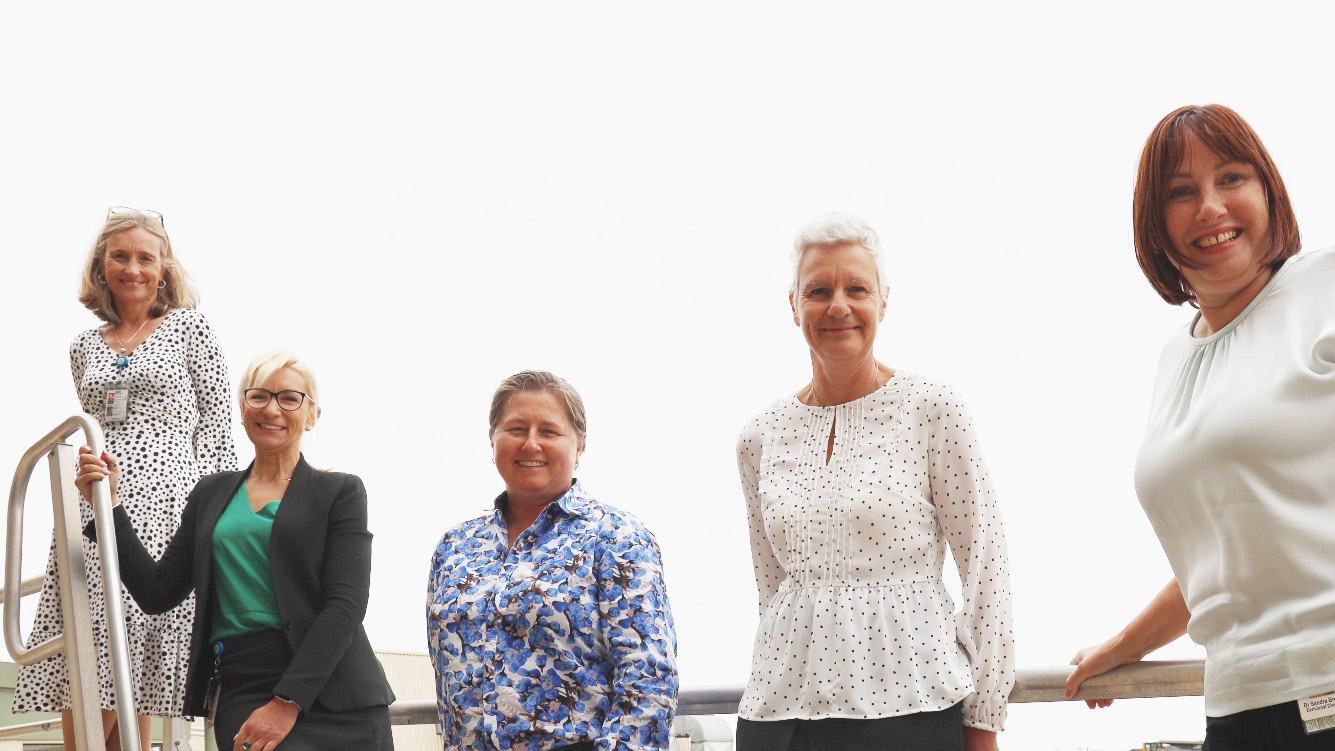
    Leading from the front are also our senior management team, which as Dr Sandra Brown, Acting Chief Medical Officer points out has, “a strong history of having women in leadership positions including the Chief Operating Officer, Chief Medical Officer, Chief Nursing and Midwifery Officer, the head of HR and Allied Health.”

    Michelle Fenwick, Executive Director People & Culture believes, “Northern Health’s Executive gender balance provides a strong foundation for delivering a ‘Safe, Kind, Together’ health service for people in the north.”

    Reflecting on the qualities required of leaders in a crisis, Jane Poxon, our Chief Operating Officer says, “Times of crisis are times of intense difficulty, stress and complexity. I’m proud to be part of a group of women who lead with compassion, communicated clearly, and created flexible plans to manage the ‘post crisis’ new normal. It’s important to have a philosophy of not waiting for the next crisis to hit, to get yourself prepared.”

    “Like everyone, when I reflect on the last 12 months it seems unbelievable that one virus has changed our world so much. It feels like a lifetime has occurred between last year’s International Women’s Day and this year,” says Debra Bourne, Chief Nursing and Midwifery Officer.

    “However, it has been a time in which our unique strengths as women have shone. I have been surrounded and supported by women from all areas of Northern Health who have shown resilience, intelligence, and the ability to just ‘get things done’.”

    “Most importantly, I have seen and been given overwhelming support steeped in kindness which makes me feel extremely proud to work at Northern Health,” she adds.

    “Whilst it has been a tough year, I am reminded how extremely privileged I am to be a part of the health system and health services management during a time like this. International Women’s Day is a moment to feel gratitude for the women that have forged the way to allow me to have the privileged life, from a gender perspective, that I have been fortunate to live,” says Briana Baass, Chief Allied Health Officer and Partnerships.

    “I have grown up with so many role models to look up to and I have never been held back by my gender, because of the work they did. This allows me an opportunity to support the many groups in our community that still have to fight to be truly included and be offered opportunities to reach their potential,” says Briana.

    Join us this International Women’s Day as we applaud and celebrate the achievements of all women, who chose to challenge.

    Featured image (left to right): Debra Bourne, Chief Nursing and Midwifery Officer; Briana Baass, Chief Allied Health Officer and Partnerships; Michelle Fenwick, Executive Director People & Culture; Jane Poxon, Chief Operating Officer and  Dr Sandra Brown, Acting Chief Medical Officer. 

  • A/Professor Lisa Hui wins top prize at RANZCOG Annual Scientific Meeting

    A/Professor Lisa Hui wins top prize at RANZCOG Annual Scientific Meeting

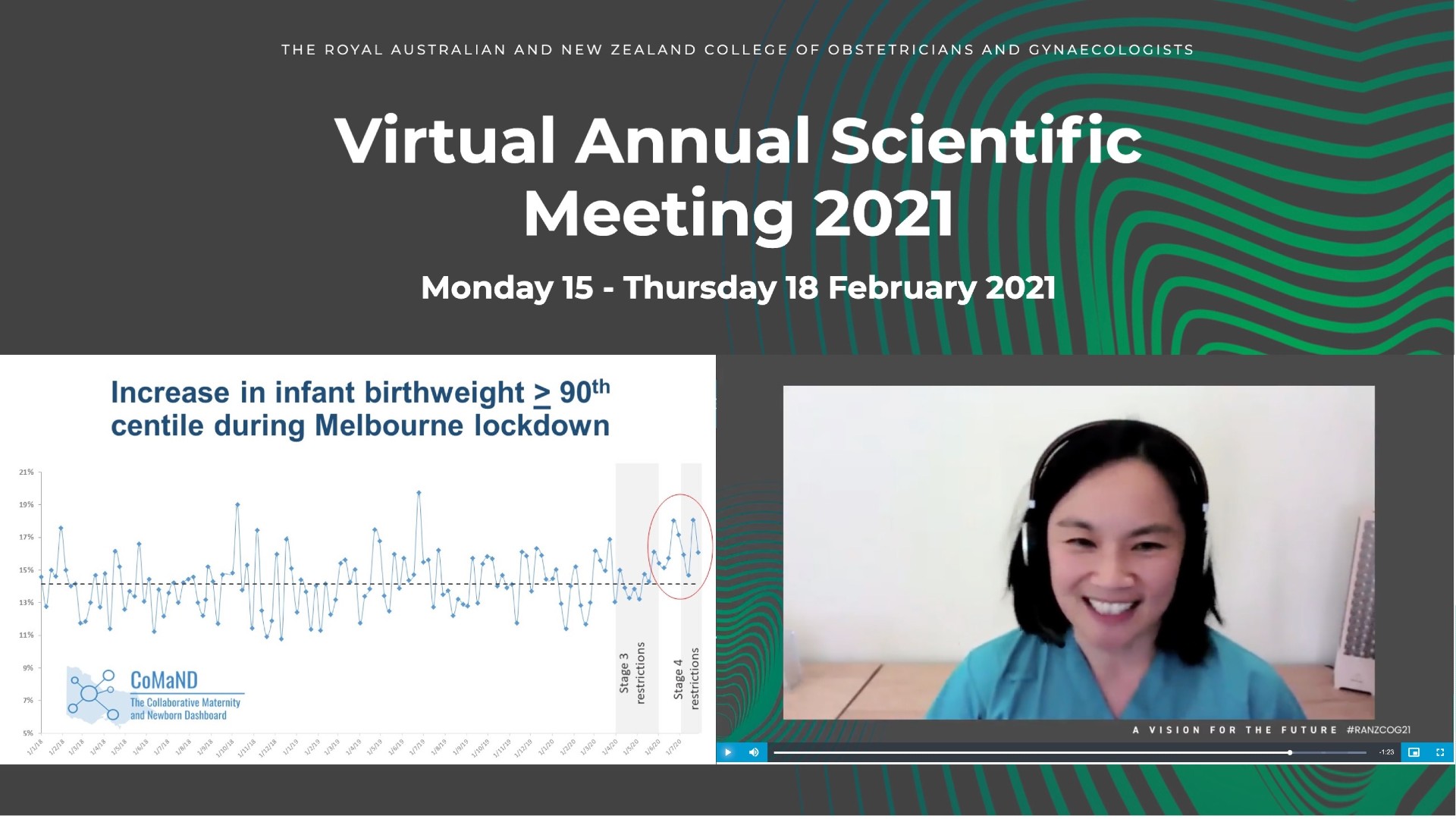
    Associate Professor Lisa Hui from our Department of Obstetrics and Gynaecology has won the top prize at this year’s Royal Australian and New Zealand College of Obstetricians and Gynaecologists (RANZCOG) Annual Scientific Meeting (ASM) for her research on obstetric and newborn outcomes during pandemic lockdown in Melbourne.

    She was awarded the prestigious Aldo Vacca Award for the best free communication for her talk on the ‘Collaborative Maternity and Newborn Dashboard (CoMaND) for the COVID19 pandemic: real-time monitoring of perinatal services performance indicators in Victoria’.

    Her research showed that public hospitals across Melbourne observed increases in infant birthweights over the 90th centile, as well as increases in rates of maternal overweight and obesity during the first Melbourne lockdown period. There was also a decline in exclusive breastmilk feeding during stage 3 and stage 4 restrictions.

    More than 400 scientific abstracts had been submitted to the ASM this year. At the virtual award ceremony held on 18 February, RANZCOG President, Dr Vijay Roach, said to Lisa, “I am sure Aldo would have been very happy to have known that you are receiving this award.”

    The CoMaND project collects a wide range of maternal and newborn outcomes from public hospitals each month and produces a report that is circulated to health services, the COVID-19 expert obstetric advisory group to Safer Care Victoria, and the Chair of the Consultative Council of Obstetric and Paediatric Morbidity and Mortality.

    The collaboration was supported by grants from the Norman Beischer Research Foundation and the University of Melbourne Department of Obstetrics and Gynaecology.

    “It has been incredibly valuable for our clinical leaders to be able to monitor the impacts of changes to maternity care during the pandemic,” said Lisa. “The support of our funders was crucial to this work.”

    “It has been incredibly gratifying to have 100 per cent of public maternity hospitals in Melbourne signing up to the collaboration so that we can rapidly detect any concerning safety signals in perinatal outcomes such as stillbirth or preterm birth,” added Lisa.

    Wanda Stelmach, Chief Medical Officer, said, “Northern Health is immensely proud to have A/Professor Lisa Hui as part of our clinical and research teams. Her proactive approach to problem solving is paving the way to better mother and baby care, not only in the north but throughout the obstetric community.”

    The CoMaND project will continue to report on the impacts of the pandemic on mothers and babies throughout 2021 and 2022.

  • Accreditation: Only 12 weeks left

    Accreditation: Only 12 weeks left

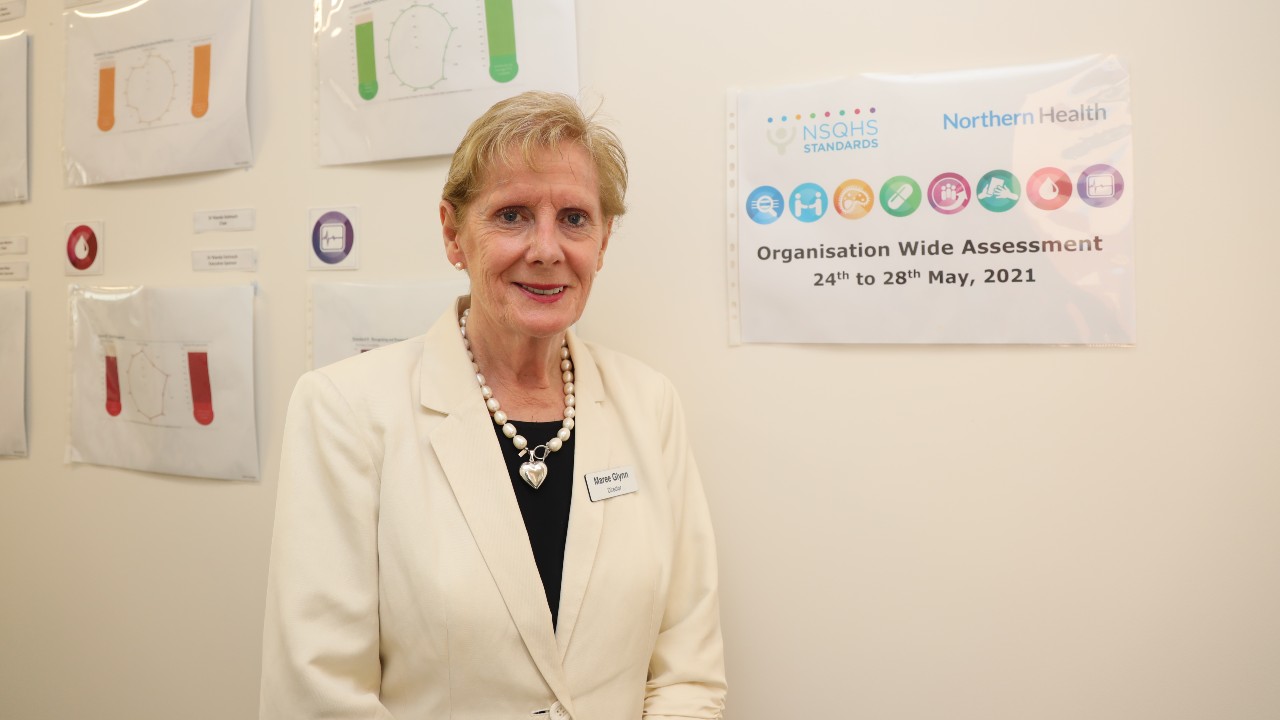
    Northern Health’s Accreditation is scheduled from 24 – 28 May 2021. Leading up to the date, we will be sharing communication from Standard Chairs, as well as initiatives and stories that relate to the Standard. Below, Maree Glynn, Director of Clinical Practice Improvement, talks about how to prepare, what to expect during the Accreditation Week and how we are going so far.

    How are we going so far?

    From the “back of house” point of view, there is a lot of work being done to prepare for our assessment. On the Intranet and in your work area, we have resources such as the Manager’s Checklist, which will help managers prepare their areas and their staff, along with Q&As about each Standard, so there is a lot of information to help you understand the requirements in each Standard. Each Standard has a page on the Intranet and all the Standard’s requirements are captured in our Policies and Procedures. If you follow these, you will meet the Standards. If you know the policies and procedures that guide your work, you will be ok.

    What are some of the key messages staff should know?

    Quality and safety is everyone’s responsibility and everyone has a role to make sure that care given to patients, families and people visiting our organisation is the best there can be, and that we have the right culture where quality and safety is valued.

    Patients and families need to feel welcome, well looked after, safe and culturally safe as well. We have a very diverse community and we have to be respectful and inclusive of their needs. At an individual level, you need to understand what your role is and which Standards are relevant to your role. If you are unsure your manager will be able to help you.

    At this point, it is essential that you are up to date with all your  mandatory training. We have to submit our training data to the survey team on April 9, and currently, all our mandatory training is sitting below our target of 95 per cent. It is really important to get that done in the next month. Performance appraisals are also very important.

    Where can staff find more information?

    There is a lot of information on the Intranet, but I think it’s important for staff to listen to the key messages we’ll be rolling out. We have 12 weeks to go and this is the first message to all staff. From Monday 8 March, each week will be focusing on a different Standard and staff will be able to hear from Standard Chairs, as well as read about initiatives and developments in the organisation that tie in to the Standard.

    How does the survey team observe the organisation?

    When the survey team of eight arrives, they will be here for five days and will visit all our campuses. They are here to assess how we meet each of the 8 Standards (148 Actions). We will provide information and the evidence to show that we are meeting the Standards. Much of their time, they will be out in the clinical areas where they will verify our evidence and observe our practise. This might include clinical handovers, ward rounds, multidisciplinary meetings and responding to MET calls. They will spend time talking to staff, patients and family members and reading health care records. Our survey begins on the first morning and often when the team is waiting in the foyer to be greeted, first impressions are very important. For example, quite a few years ago, a surveyor noticed we had some ripped chairs in the foyer, which sets the scene that there might be a problem here. On the other hand, we have received some very positive feedback about how welcoming the receptionist/ward clerk was when they arrived at a ward to meet with the staff. They will interpret this situation as “this must be what the patients and their families are experiencing”. Those are some examples of how they can observe the ways we do our work.

    What can people who work in non-clinical areas expect?

    That depends on your role, as many non-clinical roles have a very close connection to delivering patient care. For example, cleaning is a really important factor for preventing infections in hospital. Reception staff are essential for the patient experience and getting the right information. People who work ‘back of the house’ are less likely to be interviewed, but our survey team are welcome to meet with any of our staff. Talk to your manager if you need more information and I am also happy to provide advice. We don’t always know what they will be interested in, but we know they will visit all our clinical areas.

    How is this different than the 2017 Accreditation?

    Back in 2017, we were accredited against an earlier edition of the National Standards. This is now a new edition, and we’ve never been surveyed against this one. That makes things a bit harder as it makes it a bit unknown, as there are some new Standards. The Accreditation team and the Chairs of the Standards committees and some key personnel have been preparing all the evidence that might be requested. A really important message from me to staff is – the surveyors are here to talk about our everyday work. If a surveyor asks you for something, and you don’t know the answer, say ‘I will get back to you’ or ‘Could we please talk with my manager who may be able to help”. If you work in direct patient care, and you get asked how you involve patients in their care, just talk about how you are working with your patients every day. That is all you need to do.

    Accreditation is about our quality and safety every day, but working up to an event such an assessment of this size means staff will be working to ensure they have everything in order, and be aware what is about to happen.